




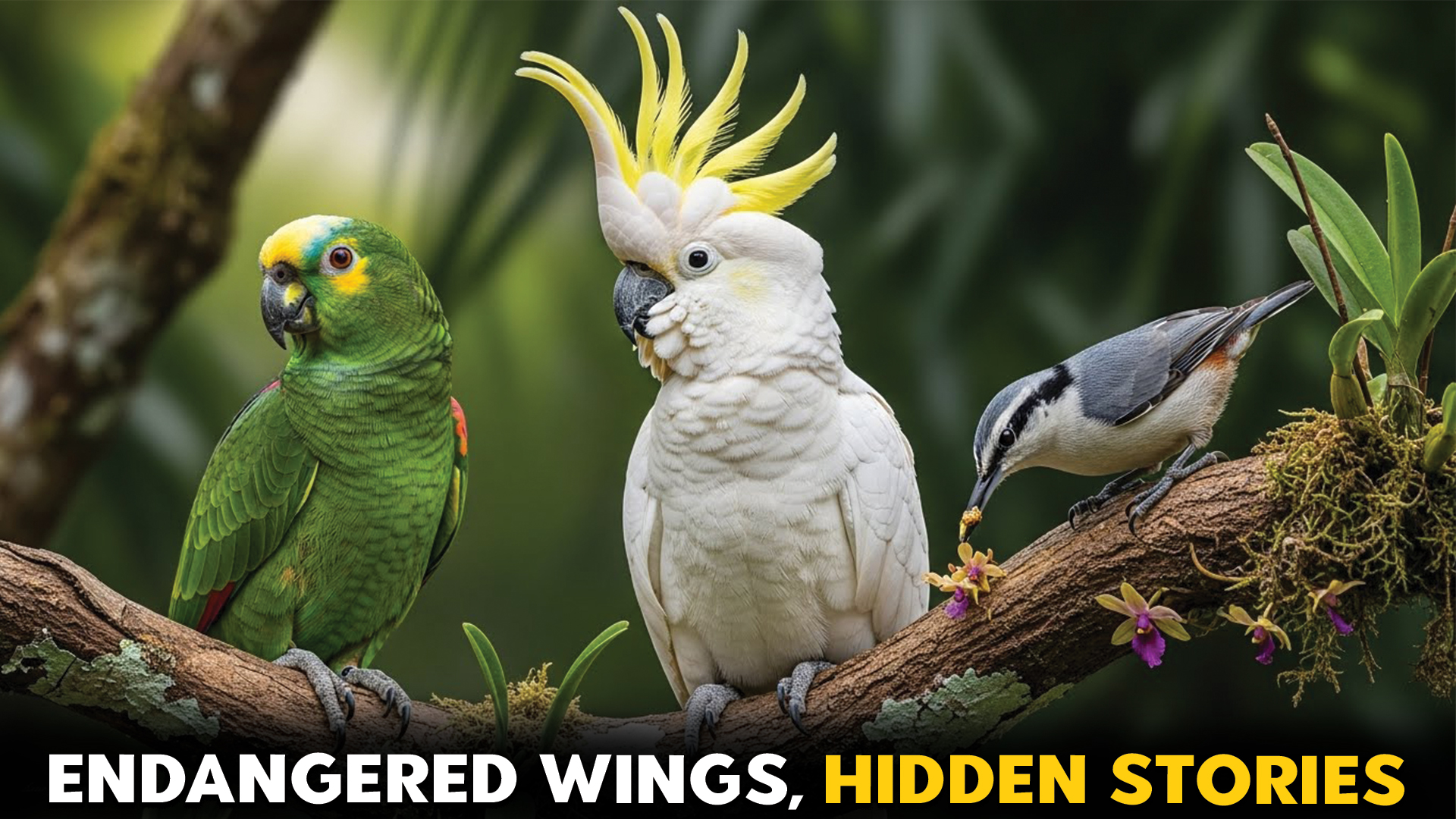
Take a moment to really think about this: the sky hasn’t always sounded the same. Around the world, bird songs are growing quieter—not because we’re imagining it, but because many birds are disappearing faster than ever before.
Scientists estimate that bird populations have declined by billions globally over the past few decades, making birds some of the clearest warning signs of a planet under pressure.
Today, there are over 10,000 bird species on Earth, from powerful fliers to tiny, delicate wonders. Yet hundreds of them are now fighting for survival. Habitat loss, deforestation, climate change, illegal wildlife trade, and human expansion are pushing many birds toward extinction—often faster than conservation efforts can keep up.
In this article, we’ll take a closer look at some critically endangered species, explore why they’re at risk, and highlight the bird conservation efforts being made to protect them.
Key Takeaways
Find out why birds like the California condor and kakapo are disappearing fast.
See how habitat loss and illegal trade threaten some of the rarest birds.
Discover the conservation wins helping species like the African grey parrot.
Learn what’s endangering the Siberian crane and spoon-billed sandpiper—and how they’re being saved.
Endangered Birds You Should Know About
1. California Condor
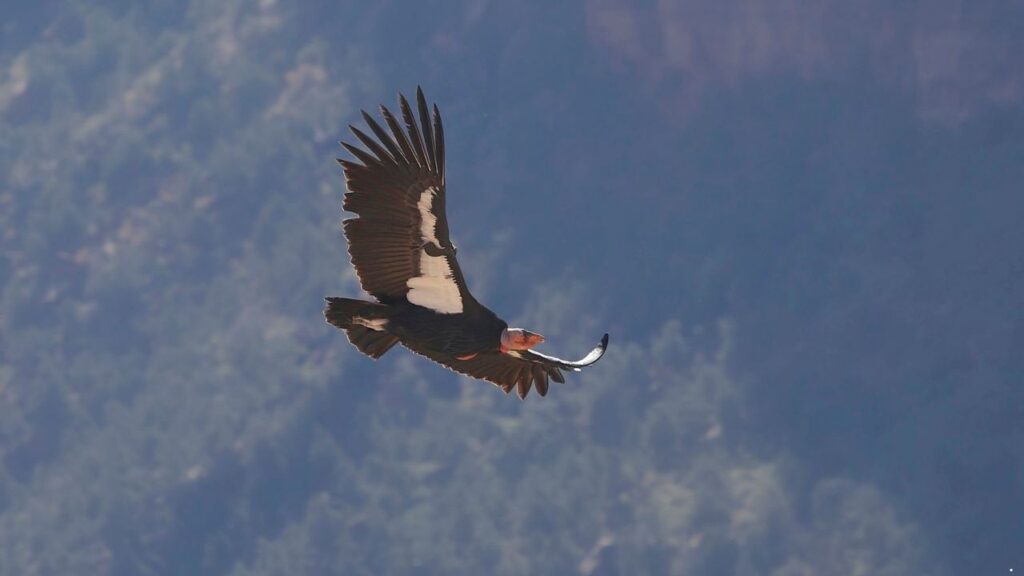
The California condor is one of the rarest and largest known wild birds in North America. Once widespread along the US West Coast, its range stretched from Vancouver to Mexico.
Today, it survives in just two small wild populations—one in California and one in northern Arizona. The species faced near extinction in the 1970s and 1980s, when only a handful of individuals remained in the wild.
According to the National Audubon Society, the biggest threat to the California condor has long been lead poisoning. This happens when birds ingest bullet fragments left in animal carcasses by hunters.
One study showed that one-third of condors had toxic lead levels in their blood. Other dangers have also harmed the species over time:
Lead poisoning from spent ammunition
Pesticides such as DDT
Ingesting trash
West Nile virus
When last assessed in 2020, researchers recorded only 93 condors left in the wild. Overall numbers remain very low. Estimates mention around 400 specimens worldwide, while long-term recovery efforts have helped push total numbers to over 500 through captive breeding.
Thanks to programs like the California Condor Recovery Plan and support from conservation groups, the IUCN reports that the population is slowly increasing—offering rare but real hope for this iconic bird’s future.
2. Kakapo
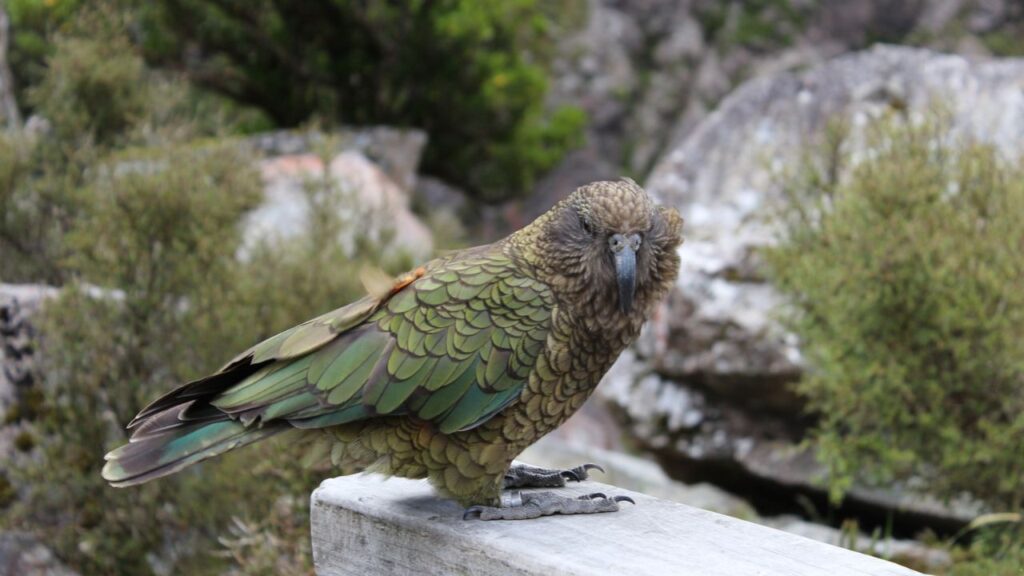
The kākāpō, also known as the owl parrot, is one of the most unusual endangered birds you should know about. It is nocturnal, flightless, and found only in southern New Zealand.
Long before humans arrived, kākāpō were widespread across the country. Today, they survive only in carefully protected locations, making them one of the world’s rarest birds.
The species declined rapidly due to hunting, land clearance, and invasive predators. Animals such as cats and stoats, introduced for hunting, proved devastating. By the mid-1900s, the kākāpō was close to extinction. Major threats still affect the species:
Predation by invasive animals
Low hatching success
Disease outbreaks
Limited predator-free habitat
The kākāpō is a taonga species for Ngāi Tahu, the principal Māori iwi of southern New Zealand, as mentioned by the Department of Conservation. Today, there are 236 kākāpō alive, all living in the wild on protected offshore islands or within a fenced mainland sanctuary.
Conservation is led by Kākāpō Recovery, which has seen important successes using innovative methods.
While unlikely, experts cannot fully rule out the possibility of a few remaining birds surviving in remote areas such as Fiordland or Stewart Island/Rakiura—adding a small note of hope to this fragile story.
3. Spix’s Macaw
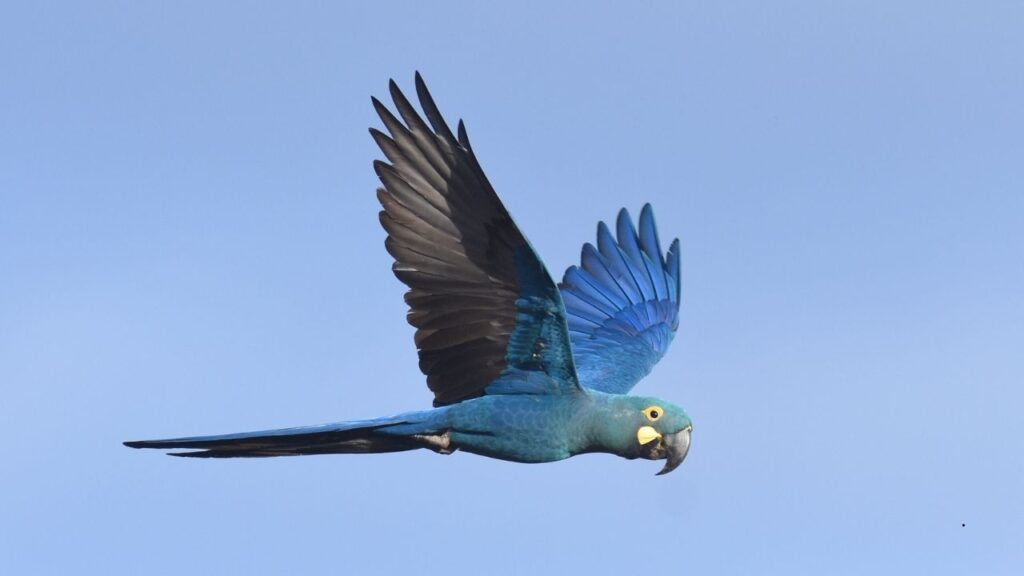
Spix’s macaw was once declared extinct in the wild after the last known individual disappeared. Its rapid decline shocked conservationists and highlighted how quickly human activity can erase a species.
The bird’s population collapsed due to habitat loss and illegal trapping for the pet trade. As forests were destroyed and birds were captured, numbers dropped beyond recovery in the wild. These pressures continue to threaten the species today:
Habitat destruction
Illegal wildlife trade
Although still critically endangered, Spix’s macaw has seen rare conservation success. Captive breeding programs have helped bring the species back from the brink and keep it from total extinction. However, survival remains fragile, and long-term recovery depends on continued protection and conservation efforts.
4. African Grey Parrot
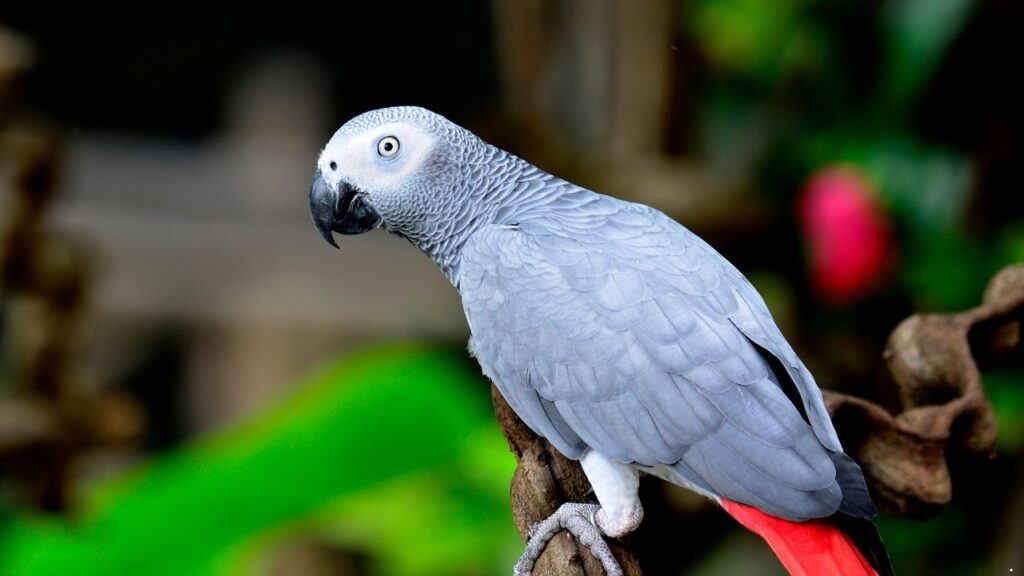
Native to Central and West Africa, the African Grey Parrot has suffered a sharp population decline over recent decades. Despite international protections, it remains under constant threat in the wild.
The biggest danger facing African grey parrots is illegal trapping for the exotic pet trade. Their remarkable intelligence and ability to mimic human speech make them highly desirable and profitable for traffickers. Other major threats include:
Illegal trapping and trafficking
Habitat loss due to deforestation
African grey parrots can live 60 to 80 years, similar to humans. This long lifespan makes them unsuitable as pets, as many are rehomed multiple times, causing severe stress and trauma.
Although imports have been banned in the US since 1992 and the EU since 2007, the species is still considered the most heavily traded wild bird in the world, showing how urgent stronger conservation efforts remain.
5. Great Indian Bustard
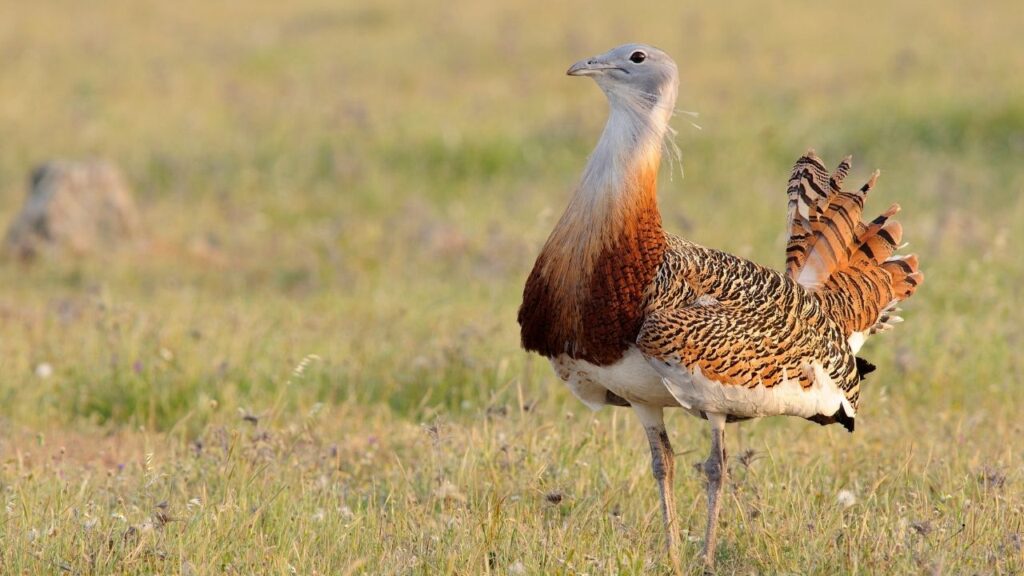
The Great Indian Bustard is one of the most critically endangered birds you should know about. Once common across large parts of the Indian subcontinent, its population has declined at an alarming rate. Today, only a very small number survive in the wild, making it one of the rarest birds in the region.
The species has been pushed toward extinction mainly due to habitat loss. Grasslands where it once thrived have been converted for farming, development, and infrastructure. Another major threat is collision with overhead power lines, which has caused fatal injuries to many birds. Key threats include:
Loss of grassland habitat
Expansion of agriculture and development
Collisions with power lines
Despite its critical status, conservation efforts are underway to protect the remaining population. Measures such as habitat protection, breeding programs, and reducing power line threats are being explored.
The Great Indian Bustard now stands as a powerful reminder of how quickly human activity can endanger even the most iconic species.
6. Yellow-eyed Penguin
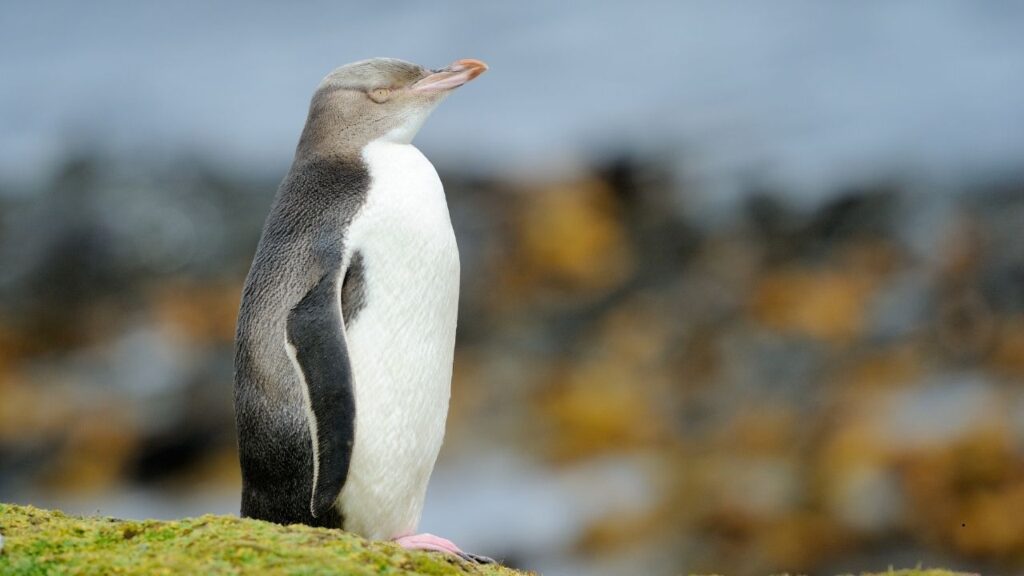
The yellow-eyed penguin is among the rarest penguins in the world. Native to New Zealand, it lives along the country’s southern coastline, far north of the Antarctic region. Once more widespread, its population has declined sharply, placing it among the most threatened penguin species today.
The biggest dangers to this species come from habitat loss and introduced predators. Animals such as feral cats, stoats, ferrets, and dogs—brought by humans—pose a serious threat, especially to nesting birds. Other major pressures include:
Habitat destruction
Land predators
Increased tourism near nesting sites
Tourism has added another layer of risk by causing high stress levels in breeding penguins. Frequent human presence leads to lower breeding success and weaker chicks that struggle to survive.
Climate warming has also increased disease rates, including avian malaria and avian diphtheria. Conservation efforts by groups such as Otapahi Reserve and Dunedin Wildlife Hospital are working to protect this species, but its future remains uncertain without continued action.
7. Siberian Crane
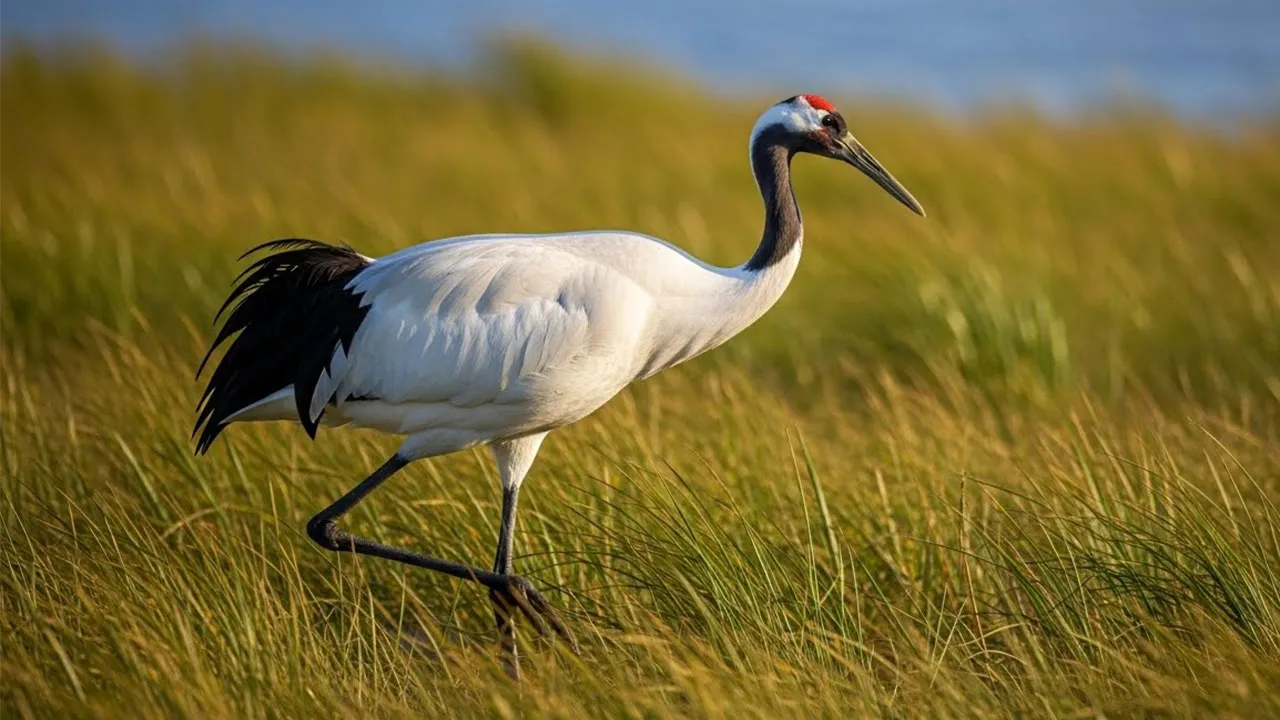
The Siberian crane is known for its long migrations and strong connection to wetlands. Once found across a wide range of northern Asia, its population has declined dramatically. Today, the species survives in only a few remaining groups, making it critically endangered.
The International Crane Foundation says that the main threat to the Siberian crane is habitat loss, especially the destruction of wetlands along its migration routes.
These birds depend on specific stopover sites to rest and feed. When wetlands are drained or altered, survival becomes difficult. Other major threats include:
Loss and degradation of wetlands
Human disturbance along migration routes
Hunting in some regions
Despite its fragile status, conservation efforts are ongoing. International cooperation has played a key role in protecting breeding and wintering grounds. While some populations have disappeared entirely, continued protection offers hope that this elegant bird can still be saved from extinction.
8. Spoon-Billed Sandpiper
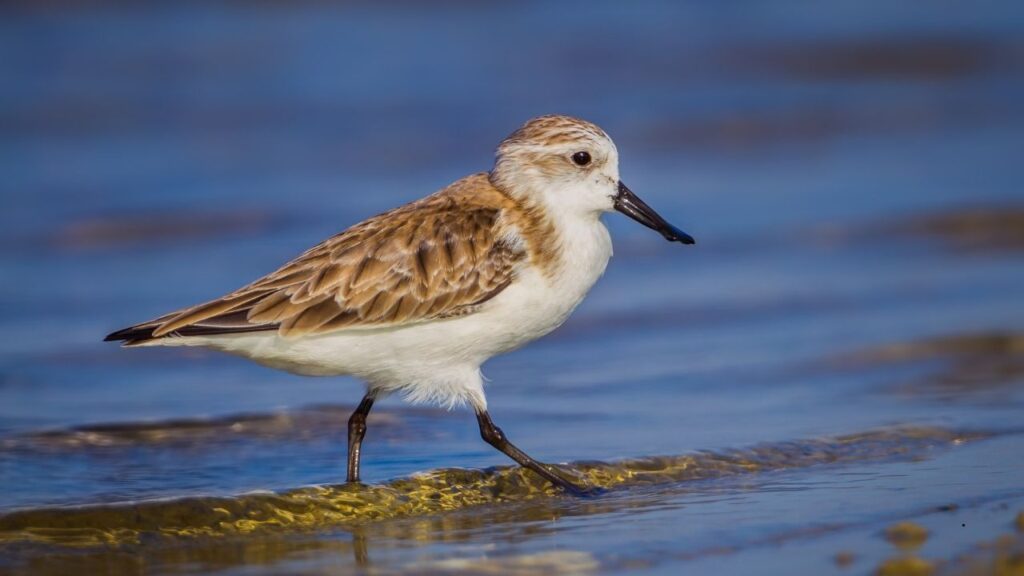
The spoon-billed sandpiper is a small wading bird that is easily recognized by its distinctive spoon-shaped bill, which helps it forage in shallow waters.
Sadly, the spoon-billed sandpiper’s population has plummeted over recent decades. The main cause is habitat loss, especially the destruction of vital wetlands and tidal flats.
These areas are being lost to coastal development, land reclamation, and pollution. Without these habitats, the birds struggle to find food and safe places to breed. Other threats include:
Ongoing destruction of breeding and migratory habitats
Increased human disturbance along migration routes
Pollution and climate change are impacting wetland ecosystems
Because the species is so rare, even small habitat changes have a huge impact. Conservationists are actively working to protect and restore key wetland sites. International partnerships also focus on monitoring populations and reducing threats during migration.
While the spoon-billed sandpiper’s future remains fragile, these combined efforts offer hope that this unique and beautiful bird can survive and recover.
9. Javan Hawk-Eagle
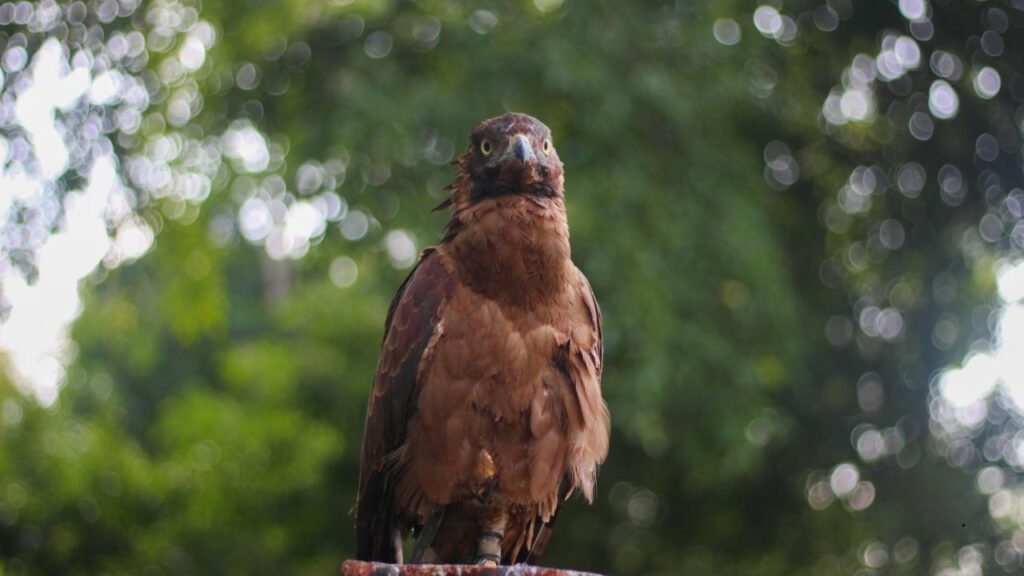
The Javan hawk-eagle is native only to the island of Java in Indonesia. It is famous for its elegant crest and powerful hunting skills, making it a symbol of the island’s rich wildlife.
Unfortunately, the Javan hawk-eagle faces serious threats from habitat degradation. Java’s forests are rapidly shrinking due to logging, agriculture, and human development.
This leaves the eagle with fewer places to live and hunt. Other dangers include illegal capture for the pet trade, as these magnificent birds are highly prized by collectors.
Key threats to the Javan hawk-eagle include:
Deforestation and habitat destruction
Illegal trapping and wildlife trade
Limited range restricted to Java Island
Conservation efforts focus on protecting forest habitats and preventing illegal trade. The Javan hawk-eagle is a national symbol of Indonesia, which helps raise awareness and support for its survival. Still, urgent action is needed to ensure this elegant predator remains part of Java’s natural heritage.
Conclusion
Many birds on the endangered species list face serious threats from invasive and introduced species, illegal hunting, and the illegal pet trade. Habitat loss has pushed many huge birds and other threatened birds to the brink, making habitat restoration and protection more important than ever.
Conservation organizations and wildlife services have been working tirelessly for over a century to help preserve vulnerable bird populations and support local communities in protecting nature.
The future of these amazing birds depends on continued efforts to increase population numbers and prevent further declines.
Confirmed sightings and monitoring give hope, but it’s clear that preserving these species is essential—not just for future generations but for the health of our planet as a whole. Together, we can help ensure that these birds remain a living part of our world.
