




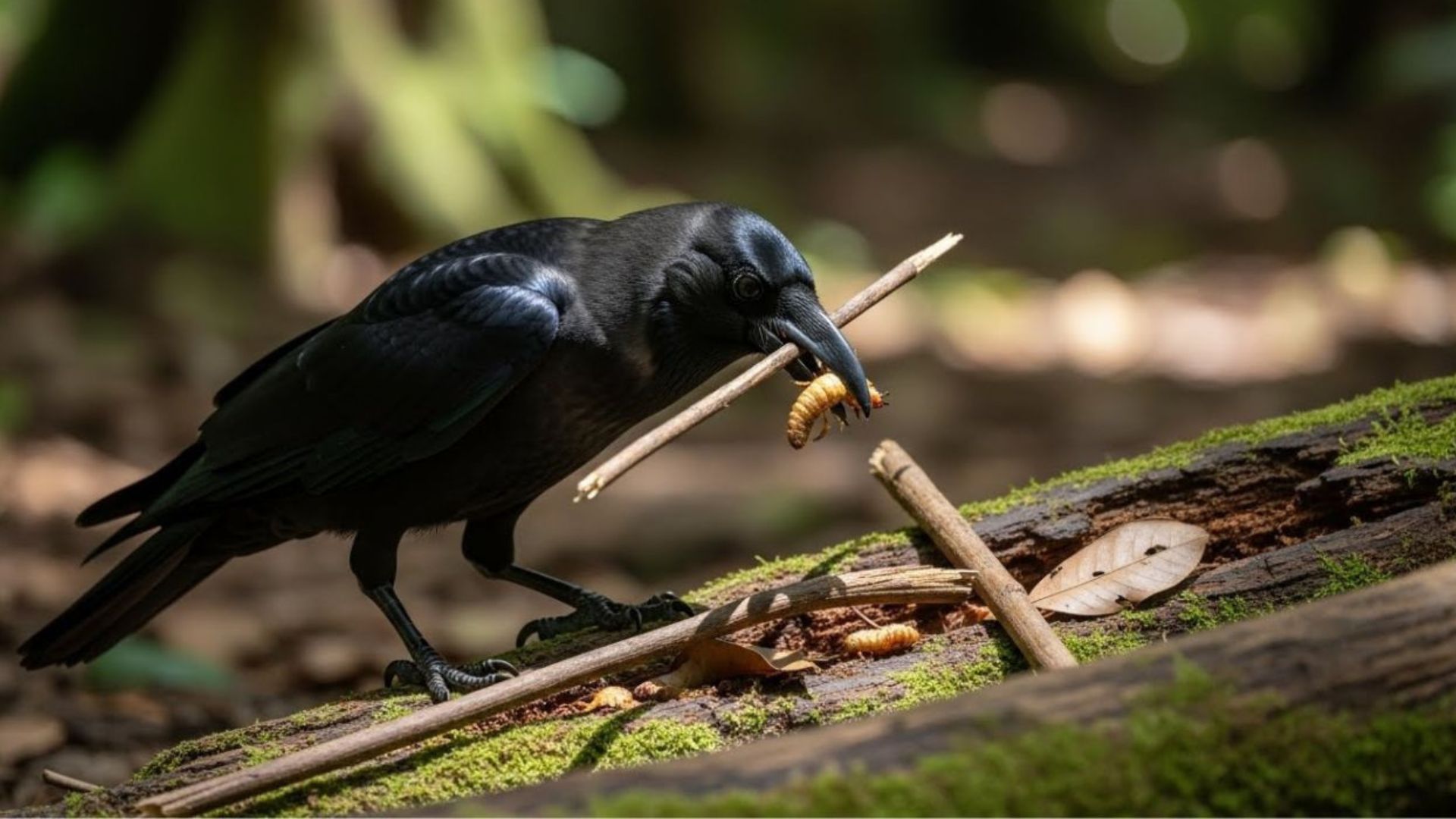
We usually think of birds as simple creatures that just fly and sing, but some of them are surprisingly clever when it comes to finding food. Believe it or not, certain birds actually use tools — just like humans do — to help them catch or gather their meals.
Whether it’s twisting a twig or using a leaf, these birds show a level of creativity and problem-solving that might surprise you!
For a long time, scientists thought that tool use was something only a few mammals, like apes or elephants, could do. But over the years, research has shown that many birds are just as smart in this way.
In fact, the National Wildlife Federation mentions that at least 33 different bird families have been spotted using tools in the wild. That means tool use is far more common among birds than most people realize!
In this article, we’ll explore some of the coolest examples of birds using tools to get food, and you might just see birds in a whole new light!
Key Takeaways
See how New Caledonian Crows and Woodpecker Finches craft tools to grab hard-to-reach food.
Discover how Egyptian Vultures and Green Herons use stones and bait to catch meals.
Explore how Ravens and Goffin’s Cockatoos solve problems like true bird geniuses.
Uncover how birds use creativity and learning—not just instinct—to survive and thrive.
Birds That Use Tools to Get Food
1. New Caledonian Crow
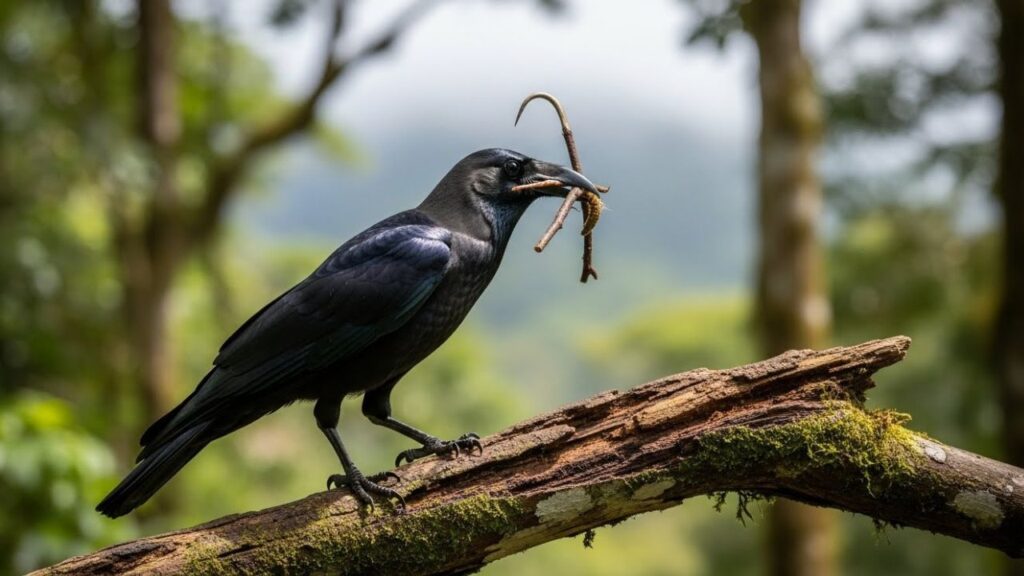
The New Caledonian Crow is one of the most fascinating birds when it comes to intelligence and problem-solving.
Found only on the islands of New Caledonia in the South Pacific, these medium-sized black crows are not just clever toolmakers — they are also highly adaptable and resourceful in their forest environment.
How They Use Tools
These crows are famous for crafting and using a variety of tools to extract insects from hard-to-reach places. They fashion hooked sticks and leaf stems into specialized tools that allow them to probe deep into tree bark and crevices.
Remarkably, they sometimes use one tool to retrieve another, showing complex thinking. Young crows learn these skills by watching adults, which helps pass down tool-making traditions through generations.
Behavior and Habitat
New Caledonian Crows live in dense forests and rely on their intelligence to survive in a habitat where food can be hidden and hard to find. They are social birds, often seen foraging in pairs or small groups.
Besides using tools, they have a varied diet including fruits, seeds, and small animals. Their strong problem-solving abilities make them one of the most adaptable birds in their ecosystem.
2. Woodpecker Finch
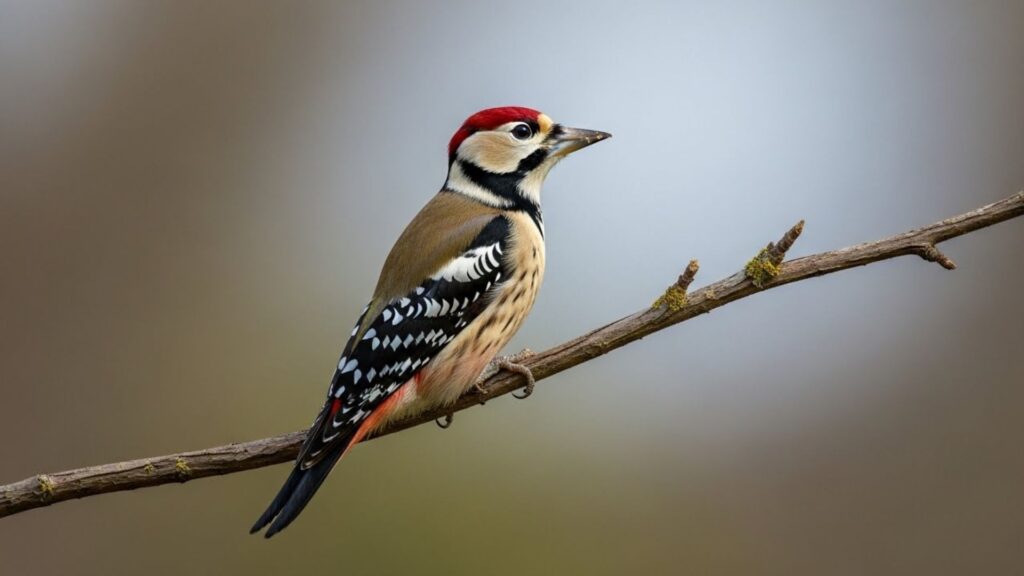
The Woodpecker Finch is a small bird native to the Galápagos Islands, famous for its unique behavior among finches.
Unlike most birds that rely solely on their beaks, the Woodpecker Finch forages for food hidden in tough places using tools. Living in an environment where resources can be scarce, the Woodpecker Finch has evolved remarkable skills to survive.
How They Use Tools
Woodpecker Finches use small twigs or cactus spines as tools to pry insects and larvae from cracks in tree bark or volcanic rocks.
They carefully select and shape these tools to suit their needs, often modifying them by trimming or sharpening before use. This skillful use of tools helps them retrieve food sources that other birds can’t, giving them a distinct advantage.
Behavior and Habitat
Birds of the World mentions that these finches are well adapted to the arid and rugged Galápagos environment. They are territorial and often forage alone or in pairs.
Their diet consists mainly of insects, but they are opportunistic feeders and will eat seeds and fruits as well. Their tool use is a key survival strategy in the challenging island habitat where competition for food is high.
3. Egyptian Vulture

The Egyptian Vulture is a medium-sized bird of prey found across parts of Europe, Africa, and Asia. Known for its striking white plumage with black flight feathers, this vulture stands out not only for its looks but also for its impressive intelligence.
It thrives in diverse habitats ranging from deserts to open savannas, often relying on scavenging for food.
How They Use Tools
One of the most famous behaviors of the Egyptian Vulture is its ability to use stones to break open large eggs, such as those of ostriches.
They pick up rocks in their beaks and throw them onto the eggs until the shells crack, allowing them to access the nutritious contents inside. This tool’s use is a remarkable display of problem-solving and adaptability in the wild.
Behavior and Habitat
Egyptian Vultures are highly opportunistic feeders, often following other predators to scavenge leftovers or hunting small animals themselves.
They are known to travel long distances in search of food and nesting sites. Socially, they can be found alone or in small groups, and they build nests on cliffs or in rocky outcrops.
4. Green Heron
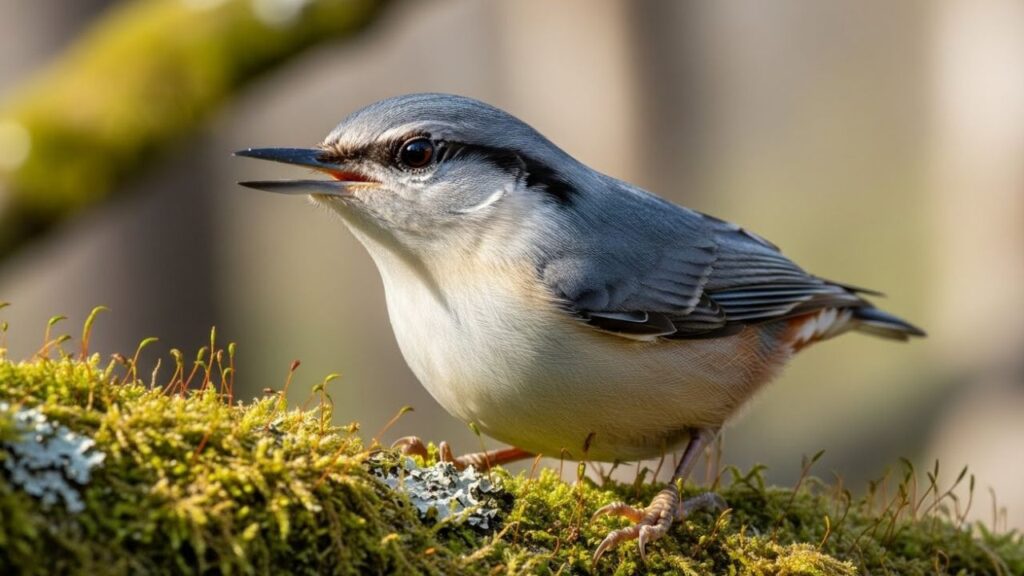
The Green Heron is a small, stocky bird found throughout much of North and Central America. Known for its striking greenish-black cap and chestnut body, this heron is a skilled hunter in wetlands, rivers, and coastal areas.
Beyond its beautiful appearance, the Green Heron is notable for its clever fishing techniques, including the use of tools.
How They Use Tools
Green Herons are one of the few bird species known to use bait as a fishing tool. They carefully drop objects like insects, feathers, or small twigs onto the water’s surface to lure curious fish close enough to catch.
This behavior requires patience and precision, as the heron waits quietly for a fish to bite the bait before striking. Such tool use demonstrates impressive cognitive skills in hunting.
Behavior and Habitat
Houston Audubon says that Green Herons are usually solitary birds, relying on stealth and surprise to capture prey such as small fish, amphibians, and insects.
They prefer shallow waters with plenty of cover and are often seen standing motionless before quickly snapping up prey. Their adaptability allows them to thrive in diverse wetland environments across a wide geographic range.
5. Brown-headed Nuthatch
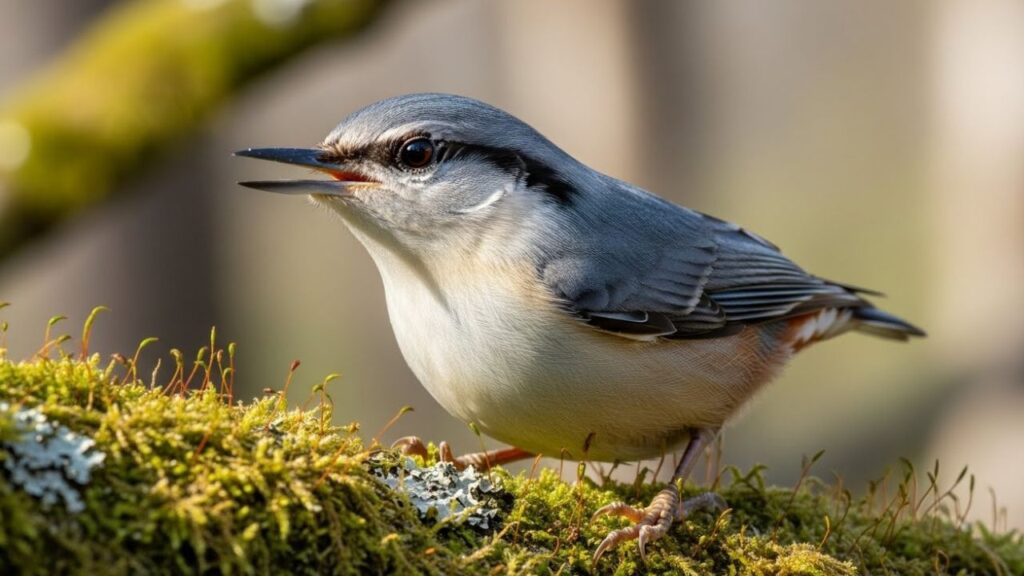
The Brown-headed Nuthatch is a small songbird native to the southeastern United States, easily recognized by its brown cap and white cheeks.
Despite its modest size, this bird is known for its remarkable problem-solving skills and ability to use tools in feeding, making it an intriguing subject for bird enthusiasts and scientists alike.
How They Use Tools
Brown-headed Nuthatches use small sticks and bark fragments as tools to pry insects out of tree bark and crevices.
They are skilled at selecting just the right size and shape of tool, and will often modify their tools to improve their effectiveness. This behavior allows them to reach hidden prey that would otherwise be inaccessible.
Behavior and Habitat
These nuthatches live in pine forests and are highly social, often seen foraging in small groups. They have a varied diet that includes insects, seeds, and nuts. Their ability to use tools adds an important dimension to their feeding strategy, especially during winter months when insects are less abundant.
6. Goffin’s Cockatoos
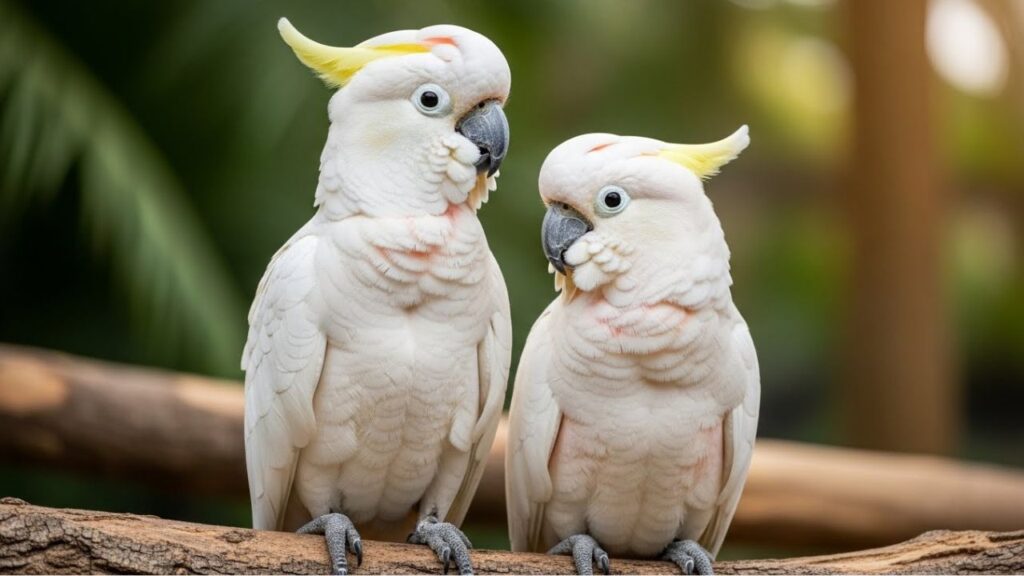
Goffin’s Cockatoos are medium-sized parrots native to the Tanimbar Islands in Indonesia. Known for their striking white feathers and expressive crests, these birds are not only social and playful but also incredibly intelligent.
In captivity and the wild, Goffin’s Cockatoos have amazed researchers with their ability to solve complex problems using tools.
How They Use Tools
These cockatoos are known to use sticks, leaves, and even their own feathers as tools to access food or manipulate objects. They can figure out how to unlock cages or extract treats by using sticks as probes or levers.
Experiments have shown that Goffin’s Cockatoos can plan multi-step sequences involving tools, demonstrating advanced reasoning skills beyond simple trial and error.
Behavior and Habitat
Goffin’s Cockatoos live in tropical forests and spend much of their time exploring their environment. They are highly social birds that engage in playful behavior, often experimenting with objects around them.
Their natural curiosity drives their impressive ability to learn and adapt, which is crucial for survival in a complex forest habitat.
7. Raven
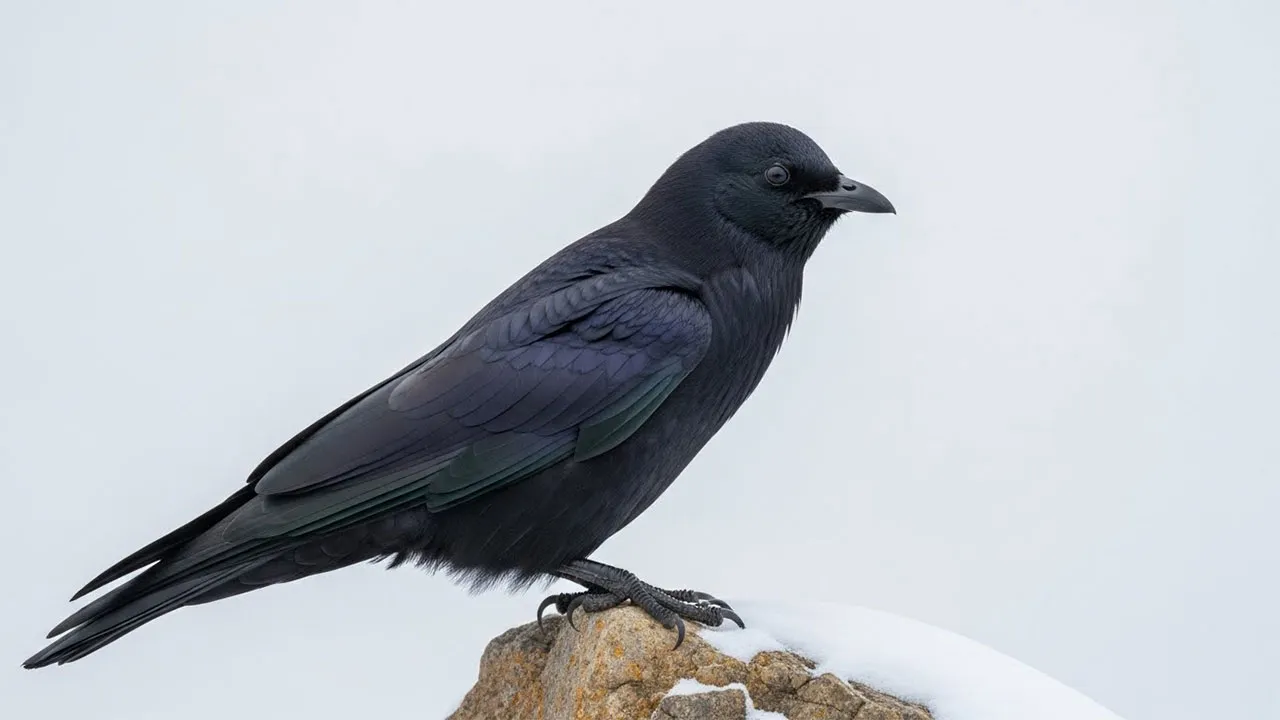
Ravens are large, black birds found across much of the Northern Hemisphere. Known for their intelligence and adaptability, ravens thrive in diverse environments ranging from forests to deserts. Their ability to solve problems and use tools puts them among the smartest birds in the world.
How They Use Tools
BTO states that Ravens use sticks, stones, and other objects as tools to access food. For example, they have been observed using sticks to extract insects from tree bark or using rocks to crack open nuts.
Ravens also display remarkable problem-solving skills, such as dropping nuts onto roads for cars to crack or using one tool to obtain another.
Behavior and Habitat
Highly social and curious, ravens often work together and learn from each other. They have a varied diet that includes insects, small animals, carrion, and even human food scraps.
Their adaptability allows them to survive in a wide range of habitats, from mountains to urban areas, where their intelligence serves them well.
Conclusion
Birds that create tools showcase remarkably complex cognitive ability, proving that a “bird brain” can be incredibly smart. Whether fashioning twigs into hooked tools or crafting straight wire-like sticks, these birds carefully select and modify plant material and other small pieces to create tools with proper dimensions.
This tool manufacturing allows them to extract grubs from tree trunks, attract hungry fish successfully, demonstrating a sophisticated sense of how to complete a task.
What’s truly fascinating is how some species even create compound tools, combining multiple items to solve problems more effectively. This behavior highlights that tool use is not limited to just a few animals but is an impressive skill found throughout the animal world.
By observing birds creating tools, we gain insight into their intelligence and how they adapt by making and using materials in clever ways to survive and thrive.
