




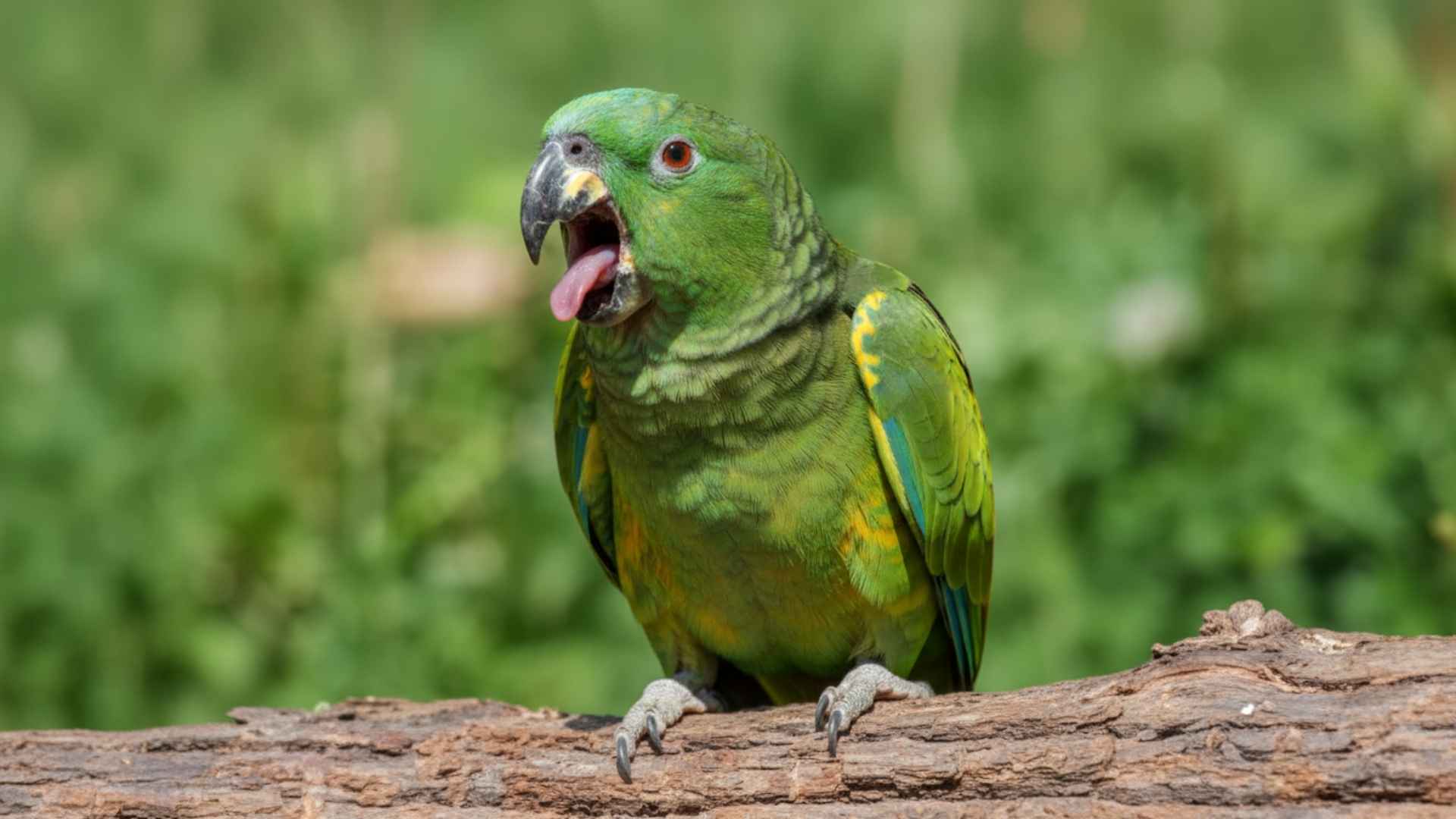
Birds are captivating creatures that use sound as a primary way to communicate. Their interactions go far beyond simple chirping. Through different sounds, birds share information, establish territory, attract mates, and warn others of danger.
Birds are capable of producing many different sounds, and each one serves a purpose. A single bird can create multiple sounds depending on the situation. Many birds have a sound repertoire that includes songs and calls used to send specific messages.
Some bird species are even able to produce two sounds at the same time, allowing them to create complex and recognizable vocal patterns. These abilities show how advanced and intentional bird communication truly is.
Different species of birds communicate via a wide range of sounds, each with its own meaning. These include singing, calls, squeaks, squawks, gurgles, warbles, trills, rattles, clicks, croaks, drums, whistles, honks, and many others.
These sounds help birds stay connected with others of the same species and beyond. With careful listening, people can begin to recognize birds in their surroundings by sound alone.
Birds That Use Sound to Communicate
1. Nighingale

The nightingale is one of the most celebrated songbirds in the world, known for its strong, expressive, and musical voice. It is often heard more than it is seen, as it prefers to stay hidden in dense vegetation.
The nightingale sings during the day, but it is especially famous for singing at night. During spring and early summer, its song carries clearly through the quiet darkness, making it stand out among other birds.
The Role of Sound in Nightingale Communication
Nightingales use sound mainly to communicate with other birds.
Their songs help establish territory and attract mates.
Only males are known for regular night singing.
Their vocal performances include whistles, trills, warbles, and gurgling notes.
Each bird has a varied and impressive sound repertoire.
According to Songbird Survival, the nightingale’s voice has inspired poets, writers, and artists for centuries. Its song is often used as a symbol of love, beauty, emotion, and creativity.
Across literature, the nightingale is praised not for how it looks, but for how it sounds. This lasting cultural impact highlights just how powerful and meaningful bird communication through sound can be.
2. Parrot
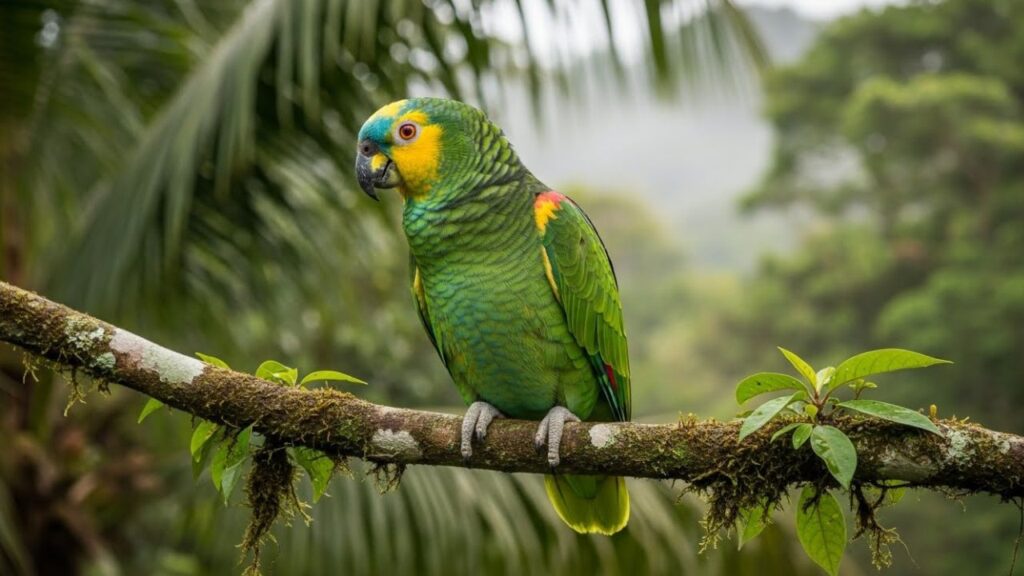
Parrots are well known for their ability to mimic sounds, including human speech. This skill comes from their strong ability to learn by listening. Parrots do not only rely on natural calls. Instead, they copy sounds they hear in their surroundings.
They use a special vocal organ that allows them to control pitch, tone, and volume with great precision. This helps them reproduce a wide variety of sounds clearly and accurately.
The Role of Sound in Parrot Communication
Parrots use sound to communicate and bond with their social group.
Mimicking sounds helps them fit in and stay connected with others.
They often copy sounds they hear often or sounds that get strong reactions.
Some parrots link specific sounds to events or situations.
Vocal play also provides mental stimulation and engagement.
Parrots do not understand language the way humans do, but they can use sounds in meaningful ways. Their ability to mimic shows intelligence, social awareness, and adaptability.
Through sound, parrots express attention, excitement, and social connection, making them one of the most vocal communicators in the bird world.
3. Crow
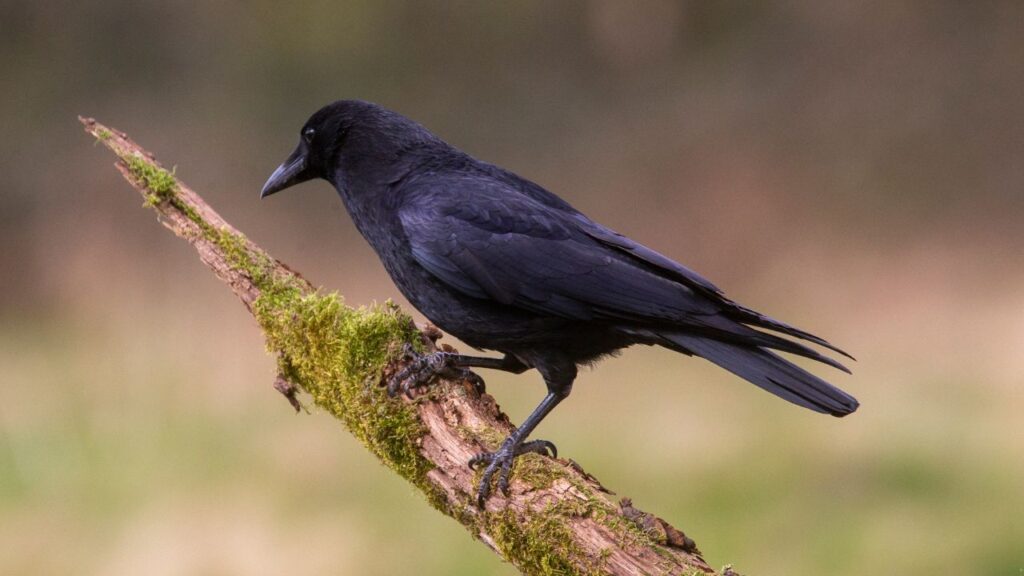
Crows are highly intelligent birds with a wide and varied vocal range. They use sound as a key part of their daily communication.
Crows produce many types of noises, including loud calls, rattles, clicks, and softer murmuring sounds. These vocal signals help them interact with others and respond to changes in their environment.
The Role of Sound in Crow Communication
Crows use different calls to warn others of danger.
Loud sounds often signal threats or alert nearby group members.
Softer sounds are used during close social interactions.
Vocal signals help maintain strong social bonds within groups.
Some crows can mimic sounds they hear around them.
Crow communication is flexible and learned over time. They adjust their sounds based on context and experience. This shows that crow vocalizations are not random, but purposeful and meaningful. Their complex use of sound highlights how advanced bird communication can be.
4. Owl
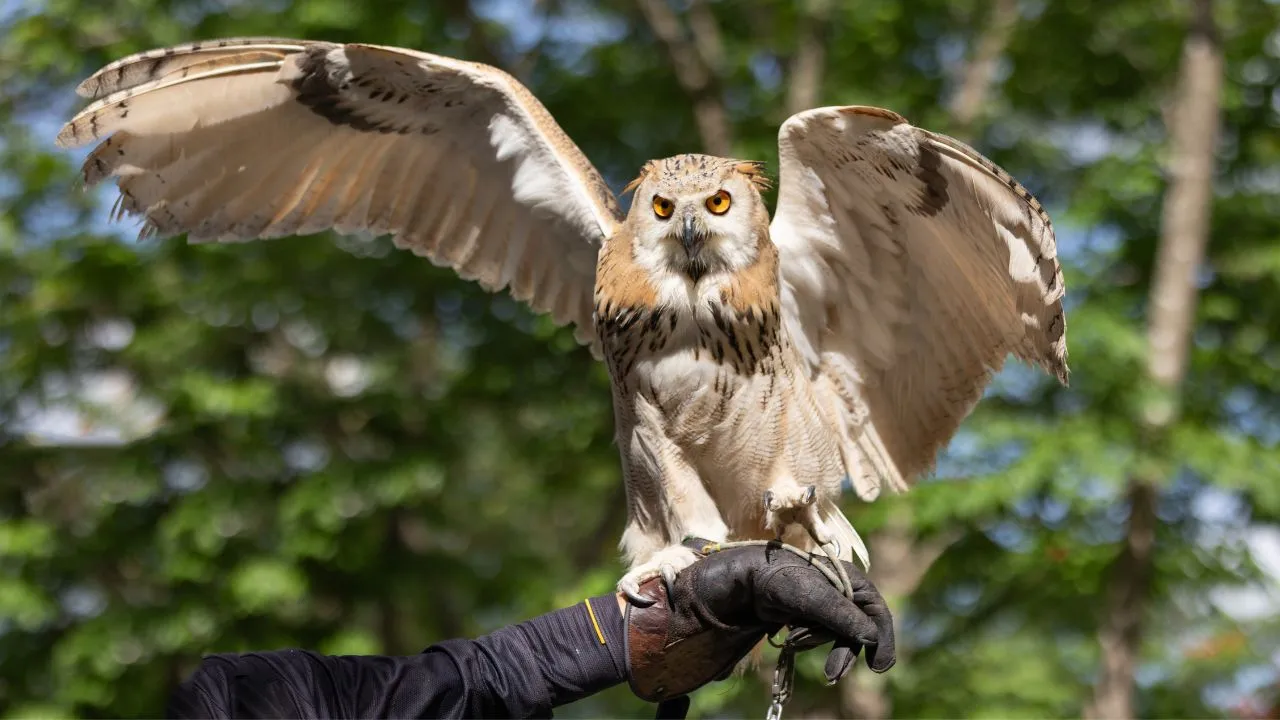
Owls are known for their haunting and distinctive sounds, which play an important role in communication. Most owl vocalizations are heard at night, making them mysterious to many people. Owls do not rely on just one sound.
Their vocal range includes hoots, whistles, screeches, barks, hisses, and trills. These sounds help owls claim territory, attract mates, warn of danger, and stay connected with family members in the dark.
The Role of Sound in Owl Communication
Hoots are commonly used to mark territory or attract a mate.
Whistles and trills are softer sounds used between mates or young.
Screeches are sharp calls often linked to distress or warning.
Barks and hisses signal alarm or defense.
Each owl species has its own unique calling pattern.
Owl communication is varied and purposeful. Some species produce deep rhythmic hoots, while others make unexpected sounds that may surprise listeners. These vocal signals help owls navigate their nighttime world and communicate effectively when visibility is low.
5. Peacock
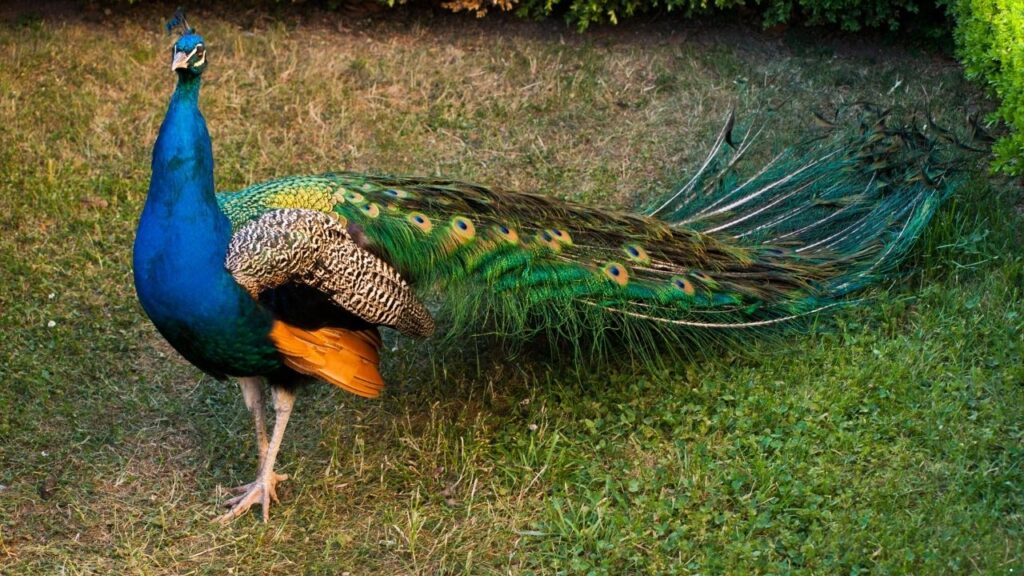
Peacocks are highly vocal birds, especially during the breeding season. Their calls are loud, clear, and meant to be heard from far away.
These sounds help peacocks attract mates, signal dominance, and alert others to danger. Vocal communication plays a major role in how peacocks interact within their social groups.
The Role of Sound in Peacock Communication
Loud calls help attract females during courtship.
Honking sounds may signal presence or warn rivals.
Rattling noises are made during display movements.
Sharp calls can alert others to potential threats.
Both males and females use sound to communicate.
Peacock sounds are bold and expressive, matching their confident behavior. These vocal signals support social interaction, mating displays, and group awareness. Together, their calls show how sound is a powerful communication tool in the bird world.
6. Canary
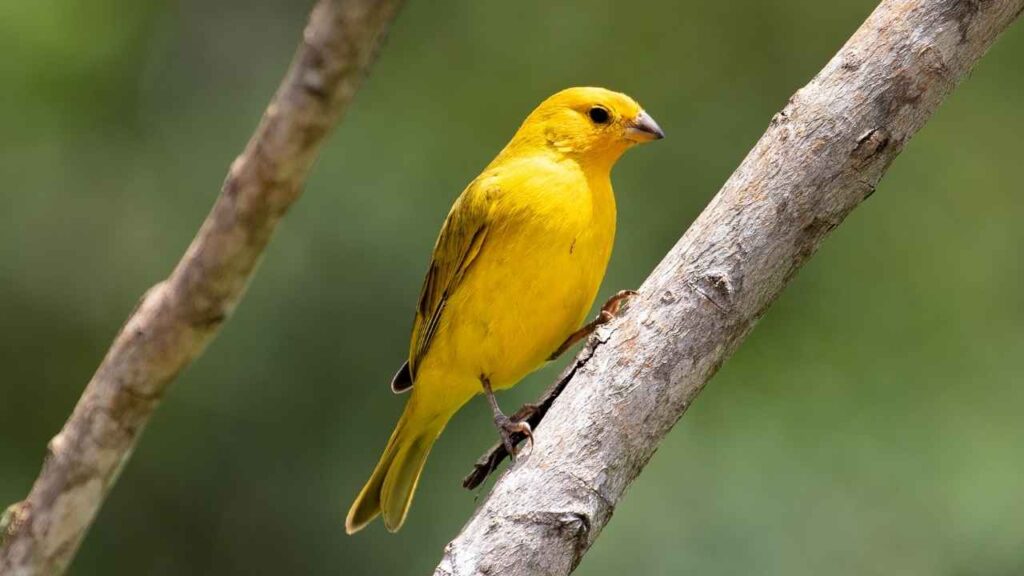
The canary is one of the most beloved songbirds, especially prized for its beautiful singing. These small birds produce clear, high-pitched chirps, tweets, warbles, and trills that create a melodious soundscape.
PetMD mentions that male canaries are usually the most vocal and sing to attract females or mark territory. Their songs are often soft and pleasant, with patterns that vary in rhythm and tone.
Canaries do not sing just for fun — their vocalizations evolved as a way to communicate with others and express their presence.
The Role of Sound in Canary Communication
Songs are extended melodic sequences used for courtship and territory.
Chirps are short, high notes often heard when the bird is content or lively.
Trills are rapid, musical runs through different pitches.
Warbles are smooth, flowing sound patterns that show excitement or well-being.
Whistles and tweets add richness to the canary’s sound repertoire.
Canary songs vary widely between individuals and breeds, with some singing softer melodies and others using richer or louder tones. Their vocal range includes complex whistles and combinations of notes. Listening to a canary can bring a lively, cheerful atmosphere wherever you hear it.
7. Robin

Robins are active communicators, using a variety of sounds to express different messages. Their vocal repertoire includes melodic songs and sharp calls. The robin’s song is usually a series of clear, high-pitched notes that rise and fall in pattern.
This song is often heard at dawn or dusk, especially during the breeding season. Robins sing primarily to defend their territory and attract mates, as mentioned by the
The Role of Sound in Robin Communication
Melodic songs are rich sequences used for territorial defense and attracting mates.
Short calls like “tut” or “tic” are quick warnings when the bird is alert or disturbed.
Alarm calls are repetitive, sharp sounds signaling nearby danger.
Contact chirps are gentle calls used to stay in touch with family or group members.
Begging calls are high-pitched sounds used by chicks to request food.
Robins use sound constantly throughout the day. Their calls help them stay alert to predators, maintain social bonds, and protect their space. By listening closely, you can start to understand the meaning behind their varied vocalizations.
Conclusion
Bird songs are an important part of how most birds communicate, not just within their own kind but also with other bird species and even other animals.
In your own backyard or out in the forest, you can hear different types of bird songs and contact calls that serve many purposes—from signaling food sources to coordinating with a flock while flying.
These vocal airs, combined with visual displays like the flutter of wings or the arrangement of feathers and nests, create a complex language that helps birds survive and thrive.
The dawn chorus is a perfect example of this natural symphony where many species join in, each with their own sounds. Whether they are little birds raising their young or larger species searching for food, their calls bring wildlife to life and sometimes allow interspecies communication.
Understanding these different bird songs and behaviors helps us appreciate the diversity and complexity of birds in the wild and close to home.
