




Have you ever thought about how important sleep is? We humans spend about one-third of our lives catching those precious zzz’s because it helps our bodies and brains recharge.
Missing out on a good night’s sleep can leave us groggy, slow, and just not ourselves. But here’s a mind-blowing question: what if you could keep moving nonstop for months and still manage to sneak in some sleep? Sounds impossible, right?
Believe it or not, some birds have cracked this incredible code. They can literally sleep while flying! This amazing ability lets them stay on the wing for hundreds of days without ever landing — all while resting just enough to keep going.
Scientists call this “unihemispheric sleep,” where one half of the brain takes a power nap while the other half stays alert. It’s like their brain is running on a split shift!
So, how do they pull this off? And what can we learn from these airborne sleep champions? Stick with us as we take a look at the fascinating world of birds that catch their naps mid-flight — proving that sometimes, sleep doesn’t have to mean stopping.
Key Takeaways
See how frigatebirds and albatrosses sleep while flying thousands of miles nonstop.
Discover the brain trick that lets birds nap with one half awake mid-flight.
Find out how swift and godwit power naps last just seconds, but keep them going.
Learn how these sleep hacks help birds survive epic migrations.
Birds That Sleep While Flying
1. Frigatebird

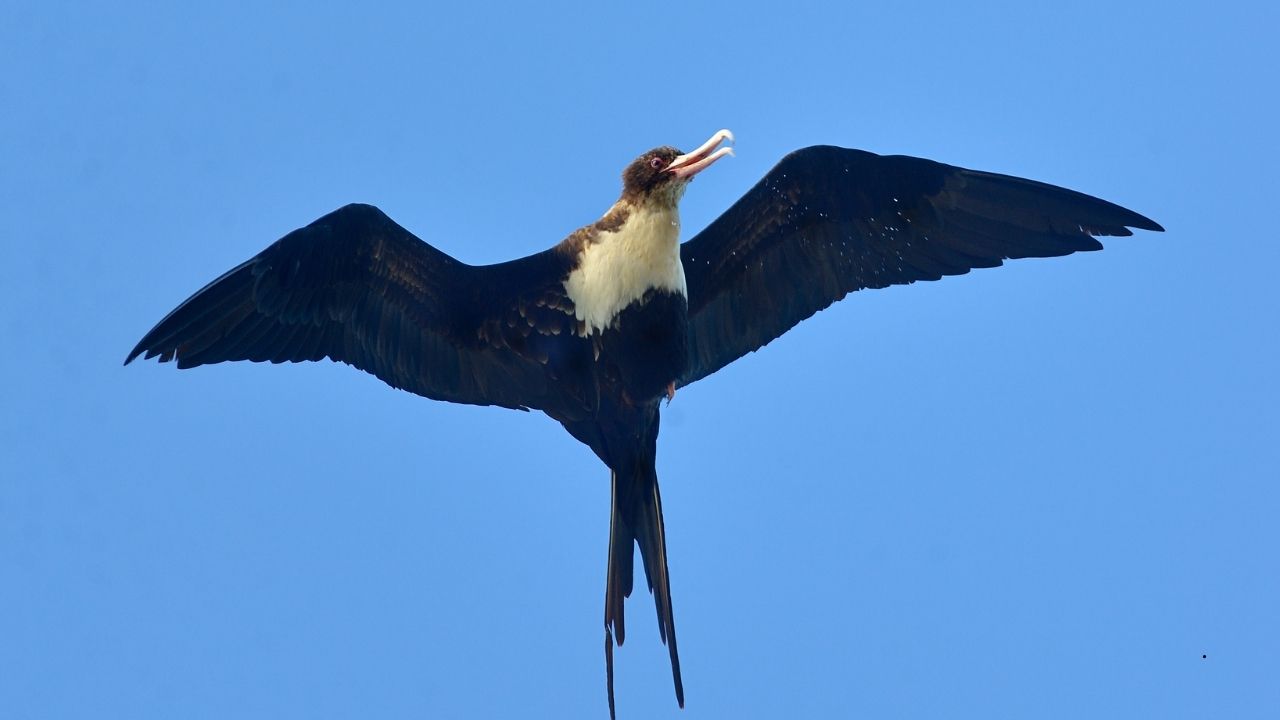
Frigatebirds are incredible seabirds famous for soaring over oceans for days or even weeks without landing. But how do they manage to rest during these long flights?
Their secret lies in a remarkable ability called unihemispheric slow wave sleep. This means they can sleep with one half of their brain while keeping the other half awake and alert.
Sleeping on the Wing
While one side of the brain sleeps, the opposite eye remains open to watch for predators and help maintain aerodynamic control.
These birds take short power naps—sometimes just a few seconds long—which is enough to help them recharge without losing focus or balance.
This sleep method lets them stay awake enough to avoid collisions and keep flying smoothly.
Sleep in Flight vs. Rest on Land
Frigatebirds get very little sleep when airborne, averaging about 40 to 45 minutes per day, broken into brief naps, as mentioned by the National Audubon Society.
In contrast, when on land, they enjoy longer and deeper sleep sessions involving whole-brain sleep and REM sleep. This shows that flying sleep is an amazing adaptation, but not a full replacement for regular rest.
Why This Adaptation Is Vital
Because their feathers are not waterproof, frigatebirds avoid landing on water, which could be dangerous. Their ability to sleep while flying allows them to stay aloft for extended periods, traveling thousands of miles without stopping.
2. Common Swift
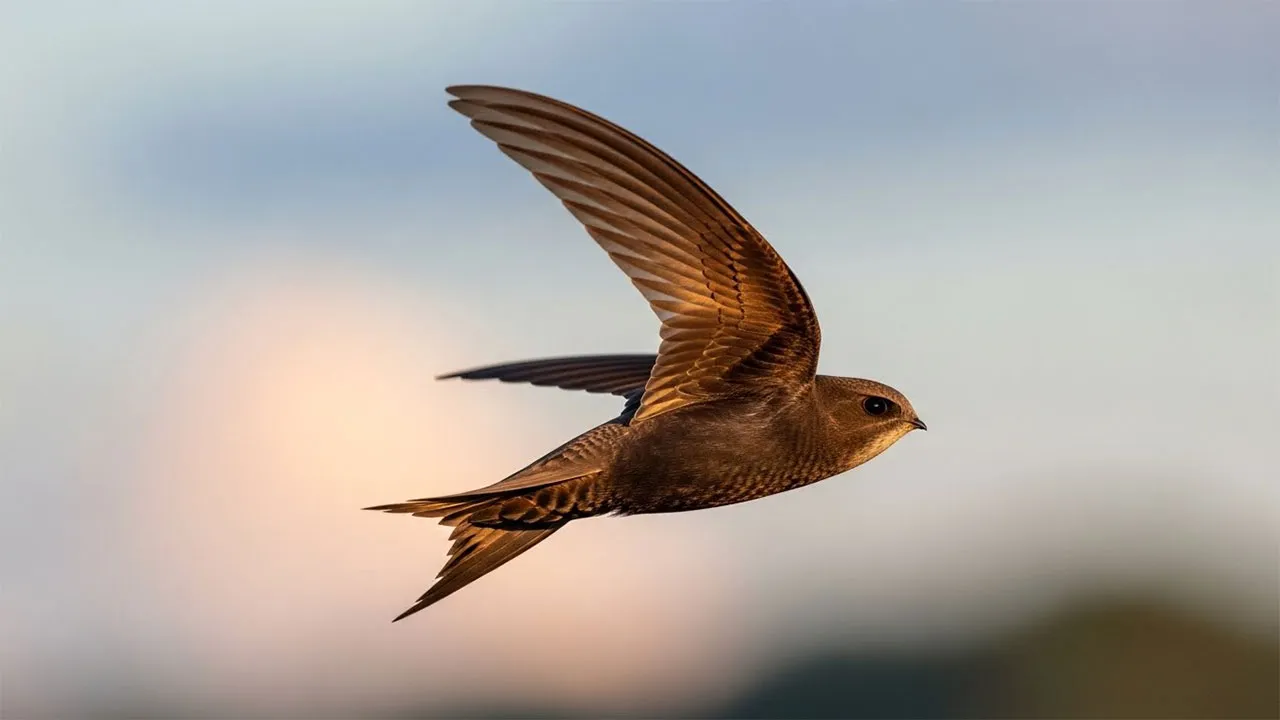
Common swifts are remarkable birds famous for spending most of their lives in the air. They can stay airborne for months at a time, only landing to breed. But how do they get the sleep they need while flying?
Like frigatebirds, common swifts use unihemispheric slow-wave sleep, allowing them to rest with one half of their brain asleep while the other half stays awake.
Sleep While Flying
They alternate between brain hemispheres to take quick naps without losing focus.
This means one eye stays open to maintain aerodynamic control and avoid collisions.
Their sleep during flight usually consists of brief power naps scattered throughout the day and night.
Sleep Patterns on the Wing and on Land
While in the air, common swifts get just enough rest to keep going, but their sleep is shorter and lighter compared to sleep on land. When they land during breeding season, they enjoy deeper, more complete whole-brain sleep and REM sleep, which are crucial for full recovery.
Why This Ability Matters
Common swifts rarely touch the ground except to breed, making their ability to sleep in flight essential. Their adaptation lets them cover vast distances without stopping, balancing the universal need for rest with their nonstop aerial lifestyle.
3. Albatross
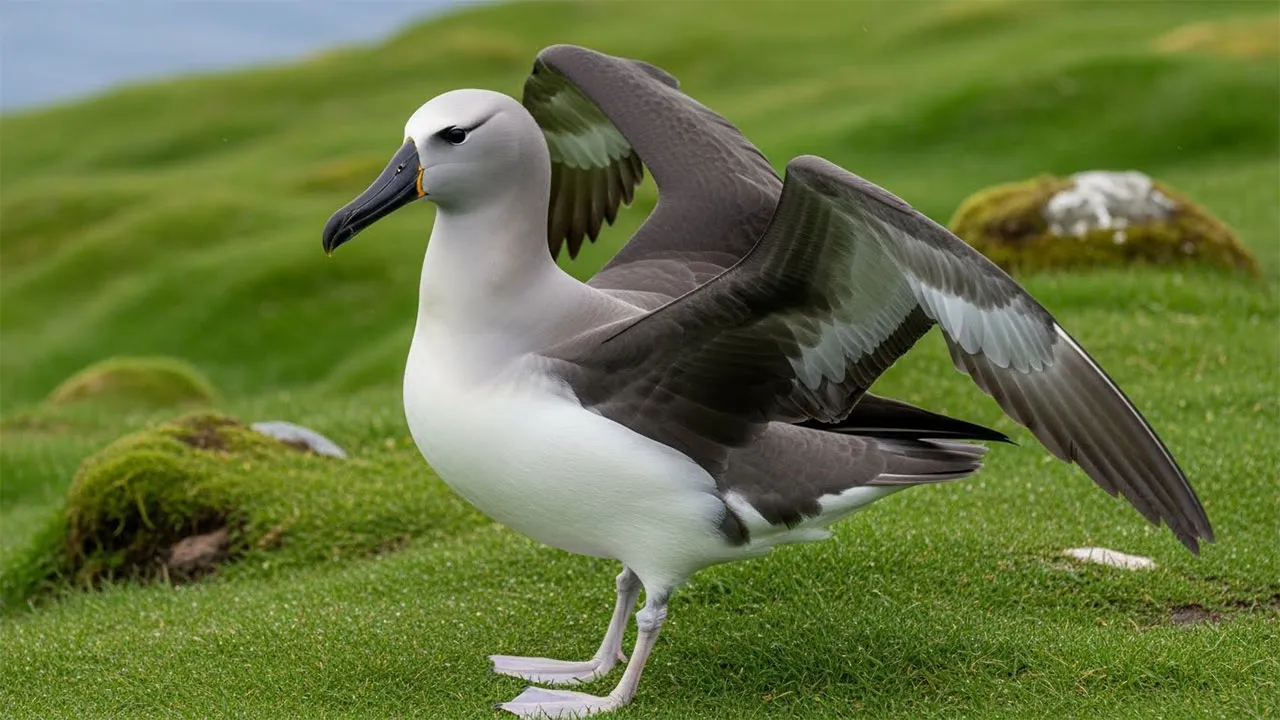
Albatrosses are known for their incredible endurance, flying thousands of miles over open oceans with hardly a break.
Their secret to resting on the wing lies in the ability to engage in unihemispheric slow wave sleep—allowing one half of the brain to sleep while the other remains awake to keep the bird flying safely.
Sleeping and Flying
Albatrosses take short naps with one brain hemisphere asleep, maintaining alertness to control their long gliding flights.
The awake half of the brain keeps one eye open to avoid predators and maintain aerodynamic control over the water.
These sleep bouts are brief but frequent enough to sustain them over long voyages.
Sleep at Sea vs. On Land
In flight, albatrosses get limited sleep—much less than on land, where they enjoy longer and more restful sleep cycles. This shows their in-flight sleep is a clever survival strategy, not a full substitute for the deeper whole-brain sleep they need.
Why This Adaptation Is Key
BBC Earth mentions that Albatrosses spend most of their lives soaring over oceans and rarely land except for breeding. Their ability to sleep while flying helps them stay aloft for weeks and even months, managing the challenge of rest during these extended journeys.
4. Bar-Tailed Godwit
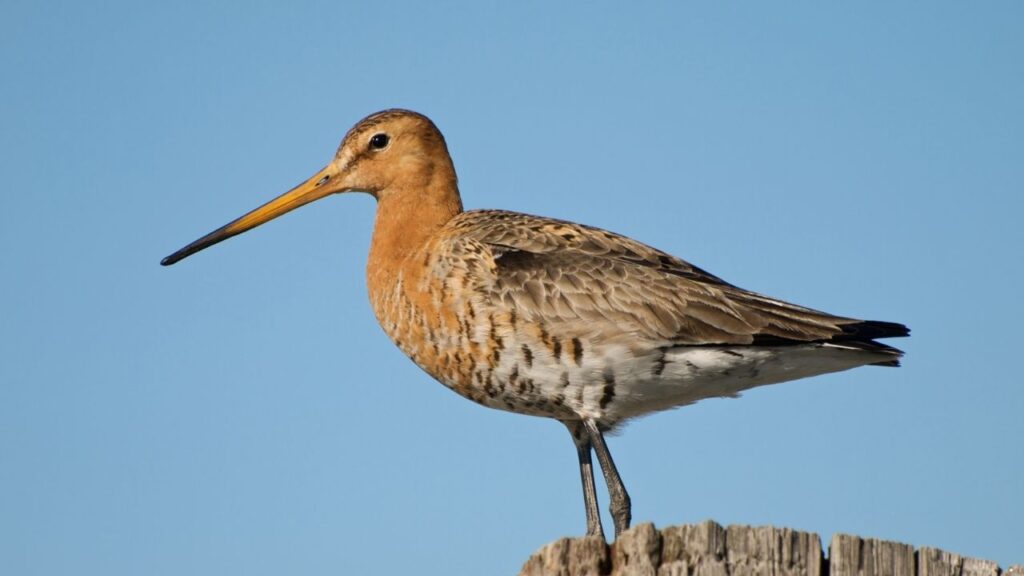
Bar-tailed godwits are incredible migratory birds famous for flying long distances nonstop. These birds can travel thousands of miles without landing, sometimes for up to two months at a stretch. But how do they manage to get any rest during such epic journeys?
Sleep During Flight
Bar-tailed godwits have adapted to sleep only for a few seconds at a time while flying.
This brief sleep allows them to maintain focus and keep flying safely over vast oceans.
Like many avian species, they rely on these tiny moments of rest to survive their marathon flights.
The Reality of Migratory Rest
Though their sleep is short, it’s essential. These birds experience REM sleep and rapid eye movement during these brief naps, helping them recharge enough to cover long periods in the air. It’s a fascinating fact that such tiny doses of sleep can sustain birds flying long distances.
The Journey Matters
Bar-tailed godwits’ ability to sleep while flying allows them to complete one of the longest migrations in the bird world. This skill means they can spend much of their entire lives on the wing, only touching down to feed and rest briefly before their next flight.
5. Alpine Swift
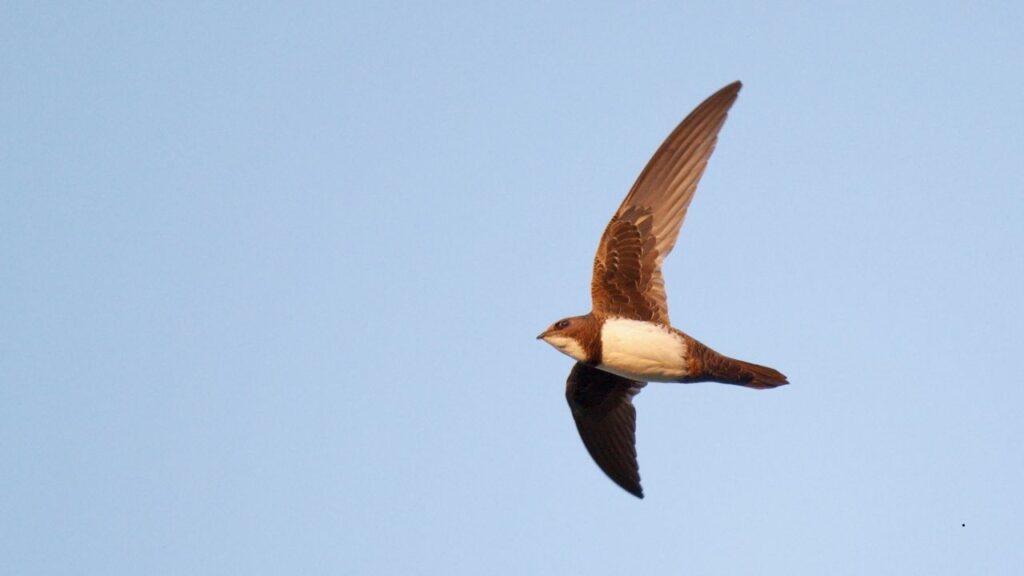
Alpine swifts are another amazing species of migratory birds that spend most of their time flying. Some studies suggest these birds can stay in the air for up to two months without landing, raising the question: how do they sleep?
Sleeping in Flight
Alpine swifts take only a few seconds of sleep at a time during their long flights.
They can rest briefly while still maintaining control and avoiding obstacles, a vital skill for survival.
Like other birds that sleep while flying, they balance the universal need for rest with nonstop movement.
Resting on the Wing
Despite flying for such long periods, alpine swifts do manage to get the necessary sleep. They experience REM sleep during these brief moments of rest, even if the sleep is fragmented and very short.
A Life in the Skies
These migratory birds spend much of their entire lives airborne, only landing during the breeding season. Their ability to sleep while flying allows young birds to adapt early to this demanding lifestyle, ensuring the species thrives.
6. Great Frigatebird
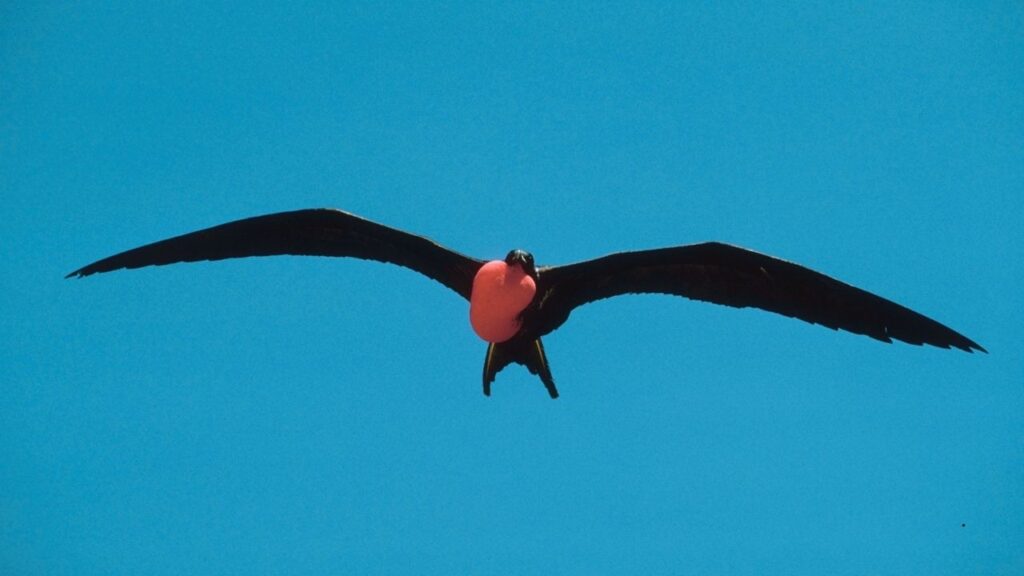
Great frigatebirds are among the most fascinating living species, known for their ability to sleep while flying. These birds spend long stretches in the air, gliding over oceans with minimal wing flapping to conserve energy.
During these flights, they enter slow wave sleep (USWS) — resting one hemisphere of their brain at a time, while the other hemisphere stays awake to maintain flight and awareness.
Sleep and Flight
Their sleep occurs in short periods, allowing them to conserve the muscle tone necessary for soaring.
This unique adaptation helps them stay alert to threats and navigate while still getting vital rest.
Interestingly, these birds often spend time around breeding colonies when on land, where they can fully relax and rest.
Breeding and Behavior
Great frigatebirds have an impressive body weight to wingspan ratio that supports their soaring lifestyle, as mentioned by the Galapagos Conservation Trust.
During the breeding season, males use their large throat pouch to attract females, displaying strength and vitality, which may relate to how well they manage their energy in flight and sleep.
Energy Conservation in Flight
To stay aloft for long periods, great frigatebirds maintain a balance between rest and alertness. Their ability to sleep with only one side of the brain helps them conserve muscle tone without compromising flight control, ensuring they can glide efficiently while catching brief naps.
7. Manx Shearwater
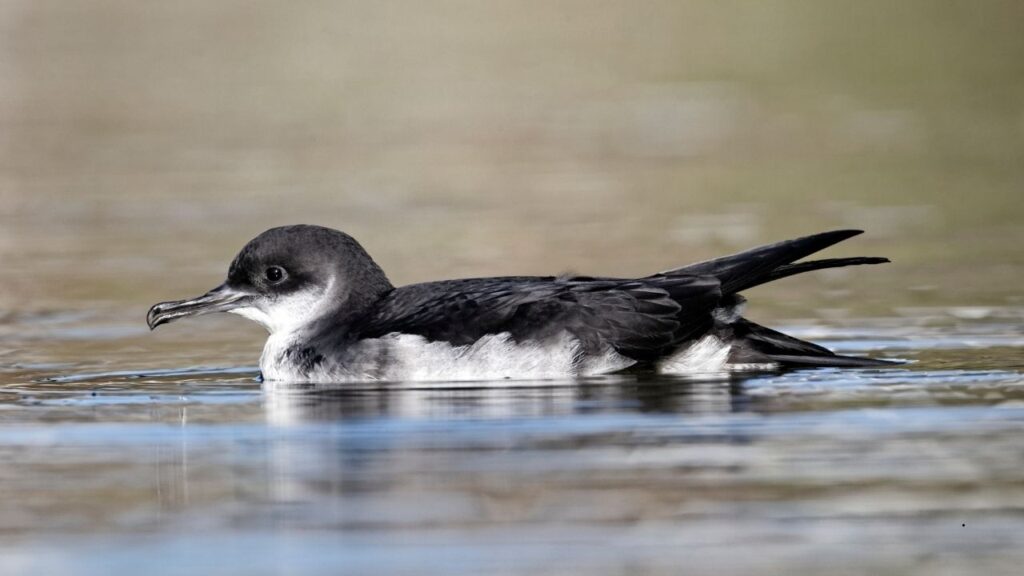
Manx shearwaters are remarkable for their nocturnal flights over the ocean, often flying for hours during the night. Like the great frigatebird, they also practice slow-wave sleep (USWS) to rest one side of their brain at a time while maintaining control and navigation.
Sleep Patterns and Flight
These birds sleep in short periods while in flight, preserving the muscle tone needed to keep wings steady.
Their ability to rest in the air lets them cover vast distances during migrations and foraging trips.
On land, they gather in breeding colonies where they rest fully and care for their young.
Adaptations for Survival
Manx shearwaters’ adaptation to split-brain sleep supports their long migratory lifestyle and hunting needs. Maintaining muscle tone and vigilance even during rest ensures they stay safe from predators and environmental hazards while flying.
Life Cycle and Breeding
These birds return to their breeding colonies seasonally to mate and raise young birds. Their ability to balance sleep and flight during long migrations helps them survive and thrive, ensuring the continuation of their species.
Conclusion
Some remarkable species have evolved the ability to sleep while flying, a skill seen in certain birds that spend most of their lives in the air.
Unlike most birds that frequently flap their wings, these incredible flyers rarely flap, relying instead on gliding to conserve energy during long journeys. This unique adaptation sets them apart from most seabirds, which typically rest on water or land.
However, despite their amazing abilities, these birds do not experience a complete loss of sleep but rather have adapted to rest in ways that suit their demanding lifestyles. Their incredible endurance highlights the diversity and resilience found in the avian world.
