




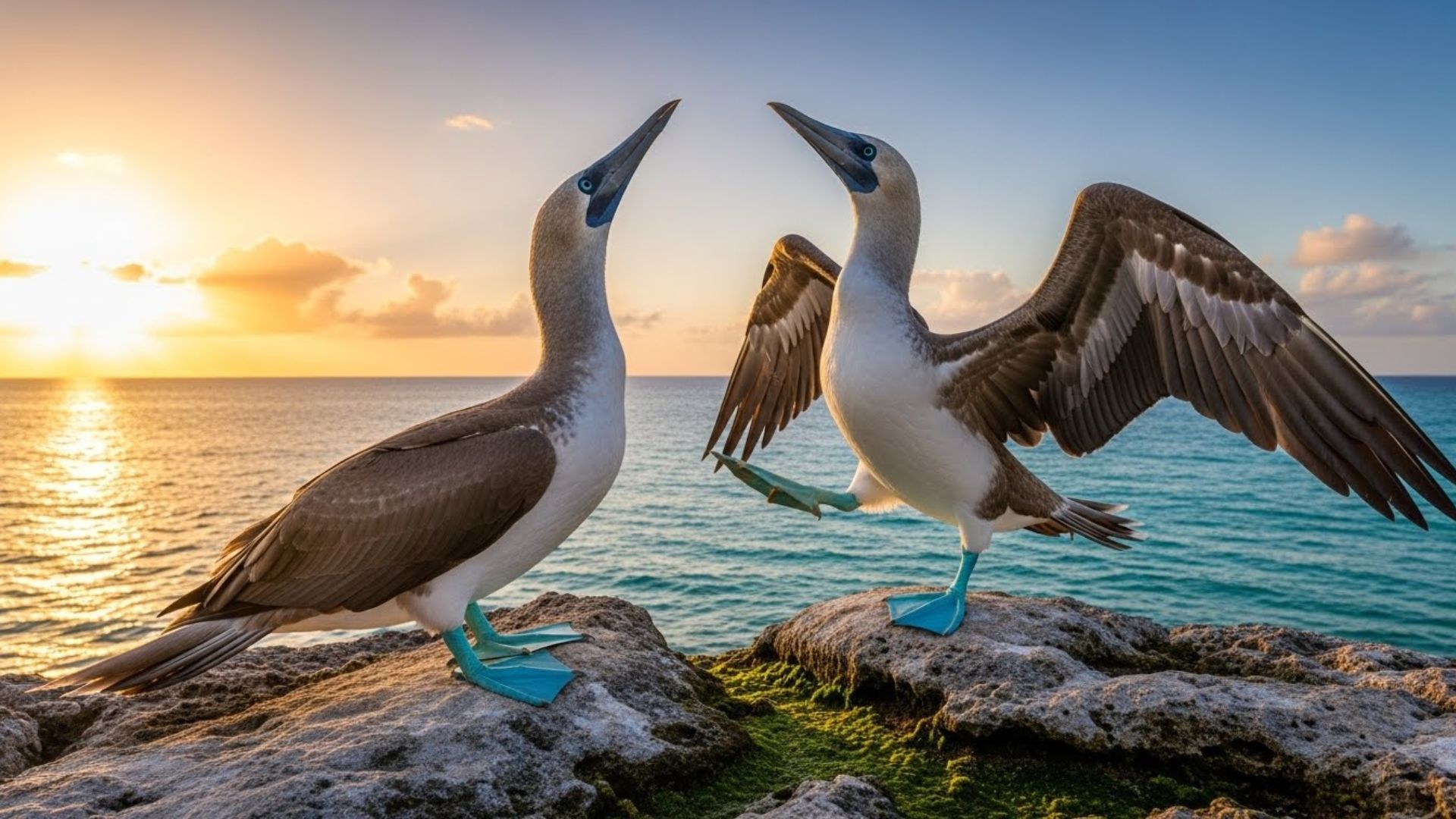
Some people are just born to dance—and guess what? The same goes for birds! When the mating season rolls around, many birds can’t help but show off their best moves in the most spectacular ways. Think of it like nature’s own dance party, where feathers, fancy moves, and quirky gestures come together to impress potential partners.
But these dances aren’t just for fun—they’re serious business. For birds, a jaw-dropping dance is a way to say, “Hey, I’m strong, healthy, and the perfect mate!”
Females watch closely, checking every step, flap, and wiggle to find the best partner out there. And believe it or not, some birds even have dance routines so precise and complicated, scientists compare them to human choreography!
So get ready to dive into a world where nature meets the dance floor, and these feathered performers put on shows that are way more impressive than any talent contest you’ve seen!
Birds That Perform Amazing Mating Dances
1. Superb Bird-of-Paradise
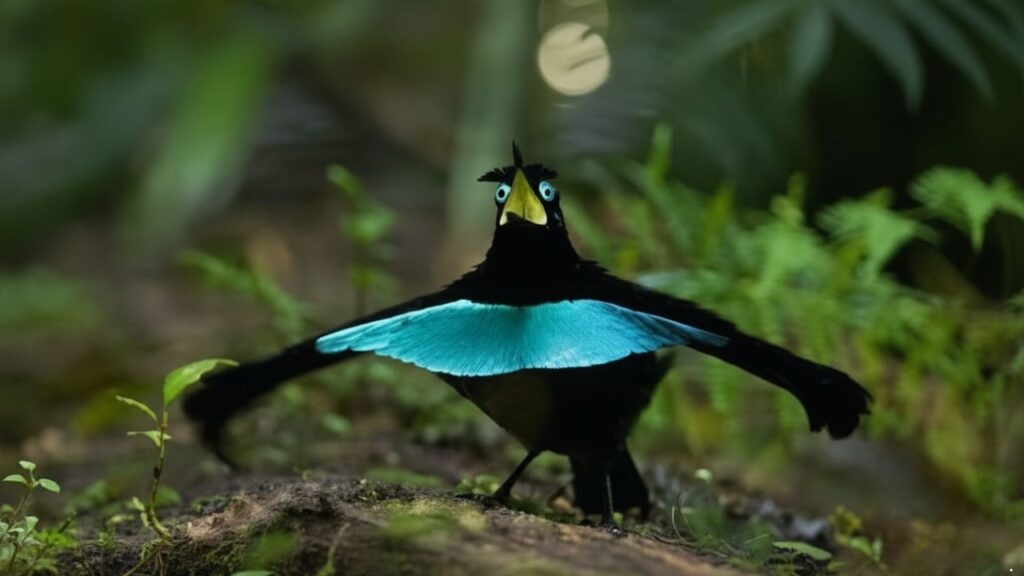
The Superb Bird-of-Paradise puts on one of the most mesmerizing mating dances in the bird world. When a male wants to impress, he transforms his simple feathers into a dark black plumage that he proudly spreads out like a glowing halo.
What makes this bizarre dance truly unique is how the male bird flips his cape over his head to form a bright, circular frame around his electric blue eyes.
This stunning visual, combined with his energetic movements, signals his health and strength to potential mates. It’s not just about looking good—it’s about showing he’s a worthy partner in the wild.
This spectacular display is more than just fancy footwork—it’s a crucial survival strategy. By putting on such an elaborate dance, the Superb Bird-of-Paradise increases its chances of passing strong genes to the next generation.
What Makes This Dance Special:
Transforms feathers into a shining black cape
Combines fast hops and precise head shakes
Creates a glowing circle around vivid blue eyes
Mixes stunning visuals with energetic moves
2. Blue-Footed Booby
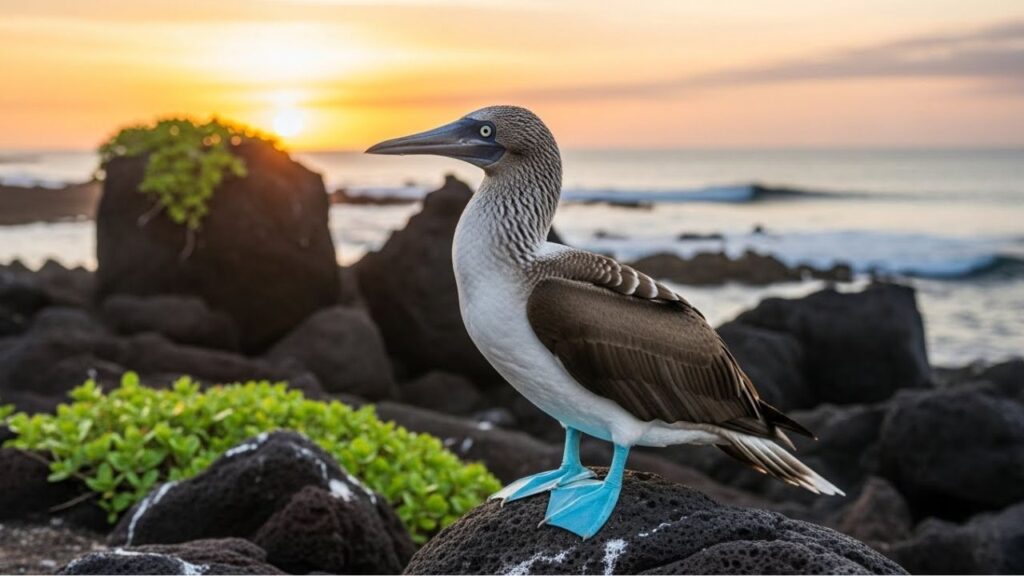
The Blue-Footed Booby has one of the most unforgettable mating dances in the bird world. When a male spots a potential mating partner, he launches into a slow, proud strut that looks like a funky march on the beach.
What makes it so funny and fascinating is how he lifts each bright blue foot high to show off his color, which signals good health and strong genes to females.
As his dance moves continue, the male spreads his wings wide, whistles or honks, and tilts his head and bill toward the sky—an action known as sky-pointing.
Females watch closely, and sometimes mimic his moves to show interest. The brighter and bluer his feet, the more likely he is to win a mate’s approval.
This ritual isn’t just adorable—it’s nature’s way of letting birds “talk” through movement and color. Bright feet tell females that the male has been eating well and is strong enough to be a good partner, as mentioned by WWF.
Dance Traits That Make Blue-Footed Boobies Special:
High-stepping foot display to highlight vivid blue coloring
Sky-pointing with wings and bill raised toward the sky
Pair bonding through mirrored movements
Foot color is directly linked to health and mate choice
3. Greater Sage-Grouse
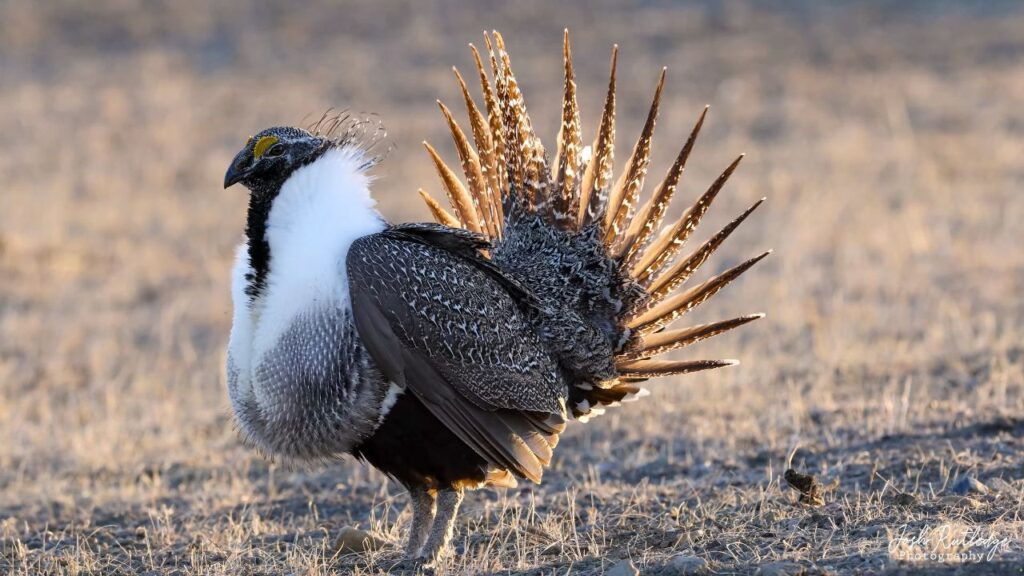
The Greater Sage-Grouse is a true showstopper when it comes to courtship dances. The National Wildlife Federation states that males gather in big groups called leks, where they puff out their chests, fan their elaborate tail feathers, and make popping sounds with special air sacs on their chests.
These males don’t just rely on looks — their booming pops and rapid movements show off their strength and stamina.
The dance involves stomping, strutting, and inflating those bright yellow throat sacs to catch the female’s eye. It’s a full-body performance that combines sound and sight to prove who’s the fittest dancer on the ground.
This intense display behavior is key to survival because only the best dancers get to mate and pass on their genes. This magnificent bird’s dance is a powerful reminder that in the wild, putting on a great show can make all the difference.
What Makes the Greater Sage-Grouse Dance Unique:
Males gather in groups called leks for communal dancing
Inflates bright yellow chest sacs that produce popping sounds
Combines stomping, tail fanning, and chest inflation
Dance shows stamina and strength, key to mate selection
4. Sandhill Crane
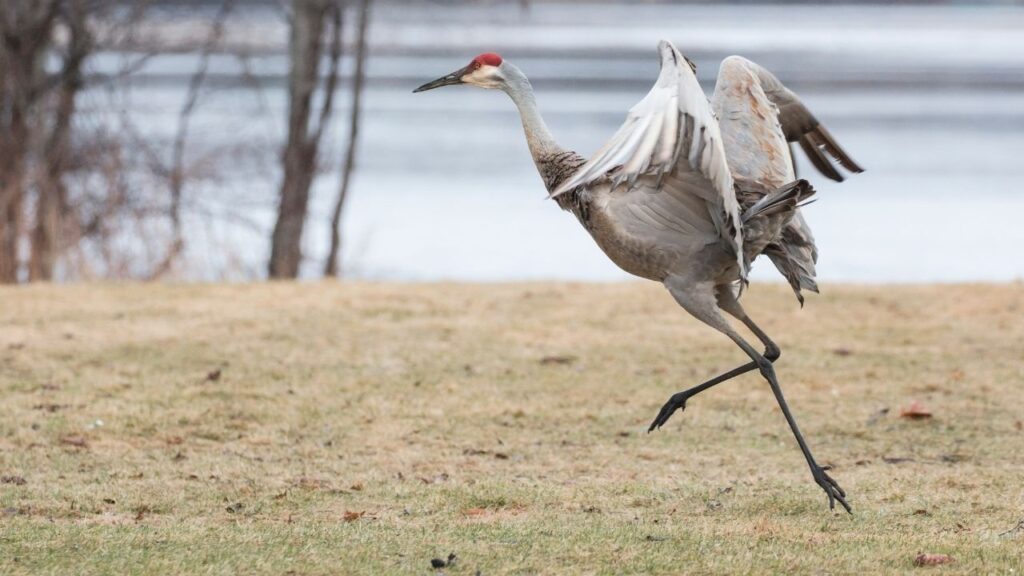
The Sandhill Crane is known for its elegant and heartfelt courtship dance. When it’s time to impress, these birds perform a beautiful routine that includes bowing, jumping, and flapping their dark wings with gentle grace. Their moves look like a carefully choreographed ballet, full of love and connection.
Both males and females take part in the dance, strengthening their bond with synchronized steps and occasional leaps into the air. This duet isn’t just for show—it helps build trust and teamwork for raising chicks together. Watching their dance feels like seeing a tender love story unfold in slow motion.
This graceful display highlights how important dance is for birds—not just to find a mate, but to form strong, lasting partnerships. The Sandhill Crane’s moves are a stunning example of nature’s romance in action.
What Makes the Sandhill Crane’s Dance Special:
Both males and females perform together in perfect harmony
Includes bowing, jumping, and wing flapping
Dance strengthens pair bonds for parenting teamwork
Looks like a graceful, heartfelt ballet in the wild
5. Western Grebe
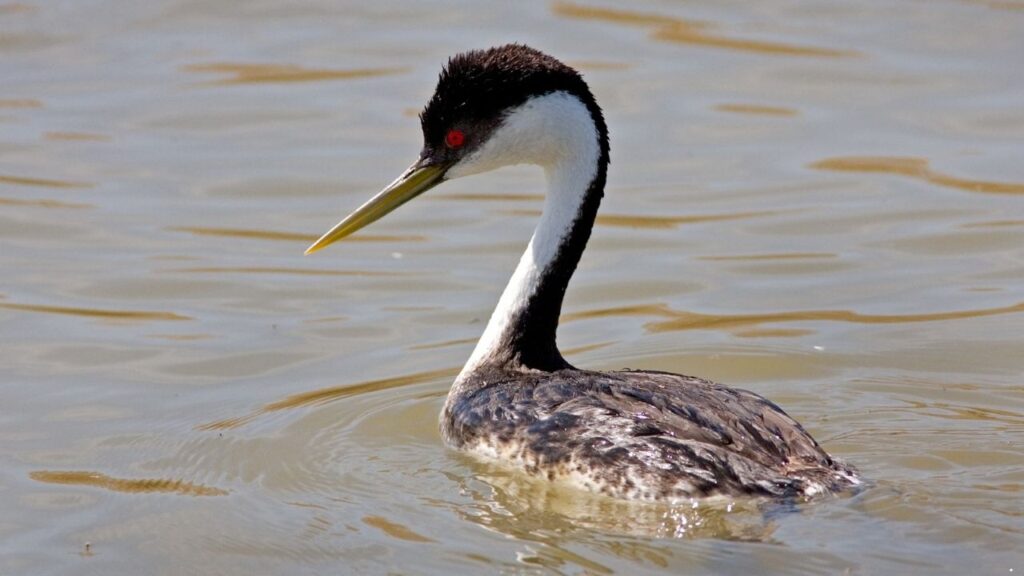
The Western Grebe has one of the most unique and dazzling bird mating dances you’ll ever see. When courting, pairs perform a synchronized “rushing” dance across the water’s surface, according to All About Birds. They race side by side, standing upright and gliding gracefully, almost like they’re skating or running on water.
Their dance includes synchronized movements, head bobbing, and calls that echo across the lake. It’s a beautiful display of teamwork and coordination, showing off their connection and fitness to potential mates. This watery dance is both energetic and elegant—a perfect blend of power and grace.
The Western Grebe’s courtship is a reminder that some of the best dance performances come from perfect harmony. Their incredible teamwork helps strengthen their bond and ensures they’ll be great partners.
Why the Western Grebe’s Dance is Special:
Synchronized “rushing” dance across the water
Upright posture while gliding side by side
Includes head bobbing and vocal calls
Shows teamwork and strong pair bonds
6. Flame Bowerbird
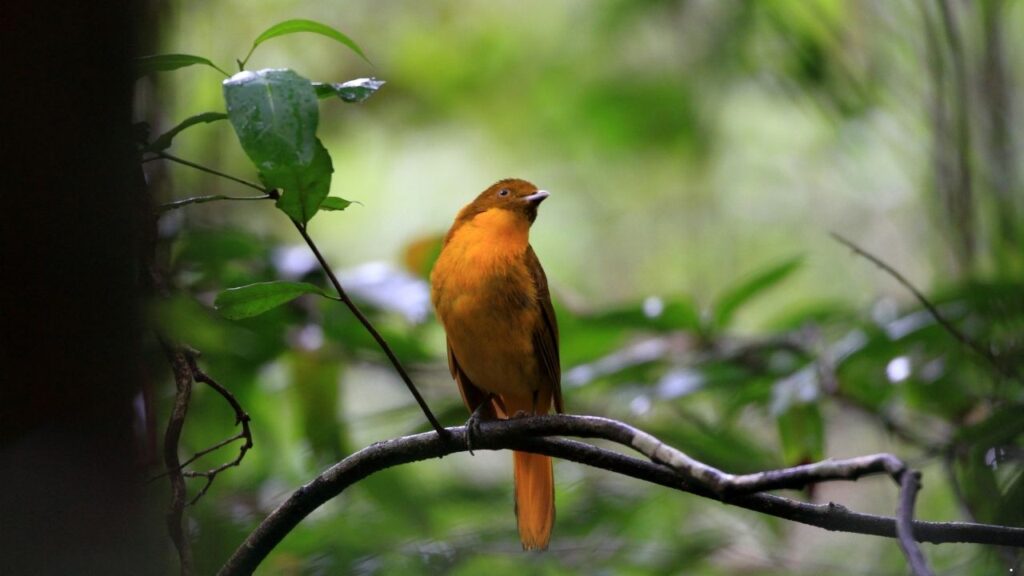
The Flame Bowerbird brings a blaze of color and creativity to the mating dance stage. The male builds a simple “avenue” bower on the forest floor and decorates it with unusual ornaments and bright objects to catch a female’s eye.
His dance is as much about showing off his brilliant orange and red feathers as it is about creating a stunning performance space.
When a female arrives, the adult male launches into a quirky and expressive routine. He twists his body, waves his wings, shakes his head, and even uses eye movements to draw attention to his extravagant plumage. This strange, almost hypnotic dance shows the female that he’s healthy, energetic, and worth her time.
The whole display is more than just steps and colors—it’s a dramatic pursuit of love in the rainforest. The Flame Bowerbird’s performance combines artistry, stamina, and showmanship to stand out from the crowd and win a mate.
What Makes the Flame Bowerbird’s Dance Unique:
Builds and decorates an “avenue” bower before dancing
Uses exaggerated wing and head movements
Shows off brilliant flame-colored plumage
Dance, combined with a stage setting, impresses choosy females
7. Red-Capped Manakin
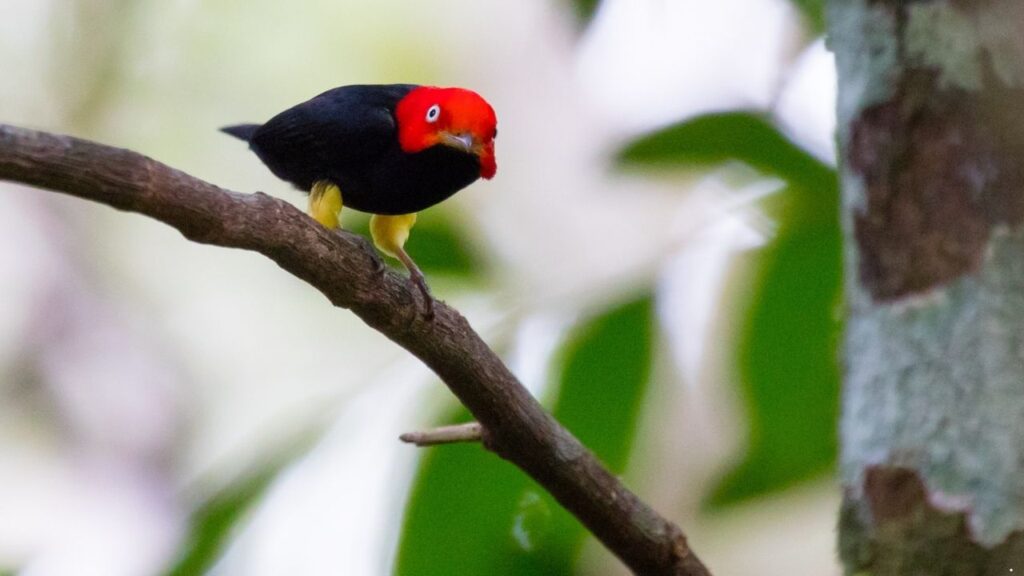
The Red-Capped Manakin is famous for one of the smoothest mating dances in the bird world. During courtship, the male performs rapid side-to-side steps along a branch that look uncannily like a moonwalk. The movement is so fast and clean that it almost feels unreal.
This dance is all about speed, rhythm, and precision. The male snaps his wings, shifts his weight in quick bursts, and keeps perfect balance while showing off his bright head coloring. Females watch closely, judging how sharp and controlled each move looks.
This slick routine is a clear sign of agility and coordination. In the world of bird dances, the Red-Capped Manakin proves that smooth moves can be just as powerful as flashy feathers.
What Makes the Red-Capped Manakin’s Dance Unique:
Famous moonwalk-style side steps
Rapid wing snaps during movement
Requires extreme balance and precision
Focuses on speed and rhythm over size
8. Victoria’s Riflebird
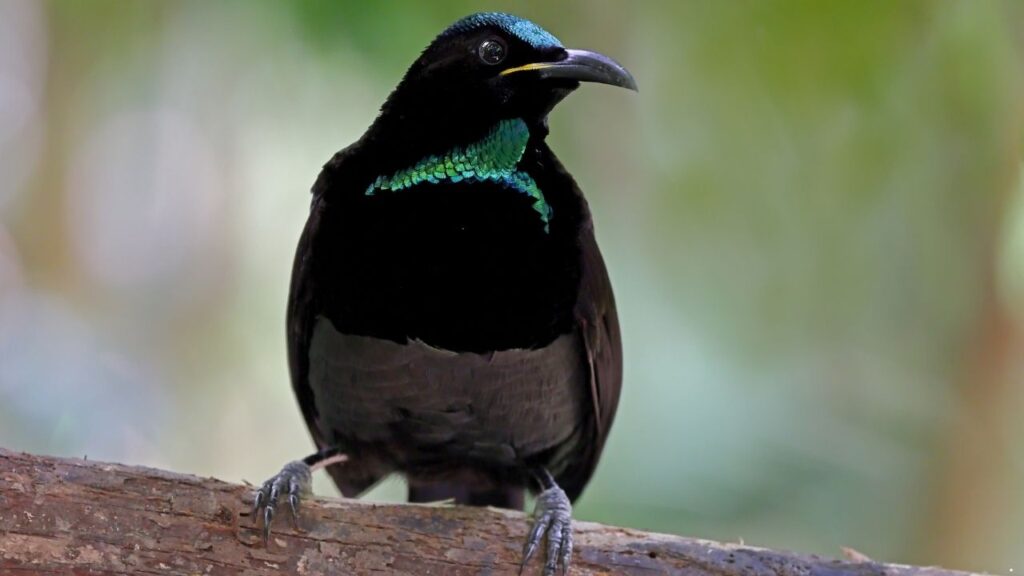
Victoria’s Riflebird puts on a courtship dance that feels sleek and theatrical. The male perches low and starts with slow, rhythmic movements that make him look like a professional performer. When a female shows interest, he shimmers his glossy feathers and moves with controlled, graceful steps.
His dance is all about precision and charm. He lifts his wings just enough to catch the light and accentuate his shiny plumage, then sways and twists to maintain the female’s attention. These subtle moves show strength and confidence without flashy theatrics.
This dance proves that sometimes smooth, elegant motion speaks louder than loud displays. Victoria’s Riflebird uses calm rhythm and poise to win hearts in the wild.
What Makes Victoria’s Riflebird’s Dance Special:
Slow, rhythmic, and controlled courtship movements
Glossy feathers that shimmer in the light
Graceful sways to maintain female attention
Uses poise and elegance over flashy motion
9. Andean Flamingo
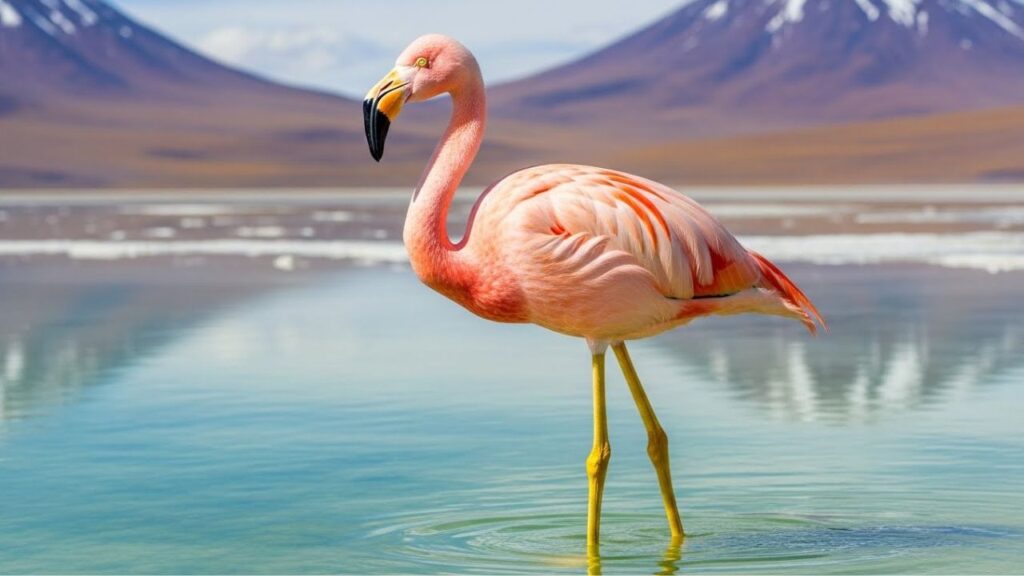
The Andean Flamingo turns courtship into a group performance filled with rhythm and unity. In large gatherings, both males and females step together in a slow, coordinated march with heads held high and necks turning side to side. This group ritual is more like a synchronized parade than a solo dance.
Their moves often start with a “head flag,” where many birds wave their necks back and forth almost in unison. Then the group may march and sway across shallow waters, showing off both elegance and teamwork. It’s clear that in flamingo courtship, cooperation is part of the show.
This dance is about more than flair—it helps pairs form bonds within the larger flock. By performing together, they boost the chance of finding the right partner before nesting season.
What Makes the Andean Flamingo’s Dance Special:
Synchronized group marching and head-flagging
Both males and females join the display
Movement looks like a coordinated parade
Dance strengthens pair formation
10. Peacock
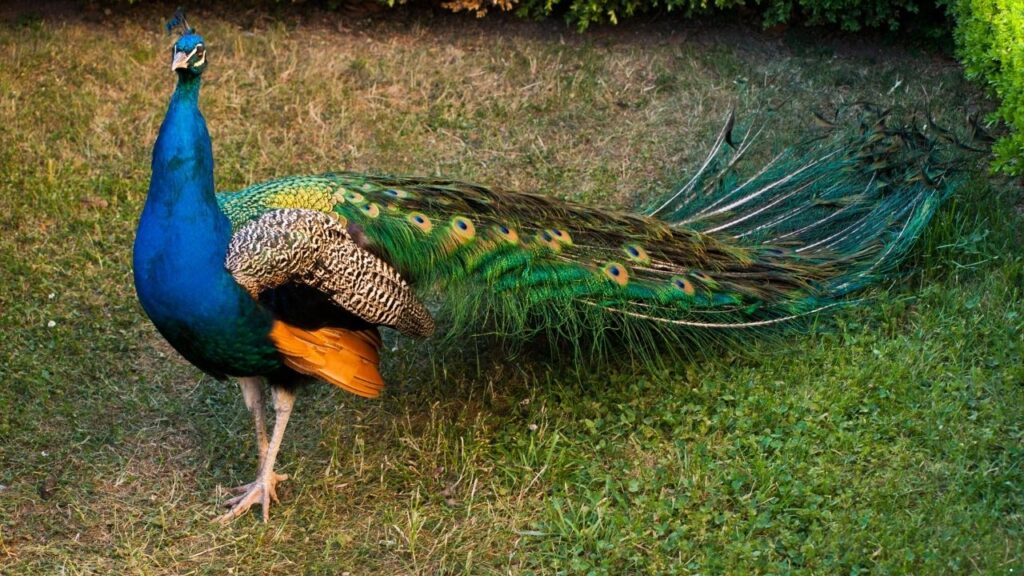
The Peacock needs no introduction when it comes to iconic bird courtship displays. The male spreads his long, iridescent tail feathers into a huge fan full of “eyespots,” creating a dazzling visual spectacle that stops female birds in their tracks.
But the show isn’t just about static beauty. He shakes and vibrates those tail feathers, causing them to shimmer and even make subtle rustling noises. He may also strut and circle, giving the female multiple angles to admire his vibrant display.
This elaborate performance signals health, strength, and genetic fitness—key traits that peahens look for when choosing a mate.
What Makes the Peacock’s Dance Special:
Spectacular fan of iridescent feathers
Vibrates and shimmers the tail for added impact
Slow strutting and posturing to catch the eye
Colorful eyespots signal fitness and strength
Conclusion
Across the natural world, many bird species rely on complex avian courtship displays to stand out in the animal kingdom. What may look like just a pose is often an incredible combination of body movement, feathered traits, and complex behaviors.
The male begins with a pre-mating dance, using long necks, darkest hues, and confident motion to impress watchful females on the breeding grounds. Both the behavior and timing matter, especially during adult mating.
Long before adult plumage appears, young males engage in practice behavior, learning through young male play and repeated attempts. This full courtship display helps them prepare for actual females and future success.
Over time, these displays evolve from simple practice to refined signals for prospective mates, finally finding the right match through patience and performance.
