




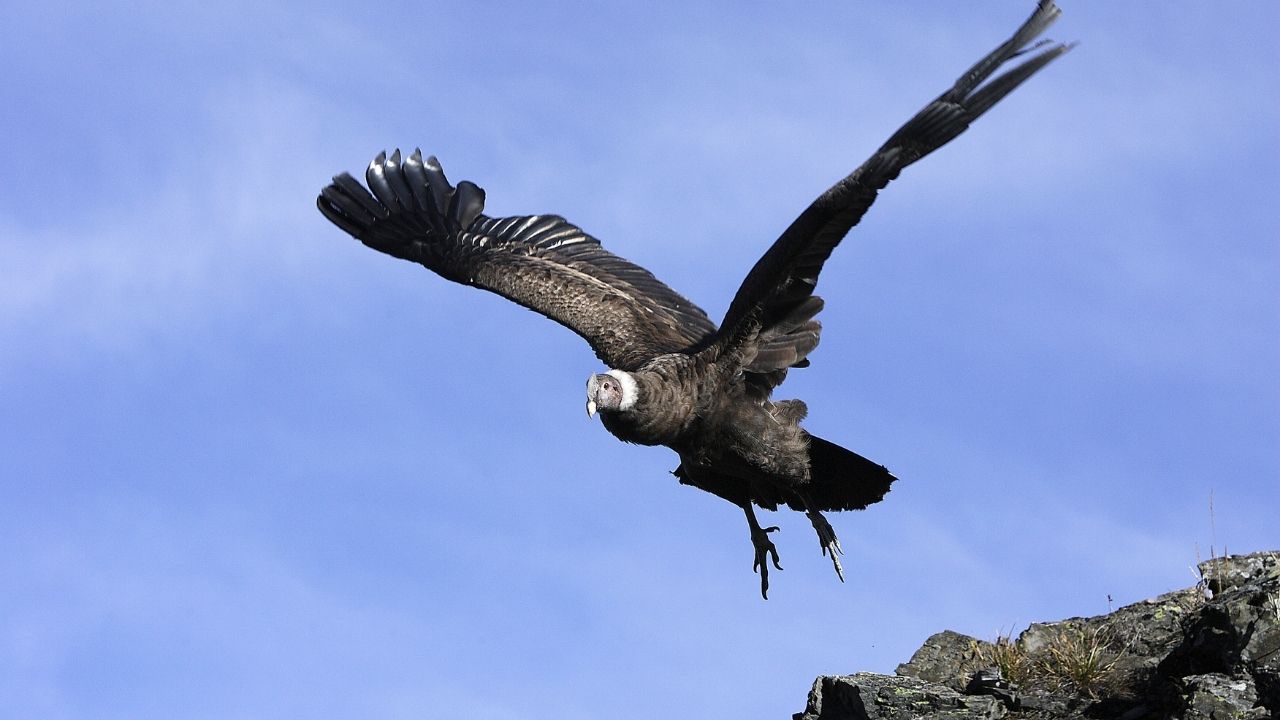
Birds are some of the most amazing creatures on Earth, capable of traveling thousands of miles during their migrations. But while many of us see birds in parks or backyards, some species choose to live in the most remote places you can imagine—far from cities, roads, and even most people.
These hidden corners of the world are where birds have found unique homes, often adapting in surprising ways to survive in isolation.
Believe it or not, some remote islands and wild landscapes host bird populations so large they completely outnumber the humans who visit them. Scientists sometimes only learn about these birds through rare trips or new technology because their habitats are so hard to reach.
Understanding these bird species and their remote homes helps us appreciate just how diverse and resilient wildlife can be. Ready to discover some of the most extraordinary birds living in the world’s wildest, most far-flung places? Let’s explore!
Key Takeaways
Meet the Emperor Penguin and Kakapo, masters of some of the planet’s most remote places.
See how Andean Condors and Puffins thrive in wild, isolated habitats.
Discover Sooty Terns that fly for years without ever landing.
Explore rare birds living far beyond where most humans go.
Birds That Live in the Most Remote Locations
1. Emperor Penguin
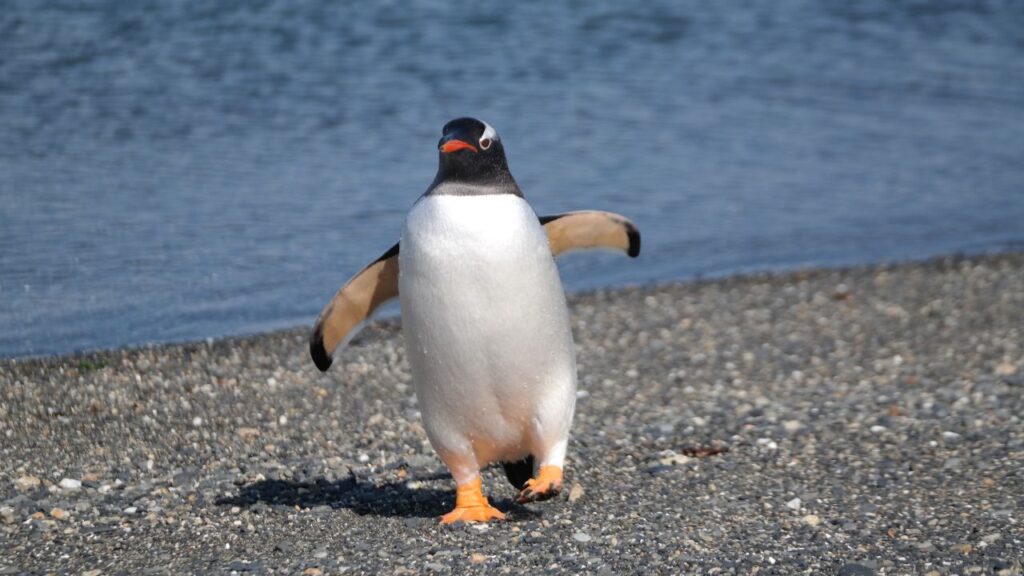
The Emperor Penguin is a truly extraordinary bird that calls one of the most remote places on Earth home — the Antarctic ice shelves.
These birds never leave the icy fast ice, a floating platform connected to the land or ice shelves, where they breed and raise their young in extreme cold and isolation.
The largest colonies are in places so hard to reach that very few people ever get to see them, like the remote Snow Hill Island in the Weddell Sea.
Life in the Harshest Conditions
Emperor Penguins are famous for their strong family bonds. Once they find a mate, they usually stay together for life and work as a team to protect their chicks.
They breed during the Antarctic winter, when temperatures plummet, and storms rage, making it one of the toughest places on the planet to raise young birds. Their survival depends on endurance, cooperation, and the ability to thrive where few others can.
Why Emperor Penguins Are Vulnerable
They live entirely on sea ice that is shrinking due to climate change.
Scientists predict a major population drop if sea ice continues to disappear.
More than 80% of the population could be lost by the end of the century under current CO2 levels.
Declines are expected to speed up within one or two generations if action isn’t taken.
2. Snow Petrel
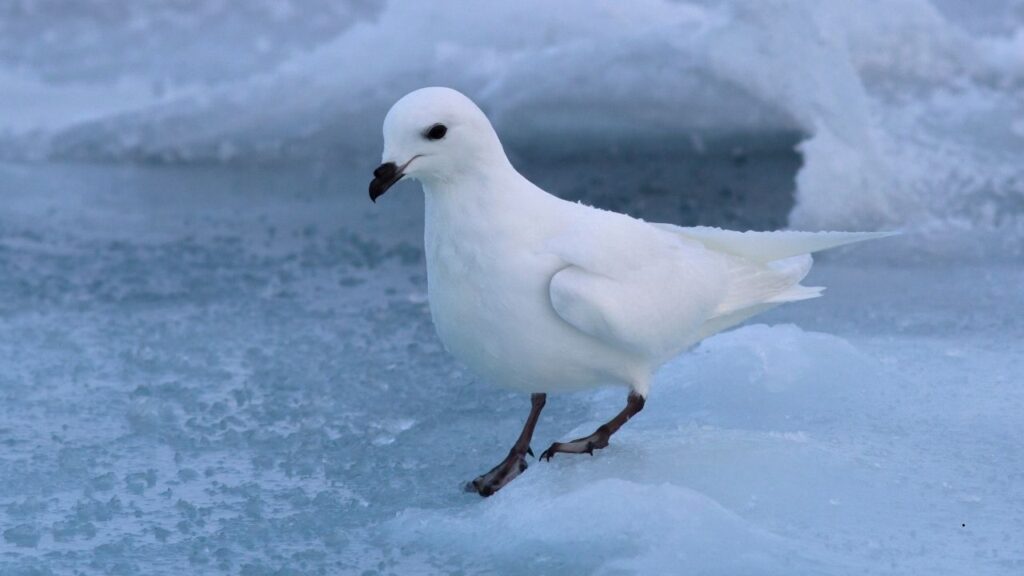
The Snow Petrel is one of the most striking birds found in the remote and icy regions surrounding Antarctica. With its pure white feathers, black eyes and bill, and pale blue feet, it stands out beautifully against the frozen landscape.
First recorded during Captain Cook’s 1777 expedition, this remarkable bird is one of only three species ever seen flying directly over the South Pole.
Life in the Frozen Ocean Wilderness
Snow Petrels breed on cliffs and rocky outcrops on isolated islands and the Antarctic mainland. They often nest far inland, sometimes as much as 325 kilometers from the coast.
Smithsonian Ocean notes that these birds prefer to live near pack ice, where they can be seen resting on icebergs and ice floes. Their flight is buoyant but erratic, which keeps them close to their colonies and nearby icy waters.
Their diet mainly consists of krill, fish, and squid caught in flight. They also scavenge carrion on land when the opportunity arises. Despite their wide range, Snow Petrels stay close to the ice-covered waters that surround their remote breeding sites.
Conservation Status and Interesting Facts
The Snow Petrel has a very large range and a stable population.
It is classified as Least Concern by conservation experts.
They breed on many Antarctic islands, including South Georgia and the South Sandwich Islands.
While included in some New Zealand bird guides, Snow Petrels are not found in New Zealand waters.
3. Kakapo
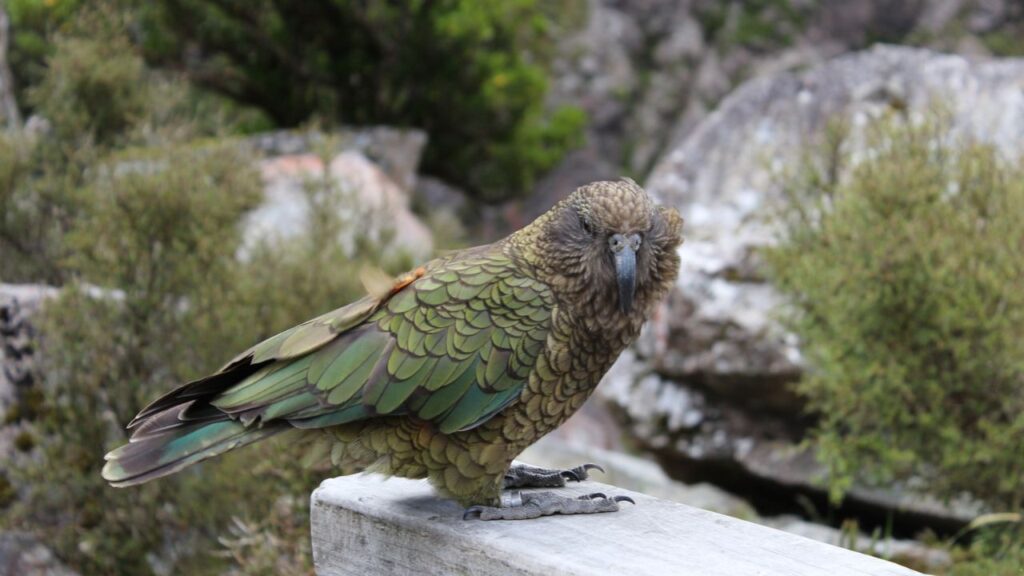
The Kākāpō is one of the world’s most unique and rare birds. This nocturnal, flightless parrot is native to New Zealand and lives only on a few predator-free offshore islands.
It has adapted to a life completely different from most parrots, spending its nights foraging on the forest floor and climbing trees without ever taking flight. Its stunning moss-green plumage helps it blend perfectly with the surrounding foliage.
A Bird Unlike Any Other
Kākāpō evolved in a land without mammal predators, allowing it to fill the role of a ground-dwelling herbivore. To avoid ancient predators like the massive Haast’s Eagle, it became nocturnal and camouflaged.
One Earth mentions that males create special mating arenas called leks, where they produce deep booming calls that can be heard for miles. These calls attract females during the breeding season, creating a unique spectacle in the wild.
Conservation and Behavior Highlights
Critically endangered and considered a treasure (taonga) by the Māori people.
Males use booming calls from bowl-shaped arenas to attract mates.
Females nest alone in ground holes and raise their chicks without help.
The Kākāpō’s diet includes plant juices and underground roots.
4. Shoebill Stork
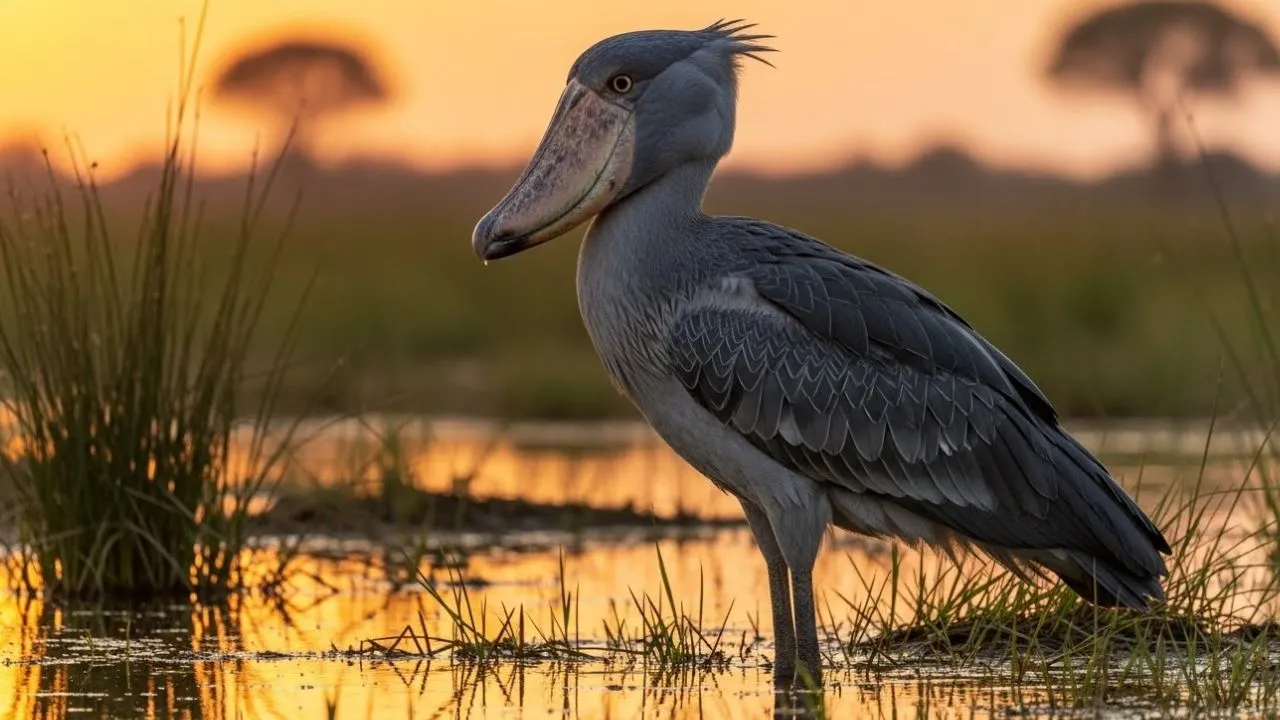
The Shoebill, also called the whalehead or whale-headed stork, is a truly unique bird found in the remote swamps and wetlands of Central and East Africa.
With its prehistoric look and massive hooked bill, this bird has fascinated and startled people alike. Though once thought to be a stork, it is actually more closely related to herons and pelicans, standing alone in its own family.
Life in Solitude Among the Papyrus
Shoebills are solitary birds that prefer vast marshes and papyrus swamps. Even pairs keep their distance and feed at opposite ends of their territory.
Their gray plumage blends perfectly with the swampy surroundings, and they are known for their calm but intense stare. In flight, their long legs trail behind them as they soar high above their watery homes.
A Fearsome Hunter in Remote Wetlands
Shoebills feed mainly on large fish such as lungfish, catfish, and eels.
They also hunt surprising prey like Nile monitor lizards, snakes, and even baby crocodiles.
Despite their fearsome diet, they pose no threat to humans.
Their remote swamp habitats help keep them hidden from frequent human contact.
5. Andean Condor
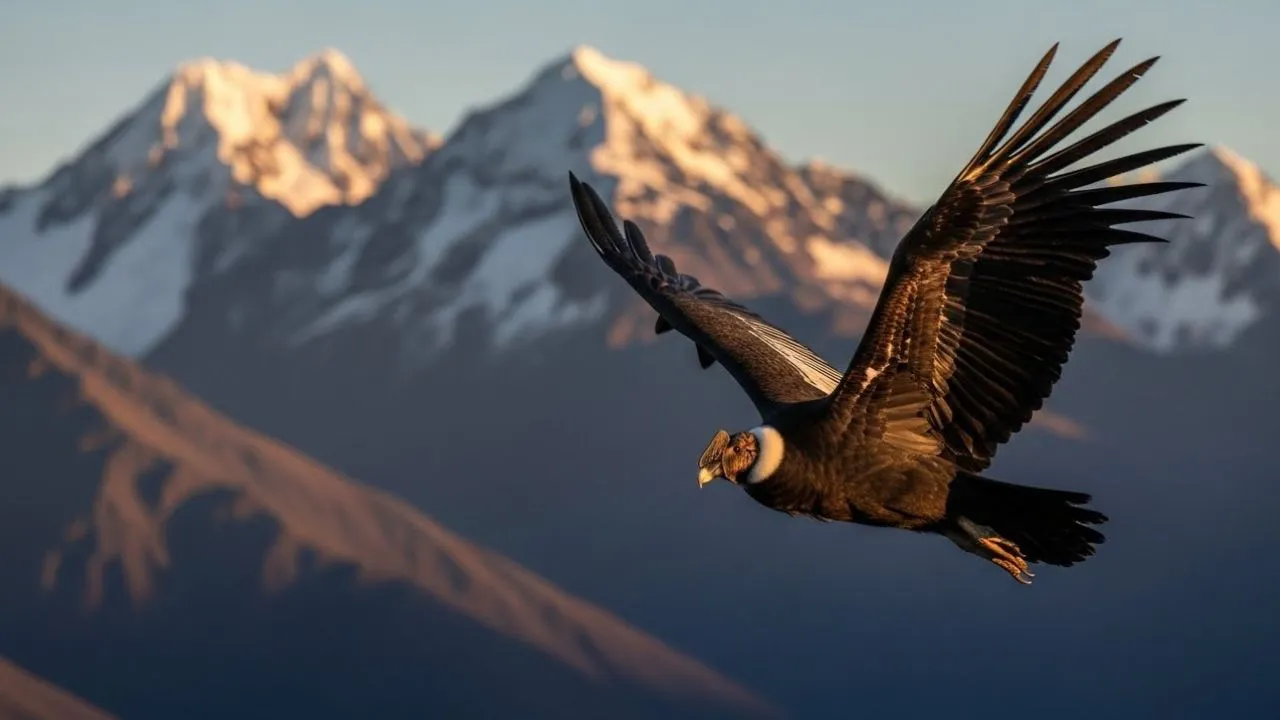
The Andean Condor is one of the largest flying birds in the world and the most powerful raptor in South America. It soars high above the Andes Mountains, using wind currents to glide effortlessly over vast and rugged landscapes.
Revered across many indigenous cultures, this majestic bird symbolizes strength and freedom. It is the national bird of several South American countries, including Bolivia, Colombia, Chile, and Ecuador.
Life Above the Clouds
These condors are mainly found in the remote mountain ranges of the Andes, but also inhabit coastal and desert areas where strong winds help them stay aloft. Unlike many birds of prey, females are smaller than males.
They are often seen alone or in pairs, but large groups can gather at roosting sites or when feeding on carrion. Their striking white collar and wing markings make them easy to identify in flight.
Conservation Challenges and Efforts
The Andean Condor’s population is small and declining.
Threats include poisoning and lead contamination.
Conservation programs in Ecuador, Chile, Bolivia, and Argentina support research, captive breeding, and education.
These efforts aim to protect this iconic bird and its remote habitat.
6. Atlantic Puffin
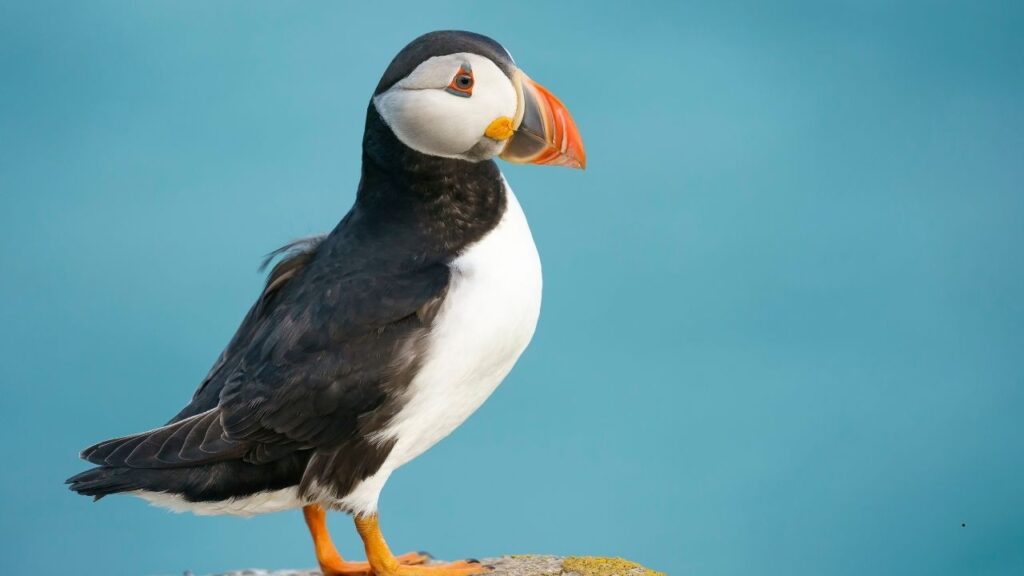
The Atlantic Puffin is one of the most beloved seabirds found along the edges of the North Atlantic. Known for its striking black-and-white plumage and bright, multicolored beak, this bird is often called the “clown of the sea,” as mentioned by the Cornell Lab.
Puffins live in remote island colonies, where they nest in burrows and spend much of their time far out at sea.
Life in the Harsh North Atlantic
These birds are expert divers, using their wings as flippers underwater to catch small fish. Puffins can carry a surprising number of fish at once, lining them up carefully in their beaks to feed their chicks.
Although they are social at breeding sites, puffins spend winters alone, far from land on the open ocean. Their colorful beaks fade in the winter and brighten again in spring, possibly to attract mates.
Conservation Status and Challenges
Atlantic Puffins have faced population declines, especially in Europe.
Warming ocean waters are causing breeding failures in some areas.
Conservation efforts aim to protect their remote nesting habitats.
Puffins are slowly reestablishing populations in parts of the U.S.
7. Sooty Tern
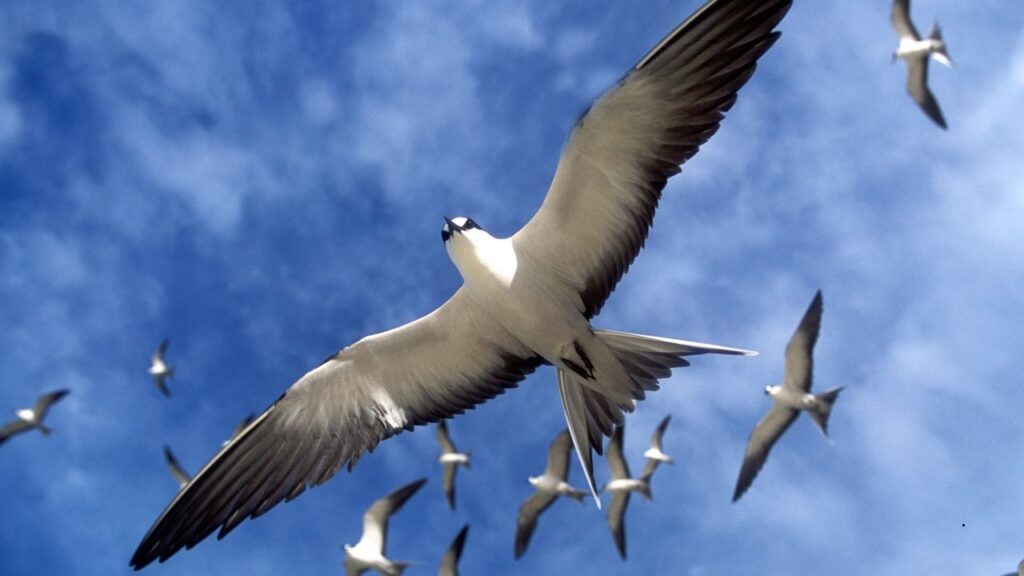
Unlike most terns that live near shores and marshes, the Sooty Tern lives a life truly at sea. This seabird spends most of its time flying over tropical oceans, only coming to nest on remote, predator-free islands.
Known for their noisy colonies, these birds earned the nickname “wide-awake” from sailors because of their constant calls day and night.
Life High Above the Waves
Sooty Terns are remarkable for their almost endless time in the air. After leaving their breeding grounds, young terns can spend years flying without landing on water or resting except on rare floating objects.
They catch their food while flying, grabbing fish from the ocean surface or snatching prey chased out of the water by other predators. These birds travel thousands of kilometers over open seas, far from any land.
Population and Nesting Highlights
Nest in huge colonies, sometimes with over a million birds.
Found mainly on remote tropical islands, including Hawaii and the Dry Tortugas.
The population is very large and stable.
Outside breeding season, they live far out at sea and are rarely seen near land.
Conclusion
Across the Southern Hemisphere, from the South Atlantic Ocean to the icy edges of the Southern Ocean, these endemic bird species and other remarkable seabird species survive in places that are truly extremely remote.
On desolation islands, along rocky shores and scree slopes, birds form densely packed colonies where breeding pairs gather each summer to lay eggs. These subantarctic regions may seem empty, but they are home to wildlife that is both resilient and abundant.
Living in nutrient-rich waters, these birds thrive alongside other birds, often with only two species sharing vast stretches of land and sea.
Despite their isolation, they rarely attack humans, choosing instead to focus on survival in harsh environments. From remote nesting sites to towering cliffs, these birds prove that life can flourish even in the most unforgiving corners of the planet.
There are other species as well that live in remote locations. These include the South Polar Skua, Southern Giant Petrel, Arctic Tern, Antarctic Petrel, Antarctic Prion, South Georgia Pipit, Macaroni Penguin, Sooty Shearwater, Black-browed Albatross, and Great Shearwater.
