




Have you ever noticed how some birds put on a show that looks like a mix of dance, fashion, and a bit of drama — all to win a mate? It’s true!
Across the animal kingdom, courtship is a big deal, but birds really take it to the next level. From intricate dances to flashy feathers and even clever construction projects, these feathered performers know how to impress.
What’s amazing is that these courtship displays aren’t just for fun — they’re survival tactics. Each twirl, call, or color flash sends a message about strength, health, and suitability as a partner.
Some bird species can have over 20 different moves in their mating dance, all perfectly choreographed to catch the eye of that special someone.
Ready to dive into the world of bird romance and discover some of the most unique and jaw-dropping courtship rituals out there? Let’s explore how these winged charmers woo their way into hearts with moves you won’t believe!
Key Takeaways
Dive into dazzling dances, from the moonwalking manakin to the shimmering peacock tail.
See how superb birds of paradise and blue-footed boobies wow mates with color and moves.
Discover grebes running on water and bowerbirds building love nests like no other.
Learn why these wild displays mean more than beauty—they’re survival in action.
Birds That Have Unique Courtship Displays
1. Superb Bird-of-Paradise
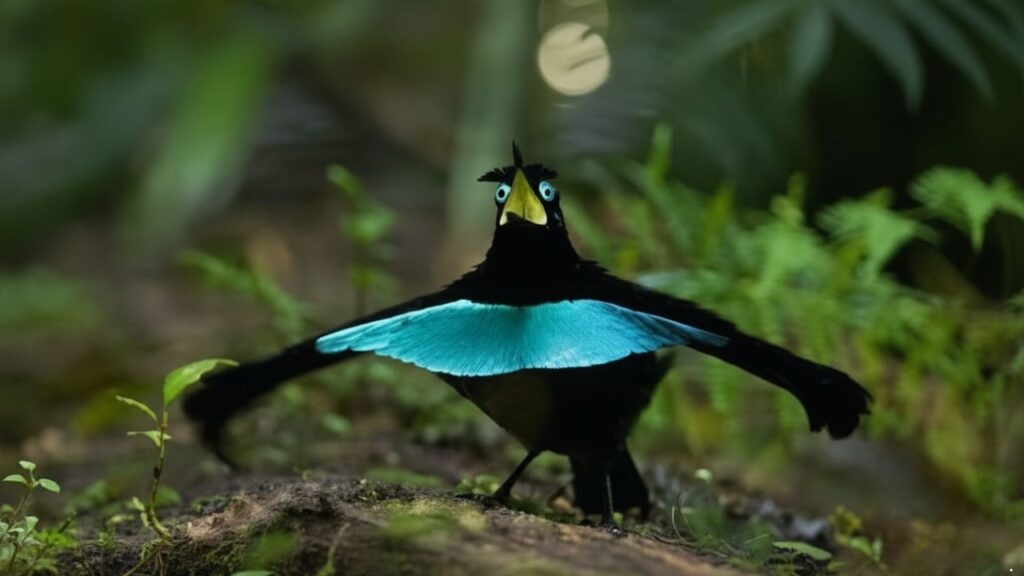
Deep in the forests of New Guinea lives a bird famous for its stunning and unusual courtship dance — the superb bird of paradise. This bird is a true showstopper, thanks to its incredible feathers and mesmerizing moves.
The male’s feathers are among the darkest black found in nature. These special black feathers absorb up to 99.95% of light, making them almost like a black hole.
When the male spreads his feathers, the contrast makes his green-blue feathers seem brighter and almost glow.
During courtship, he shapes his feathers into a large black parasol with shimmering colors, creating an effect that looks like a glowing face under a black light.
This striking visual performance is combined with a carefully timed dance where the bird moves side to side, making the glowing colors flash dramatically. It’s like a living light show designed to captivate the female’s attention. Such a unique display shows just how creative nature can be when it comes to love.
The BBC mentions that the superb bird of paradise’s dance is so impressive that it caught the attention of Sir David Attenborough in a famous BBC documentary. Watching this bird’s glowing, hypnotic performance is a reminder of the amazing wonders hidden deep in the world’s rainforests.
2. Peacock
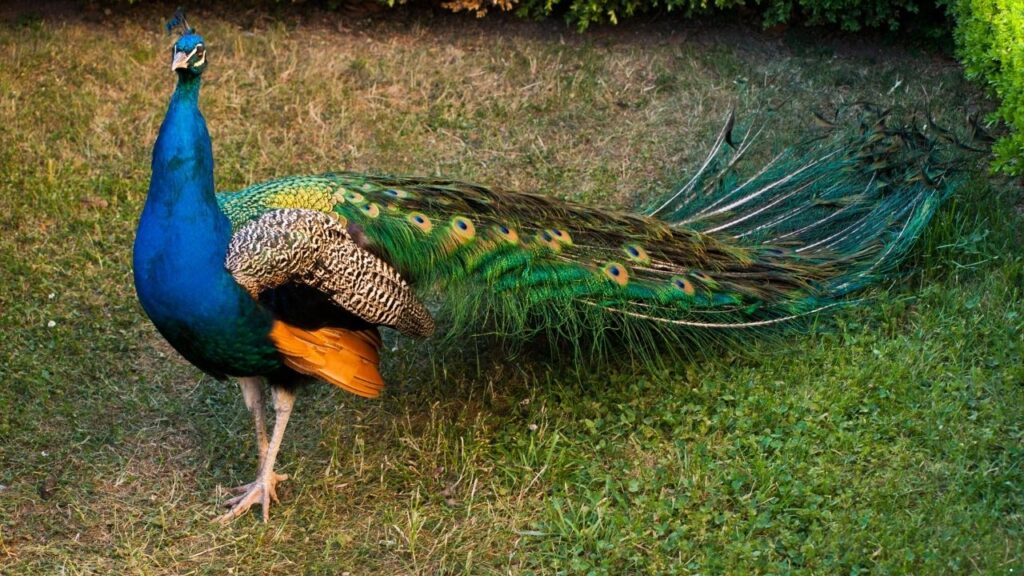
Few bird courtship displays are as famous as the peacock’s dazzling fan of feathers. Male peafowl, called peacocks, use their long, colorful tail feathers to put on a stunning show. When fanned out, these feathers can cover more than half their body length, creating a spectacular visual display.
The peacock’s colorful train is used to impress female peafowl, known as peahens.
Females choose mates based on the size, shape, and color of the tail feathers.
This selection drives the evolution of the peacock’s extravagant plumage.
Before young males grow their full adult feathers, they practice their dance moves by watching older males. These young birds mimic the courtship display, sometimes even joining others in practice dances. This early training prepares them to perform confidently once their impressive feathers grow in.
When it’s time to perform, the male peacock not only fans his feathers but also shimmers and shakes them, creating a captivating display full of color and motion.
This vibrant dance is as much about movement as it is about the feathers, making the peacock one of the most unforgettable dancers in the bird world.
3. Blue-Footed Booby
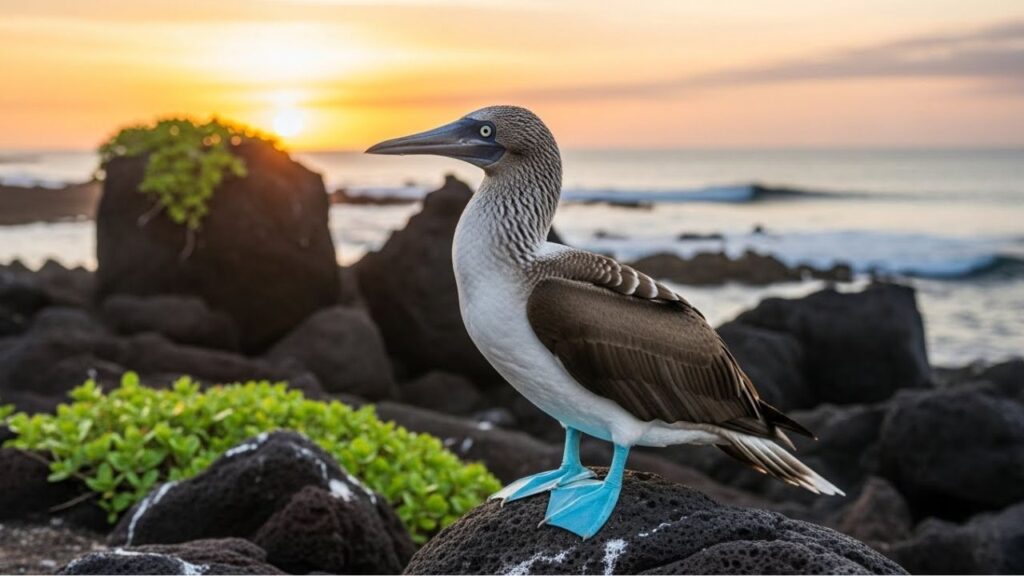
The blue-footed booby stands out instantly with its bright, eye-catching blue feet. These colorful feet aren’t just for looks — they’re a vital part of the bird’s unique and fascinating courtship dance.
The brilliant blue color comes from pigments called carotenoids, which the birds get from the fish they eat. This means the brighter the feet, the healthier the bird likely is, as mentioned by WWF.
Bright blue feet signal a strong immune system and good overall health to potential mates.
To show off, male boobies perform a high-stepping strut, lifting their feet in a rhythmic march to highlight their bright blue color.
Besides their flashy feet, males also present nesting materials to the females as a gift.
They add a dramatic touch by “sky-pointing”—stretching their wings upward and whistling to draw attention and show off their strength.
This colorful and lively performance isn’t just about looking good; it’s a way for males to prove they’re strong and ready to be great parents.
With their bright feet, impressive wing poses, and charming whistles, blue-footed boobies have one of the most unique and memorable courtship displays in the bird world.
4. Western Grebe
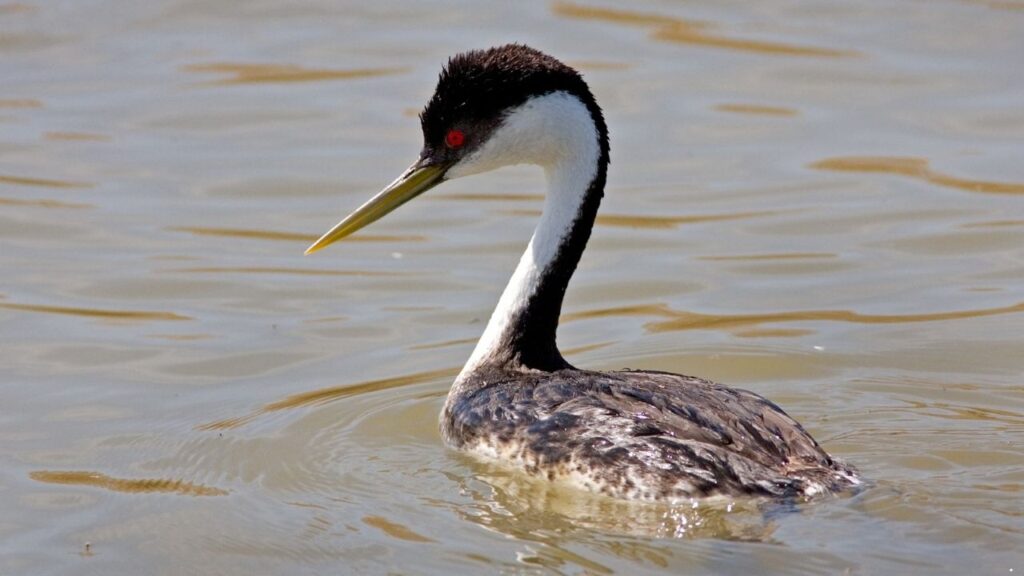
Western grebes are famous for one of the most graceful and athletic courtship displays among birds. Their dance happens right on the water’s surface and is as much about teamwork as it is about beauty.
These grebes perform a spectacular move called “rushing,” where both birds run side by side across the water, almost like a synchronized race.
They are the largest animals known to run on water. This incredible ability comes from their high step rates, wide flat feet, and the perfect mix of foot size and speed.
Keeping pace together is critical. If the pair can’t stay in sync, they won’t become mates.
After successfully completing the rushing, the pair moves on to the “weed ceremony.” In this next stage, the birds pick up water plants and exchange them, along with other elegant movements. This ceremony helps strengthen their bond and shows off their commitment.
This courtship is more than just a dance — it’s a test of compatibility. Only birds that can perfectly coordinate their steps and gestures are likely to stay together and raise young successfully. It’s a beautiful reminder of how teamwork matters in the wild.
5. Greater Sage-Grouse
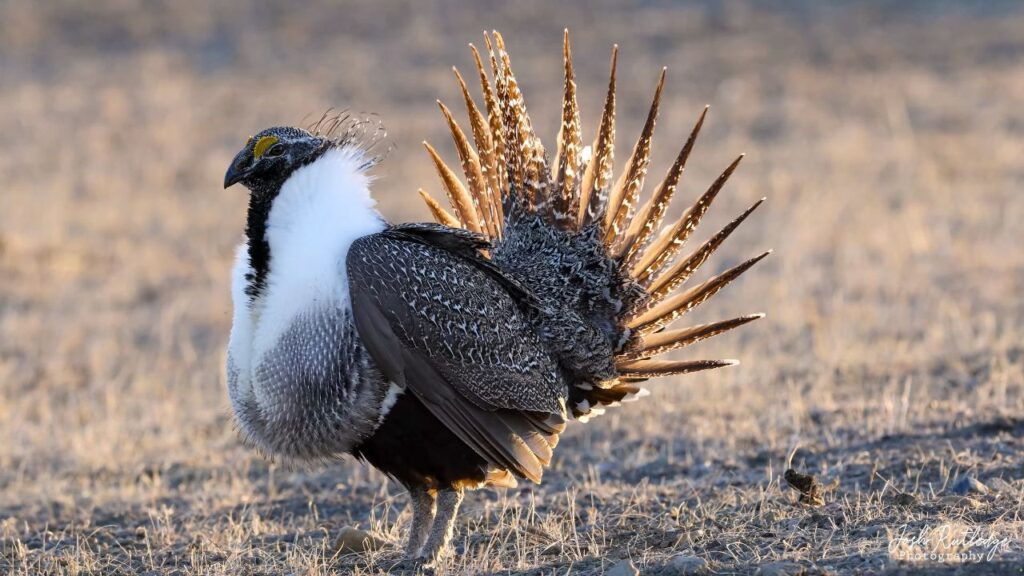
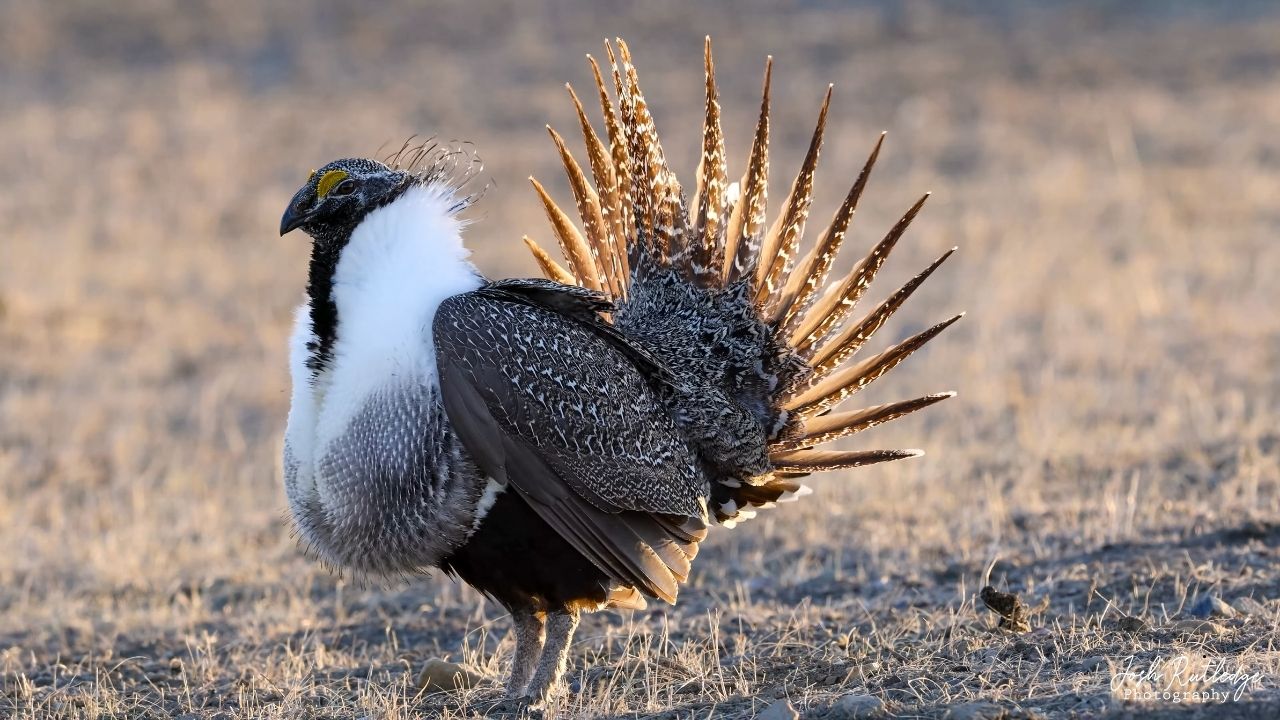
The greater sage-grouse is known for one of the most complex and loud courtship displays in North America. This bird uses colorful skin, spiky feathers, unique movements, and unusual sounds to catch the attention of females.
Every spring, from March to May, males gather in special areas called leks to perform for potential mates.
They inflate and deflate bright yellow throat sacs that stand out against their feathers.
Their head moves forward and backward in a jerky motion that looks like a strong hiccup.
This movement is accompanied by a loud “wup” sound, often compared to the pop of a champagne bottle.
The males’ performances are intense and can last for hours. They compete to be the loudest and most eye-catching to attract females. These elaborate dances help females choose the strongest and healthiest mates.
This courtship ritual shows just how important sound and movement are in the animal kingdom. The greater sage-grouse’s unique display is a powerful mix of visual and audio signals that make it stand out among birds with extraordinary mating dances.
6. Flame Bowerbird
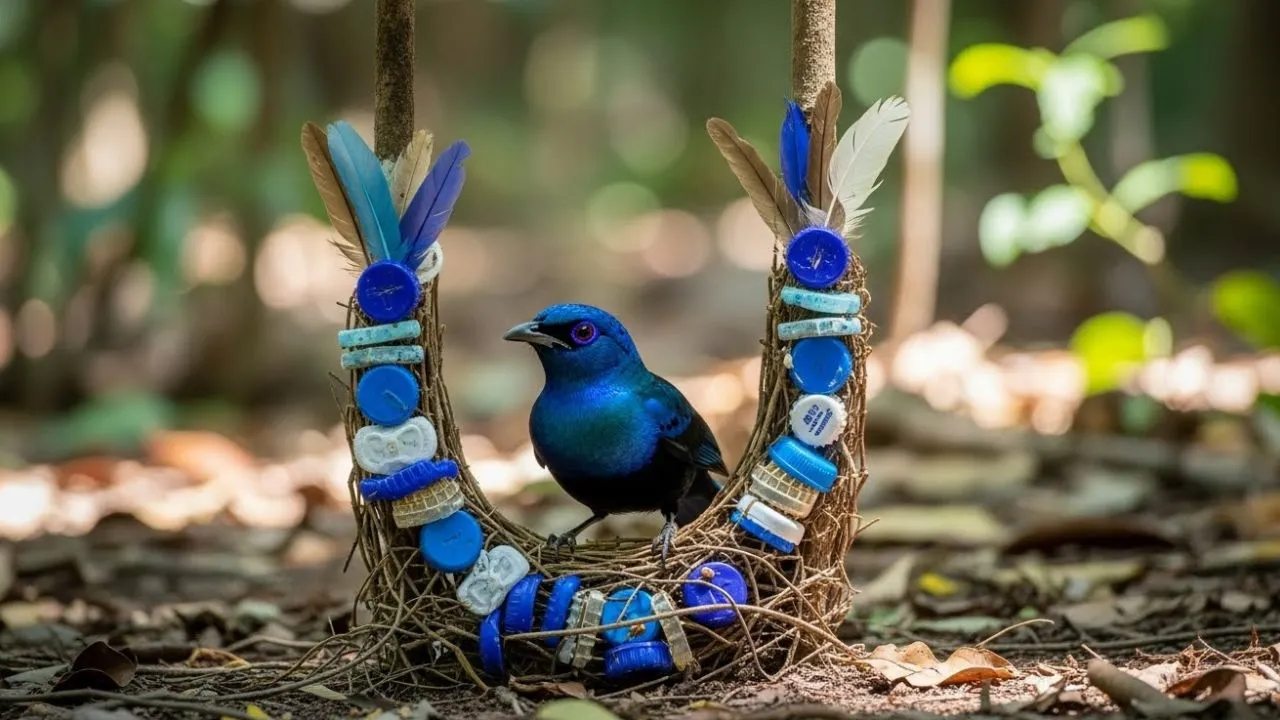
The flame bowerbird is a dazzling bird found in the rainforests of New Guinea. It’s famous not just for its bright orange-red feathers but also for the incredible structures males build to impress females.
Male flame bowerbirds build and decorate elaborate bowers—special structures made from twigs and leaves.
They carefully arrange colorful objects like flowers, berries, and even bits of fruit around their bowers to attract females.
The fiery red and orange colors of the male’s feathers add to the show, making him stand out against the green forest backdrop.
During courtship, the male performs a mix of dances and calls near his bower, showing off both his building skills and his bright plumage. These displays help females judge his fitness and ability to provide good genes.
Interestingly, male flame bowerbirds are very particular about their bowers. They spend hours maintaining and rearranging decorations to keep their display fresh and eye-catching.
This attention to detail not only highlights their dedication but also signals their overall health and vigor to potential mates.
7. Red-Capped Manakin
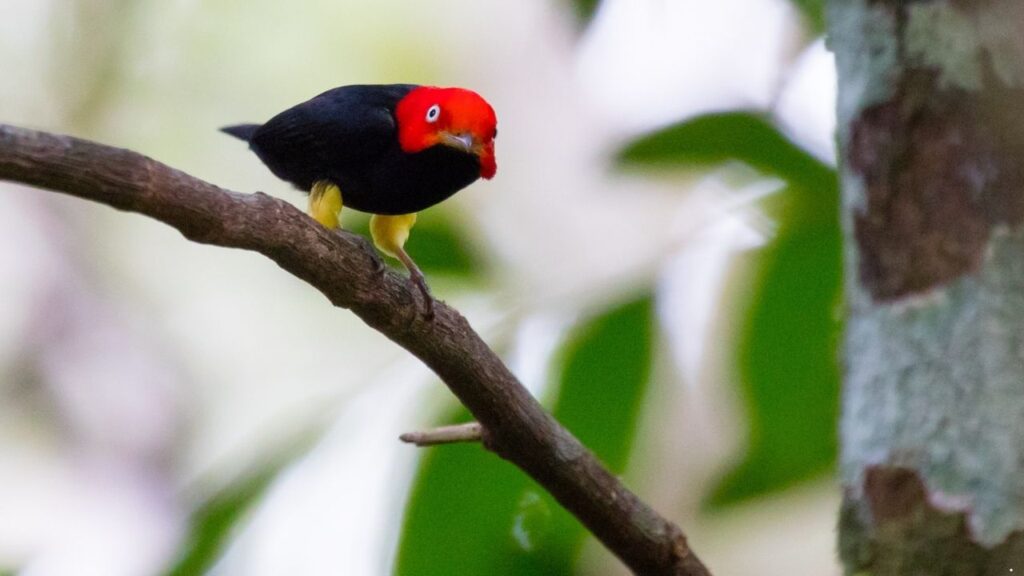
The red-capped manakin is a fruit-eating bird found in Central America. Males are easy to spot with their shiny black bodies and bright red heads, as stated by the Cornell Lab. But their colorful feathers are only part of the story.
During courtship, males show off with four unique dance moves.
They pivot back and forth on a branch, dart quickly between perches, snapping their wings to make noise, and circle around in flight.
The most famous move is a smooth “moonwalk,” where the bird glides backward along a branch, almost like it’s sliding on a conveyor belt.
This moonwalk isn’t just a cool trick—it’s a carefully practiced move that helps the male catch the female’s attention. The smoothness and precision of the dance show the bird’s strength and coordination.
The red-capped manakin’s dance is also a great example of how animals use behavior, not just looks, to impress mates. Females watch closely to pick the males with the best moves, which means the dance plays a big role in who gets to pass on their genes.
Conclusion
Male birds across many species go to great lengths to perform amazing bird mating dances. These displays, often featuring iridescent feathers and unique movements, play a crucial role in how birds mate and form strong pair bonds.
Sexual selection drives these behaviors, encouraging one bird to stand out from the group with striking colors, long necks, or clever displays to attract a mate.
Most birds take into account the challenges of their environment—like predators, sight, and available food—when choosing how to breed. Whether it’s in the air, on the ground, or hidden in the grass, these courtship rituals during spring help ensure the next generation thrives.
Through their dances and displays, birds show us the incredible diversity and creativity found in nature’s quest to find love.
