




Have you ever stopped to really look at a bird’s beak and thought, “Wow, that’s a colorful snout!”? While many people notice birds for their beautiful feathers, the beak is often an overlooked masterpiece of nature’s design.
Brightly colored beaks aren’t just for show—they can tell fascinating stories about a bird’s life, from attracting a mate to signaling messages to others.
What’s really amazing is that the color of a bird’s beak can actually change depending on its health, diet, or even the season. For example, some birds’ beaks become more vibrant during breeding times, helping them stand out and impress potential partners.
In this article, we’ll explore some of the most eye-catching birds with the most colorful beaks and uncover why these natural artists wear such vivid “lipstick.” Whether you’re a birdwatching newbie or a seasoned pro, these stunning bills are sure to catch your attention.
Birds That Have Brightly Colored Beaks
1. Atlantic Puffin

The Atlantic Puffin is well-known for its strikingly colorful beak, especially during the breeding season. Its bill lights up with vibrant shades of orange, red, and yellow that make it stand out on rocky coastal cliffs. These bright colors aren’t just for show—they help puffins attract mates and communicate health and vitality.
Seasonal Changes in Beak Color
The puffin’s colorful outer beak plates are shed after the breeding season, revealing a smaller, dull gray bill beneath. This change repeats annually, meaning the puffin only sports its brilliant “makeup” during mating time, when it’s most important.
More Than Just a Pretty Bill
According to Ask Nature, the puffin’s beak is specially adapted to catch and hold multiple small fish at once—sometimes a dozen or more!
This allows them to efficiently feed their chicks during breeding season. Underwater, they use their wings to “fly” through the water while chasing fish, making their beak an essential fishing tool.
2. Toco Toucan
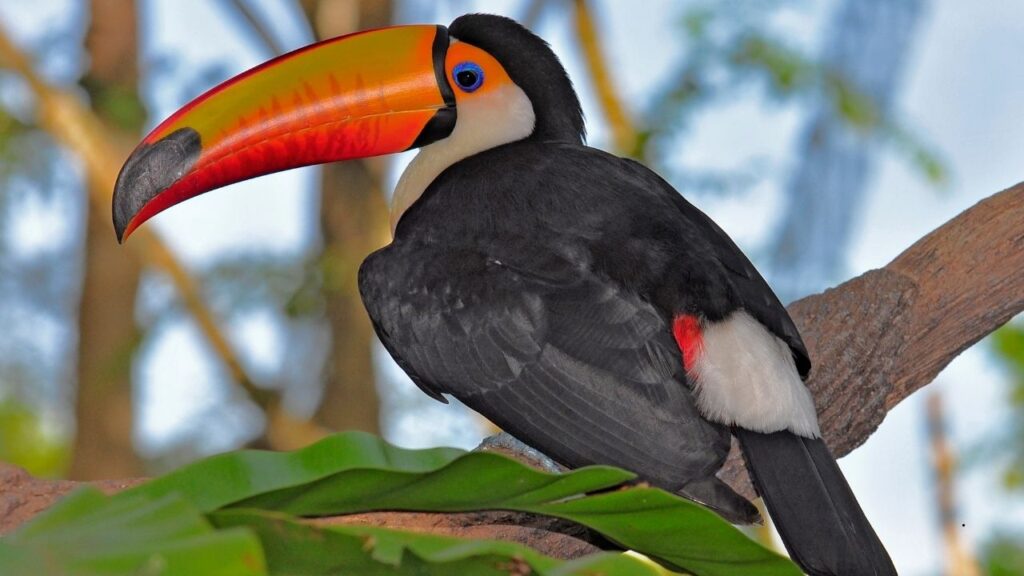
The Toco Toucan is instantly recognizable thanks to its enormous, brightly colored beak. Its bill is a vibrant mix of orange, yellow, and black, making it one of the most striking bird features in the world. Despite its size, the beak is surprisingly light because it’s made of a spongy, hollow material.
A Beak That Does More Than Look Good
The toucan’s large bill helps it reach and peel fruit that might otherwise be hard to access. It also plays a role in thermoregulation, meaning the bird can control its body temperature by adjusting blood flow to its beak. This makes the bill a multi-purpose tool, vital for both feeding and keeping cool.
Color and Communication
The vivid colors of the toucan’s bill are important for social interactions. They help toucans recognize each other, attract mates, and may even be used to intimidate rivals. The bright bill is a key part of their personality and presence in their environment.
3. Northern Cardinal
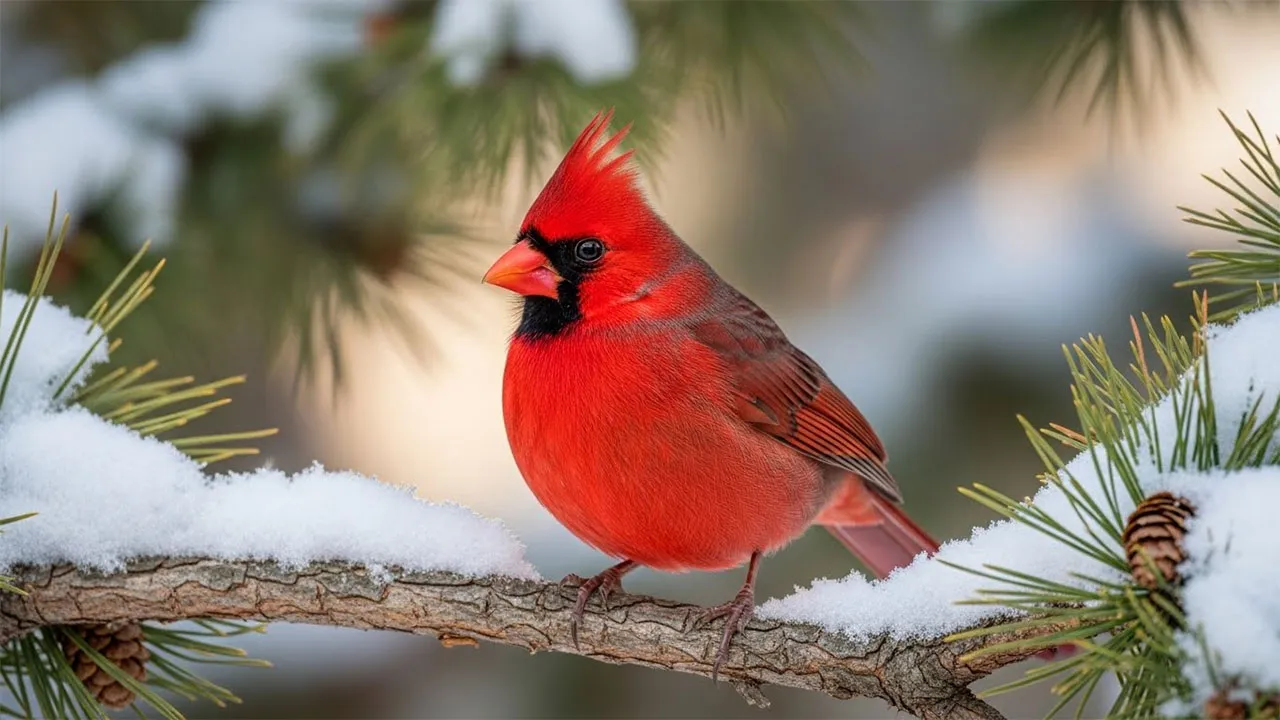
The Northern Cardinal is famous for its stunning red color and its sharp, cone-shaped beak. The bright orange-red beak contrasts beautifully with its vibrant plumage, making it a favorite among birdwatchers.
The Power of the Beak
The cardinal’s strong, pointed beak is perfect for cracking open seeds, which are a main part of its diet. This sturdy bill helps the bird access food that many others can’t, giving it an edge during winter months when seeds are plentiful. Cardinals also use their beaks to eat fruits and insects, showing their versatile feeding habits.
Beak Color and Health
The bright orange-red color of the cardinal’s beak is also an indicator of its health and vitality. Cardinals with more intense beak coloration are often in better condition and more attractive to potential mates, making the beak an important part of their reproductive success.
Interestingly, the beak’s color can change slightly with diet and season, reflecting the bird’s overall well-being.
4. Roseate Spoonbill
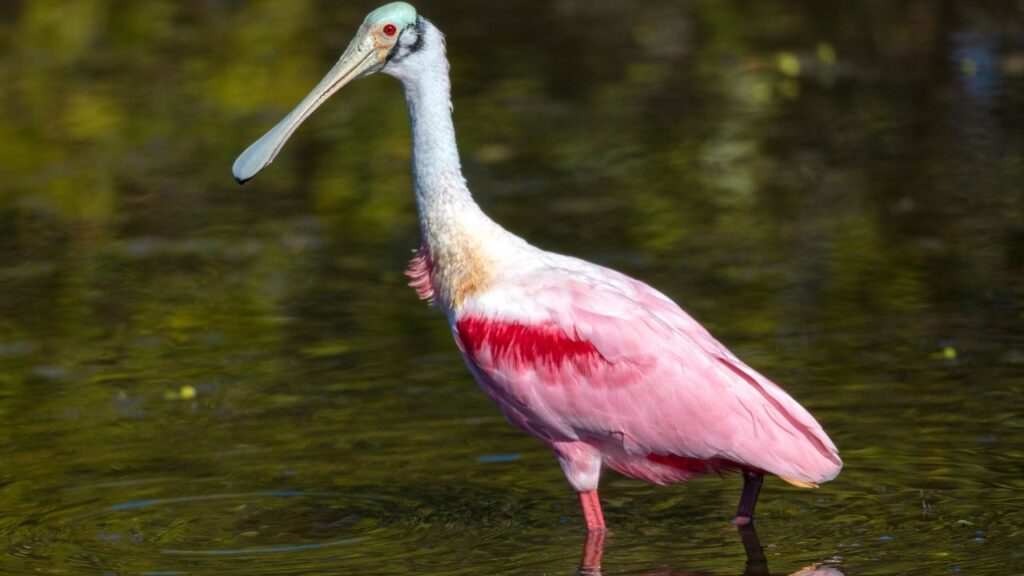
The Roseate Spoonbill is easily recognizable by its vibrant pink plumage and its distinctive spoon-shaped bill.
This bill is wide and flat at the tip, unlike most bird beaks, making it perfectly adapted for its unique feeding style. The combination of its bright feathers and unusual bill shape makes it a standout among wetland birds.
A Bill Built for Fishing
The National Audubon Society mentions that Roseate Spoonbills use their specialized bills to sweep side to side through shallow, muddy waters. The sensitive tip of the bill helps detect small fish, crustaceans, and aquatic insects even when visibility is low.
As the bird moves its bill through the water, it quickly snaps shut on any prey it senses, making this feeding method highly effective in their natural habitat.
Color and Courtship
The pale color of the spoon-shaped bill contrasts beautifully with the rich pink feathers, which vary in intensity depending on the bird’s diet.
During courtship, the bright pink plumage becomes a key signal of health and vitality, helping individuals attract mates. This combination of color and unique bill shape makes the Roseate Spoonbill a true showstopper during breeding season.
5. Painted Stork
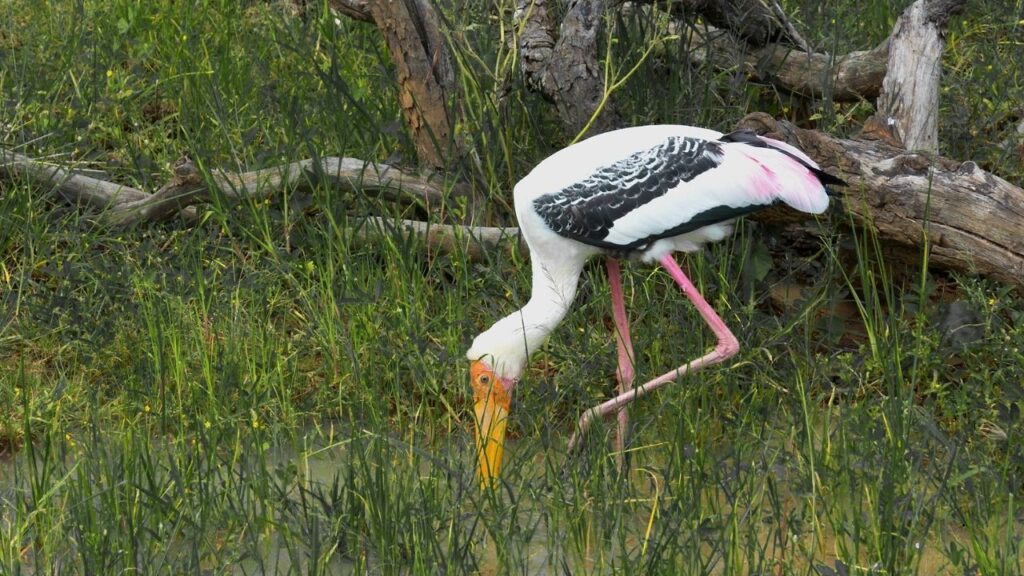
The Painted Stork is famous for its graceful appearance, with a long, slender body and striking black-and-white feathers accented by soft pink patches. Its most eye-catching feature is the long, yellow-orange beak, which stands out vividly against its plumage and plays a vital role in its feeding habits.
Specialized Feeding Tool
The stork’s long, slightly curved beak is perfectly adapted for wading in shallow waters. It uses a sweeping motion, moving the bill side to side through water to catch fish and other small aquatic creatures.
This tactile feeding method allows the Painted Stork to forage effectively in turbid or fast-moving water where sight is limited.
Beak Color and Social Significance
The intensity of the bill’s bright yellow-orange color increases during the breeding season, signaling reproductive readiness to other birds.
This vibrant coloration plays an important role in social communication within large colonies, helping individuals identify each other and coordinate nesting activities.
6. Rhinoceros Hornbill
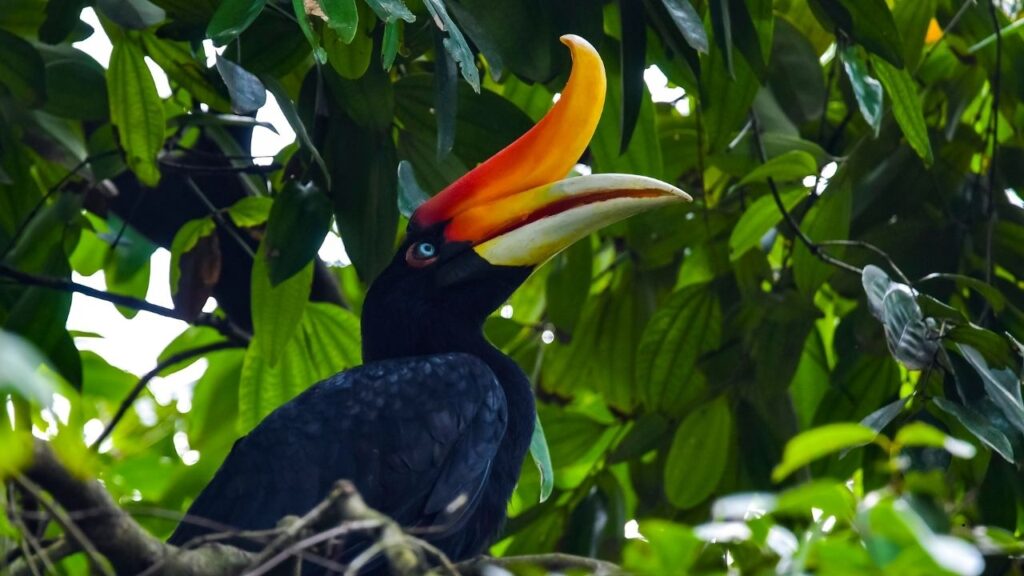
The Rhinoceros Hornbill is instantly recognizable by its large, bright orange and yellow bill topped with a prominent casque—a hollow, helmet-like structure. This bold feature makes it one of the most impressive and striking birds in the tropical forests where it lives.
A Beak That’s More Than Just Decoration
The hornbill’s massive bill and casque are surprisingly lightweight but strong, helping it crack open tough fruits and nuts.
The casque also plays a role in amplifying calls, making the bird’s booming calls travel farther through dense forest. This combination of form and function makes the bill a vital tool for survival.
Color and Social Display
The bright colors of the bill and casque are used in social interactions and courtship rituals. These vivid features signal the bird’s fitness to potential mates and help establish dominance within groups. The dramatic appearance of the Rhinoceros Hornbill’s bill makes it a true icon of rainforest wildlife.
7. Black Skimmer

The Black Skimmer is famous for its unusual bill—long, thin, and asymmetrical, with the lower mandible longer than the upper. This unique shape allows the bird to “skim” the water surface to catch fish, making it one of the most specialized feeders among coastal birds.
A Bill Perfectly Designed for Skimming
As the Black Skimmer flies low over the water, it drags the longer lower bill just beneath the surface. When it touches a fish, the upper bill snaps shut instantly, allowing the bird to catch prey efficiently even in low light or murky water conditions. This feeding technique is rare and highly specialized.
Beak Color and Communication
The bird’s bright orange-red bill stands out sharply against its black and white plumage. The vivid coloration intensifies during breeding season, helping individuals recognize mates and rivals within noisy, crowded colonies. This colorful bill is both a functional fishing tool and an important social signal.
8. Keel-billed Toucan
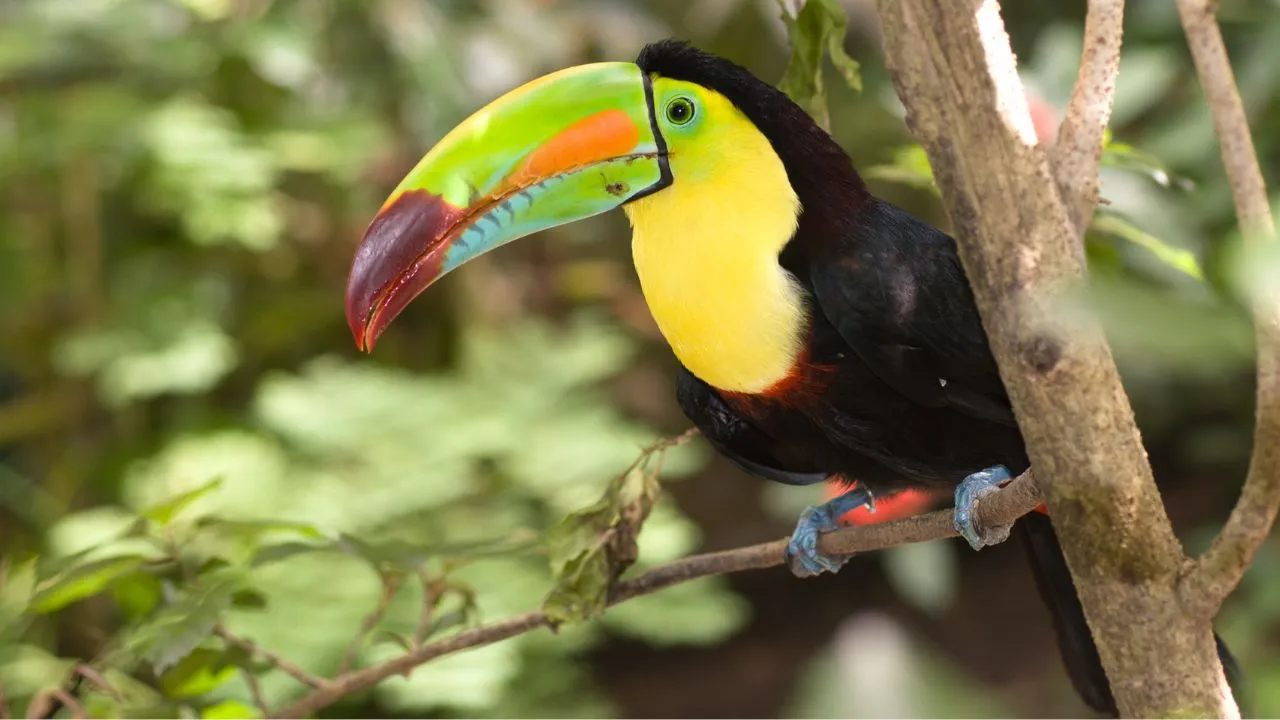
The Keel-billed Toucan is famous for its spectacular, multicolored bill that looks like a splash of the rainbow. Its bright green, orange, red, and blue hues make it one of the most visually stunning birds in the tropical forests where it lives.
A Beak That’s Light but Strong
Despite its large size and vibrant colors, the toucan’s bill is surprisingly lightweight, made of a hollow but sturdy material called keratin, as mentioned by Bird Spot. This allows the bird to use its bill skillfully for reaching and peeling fruit, as well as for defense and social interaction.
Colorful Communication
The bright colors of the bill are believed to help toucans recognize one another and attract mates. The vivid, patterned beak also plays a role in intimidating rivals, making it a powerful tool both for feeding and social signaling.
9. Great Hornbill

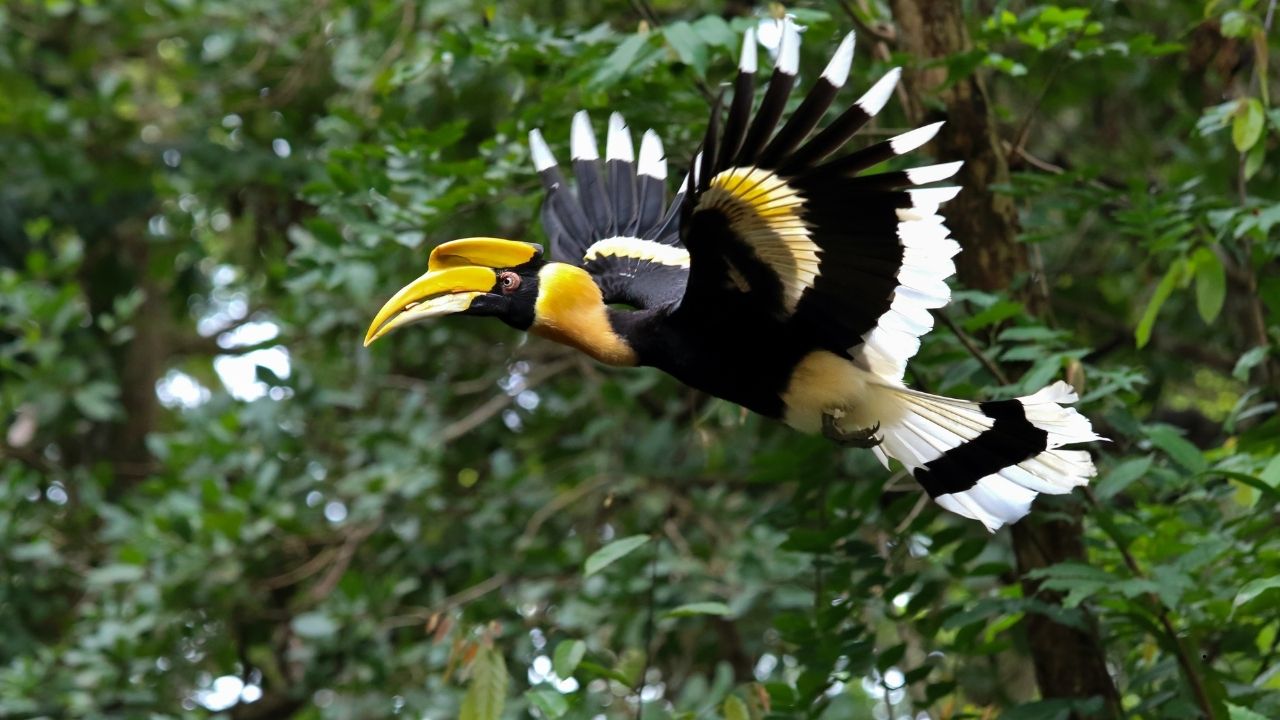
The Great Hornbill is one of the most impressive birds in the Asian forests, instantly recognizable by its enormous yellow and black bill topped with a massive casque. This combination gives the bird a bold and regal appearance, making it a true icon among hornbills.
A Functional and Decorative Beak
The large bill is more than just a showpiece—it’s a powerful tool for feeding. The Great Hornbill uses its strong beak to pick and crack open tough fruits, which form a major part of its diet.
The hollow casque on top of the bill isn’t just for looks either; it acts like a natural amplifier, making their deep, booming calls carry farther through dense forests. This helps them communicate over long distances, especially during the breeding season.
Beak Color and Courtship
During mating season, the bright yellow color of both the bill and casque becomes even more vivid, signaling health and fertility to potential mates.
This striking display plays a critical role in courtship rituals. Additionally, the casque and bill are used in dominance displays to establish territory and social rank among other hornbills.
Conclusion
Birds with brightly colored beaks are truly a marvel of nature’s beauty. Whether native to the coast, the sea, or the ground, these species stand out with accentuated colors that help them blend into their environment or shine among a bunch of other animals.
Biologists studying ornithology have often noted how the bright bills of male birds, especially, act as a kind of natural “clown” feature—drawing attention in the wild and playing a key role in courtship and survival.
From the air to the middle of the wild, these birds use their round, colorful heads and distinct feet to navigate their habitats. Their colors can be dipped in hues that both blend and contrast, creating a spectacle that continues to fascinate scientists and bird lovers alike.
