




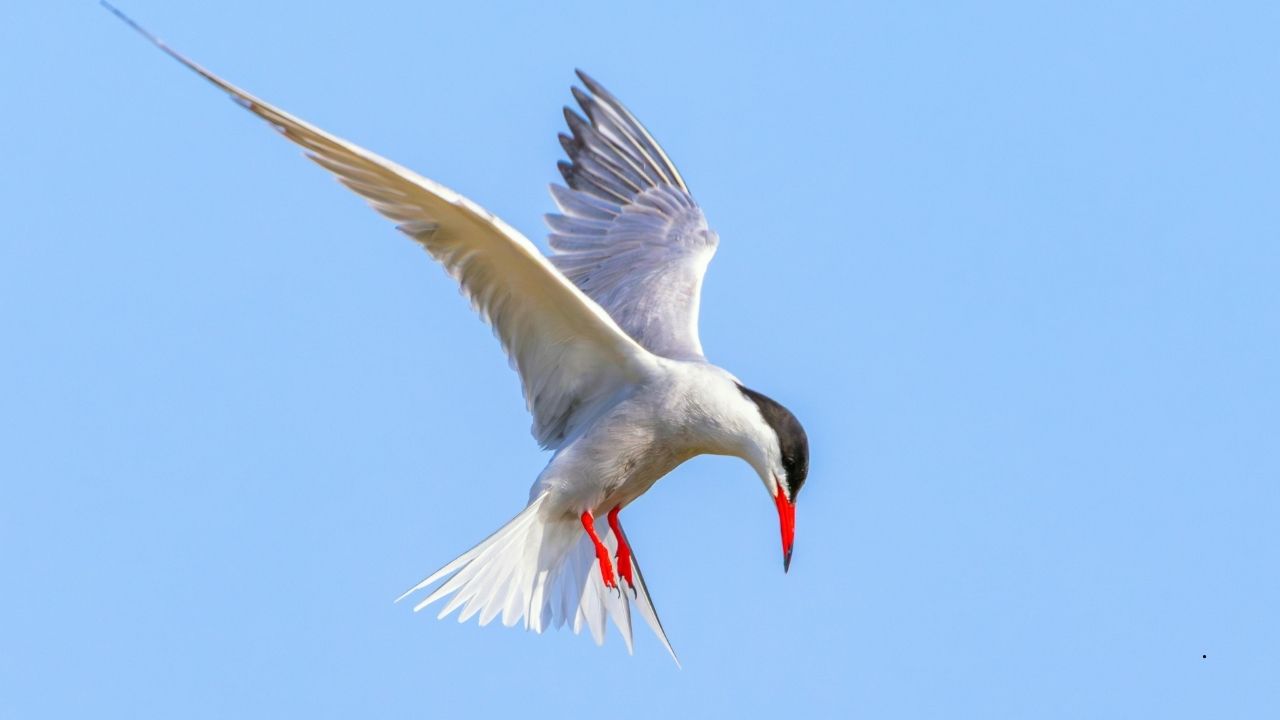
Birds are some of the most resilient animals on Earth, and their success in the coldest climates is nothing short of remarkable. In regions where ice dominates the landscape and temperatures plunge far below freezing, birds continue to fly, feed, and survive with ease that seems almost impossible.
One reason these birds thrive is their ability to sense environmental changes before conditions turn dangerous. Studies show that birds can detect subtle shifts in air pressure, allowing them to anticipate storms and extreme cold ahead of time.
They also conserve heat through dense insulating feathers, controlled blood flow, and energy-saving behaviors that help them endure long, harsh winters with limited food.
Winter also offers a unique chance to appreciate birdlife more clearly. With leafless trees and quieter landscapes, birds are easier to spot, and many species appear only during the colder months.
Shorter daylight hours make observation simpler, and the calm of winter reveals just how active and well-adapted these birds truly are—turning the coldest climates into stages for some of nature’s most impressive survival stories.
Key Takeaways
See how Emperor Penguins, Snowy Owls, and Arctic Terns survive the coldest places on Earth.
Find out how birds sense storms and stay warm in freezing weather.
Discover Ptarmigans’ color changes and Ravens’ clever survival tricks.
Explore the wild lives of Ivory Gulls and Gyrfalcons in the Arctic.
Birds that Have Adapted to the Coldest Climates
1. Emperor Penguin
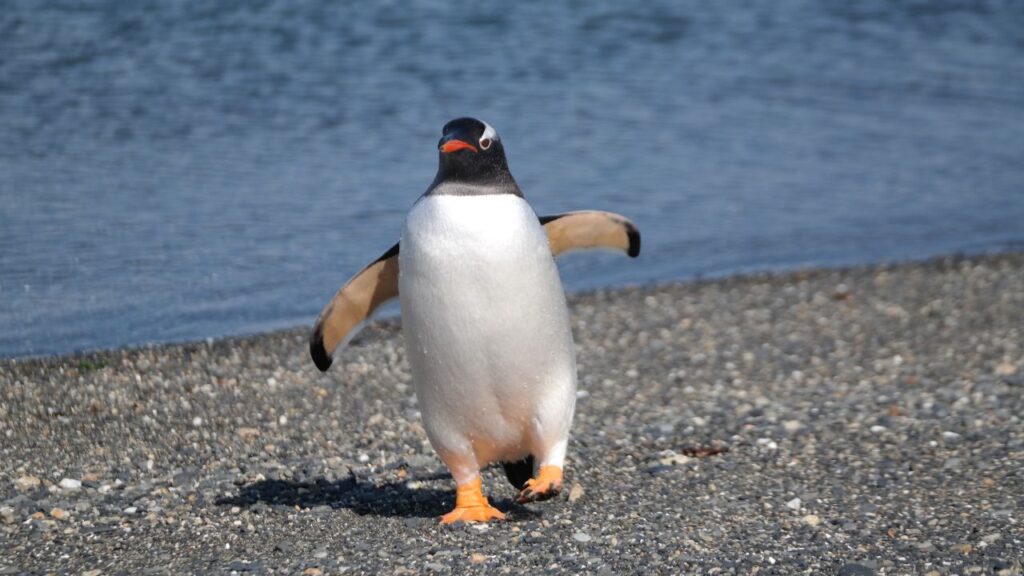
The emperor penguin is the largest living penguin species and a true icon of Antarctica. It lives on frozen ice sheets and hunts in the icy surrounding waters, surviving where few animals can.
Once a pair forms, they usually mate for life and work together to protect and raise their young, showing strong cooperation in one of the harshest environments on Earth.
Surviving extreme cold is where this bird truly stands out. WWF mentions that Emperor penguins live in places where temperatures can fall very low.
They stay warm thanks to thick plumage and layers of fat, but there’s a surprising twist. The surface of their feathers is colder than the surrounding air, which actually helps reduce heat loss and keeps body warmth trapped inside.
Why emperor penguins thrive in extreme cold:
Thick feathers provide powerful insulation
Layers of fat help retain body heat
Feather surfaces reduce heat loss by staying colder than the air
Strong pair bonds ensure chicks are fed and protected
2. Snowy Owl
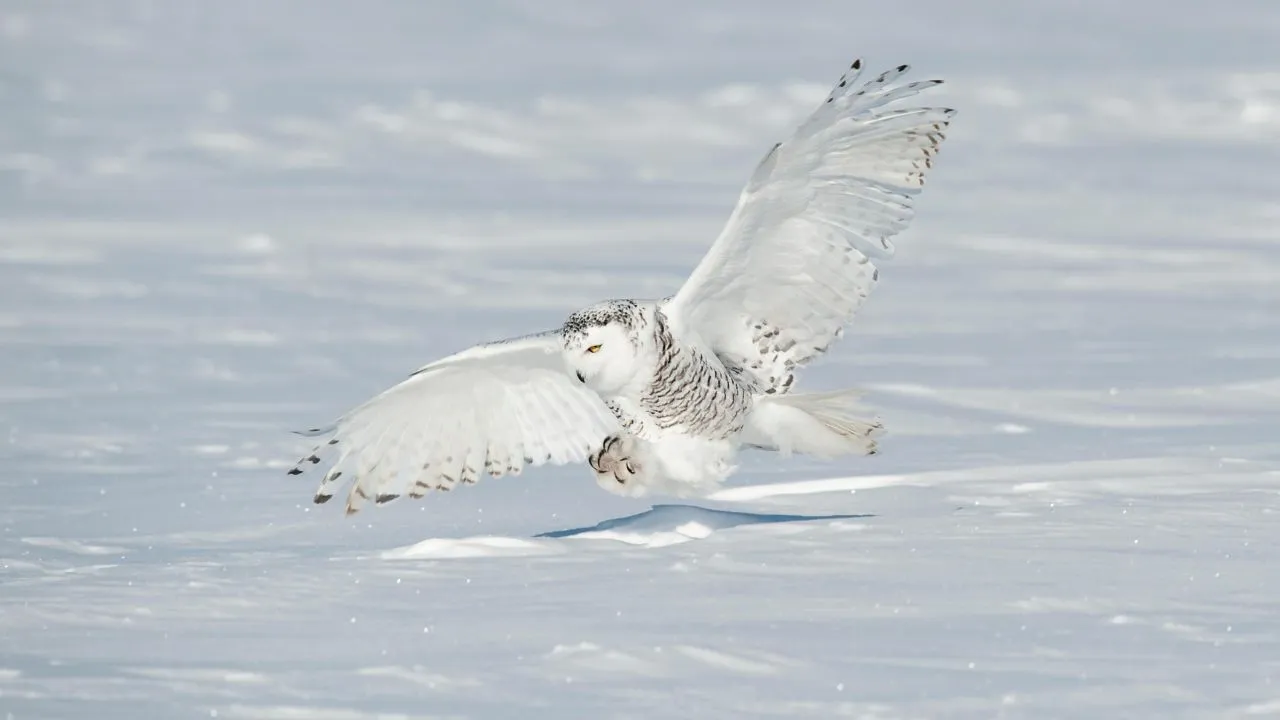
The snowy owl is a striking bird of the high Arctic, known for its white plumage, round head, and piercing yellow eyes. Native to frozen tundra landscapes, it is perfectly adapted to life in extreme cold.
During especially harsh winters, some snowy owls travel south across the United States, sometimes reaching as far as Florida and the Bahamas. These winter visitors often hunt in open fields, dunes, and even near barns, where they help control rodent populations.
Snowy owls are built for survival in icy environments. Their pale coloring provides excellent camouflage against snow-covered ground. They have no ear feather tufts, and their black beak and bright eyes stand out against their white feathers.
Adult males become nearly pure white, while females and younger birds show darker speckling. In summer, they live far north of the Arctic Circle, hunting in continuous daylight and following areas with high numbers of lemmings and other prey.
How snowy owls adapt to extreme cold:
Thick plumage insulates against freezing temperatures
White coloring blends into snowy landscapes
Flexible hunting habits allow survival year-round
Breeding depends on food availability
3. Arctic Tern
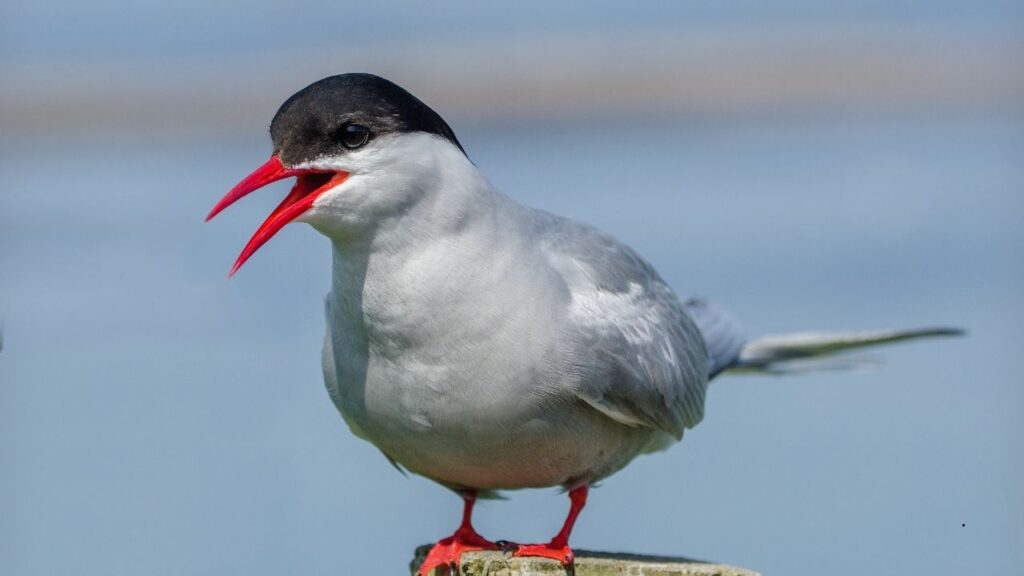
The Arctic tern is a small but powerful bird known for having one of the widest ranges of any flyer on Earth. It breeds in the Arctic and spends the rest of the year at sea, moving between the coldest regions of the planet.
Some individuals travel an estimated 2.4 million kilometers over their lifetime, making them the most far-ranging birds in the world. Because of this epic journey, Arctic terns experience two summers every year—one in the Arctic and one in Antarctica.
These social birds are famous for their pole-to-pole migration. Each year, they travel from Arctic breeding grounds to Antarctica, crossing every ocean and nearing every continent. Their routes are not direct; instead, they meander across oceans and coastlines, which adds thousands of extra miles.
One recorded Arctic tern completed nearly 60,000 miles in a single year—more than twice the circumference of the Earth, as mentioned by the National Audubon Society. In North America, they are rarely seen far south of land outside their breeding areas.
How Arctic terns thrive in the coldest climates:
Long, narrow wings allow efficient long-distance flight
Flexible migration helps them avoid the harshest winters
Ground nesting in colonies offers safety in Arctic regions
Group foraging improves survival at sea
4. Ptarmigan
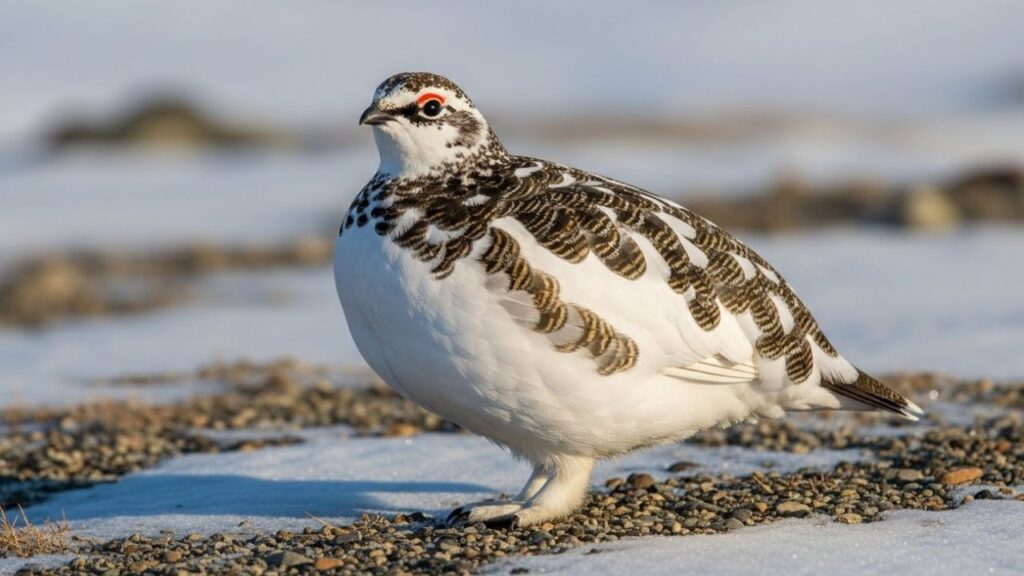
The ptarmigan is a cold-region bird closely related to grouse and partridges. Outside the UK and Canada, it is often called the rock ptarmigan, but around the world, it has many names.
The Japanese call it the “thunderbird,” Greeks know it as “hare feet,” Gaelic speakers say “croaker,” and in parts of America, it is nicknamed the “snow chicken.” Males are especially known for their distinctive croaking song, which carries across open, frozen landscapes.
What makes the ptarmigan exceptional is its ability to change appearance with the seasons. In winter, its feathers turn completely white, blending perfectly with snow-covered ground.
In summer, the bird shifts to brown, grey, and black tones with dark striping that match tundra vegetation and rocky terrain. Unlike other grouse, ptarmigans also have stiff feathers covering their toes, providing insulation and grip while walking on snow.
How ptarmigans survive extreme cold:
Seasonal plumage changes for year-round camouflage
Feathered toes protect against ice and snow
Ground foraging reduces energy use
Limited movement helps conserve warmth
5. Common Raven
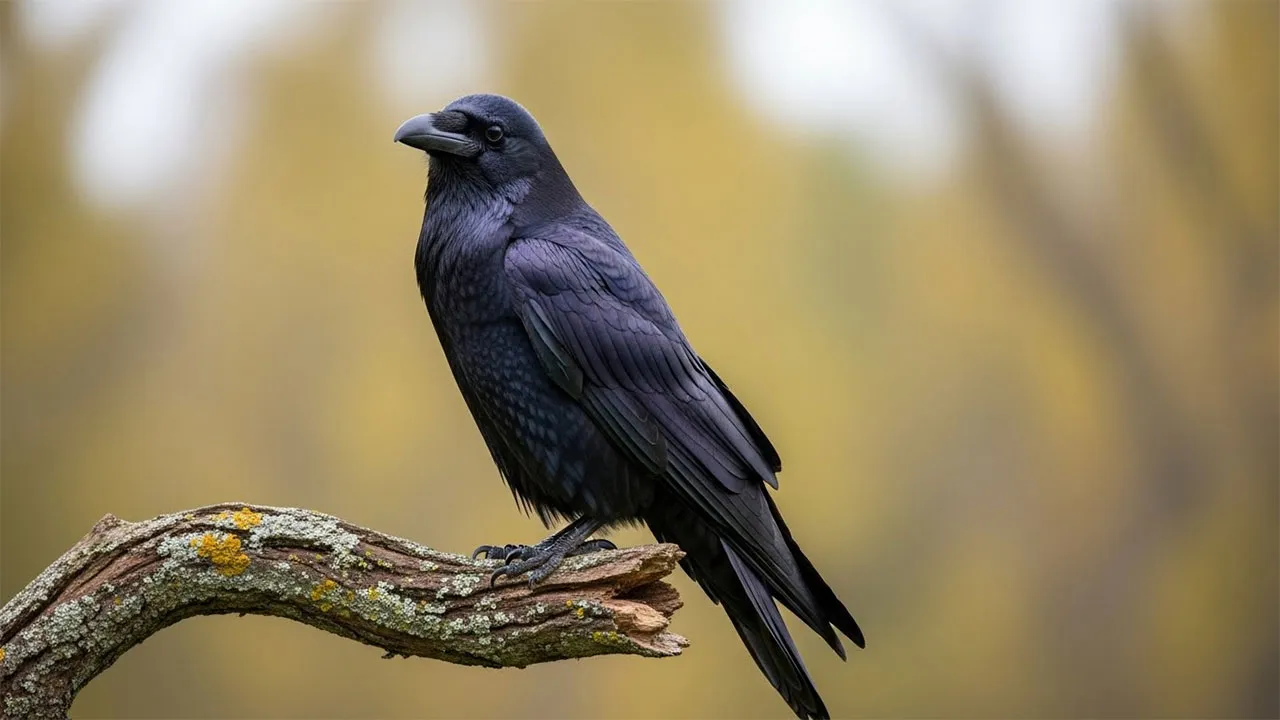
The common raven is one of the most adaptable birds on Earth. Often called the cleanup crew of the bird world, it thrives in places ranging from frozen tundra to suburban neighborhoods.
Highly intelligent and resourceful, ravens scavenge discarded food and help reduce waste and pests around human settlements. Their deep, echoing croak is a familiar sound across the Northern Hemisphere.
Ravens belong to the crow family and are the largest of the perching birds. They live in mountains, deserts, forests, tundra, and coastal areas, showing an impressive ability to survive in extreme cold.
These birds have followed humans for centuries, trailing wagons, sleds, and hunting parties in search of food. Scientists rank ravens among the smartest birds, known for solving complex problems and adapting quickly to new challenges.
How ravens succeed in harsh climates:
Strong intelligence helps locate food year-round
Scavenging reduces dependence on seasonal prey
Powerful flight allows wide-ranging movement
Flexible habitat use supports survival in extreme cold
6. Common Edier
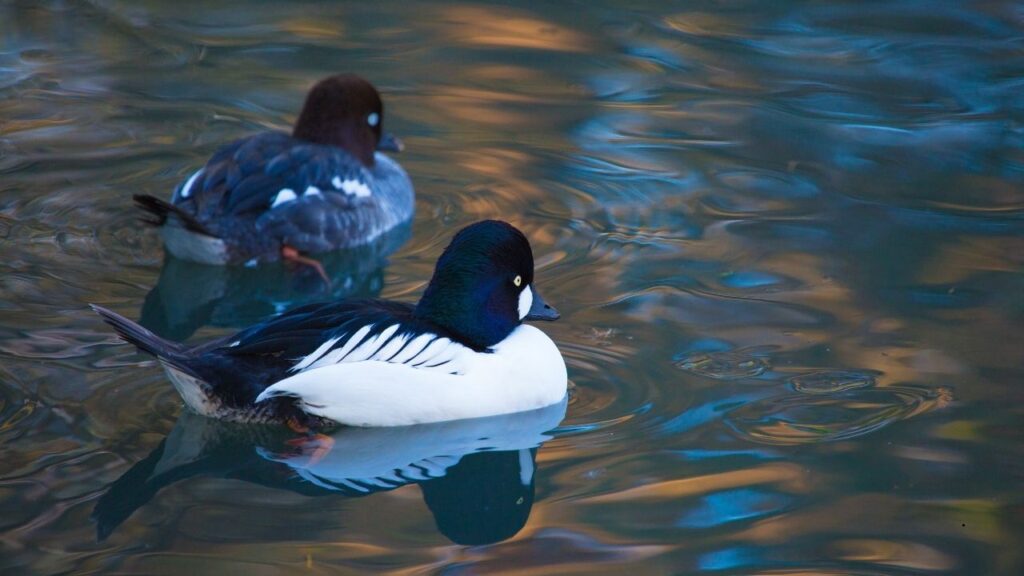
The common eider is the largest duck found in the Northern Hemisphere and a true bird of cold oceans. Also known as St. Cuthbert’s duck or Cuddy’s duck, it lives along northern coastlines and spends most of its life on frigid, rough seas.
This heavy-bodied sea duck is often seen floating offshore in large flocks and is known for its calm, almost lethargic behavior in the water.
Common eiders are perfectly adapted to freezing marine environments. They dive offshore for mussels and other shellfish and are highly social during the breeding season. Many nest together in colonies along the coast.
Their nests are lined with eider down—one of the best natural insulators in the world—which helps keep eggs warm in harsh Arctic climates. In places like Iceland, this down is harvested commercially at coastal eider farms, where wild birds are encouraged to nest in protected shelters.
Why common eiders thrive in cold climates:
Eider down provides exceptional insulation
Strong diving ability supports offshore feeding
Colonial nesting offers protection and warmth
Thick plumage shields against icy seas
7. Snow Bunting
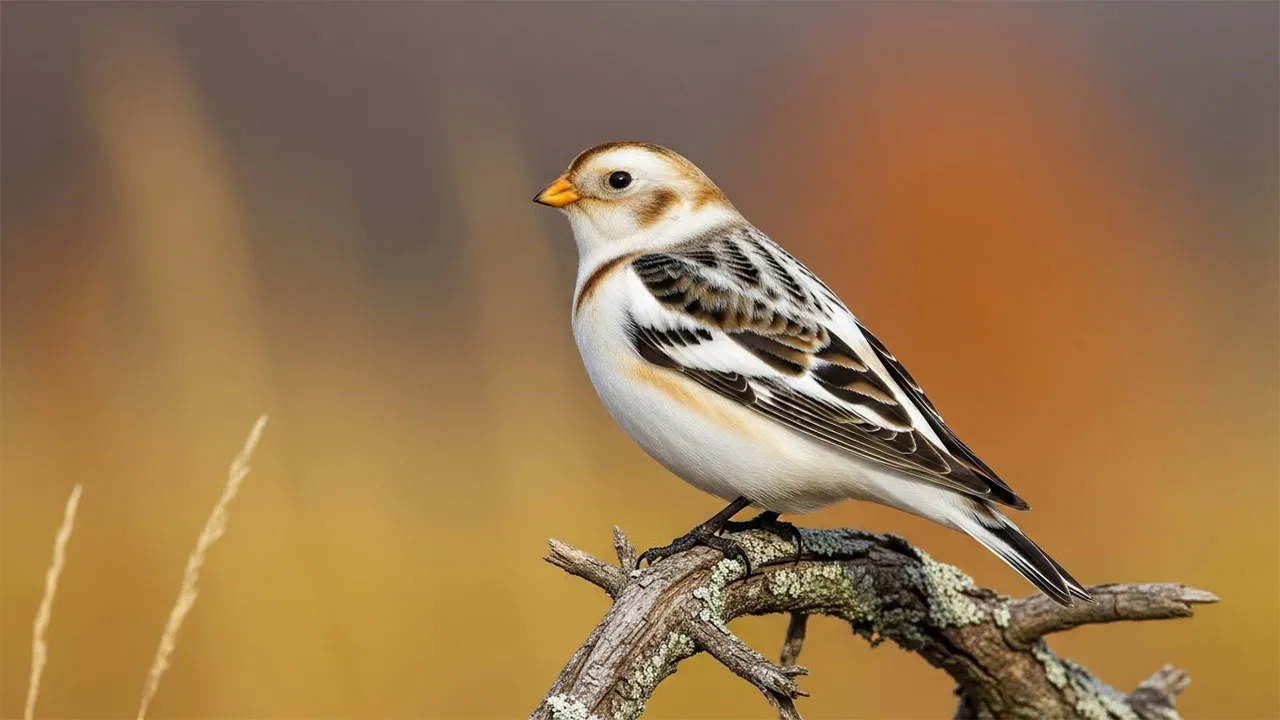
The snow bunting is a small but resilient bird that thrives in some of the coldest places on Earth. It breeds on the high Arctic tundra, where conditions remain cold even in summer. These birds choose rock cavities for nesting, which offer protection from predators but little warmth.
Males arrive early, often when snow still covers the ground, to prepare nests and support females by bringing food while the eggs are kept warm.
Snow buntings are easy to recognize by their striking black-and-white plumage. During the breeding season, males show bright white heads and underparts with darker wings, while females appear more mottled.
In autumn and winter, both sexes develop sandy and buff tones that help them blend into bare ground and snowy fields. They line their nests with feathers, fur, grass, and moss to protect eggs from freezing temperatures.
How snow buntings survive extreme cold:
Nesting in rock crevices for safety
Thick nest lining made of fur and feathers
Early breeding despite snow-covered ground
Seasonal plumage changes for camouflage
8. Ivory gull
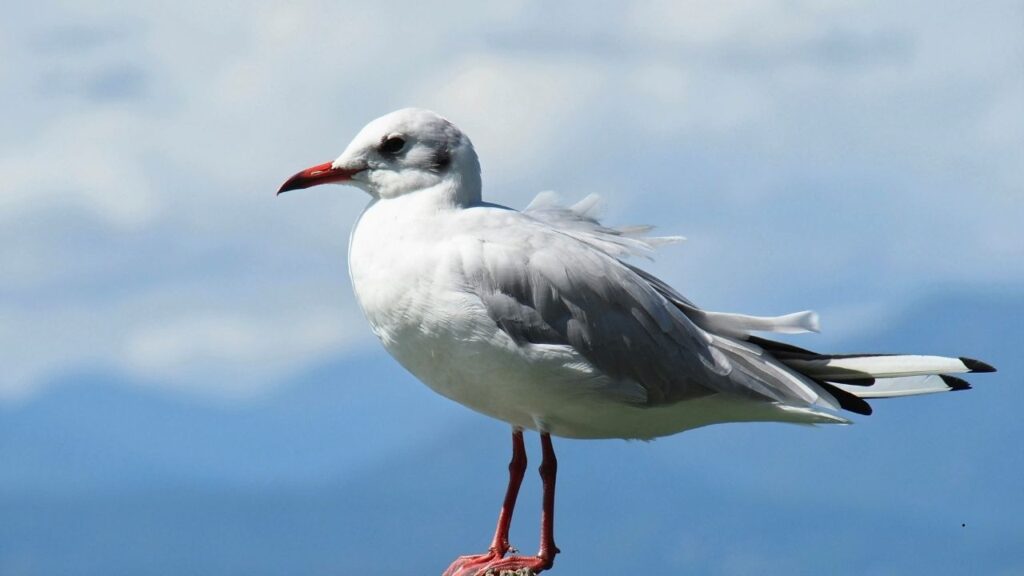
The ivory gull is a striking Arctic bird, easily recognized by its pure white feathers, black legs, and pale blue-green bill tipped with yellow. These gulls live deep in the High Arctic, relying heavily on sea ice for their survival.
They often follow polar bears, scavenging leftovers from the bears’ kills and feeding on small fish and marine life. The Cornell Lab says that the Ivory gulls have been spotted as far north as 88°N (about 130 miles from the North Pole), showing just how closely tied they are to the icy environment.
Despite their hardiness, ivory gull populations have been declining rapidly in some areas. Climate change threatens their habitat and food sources by melting sea ice. Pollution, human intrusion, and hunting also contribute to their struggles.
While their full status is not yet clear, the ivory gull is currently listed as Near Threatened, highlighting the need for further research and conservation.
Key survival traits of the ivory gull:
Pure white plumage for Arctic camouflage
Dependence on sea ice for foraging and breeding
Scavenging behavior, often following polar bears
Adaptation to extreme cold and remote habitats
9. Gyrfalcon
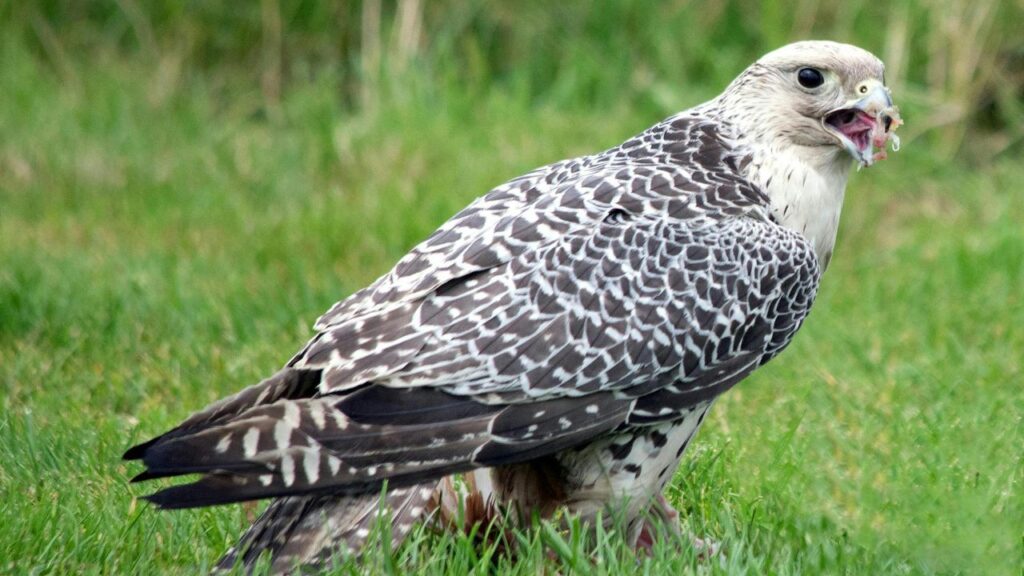
The gyrfalcon is the largest falcon in the world and a powerful predator of the High Arctic. Known for its striking plumage that can be gray, black, or white, this fierce bird hunts with incredible speed and skill.
It chases down prey like ptarmigans in flight or dives sharply from above to catch animals on the ground. Gyrfalcons nest on remote cliffs in Canada and Alaska, far from most human activity.
Scientists have studied gyrfalcons for decades to understand their behavior, nesting, and hunting patterns. The Peregrine Fund, along with other organizations, has gathered detailed data through various means, including helicopters and dogsleds.
In 2011, a conference brought experts together to discuss how climate change and other factors affect gyrfalcon and prey populations, like ptarmigans, in the Arctic.
How gyrfalcons thrive in cold climates:
Adapted plumage for camouflage in snowy or rocky landscapes
Powerful flight skills for hunting agile prey
Nesting in isolated, protected cliffs
Stable population despite environmental challenges
Conclusion
Winter birds show just how powerful evolved adaptations can be. Across many bird species, maintaining body temperature on a cold day is a constant challenge. Some rely on warm blood, specialized blood vessels, and counter-current heat exchange to minimize heat loss, especially in exposed feet.
Others use air pockets in feathers, adjust heart rate, and slow metabolism to conserve energy in harsh conditions. In several ways, many birds even share body heat or seek shelter from the wind to survive extreme conditions.
Migratory birds take a different path. They migrate farther north or south to find open water, insects, or seeds when catching food becomes difficult. Other birds stay put, visiting feeders and relying on seeds when insects disappear.
Whether they migrate or remain, winter birds use their brain and behavior to adapt. Taking a closer look at these strategies shows how birds maintain balance between energy, food, and survival when other birds might fail.
There are other birds as well that adapt to cold environments. These include the Canada Geese, Rough-legged Hawks, and Black-capped Chickadees.
