




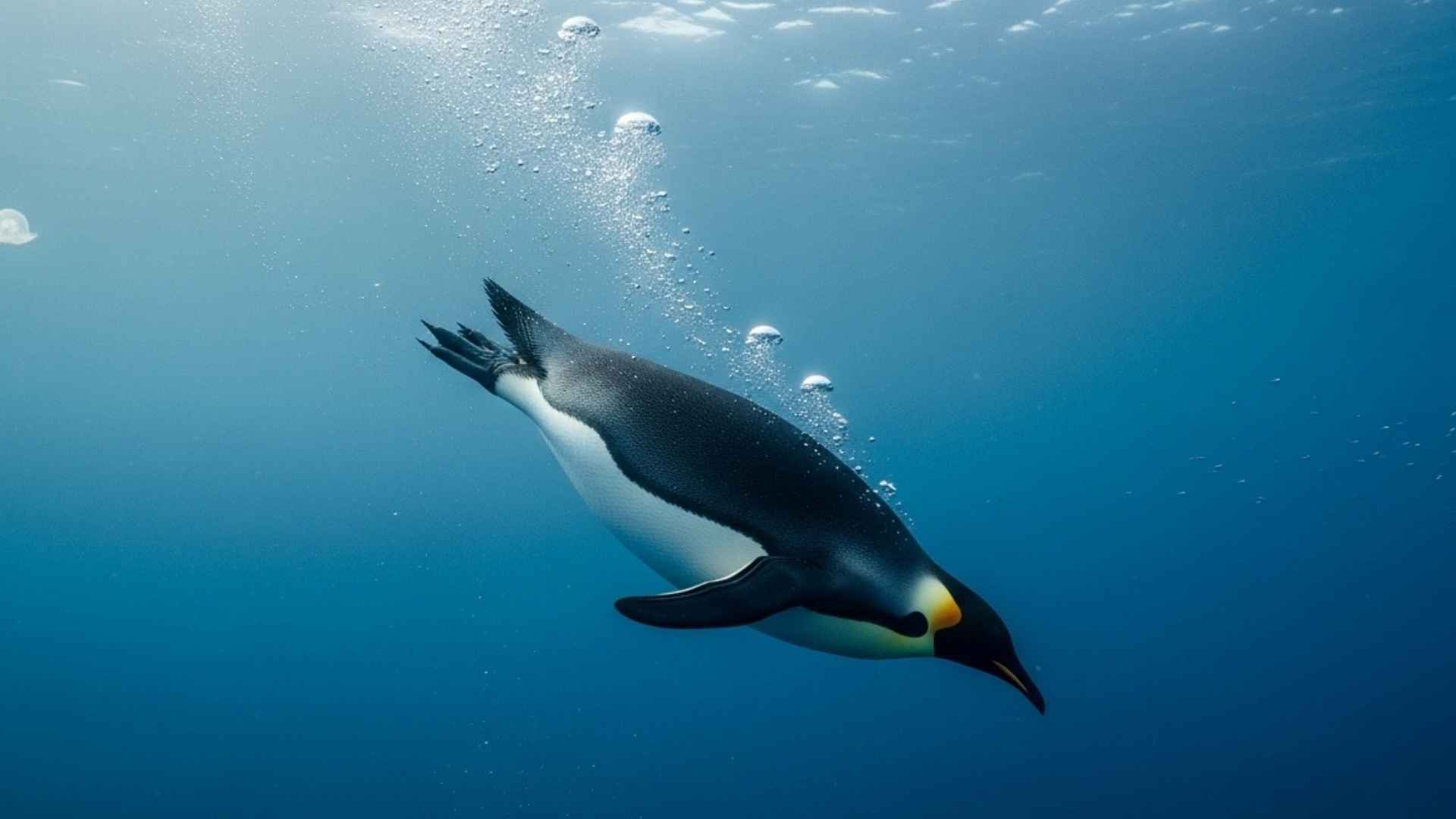
When most people think of diving creatures, fish and marine mammals usually come to mind. However, some remarkable birds have adapted to explore the underwater world in ways that rival even the best human divers.
These extraordinary birds don’t just skim the surface—they dive to extreme ocean depths, plunging far below to catch their prey with impressive skill and endurance.
In fact, some diving birds can hold their breath and swim hundreds of feet underwater, showcasing incredible physical adaptations that allow them to thrive beneath the waves.
Whether gliding effortlessly through the ocean or making daring plunges from the sky, these birds are true masters of the deep. As coastal waters become a stage for these underwater feats, divers and beachgoers alike have the chance to witness nature’s most fearless swimmers in action.
This article explores the fascinating world of birds that dive to extreme ocean depths, revealing how they navigate and survive in one of Earth’s most challenging environments.
Key Takeaways
Meet Emperor and King Penguins — true champions of deep, breath-holding dives.
Watch Northern Gannets plunge from the sky in stunning hunting dives.
See how Common Murres and Razorbills use their feet to power through icy waters.
Discover Great Cormorants and European Shags hunting with wings underwater.
Birds That Dive to Extreme Ocean Depths
1. Emperor Penguin
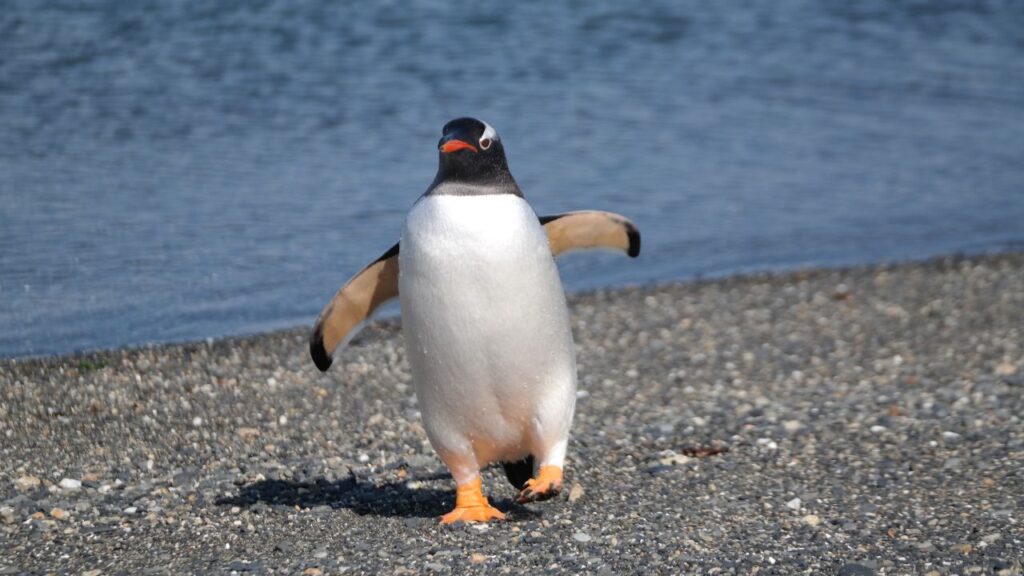
Found primarily in the southern hemisphere, the Emperor Penguin thrives in the harsh Antarctic marine environment, using their unique adaptations to explore the open ocean depths.
Unlike many seabirds that feed near the water’s surface, Emperor Penguins are pursuit divers, diving deep underwater to catch fish and squid.
Diving Skills That Defy Limits
According to the Science Learning Hub, Emperor Penguins can dive to incredible depths exceeding 500 meters and hold their breath for up to 20 minutes. Their wings have evolved into powerful flippers, allowing them to swim with precision and speed underwater.
Their streamlined bodies, combined with their considerable body weight, help conserve energy during long dives, enabling them to reach prey far below the water’s surface.
Adaptations for Extreme Conditions
Emperor Penguins have several key adaptations that enable their underwater feats:
Dense feathers trap a layer of air for insulation and buoyancy.
Their long neck and streamlined bodies reduce water resistance.
Strong, flipper-like wings provide powerful propulsion.
They can manage buoyancy effectively to dive deeply and resurface smoothly.
These adaptations help them survive in freezing Antarctic waters and pursue prey at considerable depths.
Life in the Southern Hemisphere
Emperor Penguins live and breed in large nesting colonies on Antarctic ice near open ocean waters. Diving is a significant part of their daily routine, especially as winter approaches and food becomes scarce.
Their ability to dive to extreme depths in groups highlights their adaptability and survival skills in one of the planet’s most challenging environments.
2. Northern Gannet
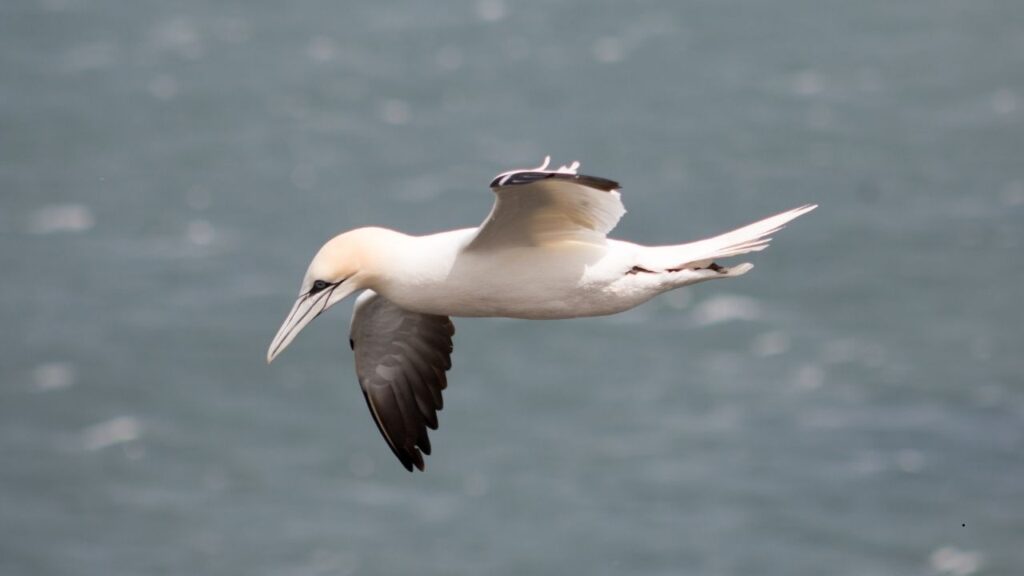
Northern Gannets are large seabirds famous for their dramatic plunge diving technique. Found along the coasts and open ocean of the northern hemisphere, these birds hunt by diving from great heights, transitioning from flight to underwater pursuit in a matter of seconds.
Diving Skills That Captivate
Northern Gannets are plunge divers, known for their ability to dive from the air straight into the water, often reaching depths up to 30 meters. Their wings beat underwater to extend the depth and duration of their dives, allowing them to pursue fish below the surface with impressive agility.
Unlike many seabirds that swim using their feet, Northern Gannets rely heavily on their wings for propulsion underwater.
Adaptations for Precise Hunting
Northern Gannets have several physical traits that help them excel in their hunting style:
Long, pointed wings that transition from flight to underwater swimming.
Strong neck muscles and streamlined bodies to absorb the impact of hitting the water.
Eyes are adapted for clear vision underwater to spot prey accurately.
Feathers that protect them from the shock of high-speed dives and cold ocean water.
Webbed feet are used mainly for steering rather than propulsion.
Coastal and Oceanic Lifestyle
These large seabirds are primarily found along the coasts and over open ocean waters. They nest in large, dense colonies on cliffs and islands.
Northern Gannets spend a significant part of their lives flying above and diving into the surface of the water to catch fish, making them a spectacular sight for coastal observers and divers alike.
3. King Penguin
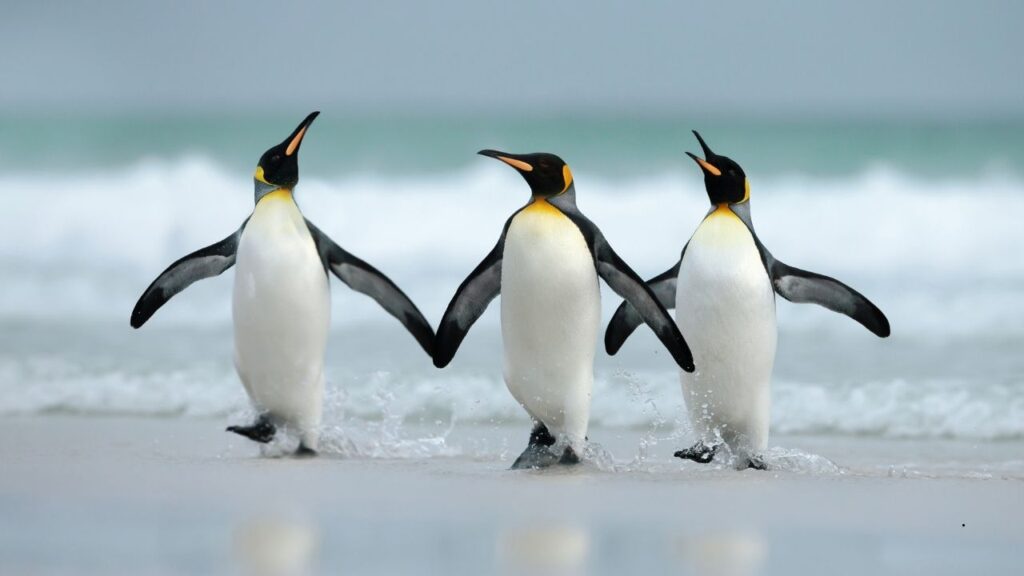
King Penguins are among the most striking seabirds of the southern hemisphere, with their vibrant plumage and exceptional diving abilities. Like their close relatives, the Emperor Penguins, King Penguins depend heavily on the open ocean for feeding and survival.
Diving Skills That Impress
King Penguins are excellent divers, capable of reaching depths of around 300 meters. Their pursuit diving style allows them to chase fish and squid deep underwater.
These birds combine powerful wing strokes and streamlined bodies to swim efficiently and conserve energy during their long foraging trips below the surface.
Adaptations for Ocean Life
King Penguins have evolved several features suited for diving and cold-water living:
Dense, waterproof feathers that trap air for insulation and buoyancy.
Flipper-like wings that provide propulsion underwater.
A long neck and sleek body shape to reduce drag.
The ability to hold their breath for extended periods enables dives lasting several minutes.
Nesting colonies are located on sub-Antarctic islands close to feeding grounds.
Life in the Harsh Southern Hemisphere
King Penguins spend much of their time in the open ocean, diving to considerable depths to find prey. Their reliance on the sea is a significant part of their daily behavior, especially during breeding seasons when feeding trips become critical.
4. Common Murre
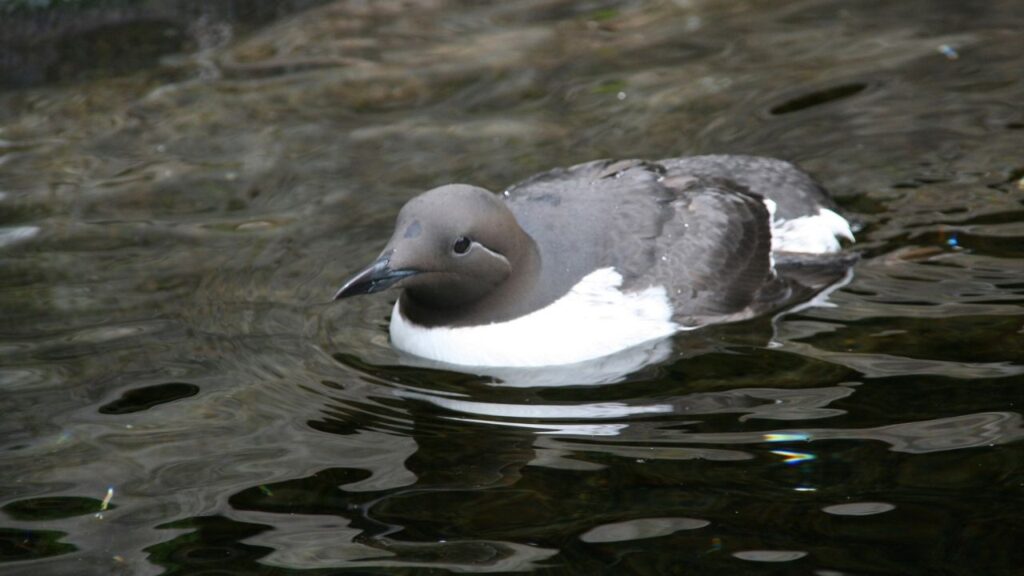
Common Murres are seabirds widely known for their impressive underwater agility. These birds are primarily found along the coasts of the northern hemisphere, where they use their webbed feet to propel themselves through the water in pursuit of fish.
Diving Skills That Impress
Common Murres are expert foot-propelled divers, capable of diving to depths of around 100 meters. Their diving style relies on powerful kicks from their webbed feet, which act like flippers to help them navigate and chase prey underwater.
Unlike wing-propelled divers, they use their wings primarily for flying, while swimming is dominated by foot propulsion.
Adaptations for Efficient Diving
Common Murres have evolved key features that support their diving lifestyle:
Webbed feet that provide strong propulsion underwater.
Streamlined bodies to reduce water resistance.
Dense feathers that trap air for insulation and buoyancy control.
A long neck and sharp bill to catch fish efficiently.
They nest in large colonies on rocky cliffs near the sea.
Coastal Life and Feeding Habits
These sea birds are surface feeders as well as skilled divers, catching fish both near the water’s surface and at considerable depths.
Common Murres form large nesting colonies on cliffs and islands along the coast, spending much of their time in the marine environment, especially during the breeding season.
5. Razorbill
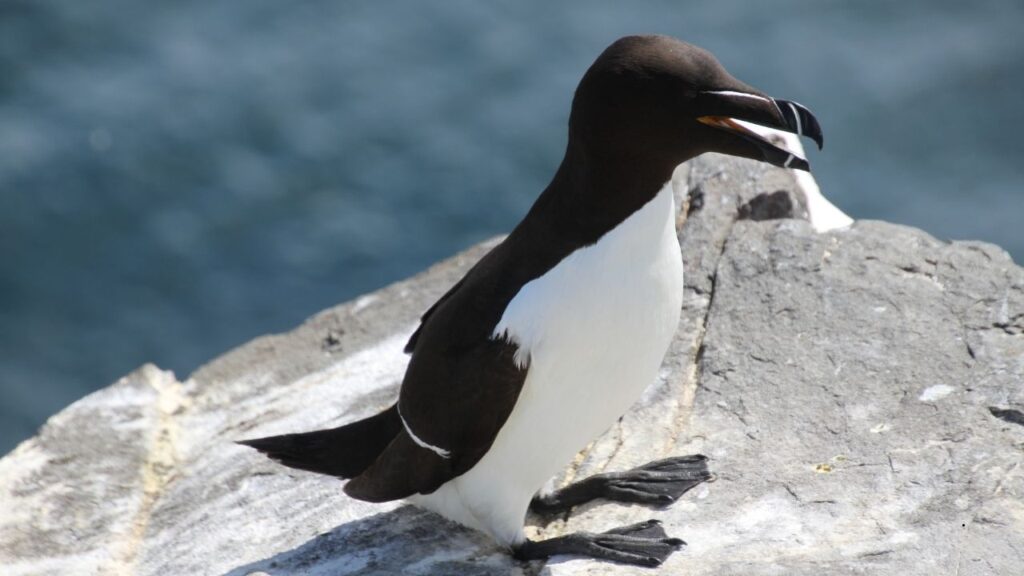
Razorbills are close relatives of Common Murres and share many similar diving traits. Found primarily in the northern hemisphere, these birds are well adapted for life both above and below the water’s surface.
Diving Skills That Stand Out
Razorbills use their wings to swim underwater, typically diving to about 25 meters but can reach depths of up to 120 meters to catch their prey, as mentioned by Birda.
Adaptations That Aid Survival
Razorbills possess several characteristics that support their diving lifestyle:
Thick, waterproof feathers for insulation in cold marine waters.
Webbed feet optimized for underwater propulsion.
A robust body and sharp, stout bill for catching slippery fish.
Ability to hold their breath for extended periods to reach prey at considerable depths.
Coastal and Oceanic Habits
Razorbills are commonly found in large breeding colonies on rocky shorelines and islands. They spend much of their time at sea, diving beneath the water’s surface to feed on fish and other marine prey, often in large groups.
6. Great Cormorant
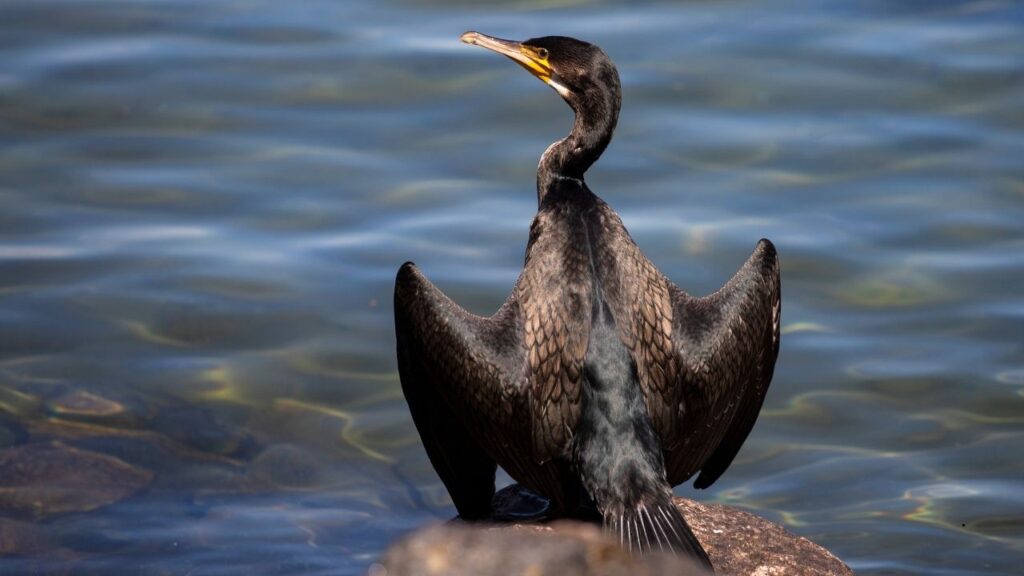
The Great Cormorant is a widespread seabird found in both marine and freshwater environments, admired for its powerful swimming and versatile hunting techniques.
Diving Skills That Impress
Unlike foot-propelled divers, Great Cormorants use their strong wings to “fly” underwater, making them one of the few seabirds that rely on wing propulsion beneath the surface. They can dive to depths of up to 45 meters, chasing fish with remarkable agility and speed.
This wing-propelled pursuit diving allows them to access prey that many other birds cannot reach, giving them a considerable advantage in both marine and freshwater environments.
Adaptations for Underwater Life
Great Cormorants possess several specialized features that make them exceptional divers:
Their wings are strong and flipper-like, designed to provide powerful underwater propulsion.
Unlike many seabirds, their feathers soak up water rather than repel it, which reduces buoyancy and helps them dive deeper.
They have less air trapped in their feathers, allowing them to stay submerged longer.
Their sharp, hooked bills are perfect for grasping slippery fish.
Their dense bones and muscular bodies further aid in overcoming buoyancy challenges.
Behavior and Habitat
A-Z Animals mentions that Great Cormorants are opportunistic feeders, consuming a wide range of fish species, crustaceans, and other aquatic prey. They often hunt in groups, diving repeatedly in productive feeding areas.
While primarily marine, these birds also thrive in rivers, lakes, and estuaries worldwide. Their adaptability to both saltwater and freshwater environments makes them one of the most successful diving seabirds globally.
7. European Shag
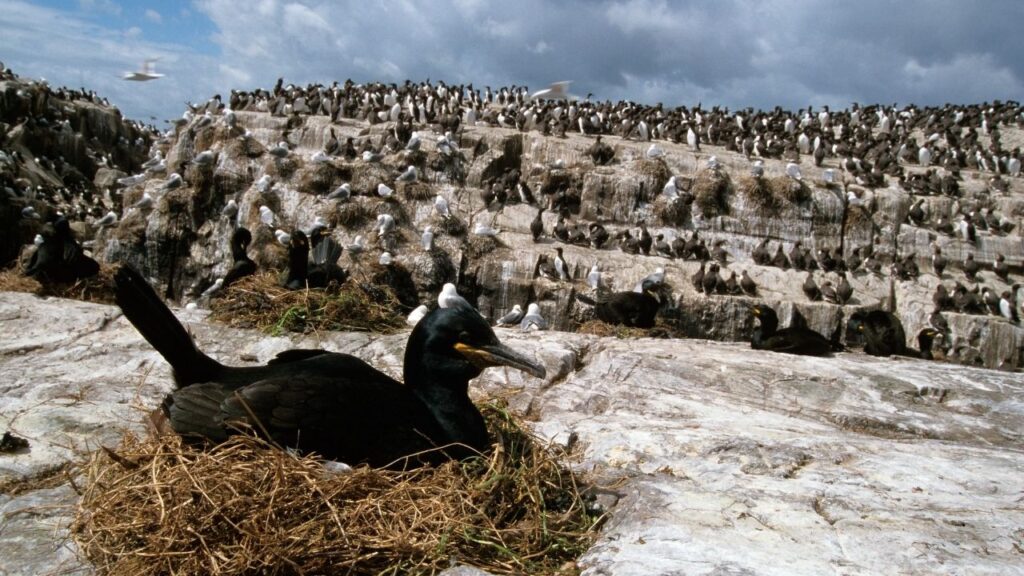
The European Shag is a close relative of the Great Cormorant but is smaller and more specialized for diving in the coastal waters of the northern hemisphere. This bird’s diving skills and coastal lifestyle make it a fascinating example of seabird adaptation to marine environments.
Diving Skills That Excel
European Shags are skilled wing-propelled pursuit divers, reaching depths of around 30 meters as they chase fish underwater.
Their streamlined bodies and efficient wing strokes allow them to maneuver quickly through the water, making them highly effective hunters in rocky coastal areas. Their diving behavior is essential for catching the fast, agile fish that inhabit the shallow waters near shorelines.
Adaptations for Diving Success
The European Shag’s success underwater is supported by several key physical adaptations:
Their strong, narrow wings are specially designed for underwater propulsion, enabling rapid acceleration and precise movements.
They have dense, waterproof feathers that provide excellent insulation, vital for survival in cold coastal waters.
A slender body and long neck reduce drag during dives, improving speed and agility.
Their sharp, pointed bill helps them grasp small fish and invertebrates with accuracy.
They can hold their breath for extended periods, allowing them to stay submerged longer while hunting.
Coastal Life and Feeding
European Shags primarily feed in shallow, coastal waters, often around rocky cliffs and islands where fish are abundant. They frequently dive from the surface to catch prey such as small fish and marine invertebrates, which are a significant part of their diet.
These birds nest in large colonies on cliffs and rocky outcrops close to their feeding grounds, which provides safety in numbers and easy access to the sea.
Conclusion
Birds that are specially adapted can dive deep into the ocean, and many bird species have developed unique ways to survive underwater.
While many birds share common characteristics that help them thrive in marine environments, seabird populations often face extreme difficulty, especially as their habitats change. Unlike land birds, seabirds dive to feed, though there are a few exceptions among the poorest divers.
Seabirds share the challenge of conserving energy while diving, especially in places like the Pacific coast, where many species gather in shared waters.
Closely related birds have adapted to use less energy during their dives, which helps them survive in both warm water and colder conditions. Understanding how these birds live and dive is key to protecting seabird populations for the future.
There are other seabirds as well that can dive to extreme ocean depths. These include the Brown Pelican, Storm Petrel, Wandering Albatross, and Arctic Tern.
