




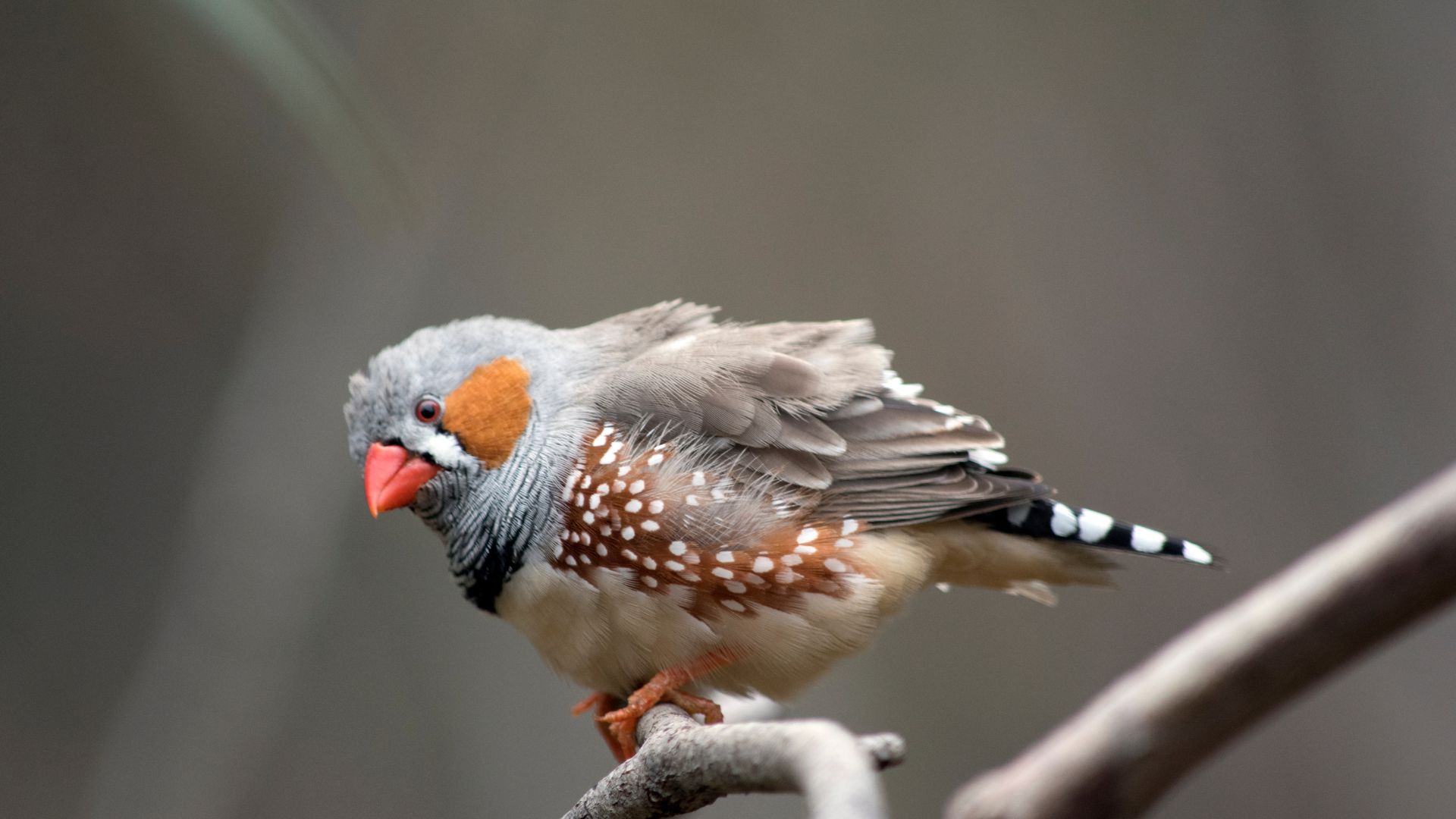
Have you ever wondered how some birds manage to survive in places where water is as rare as a cool breeze on a hot day? It might surprise you, but not all birds need to drink water every day to stay alive.
In fact, many have developed some incredible tricks to stay hydrated even when there’s barely a drop to sip. Birds are mostly made up of water—about 60 to 70% of their body weight—so keeping that balance is crucial for their survival.
Certain birds have kidneys so efficient that they conserve nearly every drop of water, excreting almost no liquid waste. Plus, they know exactly when to hide from the scorching sun to avoid losing precious moisture through panting.
Their secret weapon? Getting the water they need straight from the foods they eat—like juicy fruits, nectar, or moisture-packed insects. It’s like nature’s very own survival hack!
So, let’s dive into the amazing world of birds that can survive without drinking water and uncover how they pull off this extraordinary feat.
Key Takeaways
Discover how incredible birds like the roadrunner and zebra finch survive scorching heat without drinking a drop of water.
Learn the secret tricks birds use to get moisture from dry seeds, insects, and even their own body fat.
See how desert experts like the Greater Hoopoe-Lark and Thick-billed Lark adapt their behavior to beat dehydration.
Find out why birds’ super-efficient kidneys and smart habits make water scarcity a challenge they can conquer.
Birds That Can Survive Without Drinking Water
1. Roadrunner
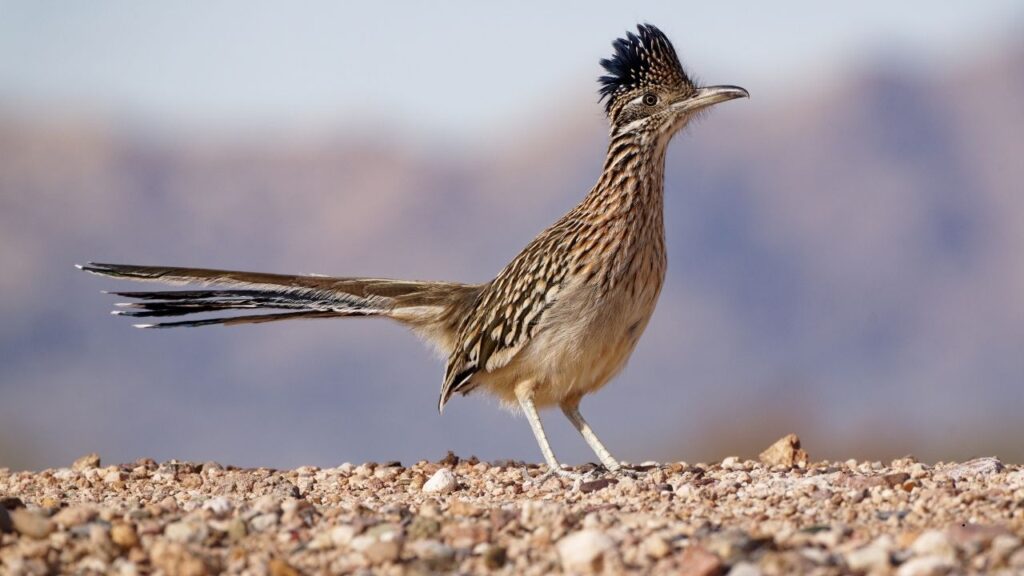
Roadrunners thrive in some of the hottest and driest habitats on the planet, where water sources are often scarce. Unlike many animals, these birds don’t rely on drinking water to stay hydrated.
Instead, they get most of the moisture they need directly from their diet. Their meals of insects, small reptiles, rodents, and occasionally desert fruits provide enough hydration to keep them going, even during long dry spells.
Adaptations That Save Water
One of the roadrunner’s key survival tools is its body’s ability to conserve water efficiently. They have specialized salt glands near their eyes that filter out excess salt, allowing them to avoid losing water through urination.
Their kidneys are highly effective at reabsorbing water, which means they excrete very little liquid waste. These adaptations minimize water loss and help maintain their delicate water balance in the harsh desert environment.
Behavioral Tricks for Staying Hydrated
Roadrunners are smart about managing their water needs beyond physical adaptations. During the hottest parts of the day, they seek shade and reduce their activity to prevent water loss through panting.
In cooler mornings, they sunbathe by exposing dark patches of skin to absorb warmth without expending energy. This lowers their overall water needs, making it easier to survive without drinking for extended periods.
2. Zebra Finch
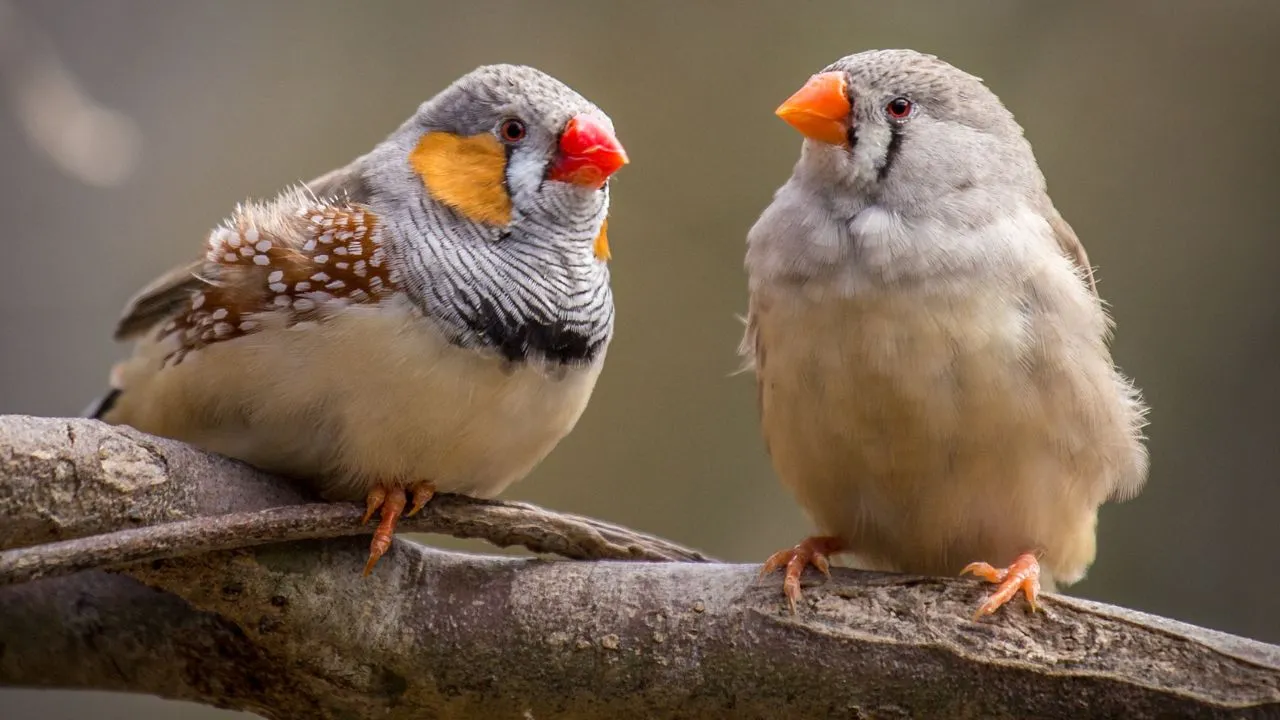
Zebra finches are tiny songbirds native to dry parts of Australia, where water is often scarce. Remarkably, Science News Explores mentions that these birds can stay hydrated without drinking by breaking down their own body fat.
This process releases metabolic water, allowing them to survive even when external water isn’t available. Their small size and fast metabolism make this water-saving trick essential for survival in harsh conditions.
How Zebra Finches Produce Water Internally
Instead of breaking down muscle or protein, zebra finches rely mainly on fat catabolism—metabolizing stored fat into water.
This helps them maintain hydration without sacrificing important muscle tissue needed for flying, making the most of their internal resources. This clever adaptation means they can go without water longer than many other small birds.
Water Needs vs. Long‑Term Well‑Being
While zebra finches can survive without drinking for periods, access to water is vital for their health. Bathing and drinking help reduce stress and improve body condition, so these hardy birds thrive best when water is available.
3. Dessert Sparrow
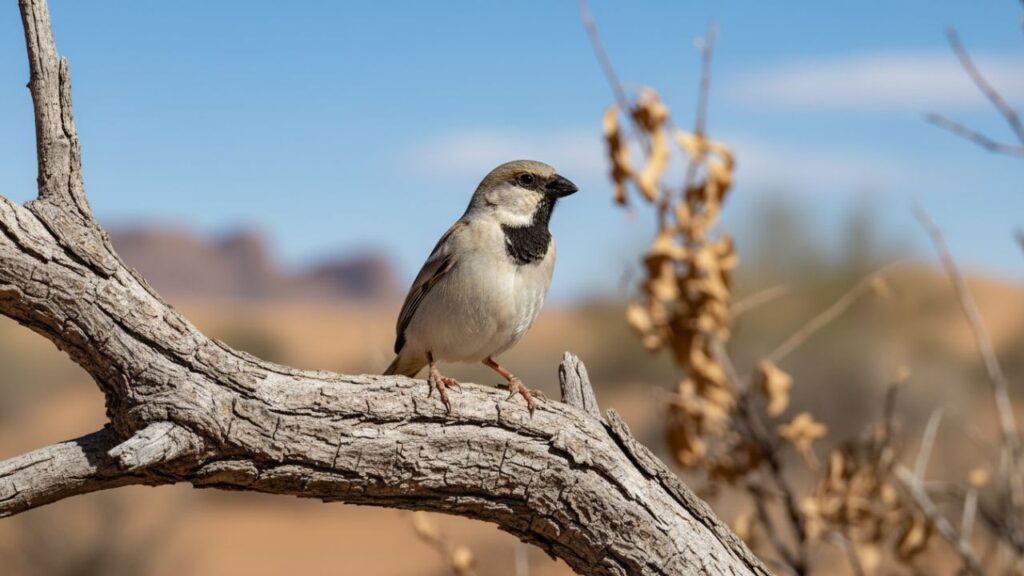
The Desert Sparrow is a small, sandy‑colored bird perfectly suited to life in some of the driest parts of the Sahara. Although free water is rare in its habitat, this sparrow doesn’t rely on direct drinking as much as you might think.
Instead, it gets most of the moisture it needs from the seeds, insects, and tiny desert plants it finds while foraging. Its body is built to conserve every drop, reducing water loss and making the most of the moisture in its food to survive the harsh, sun‑baked landscape.
Staying Hydrated Through Diet and Adaptation
Like many desert birds, the Desert Sparrow has evolved behaviors and physical traits that minimize water loss.
By eating primarily dry seeds and insects, it extracts the little water it needs from its diet rather than seeking out open water sources. These birds also reduce activity during the hottest parts of the day, which helps limit panting and evaporative water loss.
Life in the Harsh Desert Environment
Desert Sparrows don’t roam far in search of water; instead, they stay near shaded scrub, oases, or traditional desert settlements where food and tiny sources of moisture are more available.
Staying close to reliable feeding grounds helps them conserve energy and avoid unnecessary water loss. Although they can survive long periods without drinking, regular access to food with moisture helps them stay healthier in the long run.
4. Greater Hoopoe-Lark
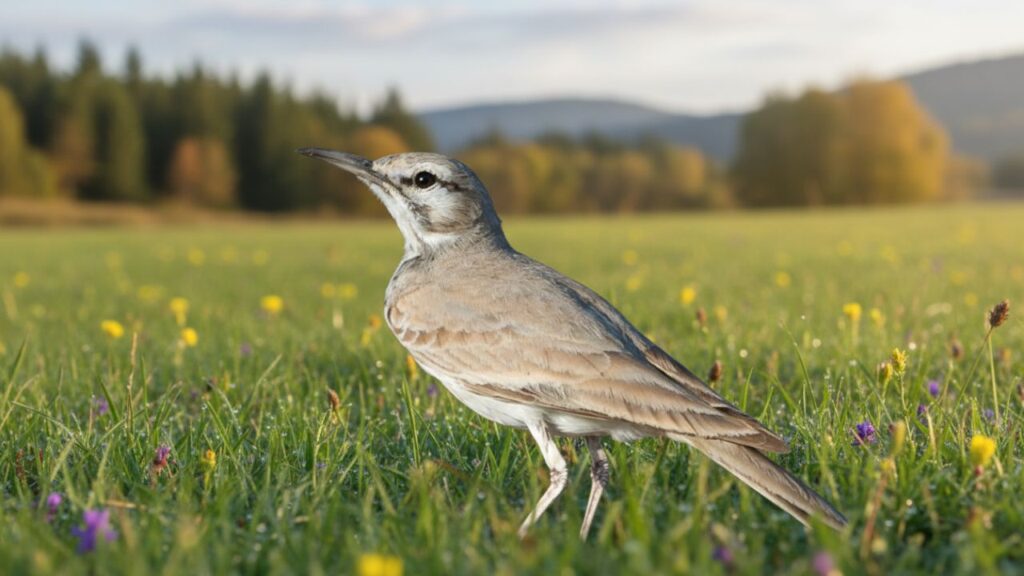
The Greater Hoopoe‑Lark is a hardy desert specialist found across North Africa, the Middle East, and parts of Asia. In its environment, open water is often far apart, yet this bird thrives in heat and extreme dryness.
It typically satisfies most of its hydration needs from the food it eats—mainly insects, seeds, and other tiny creatures—without needing to drink frequently. This water‑saving strategy allows it to live comfortably in areas where many other birds would quickly dehydrate.
Clever Adaptations to Desert Heat
To cope with extreme temperatures and limited water, the Greater Hoopoe‑Lark has developed several adaptations.
eBird mentions that its long, downward‑curved bill helps it dig in sandy soil for insects and invertebrates, which provide both nutrition and moisture. During the hottest parts of the day, it often seeks shade or shelter in burrows to cut down on water loss through evaporative cooling.
Water Efficiency and Daily Life
Unlike many birds that must drink water every day, the Greater Hoopoe‑Lark meets most of its hydration needs through food and rare dew or moist prey, drinking only when absolutely necessary.
Its skin and body are adapted to limit water loss even in blazing heat, and during breeding seasons, it times activities around the rare availability of rain.
5. Ostrich
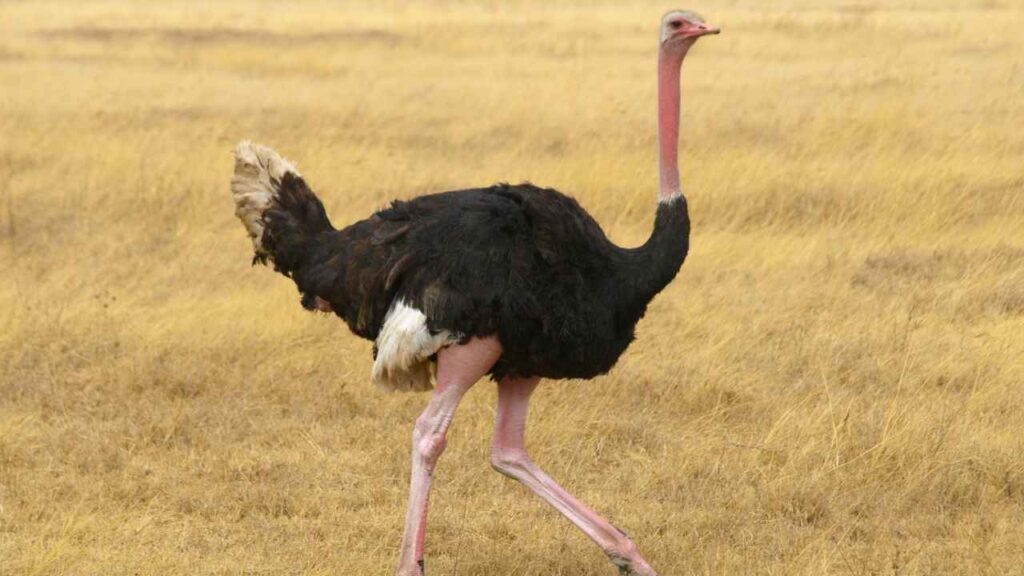
The ostrich is the largest bird on Earth, living in arid and semi-arid regions of Africa where water can be scarce. Despite their massive size, ostriches are well adapted to survive long periods without drinking.
They obtain much of their water needs from the plants they eat and can tolerate significant dehydration, making them experts in managing scarce resources.
Physical Adaptations for Water Conservation
Ostriches have several physical traits that help minimize water loss. Their kidneys are highly efficient at concentrating urine, reducing the amount of water expelled from their bodies. They also produce dry feces and can regulate their body temperature to avoid excessive water loss through sweating or panting.
Behavioral Strategies in the Wild
To cope with extreme heat, ostriches are most active during cooler parts of the day—early morning and late evening, as mentioned by the Columbus Zoo. During peak heat, they often rest in the shade or lie down to reduce water loss.
These behaviors, combined with their physiological adaptations, allow ostriches to thrive in dry environments where many other animals would struggle.
6. Namaqua Dove
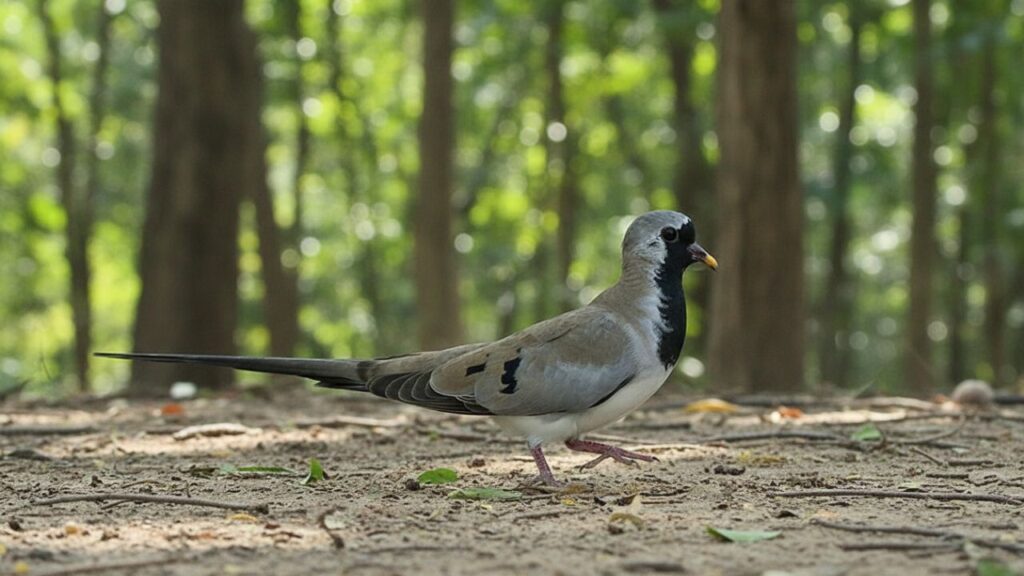
The Namaqua Dove inhabits dry, open areas in southern Africa, where water is a precious resource. These small doves rely on extracting moisture from the seeds and succulent plants they eat, enabling them to survive in environments with limited free-standing water.
Efficient Water Use and Diet
Namaqua Doves have adapted to conserve water through efficient kidneys and by limiting activity during the hottest parts of the day.
Their diet of mostly seeds provides them with small but essential amounts of water, and they can survive extended periods without drinking by making the most of this moisture.
Survival in Harsh Conditions
These doves also use behavioral adaptations such as seeking shade and reducing activity during midday heat to minimize water loss. Though they do drink when water is available, their ability to survive without frequent drinking makes them well-suited to their dry habitats.
7. Thick-billed Lark
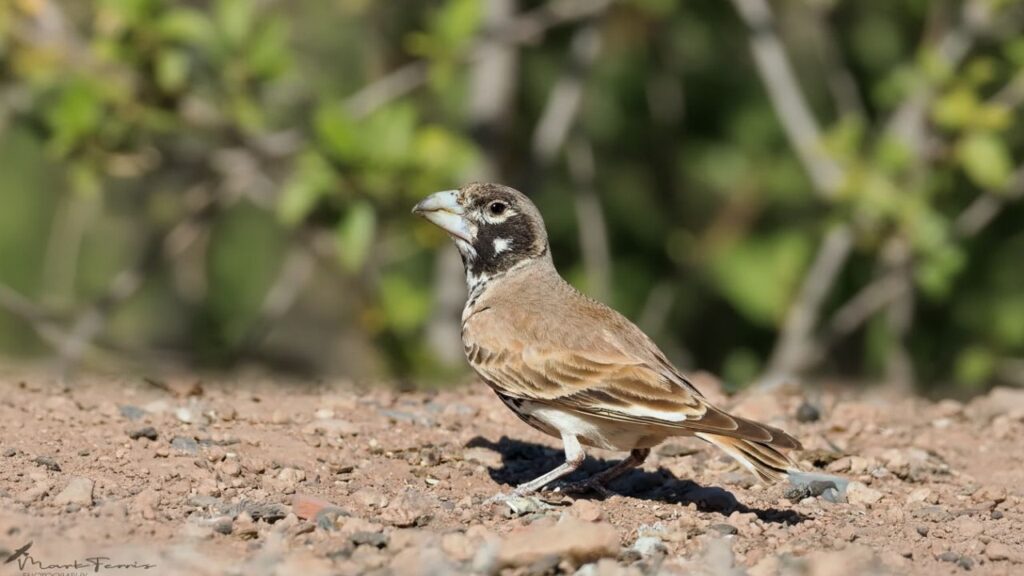
The Thick-billed Lark is a desert bird found in arid regions where water is scarce. It primarily feeds on seeds and insects, extracting moisture directly from its food.
This bird’s large, strong bill helps it dig for food and survive in tough environments where water is limited. Its robust bill also allows it to crack tough seeds that other birds might avoid, giving it an advantage in harsh habitats.
Adaptations to Reduce Water Loss
Like many desert birds, the Thick-billed Lark has adapted physiologically to conserve water. It reduces water loss by limiting activity during the hottest times of day and has kidneys specialized for retaining water. These traits allow it to maintain hydration despite the dry conditions.
Life in Extreme Habitats
The Thick-billed Lark thrives in deserts and semi-deserts by carefully balancing its energy and water needs.
It stays in shaded areas during extreme heat and relies on the moisture in its diet to meet hydration requirements, showing how even small birds can master survival in harsh climates. Its ability to survive with little water highlights the incredible adaptations desert birds have evolved over time.
Conclusion
Most birds living in scorching landscapes survive by eating primarily seeds and other prey that help them obtain moisture, even when very little water is available.
Their biology includes extremely efficient kidneys that conserve water, allowing them to thrive in places where summer temperatures sizzle like the human body under heat. Many species tend to fly miles in search of the nearest source, whether it’s temporary puddles or spots that provide more water than usual.
This natural method of hydration is quite different from what humans experience, yet it’s enough water to keep these birds going through the hottest days.
Provided courtesy of their remarkable biology and behaviors, most birds use these strategies as a normal part of their survival. The natural sounds of their environment may seem quiet, but behind the scenes, these tiny creatures are mastering some of the toughest challenges in the wild.
