




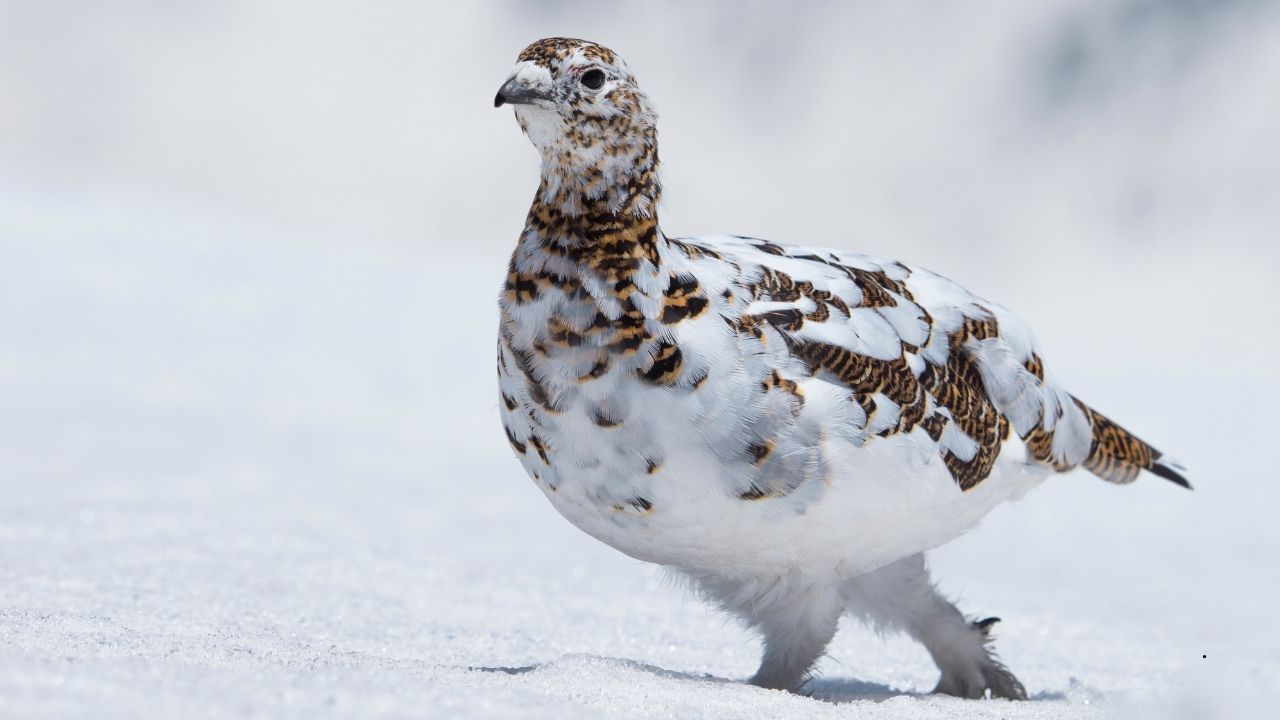
Have you ever wondered how birds manage to keep flying and thriving even when the weather takes a wild turn?
From intense storms to scorching heatwaves and freezing cold snaps, extreme weather events are becoming more common — thanks largely to climate change. These harsh conditions don’t just affect us; they also shake up the world of birds in surprising ways.
Believe it or not, some birds have incredible survival skills that let them adapt and even thrive in the toughest climates on Earth. Scientists are discovering this thanks to millions of birdwatchers sharing their sightings, which help track how birds respond to storms, floods, and droughts in real time.
So, let’s take a look at the fascinating world of these feathered survivors — and learn how some birds can outsmart Mother Nature herself, no matter how extreme the weather gets.
Key Takeaways
See how Emperor Penguins and Snowy Owls survive the coldest places on Earth.
Follow Arctic Terns’ epic migrations and desert birds’ hot-weather tricks.
Discover how sandgrouse carry water and how woodpeckers thrive in scorching deserts.
Learn the survival secrets birds use to stay fed and safe in extreme climates.
Birds That Can Survive In Extreme Climates
1. Emperor Penguin
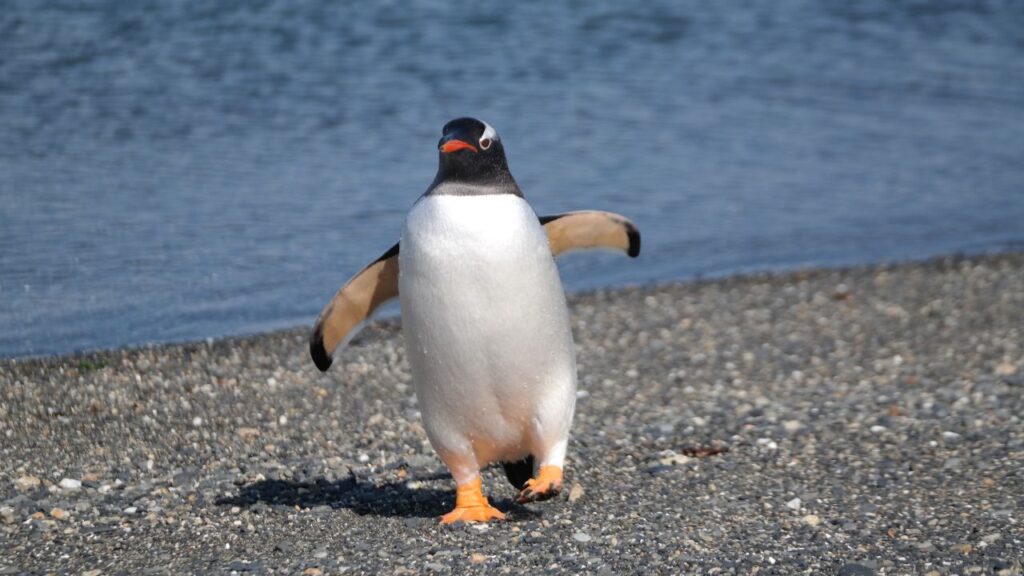
Emperor penguins are remarkable birds that thrive in one of the coldest places on Earth — Antarctica. They are the tallest and heaviest of all penguin species, which helps them conserve body heat during freezing winters.
Unlike many animals, these penguins don’t migrate; instead, they endure brutal storms and freezing temperatures.
Their bodies are perfectly adapted for survival in extreme cold. Thick layers of feathers and fat act as insulation, while their compact shape minimizes heat loss.
During the long breeding season, males incubate eggs by balancing them on their feet and sheltering them under a special skin fold, all while fasting for weeks and huddling tightly with other penguins to stay warm, as mentioned by the WWF.
However, even these tough survivors face new challenges as climate change melts the sea ice they depend on. Stable ice is essential for breeding and feeding, so shrinking ice threatens their future.
Quick Facts:
The largest penguin species, up to 120 cm tall and 40 kg heavy
Can survive temperatures as low as −50°C and strong Antarctic winds
Males fast for about two months while incubating eggs
Huddle together in huge groups to conserve warmth
Climate change threatens their icy breeding habitats
2. Snowy Owl
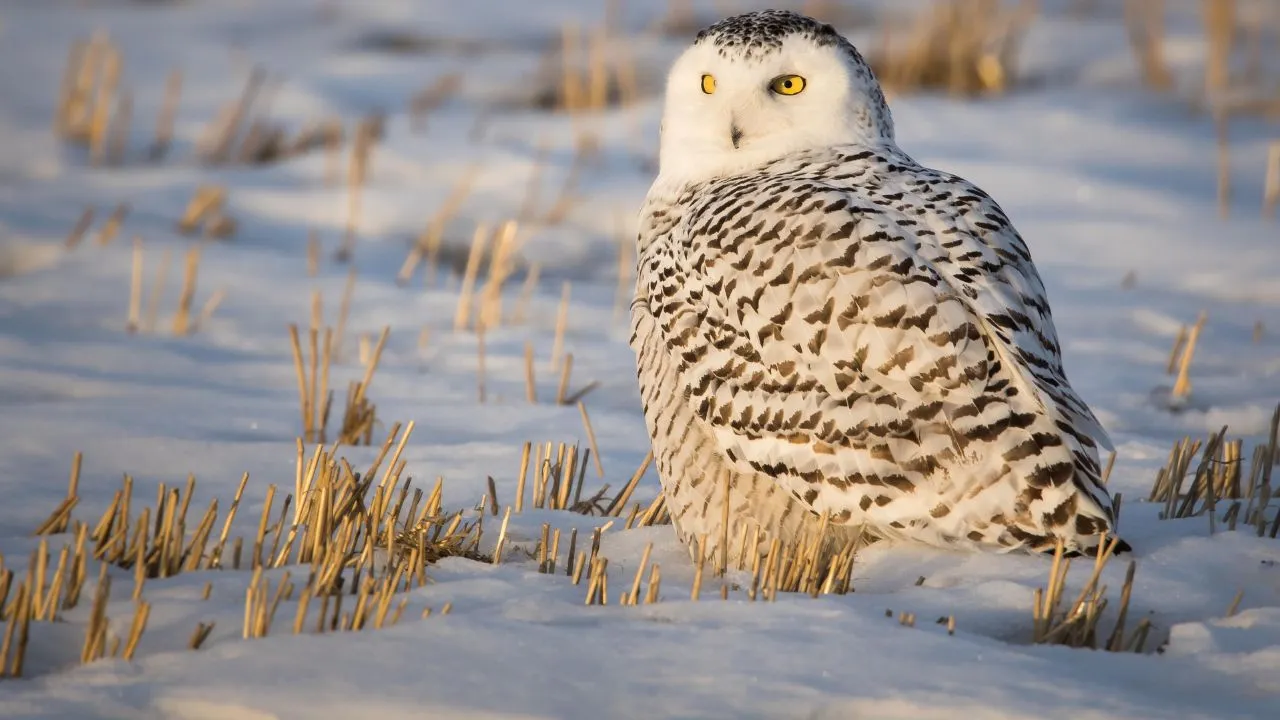
Snowy owls are one of the most iconic birds adapted to cold, snowy environments. These striking raptors are native to the Arctic tundra but may migrate south into Canada and the northern United States during winter, especially in years when food up north is scarce.
What makes snowy owls such skilled survivors in freezing conditions is their thick, insulating feathers that cover not just their bodies but also their legs and feet, keeping heat from escaping even when temperatures plunge.
Their feathers also help them stay camouflaged, while their keen eyesight and hearing make them effective hunters in open, wind‑swept regions where small mammals like lemmings are their main food source. These adaptations allow snowy owls to thrive where few other birds can.
Despite their cold‑weather strengths, snowy owls still face challenges as climate change affects Arctic ecosystems and prey availability. In some winters, large numbers of snowy owls move farther south in search of food, giving birdwatchers a rare chance to see them in places they normally wouldn’t be.
Quick Facts:
Native to Arctic tundra, but may move south in winter in search of food
White plumage provides camouflage in snowy landscapes
Covered in thick feathers, even on the feet, for warmth and insulation
Excellent vision and hearing help locate prey under the snow
Can eat more than 1,600 lemmings in a year during breeding season
3. Ptarmigan
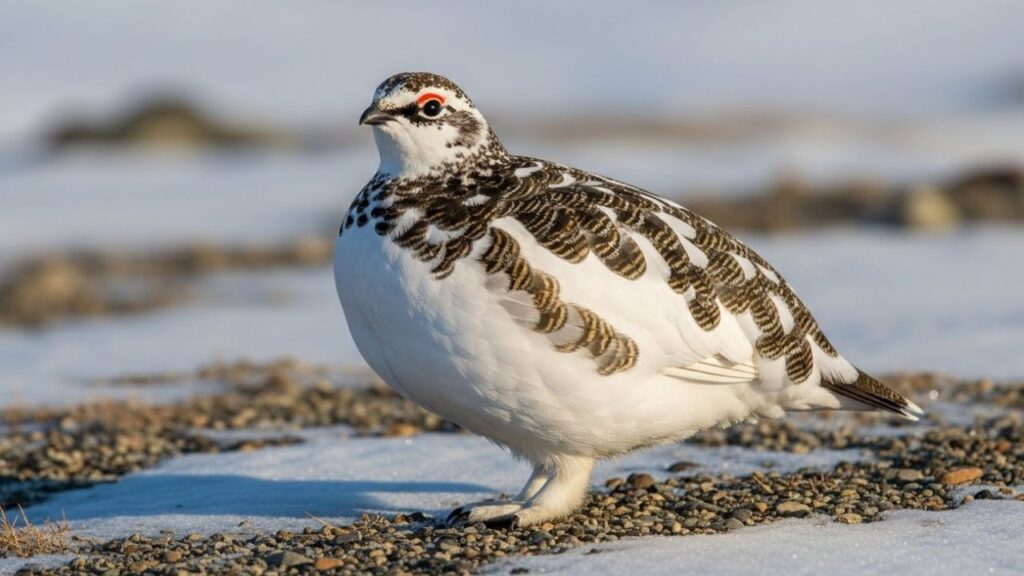
Ptarmigans are remarkable birds that stay in snowy, cold regions year‑round instead of migrating south like many others. They’re especially known for their seasonal color change, moulting from brown or mottled feathers in summer to pure white in winter.
Beyond just changing color, ptarmigans have feathered feet and legs that act like natural snowshoes, increasing the surface area of their feet so they can walk on snow without sinking.
They also burrow into snow banks to escape the worst of the cold and wind, using the insulating properties of snow to stay warmer than the harsh air above. These behavioral and physical adaptations make them superb at enduring sub‑zero conditions.
In winter, ptarmigans survive on a simple but effective diet of leaves, buds, and twigs from shrubs and plants. Because their winter food contains little moisture, they often eat snow to stay hydrated.
While some populations may shift slightly or migrate short distances depending on conditions, many remain within their Arctic and alpine ranges throughout the year.
Quick Facts:
Moults to white feathers for winter camouflage
Feathered feet act like snowshoes to support walking on snow
Burrows into snow to shelter from wind and cold
Winter diet of leaves, buds, and twigs, often eating snow for water
Found in Arctic and high‑elevation regions year‑round
4. Arctic Tern
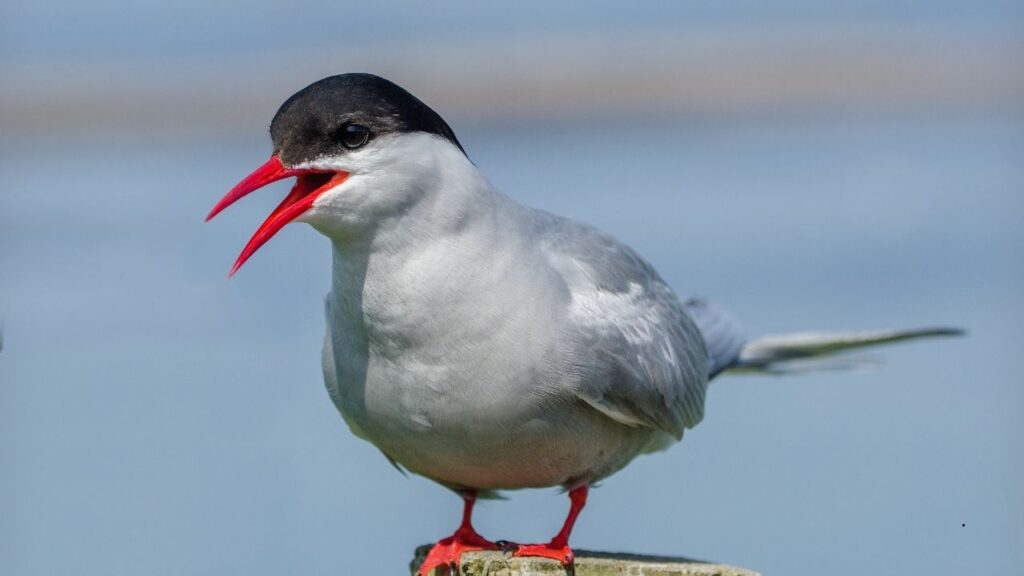
Arctic terns are famous for their incredible migratory journeys, traveling the longest distances of any bird—up to 70,000 kilometers a year!
They breed in the Arctic during summer, enjoying the midnight sun, then fly all the way to the Antarctic for winter, experiencing two summers annually. This amazing lifestyle means they survive and thrive in two of Earth’s most extreme climates.
Their slender bodies and long, pointed wings make them superb flyers, capable of smooth, energy-efficient travel over vast oceans.
Arctic terns rely on the abundance of fish and small marine animals near coastal areas to fuel their long journeys. Their sharp vision and agile flying skills help them catch prey even in windy, stormy weather.
Despite their impressive endurance, Arctic terns face risks from climate change, such as shifting food availability and breeding site disruptions. Still, their ability to navigate extreme environments and cover vast distances makes these winter birds true champions of survival in both polar extremes.
Quick Facts:
Migrate up to 70,000 km annually between the Arctic and the Antarctic
Experience two summers per year, breeding in the Arctic and wintering in the Antarctic
Slim bodies and long wings built for endurance flight
Feed mainly on fish and marine invertebrates
Vulnerable to climate-driven changes in food and habitat
5. Adélie Penguin

Adélie penguins are one of the most widespread penguin species along the Antarctic coast, enduring some of the harshest conditions on the planet.
Unlike emperor penguins, they breed in colonies on rocky shores and rely heavily on sea ice for feeding and protection. Their black and white plumage helps them blend into icy surroundings and the open ocean.
These penguins are excellent swimmers, diving deep to catch fish, krill, and other small sea creatures. During the breeding season, they build nests from stones and take turns caring for their eggs and chicks while their partners forage. Their survival depends heavily on stable sea ice, which is vulnerable to climate change and melting.
Though resilient, Adélie penguins are already feeling the effects of warming Antarctic waters. Changes in sea ice patterns impact their food supply and breeding success, making their future uncertain without global climate action.
Quick Facts:
Breed in large colonies along Antarctic rocky coasts
Depend on sea ice for feeding and breeding success
Strong swimmers feeding on fish, krill, and squid
Build nests with stones, sharing parental duties
Vulnerable to shrinking sea ice due to climate change
6. Desert Lark
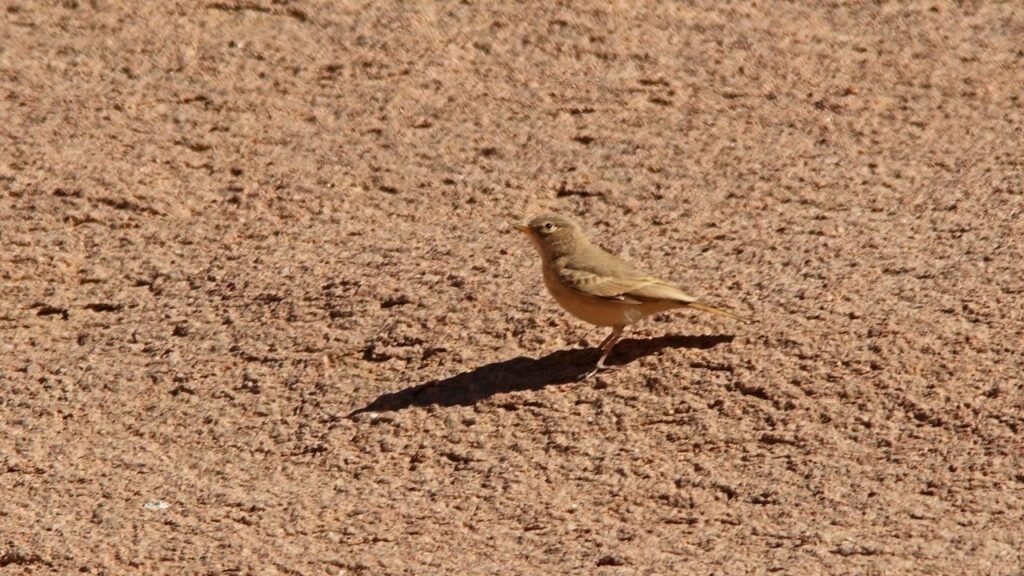
The desert lark is a small bird perfectly adapted to life in some of the world’s hottest, driest deserts. Found across North Africa and the Middle East, it thrives where temperatures soar, and water is scarce. Its mottled brown feathers provide camouflage against sandy and rocky desert landscapes.
This hardy bird has developed special behaviors and physiology to handle extreme heat, such as seeking shade during the hottest parts of the day and conserving water by getting moisture from the food it eats. It feeds mainly on seeds and insects, and its strong legs help it cover large areas while searching for food.
Desert larks are known for their adaptability and resilience, able to survive prolonged droughts and temperature swings. Their ability to live in harsh deserts makes them a fascinating example of nature’s tough survivors.
Quick Facts:
Lives in the hot, dry deserts of North Africa and the Middle East
Camouflaged, mottled brown feathers blend with the desert terrain
Conserves water by eating moisture-rich food and avoiding midday heat
Feeds on seeds and insects
Highly adaptable to drought and extreme temperature fluctuations
7. Great Roadrunner
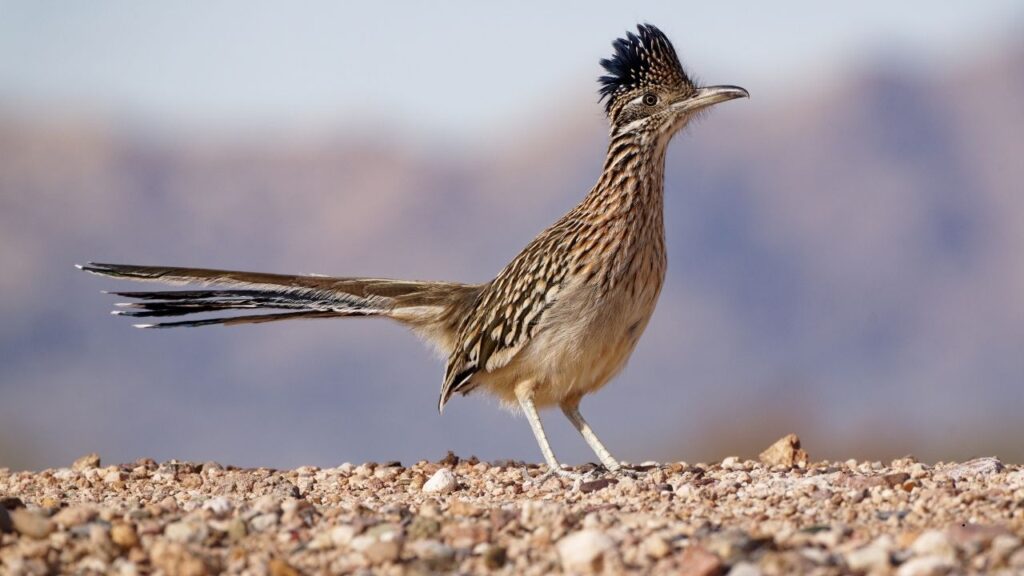
The greater roadrunner is a ground-dwelling bird found in the deserts of the southwestern United States and Mexico. Known for its impressive speed, it can run up to 20 miles per hour, helping it catch prey and escape predators in harsh desert environments.
Roadrunners have adapted well to dry, hot conditions with their lightweight bodies and long legs. They feed on a varied diet including insects, small reptiles, and even small mammals. Their keen eyesight and quick reflexes make them expert hunters in the desert scrub and rocky habitats they call home.
While roadrunners are built for survival in extreme heat, they also manage cooler desert nights by seeking shelter and fluffing their feathers to trap warmth. Their resilience and adaptability make them a standout among desert birds.
Quick Facts:
Can run up to 20 mph to catch prey and avoid danger
Lives in the southwestern U.S. and northern Mexico deserts
Eats insects, reptiles, and small mammals
Uses feathers to trap heat during cold desert nights
Adapted for speed, hunting skill, and extreme temperatures
8. Sandgrouse
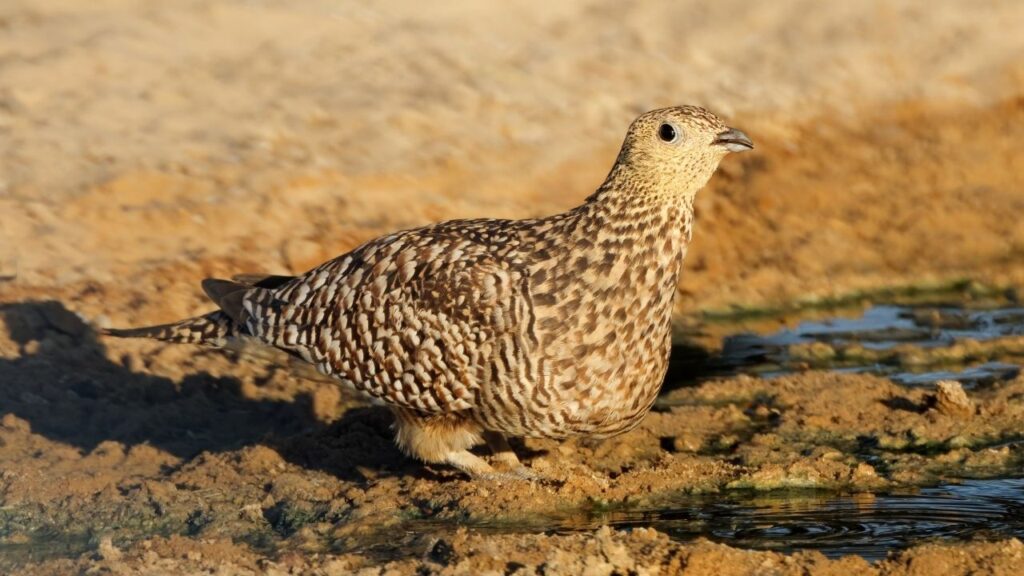
Sandgrouse are fascinating birds specially adapted to live in some of the world’s hottest and driest deserts, including regions in Africa and Central Asia.
They have strong, compact bodies and long wings, which make them excellent long-distance flyers. Sandgrouse often fly many miles from their nesting grounds to find water, an essential resource in their arid homes.
What makes sandgrouse truly remarkable is their ability to carry water back to their chicks. Bird Note mentions that male sandgrouse have specialized belly feathers that soak up water like a sponge.
After visiting water sources, they fly back to the nest with these feathers, providing hydration for their young in places where water is scarce. This unique adaptation helps them survive and raise families in extreme desert conditions.
Their diet mainly consists of seeds and dry plant material, which fits their environment. Despite harsh temperatures and scarce water, sandgrouse remain resilient, showing how nature equips some birds with incredible tools to thrive in the desert.
Quick Facts:
Live in the hot, arid deserts of Africa and Central Asia
Strong flyers, traveling long distances to find water
Males soak their belly feathers in water to carry back to the chicks
Feed mainly on seeds and dry vegetation
Unique water-carrying ability supports chick survival in the desert
9. Gila Woodpecker
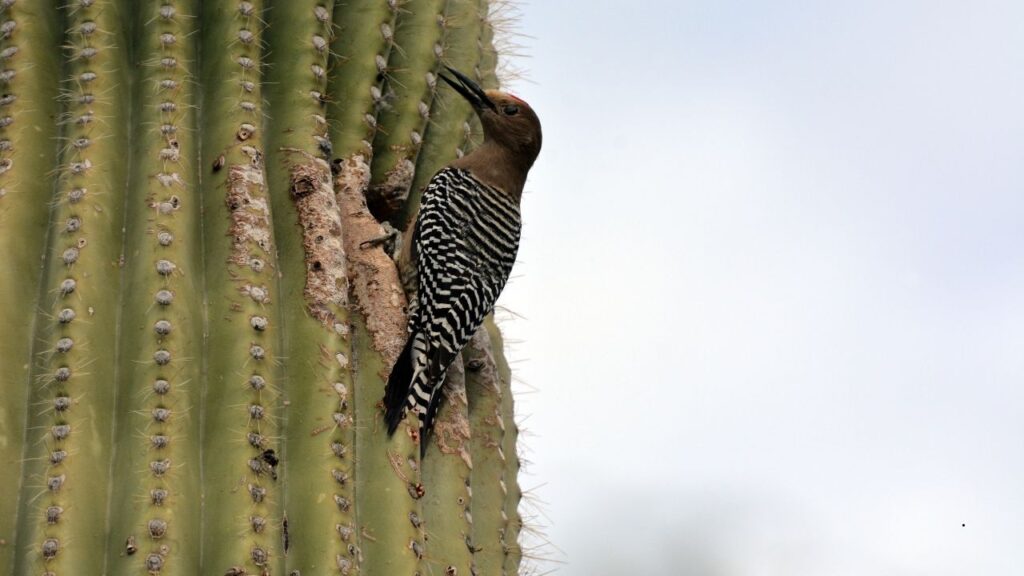
The Gila woodpecker is a tough bird native to the deserts of the southwestern United States and northern Mexico.
Unlike many woodpeckers that prefer forests, this species thrives in hot, dry desert habitats where it often nests in the cavities of saguaro cacti. This close relationship with desert plants helps it survive in a challenging environment.
Adapted to heat, the Gila woodpecker digs nests in cactus stems, which offer protection from predators and harsh sun, according to the Cornell Lab. Their diet is varied, including insects, fruits, and nectar, which they find among desert shrubs and trees.
These birds also show remarkable resilience to extreme temperatures by regulating their body heat through behaviors such as panting and seeking shade. Their ability to live in hot deserts while relying on cacti for shelter and food highlights their unique role in desert ecosystems.
Quick Facts:
Native to the southwestern U.S. and northern Mexico deserts
Nests in the cavities of saguaro cacti for protection
Eats insects, fruits, and nectar from desert plants
Uses behavioral strategies to manage extreme heat
Important members of desert ecosystems linked to cacti
Conclusion
Many bird species have evolved incredible ways to survive extreme conditions, whether by adjusting their body temperature or taking advantage of changing daylight hours.
Migratory species often travel vast distances to find more favorable climates, while others spend their time active or resting strategically to conserve energy.
Many birds are opportunistic feeders, hunting small animals or grazing on grass depending on what’s available, giving them an edge in tough environments.
Unlike humans, most birds maintain their survival by staying in flocks, standing or roosting together to share warmth and protection.
These behaviors, along with physical adaptations like insulating fur-like feathers, help birds not just survive but thrive in harsh climates. Their resilience offers us a remarkable example of nature’s ability to adapt and overcome challenges.
