




When we think about survival, birds might not be the first creatures that come to mind. Yet, some of these incredible animals can reproduce in environments so harsh and extreme, it’s hard to imagine how they manage it.
From blistering heat to freezing cold and barren landscapes, certain birds have evolved remarkable ways to raise their young where life seems almost impossible.
What’s truly fascinating is how these birds protect their eggs and care for their chicks despite the tough conditions around them. They have adapted unique strategies—like nesting in unusual places or timing their breeding perfectly—to make sure their offspring survive and thrive.
So, if you’re curious about how life can push through even the toughest challenges, you’re in for a treat. We’re about to explore some of the most resilient birds on the planet—those that don’t just survive but successfully reproduce in some of the world’s most extreme weather conditions.
Let’s jump in and discover what makes these birds true champions of survival!
Birds That Can Reproduce in Harsh Environments
1. Emperor Penguin
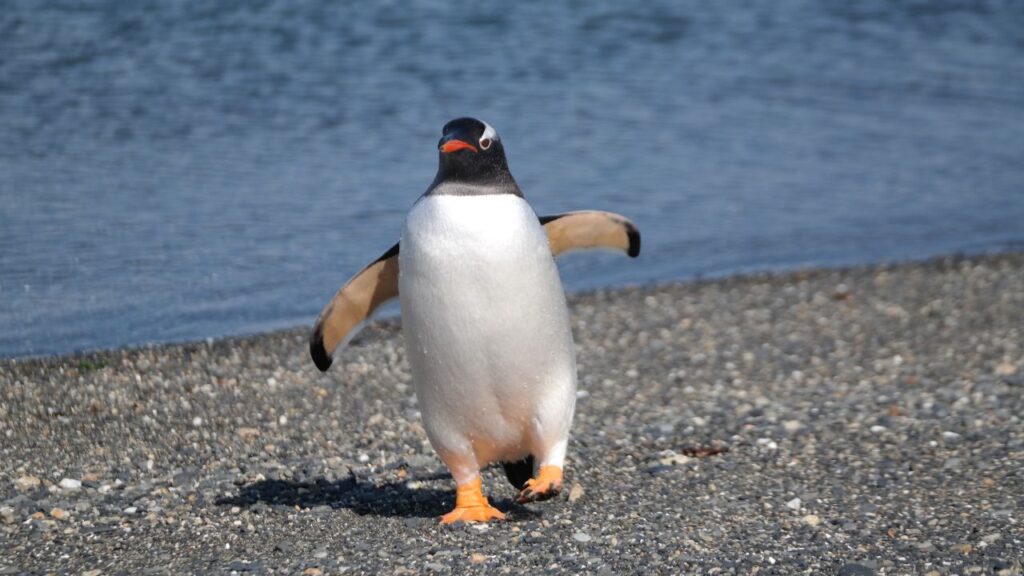
Emperor penguins are incredible birds that reproduce in one of the coldest, toughest places on Earth—Antarctica. Despite freezing temperatures and strong winds, these birds have developed special adaptations to keep themselves and their chicks safe and warm during the breeding season.
Key Physical & Reproductive Adaptations
Dense, overlapping feathers provide excellent insulation against the cold.
An oily coating on their feathers makes them waterproof, protecting them from icy waters.
A thick layer of blubber under the skin helps retain heat and stores energy for harsh conditions.
Small beaks and flippers reduce heat loss during extreme cold.
They lay a single egg and incubate it on their feet, with both parents sharing incubation and feeding duties.
Teamwork Against the Cold
Emperor penguins don’t just rely on their bodies; they also work as a group to survive. Britannica mentions that they huddle tightly together in large groups, sharing body heat to stay warm. The penguins constantly rotate positions so everyone spends time in the warmer center.
By minimizing movement and sticking close, they conserve energy and increase their chances of successfully raising chicks in the extreme cold.
2. Arctic Tern
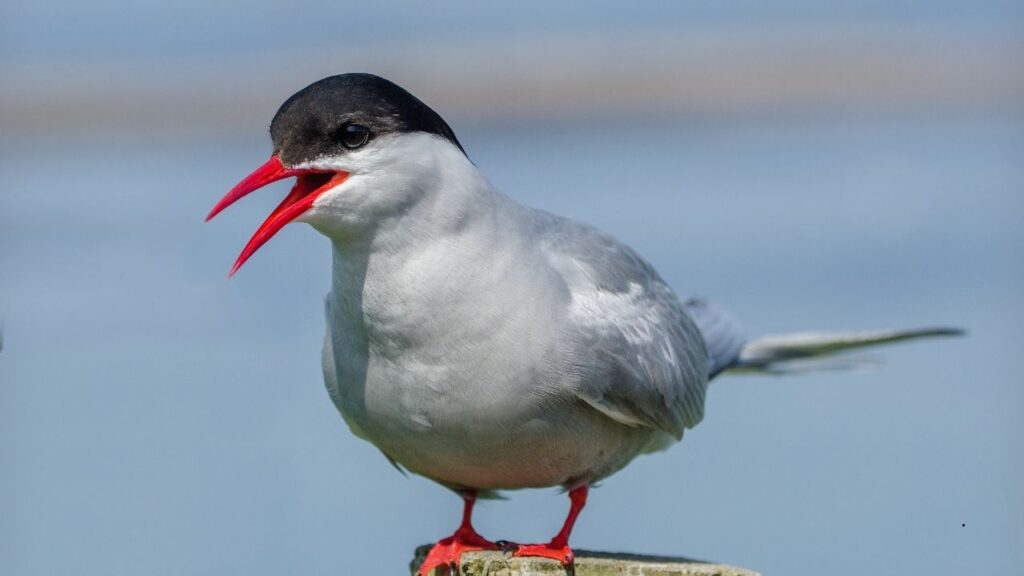
Arctic terns are extraordinary birds that reproduce in some of the most extreme environments on Earth — the icy Arctic and the frigid Antarctic. Every year, they make an incredible journey between these two poles, braving harsh weather and long distances to breed and raise their chicks.
Key Physical & Reproductive Adaptations
Lightweight, streamlined bodies built for long, energy-efficient flights.
Long, narrow wings allow efficient gliding over vast ocean distances.
Strong flight muscles support nonstop migration covering tens of thousands of miles.
Sharp eyesight helps spot food from high above the ocean.
Females lay one or two eggs, which both parents incubate and feed until fledging.
Epic Migration Strategy
Arctic terns don’t fly straight from pole to pole. Instead, they follow a winding route along coastlines, using favorable wind patterns to conserve energy. Their annual round trip can exceed 55,000 miles, making it the longest migration of any animal.
They spend the Antarctic summer near the ice pack, where food is abundant, then return to the Arctic in spring to breed. This unique migration allows them to experience two summers a year, maximizing daylight and feeding opportunities, which is vital for raising healthy chicks in harsh climates.
3. Snowy Owl
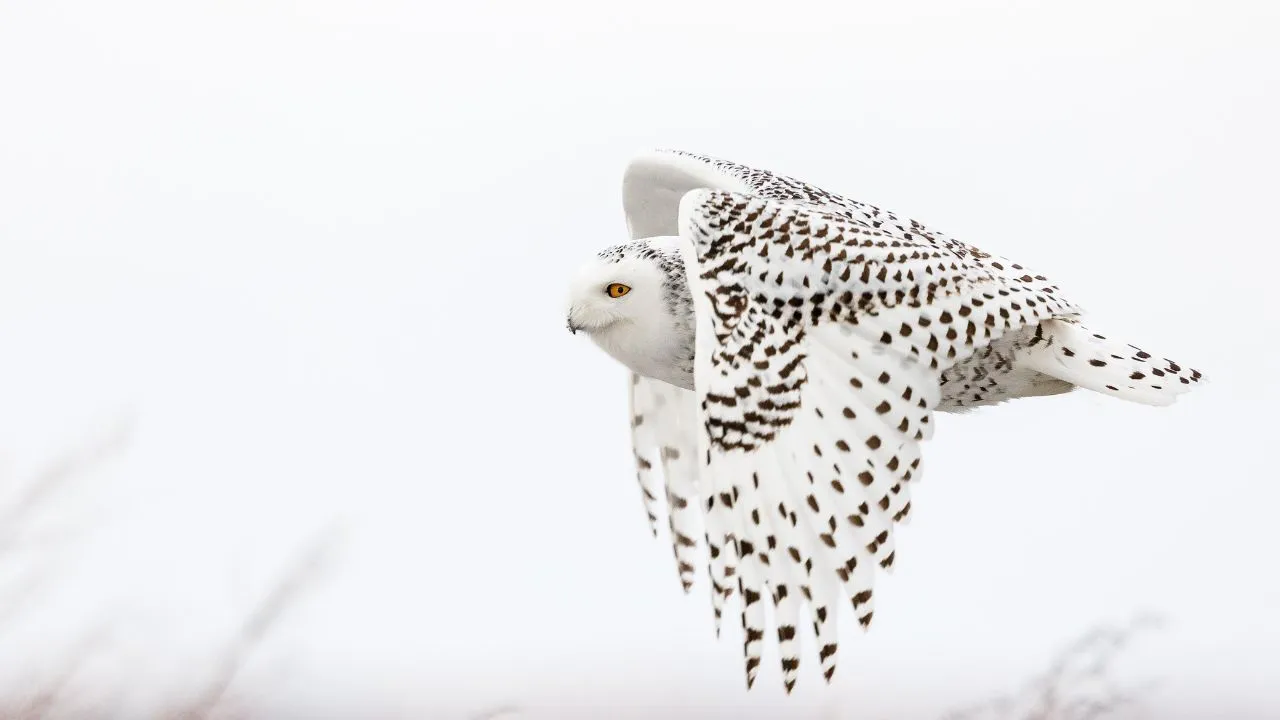
Snowy owls are tough birds that reproduce in the cold, harsh Arctic tundra. They have adapted well to survive freezing temperatures, strong winds, and long daylight hours, making them true champions of breeding in extreme environments.
Key Physical & Reproductive Adaptations
Thick feathers cover their body, legs, and feet to keep them warm in freezing weather.
White plumage provides excellent camouflage against snow and ice.
They nest on the ground, scraping shallow hollows in the tundra to lay their eggs.
Females lay between 3 to 11 eggs depending on food availability.
The female incubates the eggs for about 32 days while the male brings food.
Surviving & Raising Young in the Arctic
Snowy owls face big challenges, but their behavior helps them succeed. They are monogamous each breeding season and defend their nesting area fiercely. The male’s courtship includes flight displays and offering food to the female to prove he’s a good provider.
After the chicks hatch, both parents help feed and protect them until they are ready to fly, usually within about seven weeks.
4. Sooty Shearwater
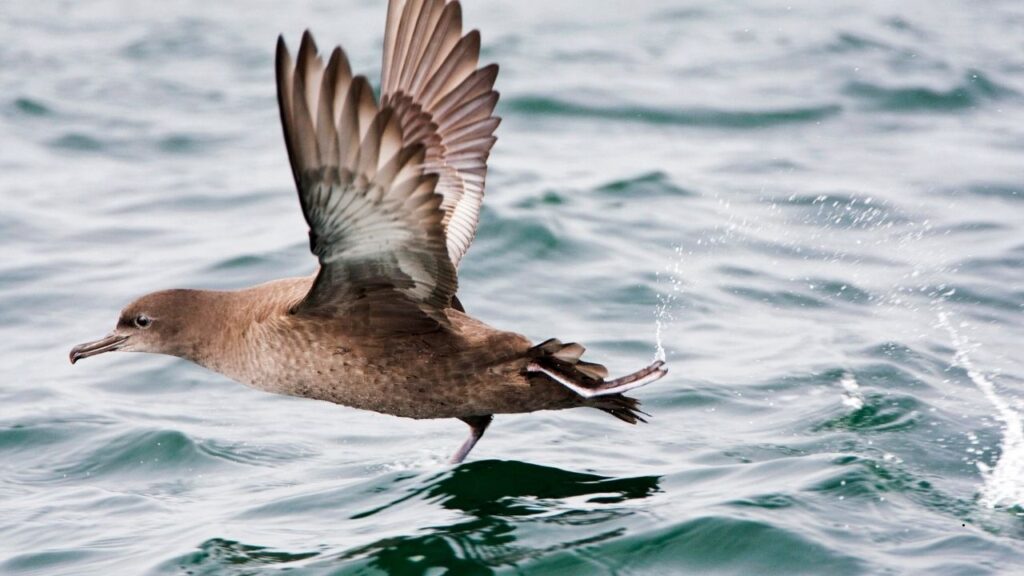
Sooty shearwaters are remarkable seabirds known for their long migrations and ability to reproduce in remote, harsh ocean environments. These birds travel thousands of miles each year to reach their breeding colonies on isolated islands, where they raise their chicks in tough conditions.
Key Physical & Reproductive Adaptations
They have strong, narrow wings designed for efficient long-distance flight over the open ocean.
Their waterproof feathers help keep them dry during rough sea conditions.
They nest in burrows dug into soft soil or sand, protecting eggs and chicks from predators and weather.
Females typically lay one egg per breeding season.
Both parents take turns incubating the egg and feeding the chick until it fledges.
Surviving & Raising Young at Sea
Sooty shearwaters breed in large colonies on remote islands, often facing strong winds and unpredictable weather.
They time their breeding to coincide with abundant food supplies in nearby waters. By sharing incubation duties and feeding responsibilities, both parents ensure their chick’s survival in a challenging environment.
5. Sandgrouse
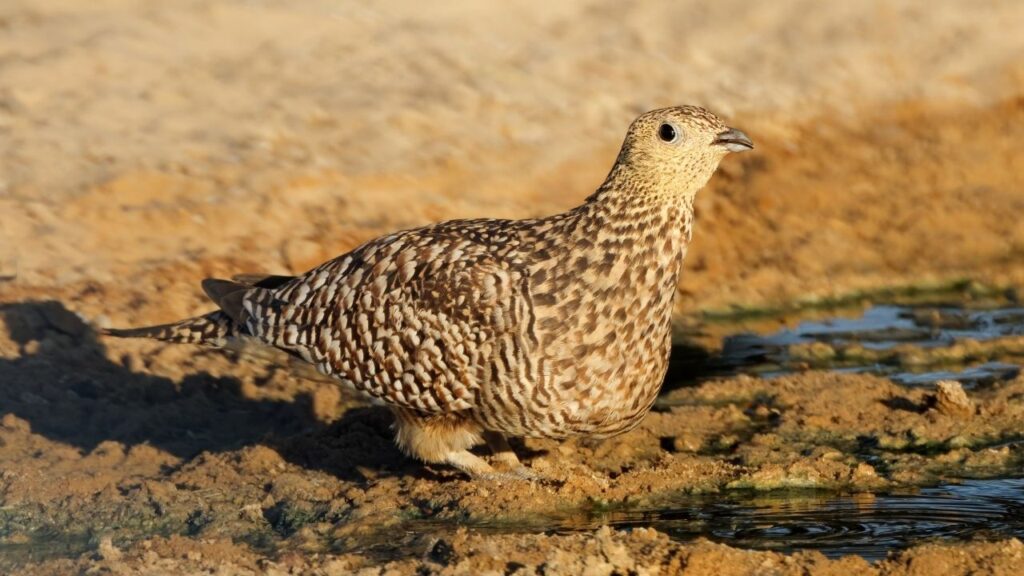
Sandgrouse are fascinating birds that reproduce in some of the hottest and driest places on Earth — arid deserts. They have evolved special adaptations to cope with extreme heat and scarce water, making them true masters of survival and reproduction in harsh environments.
Key Physical & Reproductive Adaptations
Their feathers are dense and waterproof, helping reduce water loss and protect against the sun.
They have strong legs for long flights to distant water sources.
Sandgrouse nest on bare ground, laying camouflaged eggs that blend with the desert soil.
Females lay about 2 to 3 eggs per clutch, which hatch after roughly three weeks.
Males have specialized belly feathers that soak up water to carry back to their chicks.
Surviving & Raising Young in the Desert
Sandgrouse endure scorching temperatures by traveling long distances to find water, often at dawn and dusk when it’s cooler.
According to Forbes, they soak their belly feathers in water sources and fly back to their nests to hydrate their chicks. Both parents protect and feed the young until they are strong enough to survive the desert heat on their own.
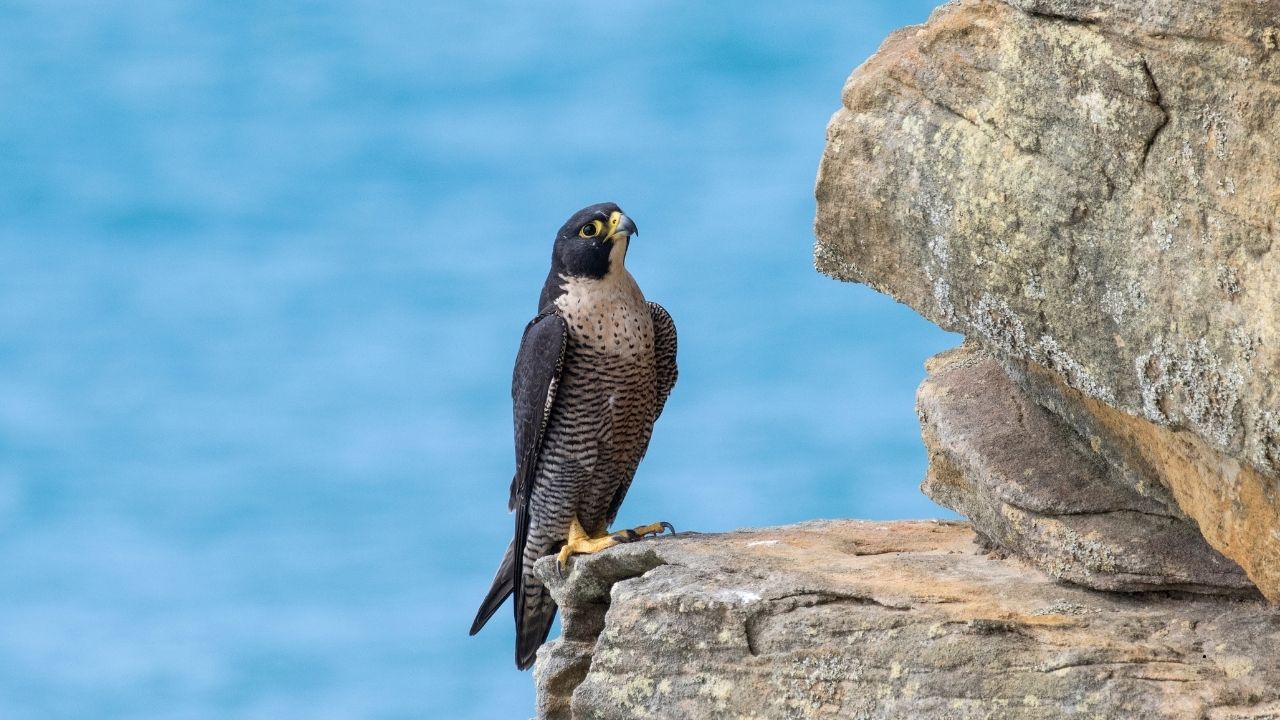
6. Peregrine Falcon
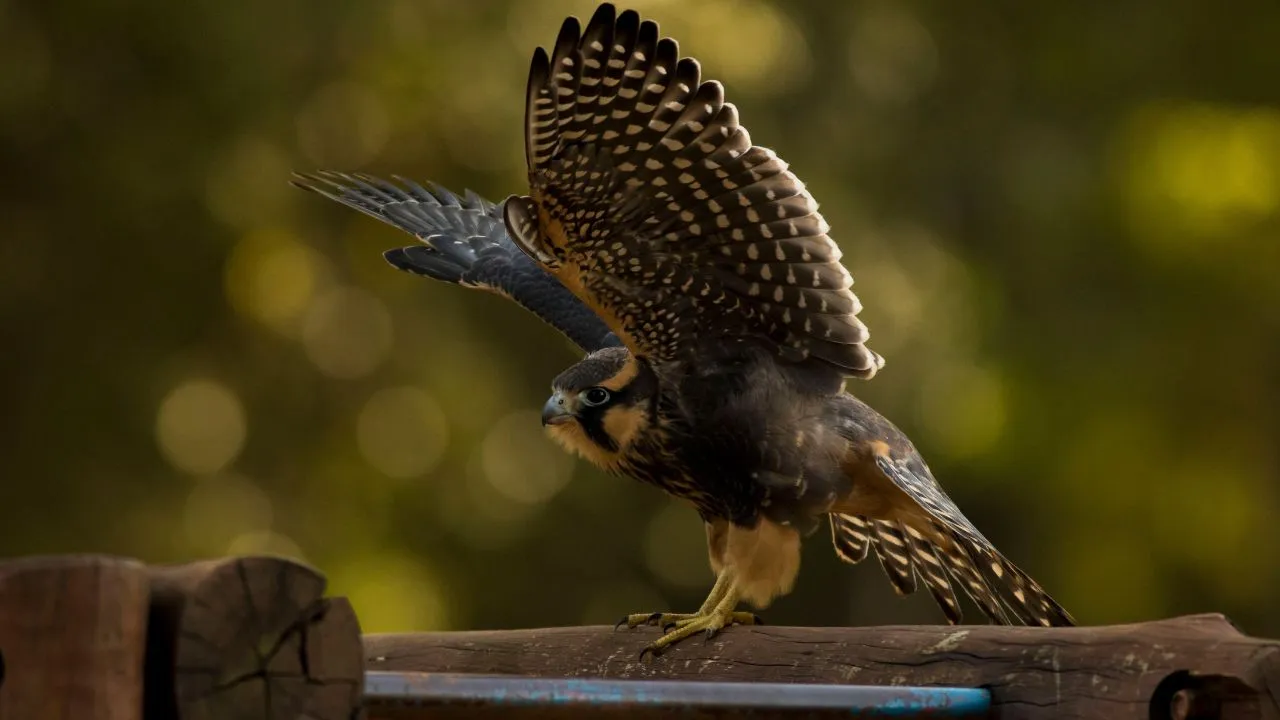
Peregrine falcons are powerful birds of prey that can reproduce successfully in a wide range of harsh environments, from city skyscrapers to remote cliffs. Their incredible speed and hunting skills help them survive and raise young in challenging conditions.
Key Physical & Reproductive Adaptations
They have strong, streamlined bodies built for high-speed dives reaching over 200 mph.
Their sharp talons and hooked beak allow them to catch and kill prey efficiently.
Peregrines nest on cliff ledges or tall urban structures, using minimal nesting material.
Females lay about 3 to 4 eggs, which hatch after roughly a month of incubation.
Both parents share incubation and feeding duties to ensure chick survival.
Surviving & Raising Young in Tough Conditions
Peregrine falcons adapt well to both wild and urban settings, taking advantage of abundant prey like pigeons and small birds. Their breeding sites on high ledges keep chicks safe from many predators.
By cooperating in feeding and protecting their young, they thrive even in noisy, crowded environments. Their remarkable adaptability to human presence has allowed them to recolonize areas where they were once endangered, showing their resilience in the face of change.
7. Rüppell’s Griffon Vulture
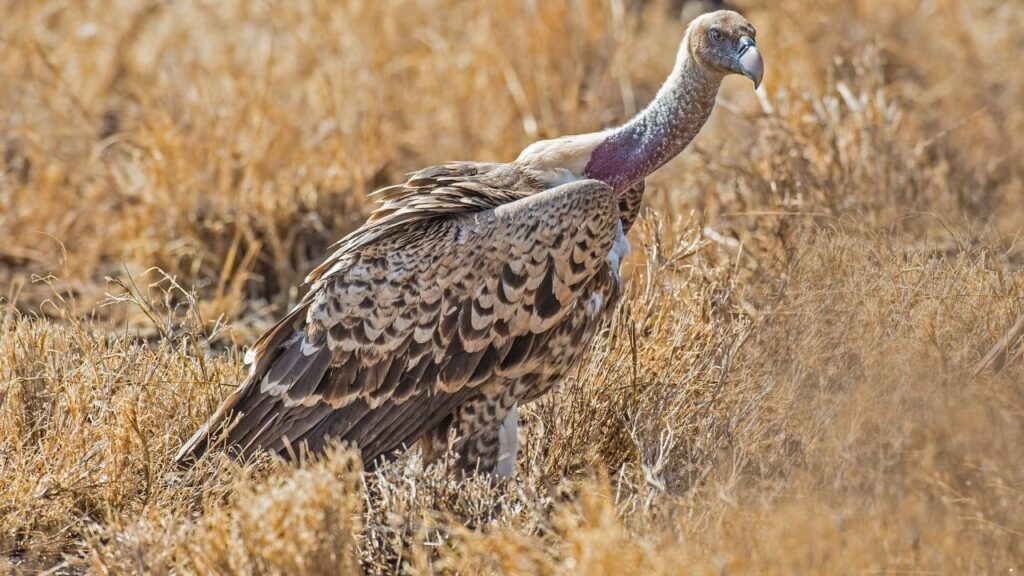
Rüppell’s griffon vultures are extraordinary scavengers that reproduce in some of the highest and harshest places on Earth — the mountainous regions of Africa. Their ability to soar at extreme altitudes helps them find food and raise chicks where few others can.
Key Physical & Reproductive Adaptations
They have large wingspans to glide efficiently at altitudes over 30,000 feet.
Their strong beaks are perfect for tearing tough carcasses.
These vultures build nests on cliffs or rocky outcrops, safe from ground predators.
Females usually lay a single egg per breeding season.
Both parents share incubation and feed the chick until it fledges.
Surviving & Raising Young in Extreme Altitudes
The Peregrine Fund mentions that Rüppell’s vultures rely on thermal currents to soar effortlessly for hours while searching for food. Their nests in inaccessible cliffs protect their young from most threats.
By sharing parenting duties, they ensure their chick grows strong in a demanding environment. Their ability to fly at such high altitudes also keeps them safe from many predators and allows them to cover vast areas in search of food.
Conclusion
Bird species from the Southern to the Northern Hemisphere face a variety of extreme habitats, from harsh desert environments to cold coastal areas.
Wintering birds and resident species alike rely on specialized physiological adaptations and parental investment to ensure reproductive success despite challenges such as high energy expenditure and fluctuating air temperatures.
Their diets, which often consist of insects and other available resources, support embryonic development and help maximize breeding success during the nesting and hatching periods.
Climate change continues to impact resource availability and the ecology of these species, affecting the entire population’s ability to adapt and survive. Many birds adjust their roosting and walking behaviors, utilizing trees and grass to cope with extreme conditions.
Understanding how species occur and thrive in such environments is key to protecting their future in a rapidly changing world.
