




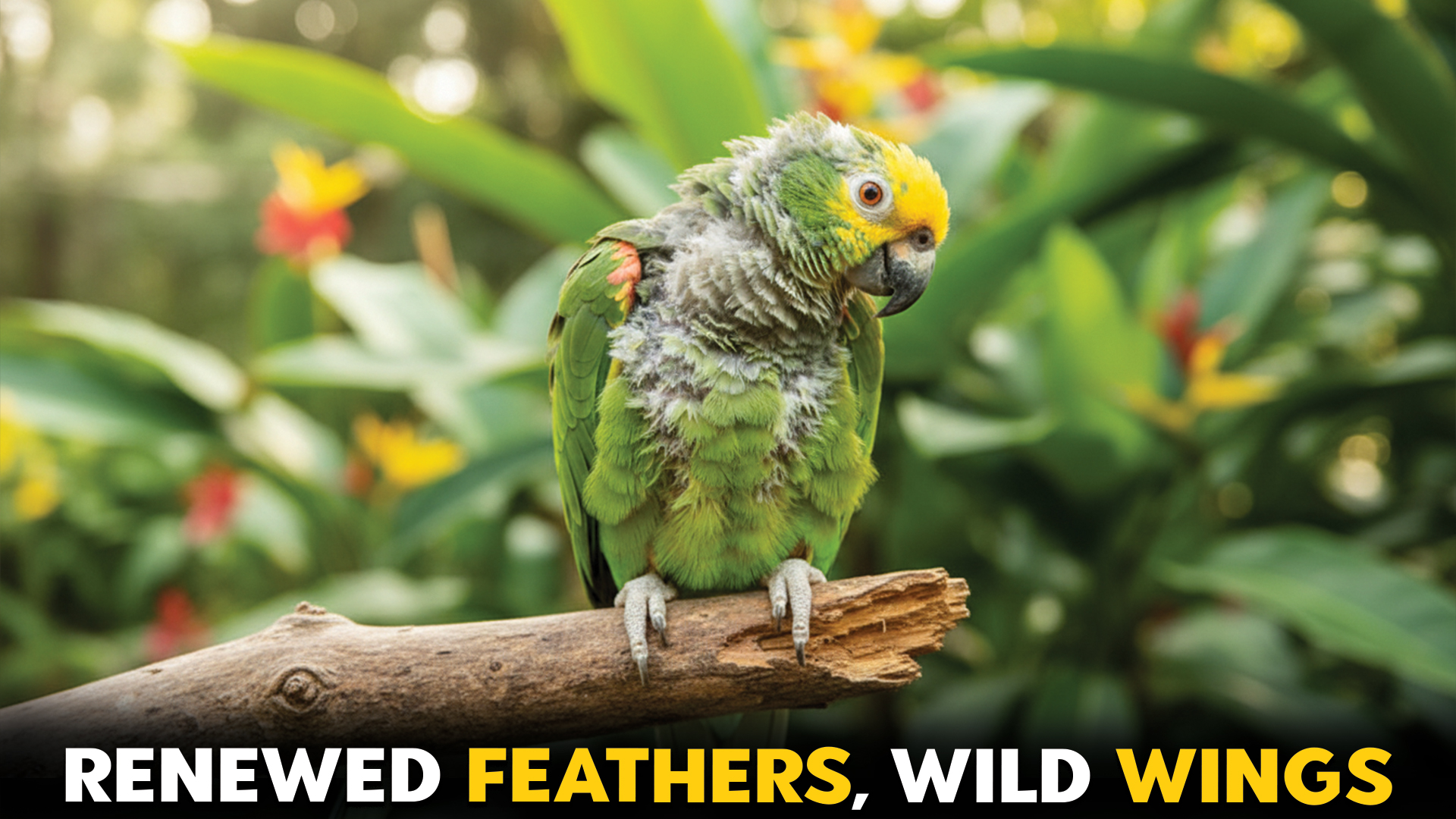
Have you ever noticed a bird with a few missing or ragged feathers and wondered how it manages to look so stunning again? Birds have an amazing ability to regrow their lost feathers!
Once fully grown, feathers don’t get a blood supply and won’t heal if damaged, but birds go through molting — shedding old or broken feathers and growing fresh ones, usually a few at a time, so they can keep flying smoothly.
To keep feathers healthy, birds need a nutritious diet packed with vitamins, minerals, and proteins — just like us needing good food to stay healthy and look our best. Sometimes, supplements like omega-3 fatty acids and biotin give feathers an extra boost for faster, stronger regrowth.
Some birds can start regrowing feathers within days of losing them, thanks to a finely tuned molting cycle developed over millions of years! Whether from adventures or natural shedding, nature has it all covered.
Key Takeaways
Discover how parrots, eagles, and ducks naturally shed and regrow their feathers without losing their ability to fly.
Learn why chickens and pigeons molt gradually and how this keeps them protected through the seasons.
See why peacocks’ stunning tail feathers are renewed every year, and what makes this process so energy-intensive.
Find out how diet, environment, and stress affect feather regrowth and what it takes for birds to stay vibrant and healthy.
Birds That Can Regrow Lost Feathers
1. Parrot
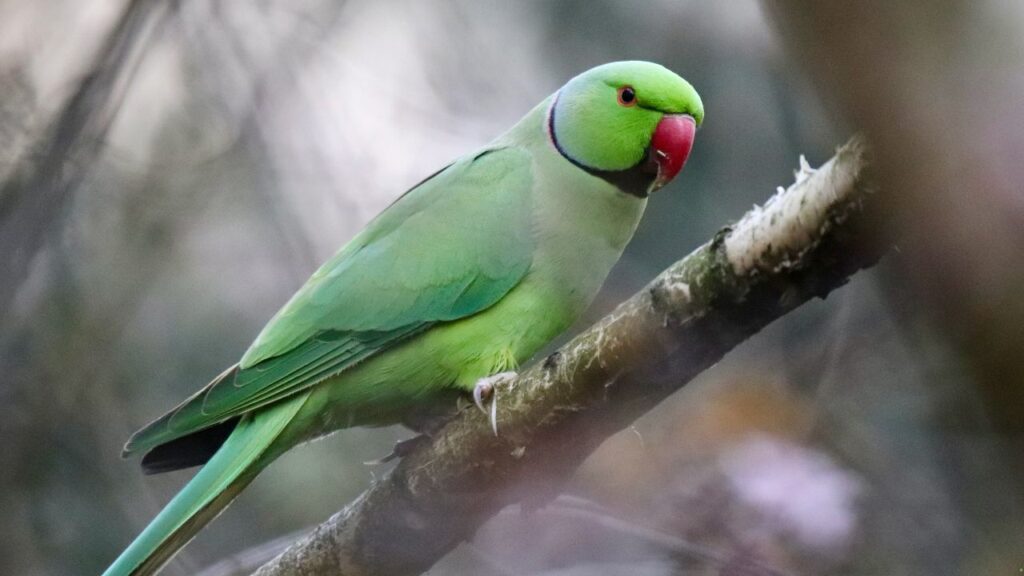
Parrots are vibrant, intelligent birds known for their colorful feathers and strong, curved beaks. They primarily inhabit tropical and subtropical forests, woodlands, and savannas, where their varied diet helps keep their feathers healthy and strong.
Habitat and Diet
Parrots thrive in warm, forested environments around the world. Their diet consists mainly of seeds, fruits, nuts, and occasionally insects—nutrients from these foods are essential for maintaining feather health and supporting the molting process.
Molting and Feather Regrowth
According to Bird Supplies, Parrots naturally undergo molting once or twice a year to replace old or damaged feathers. This molting happens gradually to avoid impairing flight, with feathers shedding in a patterned way.
New feathers grow as “pin feathers,” covered by a protective sheath and temporarily supplied with blood until fully formed. This process ensures that parrots maintain their vibrant plumage and flying ability.
2. Chicken
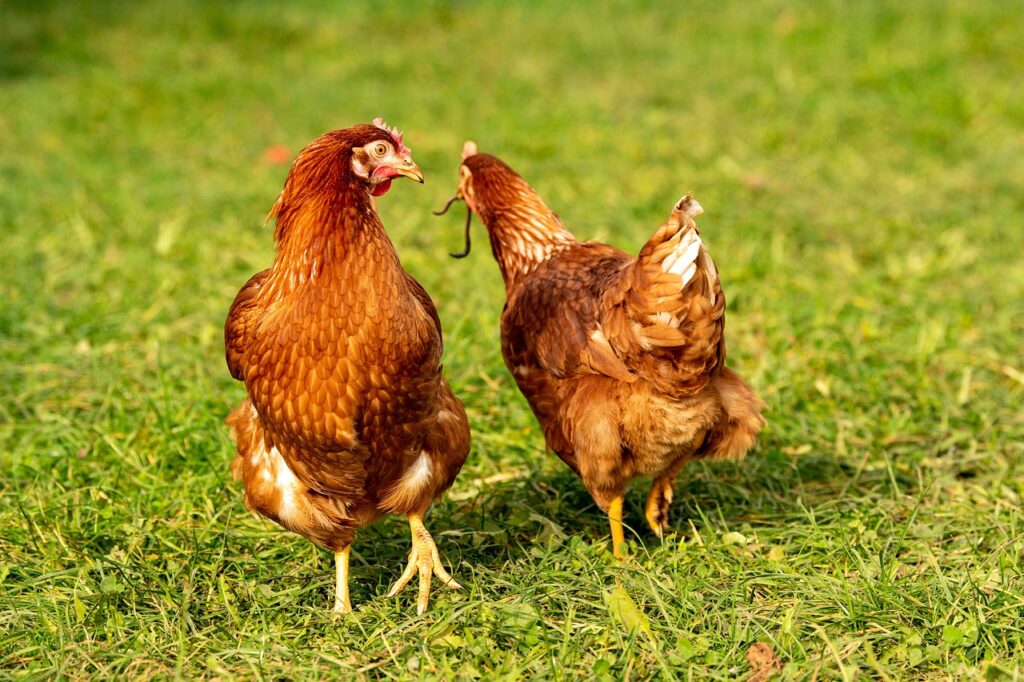
Chickens are one of the most familiar and widespread domestic birds, valued for their eggs, meat, and sometimes their charming personalities. Their feathers serve not only as insulation to regulate body temperature but also provide limited protection and aid in short flights to escape danger.
Habitat and Diet
Chickens are adaptable birds that thrive in a variety of environments, from backyard coops and farmyards to free-range settings where they can roam and forage.
Their diet typically includes a mix of grains, seeds, insects, and vegetable scraps. This diverse diet supplies important proteins, vitamins, and minerals essential to maintaining feather health and supporting regrowth during molting.
Molting and Feather Regrowth
Molting is a natural, annual event for chickens, often occurring in late summer or fall. During molting, chickens shed old, worn feathers in a gradual pattern and regrow a fresh coat over several weeks to months.
This process can make chickens look a bit scruffy or bare in spots, but it’s critical for restoring their feathers’ insulating qualities and vitality. Because feathers don’t regrow all at once, chickens maintain enough coverage to regulate body heat and protect themselves from the elements throughout the molt.
3. Duck
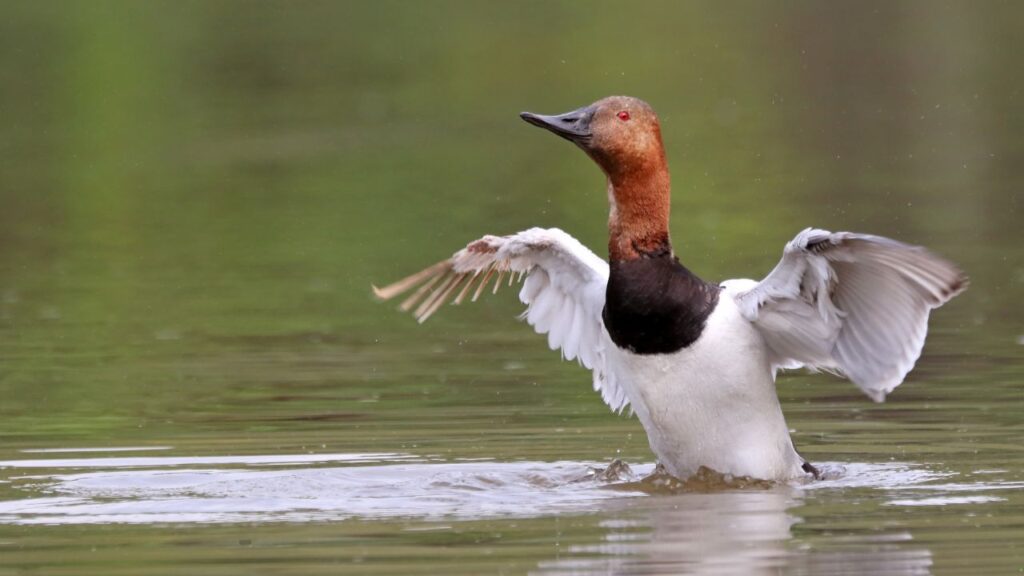
Ducks are fascinating water birds widely distributed across the globe, known for their waterproof feathers and strong swimming abilities. Their feathers not only help with flight but also provide essential waterproofing and insulation to keep them warm in aquatic environments.
Habitat and Diet
Ducks primarily inhabit freshwater lakes, ponds, wetlands, and slow-moving rivers. They thrive in environments rich in aquatic plants, small fish, insects, and crustaceans, which provide the nutrients necessary for health and feather regrowth. Access to clean water is crucial, as ducks use water to preen and maintain their feathers’ waterproof qualities.
Molting and Feather Regrowth
Ducks have a unique molting process. Each year, usually in late summer, ducks shed all of their flight feathers at once in a simultaneous molt, rendering them temporarily flightless for several weeks, as mentioned by Ducks Unlimited.
New feathers then grow back rapidly, allowing ducks to regain their full flight and waterproofing abilities. This complete feather replacement is vital for maintaining their plumage.
4. Eagle
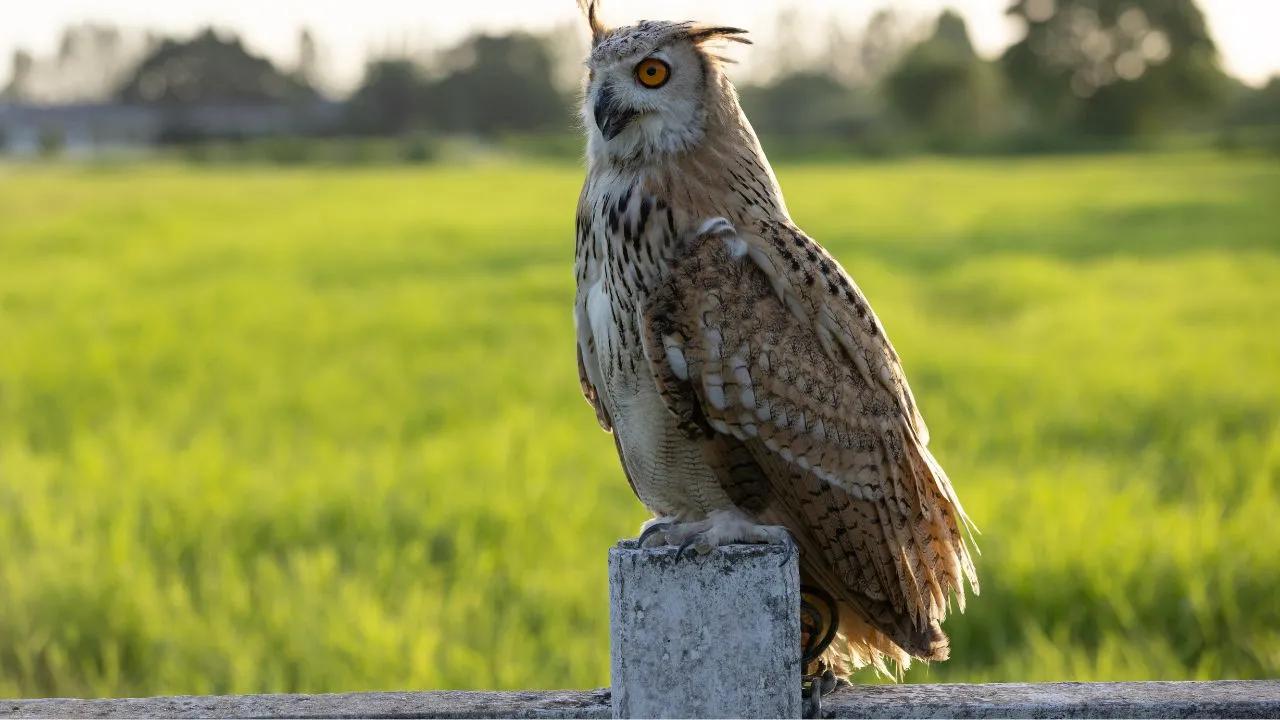
Eagles are powerful raptors known for their keen eyesight and impressive hunting skills. They typically inhabit mountainous regions, forests, and areas near large bodies of water where they find prey to sustain their energy needs.
Habitat and Diet
Eagles prefer open landscapes with tall trees or cliffs for nesting and perching. Their diet mainly consists of fish, small mammals, and carrion.
This provides a rich source of protein and nutrients essential for maintaining their strength and feather condition. This diet supports their high energy demands needed for long flights and hunting.
Molting and Feather Regrowth
Eagles undergo a gradual molting process that can last several months to even a year. Unlike many birds, they molt their flight feathers slowly and sequentially, ensuring they never lose too many feathers at once.
This careful pattern allows them to maintain flight capabilities and stay efficient hunters. Their feathers regrow steadily, replacing worn or damaged feathers to keep their wings powerful, aerodynamic, and ready for soaring.
5. Pigeon
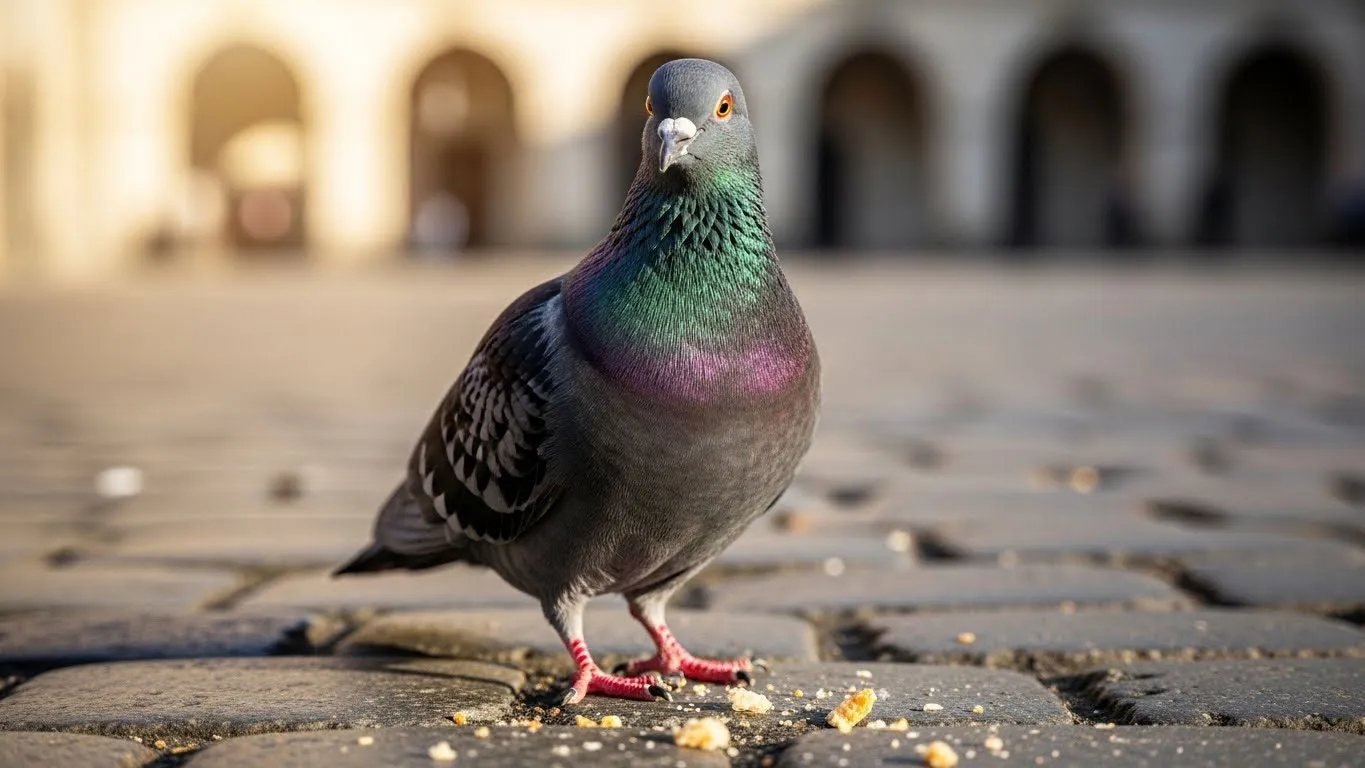
Pigeons are adaptable birds commonly found in cities, parks, and rural areas worldwide. Known for their homing ability and social behavior, pigeons thrive in diverse environments, from busy urban centers to open countryside.
Habitat and Diet
Pigeons nest in a variety of places, including urban structures, cliffs, and open fields. Their diet includes grains, seeds, and human food scraps, which supply the nutrition needed to sustain their energetic lifestyle and maintain healthy feathers.
Pigeons are opportunistic feeders, adapting well to changing food availability in both natural and human environments.
Molting and Feather Regrowth
Pigeons experience an annual molt, usually lasting several weeks to a couple of months, where they shed old feathers and grow new ones. This molting typically starts after the breeding season and occurs gradually to avoid compromising flight.
New feathers grow from pin feathers and replace the old, keeping their plumage fresh, insulated, and fully functional. This efficient renewal system helps pigeons maintain their agility and survival in crowded habitats.
6. House Sparrow
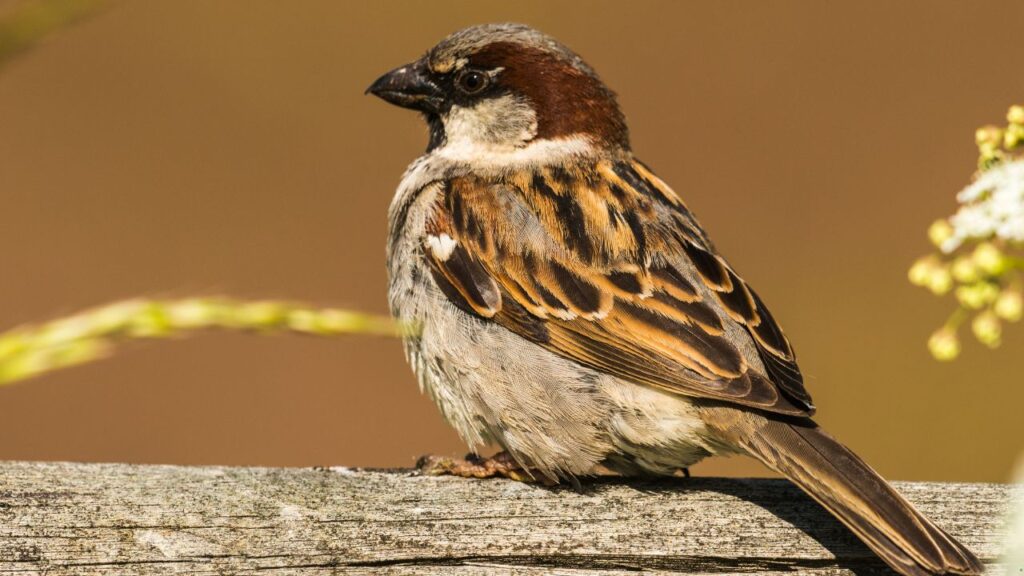
House sparrows are familiar birds often found around human settlements worldwide. Known for their adaptability and social nature, these sparrows thrive in urban, suburban, and rural environments.
Habitat and Diet
The Cornell Lab says that House sparrows prefer habitats close to people, such as gardens, parks, farms, and city streets.
They eat a variety of seeds, grains, and small insects, which provide essential nutrients for their energy and feather maintenance. Their ability to exploit diverse food sources helps them stay healthy through seasonal changes.
Molting and Feather Regrowth
House sparrows undergo a molting process typically once a year, usually after the breeding season. During molting, they shed old feathers gradually and regrow fresh plumage to prepare for colder months.
This molting helps maintain insulation and flight ability. New feathers grow from pin feathers, restoring the sparrow’s sleek, aerodynamic body.
7. Peacock
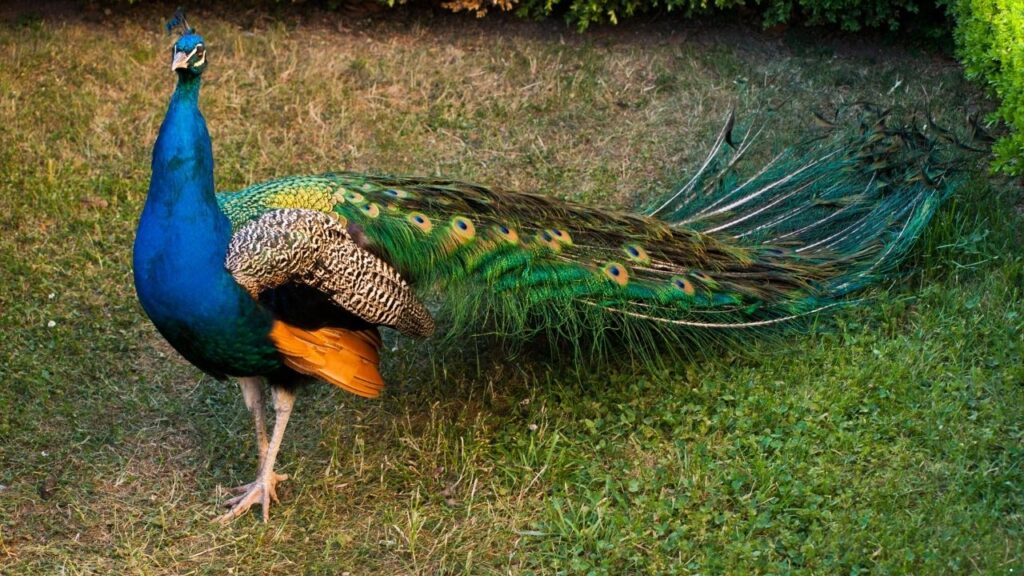
Peacocks are famous for their spectacular, iridescent tail feathers, used in courtship displays. These magnificent birds live primarily in forest edges and open areas in South Asia but are also found in various parts of the world due to introductions.
Habitat and Diet
Peacocks favor habitats like forests, farmland, and grasslands. Their diet consists of grains, seeds, insects, and small animals, which supply nutrients crucial for growing and maintaining their elaborate feathers. Nutrition plays a key role in the vibrancy and strength of their plumage.
Molting and Feather Regrowth
Peacocks undergo an annual molt, shedding their long, ornate tail feathers after the breeding season. These feathers are gradually replaced over several months.
The regrowth of these stunning feathers requires significant energy and nutrients, as the elaborate patterns and iridescence develop during this time. Despite losing their signature display feathers temporarily, peacocks rely on this renewal to impress mates year after year.
Conclusion
Not all birds molt all their feathers at once; instead, most birds lose wing feathers gradually over a few weeks to stay in good shape for flight.
This careful process, seen across the same species and other birds, ensures they can still create air currents and maintain balance while preparing for the next molt cycle. Larger species, in particular, take their time shedding and regrowing feathers to support parental care and survive in the wild.
Bird molts play a crucial role in a bird’s life, especially during seasons like winter when fresh feathers help maintain insulation.
The skin attached to new feathers reveals the bird’s health and readiness for challenges ahead. Whether on the ground or in the air, birds rely on this natural cycle to stay strong, protect their chicks, and continue their journey until the next molt.
