




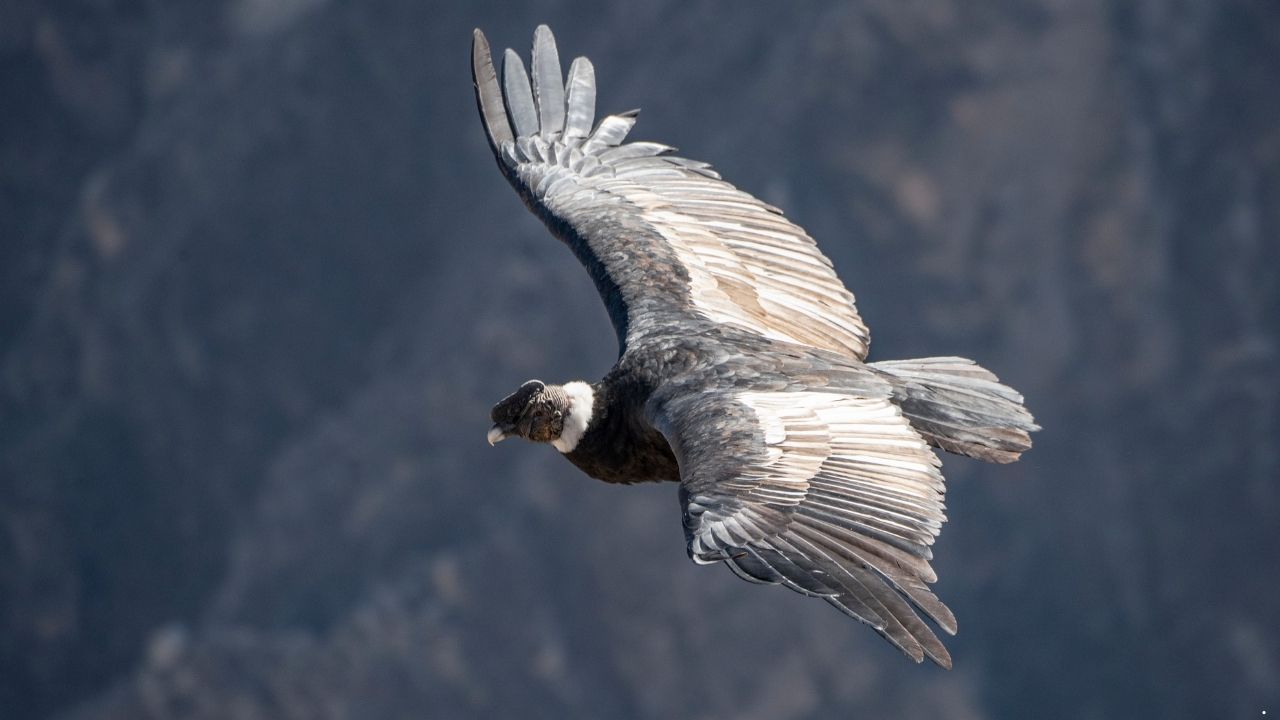
Birds are some of the longest-living animals on the planet, with many species capable of surviving for several decades in the wild. Unlike mammals, birds rarely show visible signs of aging, which makes their long lives even more fascinating.
Determining a bird’s age is far more complex than simply observing its appearance. Scientists often rely on techniques such as leg banding to track individuals over time, and this has revealed some remarkable truths about avian longevity.
Lifespan varies widely depending on size, lifestyle, and environment, but those that survive early threats like predators and disease can go on to live extraordinarily long lives.
In this article, we’ll explore birds that can live for decades in the wild and uncover the unique traits and conditions that allow them to defy the odds. Their stories offer a rare glimpse into endurance, adaptability, and the hidden secrets of long life in the natural world.
Key Takeaways
Meet amazing birds like the Laysan Albatross and Kakapo that live for decades in the wild.
See how Bald Eagles, Andean Condors, and California Condors beat the odds to survive long lives.
Explore the colorful world of Scarlet Macaws, African Greys, and Green-Winged Macaws with their stunning lifespans.
Discover the secrets behind the incredible longevity of these wild birds.
Birds That Can Live for Decades in the Wild
1. Laysan Albatross
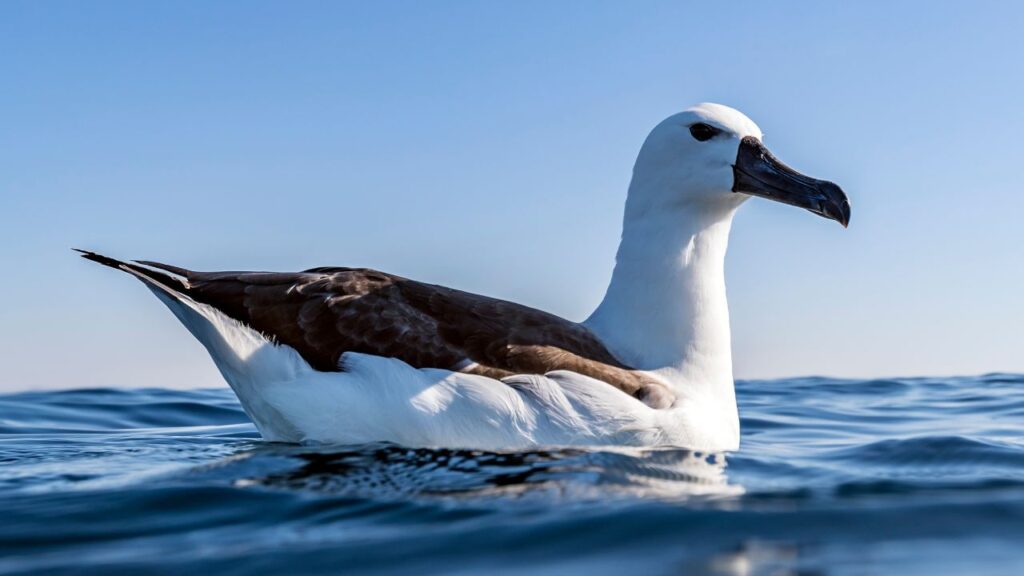
The Laysan Albatross is one of the most common albatrosses found in the Hawaiian Islands, and it is famous for its incredible lifespan. Even among albatrosses, which are known to live long lives, this species truly stands out.
The oldest known individual is a wild bird named Wisdom, making the Laysan Albatross a powerful example of birds that can live for decades in the wild.
Wisdom was banded in 1956 and was already an adult at the time. She is now estimated to be over 74 years old and was still seen healthy and active at her breeding colony in early 2025.
Over her lifetime, she likely laid 50–60 eggs, raised around 30 chicks, and flew more than 3 million miles across the Pacific Ocean. These birds are expert gliders and can travel hundreds of miles in a single day with barely a wingbeat.
Key facts about the Laysan Albatross:
Breeds mainly in the Hawaiian archipelago
Smaller breeding groups exist in Japan and Mexico
Disperses widely across the North Pacific after breeding
Rarely recorded in the southern hemisphere, including New Zealand
2. Scarlet Macaw
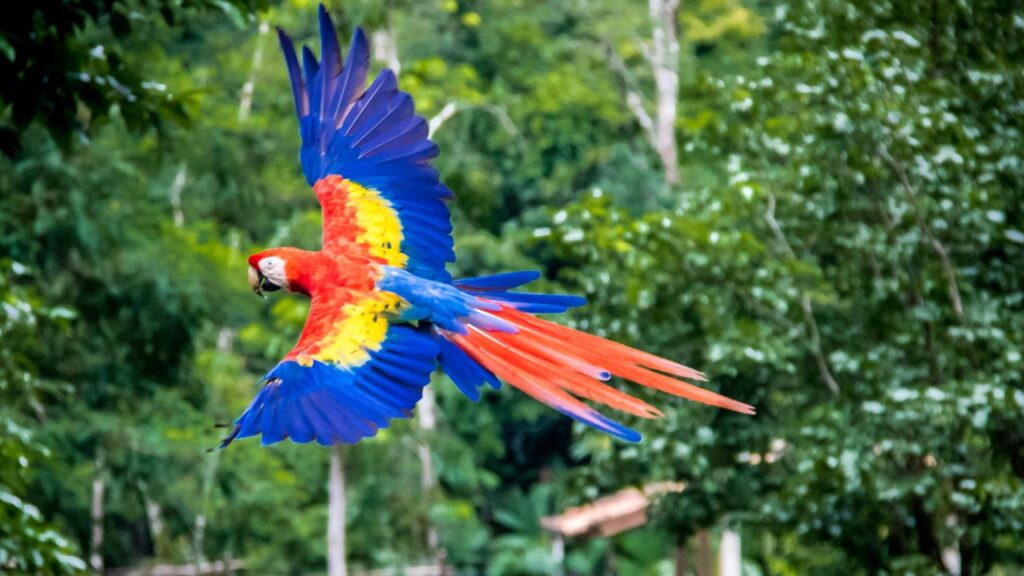
The scarlet macaw is one of the most colorful and well-known birds of the Americas, and it is also among the longest-living parrots. In captivity, some individuals have been reported to live for more than 75 years, with rare claims reaching even higher.
More commonly, they live 40 to 50 years when given proper care, space, and nutrition. This impressive lifespan places the scarlet macaw firmly among birds that can live for decades.
In the southwestern United States, the most commonly seen scarlet macaw is the Mexican type. This form is known for its vivid coloring and a narrow yellow band on the wings, set between red shoulder feathers and blue flight feathers.
These birds were once widespread along Mexico’s eastern regions, but their range has greatly declined. Today, most remaining populations are limited to small forested areas in southern Mexico, largely due to deforestation for agriculture.
Key traits and range of the scarlet macaw:
Bright red plumage with blue and yellow on the wings
Pale, nearly featherless facial skin with dark eyes
Strong beak adapted for cracking hard rainforest nuts
Found in humid lowland rainforests, woodlands, river edges, and savannas
3. African Grey Parrot
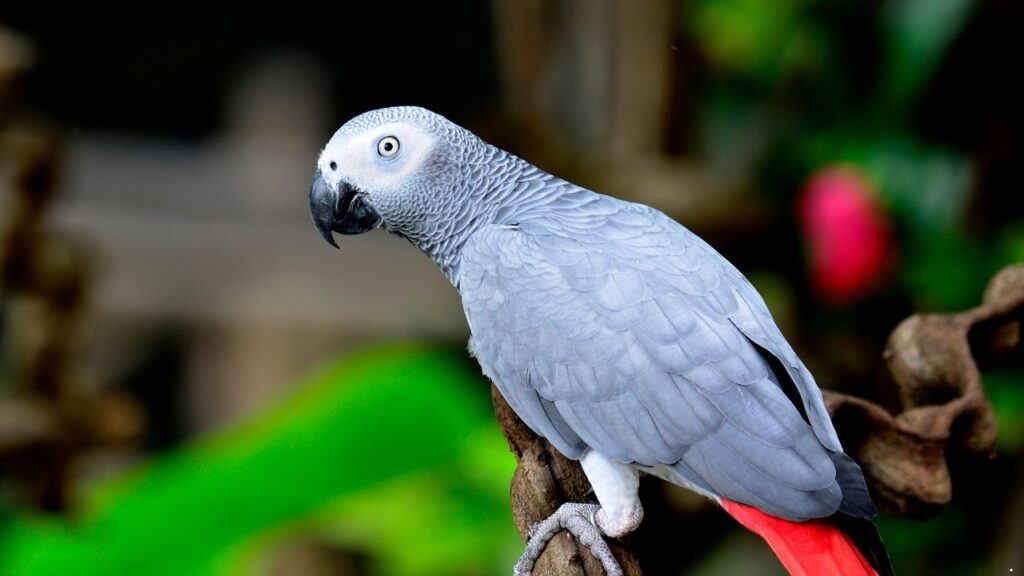
The African grey parrot is famous for its grey feathers and its rare ability to mimic human speech with striking accuracy. With proper training, it can understand and use words in context, which has made it a star in scientific research and the pet trade.
These parrots are highly intelligent and can live for 40 to 60 years, placing them among birds that can live for decades in the wild. While they can be wonderful companions, they are also high-maintenance and need constant mental stimulation.
African grey parrots form strong bonds and thrive in environments that keep their sharp minds busy. They are known to learn up to 1,000 words and often use them meaningfully.
Without toys, puzzles, and interaction, they can become bored or stressed. Their long lifespan and intelligence mean they require long-term care and attention, which is an important consideration for anyone interested in them.
Key traits and natural range of the African grey parrot:
Mottled grey feathers with a large black bill
White facial mask surrounding a yellow eye
Bright red vent and tail feathers
Found in dense forests and woodland areas
4. Bald Eagle
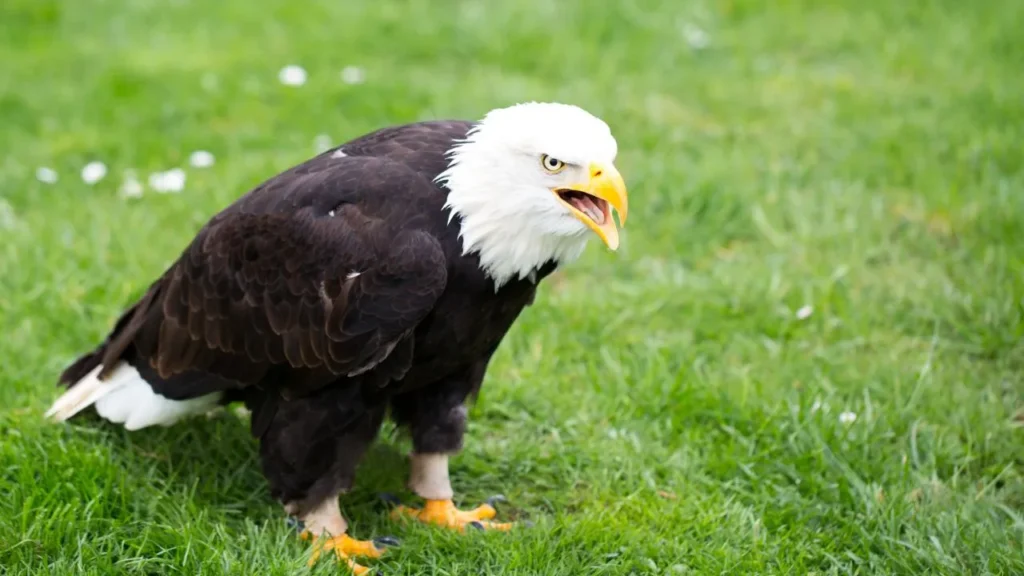
The bald eagle is a powerful raptor and a lasting symbol of strength and freedom. While most wild bald eagles live around 15 to 20 years, some individuals survive much longer.
According to the National Audubon Society, the oldest bald eagle on record reached an age of 38 years, making it one of the longest-living birds of prey in the wild. This rare lifespan places the bald eagle firmly among some of the longest living wild birds.
The record-setting eagle was banded as a nestling in Minnesota in 1977 and later relocated to the Montezuma National Wildlife Refuge in New York. It died in 2015 and played an important role in New York’s Bald Eagle Restoration Program.
Bald eagles faced a dramatic population crash in the 20th century, dropping to just 417 breeding pairs in 1963. Thanks to legal protection and conservation efforts, their numbers have rebounded, and today more than 300,000 bald eagles are estimated to be alive.
Key traits and behavior of the bald eagle:
Brown body with a bright white head, neck, and tail in adults
Juveniles are mottled brown and gain full adult plumage by 4–5 years
Feeds on fish, carrion, and stolen prey from other birds
Often seen soaring alone or gathering in large groups during winter
5. Kakapo
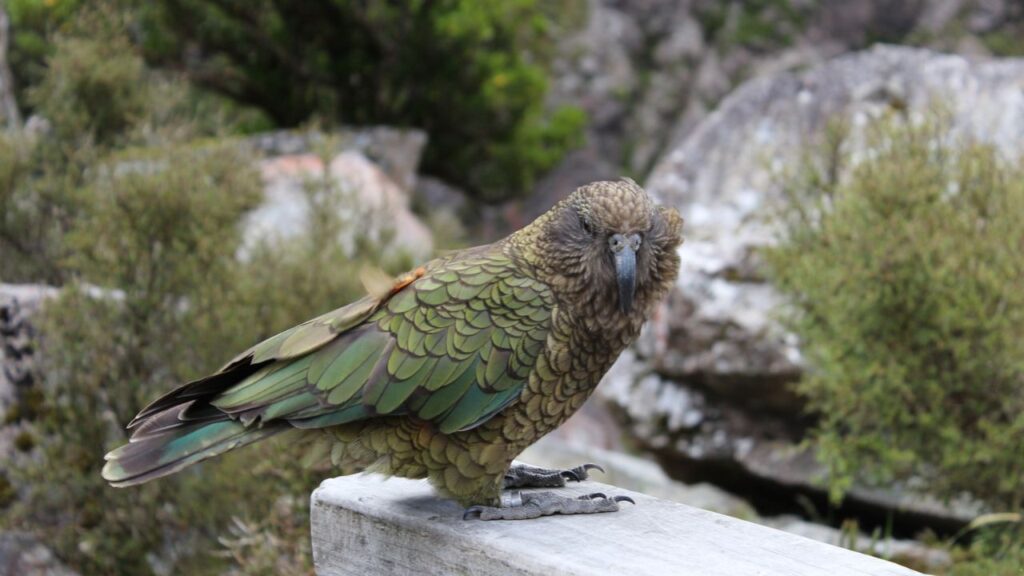
The kakapo is the longest-living bird species known, with some individuals believed to live up to 90 years or even more. Native to New Zealand, this rare, nocturnal, and flightless parrot is unlike any other bird in the world.
Planet of Birds mentions that the famous kakapo named Richard Henry, captured in 1975, is thought to have reached nearly 80 years of age, symbolizing the species’ incredible longevity and resilience.
Once common across New Zealand’s forests, the kakapo thrived in a unique ecosystem free from mammalian predators. Its emerald green plumage helps it blend into the foliage, and its nocturnal habits keep it safe from predators like the giant Haast’s eagle.
The kakapo feeds on plants and digs up roots, while males create special display areas called leks to attract females with booming calls that can be heard for miles.
Key facts about the kakapo:
Nocturnal, flightless parrot with mossy green feathers
Critically endangered and protected by intensive conservation efforts
Males perform unique mating displays using deep booming sounds
Once widespread, now restricted to predator-free islands
6. Andean Condor

The Andean condor is one of the longest-living birds of prey and holds the title of one of the largest flying birds in the world.
Found mainly in the mountainous regions of South America, this impressive bird can live up to 50 years in the wild. Its ability to soar effortlessly for long periods, riding air currents, helps it conserve energy and thrive in harsh environments.
These condors take a long time to mature, reaching adulthood between six to eight years of age. They have a slow reproduction rate, usually laying one egg every two years.
If an egg is lost, the female may lay another after a few weeks. Both parents share the responsibility of caring for their chick during its first year, ensuring the young bird has the best chance of survival.
Key facts about the Andean Condor:
Lives up to 50 years in the wild, with some captive individuals reaching nearly 80 years
Prefers windy mountain areas, coasts, and deserts with strong air currents
Soars on thermal updrafts with wings tipped upward to reduce drag
Feeds mainly on carrion and faces few natural predators
7. Chilean flamingo
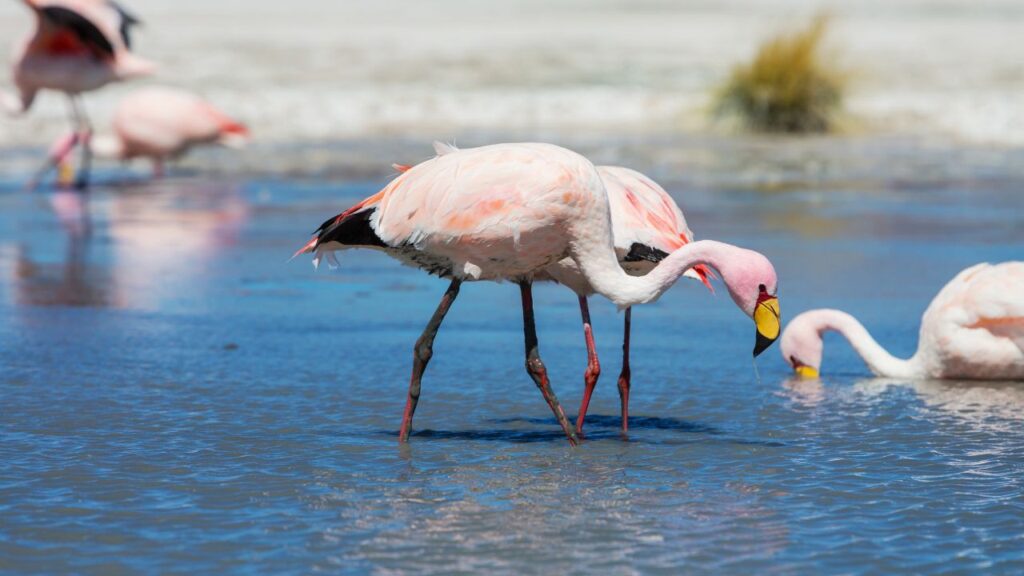
The Chilean flamingo is known for its elegant appearance and can live for a long life span, especially in the wild.
One famous example is Chile, a female Chilean flamingo who lived in an Australian zoo from the 1970s until her death in 2018, likely reaching her 60s. While flamingos generally have long lifespans, their years tend to be shorter in captivity.
This species has a graceful look, with pale pink to salmon-colored feathers and grayish legs marked by pink joints. Its long, flexible neck and distinctive black-edged wings make it easy to identify.
Chilean flamingos are found in shallow lakes and lagoons stretching from the high Andes down to the Patagonian steppe and coastal waters. They often gather in large flocks, communicating with honking calls similar to geese.
Key facts about the Chilean flamingo:
Lives long in the wild, but lifespan often drops in captivity
Pale pink to salmon plumage with gray legs and pink bands at joints
Found across South America’s lakes, lagoons, and coastal areas
Listed as Near Threatened due to hunting, habitat loss, and egg harvesting
8. California Condor
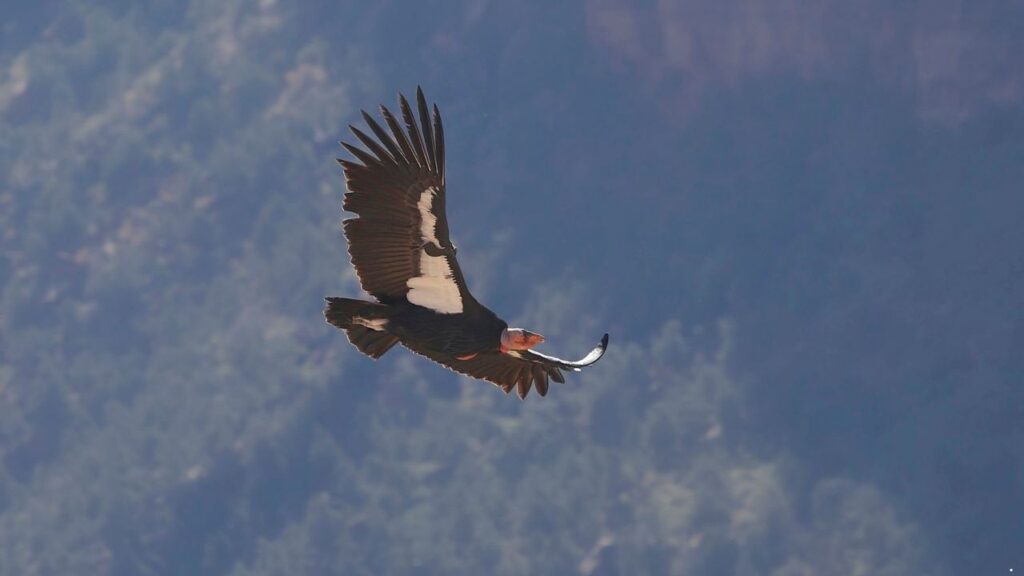
The California condor is one of the longest-living birds in North America and one of the rarest in the world. This giant bird is famous for its impressive wingspan and soaring ability, gliding effortlessly on air currents at altitudes up to 15,000 feet.
Despite its natural longevity, the California condor faced near extinction due to slow reproduction and threats like lead poisoning.
By the 1980s, the population had plummeted to just 22 birds, as mentioned by The Peregrine Fund. Conservationists stepped in, capturing all remaining wild condors in 1987 for a captive breeding program.
Today, thanks to dedicated efforts, there are about 275 free-flying condors across California, Utah, Arizona, and Baja California, with more than 160 birds in captivity. However, lead poisoning still poses a serious threat to their survival.
Key facts about the California condor:
Long-lived bird with a slow reproductive rate—pairs raise only one chick every few years
Feeds mainly on large animal carcasses like deer, pigs, and whales
Nests on high cliff faces or tall trees, often in hard-to-reach places
Travels up to 250 miles a day searching for food
9. Green-Winged Macaw
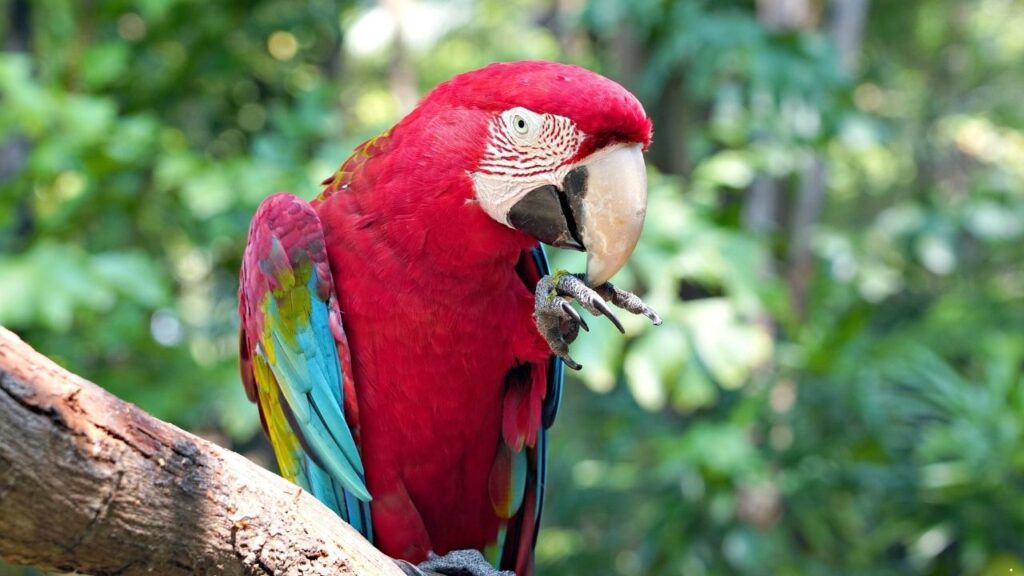
The green-winged macaw is a stunning parrot known for its mostly red feathers and bright blue and green wings. Its long tail feathers are tipped with blue, and its face is white with delicate red stripes.
Both males and females share this beautiful coloration. The bird’s strong, hooked beak helps it climb through trees, acting almost like a third leg.
This macaw is often called a gentle giant because of its calm nature. It is the second-largest macaw, just behind the hyacinth macaw.
Its friendly temperament and striking colors make it a favorite among bird lovers who can provide the care and space such a large bird needs. The green-winged macaw is a symbol of the vibrant wildlife found in South America’s tropical forests.
Key facts about the green-winged macaw:
Bright red body with blue and green wings and tail tips
White facial skin striped with small red feathers
Uses its strong beak to help climb in trees
Known for a calm, gentle temperament
Conclusion
Baby birds face many challenges in their natural habitat, and their chances of survival depend greatly on food availability and a safe environment. Most birds thrive when there is enough food and protection from predators.
However, food scarcity and climate change can make it harder for birds to survive, especially for smaller species. Larger birds tend to live longer, but even then, their lifespan is influenced by how well they adapt to changing conditions.
Bird life spans vary widely across species. While most birds live only a few years, some of the oldest birds have set world records for longevity. Many birds that live on land or sea can reach impressive ages, but it’s often difficult to determine the exact age of wild birds.
Understanding how long birds live helps us appreciate their complex lives and the delicate balance they maintain in their ecosystems. Most people are amazed to learn just how long some bird species can survive despite the challenges they face.
