




Birds that can imitate human speech are some of nature’s most fascinating creatures. Their ability to mimic our words isn’t just entertaining—it reveals just how clever and adaptable these animals are.
Unlike most pets, these birds can pick up on the sounds we make and reproduce them with surprising accuracy, sometimes even capturing the tone and rhythm of our speech.
Scientists have studied these vocal talents closely and discovered that birds use a special organ called the syrinx, which works differently from our vocal cords but lets them create a wide range of sounds.
Some birds can even mimic the subtle changes in pitch and timing that make human speech so complex. This incredible skill shows just how advanced their brains are when it comes to learning and communication.
In this article, we’ll explore the amazing bird species that mimic human speech—how they do it, why they do it, and what makes them such exceptional vocal mimics. Whether you’re a bird lover or just curious, you’re about to uncover some truly surprising secrets about these feathered chatterboxes!
Key Takeaways
Meet talking stars like African Greys, Eclectus, and Quakers with amazing speech skills.
See how some birds actually understand and use words in real life.
Hear why Hill Mynahs and Cockatoos have the most human-like voices.
Discover which colorful parrots, from Macaws to Ringnecks, love to chat with passion.
Birds That Can Imitate Human Speech
1. African Grey Parrot
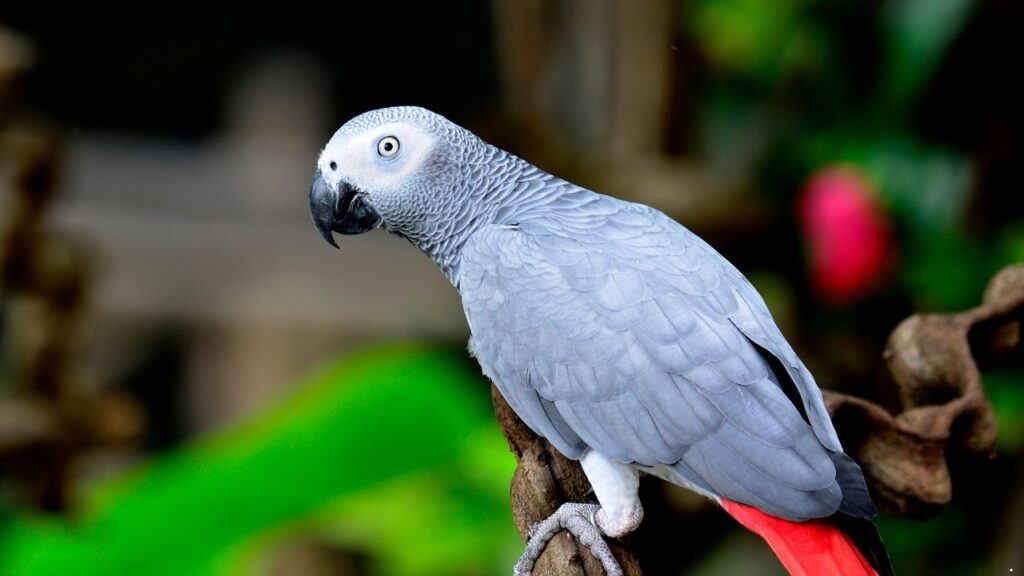
The African Grey Parrot is widely known as the most skilled talking bird. These parrots don’t just mimic words—they can learn up to 1,000 words and use them in context. The most famous African Grey, Alex, worked with scientist Dr. Irene Pepperberg for 30 years.
Alex showed he could understand colors, shapes, and numbers, proving that these birds are more than just good imitators. African Greys can copy human voices with amazing accuracy, even matching the tone and inflection of family members.
What Makes African Greys Special
Can learn and use around 1,000 words clearly and contextually
Intelligence is similar to that of a young child, allowing functional language use
Feathers are mostly gray and white, with bright red tails
Native to lowland forests across West and Central Africa, including rainforests and savannahs
African Grey Parrots are popular pets because of their clear speech and impressive intelligence. In the wild, they live in forests and sometimes visit gardens and fields. These parrots continue to captivate people with their remarkable ability to understand and mimic human words.
2. Eclectus
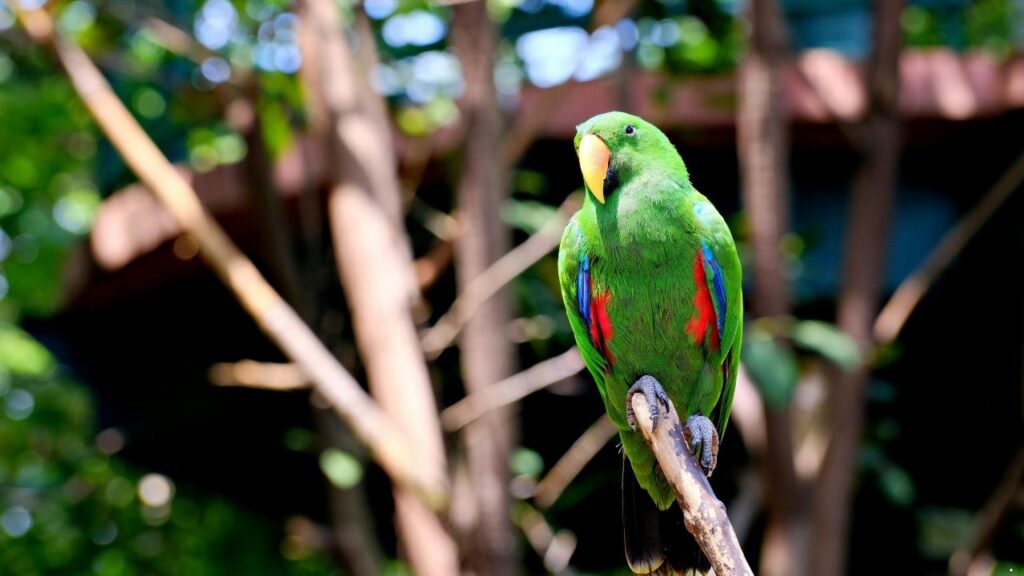
The Eclectus Parrot is one of the most striking talking birds, known for its bright colors and sharp differences between males and females. Males are vivid green, while females wear bold red and purple feathers. Both sexes can become skilled talkers, but they show different speech styles.
Males usually develop larger vocabularies and speak more often. Females tend to know fewer words but use them with greater clarity and better understanding.
Speech and Behavior Highlights
Begin talking between 4 to 6 months old and keep learning new words throughout life.
Typically learn between 50 to 150 words and phrases
Known for clear voices and excellent enunciation, making them easy to understand
Unique calls include a male’s “konk, konk, konk” beak rapping during courtship
Native to the rainforests of Oceania, including Papua New Guinea, Indonesia, and the Solomon Islands, Eclectus Parrots have evolved a specialized fruit diet.
This unique digestion may affect how they learn and develop speech. With a lifespan of around 30 years, they make engaging and manageable talking companions.
3. Budgerigar

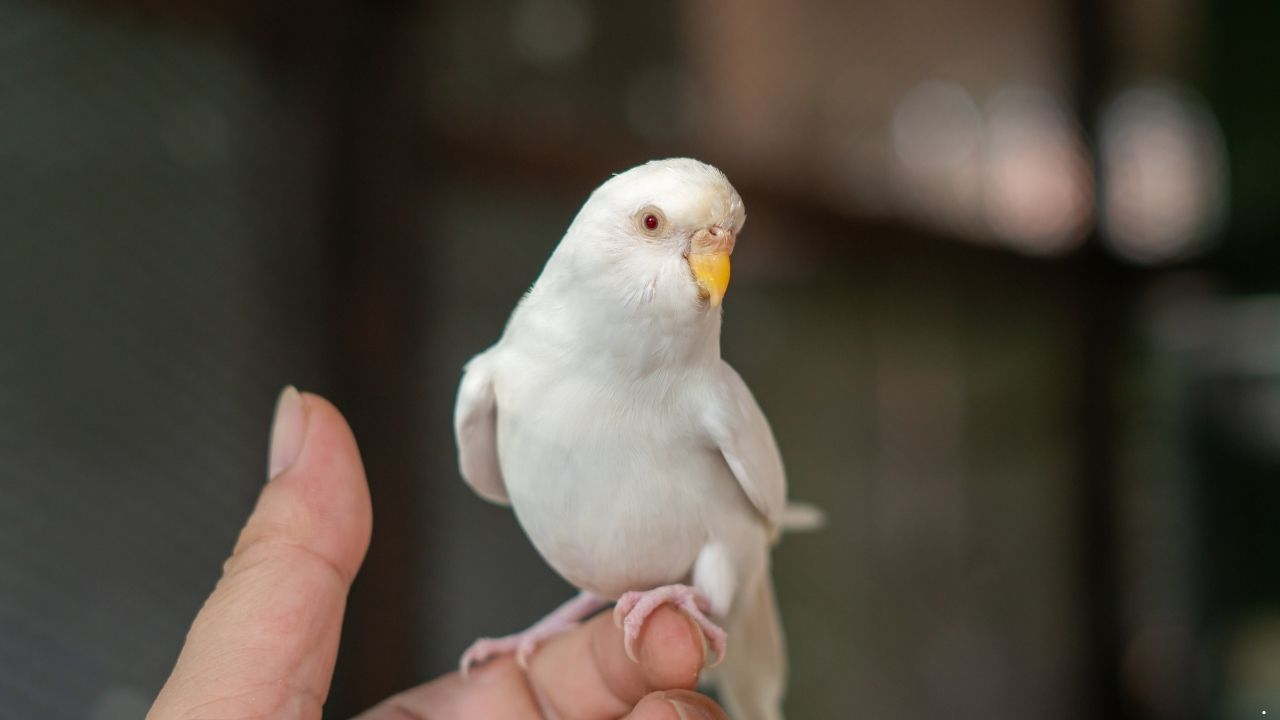
Don’t let their small size fool you—Budgerigars, also known as budgies or parakeets, are some of the best talking birds in the world. These lively little parrots hold the Guinness World Record for the largest bird vocabulary.
According to the Guinness World Records, one famous budgie named Puck knew an incredible 1,728 words! While their voices are higher-pitched and softer than larger parrots, with practice, budgies can speak very clearly. Male budgies usually talk better than females, especially if they are raised closely with humans.
Natural Habitat and Behavior
Native to the open woodlands, scrublands, and grasslands of Australia
Prefer drier inland areas but move nomadically in search of food and water
Usually found in small flocks but can gather in large groups under the right conditions
Wild budgies have green and yellow feathers with black markings and a small blue cheek patch
Budgerigars have adapted well to Australia’s tough, dry environments. Although common pets worldwide, they still thrive in the wild, moving across vast areas depending on resources.
Their small size and impressive talking ability make them a favorite among bird lovers who want a talking companion without the need for a larger parrot.
4. Yellow-Naped Amazon
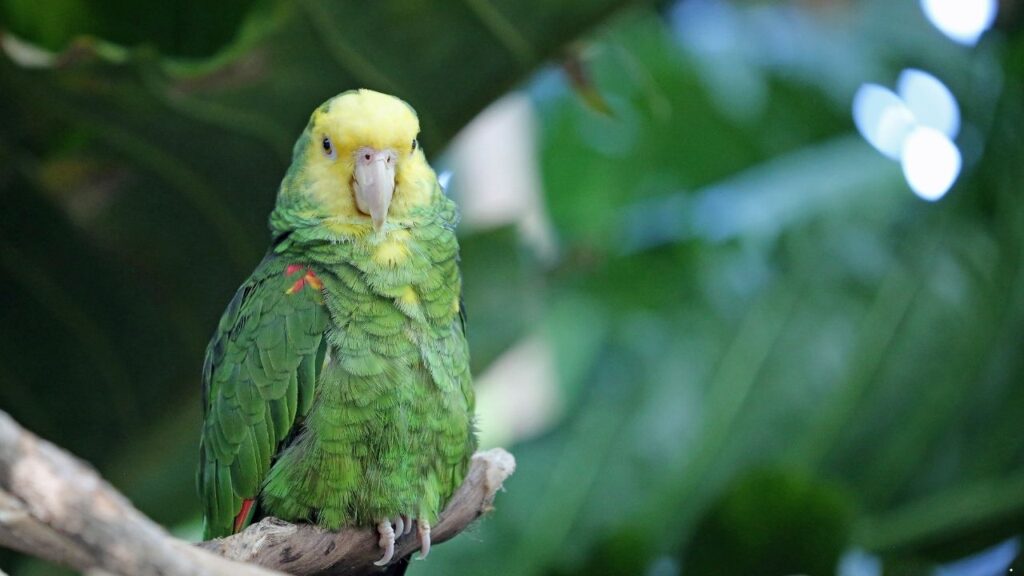
The Yellow-naped Amazon is a bright green parrot known for the yellow patch on its neck. These intelligent birds live in forests and tropical areas of Mexico and Central America.
They are excellent mimics and can learn hundreds of words and phrases. Their strong social nature helps them copy sounds easily, making them popular among talking birds.
Key Features and Behavior
Also called Yellow-fronted or Yellow-headed Amazons
Known for complex vocal patterns and impressive mimicry skills
Have some red feathers on their wings and variable beak colors
Mated pairs often duet with precise, synchronized calls, sometimes leading to heated interactions with neighbors
Unfortunately, the Yellow-naped Amazon is now critically endangered. Over the past 20 years, their population has dropped by more than half due to deforestation and illegal pet trade.
Despite this, they remain beloved pets for those seeking smart, talkative companions. However, they may not be the best choice for families with young children because they can become slightly aggressive during adolescence.
5. Indian Ringneck Parakeet
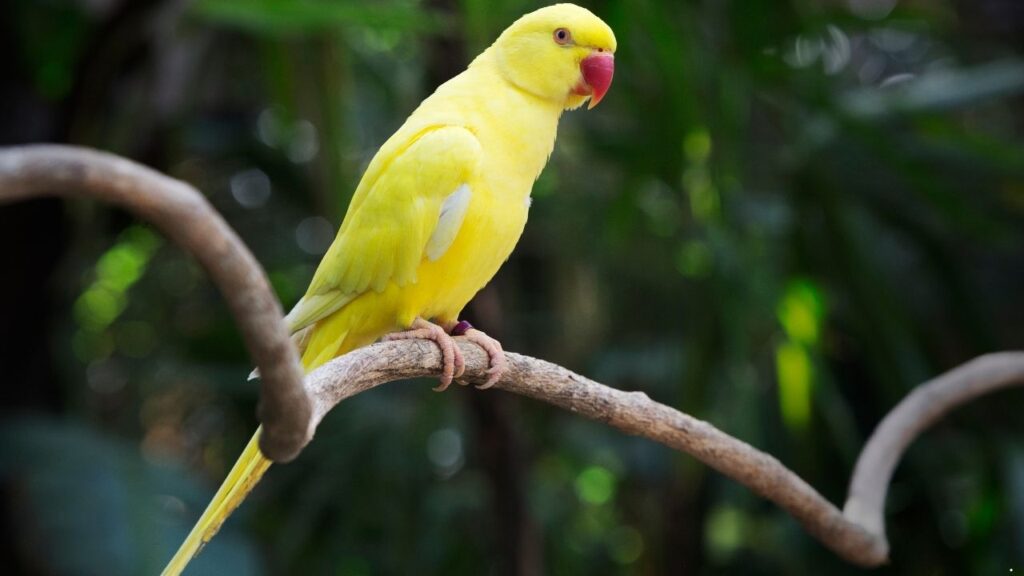
The Indian Ringneck Parakeet is famous for its exceptionally clear and precise speech. These birds can learn between 200 and 250 words and often speak with perfect pronunciation. Unlike some parrots that mumble or slur words, Ringnecks are known for their crisp diction.
They usually start talking around eight months old and reach full speech potential by age two. Some even mimic entire sentences and remember them for years. They can also use phrases in the right context, showing real understanding.
Interesting Facts and Origins
Native to India and parts of Asia, also found across Africa and Southeast Asia.
Known as the Rose-ringed Parakeet due to the distinctive ring around their neck
Historically kept by royalty and seen as sacred because monks heard them repeat a prayer.s
Outgoing and social birds that demand attention and enjoy interaction
Indian Ringnecks are popular pets thanks to their speaking talents and vibrant green feathers. They need plenty of care and attention, but make lively and engaging companions for families who appreciate a talkative friend.
6. Hill Mynah
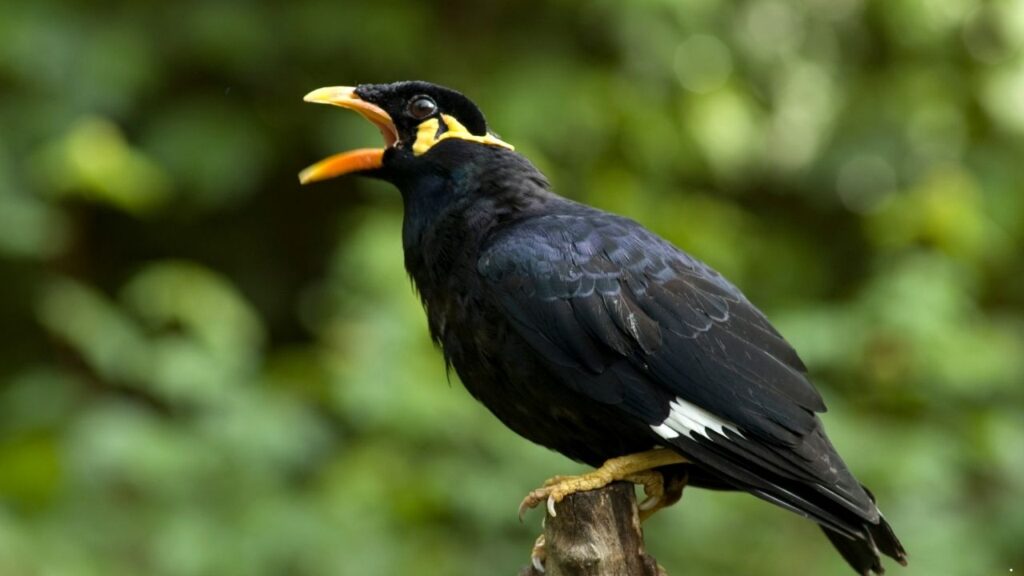
The Hill Mynah is often called the best non-parrot mimic. Unlike parrots that have a distinct “parrot voice,” Mynahs can copy human speech so perfectly that they sound just like the original speaker. This incredible skill comes from their special vocal organs and natural talent for copying sounds.
While they may not learn as many words as some parrots, their speech quality is unmatched. Hill Mynahs can learn dozens of words and short phrases, delivering them with flawless human-like tone and pitch.
Key Traits and Habitat
Part of the starling family, native to South and Southeast Asia, including India, Indonesia, Malaysia, and Myanmar
Known for mimicking human voices, telephone rings, barking dogs, and other sounds
Live in lowland forests, hills, and mountains
An omnivorous diet includes fruit, nectar, insects, and lizards
Hill Mynahs are active, social, and clever birds. Though they may not be the best choice for cuddling or tricks, they are perfect for anyone who wants a bird that can mimic human voices accurately.
7. Cockatoo
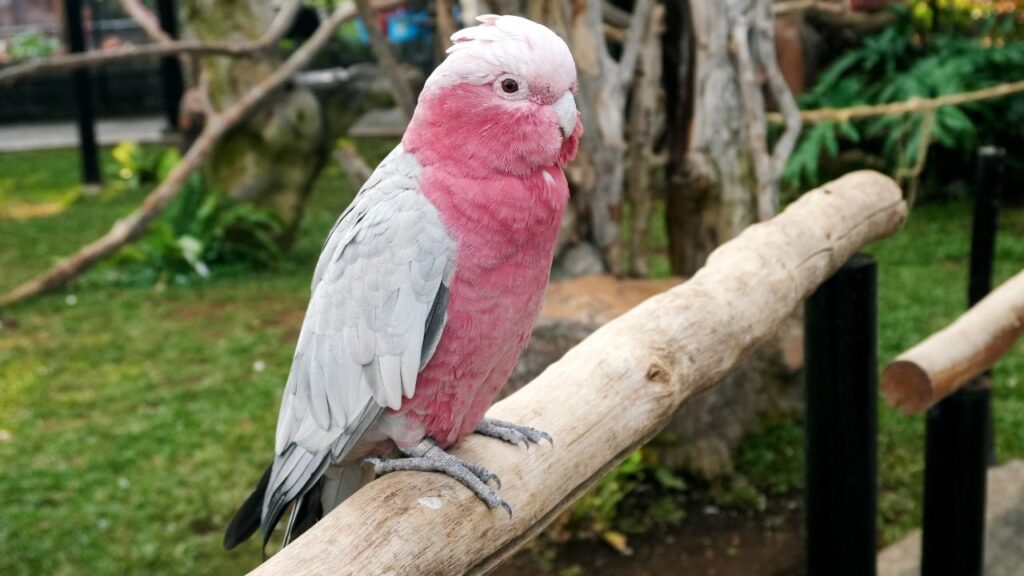
Cockatoos aren’t usually known as the best mimics compared to parrots like African Greys or Amazons. However, species like the Umbrella Cockatoo and Galah Cockatoo can learn around 20 to 30 words and simple expressions, as mentioned by The Spruce Pets.
What makes their speech special is the emotional tone—they often match their words to the situation and sound very expressive. Their natural calls are loud and carry far, so their speech tends to be strong and clear.
Cockatoo Highlights
Known for loud, expressive voices that change with excitement
Can associate words with situations, greet owners, or ask for things
Sometimes babble, making sounds that don’t always sound like words
Require a lot of attention and social interaction to stay healthy and happy
Cockatoos are playful, curious, and very social. They need lots of time and care, especially if kept alone. While not the easiest birds to train for speech, their charm and affection make them lifelong companions for dedicated owners.
8. Quaker Parrot
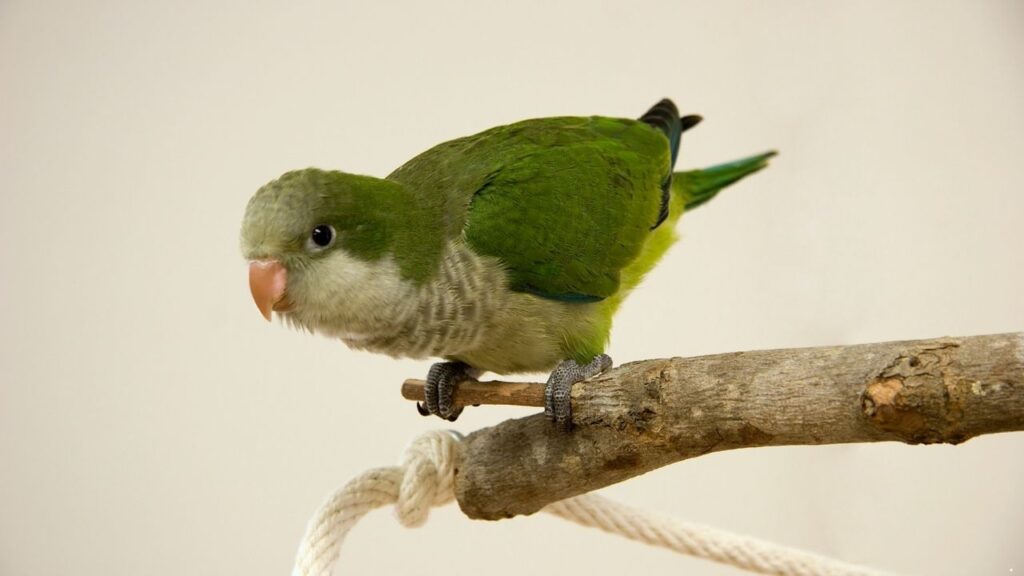
Quaker Parrots, also called Monk Parakeets, are known for their lively personalities and impressive talking skills. Native to southern South America, these birds love to communicate and easily pick up human words.
They often learn dozens of words and short phrases, speaking in a unique, slightly raspy voice. Quakers are constant talkers and even create their own word combinations, making them enthusiastic and entertaining companions.
What Makes Quakers Special
Highly social and motivated to interact with their human families
Can mimic words, phrases, and even animal sounds like dog barks
Popular pets are due to their compact size and affordability
Considered invasive in some parts of North America and therefore banned in certain areas
Quaker Parrots are great for those who want a small but spirited talking bird. While once wild-caught and noisy due to distress, today’s pet Quakers are mostly hand-reared and well socialized.
They remain favorites for their charm and ability to use words in context, rivaling much larger parrots in intelligence and speech.
9. Macaw
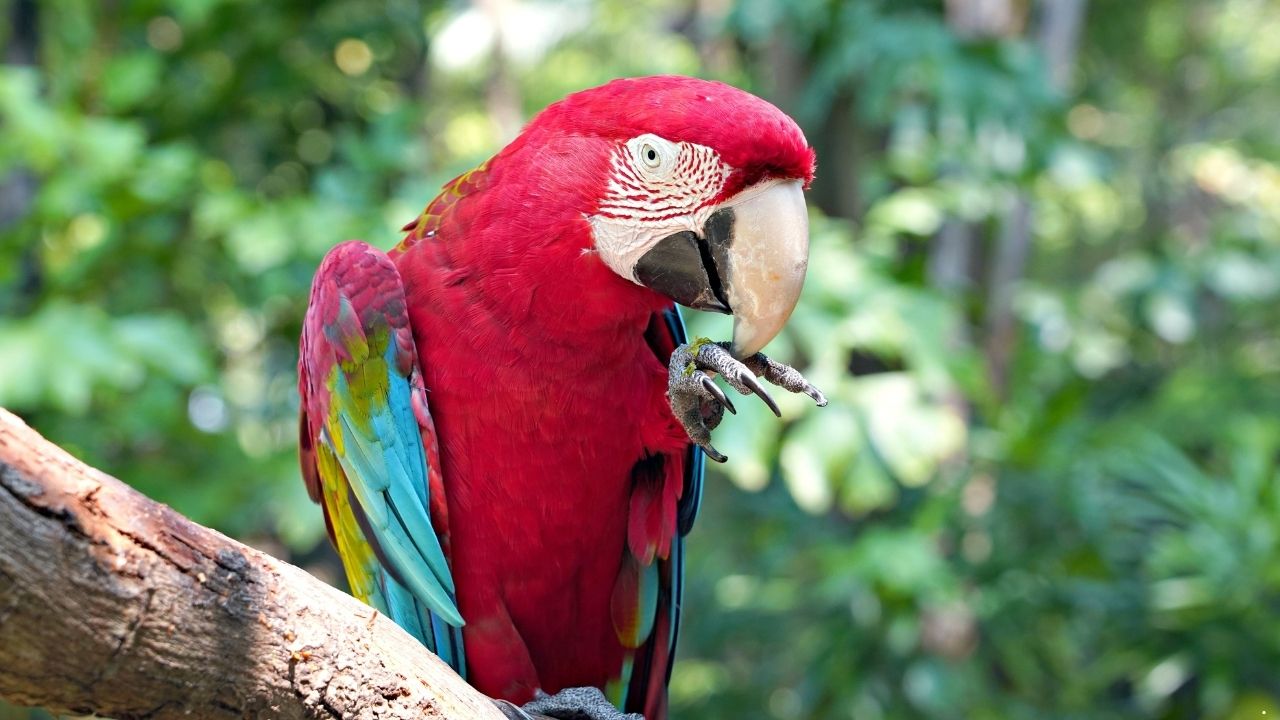
Macaws are some of the largest and most colorful parrots in the world. While not the best talkers compared to some parrots, they can still develop impressive speech skills. Their natural calls are loud and carry across rainforests, so their mimicked words are often clear and powerful.
All About Parrots mentions that most macaws learn around 10 to 25 words or phrases, but some exceptional birds can pick up even more. Their speech usually has a squawky tone but comes with a lot of enthusiasm and personality.
Key Traits of Macaw Speech
Vocalizations are loud and project well in open spaces
Typically learn 15-20 words, though some reach up to 50
Speech can sound squawky, but is often clear and expressive
Known for their excitement and passion when they “talk.”
Native to Mexico, Central, and South America, macaws live mostly in forests near rivers. Their bright feathers, ranging from blue and yellow to red and green, make them popular in the pet trade.
However, illegal capture has harmed wild populations, so conservation efforts now focus on captive breeding to protect these stunning birds.
Conclusion
Bird species capable of mimicking human speech have amazed us with their unique talents. Many birds don’t just copy words—they can produce sounds that include songs, noises, and even car alarms. For example, some songbirds and other bird species are known for mimicking sounds from their environment, including calls of other animals.
This ability helps them communicate and sometimes confuse predators. When air passes through their vocal organs, these birds can talk and answer, creating a kind of conversation that shows how attentive they are to their surroundings.
The presence of these mimicking birds in our lives gives us an idea of how advanced their communication skills can be. Most people who study birds learn that many birds listen closely and respond to sounds with impressive clarity. Whether it’s a parrot repeating phrases or a songbird copying melodies, these birds prove that they are more than just noisy creatures.
