




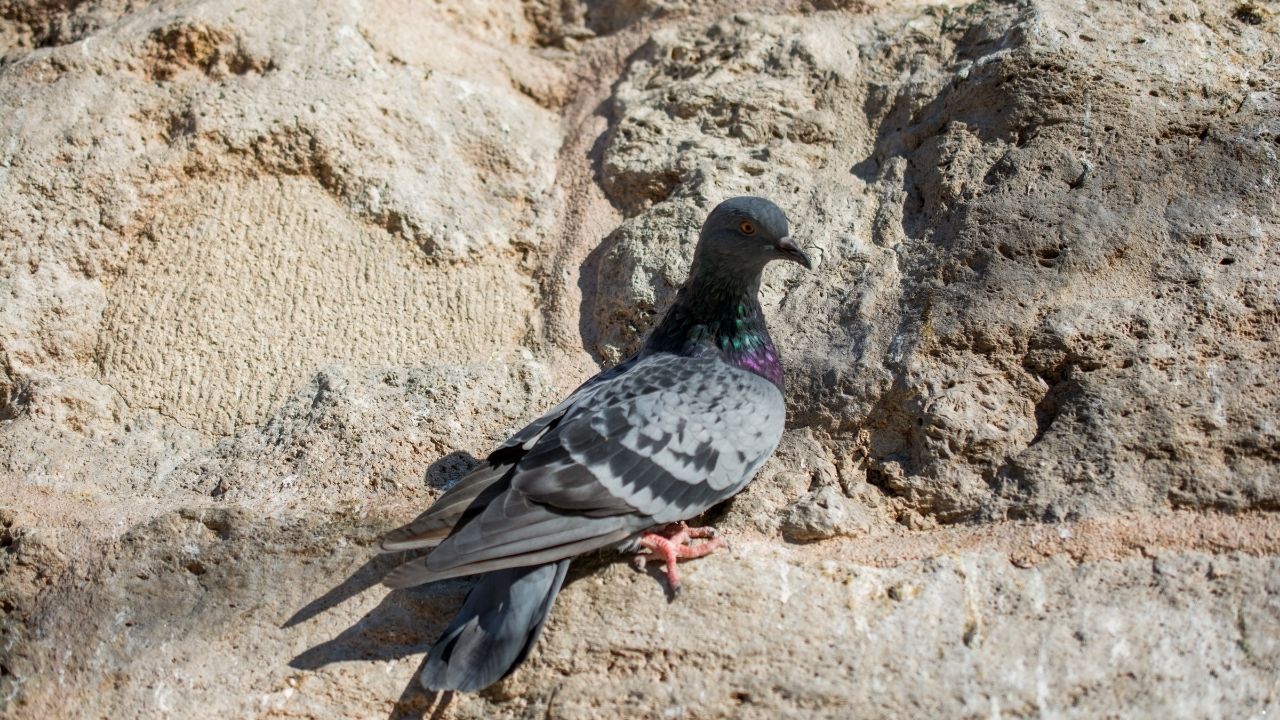
Birds have always fascinated us with their songs, calls, and ability to mimic sounds, but there’s much more going on beneath the surface. Beyond their melodious tunes, some birds have developed a unique way to communicate using vibrations.
These subtle signals travel through branches, leaves, or even the ground, creating a secret network of messages that humans rarely notice. It’s like a hidden language that adds an entirely new dimension to how birds interact.
This form of communication is especially useful in dense forests or noisy environments where sound might get lost. By feeling these vibrations, birds can quickly alert each other to danger, signal their presence, or coordinate important activities like mating or feeding.
So, if you’ve always thought bird communication was just about chirps and whistles, think again! These feathered friends use vibrations to send messages in ways that are almost like magic.
Exploring this hidden world gives us a deeper appreciation for how smart and adaptable birds truly are—and it might just change how you listen the next time you hear a bird nearby.
Key Takeaways
See how birds like the Hairy Woodpecker use vibrations to send secret signals through trees.
Find out how Mourning Doves and Rock Pigeons mix wingbeats with calls to communicate.
Discover unique vibrational tricks from the Club-winged Manakin and Fork-tailed Flycatcher.
Unlock a hidden world where birds talk beyond songs to stay connected and safe.
Birds That Can Communicate with Vibrations
1. Hairy Woodpecker
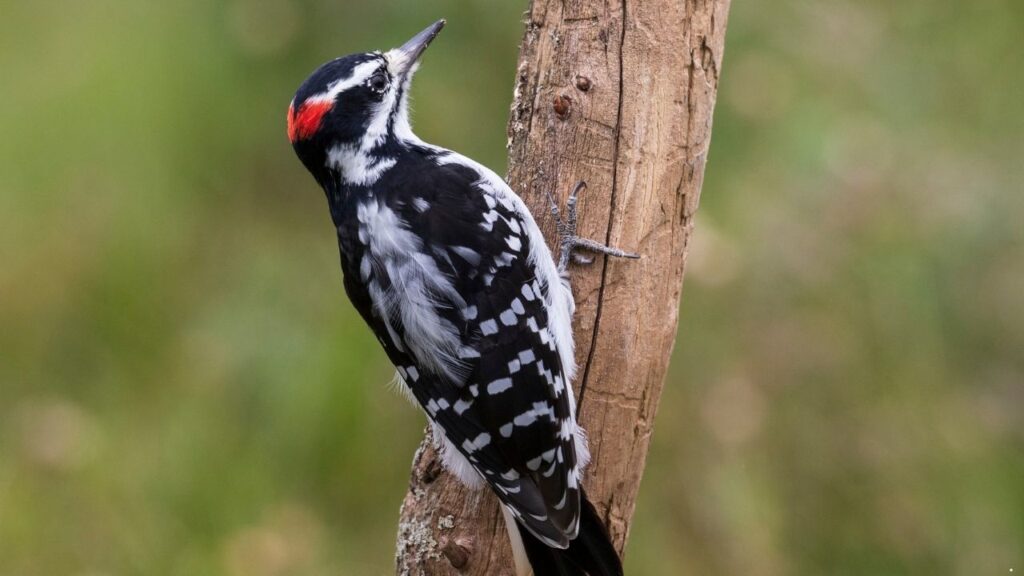
The Hairy Woodpecker is a medium-sized bird known for its strong tapping and drumming on tree trunks. It uses its long, chisel-like bill to pound and excavate wood, creating powerful vibrations that can be felt through the tree.
These vibrations play a key role in communication, helping the bird send signals to others over long distances in dense forests where sound alone might not travel well.
Unlike its smaller lookalike, the Downy Woodpecker, the Hairy Woodpecker has a longer bill and a more upright posture. It prefers larger trees and is often found in woodlots, parks, and forests. It’s strong, steady drumming produces distinct vibrations that can warn rivals, attract mates, or mark its territory.
Key features of the Hairy Woodpecker’s communication:
Uses drumming on tree trunks to create vibrations as signals
Has a long, straight bill, almost as long as its head, for powerful pounding
Sends messages that can be felt through the wood in noisy or crowded habitats
Males have a red patch on the nape; females lack this marking
Calls include a dry whinny and sharp peck sounds to complement vibrational signals
2. Red-Bellied Woodpecker
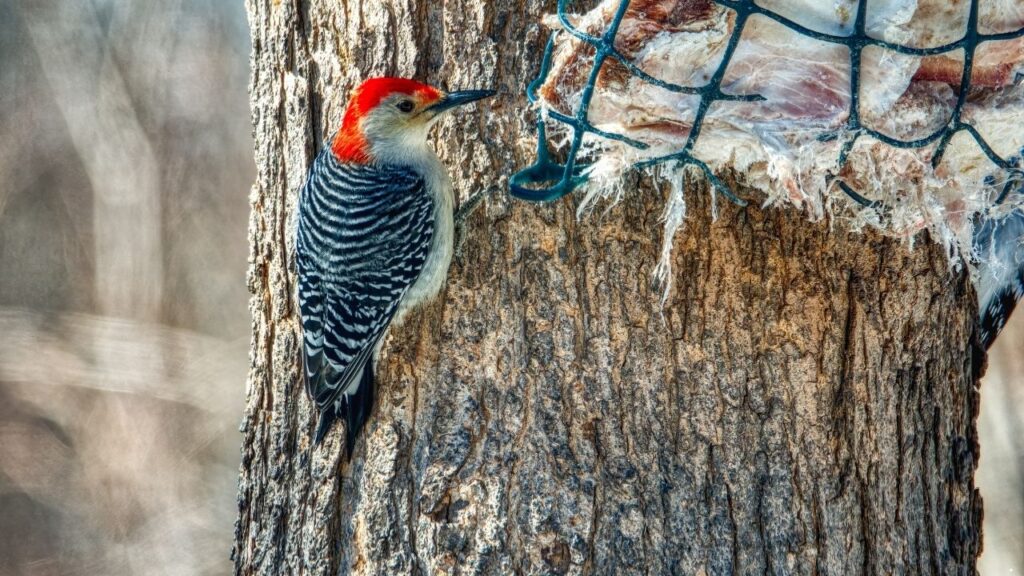
The Red-bellied Woodpecker is a striking medium-sized bird known for its bold black-and-white striped back that resembles a zebra’s pattern.
Though its name highlights a red belly, this color is often faint and hidden beneath white feathers, making it tricky to spot, as mentioned by the National Wildlife Federation. Instead, its most noticeable feature is the bright red cap on its head, especially vibrant in males.
This adaptable woodpecker lives mainly in eastern forests but has also moved into suburbs and city parks. It is an omnivore that thrives in a variety of habitats.
Like other woodpeckers, it uses its sharp bill to drum on tree trunks, sending out vibrations that serve as signals to others. These vibrations help it communicate in noisy environments, letting nearby birds know about its presence or warn rivals.
What makes the Red-bellied Woodpecker special:
Uses drumming to create vibrations felt through trees
Has a loud, harsh call and a rolling sound that carries through forests
Males show a bright red band from the bill over the crown to the nape; females have red only on the nape
Its barred black-and-white wings and back are easy to recognize once spotted
Often mistaken for the rarer Red-headed Woodpecker, which has a very different pattern
3. Nuttall’s Woodpecker
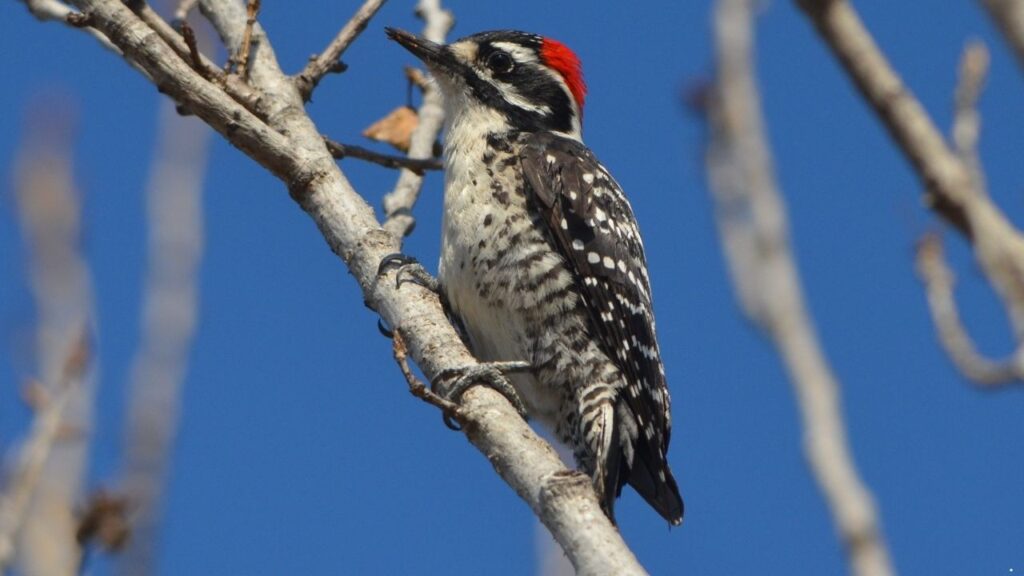
The Nuttall’s Woodpecker is a small, active bird found mainly in California’s oak woodlands. It has a rounded head, a flat back, and bold black-and-white stripes across its back that make it easy to spot once you know what to look for.
This bird is well known for its sharp metallic rattle and high-pitched calls, which it uses to announce its presence and communicate with others through vibrations carried on tree branches.
Living mostly among oaks, willows, and cottonwoods, the Nuttall’s Woodpecker moves skillfully along branches, searching for insects and occasionally stopping on twigs much like a sparrow.
It uses its chisel-shaped bill to drum and tap, sending out strong vibrations through the wood. These vibrations act as messages to other birds, especially in dense woodland where sounds might be muffled.
Highlights of the Nuttall’s Woodpecker’s communication style:
Produces a loud metallic rattle and sharp, high-pitched calls
Uses drumming to create vibrations for signaling in dense foliage
Often forages by hitching up branches and perching crosswise on twigs
Prefers oak woodlands but nests in a variety of trees
Attracted to suet feeders with dried insects, using its stiff tail for support
4. Fork-Tailed Flycatcher
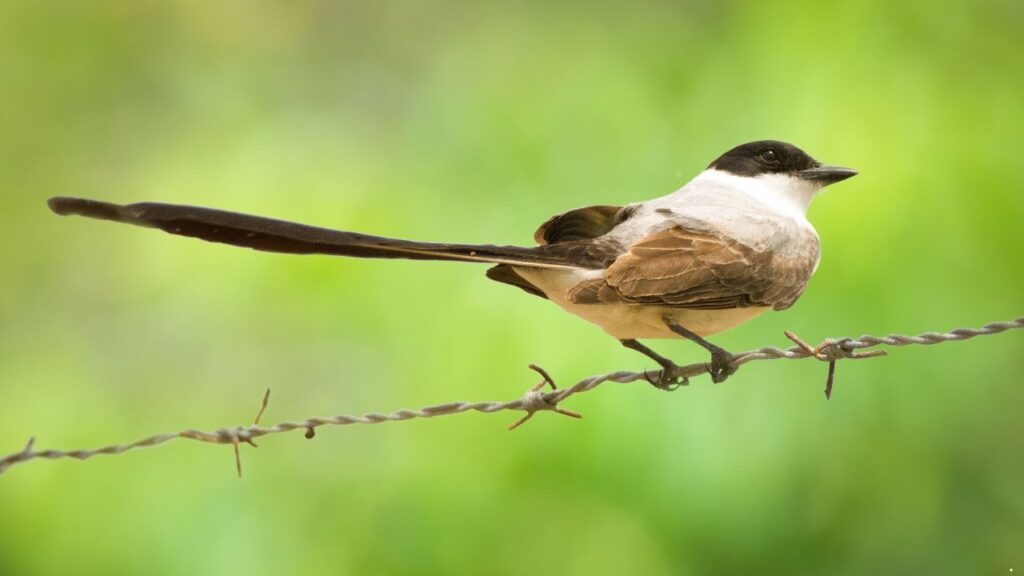
The Fork-tailed Flycatcher is a striking bird known for its long, deeply forked tail and bold black-and-gray coloring.
Males have a prominent black cap and a pale gray back, while their underparts are bright white. Both males and females look similar, but the male’s tail is much longer, making it a spectacular sight as it soars through open skies.
This bird prefers open habitats like savannas, grasslands, and scattered woodlands, often perching high on fence posts or low shrubs.
From these vantage points, it communicates by producing sounds that combine with its wing and tail movements to send vibrations through the air and vegetation. These vibrations help the bird stay in touch with others, especially during its long migrations across the Americas.
Key features of the Fork-tailed Flycatcher’s communication:
Uses wing and tail movements that create subtle vibrations in the environment
Perches visibly to send signals and catch flying insects with quick sallies
Often forms large flocks during migration, communicating vibrationally to stay coordinated
Known for its strong, direct flight with sweeping tail ribbons
Native to grasslands from southern Mexico to Argentina, with some wandering far north
5. Club-Winged Manakin
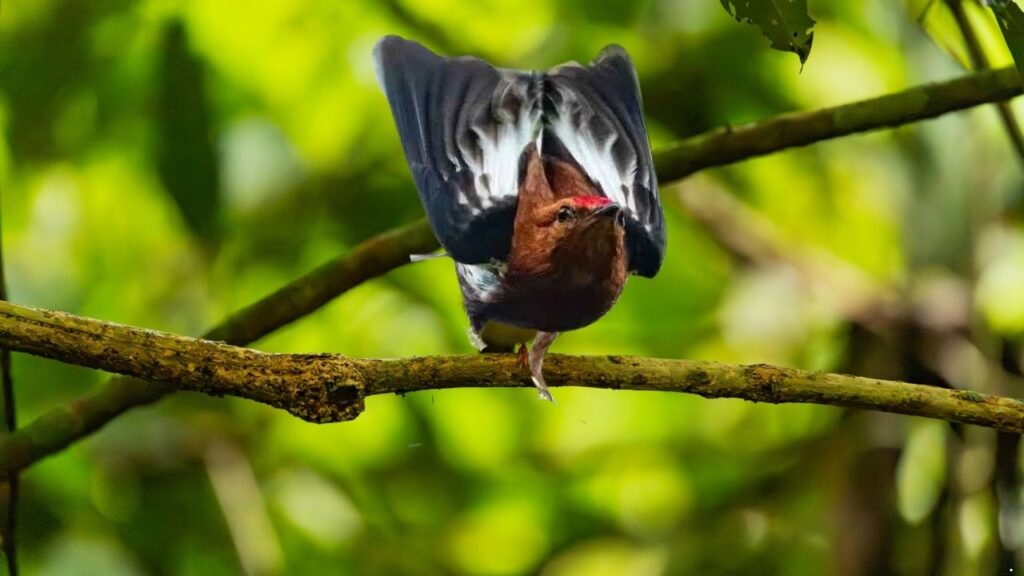
The Club-winged Manakin is a unique and colorful bird found in the cloud forests of western Colombia and Ecuador. Unlike many of its relatives, the male stands out with deep maroon-red plumage, a bright scarlet crown, and striking black and white wing feathers.
The female is mostly green with some rufous and white markings. This bird is famous not just for its looks but for its unusual way of communicating—through vibrations produced by its wings.
During courtship, the male performs a special display. He flicks and snaps his wings so fast that they vibrate against each other, creating a buzzing sound, according to the Cornell Lab.
This “mechanical” note is similar to a tiny violin playing high-pitched beeps. These vibrations travel through the air and vegetation, helping the male attract a mate. The display is very different from the usual calls and songs of other birds, showing how diverse bird communication can be.
Highlights of the Club-winged Manakin’s vibrational communication:
Produces a buzzing sound by rapidly vibrating specially modified wing feathers
Uses wing flicks and displays to send vibrational signals during courtship
Lives mostly in mid-story cloud forests, hopping and strutting among branches
Unique among manakins for its mechanical sound rather than just vocal calls
Vibrations serve to attract females and signal fitness in dense forest habitats
6. Mourning Dove
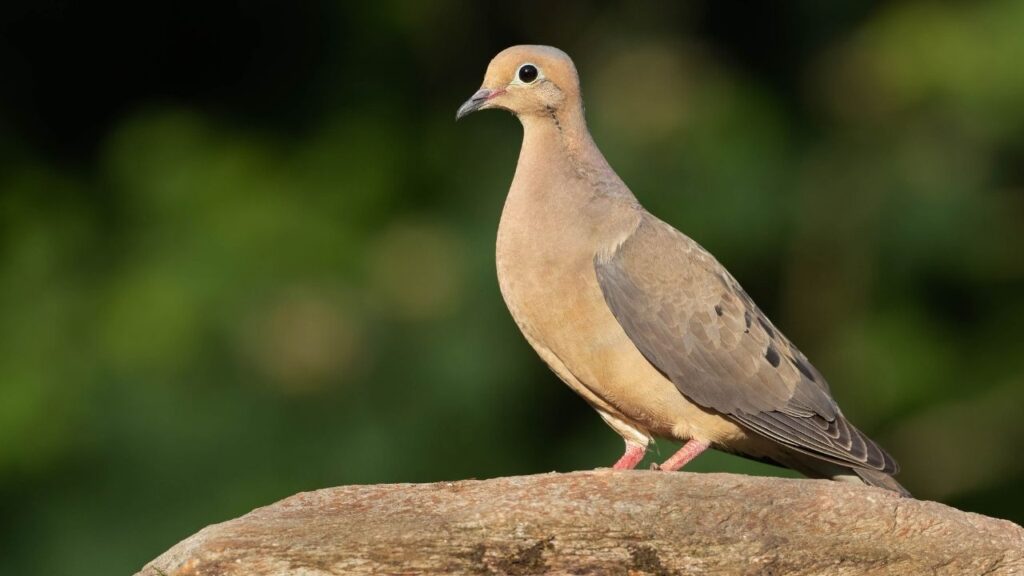
The Mourning Dove is a graceful bird known for its slender tail and soft, mournful cooing that echoes across open fields and roadsides.
Common throughout much of North America, these doves often perch on telephone wires and forage for seeds on the ground. Their quiet presence is accompanied by a gentle wing whistle during takeoff, adding a unique vibrational element to their communication.
The National Audubon Society mentions that this bird’s familiar call sounds like a sad, wistful song, giving the Mourning Dove its name. They are known for breeding prolifically, raising up to six broods a year, which helps maintain their widespread presence.
The wing’s sharp whistling noise during flight creates vibrations that can alert other doves or potential threats nearby, serving as an important non-verbal communication method.
Key features of the Mourning Dove’s vibrational communication:
Soft, drawn-out coos that carry across their habitats
Whistling or whinnying sounds from their wings during takeoff
Uses wing vibrations to signal and communicate in open areas
Easily spotted perched on wires and foraging on the ground
Males have blue-gray feathers on the head and a pinkish breast with iridescent throat sides
7. Rock Pigeon
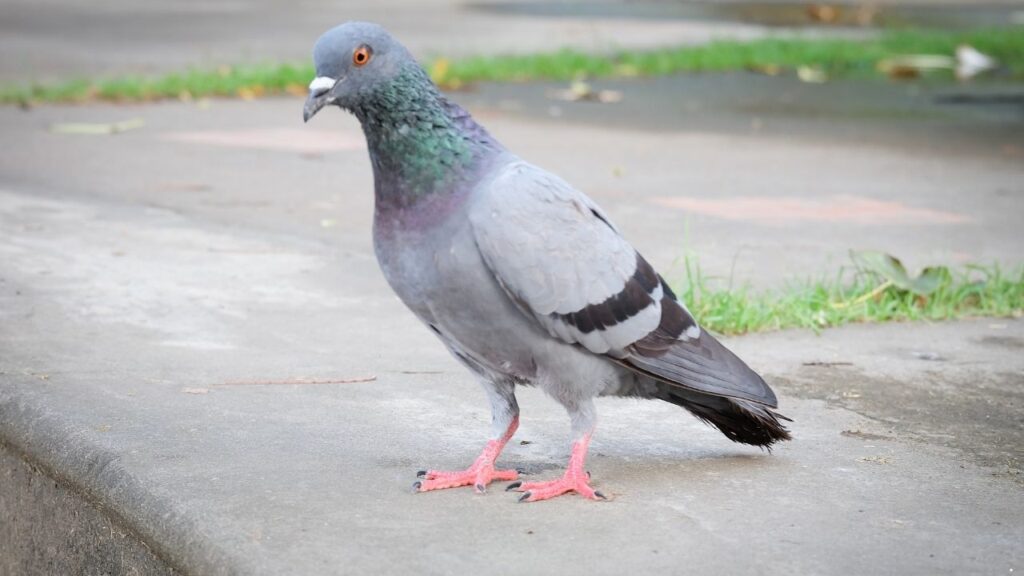
The Rock Dove, often known as the common city pigeon, is the wild ancestor of the familiar feral pigeons seen in towns worldwide. These birds thrive in urban areas, nesting on buildings, bridges, and cliffs, and feeding on discarded food.
Their plumage varies greatly, from the classic blue-gray with black wing bars to white, rusty, or spotted forms, making them a colorful and ever-present part of city life.
Rock Doves communicate through soft cooing sounds that carry in the busy environments they inhabit. In addition to vocal calls, their wing beats during flight create subtle vibrations that can be felt by other pigeons nearby.
These vibrations help maintain flock cohesion and signal presence in crowded or noisy areas, playing an important role in their social behavior.
Key points about the Rock Dove’s communication:
Uses soft cooing sounds to communicate in urban and rural settings
Wing beats produce vibrations that aid in flock coordination
Found worldwide, from cliffs and farmland to city streets and parks
Highly variable plumage, but wild types have distinct wing bars and iridescent neck feathers
Adapted well to human environments, nesting on man-made structures
Conclusion
Birds communicate in ways that are far more complex than many people realize. Within the same species, they use warning calls to alert others, while different species can understand different sounds that signal danger.
Even two subspecies may have different accents, shaped by location and experience. Researchers and scientists studying animals have found that science can explain how vocalizations carry important information about predators, food, and survival.
Research shows that birds also pass knowledge to their offspring, from eggs to chicks, creating a clear difference in how signals are learned and used. This ability is especially important for migratory birds that spread across wide areas and must sing, move their body, hear cues, and stay aware of their surroundings.
These insights suggest that birds use sounds and vibrations like words, helping them avoid fight situations and stay exposed to the right cues. Recordings continue to help scientists uncover how deeply birds rely on communication to survive.
