




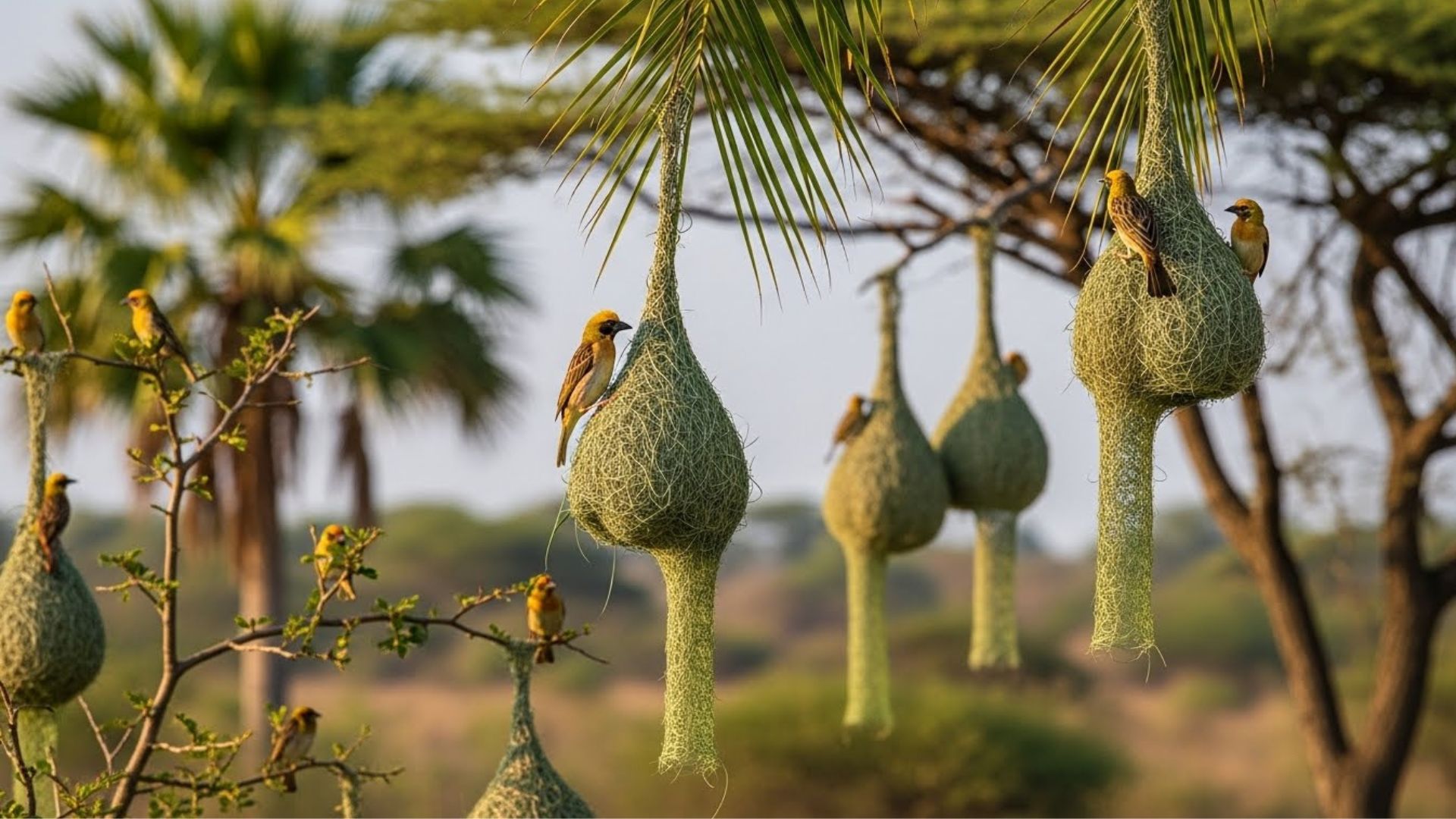
Bird nests are far more fascinating than the simple piles of sticks many people imagine. Across the natural world, birds display remarkable creativity and problem-solving skills when it comes to building safe homes for their young.
Some nests hang delicately in the air, others are hidden in plain sight, and many are made from materials that seem unusual but serve a very practical purpose.
Birds build nests specifically to lay eggs, keep them warm, and protect chicks until they are ready to survive on their own. These structures can range from neat and simple to complex and artistic, shaped by the environment and the challenges birds face.
In this article, we’ll explore bird species that build incredible nests and uncover the clever designs that turn ordinary materials into safe, life-supporting homes.
Key Takeaways
Meet birds like the Sociable Weaver and Baya Weaver with nests you have to see to believe.
From Bald Eagles’ giant nests to Tailorbirds sewing leaves—nature’s architects amaze.
Discover wild designs like saliva nests and colorful bowers that wow every time.
See how the Baltimore Orioles weave delicate nests that hang like tiny baskets in trees.
Birds that Build Incredible Nests
1. Sociable Weaver
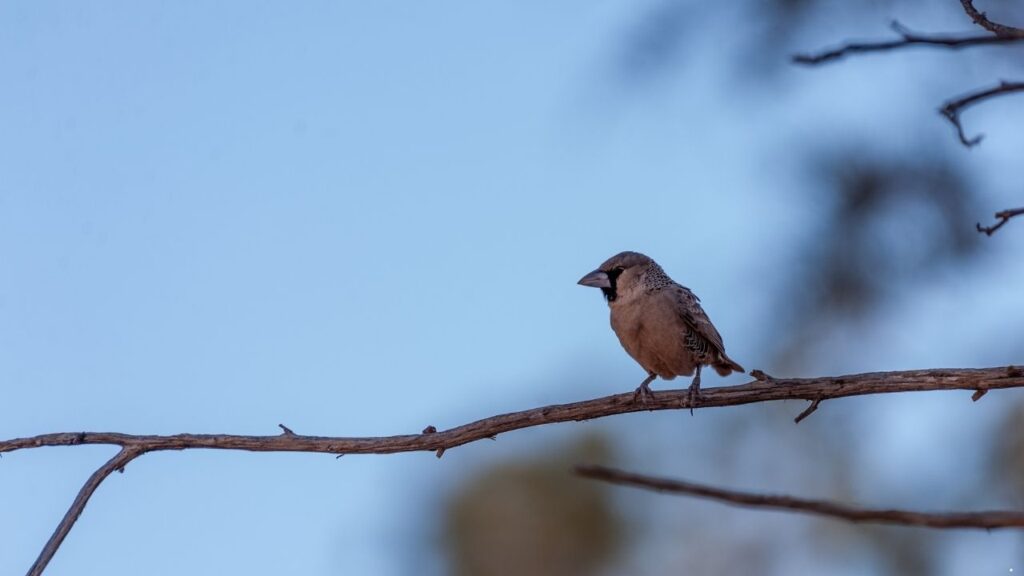
This bird from southern Africa is famous for building some of the most incredible nests in the world. Instead of making single homes, it creates huge permanent nests on tall trees or man-made structures like telegraph poles.
These nests are large enough to support over a hundred breeding pairs at the same time. The structures are used again and again by many generations.
These nests function like shared apartment complexes. They are woven from grasses and twigs and carefully designed for comfort and survival.
Much like termite mounds, they include natural ventilation and insulation that help control temperature in harsh, arid conditions. After the breeding season, Sociable Weaver nests also offer shelter to other birds such as finches, lovebirds, and falcons.
Key nest features include:
Communal living for hundreds of birds
Separate breeding chambers with individual entrances
Cooling during hot days and warmth during cold nights
2. Baya Weaver
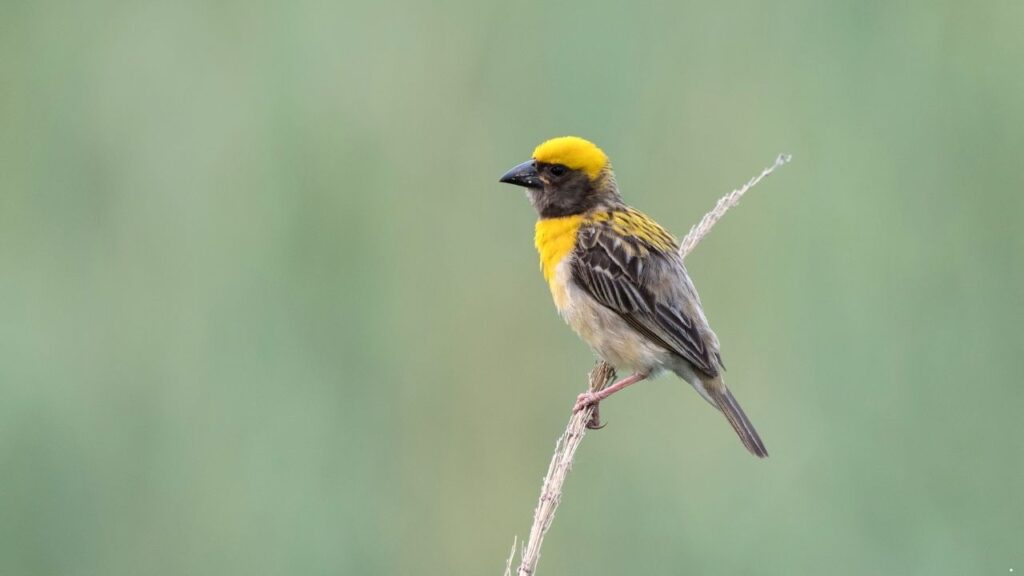
The Baya Weaver is native to South and Southeast Asia and is best known for its remarkable nesting skills. It lives in grasslands, cultivated fields, shrublands, and secondary growth, usually near freshwater or brackish water.
These birds are commonly seen in flocks, especially during the breeding season, when their loud advertising calls fill the air with rasping chatters and buzzing whistles.
What makes this bird truly special is its pendant, retort-shaped nest. The male weaves each nest using long strips of grass and palm fronds, working with great precision using its beak and feet. Building one nest takes around 18 days and more than 500 trips to collect materials.
The nests hang from thin branches, often over water, and include long entrance tubes that help deter predators. Male birds build multiple nests each season, and females carefully inspect them before choosing one for breeding, turning nest-building into a form of courtship.
Notable nest features include:
Hanging, perfectly balanced structures
Narrow tubular entrances for protection
Overhangs that help shield against rain
3. Bald Eagle

The bald eagle is a large bird of prey native to North America and is the national bird and animal of the United States. It has held this status since 1782 and appears on the country’s seal.
Known for its brown body and bright white head and tail, it is not truly bald. The white feathers simply stand out in sharp contrast. It is also a powerful spiritual symbol for Native people and is often seen soaring alone or gathering in large numbers during winterprofile
When it comes to nesting, bald eagles build structures as impressive as the birds themselves. Their nests are massive and built high in trees, designed to support their large bodies and growing young.
All About Birds says that Bald Eagles’ nests are used year after year and grow larger over time as new material is added. Strong branches and sturdy construction help keep the nest secure.
Extremely large and heavy structures
Built high for safety and
Reused and expanded over many
4. Tailorbird
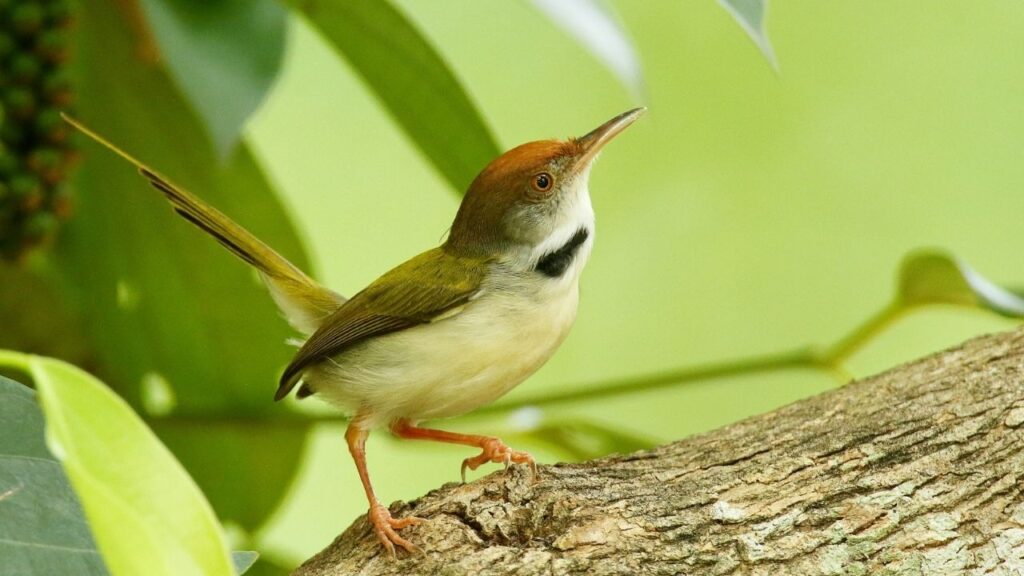
The Common Tailorbird is a small songbird found across tropical Asia. It prefers dense vegetation, where it stays well hidden despite having a loud and sharp call.
Though shy by nature, its voice often reveals its presence. These birds belong to the genus Orthotomus and are now placed in the Cisticolidae family, based on recent research.
What sets this bird apart is its extraordinary nest-building method. True to its name, the tailorbird sews leaves together to form its nest, as mentioned by the Natural History Museum.
Using its long, slender beak like a needle, it pierces holes along leaf edges and pulls plant fibers, spider silk, or insect silk through them to stitch the leaves into a pouch.
The inside is then lined with soft materials such as plant down, animal hair, and spider webs. This process requires precise control and steady tension, showing an impressive level of skill and dexterity.
Unique nesting traits include:
Leaves stitched together to form a secure pouch
Natural fibers used as thread
Soft inner lining for comfort and safety
5. Montezuma Oropendola
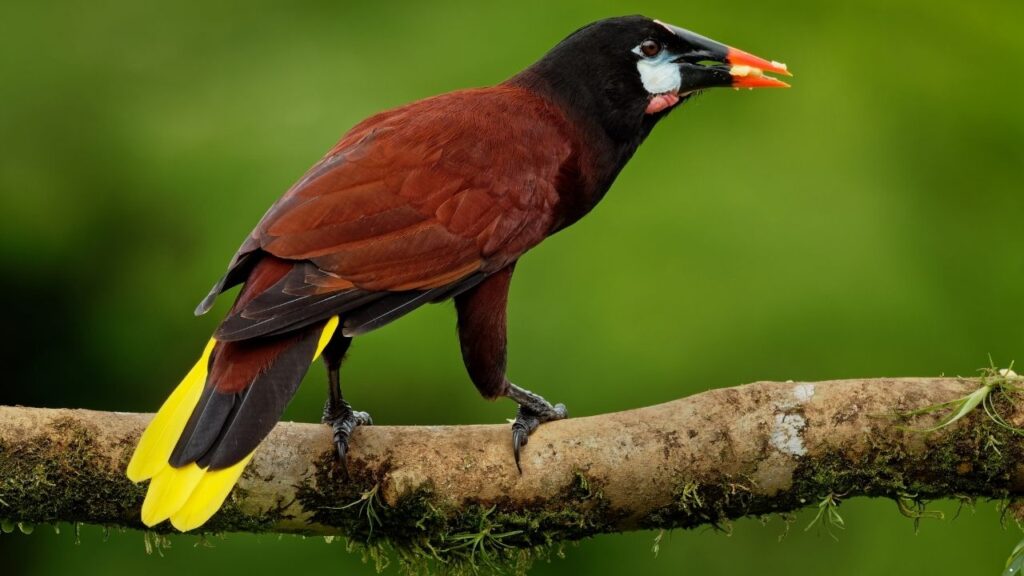
The Montezuma Oropendola is a large colonial bird found in Central America. It breeds in groups and gathers in isolated coastal or forest trees.
During the breeding season, these trees become crowded with hanging nests that sway in the wind. From a distance, the nests often look like low-hanging fruit, neatly arranged and easy to spot.
The nests themselves are the real marvel. Females build narrow, hand-woven pendant nests using fibers, vines, sticks, and twigs. Each nest hangs far below the branch and is shaped like a long teardrop with a small entrance near the top.
Construction starts at the attachment point and works downward. Colonies usually contain 30 to 40 nests, but some trees hold over 100, and records show more than 150 in rare cases.
What makes these nests special:
Long, hanging basket-like design
Built from thousands of woven plant fibers
Hung from thin branches that predators cannot climb
6. Edible-nest Swiftlet
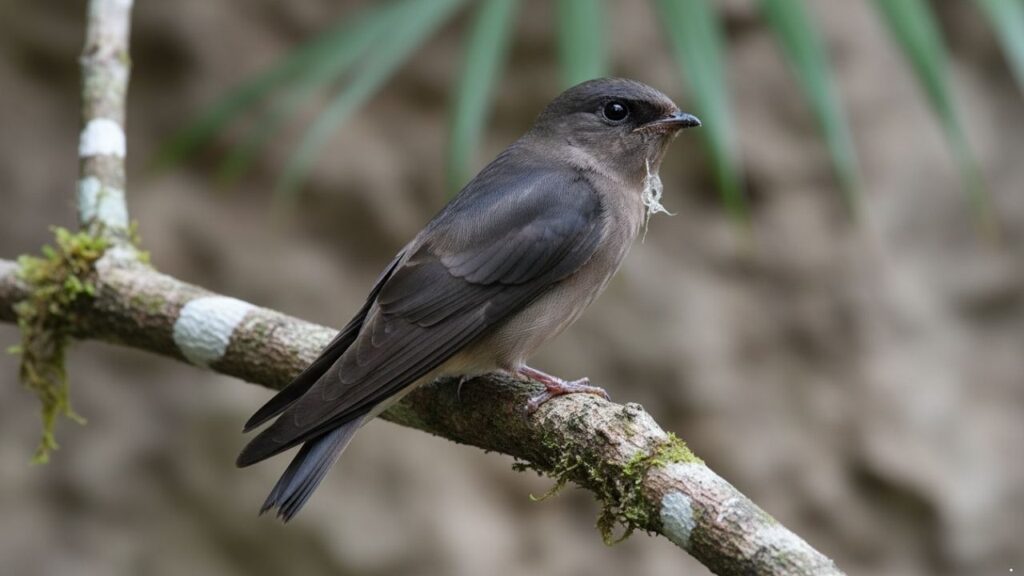
The edible-nest swiftlet is a small, fast-flying bird found across Southeast Asia. It often moves in large, swirling flocks above forests, fields, and settlements.
The bird is dark brown above and grey-brown below, and is most easily recognized while nesting. It usually breeds in large colonies, often alongside other swiftlet species, and gives buzzy trilling calls while in flight.
This bird builds one of the most unusual nests in the animal world. Instead of using twigs or grass, it constructs its nest entirely from hardened saliva, according to Birda.
The bird makes thousands of trips, layering saliva bit by bit until a pale, half-cup-shaped nest forms. These nests are attached to cave walls, cliffs, or crevices and are built in near-total darkness. To move around safely, the birds use echolocation.
Why these nests are extraordinary:
Made completely from solidified saliva
Built on vertical rock surfaces
Constructed inside dark caves using echolocation
7. Penduline Tit
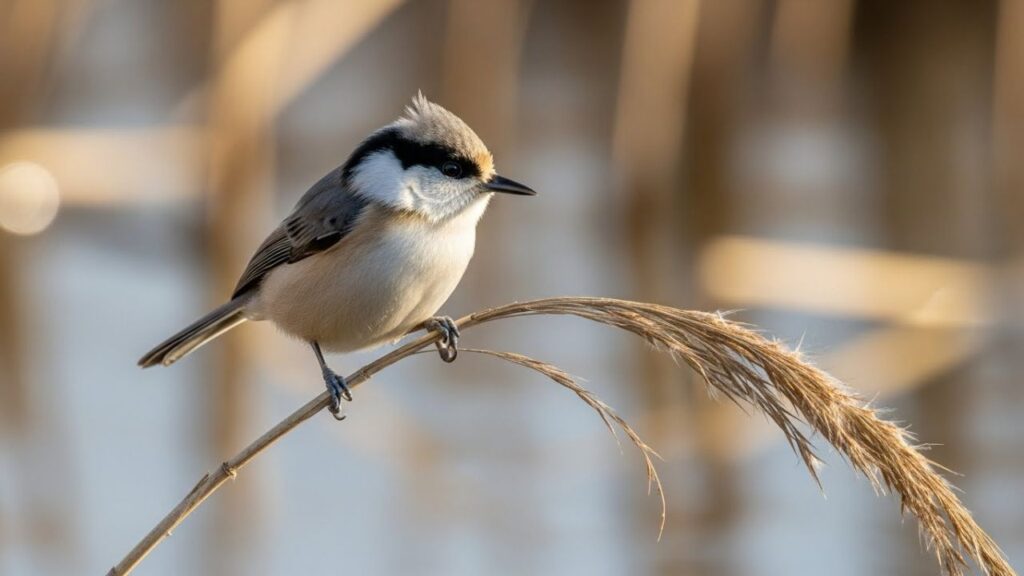
The penduline tit is a small bird best known for its remarkable hanging nests. The Eurasian penduline tit is widespread across Europe and is the only member of its family found outside Africa, though it is a rare visitor to the UK. When not breeding, these birds are often seen perching on thin branches and feeding on insects.
Its nest is one of the most elaborate among birds. The penduline tit builds a pear-shaped, pendulous nest that hangs from slender branches, often over water.
The structure has a soft, fuzzy look and is woven from animal hair, wool, plant fibers, plant down, and spider webs. The tight weaving creates a felt-like texture that is both strong and comfortable.
Unique nest features include:
A narrow, downward-facing entrance tube
False entrances that confuse predators
Waterproof yet breathable walls that regulate temperature
8. Bowerbird
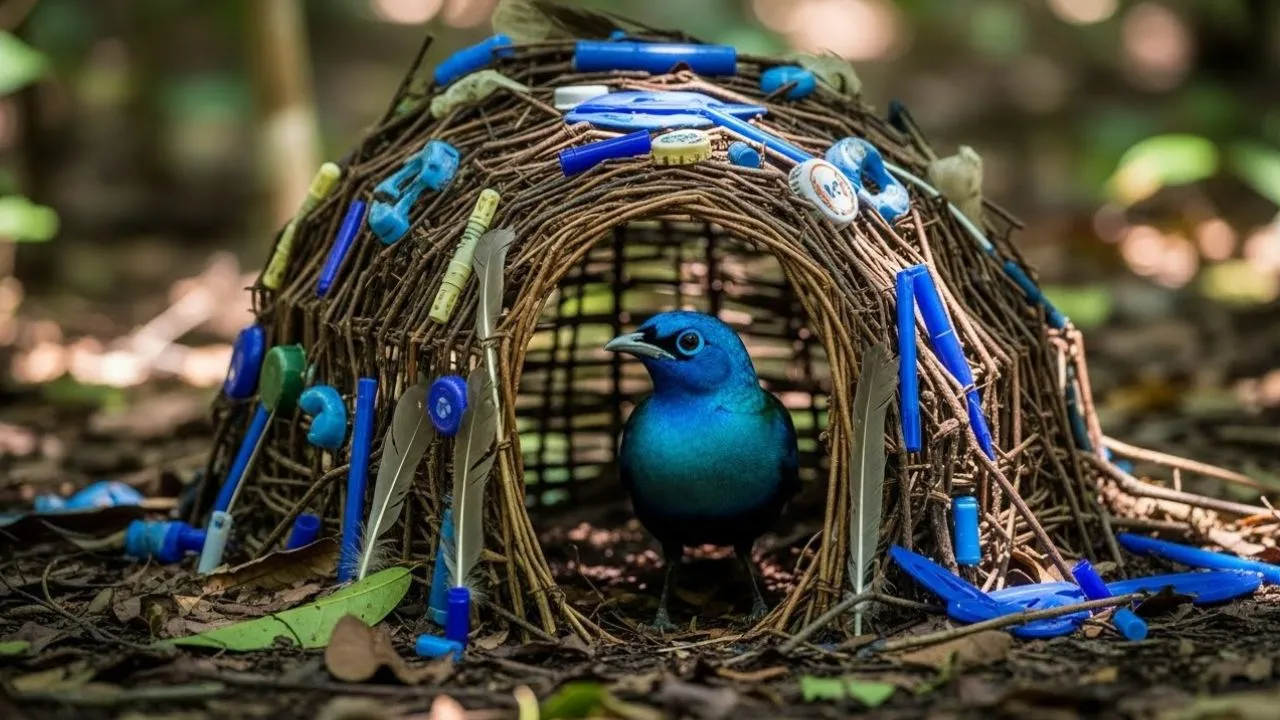
The Satin Bowerbird is native to Australia and is famous for building one of the most complex structures made by any bird. While it is not a nest in the usual sense, its bower plays a key role in courtship.
Only males build these structures, and females carefully inspect them before choosing a mate. Several bowerbird species exist, though not all build bowers.
The bower is built on the forest floor using sticks and twigs arranged into two raised walls that form a tunnel-like avenue. Males then decorate the area with carefully selected objects.
These include leaves, stones, shells, feathers, berries, and many human-made items such as coins, nails, and pieces of plastic. Blue objects are especially favored.
What makes the bower unique:
A stick-built avenue used only for display
Objects arranged by color, size, and type
Smaller items are placed farther away to create visual illusions
9. Baltimore Oriole
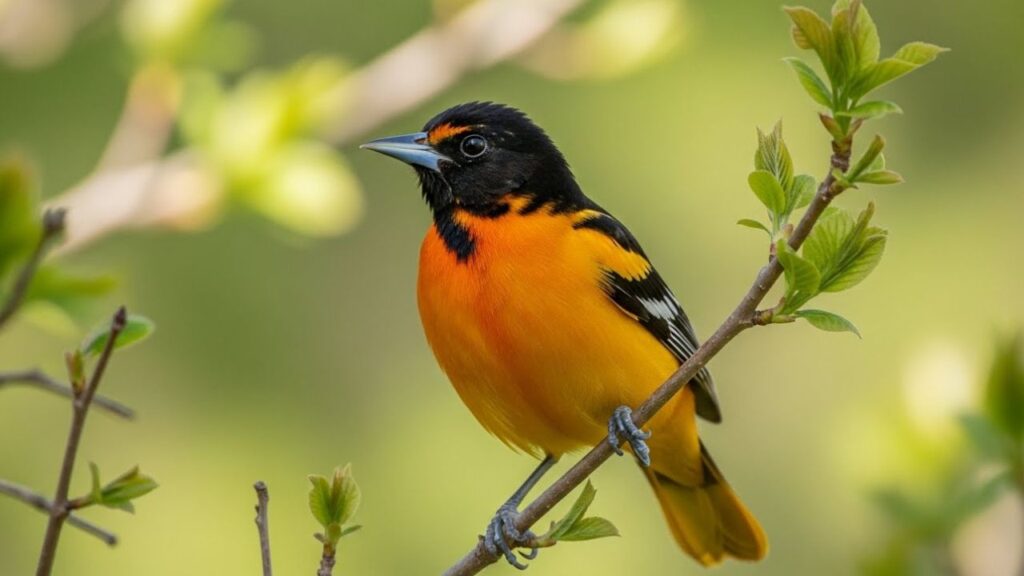
The Baltimore Oriole is a striking bird native to central and eastern North America. Known for its brilliant orange and black coloring, the male is easy to spot high in the treetops. The bird’s rich, whistling song is a cheerful sign of spring.
Orioles prefer habitats like small tree patches, riverbanks, forest edges, and parks. They enjoy eating fruit, nectar, and insects, often visiting backyard feeders.
One of the Baltimore Orioles’ most impressive talents is its nest building. The female carefully weaves a hanging, basketball hoop–shaped nest from thin plant fibers.
Males help by gathering materials, but the intricate weaving is mostly the female’s work. These suspended nests hang from slender tree branches, providing safety from predators below.
Key features of Baltimore Oriole nests:
Delicately woven and suspended like a basket
Built mainly by females with male support
Located high on thin branches for protection
Conclusion
Bird architecture goes far beyond what most people expect, from dome-shaped nests and floating nests to truly intricate nests shaped by survival needs. These characteristic nests include carefully crafted woven nests where birds gather to raise their young safely.
Some species design elaborate nests close to flying insects for easy feeding, while many birds save effort by settling into existing cavities, even though most birds still prefer to start fresh.
To do this, nests are often tightly woven using small twigs, Spanish moss, or even lily pads, while staying alert to other animals nearby.
Using various materials, birds build their nests with dry grasses, sometimes adding a side entrance for protection or strengthening walls with mud near the ground. These quiet efforts often go unnoticed, which is why most people are surprised by just how skilled birds really are.
