




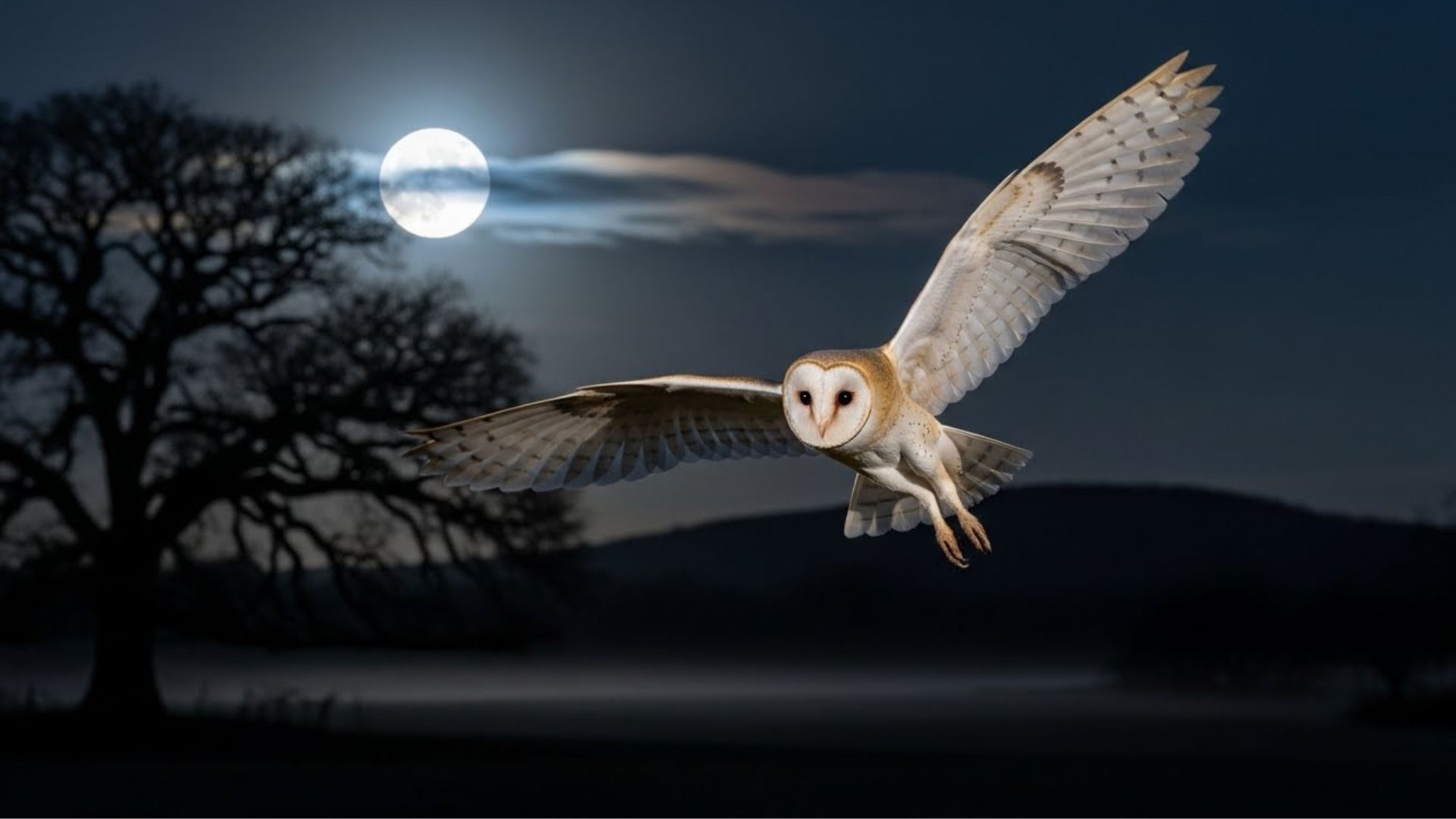
When the sun goes down, the world doesn’t fall silent—it simply changes. While most birds settle in to rest, a fascinating group becomes active after dark, taking advantage of cooler air, fewer predators, and quieter surroundings. These are the birds that are most active during the night, and they play a much bigger role in nature than many people realize.
Not all night-active birds are truly nocturnal. Some are most active at dusk and dawn, while others occasionally fly or sing under the cover of darkness. What makes them special is their powerful set of adaptations.
Mysterious, elusive, and often misunderstood, these birds help regulate ecosystems by controlling insects and small animals while the rest of the world sleeps. In this article, we’ll explore what makes birds active at night and uncover some of the most fascinating winged creatures of the dark.
Key Takeaways
Meet amazing night birds like the Barn Owl and Kakapo that rule the darkness.
See how owls and nightjars use super senses to hunt in the dark.
Hear the mysterious calls of birds like the Stone-Curlew at dusk and dawn.
Discover rare night creatures hiding in plain sight—get ready to be amazed!
Birds That Are Most Active During the Night
1. Barn owl
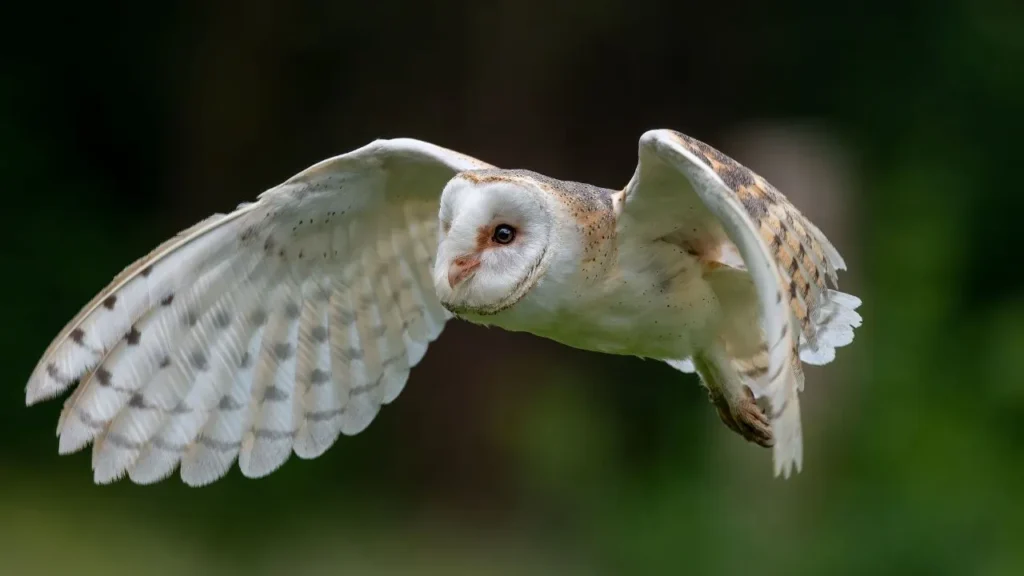
The Barn Owl is one of the most familiar birds that is most active during the night. It is completely nocturnal and can be found across the United States, the UK, and many other parts of the world.
These owls live in barns, forests, open fields, and even cities. With their pale coloring and silent flight, they are often seen gliding low over the ground after dark.
What makes the Barn Owl special is its incredible sense of hearing. According to the Barn Owl Trust, its heart-shaped face works like a sound funnel, helping it detect tiny movements below.
It can locate prey without relying on sight and can even find small animals hidden under snow. Once it hears movement, it dives quickly and grabs its prey using long, powerful talons.
Key Facts About the Barn Owl
Recognized by a heart-shaped face and pale-cream coloring
Known for unusual vocal sounds rather than typical hoots
One of the most widespread birds in the world
Hard to tell males and females apart while flying
Females often show darker facial edges and spotted feathers
2. Great Horned Owl
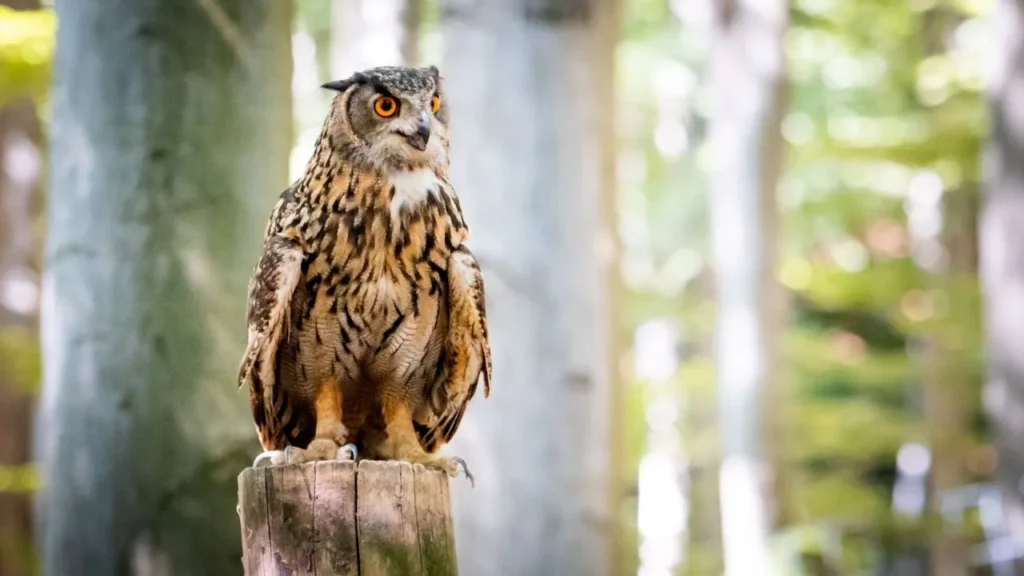
The Great Horned Owl is a classic example of a bird that is most active during the night. It is nocturnal and spends its nights hunting close to the ground.
This owl is the most common owl found across the Americas. Earth Life mentions that it is easy to recognize by the feather tufts on its head, often called “horns,” and its intense yellow-eyed stare.
This powerful hunter flies low while searching for prey. It hunts mice, rabbits, ducks, frogs, and even scorpions. It will wade into shallow water if needed.
Known by nicknames like tiger owl and hoot owl, it can take down animals larger than itself, including skunks and snakes. Its deep hooting calls are often heard on cold winter nights, especially during the early nesting season.
Key Features of the Great Horned Owl
Long, earlike feather tufts called plumicorns
Deep hooting voice and intimidating appearance
Lives in deserts, forests, wetlands, grasslands, cities, and backyards
Extremely adaptable and widespread in North and South America
Strong feet, feathered toes, and powerful hunting skills
3. Nightjar
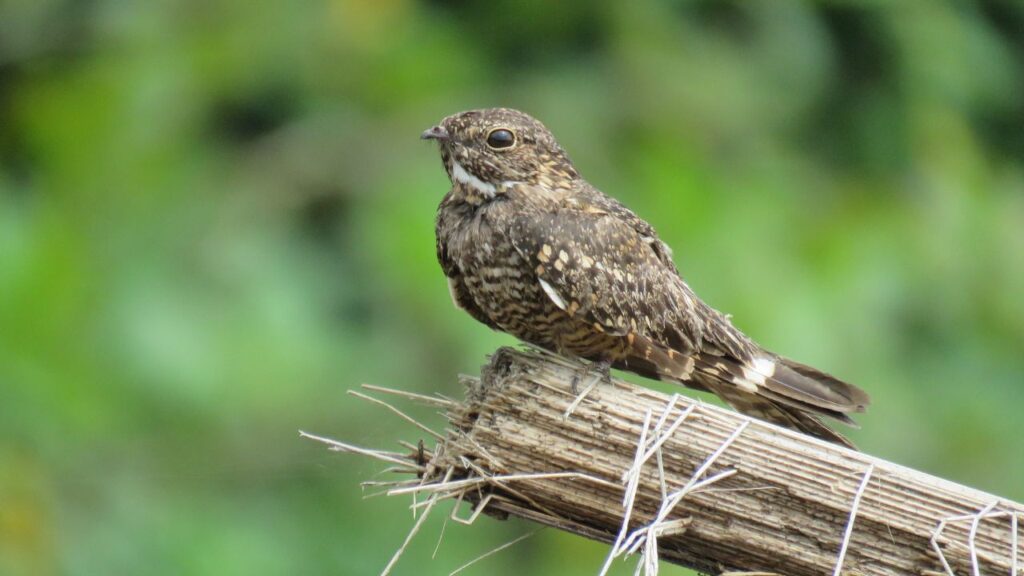
Nightjars are fascinating birds that are most active during the night, especially at dusk and dawn. They rest quietly through the day and come alive as the light fades.
You can spot them flying low over open countryside as they search for moths and other insects. Their flight is almost silent, adding to their mysterious presence.
During the day, nightjars are easy to miss. Their brown, gray, and tan feathers blend perfectly with the ground, making them look like a pile of dead leaves.
They nest directly on the ground and rely on camouflage for protection. When night falls, their excellent eyesight helps them catch flying insects in midair with ease.
Key Traits of Nightjars
Active mainly at dusk and nighttime
Known for silent flight and sharp night vision
Feed on moths and other flying insects
Nicknamed “goatsucker” due to an old myth
The name comes from Latin words meaning “goat” and “to milk.”
4. Kakapo
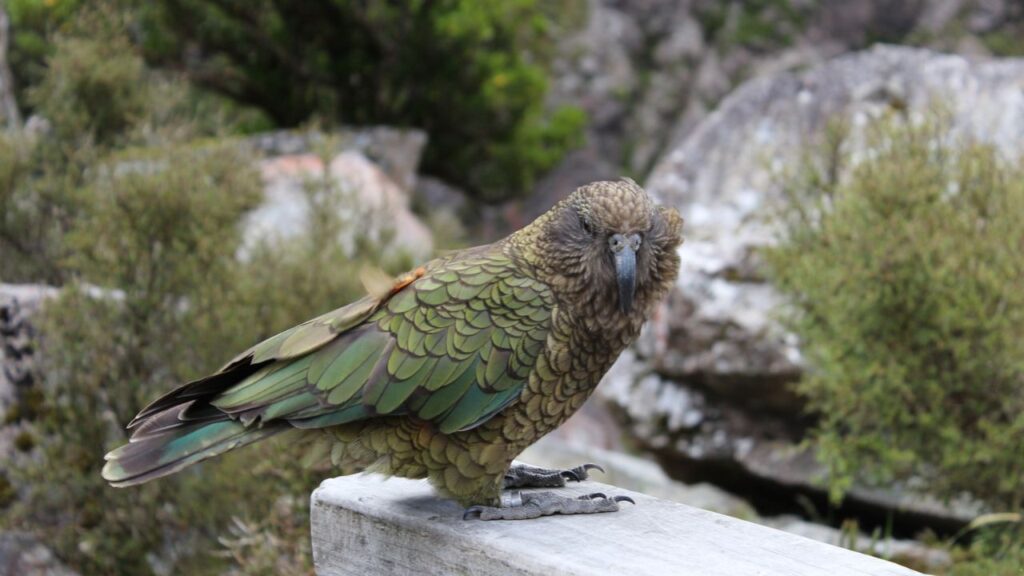
The kakapo is one of the most fascinating nocturnal bird species. This unusual parrot wears greenish-yellow feathers that look like moss, helping it blend into its forest home.
It is nocturnal, flightless, and lives on the ground. It is also the only parrot in the world with a lek breeding system.
This bird is found only in New Zealand. Before humans arrived, the kakapo thrived there with few natural threats. With no land predators, its biggest danger came from large birds of prey flying overhead.
To survive, the kakapo evolved camouflage plumage and became active only after sunset. The BBC states that its name means “night parrot” in Māori, which perfectly matches its lifestyle.
Key Traits of the Kakapo
The world’s only nocturnal and flightless parrot
The heaviest parrot species in the world
Green, blotched feathers that blend into foliage
Herbivorous and extremely long-lived
Critically endangered and culturally important to Māori communities
5. Tawny Frogmouth
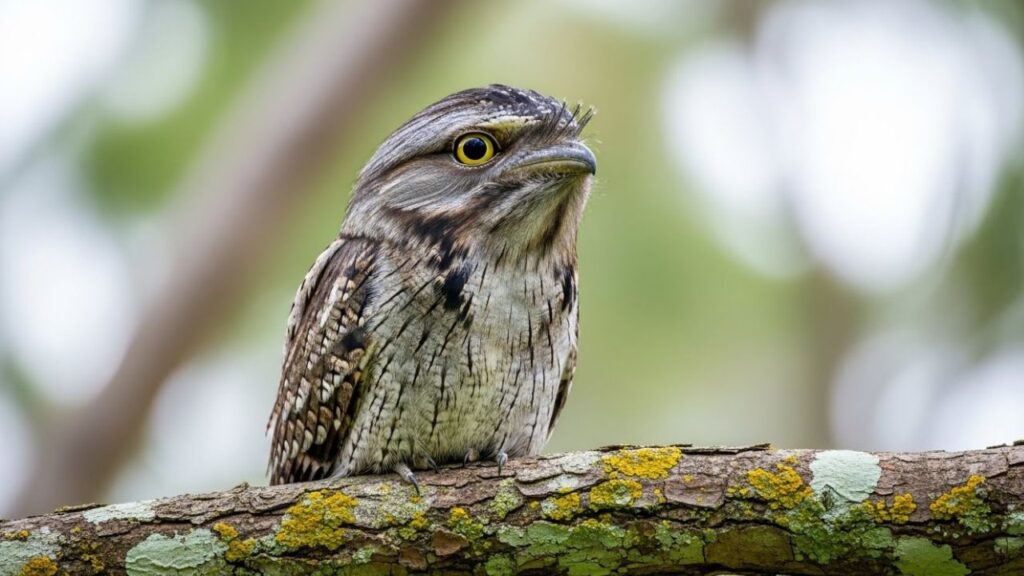
The Tawny Frogmouth is a master of disguise. It lives in Australian forests and is often mistaken for an owl. While it looks similar, it is not an owl and belongs to the nightjar family. During the day, it sits quietly on tree branches, blending in like part of the bark.
Its plumage is usually silver-grey with black and rufous streaks, though some birds appear russet-red. The large yellow eyes stand out, even when the bird stays still.
Its wide, flattened beak and frog-like mouth give the bird its name. This mouth helps it catch insects while flying at night or even while resting with its beak open.
Key Traits of the Tawny Frogmouth
Nocturnal and active mainly after sunset
Sleeps during the day while perfectly camouflaged
Feeds on moths, slugs, snails, worms, and insects
Uses a wide, frog-like mouth to catch prey
Often perches low and looks like tree bark
6. Potoo
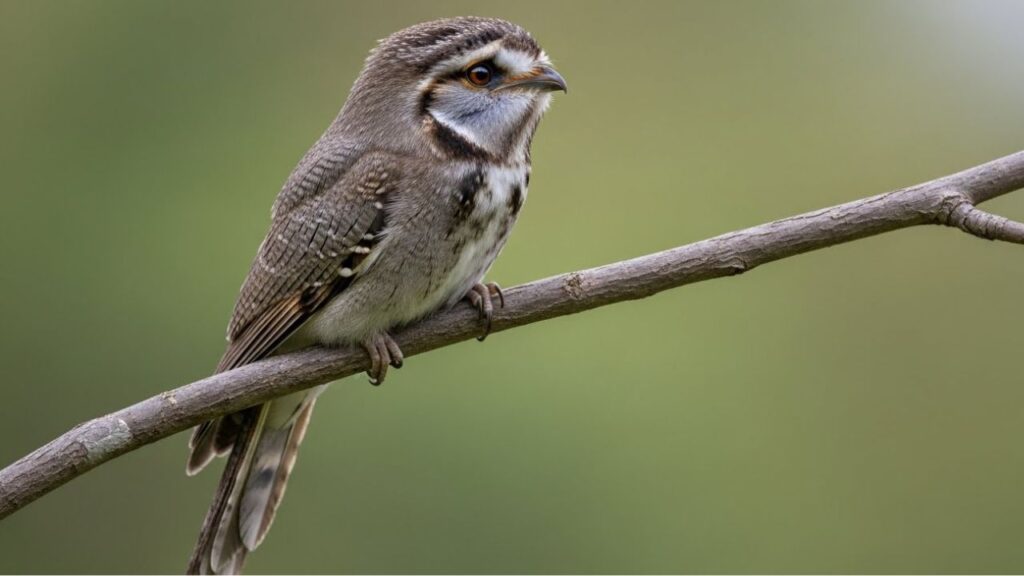
The potoo is one of the strangest nocturnal species. It is a nocturnal insect-eating bird with a large head and enormous yellow eyes. During the day, it rests on tree stumps or branches. Its brown, gray, and green plumage helps it blend in perfectly with bark.
At dusk, the potoo comes to life. Its huge eyes allow it to spot moths and other flying insects in the dark. It catches prey using a wide, gaping mouth during short, silent flights. By day, it perches upright and stays so still that it looks like a dead branch.
Key Traits of the Potoo
Nocturnal and active after sunset
Large yellow eyes are built for night vision
Excellent camouflage that mimics tree bark
Feeds on moths and flying insects
Known for haunting nighttime calls
7. Black-Crowned Night Heron
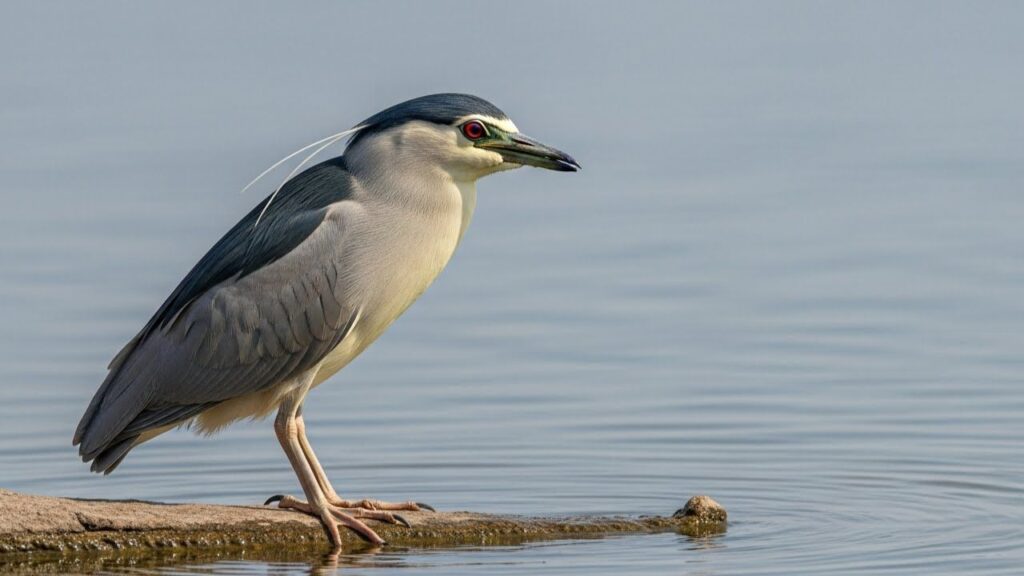
The Black-crowned Night Heron is a stocky waterbird. It forages after dark in wetlands and shallow water. At dusk, it leaves daytime resting spots and flies out to feed. Its genus name comes from Greek words meaning “night raven,” which reflects its nighttime habits.
By day, these herons look quiet and still. They often sit hunched in trees or bushes near water, with their necks tucked in.
Adults have black-and-white plumage with a gray body, black crown, and bright red eyes. Juveniles look different, with brown, streaked feathers and yellow eyes. At night, they ambush prey from the water’s edge.
Key Traits of the Black-Crowned Night Heron
Mostly nocturnal and active at dusk and night
Feeds on fish, frogs, and other wetland prey
Makes a distinctive choking or “wok” call in flight
Broad wings and a thick neck with a heavy bill
Found across much of the world, except Australia and Antarctica
8. Corncrake
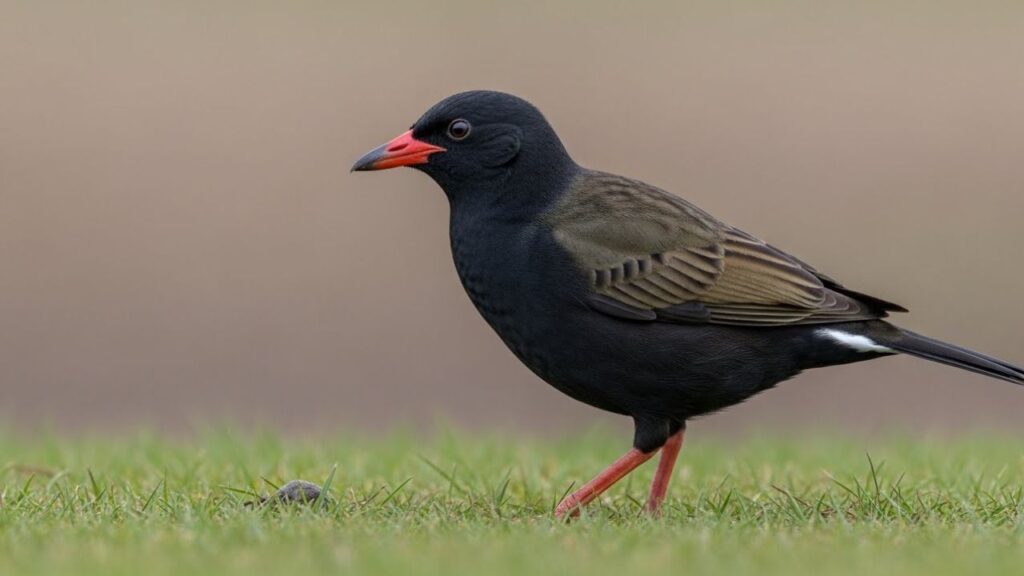
The Corncrake is a secretive bird and one of the birds that is most active during the night. It has tan and brown streaked feathers with white speckles and a blue-gray face. Despite its name, it does not nest in corn. It lives in tall grasslands and farmland, where it stays hidden for most of the day.
This bird is far easier to hear than to see. Corncrakes spend daylight hours concealed in thick vegetation. At night, the male produces a loud, rasping call that can go on for hours.
The sharp “crex crex” sound was once common across the British countryside and even disturbed the sleep of people living nearby. Today, this call has almost disappeared, making the bird one of Britain’s most threatened species.
Key Traits of the Corncrake
Nocturnal caller, most active at night
Member of the rail family, related to coots and moorhens
Lives on dry land, unlike many related waterbirds
Extremely secretive and rarely seen
Often heard before it is spotted
9. Stone Curlew
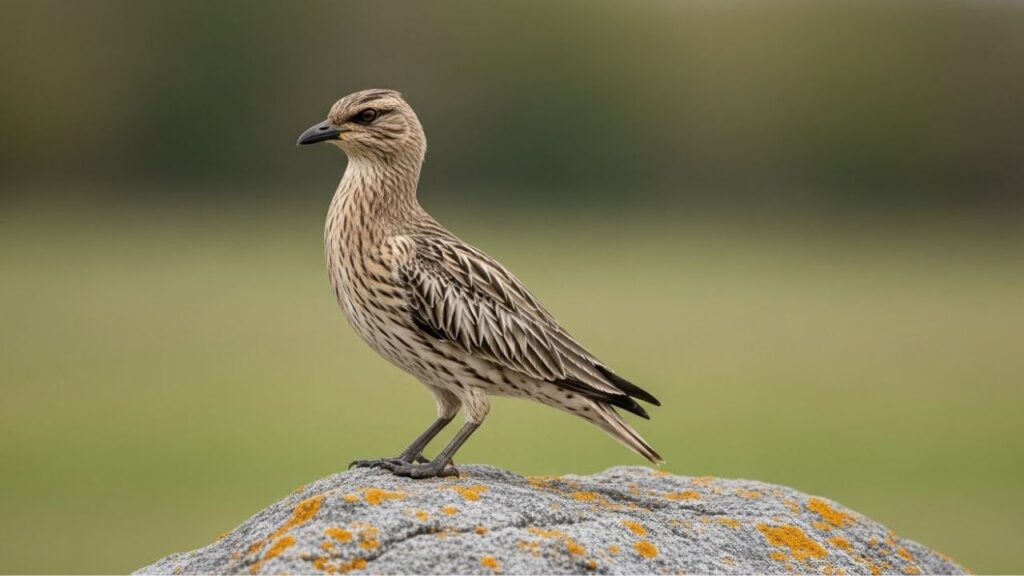
The Stone-Curlew is a unique nocturnal bird. It has sand-colored, streaked feathers that help it blend perfectly with dry, stony ground. Despite its name, it is not related to true curlews. Instead, it gets its name from a loud, wailing call that sounds like “kur-lee.”
This bird is mostly active at dusk and dawn. Its large yellow eyes help it see in low light while hunting for insects and other small creatures on the ground.
During the day, it stays still to avoid predators. Stone-Curlews are rare visitors to the UK, especially at places like Weeting Heath in Norfolk.
Key Traits of the Stone-Curlew
Nocturnal and crepuscular, active mainly at night and twilight
Camouflaged with sand-colored plumage for dry habitats
Has large yellow eyes for seeing in dim light
Makes a loud, curlew-like call that inspired its name
Protected species under UK law due to its rarity
Conclusion
Many birds that are most active during the night, like owls and other bird species with cryptic plumage, rely on the cover of darkness and leaf litter to hunt small mammals and insects.
Their beautiful sounds often fill the early morning air, especially during the breeding season, helping them attract mates while staying hidden from predators. These night-active birds play a crucial role in maintaining the balance of wildlife in forests and other habitats.
Though some of these birds may also be active during the day, their main activity peaks at night or early morning when background noise is low, making their calls more noticeable.
As migrating birds pass through, the chorus of nocturnal sounds adds to the richness of the natural world, highlighting the incredible diversity of creatures that thrive while most of us sleep.
