




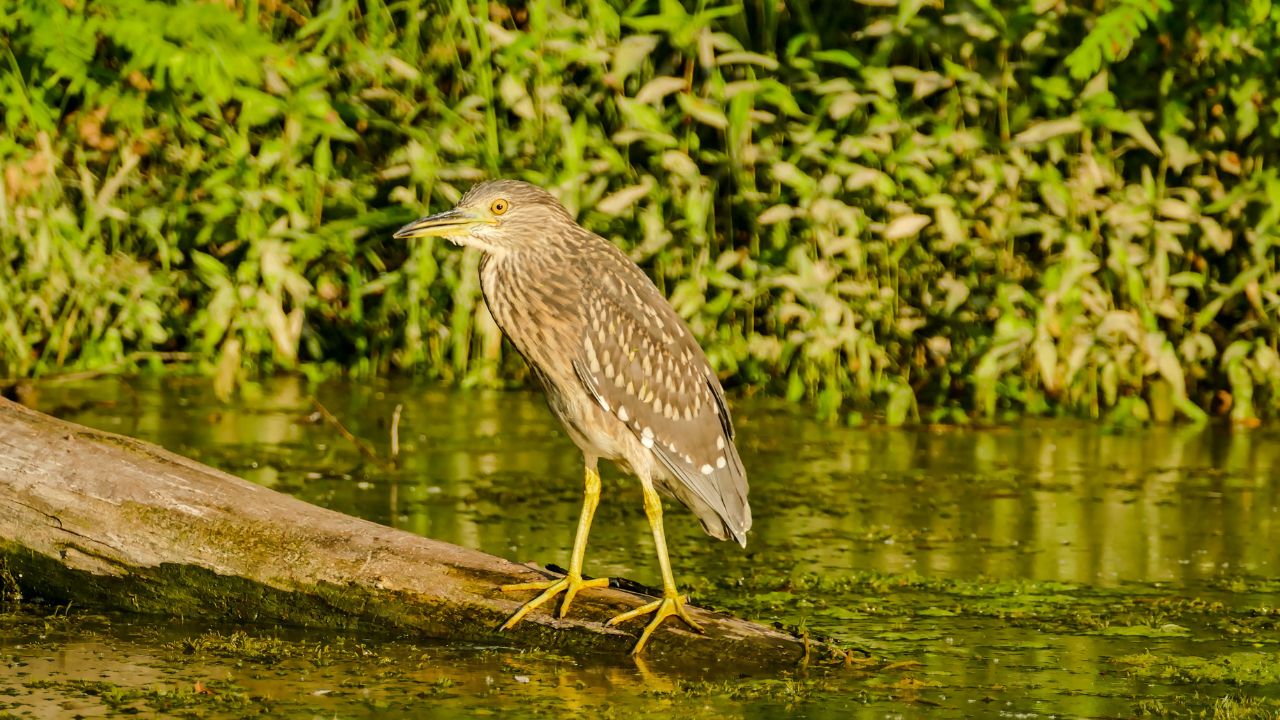
Have you ever wondered how some birds seem to disappear right before your eyes? It’s not magic — it’s camouflage, and these feathered friends are absolute masters of this clever survival trick.
While flying fast is one way birds escape danger, blending perfectly into their surroundings is another powerful skill that helps them stay safe from predators.
But camouflage isn’t just about hiding; it’s also a secret weapon in the game of love. Birds use it to protect their nests and chicks from harm, while also showing off flashes of color to attract a mate during the breeding season.
Here’s a fascinating fact: some birds can actually change the shade of their feathers slightly depending on the season to better match their environment. This incredible adaptability shows just how smart and skilled these creatures are at staying under the radar — all while living their vibrant, high-flying lives.
Let’s take a look at the amazing bird species that blend in like pros in the wild!
Birds That Are Masters of Camouflage in the Wild
1. Common Potoo
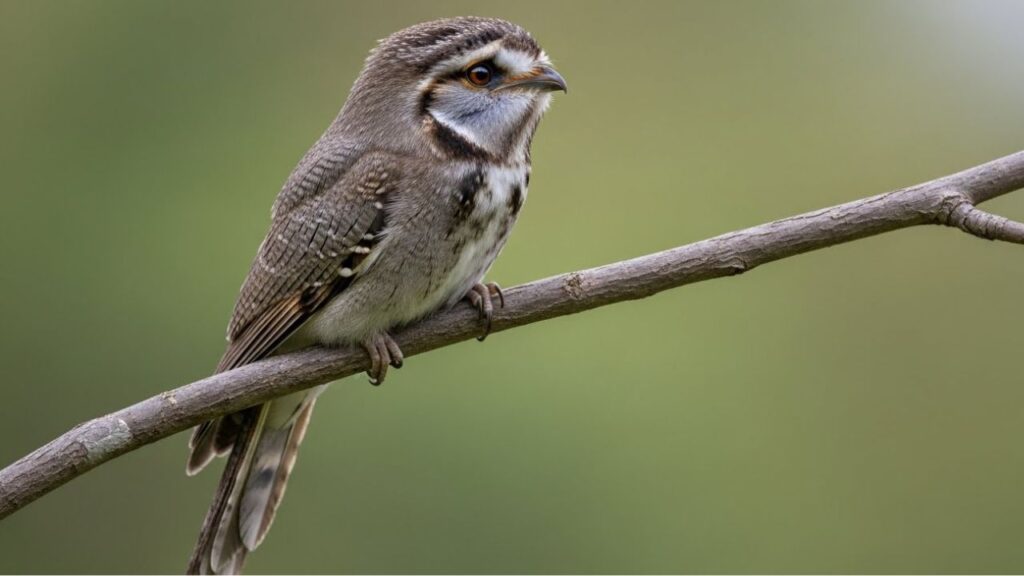
The Common Potoo is a true expert in camouflage. Its mottled feathers blend so well with tree bark that it’s nearly impossible to spot during the day.
This bird spends most of its time perched upright on tree stumps or branches, perfectly mimicking broken limbs or dead wood. Its stillness is key to its disguise — it stays motionless for hours, relying on its natural pattern to stay hidden from predators and curious eyes.
Why It’s Camouflage Works So Well
The plumage is a mix of grays, browns, and blacks, matching the rough texture of trees.
During daylight, it closes its eyes or covers them with special eyelids that resemble tree knots.
Its posture—standing straight and rigid—helps it merge seamlessly with its surroundings.
This incredible blending ability not only keeps the Common Potoo safe but also protects its nest. The bird lays its single egg directly on a tree branch or stump, trusting its camouflage to shield the egg from predators.
According to AAAS, the Potoo becomes active and hunts insects at night, but during the day, it’s a master of disguise, virtually invisible in the forest.
2. Great Gray Owl
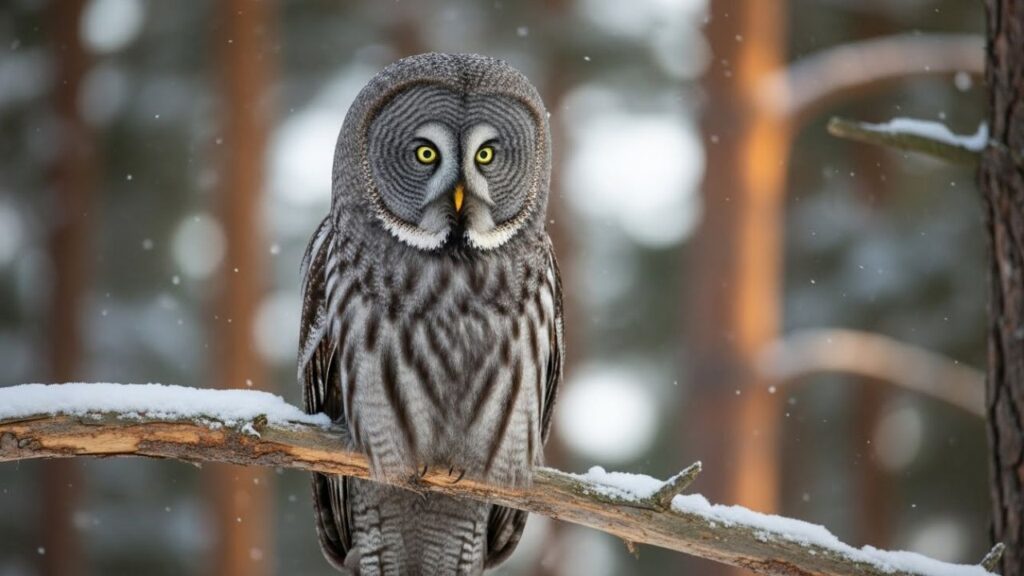
The Great Gray Owl is a true wizard when it comes to camouflage. Its feathers are a perfect mix of gray, white, and brown patterns that look just like the bark and shadows of dense forests.
This helps the owl vanish almost completely when it perches silently among tree trunks or snowy branches. Its large facial disc also helps break up its shape, making it harder to spot.
Unique Camouflage Traits
The intricate feather patterns mimic tree bark and moss.
Silent flight aids in sneaking up on prey without revealing its presence.
The owl often freezes in place, blending into the forest background.
Because of its stealthy nature, the Great Gray Owl often goes unnoticed even when close by. It uses its camouflage to avoid larger predators while quietly hunting small mammals at dawn and dusk. This owl is a living example of how blending in is just as powerful as speed or strength in the wild.
3. Nightjar
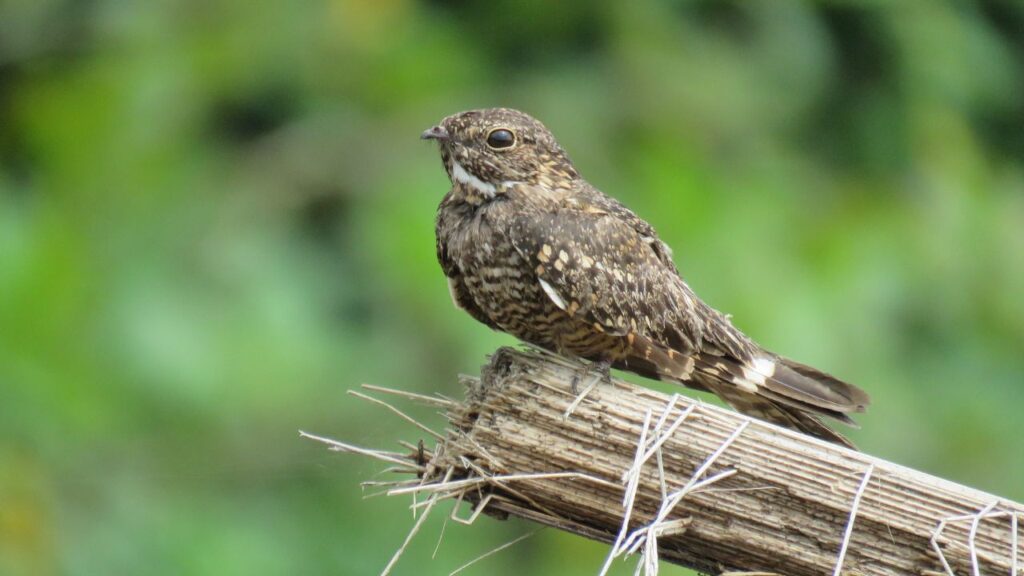
Nightjars are experts in disappearing right before your eyes. These birds have mottled feathers in shades of browns and grays that resemble fallen leaves or dry twigs.
They usually rest on the ground or low branches during the day, where their plumage makes them look like part of the forest floor. Their stillness is crucial—they stay motionless to avoid detection.
Camouflage Highlights
Feathers resemble leaves and tree bark, creating a perfect natural disguise.
Their habit of freezing when disturbed increases survival chances.
Their wide mouths and silent flight help them hunt insects at night while staying hidden.
The nightjar’s daytime invisibility allows it to rest safely until nightfall. Its camouflage also helps protect its nest, which is often just a shallow scrape on the ground. This bird’s talent for blending in shows how vital camouflage can be, even for animals active mostly in the dark.
4. Tawny Frogmouth
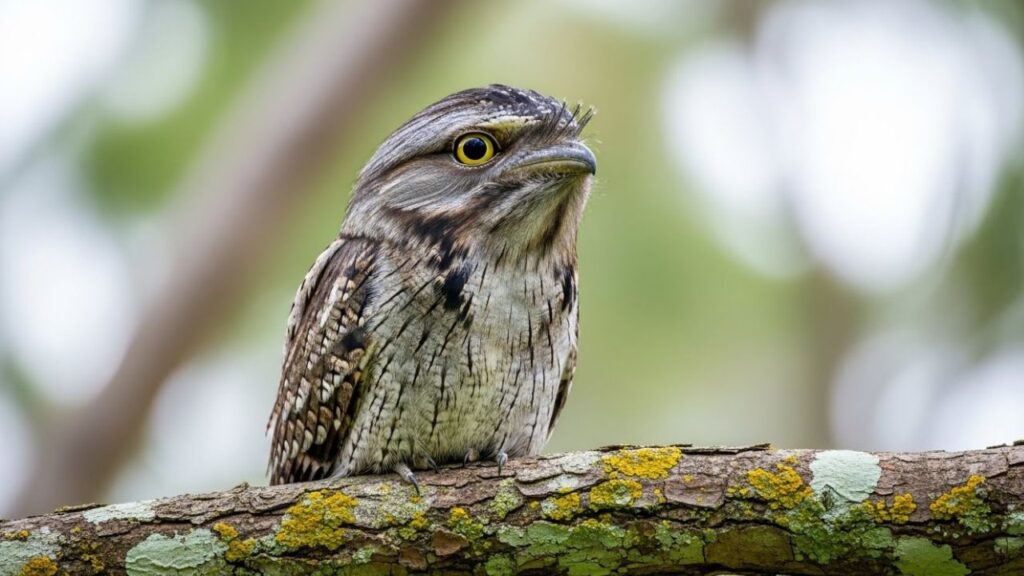
The Tawny Frogmouth is one of nature’s greatest actors. It perches along branches, stretching its body and aligning perfectly with tree limbs. Its mottled gray and brown feathers look just like rough bark. When threatened, it stays completely still with its eyes half-closed, imitating a broken branch or stump.
Key Camouflage Features
Bark-like plumage patterns create perfect tree branch mimicry.
Unique posture—elongated and rigid—helps it vanish in plain sight.
Daytime stillness complements its camouflage, making detection very hard.
Besides fooling predators, the Tawny Frogmouth’s camouflage also helps it surprise prey at night. Its ability to remain so motionless that it seems part of the tree is a powerful defense. This bird’s quiet nature, combined with its disguise, makes it a master of both survival and stealth.
5. Snowy Owl
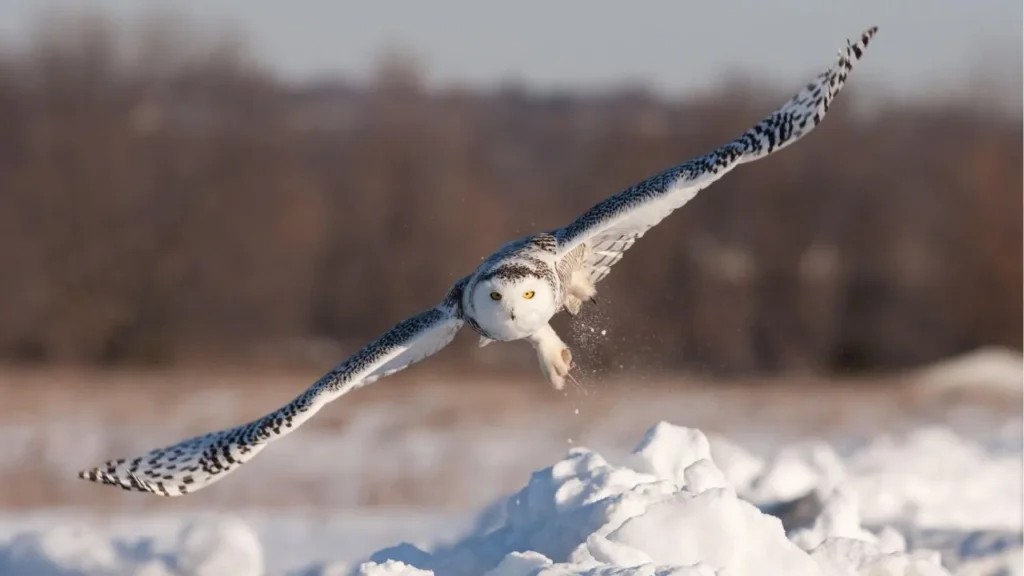
The Snowy Owl’s bright white feathers might seem like an odd choice for camouflage, but they’re perfect for blending into snowy Arctic landscapes.
Its feathers have subtle black and brown spots that break up its shape against the snow and ice. When sitting quietly on the ground or rocks, the owl almost disappears.
What Makes Its Camouflage Work
White feathers match snowy, icy environments.
Black speckles help disrupt its outline.
The owl’s stillness enhances its ability to go unnoticed.
These owls face extreme conditions where hiding spots are limited, so their camouflage is critical. Their coloring not only helps avoid predators but also allows them to sneak up on prey like rodents. The Snowy Owl’s brilliant disguise proves that even bright colors can be the best invisibility cloak in nature.
6. American Woodcock
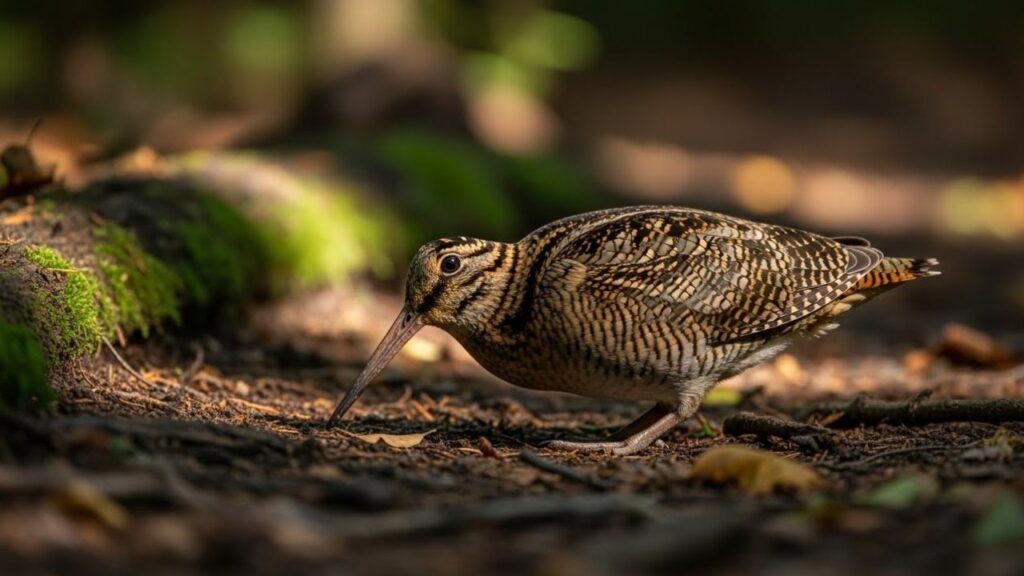
The American Woodcock is a master of blending into leaf litter and forest floors. NHPBS says that its mottled brown, black, and gray feathers look just like dead leaves to help it camouflage in the brush.
This makes it almost invisible while it rests during the day. The bird’s long bill helps it probe the ground for food without needing to move much, reducing the chances of being noticed.
Camouflage Characteristics
Plumage mimics the colors and textures of leaf litter.
Motionless during the day to avoid detection.
Nesting on the ground, relying heavily on camouflage for protection.
This bird’s ability to disappear into the forest floor helps it avoid many predators. Its camouflage is especially important because it nests on the ground, where it’s most vulnerable. Its quiet, subtle movements paired with perfect camouflage make it one of the most elusive birds in woodlands.
7. American Bittern
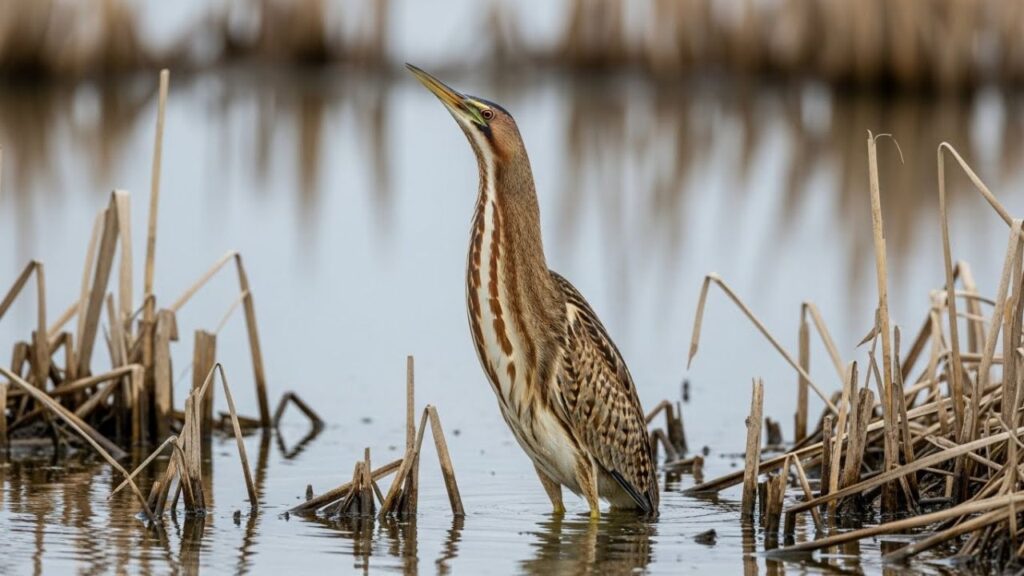
The American Bittern blends seamlessly into marsh reeds and grasses. Its streaky brown and tan feathers resemble the vertical lines of marsh plants. When threatened, the bittern freezes and points its bill skyward, becoming almost indistinguishable from the reeds around it.
Why Its Camouflage Is Special
Vertical feather patterns match marsh grasses perfectly.
Unique “freeze and stretch” behavior to mimic reeds.
Nest and young stay well hidden in dense wetlands.
The bittern’s skillful mimicry allows it to remain unseen in dense wetlands full of predators. This camouflage is vital since it hunts quietly in tall grasses and marshes. The American Bittern’s patience and disguise are remarkable tools that help it thrive in a challenging environment.
8. Ptarmigan
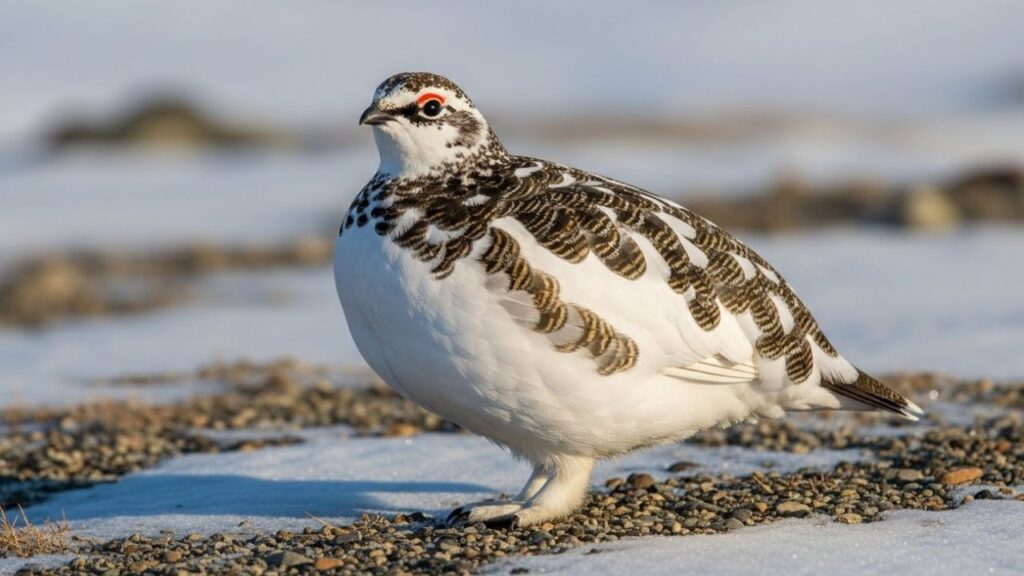
Ptarmigans are experts in seasonal camouflage. They change their feathers twice a year — white in winter and brown in summer — to blend with snow or rocky tundra, according to Quark Expeditions.
This feather color change helps them avoid predators all year round. Ptarmigans also have feathered feet that help them walk on snow without sinking.
Camouflage Secrets
Seasonal color changes for year-round blending.
Feathered feet aid movement and disguise.
Quiet and still when danger approaches.
This adaptability is rare among birds and allows ptarmigans to live in harsh, ever-changing environments.
Their ability to perfectly match their surroundings in different seasons makes them especially tough to spot. The ptarmigan’s camouflage is a living example of nature’s incredible ability to adapt.
9. Ruffed Grouse
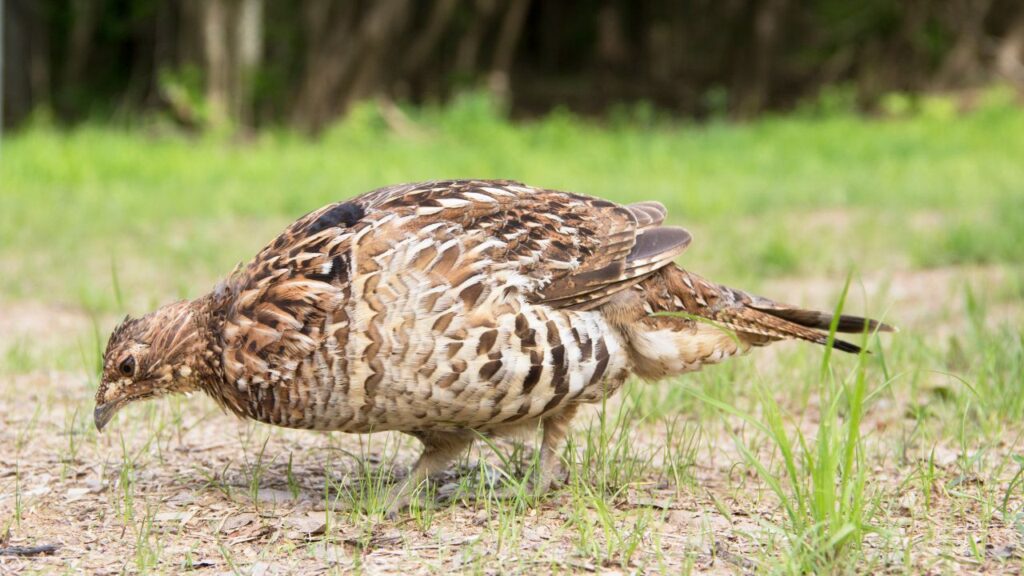
The Ruffed Grouse has feathers in shades of brown, gray, and white that look just like fallen leaves and bark. It stays mostly on the forest floor, using its mottled plumage to blend in perfectly. When threatened, it freezes or quickly flies into dense cover, relying on its camouflage to stay hidden.
Camouflage Highlights
Earth-toned feathers resemble leaf litter and tree bark.
Behavior includes freezing to avoid detection.
Nests are well concealed on the ground.
The Ruffed Grouse’s camouflage is a critical part of its defense in predator-rich forests. Its quiet movements and excellent disguise help it survive in a habitat full of threats. This bird is proof that blending in with the forest floor can be just as effective as speed or aggression.
Conclusion
The avian world is full of amazing examples of camouflage, especially among birds that blend seamlessly with the leaf-littered forest floor. Their coloration often mimics dirt, sand, and coarse natural materials found in their habitats, making them incredibly hard to detect.
Ornithologists studying these birds are often amazed at how their appearance has evolved over time to help them survive in wind-swept mountains or dense forests.
Many birds prefer to sleep and rest in places where their camouflage helps them go unnoticed by predators, including skunks and other animals. The subtle details in their coloration and behavior show just how finely tuned these birds are to their environments.
These masters of disguise remind us how nature’s creativity allows animals to hide in plain sight, turning the world into a fascinating blend of colors and shapes that only the keenest eyes can detect.
