




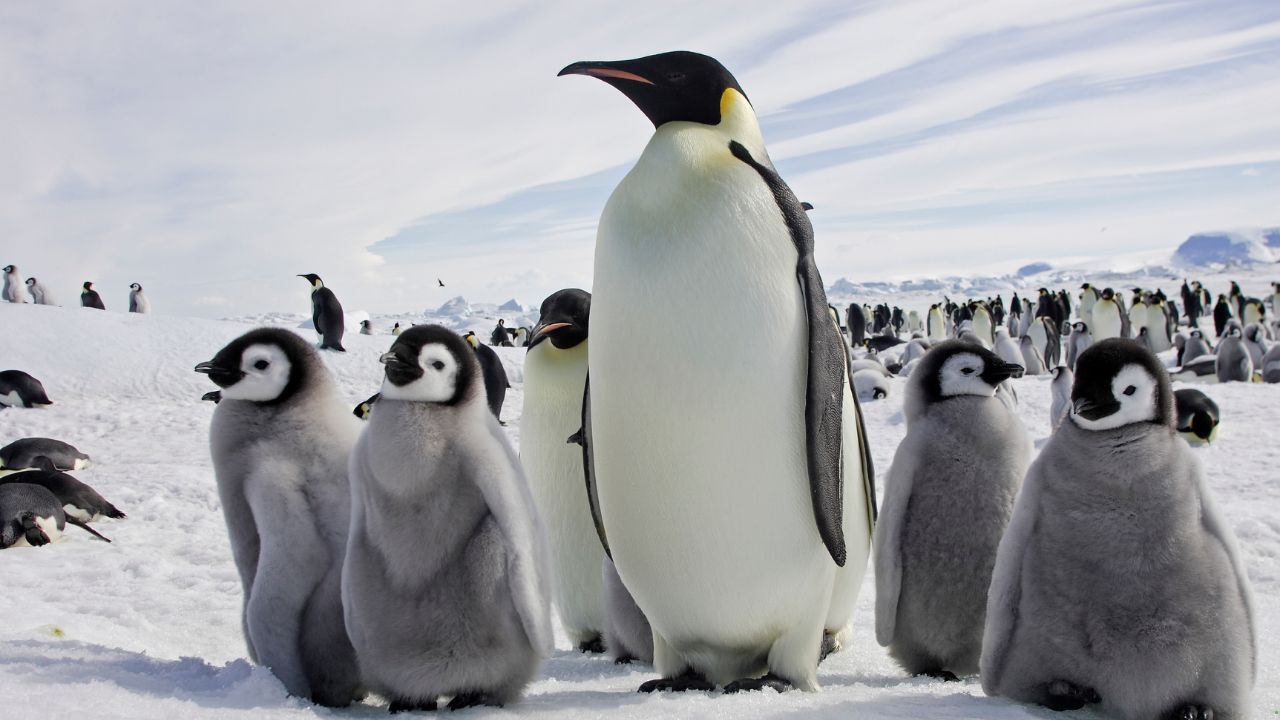
Reproduction is at the heart of life on Earth, and in the bird world, it’s nothing short of spectacular. From dazzling displays to carefully crafted nests, birds go all out to win a partner and raise the next generation. And honestly, who can blame them? Choosing the right mate is a big deal—one that shapes how they look, behave, and even where they live.
But pairing up is just the beginning. Once two birds decide to team up, there’s a whole checklist to complete: building a safe nest, guarding precious eggs, and caring for tiny chicks until they’re strong enough to take on the world. It’s a journey filled with drama, strategy, and surprising teamwork.
So why does all of this matter? Because studying bird mating and breeding isn’t just for bird lovers—it helps us understand the health of entire ecosystems.
In this article, we’ll take a look at bird species that are known for their unique breeding habits—those fascinating species that take parenting, partnering, and survival to a whole new level. Get ready for some truly eye-opening behaviors that prove nature never stops surprising us!
Birds That Are Known for Their Unique Breeding Habits
1. Emperor Penguin
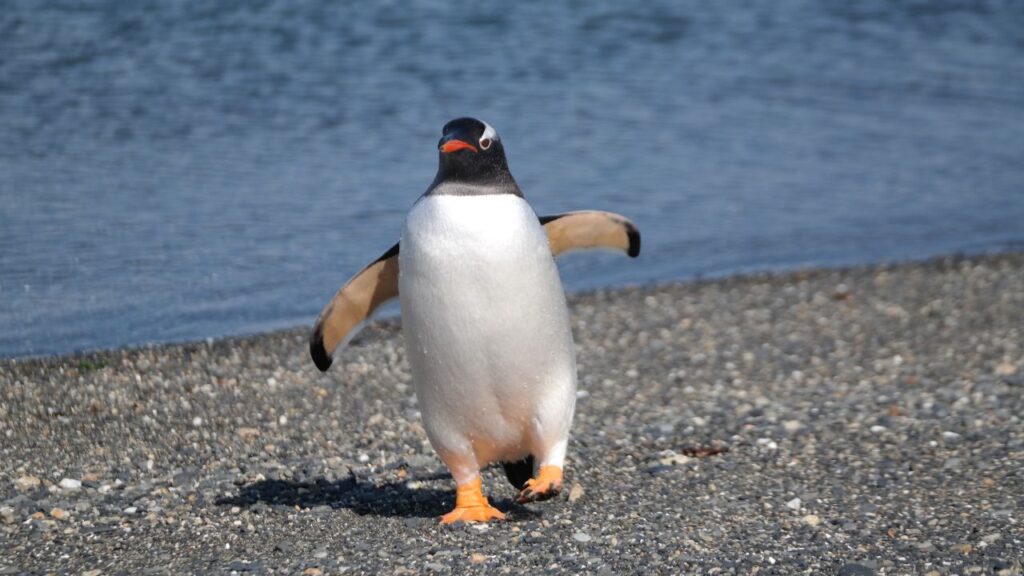
The emperor penguin is famous for one of the most impressive breeding routines on Earth. These birds raise their young in the brutal Antarctic winter, and somehow make it look organized.
Their breeding season starts when most animals would run the other way, but not these two. They chose the coldest place possible to start a family.
After the female lays a single egg, she gently passes it to the male, and he balances it on his feet to keep it warm, according to National Geographic. She then heads off to feed, sometimes traveling for weeks.
The male stays behind through freezing winds and long nights, keeping the egg safe under his brood pouch. He doesn’t eat during this time—he just waits, protects, and holds the fort.
When the chick finally hatches, the female returns with food, and the male hands over the baby like he’s been guarding the world’s most precious treasure.
Both parents then take turns feeding the chick. Everything is about teamwork, timing, and survival. Their breeding system may look simple, but it’s one of the strongest examples of parental commitment in nature.
Why Their Breeding Is Unique
Males incubate the egg alone for about two months.
Parents take long turns traveling for food and chick care.
They breed during the harsh Antarctic winter, relying on group huddling for warmth.
2. Cuckoo
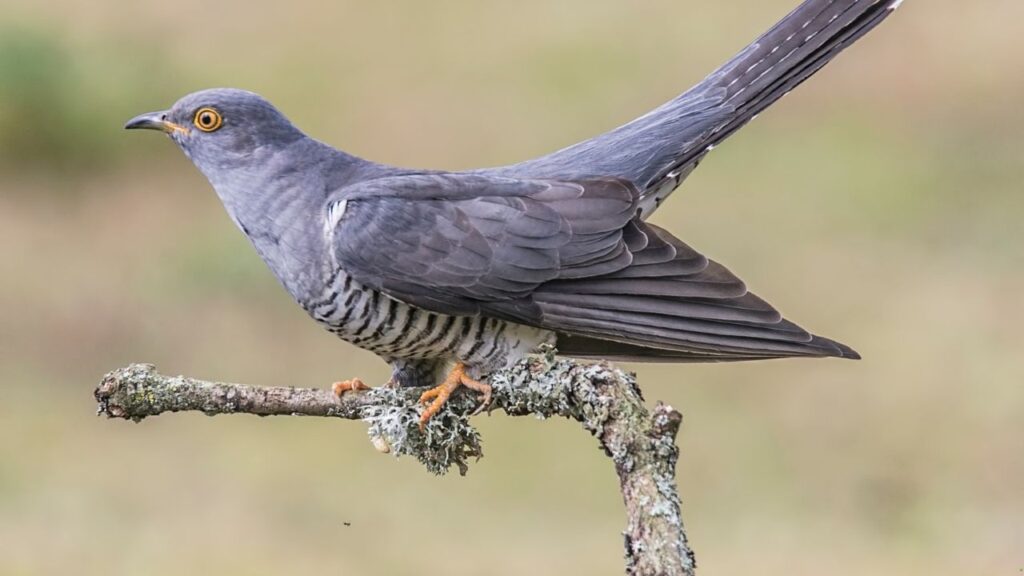
The Cuckoo is known for one of the most unusual breeding behaviors in the bird world. Instead of raising their own chicks, female cuckoos lay their eggs in the nests of other birds, as mentioned by BBC Wildlife.
They quietly sneak in, drop their egg, and leave the hard work to unsuspecting foster parents. It sounds wild, but it’s all part of their survival strategy.
Their eggs usually hatch before the host’s eggs. The cuckoo chick grows quickly and becomes the center of attention. It begs loudly, demands more food, and often outcompetes the original chicks. The foster parents work nonstop, not knowing they’re caring for a youngster who isn’t even theirs.
This behavior may seem harsh, but it’s a natural strategy that cuckoos evolved for survival. By letting other birds raise their chicks, cuckoos invest all their energy into producing more eggs instead of building nests or raising young.
Why Their Breeding Is Unique
They lay eggs in the nests of other bird species.
Their chicks grow fast and often dominate the nest.
This strategy allows adults to reproduce more often.
3. Satin Bowerbird
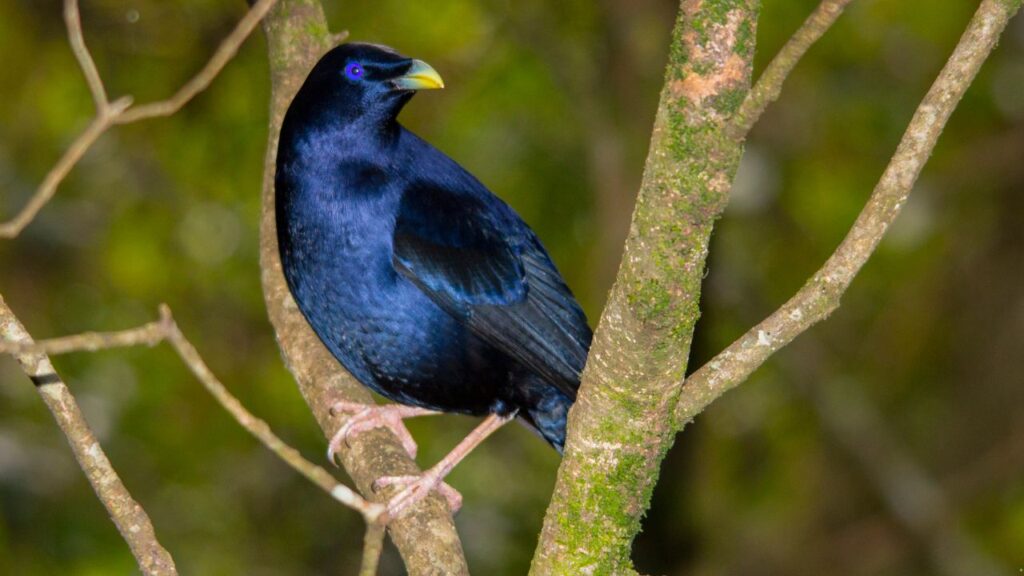
The satin bowerbird takes courtship to another level. Like its relatives, the male does not rely on singing alone.
Instead, he builds a decorated structure called a bower, but this species is known for its obsession with one color—blue. Anything blue becomes part of the display: berries, petals, feathers, and even human-made objects.
The male spends a lot of time arranging items neatly around the bower, and he keeps the area clean and organized. He also practices dance moves that he performs when a female arrives. Everything must look just right, and even one decoration out of place can make him start over.
Females visit several bowers before choosing a partner. They watch the males’ display and inspect the decorations closely. The better the bower looks, the higher the male’s chance of being selected.
Once she chooses him, mating happens at the bower, and then the female leaves to raise her chick alone. His job is simply to impress.
Why They Stand Out
Strong preference for blue objects in their displays.
Males practice and perfect their courtship performances.
Bowermaking skills directly influence mating success.
4. Greater Sage-Grouse
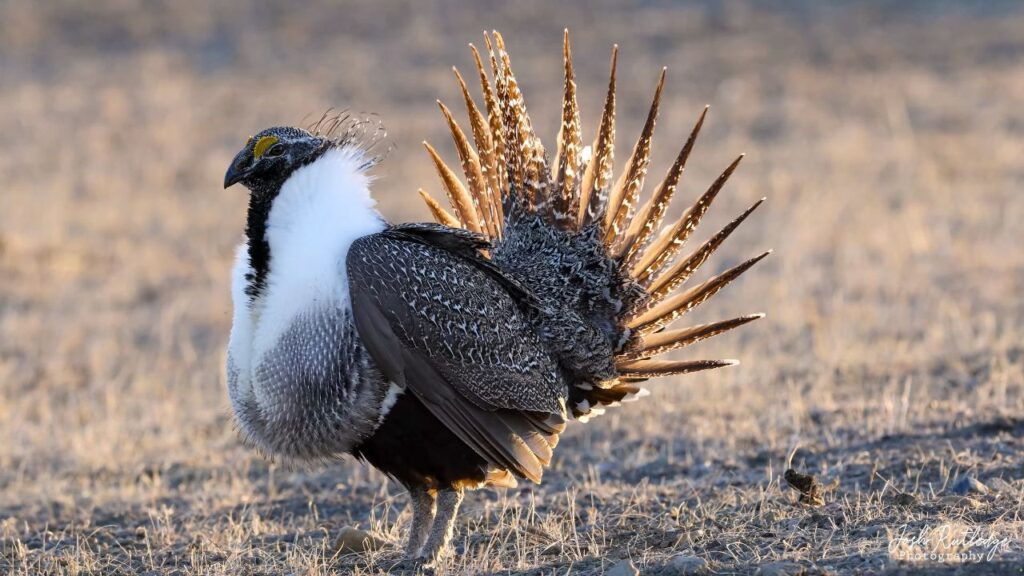
The greater sage-grouse is known for one of the most dramatic breeding displays in North America. Every spring, males gather at special areas called leks, where they try to impress females with sound, movement, and rhythm.
Males fan their tails, puff their chest sacs, and move in repeated patterns. These displays can last for hours and happen in groups, creating a full show across the sagebrush landscape. The females quietly watch from the side, selecting only the strongest performers.
Females handle all nesting responsibilities. After choosing a mate, she builds a hidden ground nest in the sagebrush, lays her eggs, and raises the chicks alone.
The species depends heavily on healthy sagebrush habitats, which makes their breeding behavior closely tied to the condition of the environment.
What Makes Them Unique
Males perform complex lek displays in groups.
Females choose mates based on sound and movements.
Their breeding success strongly depends on sagebrush habitat.
5. Jacana
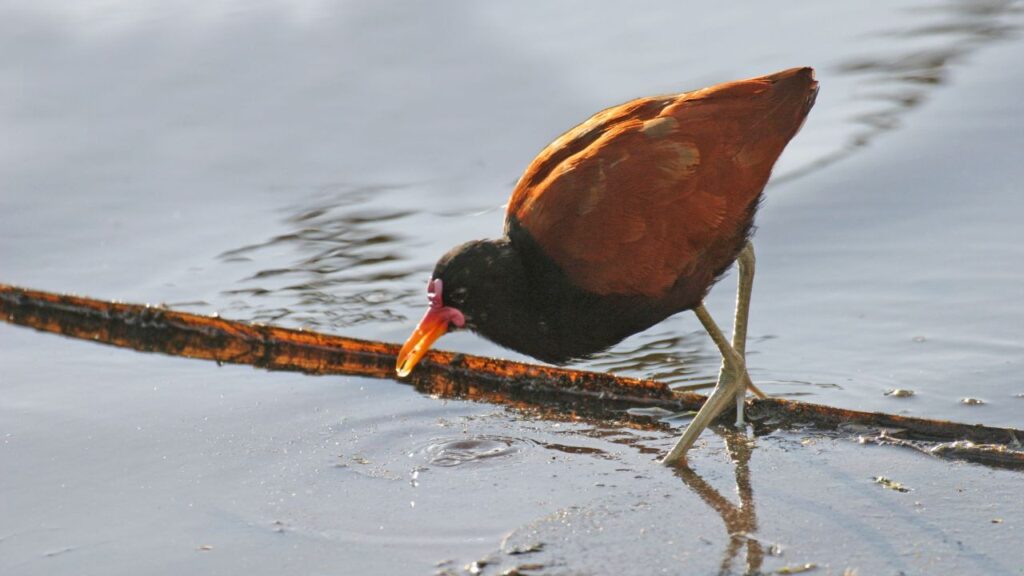
Jacanas are known for one of the most unusual breeding roles in birds. Here, the female is in charge, and she mates with several males while defending territories over floating vegetation. The males, on the other hand, handle almost all parental duties.
After laying eggs in a male’s nest, the female moves on to look for other mates. The male stays behind to incubate the eggs, keep the nest safe, and care for the chicks. He carries them under his wings and guides them through water plants, always staying alert and protective.
This reversal of roles makes jacanas stand out. The female’s job is to defend territory and ensure multiple nests are active, while the male focuses on raising his brood. Their lifestyle shows that breeding strategies can look very different depending on the species and the environment.
Why They’re So Distinct
Females mate with several males; males raise the chicks.
Males build the nest and carry the young under their wings.
Their breeding depends on floating vegetation in wetlands.
6. Megapodes
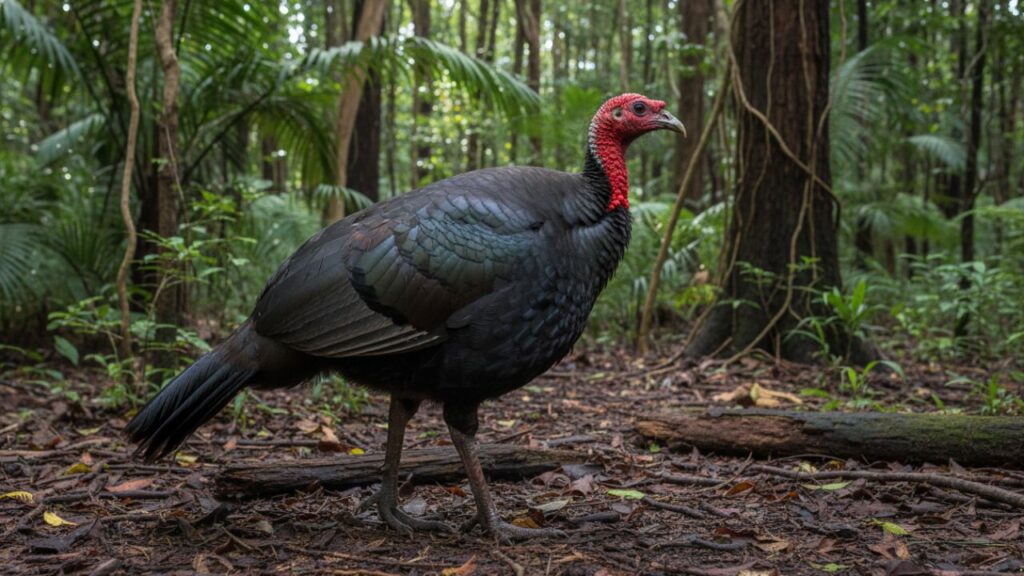
Megapodes have one of the most unusual breeding systems among birds. Instead of sitting on their eggs, they use natural heat sources—such as sun-warmed sand, rotting vegetation, or even volcanic soils—to incubate them, as Birdbuddy mentioned. They build large mounds that act like natural incubators.
The male usually manages the mound, constantly checking its temperature and adjusting it by adding or removing plant material. This keeps the inside warm and safe for the developing chicks. The parents do not sit on the eggs at all; they trust the mound to do the job.
What’s even more surprising is that the chicks hatch fully independent. They dig themselves out of the mound and can walk, forage, and even fly shortly after emerging. This hands-off approach to parenting is extremely rare and makes megapodes some of the most unique breeders in the bird world.
What Makes Their Breeding Unusual
They incubate eggs using heat from the ground or rotting plants.
Males carefully control the mound’s temperature.
Chicks hatch fully developed and independent.
7. Red-necked Phalarope
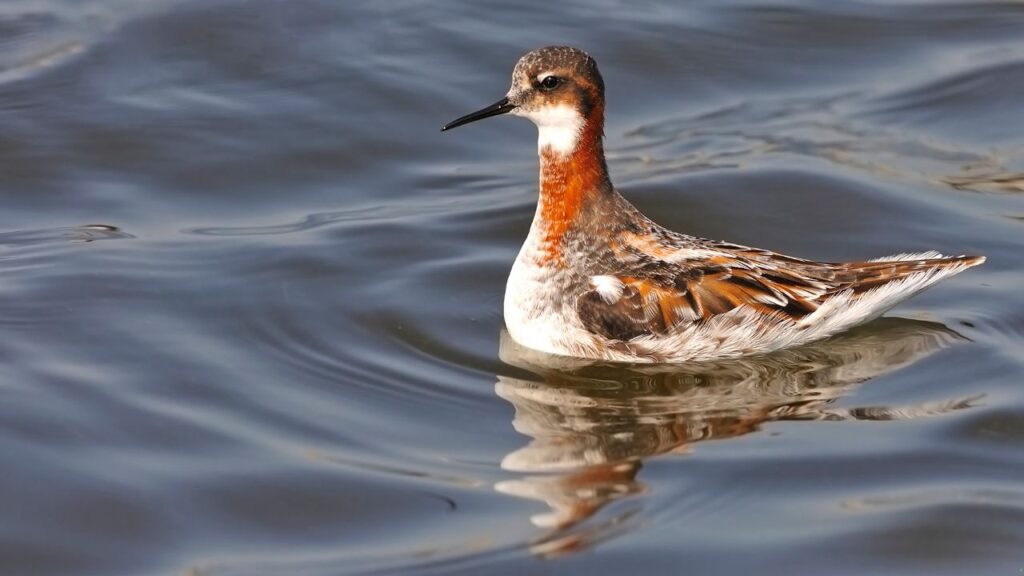
The red-necked phalarope is a small shorebird with one of the most unusual breeding systems out there. On their Arctic breeding grounds, the females are brighter and larger than the males.
Unlike most birds, where males compete for females, here the females do the chasing and compete for the males instead. It’s a total role reversal that makes these birds pretty unique.
In spring, the females arrive first and actively court males by flying, calling, and even chasing them around. Once they pair up, the female lays about four eggs in a shallow ground nest.
After that, the female often leaves the male to incubate the eggs and care for the chicks, while she may go find another mate and start a second nest.
The male takes his parenting job seriously, incubating the eggs alone for about three weeks and then protecting and guiding the chicks once they hatch.
What Makes the Red-necked Phalarope Special
Females are the ones who court and compete for males.
Females may mate with several males in one breeding season.
They nest on Arctic tundra near shallow water.
Conclusion
Birds use a fascinating variety of courtship rituals to attract mates, showing just how diverse avian species can be. From dazzling aerial displays and intricate songs to carefully crafted nest building and vibrant plumage, each behavior is a way for one bird to prove its quality and win over a mate.
Females find certain signs—like bright feathers, age, or the presence of flowers and other resources—particularly attractive, as these often signal a partner capable of supporting multiple families or raising young successfully.
This rich history of love and survival highlights how birds enhance their chances of being successful in reproduction. Whether through monogamous bonds or more complex social forms, every gesture, movement, or display sends a message through the air and on the legs of these creatures.
Even when some populations or behaviors are lost over time, the idea of connection and affection remains at the heart of bird life—an inspiring reminder of nature’s endless creativity and the power of sight and song in the story of life.
