




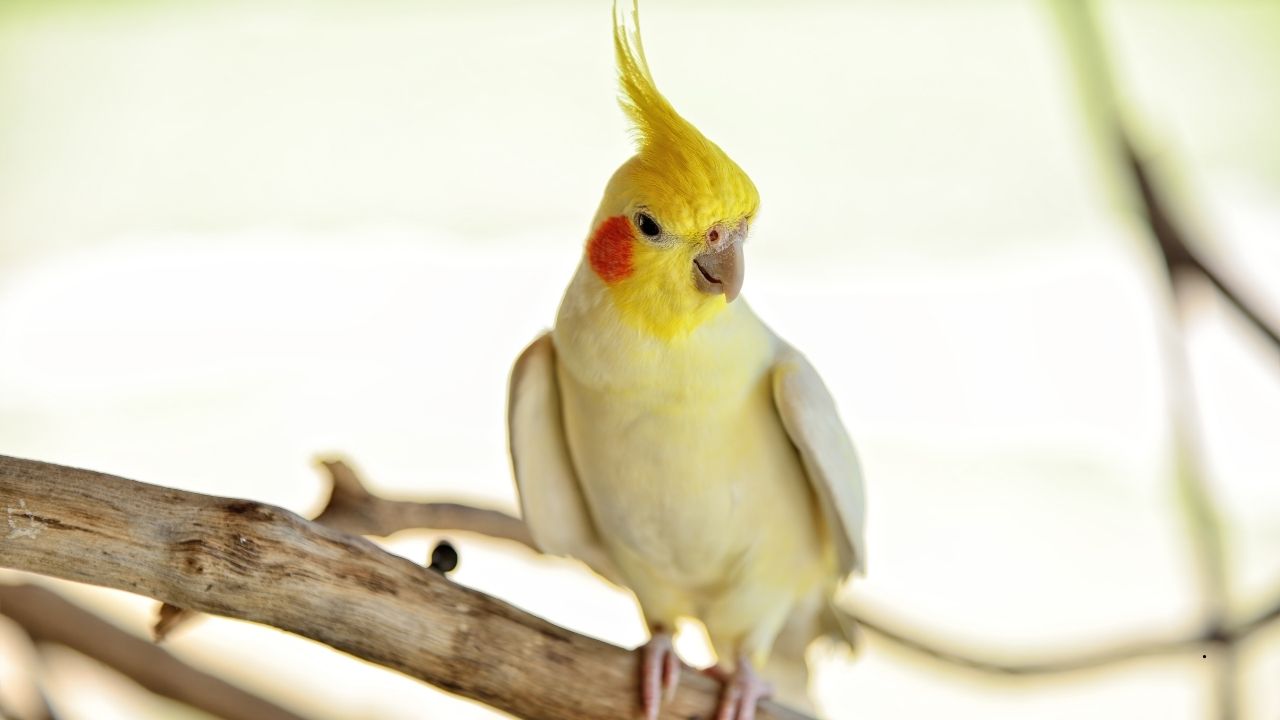
Some birds are known for their unique feathers called powder down feathers. These special feathers are found in birds like herons, pigeons, doves, and certain parrots. Unlike regular feathers that molt and regrow, powder down feathers grow continuously.
Their tips slowly break down into a fine, talcum-like powder. Birds use this powder to care for their feathers and keep them in good condition.
The powder produced by these feathers serves several important functions. It creates a water-resistant layer on the feathers, helping birds stay dry and able to fly even in wet weather.
When birds preen, they spread the powder over their plumage, which helps clean away dirt, oils, and debris. The powder may also contain chemicals that help prevent parasites such as mites and lice from infesting the feathers, keeping the birds healthy.
Now, let’s take a closer look at some of the most well-known birds that have these unique powder down feathers.
Key Takeaways
See how Cockatoos, African Greys, and Cockatiels keep their feathers flawless with unique powder down feathers.
Discover why some feathers lack oil glands and how Bitterns and Snowy Egrets use powder like natural dry shampoo.
Find out how Rock Pigeons and Night Herons rely on fine powder to stay healthy and attract mates.
Learn why powder down feathers matter—and why they can challenge pet owners and allergy sufferers.
Birds Known for Their “Powder Down” Feathers
1. Cockatoo
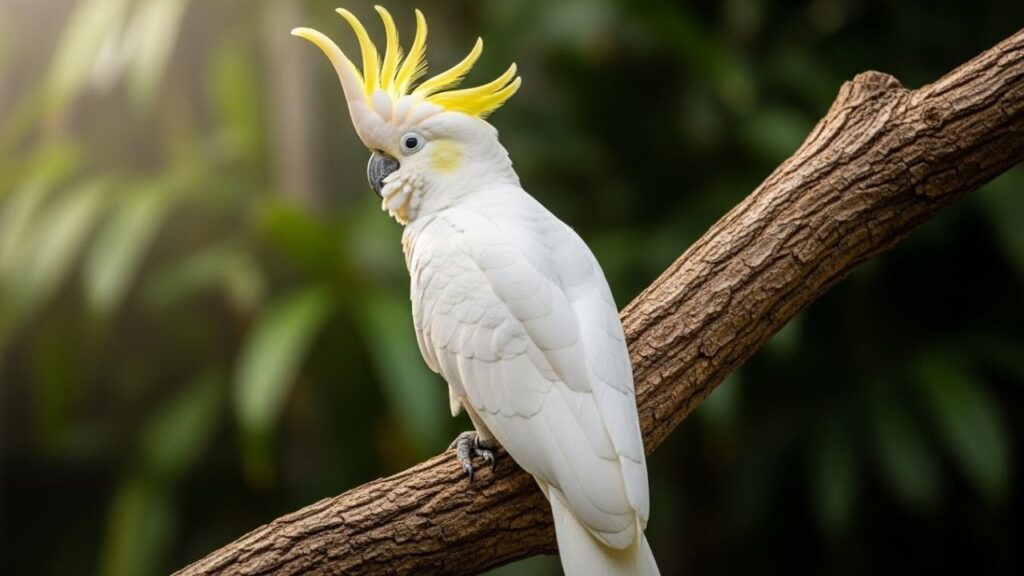
Cockatoos are large, intelligent parrots known for their striking crests and lively personalities. They belong to the bird family Cacatuidae and include over 21 species found mainly in Australia, New Guinea, and nearby islands, as mentioned by Britannica.
Cockatoos are social birds that form flocks in the wild and are popular—yet challenging—pet birds because of their long lifespans and strong bonds with humans.
Feather Powder and Plumage Care
One of the most interesting features of cockatoos is their powder down feathers. Instead of using oil from a gland like many other birds, cockatoos produce a fine, talcum‑like powder from special feathers.
This powder helps keep their feathers clean, conditioned, and water‑resistant. While this is great for the bird, the feather dust can be a respiratory irritant to people with allergies and sensitive birds, so regular cleaning is important.
Why Cockatoos Make Unique Pets
Cockatoos are wonderful companions, but they need a lot of care and attention:
They thrive on a mix of formulated pellets, vegetables, fruits, and occasional seeds.
With proper care, many cockatoos can live 40–70+ years, and some even longer.
These birds need toys to chew, space to play, and daily interaction to stay mentally healthy.
Owners often use water misting or showers to reduce airborne feather powder and high‑efficiency vacuums or air filters to keep the environment clean.
2. African Grey Parrot
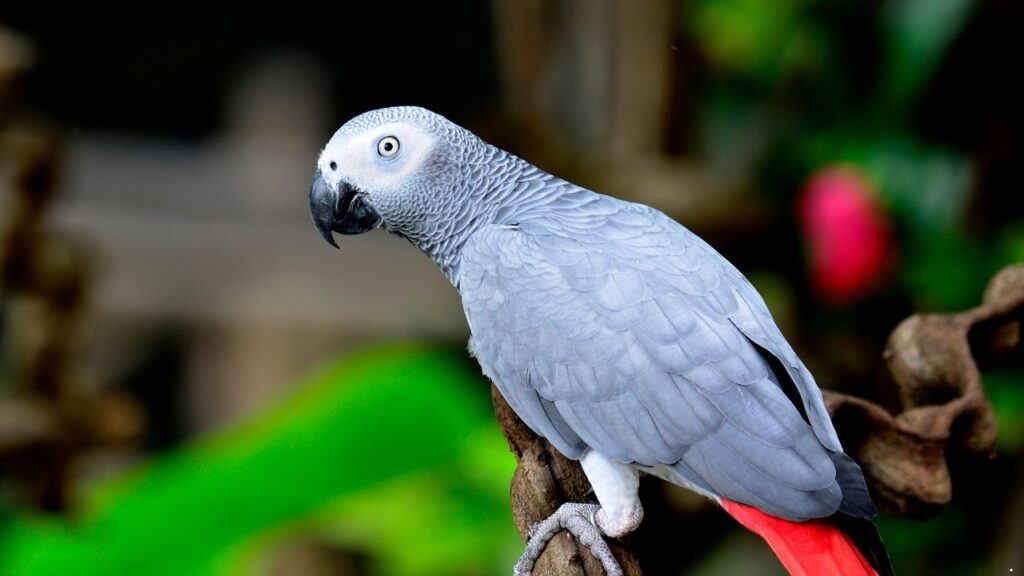
African Grey Parrots are famous for their incredible intelligence and ability to mimic human speech. Native to the forests of West and Central Africa, these birds are highly social and form strong bonds with their owners.
Their playful and curious nature makes them popular—but demanding—pets that need plenty of mental stimulation and interaction.
Powder Down Feathers and Dust
Like cockatoos, African Greys have powder down feathers that constantly break down into a fine, talcum-like powder. This powder helps keep their feathers clean, soft, and water-resistant.
However, it also produces a lot of dust, which can cause allergies or respiratory irritation in people and other birds if not managed properly.
Caring for African Greys
African Greys require special care to manage their feather dust:
Regular bathing or misting helps reduce airborne powder.
Air filtration and frequent cleaning keep the environment healthy.
They need toys and puzzles to stay mentally stimulated.
Careful housing is important, as their powder down dust can affect other bird species living nearby.
3. Cockatiel
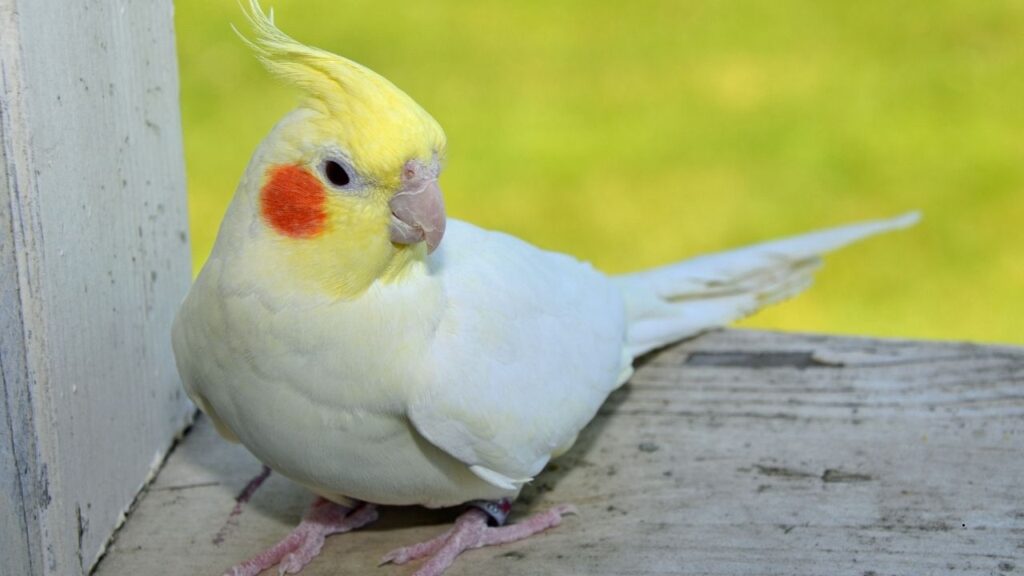
Cockatiels are small, cheerful parrots that make gentle and affectionate pets. They are beloved for their playful nature, sweet whistles, and ability to bond closely with their owners.
Cockatiels often enjoy social time, toys, and even learning simple tricks or whistles. They are friendly, curious birds that bring personality and charm into the home.
Powder Down Feathers and Dust
Like cockatoos and African Grey parrots, cockatiels have powder down feathers that break down into a fine, talcum‑like dust. This powder is spread across their feathers when they preen, helping to clean and condition their plumage and may aid in waterproofing.
However, this feather dust often ends up in the air and around the cage. For people with allergies or respiratory sensitivities, this airborne dust can be irritating and may require regular cleaning or an air purifier to manage.
Caring for Your Cockatiel
Cockatiels are relatively easy to care for, but their feather dust is something owners should expect and manage:
Regular bathing or misting helps reduce loose powder.
Air filtration and cleaning keep dust levels down in your home.
They thrive with social interaction and toys for mental stimulation.
Because of their dust, cockatiels may not be suitable for people with severe allergies or asthma.
4. Black-crowned Night Heron
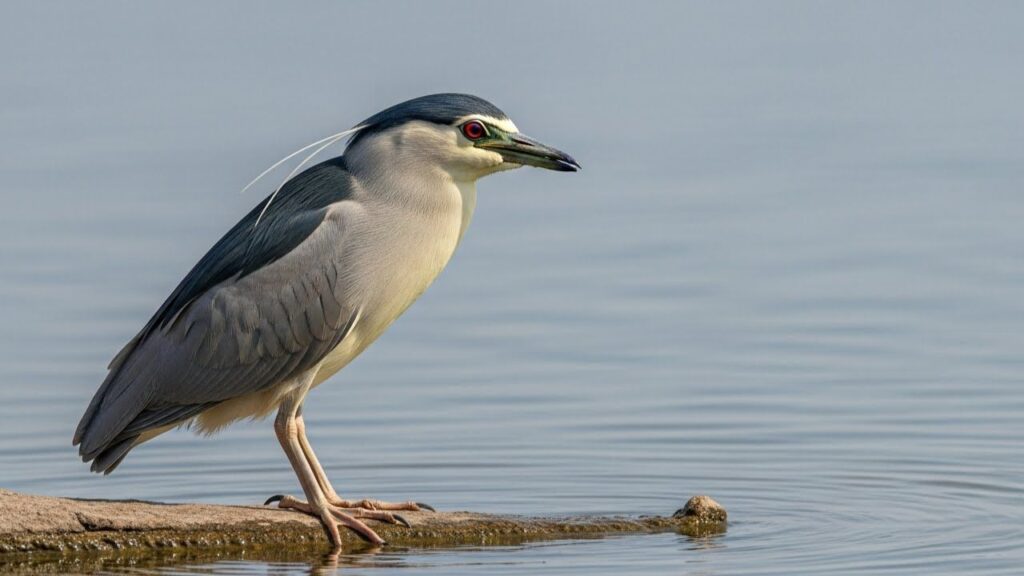
The Black-crowned Night Heron is a medium-sized heron known for its nocturnal habits and sturdy build. Found near wetlands and rivers worldwide, these herons rest quietly during the day and become active at dusk to hunt fish, amphibians, and insects.
Their dark crown and back contrast with pale gray wings and white underparts, giving them a distinctive look that makes them easy to recognize.
Powder Down Feathers and Plumage Care
Like many herons, Black-crowned Night Herons have powder down feathers that grow continuously and break down into a fine, talcum-like powder.
This powder helps keep their feathers clean and water-resistant by absorbing oils and dirt, making it easier for them to preen and maintain their plumage. The powder can even slightly change the appearance of their feathers, especially during breeding season.
Behavior and Habitat
Black-crowned Night Herons are social birds that often nest in colonies and hunt mainly at night or early evening. They use their sharp bills to catch prey in shallow water and prefer quiet resting spots during the day.
Nocturnal hunters that are active at dusk and night.
Nest and roost in colonies near wetlands and rivers.
Powder down feathers aid in waterproofing and feather maintenance.
Adapted for quiet daytime roosting and nighttime foraging.
5. Snowy Egret
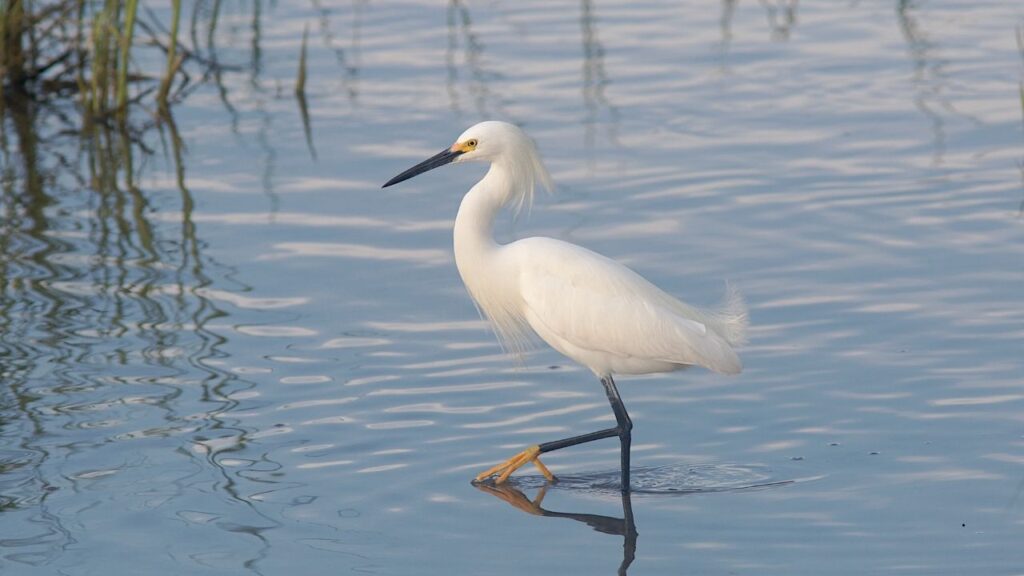
Snowy Egrets are striking white herons with slender black legs and bright yellow feet, often called “golden slippers,” as stated by the National Audubon Society. These birds live in coastal marshes, tidal flats, and wetlands throughout the Americas.
Known for their energetic feeding style, Snowy Egrets use foot-stirring and quick movements to flush out fish and crustaceans in shallow waters.
Powder Down Feathers and Feather Care
Snowy Egrets possess powder down feathers similar to those of other herons. These specialized feathers continuously produce powder that helps keep their plumage smooth, clean, and water-resistant. This adaptation is especially useful for birds that spend much of their time wading in water.
Distinctive Traits and Conservation
Snowy Egrets are easily identified by their pure white feathers and striking yellow feet. During breeding season, they grow beautiful, lacy plumes on their head and back.
Once heavily hunted for these plumes, Snowy Egret populations have bounced back thanks to conservation efforts and are now common in wetlands across their range.
Known for their bright yellow feet and pure white plumage.
Use active feeding techniques like foot-stirring to catch prey.
Grow long, lacy plumes during breeding season.
Populations have recovered well due to conservation efforts.
6. Bittern
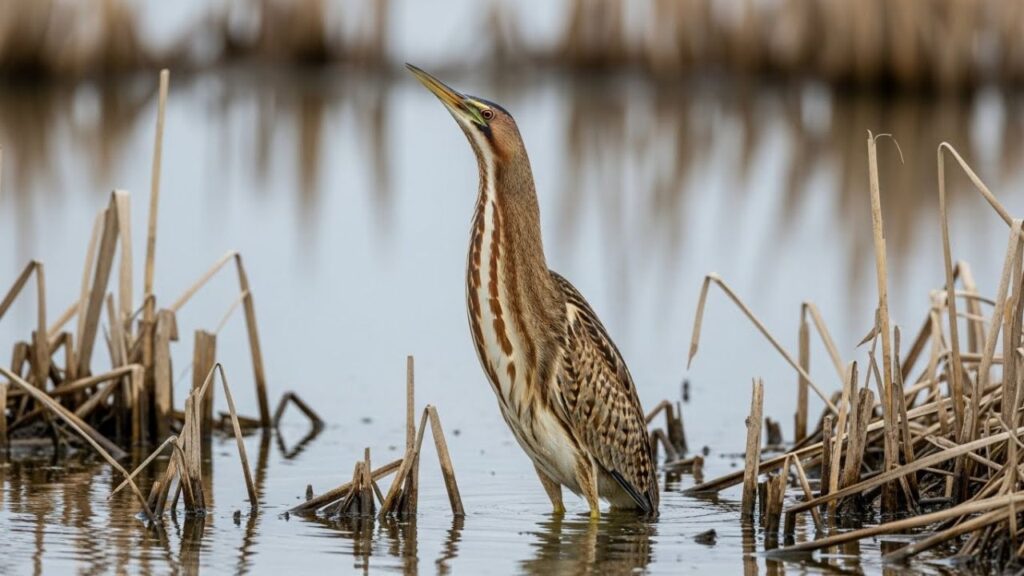
Bitterns are shy, secretive birds that live in dense reed beds and marshes. They are part of the heron family and are known for their excellent camouflage, with streaked brown and buff feathers that help them blend into their wetland surroundings.
Bitterns are mostly active at dawn and dusk, feeding on fish, amphibians, and insects in shallow water.
Powder Down Feathers and Plumage Care
Like other herons and bitterns, bitterns have powder down feathers that continuously grow and break down into a fine, talcum-like powder.
This powdery substance helps keep their feathers clean, waterproof, and in good condition, which is important for their survival in wet, muddy environments. The powder also assists bitterns in maintaining their stealthy plumage by preventing dirt from sticking.
Behavior and Habitat
Bitterns are solitary birds that prefer to stay hidden in thick reeds and marsh vegetation. Their booming call is often heard during the breeding season, but they are rarely seen. Bitterns fly low and slow, relying on their camouflage to avoid predators.
Secretive and well-camouflaged marsh dwellers.
Active mostly at dawn and dusk.
Use powder down feathers for feather maintenance and waterproofing.
Known for their distinctive booming call during breeding season.
7. Rock Pigeon
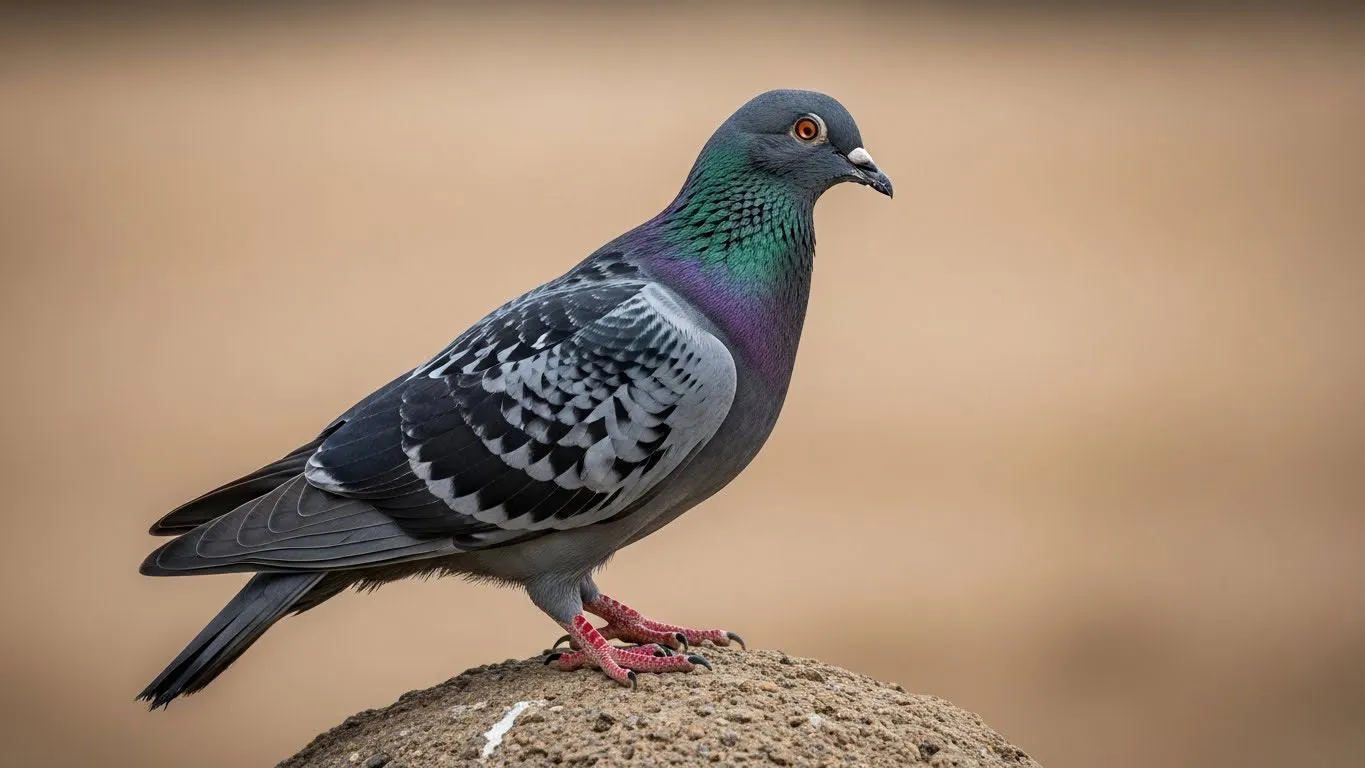
Rock Pigeons, also known as Rock Doves, are common birds often seen in cities and towns worldwide. Originally cliff-dwelling birds, they have adapted well to urban environments, where they nest on buildings and ledges.
Their plumage varies widely but is usually gray with two black wing bars, and they are known for their strong flying abilities and adaptability.
Powder Down Feathers and Plumage Care
Rock Pigeons have powder down feathers that grow continuously and break down into a fine, talcum-powder. This powder helps keep their feathers clean, soft, and water-resistant.
Pigeons use this powder during preening to maintain feather health and protect against dirt and moisture. This natural conditioning is vital for their survival, especially in urban settings.
Behavior and Habitat
The Cornell Lab says that Rock Pigeons are social birds that often gather in flocks. They feed on seeds, grains, and small insects, and are well adapted to living close to humans. Their ability to thrive in diverse environments has made them one of the most widespread birds globally.
Adapted from cliff dwellers to common city birds.
Known for their varied plumage and strong flight.
Use powder down feathers to keep their plumage healthy.
Highly social and adaptable to urban life.
Conclusion
Feather maintenance is essential for most birds, and the presence of powder down feathers plays a crucial role in this process. Unlike typical feathers, these special feathers continuously grow, and their tips break down into a fine powder that helps clean and condition the body’s plumage.
This waxy powder covers feathers and bare skin, providing protection, insulation, and helping to decrease the buildup of dirt and parasites. In ornithology, this powder is often compared to dry shampoos used by mammals to control cleanliness and maintain healthy surfaces.
Many birds rely on this unique feather type to attract mates by ensuring their plumage looks its best. The disintegration of the powder from the feather shaft aids in the removal of oils and debris, which is essential for insulation and overall feather health.
This process occurs naturally and is vital for the bird’s survival, highlighting the importance of powder down feathers among the many feathers that cover their bodies.
