




Birds are some of the most skilled flyers in the animal kingdom, showing off incredible speed, agility, and endurance. Their ability to take to the skies is more than just flapping wings—it’s a finely tuned combination of strength, balance, and instinct.
What’s truly fascinating is how some birds can fly at astonishing speeds—some reaching over 100 miles per hour! This makes them not only fast but also efficient hunters and travelers.
Their bodies are specially shaped to reduce air resistance, and their wings are designed to give them power and control in every beat. These adaptations help birds survive and thrive in environments where speed and skill can make all the difference.
Flying is an art that birds have perfected over millions of years of evolution. Their ability to soar high, dive swiftly, or even hover in place shows just how versatile their flying skills are. In this article, we’ll take a closer look at the amazing flying talents that make these birds true masters of the sky.
Key Takeaways
Meet the Peregrine Falcon and Hummingbird—speed and agility as you’ve never seen.
Discover how Bald and Golden Eagles rule the skies with power and precision.
Glide alongside the Frigatebird and Common Swift, masters of endless flight.
Uncover the secret life of the silent Barn Owl, the night’s stealthy hunter.
Birds Known for Their Impressive Flying Skills
1. Peregrine Falcon
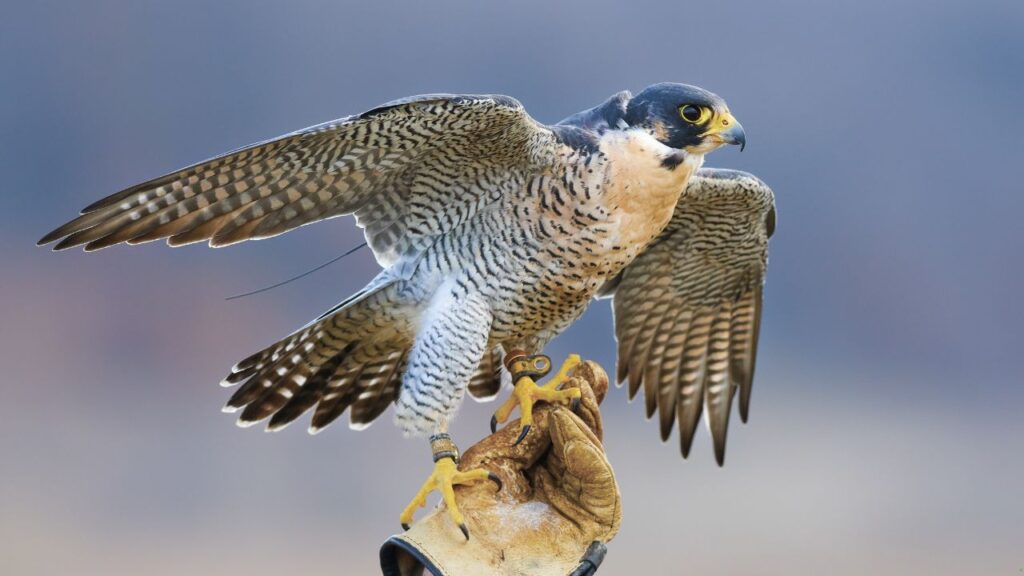
The Peregrine Falcon (Falco peregrinus) is one of the most widespread birds of prey on Earth, found on every continent except Antarctica. It is famous not just for its range but for holding the title as the fastest bird—and the fastest animal—in the world, as mentioned by Britannica.
What Makes the Peregrine Falcon So Fast?
Short tail and long, pointed wings designed for high-speed flight
Blue-gray plumage with a black head and distinctive black “mustache” mark
Breast covered with fine bars for camouflage and identification
During its hunting dive, called a stoop, the Peregrine Falcon can reach speeds exceeding 240 miles per hour (386 kilometers per hour). This high-speed dive helps it strike prey mid-air with incredible power and precision.
Its streamlined body, strong heart, and sharp eyesight make it a top predator. Special nostrils also help control airflow to prevent lung damage during these extreme dives.
Recovery and Adaptability
Once endangered due to pesticide poisoning in the mid-20th century, Peregrine Falcons have made a strong comeback thanks to conservation efforts. They have adapted to various environments, from coastal areas to urban cities.
Peregrines mainly hunt medium-sized birds, dropping down from high above to catch their prey. Today, they are regularly spotted worldwide and continue to impress with their unmatched flying skills.
2. Hummingbird
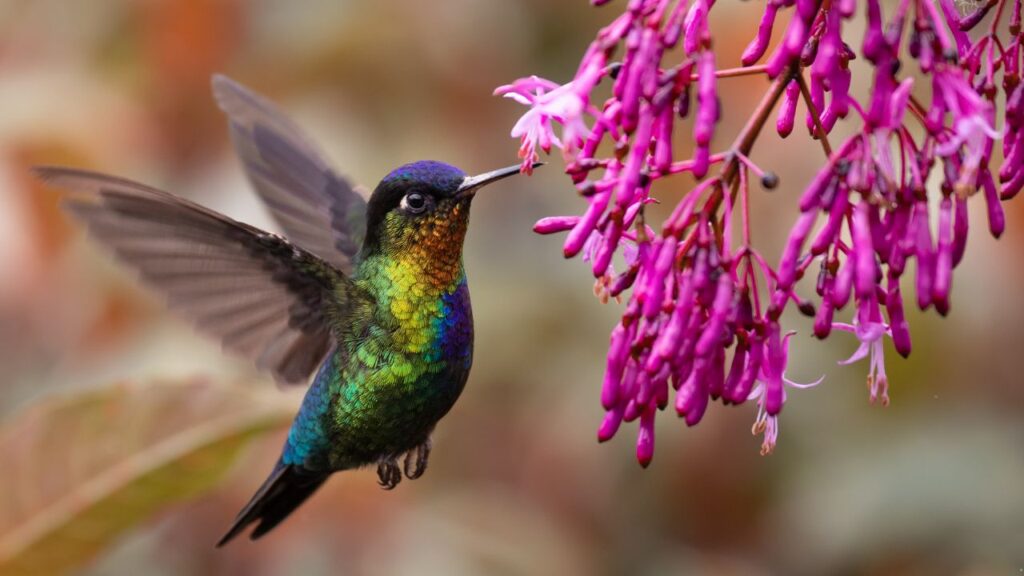
When it comes to incredible flying skills, hummingbirds are truly one of a kind. These tiny, jewel-like birds are known for their unmatched aerial agility. Native to the Americas, hummingbirds can hover in place and even fly backward—a rare ability in the bird world.
Unique Flight Abilities
Wings beat up to 80 times per second, allowing precise control in the air.
Capable of hovering while feeding on nectar from flowers.
Males perform rapid dives at speeds up to 61 miles per hour during courtship displays.
Anna’s hummingbird, found along the western coast of North America, is especially notable. It has bright emerald feathers and a shimmering rose-pink throat patch called a gorget. Despite their small size, these hummingbirds are fierce and will defend their feeding areas aggressively.
Fascinating Facts About Hummingbirds
The National Zoo states that Hummingbirds belong to the family Trochilidae, with about 340 species worldwide. Many male hummingbirds have brilliant, glittering colors and unique feather shapes.
These tiny birds are not only beautiful but also excellent hunters, feeding on nectar and small insects. Watching a hummingbird is like seeing nature’s finest example of adaptation and speed in action.
3. Bald Eagle
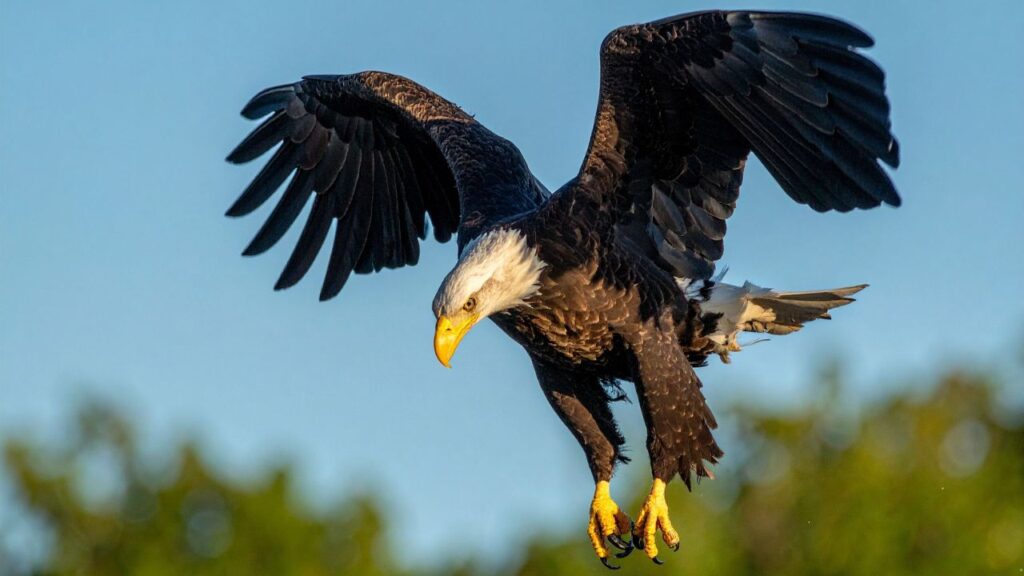
The Bald Eagle (Haliaeetus leucocephalus) is one of North America’s most iconic birds. Known for its striking white head and tail contrasting with a dark brown body, this bird is instantly recognizable.
Though it’s often seen soaring slowly, the Bald Eagle can dive at speeds up to 99 miles per hour when hunting or defending its territory.
Flight and Hunting Abilities
Flies slowly while scanning for prey, soaring on thermal currents.
Can dive quickly to catch fish or small mammals.
Uses sharp eyesight to spot prey from high above.
Strong wings enable effortless soaring and quick dives.
Despite its large size, the Bald Eagle is a skilled hunter. It often feeds on fish, but also scavenges carrion and sometimes steals food from other birds. Its powerful flight allows it to swoop down and snatch prey with precision.
Conservation and Adaptability
Once endangered due to habitat loss, hunting, and pesticide use, the Bald Eagle has made a remarkable recovery thanks to conservation efforts like banning DDT. Today, they are found near rivers and lakes across North America, often building massive nests that they reuse for years.
The Bald Eagle remains a powerful symbol of freedom and strength, admired for both its majestic appearance and impressive flying skills.
4. Golden Eagle
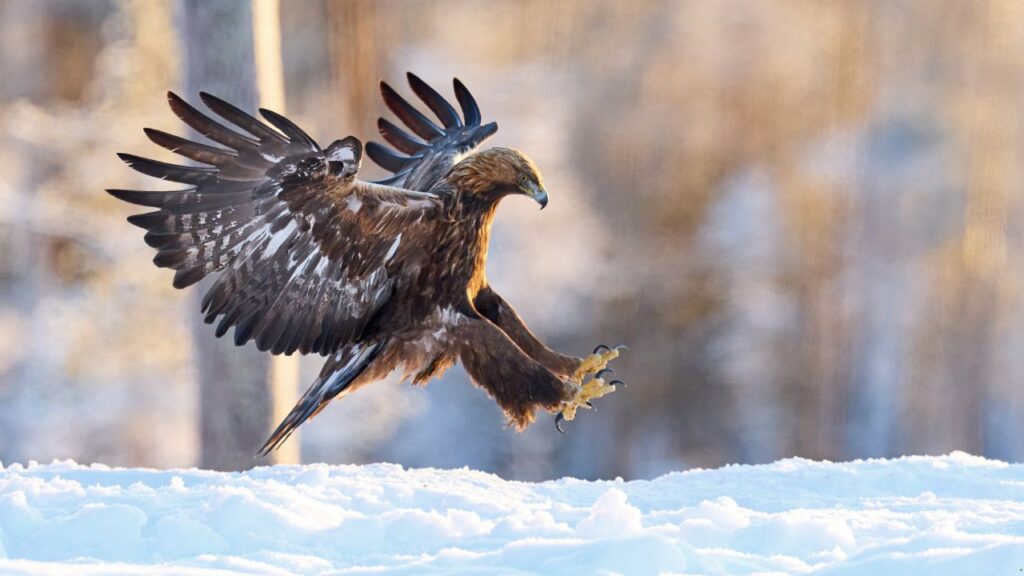
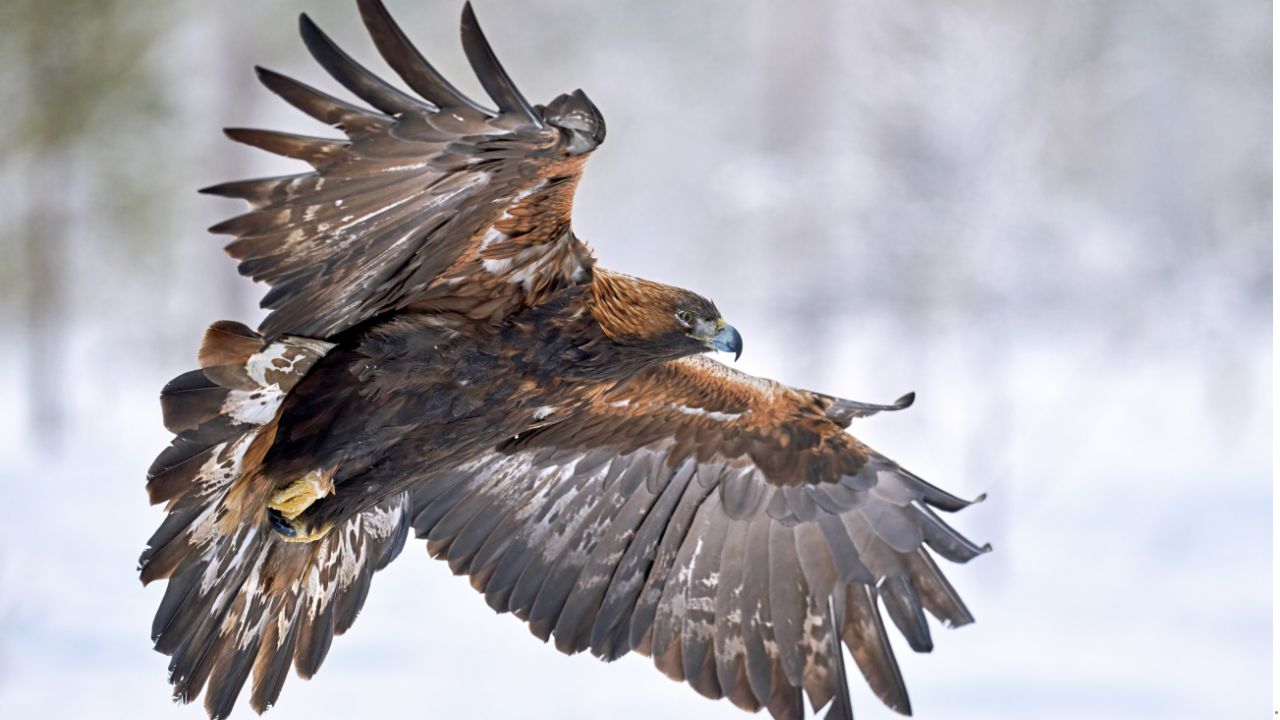
The Golden Eagle (Aquila chrysaetos) is one of North America’s largest and fastest birds of prey. Known for its striking dark brown feathers and golden plumage on the back of its head, this eagle is both powerful and agile. It is found across mountains, deserts, and open plains throughout the Northern Hemisphere.
Flight and Hunting Strengths
Known for high-speed hunting dives reaching up to 200 miles per hour (322 kilometers per hour).
Uses broad wings to soar and glide effortlessly on air currents.
Strong talons can exert great pressure to capture and kill prey like rabbits and marmots.
Sharp eyesight allows it to spot prey from great distances.
Golden Eagles rely on speed and power to catch medium-sized mammals, often maintaining steady flight while scanning the ground. They are also known to defend their prey fiercely from other animals like coyotes or bears, as per the San Diego Zoo.
Conservation and Cultural Importance
Although large and powerful, Golden Eagles have faced threats such as poisoning and nest disturbances.
They hold a special place in many Native American cultures, symbolizing strength and courage. Today, these majestic birds continue to inspire awe as they soar through the wild landscapes of North America, Europe, and Asia.
5. Frigatebird
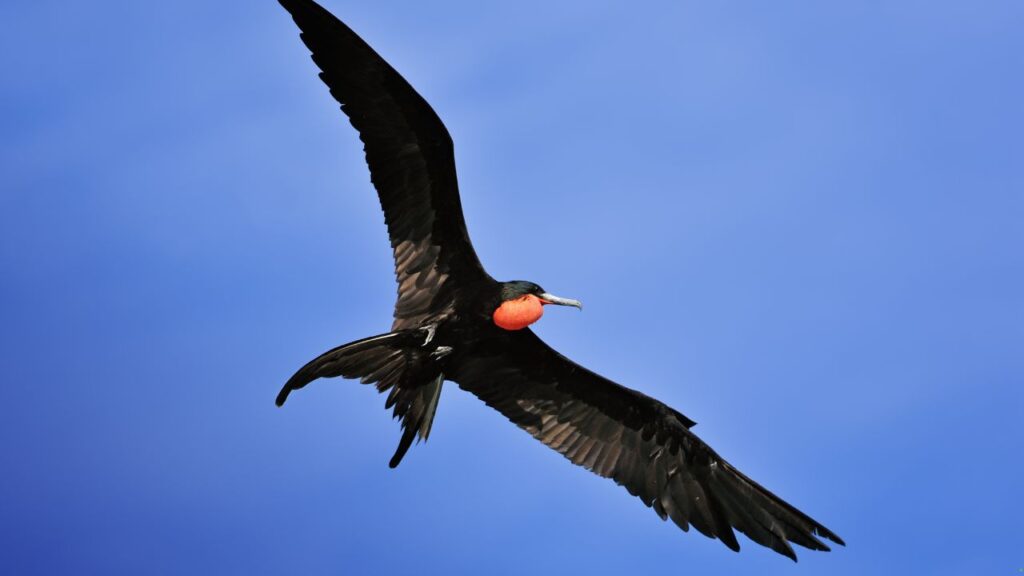
The Magnificent Frigatebird is a stunning seabird known for its exceptional flying skills and striking red throat pouch in males.
Found along the Pacific and Atlantic coasts from Mexico down to South America, these birds spend most of their lives soaring over tropical and subtropical oceans. Their incredible wingspan-to-body-weight ratio lets them glide for hours with hardly a flap.
Unique Flight Abilities and Behavior
Wingspan-to-body-weight ratio is the largest of any bird, allowing effortless gliding.
It can reach flying speeds up to 95 miles per hour (153 kilometers per hour).
Uses long, forked tails to steer with great precision.
Known for stealing food mid-flight by harassing other seabirds until they drop their catch.
Male Magnificent Frigatebirds inflate a bright red throat pouch during courtship to attract females. They rarely land except to breed or rest on remote islands, spending days and nights on the wing.
Adaptability and Nicknames
Galapagos Conservation Trust mentions that Charles Darwin called them “the condors of the oceans” because of their ability to soar for days.
The Spanish nicknamed them “pirate birds” for their habit of stealing food from other birds. Despite their large wings, they have tiny feet and long hooked bills, perfect for their aerial lifestyle and stealing food.
6. Common Swift
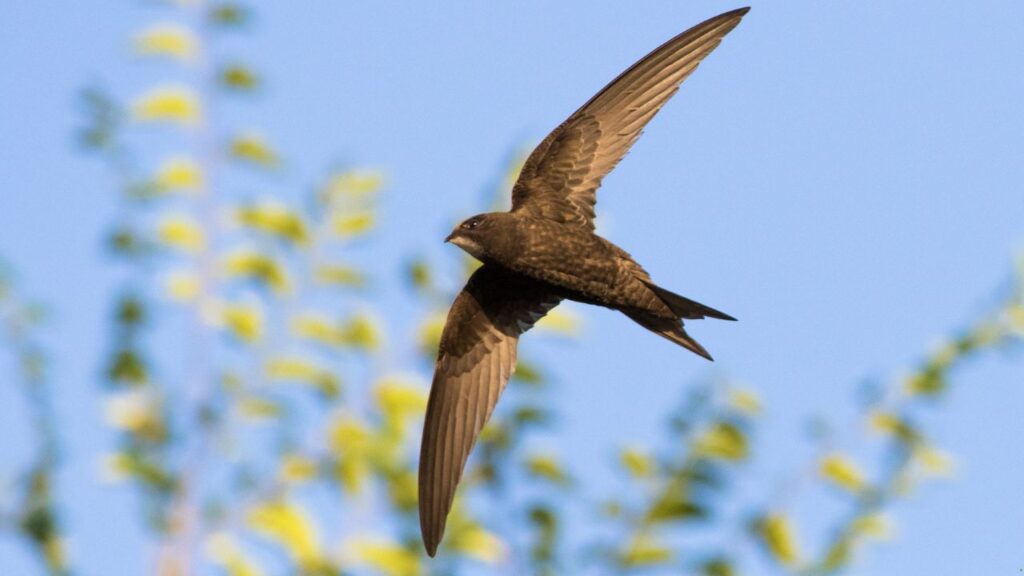
The Common Swift (Apus apus) is one of the most impressive fliers in the bird world. Found from western Europe through Northern Africa and across to Eastern Asia, this bird spends almost its entire life in the air. It hunts, sleeps, and even mates while flying, showing incredible aerial endurance.
Amazing Adaptations for Life on the Wing
Known for flying at very high speeds, making it one of the fastest birds.
Can sleep and mate while continuously flying.
Nests in tall buildings and hollow trees during its breeding season.
Migrates between Eurasia and southern Africa annually.
For years, people believed Common Swifts disappeared at night or went to the moon. But ornithologists using balloons, aircraft, and radar have shown that these birds stay in flight even after dark, moving through the night sky with ease.
Migratory Habits and Unique Lifestyle
Common Swifts arrive in northern Europe late in spring and leave early in autumn, spending only a few months in their breeding grounds.
They are often seen wheeling high at dusk, signaling the arrival of warmer weather. Their lifestyle is closely related to hummingbirds and treeswifts, sharing similar flying abilities due to evolution.
7. Barn Owl
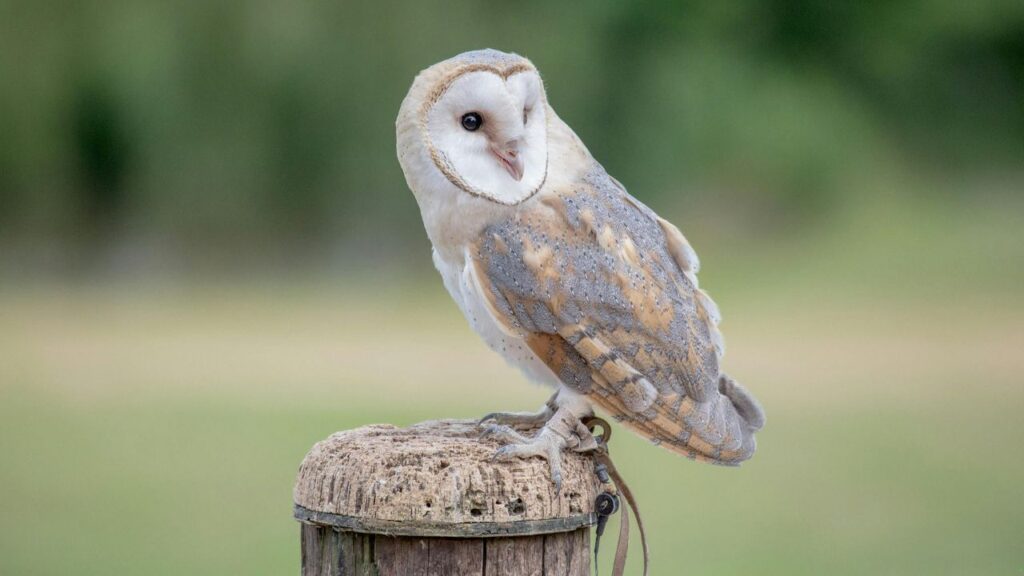
The Barn Owl (Tyto alba) is one of the most widespread and well-known owls in the world. Found across nearly every continent except Antarctica, it is a true master of night flight.
Known for its ghostly pale appearance and distinctive heart-shaped face, the Barn Owl is a silent predator that hunts in the darkness.
Unique Features and Behavior
Has a heart-shaped white face with small dark eyes.
Feathers are brown or gray with spotted patterns and a white underside.
Hunts silently at night using buoyant wingbeats to glide over open fields.
Mates for life, with the female incubating eggs while the male hunts.
Barn Owls do not only nest in barns; they also use hollow trees or abandoned buildings. Their eerie, raspy calls are quite different from the hoots of other owls, making them easier to identify by sound than by sight.
Wide Distribution and Adaptability
Barn Owls are found almost worldwide and have adapted well to many environments. Some have even reached remote areas like New Zealand, sometimes arriving as stowaways on ships or planes.
Though moderately common, they are mostly active at night and tend to stay hidden during the day, making them a rare sight for many people.
Conclusion
Birds known for their impressive flying skills showcase incredible speed, agility, and hunting prowess. From the acrobatic dives of the Peregrine Falcon to the streamlined flight of migratory birds like the Arctic Tern and Grey-Headed Albatross, these creatures reach top speeds that leave us in awe.
Whether soaring over coastal waters or darting through urban areas, fast-flying birds use keen eyesight and precise hunting dives to catch prey, sometimes even stealing food from other wildlife.
Among these skilled flyers are both small birds and large waterfowl, such as the Spur-Winged Goose and Red-Breasted Merganser, each adapted for life in the air with remarkable endurance and speed. The White-Throated Needletail and Eurasian Hobby also highlight the diversity of flight techniques and speeds found in the avian world.
As migratory birds traverse vast distances, their populations continue to inspire wonder with their acrobatic flight and mastery of the sky, reminding us how extraordinary and vital these creatures are in our shared environment.
