




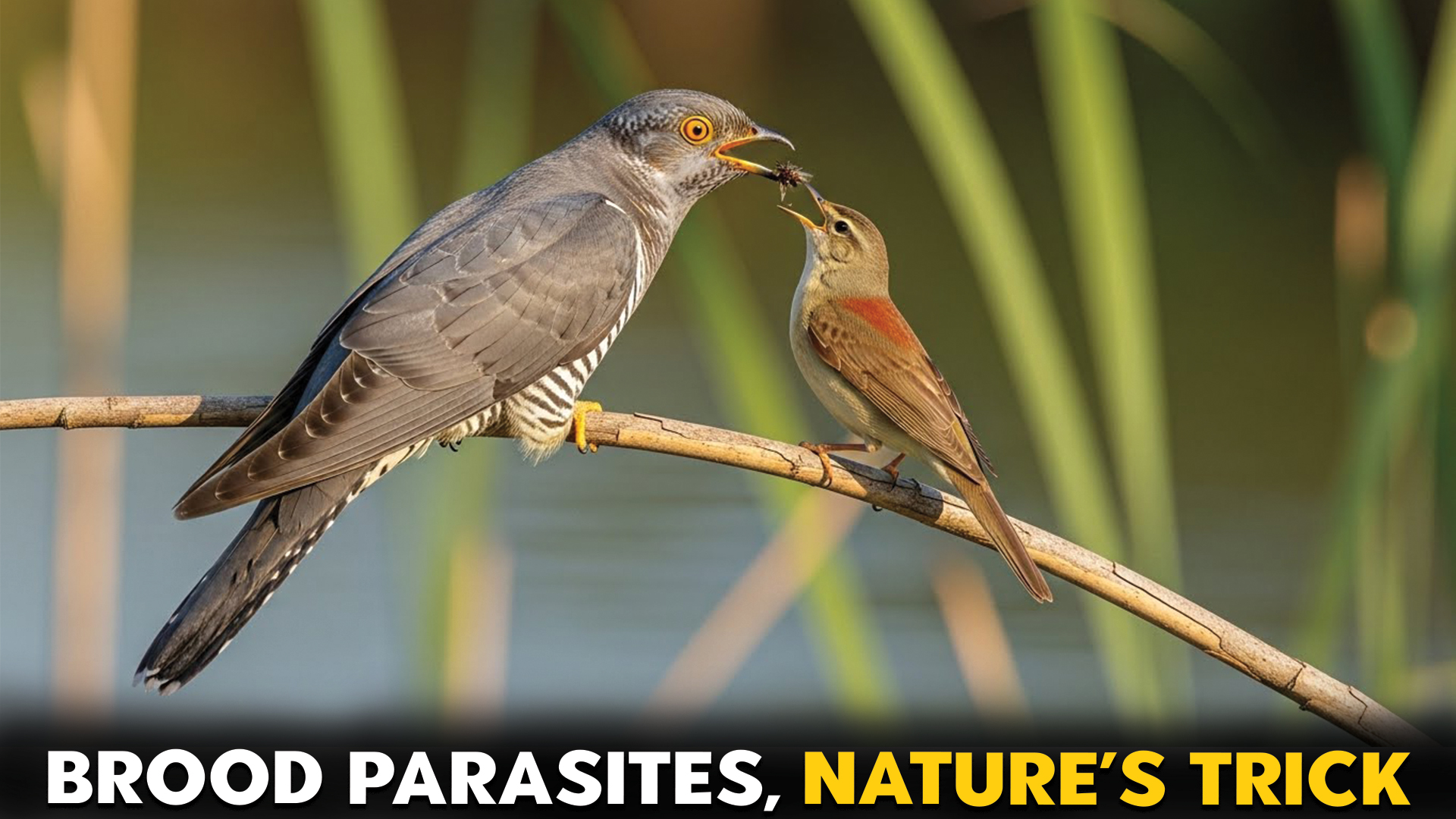
Parenting demands a lot of time, energy, and patience. Imagine if it were possible to skip all the hard work of raising offspring and simply leave that job to someone else. Surprisingly, some birds have figured out how to do just that!
This clever strategy is known as brood parasitism. Instead of building nests and caring for their own chicks, these birds lay their eggs in the nests of other unsuspecting birds. The hosts then unknowingly raise the parasitic chicks as their own, investing energy and resources into babies that aren’t theirs.
Brood parasitism is found in hundreds of bird species worldwide and involves fascinating adaptations. Some parasitic birds even lay eggs that mimic the appearance of their host’s eggs, making it nearly impossible to tell the difference.
This unusual form of parenting challenges common ideas about family and survival in the wild. Let’s explore the brood parasites that are masters of this remarkable strategy and learn how they pull off such a daring life hack.
Key Takeaways
See how cunning birds like the cuckoo and cowbird skip parenting by tricking others into raising their young.
Learn about wild tricks like egg mimicry and chick eviction that brood parasites use to survive.
Meet unique birds like the honeyguide, whydah, and koel with bold brood parasitism strategies.
Discover surprising host-parasite bonds where some parasites even protect their adoptive families.
Birds Known for Their Brood Parasitism
1. Common Cuckoo
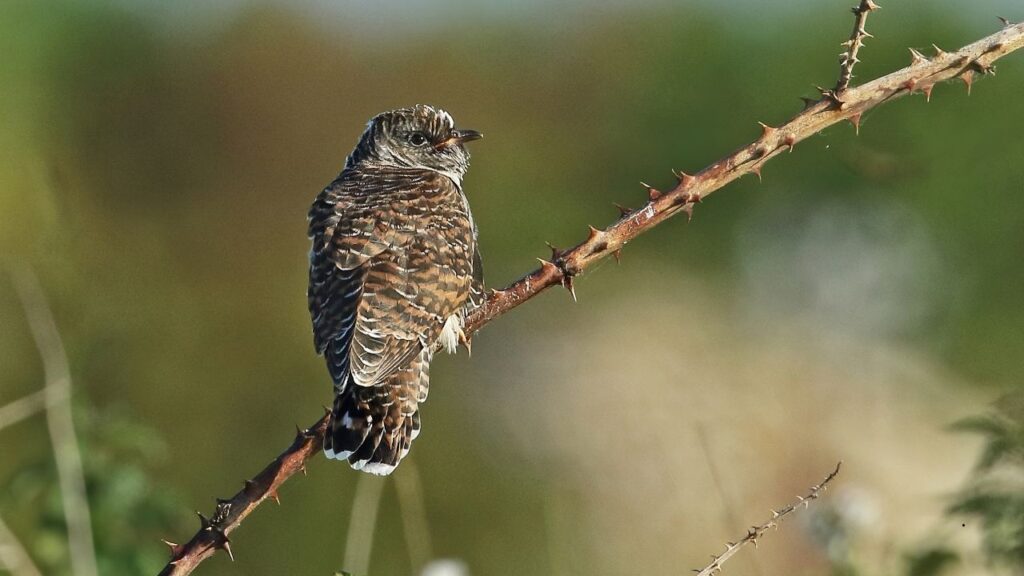
The common cuckoo never builds its own nest. Instead, the female lays eggs in the nests of other small insect-eating birds, such as pipits, reed warblers, wagtails, and robins. These hosts then raise the cuckoo chick as their own, unaware they are caring for a parasite.
Key Traits of the Common Cuckoo’s Parasitism:
Egg mimicry: The cuckoo’s eggs closely resemble the host’s eggs in color and pattern.
Early hatching: The cuckoo egg hatches before the host’s eggs, giving its chick a head start.
Chick eviction: Once hatched, the cuckoo chick pushes out the host’s eggs or chicks to get all the care.
Begging calls: The cuckoo chick mimics the sound of a whole brood to demand more food from its foster parents.
Common female cuckoo carefully watches for freshly built nests and time their egg-laying to match the host’s clutch. Sometimes, they even remove one host egg before adding their own. This species uses a wide variety of hosts—over 100 species regularly and almost 300 in total—making it a broad generalist.
Though the common cuckoo is still widespread across the Palearctic region, some populations are declining. Changes in farming reduce insect food and host birds, while climate shifts can cause cuckoos and hosts to fall out of sync during breeding.
2. Brown-Headed Cowbird
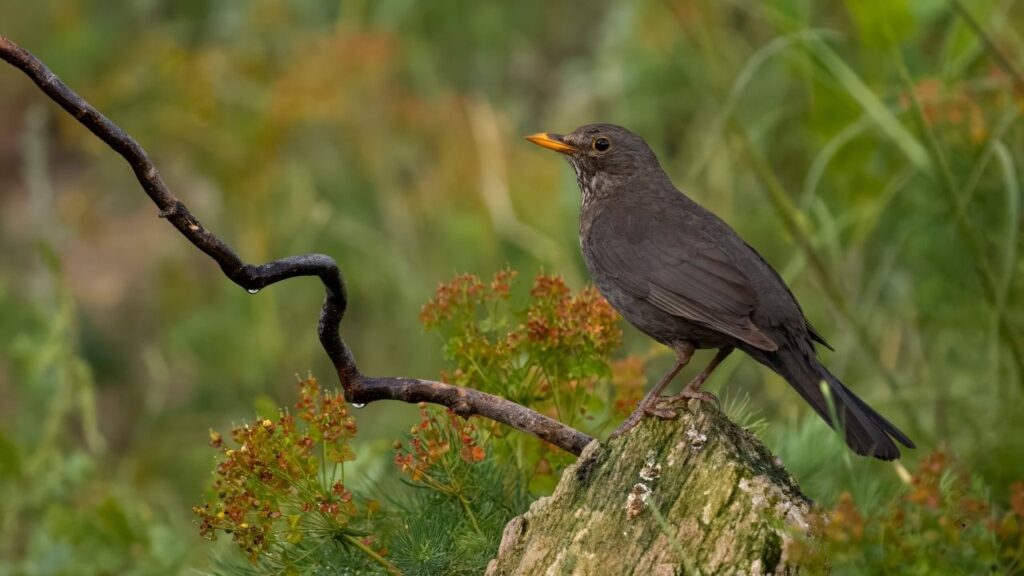
The brown-headed cowbird is one of the most well-known brood parasites in North America. Unlike many parasitic birds that specialize in a few hosts, cowbirds have an extremely broad range of victims.
They lay their eggs in the nests of over 220 different bird species, with more than 140 confirmed to raise cowbird chicks. This wide host selection makes them a major player in the world of brood parasitism.
Typical Parasitic Behavior:
Rapid egg-laying: Females quickly lay eggs, sometimes removing or damaging a host egg.
Early hatching: Cowbird eggs hatch sooner, giving chicks a strong advantage.
Chick dominance: Cowbird nestlings grow fast and often smother or eject their nestmates.
Nest destruction: If hosts reject their eggs, cowbirds may return to destroy the nest—a behavior called “mafia” retaliation.
Female cowbirds use various tactics to find nests, such as watching from perches or flushing out birds with noisy movements.
According to All About Birds, a single female can lay dozens of eggs in one breeding season, sometimes up to 40. The foster parents, often unaware of the impostor, feed the cowbird chick at high rates, sometimes harming the survival of their own offspring.
Brown-headed cowbirds thrive in many open and semi-open habitats across North America. Originally linked to bison herds on the Great Plains, they expanded widely due to agriculture and forest clearing.
3. Greater Honeyguide
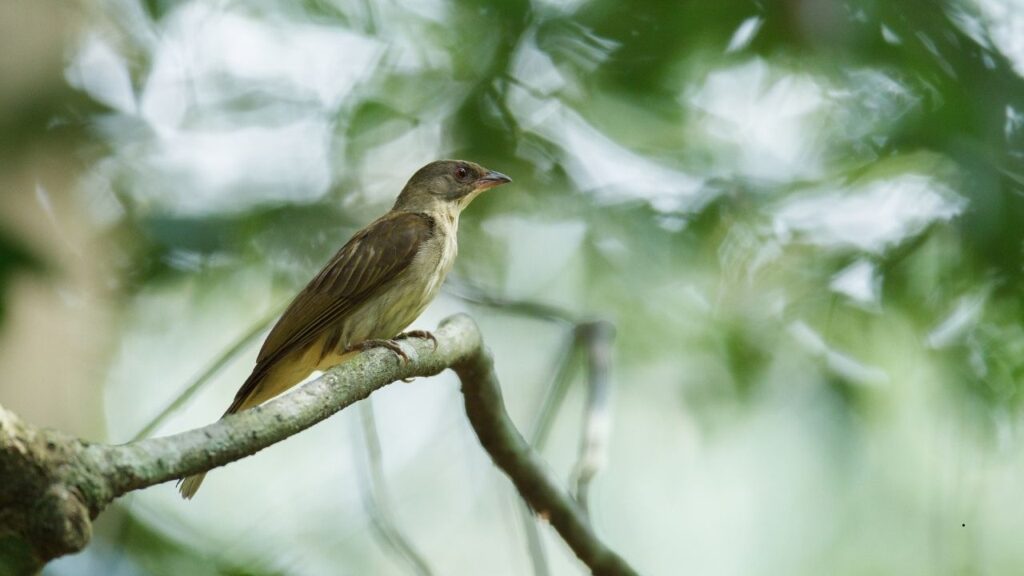
The greater honeyguide is known not only for leading people to wild honey but also for its ruthless brood parasitism. This bird lays its eggs in the nests of many cavity- and enclosed-nesting birds, such as bee-eaters, kingfishers, woodpeckers, hoopoes, and starlings.
Notable Parasitic Traits:
Egg puncturing: The female often destroys or punctures host eggs before laying her own.
Chick aggression: Honeyguide chicks hatch early and have sharp bill hooks. These hooks help them kill or injure the host’s nestmates shortly after hatching.
Monopolizing care: By the time the hooks disappear after about two weeks, the honeyguide chick usually dominates the nest and receives all parental care.
Host birds fight back by mobbing the female honeyguides near their nests. Some, like the Little Bee-eater, may even abandon their entire clutch if parasitized.
However, defenses vary, and many hosts still end up raising the parasitic chick. This intense battle between parasite and host shows one of the strongest examples of coevolution in birds.
Found across sub-Saharan Africa, the greater honeyguide adapts to many habitats—from woodlands and savannas to gardens and plantations. It often lives near bee colonies, reflecting its famous role in honey hunting. Despite its brutal breeding strategy, the species remains common and widespread.
4. Pin-Tailed Whydah
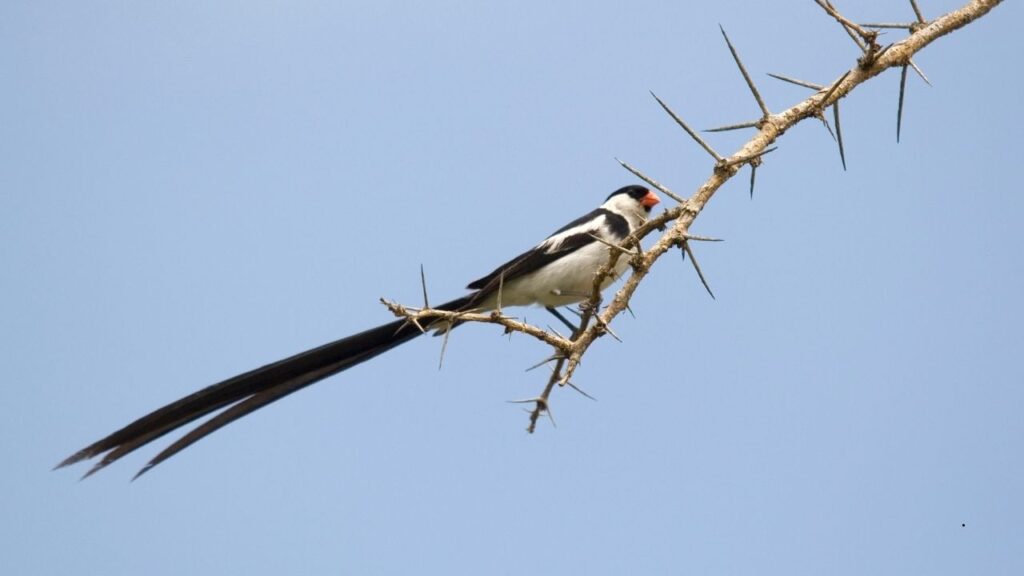
The pin-tailed whydah is a striking bird known for its long tail feathers and dramatic courtship displays. Males perform hovering flights and tail-bobbing to attract females, often holding territories where multiple females may visit. This makes the whydah easy to spot, even in human-altered landscapes.
Brood Parasitism Highlights:
Egg-laying in finch nests: Females lay two to four plain white eggs, sometimes removing a host egg first.
Nestling mimicry: Whydah chicks hatch alongside host young and have mouth markings that closely resemble their foster siblings.
No eviction: Unlike some parasites, whydah chicks do not push out or kill host chicks; both often fledge together.
Whydahs mainly target waxbills and other small estrildid finches. They are widespread across sub-Saharan Africa in grasslands, farmland, gardens, and villages.
The species has expanded its range thanks to human changes in the environment and has even been introduced to Puerto Rico, where it parasitizes local finches.
Despite parasitism reducing host reproductive success somewhat, the impact is less severe than in species where the parasite evicts nestmates. This balance highlights a close evolutionary relationship between whydahs and their hosts.
5. Asian Koel
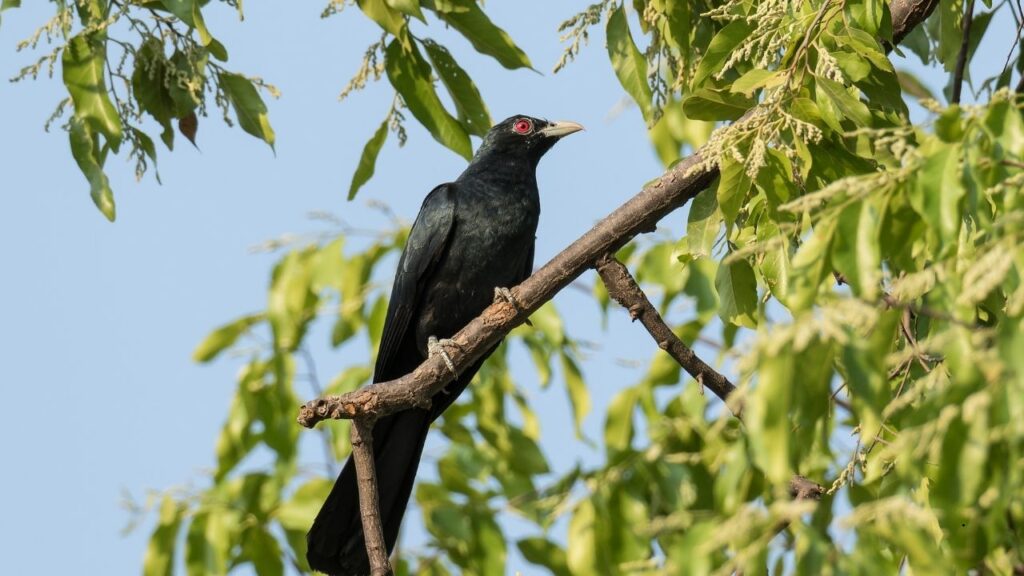
The Asian koel is well-known across South and Southeast Asia, especially for the male’s loud, ringing call that fills city parks and countryside groves.
This bird has a long cultural history, with ancient texts referring to it as “that which was raised by others”—an early nod to its brood parasitic nature. Unlike many brood parasites, adult koels mainly eat fruit, which influences their unique lifestyle.
Brood Parasitism Highlights:
Rapid egg-laying: Females lay eggs soon after the host begins nesting and may remove a host egg.
Early hatching: Koel eggs hatch 2 to 3 days before host chicks.
Shared nests: Koel chicks often grow up alongside host young and may share parental care.
Asian koels target medium to large passerines, such as crows, mynas, starlings, orioles, and shrikes. Sometimes, several koel chicks can be raised in the same nest if multiple females lay eggs there. While some hosts tolerate koels, others reject their eggs.
Parasitism can reduce host breeding success by causing egg loss or starving young. The koel’s ability to switch hosts, such as from crows to mynas, helps it thrive in varied habitats.
Found from the Indian Subcontinent to Southeast Asia and beyond, the Asian koel adapts well to woodlands, orchards, plantations, and urban parks.
6. Shiny Cowbird
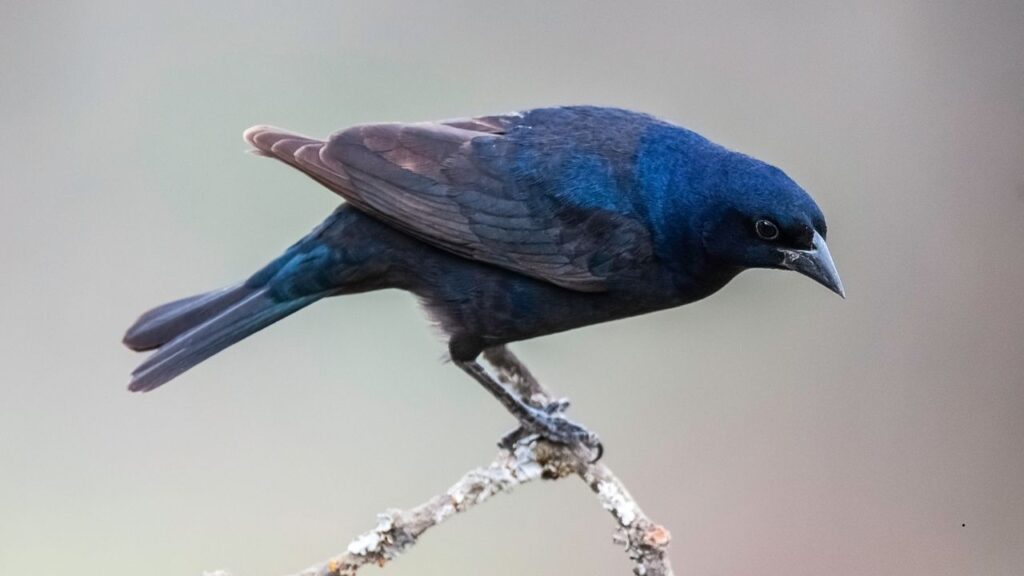
The shiny cowbird is a notorious brood parasite found throughout much of Central and South America. Like its close relative, the brown-headed cowbird, it lays eggs in the nests of many different bird species, taking advantage of a wide range of hosts to raise its young.
Key Parasitic Traits:
Rapid egg-laying: Females lay eggs quickly and often remove host eggs to make room.
Chick competition: Shiny cowbird chicks hatch early and compete aggressively for food, often outgrowing their foster siblings.
Host range: Parasitizes a wide variety of small to medium-sized passerines, especially those nesting in open or semi-open habitats.
Birds of the World mentions that Shiny cowbirds are highly adaptable and thrive in diverse environments such as grasslands, forests, and agricultural areas. They are commonly found near human settlements, where changes in habitat have sometimes increased their impact on local bird populations.
Some host species develop defenses, like parasitic egg rejection or nest abandonment, but many continue to raise cowbird chicks, often at the cost of their own offspring.
Despite the challenges posed to host birds, shiny cowbirds maintain stable populations across their range. Their ability to exploit many hosts and habitats makes them a successful and widespread example of obligate brood parasitism in the Americas.
7. Horsfield’s Bronze Cuckoo
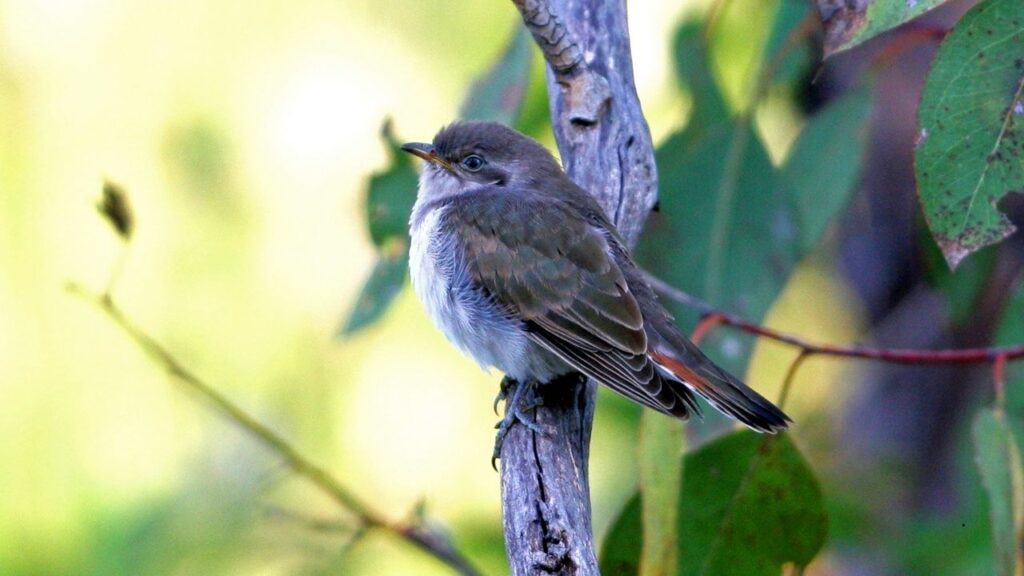
Horsfield’s bronze cuckoo is a small but remarkable brood parasite found across Australia and parts of Southeast Asia. Despite its size, it has a big impact on the birds it targets, mainly small insect-eating passerines such as fairy-wrens and thornbills.
Parasitic Behavior Highlights:
Rapid egg-laying: Females lay eggs quickly and often remove a host’s egg to reduce competition.
Early hatching: Cuckoo eggs hatch before the host’s, giving the chick a head start.
Chick eviction: After hatching, the cuckoo chick often pushes out host eggs or nestlings to get all the parental care.
Horsfield’s bronze cuckoo favors open woodlands, scrublands, and forests where its hosts live. Its eggs are often well camouflaged to match those of the host species, helping to avoid detection.
Though small, this cuckoo’s aggressive breeding strategy makes it a highly effective brood parasite. It remains common and widespread across its range, adapting well to both natural and human-altered habitats.
8. Village Indigobird
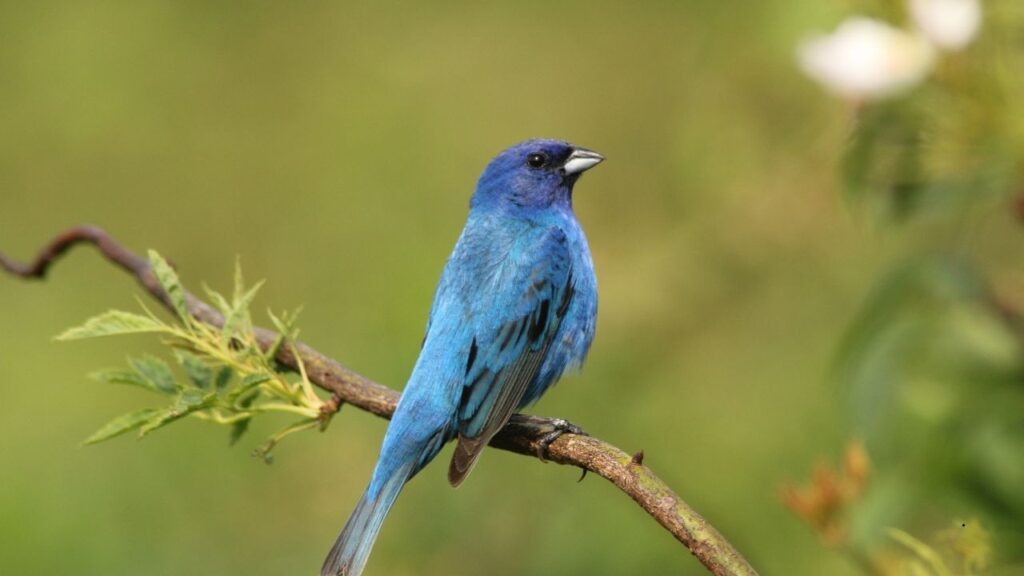
The village indigobird is a fascinating parasitic species known for its unique strategy of mimicry and close ties to its host species. Found across sub-Saharan Africa, this bird mainly parasitizes the nests of red-billed and brown firefinches, as mentioned by eBird.
Brood Parasitism Highlights:
Host song mimicry: Male indigobirds sing near-perfect copies of their host’s songs.
Egg-laying without destruction: Females lay two to four eggs in host nests but do not remove or damage host eggs.
Nestling resemblance: Indigobird chicks mimic the mouth markings and colors of firefinch young, ensuring they are fed.
Females lay eggs while hosts are building or laying, sometimes sharing nests with other females. Indigobird chicks hatch alongside the host’s young and compete for food, but usually grow up together.
The close mimicry makes it hard for hosts to reject the parasite eggs, so firefinches often raise mixed broods. Although parasitism lowers host reproductive success, its overall effect is moderate compared to harsher brood parasites.
Widespread in open woodlands, savannas, and villages, the village indigobird thrives near human settlements. Its close relationship with firefinches shows how brood parasitism can drive coevolution and even speciation. Adaptable and common, it is one of the most successful indigobirds in Africa.
9. Great Spotted Cuckoo
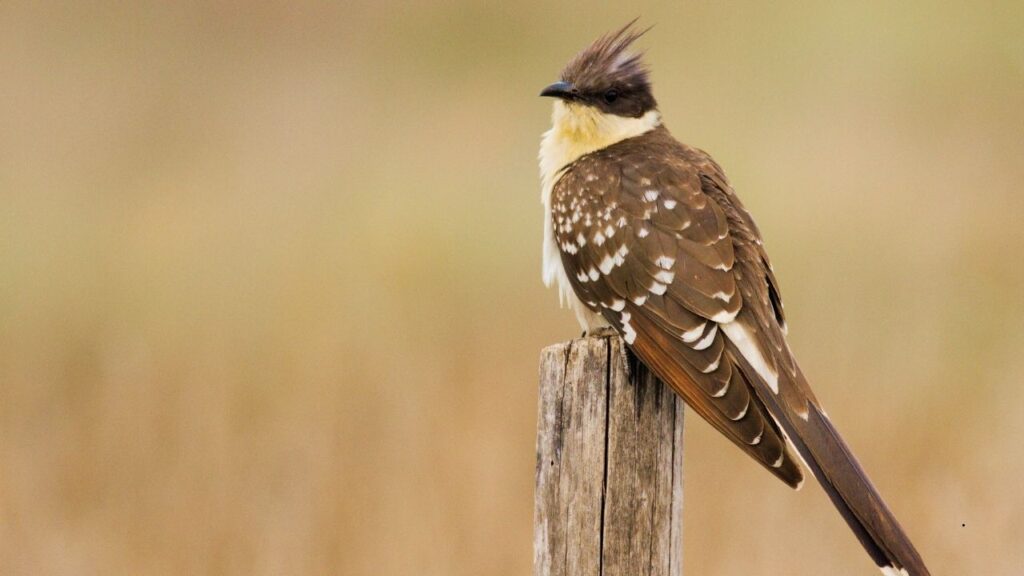
The great spotted cuckoo is a well-studied brood parasite species found across southern Europe, the Middle East, and much of Africa. Unlike some parasites that push out host chicks, this cuckoo grows alongside them, relying on early hatching, loud begging, and a longer period of care from foster parents.
Brood Parasitism Highlights:
Early hatching: Eggs hatch before host chicks, giving cuckoo chicks a competitive edge.
Intense begging: Parasite chicks demand more food and often outgrow their foster siblings.
Chemical defense: The cuckoo chick can produce a foul-smelling secretion that deters predators, sometimes protecting host young as well.
Great spotted cuckoos mainly target corvid nests, including magpies and crows, but also parasitize starlings and other open-nesting birds.
Although their presence can harm host chicks through competition, in some heavily predated areas, cuckoo chicks actually help protect the entire brood by keeping predators away.
Breeding in dry woodlands, scrub, and savanna-like habitats, this cuckoo migrates to tropical Africa during the non-breeding season, with some populations staying year-round in southern Spain and South Africa.
Conclusion
Obligate brood parasites have evolved fascinating strategies to leave the hard work of raising young to other birds.
While many species practice interspecific brood parasitism—laying their own eggs in the nests of other species—there are also cases of intraspecific brood parasitism, where birds lay eggs in the nests of their own species.
This behavior has developed independently across various taxonomic groups, resulting in parasite nestlings being raised by adoptive parents from many species.
In some interesting cases, single-host species become frequent targets, while others may experience parasitism from multiple species. The food intake and survival of parasite nestlings often depend on how well they compete with the host’s own young.
Brood parasitism in birds reveals a complex evolutionary arms race, showing how one species can exploit the parental care of two species or more. Overall, brood parasitism remains one of nature’s most intriguing adaptations.
