




Have you ever looked up at the sky and noticed something strange—tiny birds boldly chasing a much larger one, darting around it as if size suddenly doesn’t matter? At first glance, it looks reckless, even foolish. Why would a small bird risk its life by flying straight at a powerful predator?
But this isn’t chaos or courage gone wrong—it’s strategy.
This dramatic behavior is called mobbing, and it’s one of the smartest anti-predator tactics birds use. Instead of hiding, smaller birds band together to harass, confuse, and overwhelm a threat until it retreats. The goal isn’t to fight—it’s to annoy, intimidate, and drive danger away, especially when nests or young are nearby.
Mobbing is loud, chaotic, and surprisingly effective. Birds swoop, call, dive, and sometimes even make contact—all while staying just agile enough to avoid serious harm. It’s nature’s version of strength in numbers, where teamwork beats size almost every time.
In this article, we’ll explore some amazing mobbing bird species and uncover how these seemingly small creatures manage to stand up to the biggest threats in the sky—without backing down.
Key Takeaways
Why do tiny birds like Carolina Chickadees and Killdeer boldly chase bigger predators? The answer will surprise you.
Discover how American Crows, Blue Jays, and Magpies use mobbing calls and teamwork to drive danger away.
See how loud calls and daring dives help these birds protect their nests in ways that prove the mightier hypothesis.
Find out why mobbing is nature’s clever defense—turning small birds into fearless protectors.
Birds Known for Their Anti-Predator Mobbing Behavior
1. American Crow
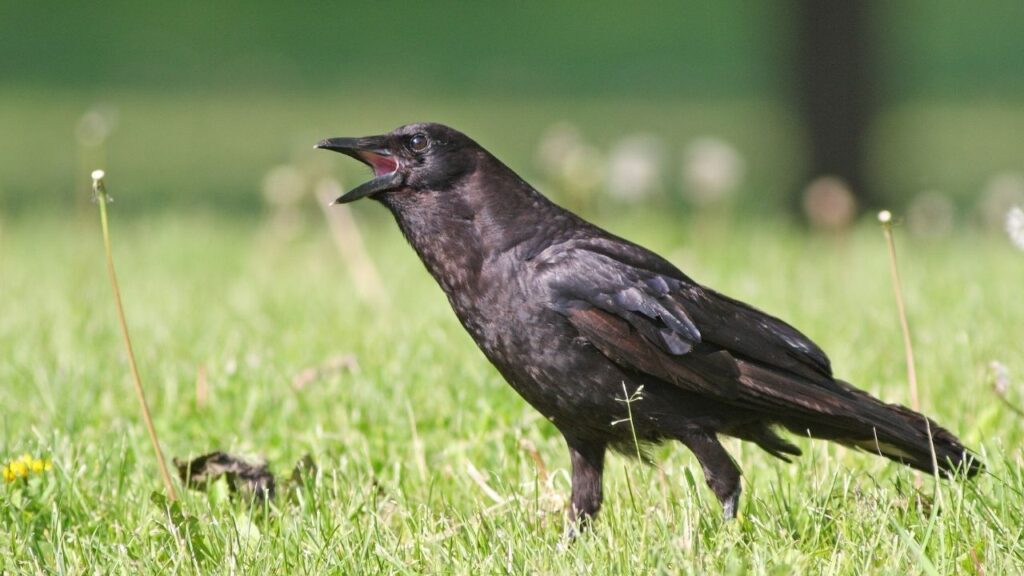
The American Crow is a highly intelligent, all-black bird found across much of North America, as mentioned by the Cornell Lab. Known for its strong social bonds, this species rarely faces danger alone. Instead, it relies on cooperation and communication to confront threats head-on.
Anti-Predator Mobbing Behavior
When a predator enters their territory, American Crows respond quickly and loudly. One crow’s alarm call can summon several others within moments.
Together, they fly aggressively around the predator, calling repeatedly and making sudden dives. This mobbing behavior overwhelms the intruder, disrupts its focus, and often forces it to retreat.
Mobbing is most common during the breeding season, when nests and young are vulnerable. Through repeated harassment, crows not only protect their offspring but also teach younger birds which animals pose a threat.
Why This Strategy Is Effective
By working as a group, American Crows remove the predator’s element of surprise and increase the cost of staying in the area. Over time, predators may learn to avoid places where crows are known to mob, making this behavior a powerful and lasting defense strategy.
2. Black-billed Magpie
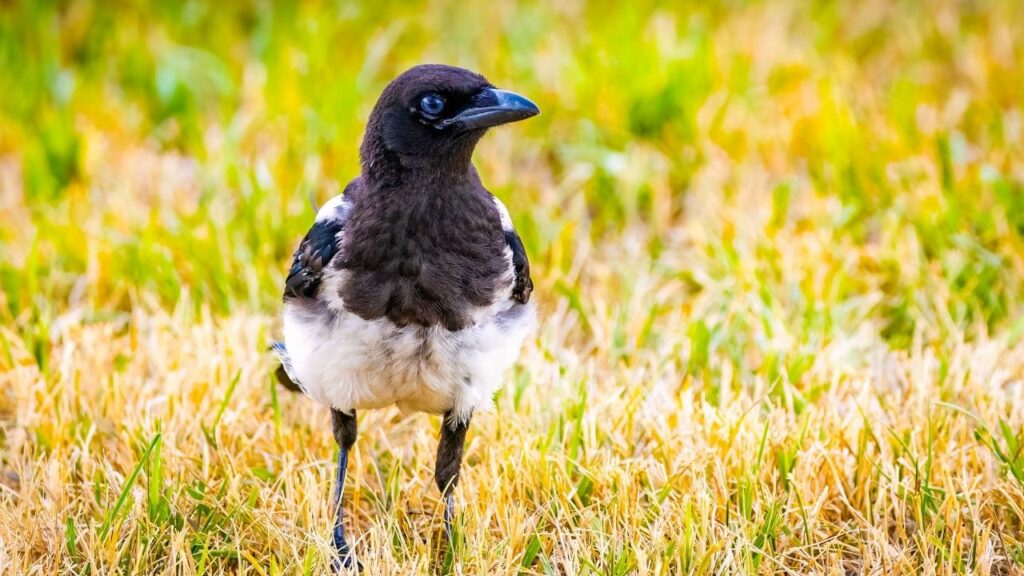
The Black-billed Magpie is a striking black-and-white bird known for its intelligence, curiosity, and strong social nature. While it may appear elegant and playful, this species is surprisingly fearless when it comes to defending itself and its territory from predators.
Anti-Predator Mobbing Behavior
This species is well known for its aggressive mobbing behavior. When a predator is detected, magpies do not stay silent or retreat. Instead, they give loud, harsh calls that quickly attract nearby magpies.
Together, they harass the intruder by circling closely, diving toward it, and persistently calling until the predator becomes overwhelmed and leaves the area.
Mobbing is especially intense during the breeding season, when nests and young birds are at risk. Both adults and younger magpies may take part, allowing inexperienced birds to learn how to identify and respond to dangerous animals.
Why This Strategy Is Effective
By working as a group, Black-billed Magpies reduce the chance of a successful attack. Their loud, coordinated mobbing removes the predator’s element of surprise and makes remaining in the area more trouble than it’s worth. This cooperative defense helps keep their nesting territories safer over time.
3. Carolina Chickadee
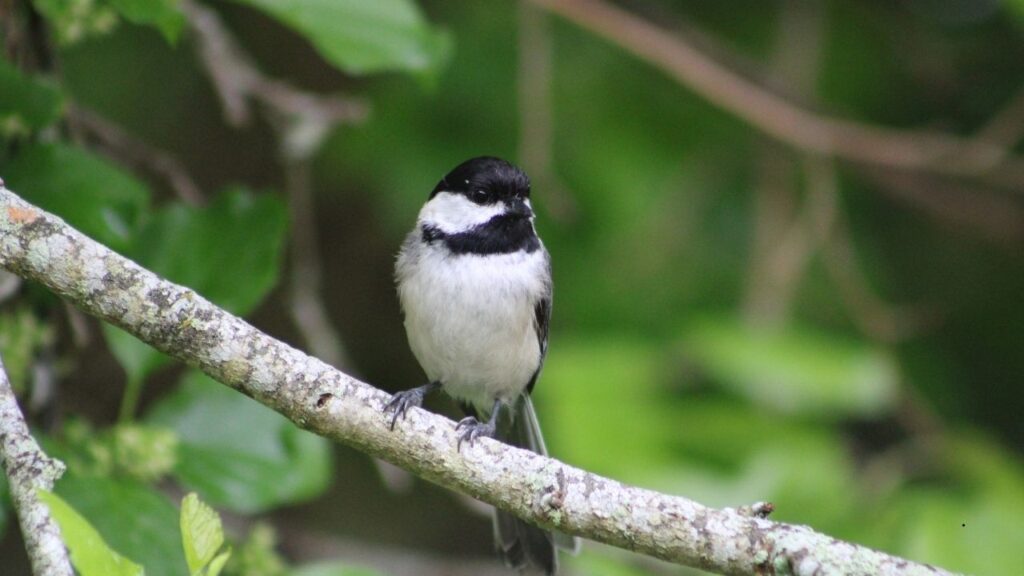
The Carolina Chickadee is a small, energetic songbird with a reputation far larger than its size. These birds are social, vocal, and highly alert — quick to detect both food and danger in their environment. Their signature “chick-a-dee” call is one of the most complex and flexible among small songbirds.
Anti-Predator Mobbing Behavior
Despite their tiny size, Carolina Chickadees are bold when it comes to confronting predators. When they detect a threat, they increase the number of sharp “dee” notes in their chick-a-dee calls, a signal that often recruits nearby birds to the scene and encourages a mobbing response.
Mobbing in chickadees is not just noise: it helps alert flockmates and other species that a predator has been spotted and encourages them to join the defense. National Audubon Society notes that this cooperative alarm system makes its small size less of a disadvantage, leveraging group action to reduce risk.
Why This Strategy Matters
By producing varied calls and rallying other birds to converge on a threat, Carolina Chickadees make predators think twice about lingering. This vocal, coordinated defense protects both individual birds and the larger community — including fellow species that tune into chickadee alarm signals.
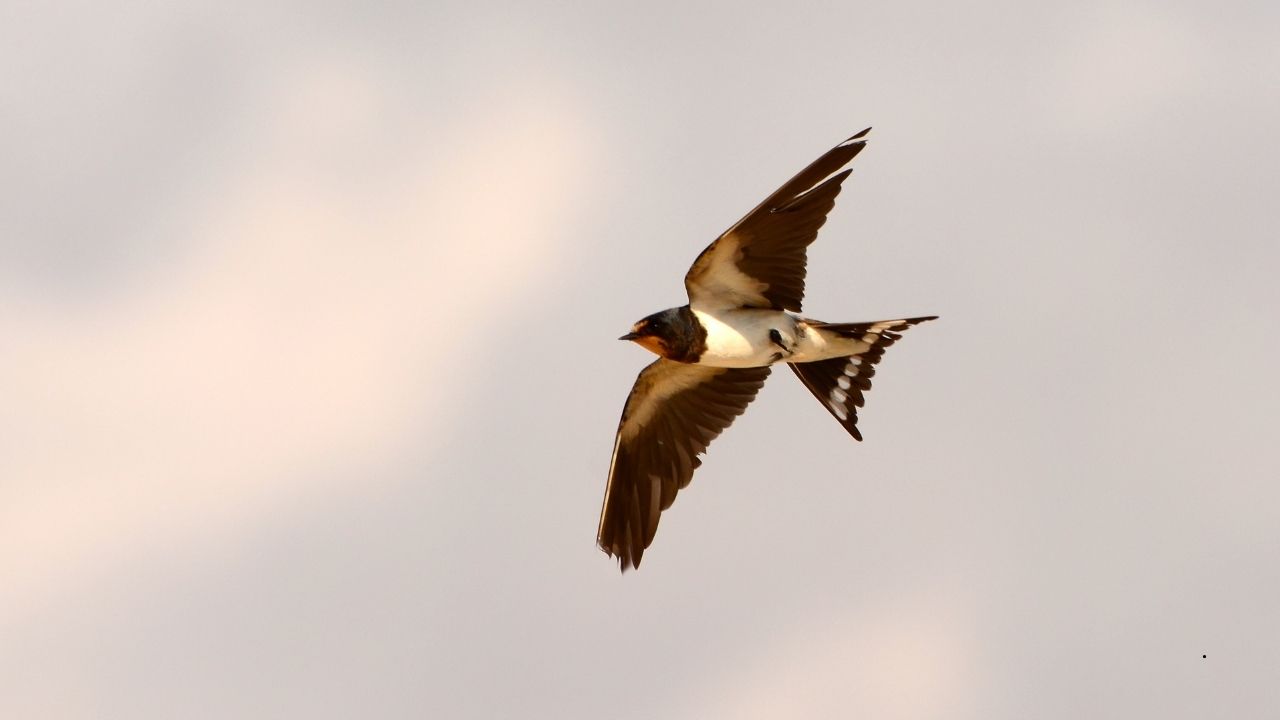
4. Barn Swallow
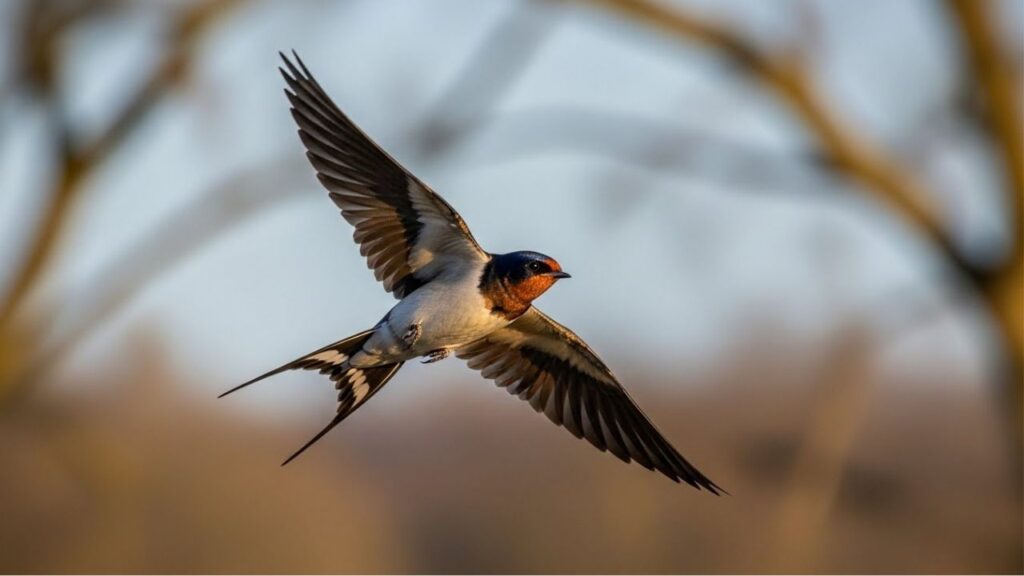
The Barn Swallow is a sleek, aerial insect-catcher admired for its graceful flight and long migrations. While idyllic in appearance, these birds take their role as parents seriously and will confront danger with surprising determination to protect their nests and young.
Anti-Predator Mobbing Behavior
Although not as aggressive as some species, Barn Swallows will engage in mobbing behavior when a potential predator — like a hawk, crow, or large bird — approaches their nesting area.
In these moments, parents produce sharp alarm calls and may fly close to the threat or dive at it repeatedly to drive it away from the nest.
Scientific studies have shown that swallows vary their mobbing intensity depending on how close the predator is and how valuable their young are at that stage, highlighting that this behavior is tied directly to nest defense and parental care.
Why This Strategy Matters
For Barn Swallows, mobbing isn’t constant aggression — it’s targeted protection. By confronting predators near their nests, these agile fliers increase the odds that their eggs and chicks survive. Their swift aerial maneuvers and vocal alarms help alert other colony members and keep danger at bay.
5. European Starling
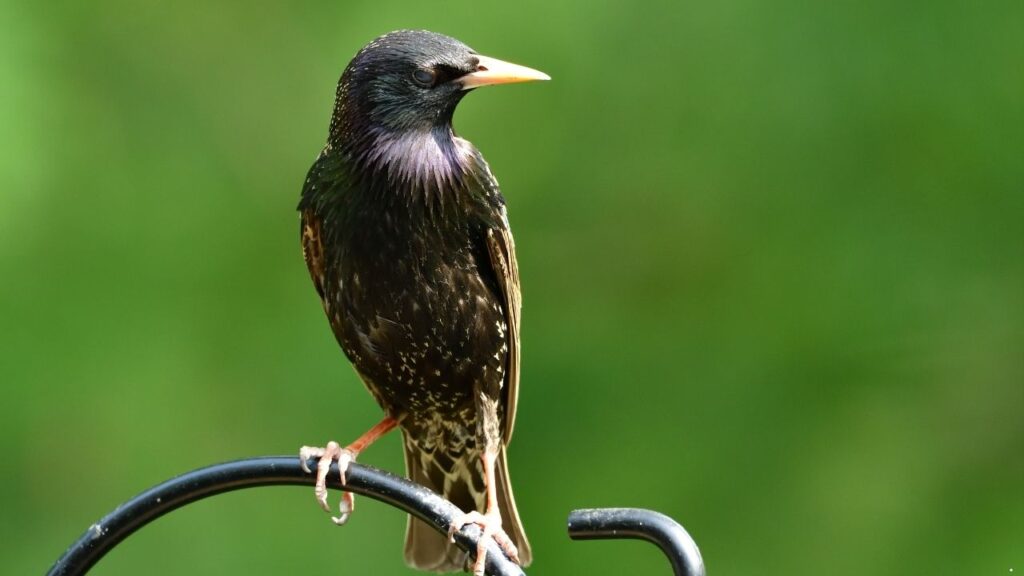
The European Starling is a medium-sized, highly adaptable bird originally from Eurasia but now widespread across many continents. Noted for its iridescent plumage and remarkable ability to mimic sounds, this species also displays impressive group behavior when facing predators.
Anti-Predator Mobbing Behavior
When danger appears, European Starlings do not immediately flee. Instead, individuals give sharp alarm calls that quickly draw the attention of neighboring starlings.
Once alerted, they often band together to mob a predator, flying in tight, coordinated patterns around it and vocalizing loudly. This shared aggression serves to confuse and drive the predator away.
Because starlings gather in large groups, their mobbing behavior can be especially intense. A predator that might threaten one bird suddenly finds itself surrounded by dozens or even hundreds of feisty defenders, making predation much less likely.
Why This Strategy Matters
Mobbing in European Starlings is both a direct defense of individuals and a collective survival strategy. Flocking amplifies alarm signals and increases the number of birds participating in defense, reducing the risk for each individual.
6. Blue Jay
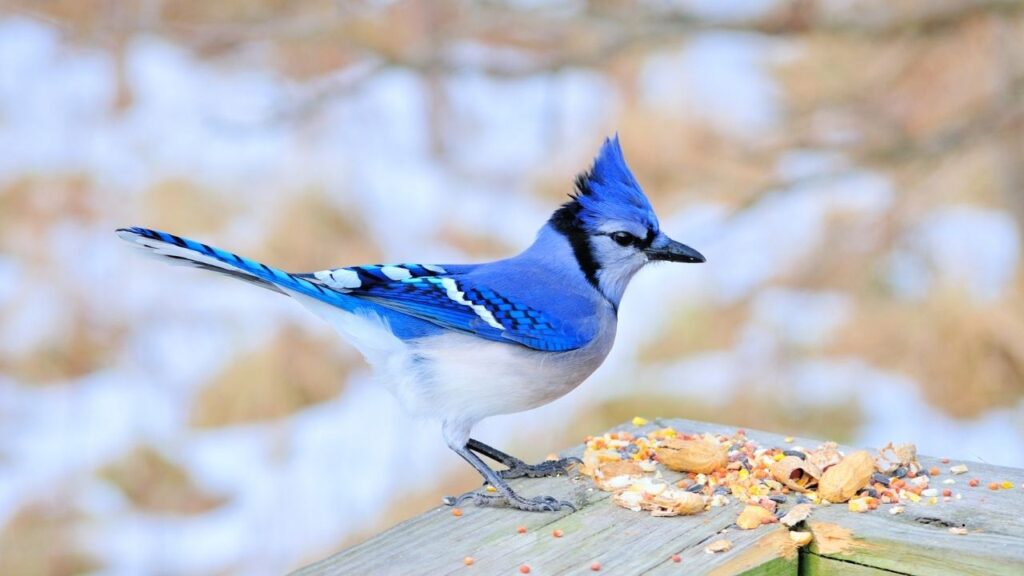
The Blue Jay is a vibrant, clever bird easily recognized by its blue crest, bold markings, and wide range of vocalizations. Known for its curiosity and strong personality, the Blue Jay is also one of the most vocal and committed mobbers in the bird world.
Anti-Predator Mobbing Behavior
Blue Jays are exceptionally aggressive defenders when predators are nearby. Upon spotting a threat such as a hawk, owl, or even a neighborhood cat, a jay will begin calling loudly — a series of sharp “jay” notes that instantly alert nearby birds.
Other jays quickly join, and together they harass the predator with dive-bombing flights, constant vocal alarms, and persistent circling.
This willingness to confront larger birds of prey head-on makes Blue Jays effective mobbers. They rarely back down, using their strong voices and coordinated group action to make predators abandon the area.
Why This Strategy Matters
Blue Jays’ bold mobbing benefits not only themselves but the entire bird community. Their alarm calls often alert other species, turning a single sighting into a mobbing event involving multiple birds.
This inter-species cooperation increases safety for all nearby nests and highlights the jay’s role as a vigilant guardian of the skies.
7. Killdeer
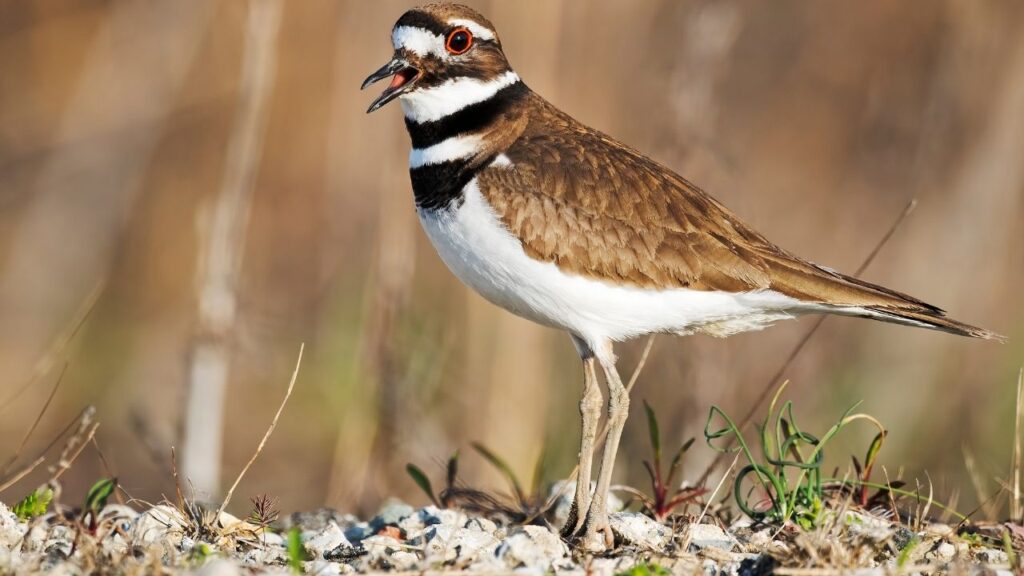
The Killdeer is a slender, wading bird known for its distinctive double-peaked call and striking brown, white, and black markings. Though it prefers edges of water and fields, it finds nests in open ground where eggs can be vulnerable — making predator defense a top priority.
Anti-Predator Mobbing Behavior
When a potential predator, such as a raven, snake, or fox, approaches a nest, Killdeer are famous for their dramatic distraction and mobbing displays. Rather than immediately fleeing, adults emit loud, high-pitched alarm calls and circle the threat, drawing attention to themselves.
One of their most famous tactics — the “broken-wing display” — may start as a deception but often transitions into an active defense. Bird Note mentions that Killdeer lure predators away with feigned injury and then rally nearby birds to collectively harass and mob the intruder, driving it farther from their nesting site.
Why This Strategy Matters
Killdeer’s combination of distraction and mobbing is tailored to their exposed lifestyle. By drawing a predator’s focus and then aggressively confronting it, they protect vulnerable eggs and chicks that might otherwise be easy targets. Their bold reactions make them reliable defenders of ground nests.
Conclusion
Prey species often use birds’ mobbing as a clever way to protect themselves and their young from common targets like predators.
When little birds join forces, they produce mobbing calls that serve to distract and drive away these common enemies, including not just other birds but sometimes mammals and even humans who come too close.
This behavior is observed across different species and is an effective form of defense that helps mob predators away from nests or food sources.
Researchers suggest that mobbing is not only about defense but can also serve to steal food or protect valuable resources by creating confusion. Male birds, in particular, may use mobbing to show off their strength or to keep non-predators at bay.
In the vicinity of a threat, this coordinated action highlights how diverse species recognize and respond to danger by working together in a shared form of encounter.
