




Flight isn’t just a way for birds to travel—it’s an art form filled with speed, precision, and mind-blowing agility. Some species can twist, roll, hover, and dive with such skill that researchers have measured certain maneuvers happening at over 200 body lengths per second, a level of acrobatics unmatched by any human technology or athlete.
What makes these aerial talents even more impressive is their purpose. Every flip, dive, and sudden change of direction helps birds survive—whether they’re escaping danger, attracting a mate, or navigating through forests, savannahs, and open skies.
Across the world, birdwatchers and scientists are continually amazed by just how complex and athletic these flyers truly are.
In this article, we’ll explore the birds known for their amazing acrobatics and discover what sets their aerial skills apart from the rest. Let’s take a closer look at the incredible world of airborne agility.
Key Takeaways
See how tiny Hummingbirds hover and fly backward like flying ninjas.
Learn how Peregrine Falcons dive at insane speeds that defy belief.
Catch colorful Rollers and Kestrels doing flips and wind-hovering tricks.
Meet smooth gliders and silent hunters mastering the art of flight.
Birds Known for Their Amazing Acrobatics
1. Hummingbird
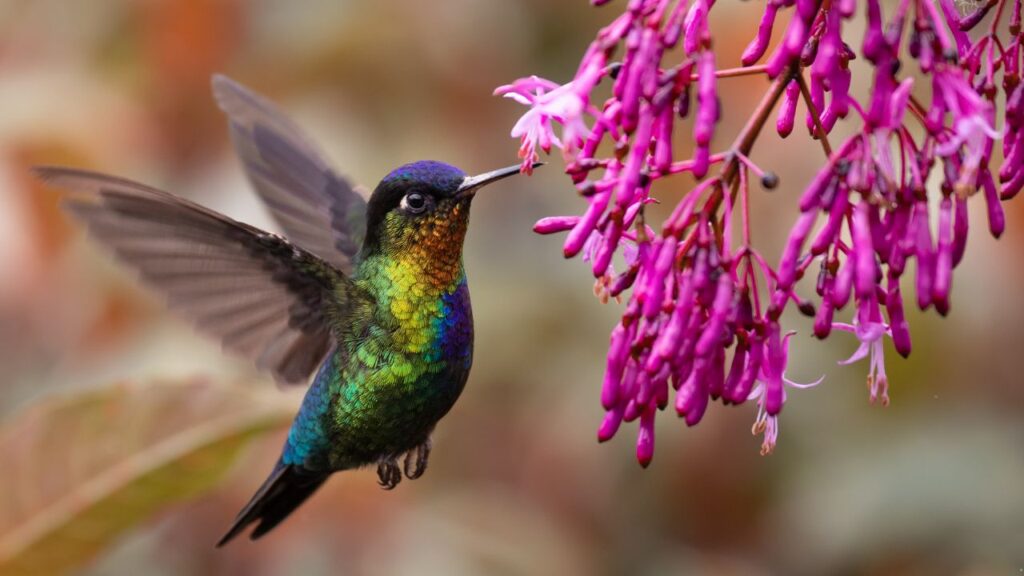
This tiny sky performer can hover in place like it’s running its own mini airshow. Its wings beat so fast they blur into invisibility, and honestly, it looks like it’s glitching in real life.
Britannica mentions that its compact, strong body and uniquely jointed wings let it zip not just forward, but up, down, sideways, and even backward with crazy precision. It moves with the confidence of something ten times its size.
And here’s the best part: it moves with insect-level precision but still stays adorable. When it’s not dazzling in the sky, it carefully tends to its tiny nest, which it builds with meticulous care just off the ground or hidden in branches.
Why It’s an Acrobat
Hovering is its claim to fame, but flying backward? That’s next-level flexing. It can switch directions like it’s changing tabs on a screen.
It creates lift on both upstroke and downstroke, which is super rare for birds. Plus, its head moves independently to keep an eye on its surroundings, making it one of the most alert flyers out there.
Quick Highlights
Famous for hovering in place
Can fly backward, sideways, and up
Extremely fast wingbeats
Small bird, massive energy
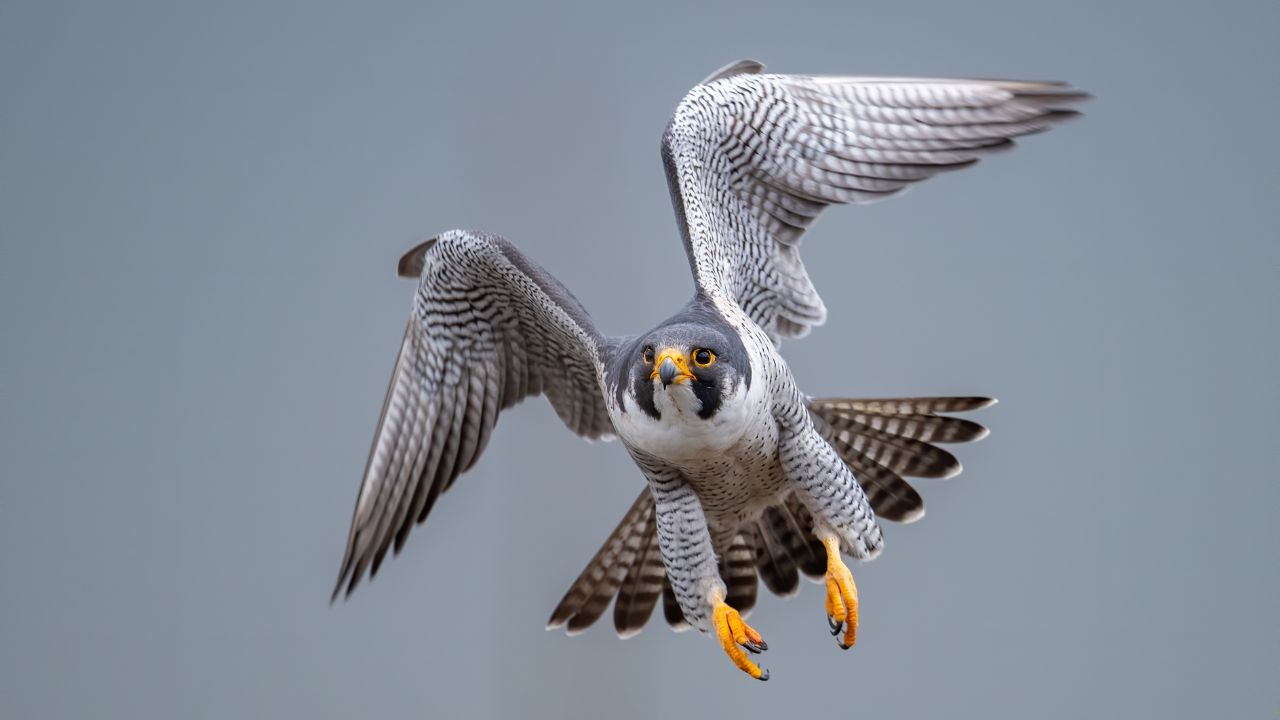
2. Peregrine Falcon
This bird doesn’t just fly — it drops. Its signature dive, the “stoop,” turns it into a feathered missile. Watching it dive is like watching nature press the fast-forward button. It’s built for speed from tip to tail and knows exactly how to use it.
From the sky to the ground, it can shift in a heartbeat, zeroing in on prey with surgical precision. After a successful hunt, it often returns to a high nest where it watches over its young with sharp, focused eyes.
Why It’s an Acrobat
It tucks its wings, locks in its target, and slices through the air like a living arrow. Every part of its body is designed for aerodynamic performance.
And here’s the good part: it pulls this extreme stunt in the middle of a hunt. No warm-up. No countdown. Just whoosh. The head stays steady, helping it track prey during the insane dive speeds.
Quick Highlights
Uses height to gain incredible momentum
Expert at catching prey mid-air
A real-life feathered jet
3. Lilac-breasted Roller
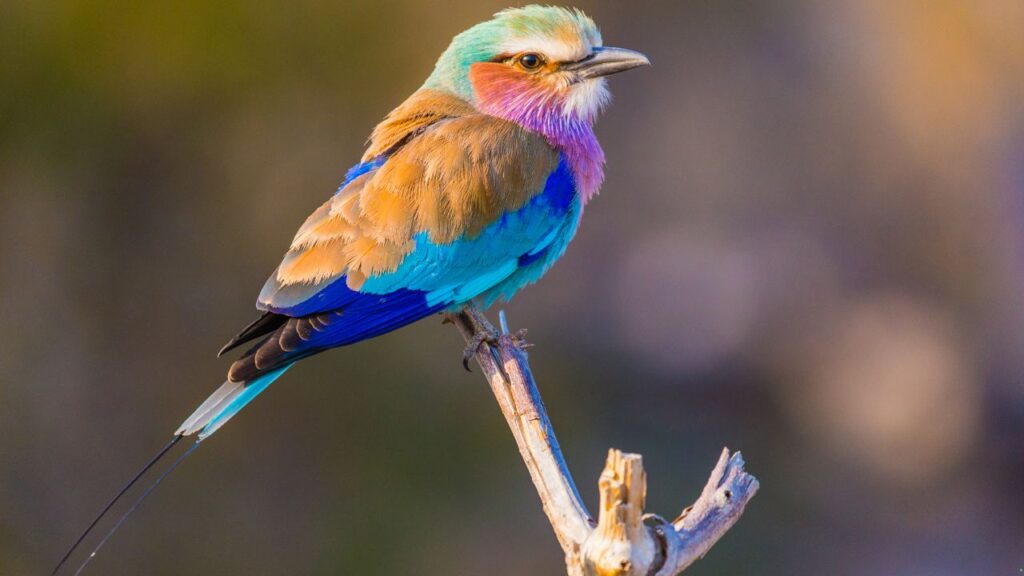
This bird looks like a walking art palette even before it takes off. But once it starts flying? Game over. Its bright colors flash between sky rolls and swoops like it’s doing aerial dance moves. It doesn’t just fly — it performs every single time.
It often nests in holes near the ground or low tree branches, making the colorful show above all the more dramatic. The head feathers add extra flair during courtship displays, almost like a crown.
Why It’s an Acrobat
Its famous rolling dives are what give it the “roller” name. It climbs, twists, spins, and dips in smooth loops to show off for mates or warn intruders.
It genuinely seems to enjoy the drama. This bird is basically the sky’s theater kid, but cooler. Watching a roller in flight is like catching a live acrobatic performance with bright costumes and wild moves.
Quick Highlights
Performs rolling flips in mid-air
Uses high perches for dramatic dives
Shows off during mating displays
Bursting with color and attitude
4. Pied Kingfisher
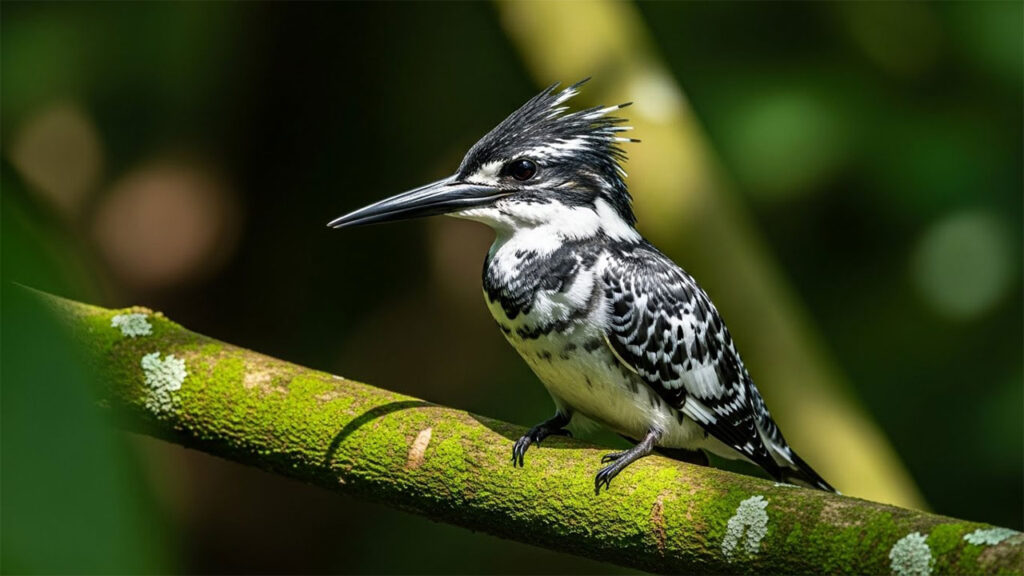
This little hunter can hover above water like it’s running on invisible cables. It flaps rapidly while staring straight down like a sniper checking its target. The focus is unreal — you’d think it’s calculating angles like a tiny feathery mathematician.
When not fishing, it often perches near its nest, which is usually a tunnel dug into the ground near riverbanks. Its head moves independently, constantly scanning for fish or danger.
Why It’s an Acrobat
Once it spots a fish, it drops like a perfectly aimed arrow. The dive is so clean and controlled you’d swear it practices every morning.
And wait, there’s more! It pops back out of the water with its catch, like it’s saying, “Easy.” It makes fishing look like a casual hobby. The ability to hover steadily before diving is a rare skill and one that makes it stand out among many birds.
Quick Highlights
Known for precise hovering
Dives straight down to catch fish
Sharp aim and steady control
One of nature’s best aerial anglers
5. Snowy Owl
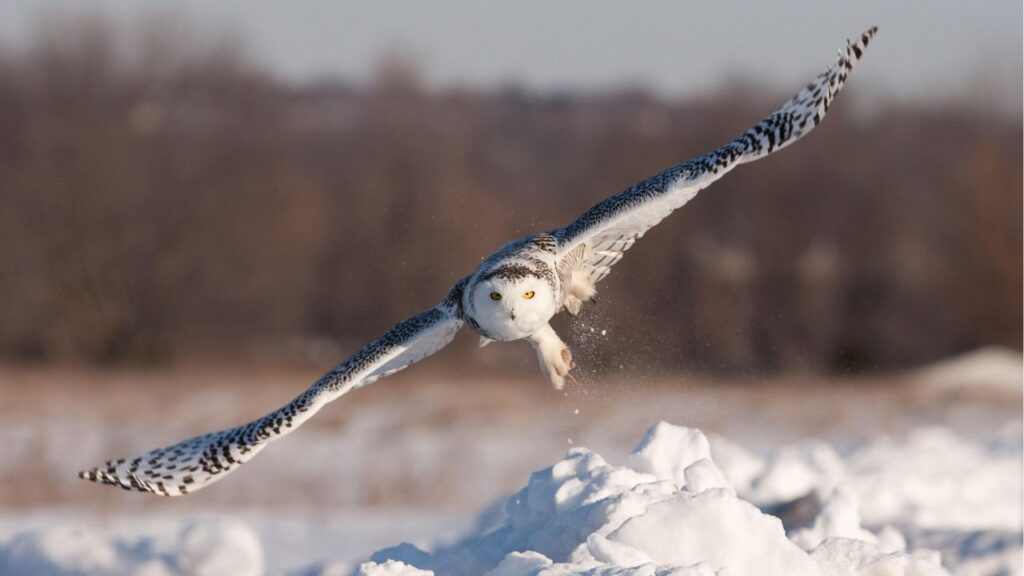
This owl doesn’t need flashy flips to impress. It moves with soft, powerful wingbeats that make almost no sound. Gliding low over snowy plains, it blends into the landscape like a ghost with feathers. It’s calm, cool, and absolutely lethal when focused.
All About Birds states that Snowy owls nest on the ground, often near tundra, where their white plumage helps camouflage them perfectly. Their head can rotate impressively, scanning the wide open skies and ground alike.
Why It’s an Acrobat
Its acrobatics lie in its control. It glides, hovers slightly, shifts direction, and swoops down with calculated precision. Its silent flight gives it a huge advantage — prey simply doesn’t know it’s coming.
And here’s the good part: it stays graceful even in harsh winter winds. Unlike swallows that dart rapidly, snowy owls use smooth, silent motions that make every move count.
Quick Highlights
Silent flight for stealth attacks
Smooth glides over snowy terrain
Excellent directional control
Moves like a feathered phantom
6. Kestrel
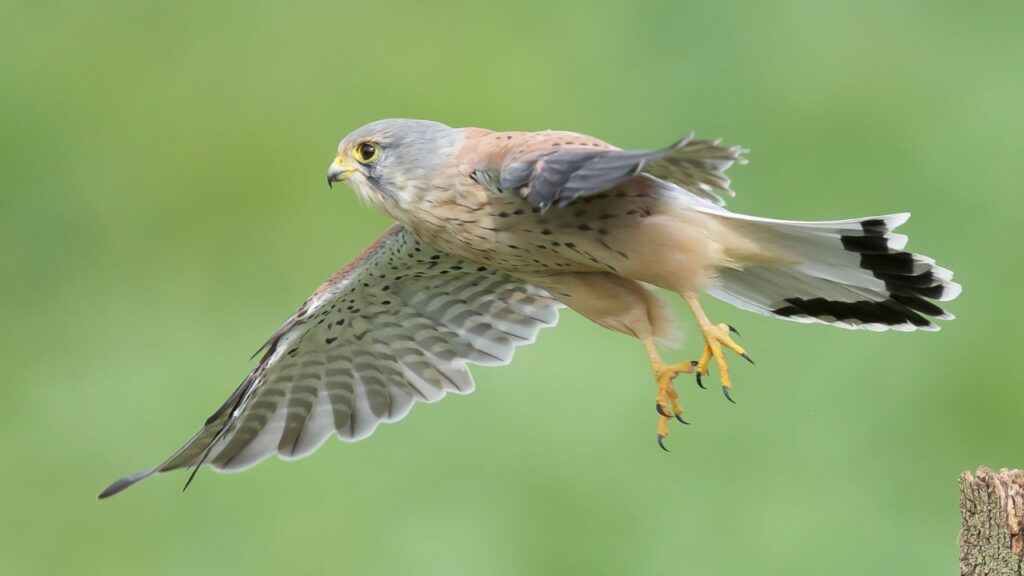
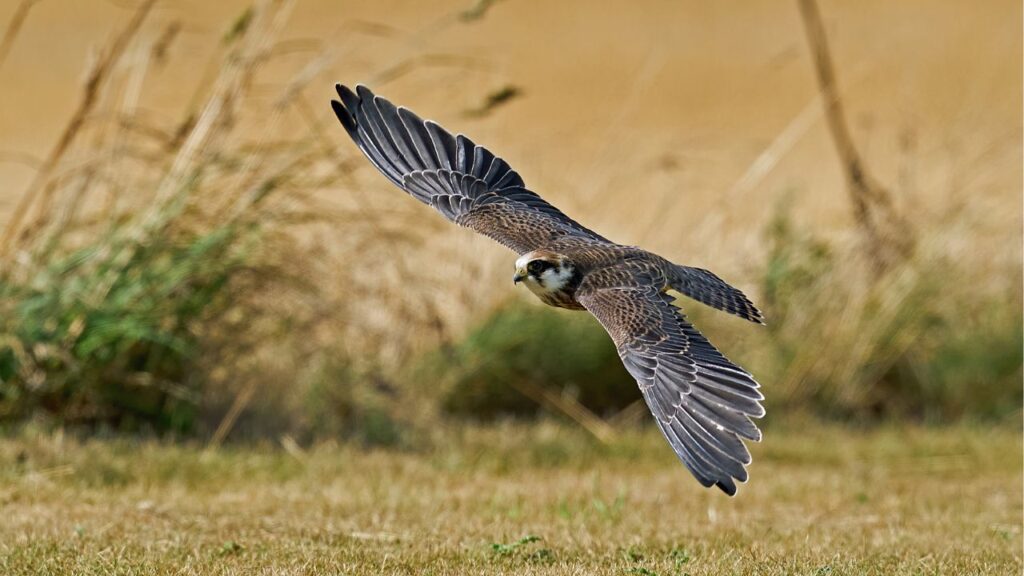
This falcon might be tiny, but it has some serious air tricks. It faces the wind, spreads its tail, and flutters just enough to stay frozen in the sky. It’s basically doing a plank in mid-air. Honestly, same — except it actually pulls it off.
Kestrels often hunt over open ground and nest in tree cavities or old nests left by other birds, including swallows. Their sharp head movements keep them alert to the slightest motion below.
Why It’s an Acrobat
Hovering takes strength, balance, and timing, and this bird nails all three. It spots prey from above, waits for the perfect second, and then drops with pinpoint accuracy.
It uses wind like a friend, not a challenge, riding it instead of fighting it. This bird’s amazing ability to hover while keeping its head locked on prey is a signature move.
Quick Highlights
Famous for “wind-hovering.”
Uses sharp vision from mid-air
Drops fast to catch prey
Small falcon, serious talent
7. Frigatebird
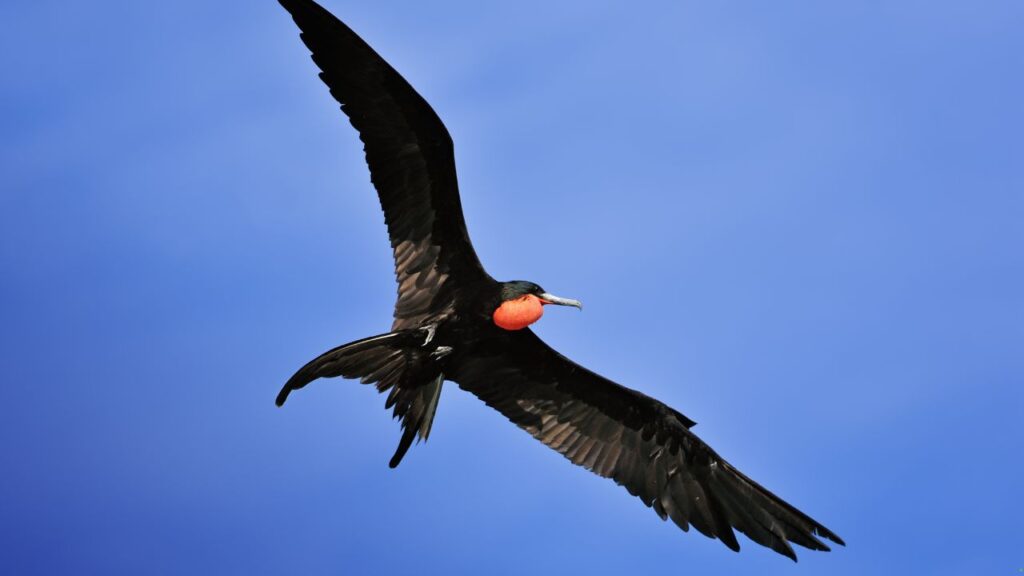
This bird practically refuses to flap unless absolutely necessary. With long, elegant wings, it glides over the ocean for hours like it owns the horizon. It’s giving “smooth operator” energy every single time.
Frigatebirds rarely come to the ground except to nest, often on coastal trees or shrubs, making their aerial lifestyle almost nonstop. Their heads sit high as they scan for other birds to harass or steal food from.
And get this—they can even sleep while flying, which helps them stay airborne for days, according to Birda. Plus, these birds are long-lived, making their sky-bound lives all the more impressive.
Why It’s an Acrobat
Its style is all about efficiency and bold moves. It performs tight turns and long glides with hardly any effort. It steals food mid-air, literally snatching snacks from other birds like a sky pirate.
Confidence level: maximum. Their aerial acrobatics, combined with their pirate-like food raids, make them legendary among seabirds.
Quick Highlights
Incredibly long-distance glider
Expert at mid-air maneuvering
Known for stealing food mid-flight
Ocean bird, aerial showman
Conclusion
Birds are known for their amazing aerial acrobatics, and watching them fly is truly a marvel of nature. From the rapid darting of hummingbirds to the powerful diving of falcons, each species creates unique moves that captivate scientists and wildlife lovers alike.
Their flight is not just about getting from one place to another—it’s a complex dance of motion, precision, and survival. Whether they’re chasing insects or soaring high in the sky, these incredible birds show us the art and science behind flying.
What makes their aerial skills even more fascinating is how they adapt their moves to different environments. Some birds hover steadily, while others turn sharply or dive at lightning speed. These amazing flight patterns are a perfect example of nature’s creativity at work.
Learning about these birds not only deepens our appreciation for wildlife but also inspires new ideas about motion and flight. So next time you look up at the sky, remember you’re watching some of the most skilled acrobats in the animal kingdom in action.
