




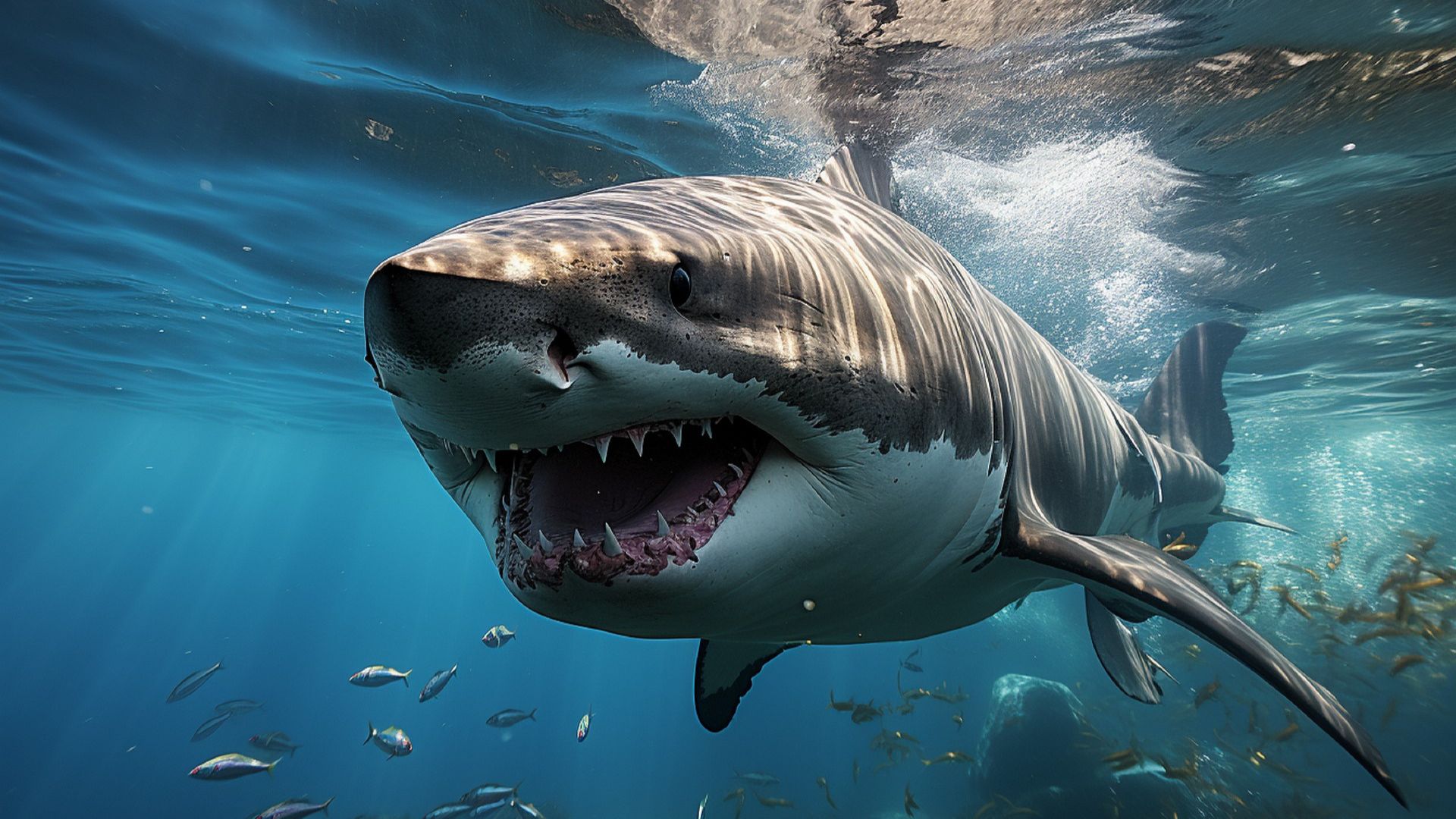
The International Shark Attack File (ISAF) from the Florida Museum of Natural History looked into 105 reported shark-human interactions across the globe in 2025. Among them, there were 65 unprovoked shark attacks on humans and 29 provoked bites worldwide.
Many people have a firm view on sharks; however, the following shark attack numbers will highlight the truth behind these majestic creatures.
Sharks are intensely beautiful creatures. I have long been fascinated by them, from the monstrous creatures of Jaws and the Meg to the real creatures that gracefully dominate our oceans. Sharks are all around tremendous animals.
Peter Benchley, the man behind Jaws, wrote his book about the killer shark, but spent the rest of his days undoing the devastating image he created. Sharks have a fearsome reputation, and while they are undoubtedly apex predators, they are much more than that.
Key Facts You Need to Know
- In 2025, There Were 65 Unprovoked Shark Bites on Humans
- 11 Cases in Florida Represent 44% of the US Total Shark Attacks in 2025
- The Number of Highest Unprovoked Shark Attacks in the US
- The Second Place with the Highest Number of Shark Attacks after the US Is Australia
- One of the Most Dangerous Shark Beaches in the World Is Gansbaai
- The Likelihood of Fatal Shark Attacks Is 1 in 4,332,817
- Shark Attacks Are Highest in the Month of September
- Most of the Fatalities in 2025 Were Due to White Shark Bites
- The Biggest Shark in the World Is the Whale Shark
Why Do Sharks Attack People?

The main reason sharks attack people is because of curiosity. While it doesn’t make a very good catchphrase, curiosity is what draws sharks to humans. When humans enter the water and start swimming, paddling, or splashing around, they draw a shark’s attention.
There is no objective evidence to suggest that sharks actively hunt humans in the water. More attacks usually happen because more people are in the water, not because sharks are getting more dangerous. It’s all about the numbers. The more we swim in their home, the more we might run into them.
Below are some statistics discussing why sharks attack people.
How Many Shark Attacks Happen Each Year?
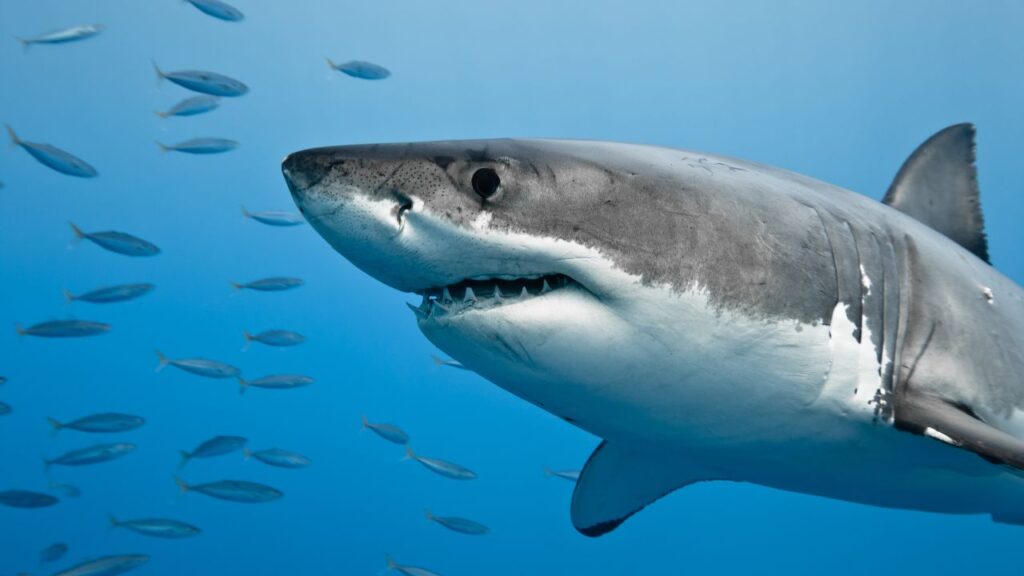
In 2025, there were 65 attacks, and this was an increase in comparison to the previous year. The 65 confirmed unprovoked shark attacks worldwide in 2025 are consistent with the recent five-year average (2020–2024) of about 61 incidents per year.
The ISAF’s annual report mainly looks at unprovoked shark attacks, where sharks bite without human provocation, like approaching them or swimming near the bait. These incidents help us understand shark behavior better. So, although attacks by sharks do happen, the overall risk remains quite low.
Shark Attacks in the US
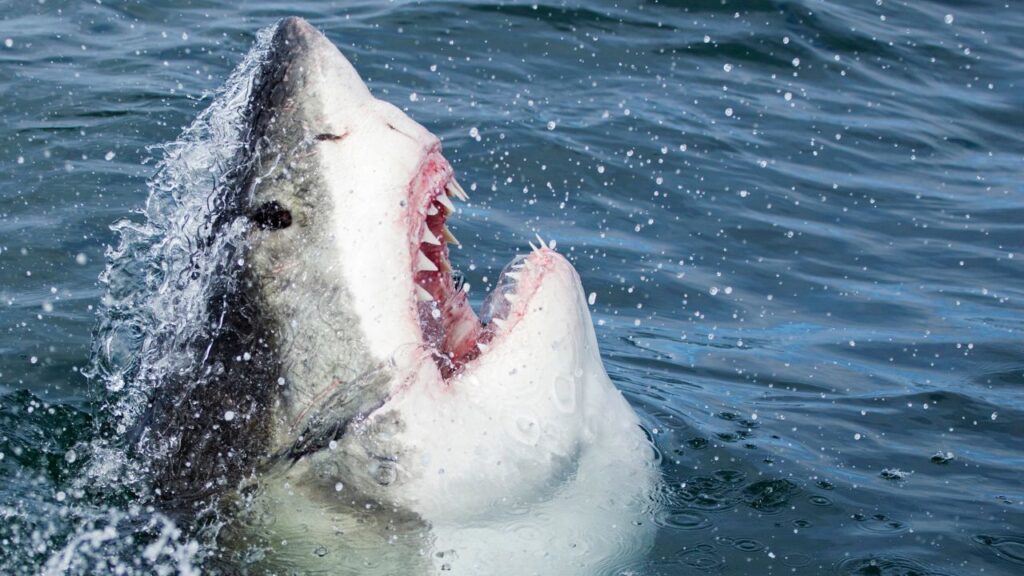
In 2025, There Were 65 Unprovoked Shark Bites on Humans worldwide (ISAF)
In 2025, the Florida Museum of Natural History’s International Shark Attack File (ISAF) reviewed 105 reported shark–human interactions worldwide. Of these, 65 were confirmed as unprovoked bites, while 29 were classified as provoked.
There were 12 confirmed shark-related deaths in 2025, 9 of which were unprovoked. This closely matches the five-year global average of 8 unprovoked shark attack fatalities annually.
The highest number was reported in the United States (ISAF)
While annual fluctuations in shark-human interactions are to be expected, the rise in fatalities in 2025—though notably higher than in 2024—remains consistent with historical peaks seen in previous years. Shark attack data confirms that the US is the geographical home for shark bites.
In line with long-term trends, the United States saw the highest number of unprovoked shark bites in 2025, with 25 confirmed cases. This is a small drop from the 28 incidents reported in 2024. These 25 cases account for 38% of the world’s total shark bites for the year.
There Was Also One Confirmed Death in the U.S. (ISAF)
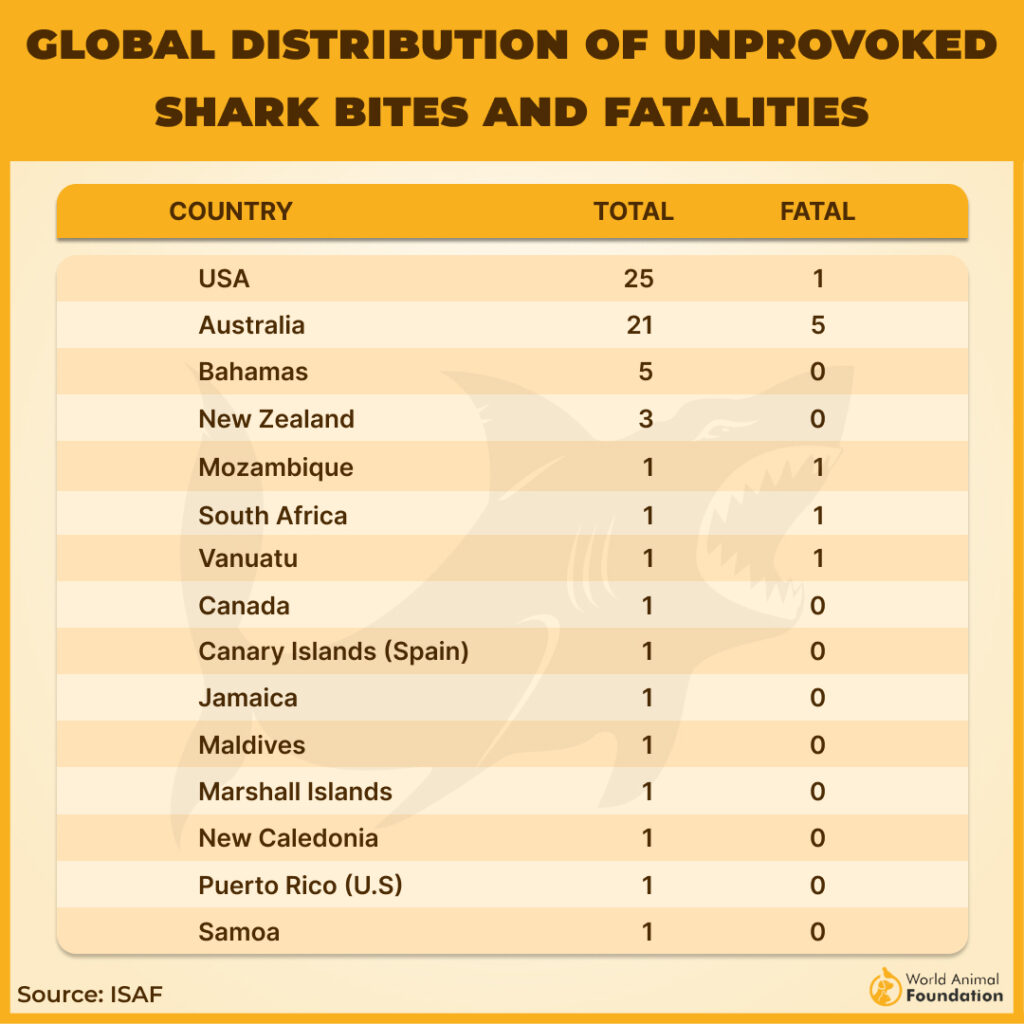
Of the reported incidents, California saw five unprovoked bites, one of which was fatal. Other occurrences included two in South Carolina and single cases in New York, North Carolina, and Texas.
In 2025, Hawaii Recorded Four Shark Attacks (ISAF)
Hawaii recorded four bites in 2025. While this is a slight decrease from the average, it’s worth noting that shark bite statistics in the islands tend to vary significantly from year to year.
A Fatal Shark Attack Occurred in Massachusetts for the First Time Since 1936 (CNN)
As reported by CNN, 2018 saw the first fatal shark bite recorded in Massachusetts in 82 years. Before the attack on the 15th of September 2018, the most recent fatal attack was recorded in 1936.
Many believe the surging population of seals on the coast has beckoned more Great White shark populations to the area.
Shark Attacks Florida
11 Cases in Florida Represent 44% of the US Total Shark Attacks in 2025 (ISAF)
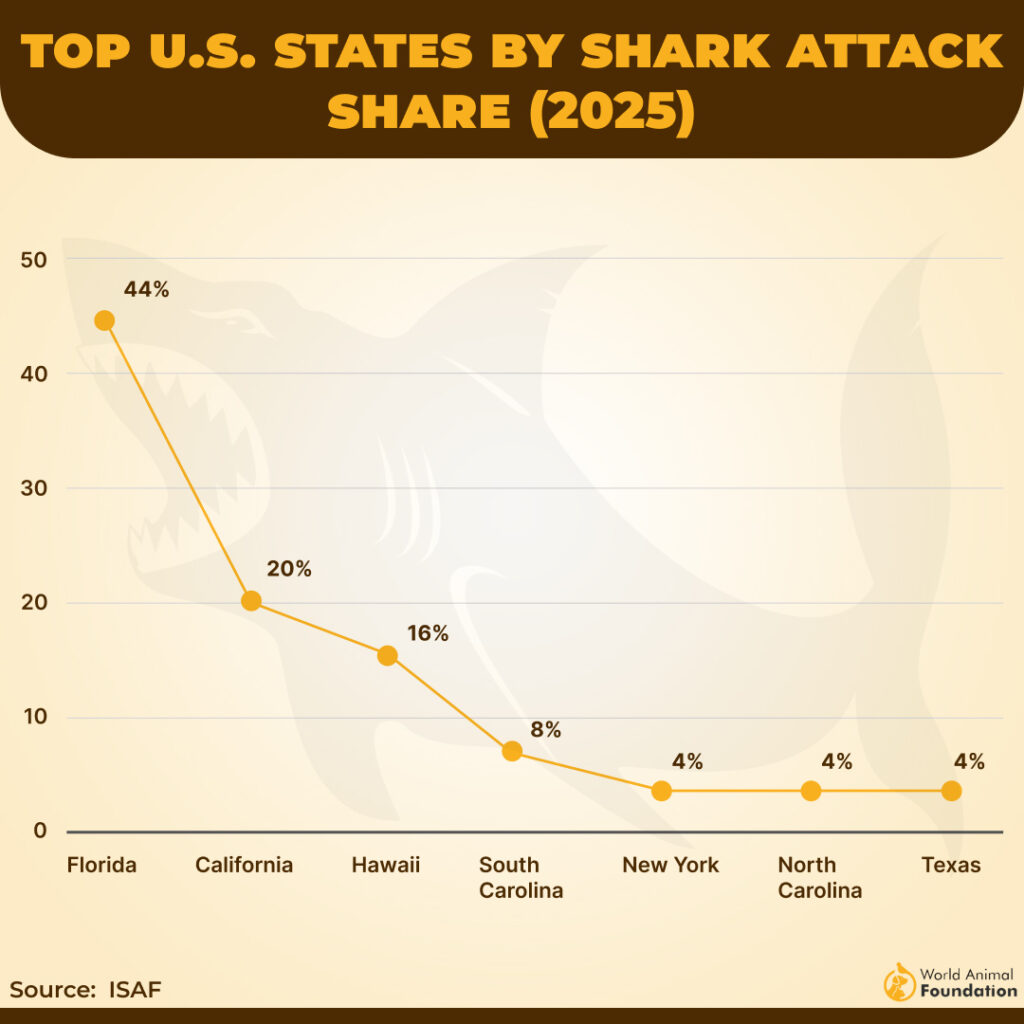
With its warm waters and extensive coastline, Florida continued to lead the world in shark bites in 2025, with its 11 cases making up 44% of the U.S. total unprovoked bites. This number is below Florida’s recent five-year average of 19 incidents.
17% of the unprovoked shark bites worldwide occur in Florida (ISAF)
The same source data can be used to determine that Florida is responsible not only for 44% of unprovoked shark bites across the US but also for 17% of unprovoked bites worldwide.
Volusia County in Florida had the Highest Number of Shark Bites (6), Representing 54% of the State’s Total (ISAF)
Of the 11 bites in Florida, six occurred in Volusia County, often called the unofficial shark bite capital of the world, accounting for 54% of all Florida’s attacks. This is a drop from the area’s recent five-year average of 10 incidents per year.
Although not confirmed, many of these incidents were likely caused by blacktip sharks, which breed along northeast Florida’s coast. Many sharks in this area are juveniles and may not yet fully distinguish between humans and their natural prey, such as fish, stingrays, and other sharks.
Of the five Remaining Bites, two were in Broward County, two in Lee County, and one occurred in Miami-Dade County (ISAF)
Of the five remaining bites, two occurred in Broward County, two in Lee County, and one in Miami-Dade County.
Most Shark Attacks Worldwide Statistics
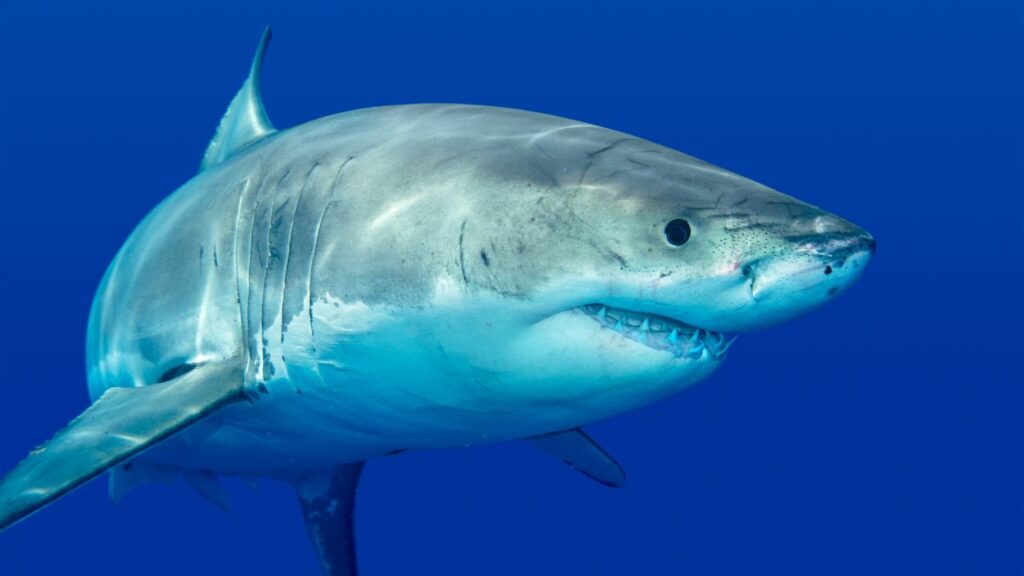
Stats Show There Were 65 Unprovoked Bites on Humans and 29 Provoked Attacks in 2025 (ISAF)
Unprovoked shark attacks and fatalities rose significantly in 2025. The ISAF recorded 65 worldwide cases, an increase from 47 in 2024 and slightly above the five-year average of 61. Fatalities nearly doubled, jumping from seven in 2024 to 12 in 2025.
The report suggests this spike may be linked to a higher presence of great white sharks at “aggregation sites”—popular surfing beaches, particularly in Australia.
It’s normal for the number of attacks and deaths to vary each year.
In 2025, The Number of Highest Unprovoked Shark Attacks Are in the US (Florida Museum)
According to data from the ISAF, the United States remained at the top of the list with 25 unprovoked bites—three fewer than the previous year—while the number of fatalities remained unchanged at one.
The United States has recorded far more unprovoked shark attacks than Australia since 1580 — about 1,441 in the USA compared to 642 in Australia.
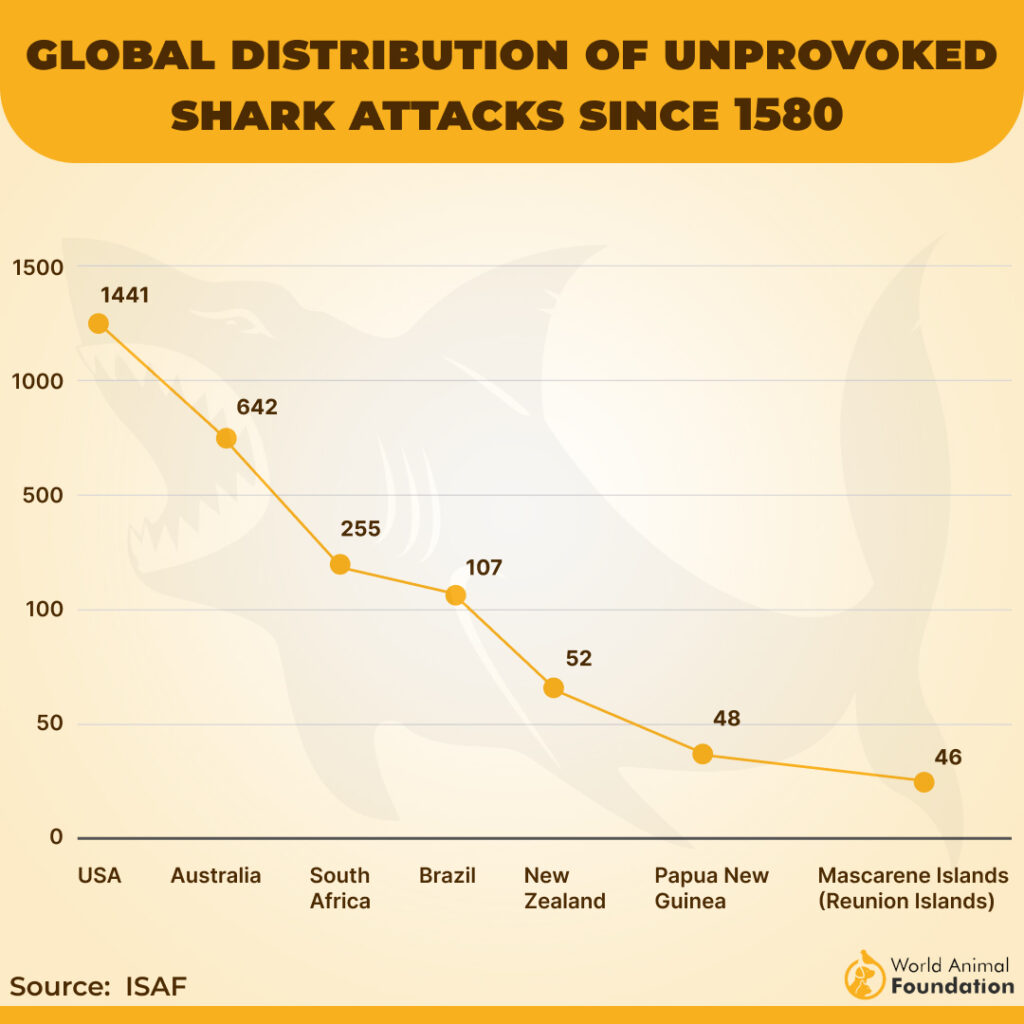
The Second Place with the Highest Number of Shark Attacks after the US Is Australia (ISAF)
An attack map published by ISAF confirmed that after the US, Australia is the second most active country for shark attacks.
Australia saw five fatalities and 21 unprovoked bites this year. This marks a sharp rise from the previous year, which recorded only nine unprovoked bites and zero fatalities. An “unprovoked bite” is defined as an incident where a shark bites a human in its natural habitat without any prior interaction.
However, while it may rank second for activity, Australia is the number one country for fatal attacks.
Australia accounted for 21 Attacks, resulting in 5 Fatalities. (ISAF)
Australia saw 21 unprovoked incidents this year, a significant increase from the region’s recent five-year average of 13. The incidents were spread across the country:
- Western Australia: 7 bites (1 fatal, involving a white shark)
- South Australia: 3 bites (1 fatal, involving a white shark)
- Queensland: 2 bites (1 fatal)
- New South Wales: 8 bites (2 fatal)
- Victoria: 1 bite
Of the 13 shark species known to bite humans, all 13 are found in Australian waters. White sharks and bull sharks are especially common. Australia has two overlapping white shark populations along its southwest and southeast coasts, each with only a few hundred adults — much lower than historical levels.
Even minor bites from white or bull sharks can be life-threatening, which contributes to Australia’s higher fatality rate. However, numbers vary each year, and in 2019, 2022, and 2024, there were zero reported deaths from unprovoked shark attacks.
Brazil has recorded at least 11 attacks since 2019 (Shark Sider)
Brazil does report shark attacks, but the numbers are relatively low compared to many other countries. In recent years, improved safety measures have helped reduce the frequency of these incidents. Brazil has recorded at least 11 attacks since 2019 out of which 1 was provoked and 10 are unprovoked.
In 2023, Brazil reported three bites, none of which were fatal. Research collected in the International Shark Attack File confirms that between 1931 and 2021, Brazil saw 111 total attacks by sharks. Out of those 111 incidents, 65 occurred off the coast of the state of Pernambuco.
One of the Most Dangerous Shark Beaches in the World Is Gansbaai (American Oceans)
Sharks are found in seas and oceans the world over, and despite the record number of attacks and incidents in the US and Australia, one of the most heavily shark attack hotspots of the world is off the South African coast.
Getaway reports that Gansbaai sees anywhere between 5 and 10 shark attacks per year. Sharks have become one of the key tourist attractions in the area.
In 2019, 2 Fatal Shark Attacks Occurred in the Bahamas and Reunion Island (Florida Museum of Natural History)
According to data gathered and published by the ISAF at the Florida Museum, 2019 saw a drop in the total number of shark-related incidents. Only 64 unprovoked bites were reported.
However, two particular bites proved fatal – one in the Bahamas and one on Reunion Island. Interestingly, this also represented a 50% decrease compared to the average.
Shark Attack Statistics
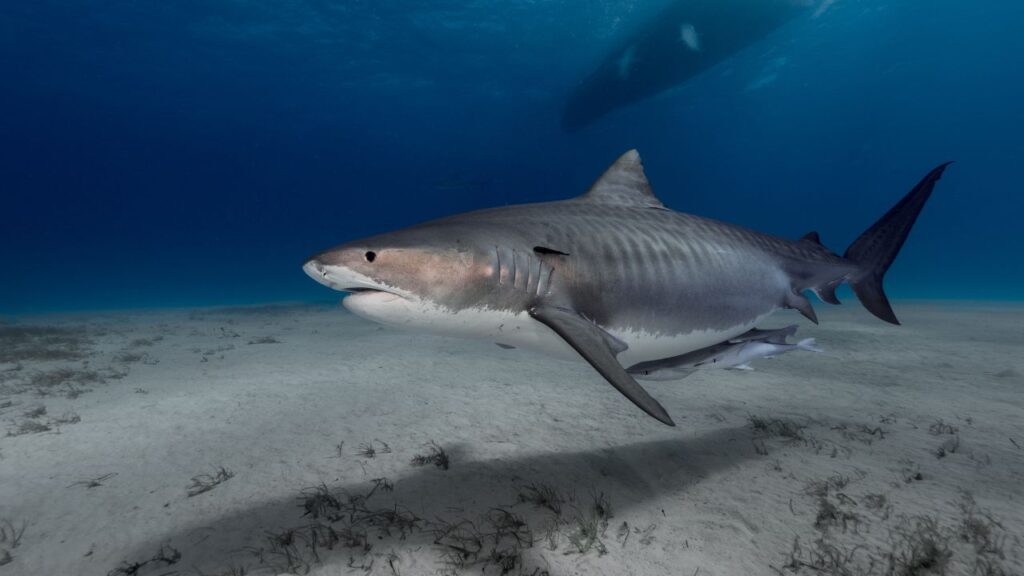
The Likelihood of Fatal Shark Attacks Is 1 in 4,332,817 (Florida Museum)
According to the Florida Museum of Natural History, it was revealed that the odds of dying as a result of a shark attack in the USA are 1 in 4,332,817.
This means that, despite recent headlines, the statistical likelihood of a shark bite remains extremely low. To put the risk into perspective, the CDC reports that more than 4,000 people drown in the U.S. every year. On a global scale, lightning strikes are responsible for an estimated 24,000 deaths annually, with injuries occurring ten times more frequently.
This means that you are more likely to die from an attack from wasps, dogs, or snakes than you are from sharks.
The Rate of People Getting Drowned Is Higher than Getting Bitten by a Shark (Florida Museum)
As per a study by the International Shark Attack File, you are more likely to die by drowning than be bitten by a shark. To further quantify those statistics, you are 3,820 times more likely to drown than die from a shark bite.
The chances of drowning are 1 in 1,134 compared to the 1 in 4,332,817 odds of being bitten by a shark.
Shockingly, Deaths Due to Selfies Are Higher than Being Eaten by Sharks (NY Post)
In an article published in the NY Post, more people have died while taking a selfie in recent years than from attacks by sharks.
Between 2011 and 2017, 259 people died while taking a selfie, as opposed to just 50 shark-related deaths in the same time span.
Surfers accounted for 32%, and snorkelers/free divers accounted for 15% of shark attacks. (ISAF)
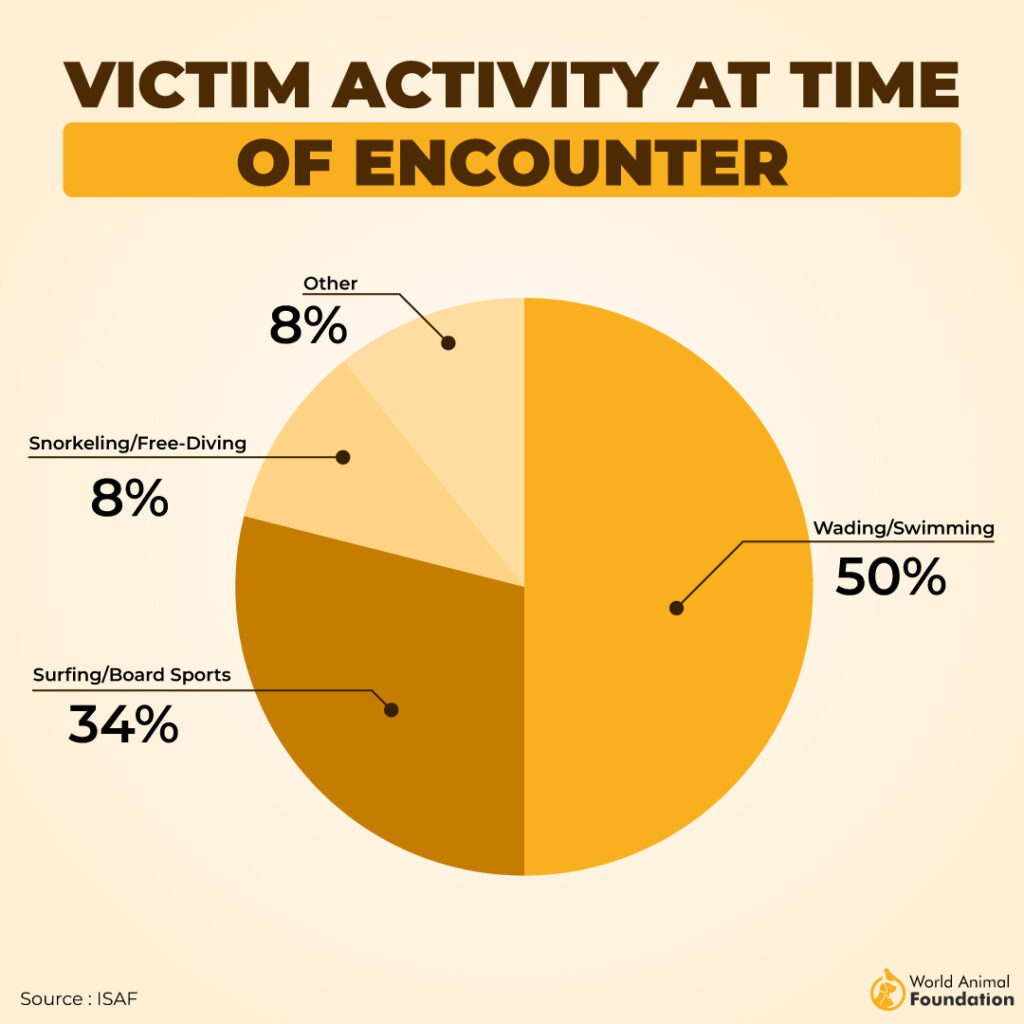
In a report published by the ISAF, more than half of all reported shark attacks are a direct result of board sports and surfing.
The article specifies that, in terms of activity, swimmers and waders accounted for the largest share of incidents at 46%. Surfers and board sports participants followed at 32%, while snorkelers and free divers represented 15% of the total.
Shark Attacks Are Highest in the Month of September (ISAF)
The ISAF is the only known repository for shark altercation statistics. According to their research, the most active month for shark attacks is September. The data relates to attacks in Florida, which is the most active location in the US for shark bites.
Stats Show Several Factors, Including Climate Change, Are Involved in Shark Attacks (BBC)
A BBC report concludes that a rise in the rate of attacks on humans is related to a number of different factors. As the number of unprovoked shark bites worldwide seems to be on the increase, the reasoning behind it is linked to multiple environmental factors.
Climate change is altering water temperatures worldwide, and as a result, sharks’ natural habitat and shark attack migration paths are growing. In addition, conservation efforts are seeing seal colonies and other shark prey populations increase, thus luring even more sharks into coastal waters.
There Are Three Types of Unprovoked Shark Attacks (ISAF)
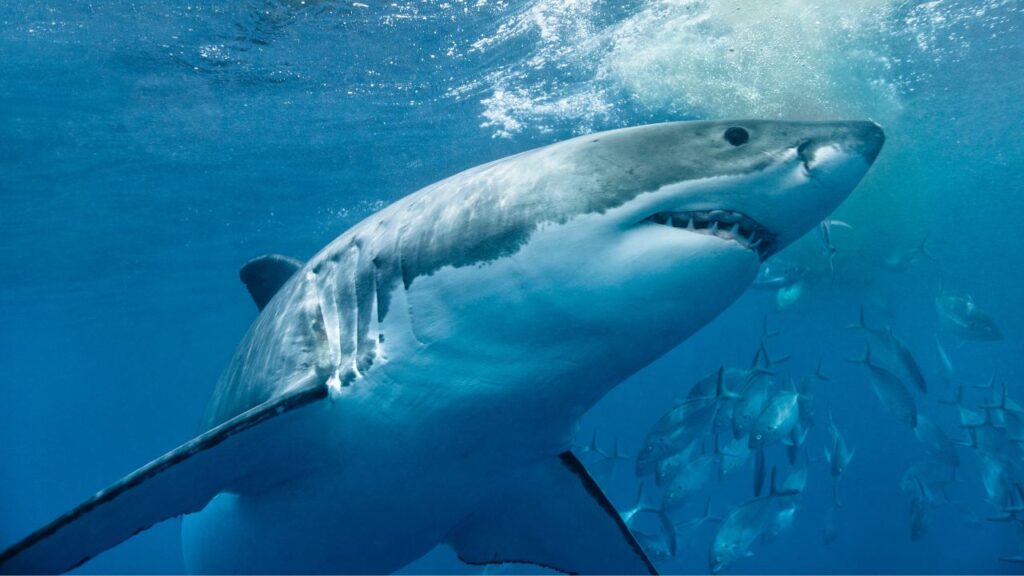
The ISAF curator, George Burgess, documented that there are three different types of attacks by sharks. These were examined in detail by Wildlife Online.
The three types of shark bites are:
- Hit and run attack: Often unseen, a shark will attack quickly, take a bite, and disappear. A hit-and-run attack is the most common shark interaction.
- Bump and bite attack: The bump and bite is most commonly related to feeding. These are most often severe or fatal attacks. Sharks bump their prey before circling back for multiple attacks.
- Sneak attack: Sneak attacks are a combination of the above. They occur without warning and often result in multiple bites.
Shark Attack Statistics by Species
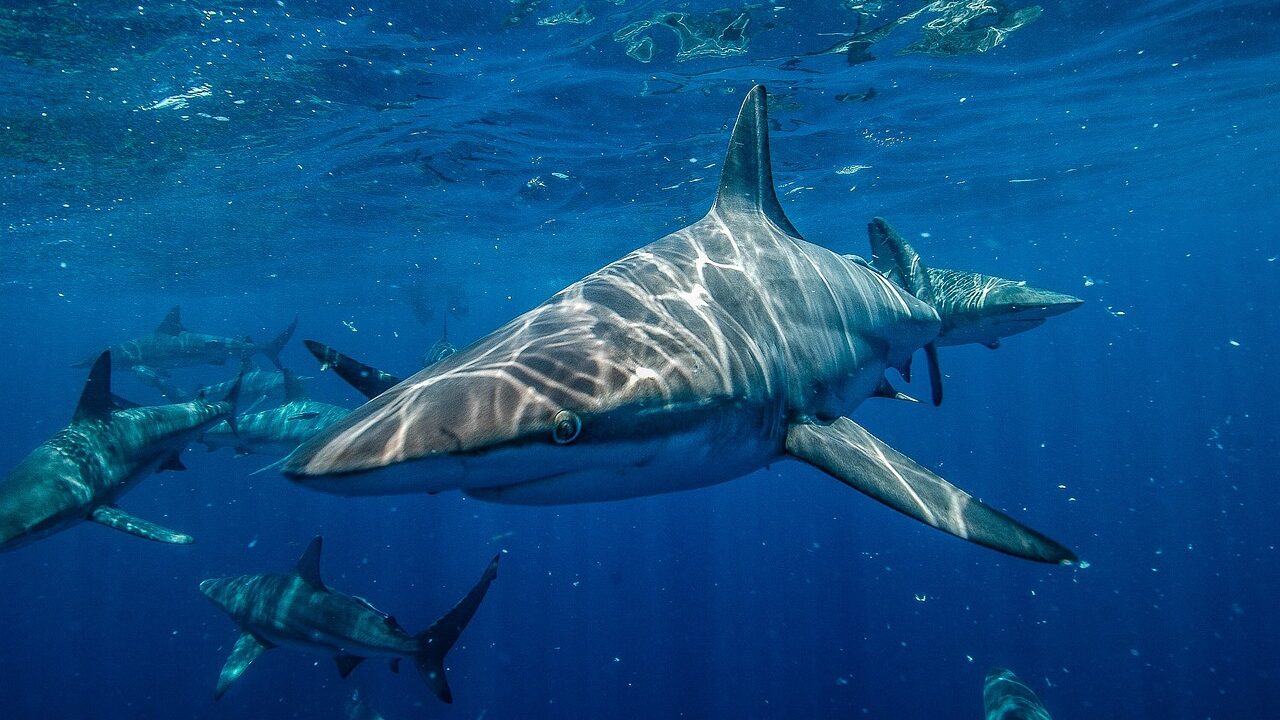
There Are Over 548 Known Shark Species, among Which Only 13 Are Involved in Attacks on Humans (Florida Museum)
Between sharks and rays, there are approximately 1,000 different species on the planet, yet according to statistics from the Florida Museum of Natural History, only 13 have ever been involved in unprovoked bites on humans.
Since 1580, 949 Unprovoked Shark Attacks Have Been Documented Globally. (ISAF)
Since 1580, there have been 949 unprovoked attacks globally. Great white sharks were involved in 37% (351 attacks) of these, with 59 being fatal.
Most of the Fatalities in 2025 Were Due to White Shark Bites (ISAF)
In 2023, most fatalities were caused by white shark bites, with three in Australia and one in California. The fall in white shark fatalities seen in 2024 did not continue in 2025, showing how unpredictable fatality numbers can be from year to year. According to the Florida Museum, the Great White is the most dangerous shark to humans.
Most unprovoked attacks by sharks are test bites, where a shark senses humans (mistakenly) as their usual prey and often leaves after one bite. However, because of their size, many species, like white and tiger sharks, can cause fatal injuries with just a single bite or two bites.
Since 1580, 351 Unprovoked Bites Have Been Attributed to White Sharks. (ISAF)
The Great White has been responsible for a record 59 fatal human bites over the centuries. They have also been involved in a staggering 351 unprovoked shark bites, which accounted for 326 attacks and 52 fatalities earlier.
The Bite Force of a Great White Shark Is More than 4,000 PSI (American Oceans)
According to American Oceans, the great white shark has a bite force of 4,000 pounds per square inch (psi).
To add some perspective, the force of a Great White shark bite is approximately 10 times more than a lion!
The Second Most Dangerous Sharks in the World Are Tiger Sharks (ISAF)
While Great White sharks are regarded as the most aggressive ocean predator, they are followed close behind by the Tiger shark.
Tiger sharks are, according to the ISAF, unaggressive and often docile sharks; however, they are still second in the number of human attacks and shark-related fatalities. Tiger sharks have been involved in 103 unprovoked attacks and caused 39 fatalities.
Stats Show the Incidence of Bull Shark Attacks Is Highest in Shallow Waters (NWF)
Bull sharks are clever creatures that can move from freshwater to saltwater without issue. As a result, they often move into shallow rivers and bodies of water. This brings the bull shark into close contact with humans.
According to NWF, Bull sharks are also naturally inquisitive and use their mouth as a way of exploring and investigating.
Tiger sharks caused 142 unprovoked shark bites, and bull sharks caused 119 during that period since 1580. (ISAF)
ISAF warns that shark unprovoked attack figures might not be precise due to misidentification. Yet, bull sharks, tiger sharks, and great white sharks, known as “The Big Three,” cause about 65% of attacks worldwide. They’re known for serious injuries and often roam near human areas.
Hammered Shark Attacks on Humans Didn’t Cause Any Casualties (Newsweek)
According to an article in Newsweek, Hammerhead sharks have not been the cause of human fatality for over 120 years.
While the Hammerhead is the most recognizable of all shark species, it is highly placid. There have been just 16 incidents involving people, and none of them have been fatal.
The Biggest Shark in the World Is the Whale Shark (Oceana)
The largest shark in the world is the Whale shark. However, as confirmed by Oceana, despite being the largest living fish, the whale shark is utterly harmless. One of three filter-feeding sharks, Whale sharks pose no threat to humans.
Interestingly, the spotted pattern on a Whale shark’s hide is as unique as a human fingerprint.
How Many Sharks Are Killed by Humans Statistics

Globally, There Are More Than 100 Million Shark Deaths (Science Direct)
While sharks kill around 10 people a year, humans are responsible for killing tens of millions of sharks. An estimated 63 to 273 million sharks are killed each year worldwide.
In 2000, approximately 100 million sharks were killed, and in 2010, the number was about 97 million.
73 To 100 Million Sharks Are Killed For Their Fins (Shark Research Institute)
Shark populations worldwide are rapidly declining, largely due to the high demand for their fins, which are used in a status-symbol soup served at weddings and banquets across Asia. Each year, an estimated 73 to 100 million sharks are killed globally solely for their fins. Some shark populations have plummeted by up to 99%, leaving them nearly extinct in their ecosystems.
In shark finning, sharks are caught, their fins are removed, and the shark is returned to the ocean, alive, and left behind to drown. It is the major cause of shark mortality.
Overfishing Has Dropped the Level of Sharks by 71% (Marine Megafauna Foundation)
Over the past 50 years, the global population of oceanic sharks and rays has dropped by nearly 71%, mainly because of overfishing. This decline aligns with a doubling of fishing efforts and a threefold increase in catches, resulting in an 18-fold rise in relative fishing pressure. The main reason behind this is the continued expansion of commercial fishing zones.
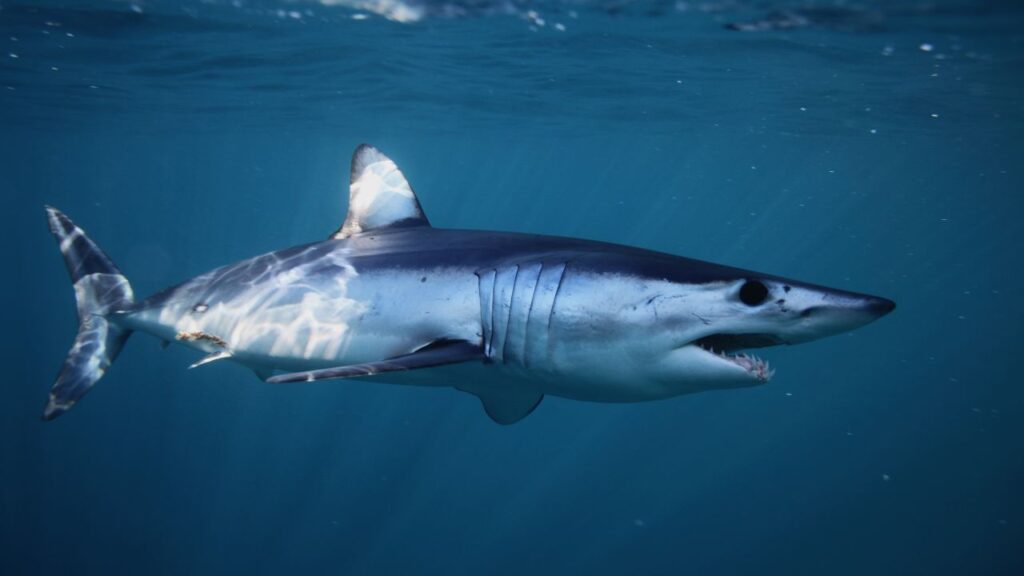
Overfishing of the oceans has seen a vast reduction in the amount of food available for most sharks. The follow-up from this is that more sharks are dying, which, coupled with the relatively slow reproduction rate, means there are fewer sharks swimming in our oceans.
Ten Critically Endangered Gray Nurse Sharks Were Killed in the Nets in New South Wales from 2017-2018 (The Guardian)
As part of a shark deterrent system, nets were used around beaches in New South Wales with a focus on catching rogue tiger or white sharks, which pose the greatest risk to humans.
However, according to research and an article in the Guardian, between 2017 and 2018, the nets caught and killed 6 critically endangered gray nurse sharks.
Between 2018 and 2019, 24 Great White Sharks And 3 Bull and 3 Tiger Sharks Were Killed in Nets (Marine Conservation)
According to the NSW Shark Meshing Program 2018–19 Catch report, reducing shark populations does not lower the already small risk of shark bites.
During that period, the nets caught 24 great white sharks, 3 bull sharks, and 3 tiger sharks. They also killed 14 critically endangered grey nurse sharks.
There are better and more humane ways to limit interactions between humans and sharks, especially when you consider that there were other marine mammals also killed in the same nets during that time.
FAQs
How many shark attacks per year?
In 2024, there were 47 unprovoked attacks, while 2023 saw 69 worldwide. This marks a change from the 10-year average of 63 attacks per year, as noted by the University of Florida.
How many people are killed by sharks each year?
On average, less than 10 people are killed by sharks worldwide each year.
How many shark attacks in 2022?
During 2022, there were a total of 108 shark interactions worldwide, and ISAF documented 73 unprovoked shark bites or attacks in the United States.
What state has the most shark attacks?
Florida has the highest number of attacks.
What are the chances of getting attacked by a shark?
As per ISAF, the odds of being killed or even attacked by a shark is one in 4.3 million around the world. You are 1500 times more likely to be attacked by a bear than a shark.
Conclusion
Sharks are an often misunderstood species that are viewed as nothing more than cold-blooded killers. Yes, sharks are effective eating machines, but they are so much more than that. As per ISAF, the risk of death from a shark attack is one in 4.3 million around the world.
The above shark statistics also show that the risk they pose is nothing compared to the risk we pose to them. As a long-time lover of sharks, I am all in favor of helping educate people to better understand these amazing creatures.
Have you ever encountered a shark in the wild? How did it happen? What did you take away from your experience? Let us know in the comments; we’d love to hear from you!
