




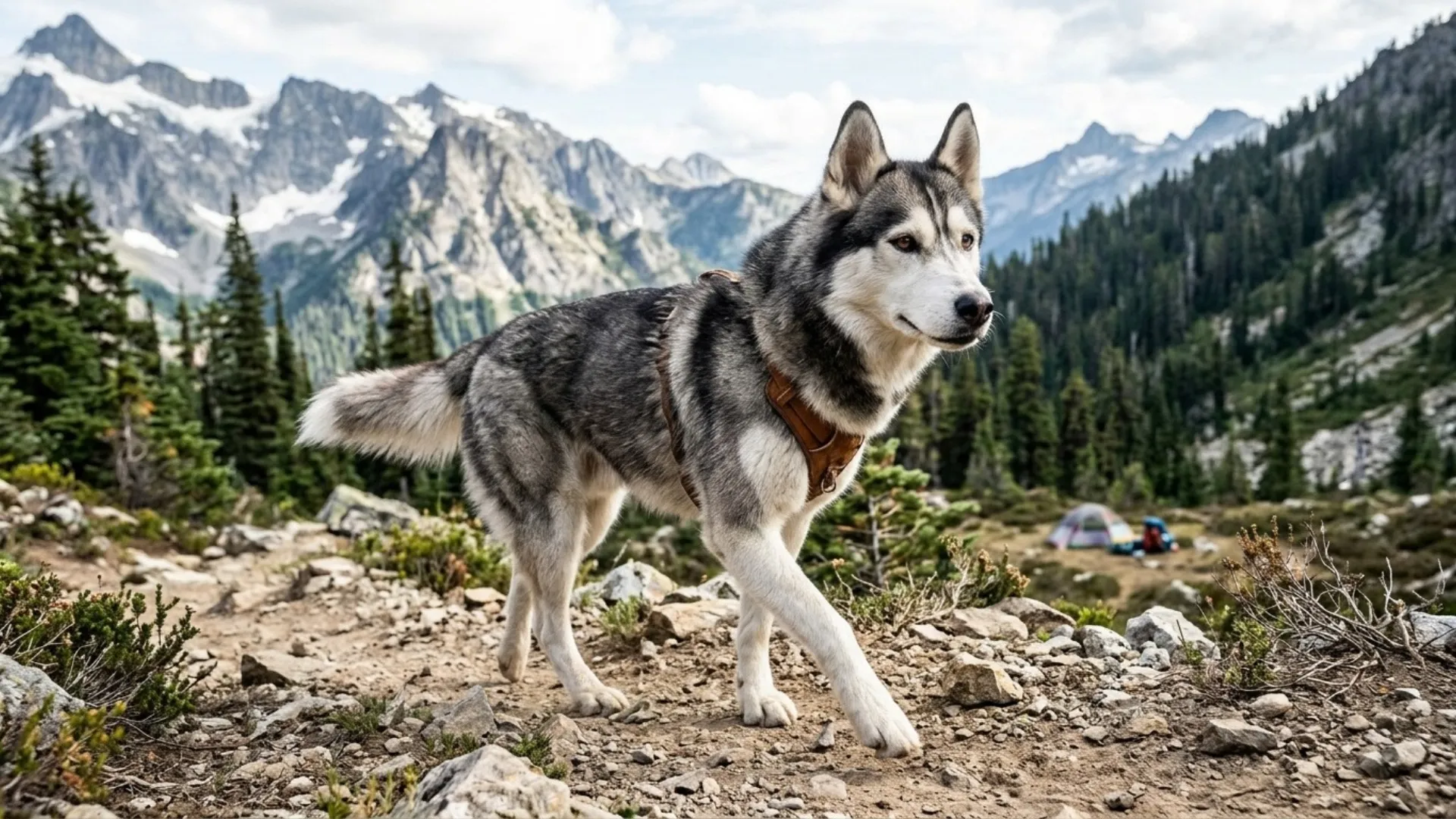
Mountain adventures place a different set of demands on dogs than ordinary daily walks. A trail may begin on soft woodland soil before leading across exposed rocks, muddy slopes, and narrow passages.
Weather conditions can change quickly at higher elevations, making physical preparation particularly important for canine hikers. Dogs with dense double coats often have better insulation against cold temperatures, while muscular builds and strong limbs can help them handle demanding ground.
Their breathing, endurance, and ability to recover after strenuous activity also deserve careful consideration during longer outings. Working heritage offers another interesting factor, since certain dogs were historically involved in livestock protection, hunting, and other physically demanding outdoor tasks.
This article takes a closer look at rugged dogs with impressive outdoor abilities, covering their physical strengths, temperaments, and suitability for mountain trails and wilderness activities.
Key Takeaways
A long day in the mountains calls for considerable stamina, something the Australian Cattle Dog developed through years of demanding herding work.
Cold-weather adventures bring the Siberian Husky and Bernese Mountain Dog into consideration, given their thick coats and working histories.
There’s also a breed with a distinctive strip of backward-growing hair along its spine and the physical build to cover considerable distances.
Curious about which adventure dog it is? Read till the end to learn more about these seven rugged outdoor companions.
Rugged Dog Breeds for Mountain Adventures and Wilderness Fun
1. Australian Cattle Dog
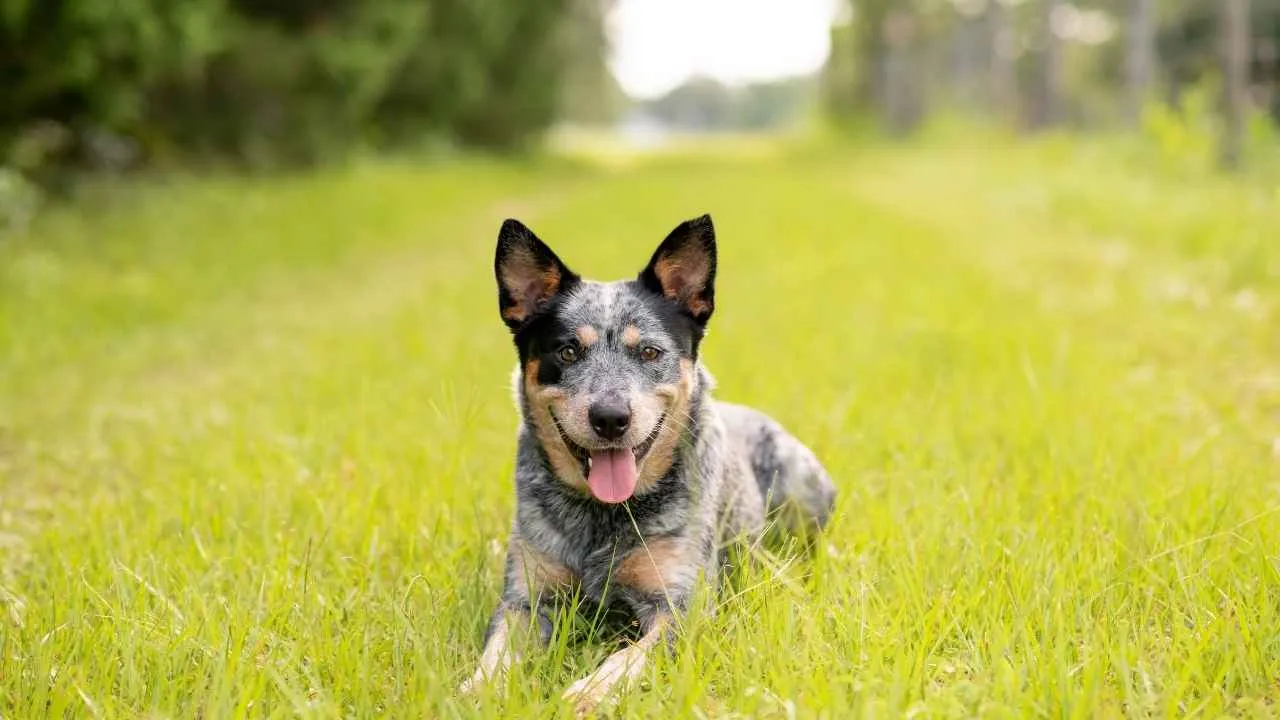
The Australian Cattle Dog took shape in 19th-century Australia, when expanding cattle stations needed a herder capable of working across vast distances.
Around 1840, Thomas Hall crossed Blue Merle Highland Collies with domesticated Dingoes, producing the dogs known as Hall’s Heelers.
Built for Long Days on the Trail
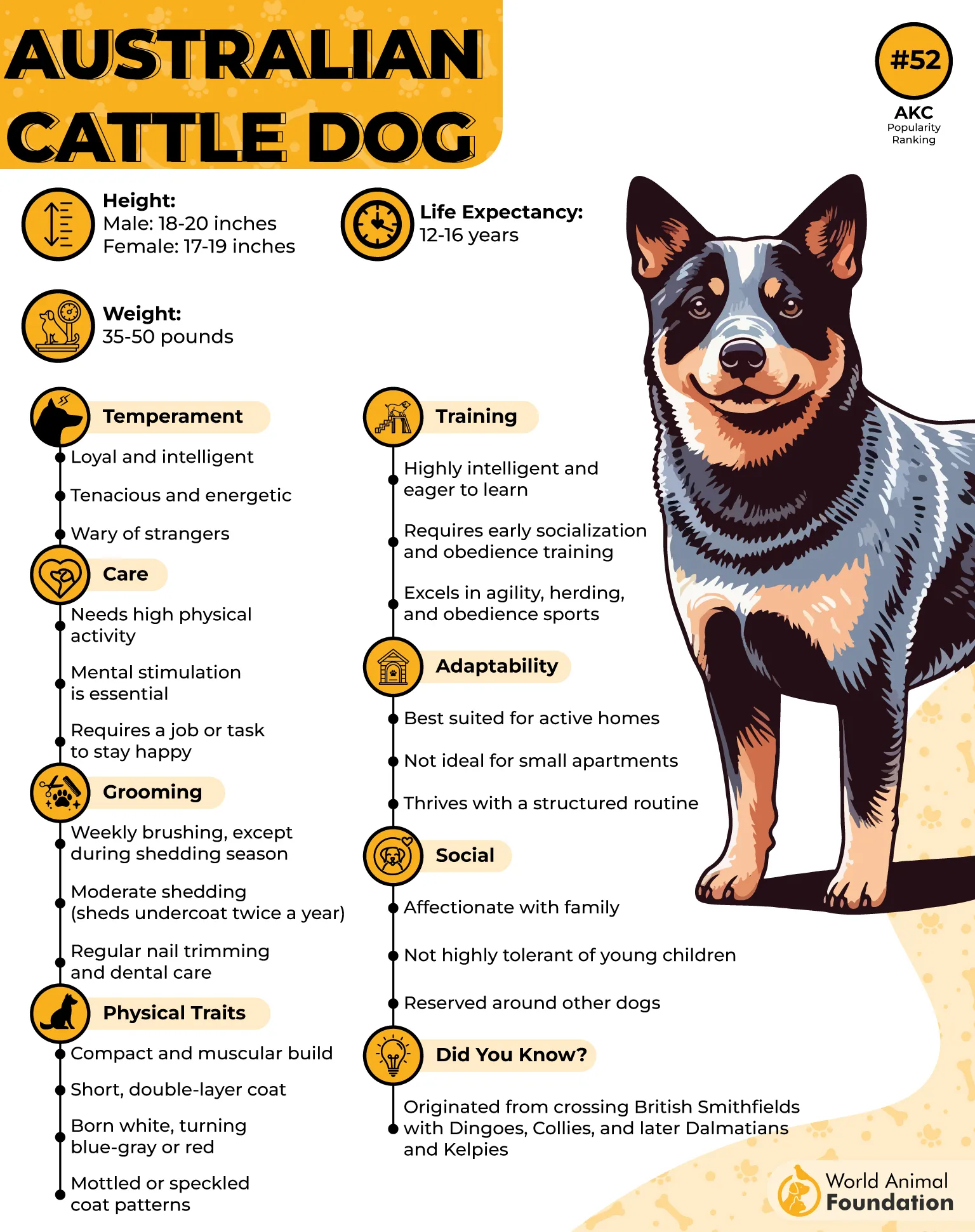
An Australian Cattle Dog has the stamina for extended outdoor activity, with a strong, balanced frame and an efficient gait suited to hours of trotting.
According to the AKC, its dense double coat also offers protection during changing weather, from hot days to chilly nights and wet conditions.
A closer look at its working build reveals some useful details:
Strong forequarters and hips support sustained movement.
Quick turns help it dodge cattle hooves.
A dense undercoat provides insulation in cooler weather.
A Mind That Makes Its Own Decisions
These dogs were selected to work at a distance from their handlers, so independent thinking comes naturally. They learn commands quickly, but benefit from structured training and regular tasks that give their intelligence a clear direction. Agility and flyball can provide worthwhile challenges.
2. Siberian Husky
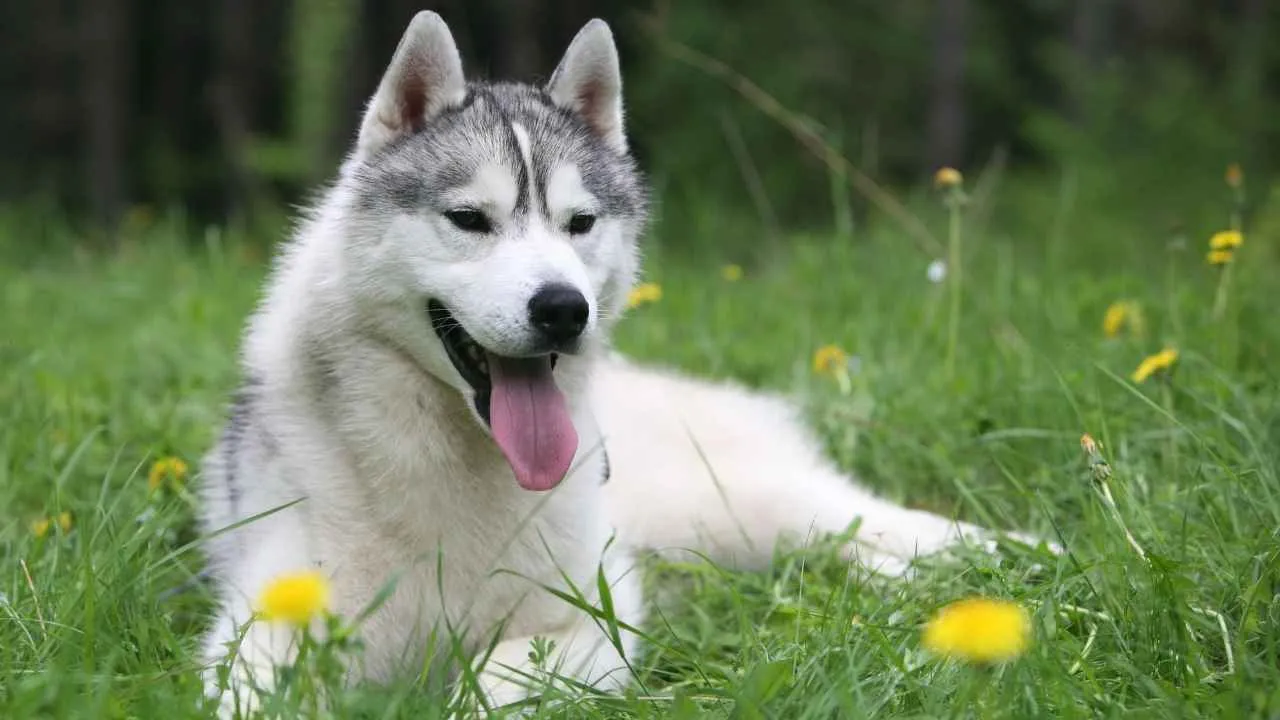
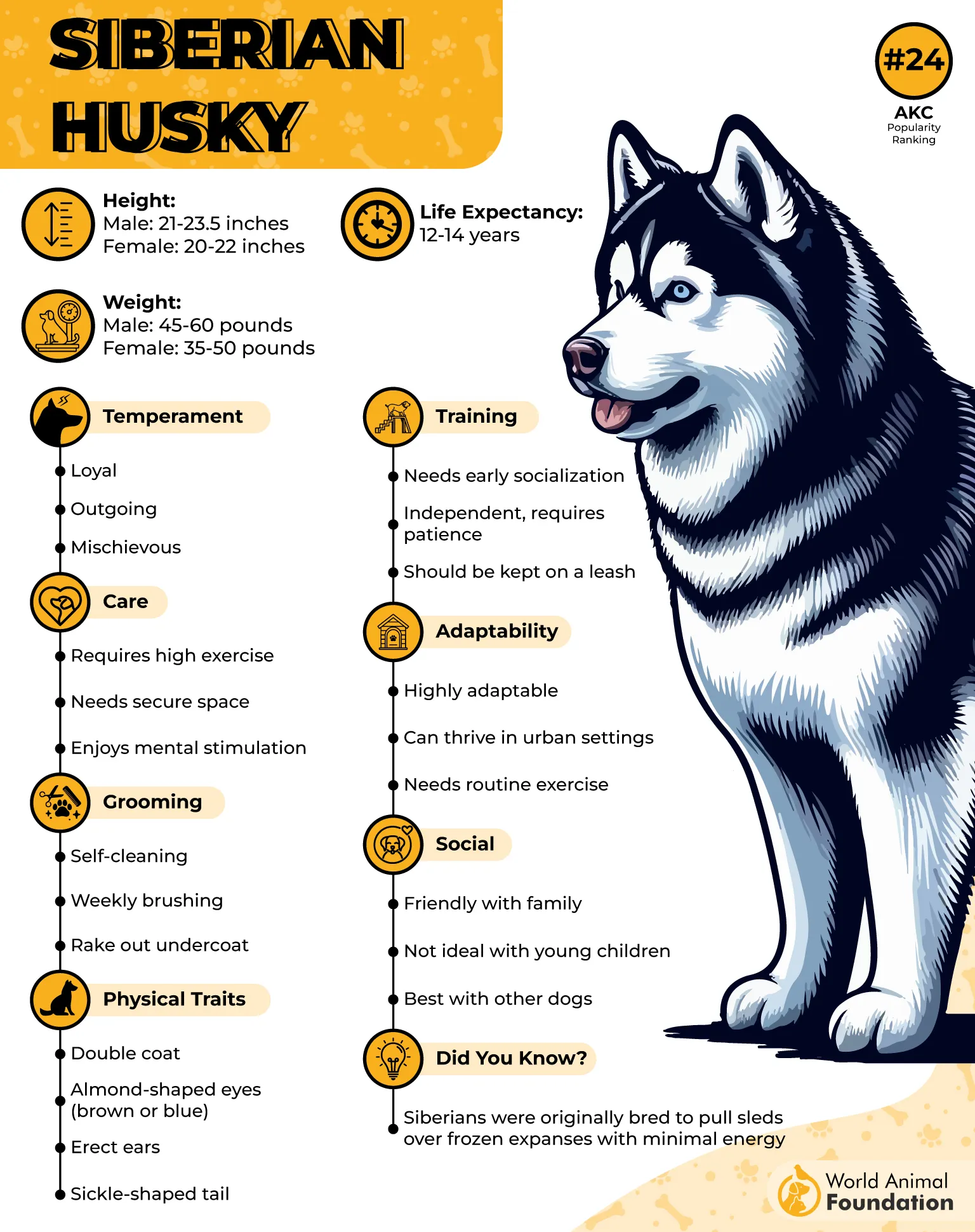
The Siberian Husky comes from northeastern Asia, where the Chukchi people bred these dogs for pulling sleds across frozen terrain. Their Spitz ancestry, thick coat, and efficient gait suited long journeys through Arctic conditions. The name “Husky” is believed to have evolved from “Eksy,” a term once used for Eskimos.
An Adventurous Partner for the Trail
A Siberian Husky has the endurance for extended outdoor outings, with a smooth, economical trot that helps it cover long distances. Its enthusiasm for running and cooler weather can make mountain routes and open wilderness especially appealing.
These details help explain its ability on demanding ground:
Dense undercoat beneath longer, weather-resistant guard hairs.
Compact, fur-covered paws that provide insulation on snow.
Curled tail that can rest over the muzzle during cold-weather sleep.
Training Needs Patience and Secure Boundaries
Independent thinking can make a Husky selective about following instructions, so short, positive training sessions with clear rewards work best. Their curiosity and strong roaming instincts also call for secure fencing, while their tendency to chase small animals requires careful supervision.
3. Bernese Mountain Dog
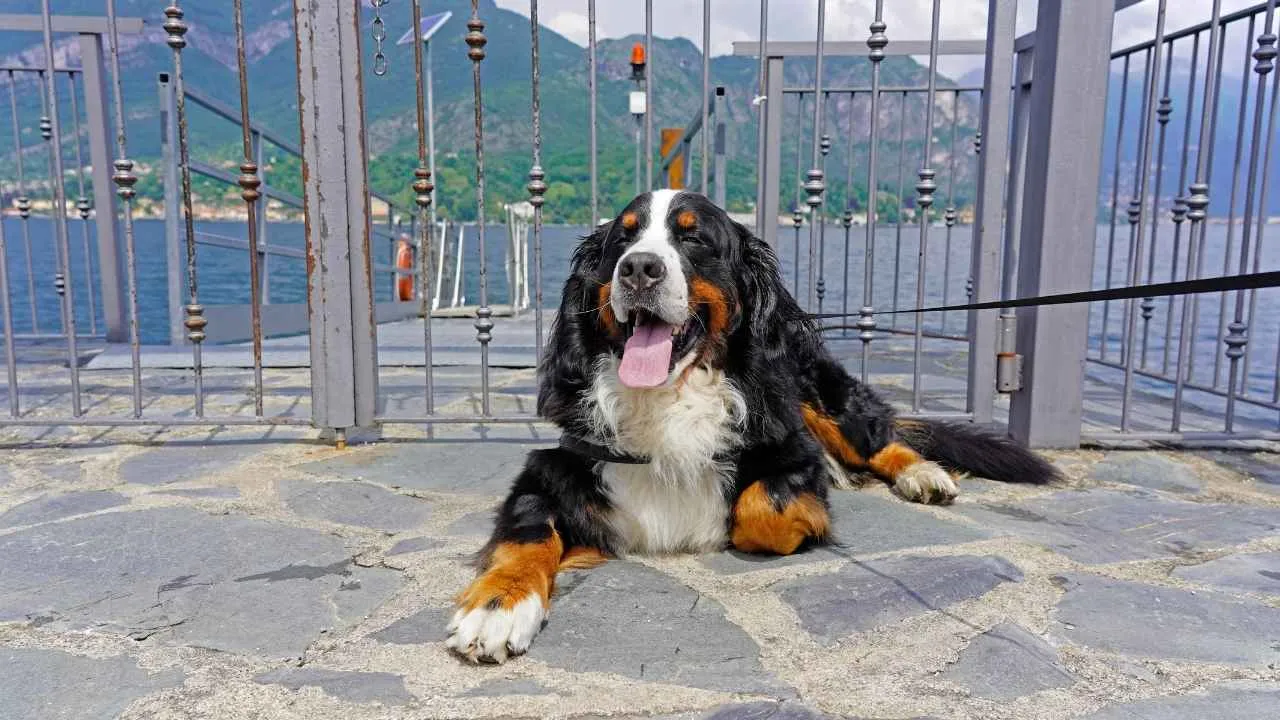
The Bernese Mountain Dog spent centuries working on farms in the Swiss Alps, where its strength was useful for driving dairy herds and pulling loaded carts.
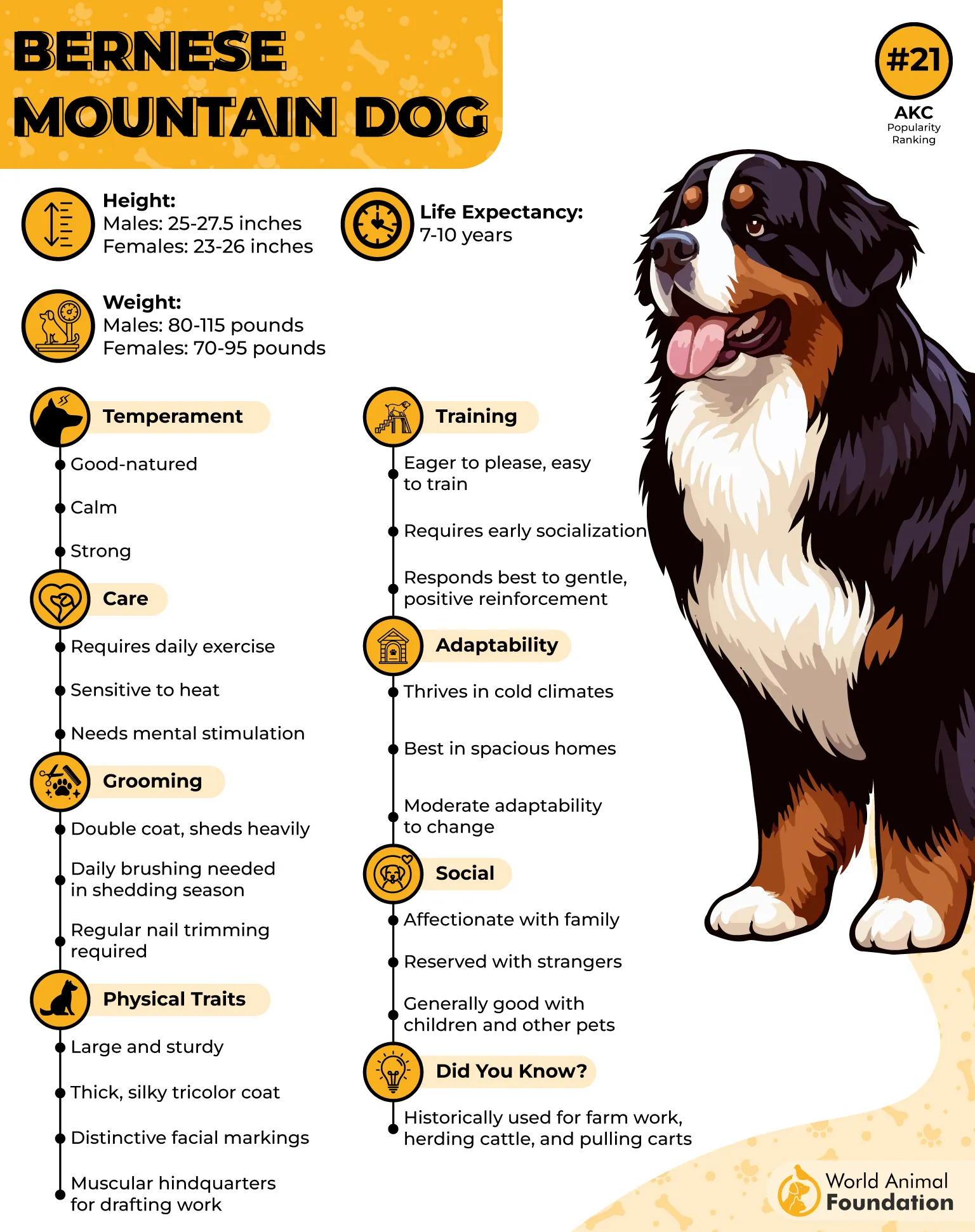
Once known as the Dürrbächler in the region around Dürrbach, the breed faced declining numbers until a revival effort began in the late 1800s, followed by its current name.
Built for Long Days Outdoors
The Bernese Mountain Dog has the sturdy frame, broad chest, and powerful hindquarters needed for demanding work across Alpine farmland.
Its dense double coat also provides insulation in cold conditions, while the feathering adds protection during outdoor tasks.
Its working abilities are connected with its physical build:
Strong draft instinct for pulling carts and sleds.
Heavy seasonal shedding as the coat changes.
Broad, muscular structure suited to sustained pulling.
Training Takes Time and Consistency
This outdoor-loving breed matures slowly, often keeping its puppy-like behavior for the first couple of years, as WebMD noted.
Intelligence makes learning possible, although a persuasive streak can test household rules. Early socialization helps them behave politely around unfamiliar people and other dogs.
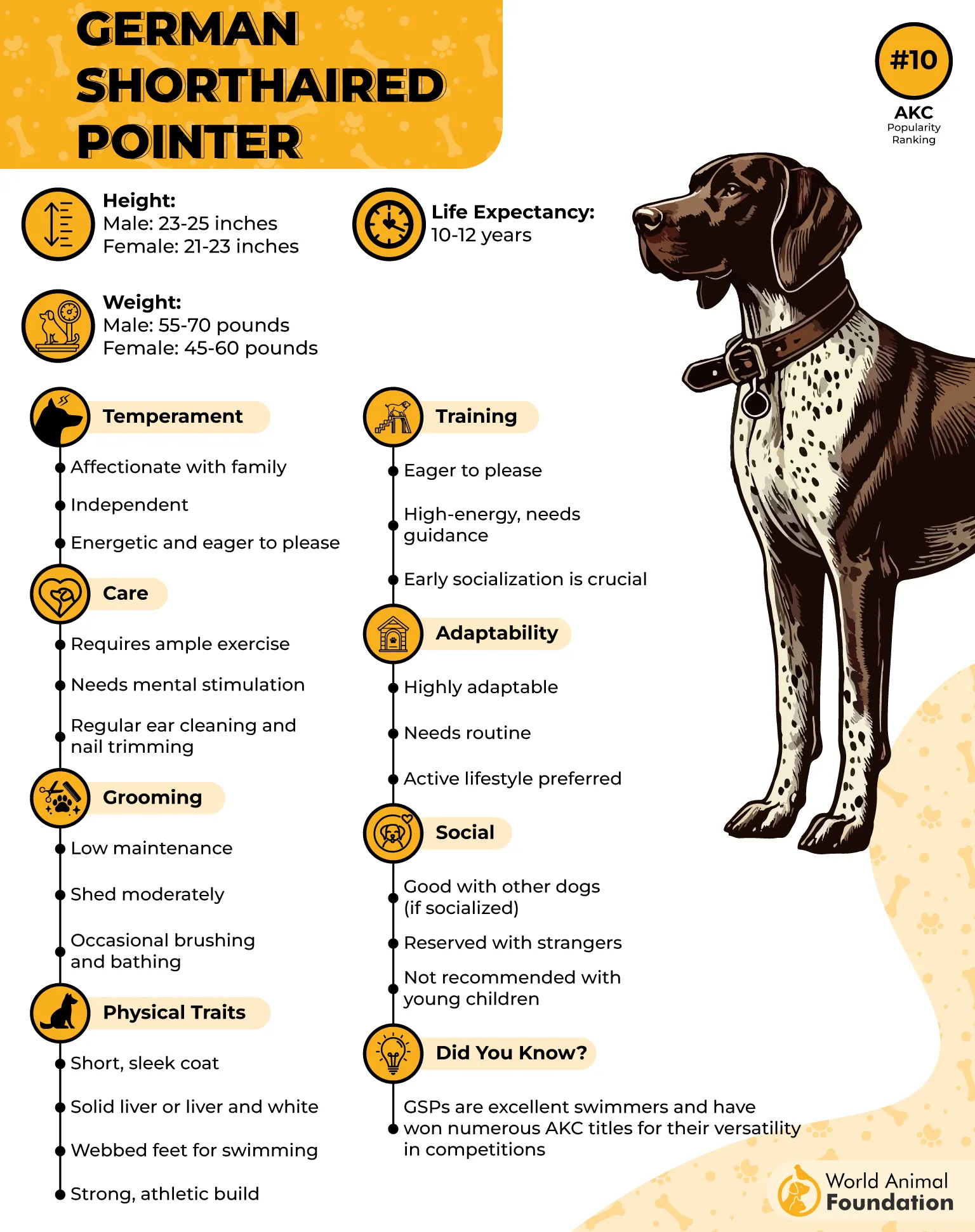
4. German Shorthaired Pointer
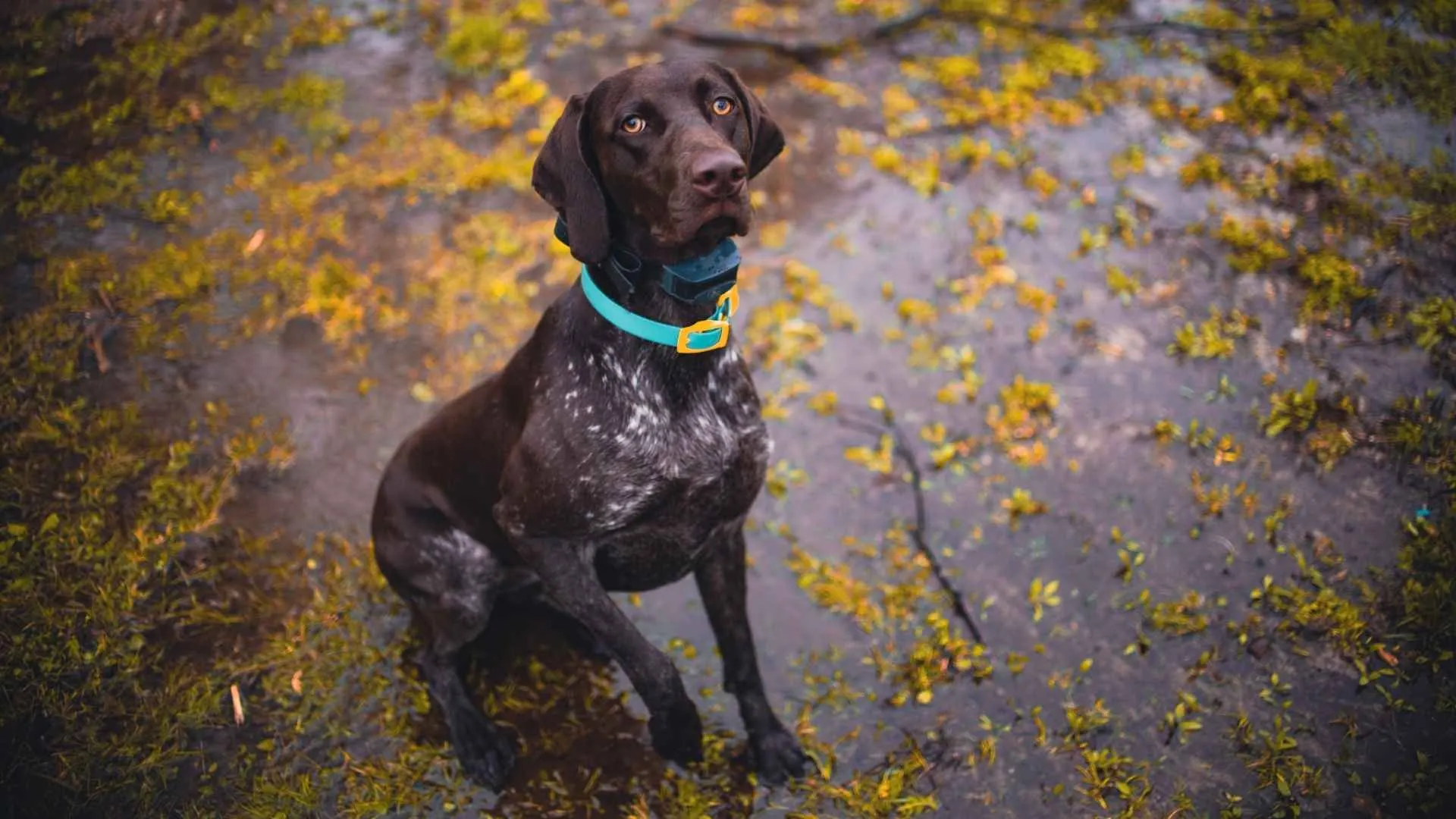
The German Shorthaired Pointer traces its ancestry to German Bird Dogs, with links to the Old Spanish Pointer brought to Germany during the 17th century. English Pointers and the Arkwright Pointer later influenced its lineage. These crosses helped shape a versatile hunting dog suited to different kinds of fieldwork.
Built for Long Days Outdoors
For mountain trails and open wilderness, the German Shorthaired Pointer brings the stamina of a working gundog. Its long legs, deep chest, and athletic frame support sustained running, while its short, tight coat dries quickly after wet or muddy outings.
These working abilities make this breed especially interesting outdoors:
Follows a side-to-side pattern when searching open ground.
Uses airborne scents to locate birds.
Can enter cold water to retrieve game.
An Active Mind Needs a Purpose
These wilderness companions respond well to training and enjoy activities that involve cooperation with their handler. Running, swimming, field events, agility, obedience, and dock diving offer varied challenges, while long periods indoors can leave them frustrated.
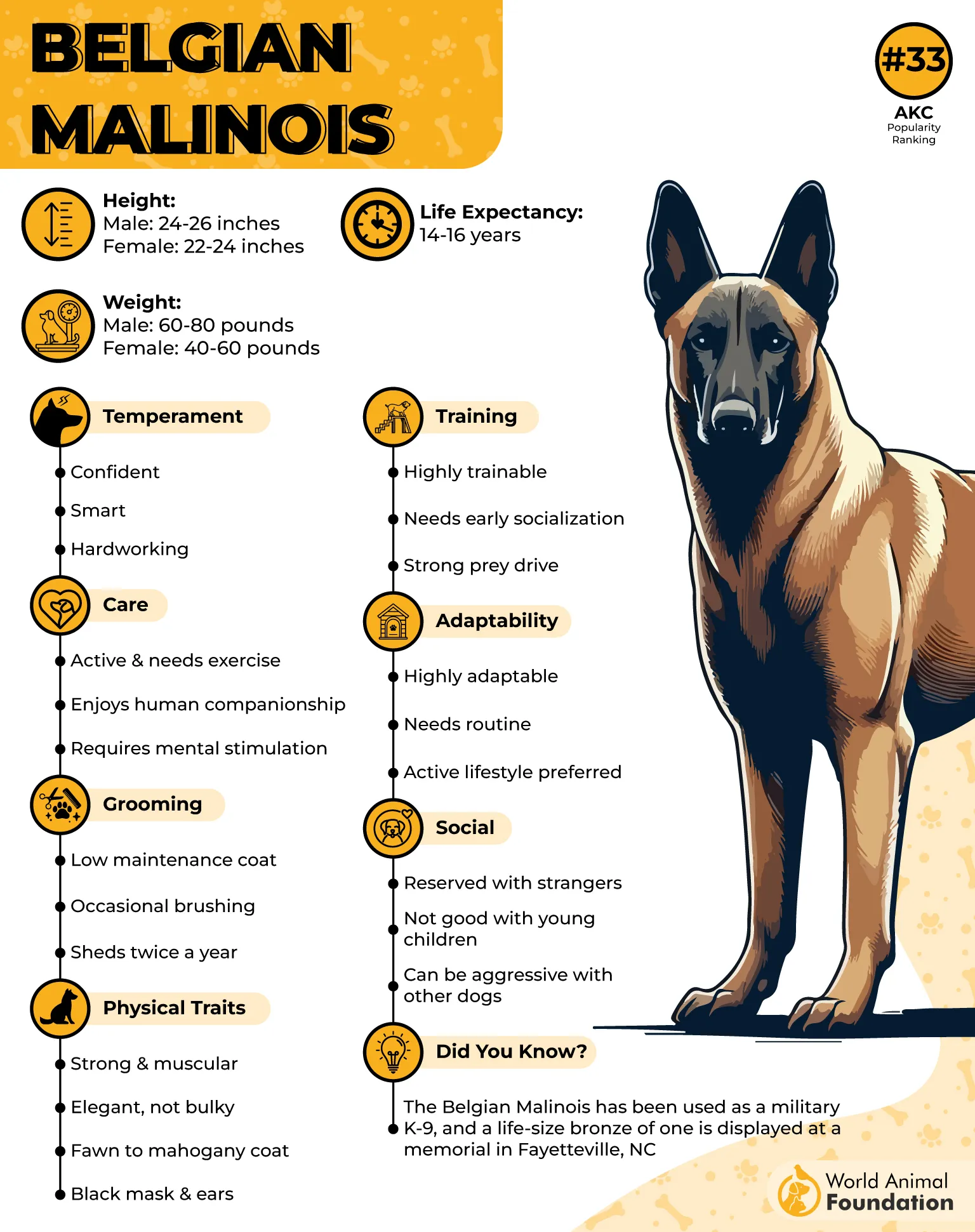
5. Belgian Malinois
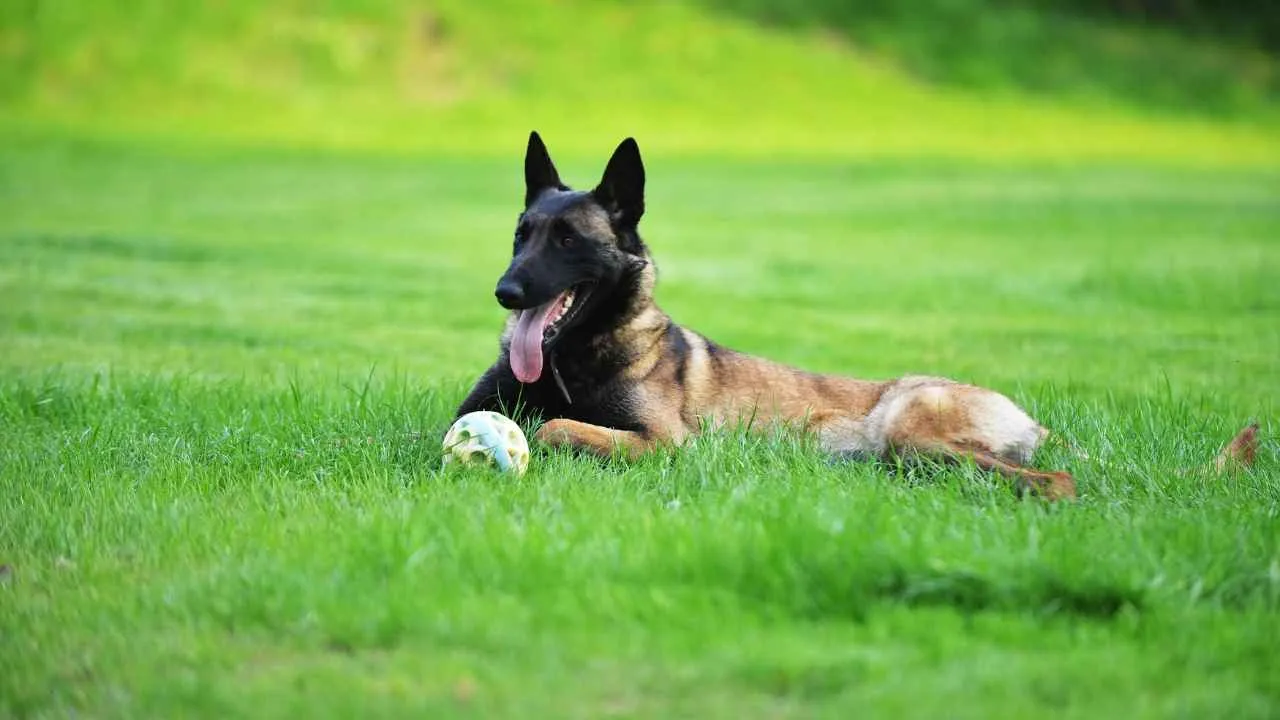
The Belgian Malinois began as a sheep-herding dog in Belgium, valued for its intelligence, agility, and ability to guard livestock. Serious breeding efforts took shape in the late 1800s, with later recognition of its guarding abilities during the 1950s. Police and military work soon became important roles for the breed.
Built for Demanding Outdoor Challenges
A Belgian Malinois brings remarkable speed and agility to rugged outdoor activities. Its lean frame allows quick turns, powerful jumps, and rapid acceleration across uneven ground, while a weather-resistant double coat offers protection during changing conditions.
Its physical abilities become especially useful across varied terrain:
Excellent jumping ability for obstacle courses.
Efficient movement through tight turns and narrow spaces.
Keen awareness of sounds and movement nearby.
An Energetic Partner for Long Outings
A daily leash walk will not meet all the activity needs of this outdoor companion. Access to a securely fenced area for running is important, and activities such as biking, running, agility, flyball, and dock diving can put its stamina and athletic ability to use.
6. Rhodesian Ridgeback
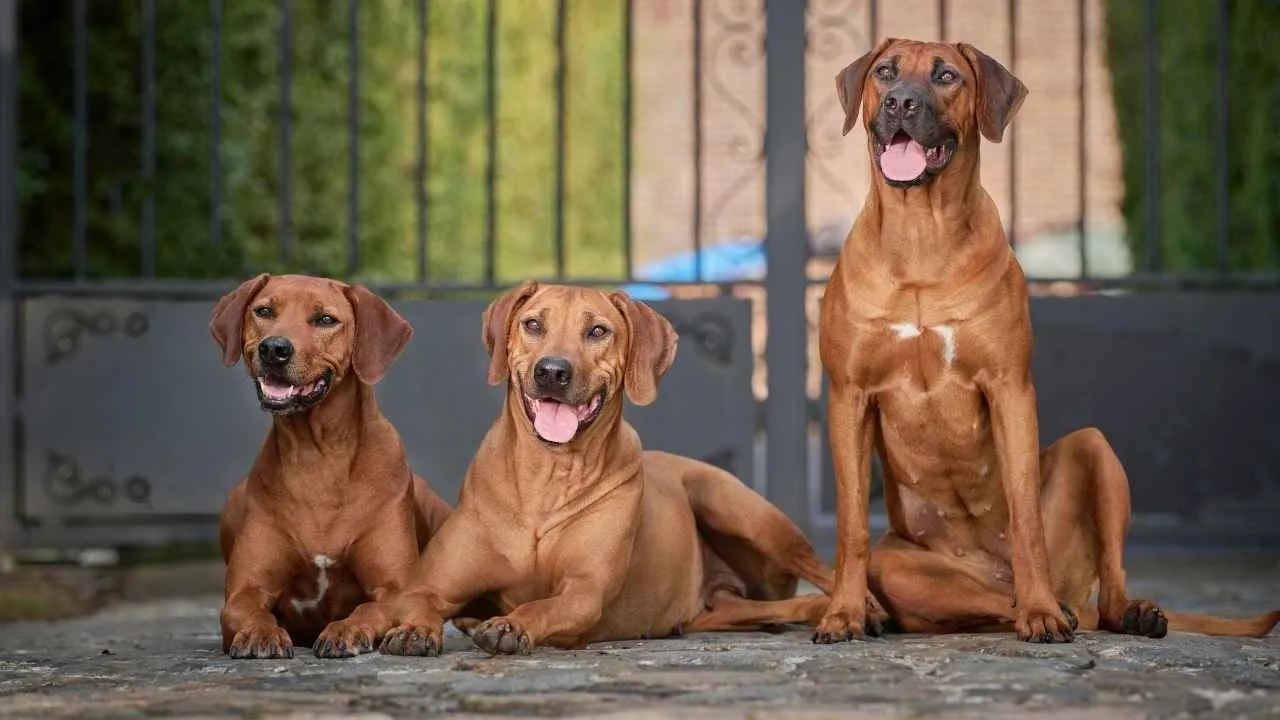
The Rhodesian Ridgeback traces its roots to southern Africa, where European settlers crossed breeds such as Mastiffs, Bloodhounds, Great Danes, Pointers, and Greyhounds with local hunting dogs. The resulting breed had a powerful frame and a striking strip of backward-growing hair along its spine.
Built for Long Days on the Trail
With a deep chest, strong hindquarters, and an efficient stride, the Rhodesian Ridgeback is suited to sustained activity over open ground. Young dogs have considerable energy, and adults can make capable running or jogging partners when properly conditioned.
Its hunting instincts influence how it handles the outdoors:
Uses both scent and keen eyesight to locate activity.
May chase rabbits, squirrels, or other fast-moving animals.
Needs secure areas and reliable recall training outdoors.
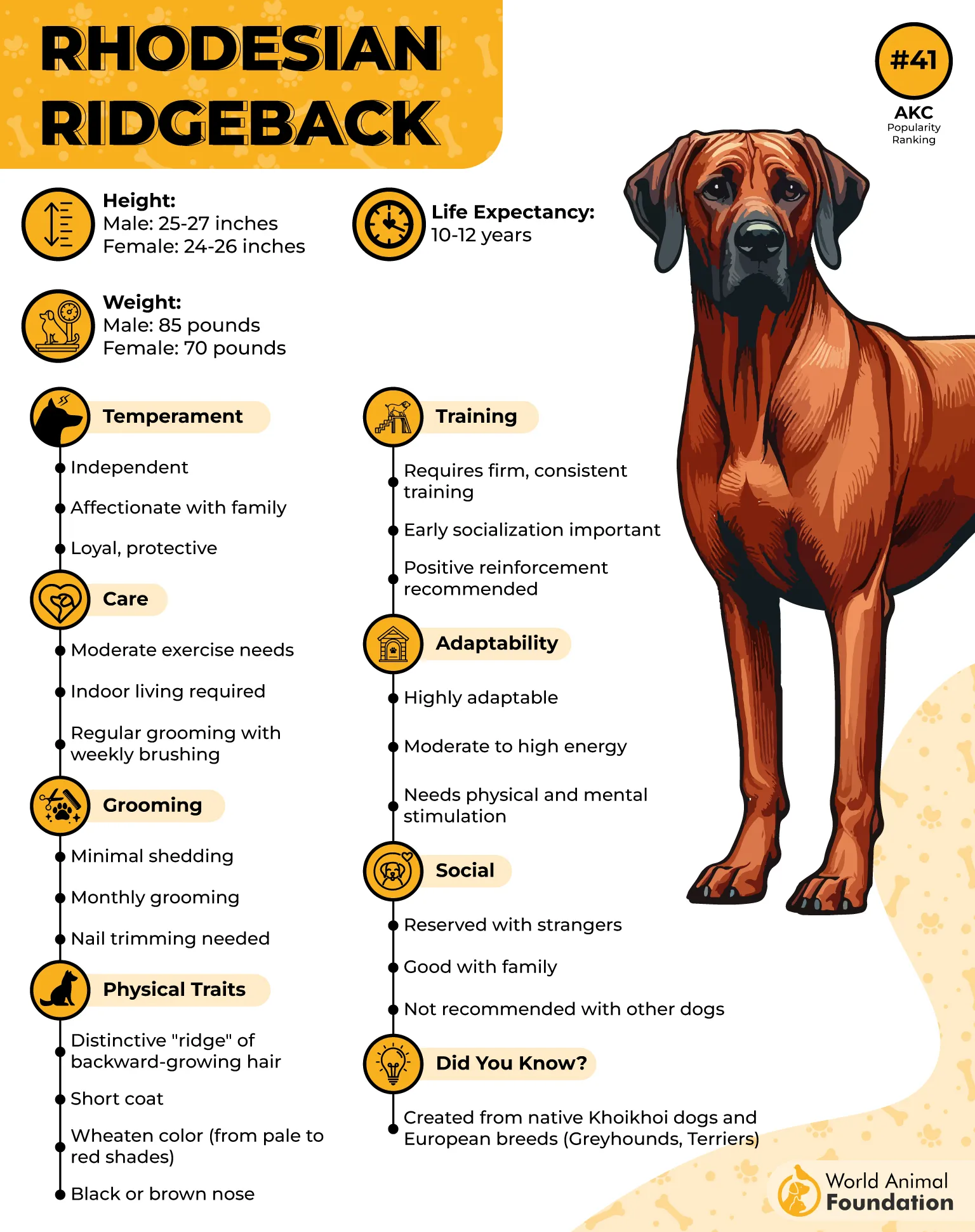
An Independent Nature With a Watchful Side
This active dog often assesses unfamiliar visitors quietly before accepting them. They can be protective of their household and usually bark when something catches their attention, so early socialization with different people is important. Their independent approach also calls for patient, consistent training.
7. German Shepherd
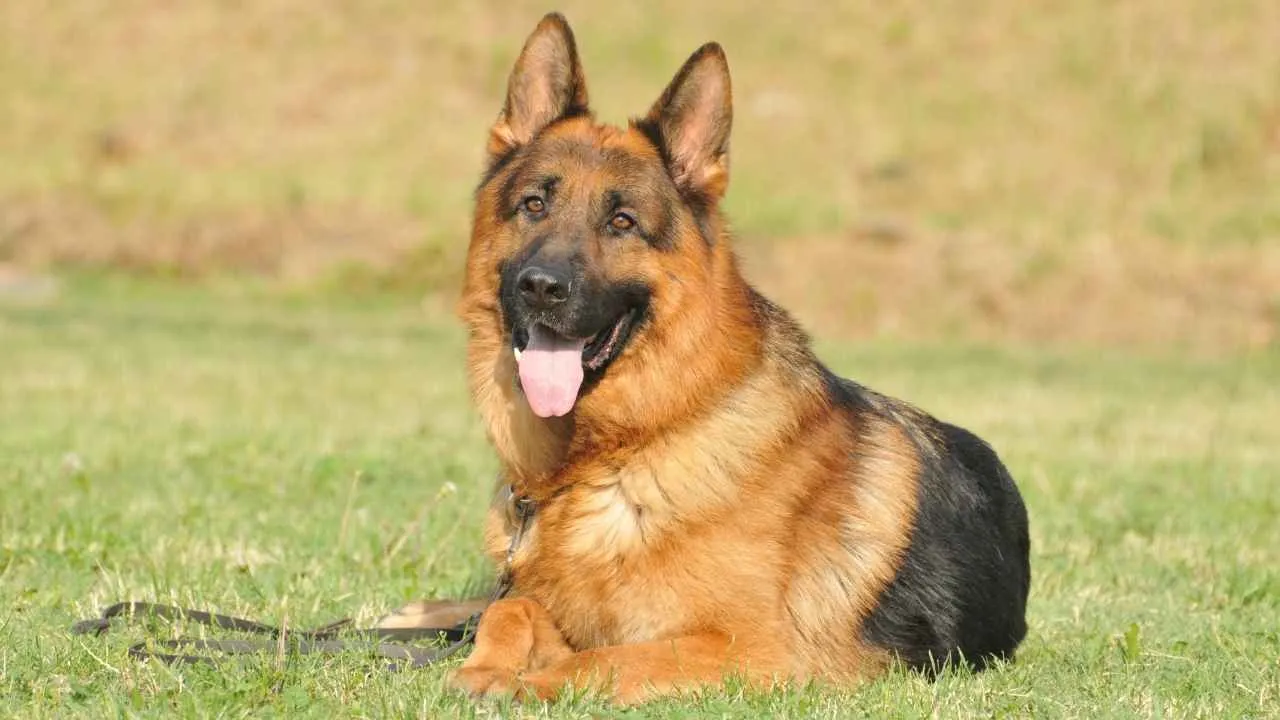
The German Shepherd originated in Germany, where breeders sought a herding dog with the intelligence and courage to manage flocks. Selective breeding refined these qualities, and the breed became known for its success in police work, military service, guiding, and search-and-rescue operations.
A Natural Partner on Mountain Trails
A German Shepherd’s athletic build and willingness to learn make it well suited to demanding outdoor activities, as noted by PetMD. Its herding instincts also bring useful awareness to unfamiliar surroundings, while advanced training helps channel its energy during long outings across uneven terrain.
On the trail, a few working instincts are especially interesting:
Frequently checks back for its handler’s signals.
Uses circling and body positioning to guide movement.
Learns familiar routes through landmarks and repeated journeys.
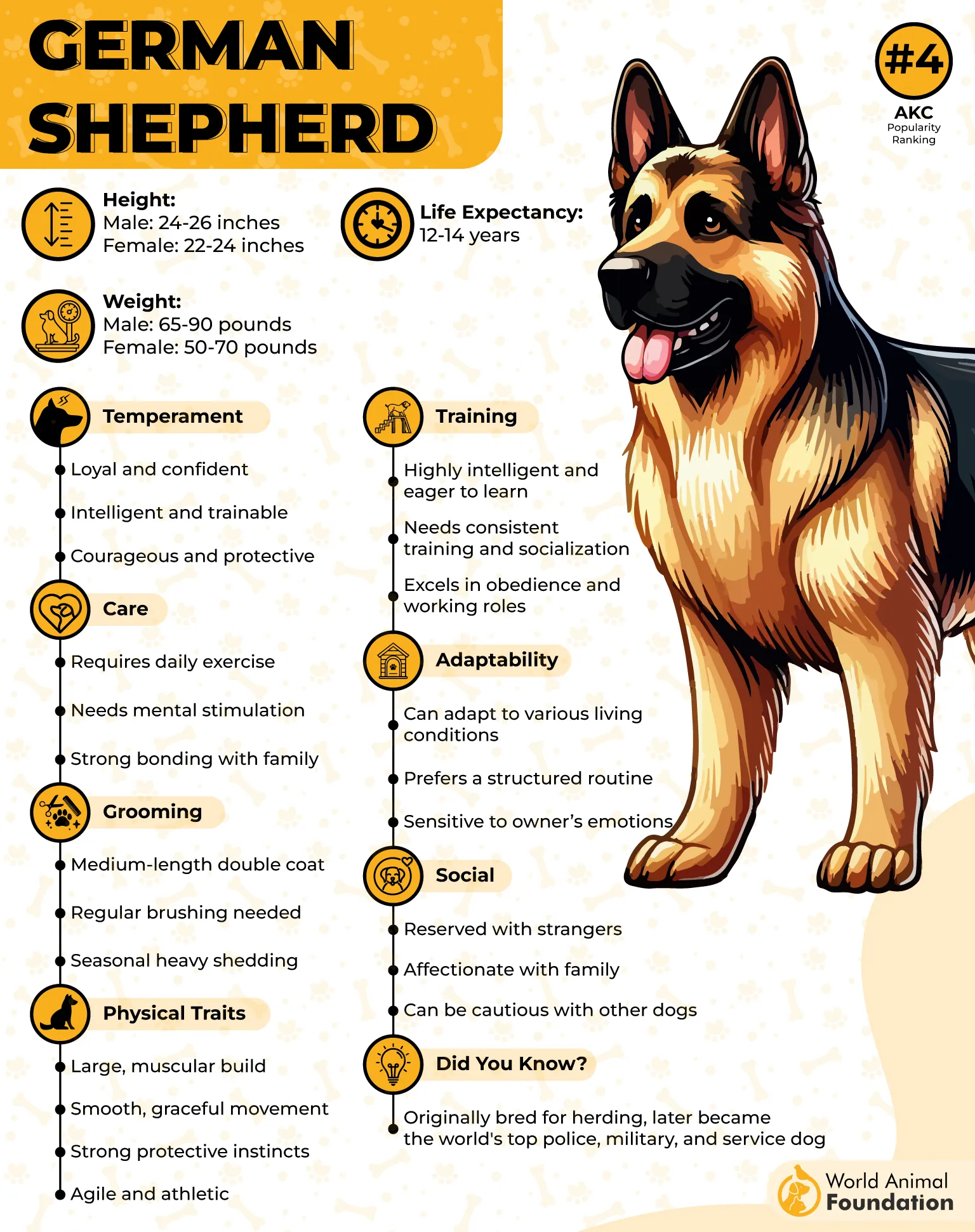
An Active Mind Needs a Purpose
These highly adaptable dogs enjoy having tasks to work through, and their intelligence makes regular learning important. Without enough mental engagement, boredom can lead to destructive behavior at home, so training games and structured activities deserve a place in their routine.
Conclusion
A wilderness companion needs more than a strong body to handle challenging outdoor conditions. Regular conditioning, reliable training, and sensible trail preparation all contribute to a safer experience.
Some dogs are better suited to cold mountain routes because of their thick coats, while others prefer warmer conditions and open terrain.
Their instincts can also influence how they respond to wildlife and unfamiliar surroundings. Before planning longer hikes, consider your dog’s age, fitness, and comfort with different environments.
A good match should enjoy outdoor activity and have the physical ability to keep up with your regular adventures.
