




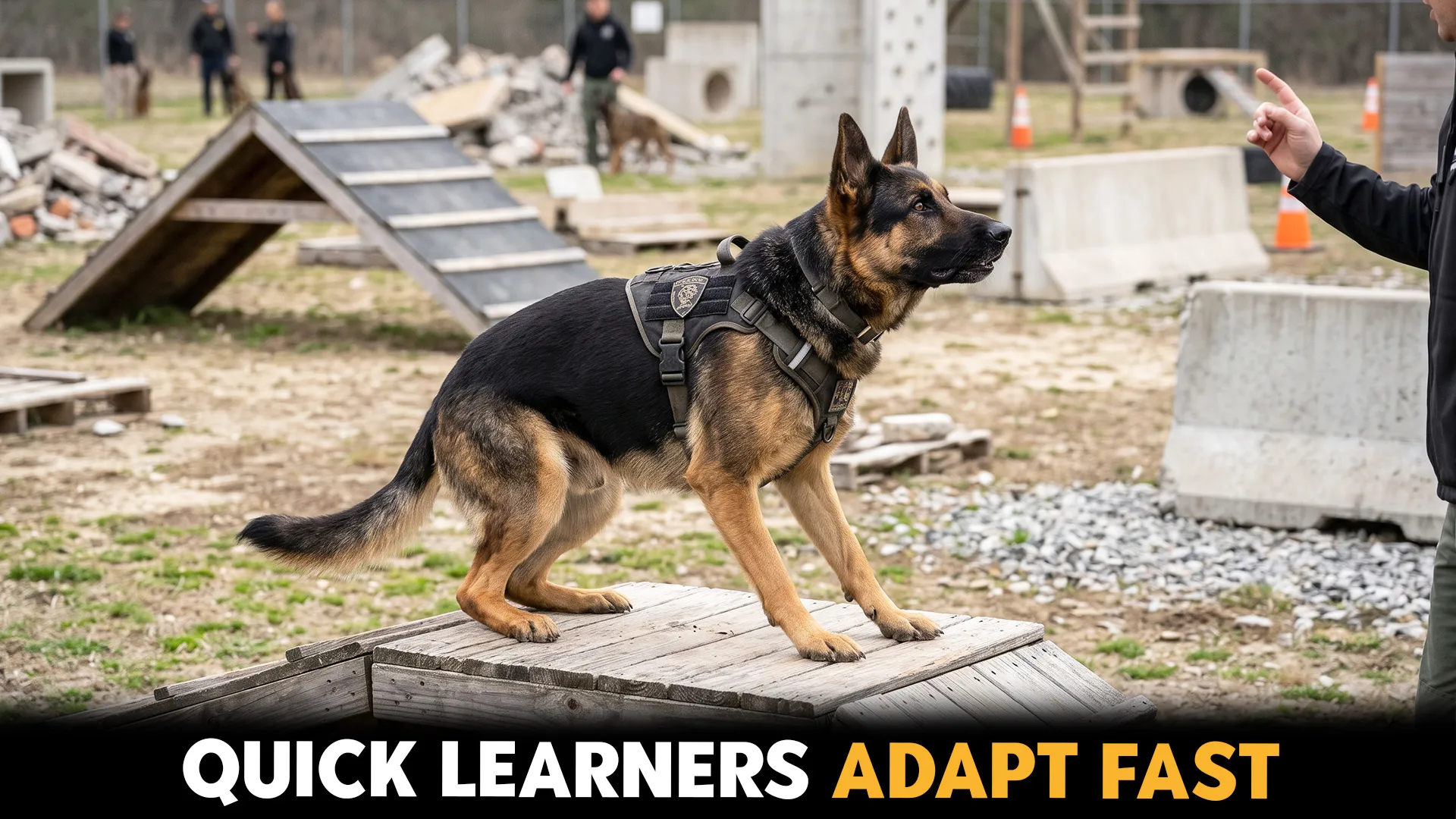
Some breeds have a natural talent for learning. They’re highly trainable and responsive, which sets them apart from the rest. But a trainable breed doesn’t mean little to no effort on your part.
These dogs learn quickly, want to please their owners, and can pick up everything from basic manners to advanced tasks. Some excel at obedience competitions, while others shine at herding, retrieving, agility, and even more demanding working jobs.
Each breed has its own strengths. Some are praised for their versatility, others for their sharp focus, and not all dogs learn in the same way. Intelligence doesn’t always mean speed, either.
If you’re looking for a responsive four-legged companion, here are ten breeds that should be on your radar. Get ready to teach some very accomplished students.
Highly Trained Dog Breeds That Adapt Quickly
1. Border Collie
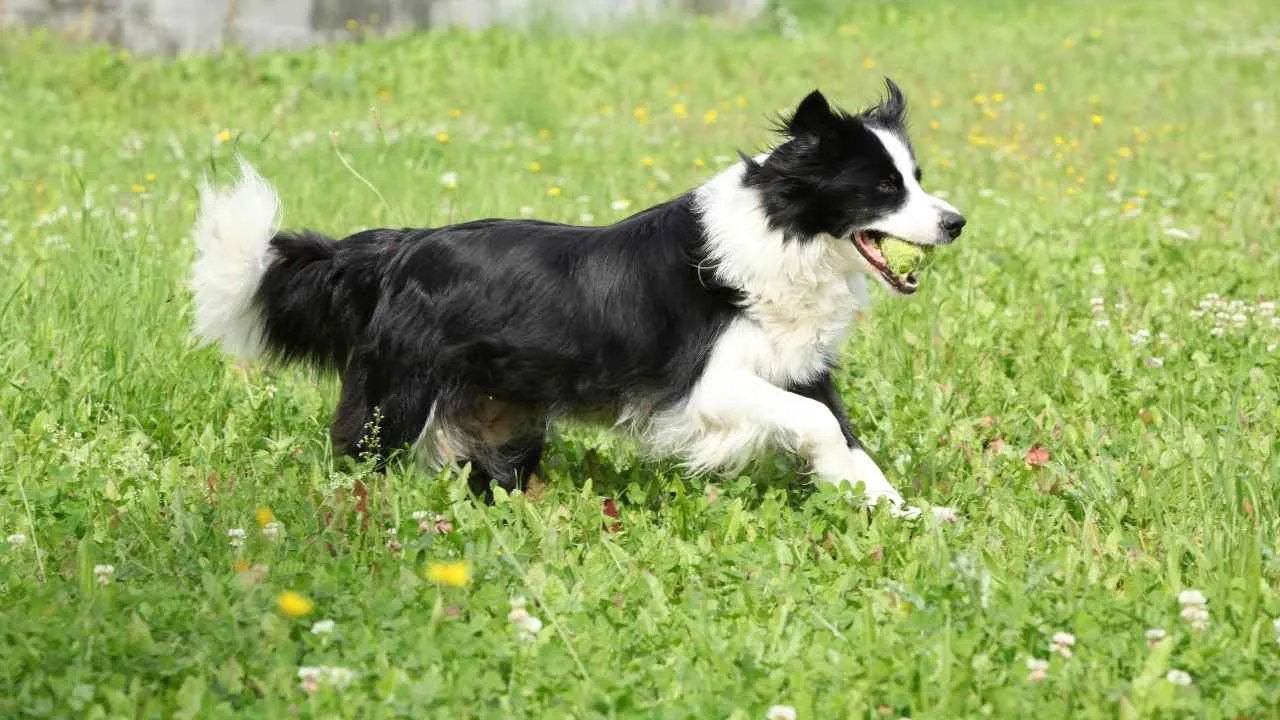
“The smartest dog breed”. PetMD uses these words to define the Border Collie, which makes learning look like it’s more of a breeze. This active herder is one of the most trainable breeds and is known to understand commands, body language, and subtle signals.
Bred to herd livestock, BCs needed to be independent thinkers while retaining tremendous concentration of mind. It’s those keen minds that shine so brightly today. They are able to learn obedience patterns, agility courses, tricks, and complicated tasks at a swift pace.
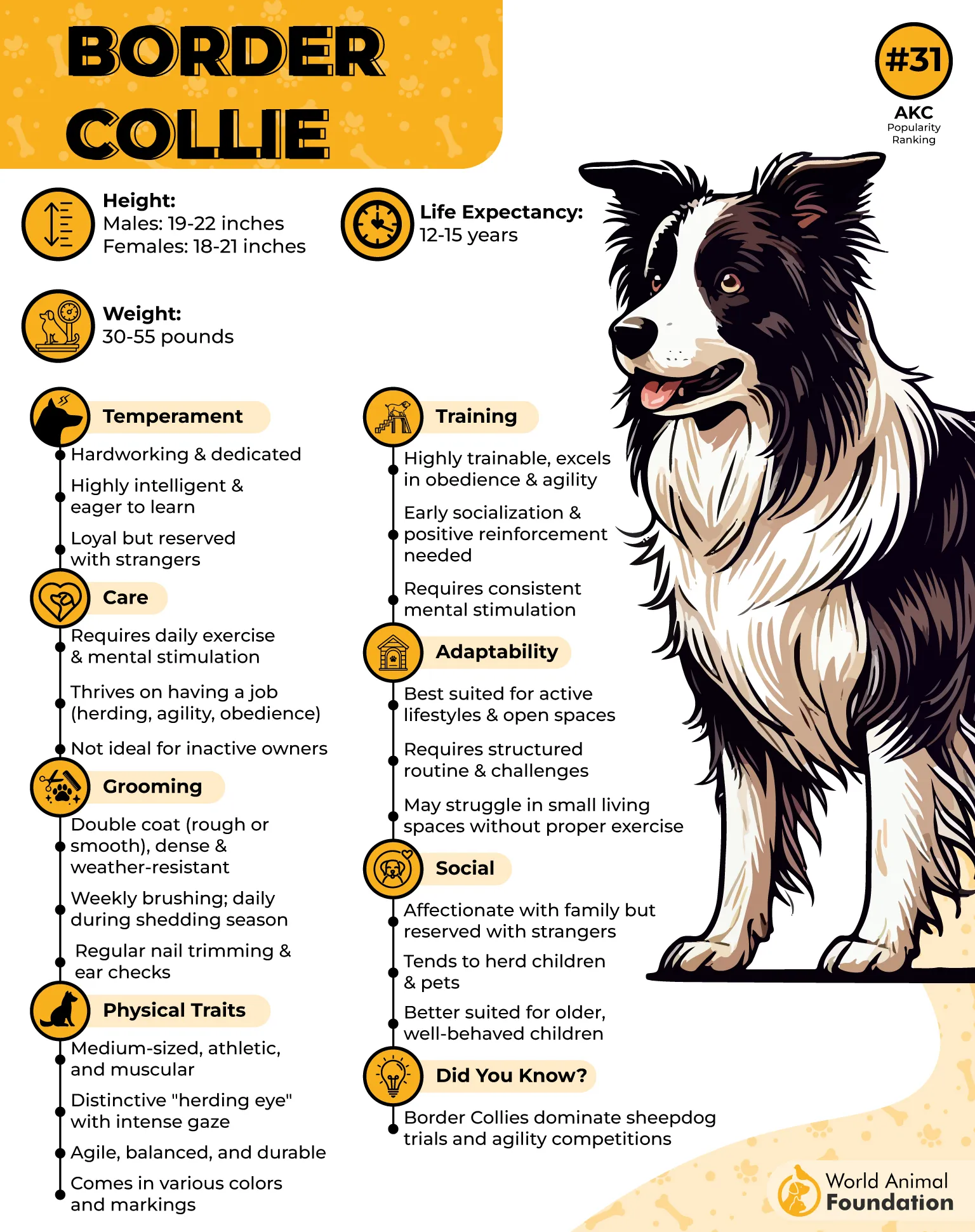
BCs have no off switch for their brains. Unlike other breeds, if not sufficiently mentally and physically stimulated, Border Collies will resort to their own methods of entertainment, and none of them are advantageous.
Combine physical exercise, puzzle toys, scent games, and new commands. As long as you keep this well-trained breed occupied, it will be your best friend and your hardest worker.
2. Golden Retriever
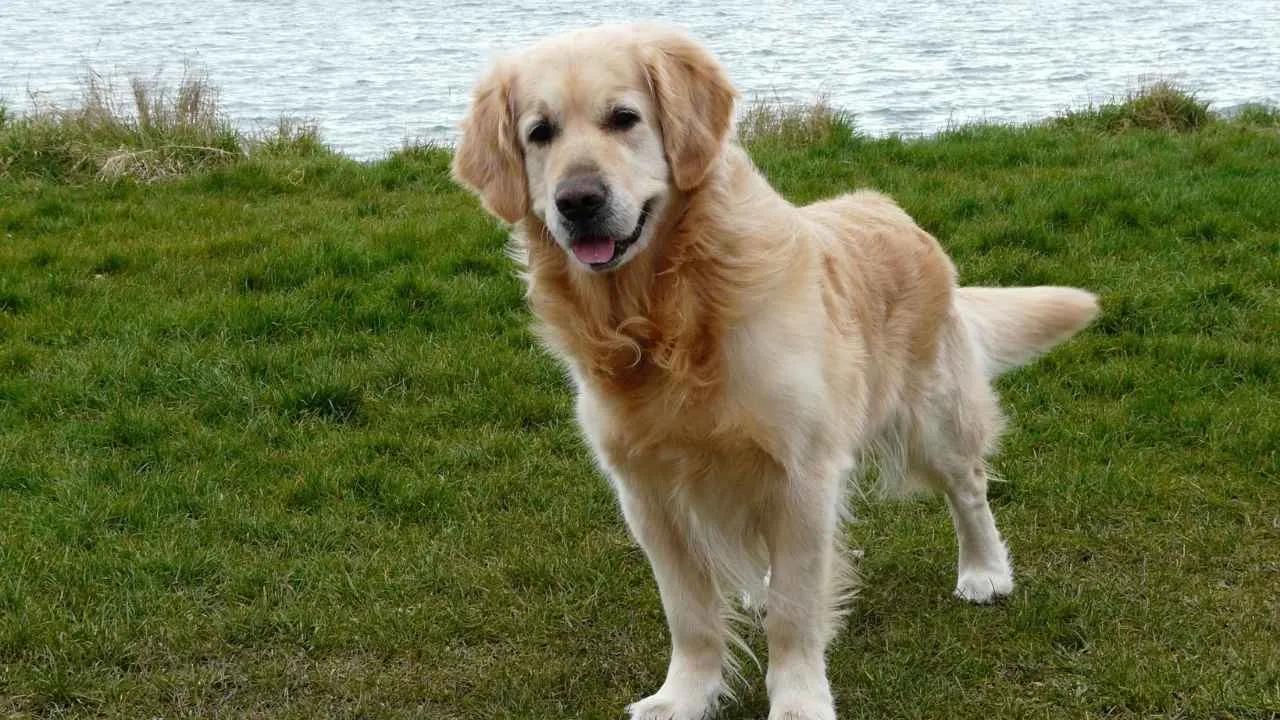
Golden Retrievers are the friendly overachievers of the dog world. They love people, are learning animals, and tend to be eager to please their owners.
This large breed is smart, patient, and cooperative, making it a good student.
Goldens were bred in Scotland as hunting companions to retrieve game and work in close association with people. In modern times, they serve as pet dogs, as service dogs, as companion animals in therapy, and as search-and-rescue dogs.
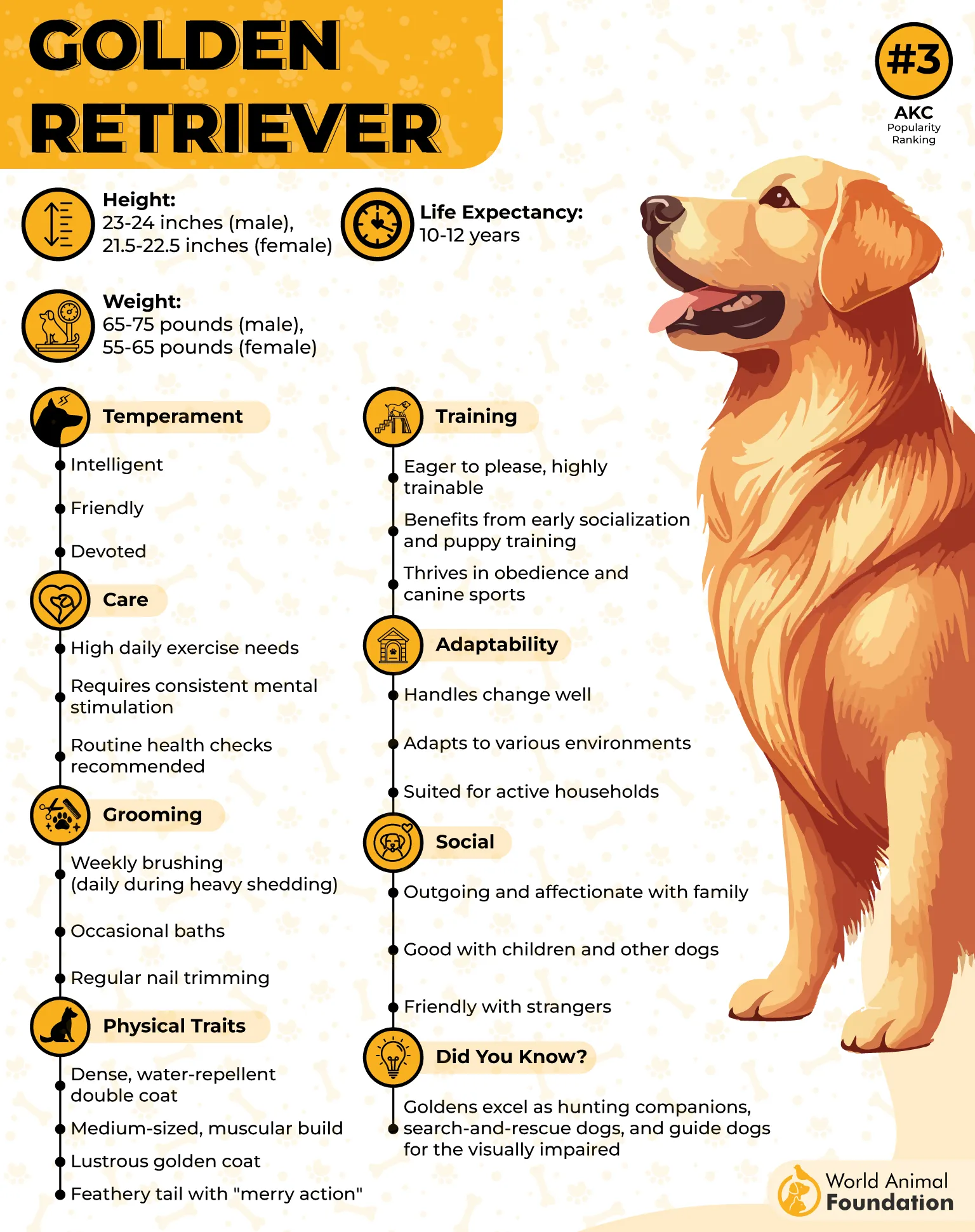
Their flexible temperament also makes them great family dogs. They learn house rules, adapt to new routines, and cope with new experiences with consistency and guidance.
Goldens respond very well to positive reinforcement, like other dogs of this temperament usually do. Praise them, give them treats, and playfully reward them for tasks well done.
3. German Shepherd
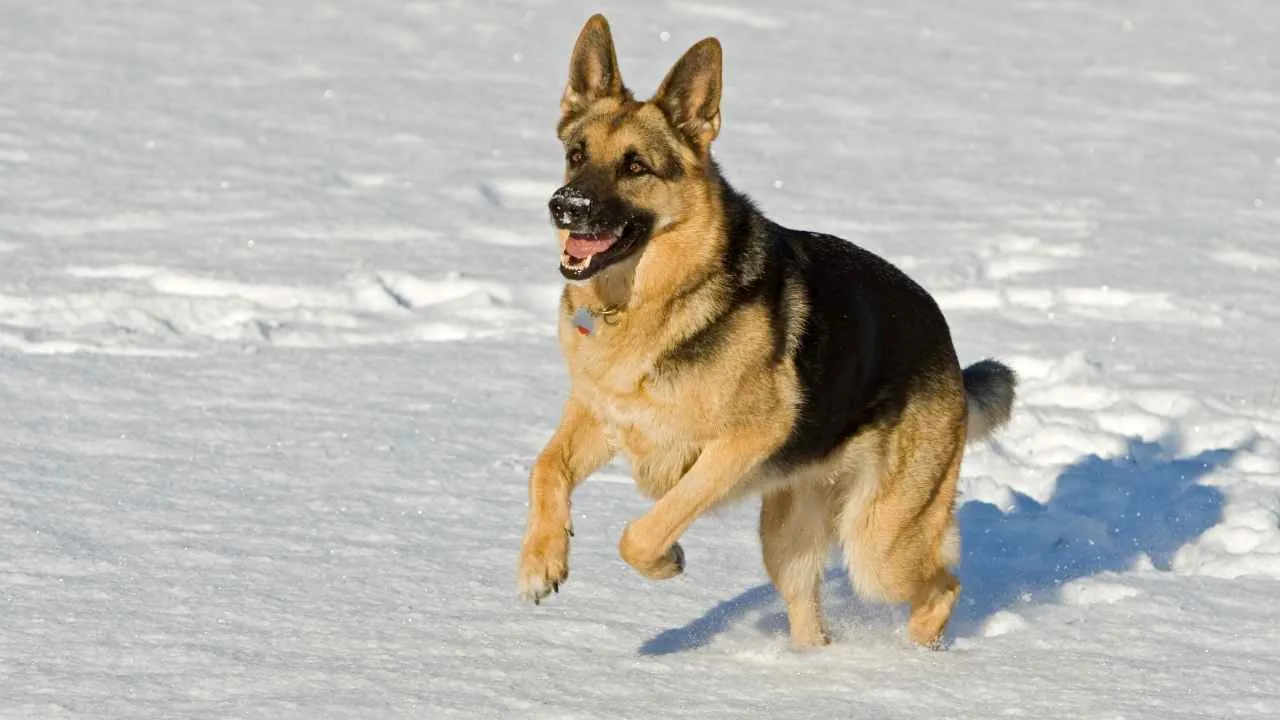
German Shepherds have it all: brains, bravery, and serious energy to boot. These dogs are known for their ability to learn intricate instructions and difficult tasks. They are intelligent, versatile, and known to be used in police, military, and search-and-rescue work.
They were bred in Germany to work with people and are very intelligent and athletic. They are hard-working learners and are able to be very responsive if trained consistently.
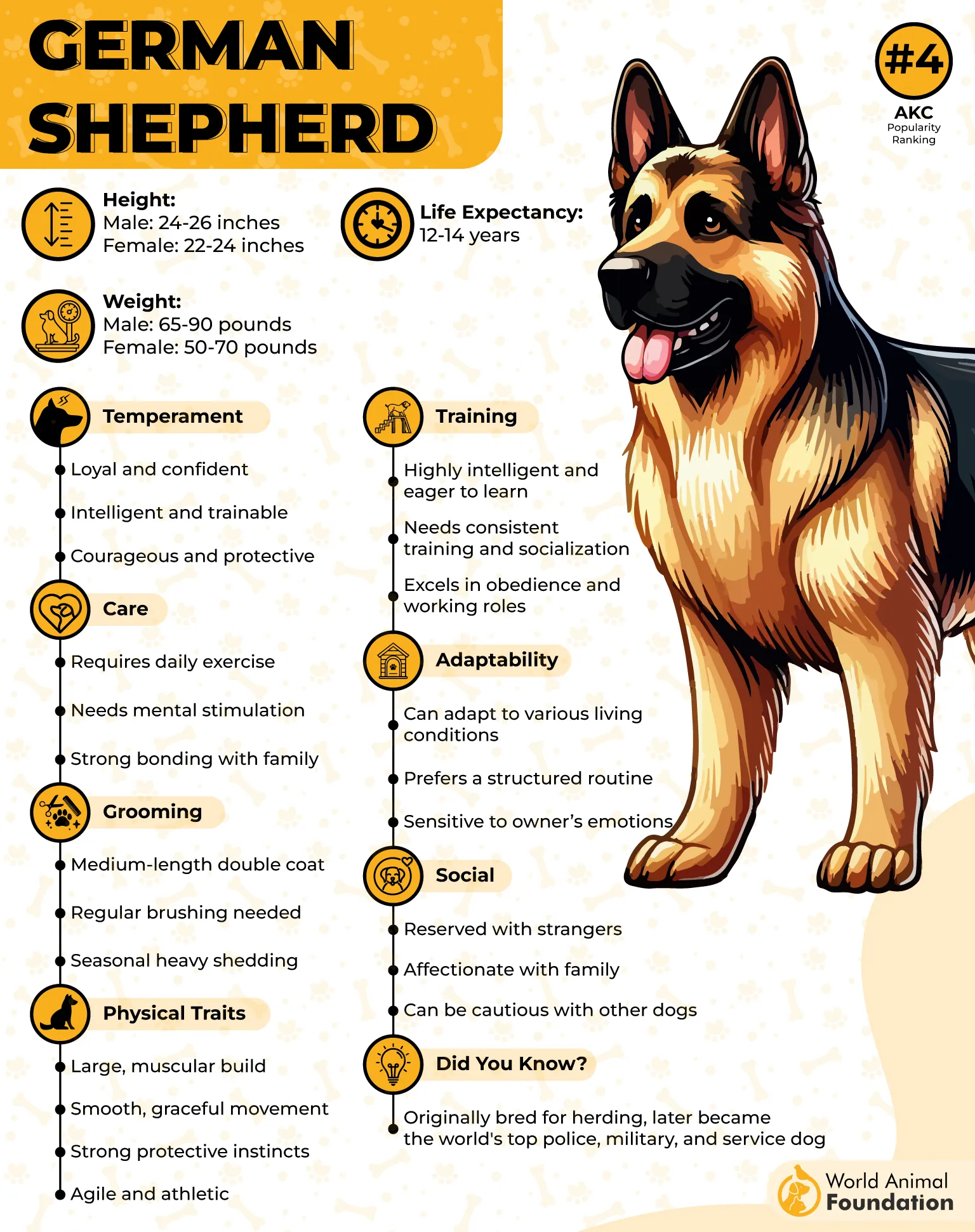
German Shepherds can change their habits to fit in with family life too, but they require structure. Mental stimulation and physical stimulation are crucial for this hard-working breed.
Begin obedience, socialization, and impulse control training early. Ensure instructions are clear and consistent, giving your German Shepherd a clear idea of what to do.
4. Doberman Pinscher
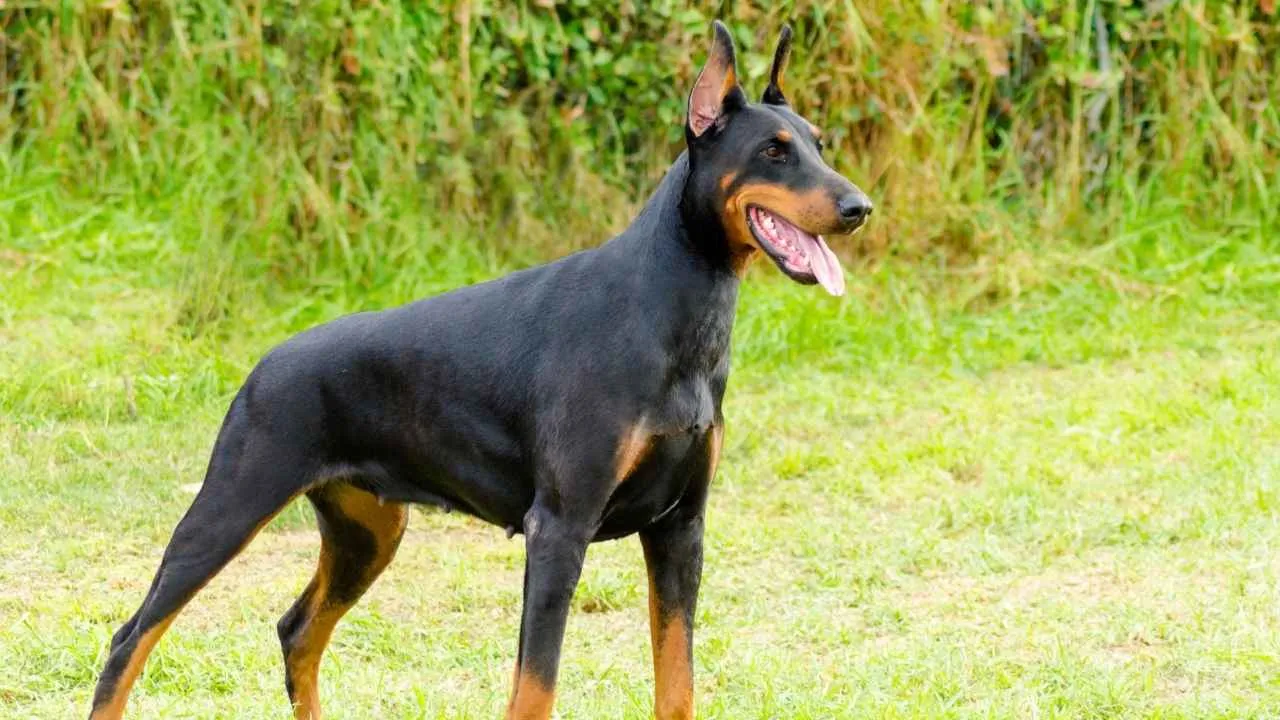
Get to know the sassy, confident breed that starts with basic obedience training and advances to further exercises. The Doberman Pinscher is a clever working dog that has great concentration and desires to be occupied.
Developed in Germany, the breed was meant to be protective and a companion. It is alert, athletic, and a quick thinker, making it an excellent student in that regard.
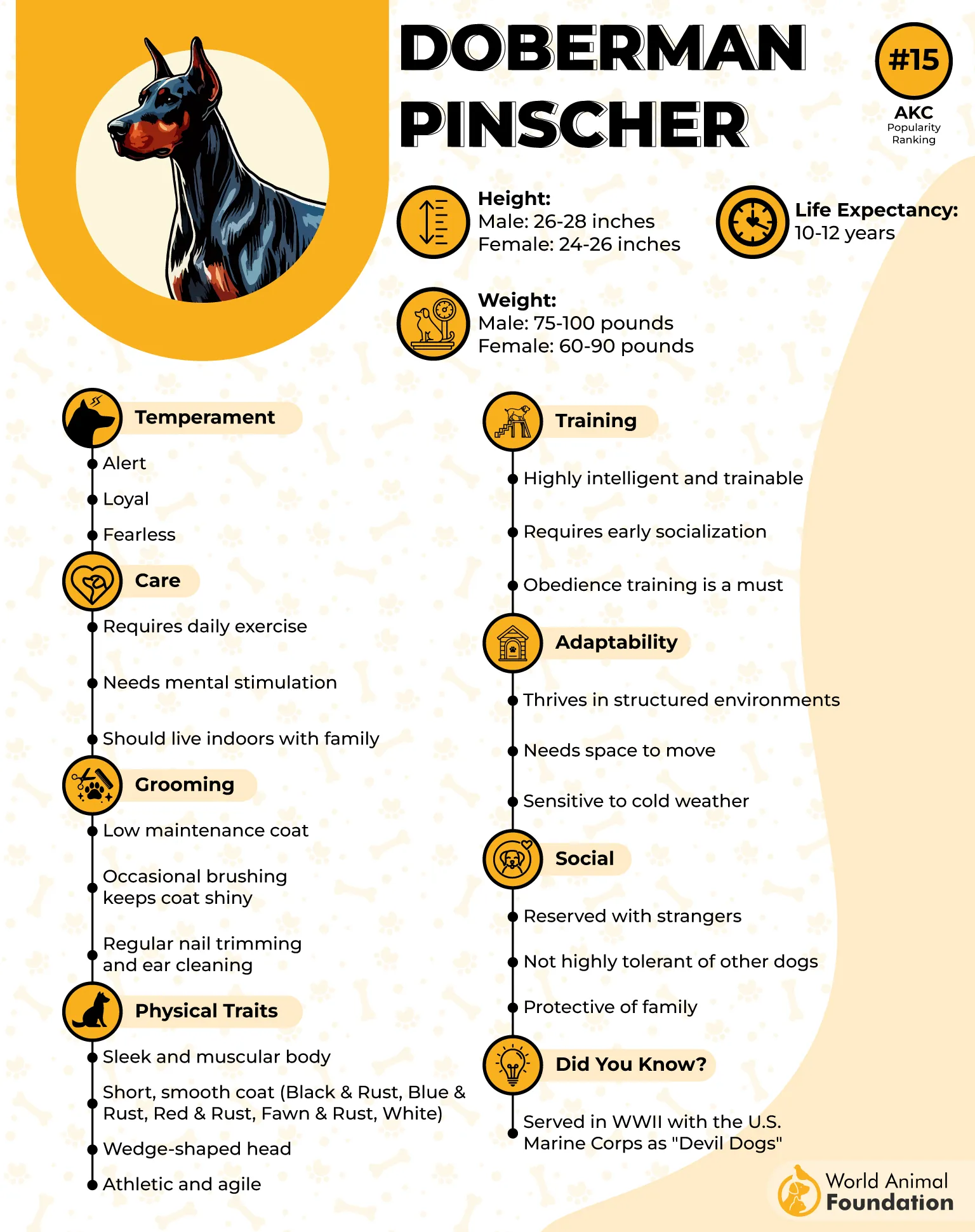
Dobermans tend to adapt pretty fast and like activities that require mental stimulation. But when they don’t receive sufficient exercise and attention, they can get frustrated or restless. They require an owner who can give them direction and lots of interaction.
Make training sessions fun with these dogs and reinforce desired behaviors. Use more advanced commands, as well as recall, leash manners, and calm greetings.
5. Labrador Retriever

Loved for their sociable nature, as stated by Orvis, Labs love to learn new things almost as much as they love being around people. They are usually motivated by reward-based training.
Labs were originally bred as working retrievers. They are cooperative and quite a popular choice as hunting companions. They thrive in a variety of family settings as long as they are adequately exercised and socially stimulated.
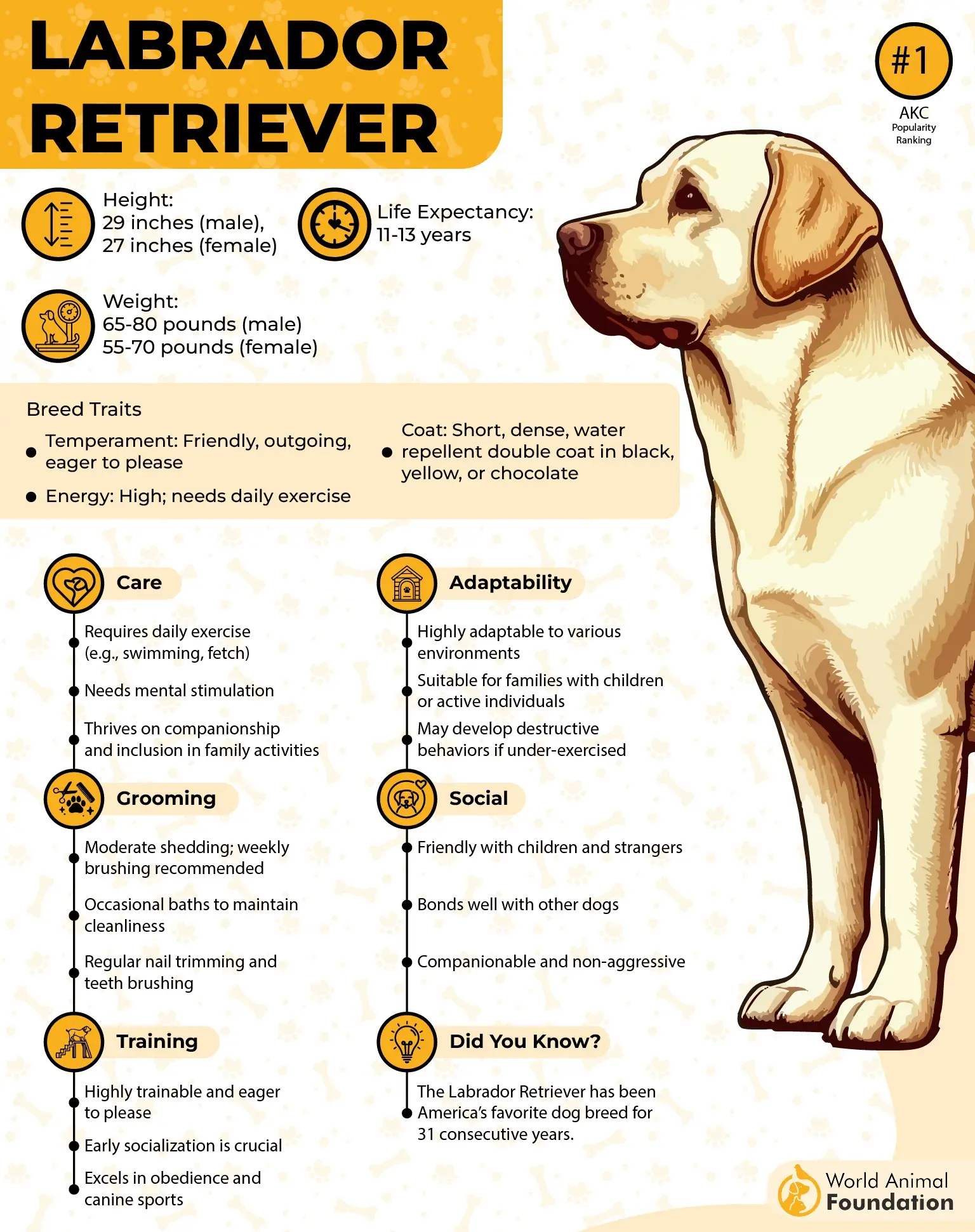
They are used as guide dogs, search-and-rescue dogs, and hunting dogs. They are food-motivated and find it particularly rewarding to train them, but be careful and don’t let the breed gain too much weight.
Be judicious with food, add toys and praise, and practice in various settings. This will help your Lab become more responsive, even if they are faced with interesting distractions.
6. Shetland Sheepdog
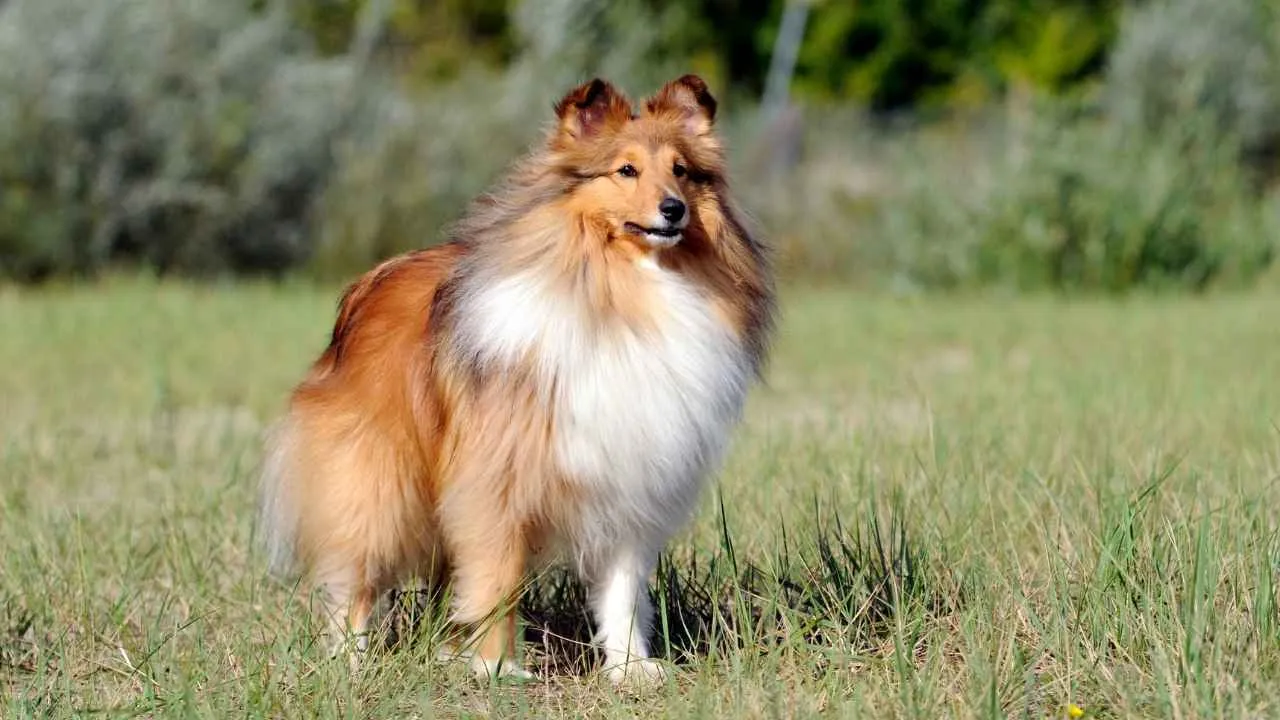
A little package with a big brain, the Sheltie is a highly responsive and intelligent herding dog adept at dog sports, something other breeds can scarcely match.
These dogs were bred in the Shetland Islands, Scotland, where they were used to herd cattle and sheep in harsh environments. They had to respond fast, pay close attention to handlers, and make decisions on their own.
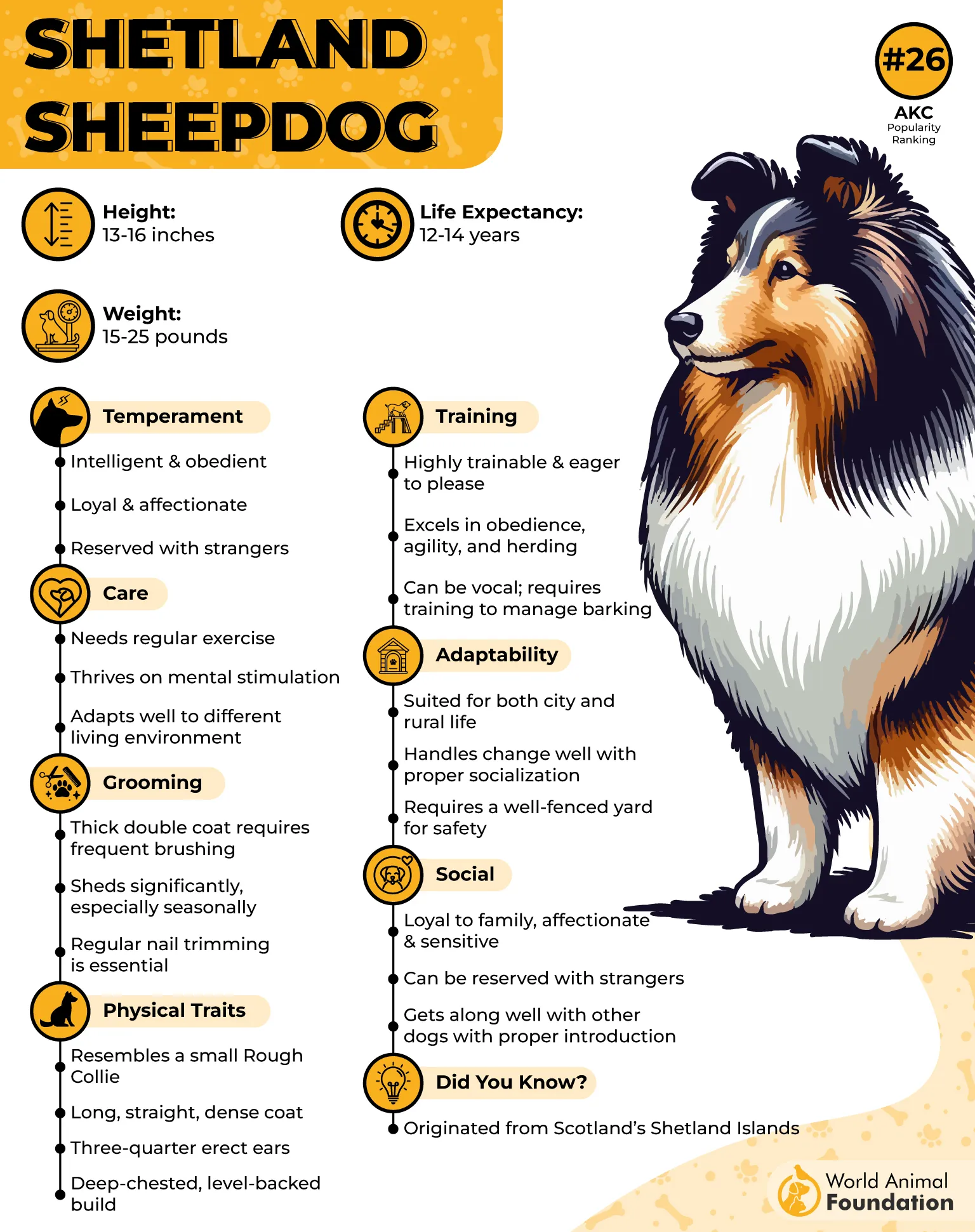
Shelties are eager to learn and learn tricks and obedience easily. They are sensitive to their environment, so they can be aware of any minute changes. They are also vulnerable at times, and extreme training can impact their confidence.
Use positive reinforcement and be gentle with this breed. Incrementally add new experiences. This sensitive little thinker is confident in short and exciting sessions.
7. Papillon
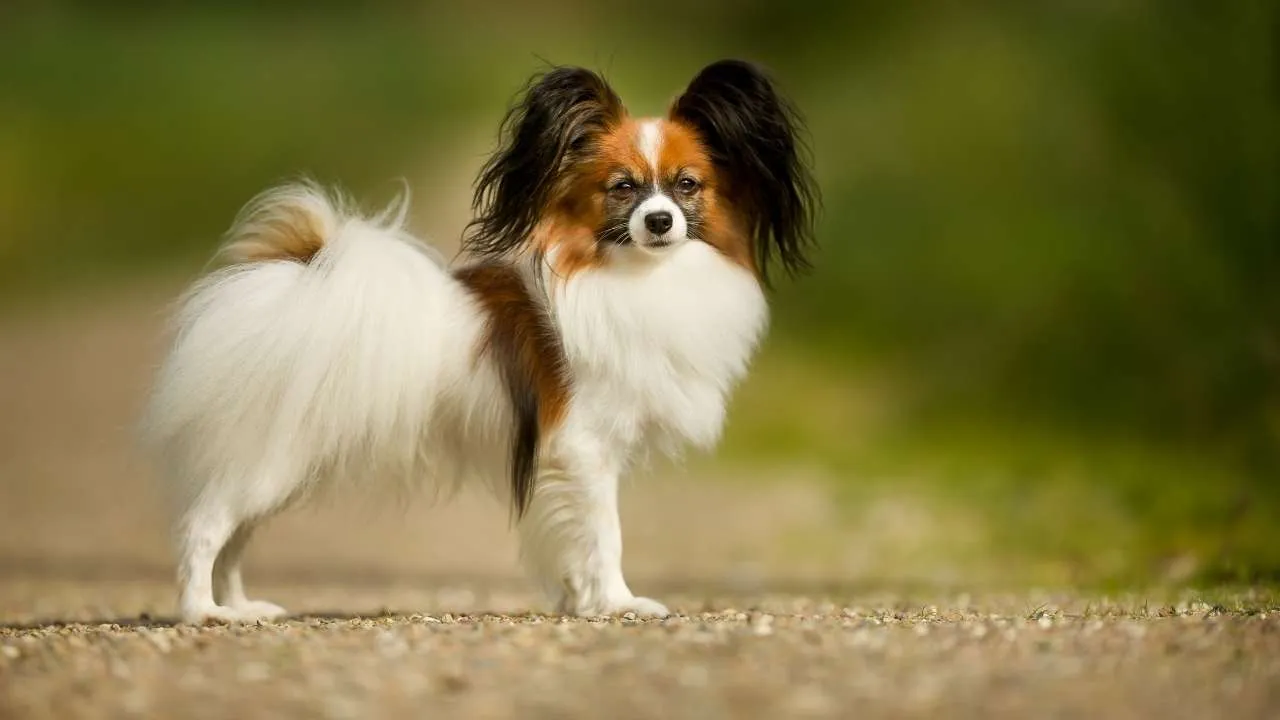
Don’t underestimate this butterfly-eared beauty. Although the Papillon is a toy breed, it can shock even the most seasoned dog owner with its intelligence and athletic ability.
These little dogs are curious, alert, and eager to add many different commands to their handbook. They are called “butterfly” in French due to their characteristic butterfly ears. Even though they look pretty, their purpose is to be as active and agile as possible.
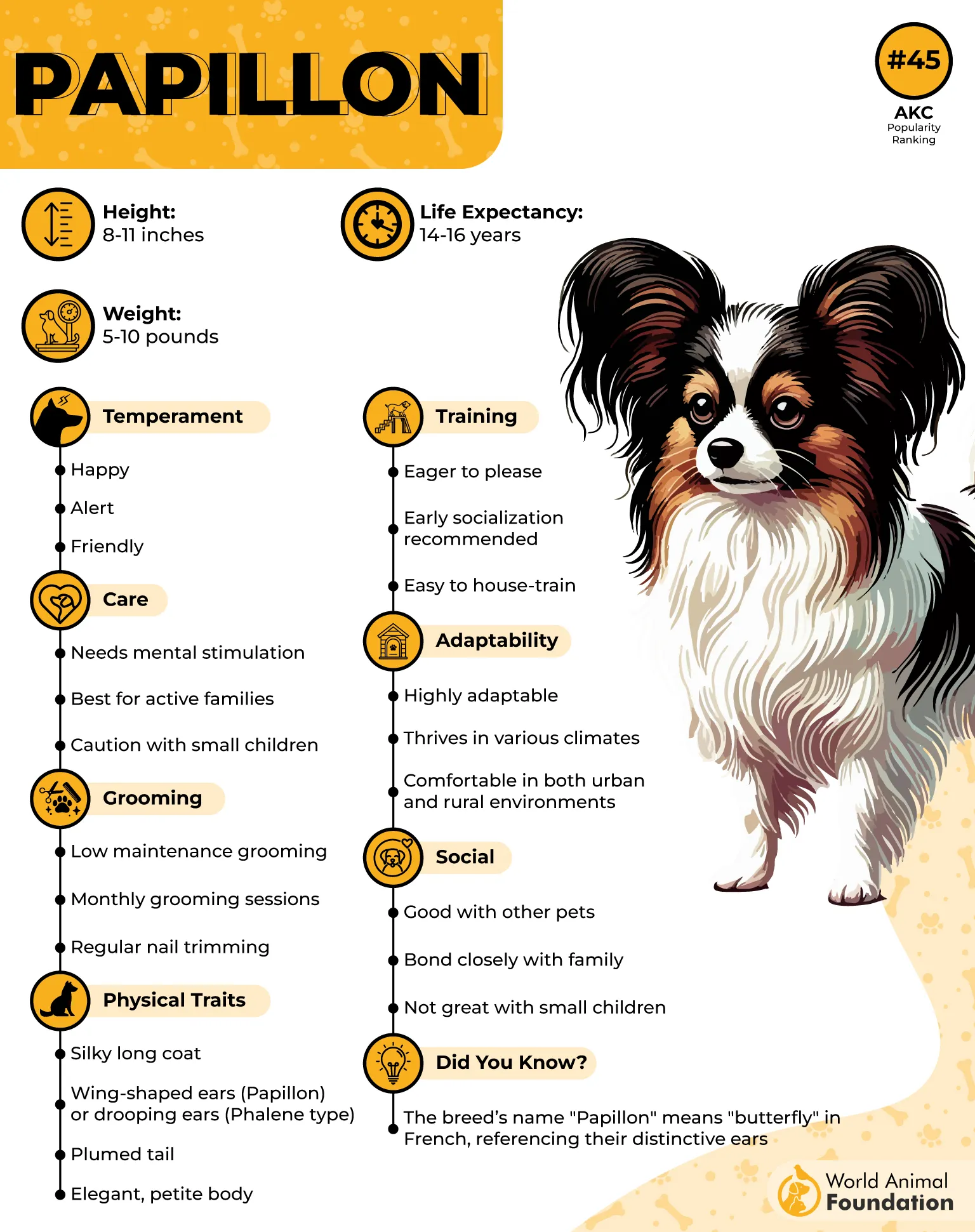
They do well in a variety of housing situations, including smaller homes, as long as they’re provided with adequate exercise and mental stimulation.
Train them tricks, play games of hide-and-seek, and practice basic obedience. Don’t fret about challenging Papillons, as this breed loves to think outside of the box.
8. Rottweiler

Known for its calm confidence, as stated by Purina, this powerful breed is focused, versatile, and can respond to instructions. It prefers following a schedule and executes demanding tasks with proper training.
In Germany, Rottweilers were used to drive and guard cattle. They had to be confident, aware, and cooperative with people. Today, they are outstanding in obedience, tracking, and working.
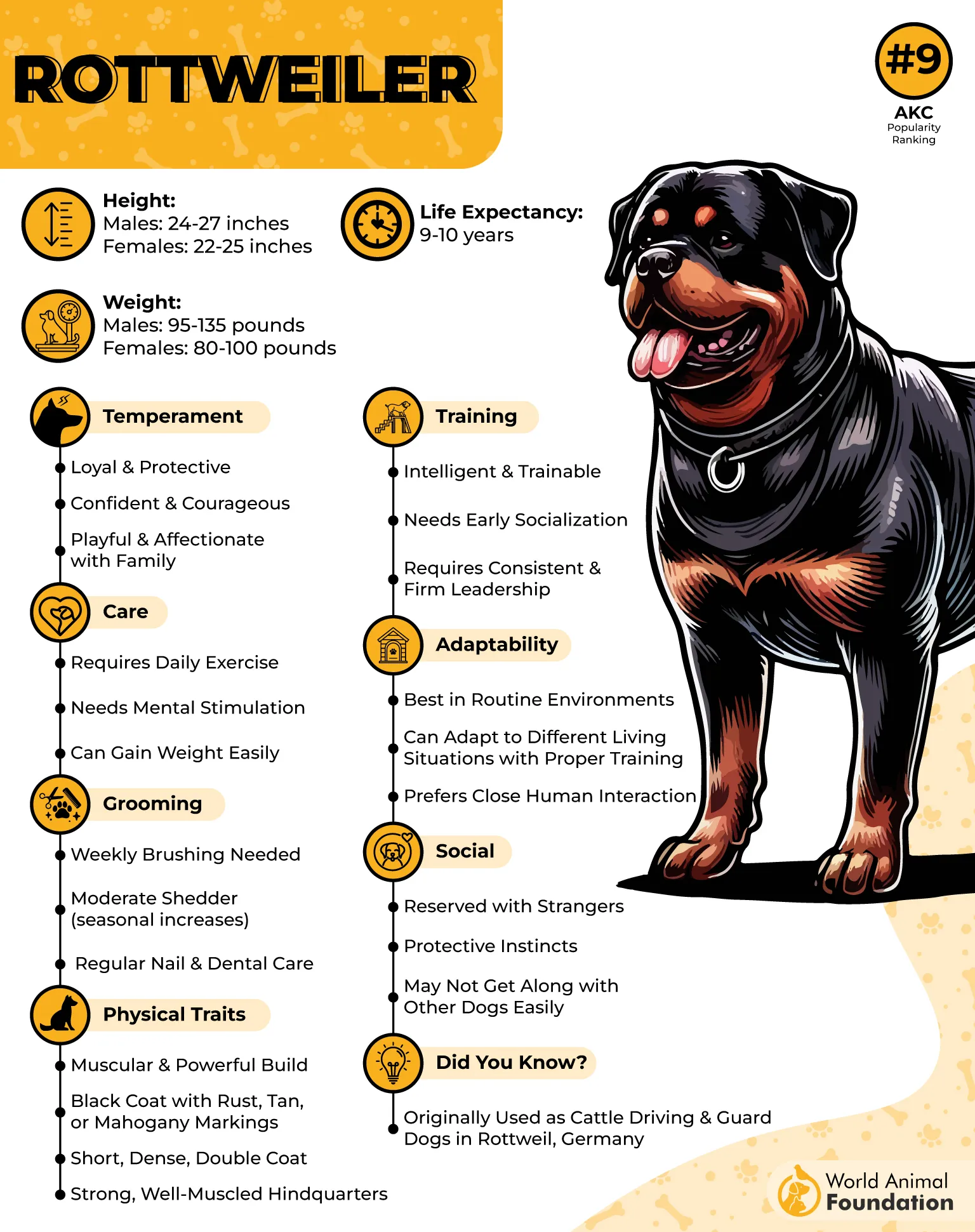
Rottweilers are good students, but size and strength make good manners an even greater necessity. They must be taught from a young age to be confident but manageable companions through early socialization, consistent boundaries, and positive reinforcement.
Start loose-leash training and recall, and introduce them to humans to socialize them early on in their development. Consistent training is key, with confidence and reward, to further encourage the breed to adapt to your commands.
9. Miniature Poodle
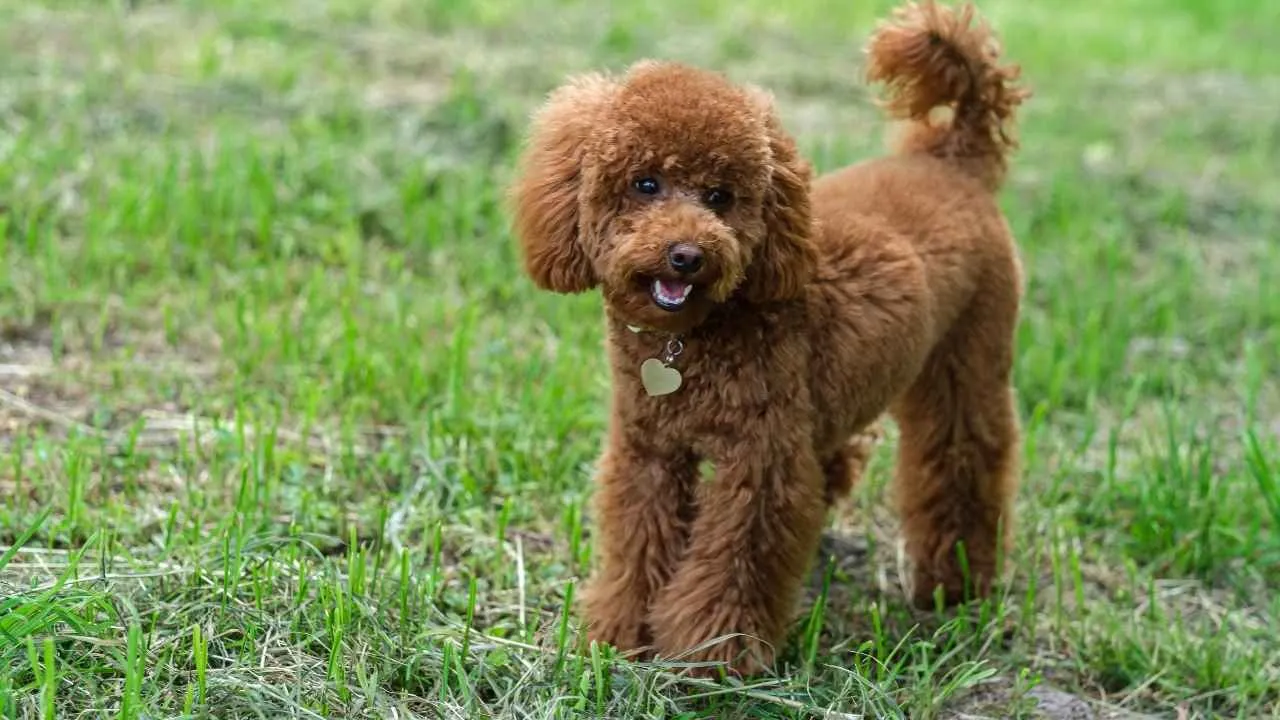
Who said fancy hair and intelligence can’t go together? Mini Poodles are clever little dogs that learn tricks, commands, and manners at an alarmingly quick rate.
Though their elegant appearance is what most people recognize at first glance, Poodles were actually bred as water retrievers, and their athletic past is often overlooked. Mini Poodles are enthusiastic, intelligent, and great choices for obedience, agility training, and tricks.
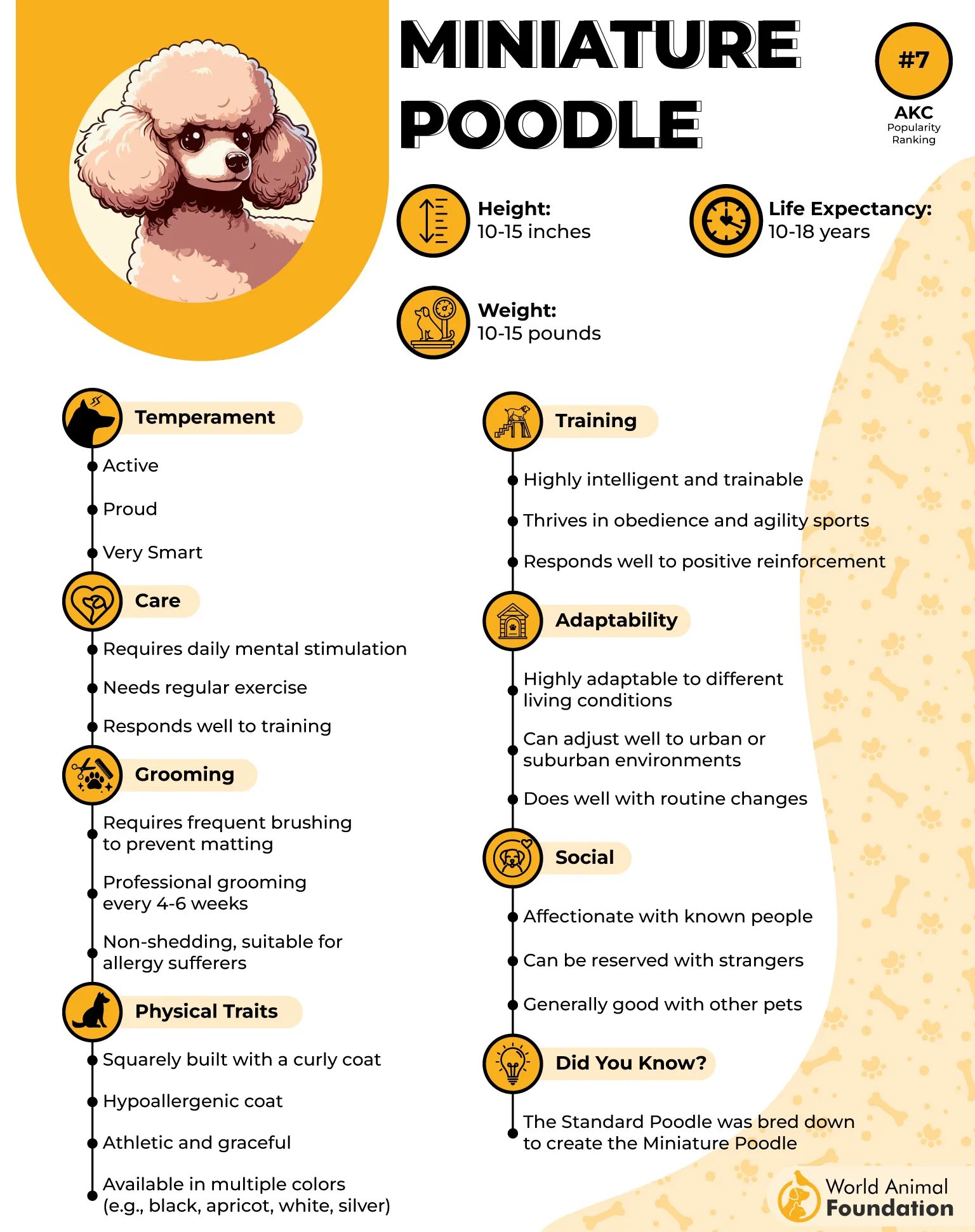
They can move into various homes and lives, but they require exercise and mental stimulation. They are small, so they can be easy to travel with, but that doesn’t mean they are easy to take care of.
Switch up on any tricks, puzzles, or short obedience training. Show Mini Poodles new things and make their training interesting and rewarding.
10. Australian Cattle Dog
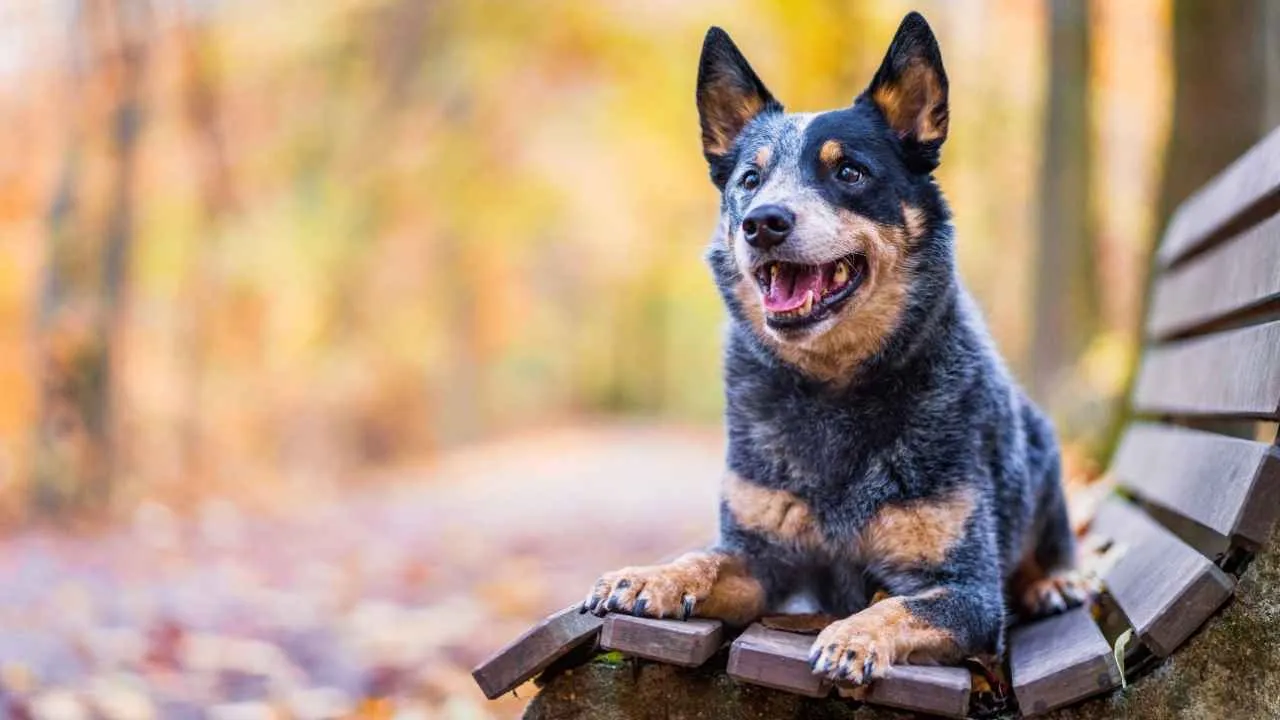
The Australian Cattle Dog is a highly capable, hardworking dog with a mind of its own. It was developed in Australia for working cattle on rough terrain, where it had to have stamina, independence, and the ability to make quick decisions on the fly.
They are intelligent, observant, and quick learners. They learn routines easily and figure out things on their own. This is an independent breed, so it may not always follow directions, which makes consistent training crucial.
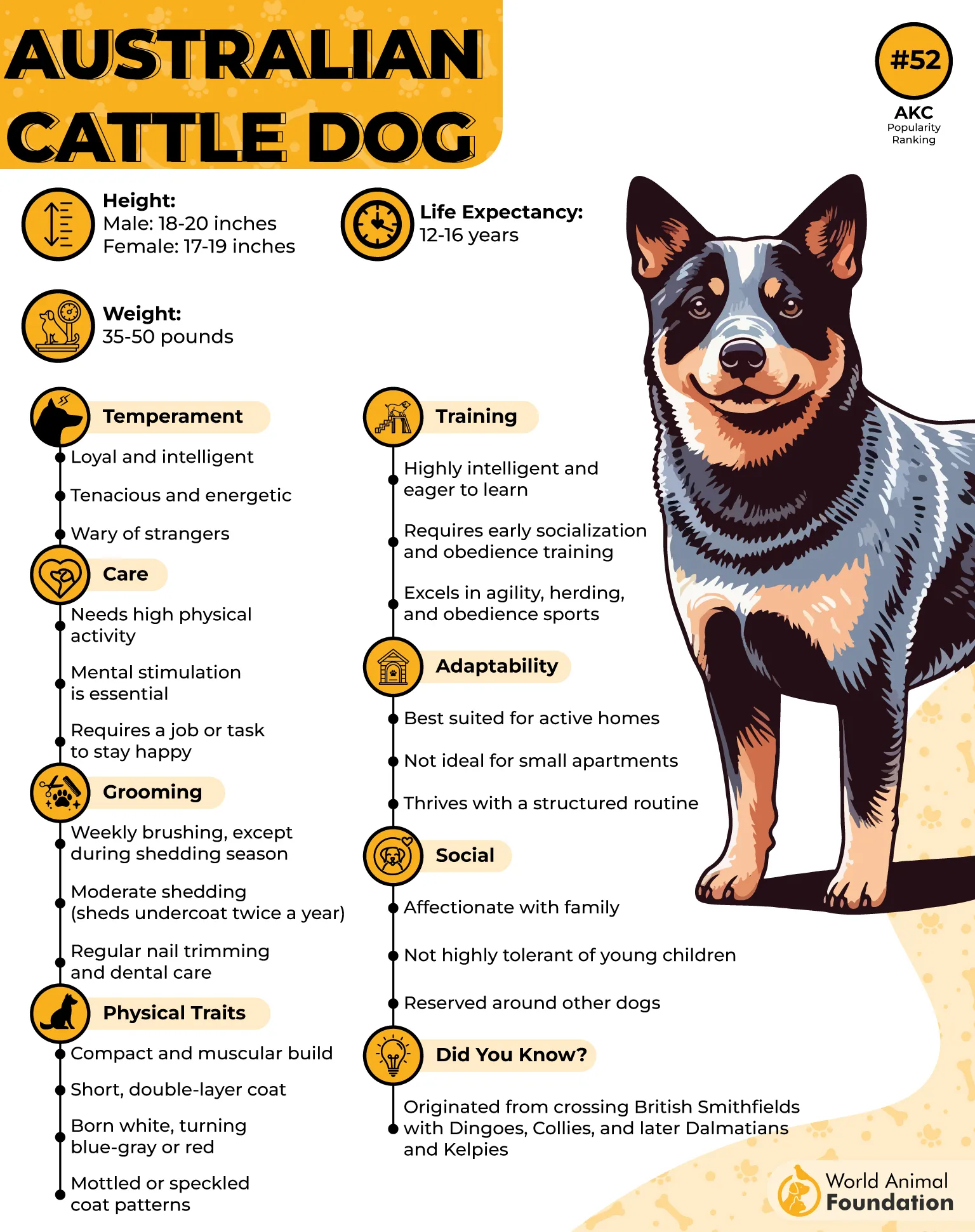
This breed requires a lot of activity. Its intelligence can manifest itself in mischief if it lacks sufficient exercise and mental stimulation. Imagine the brains of puzzle-solving companions that have too much extra time on their hands.
Provide them with activities like obedience, agility, herding games, and scent work. It is essential to be consistent and have clear, realistic expectations.
Conclusion
Some breeds learn commands in a flash. Others excel at problem-solving, and some will know what you are doing before you know it yourself.
Just remember that even the brightest canine requires patience, practice, and a loving owner. Trainability doesn’t mean a dog will adapt to any situation, and there can be big variations in personality within a breed.
Select one with complementary energy, instincts, and learning style. Provide it with steady direction, thrilling activities, and lots of encouragement, and you’ll have a four-legged companion who will impress you daily.
