




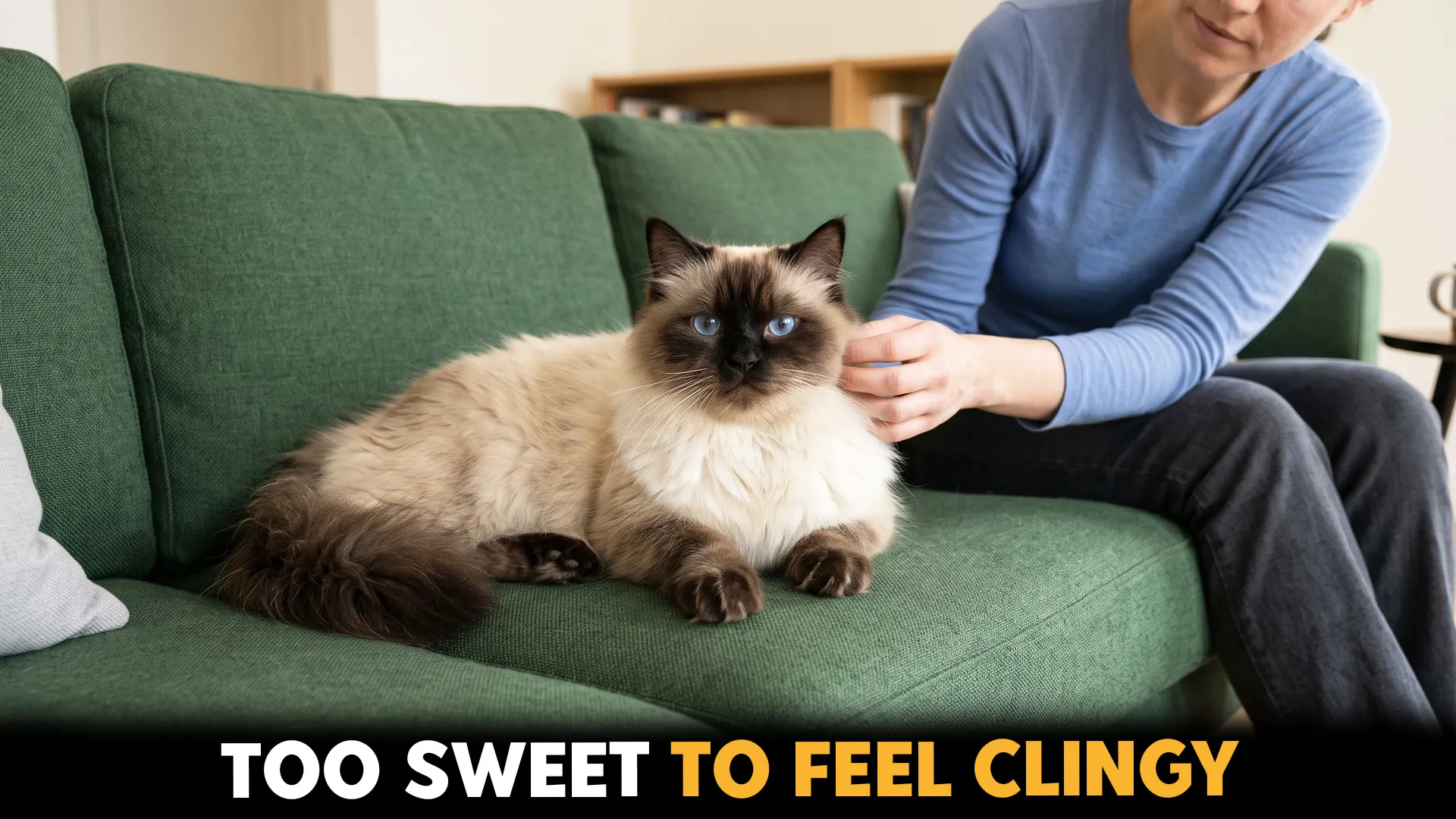
Do you love the idea of a cuddly cat but worry about having a pet that constantly demands your attention? Finding that balance can be tricky. Some cats crave nonstop interaction, while others prefer keeping their distance, leaving owners searching for a companion who offers affection without becoming overly dependent.
Fortunately, certain breeds combine a loving personality with a naturally self-reliant temperament. They enjoy spending time with their humans but can also entertain themselves and appreciate quiet moments alone. Their independence, however, doesn’t eliminate the need for daily care, play, and attention.
If you want a feline friend who welcomes cuddles but respects personal space, these seven cat breeds may offer the companionship and independence you’re looking for.
FACT: Even independent cats need daily interaction and mental stimulation to remain happy and healthy.
Best Cats That Are Affectionate But Independent
1. Russian Blue
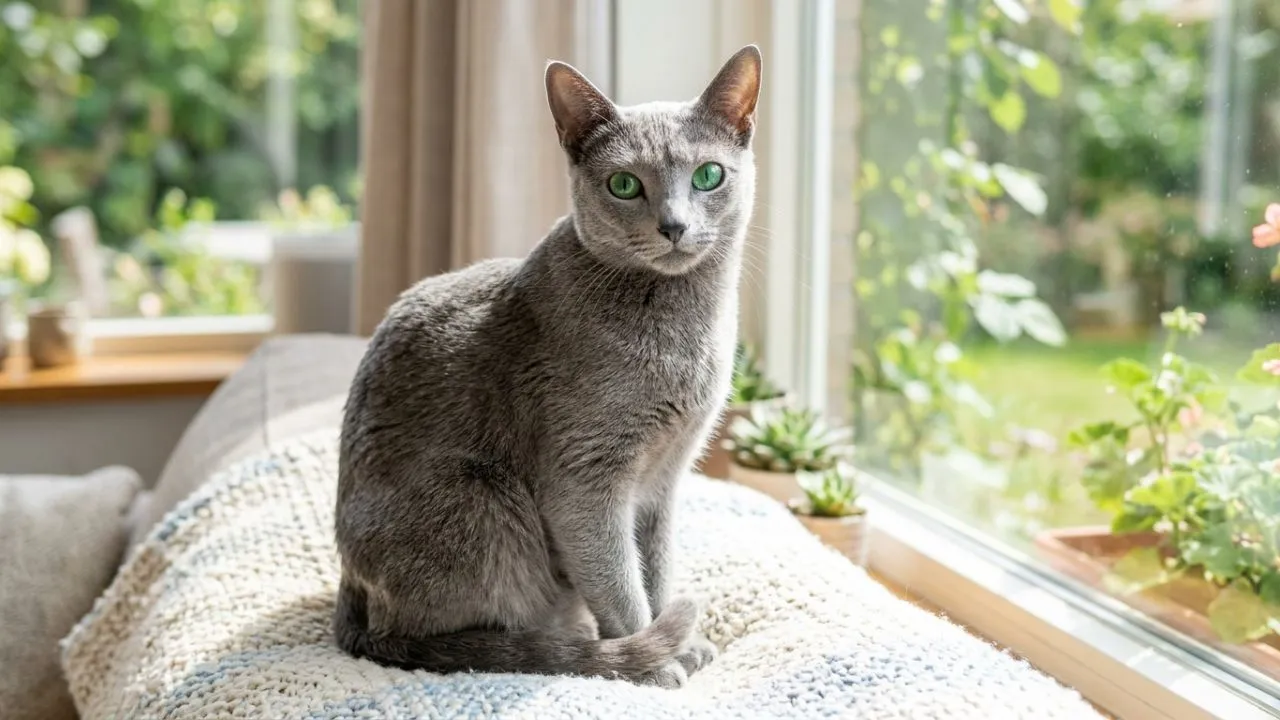
With their stunning blue-gray coats and graceful appearance, Russian Blues have an understated elegance that matches their reserved personalities. They may seem shy around unfamiliar people, but with their favourite humans, these domestic cats reveal a much more affectionate side.
Unlike clingy companions, Russian Blues appreciate having their own space. According to Purina, they can entertain herself when alone but enjoy playing fetch with their family.
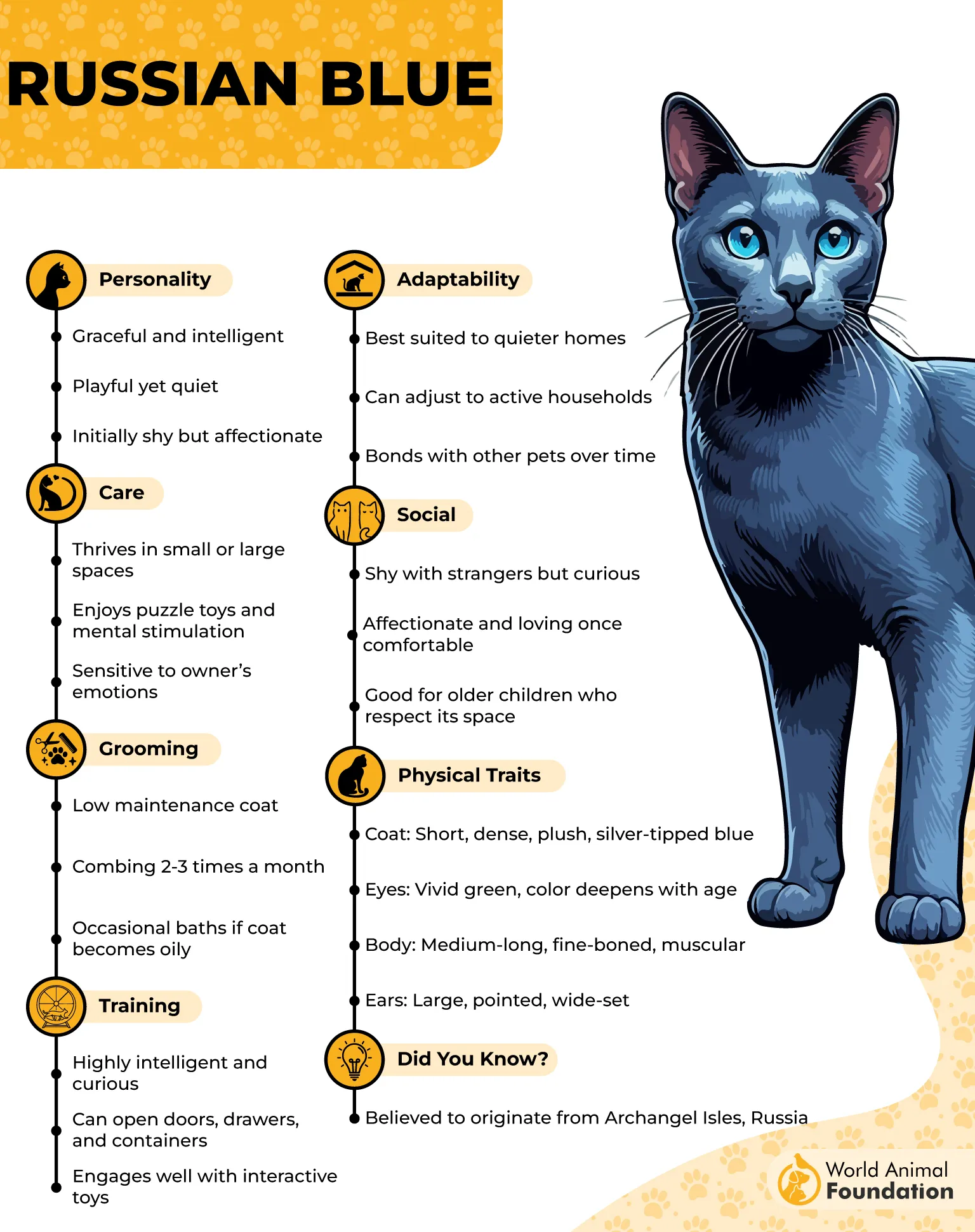
Their intelligence and curiosity make them particularly interesting companions. You might find them climbing onto elevated spots to observe their surroundings or quietly following familiar people around the house.
Although relatively independent, these cats benefit from daily playtime to prevent boredom and keep their minds engaged. They also appreciate predictable routines and may become quite vocal when breakfast arrives later than expected.
Russian Blues are generally tolerant of children and other cat-friendly pets, making them adaptable to different household environments.
2. British Shorthair
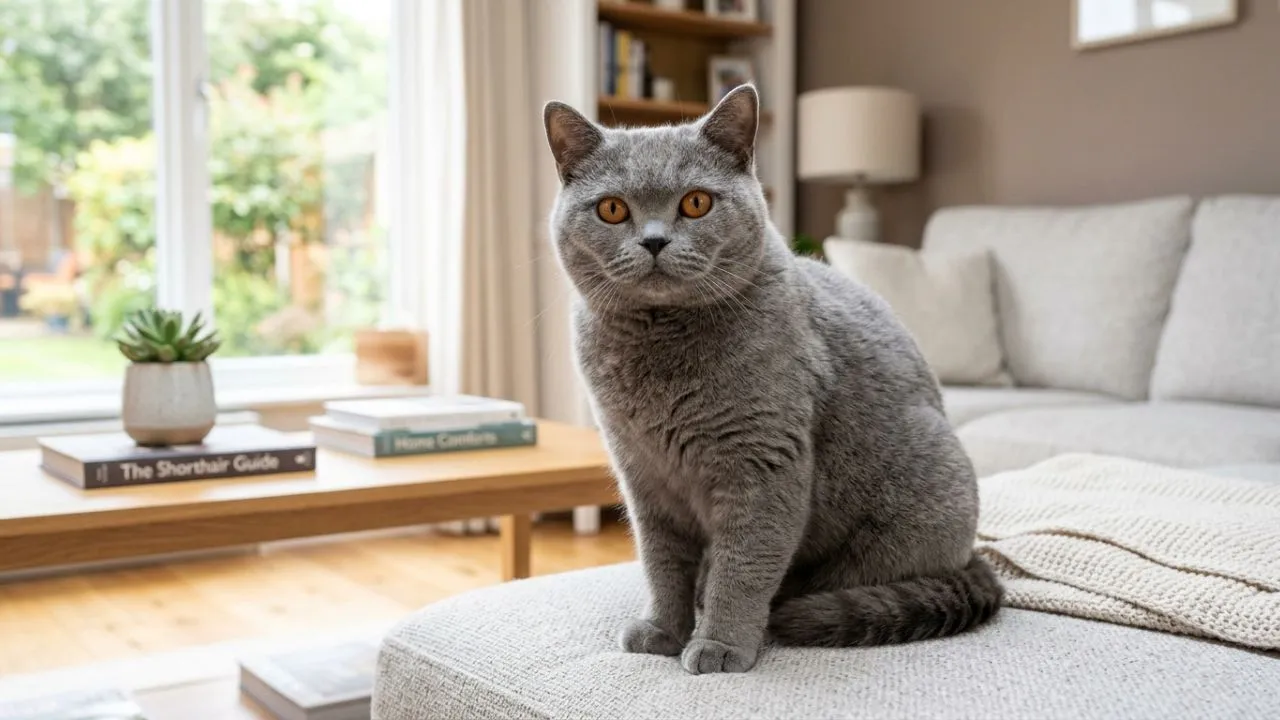
Imagine coming home to a round-faced cat waiting nearby, quietly observing your every move without demanding immediate attention. That’s the British Shorthair, a self-assured companion known for its short plush coat, chubby cheeks, and wonderfully easygoing personality.
Although often recognised by its blue-gray fur, this breed comes in several other coat colours. Its calm temperament makes it comfortable spending time independently, but it still enjoys having familiar people around.
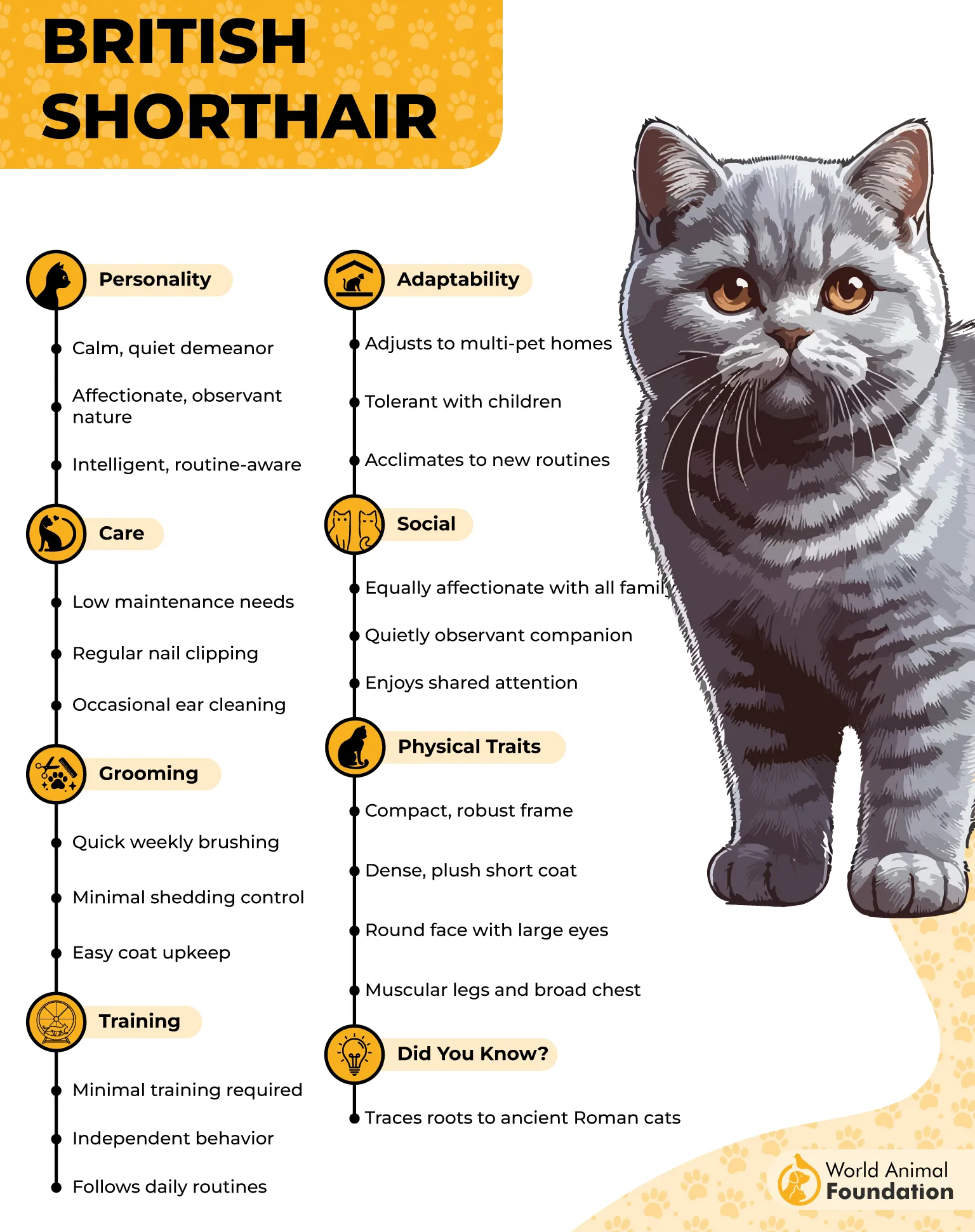
British Shorthairs aren’t particularly vocal, often communicating through soft meows and surprisingly deep purrs. They enjoy affection, but cuddles usually happen on their terms rather than whenever their owners demand them.
Beneath their relaxed personality lies a natural hunting instinct. Interactive toys, especially those that encourage chasing and stalking, help keep them mentally stimulated while providing an enjoyable way to stay active.
3. Himalayan
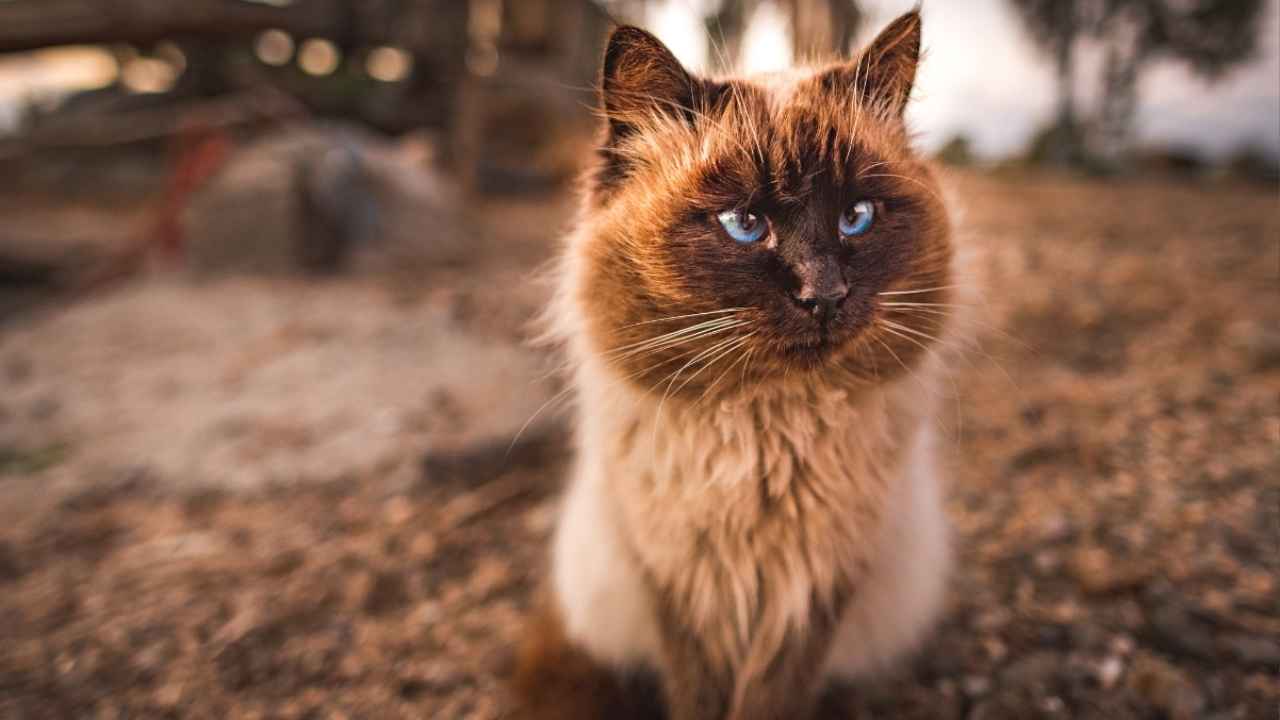
With their striking blue eyes and long, silky coats, Himalayan cats have an unmistakably graceful appearance. A cross between Persian and Siamese breeds, these gentle companions combine an affectionate personality with a relatively independent streak.
Himalayans enjoy cuddling and being petted but don’t necessarily demand attention every moment. They appreciate peaceful surroundings and often prefer relaxing near their favourite people rather than constantly seeking interaction.
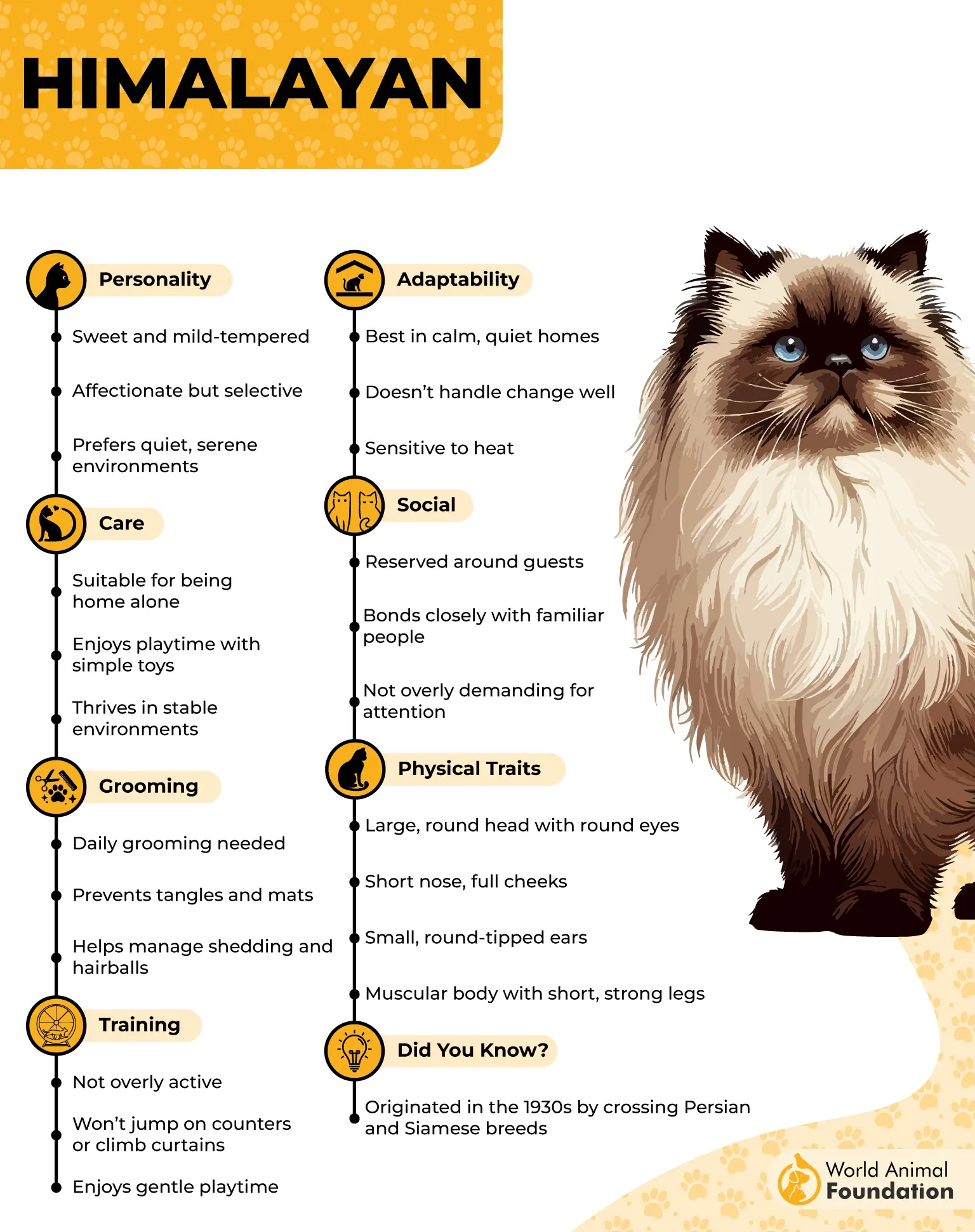
Despite their somewhat relaxed temperament, these intelligent cats enjoy playful activities and interactive toys. They are also attentive to their owners’ routines and may happily greet them at the door after a long day.
Their luxurious coat, however, requires considerable attention. Daily brushing helps prevent tangles and painful mats while keeping their fur in good condition. These grooming sessions can also become a pleasant bonding opportunity between cat and owner.
Although independent enough to enjoy quiet moments, Himalayans remain affectionate family companions who value regular attention and gentle interaction.
4. Turkish Angora
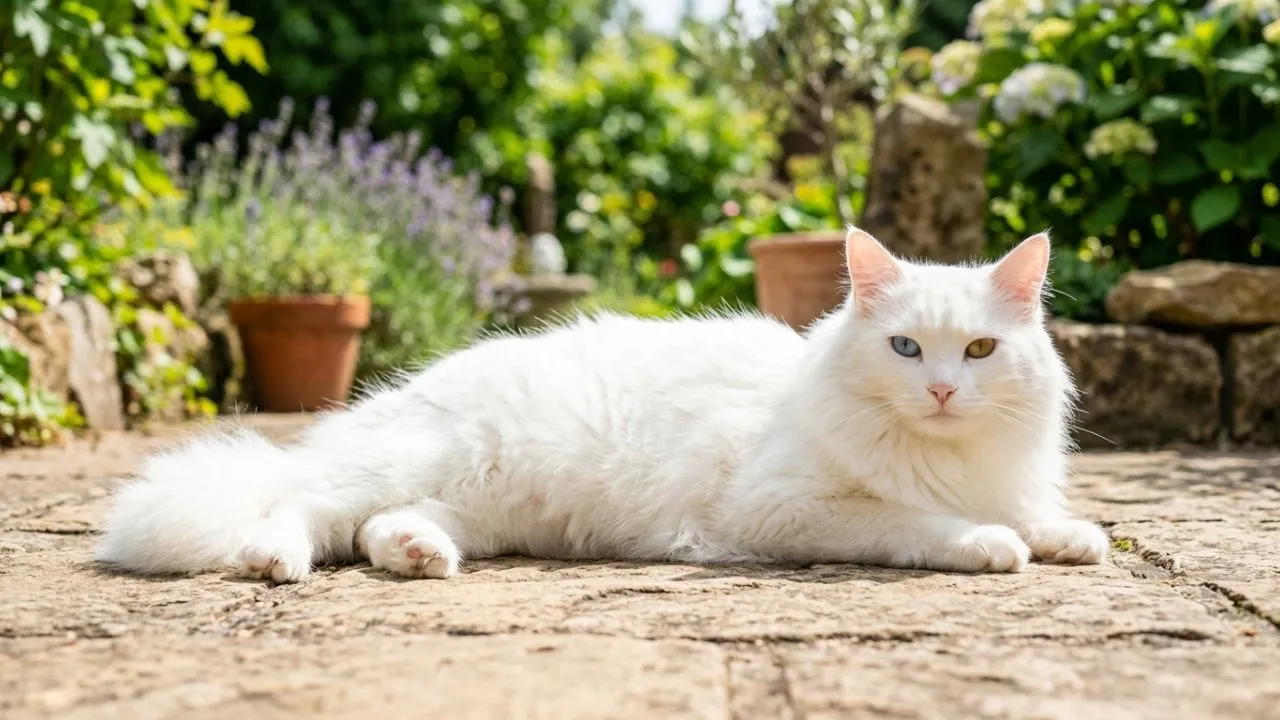
Turkish Angoras are often mistaken for aloof cats because they don’t enjoy being held or cuddled by everyone. However, their independent nature doesn’t mean they dislike affection; they simply prefer choosing when and with whom to interact.
These elegant, longhaired cats are confident, intelligent, and naturally curious. They enjoy exploring their surroundings and engaging in playful activities well into adulthood rather than spending all day lounging.
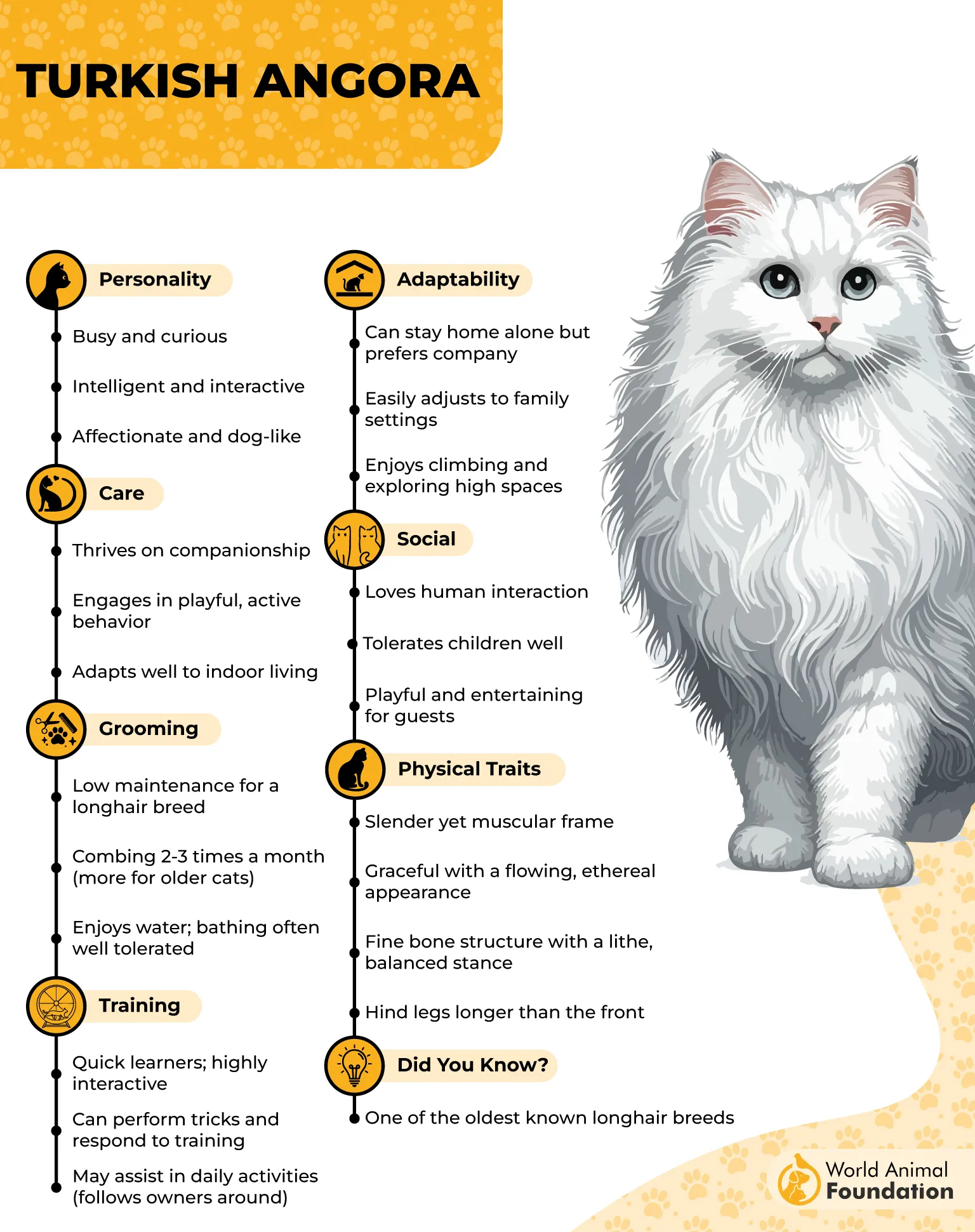
Although they have a mind of their own, Turkish Angoras form strong bonds with their favourite people. They often seek their owner’s attention and may become unhappy if left alone for extended periods.
Their adaptable personality makes them comfortable in lively households, including those with children or other pets. According to Royal Canin, Turkish Angoras are confident and assertive cats that adapt well to homes with other pets.
5. Korat
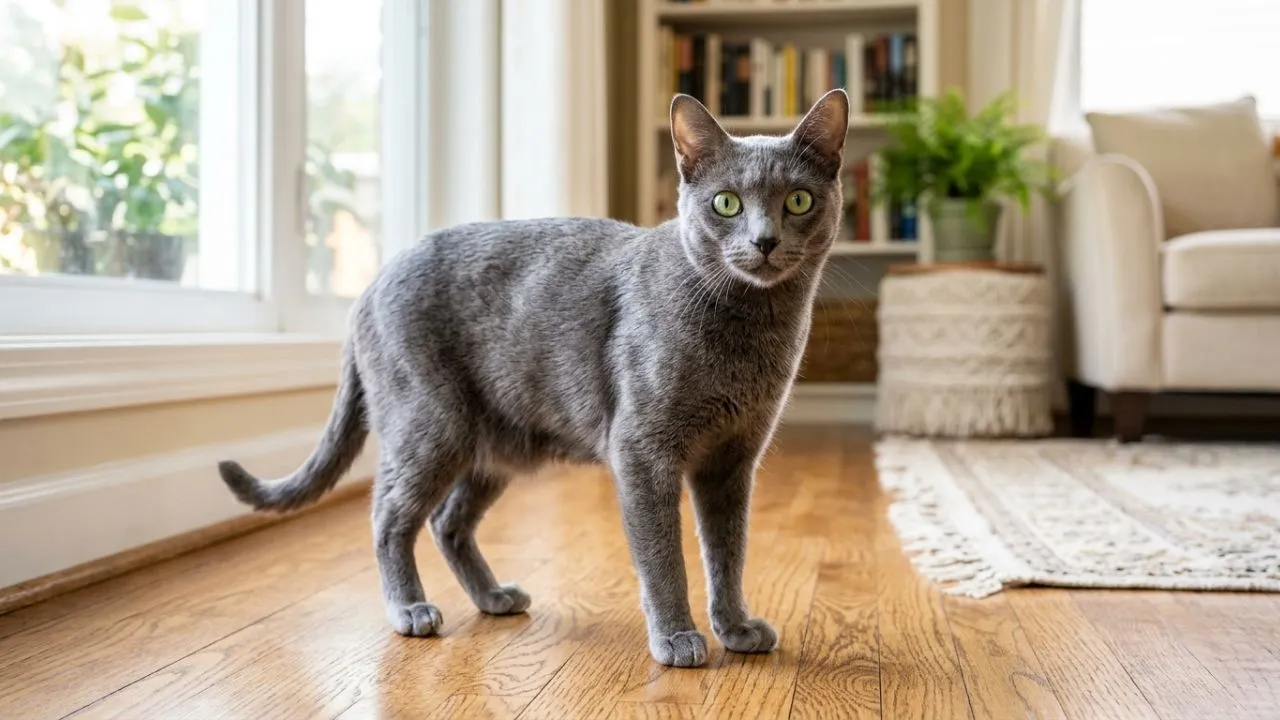
Originating in Thailand, the Korat is a distinctive breed recognised by its shimmering silver-blue coat and striking green eyes. Beneath its elegant appearance is an intelligent, observant cat that often forms particularly strong attachments to familiar people.
Although Korats may seem reserved around strangers, they are affectionate and sociable in domestic settings with those they trust. They enjoy interactive play, cuddling, and resting close to their favourite family members, often preferring familiar company over meeting new people.
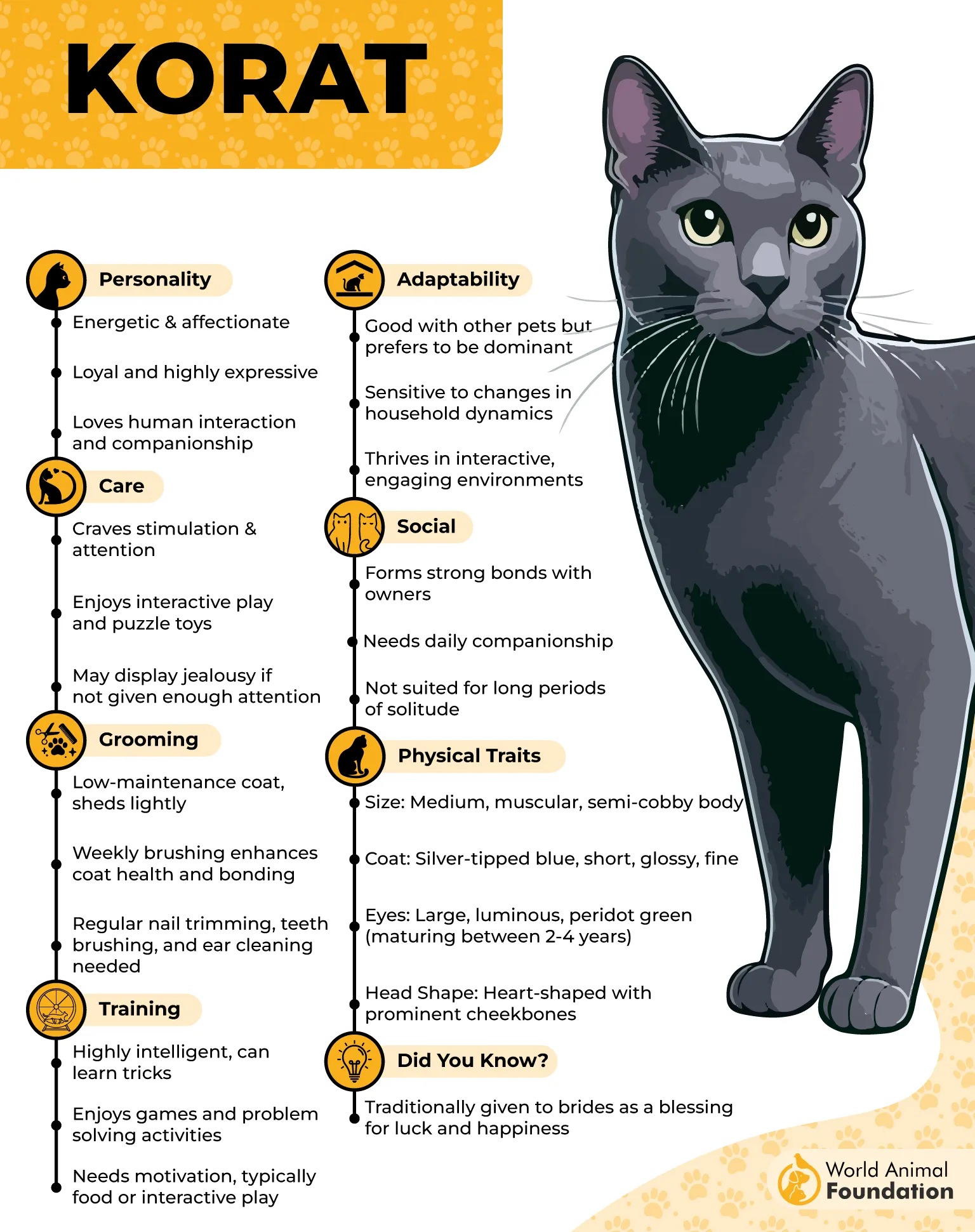
Their attachment also means they value consistency and regular interaction. Korats can become distressed when left alone for long periods, so they benefit from companionship and a predictable daily routine.
These lively cats are known for their vocal nature and may use expressive meows to communicate their needs. They generally get along with children and other pets.
However, Korats can become possessive if they feel they are receiving less attention. Giving them individual playtime and affection helps maintain a comfortable household dynamic.
6. American Shorthair
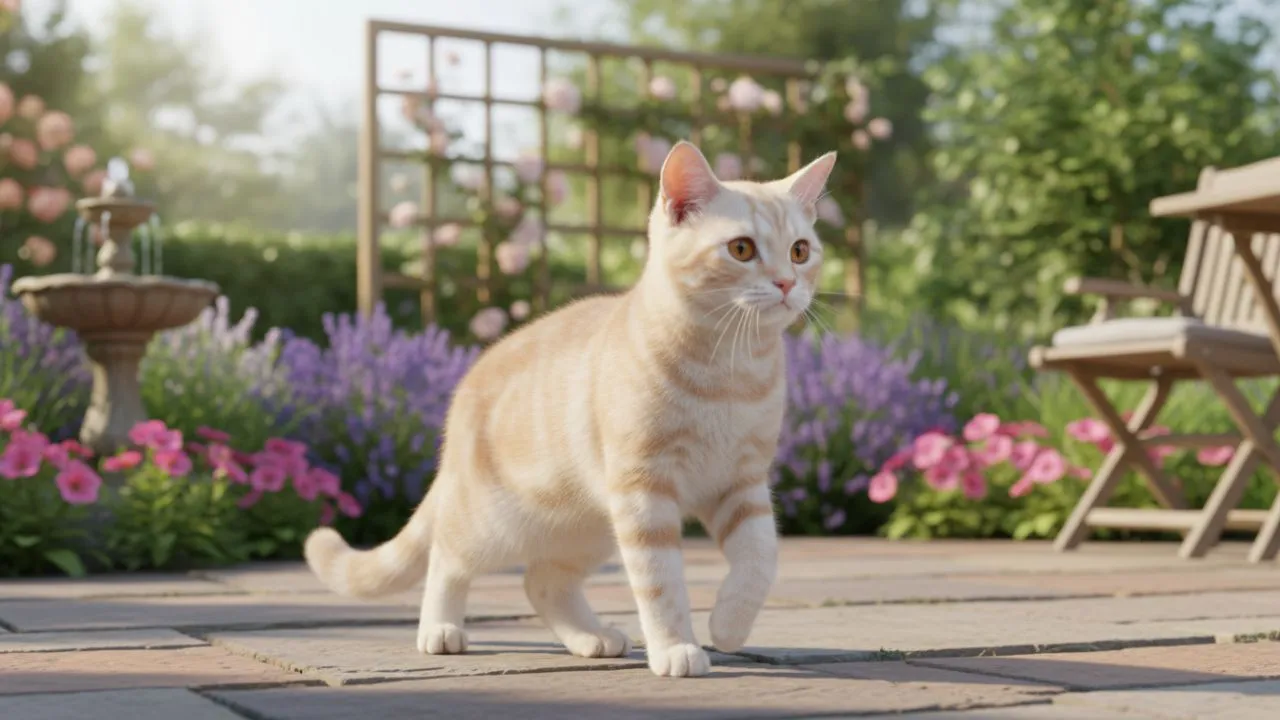
Looking for a cat that enjoys family time without demanding constant attention? The American Shorthair fits the bill. These friendly, adaptable cats appreciate being around their people but are equally comfortable entertaining themselves.
They may occasionally curl up on your lap, yet don’t be surprised if they choose a cosy spot beside you instead. Most aren’t particularly fond of being carried, preferring affection through relaxed companionship and gentle interaction.
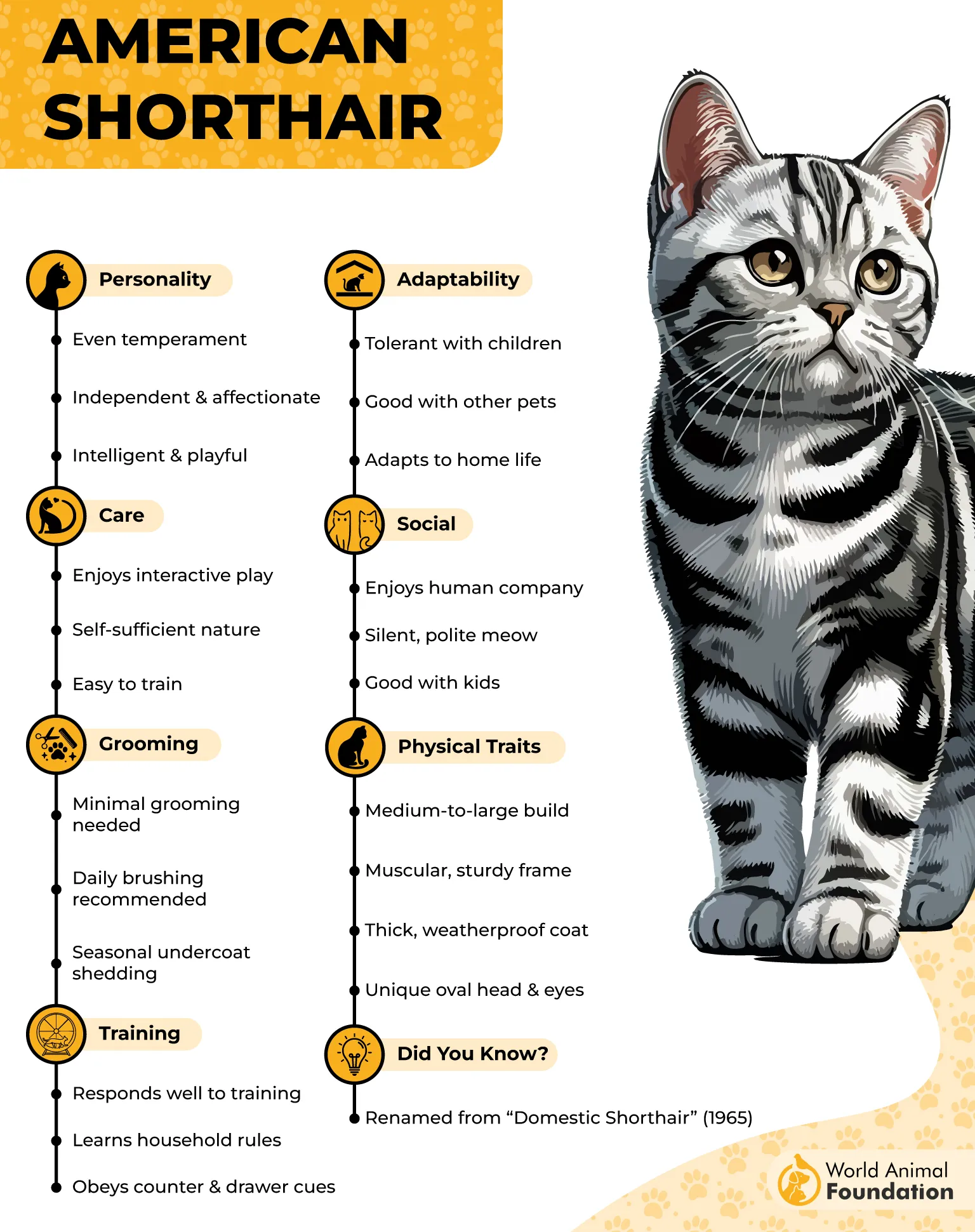
Their easygoing temperament makes them suitable for households with children and even cat-friendly dogs. However, their natural hunting instincts and large size can make smaller pets, especially birds, less suitable companions.
Beyond their relaxed nature, American Shorthairs are clever and curious. They enjoy interactive puzzles, learning simple tricks, and activities that give their minds something to work on.
7. Abyssinian
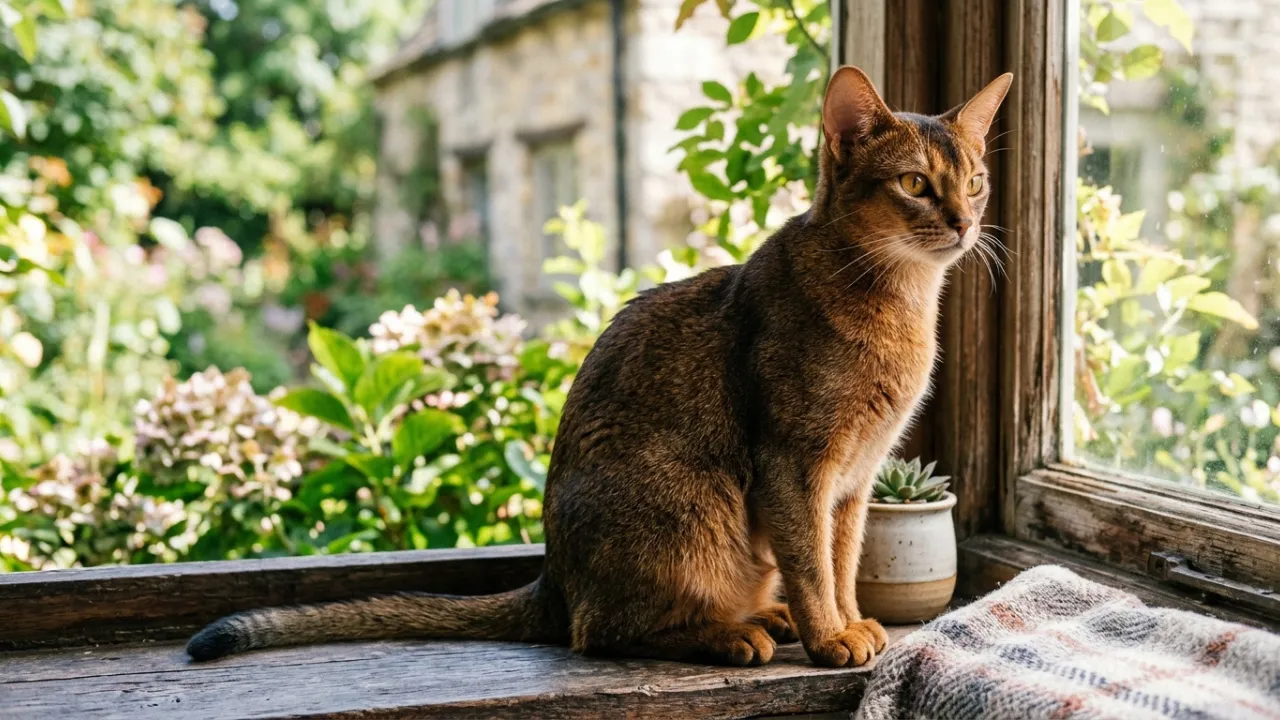
Imagine preparing dinner while a curious little companion follows your every move, then hops onto your shoulder to see what you’re doing. That’s everyday life with an Abyssinian, a lively cat that loves being part of the action.
Rather than spending hours curled up on a lap, this breed prefers staying close and observing household activities. Whether you’re working, cooking, or relaxing, an Abyssinian may find a way to join in without necessarily asking for cuddles.
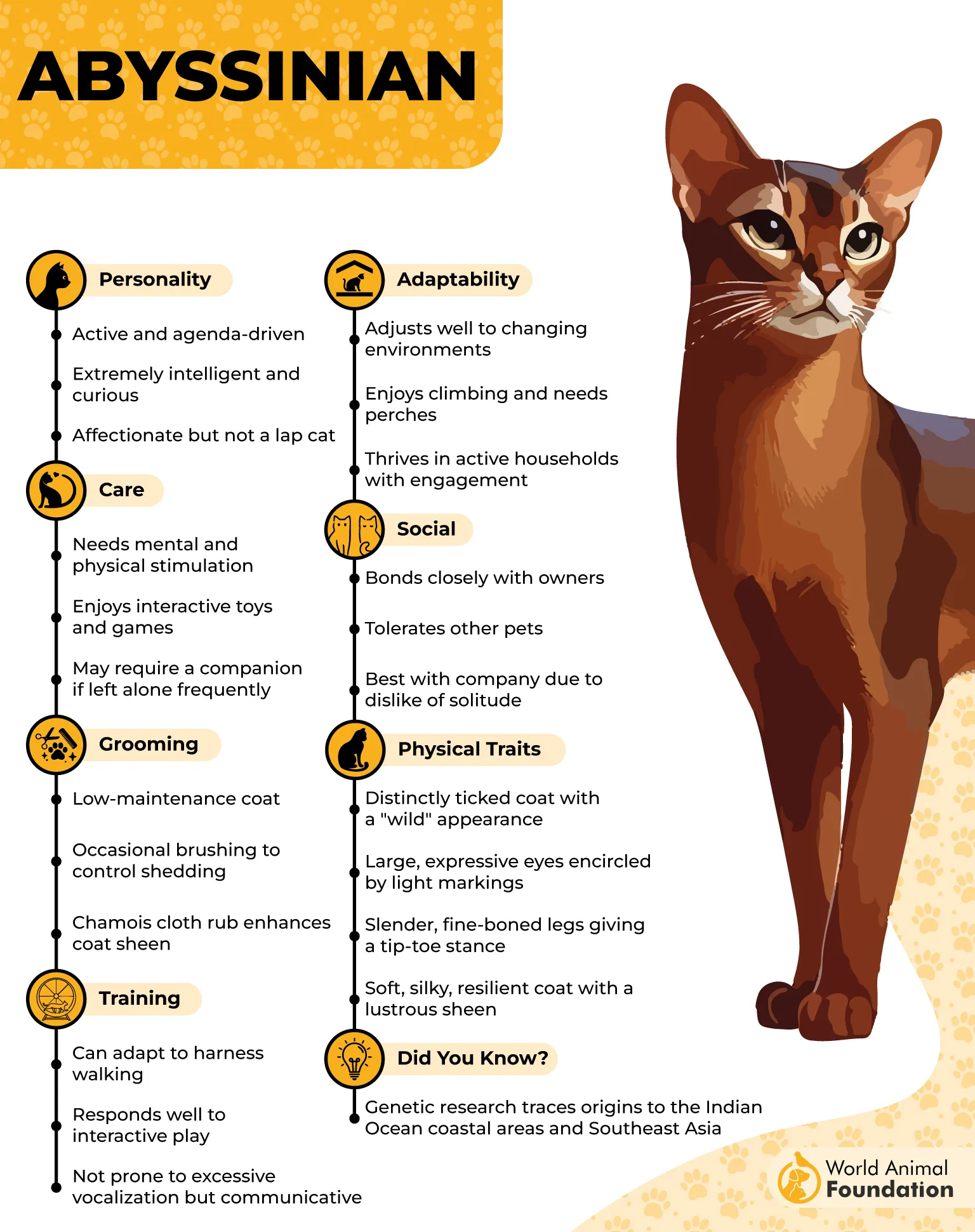
Their intelligence and energetic nature mean they need plenty of stimulation. According to PDSA, they can entertain themselves with toys but also enjoy human interaction. Interactive games and climbing opportunities also help keep their curious minds occupied.
Abyssinians form strong bonds with their owners and enjoy regular company. They may struggle with long periods of isolation, so they suit households where someone can spend plenty of time engaging with them.
Conclusion
Finding a cat that balances affection with independence means choosing a companion that fits your lifestyle and expectations. Some cats enjoy staying close to their favourite people without constantly seeking cuddles, while others prefer occasional lap time alongside plenty of opportunities to explore and play.
Although these felines may have independent streaks, they still value attention, companionship, and meaningful interaction. Providing toys, enrichment, a comfortable environment, and a consistent routine can help keep them happy and engaged.
Before bringing one home, consider its personality, activity level, and social needs. The right match can offer the warmth of companionship while respecting your need for personal space.
