




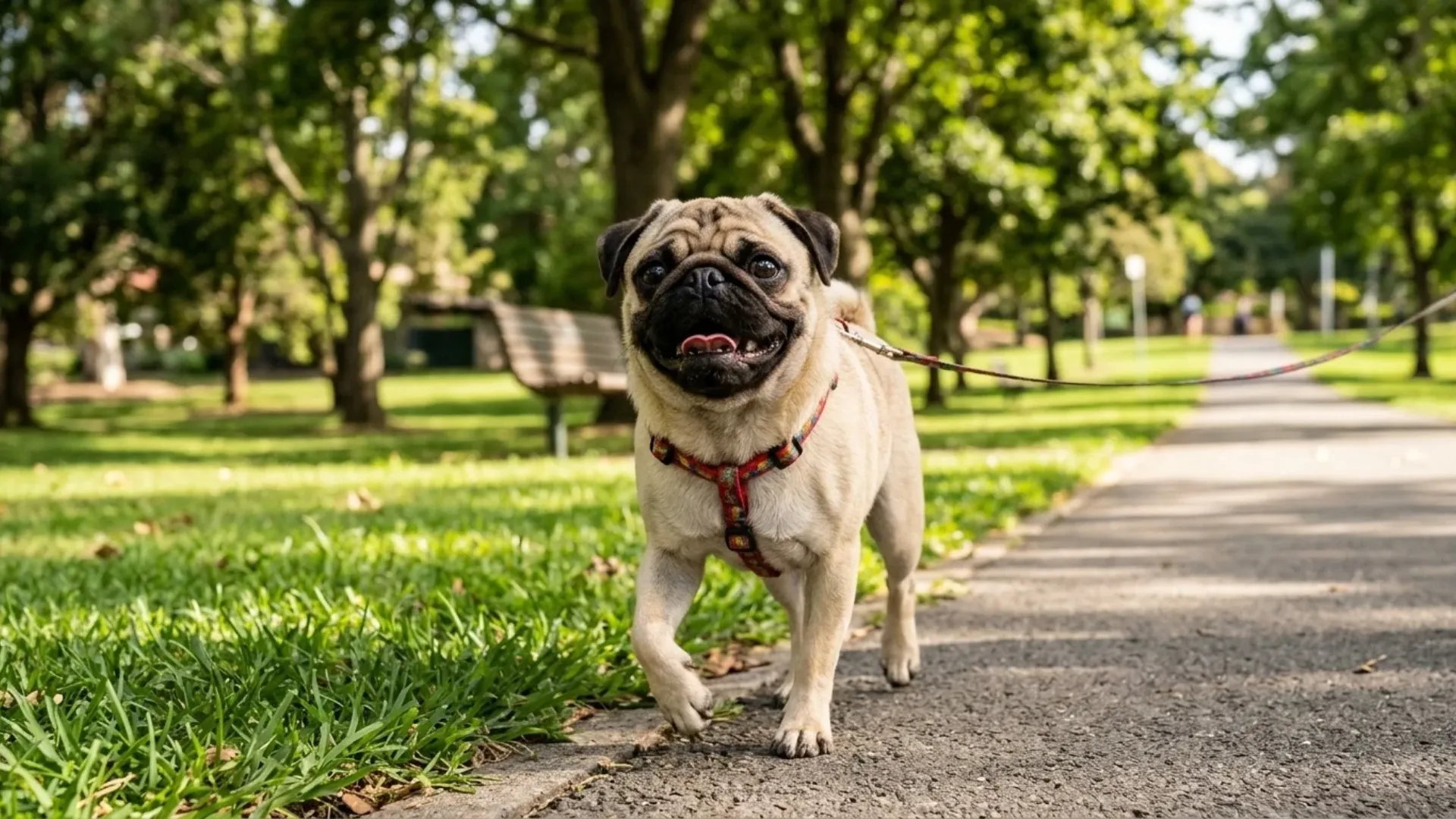
Small dogs may take up little space, but they bring big joy! They have charming personalities, loving hearts, and plenty of playful spirit. From busy city apartments to cozy family homes, these little companions fit into many lifestyles.
But are they really happy just sitting on your lap? Not quite!
Toy dogs may be small, yet they still enjoy staying active and exploring their world. Their exercise needs vary based on breed, age, and health. Some enjoy lively games, while others prefer gentle walks and relaxed playtime.
Regular activity also helps them stay fit and avoid unwanted weight gain. Plus, these small dogs often form close bonds with their families. Their small size makes them easy to welcome into many homes. However, each breed brings its own needs and personality.
Let’s explore seven wonderful toy dog breeds and discover what keeps each one happy and healthy.
Wonderful Toy Dog Breeds and Their Exercise Needs
1. Pug
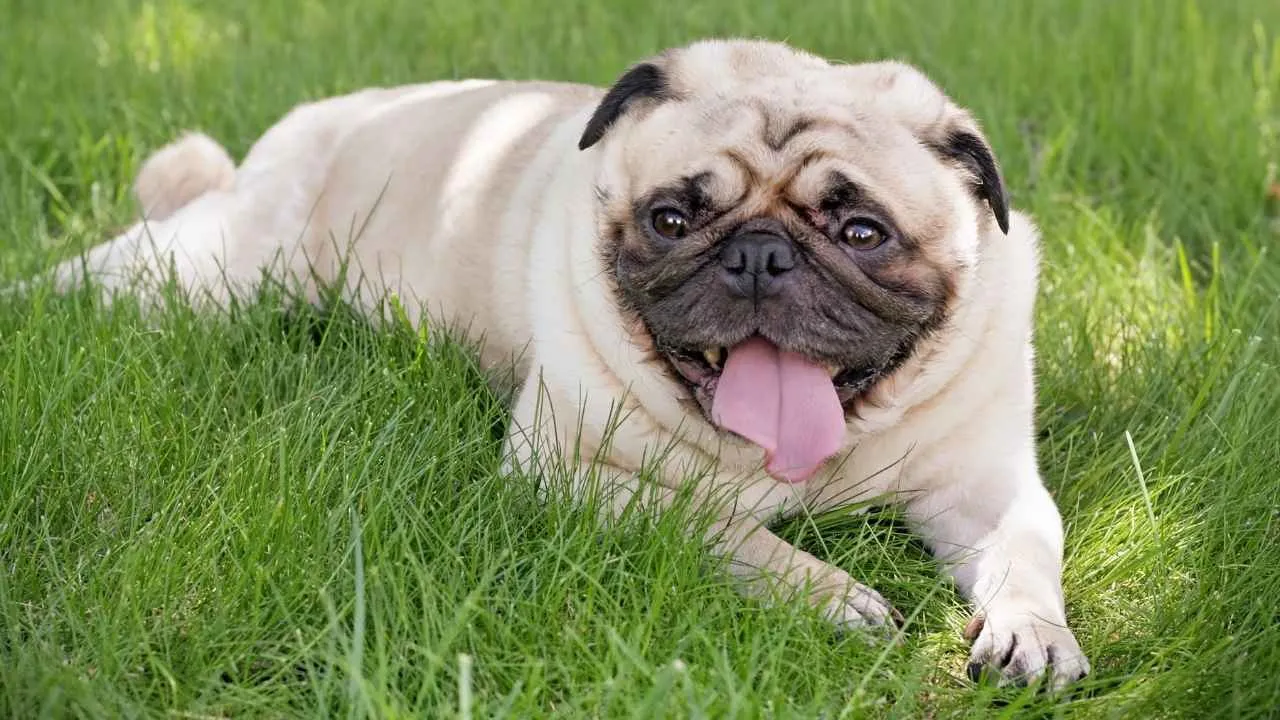
The Pug is a popular companion with a rich history. It once enjoyed life in Chinese royal households. Today, this little dog wins hearts everywhere. Its affectionate temperament makes it a lovely family pet. According to PetMD, Pugs thrive on attention from their pet parents.
They love joining their families in everyday activities. This toy breed also enjoys games and gentle walks. However, their flat faces can cause breathing problems. So, owners must take extra care during warm weather.
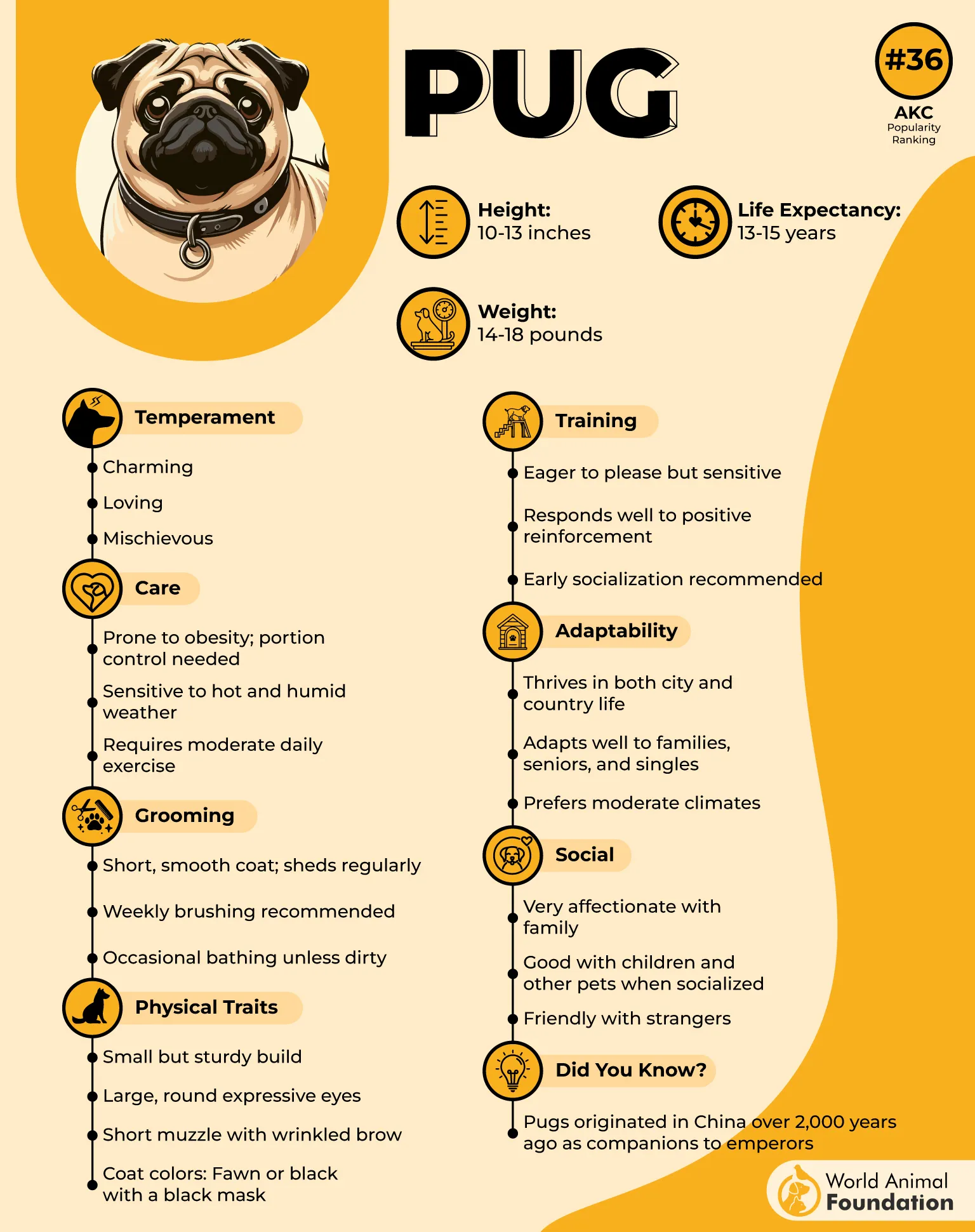
Short walks and indoor play work best for this breed. Several brief activity sessions can keep it happy. Pugs also gain weight easily without enough movement. Therefore, keep play fun, safe, and well-paced.
Keeping Your Pug Happy and Healthy
Introduce new activities slowly to build confidence.
Watch for noisy breathing, heavy panting, or tiredness.
Avoid walks on hot pavement during summer.
Offer fresh water before and after outdoor activities.
Arrange friendly, supervised meetings with other dogs.
2. Pomeranian
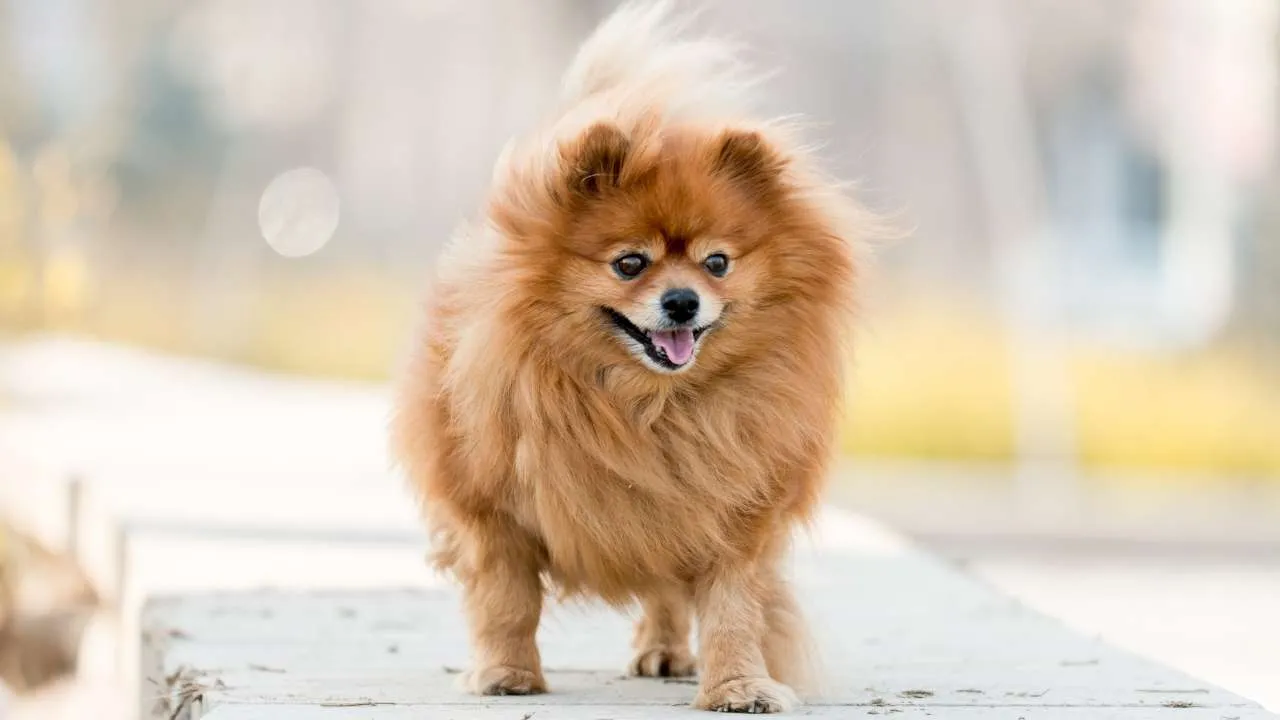
The Pomeranian is a small breed with a big personality. It belongs to the Spitz type dog breed family. Once larger, its ancestors worked in cold regions. Today, it ranks among the most popular toy breed choices.
According to PDSA, Pomeranians are lively, curious, and very playful. They always enjoy a good game! Their fluffy coat gives them a charming look. However, they need brushing 2 to 3 times a week. Brush more often during shedding seasons.
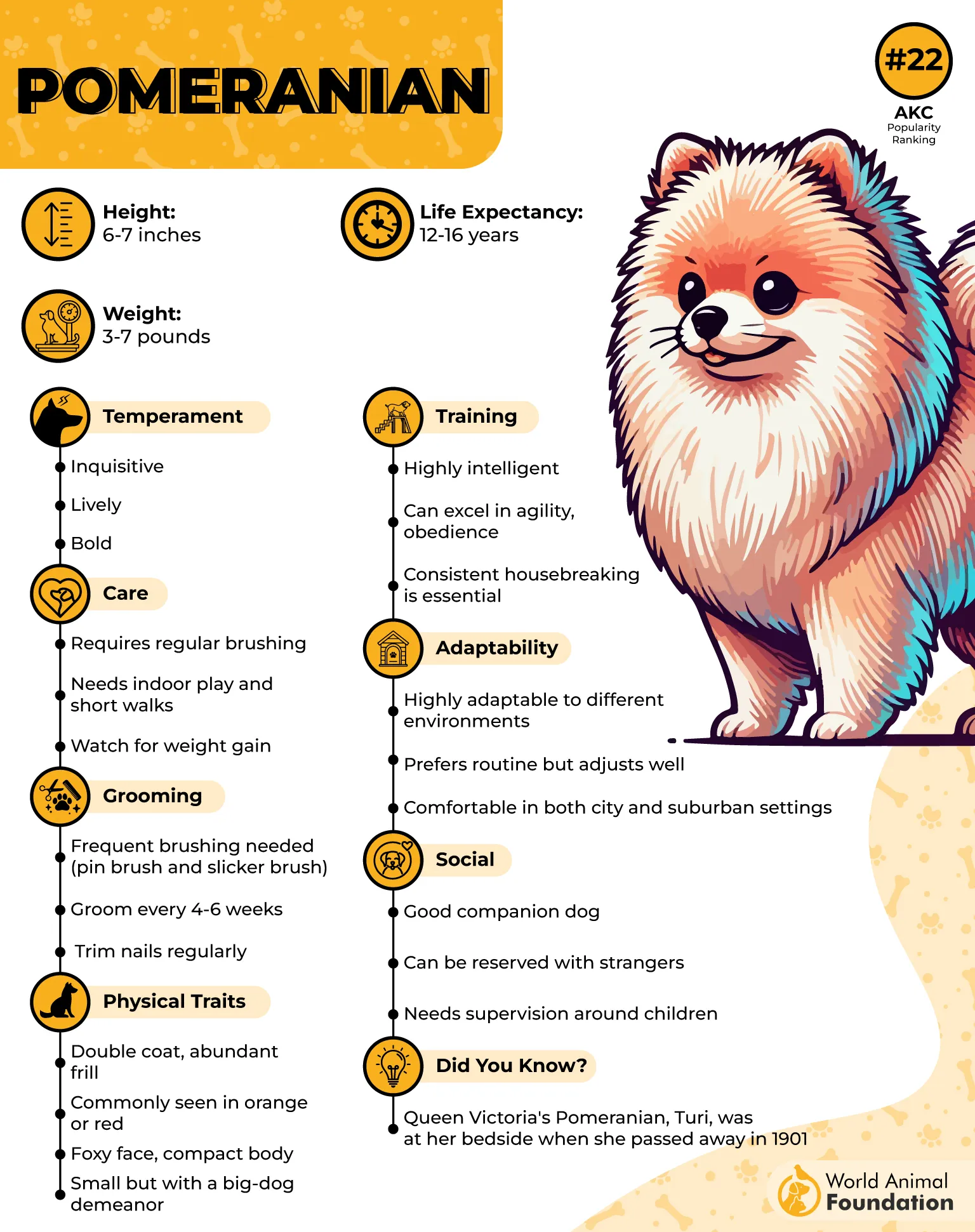
Around 30 minutes of activity usually suits this little dog. Short walks and indoor games keep it happy. Simple training also supports its mental well-being. Unlike a large breed, it needs extra care during rough play. This is especially important around older dogs.
Fun Ways to Keep Your Pomeranian Active
Use soft toys for gentle indoor games.
Teach simple tricks with small rewards.
Choose secure spaces for off-leash play.
Avoid high jumps from beds and furniture.
Check its paws after walks on rough ground.
3. Toy Poodle
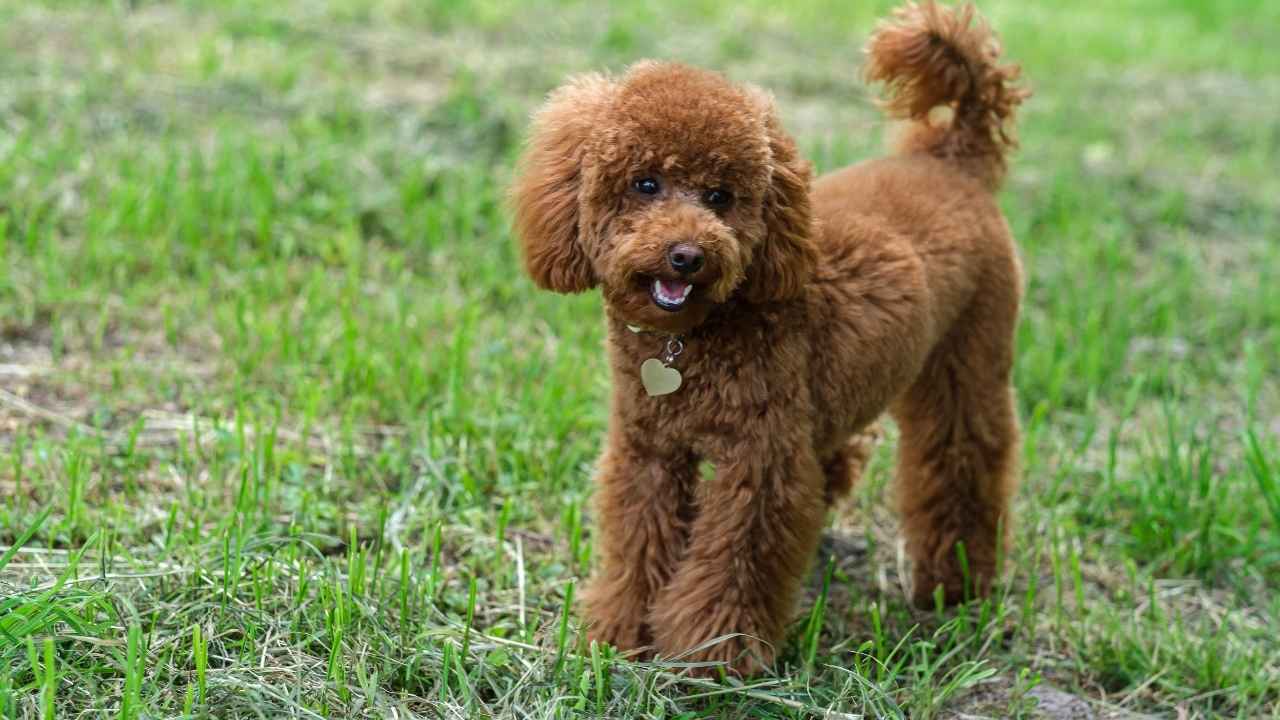
The Toy Poodle may be small, but its abilities are impressive. According to the American Kennel Club, it stands among dogdom’s true aristocrats. Poodles come in three sizes, with Toys standing no taller than 10 inches. Once bred primarily for water retrieval, these dogs became skilled working dogs.
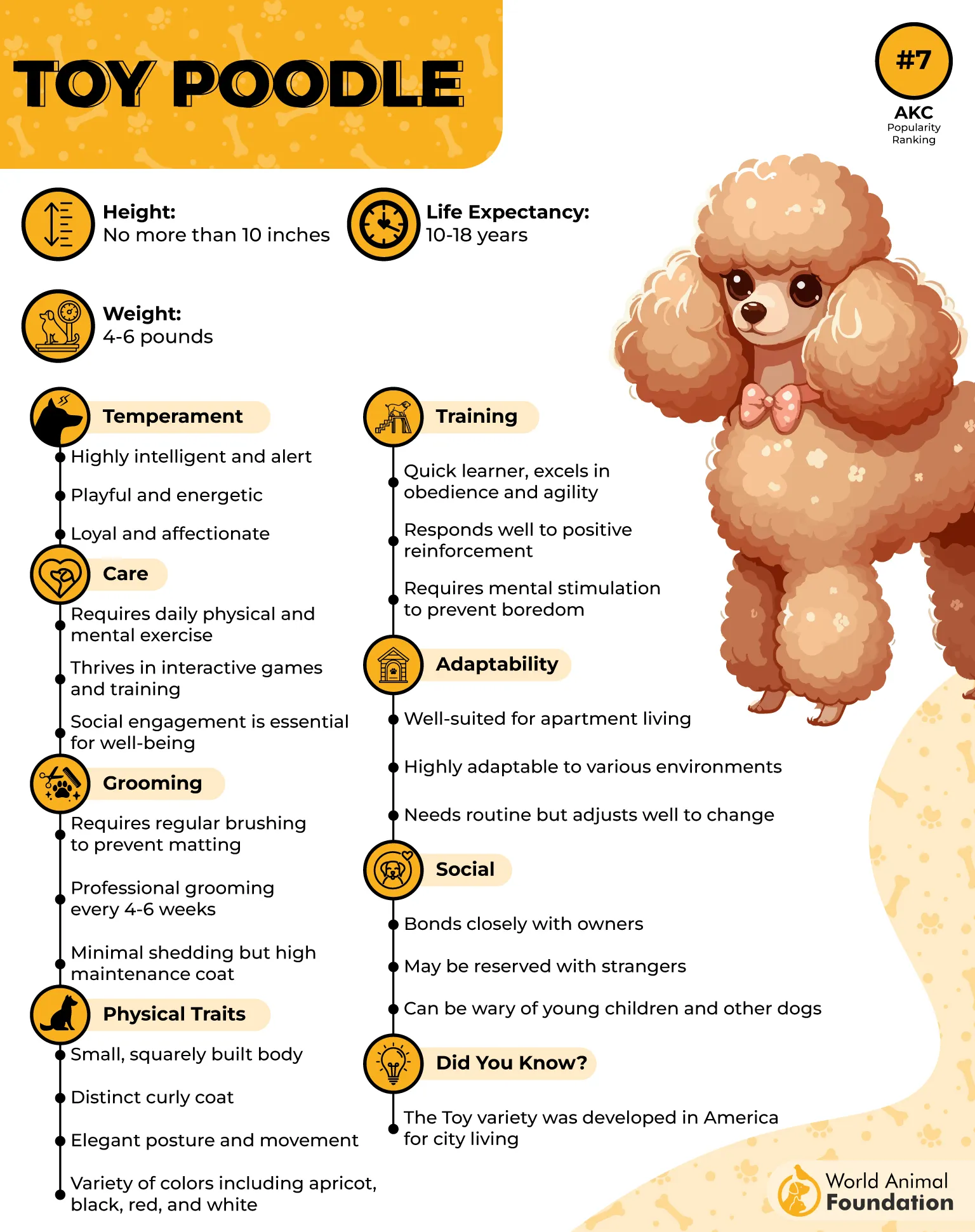
Today, this toy breed is famous for its sharp mind. This small dog breed learns tricks and commands with ease. Puzzle toys and simple challenges provide mental stimulation.
Regular exercise also keeps this clever companion fit. Many enjoy dog sport activities like agility. Poodles also bond closely with their families. Their curly coats need regular care. Despite their athletic nature, they can have an easygoing temperament at home.

Fun Ways to Keep Your Toy Poodle Engaged
Hide treats around the room for scent games.
Use puzzle feeders to make mealtimes interesting.
Practice new commands in short training sessions.
Play gentle fetch with soft, lightweight toys.
Rotate toys often to keep activities exciting.
4. Papillon
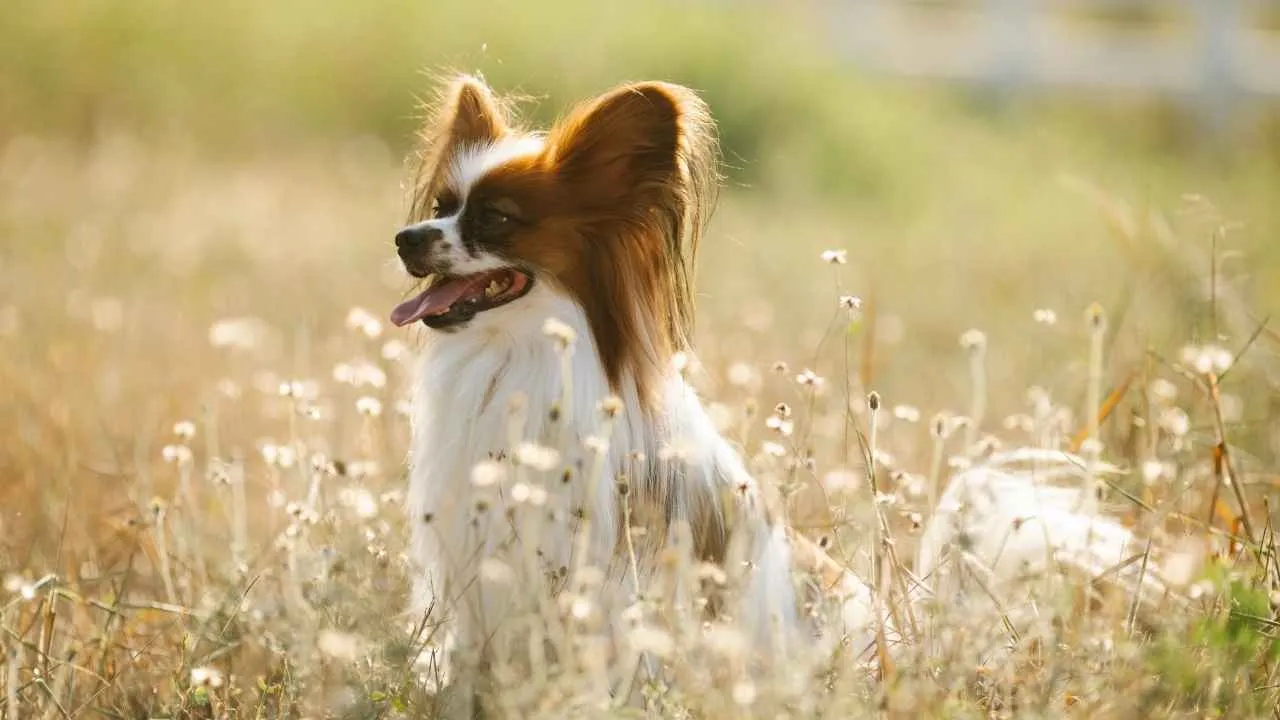
The Papillon is a lively toy breed with a rich past. Britannica traces its history to the 16th century. Back then, people called it a dwarf spaniel. French for butterfly, its name reflects its distinctive bat-like ears. These small dogs once charmed European nobles and appeared in famous paintings.
Today, the Papillon ranks among the smartest dog breeds. It learns commands quickly and enjoys new challenges. Its silky coat adds to its elegant appearance.
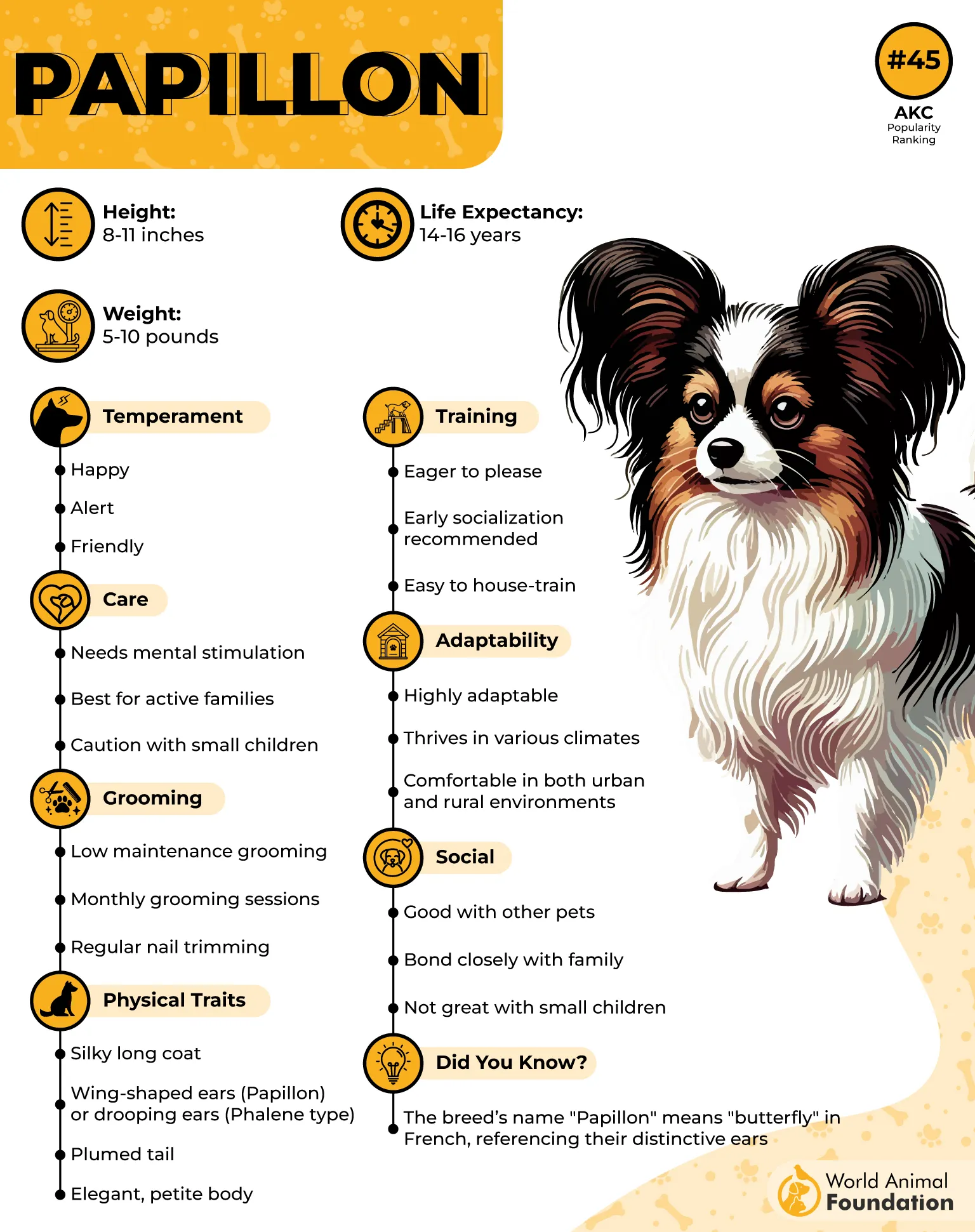
Physical exercise keeps this little athlete happy and fit. A varied exercise routine can include fetch and agility games. Even apartment living can suit this breed with enough activity. Use positive reinforcement to make training fun. Around 30–45 minutes of activity usually works well.
Fun Ways to Challenge Your Papillon
Set up simple obstcle courses using safe household items.
Teach hand signals alongside spoken commands.
Hide favorite toys for exciting search games.
Practice calm greetings with visitors and other pets.
Change play activities to keep boredom away.
5. Maltese
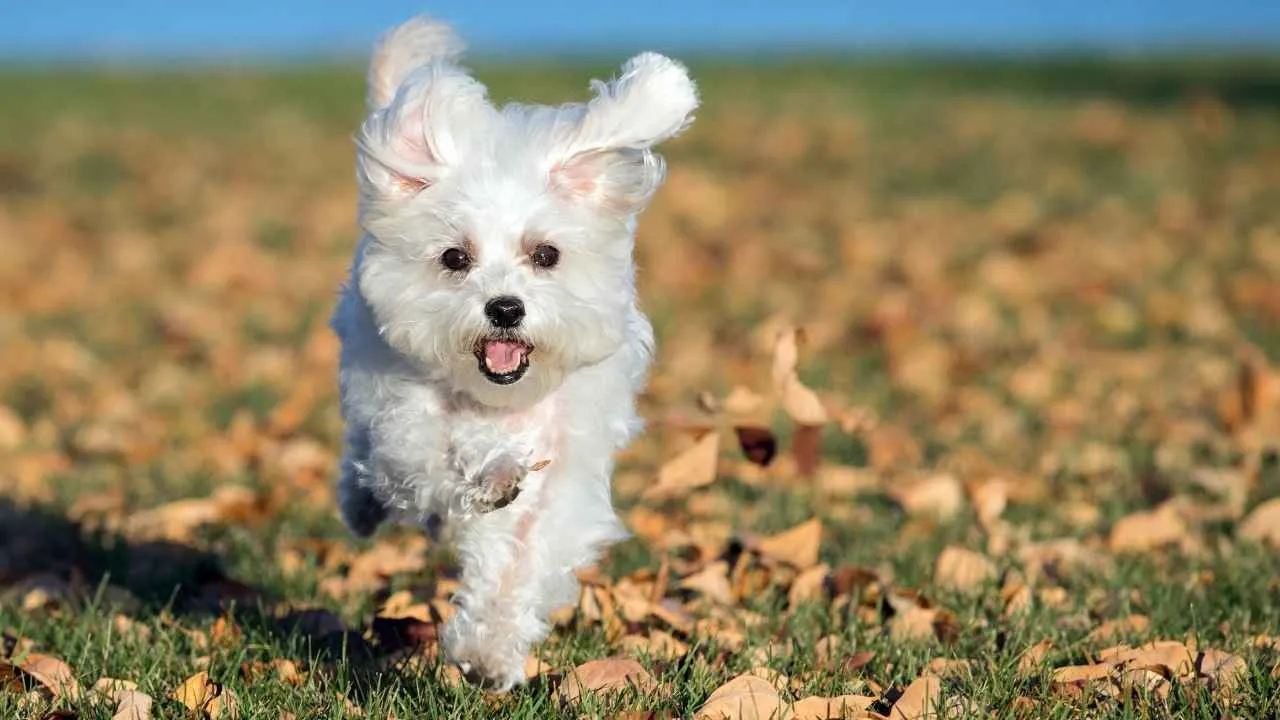
The Maltese is an ancient dog breed with Mediterranean roots. For centuries, this toy breed has charmed people. Its gentle, trusting nature makes it a beloved companion. Hill’s Pet describes Maltese dogs as affectionate, intelligent, and playful. They also enjoy learning fun tricks.
Despite their size, they can be fearless and alert. These small dogs often bark at unfamiliar sounds. Their hypoallergenic coat sheds very little. However, regular grooming keeps them clean and tangle-free. Around 20–30 minutes of activity supports their physical health.
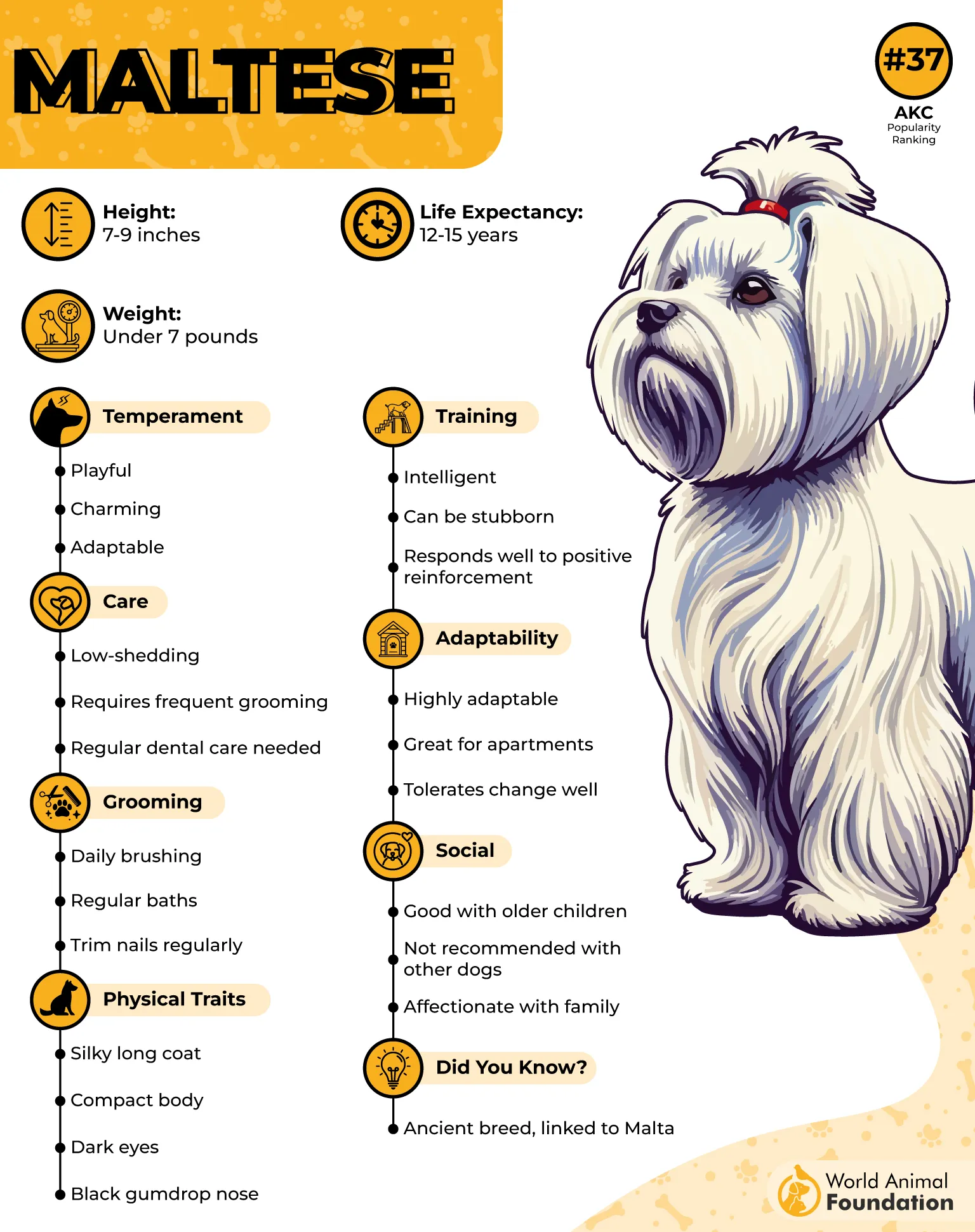
Gentle games also keep them happy indoors. Like other toy breed companions, they need care around large dogs. They may also struggle with separation anxiety when left alone. So, give them plenty of attention and company.
Keeping Your Maltese Comfortable and Active
Use soft brushes to remove loose hair gently.
Keep play sessions calm around young children.
Provide safe toys for independent play.
Introduce visitors slowly to build confidence.
Create a cozy resting spot away from busy areas.
6. Yorkshire Terrier
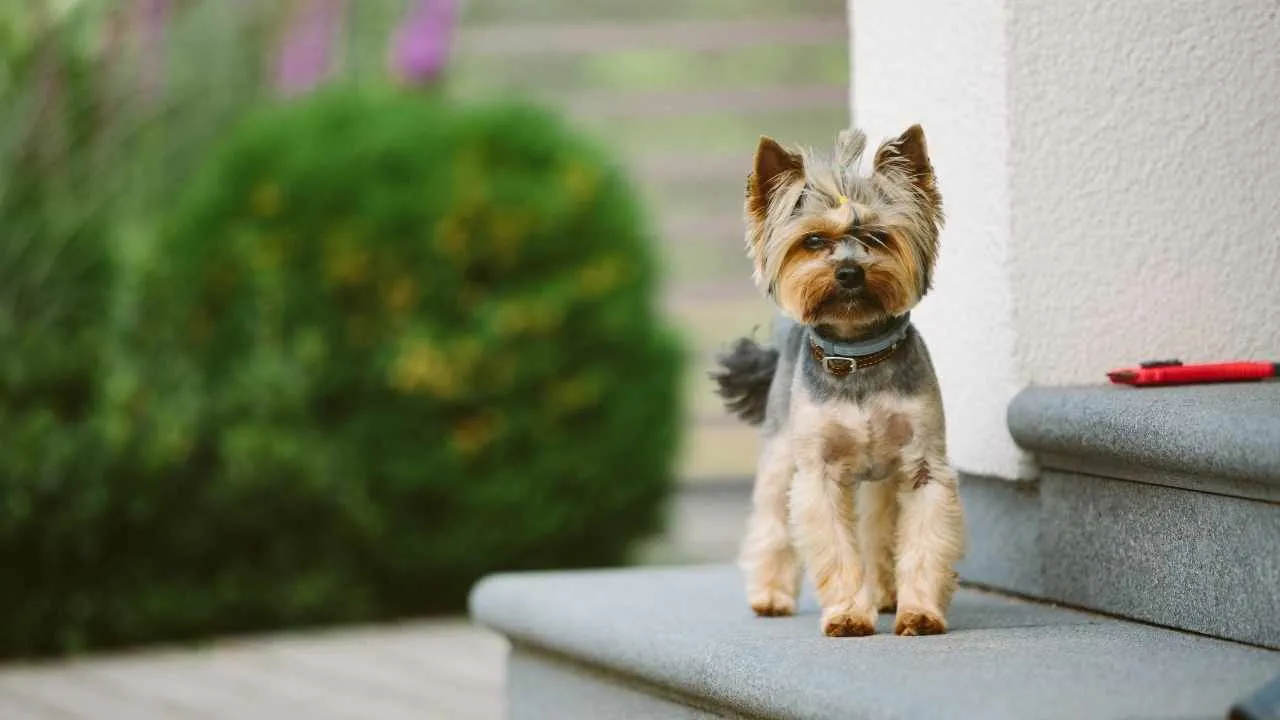
The Yorkshire Terrier may look delicate, but it has working roots. This toy breed originated in nineteenth-century England. Workers once used these dogs to catch rats in mills. Today, this small dog breed is a playful companion. Wikipedia describes it as energetic and playful.
It has also helped develop breeds like the Silky Terrier. Despite its tiny size, it enjoys plenty of physical activity. Short walks, fetch, and scent games suit its instincts. Around 30–45 minutes keeps it active. Consistent training helps control excessive barking.
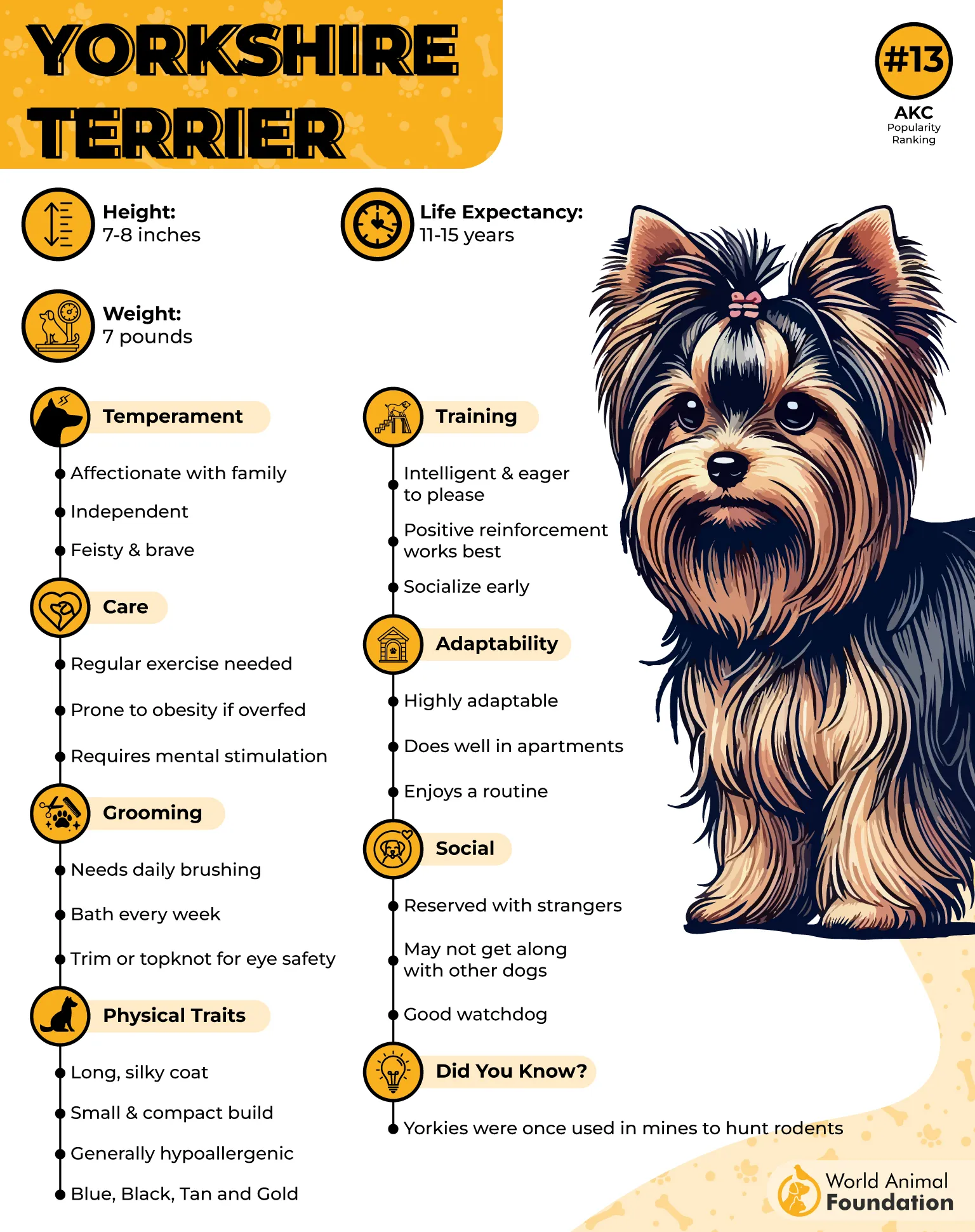
Early socialization also supports good behavior. Its long coat needs regular attention. Dental care matters throughout a dog’s life. Like other larger toy breeds, Yorkies can adapt to various living environments. However, it needs more than life as a lap dog.
Keeping Your Yorkshire Terrier Active and Healthy
Offer chew toys designed for small mouths.
Schedule regular dental checks to prevent dental diseases.
Use rewards to encourage calm behavior.
Keep outdoor play within safe, enclosed spaces.
Introduce new people and pets at a comfortable pace.
7. Shih Tzu

The Shih Tzu is a historic companion with roots in Tibet and China. It once lived among Chinese royal households as a pampered lap dog. This small breed later became a much-loved family companion. Its friendly nature helps it form strong bonds with family members.
According to Purina, the Shih Tzu has an affectionate, nonaggressive temperament. Its sensitive nature also makes gentle handling important. This toy breed enjoys short walks and relaxed indoor play. However, its flat face can affect breathing, especially in hot weather.
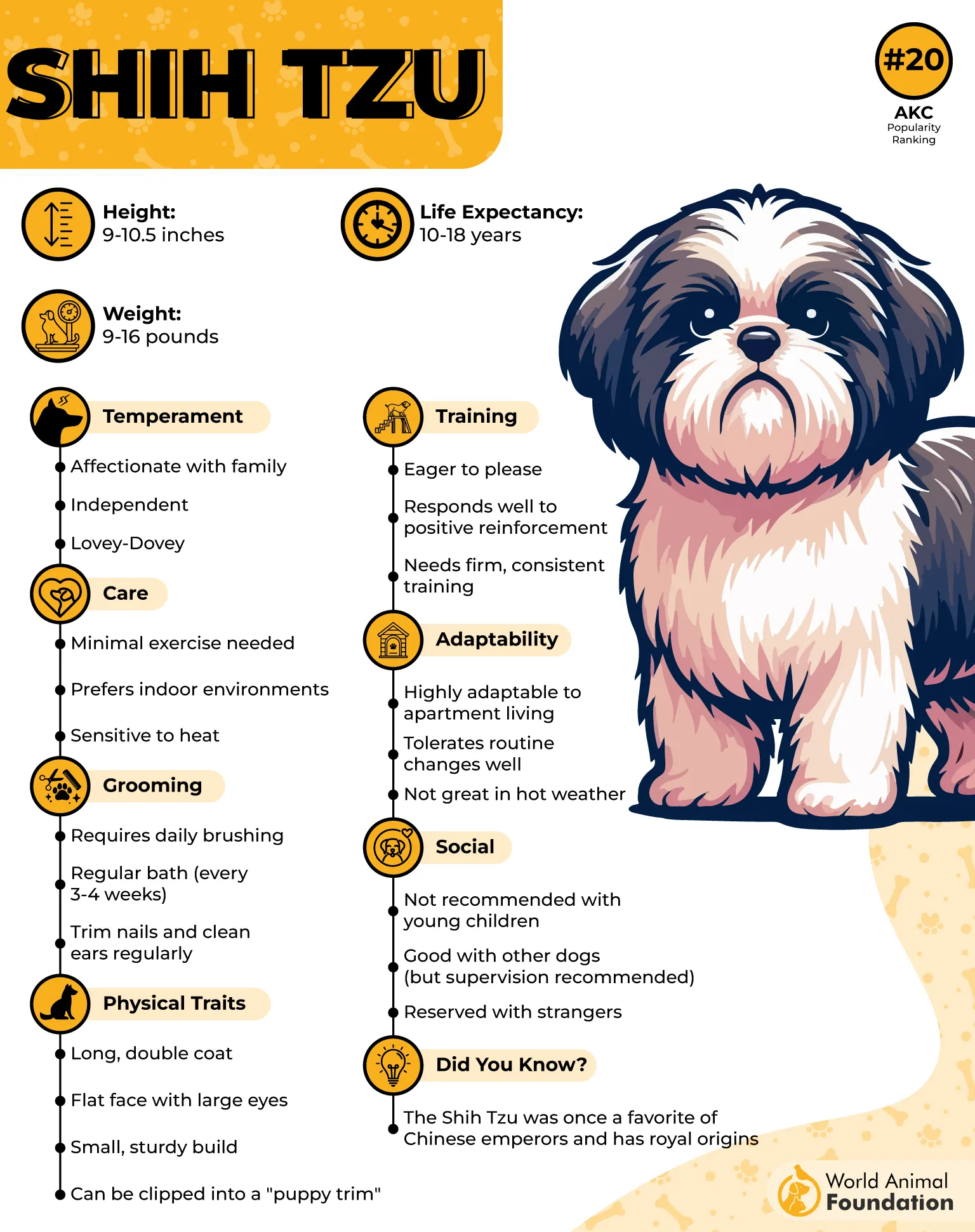
So, avoid strenuous activity and watch for signs of discomfort. Around 30–60 minutes of exercise may suit some dogs, but others need less. Its long double coat needs regular grooming. Although often called a hypoallergenic dog breed, no dog is completely allergy-free.
Caring for Your Shih Tzu
Use puzzle toys and simple games for mental engagement.
Ask your vet whether more frequent meals suit your dog’s needs.
Watch for health issues linked to its short muzzle.
Handle your dog carefully because of its small stature.
Prospective owners should budget for regular coat maintenance.
Conclusion
Toy breeds bring plenty of love, charm, and personality. However, their exercise needs can vary greatly. Many toy breeds enjoy playful games and short walks. Most toy breeds also need mental stimulation to stay happy. So, consider how much exercise your furry friend needs.
Always adjust activities to the dog’s age, fitness, and health concerns. Careful handling also protects their small bodies and delicate joints. A balanced routine helps manage weight and supports a healthier life. When choosing a dog, research reputable breeders and ask about selective breeding practices.
Remember, a toy dog is more than a cute companion. It becomes a devoted human companion for years. Choose a breed whose needs match your lifestyle, time, and ability to provide proper care.
