





Life moves fast. Between work calls, school runs, errands, and the endless “I’ll exercise tomorrow” promise, finding time for a demanding dog can feel impossible. The good news? You do not need a high-maintenance athlete to enjoy the love of a dog. Some breeds are naturally content with a short walk, a cozy couch spot, and a little attention when you get home.
They are not “low-effort” in the sense that they need no care; every dog deserves training, exercise, grooming, and companionship, but some are simply easier to live with. Think of them as the friends who do not need constant plans to be happy.
From quiet lapdogs to gentle couch companions, these seven easy-minded breeds can fit a busy lifestyle without turning your home into a full-time dog daycare. Even Oprah Winfrey once said, “The best thing about animals is that they don’t talk much, unless you count the barking.”
Easy‑Minded Dog Breeds for Busy Lifestyles
1. Japanese Chin
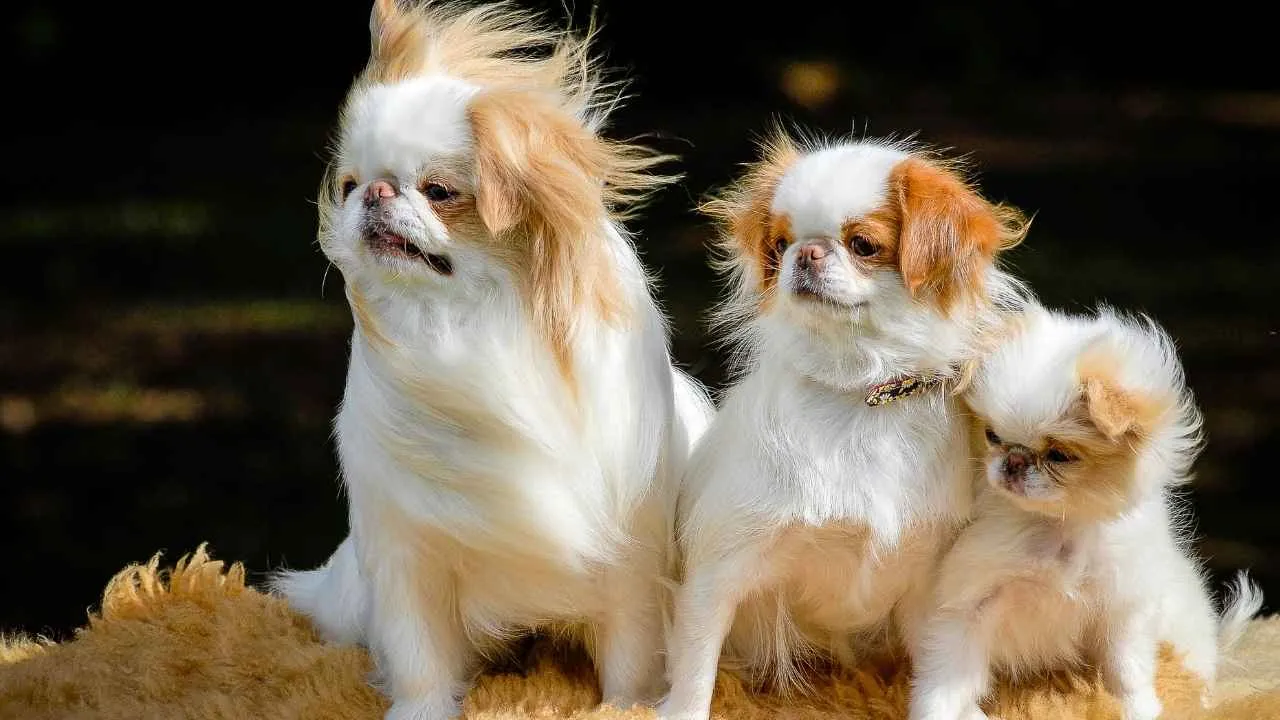
Descended from the Tibetan Spaniel, the ancient breed has its roots in old Chinese temples and potteries. The low-maintenance dog breed arrived in Europe when the Portuguese sailors gifted one to Princess Catherine of Braganza in the 17th century. The breed was recognized by the American Kennel Club in 1977, according to Hill’s Pet.
The low-energy dog has a short muzzle, wide-set eyes, a broad head, and a plume tail carried over the back. This anatomical structure makes it prone to heat intolerance and shortness of breath.
The dog is also susceptible to certain health issues, including eye diseases, luxating patella, heart issues, and dental problems. The dog is well-mannered and is highly suitable for apartment living because of its compact size. It has cat-like traits and tends to perch high on vantage points and grooms itself.
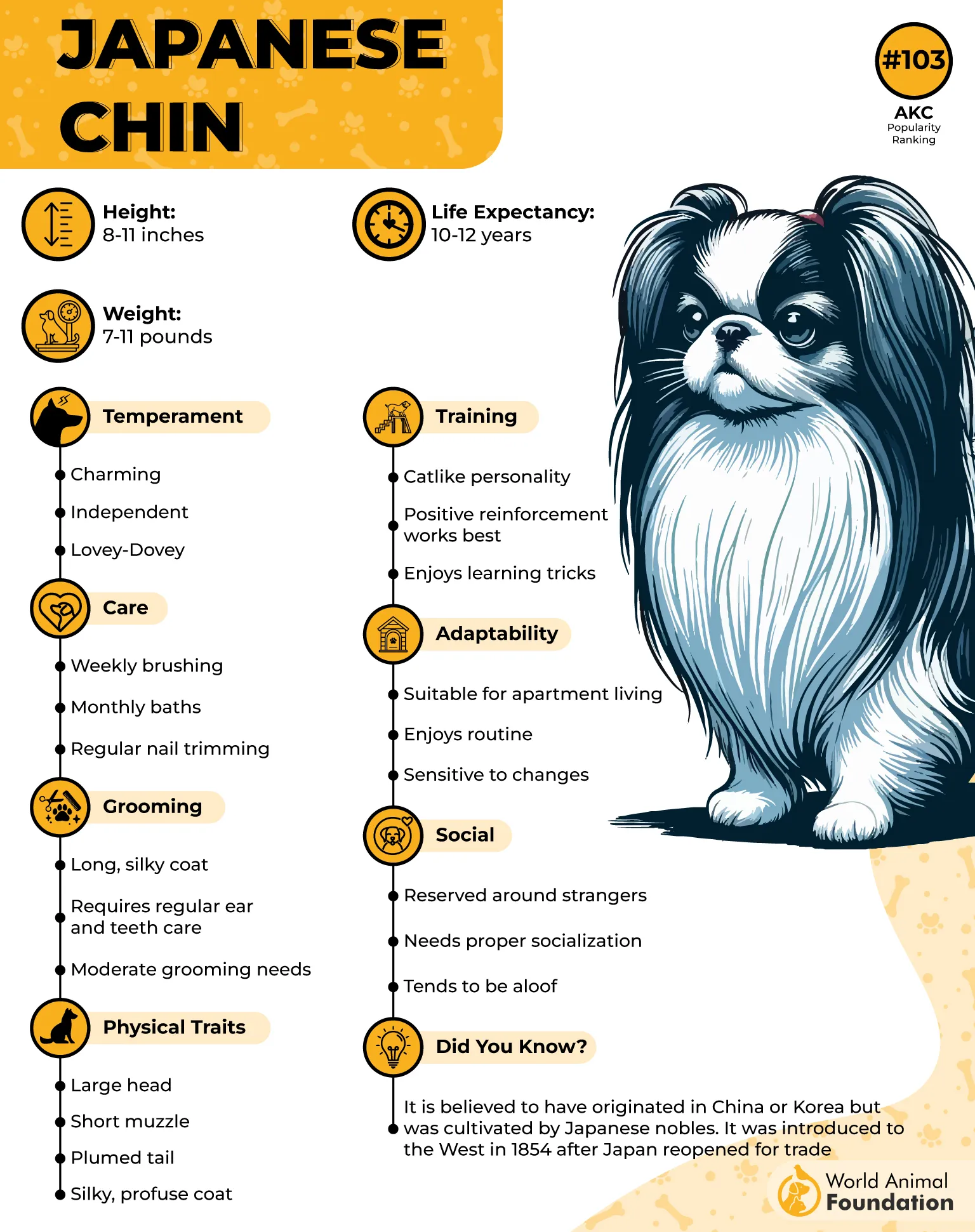
Despite having an independent streak, the breed forms strong bonds with the owner family and may develop separation anxiety when left alone for too long. It has minimal exercise needs (20-30 minutes): short walks, soft fetching, and interactive puzzle toys. The long and silky coat needs weekly brushing.
2. Papillon
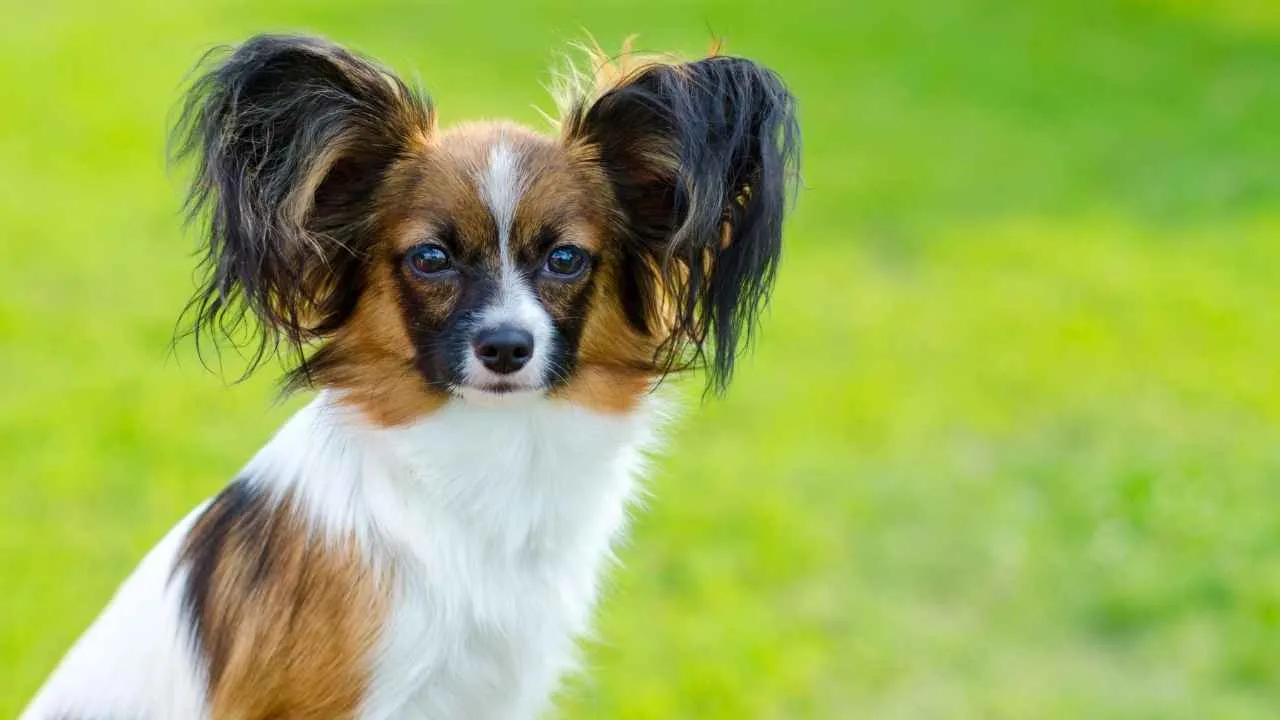
The smaller dog breed is descended from the Toy Spaniel and was depicted in ancient European paintings in the 17th century. Unlike most Toy Spaniels, which have drooping ears, the Papillon has distinctive, butterfly ears. It was kept by many royal families and was also adopted in the fashion industry in the 19th century.
The average lifespan of the small breed is 14-16 years, and it has a fine-pointed muzzle and a free-flowing gait unlike brachycephalic dogs. The dog has 1/4 to 1/2 cups of high-quality food daily.
It lacks heavy skin oils and thus has minimal or zero dog odor. Since it makes good friends with other pets, children, and family members, it is a perfect match for a multi-pet household.
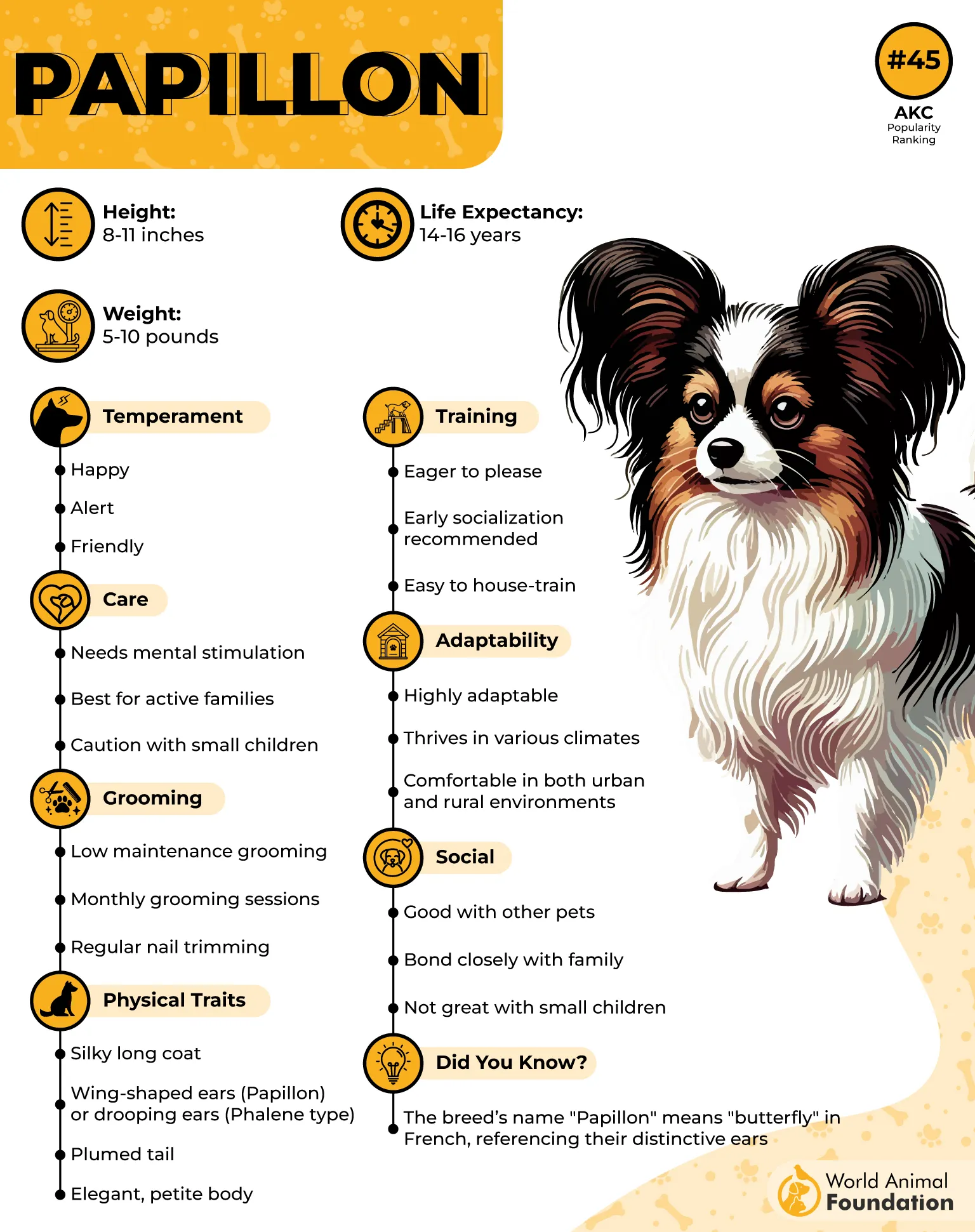
The dog is highly trainable for indoor potty systems because of its high intelligence. Despite having a long coat, the active breed has minimal grooming needs: occasional baths and weekly brushing. Pay close attention to friction-prone areas, such as armpits, behind the ears, and on the hindquarters.
3. Cavalier King Charles Spaniel
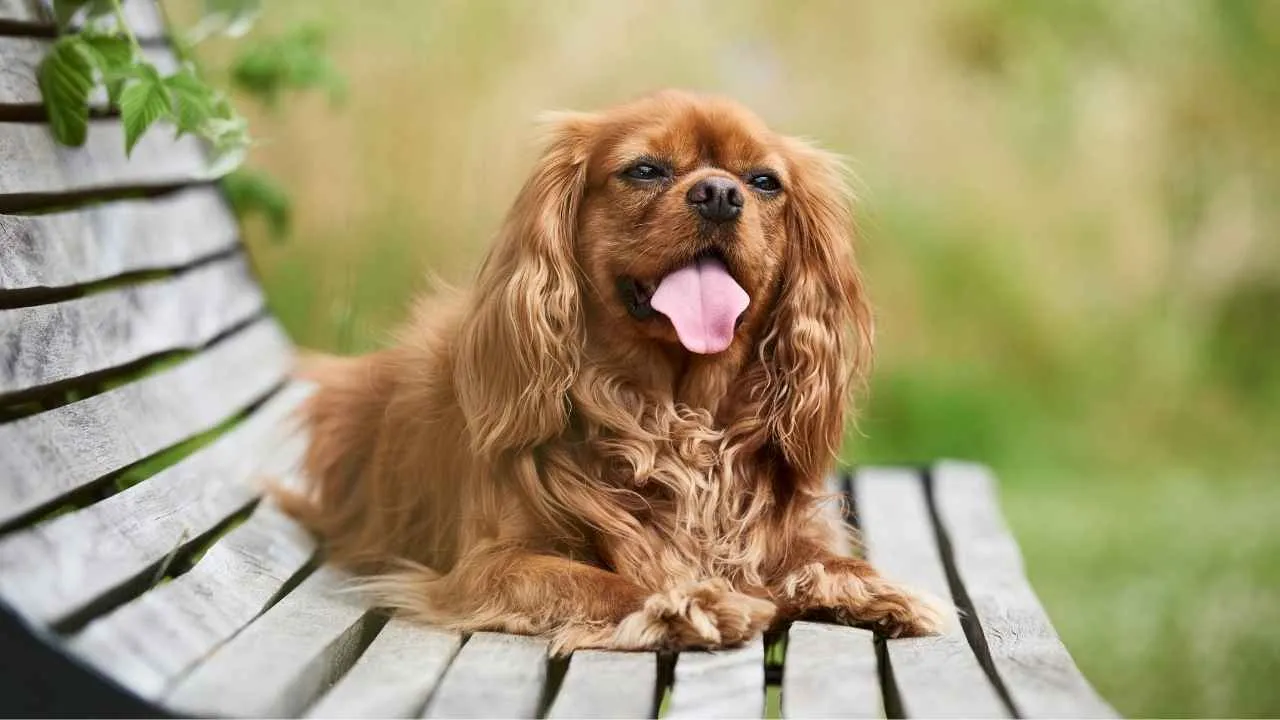
The lap dog was originally bred in England in the 17th century and was extremely popular among the British royalty, including King Charles I and his son, who often used to carry the breed to the courts. Queen Victoria was also very fond of the breed and was said to call it her closest childhood friend, as reported by Hill’s Pet.
It has a well-proportioned muzzle (1:1 skull-to-muzzle ratio) and a moderate bone structure, supporting normal breathing and endurance without any respiratory distress. The medium-length single coat has light feathering around the chest, legs, ears, and tail.
Hence, the dog does not require hand stripping and clipping. It has a chameleon-like temperament and tends to mirror the owner’s mood and emotions.
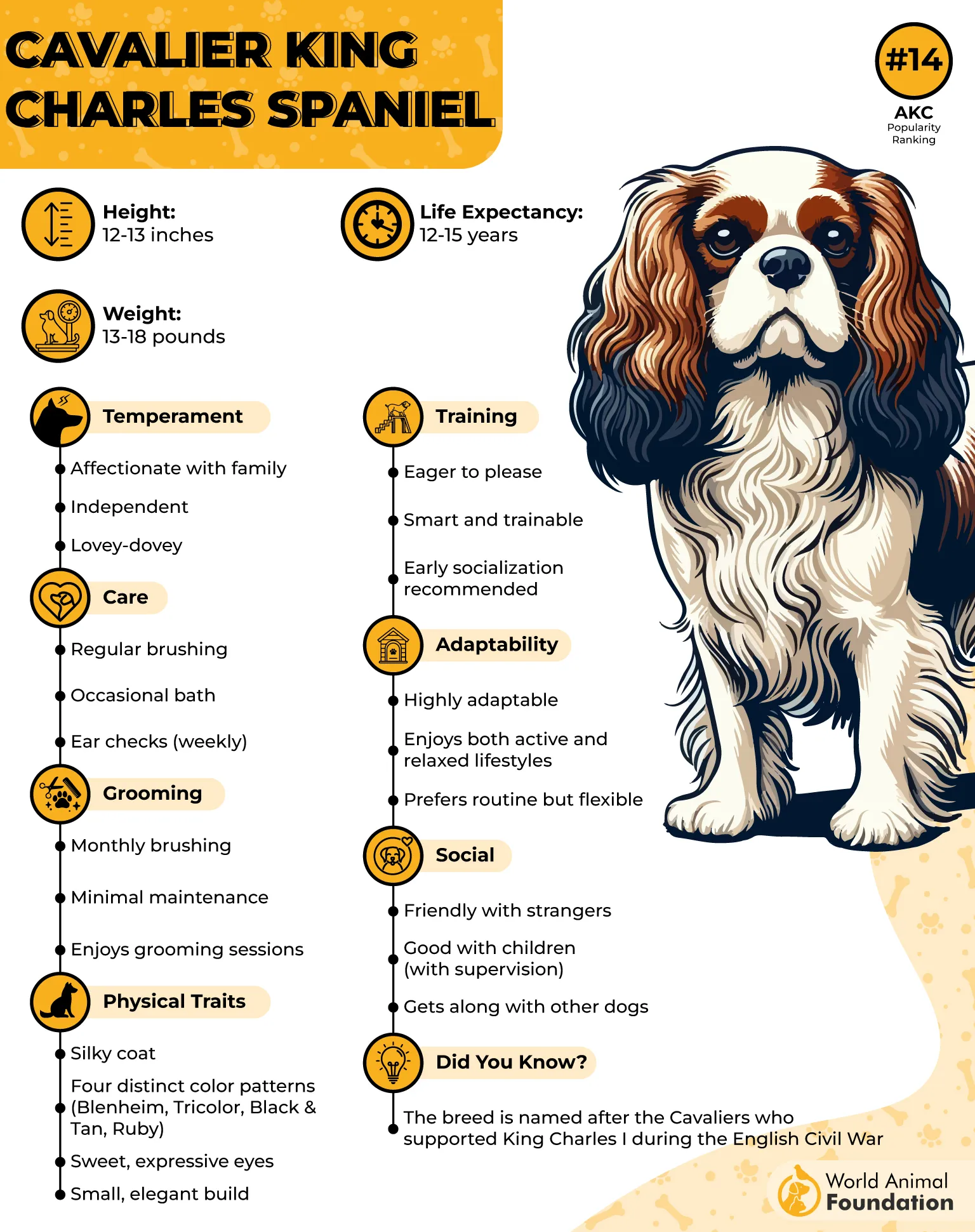
Since the breed lacks territorial guardian instincts, it is not prone to excessive barking. It has a friendly and non-aggressive nature and makes good friends with everyone, even strangers. Positive reinforcement is encouraged, and 10-15 minutes of short, non-repetitive training sessions are recommended to prevent boredom.
4. Chinese Crested
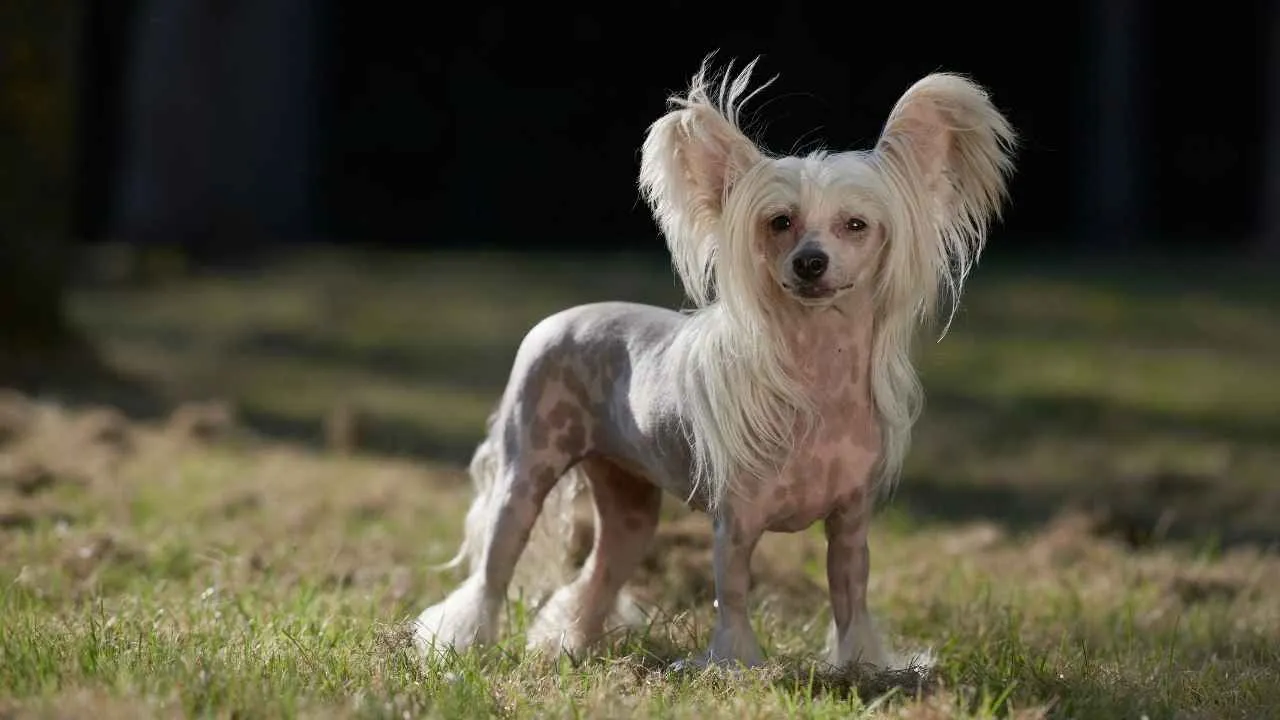
It is widely believed that the breed was descended from the hairless dog (appeared in the pariah dog litters). The official records of the breed date back to the 19th century, and the breed is closely related to the South American Dog and the Chinese Crested. It gained popularity in America in the 20th century.
Because of its small size, the dog needs roughly ½ to 1 cup of food daily. It has a light frame and is prone to getting injured if hit by furniture. It possesses elongated feet (hare-feet), giving it surprising agility and grip indoors.
The hairless breed has certain genetic dental differences, such as peg-shaped teeth and less tartar buildup between missing teeth. It has a calm nature and tends to sleep on the sofa for most of the day.
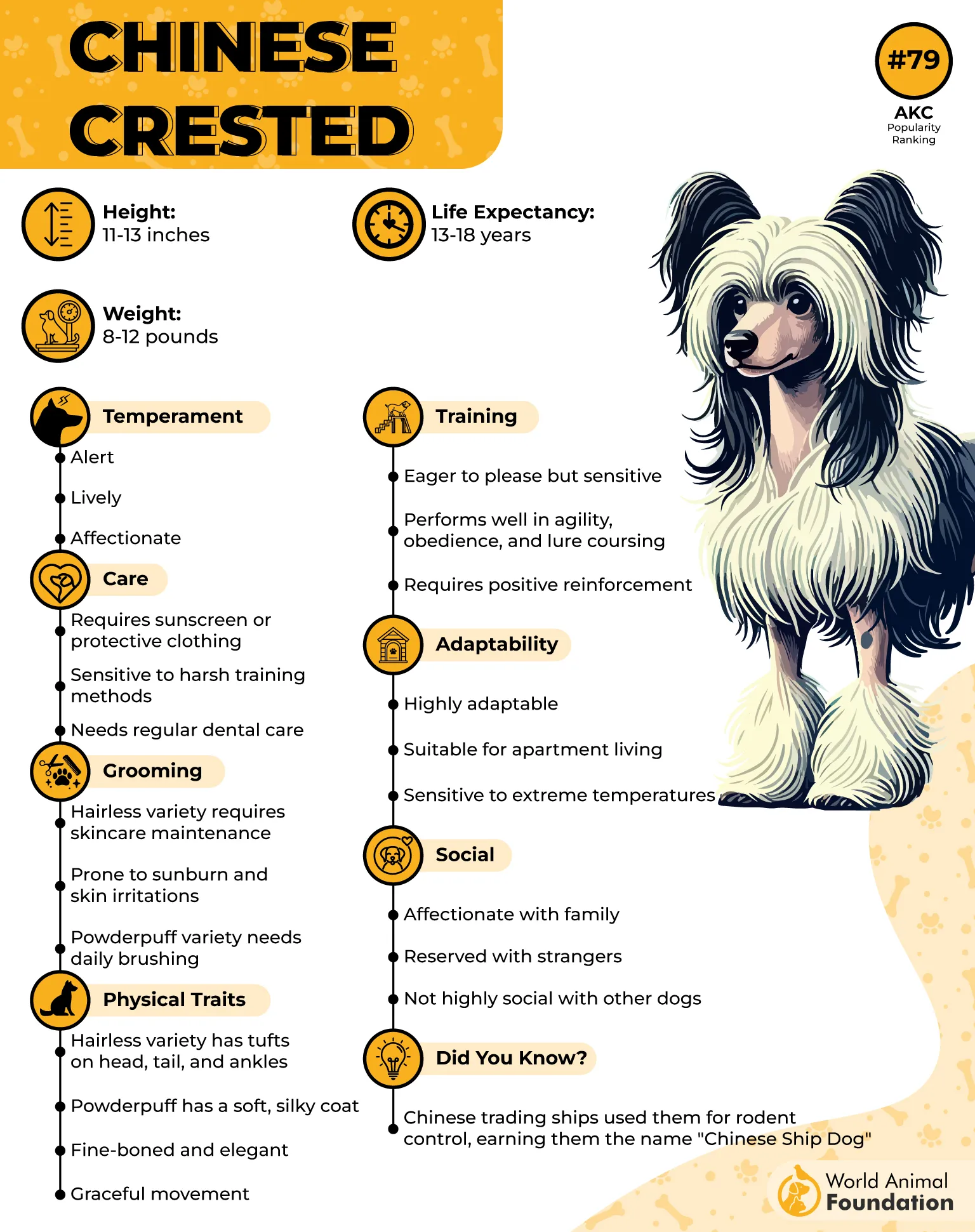
The dog is highly alert and is emotionally attuned to the pet parent. Since it has a small bladder, strict house training at an early age is highly recommended. The dog has regular exercise needs (20-30 minutes): daily walks and indoor play sessions.
5. Greyhound
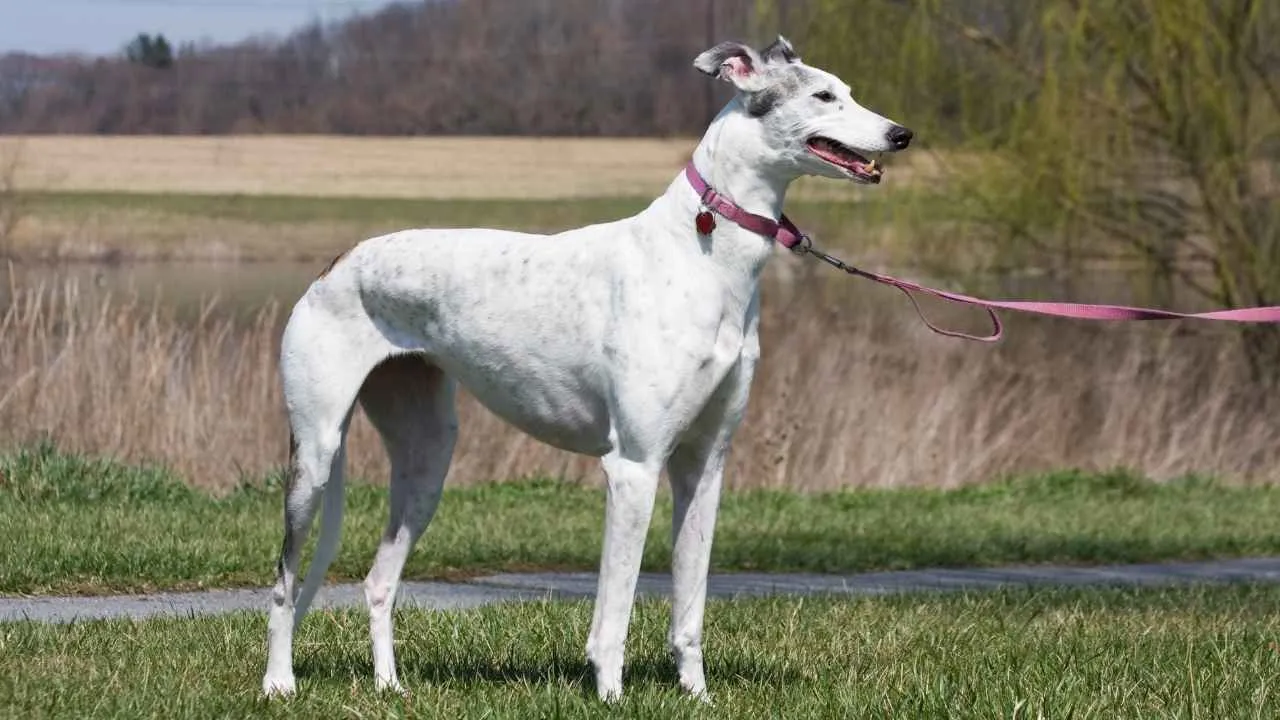
This European breed was developed as a sighthound and was primarily used for coursing and spotting game. Built with long legs, a slim body, and a flexible spine, the dog can reach up to a high speed of 45 mph, making it one of the fastest canine breeds. It gained popularity in America and Britain in the 20th century, as per Omlet.
Since the low-maintenance breed has fast-twitch muscle fibres which enable a rapid anaerobic metabolism, the Greyhound exhibits short bursts of physical activity and then goes back to the resting phase. It tends to sleep 16-18 hours a day.
Because of the double-suspension gallop, all four feet leave the ground twice during a stride, covering long distances over a short period of time. It is a less barky dog, making it ideal for compact spaces where the noises can easily sweep through the walls.
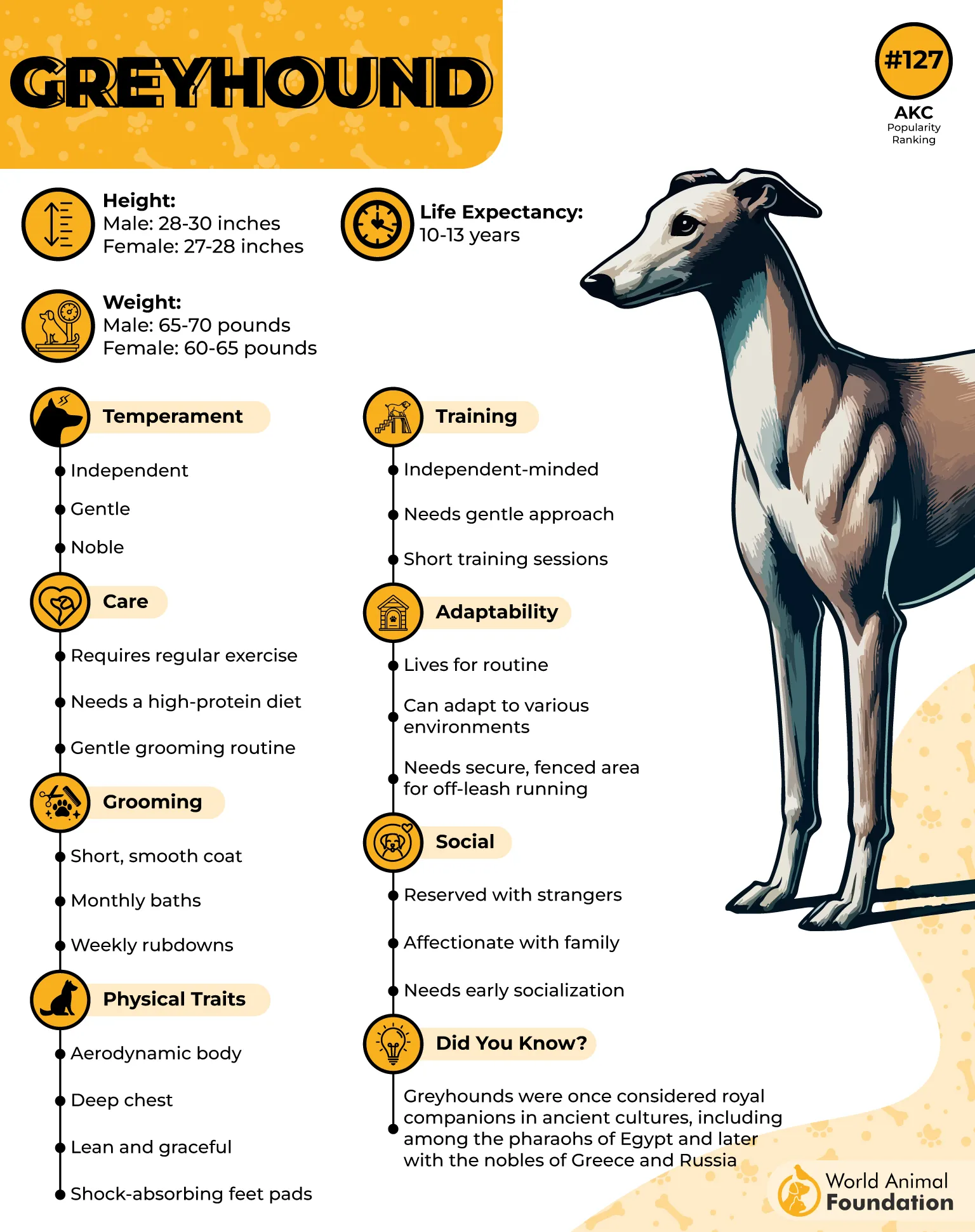
As the dog possesses a pack mentality, it lacks the dog-on-dog aggression and treats other pets as a family member. Despite standing 27-30 inches tall, the dog easily curls up on the sofa because of the tucked build. As it has minimal body fat and no undercoat, the breed is temperature sensitive.
6. French Bulldog
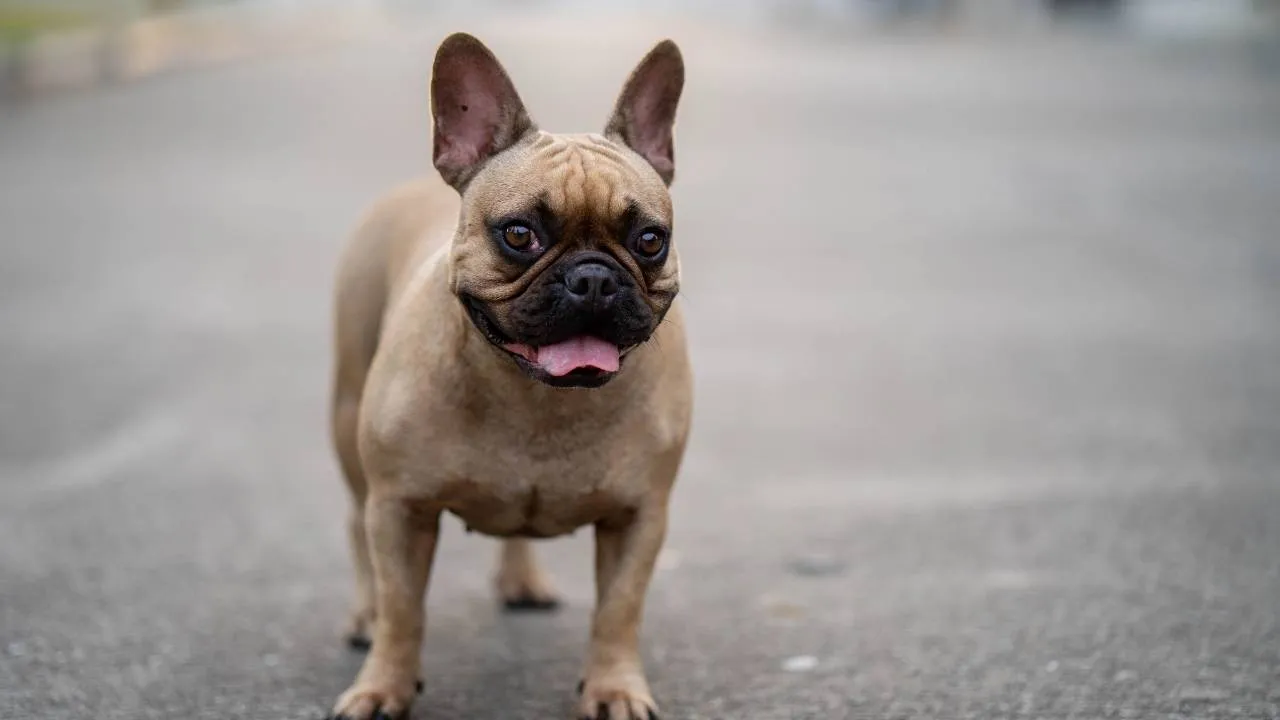
When the English workers moved to France in the 19th century to work in the lace industries, they brought their small Bulldogs with them. These dogs soon gained popularity because of their ‘butterfly-like’ ears. The dog then interbred with the local dogs, resulting in the Frenchie. It also gained recognition in America in the same century.
The small breed may experience inefficient thermoregulation since it can not cool itself through panting. It rarely barks excessively. It has a highly adaptable temperament and thrives in both apartment living and big families. The breed is prone to separation anxiety and is not suited for living alone for too long.
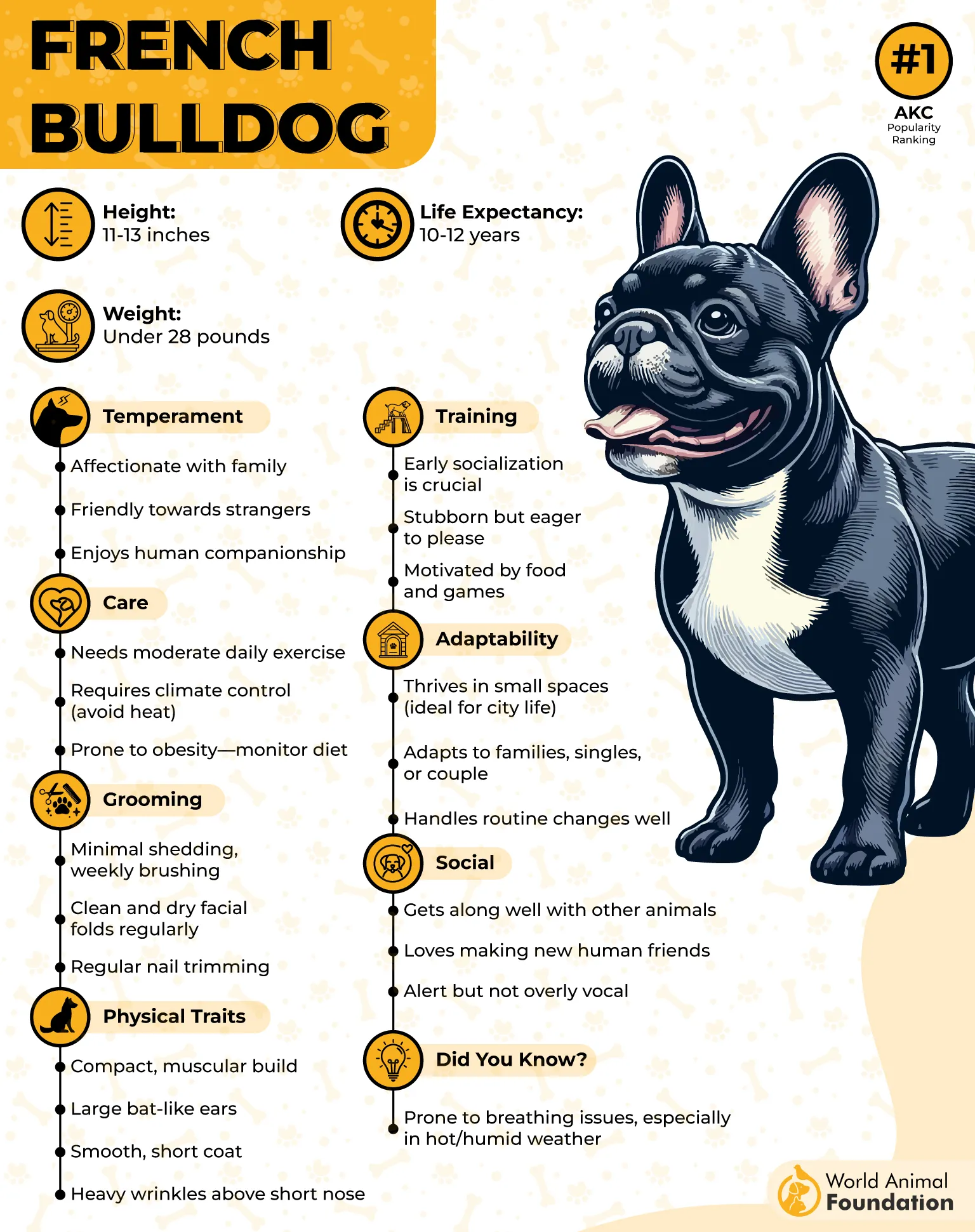
The small dog has moderate exercise needs (20-30 minutes daily): daily walks, indoor-friendly play (tug-of-war, fetching, and puzzle toys), and mental stimulation. It is highly driven by food, making it highly trainable. Keep the training session short and non-repetitive.
7. Boston Terrier
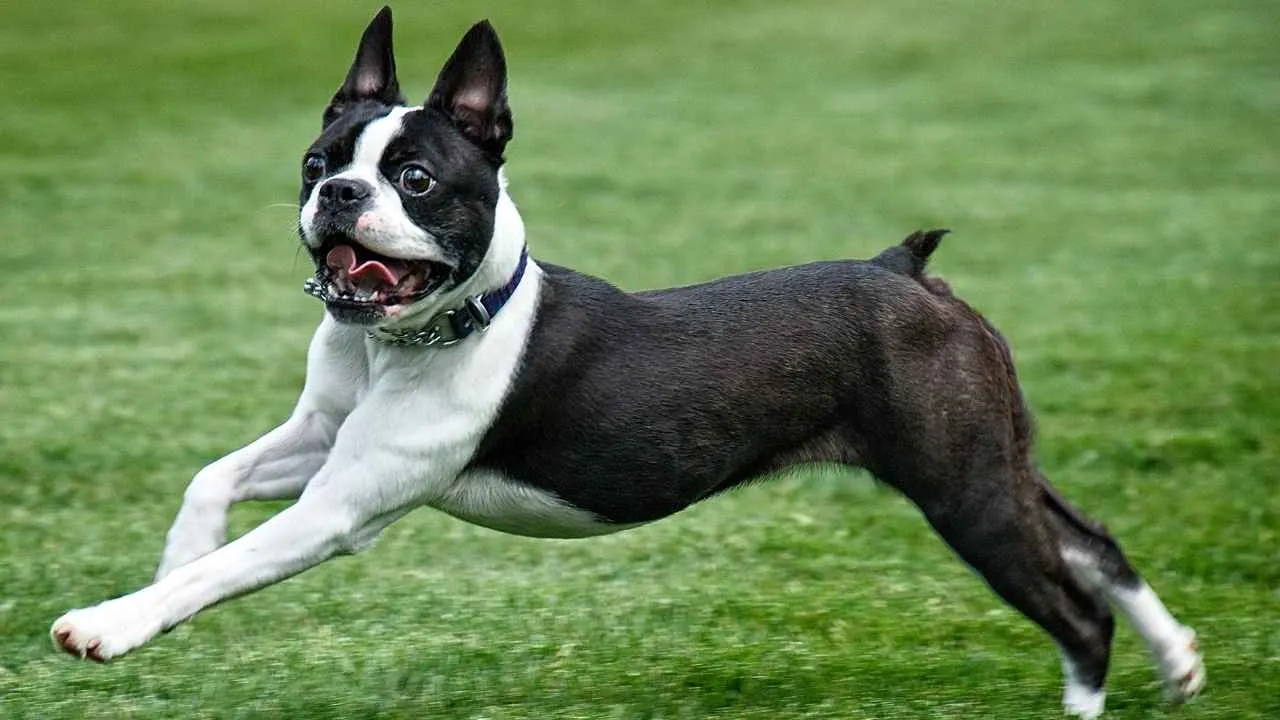
The dog breed was developed in Boston, America, in the 19th century by crossing the White English Terrier and the Bulldog. Also known as the American Gentleman, the Boston Terrier was recognized by the American Kennel Club in 1893. The popularity declined in the 1960s, but today, the breed is widely kept as a family dog.
The average lifespan of the dog is 11-14 years, making it highly suitable for long-term companionship. Since it has a short coat and a unique facial structure, it is prone to heat stress and chills. The portable size and calm demeanor make this dog easy to transport. It has an eager-to-please nature and takes up cues quickly. Being emotionally sensitive, the Boston Terrier needs positive reinforcement while training.
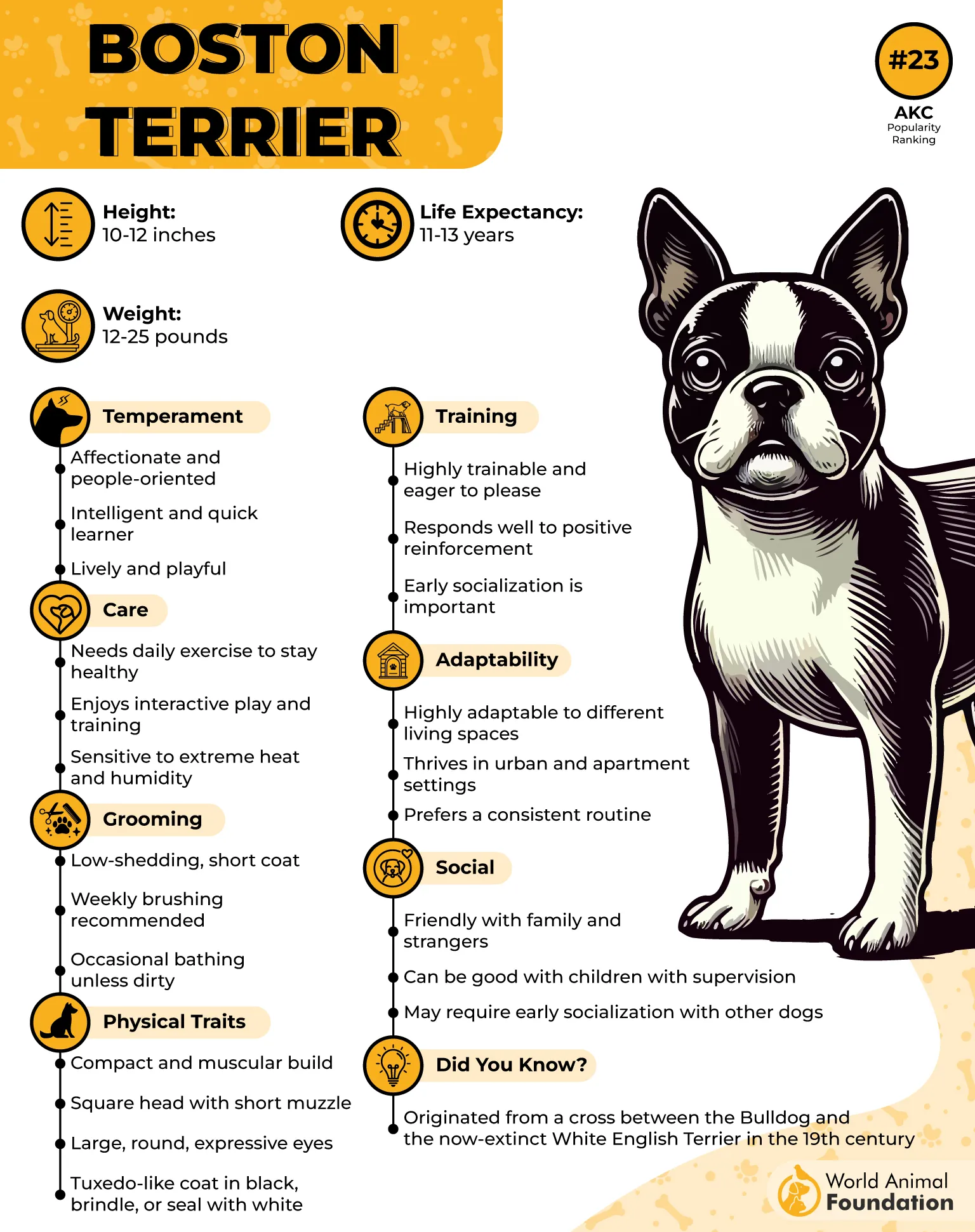
It has moderate exercise needs (30-60 minutes): brisk walks, short play sessions, and mental stimulation. Schedule walks in the cooler part of the day during summer. The tuxedo coat needs minimal grooming and has minimal or no dog odor.
Conclusion
A busy life does not mean giving up on dog ownership. It means choosing a companion whose energy, size, and personality match your real routine, not the one you wish you had. The Japanese Chin, Papillon, Cavalier King Charles Spaniel, Chinese Crested, Greyhound, French Bulldog, and Boston Terrier each bring something different: calm company, playful charm, gentle affection, or easygoing humor.
Before bringing one home, consider your living space, budget, work hours, and willingness to handle training and health needs.
Visit a reputable breeder or rescue, meet the dog first, and ask plenty of questions. The right dog will not demand a perfect schedule. It will simply make room in your life for small walks, quiet evenings, and a wagging tail waiting by the door.
