




Picture yourself walking through a quiet park when an enormous dog approaches, its head nearly level with your waist. People nearby pause, children point, and someone inevitably asks what kind of dog it is.
Its size catches everyone’s attention, but a closer look reveals something equally interesting. Perhaps it has a thick double coat, enormous paws, or loose skin around its face. Some giant breeds have been used to guard flocks in mountainous regions, while others have spent generations pulling carts or protecting farms.
Their bodies reflect those demanding jobs, with powerful muscles, substantial bone structure, and impressive physical strength. A fully grown giant can easily exceed 150 pounds, although individual sizes vary considerably. Experiences like this make the world of oversized dogs particularly fascinating.
This article takes you beyond familiar favorites to meet lesser-known giants with remarkable appearances, distinctive working backgrounds, and plenty of character.
Key Takeaways
A dog big enough to pull carts and gentle enough to enjoy family cuddles? That’s the Leonberger, a giant with quite an interesting history.
The Black Russian Terrier has a military background, while the Scottish Deerhound once enjoyed a special place among Scottish nobility.
Further down the list is the Dogue de Bordeaux, a powerful French breed known for its devotion and rather loud snoring.
Read till the end to discover more unusual giants, including one with loose, folded skin that once served a protective purpose.
Uncommon Giant Dog Breeds You’ll Love Meeting
1. Leonberger
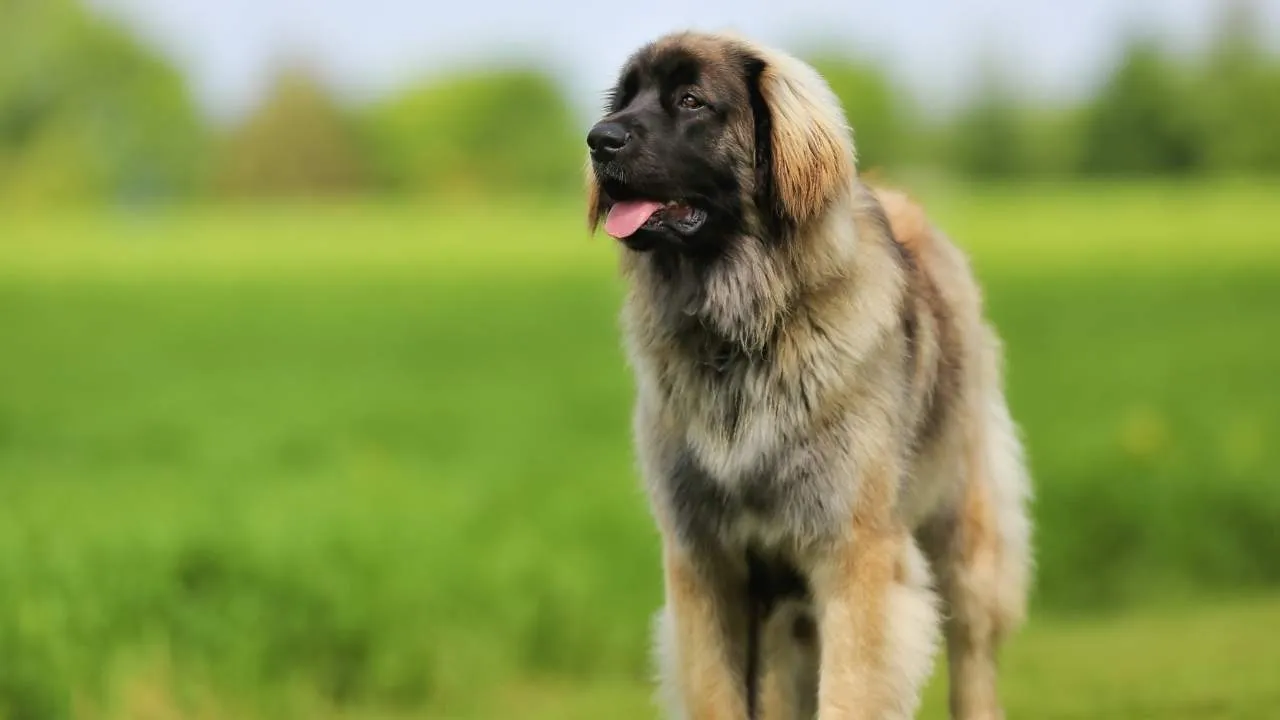
The Leonberger was registered in 1846 by Heinrich Essig, mayor of Leonberg, Germany. Newfoundland, Saint Bernard, and Pyrenean Mountain Dog ancestry is often suggested, although records from 1585 describe similar dogs. On farms, these powerful dogs pulled small carts and watched over property.
A Bighearted Companion for an Active Home
This large dog breed is affectionate and people-oriented, and enjoys being included in everyday plans. Their adventurous nature makes them enthusiastic companions for outdoor outings, and their water-resistant coat comes in handy when a walk turns wet.
These details make life with this large companion distinctive:
Often called the “gentle lion.”
Sensitive to changes in their family’s mood.
Usually patient and affectionate with children.
Space and Supervision Matter
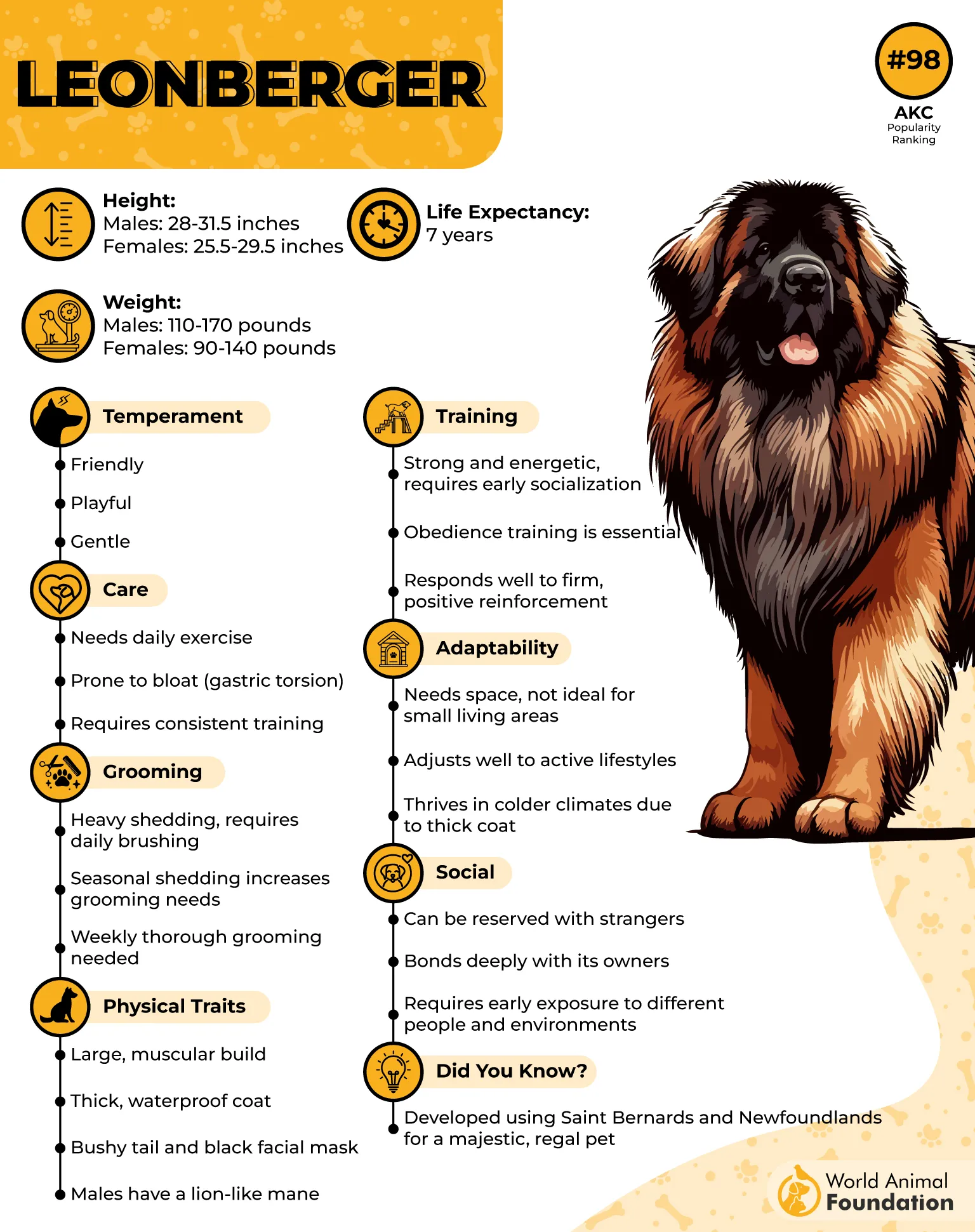
Weighing well over 100 pounds, a fully grown Leonberger needs plenty of room to move around comfortably without knocking into furniture or smaller family members, as WebMD describes. Their long, powerful tail can easily send a young child off balance, so playtime with little ones always needs close supervision.
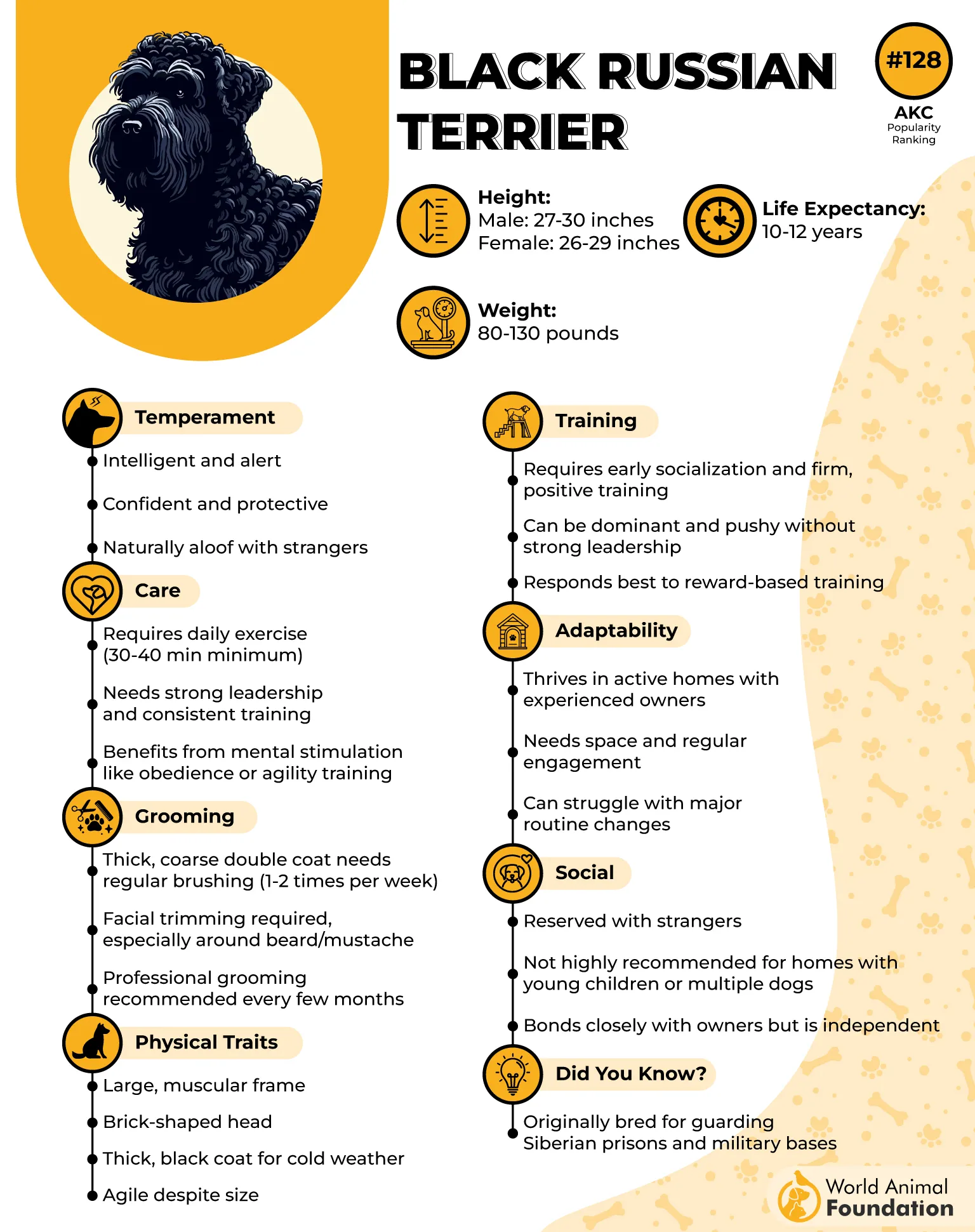
2. Black Russian Terrier
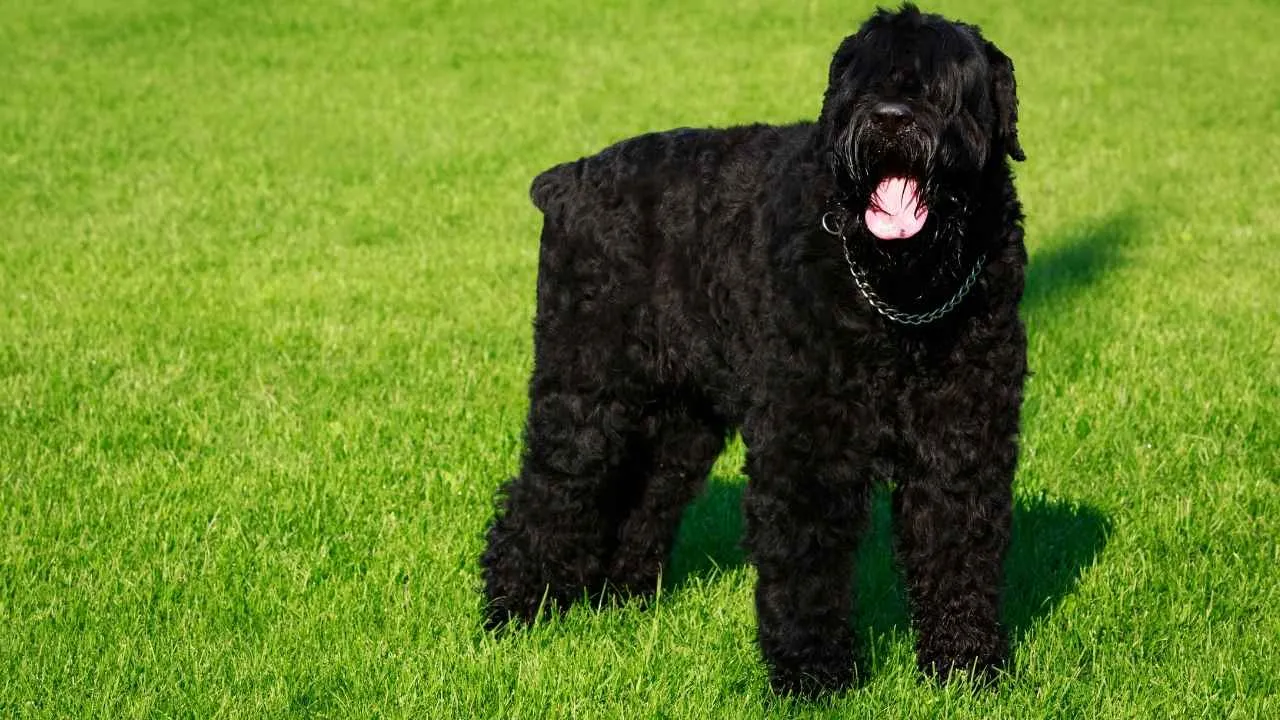
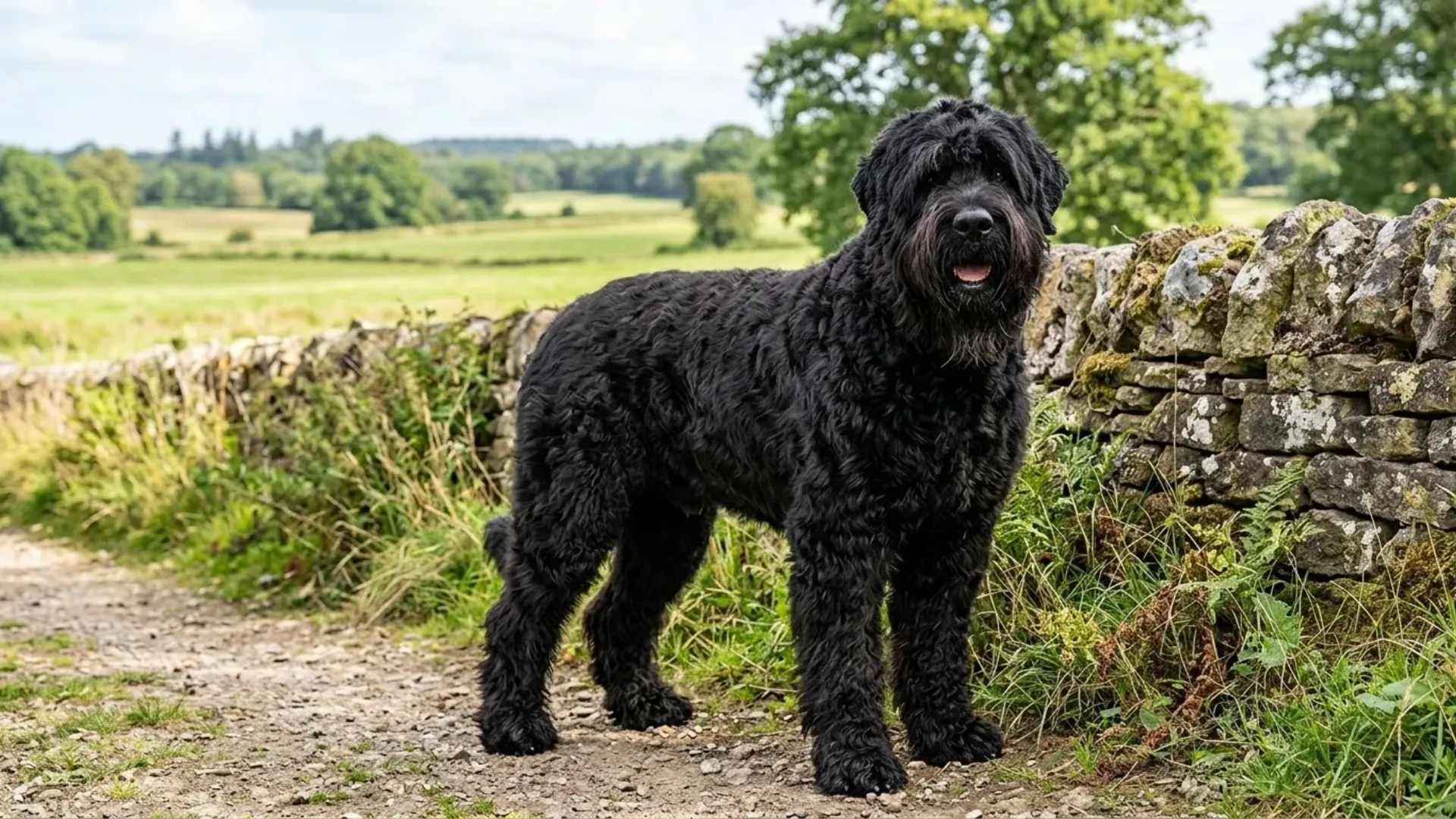
The Black Russian Terrier emerged in the Soviet Union during the late 1940s and early 1950s as a military dog. Its ancestry includes the Airedale Terrier, Rottweiler, Giant Schnauzer, and Newfoundland. Despite its name, it is a mixed working breed rather than a traditional terrier.
A Watchful Giant With a Calm Home Life
This terrier has a composed, attentive nature in family life, with a strong attachment to its familiar people, as per the AKC. Its natural caution around strangers means introductions can take time, while experienced handling helps guide its protective instincts appropriately.
These details reveal how this large dog approaches everyday life:
Often seeks close physical contact with family members.
Can take time to warm up to unfamiliar visitors.
Enjoys having a purposeful task to focus on.
Training Suits Its Working Mind
Black Russian Terriers are intelligent and responsive, making structured training an important part of their routine. Their military working heritage is reflected in their ability to learn tasks, while agility courses can give them a useful outlet for following direction and completing challenges.
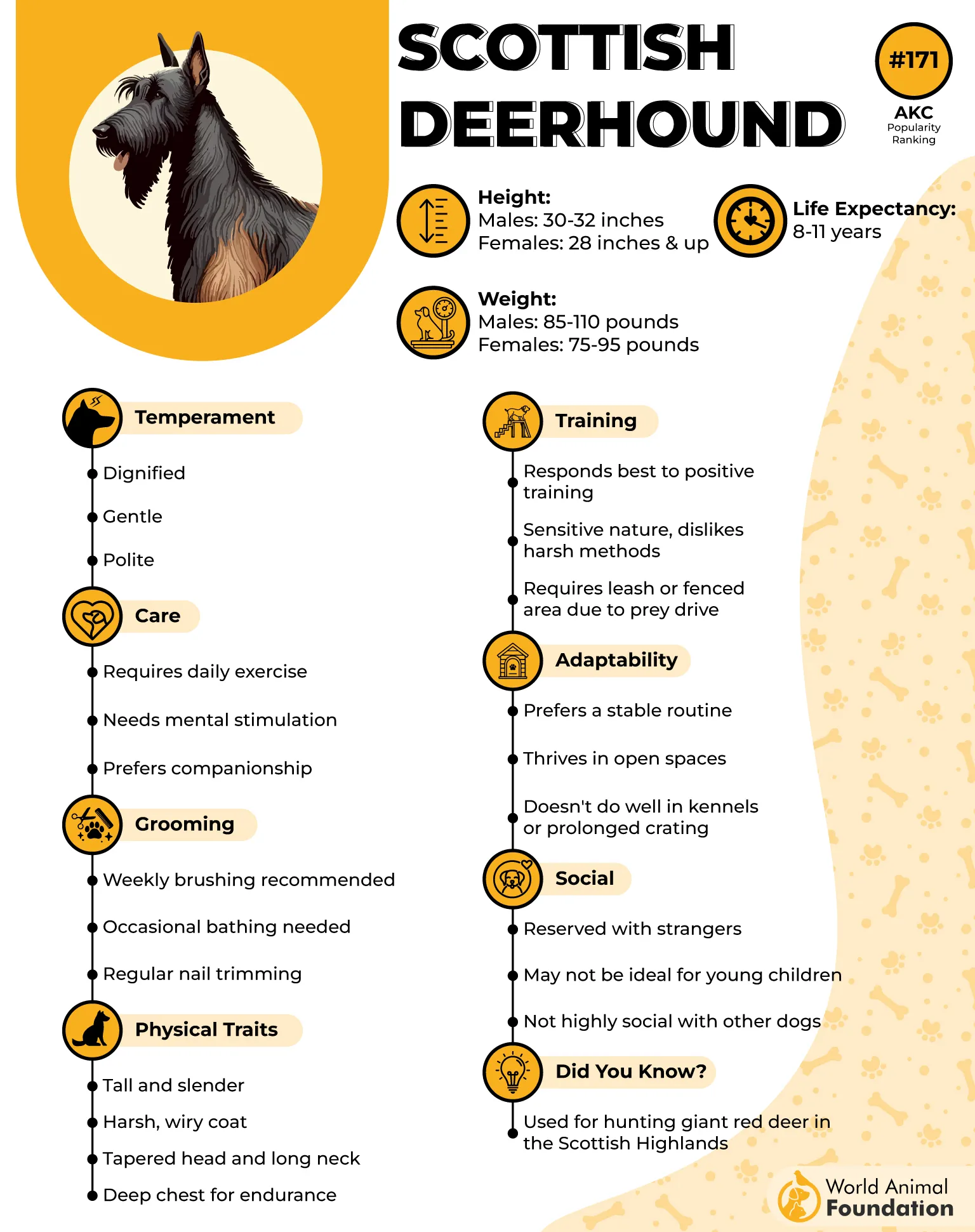
3. Scottish Deerhound
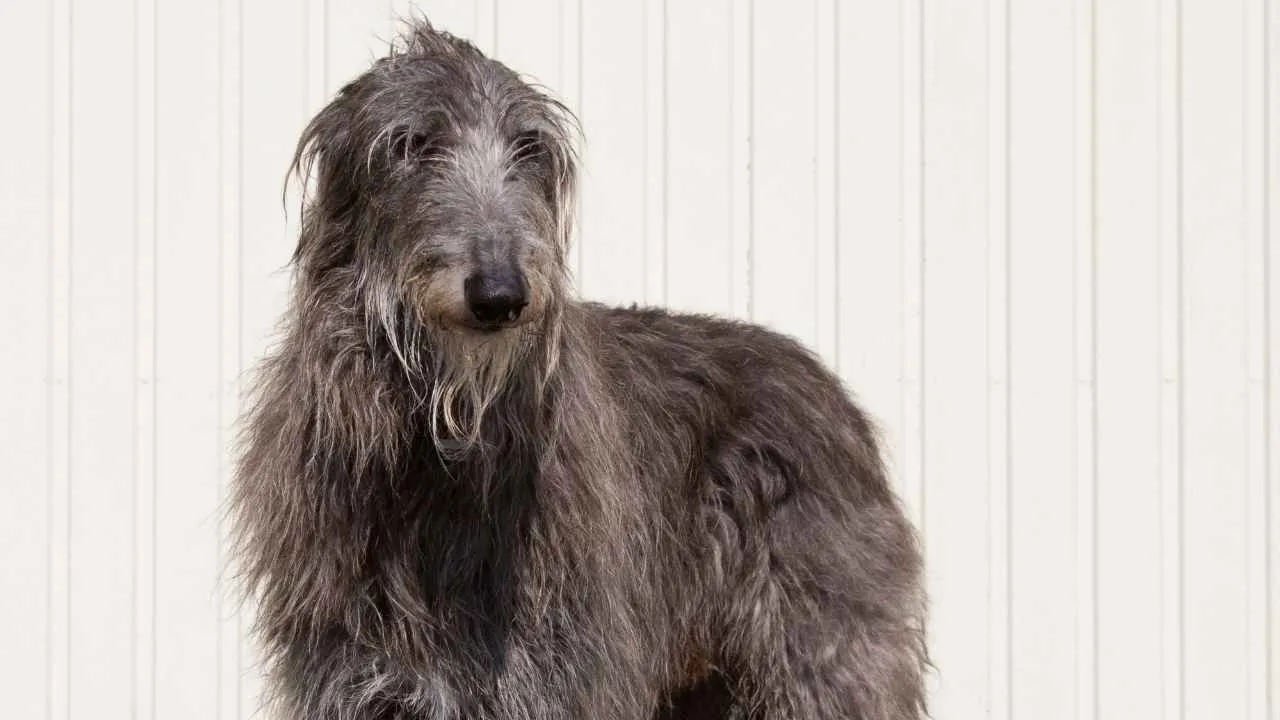
The Scottish Deerhound has roamed Scotland since the Middle Ages, hunting large red deer across rugged terrain. Once reserved for nobility, ownership was restricted to men of Earl rank or higher. As deer hunting with guns became common during the 19th century, the breed’s numbers fell sharply.
A Gentle Giant With a Calm Household Nature
Despite its enormous size, the Scottish Deerhound is known for a gentle, affectionate temperament and a strong preference for human company.
Adults often enjoy quiet afternoons at home just as much as outdoor outings, making their need for companionship an important part of daily life.
Some worth considering traits of this family pet:
Generally gentle with people of different ages.
Can get along with other dogs when introductions are managed carefully.
Needs enough room for its exceptionally large frame.
Room to Run, Time to Relax
This larger dog benefits from regular opportunities to stretch their long legs in a safely enclosed area. Lure coursing can give them an outlet suited to their natural hunting style, while their calmer adult nature often means they are content with plenty of rest between active periods.
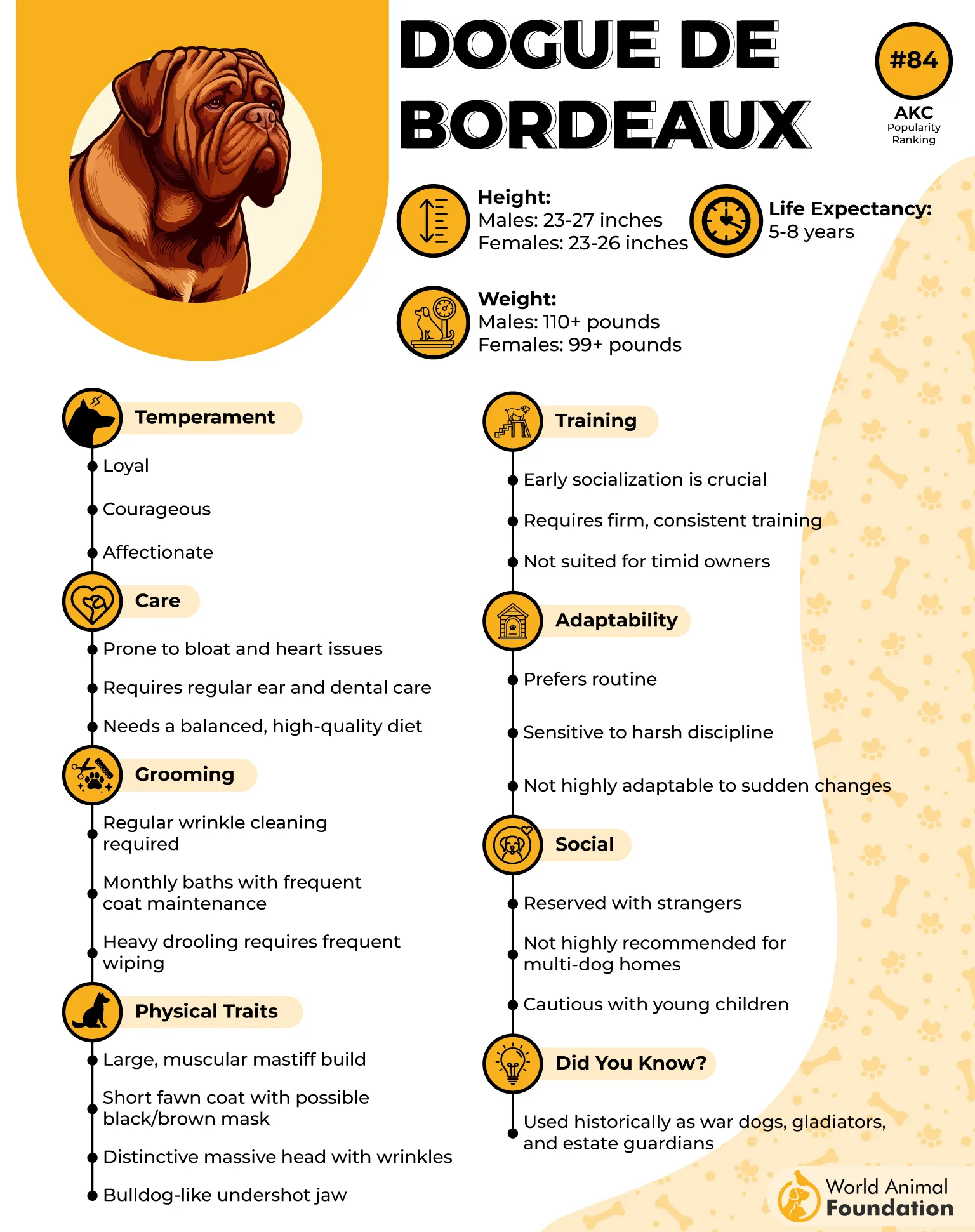
4. Dogue de Bordeaux
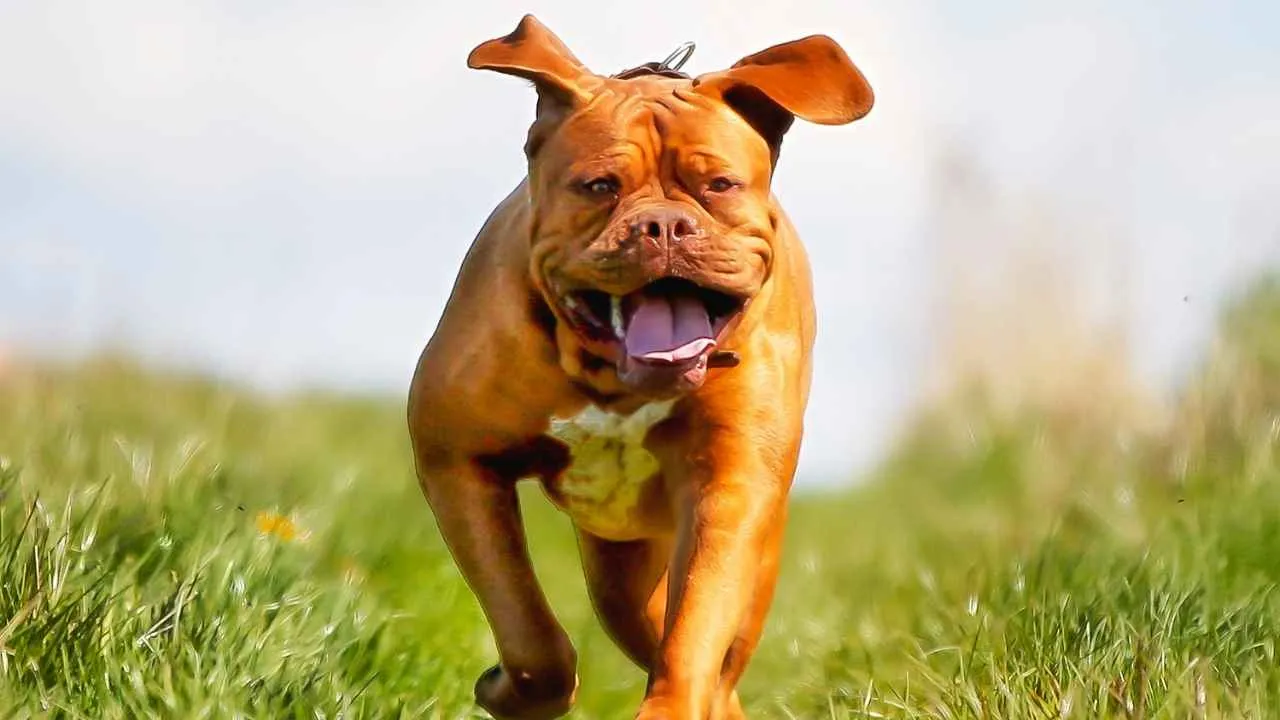
The Dogue de Bordeaux takes its name from the French region where this powerful mastiff type originated. Dogs of this kind existed as far back as the 1300s, although the more standardized breed familiar today began taking shape around 1920. Their work included pulling carts, guarding livestock, and protecting property.
A Gentle Housemate With a Watchful Side
Despite its imposing build, this affectionate dog breed is calm and devoted to its household. This French Mastiff prefers familiar company and quiet family time, while its caution around unfamiliar people makes early socialization and consistent training important.
Here’s a clear picture of the breed’s characteristics:
Can be surprisingly quick when prompted to move.
Often gets along with cats and children when properly introduced.
May snore loudly and drool throughout the day.
Training Requires a Confident Approach
This loyal companion can be quite strong-willed, so clear boundaries and consistent guidance should begin early during puppyhood, as Chewy stated.
Positive, reward-based training and gradual introductions to unfamiliar people and situations help prevent fearful or reactive behavior as the dog matures.
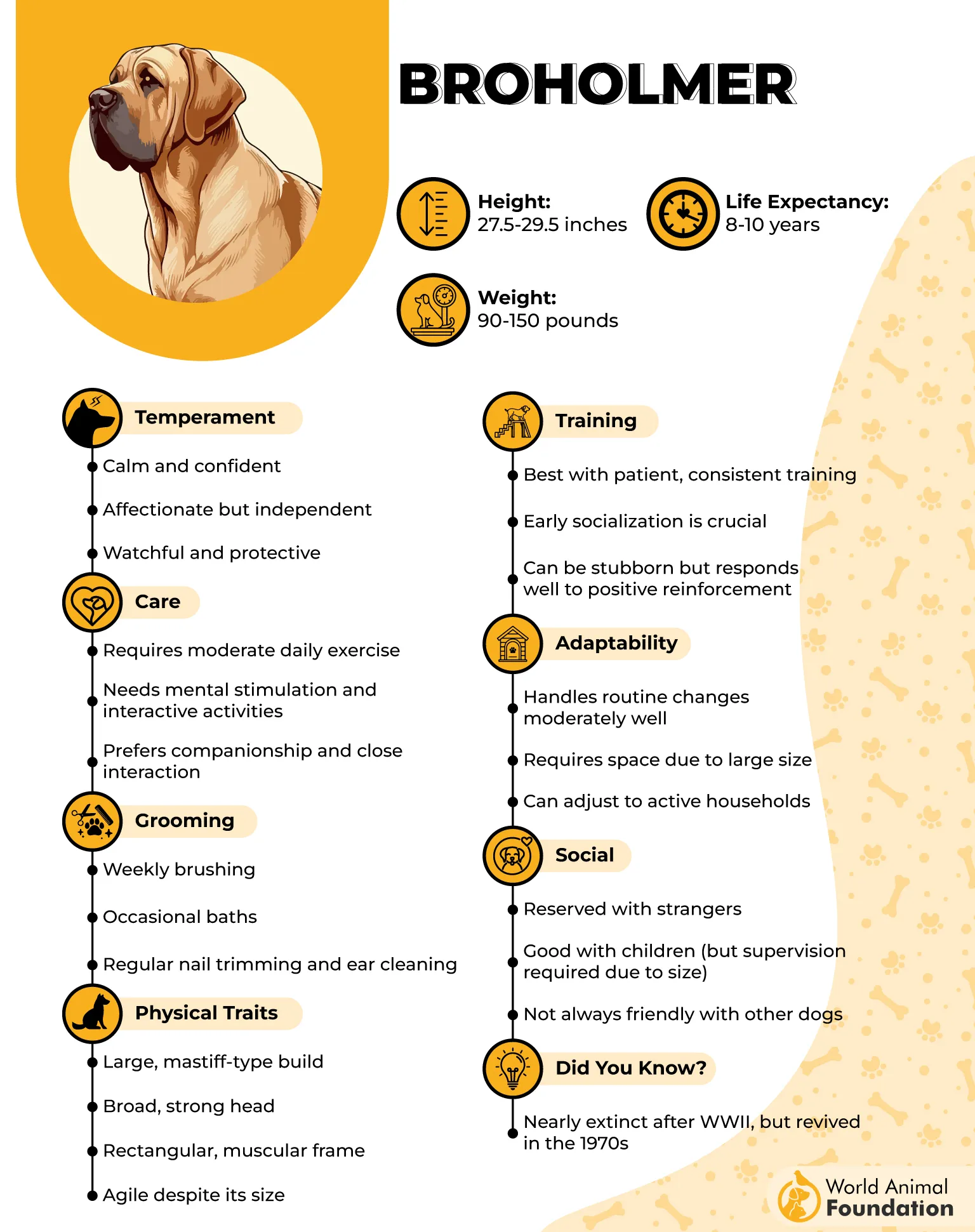
5. Broholmer
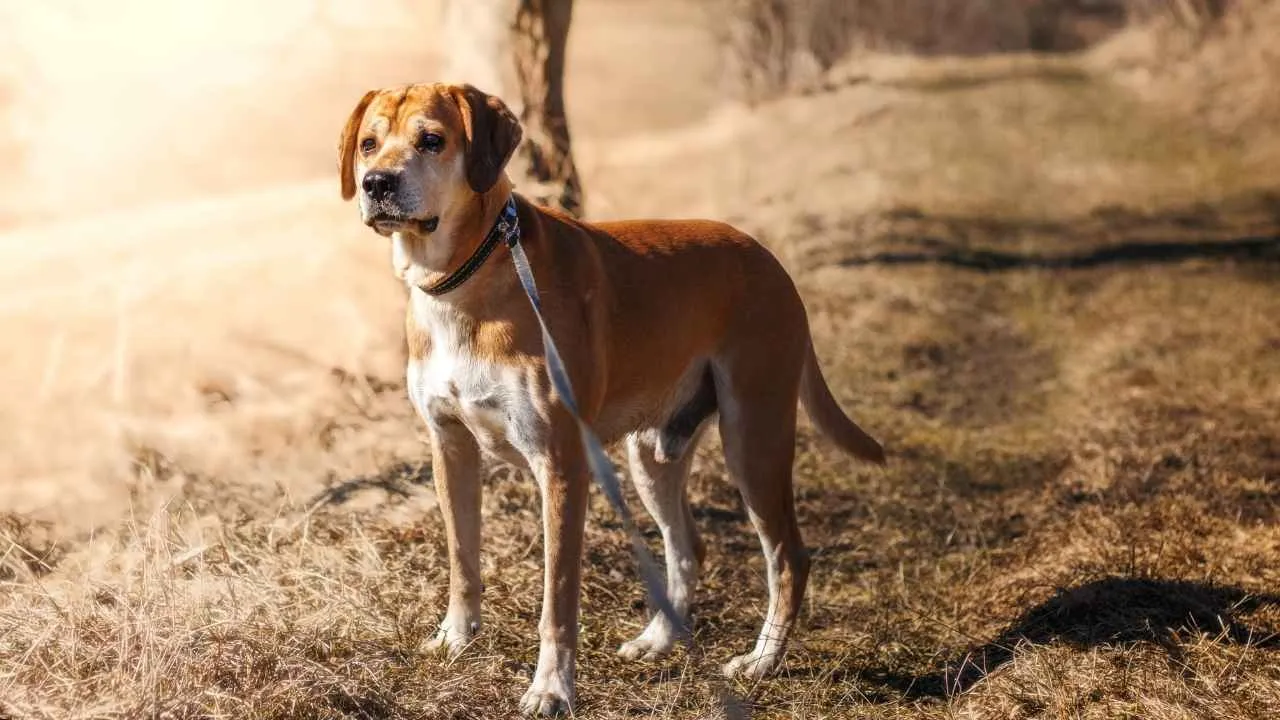
The Broholmer is a Danish mastiff-type breed shaped through crosses between English Mastiffs and local German dogs. Around 1800, it was commonly seen near Copenhagen butcher shops, earning the nickname “the butcher’s dog.” Its numbers dropped sharply during World War II, followed by renewed breeding efforts from the 1970s.
A Gentle Giant With a Watchful Side
This gentle companion brings affectionate presence to a household, while its protective instincts can make it cautious around unfamiliar visitors.
It tends to be deeply attached to its family and often seeks close physical contact, sometimes attempting to sit right beside or on its favorite person.
The following other traits also define this perfect dog:
Needs a spacious home and a securely fenced yard.
Best suited to households with older, dog-aware children.
Benefits from early introductions to unfamiliar people and dogs.
More Agile Than Its Size Suggests
As a heavy, devoted companion, the Broholmer enjoys outdoor activities and can surprise you with its ability to fetch balls, catch frisbees, and take part in agility exercises. Daily outings such as neighborhood walks, hikes, and camping trips provide opportunities to use that athletic side.
6. Neapolitan Mastiff
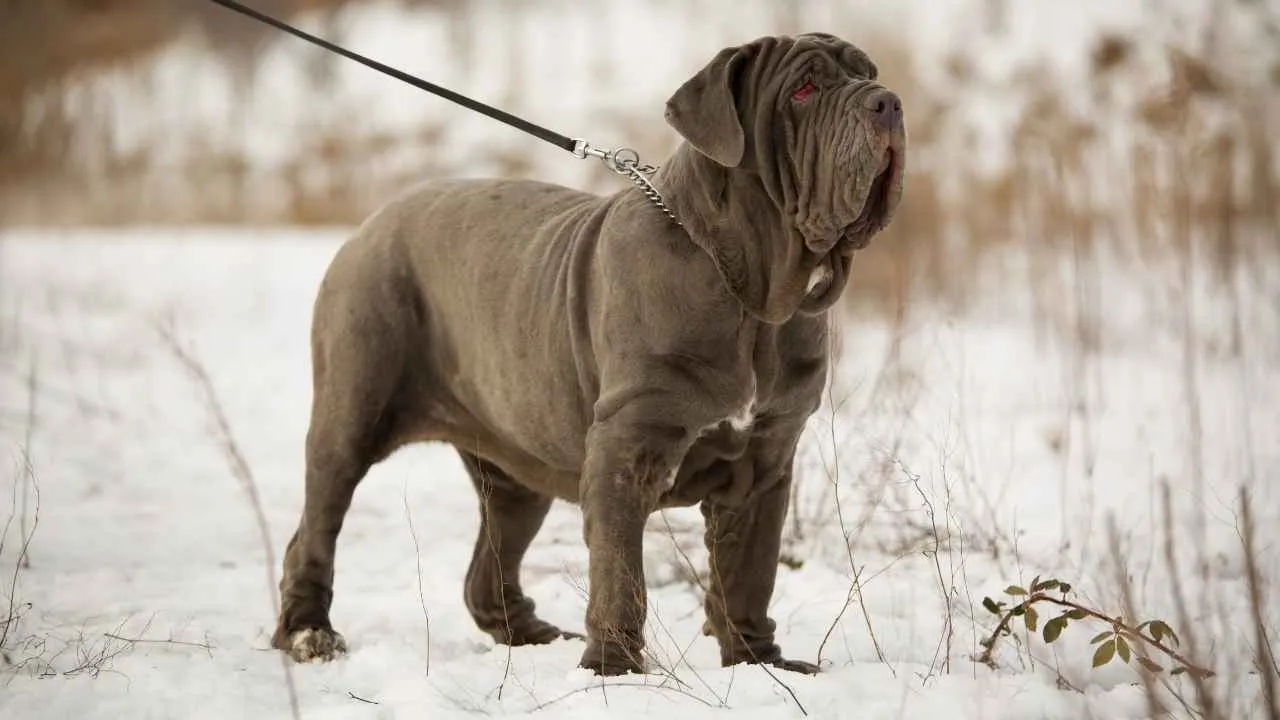
The Neapolitan Mastiff has links to ancient Mastiff-type dogs believed to have originated in Tibet thousands of years ago. The breed took its familiar form around Naples, Italy, where its loose, folded skin served as protection during confrontations. Its size and guarding instincts suited the role it was bred to perform.
A Giant Who Prefers Home Life
A Neapolitan Mastiff is happiest with its family nearby and a comfortable place to rest. Adults tend to enjoy a slower household routine, often following their favorite person from room to room and keeping an ear out for activity near the entrance.
Life with these loving friends looks like this:
Adult weight can reach around 150 pounds.
Heavy drooling is part of everyday life.
A deep bark can announce visitors at the door.
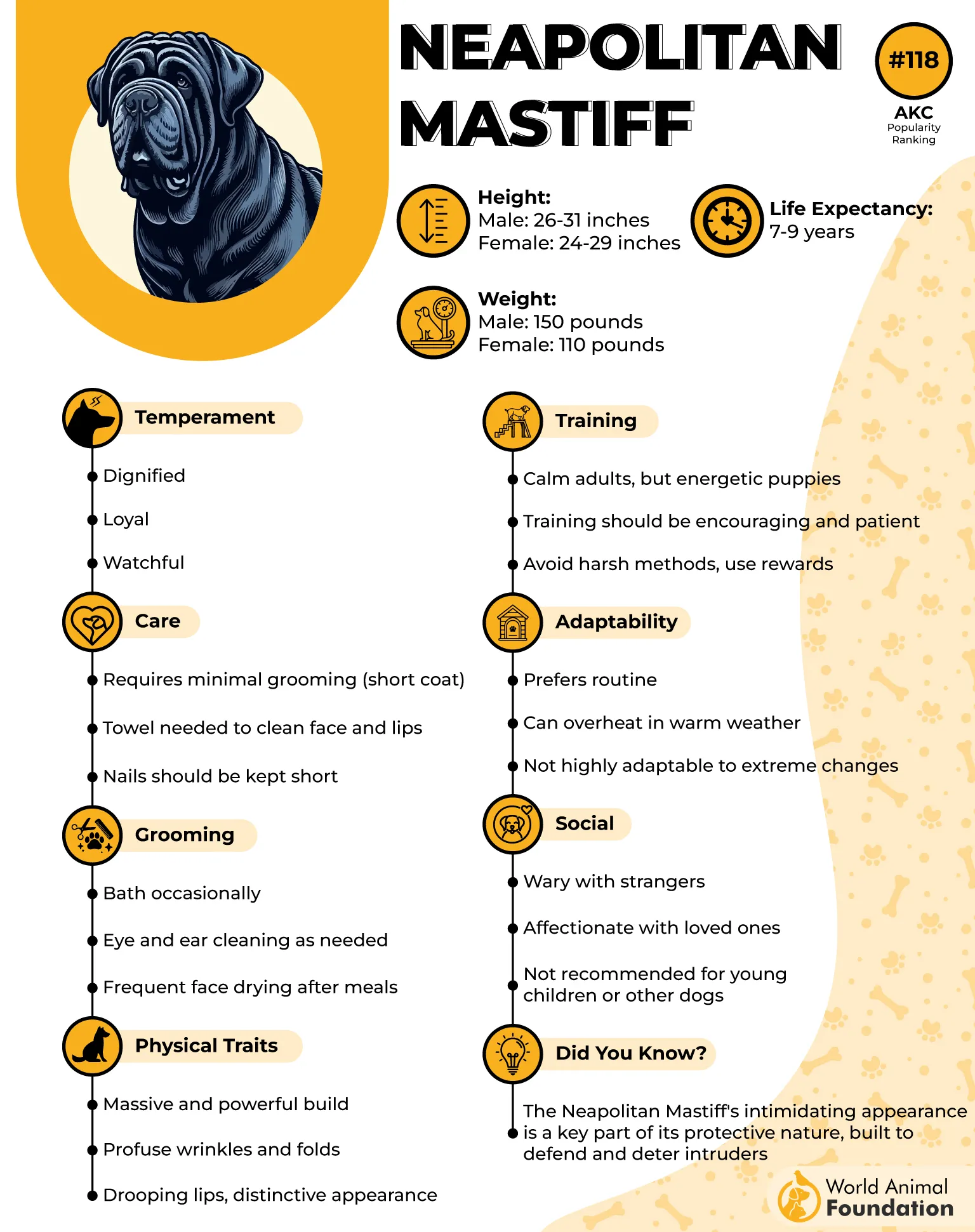
A Watchful Family Companion
Neapolitan Mastiffs are deeply attached to their household and often follow familiar people from one room to another. Their guarding instincts can also make them vocal when they notice activity outside, including an unfamiliar visitor or an animal in the yard.
7. Greater Swiss Mountain Dog
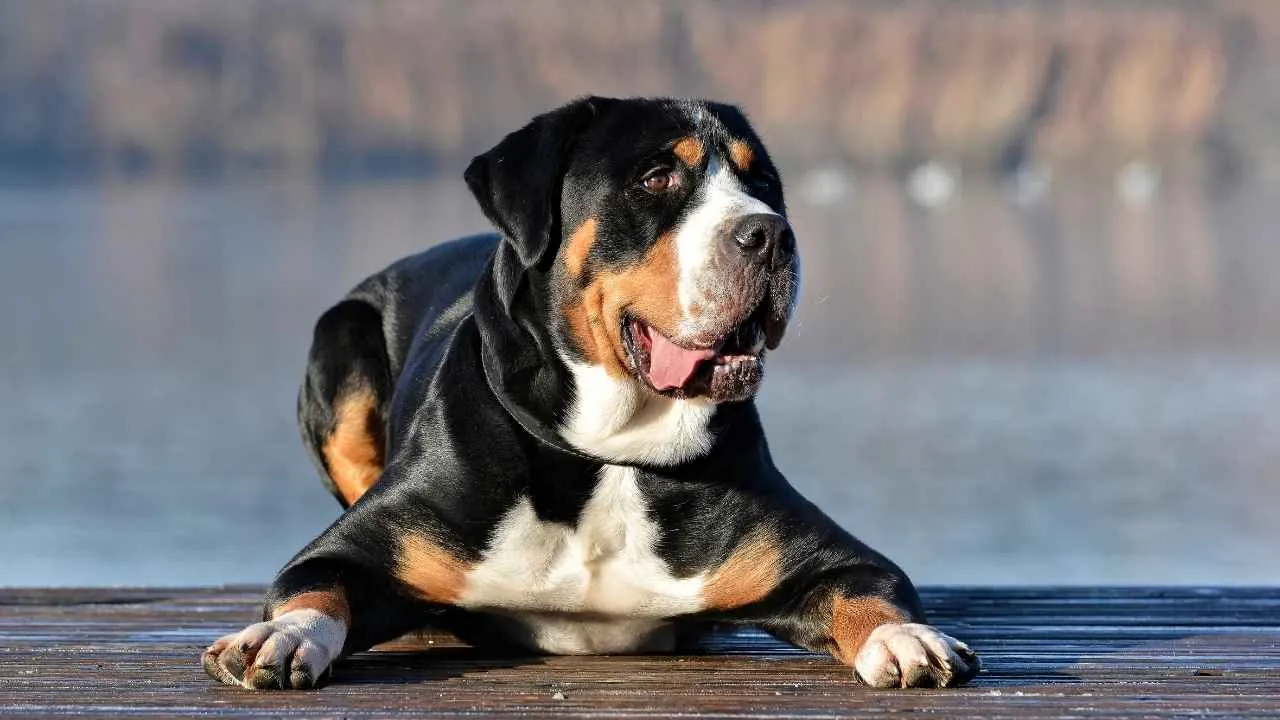
The Greater Swiss Mountain Dog is believed to have descended from Roman Mastiffs brought to Switzerland around 2,000 years ago. These powerful dogs likely bred with local farm dogs over generations, gradually shaping the largest of Switzerland’s four mountain breeds. Its early roots are closely tied to rural Swiss life.
A Giant That Needs Room for Adventure
The Greater Swiss Mountain Dog suits an active household with plenty of outdoor space and time for shared activities. Athletic and sociable, this breed enjoys hiking, long outings, and family play, while a spacious yard gives it more room to stretch its legs.
Some more breed qualities that you should know:
Deep, booming barks when someone approaches the home.
Can become restless when left alone for extended periods.
Often greets visitors warmly once they enter.
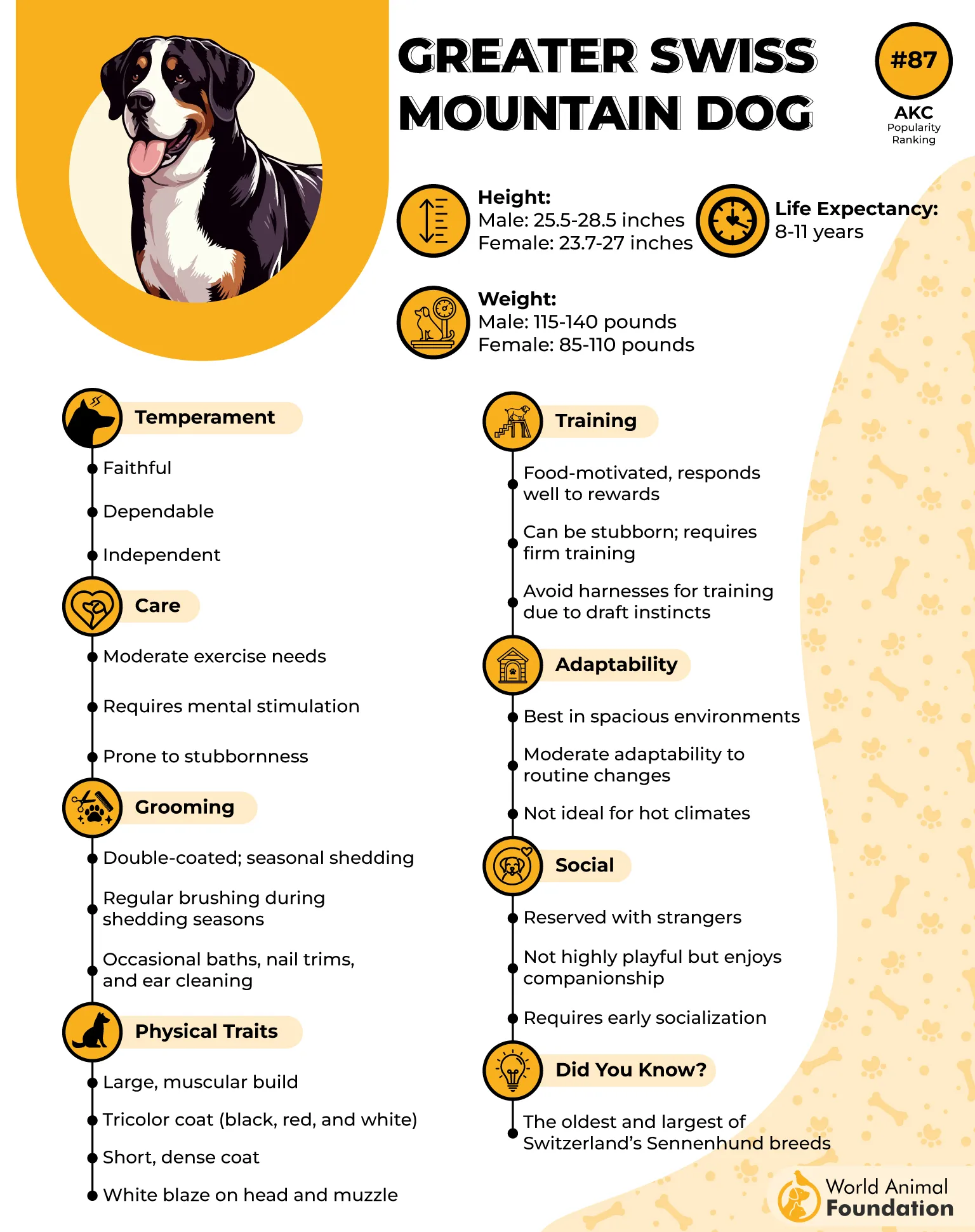
Big Energy Around Smaller Family Members
Swissies are affectionate with children, but their enthusiasm and substantial size can make play overwhelming for younger kids. Early training, careful supervision, and teaching children to interact gently are important, particularly while the dog is still learning to control its strength.
Conclusion
Giant dogs have distinct personalities, working backgrounds, and physical needs. Some are affectionate household companions, while others remain alert and protective around unfamiliar people. Their size can affect everything from the space they need to the way they interact with children and other animals. Breeds that are incredibly gentle can also make caring family companions when their needs are properly understood.
Regular grooming, suitable exercise, and consistent training form an important part of their care. A spacious home alone is not enough to meet every requirement, even for a friendly breed. Think about the time, resources, and experience you can offer before bringing one home. Understanding these responsibilities helps create a comfortable environment for both dog and family.
