




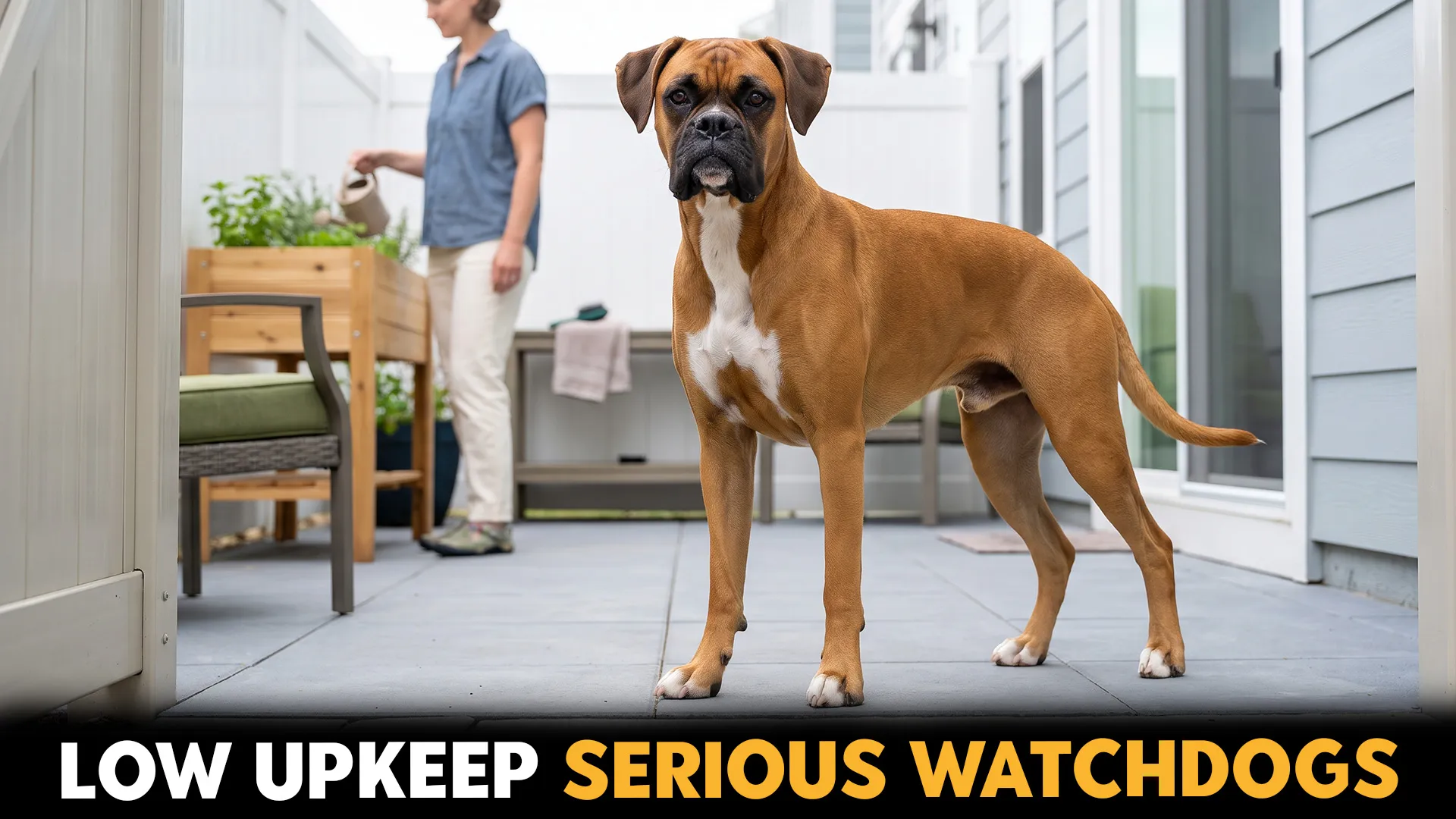
High-trust neighborhoods with lots of dogs had about two-thirds the robbery rate of their counterparts and about half the homicide rate, according to Ohio State University News. That single fact should make any homeowner rethink what “home security” even means.
Researchers tracked crime data across Columbus and found that dogs act as a neighborhood’s unofficial patrol, discouraging potential intruders just by existing. Read the full study for yourself, but the point for any homeowner is simple: a dog changes how a stranger sees a property.
Not every highly protective breed fits a regular homeowner’s routine, and picking the wrong one turns a guardian and protector into a full-time project. The trick is finding dogs that guard a home as naturally as they settle into family life.
Ready to find the best match for protecting your own home and family? The guide below starts with exactly that.
Low-Maintenance Guard Dog Breeds for Homeowners
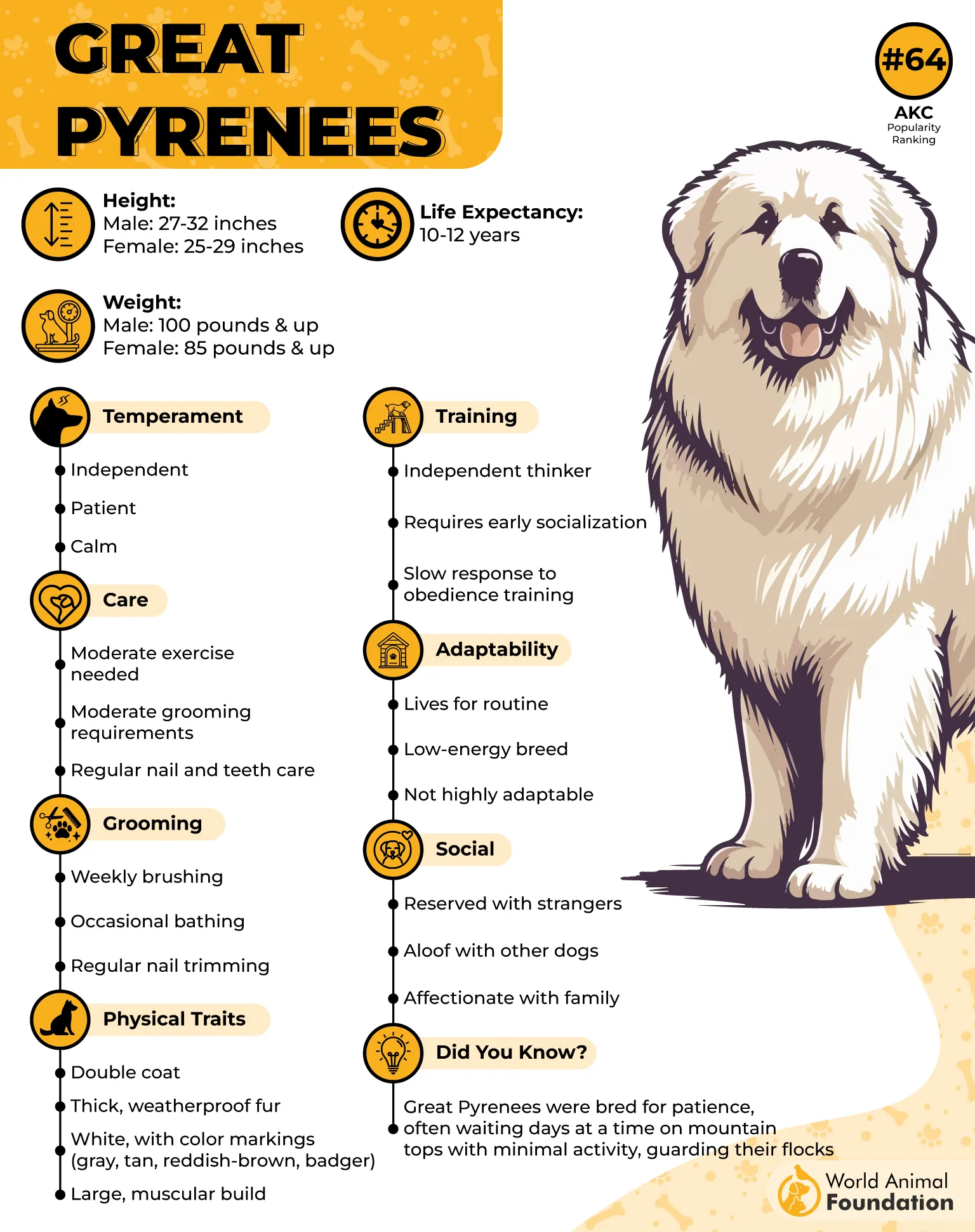
1. Great Pyrenees
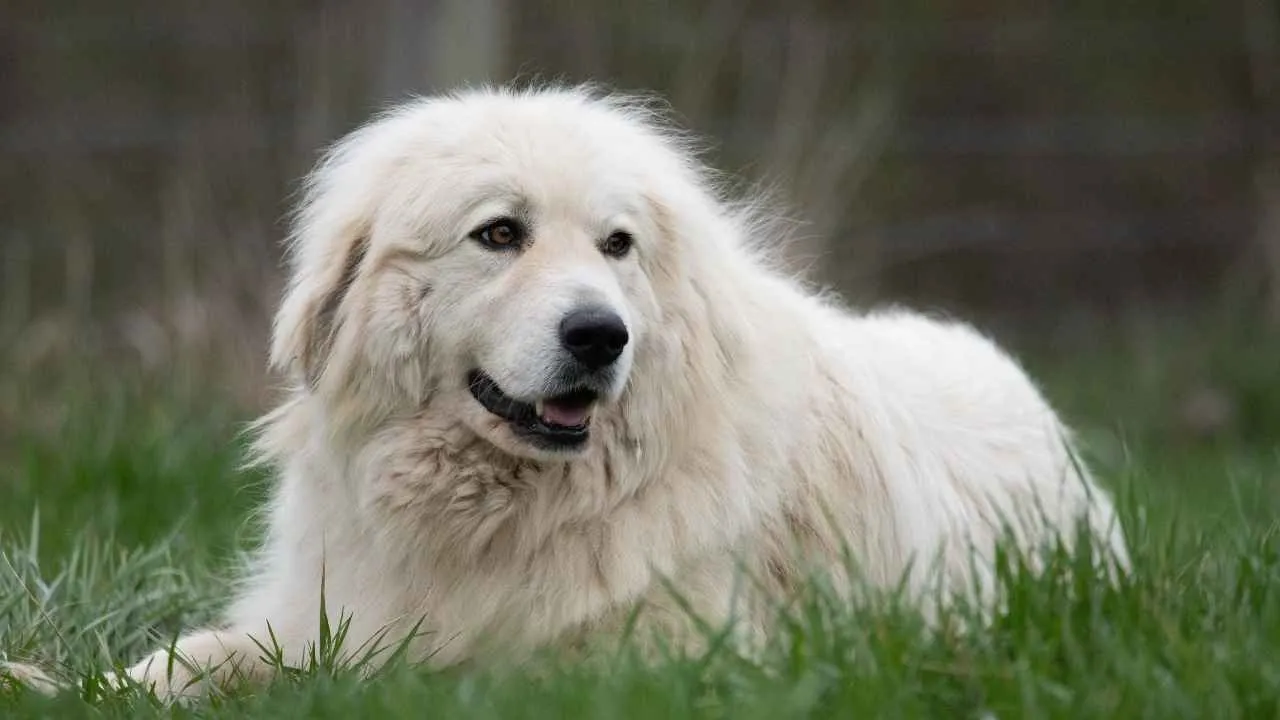
This dog patrols; it does not pounce. Bred to guard mountain flocks, the Great Pyrenees still favors slow sweeps of open ground, so a fenced acreage suits it better than a tight suburban yard.
Visitors get a long, steady stare before anything else happens. A delivery worker who lingers past the gate hears a deep bark meant to announce, not attack, and the dog settles fast once the owner says all is fine.
Grooming: Weekly brushing, with extra sessions during the seasonal coat blow.
Exercise: One unhurried walk a day keeps this calm guardian content
Training: Early socialization teaches it which sounds deserve a bark.
This breed’s bark carries further than most homeowners expect, so check local noise rules first. The AKC calls it a vigilant guardian of home and family, and fencing should resist digging, not just height.
2. Mastiff
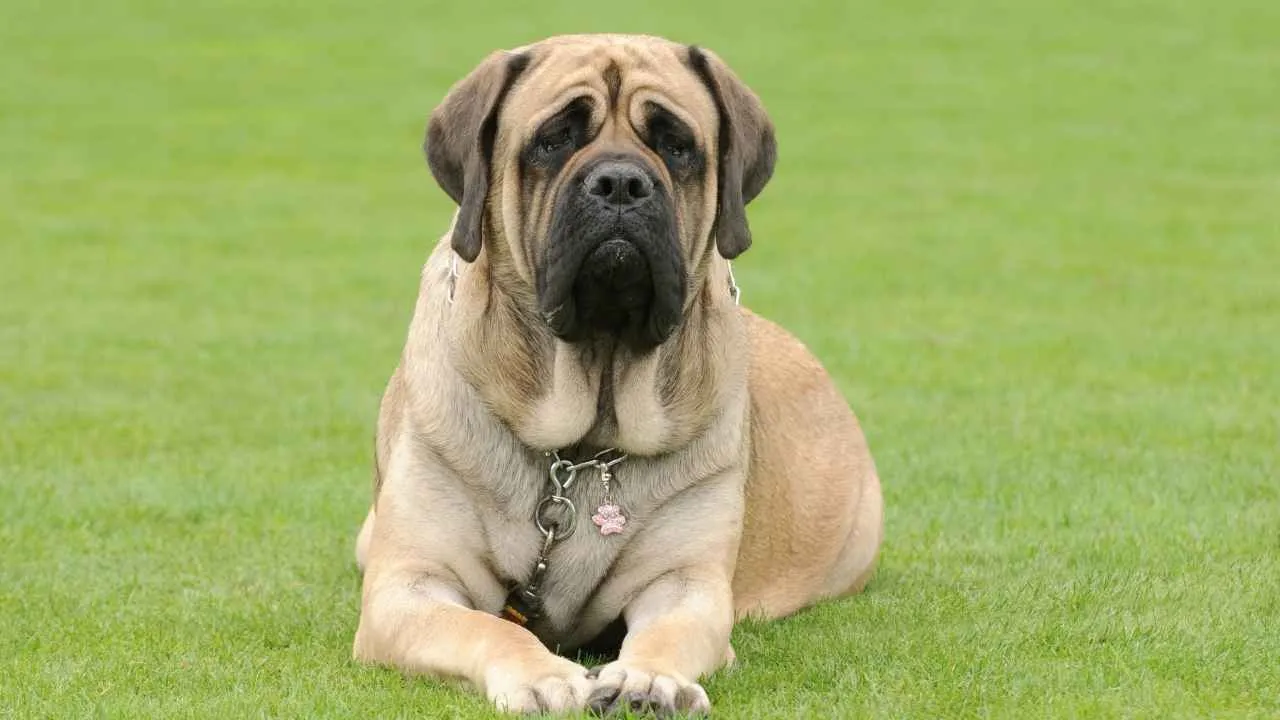
The Mastiff guards by presence, not patrol. This ancient breed’s sheer size and calm bulk do most of the work, making it a strong match for a modest fenced yard rather than acres of open land.
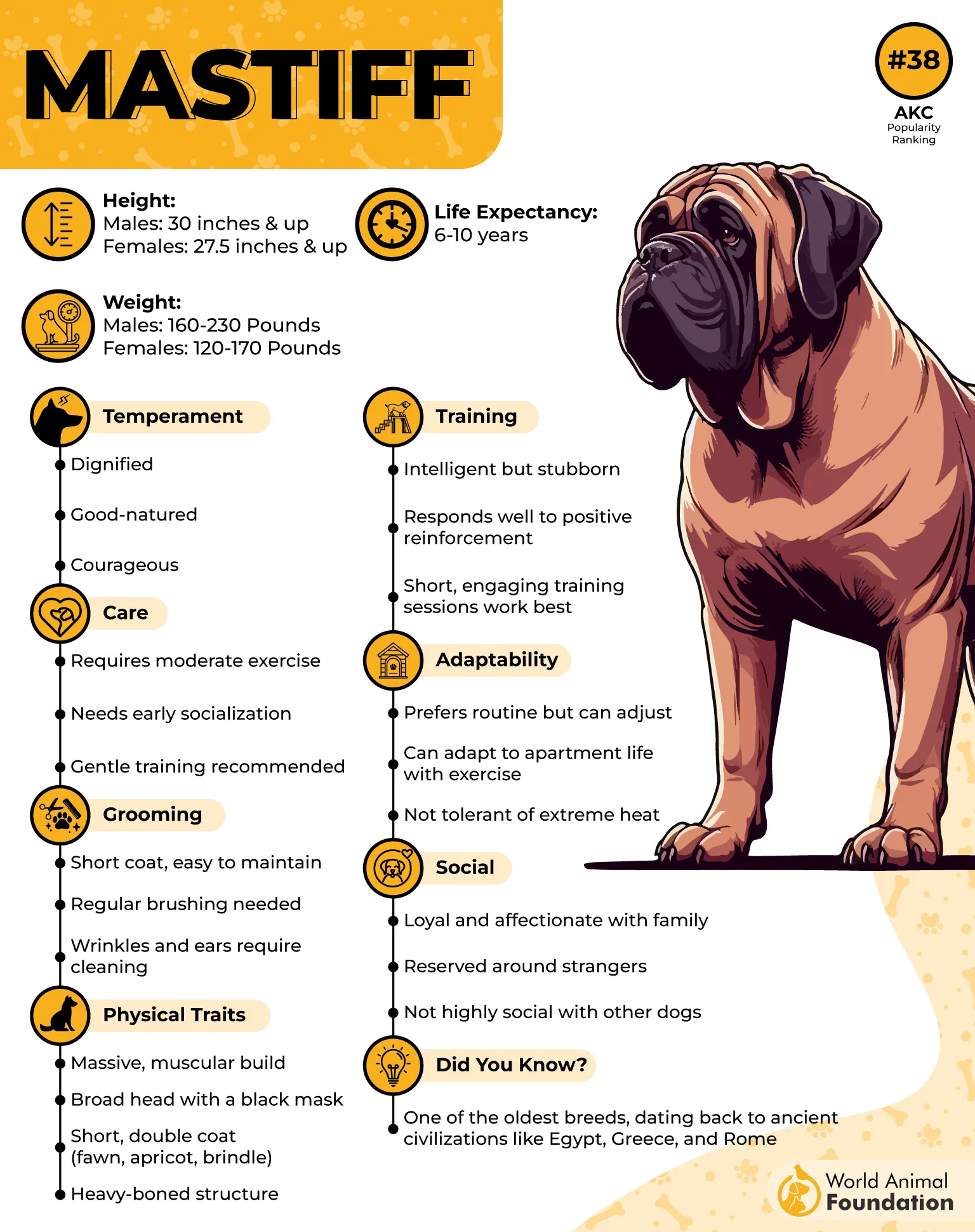
A mastiff rarely bothers to bark at a passing stranger. It reserves its attention for anyone who actually steps onto the porch, then plants its body between that person and the family, living up to its reputation as a devoted family companion.
Grooming: A quick weekly brush handles the short coat with ease.
Exercise: Moderate walks suit this low-energy, large dog just fine.
Training: Early lessons on gentle leash manners matter given its size.
A mastiff’s weight means a cheap gate will not hold if it decides to lean. According to PetMD, this breed drools heavily, so homeowners with delicate furniture may want to plan around that.
3. Great Dane
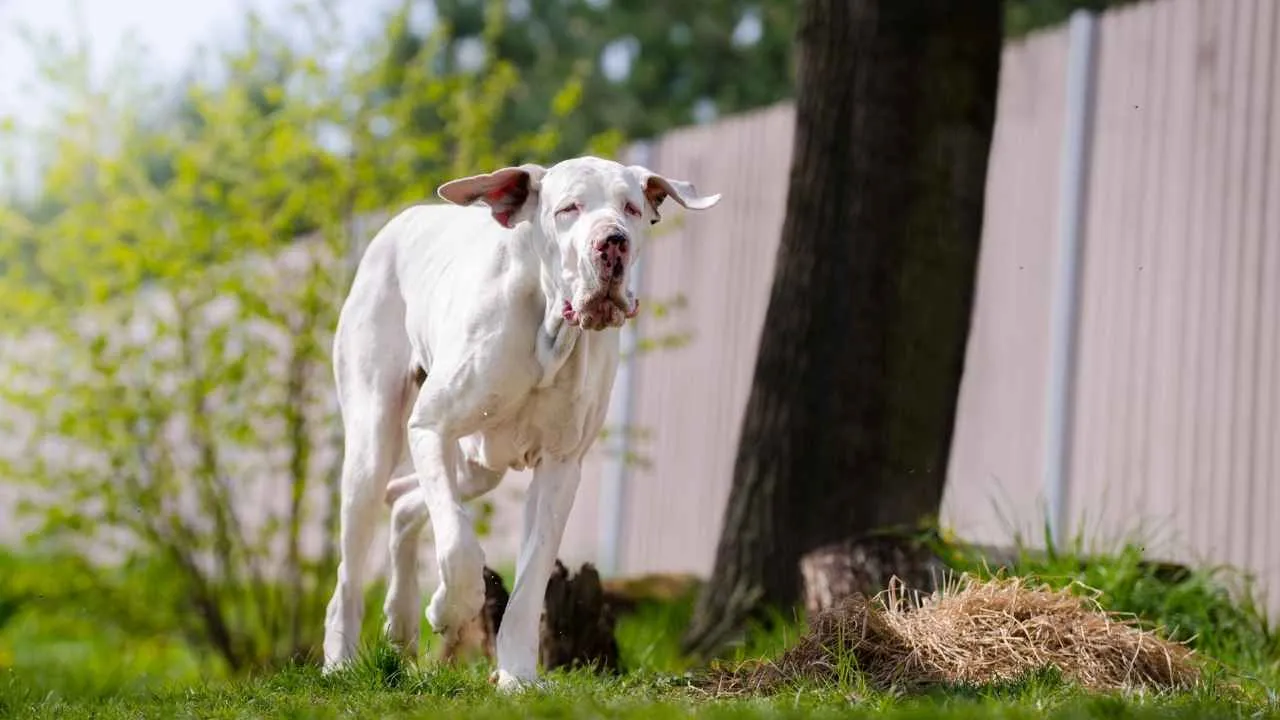
A Great Dane works as an alarm, not an enforcer. Bred originally as a working dog for boar hunting, its height lets it see over low fences and spot movement early, which makes a secure, well-fenced suburban lot a comfortable fit.
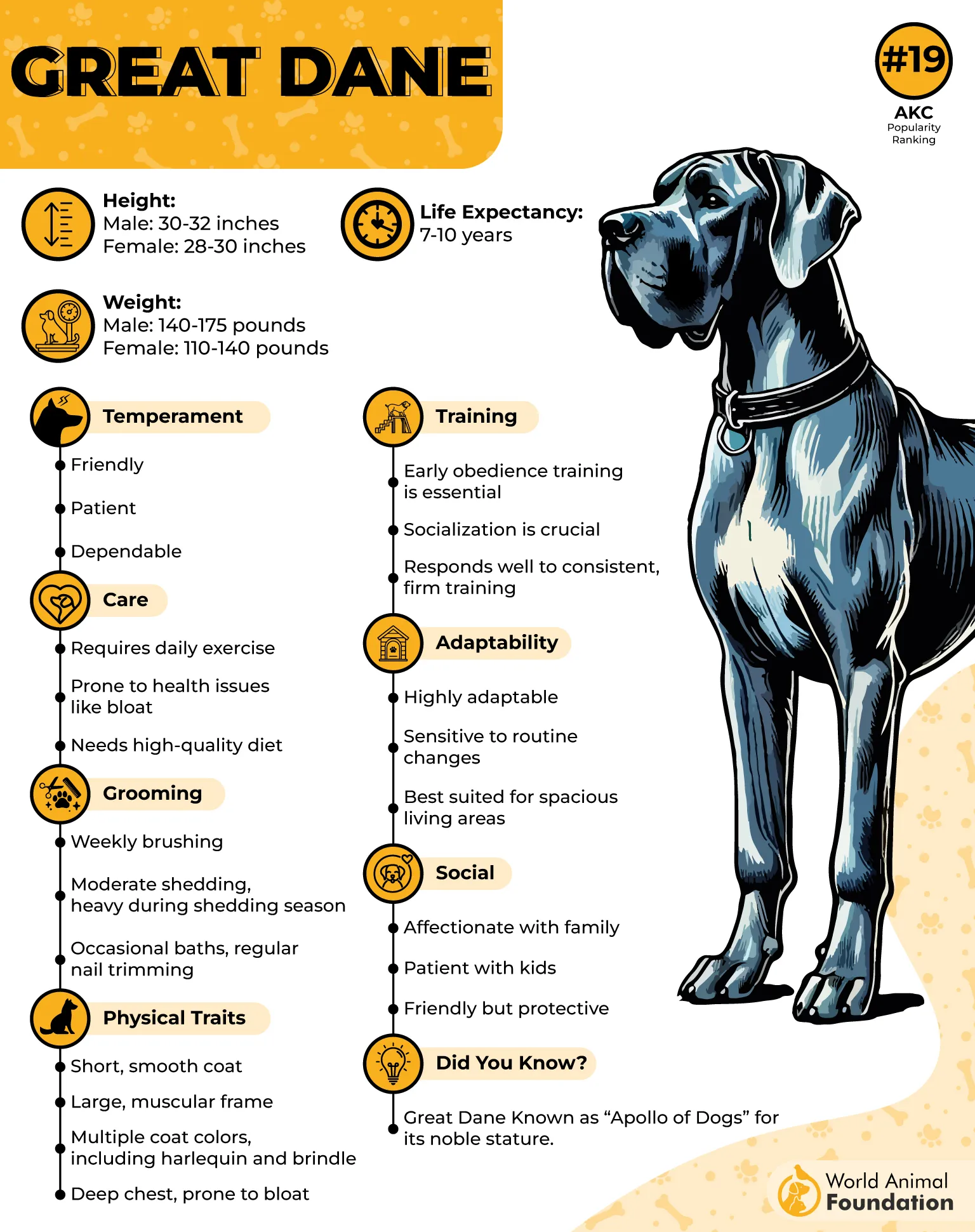
Visitors are usually greeted with curiosity rather than suspicion. A delivery worker gets a loud bark at the gate, but this breed rarely escalates past noise once it recognizes a familiar routine.
Grooming: Weekly brushing manages the short coat and light shedding.
Exercise: 1 hour of play or walking a day keeps it settled.
Training: Basic obedience curbs jumping, given its considerable height and weight.
Standard fencing often falls short here, since Britannica notes this large breed needs an enclosure at least 6 feet high even if it rarely tries to clear it. Homeowners should also budget for bigger vet bills and a larger food supply.
4. Tibetan Mastiff
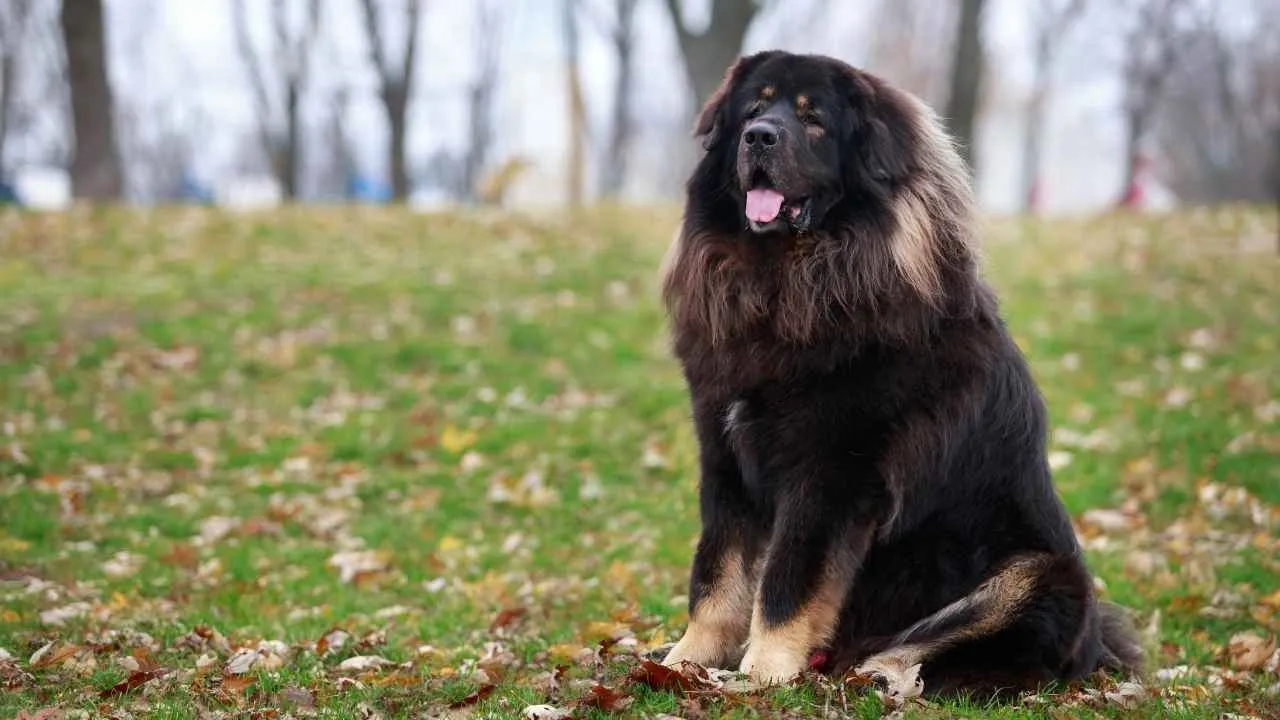
The Tibetan mastiff works nights more than days, watching a property’s edges for potential intruders once the sun goes down. A large, securely fenced lot suits it better than a small open yard with gaps to slip through.
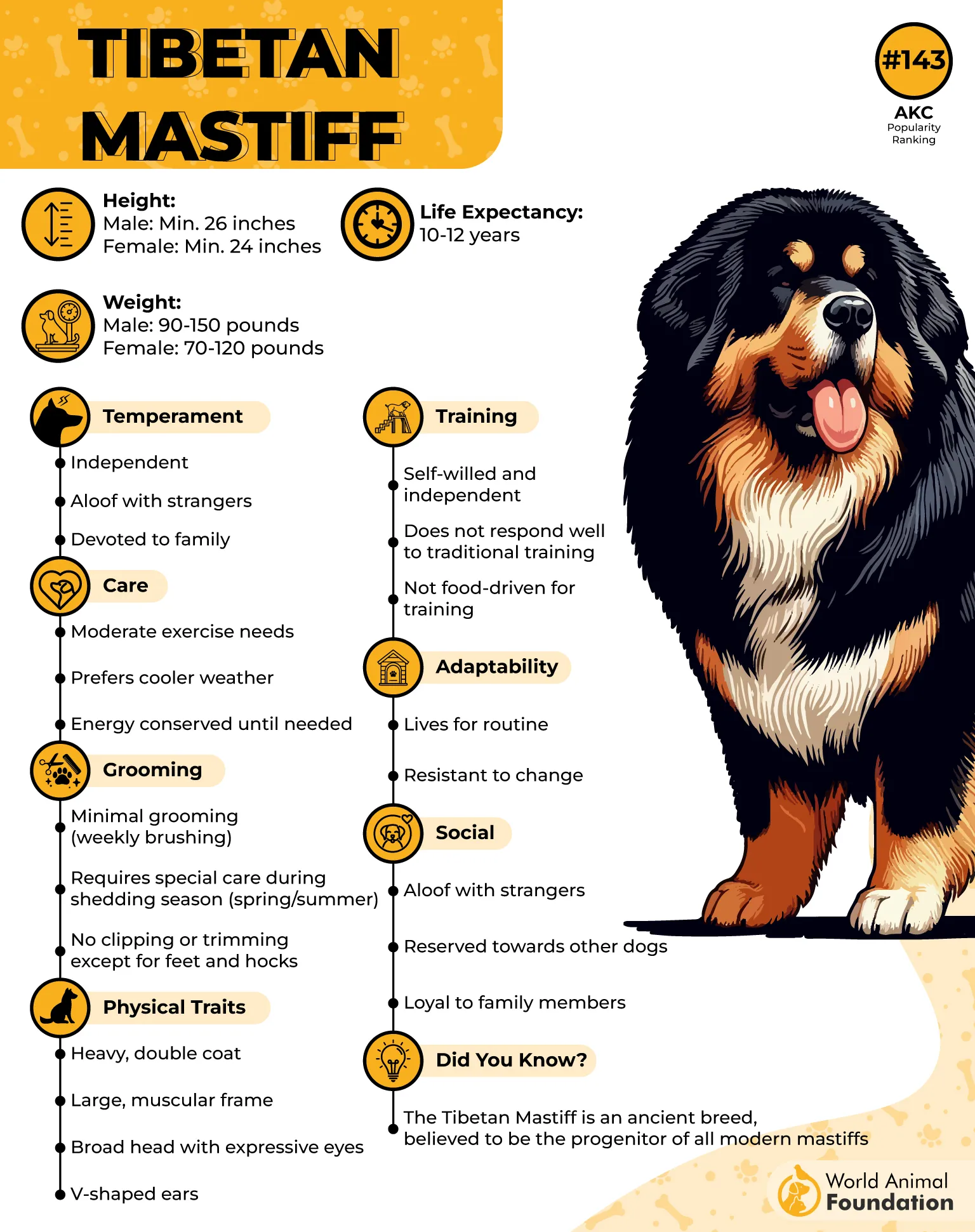
Unfamiliar faces get a long, assessing look before anything else happens. A delivery worker who lingers near the door may hear a deep, repeated bark meant as a warning, not a greeting.
Grooming: A thick double coat needs brushing several times weekly, more during shedding season.
Exercise: 2 daily walks keep this independent breed content without overexertion.
Training: Consistent, patient lessons help, since this dog rarely repeats commands it has already learned.
This breed’s deep nighttime bark can carry across property lines, so check with close neighbors before bringing one home. According to VCA, the Tibetan mastiff stays territorial and strong-willed, which calls for secure fencing rather than a simple line of shrubs.
5. Rhodesian Ridgeback

A Rhodesian Ridgeback acts as an active deterrent, moving toward a concern with the same fearless bravery it once used to help corner lions. This athletic breed does best with a large, securely fenced yard that gives it room to run.
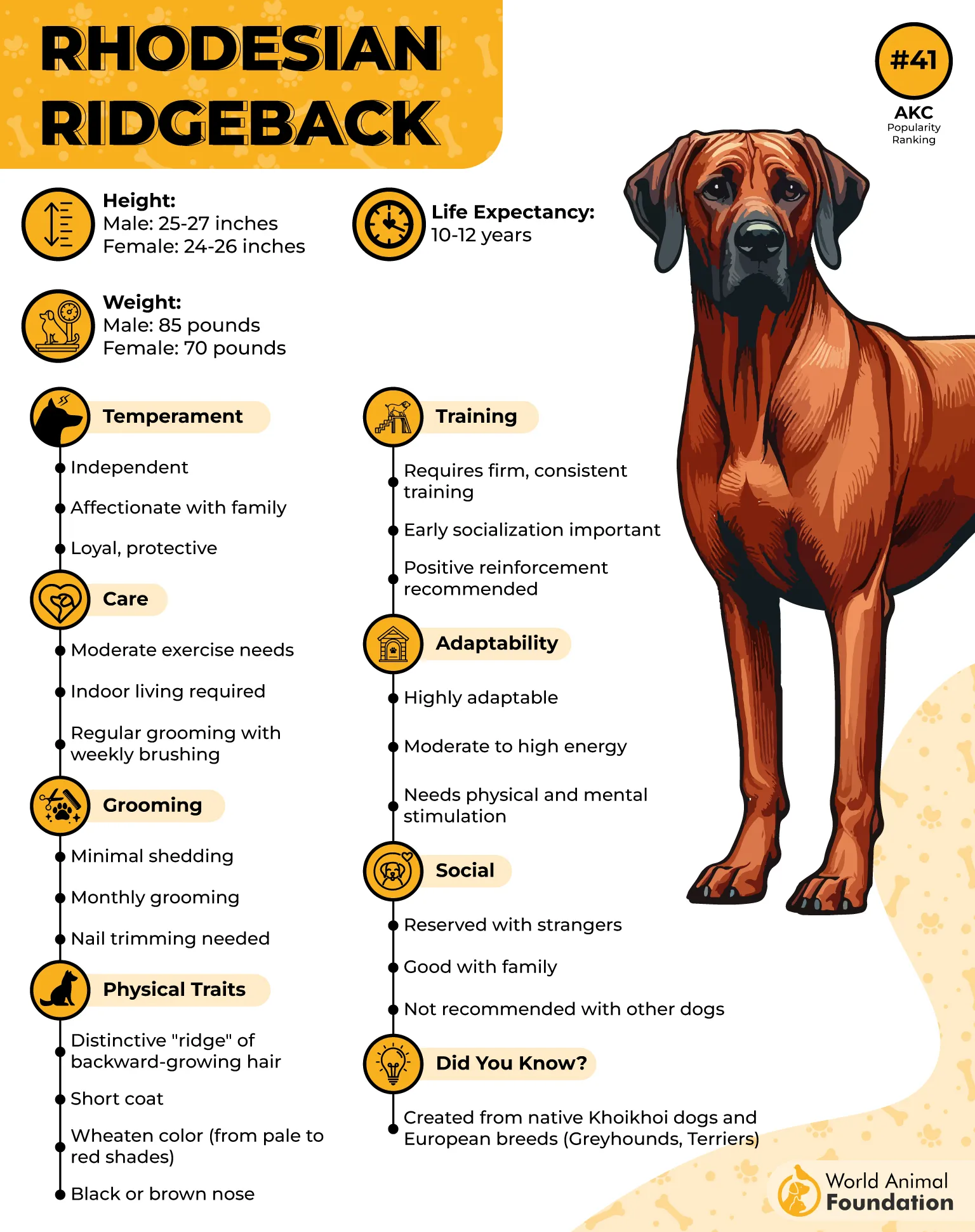
Most visitors are met with quiet observation rather than noise. A delivery worker rarely hears a single bark, since Purina notes this breed only barks when there is genuinely something worth announcing.
Grooming: A short coat needs just weekly brushing to stay neat.
Exercise: Daily vigorous exercise is a must for this high-energy hound.
Training: Early socialization curbs its strong instinct to chase small animals.
A ridgeback’s prey drive means a homeowner with chickens or cats next door should plan fencing carefully. This breed can also clear low barriers with ease, so height matters as much as strength here.
6. Cane Corso
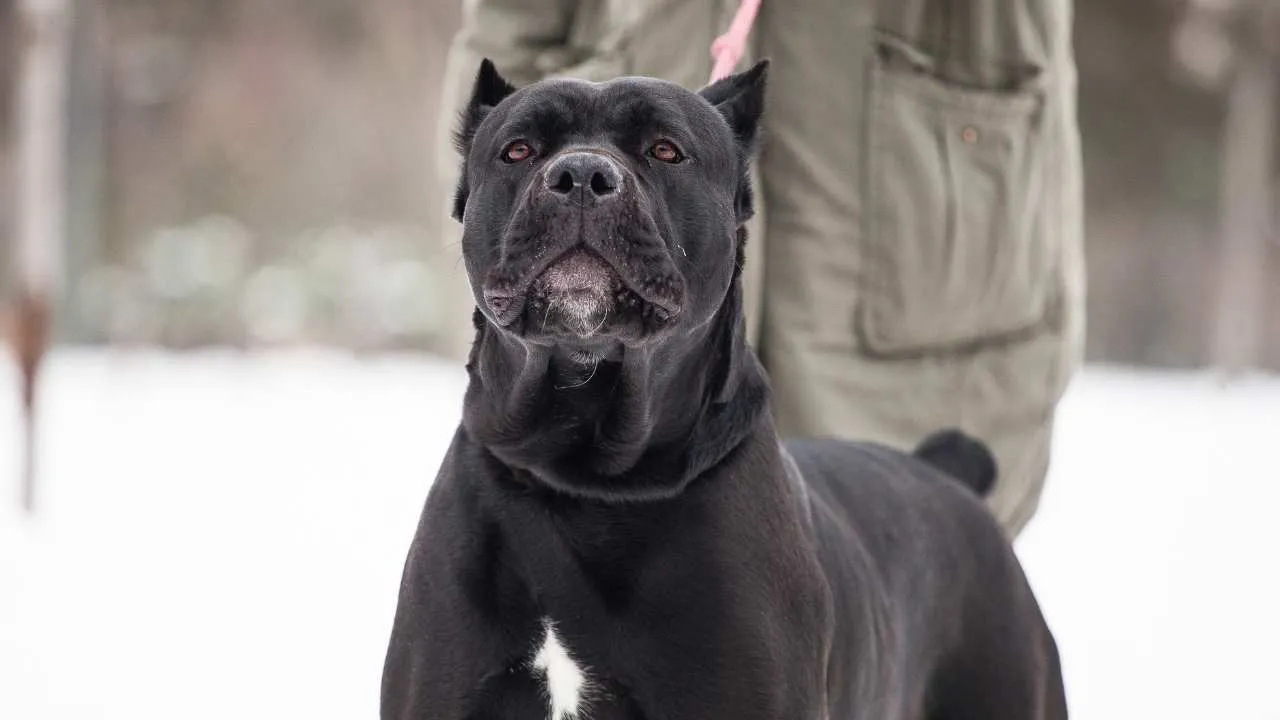
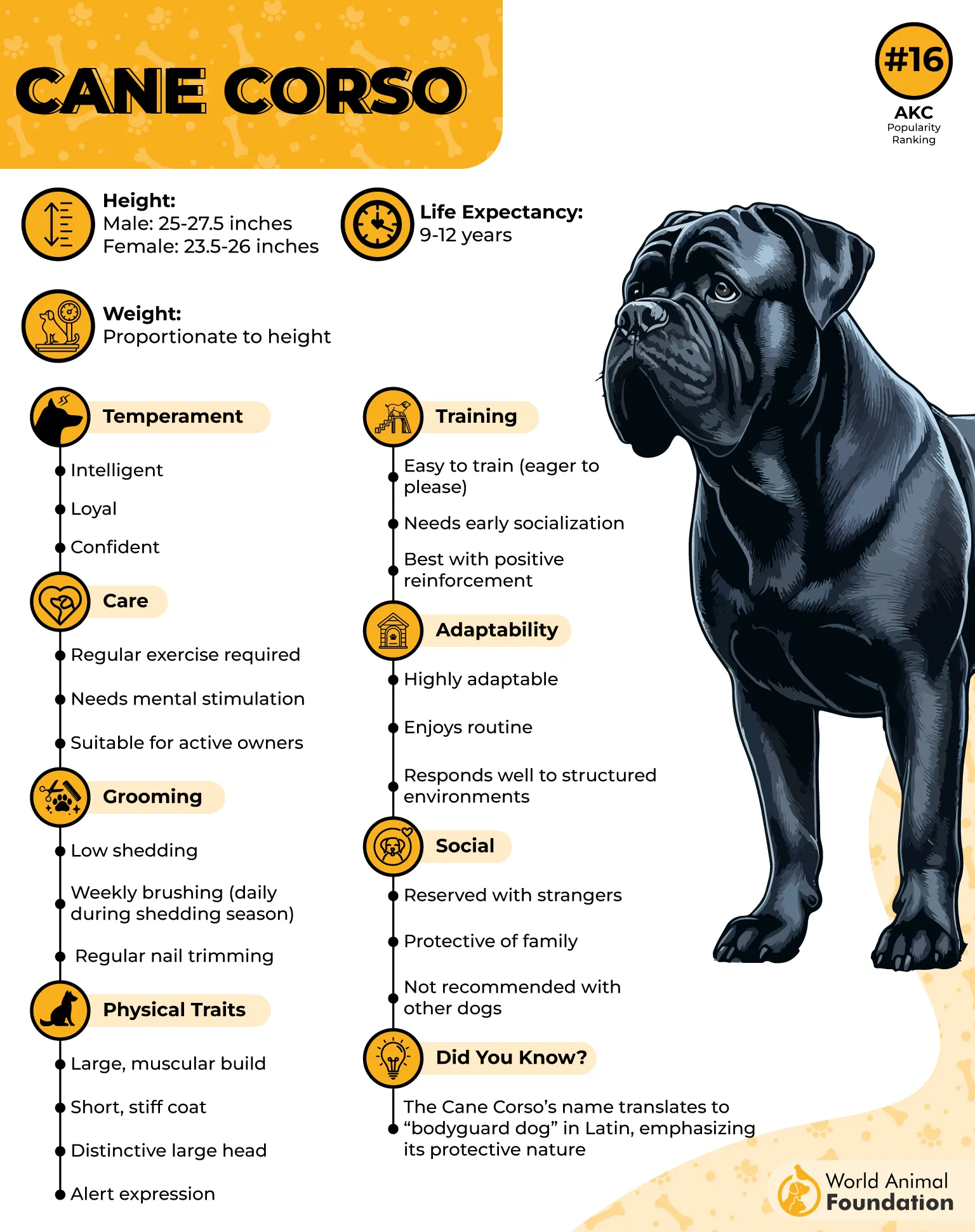
The Cane Corso is built as a personal protection dog, with natural guarding instincts tuned to body language and tone rather than noise. It fits best on a fenced property with clear sightlines around the house.
A calm visitor usually gets a brief sniff and nothing more. A delivery worker who moves quickly or acts nervous may draw a longer, harder stare, since this breed reads intent closely.
Grooming: Its short coat needs only occasional brushing to stay tidy.
Exercise: Daily structured exercise and mental work keep it balanced.
Training: Professional obedience classes are strongly recommended early in puppyhood.
Some cities and insurance providers place restrictions on this breed, so homeowners should check local rules and policy terms before bringing one home. A Cane Corso also needs a firm, experienced handler, not a first-time owner.
7. Doberman Pinscher
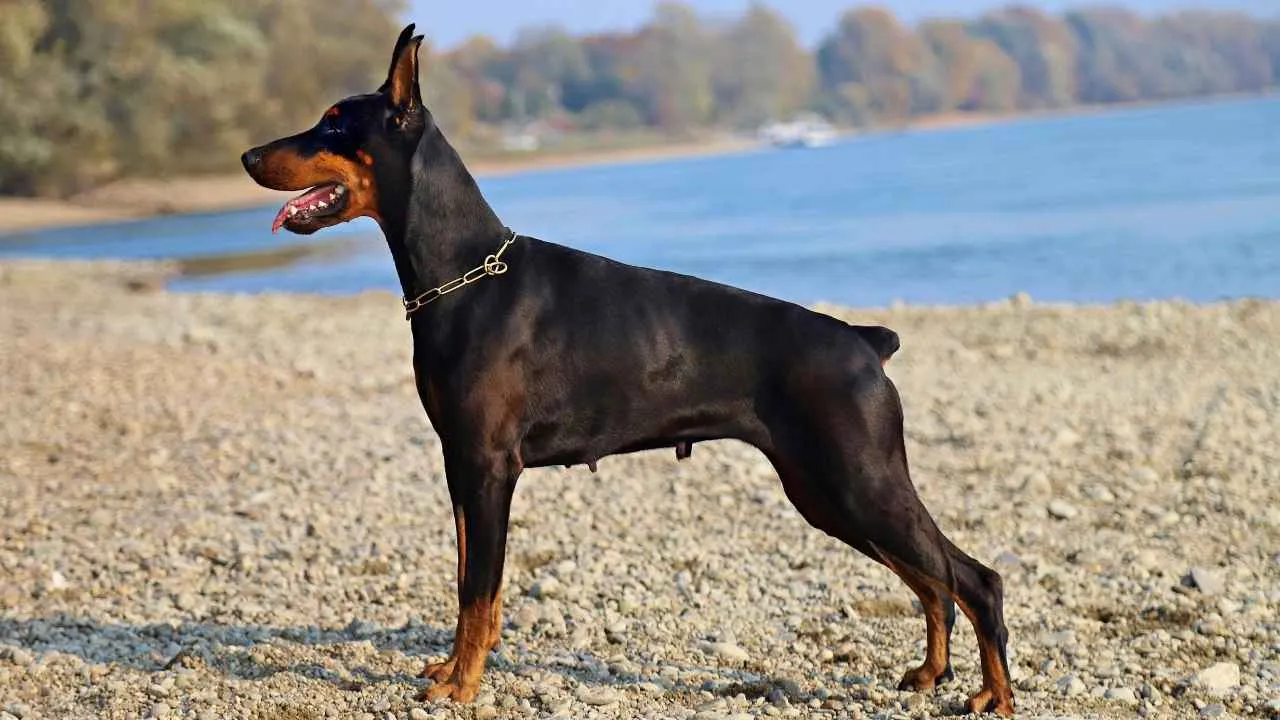
A Doberman Pinscher patrols fast, covering a yard in seconds once something catches its attention. Loyal and protective by nature, this athletic breed suits a securely fenced suburban lot with enough space to move at speed.
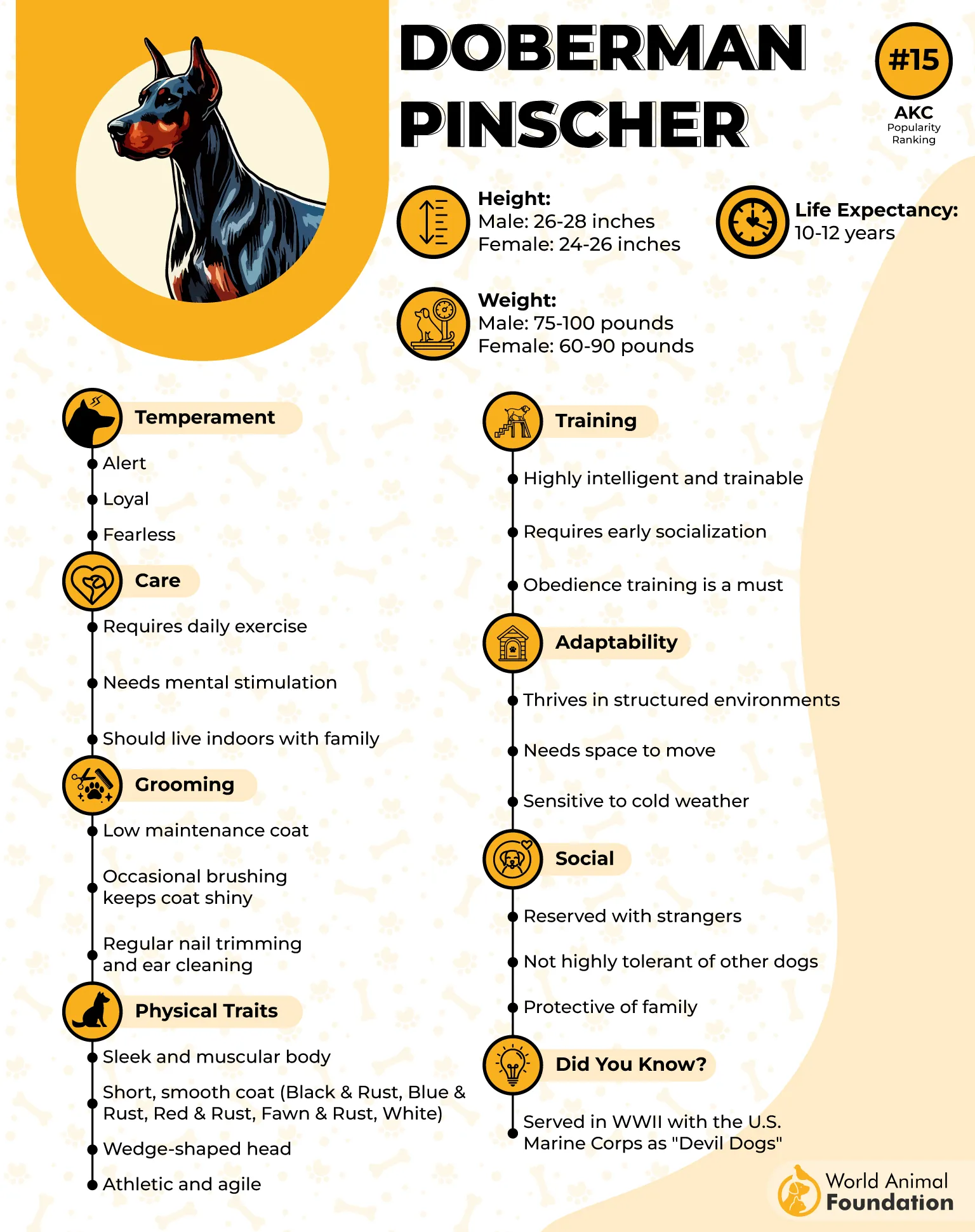
Friendly visitors are usually greeted with alert curiosity rather than hostility. A delivery worker who behaves normally draws a quick look, while anyone acting oddly gets sustained attention; a measured bit of protective behaviour this breed rarely escalates without real cause.
Grooming: Its short coat needs only a quick weekly wipe-down.
Exercise: High daily exercise is essential to prevent restless behavior.
Training: Early, consistent obedience work channels its sharp intelligence well.
A Doberman’s speed and strength mean weak fencing will not hold it back if it decides to chase something past the yard. Homeowners should also check local breed-specific rules, since some areas list this dog alongside other large guard breeds with restrictions.
Conclusion
The best guard dog breed for your home was never really about size or ferocity alone. It comes down to matching a dog’s natural guarding instincts and patrol style to the property it actually protects, from a cozy fenced yard to several open acres of land.
Walk your own fence line, count the square footage, and picture which of these loyal and protective companions fits that space best. Then go meet a few of these dogs in person, because the right guardian and protector for your family and home is always worth the search.
