




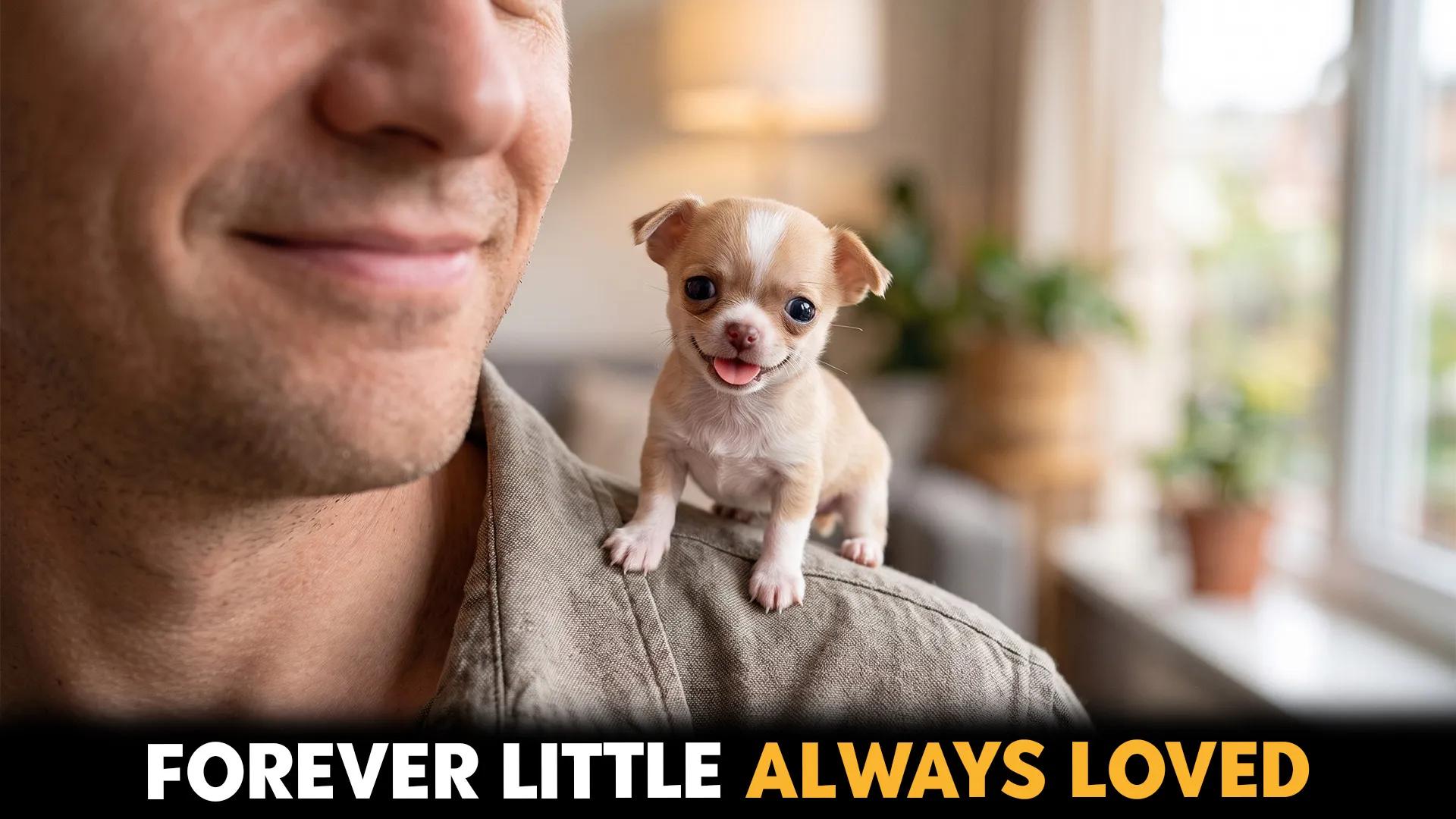
There’s something sweet about a dog who grows up without outgrowing your lap. One day, you’re bringing home a tiny puppy. Later, that same little face greets you like you’ve returned from a year abroad, not a grocery run.
But choosing the best small dog breeds takes more than falling for cute ears. Size matters: the Chihuahua breed standard sets a weight limit of six pounds, while Pugs typically weigh fourteen to eighteen pounds. Both are small, but that’s quite a difference on your lap.
From the Pomeranian and Yorkshire Terrier to the Toy Poodle, Maltese, and Toy Fox Terrier, this guide explores seven breeds that stay small into adulthood. The goal? Finding your kind of sidekick, not just the smallest dog on the block.
Best Small Dog Breeds – Staying Tiny Through Life
1. Pomeranian
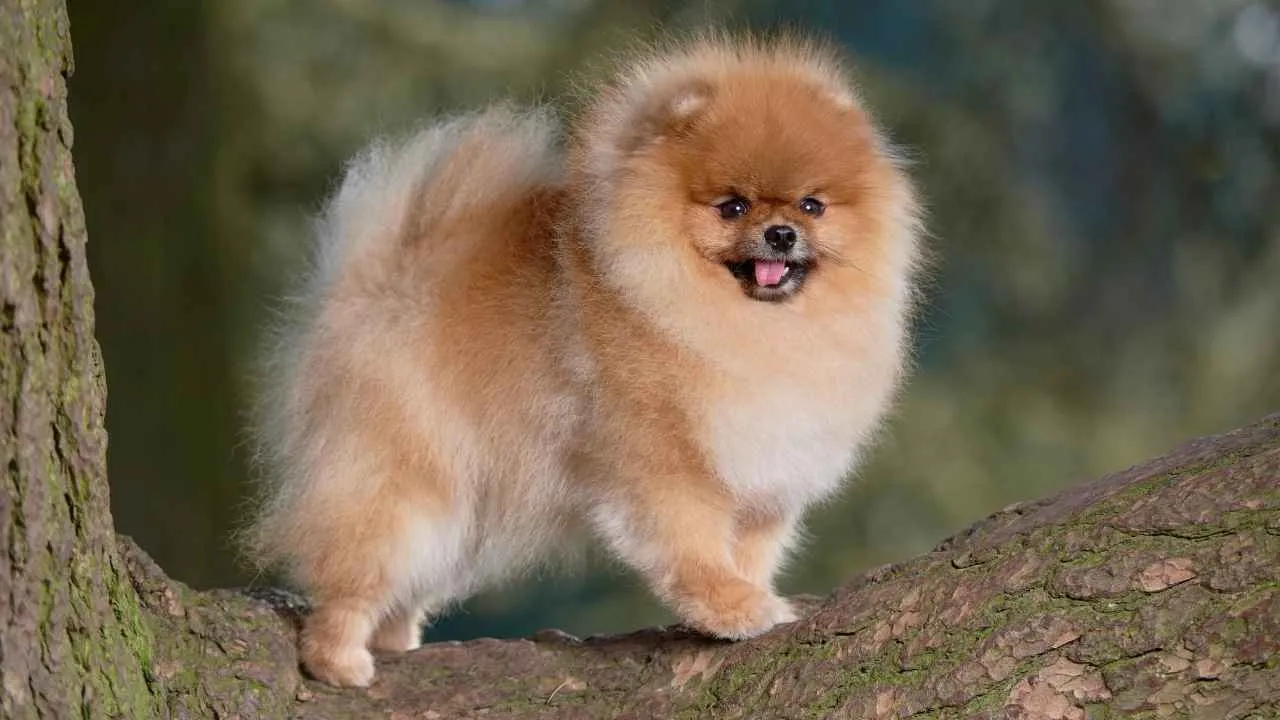
The Spitz-type dog was originally bred in Germany and Poland in the 19th century and was also kept by Queen Victoria. It was at the same time that the adaptable dog went through size reduction. Also known as ‘Pom,’ the small breed is typically kept as a companion and a watchdog, according to Hill’s Pet.
Despite just weighing a few pounds, the little dog has the confidence of a much larger dog. Its puppy-like features, such as its short muzzle, domed forehead, and big dark eyes, were kept by selective breeding. Its distinctive fluffy shape, which includes a lion-like neck frill and plumed tail, is created by its foxy face, upright ears, and thick double coat.
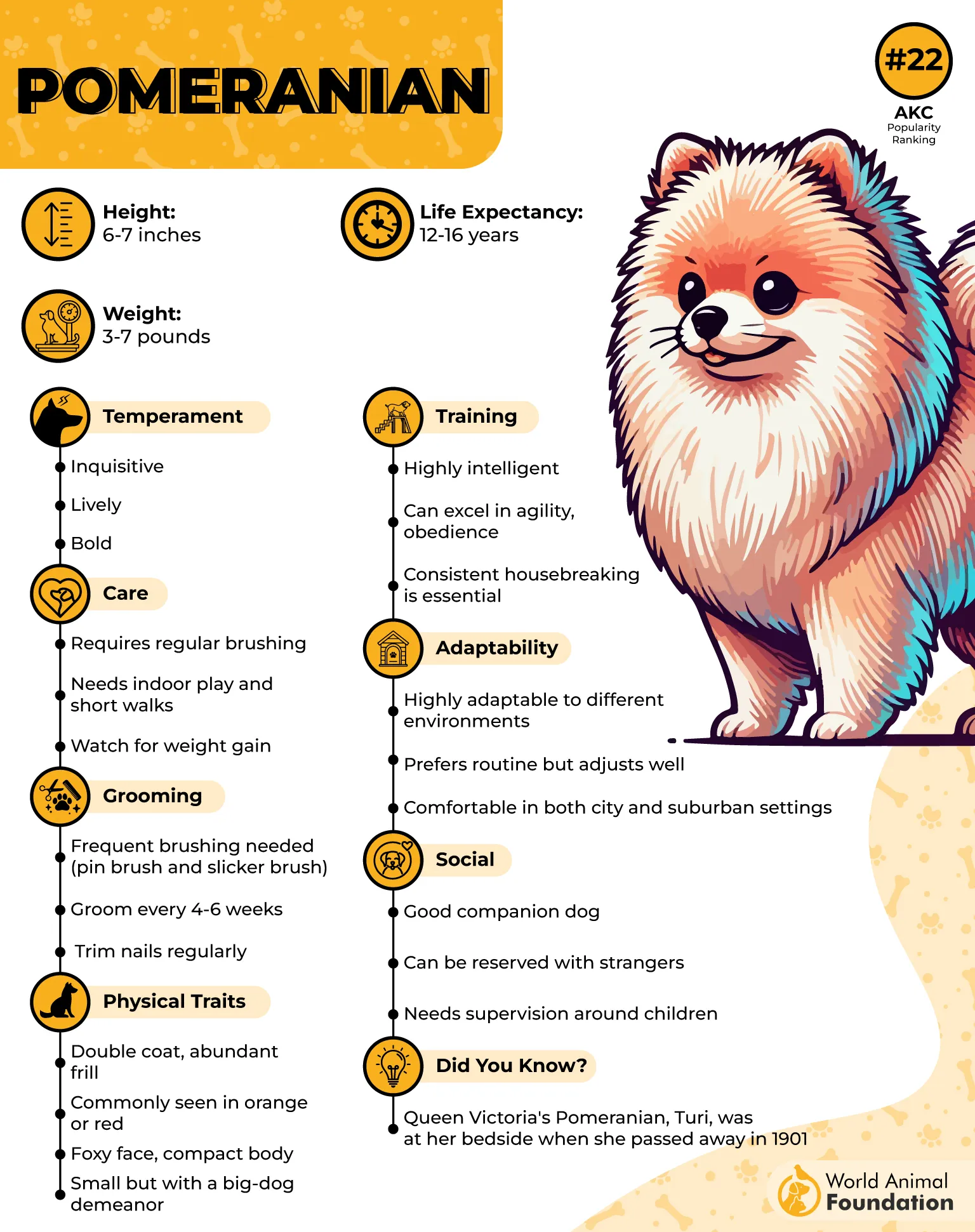
Pomeranian is an attentive, intelligent, and quick learner since it is descended from working Spitz dogs. When it is enthusiastic, it twirls, barks, and chirps before contentedly settling onto a warm lap. Use a chest harness instead of a collar to protect their tiny windpipes. Low blood sugar can also be avoided by eating small meals frequently.
2. Yorkshire Terrier
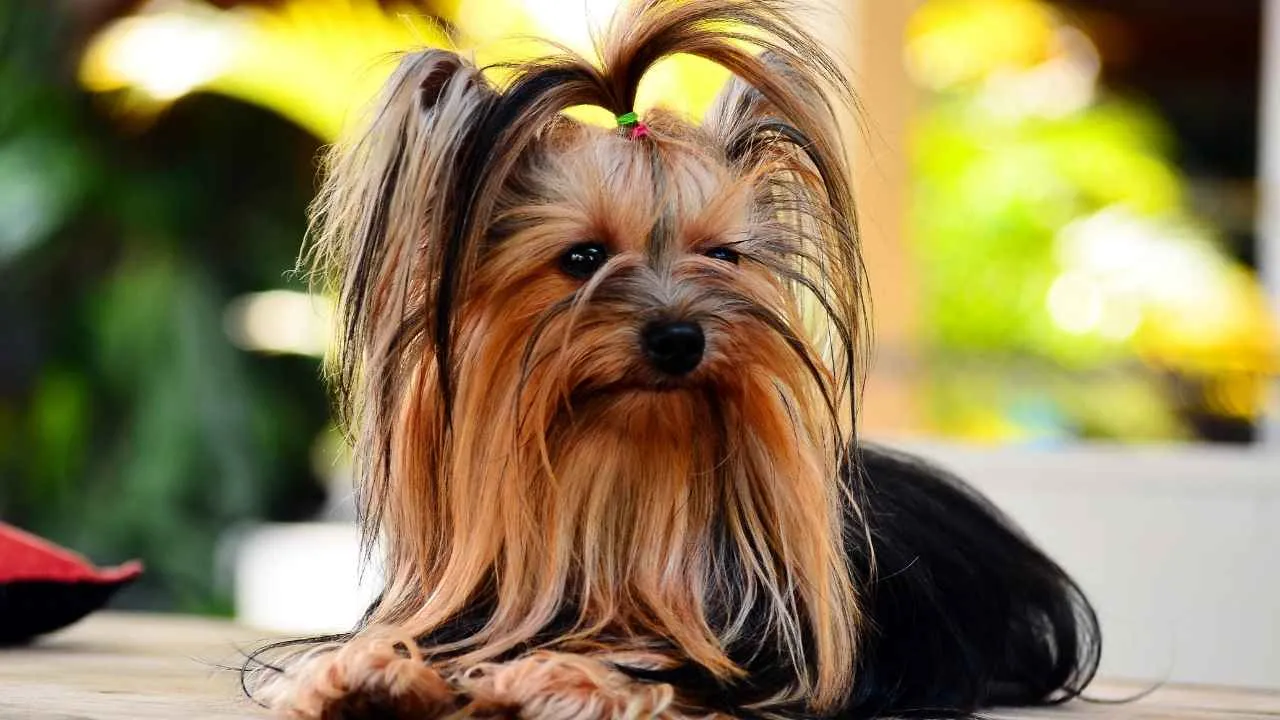
Also known as Yorkie, this active dog was developed by the Scottish weavers who arrived in the city of Yorkshire during the Industrial Revolution in the mid-19th century. The dog is known for its blue and tan silky coat that is trimmed short. Because of its small size, the tiny dog is ideal for apartment living spaces.
Its tiny frame, straight legs, and delicate bones make it a perfect choice as a lap dog, and its V-shaped ears, short nose, and large dark eyes give it a permanent youthful and adorable look.
The Yorkie, unlike other dogs, develops a single, silky coat that resembles human hair; a short puppy cut preserves this round-faced, soft appearance throughout life. As it becomes older, its coat also changes, going from black and tan to steel blue and golden brown.
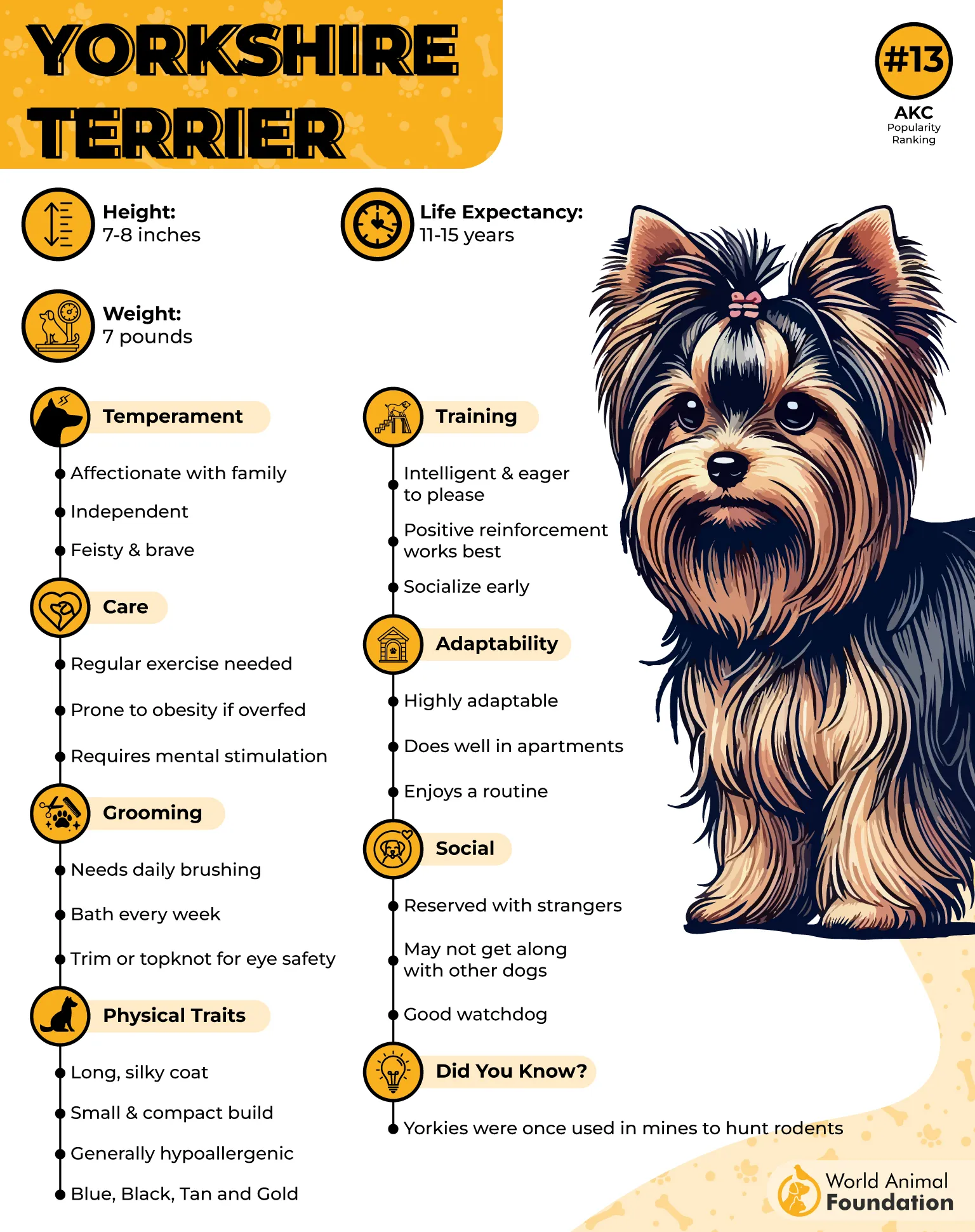
The affectionate breed chases toys with real intent and may attempt to dominate much larger dogs. It is bold, talkative, and quick-witted. Steer clear of “teacup” breeding and use a harness when walking them to safeguard their sensitive throats.
3. Toy Poodle
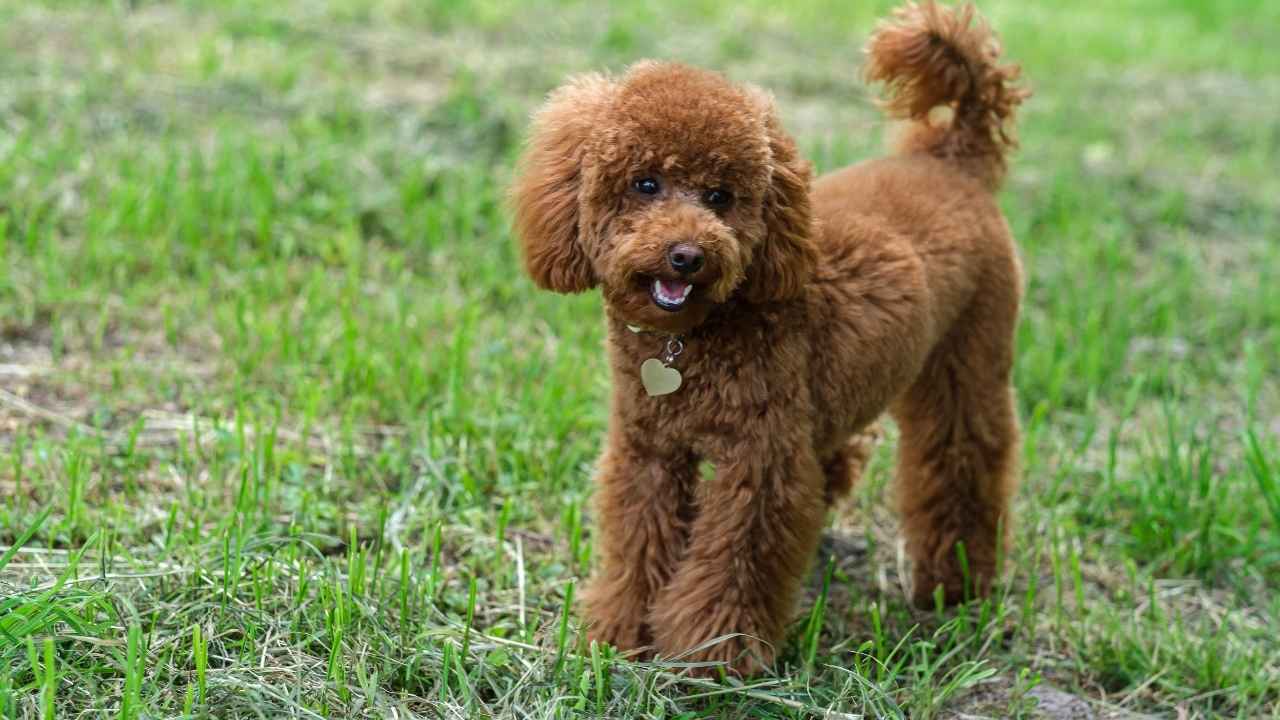
The ancestry traces back to the Standard Poodle, which was designed for duck hunting and was much larger in size. It was originally developed in Germany, and the name comes from a German word ‘puddlen, which means ‘to splash.’ The dog is widely known for its hypoallergenic coat, high intelligence, and eager-to-please nature, as reported by PetMD.
The little dog has a round skull, feathery ears, and dark oval eyes that maintain a soft, puppy-like appearance, and its thick curls grow constantly instead of shedding yearly.
Its small stature appears even gentler thanks to a rounded teddy-bear clip, yet its agile trot shows the athlete beneath. It is a quick learner, problem solver, and tends to learn tricks early because it is descended from working retrievers.
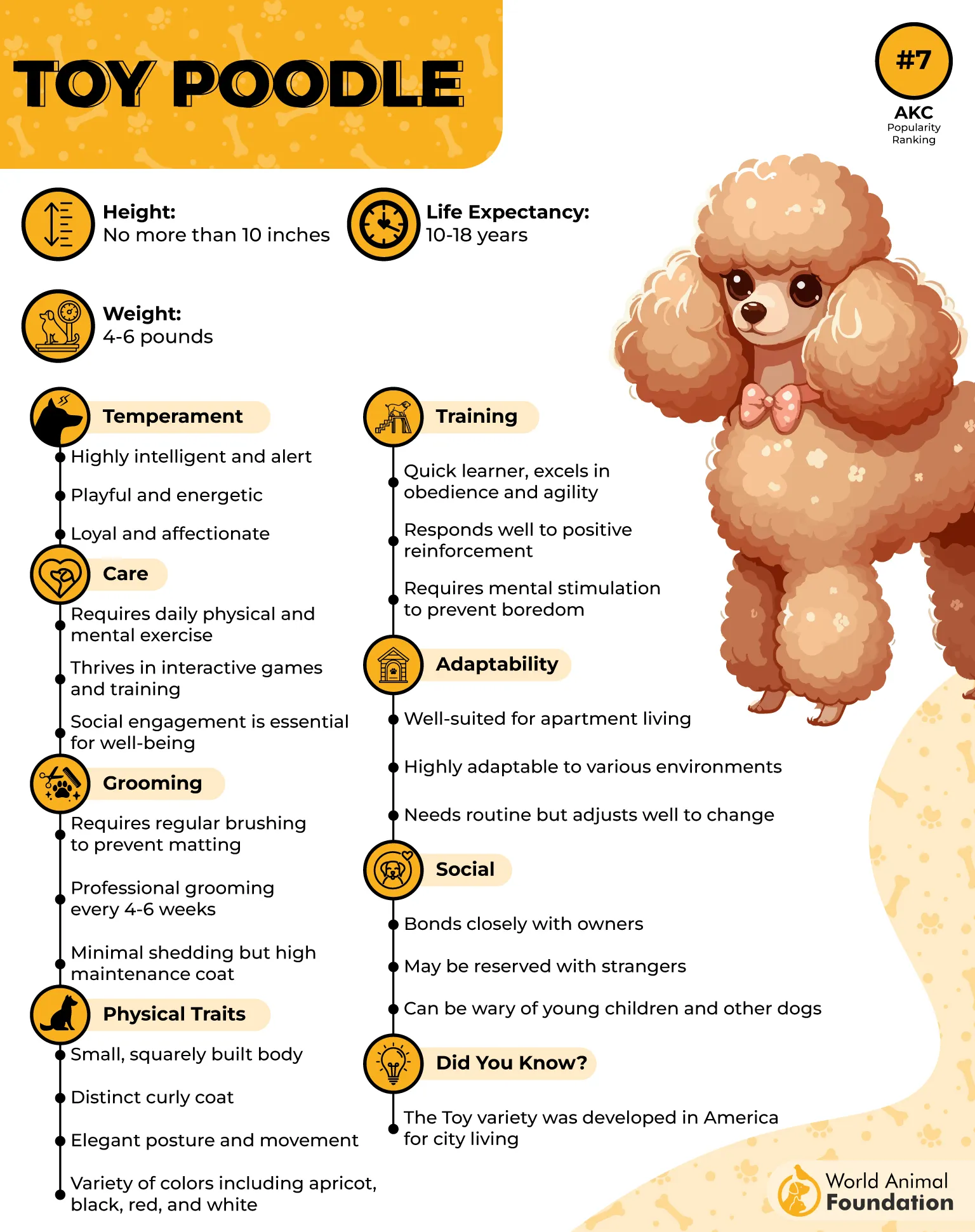
It used to be a well-liked circus performer because of its ability to jump, spin, and even walk on its hind legs. At home, it alerts the owner with a sharp bark, lays a chin against you when you feel low, and shadows its favorite humans. To avoid matting, its curly coat requires routine professional grooming.
4. Maltese
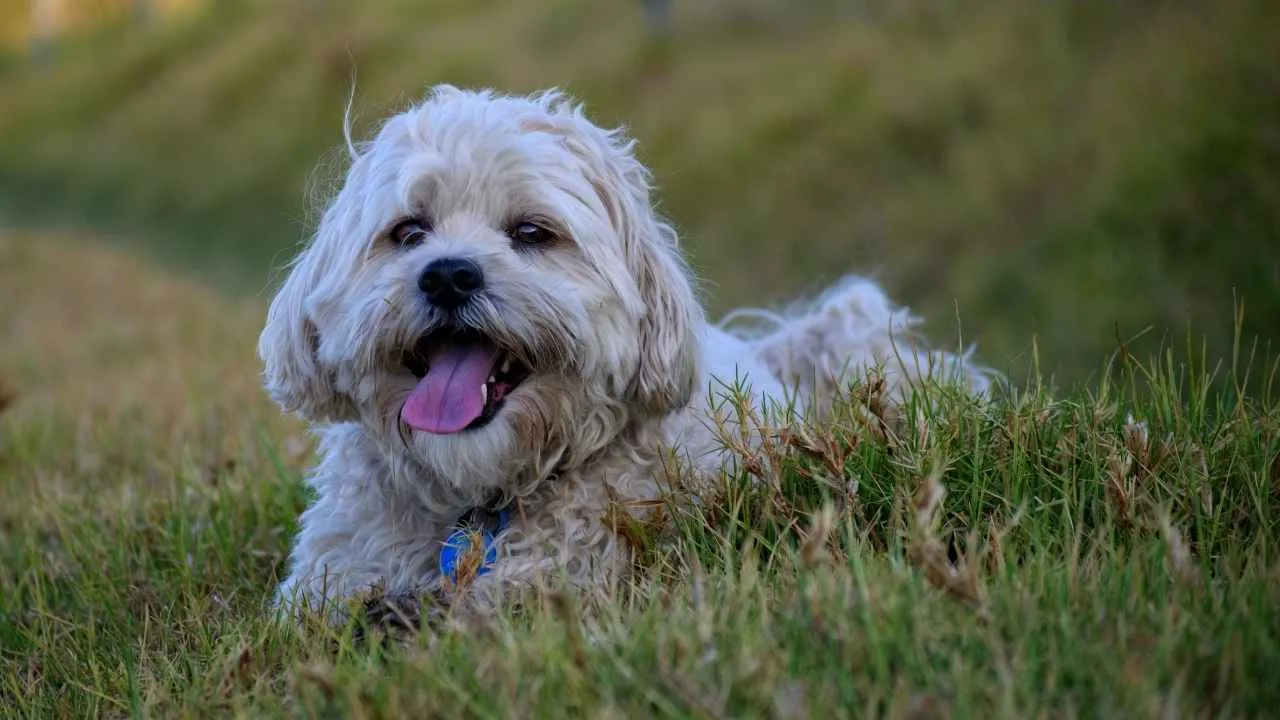
The history of this ancient breed dates back to 1,500 BCE, when the energetic breed was bred in the region of Malta on the Mediterranean island and is thought to have descended from the Spaniel or Spitz type dogs. The white dog breed arrived in the Western world in the 14th century through Britain.
The Maltese resembles a living cloud, yet beneath its flowing white coat lies a fearless young athlete. Its small legs, plumed tail, and low-set feathered ears give it an elegant, gliding gait when its coat is full.
It needs small, high-calorie meals to prevent low blood sugar since its tiny body loses heat quickly. The velcro dog still enjoys intimate contact, warm laps, and soft pillows, which were traditionally maintained as comforters by nobility.
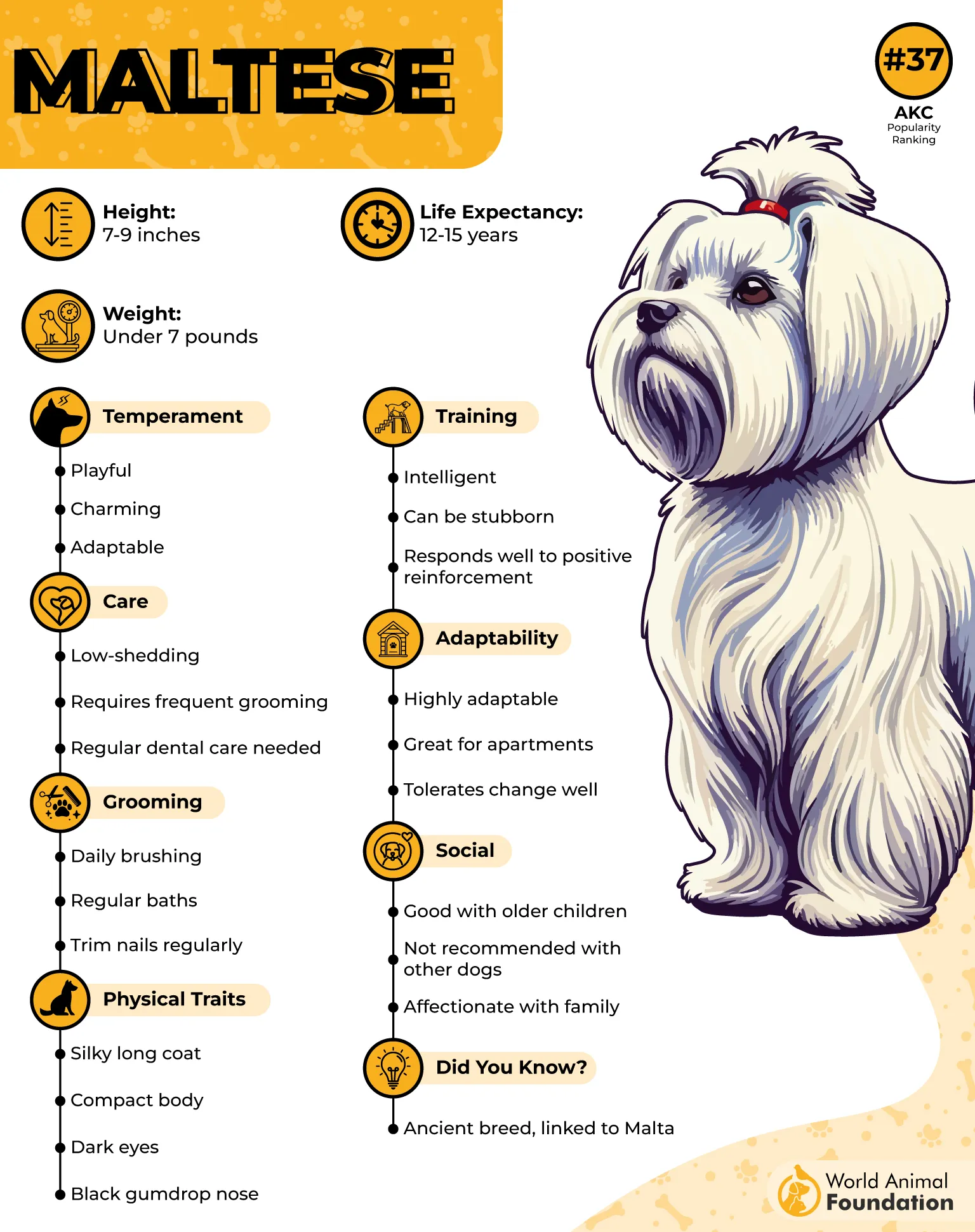
It has an energetic personality, and it welcomes family with full-body wags, follows its person from room to room, and maintains a playful affection for tug toys well into adulthood. It may exhibit unexpected bravery in the presence of bigger canines and strange noises, despite its dainty appearance.
5. Chihuahua
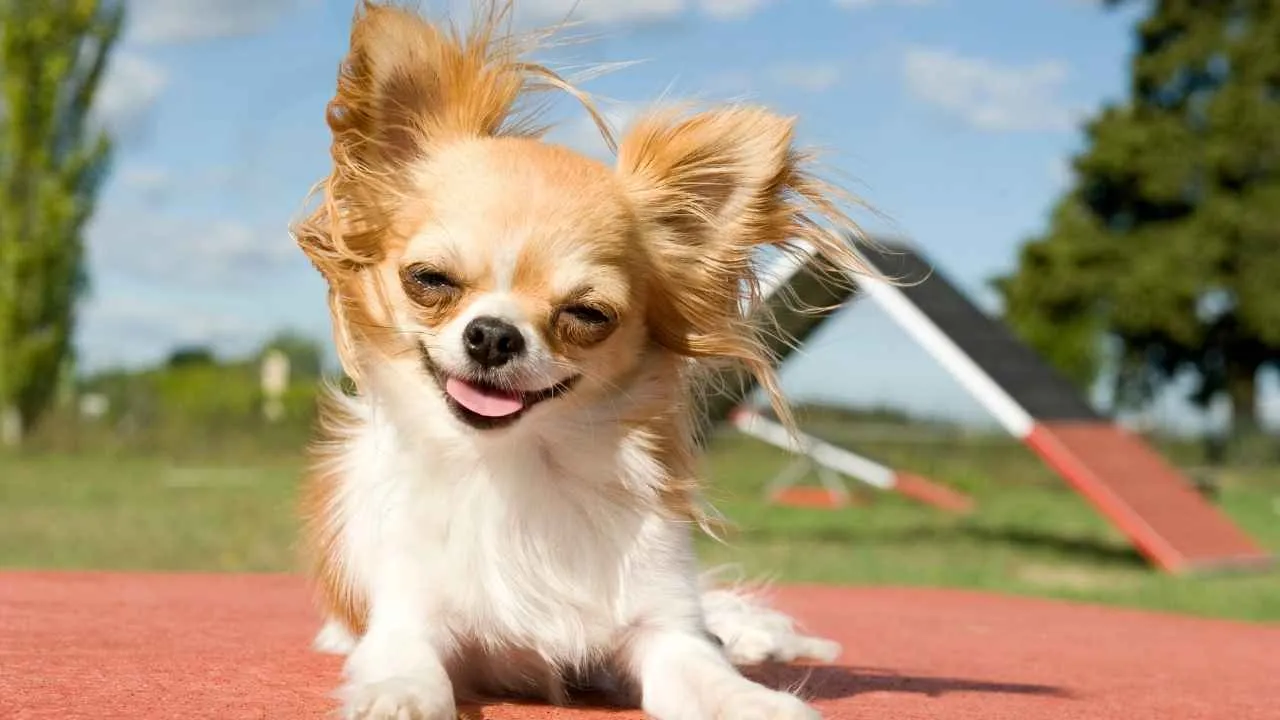
Also known as the Chihuahueño, the toy breed is the smallest dog in the canine kingdom. The affectionate companion has some of its genetic lineage from the pre-Columbian indigenous American dog. The fun-loving dog was formally recognized in the 20th century, according to Wikipedia.
The breed’s large and expressive eyes, small nose, and rounded apple-shaped cranium all have puppy-like proportions that naturally appeal to our caring tendencies.
Many have a molera from birth, which is a soft place on the skull that may go smaller with age; however, the adult dog may still have a tiny opening. It burrows beneath blankets, follows sunbeams across the floor, and curls up against a favorite person since its tiny body spends energy quickly and loses heat quickly.
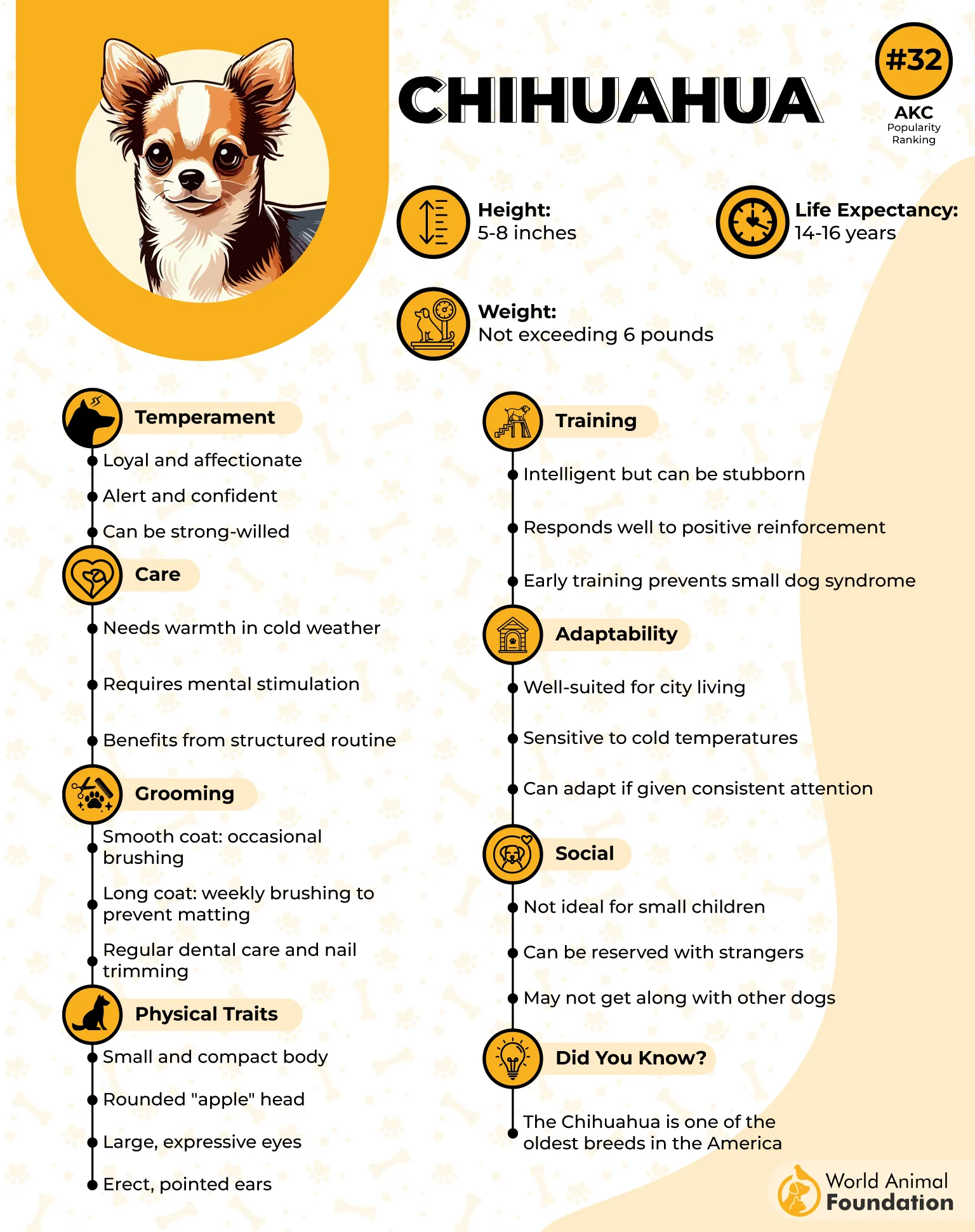
Its loud bark makes it a tenacious little watchdog, and its large ears swivel independently to monitor disturbances in the home. It frequently forms strong ties with a single individual and values ongoing intimacy above solitude.
6. Toy Fox Terrier
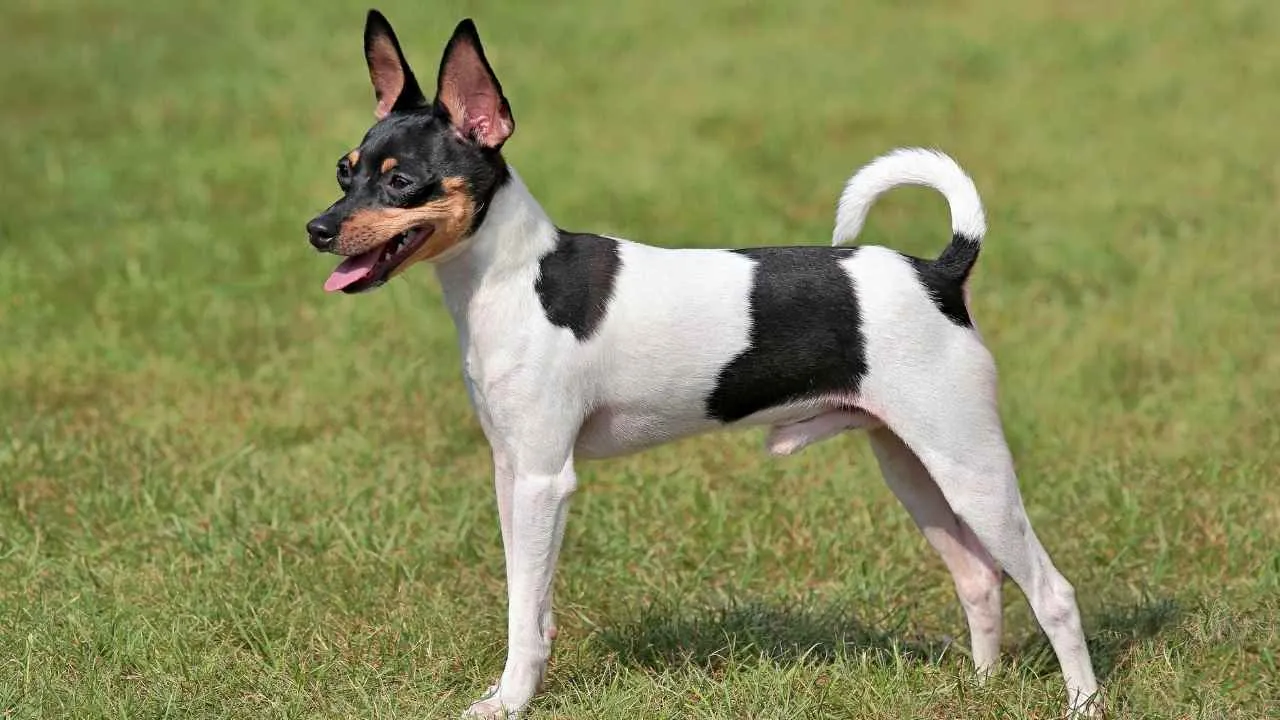
Closely related to the large Smooth Fox Terrier, the Toy Fox Terrier was developed in England centuries ago for rodent hunting. However, the ancestors were used to hunt and kill foxes. These dogs were crossed with the Chihuahua and the Italian Greyhound to create the TFT we know today.
It is a little clown with terrier guts. When alerted, its tail is held high and straight up, making for a perky, confident silhouette. A former trick dog in traveling circuses.
Loves to perform. Jumping, spinning, learning routines, showing off for an audience. Its large ears swivel independently to listen for any sound, and bursts of “zoomies” reveal its former life as a barnyard rodent hunter.
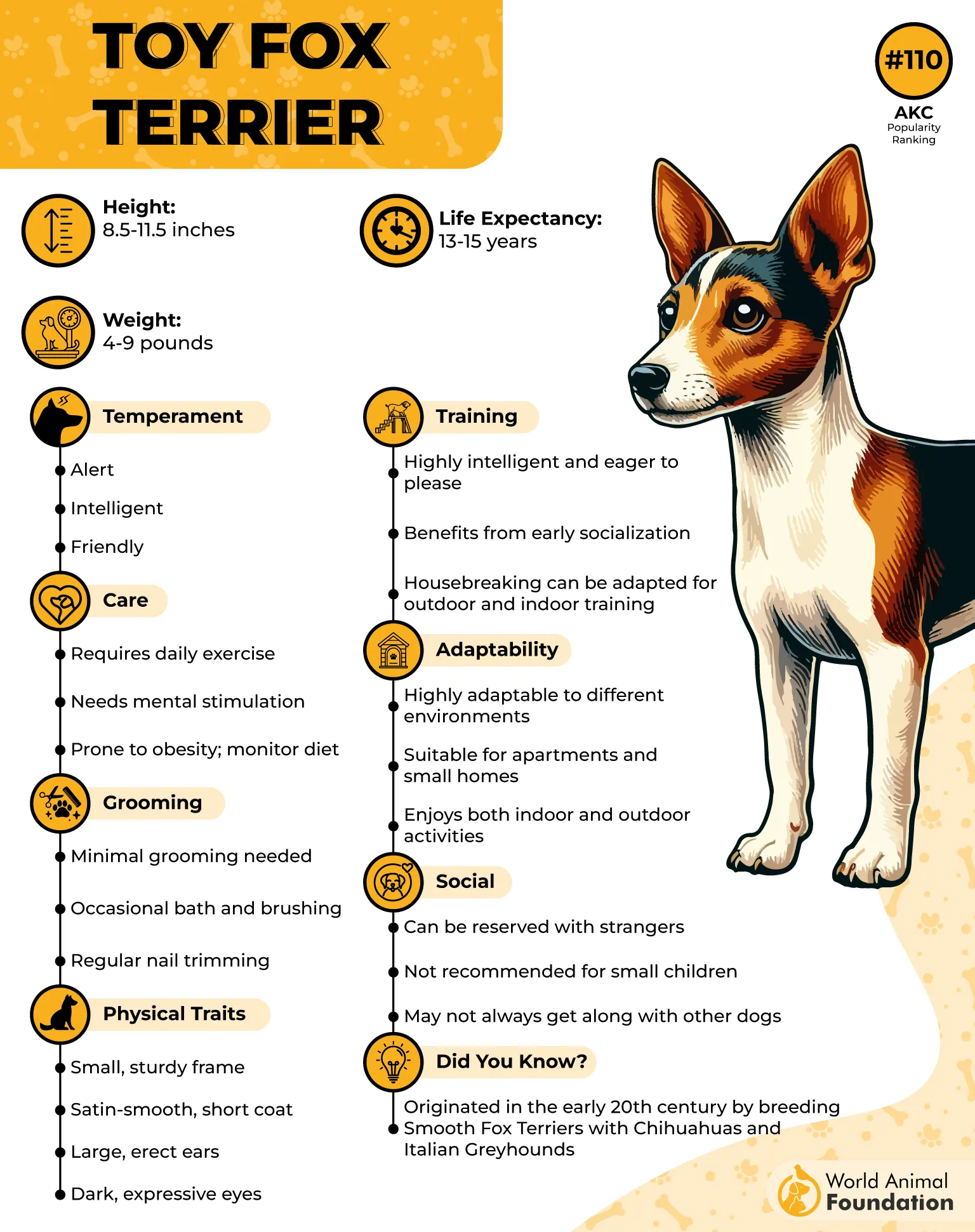
The breed forms strong bonds with family members, follows them about the house, and often steals a warm seat the moment it is vacated. Thin coats and little body fat it looks for blankets and laps for warmth, settling into long, gentle cuddles.
7. Pug
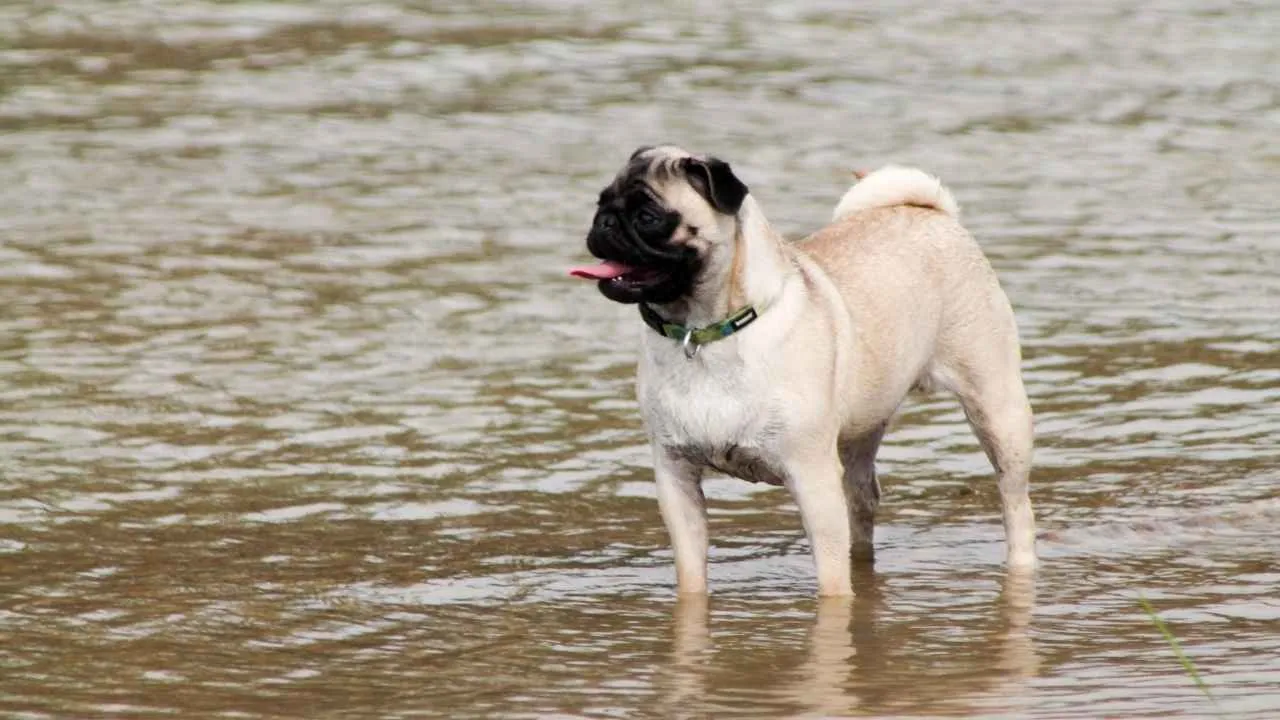
The breed entered Europe from China in the 16th century and gained popularity with the House of Stuart and the House of Orange of the Netherlands. Queen Victoria had a passion for the little dog, and she even passed on the dog to other members of the royal family. The breed has an even-tempered personality.
A big round head, short muzzle, widely spaced dark eyes, and deep forehead wrinkles make a baby-like face few can resist. These forehead creases were admired in Chinese history for being like the character for “prince”.
A tightly curled tail (sometimes a double curl) and soft folded ears complete their signature look. The breed does not bark all the time, but communicates with snorts, grunts, snores, and expressive head tilts.
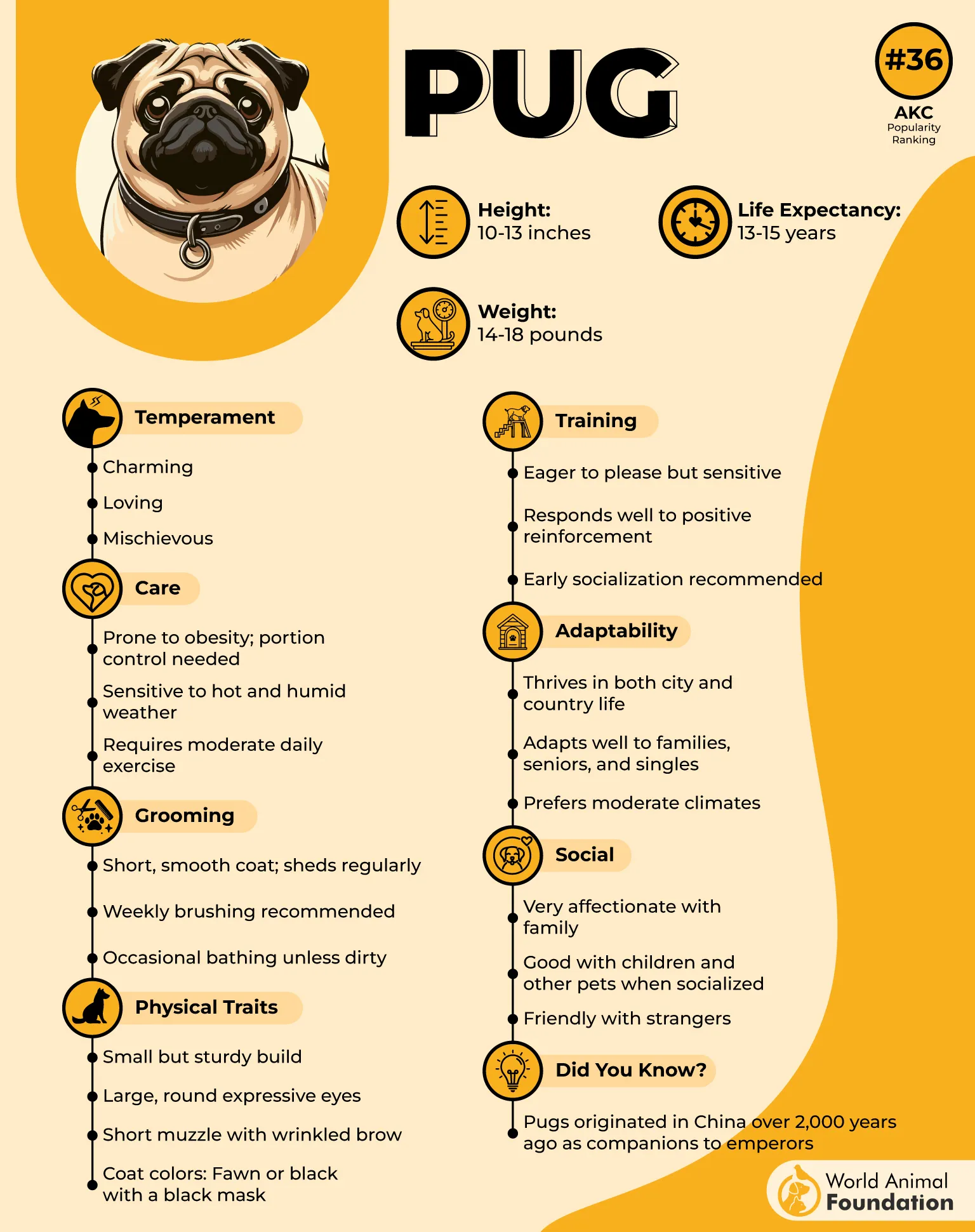
It’s a gentle, food-motivated clown that easily adapts to the pace of a household, happy to join you on a short walk and then nap beside you for hours. Portion control and careful exercise are important because of shorter airways and a tendency to gain weight.
Conclusion
The right little dog should fit your daily life, not just the empty spot beside you. Before choosing, picture an ordinary Tuesday. Who handles the morning walk? Is there room in your budget for care? Will you still welcome that eager face when work runs late and dinner burns?
Let those answers guide you beyond the puppy photos. Meet the dog when possible, ask honest questions, and give yourself time to decide. There’s no prize for picking the tiniest pup, and your couch certainly isn’t keeping score.
What matters is building a home where your companion feels safe, understood, and wanted. That bond is the part worth making room for, long after the new dog excitement settles into everyday life.
