




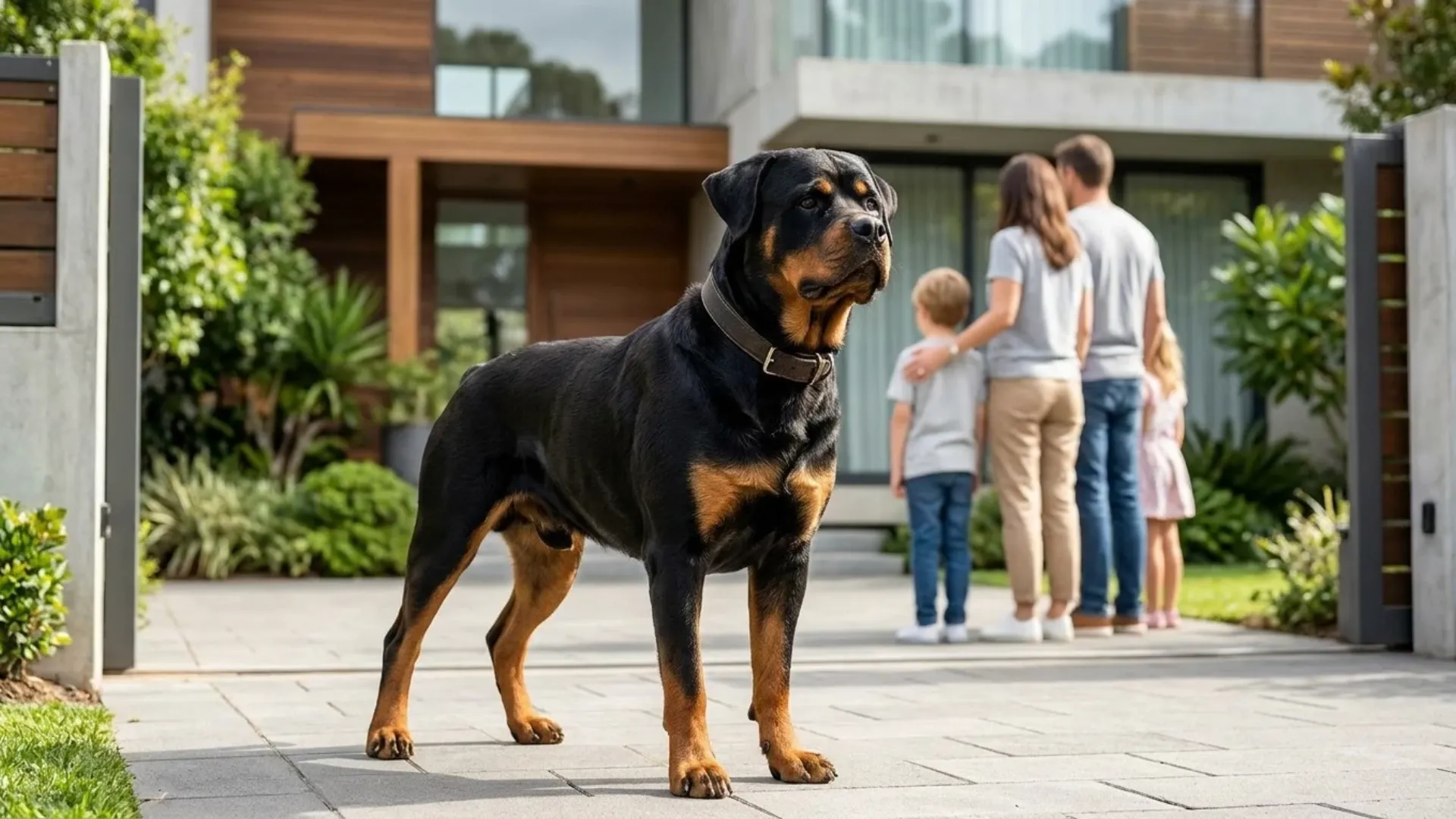
A safe, happy home matters to every family, and a dog can bring a real sense of comfort to it. Some breeds are naturally loyal and caring. They’re strong and protective, yet loving and smart, and that mix of sturdy build, patience, and intuition is what makes them special.
Size and strength shouldn’t be the only things you look at in a family protection dog. These breeds can be powerful and still make very loving companions. To be reliably protective, though, a dog needs proper socialization, and the family needs to understand its needs and provide the right training. Here are some of the best family protection dogs.
Fun Fact
According to The Guardian, a panel of former burglars revealed that nothing discourages a break-in faster than visible CCTV cameras and a loud, barking dog.
Most Powerful Dog Breeds Built to Guard Families
1. Cane Corso
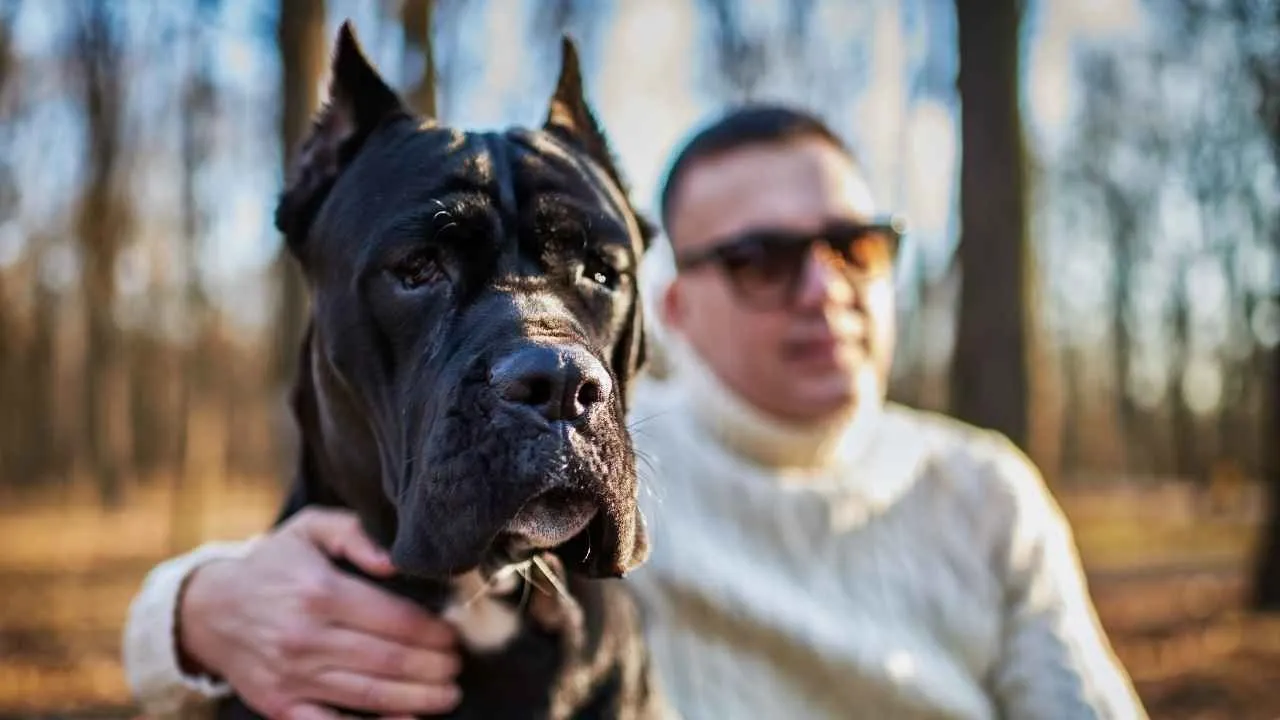
The Cane Corso has a muscular, heavy body and a naturally serious expression. They’re said to descend from war dogs in ancient Rome and later became valuable farm dogs, guarding and herding livestock. That history still shapes their temperament today.
Cane Corsos are much more than big dogs who nap around the house. They have real needs, including training and long walks for exercise, and they do best when those needs are met.
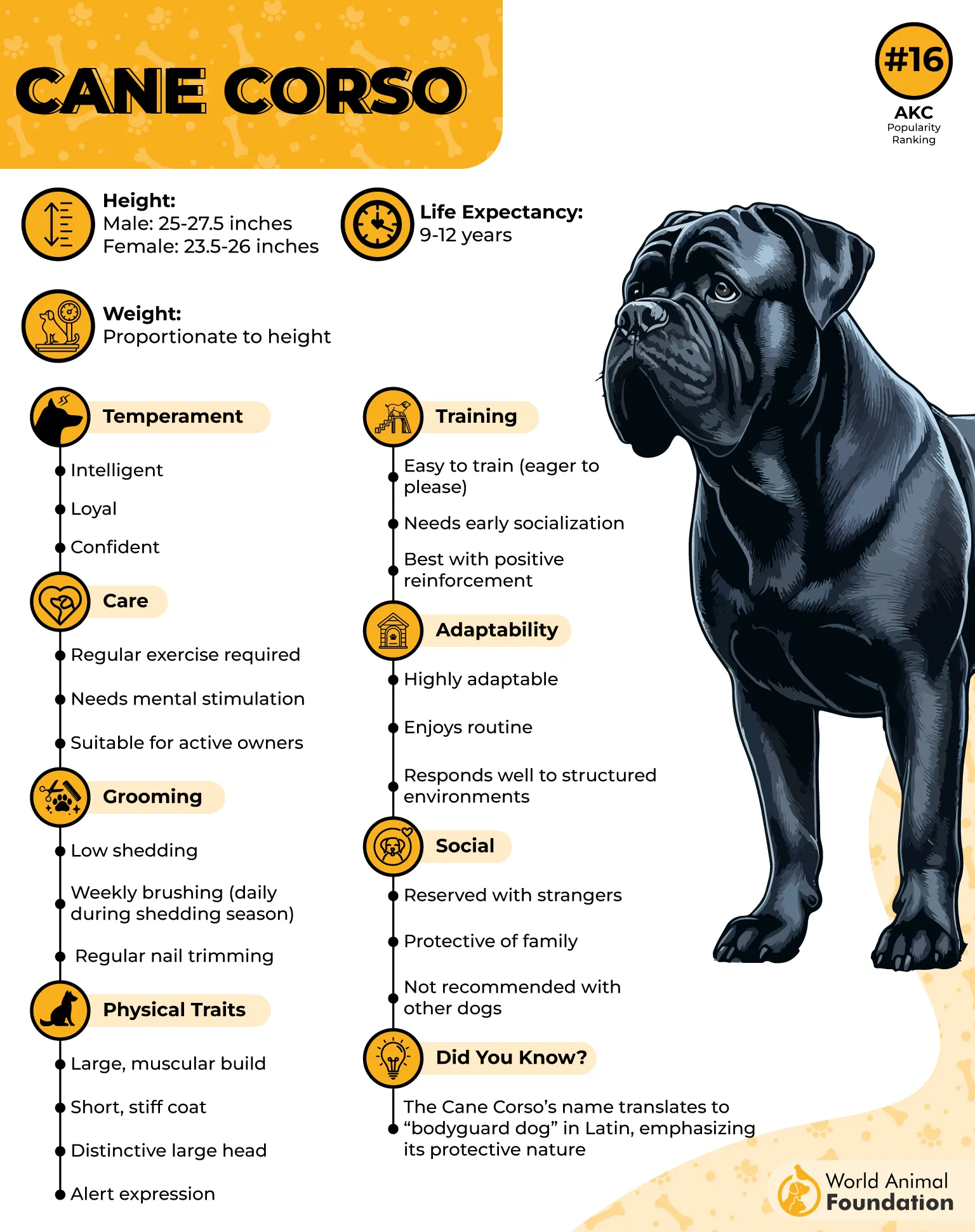
Corsos are naturally alert, confident, and reserved with strangers. Rather than acting impulsively, a well-bred Corso sizes up a threat calmly, and it stays deeply affectionate and gentle with its own family. As an eager-to-please working dog, the breed picks up commands quickly and thrives when it has structured tasks or mental stimulation.
PDSA describes Cane Corsos as large working dogs closely related to mastiffs, and it also points to their farm guard and livestock work origins. They need plenty of daily exercise, consistent training, and a confident handler.
2. Rottweiler
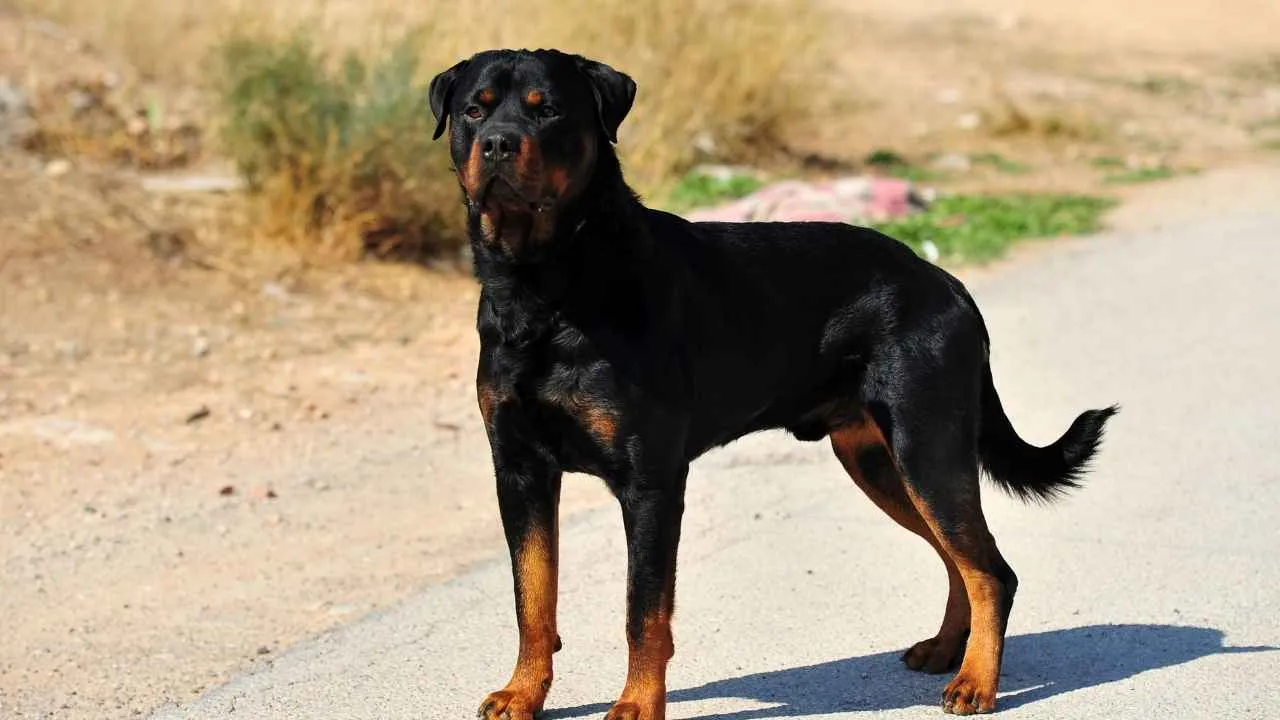
Rottweilers have a large head, a powerful neck, and a muscular body, which gives them an impressive presence. They descend from the working dogs of the Roman legions and later became useful farm dogs, herding cattle and guarding property.
Though a Rottweiler can look serious, it is devoted to its family, affectionate, and often quite playful. With strangers, though, it tends to be wary until they’ve earned its acceptance.
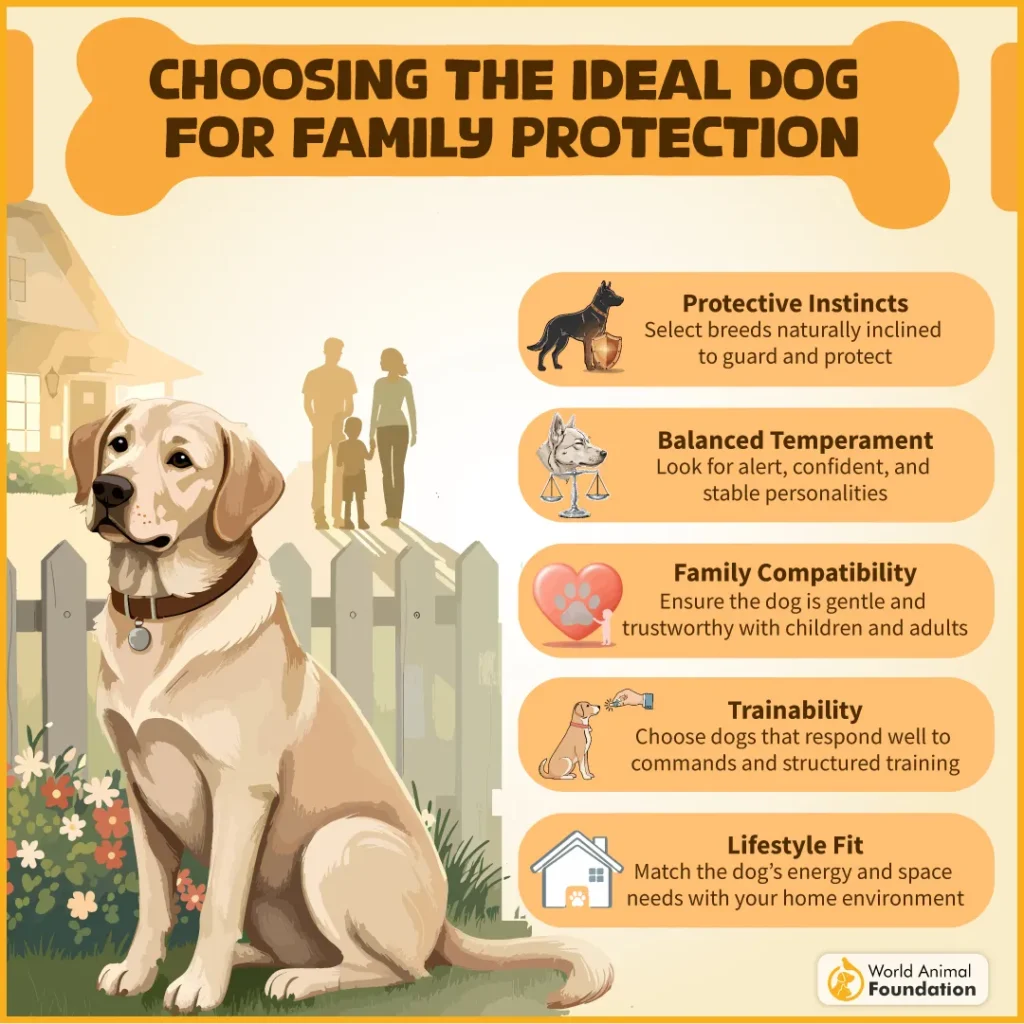
Their size and calm demeanor often deter threats before anything physical happens. Ranked among the most versatile working breeds, they excel in police work, search and rescue, and obedience.
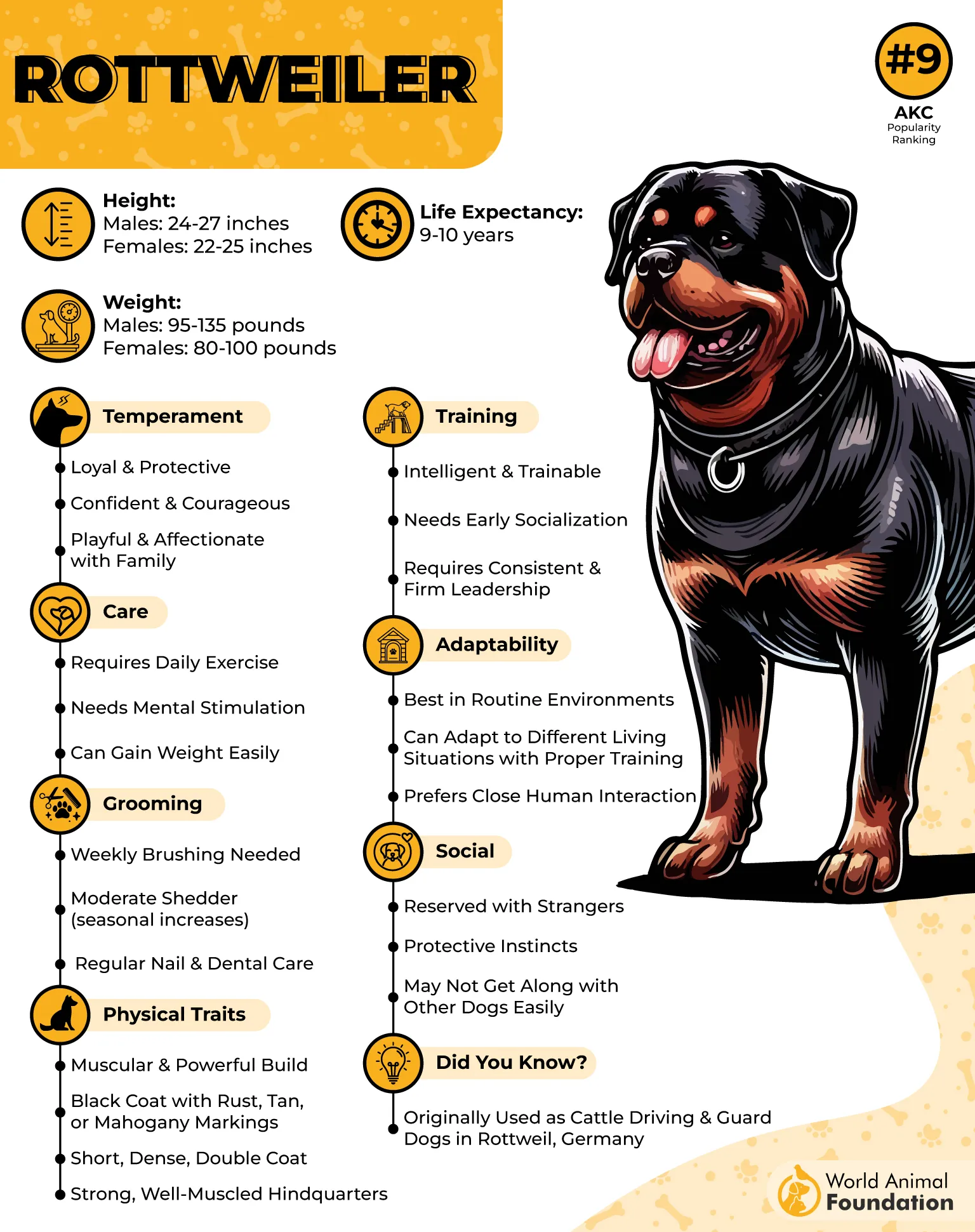
Rottweilers have a black and tan coat, and their muscular frame hints at their working past. They make devoted, protective companions, but they stay suspicious of strangers. Obedience classes and a consistent owner make all the difference. Daily exercise and structured tasks also help prevent boredom, leash pulling, and overly territorial behavior.
3. Bullmastiff
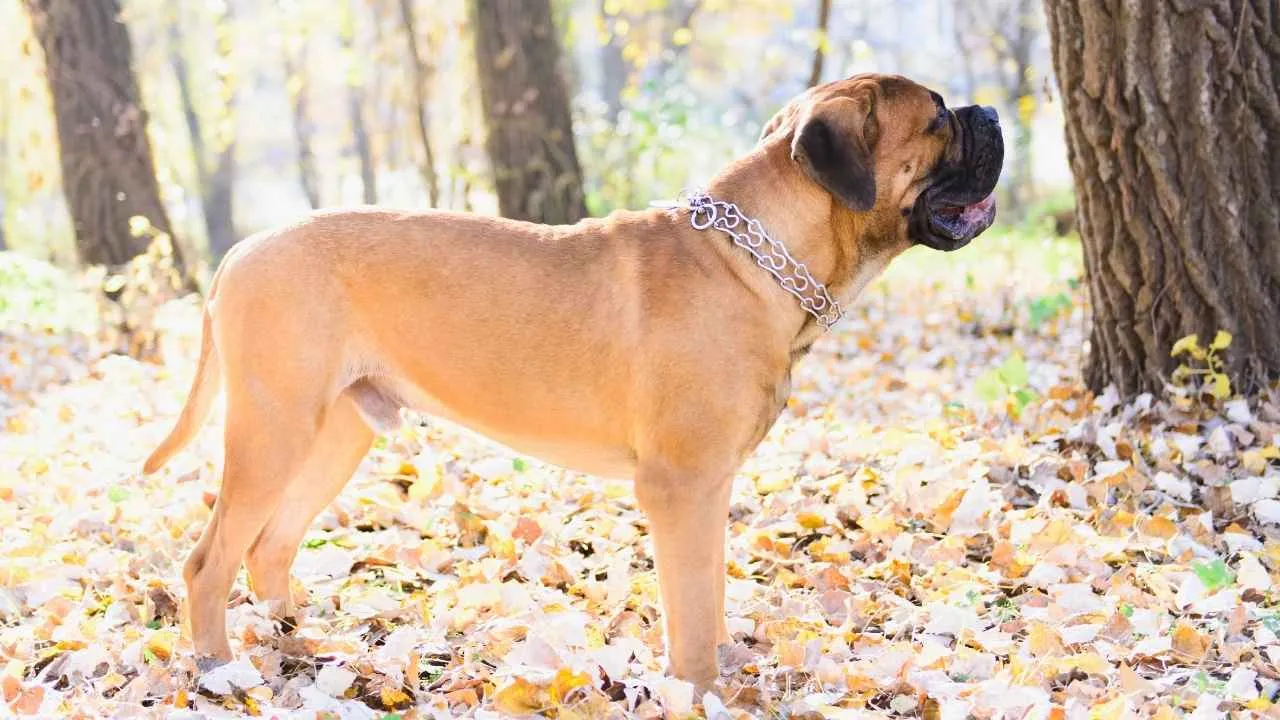
The Bullmastiff has a strong, muscular build, a broad head, and an air of serenity. They were originally developed to help estate gamekeepers ward off poachers, and these large dogs protect property and people simply by standing their ground and keeping strangers from getting close.
Unlike traditional attack dogs, Bullmastiffs were bred to knock intruders down and hold them in place without biting. That controlled restraint is still a defining trait in modern family companions.
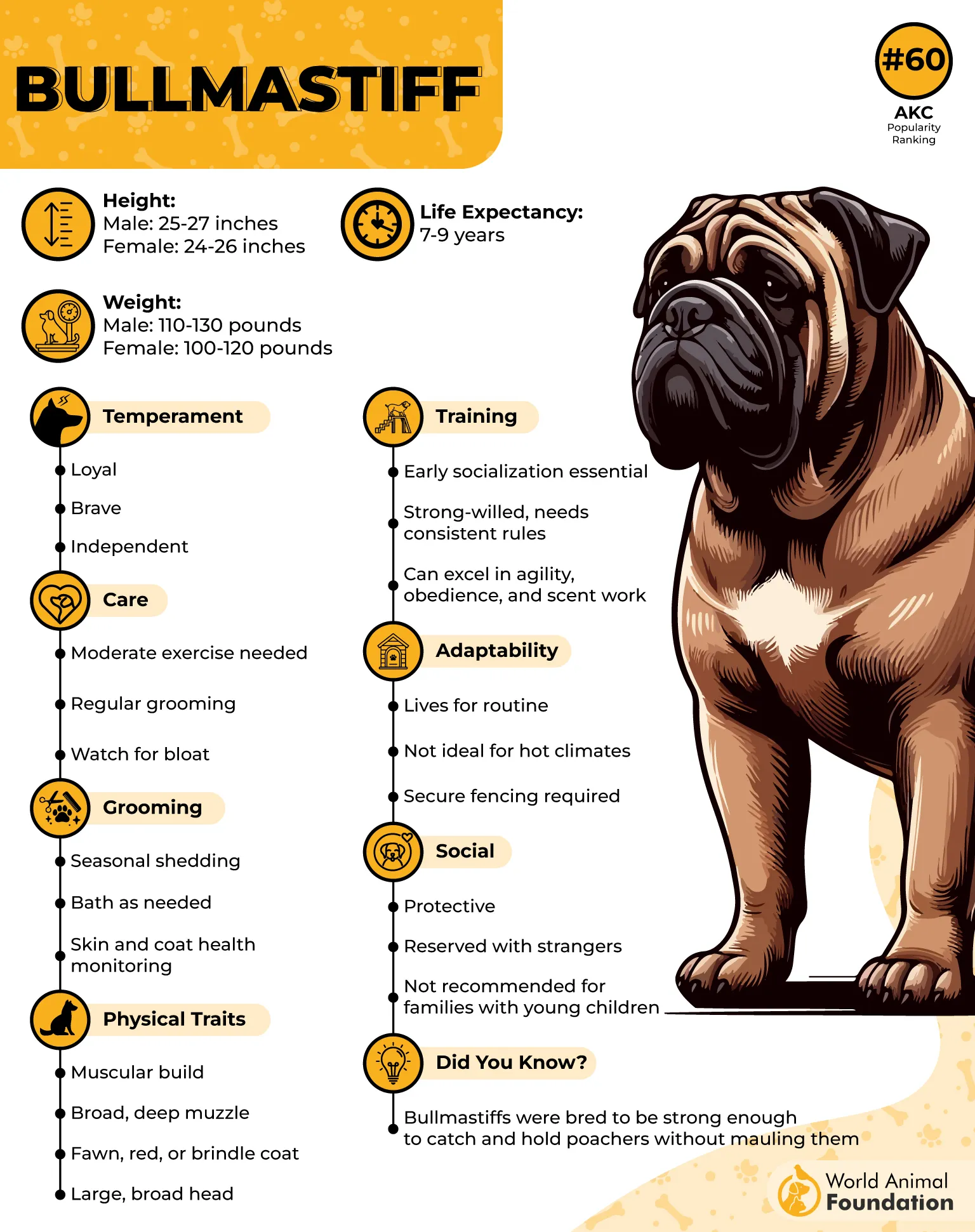
Indoors, Bullmastiffs tend to be docile, cuddly, and laid-back. Many prefer quiet time with their loved ones to lots of daily activity. Their physical strength calls for some discipline and early training, including obedience commands, good leash manners, and careful introductions to children and other pets.
The Bullmastiff is a large, short-coated dog with an assertive but sweet temperament. Purina notes that they were bred to guard estates and game preserves. Their strength means they need disciplined handling, along with moderate daily activity and regular socializing.
4. Doberman Pinscher
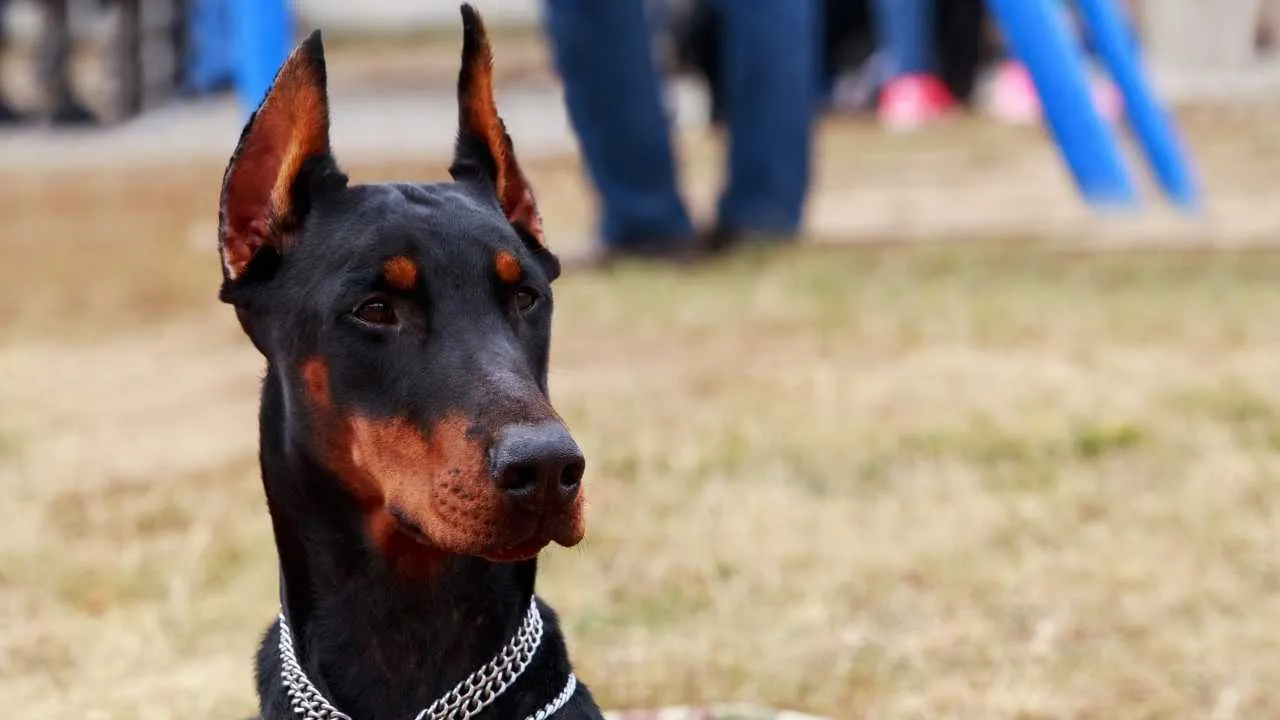
The first things most people notice about a Doberman Pinscher are its deep chest and athletic frame. Then they see how alert, intelligent, and fast the dog is. Those traits quickly won over the police and military.
For all of its “guard dog” reputation, the Doberman makes a loving family pet. It will certainly bark at the doorbell or a stranger walking down the sidewalk, but that shouldn’t be mistaken for aggression. It’s simply a dog that’s closely tied to its family.
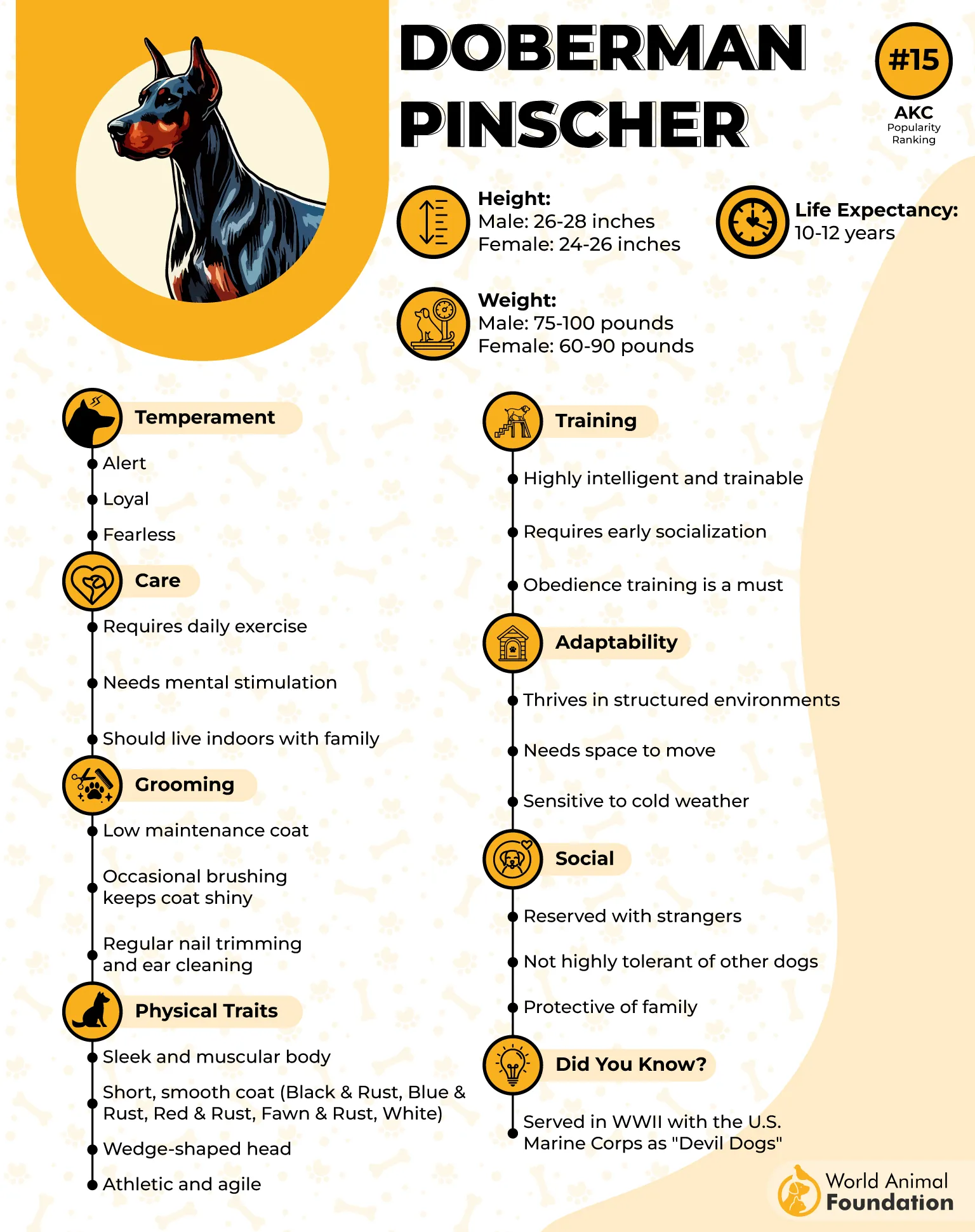
Dobermans are medium-large working dogs, athletic, alert, and fiercely loyal. They have a long history of protecting households and working with police and the military. Owners need to put real effort into exercising and stimulating the dog, and into socializing the puppy so it grows up confident and trusting.
Ranked among the smartest dog breeds, Dobermans learn new commands quickly and respond well to structured obedience. That mental sharpness lets them assess a situation instead of reacting with blind aggression. They don’t do well when left alone in a backyard or kennel for long stretches. They thrive indoors, as an active part of daily family life.
5. German Shepherd
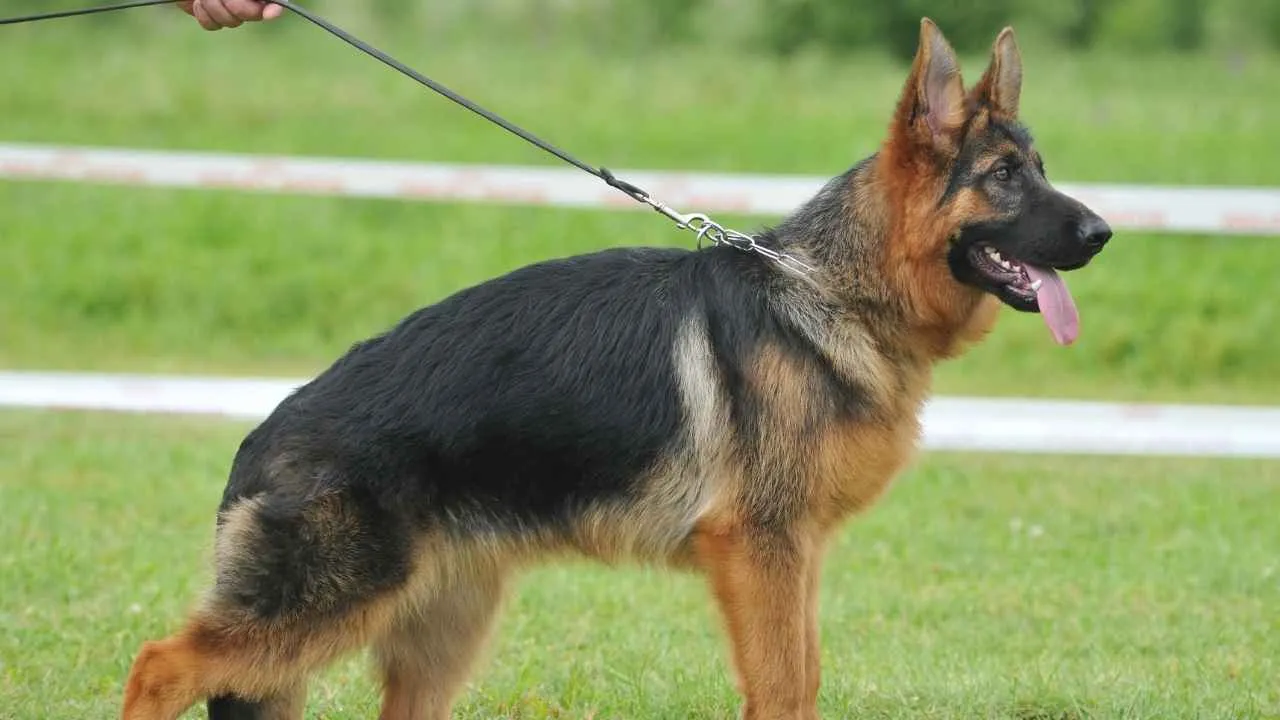
Everyone knows the German Shepherd as a trustworthy working breed. Its muscular, large build and alert eyes give it a commanding, confident look. German Shepherds are also extremely intelligent, and they’re one of the most popular breeds for personal protection, police work, and search and rescue.
What makes the breed special is how it balances strength and courage with real affection for its owner. These dogs form very strong bonds. German Shepherds make wonderful family pets and stay wary of strangers, as a good guard dog should, and proper obedience training makes them a great addition to the family.
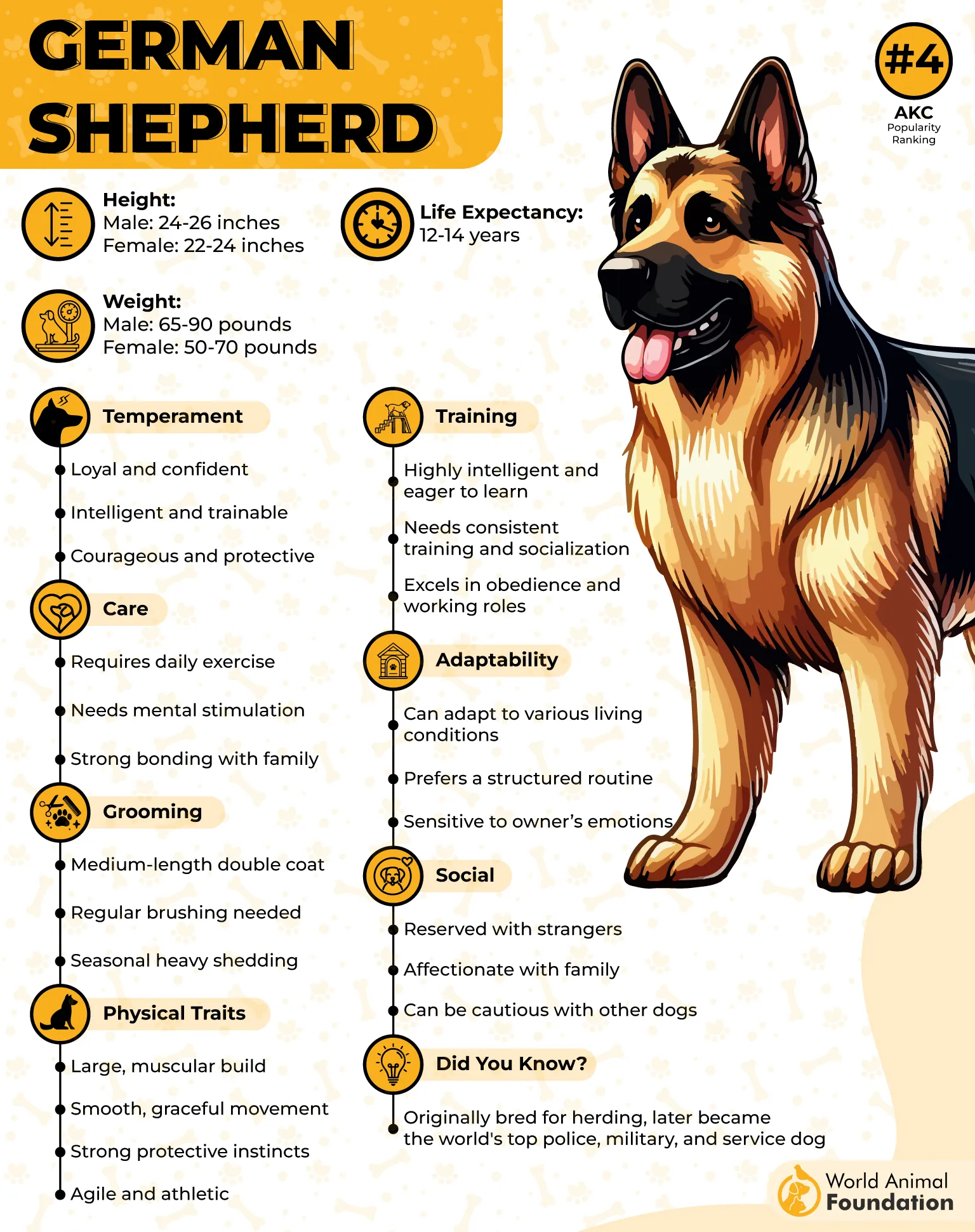
Exposing a puppy to different people, places, and sounds helps it grow up confident rather than fearful or overly reactive. Because of their strength and intelligence, German Shepherds suit owners who provide clear structure, leadership, and ongoing obedience work.
The AKC describes the breed as a mix of confidence, courage, and a steady demeanor, along with a willingness to defend loved ones. With daily exercise, training, and early socialization, they can become trustworthy working family companions.
6. Caucasian Shepherds
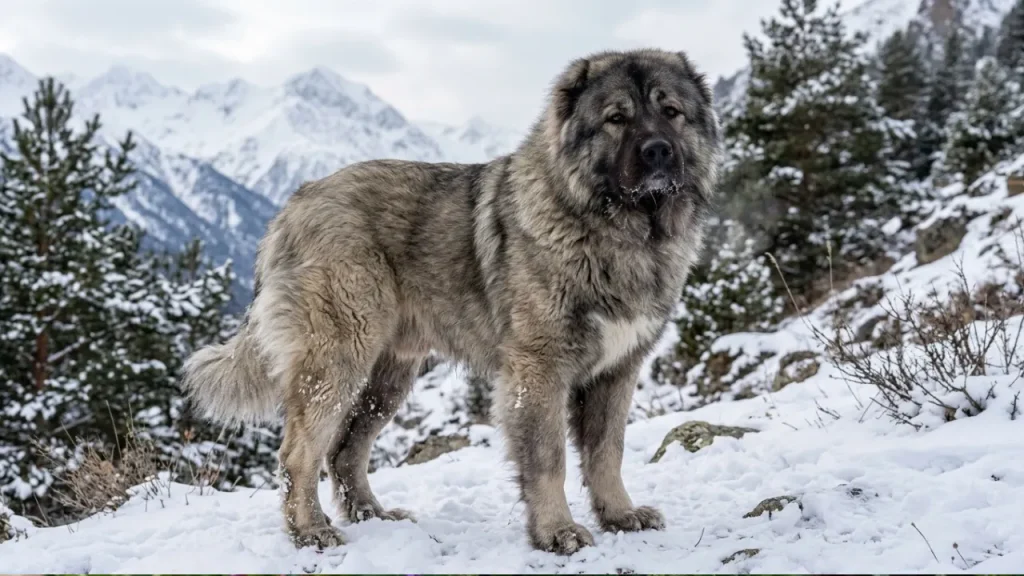
Caucasian Shepherds come from the Caucasus Mountains, between Europe and Asia, and are huge working dogs with very strong bodies and thick coats. They spent generations guarding livestock and their owners’ property, which is why they become extremely alert and active whenever they feel the need to protect.
They can be gentle with people they’ve known for a long time, but they’re very wary of strangers. They’re also headstrong and can be slow to learn or refuse commands, so harsh or unpredictable training methods are a bad idea.
Thick, powerful, and strong, Caucasian Shepherds form lifelong, protective bonds with their families. That bond, along with their strong protective instincts, drives their territorial behavior. Ideally, their handlers are experienced and offer consistent, patient, positive training and plenty of social interaction.
They aren’t suited to apartment or purely indoor living. They do best on a large, securely fenced property where they can patrol.
7. Boerboel
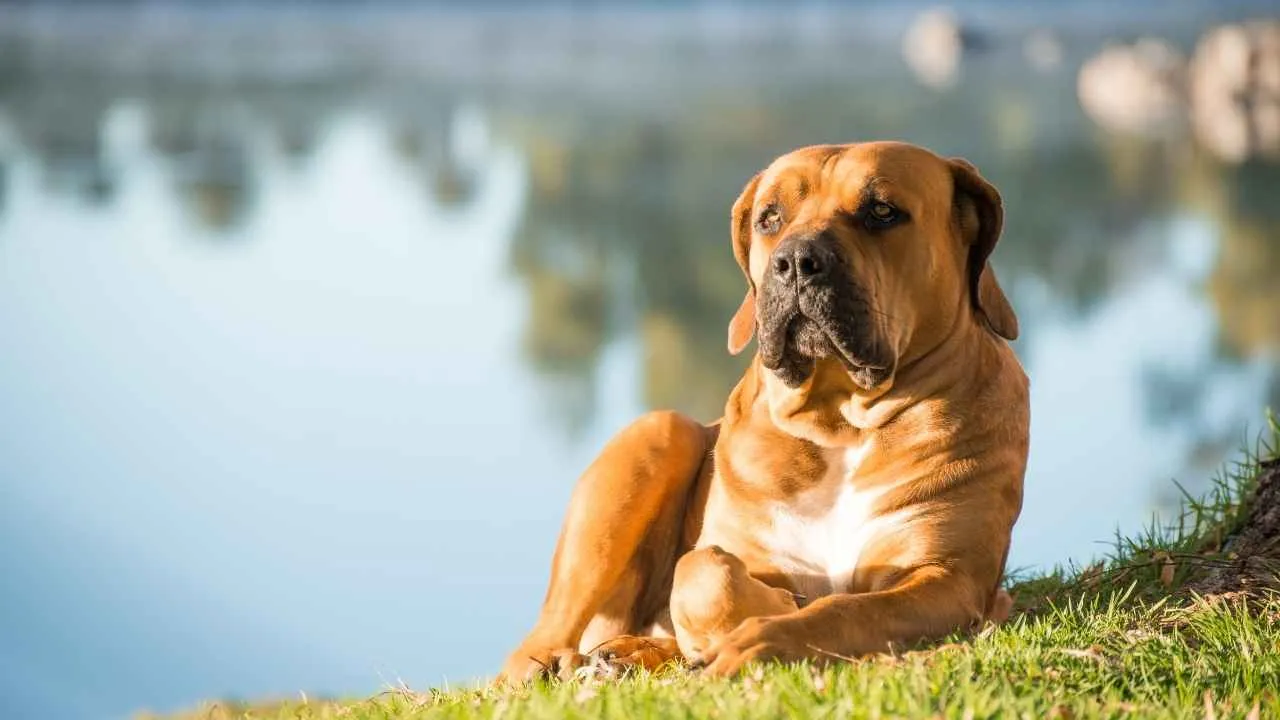
Boerboels were created to guard farms and livestock against predators. They have a large, broad head and a powerful, imposing presence, yet they’re calm, gentle, and affectionate with their family and children.
They love their people and can be very sweet, but they have a suspicious side, especially when a stranger gets too close to their family or their territory. The best way to prepare them for new people and new situations is to introduce them early and often, and to stay consistent with training.
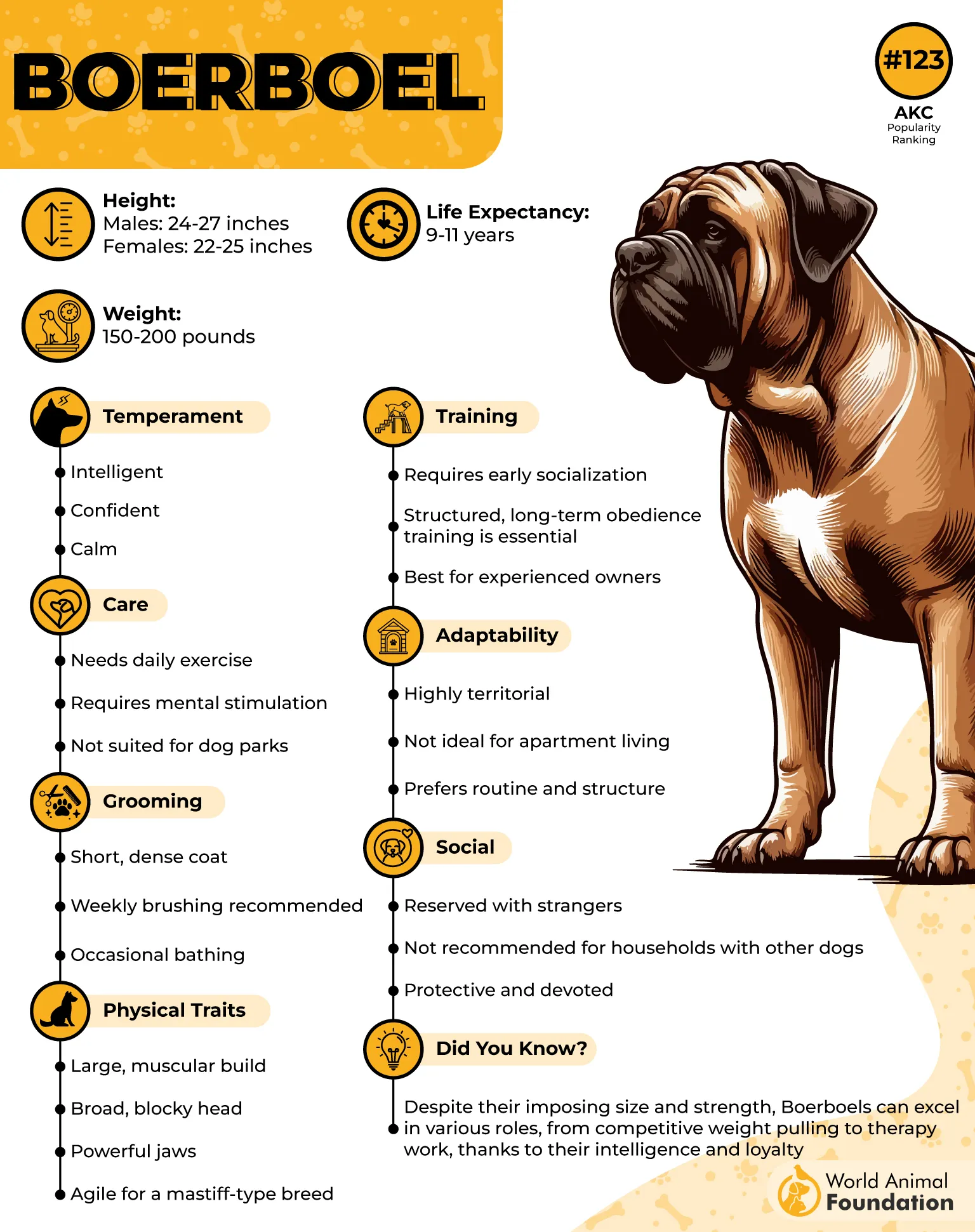
The Boerboel is a confident working dog with strong possessive instincts. According to PetMD, Boerboels make sweet, loyal family companions, but they’re better suited to experienced owners who can meet the breed’s need for training and activity.
Consistent obedience training and early exposure to new people, animals, and places are essential from puppyhood, so the dog stays stable and controllable as an adult. Their heavy muscle mass also calls for daily exercise and room to move, which keeps them healthy and helps prevent weight gain.
Conclusion
Many people think a good family guard dog is all about how intimidating it looks, but it’s about much more than that. Plenty of breeds fit the family protector role, and each brings its own traits to the household. Personality and the care routine each dog needs should both play a part in your choice.
With the right training, a guard dog can be much more than a guard. It can learn to love its family, even enjoy meeting the neighbors, and become an everyday part of your home.
