




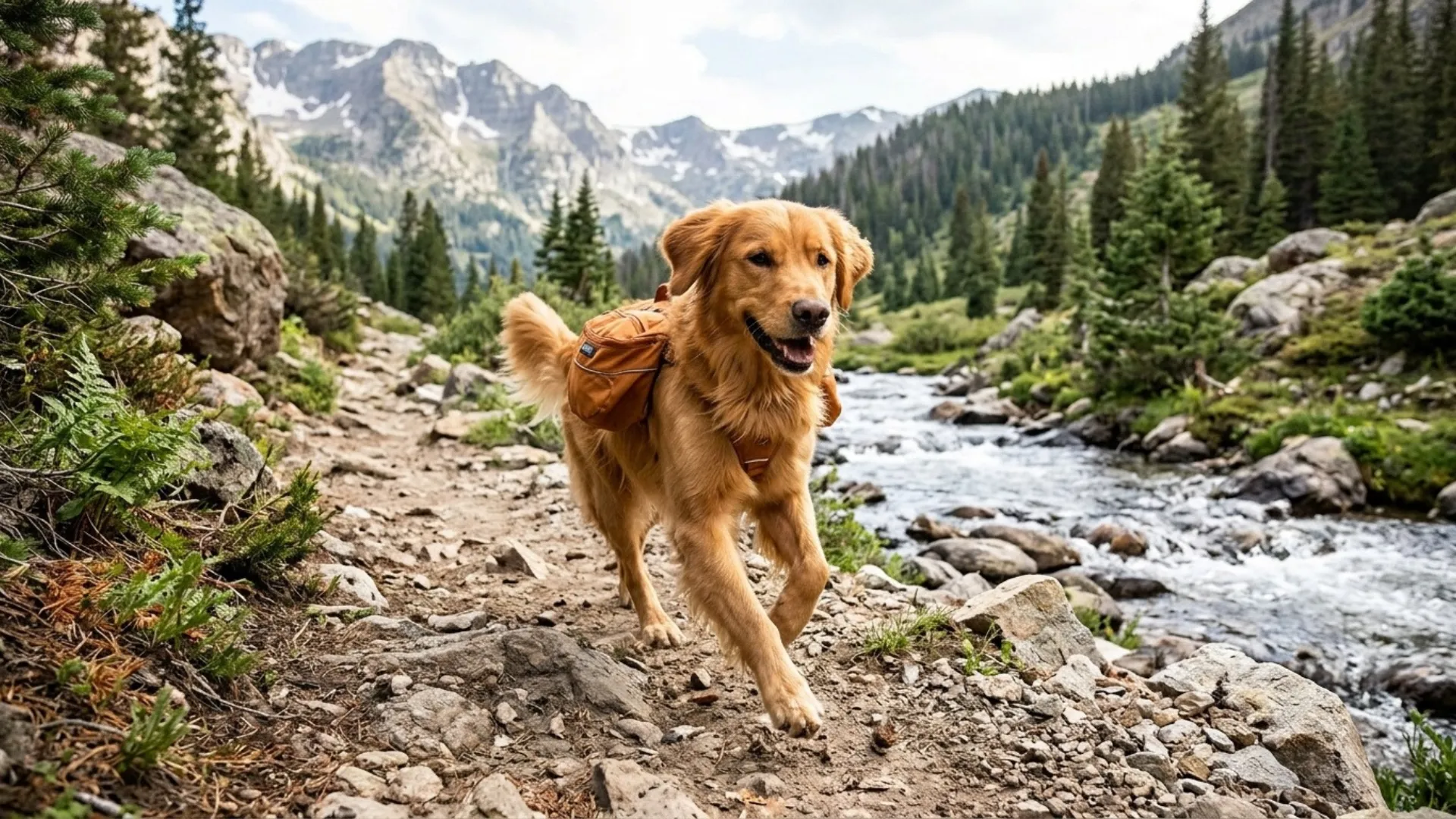
Dawn breaks over a jagged ridge, boots crunch against loose gravel, and a cold wind cuts across the valley; this is where true explorers come alive. Stepping off the beaten path demands grit, curiosity, and a partner who refuses to back down when the climb turns steep or the weather shifts without warning.
Bringing a capable four-legged companion along for outdoor adventures transforms solitary miles into shared triumphs, turning every muddy creek crossing and camping spot into a story worth telling. There is an unmatched kind of freedom in watching a dog read the terrain ahead, ears perked and muscles coiled for whatever lies beyond the next bend.
Real wilderness travel tests muscle, focus, and nerve far beyond what an ordinary afternoon stroll ever could. You need a partner blessed with deep stamina, calm focus under pressure, and the raw ability to handle unpredictable ground without losing heart.
Matching your own wanderlust with a canine bred for endurance ensures that neither steep ascents nor sudden downpours will cut your journey short. The seven dog breeds featured below bring genuine trail power, bold temperaments, and unwavering loyalty to every mile you cover together.
Fearless Dog Breeds Perfect for Adventure Seekers
1. Rhodesian Ridgeback
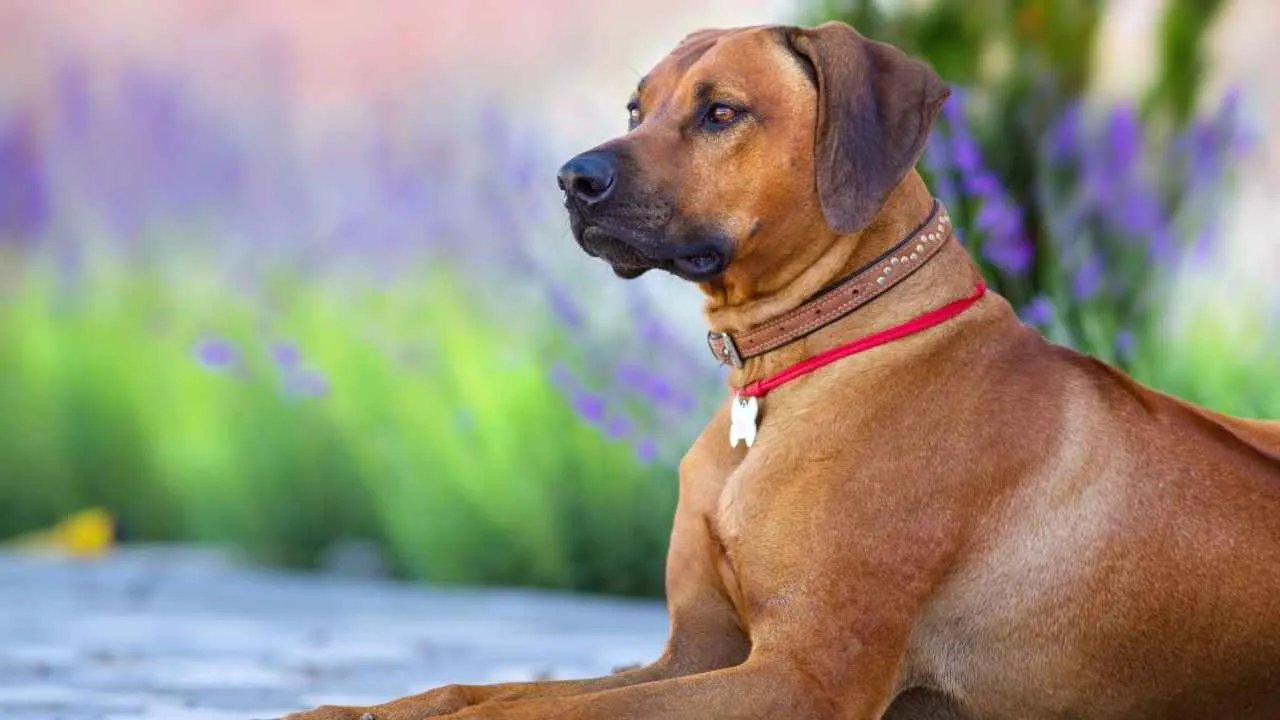
Taking a Rhodesian Ridgeback onto a dry, rocky trail shows you right away what quiet toughness looks like in motion. With a history rooted in Southern Africa, where they were originally bred for tracking lions across harsh land, this muscular hound handles heat, dust, and long-distance miles far better than heavy-coated pets.
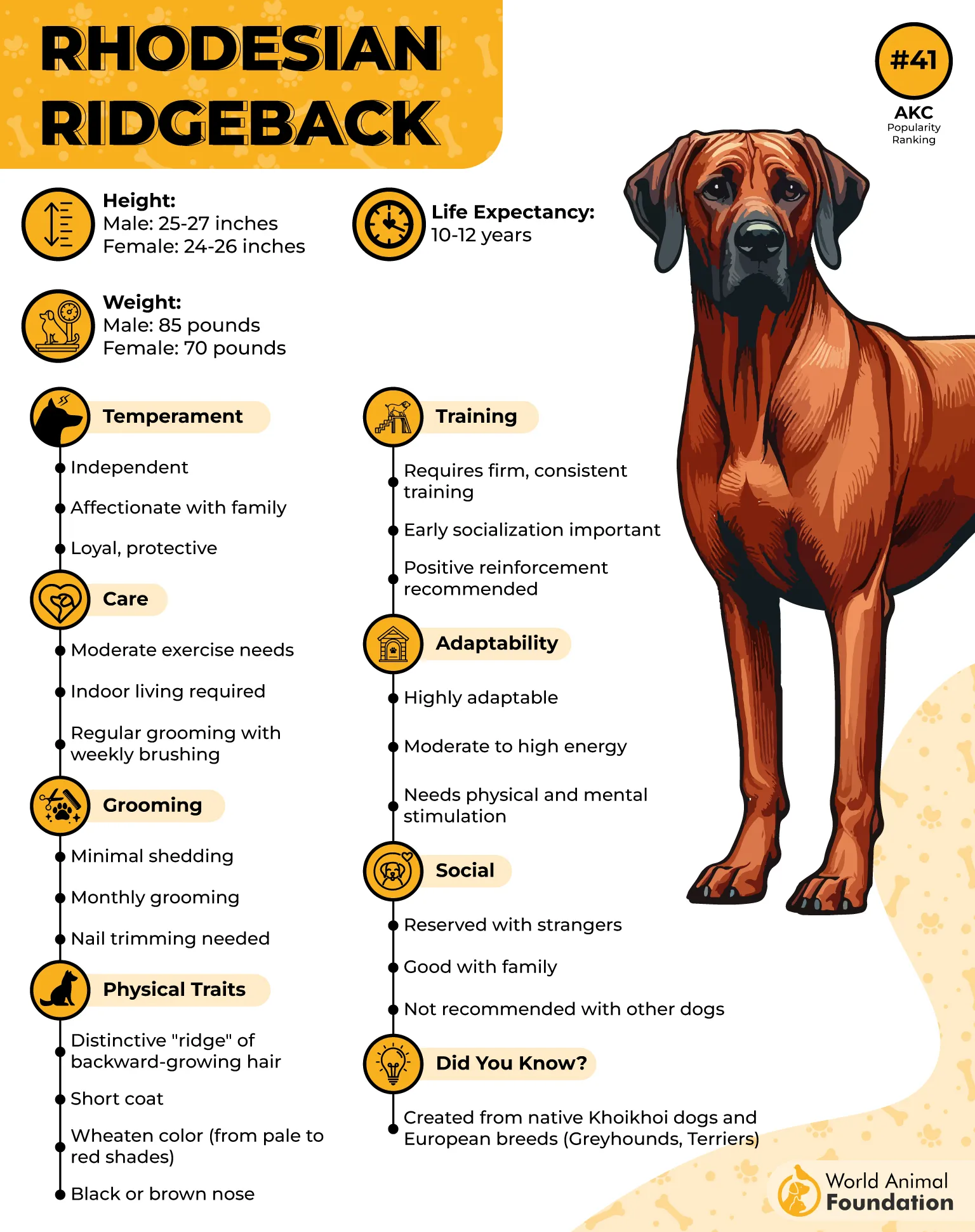
The distinct strip of backward-growing hair along their spine is their trademark, yet what really stands out on the path is their calm confidence around unfamiliar surroundings.
Because ridgebacks learned to make decisions on their own, Omlet states that they respond best to patient, consistent training rather than harsh commands. Once they trust you, they stay closely tuned in to your pace and rarely waste effort barking at random forest noises.
Their short, low-maintenance coat also sheds trail dust and burrs with one quick shake, saving you cleanup time before crawling into your tent. You will still need a reliable leash in areas with deer or rabbits, since their strong prey drive can override recall in a split second.
2. Golden Retriever
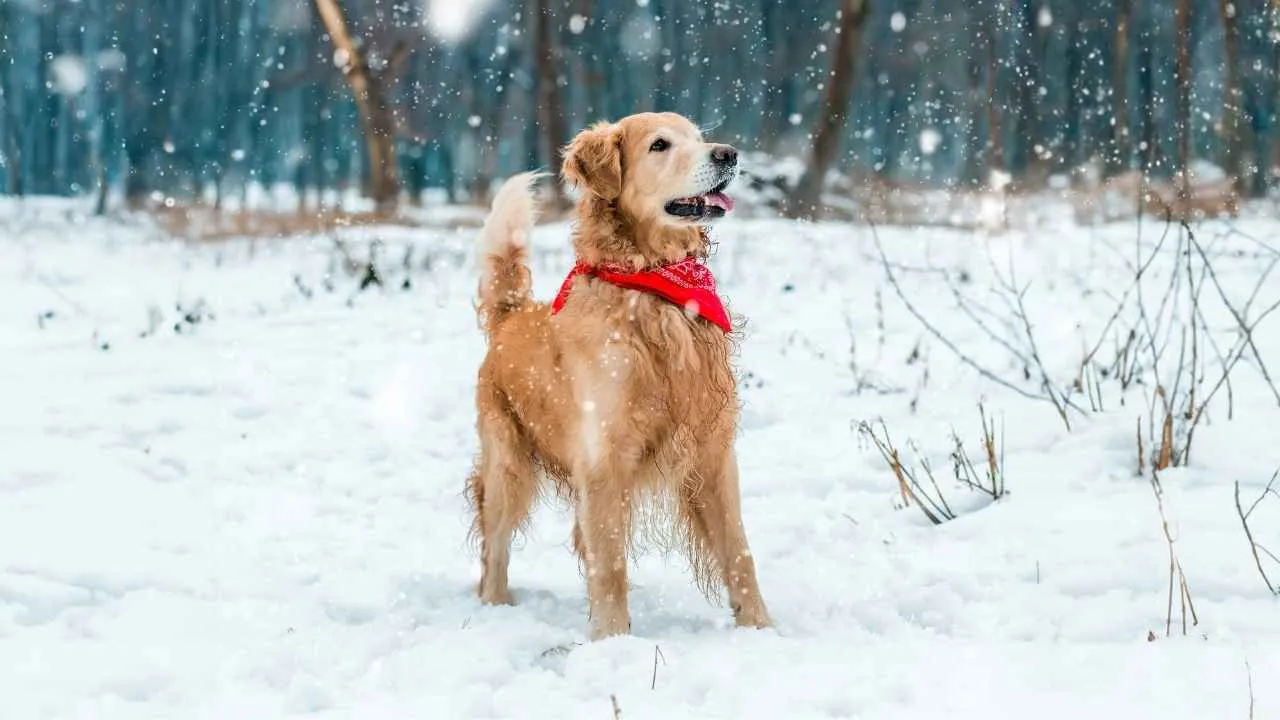
Bringing a Golden Retriever along on a lake trip or forest hiking excursion reminds you how much joy a willing partner adds to hard miles. Developed in Scotland to retrieve waterfowl through cold marshes and dense brush, this breed brings real working drive beneath that friendly, approachable look.
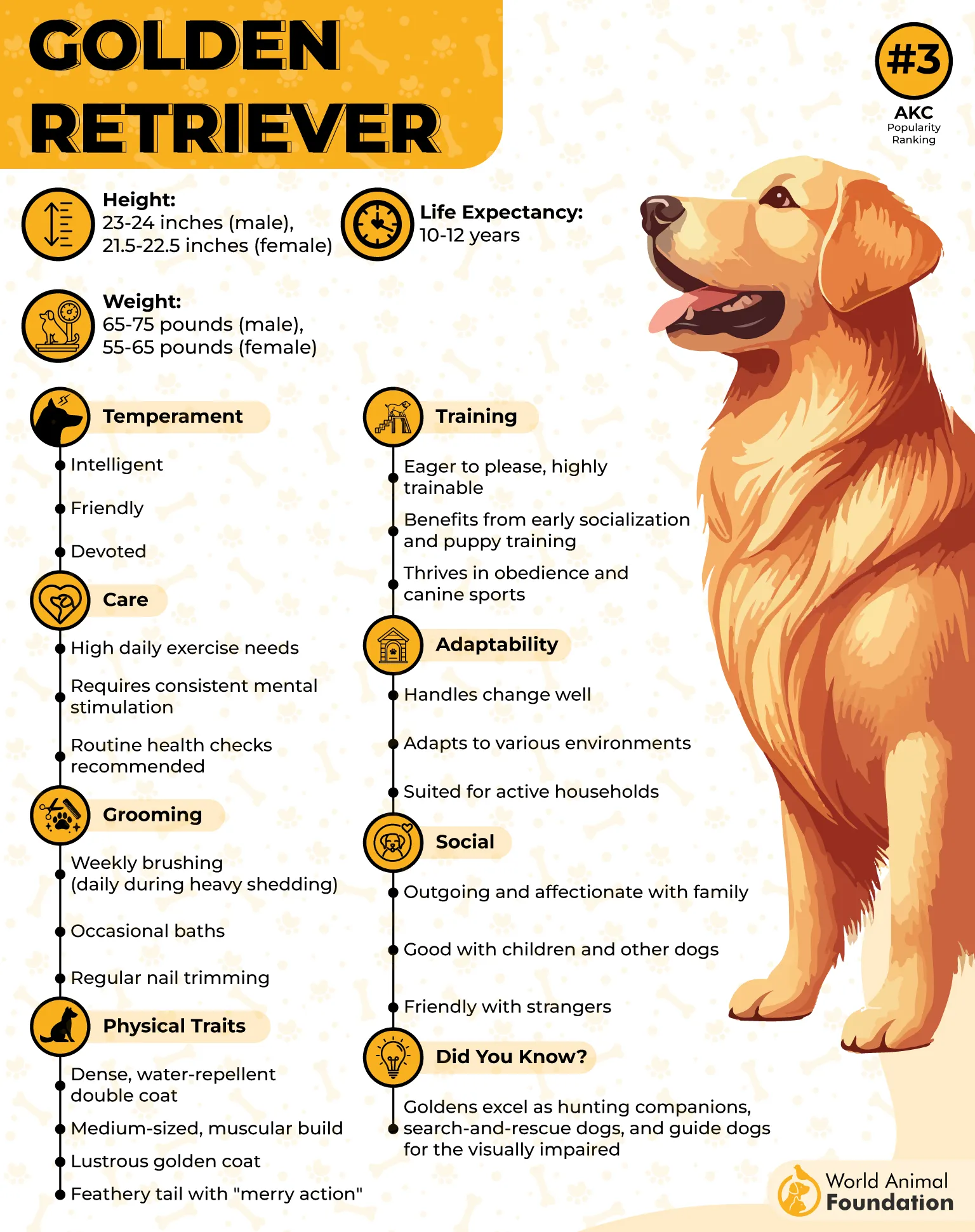
If your weekends revolve around kayaking, swimming, or wooded campsites, a Golden will gladly wade into chilly water and scramble over wet rocks right behind you. Their eagerness to cooperate and play fetch makes off-leash control much more realistic for everyday active owners than stubborn, independent dogs.
They can easily carry a well-fitted pack on moderate trails and settle down nicely around camp once they have burned off their morning energy.
Purina highlights that their soft mouth and calm social manners also make them effortless buddies at crowded trailheads, lakeside docks, and pet-friendly campgrounds. Just keep an extra towel and brush in your car, because their feathered coat collects burrs, pond water, and mud like a magnet.
3. Alaskan Malamute
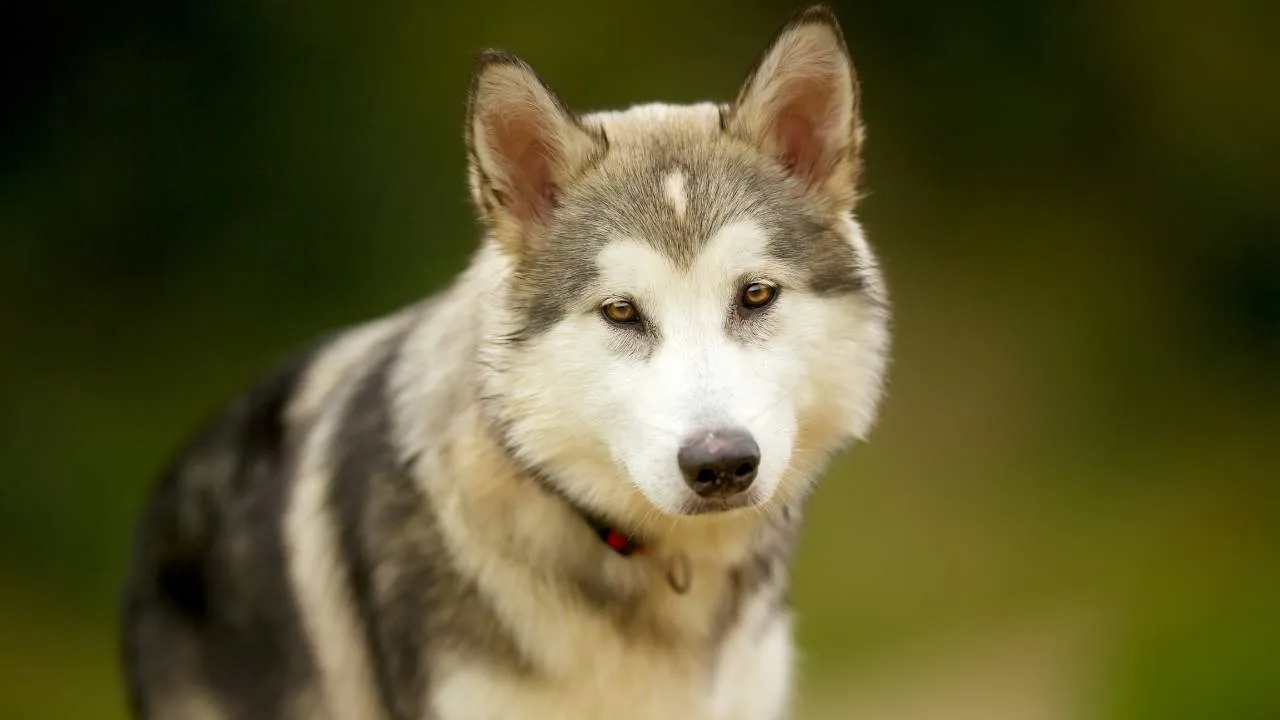
Hauling heavy gear into deep backcountry snow with an Alaskan Malamute reveals what true Arctic freighting strength looks like up close. Developed by the native Mahlemut people of Alaska to pull sleds over brutal distances, this heavy-boned powerhouse values steady power over sprinting speed.
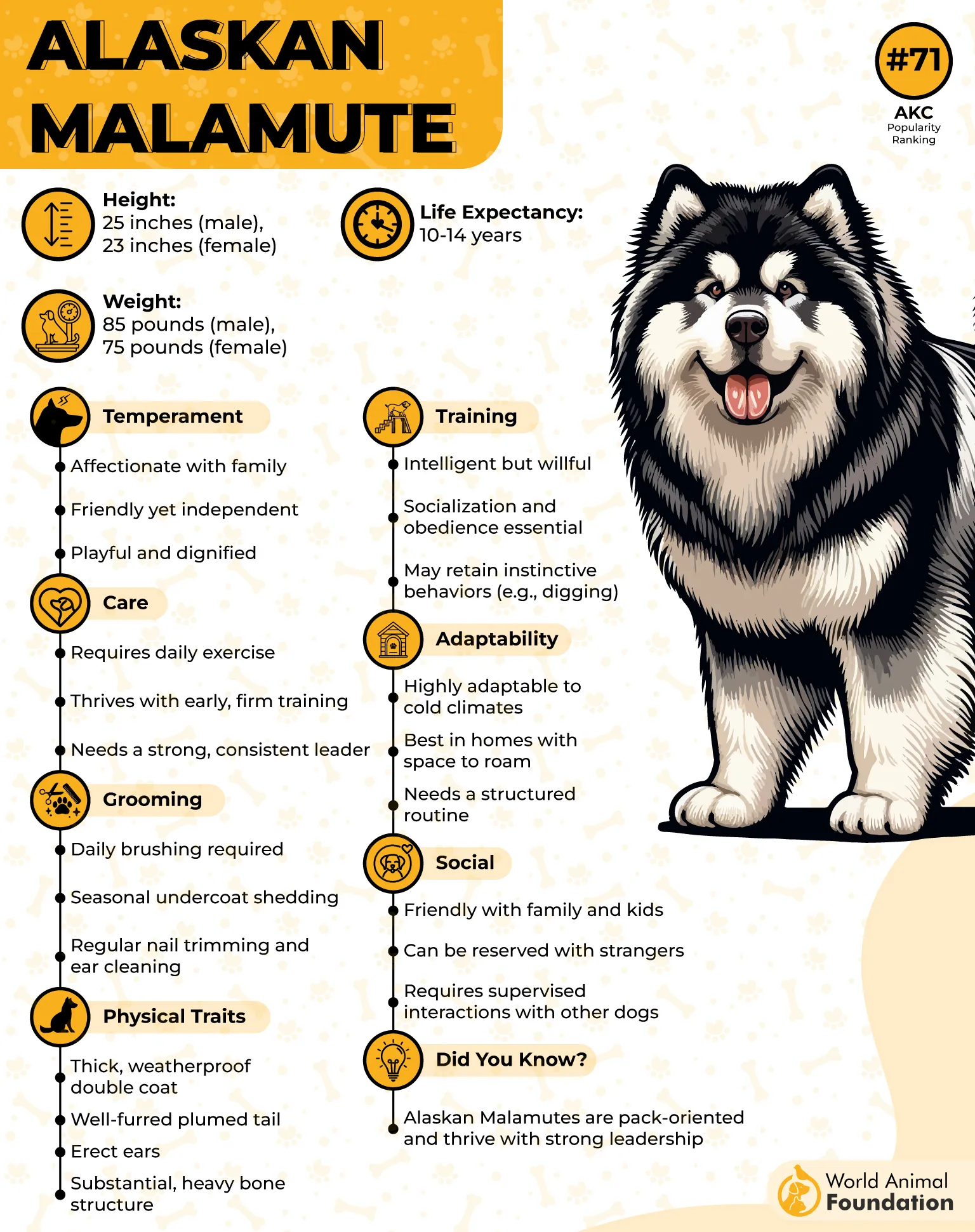
A well-conditioned Malamute can comfortably carry a substantial trail pack, making extended outdoor adventures or rugged mountain treks feel noticeably lighter on your shoulders. Their dense, oily guard hairs and plush undercoat repel wet snow and freezing sleet, keeping them comfortable when wind chill drops well below zero.
Because they possess a strong will and an instinct to challenge untested rules, early training and firm, fair boundaries are essential before hitting remote routes.
They rarely bark, preferring low “woo-woo” vocalizations that sound like quiet conversation around a snowy campsite. Keep them securely leashed around smaller wildlife, as their high prey drive and massive build require a handler who stays alert.
4. German Shepherd
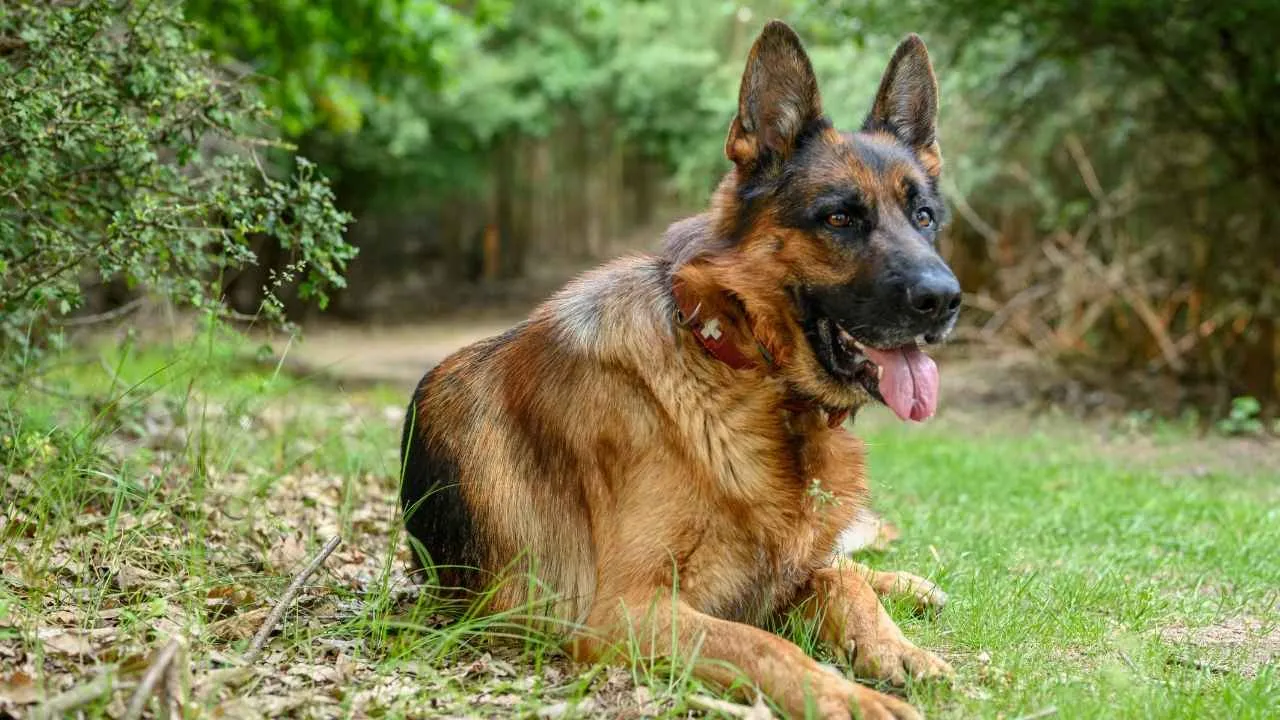
Walking deep into unfamiliar woods with a German Shepherd gives you the grounded security of having a focused, capable partner watching your flank. Developed for herding flocks across rough European terrain, this intelligent canine treats steep switchbacks, fallen logs, and creek crossings like a job they take pride in doing well.
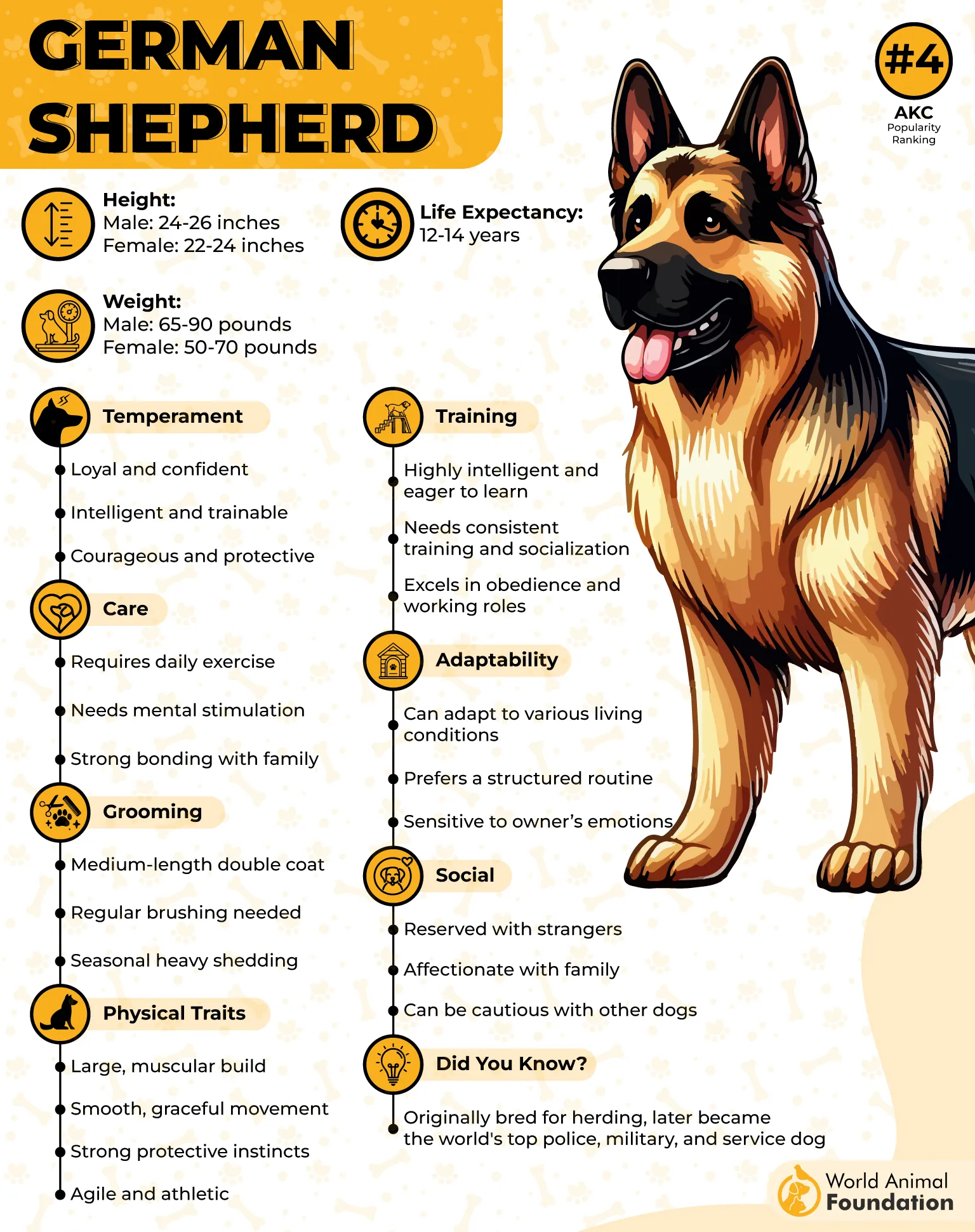
As you explore, they naturally check back in with you, keeping tabs on where you are without needing constant reminders. Their weather-resistant double coat handles cool winds and light rain comfortably, which means you can stretch your mountain trips well into spring and autumn.
Because AKC notes that their mind needs as much engagement as their legs, mixing basic obedience drills or balance work on rocks keeps them sharp and satisfied.
Their keen instincts pick up distant movement or shifting weather long before you notice a change, giving you an extra layer of awareness in remote areas. When you build clear communication together, their protective nature and support ensure they will cross shaky footbridges or push through thick brush simply because they trust your lead.
5. Vizsla
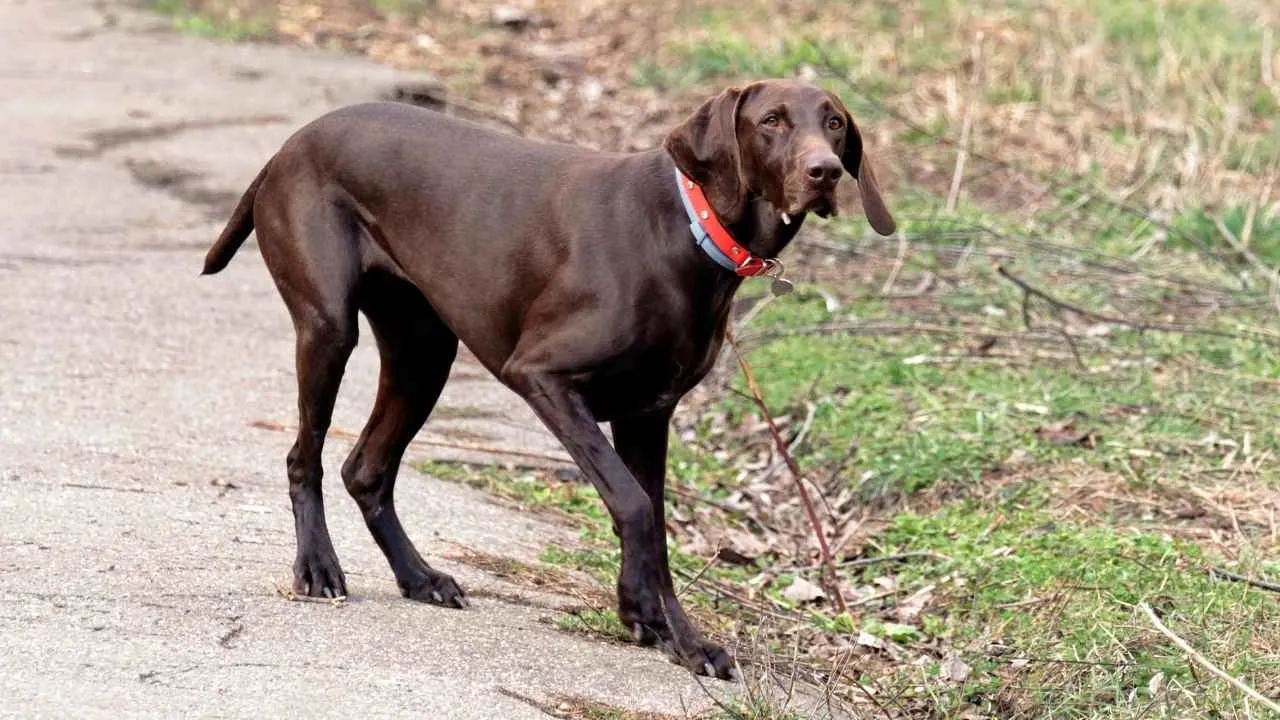
Hitting a fast single-track route with a Vizsla quickly proves why people who love running, hiking, and mountain biking swear by this lean Hungarian pointer. Built to work closely with humans across open fields and dense cover all day long, they combine serious aerobic capacity with an affectionate desire to stay within arm’s reach of their person.

Their sleek, russet fur has no undercoat, so they dry quickly after river crossings and rarely overheat on brisk morning runs. That same thin coat does leave them exposed in cold wind or rain, so packing a lightweight, insulated jacket is a smart move when temperatures drop.
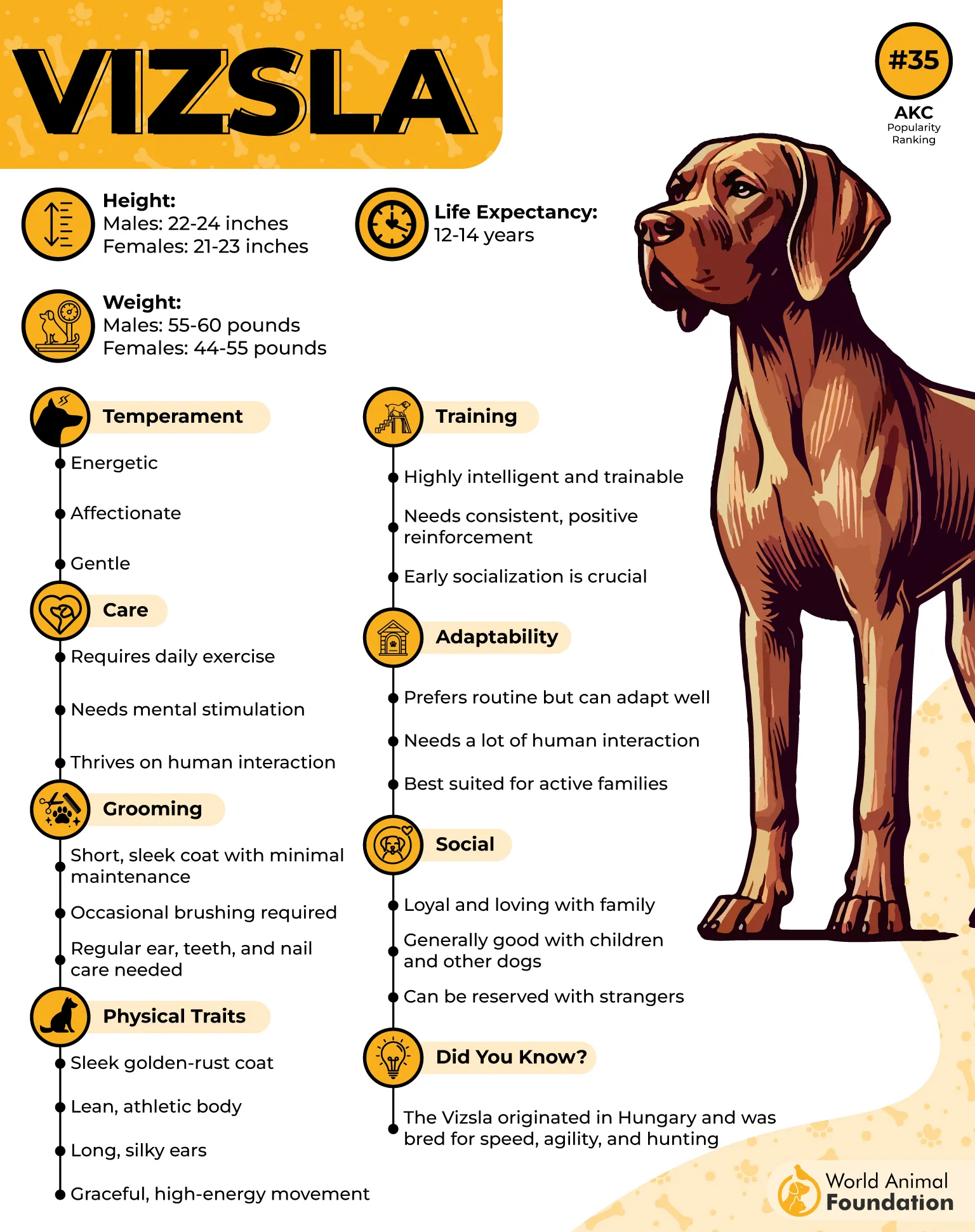
On rocky scrambles and narrow ridges, their athletic frame and natural agility help them move cleanly without clumsy stumbles.
Because they bond deeply with their owners and dislike being left behind, they adapt easily to road trips, van life, and unfamiliar motel rooms between trail days. After a long day outside, your fearless trail buddy will want to curl up pressed directly against you inside the tent.
6. Siberian Husky
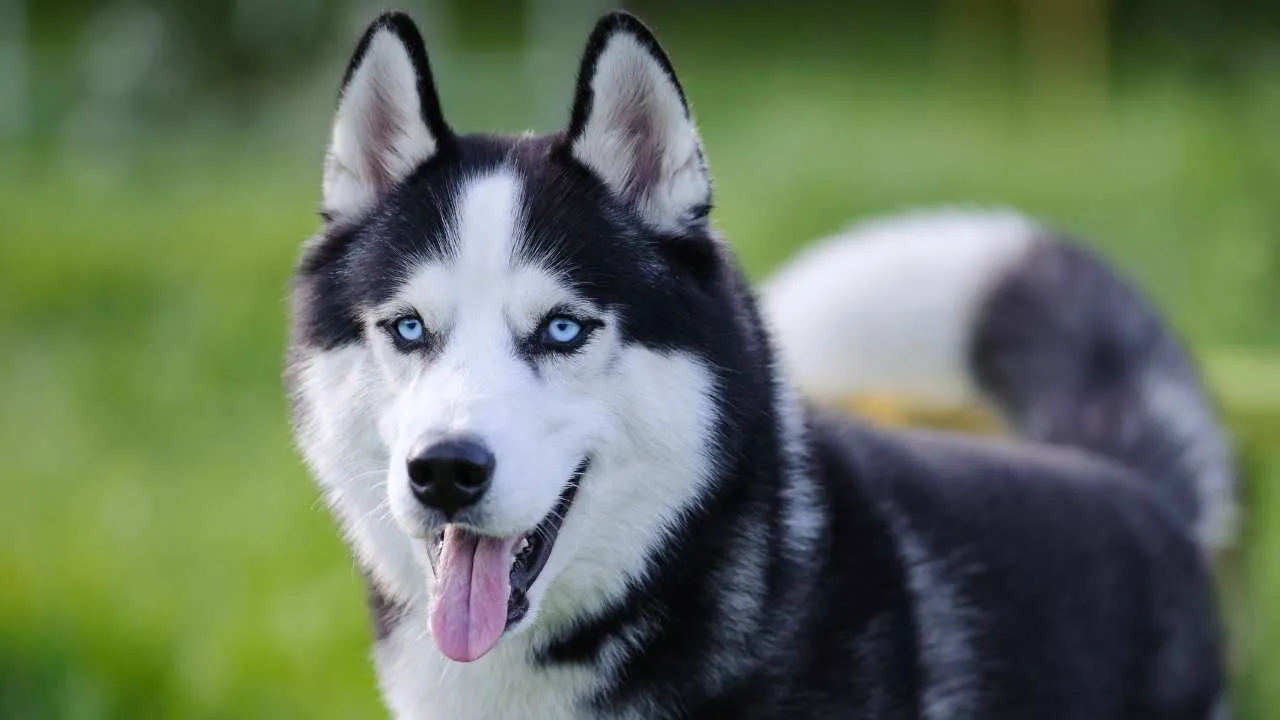
Heading out into freezing temperatures and deep snow with a Siberian Husky turns harsh winter weather into the best part of your week. Originating with the Chukchi people of Northeast Asia to haul light sleds across frozen expanses, huskies thrive when cold air forces most other dogs back inside.
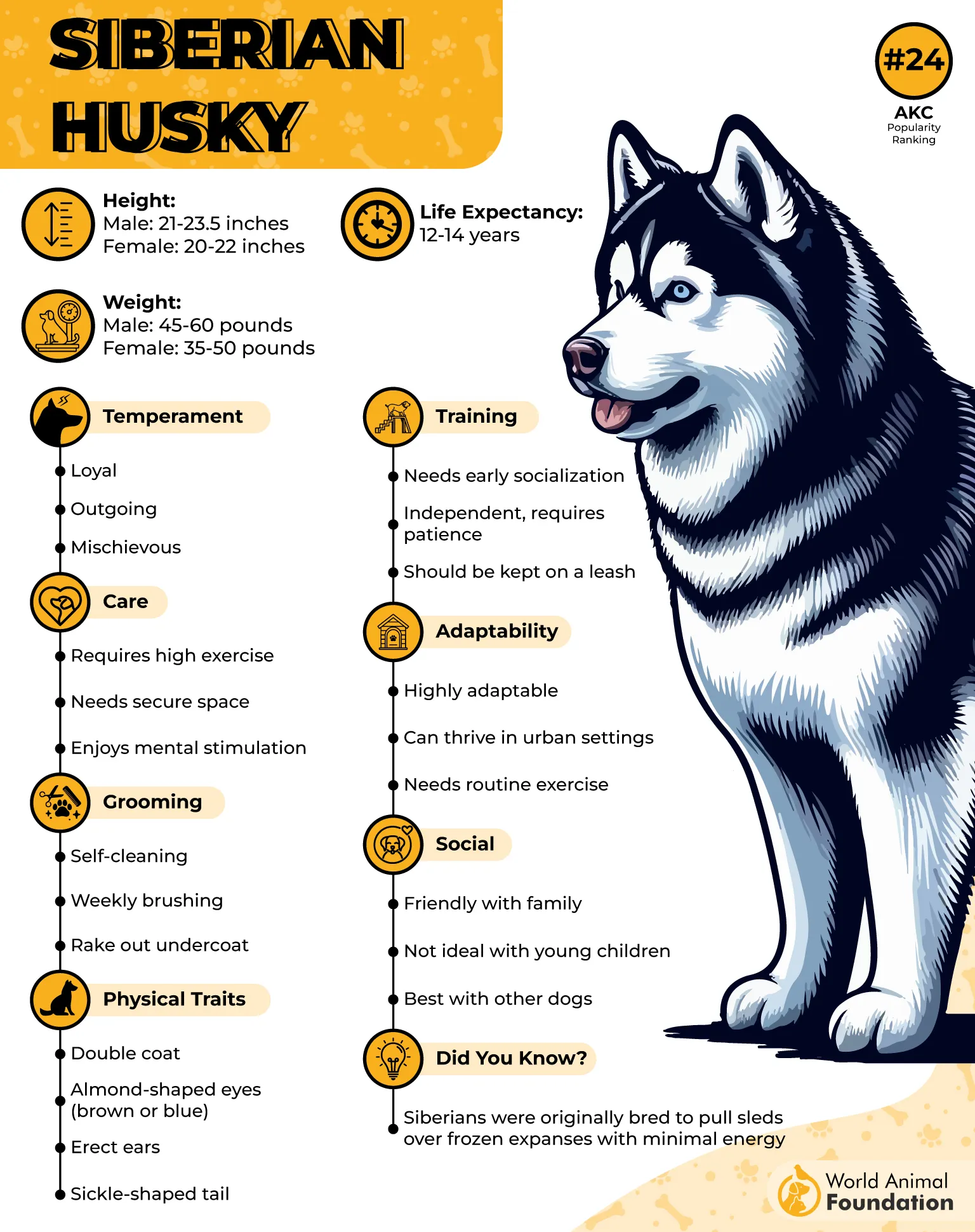
Snowshoeing, winter treks, and skijoring allow them to channel their boundless energy and cold-weather grit into productive exercise. Britannica says that their thick double coat insulates them in sub-zero conditions, while tough, fur-cushioned paws hold steady on packed snow and ice.
Despite their wolf-like appearance, Huskies are famously social with people and fellow trail pups, bringing a playful, mischievous spark to cold-weather group outings.
Because their drive to run forward is deeply ingrained, a secure harness and waist-belt leash are necessary rather than optional on open routes. Their expressive, vocal personality keeps winter activities lively, giving cold-weather explorers an energetic partner who never backs down from challenging environments.
7. Bernese Mountain Dog
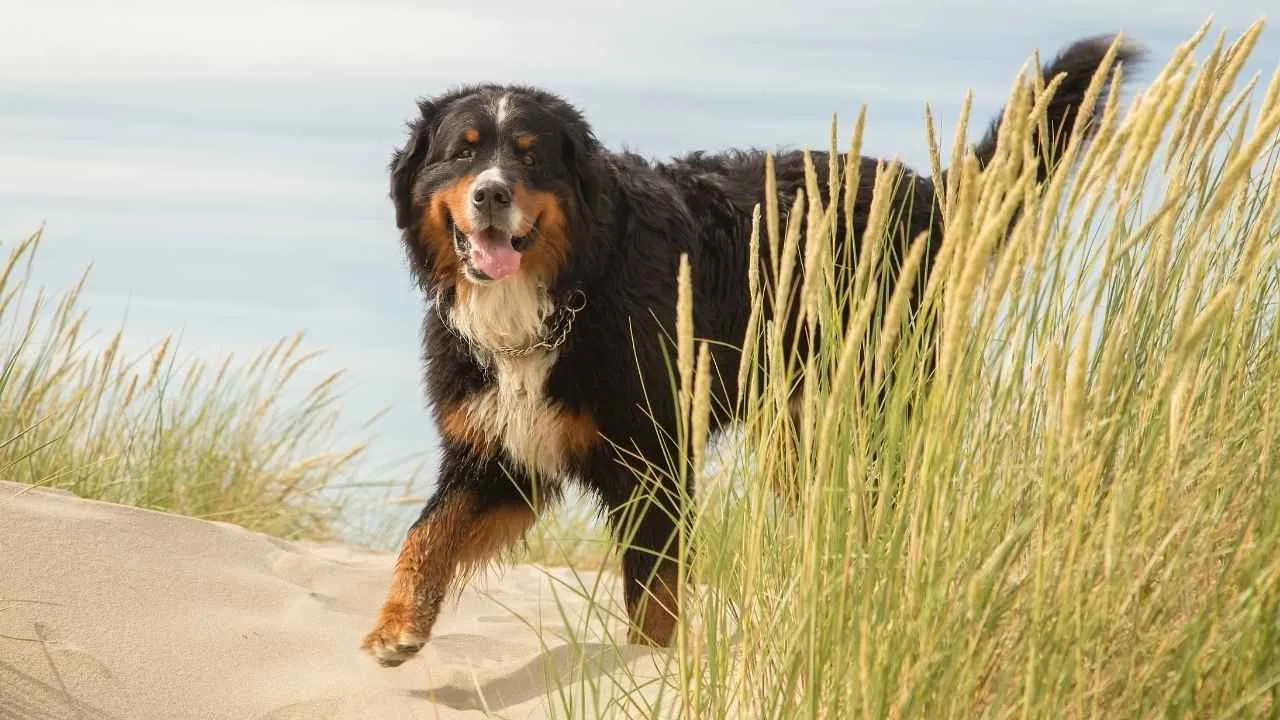
Tackling a steep mountain incline with a Bernese Mountain Dog shows how steady, measured power can conquer outdoor challenges on tough climbs. Bred in the Swiss Alps to haul heavy carts and move livestock along rugged mountain paths, these big-hearted giants excel at slow, sustained uphill work.
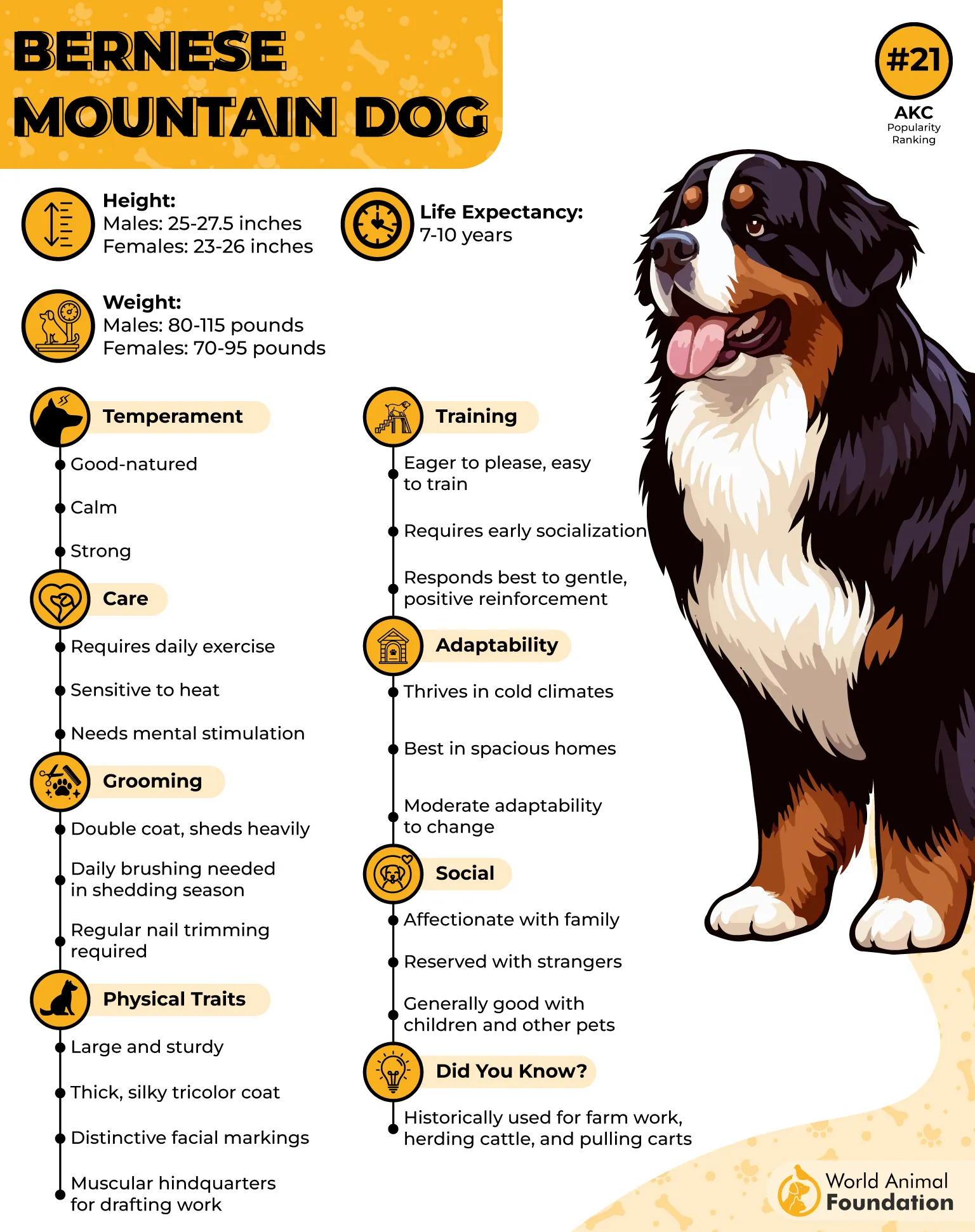
They are not built for fast trail runs or hot summer afternoons, so early-morning long hikes in cool weather suit their heavy frame and lush coat best. On loose scree, uneven roots, and rocky steps, their calm temperament and solid footing keep them steady when nervous pups might scramble or slip.
Their natural drafting heritage also makes them happy to accompany you while hauling light supplies in a balanced harness once they reach full physical maturity.
These mountain dogs bring an easygoing, grounded presence to busy trailheads, greeting strangers calmly before focusing right back on the climb ahead. Reaching the summit together feels deeply rewarding when your hundred-pound friend leans against your legs to enjoy the breeze, making them excellent partners for steady alpine days.
Conclusion
Every mile logged in the great outdoors leaves its mark: muddy boots, tired legs, and an unspoken trust forged between two partners who pushed through the elements side by side. Choosing one of these fearless dog breeds means gaining a devoted teammate who greets steep switchbacks, freezing winds, and rocky passes with tail-wagging resolve.
Long after the tent is packed away and the trail dust is washed off, that silent partnership stays with you in every photograph and every memory earned the hard way. True adventure rarely waits for perfect conditions, and having a bold four-legged explorer beside you guarantees you will never hesitate to answer the call of the wild.
When you match your passion for the world outside with a dog built to meet it head-on, every trailhead becomes the start of a shared legacy, proving that the excellent companions you want by your side are the ones ready to chase the horizon right alongside you.
