





For older adults seeking loyal companionship without the physical demands of a large, high-energy pet, pocket dog breeds for seniors offer the ideal solution.
Weighing just a few pounds, these pint-sized pups are effortless to lift, easy to travel with, and perfectly suited for apartments, condos, or retirement communities. Their compact size eliminates the risk of accidental leash pulls while bringing daily warmth, routine, and joyful affection into the home.
Beyond their convenient size, small lap dogs for seniors are celebrated for their gentle temperaments and deep devotion to their owners. Most toy breeds require only short, leisurely walks and light indoor play to stay happy, leaving plenty of time for quiet afternoons relaxing together on the couch.
Choosing the best small dog breeds for older adults comes down to finding a pup whose grooming needs and personality match your everyday pace. Below, we highlight the sweetest, most adaptable pocket breeds that thrive in quieter households and make wonderful lifelong companions.
Key takeaways
Try the routine: Take short daily walks for a week before adopting to see how comfortably they fit your schedule.
Price the grooming: Ask a local groomer about costs and appointment frequency before choosing a dog with a coat that needs regular trims.
Check underfoot: Small dogs can dart behind your heels, so look before standing, turning, or carrying laundry across the room.
Plan for time away: If you leave home for several hours, arrange company and ask how the dog behaves when alone.
Meet the individual: Spend time with a dog around visitors and gentle handling before deciding if its personality suits your home.
Pocket Dog Breeds for Seniors Who Prefer Small Dogs
1. Maltese
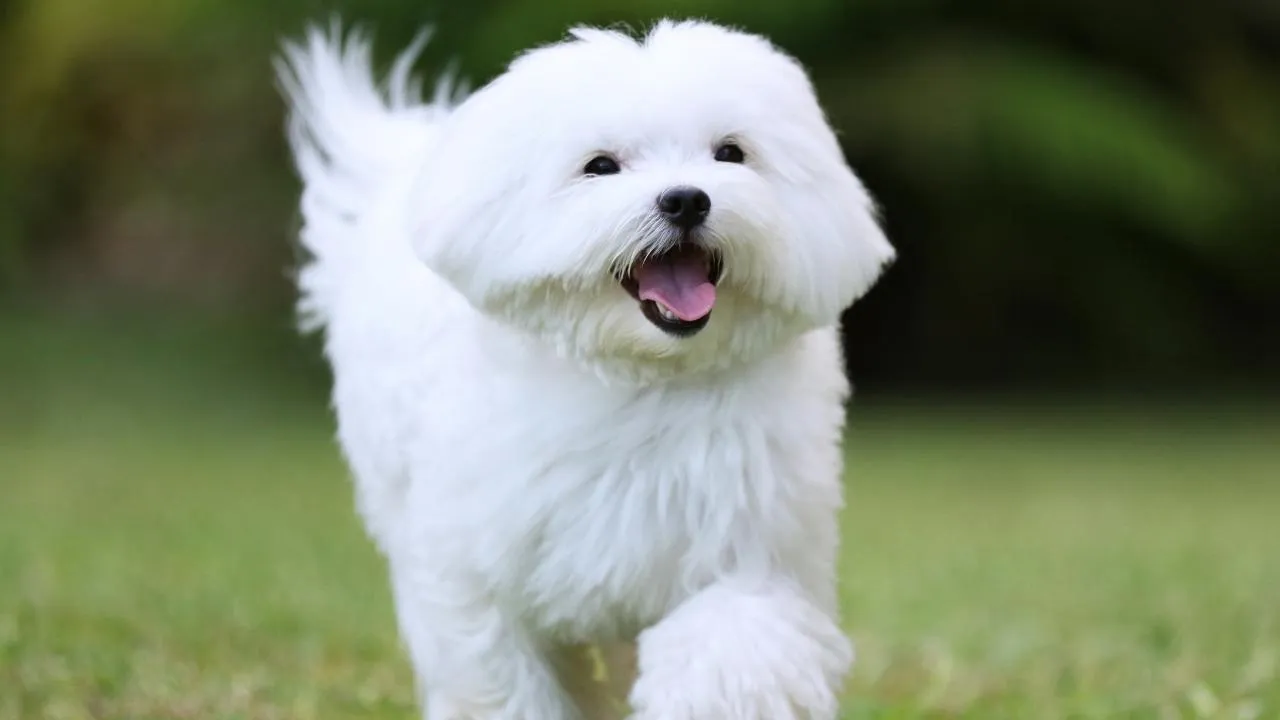
The Maltese likes being near its people and often volunteers as a lap companion. Still, a game can be more exciting than another nap. Walks and indoor play give this small dog chances to explore without turning the day into an expedition.
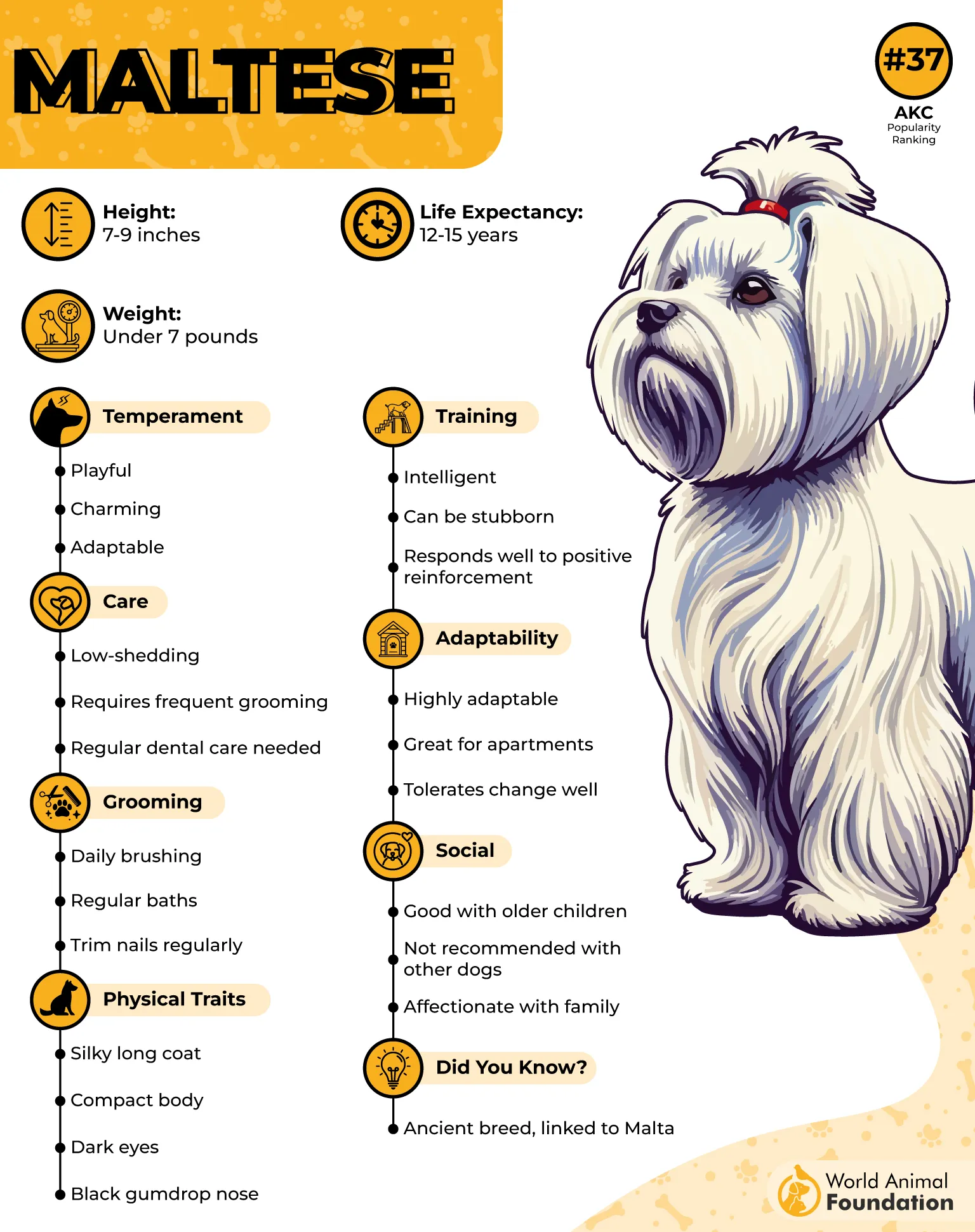
Meanwhile, a knock at the door may earn a surprisingly bold announcement. Visitors often get a friendly greeting. Long stretches alone can lead to barking, so a household with company may find daily life smoother, as AKC notes that this breed thrives on human companionship.
Handling: Use a secure, well-fitted harness and watch where you step around this tiny dog. Offer a steady hand when lifting it, and consider a ramp if furniture requires repeated jumps.
Care routine: Its long coat needs frequent brushing and scheduled trims. A puppy cut may shorten brushing sessions, but teeth, nails, and ears still need regular attention.
The Maltese suits a senior who enjoys close company and gentle daily activity. It can fit an apartment if neighbors can live with occasional alerts.
2. Toy Poodle
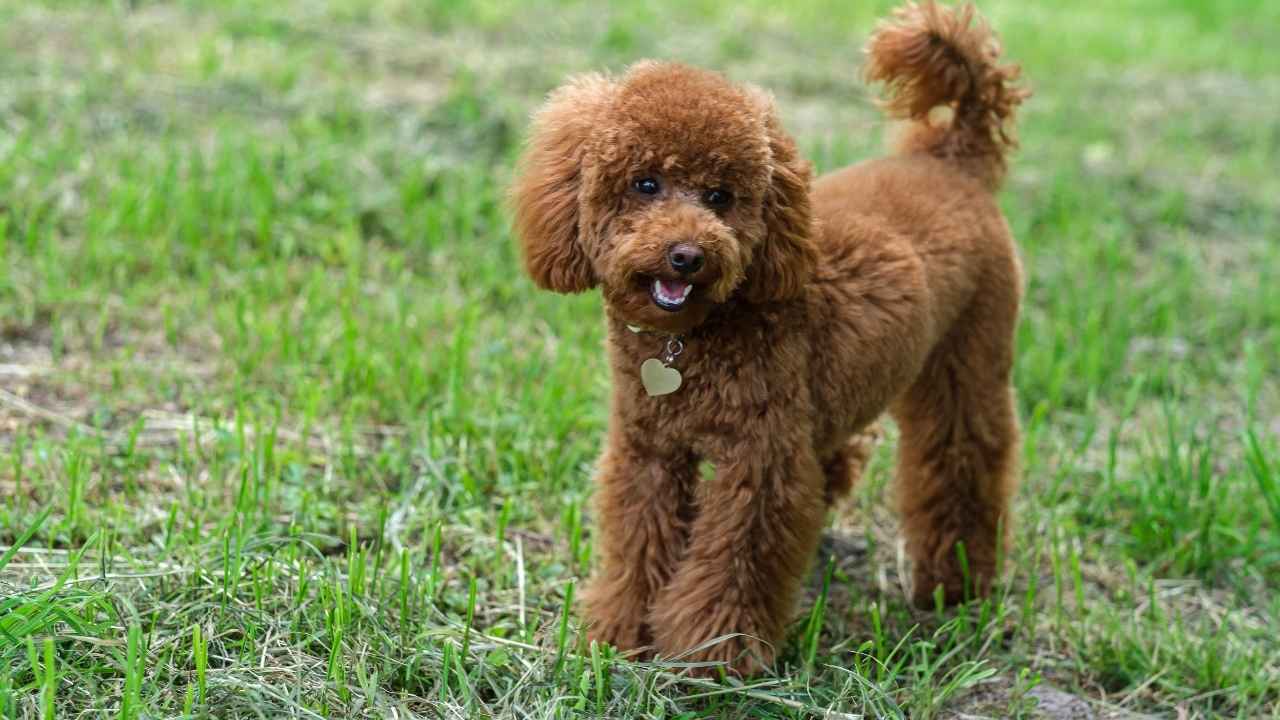
A Toy Poodle often acts as if every shared moment is a puzzle waiting to be solved. It tends to enjoy close company, then perks up when a game or short walk appears. Food puzzles and simple tricks can give its quick mind something interesting to do indoors.
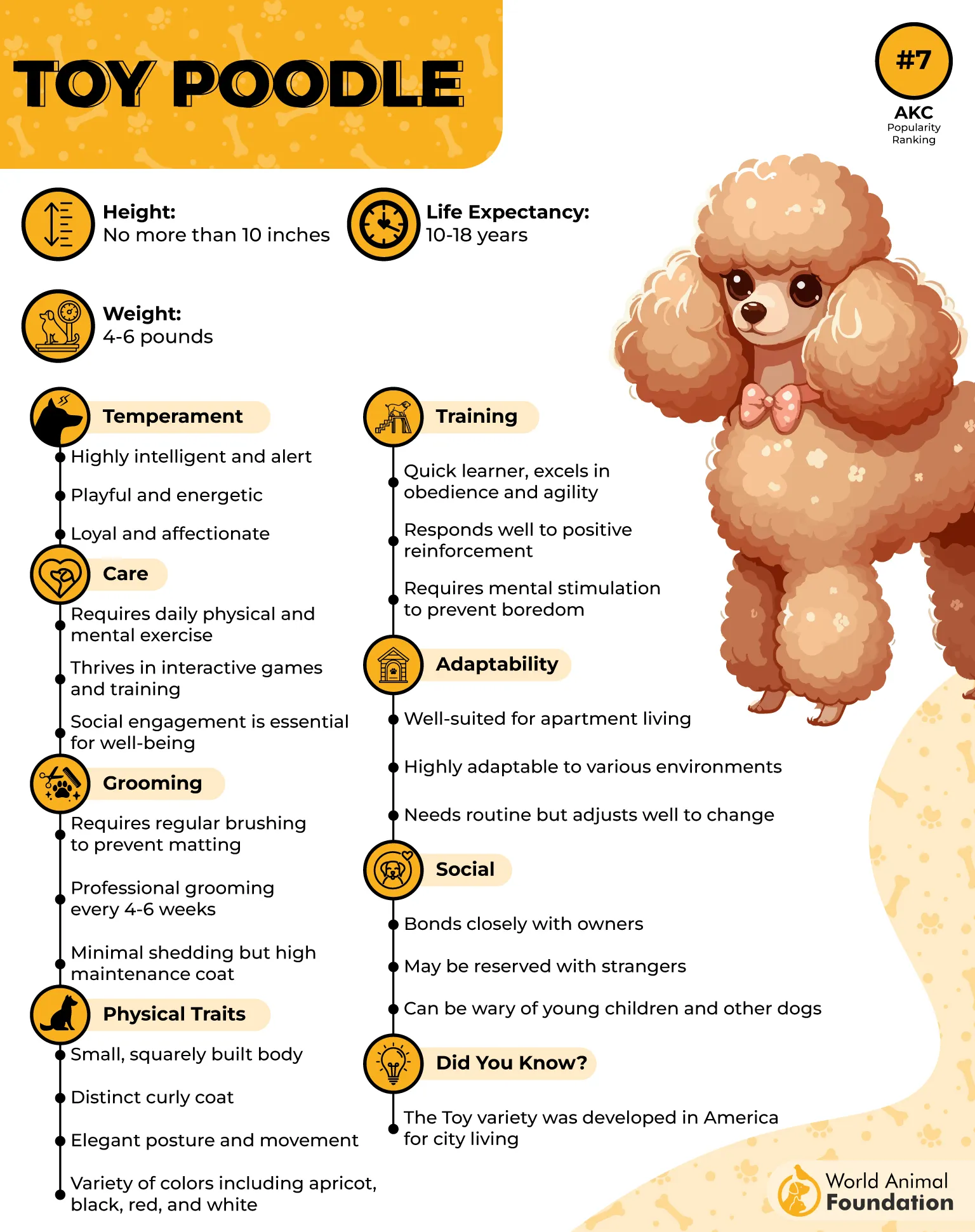
At home, this dog may alert you to a visitor before settling into the greeting. A long, empty afternoon can be dull for such an engaged companion, so planned company can help keep the household peaceful. PetMD describes the Toy Poodle as intelligent and eager to please.
Handling: Fast little feet can appear beside yours without warning. Check its position before standing, use a comfortable harness, and support its body when lifting.
Care routine: The curly coat needs brushing and professional clips, even when kept short. Plan for routine dental care and nail trims rather than leaving everything for grooming day.
This cute breed suits a senior who likes conversation with a dog. It can enjoy apartment life with outings and indoor games.
3. Shih Tzu
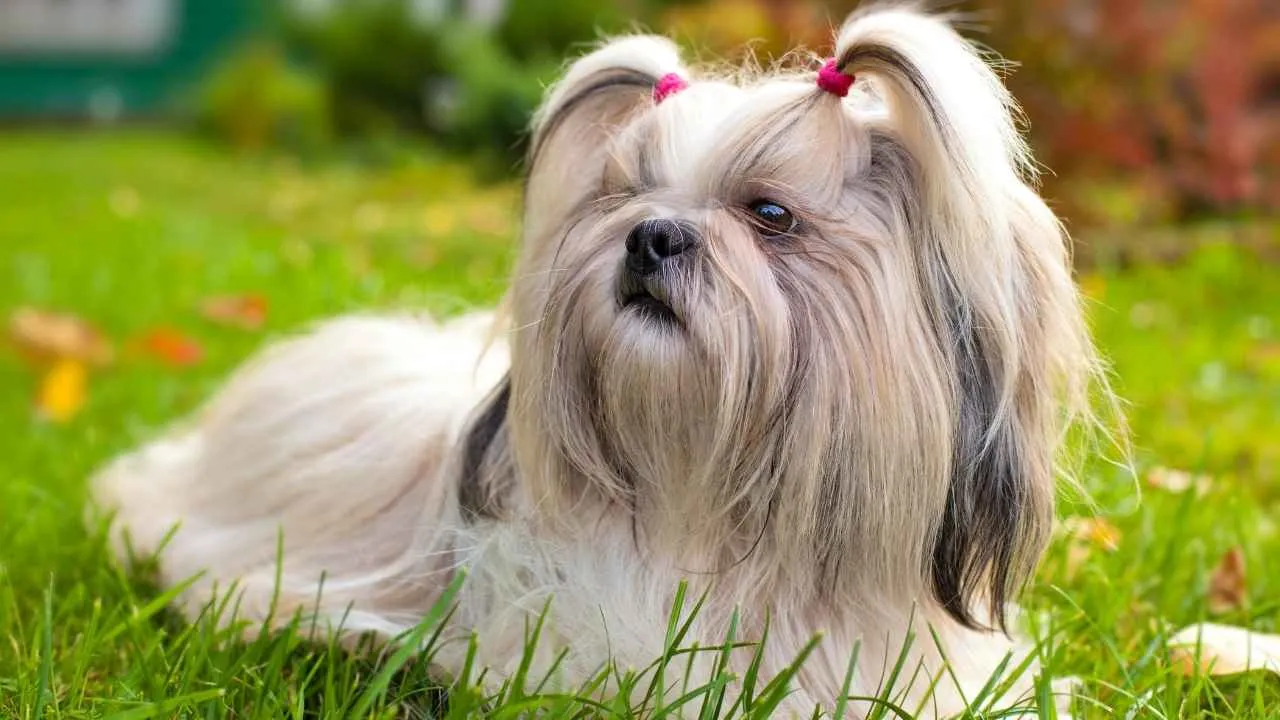
The Shih Tzu was built for company, and many seem delighted to supervise a quiet afternoon from the nearest cushion. Its easygoing pace usually suits relaxed walks and light play. A little curiosity still deserves attention, so scatter games or gentle toys can add interest to the day.
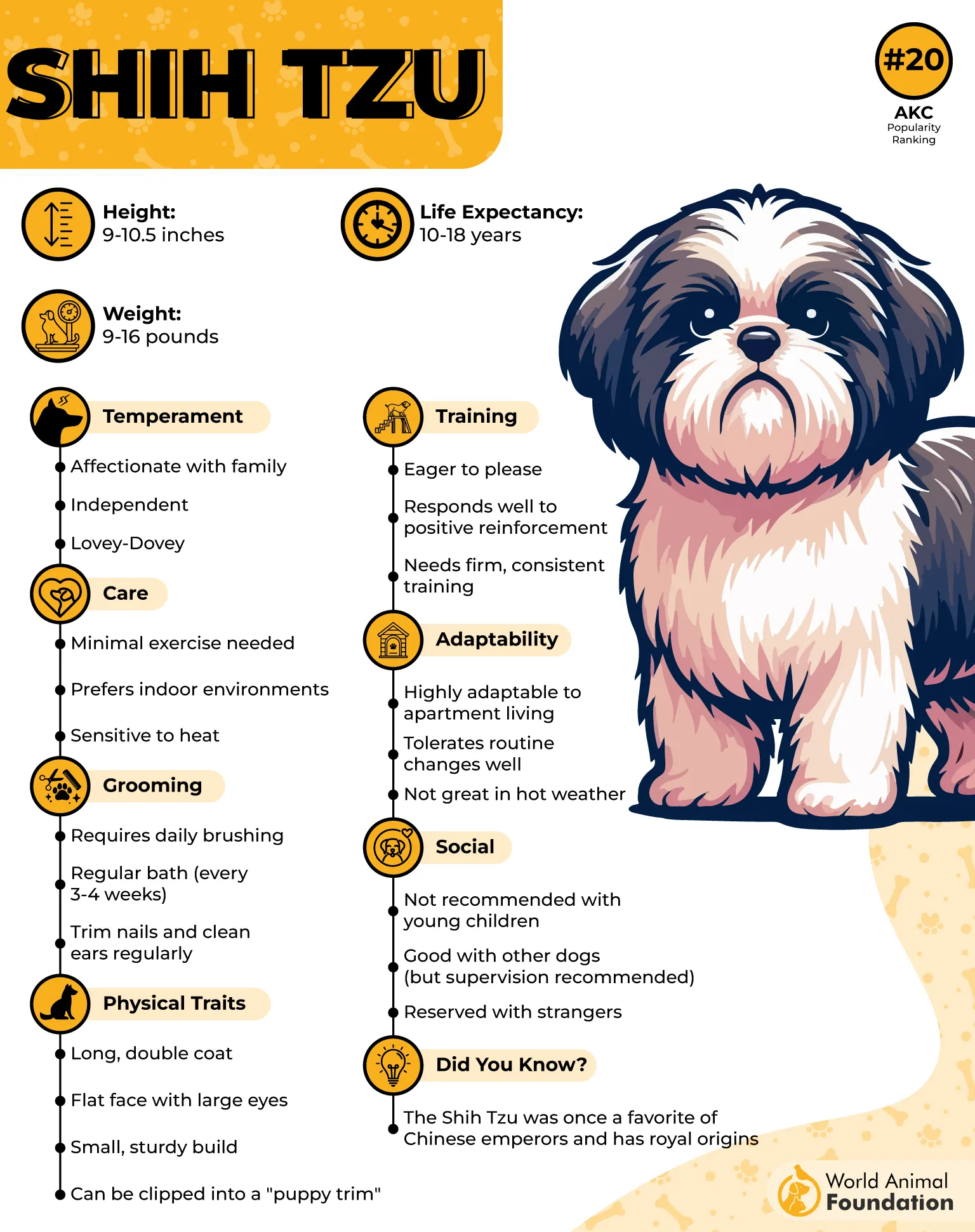
At home, this friendly breed may bark when guests arrive, then welcome them warmly. If left alone too often, a dog used to constant company may find the silence strange. Britannica describes Shih Tzus as affectionate companion dogs.
Handling: Its sturdy feel can fool people into lifting it carelessly. Support both chest and hindquarters, keep leash walks controlled, and use help on stairs if the dog struggles.
Care routine: Long hair needs consistent brushing and regular trims. Keep facial hair tidy, check eyes, and arrange routine dental care as part of regular care.

The Shih Tzu suits a senior who enjoys a slower schedule and frequent time together. It can fit various living arrangements, including apartments, if its daily needs are met.
4. Pomeranian
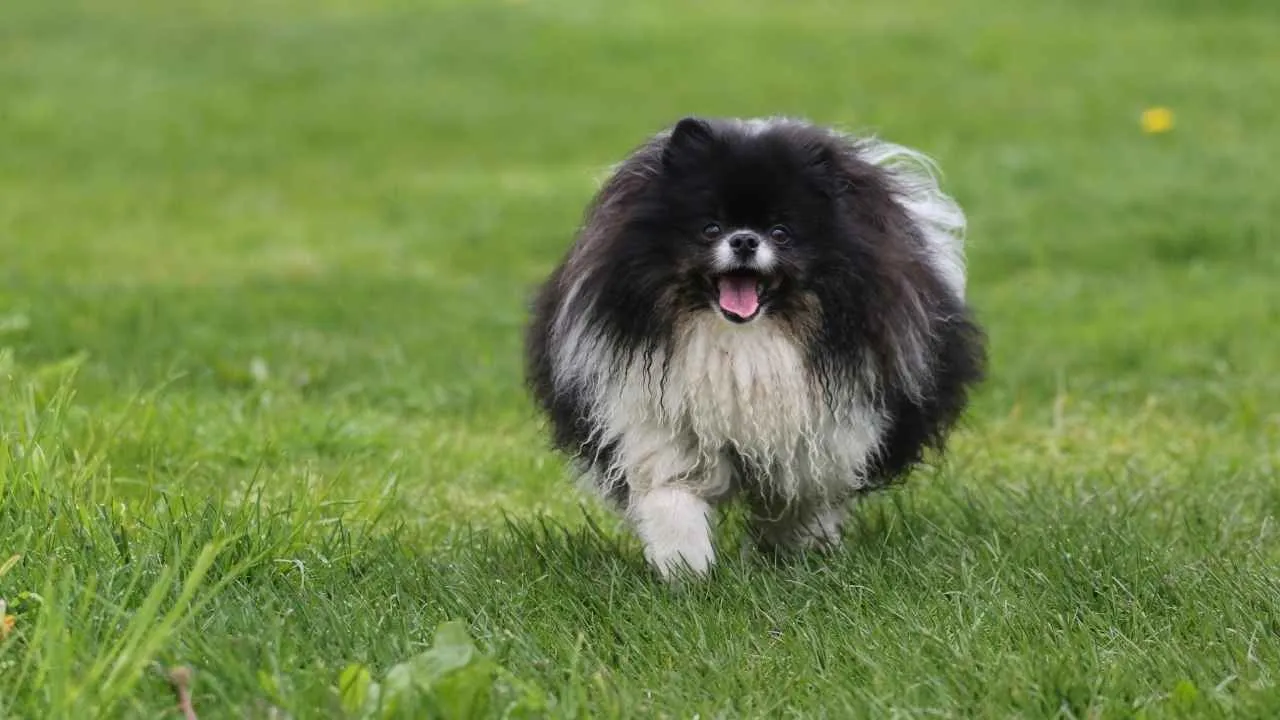
A Pomeranian brings a lively personality to a small frame. It often wants to stay involved with its favorite person, then dash after a toy as if the living room were a grand arena. Walks and playful games can keep its curious mind occupied.
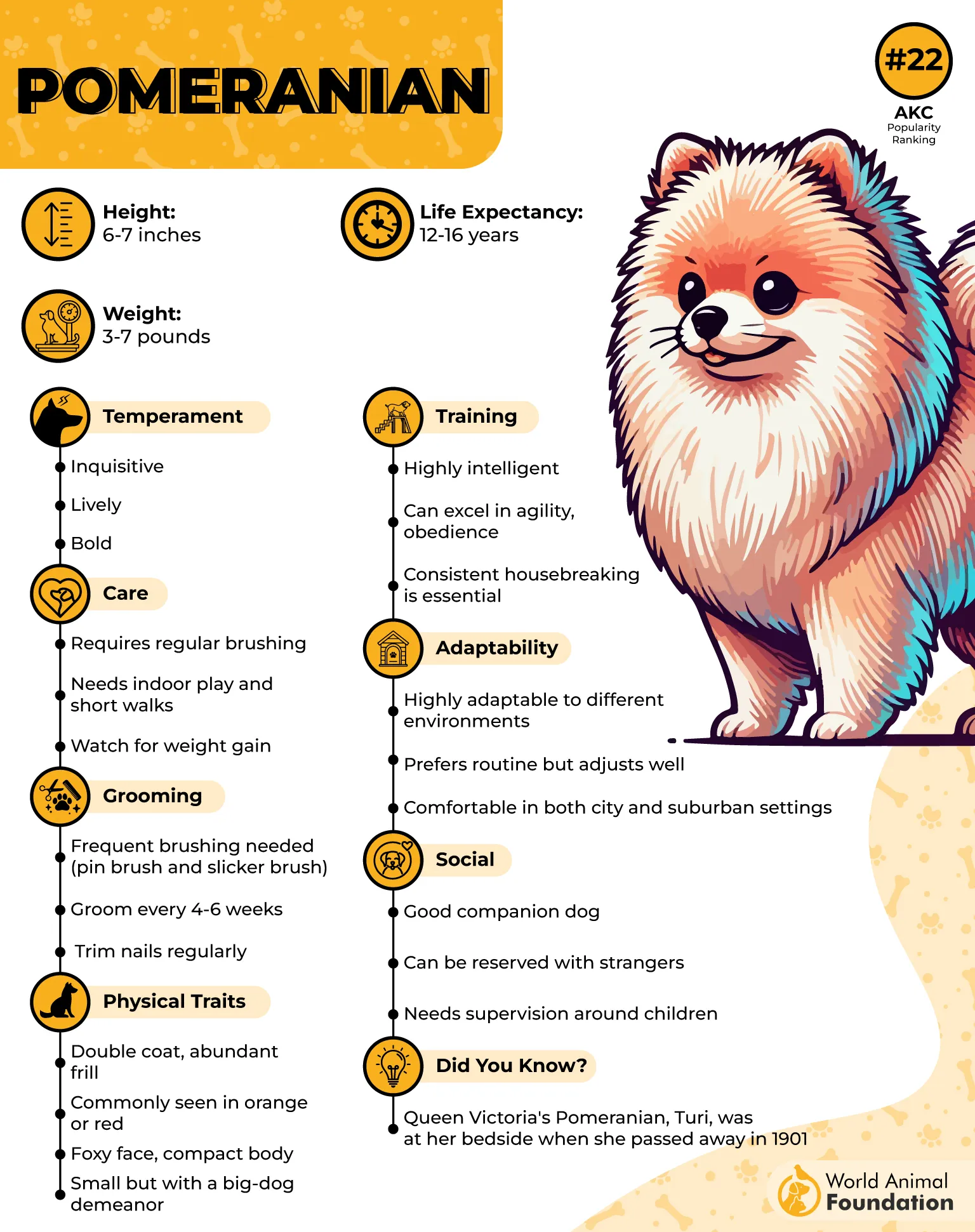
At home, this alert breed may report passing footsteps as urgent news. Visitors can be exciting, and a practiced greeting routine helps the noise cool down. Long stretches alone may be difficult for some, and PDSA describes Pomeranians as lively, curious, and playful.
Handling: A secure harness helps protect a delicate neck on walks. Watch for sudden jumps from chairs, and use both hands to support the dog when lifting.
Care routine: The thick double coat needs brushing, especially when shedding increases. Keep up with nail trims and dental checks, and plan help with grooming if handwork becomes tiring.
This breed suits a senior who enjoys a spirited companion and has patience for occasional commentary on the neighborhood. Apartments can work when barking is managed consistently.
5. Yorkshire Terrier
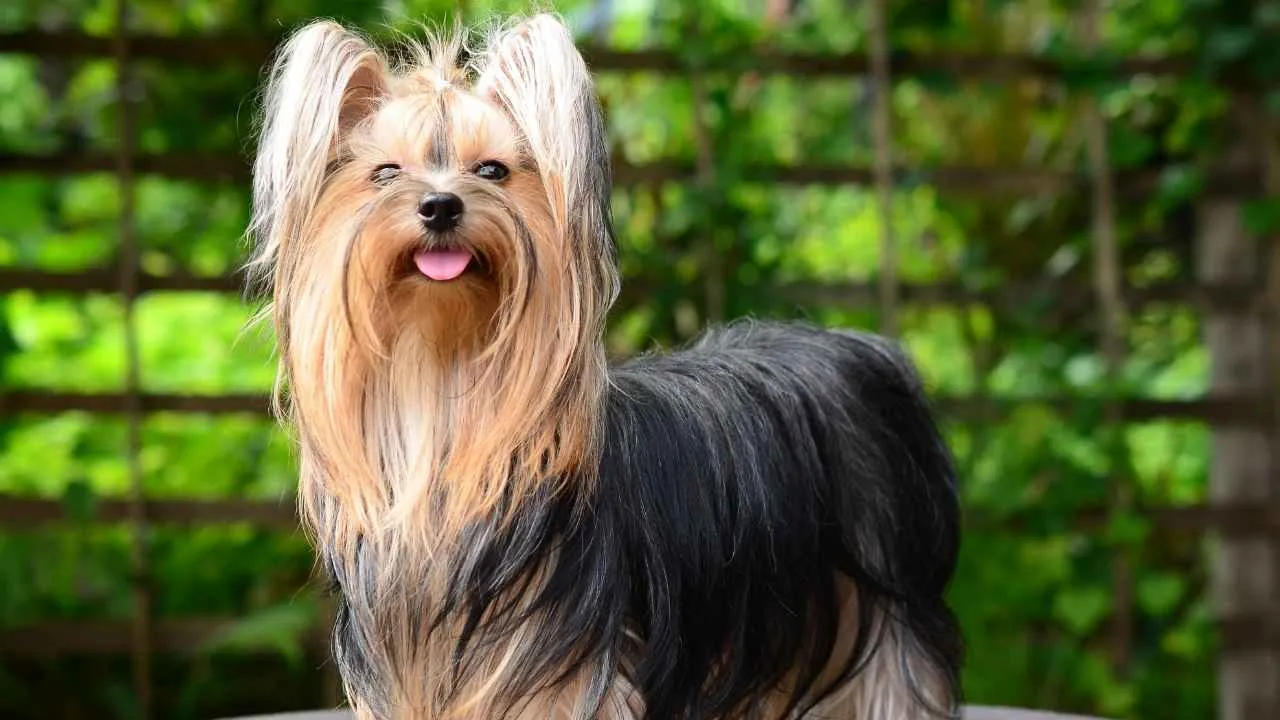
A Yorkshire Terrier may be small enough to disappear behind a cushion, yet it often has plans for the entire room. Many enjoy staying close to their person while keeping an independent streak. Short walks, toy games, and new scents make the day more interesting.
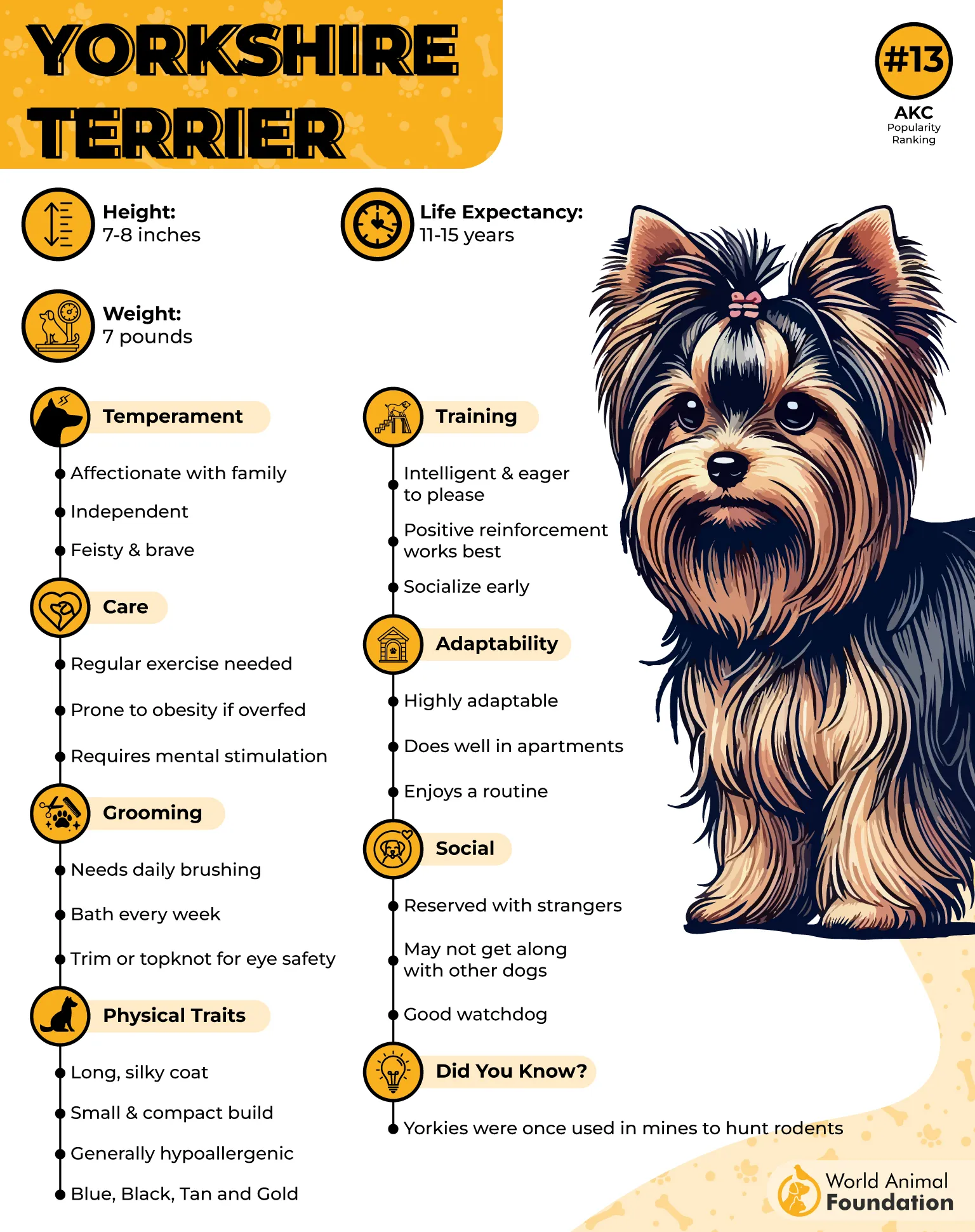
Meanwhile, a sound in the hallway may trigger an alert worthy of a much larger dog. Visitors often get a cautious hello. Long hours alone may bring restless behavior, and other pets should meet slowly so the household stays comfortable for everyone.
Handling: Check underfoot before turning or carrying laundry, since this small dog can appear suddenly. Use a harness for walks, lift with support under the body, and make stairs easier if needed.
Care routine: Fine hair tangles without regular brushing. A shorter trim can simplify grooming, while teeth and nails still need close attention between appointments.
The Yorkshire Terrier suits a senior who wants good companionship with a dash of sass. It can live in an apartment if alert barking is handled early.
6. Japanese Chin
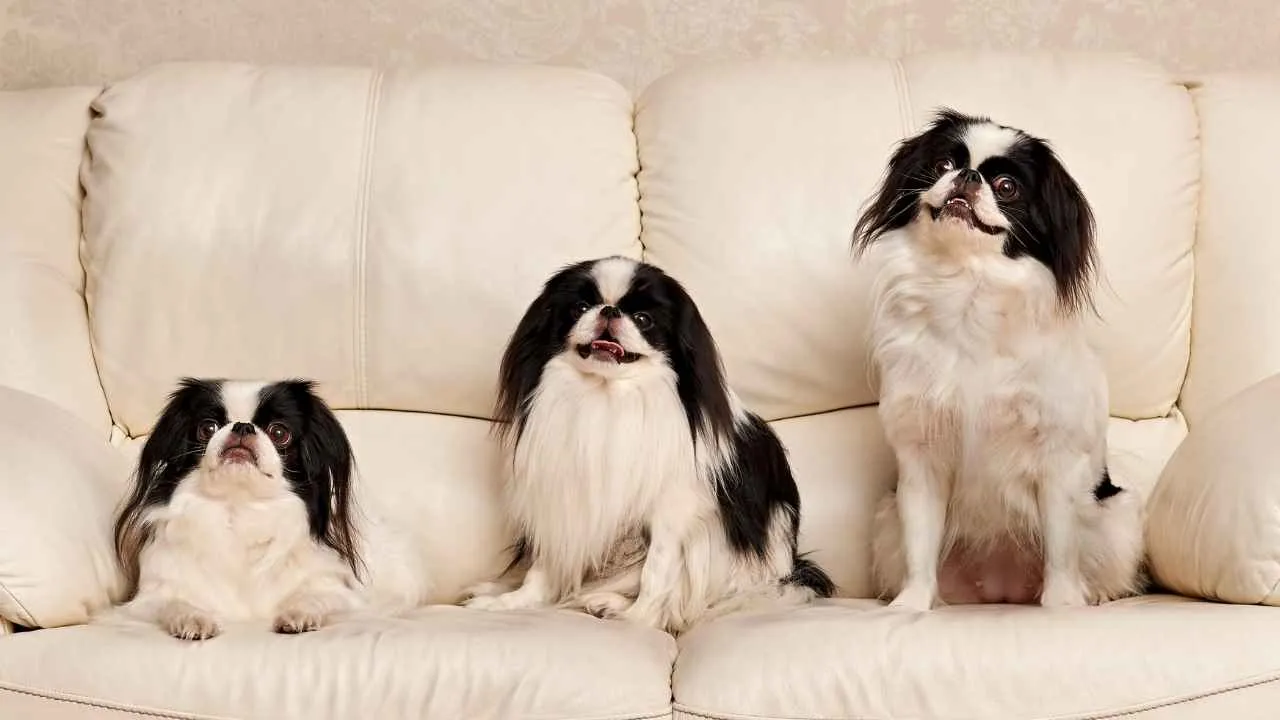
A Japanese Chin often treats companionship as a quiet art. It may settle beside its person for a long stretch, then surprise everyone with a sudden playful burst across the room. Gentle, simple indoor games and relaxed walks can give it variety without demanding a packed schedule.

Around visitors, this dog may watch first and greet later. Hours alone may feel lonely for a dog that prizes familiar company. Royal Canin describes the breed as loving and reserved, so giving guests a little patience can help.
Handling: Its small frame calls for steady support when lifted. Keep it close on a harness outdoors, and help it avoid repeated leaps from high furniture.
Care routine: The silky coat needs regular brushing and attention around the face. Because of its short muzzle, ask a vet about breathing concerns and avoid strenuous outings in hot weather.
The Japanese Chin suits a senior who prefers an especially gentle rhythm and plenty of shared indoor time. It can enjoy apartment living with calm, daily outings.
7. Papillon
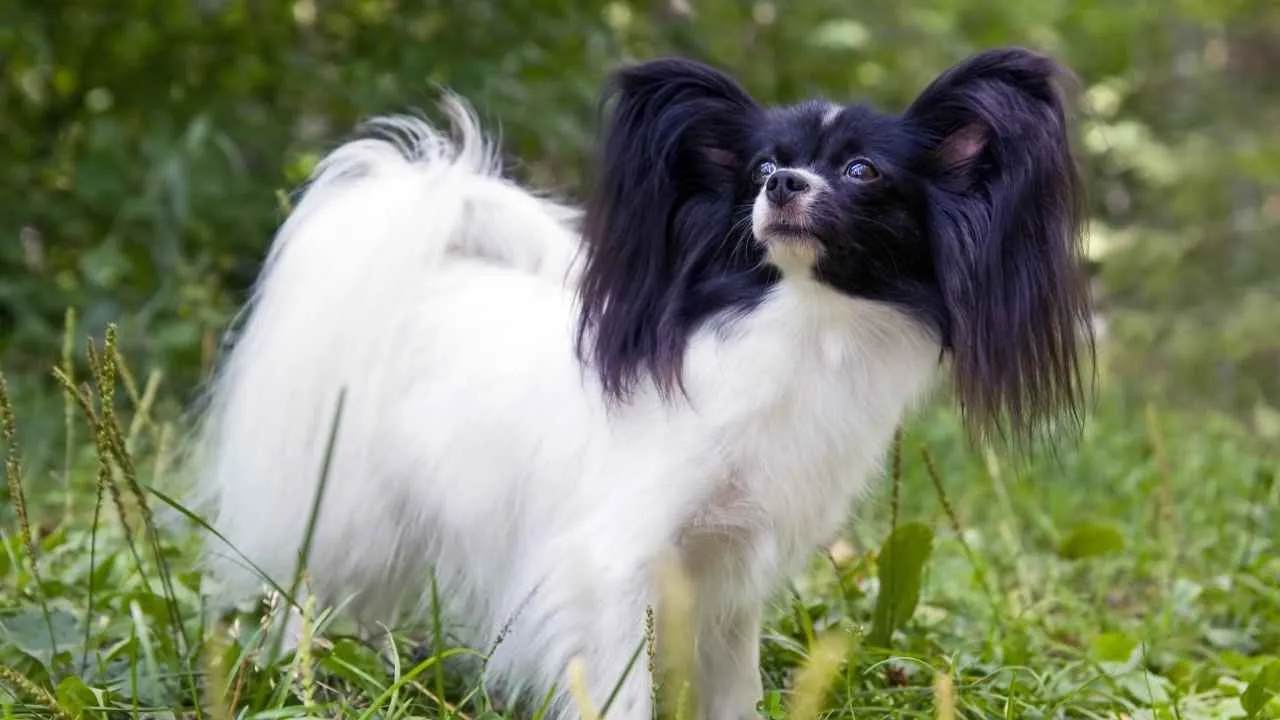
A Papillon looks dainty until it spots a game, then those famous ears seem to lift the whole dog. It enjoys closeness with its person but also wants chances to move and think. Brisk little walks, tricks, and puzzle toys can make an ordinary morning feel like an event.
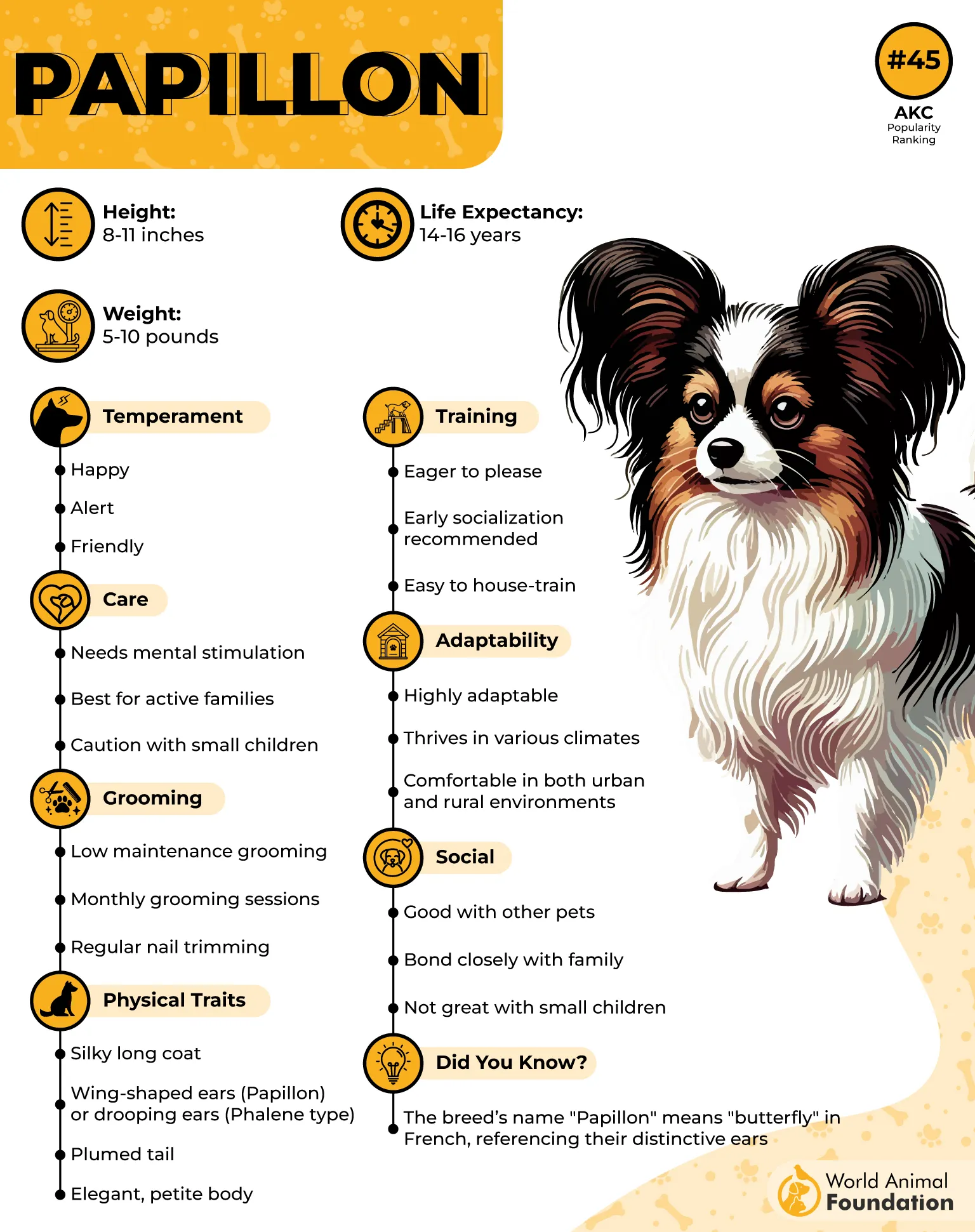
At home, the Papillon may notice visitors quickly and voice an opinion. Time alone takes practice, especially if other pets share the home. Friendly introductions and familiar routines can keep greetings pleasant.
Handling: Its light body needs careful support when lifted, especially around excited children or larger pets. Use a secure harness, watch underfoot, and consider ways to reach favorite resting spots.
Care routine: Brush the long ear fringes and coat to prevent tangles. Nails, teeth, and ears need routine checks, even though the coat does not demand complicated styling.
This breed suits a senior who enjoys an active small dog and likes teaching new things. It can thrive in an apartment when walks and games are part of the schedule.
Conclusion
The best small dog is the one whose ordinary day fits comfortably into yours. A tiny face may win you over, but walks, grooming, barking, and the occasional underfoot surprise deserve a place in the decision, especially if you want a routine you can enjoy for years.
Maybe you want a lively partner for daily outings, or perhaps a quieter companion for afternoons at home. Think about your schedule, handling comfort, and access to help with pet care, then meet individual dogs and choose the one whose personality makes you smile on an ordinary Tuesday.
