




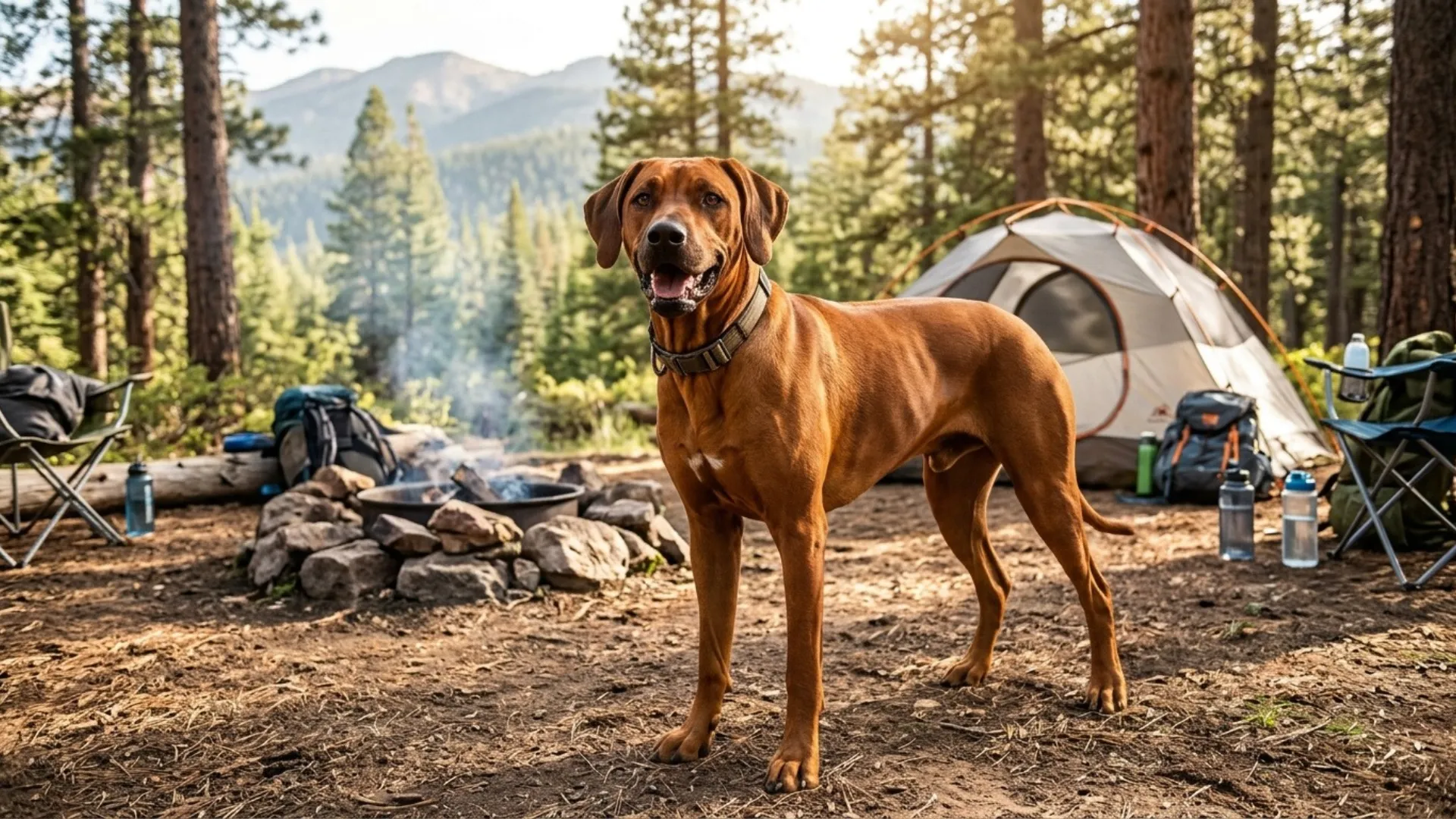
More than 64 percent of American campers now bring a dog along on their trips, up from under 40 percent a decade ago.
That number comes from KOA’s 2024 Camping & Outdoor Hospitality Report, proof that camping with a dog has gone mainstream. It isn’t proof the dog is built for it, since plenty of athletic dogs can out-hike their owner and still fall apart once the leash comes off.
A campsite has no fence, no sidewalk, and no fixed schedule, testing what most hiking dog lists skip: how a dog handles unstructured freedom.
A mixed-breed rescue or a working line can both pull this off, but energy isn’t the real question. What matters is how the dog behaves once nobody is holding the leash.
Before picking your next trail companion, it helps to know what kind of freedom you’re signing up for. Here’s how each contender stacks up.
Freedom-Loving Dog Breeds Perfect for Camping Trips
1. Rhodesian Ridgeback
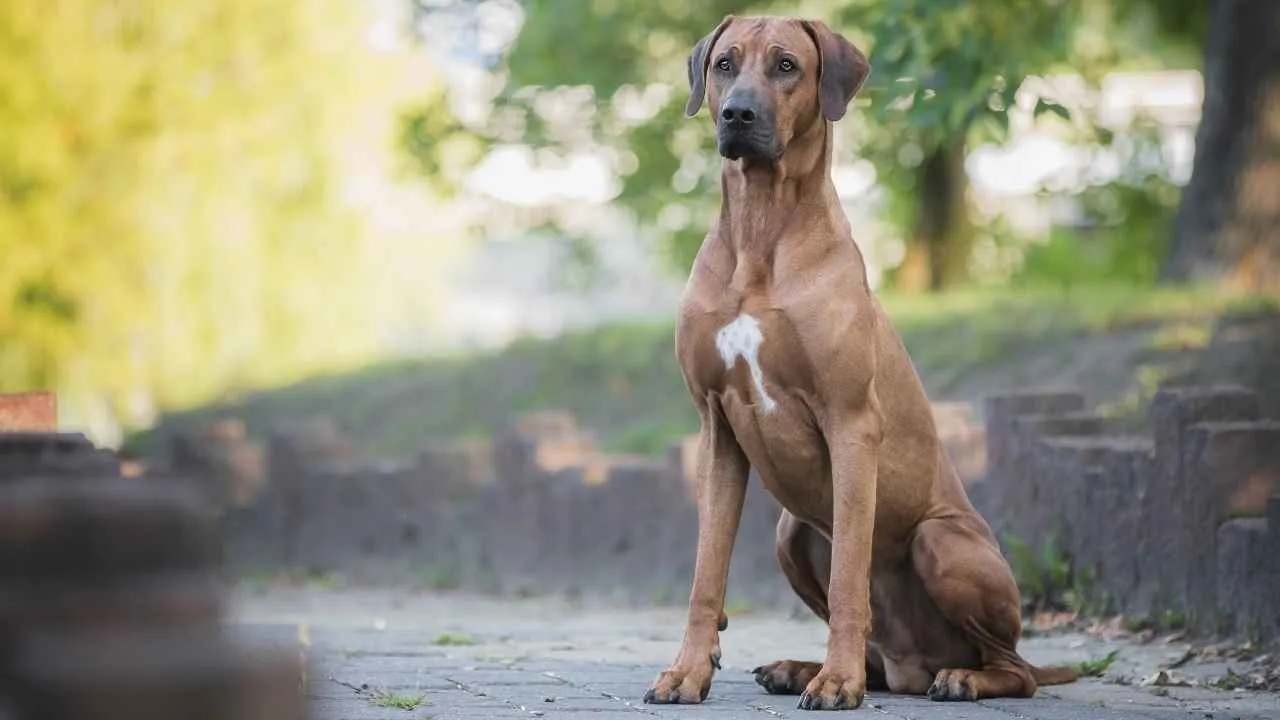
The Rhodesian Ridgeback was bred in southern Africa to track lions far ahead of the hunter, what VCA calls being the mighty lion-hunter. That history built an independent dog whose freedom means room to follow a scent trail on its own terms.
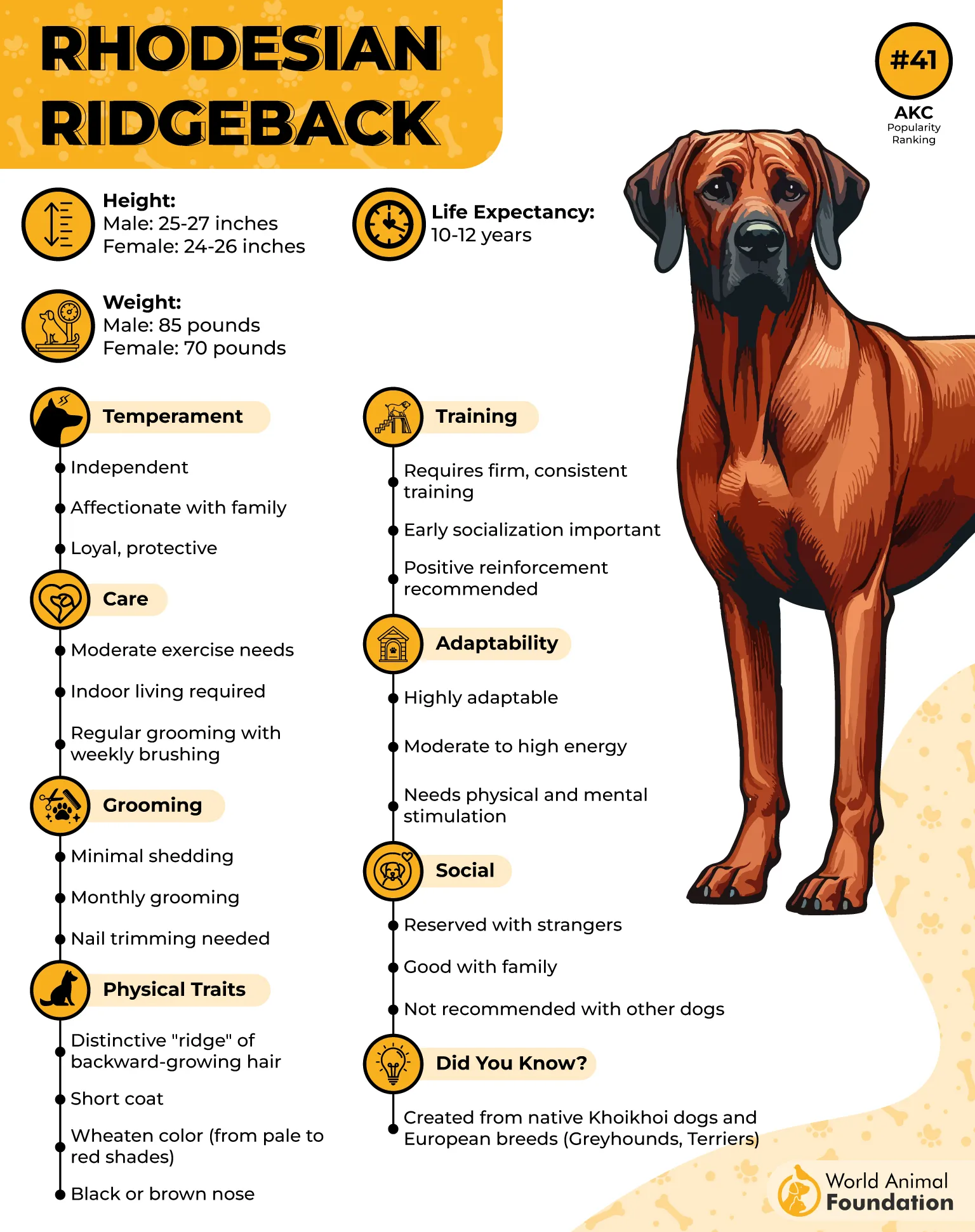
Off-leash reliability is shaky here at best. Once a scent trail crosses its path, this breed’s hunting instinct can easily override any recall command you call out.
Prey drive: Chases rabbits, deer, and camp wildlife on instinct.
Roaming risk: Can range far before doubling back, if it doubles back at all.
Containment: Needs a secure boundary or long leash, never a loose camp.
Pick a camp on open scrub or rough terrain, warm to mild, where this working dog can stretch its legs. Its short hair makes a damp, dense forest the wrong fit.
2. Golden Retriever
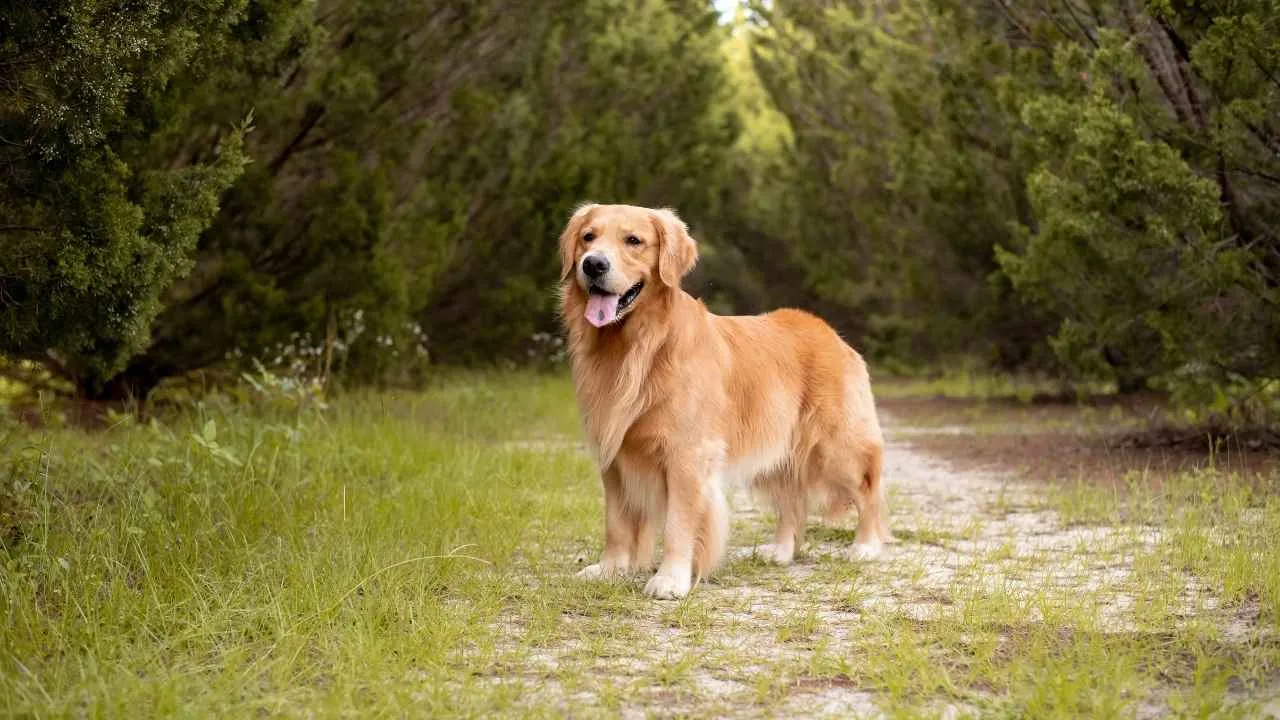
The Golden Retriever was bred in Scotland to retrieve waterfowl beside a hunter, work that built a dog who wants company more than distance. The AKC calls the breed friendly and trustworthy, and at camp that shows up as a love of water and a job to carry back to you.
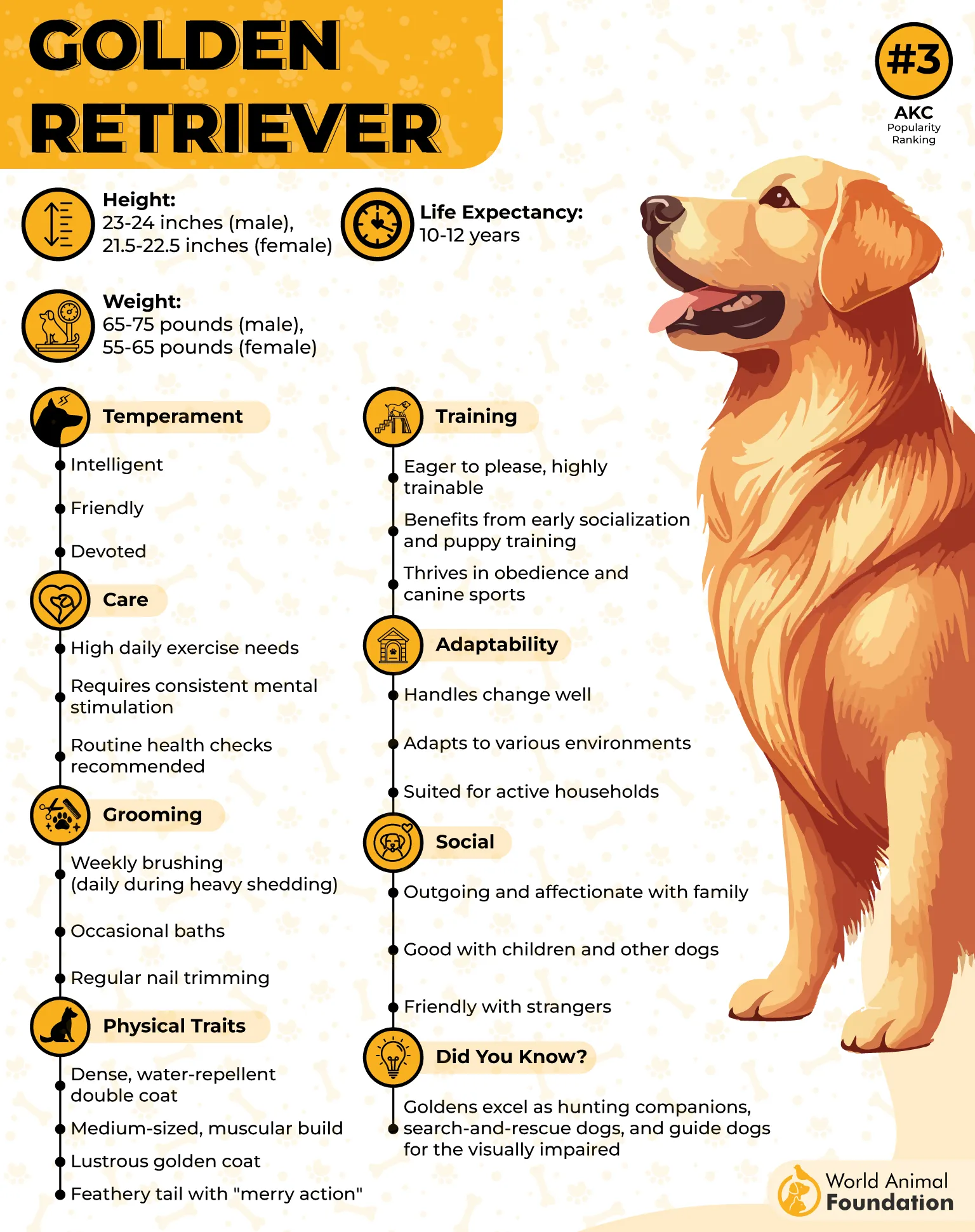
This is the rare freedom-loving breed that can genuinely earn off-leash trust, since it is easy to train and eager to please. The one catch is distraction: birds, water, or other dogs can pull its focus right off a trained recall.
Water pull: May jump into a lake chasing birds mid-walk.
Other dogs: Easily distracted by new pack mates passing camp.
Training time: Needs real recall practice before it’s trusted off leash.
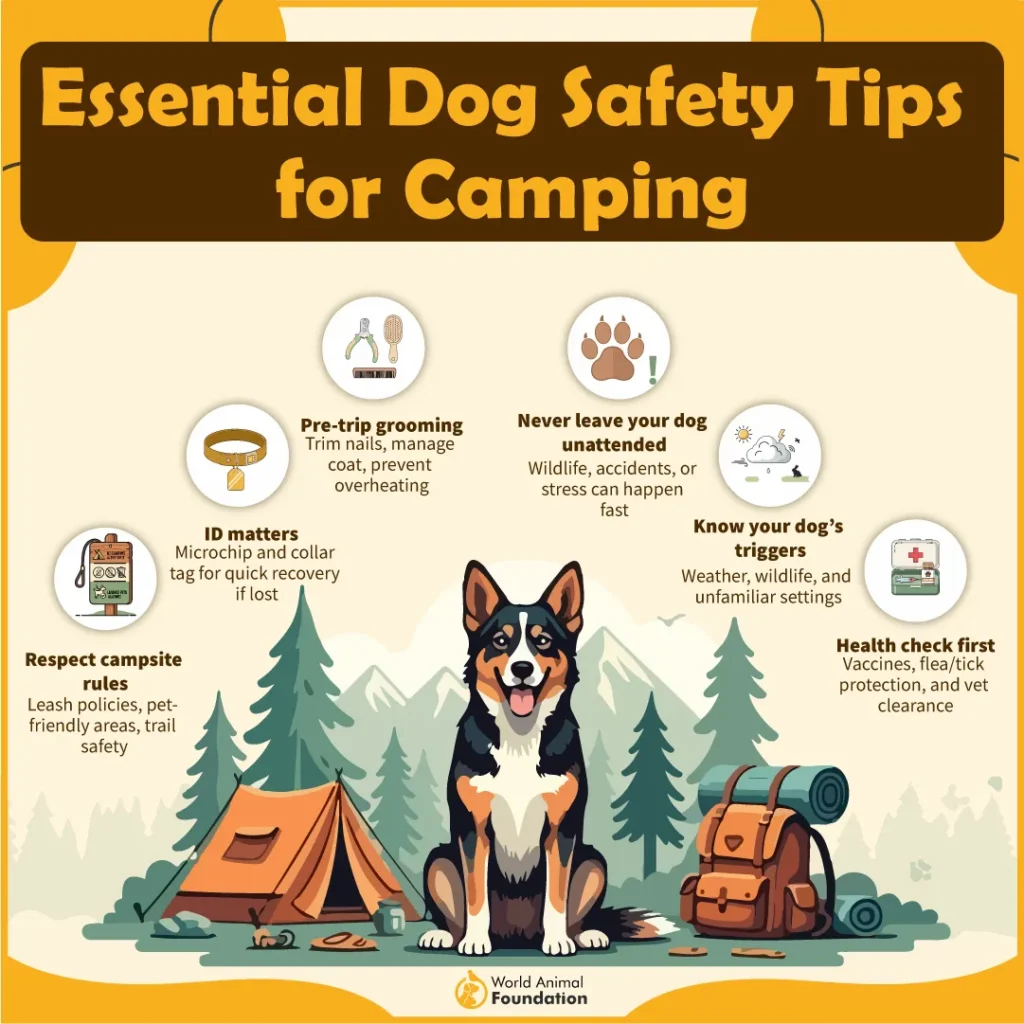
A lakeside or river camp fits this high-energy dog breed best, giving it long swims to burn off boundless energy. Moderate climates suit it well, though regular brushing keeps that thick coat in shape.
3. German Shepherd
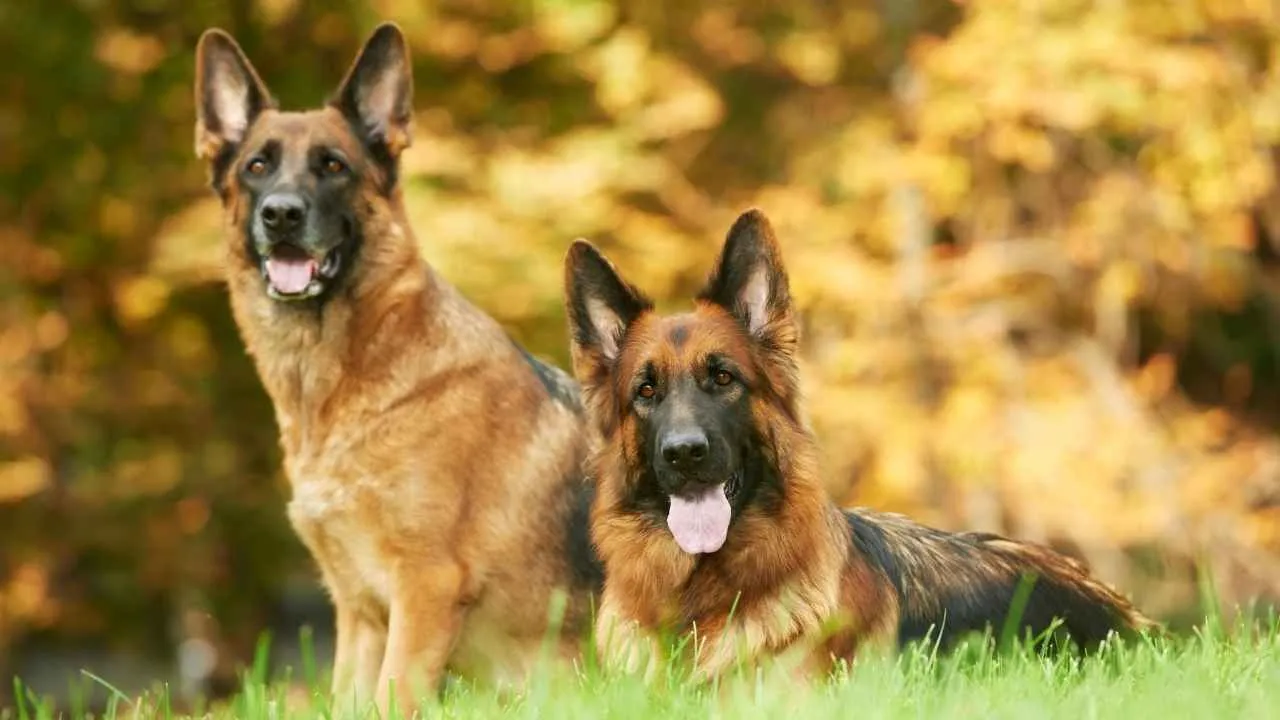
The German Shepherd was developed in Germany as a herding dog built to work a field at a distance from its handler, later becoming a top working dog for police and military roles. That history gave it an independent streak, but its freedom is job-shaped: it wants a task near its own pack, not open distance from it.
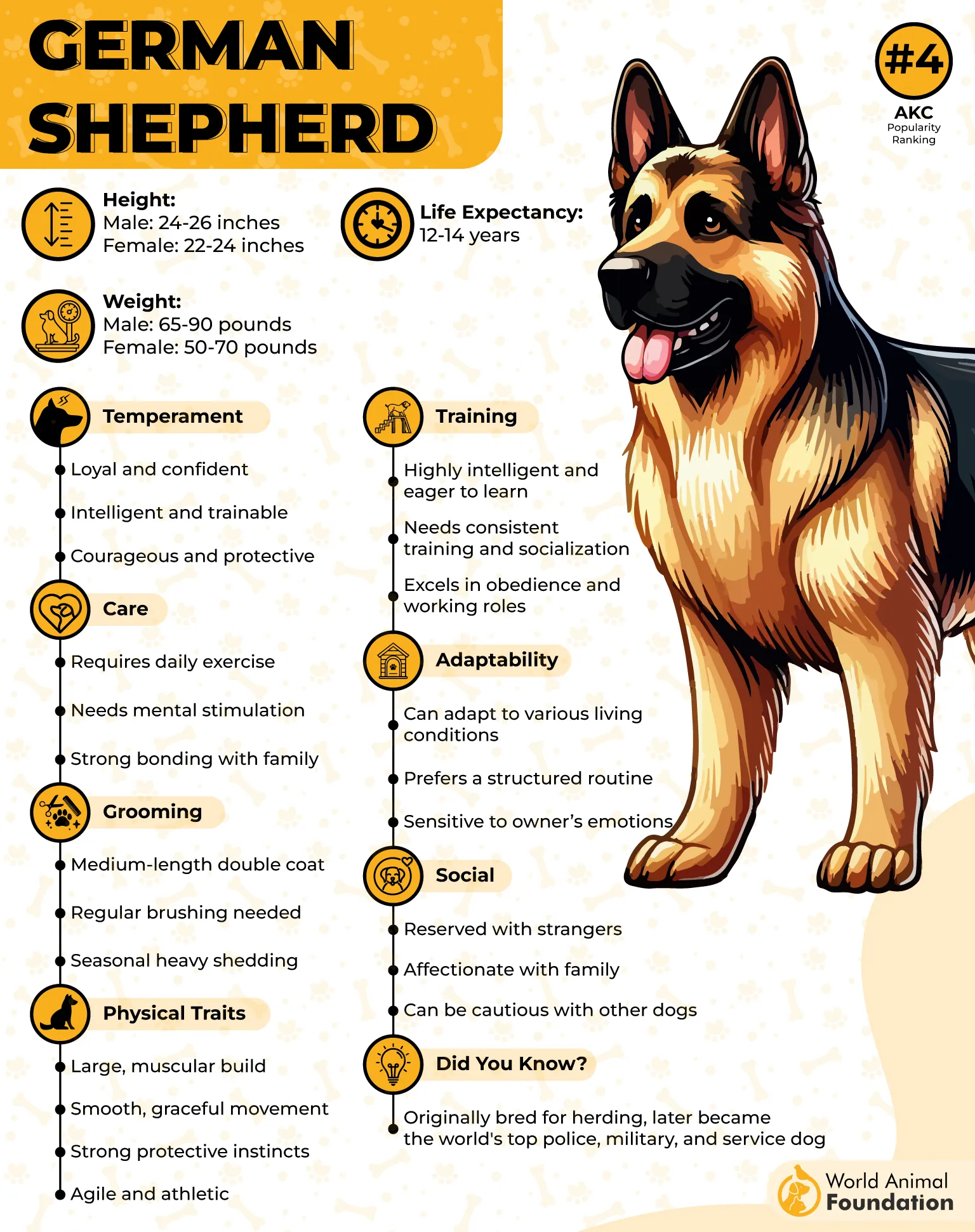
Recall tends to be genuinely strong in this breed, since it is easy to train and naturally handler-focused. It still needs real experience before you trust it fully off leash on a new trail.
New terrain: May test boundaries in an unfamiliar camp before settling.
Guarding instinct: Can bark at other campers or animals passing by.
Heat care: Its thick double coat needs extra precautions in hot weather.
This athletic breed does well on long hikes and rough terrain, where it can patrol the camp perimeter like a job. Cooler, forested sites suit it better than hot, exposed ground.
4. Vizsla
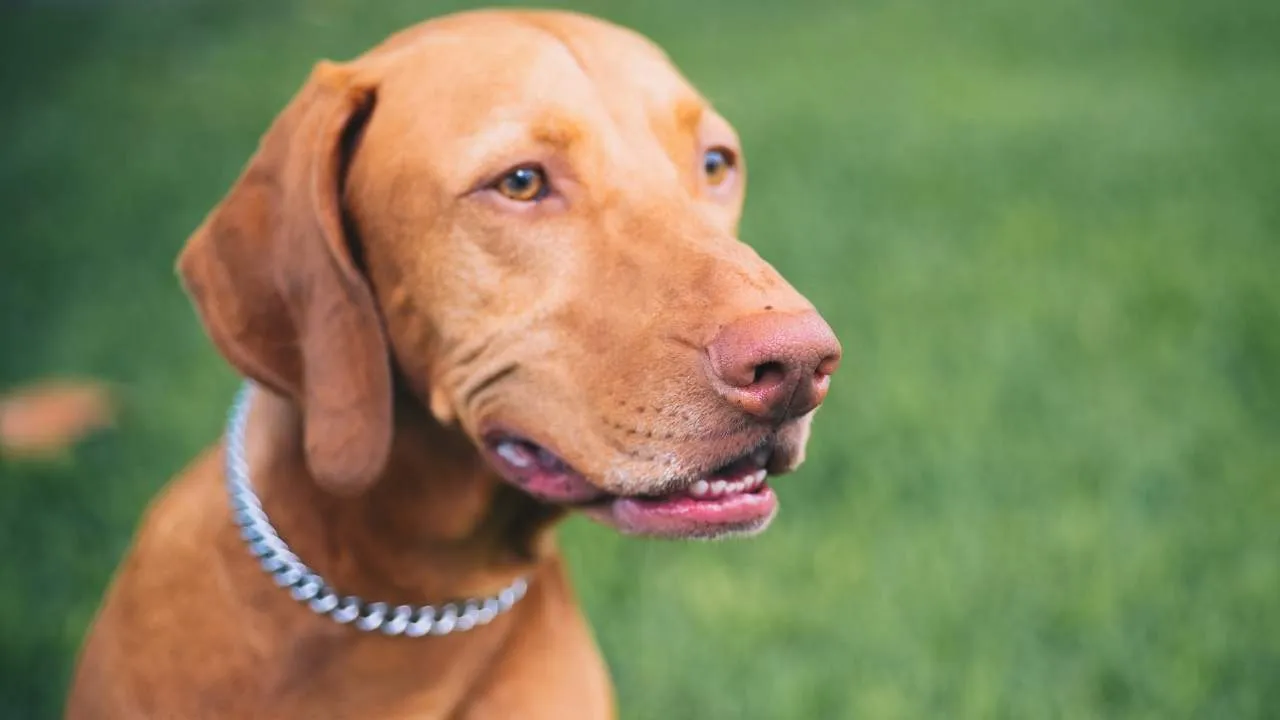
The Vizsla was bred in Hungary as a hunting partner that points and retrieves right beside its owner, not far ahead of them. Its nickname, the velcro dog, says it all. Freedom here means movement, not distance, since it would rather run laps around you than away from you.
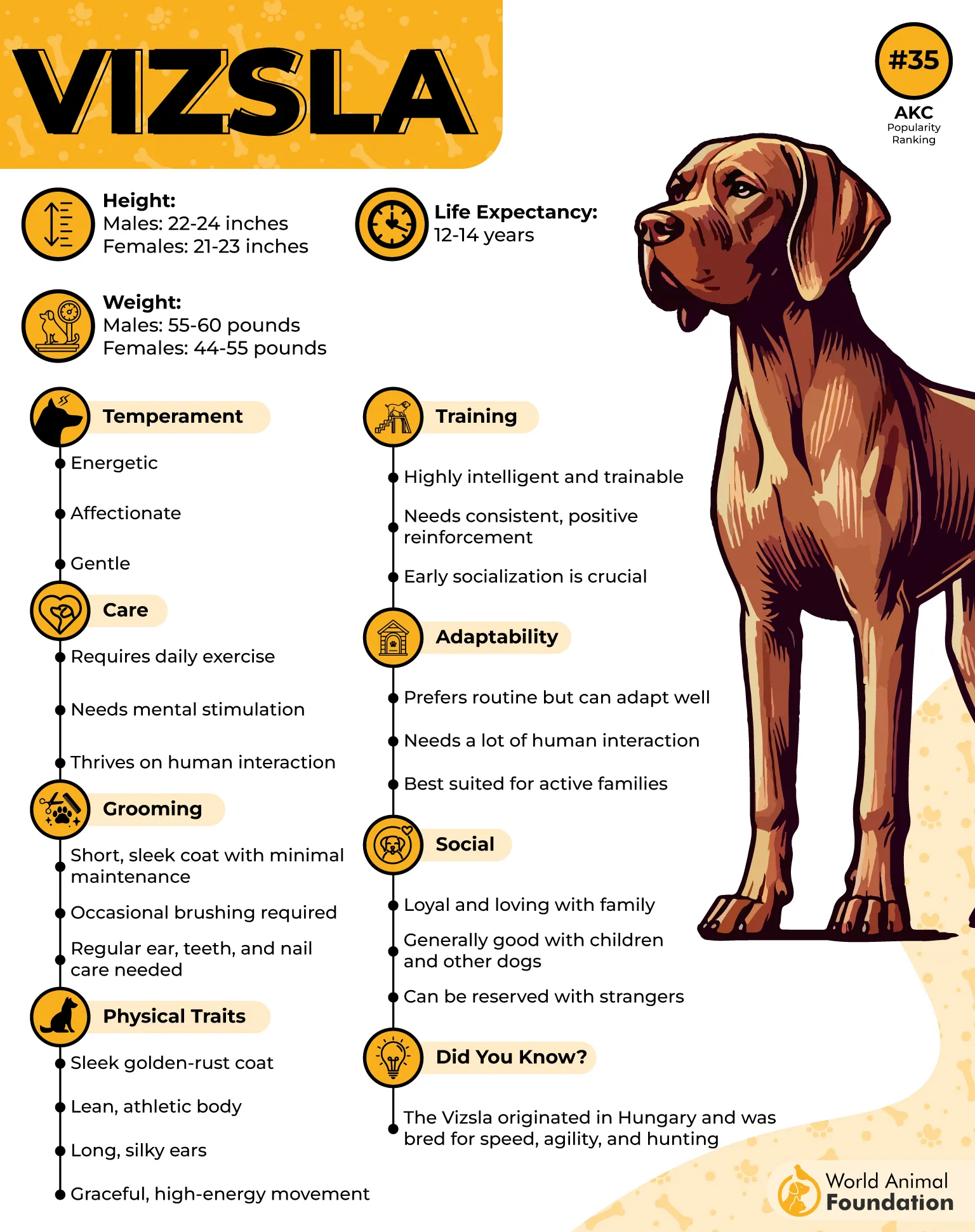
Recall is complicated by a strong prey drive left over from its hunting roots, so birds or small animals can override its usual urge to stay close. Keep it leashed near wildlife, even though it rarely wants to be far from your side.
Prey drive: May bolt after birds or small animals near camp.
Separation stress: Struggles if left alone or tied far from people.
Weather sense: Its short coat needs a jacket in cold camps.
Pitch this dog’s tent in the heart of camp, not at the edge, since it wants to spend time right where the people are. Open meadow or field camping in mild to warm weather suits it far better than a solo, cold setup.
5. Siberian Husky
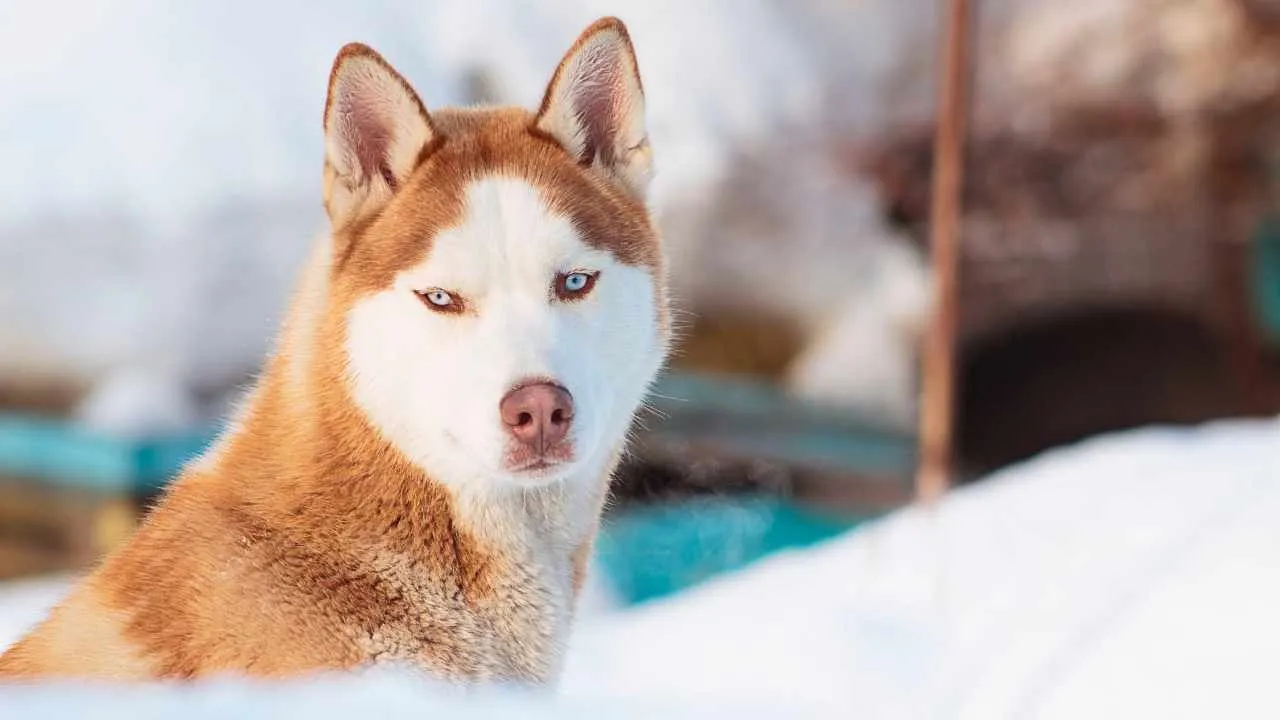
The Siberian Husky was bred by the Chukchi people to pull sleds across long distances as part of a working pack, not as a solo runner. Purina describes the breed as outgoing, loyal, and independent. Freedom for this dog means open ground, covered as a team rather than alone.
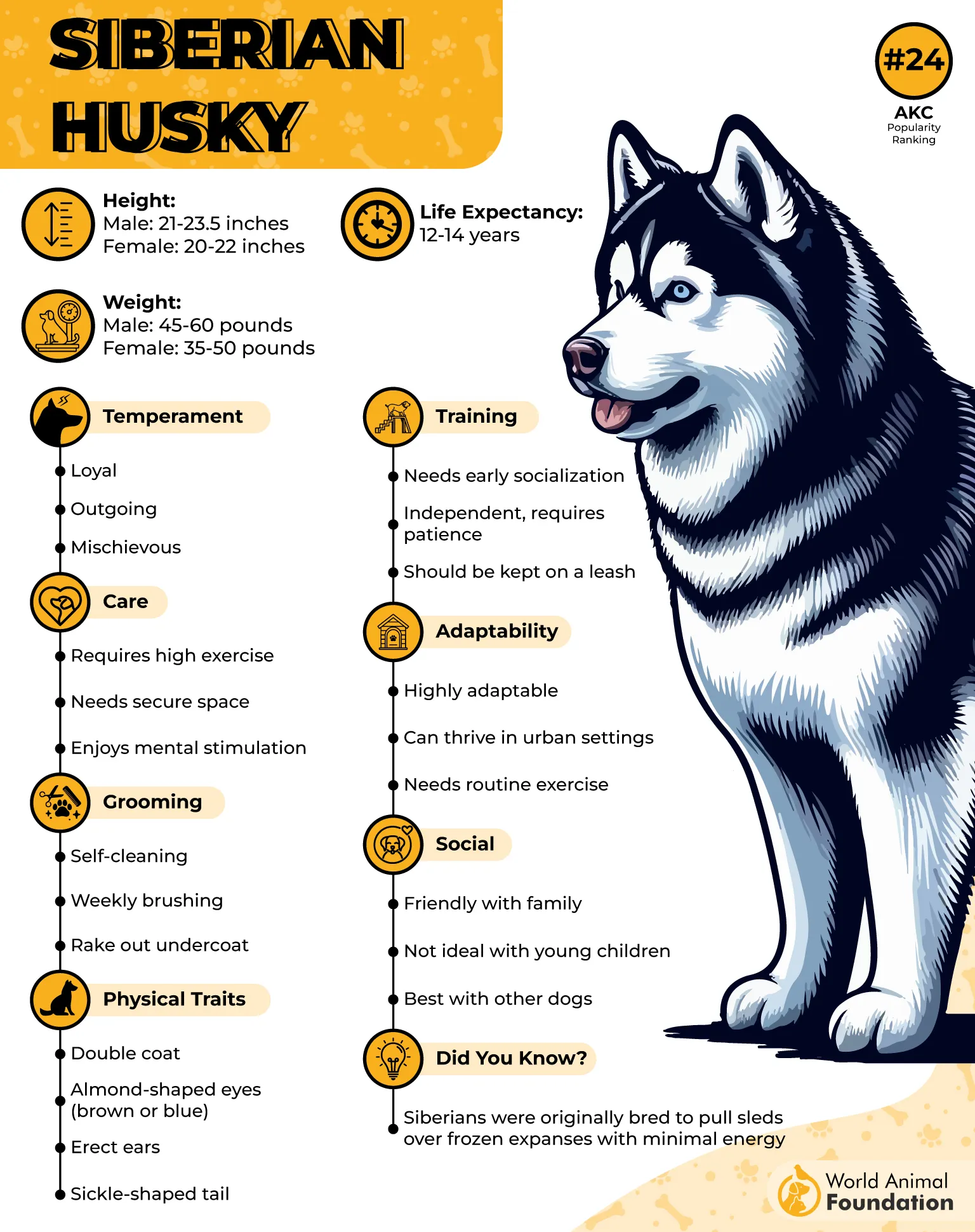
Off-leash freedom is not realistic for this breed, no matter how well trained it seems. A high prey drive and a born escape artist’s instincts mean it can vanish over the horizon the moment a scent crosses its path.
Prey drive: Will chase small animals without hesitation, every time.
Escape risk: Known to dig under or climb over loose fencing.
Secure site: Needs a tall, dig-proof boundary or a tie-out line.
Cold, snowy terrain is this breed’s natural home, so mountain or forest camps in winter suit it best. Hot weather is a genuine risk for a dog built with a double coat for the cold.
6. Bernese Mountain Dog
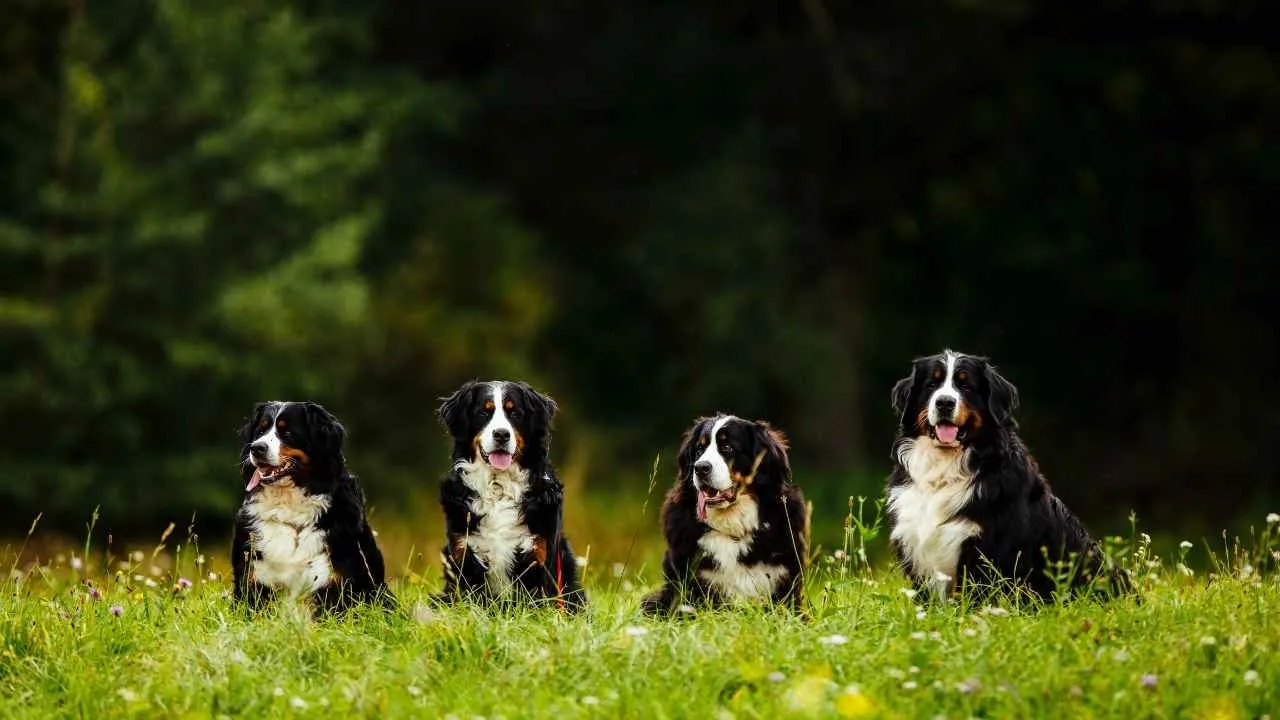
The Bernese Mountain Dog was developed in the Swiss Alps as a farm dog, pulling carts and guarding property right alongside its family. Orvis describes the breed as alert, confident, and friendly, built to work close to people. Its idea of freedom is simply having a job to do near its own pack.
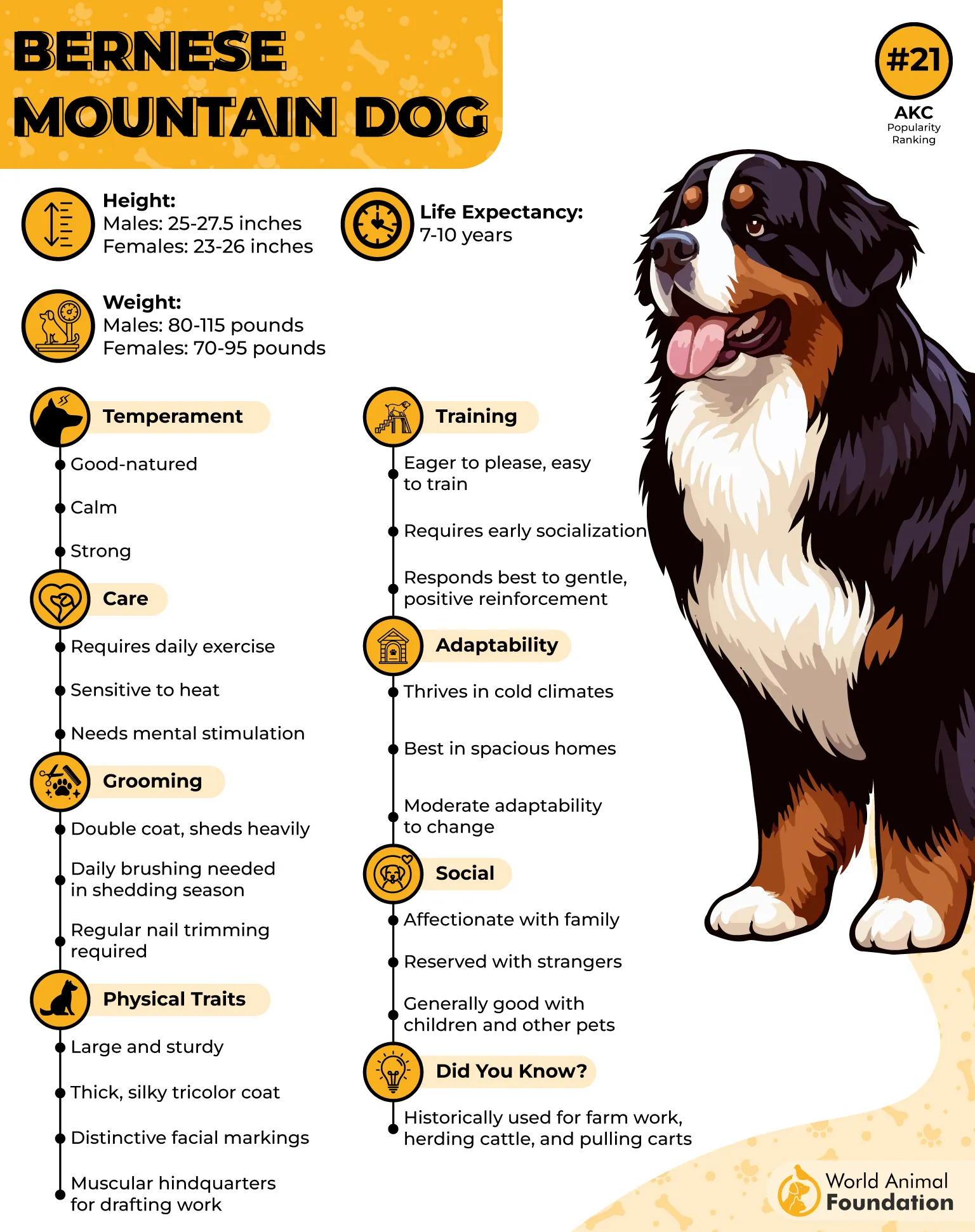
This gentle giant is generally easy to trust off leash, since it has low prey drive and a strong pull toward staying near people. Its size and slower pace matter more than its recall, since it’s not built for a fast chase anyway.
Heat risk: Its heavy double coat overheats fast in warm weather.
Joint care: Avoid long, rough hikes with a growing puppy along.
Pace limits: Not built for fast trail running or long-distance days.
Shaded, cool forest camps at moderate elevation suit this breed far better than hot, exposed ground. A calm basecamp setup, rather than a long trail push, keeps it comfortable.
7. Alaskan Malamute
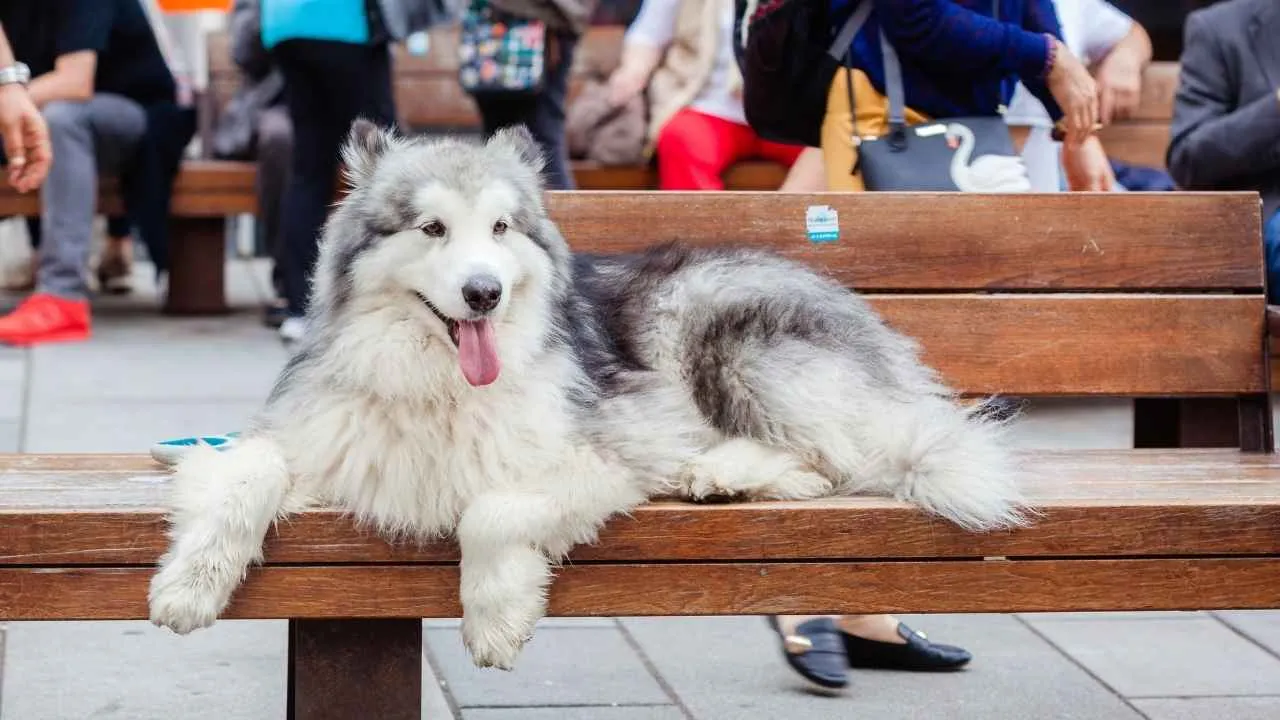
The Alaskan Malamute was bred by Arctic peoples to haul heavy freight across long distances, a job that called for raw power more than speed. Britannica notes the breed’s loyal, friendly history on polar expeditions and sled teams alike. Its freedom is physical: weight to pull against, not open space to wander alone.
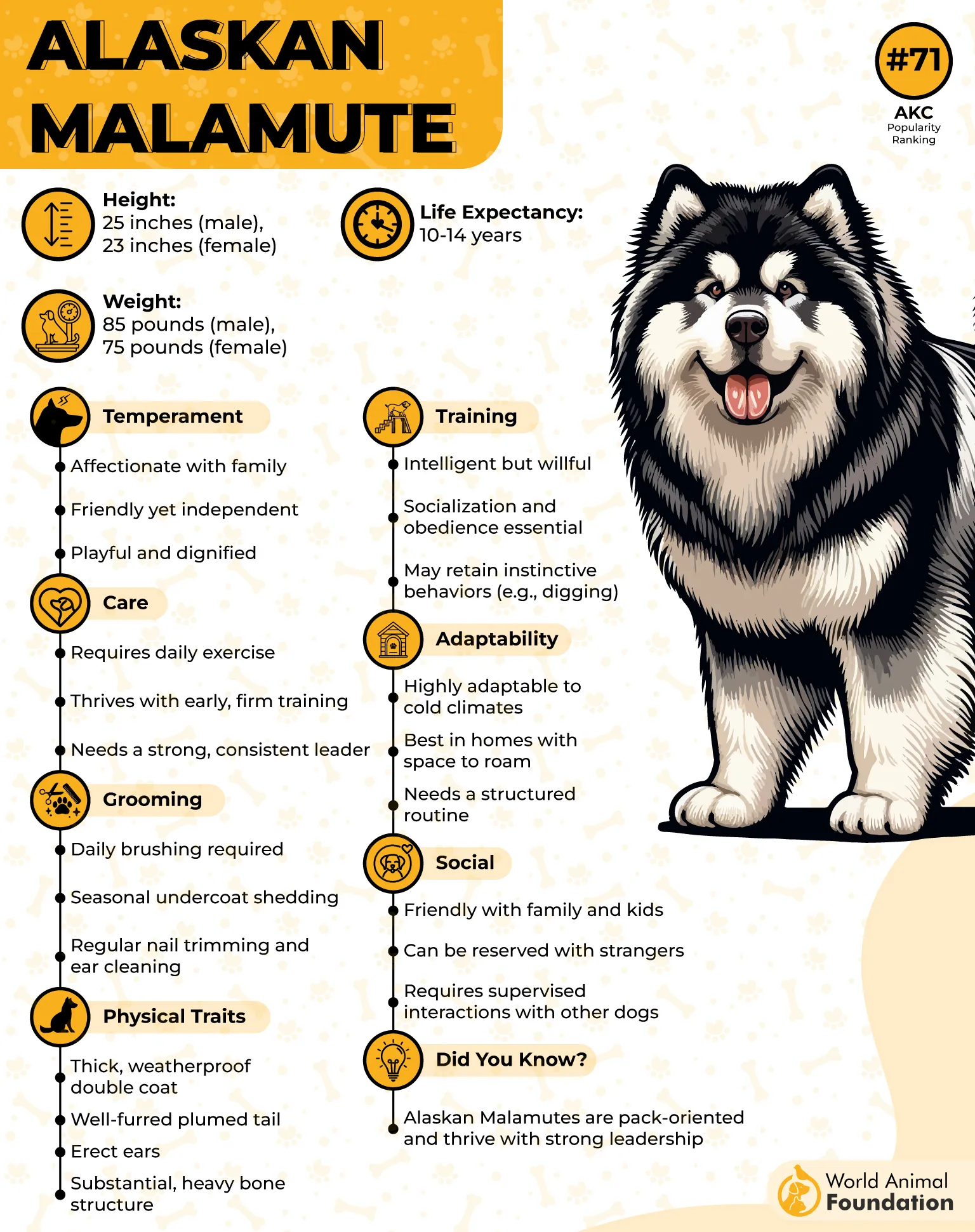
Off-leash trust should never be assumed with this breed, no matter its friendly nature around people. A strong prey drive and a stubborn, pack-dominant streak mean it can wander off or challenge a weak boundary without warning.
Prey drive: May chase small animals around camp without hesitation.
Strong pull: Hard to physically hold back on a standard leash.
Heat limit: Struggles badly once temperature changes bring warm weather.
Cold, snowy mountain terrain is where this breed feels most at home, with plenty of open ground to carry gear across. Keep hot climates and humid lowland camps off the list entirely.
Conclusion
Freedom-loving doesn’t mean the same thing twice, since one dog craves distance and a scent trail while another just wants its person in the next tent. The right dog for your trip is whichever one actually relaxes once the structure of daily life disappears, not whichever one scores best on paper.
Whichever one joins your pack, pick a trail that suits its kind of freedom, pack a long line just in case, and plan for long walks instead of total freedom at first. Pick your dog, pick your terrain, and get out there.
