




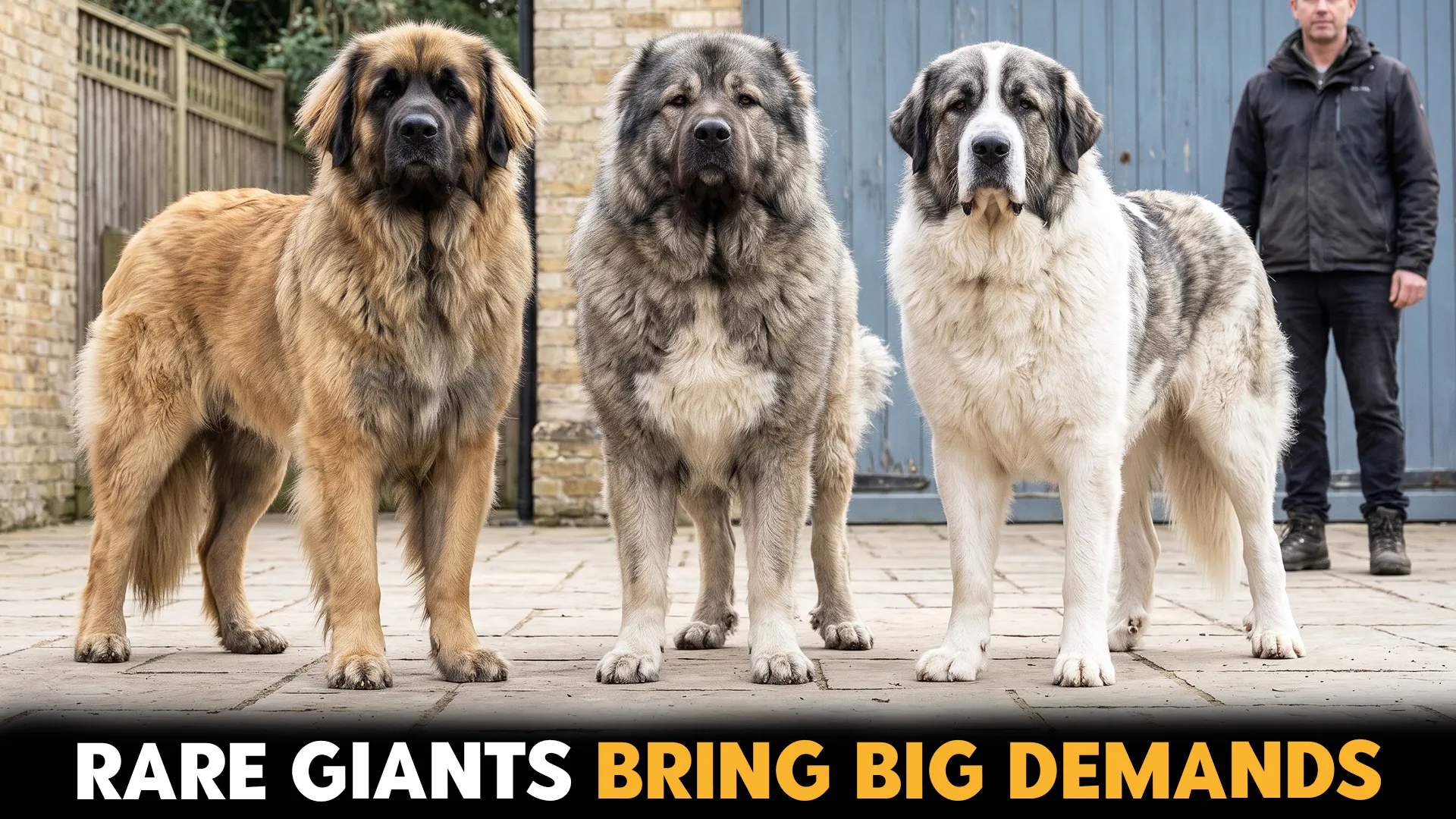
Rare giant dog breeds capture attention with their towering stature, remarkable strength, and fascinating histories. Many were originally developed for demanding tasks like guarding livestock, protecting property, or working alongside humans.
Despite their imposing appearance, these enormous dogs can be affectionate, loyal, and surprisingly gentle. However, their size brings special responsibilities, including spacious living arrangements, proper training, and careful attention to joint health.
Before welcoming one of these extraordinary companions, discover what makes rare giant breeds unique and what future owners should consider.
Rare Giant Dog Breeds and What Future Owners Should Know
1. Leonberger

The Leonberger is an affectionate giant that thrives on close family companionship. Developed in Germany, this impressive breed combines traits from the Newfoundland, Saint Bernard, and Great Pyrenees. Its gentle, patient temperament can make it a devoted family dog and even a promising therapy companion.
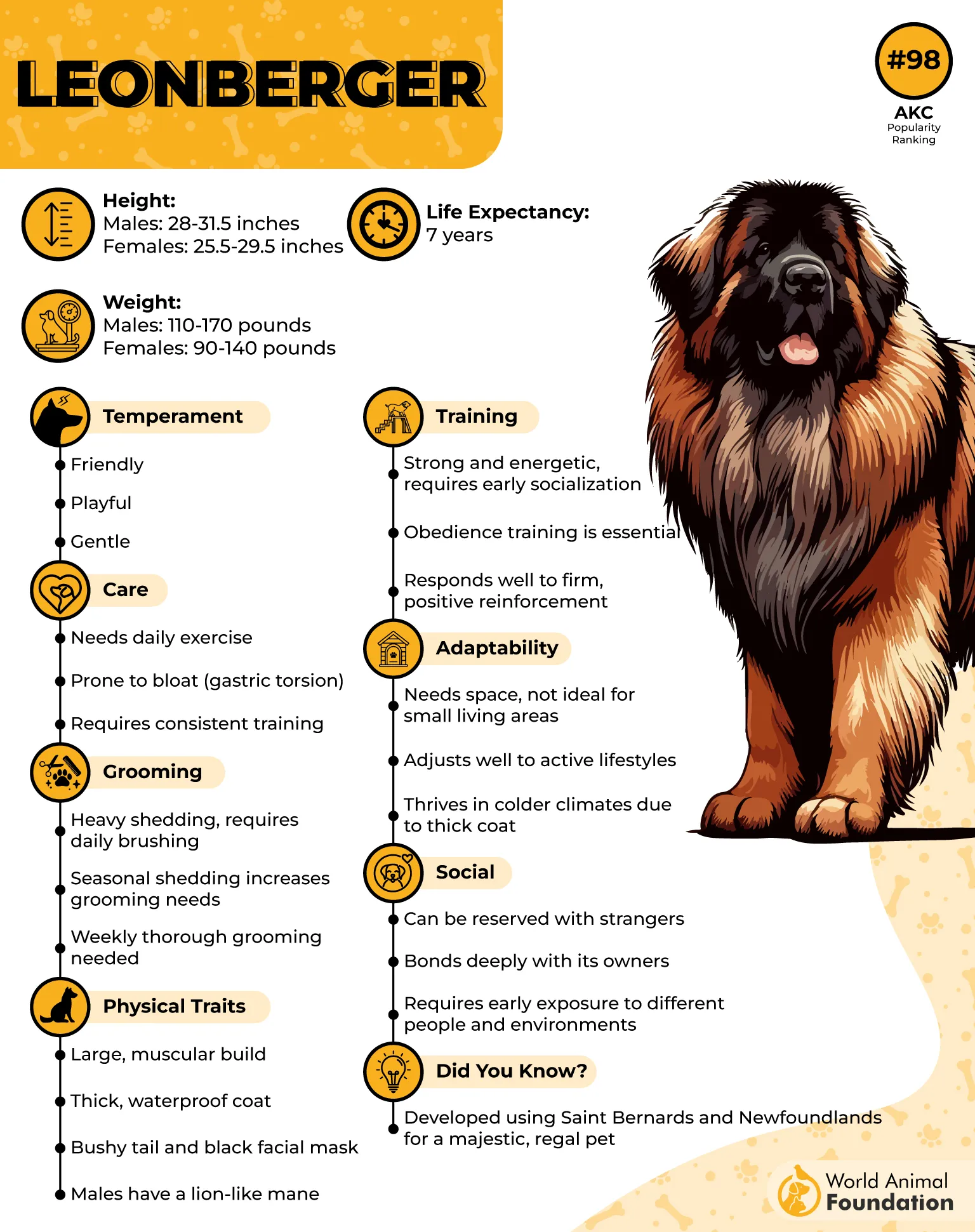
One of its most striking features is its enormous frame, complemented by a thick coat and a distinctive mane around the neck and chest. Males can weigh up to 170 pounds, while females generally have a lighter build.
Despite its calm disposition, the Leonberger needs plenty of room to move, consistent training, and regular exercise. Its abundant coat also requires frequent brushing to manage shedding and prevent tangles.
How This Breed Stands Out
Lion-like mane and impressive stature: Its massive build and thick neck ruff create a memorable, regal appearance.
Strong need for space and regular grooming: Requires room for comfortable movement and consistent coat maintenance.
2. Caucasian Shepherd
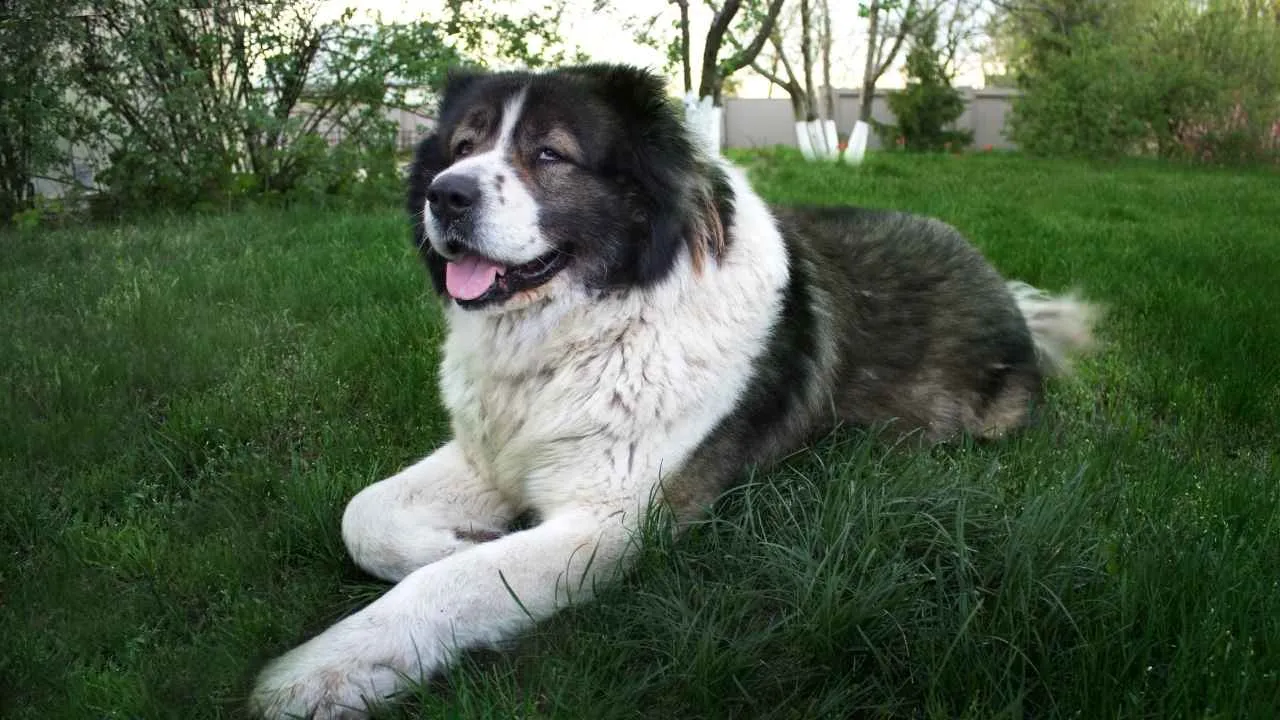
Originating in the Caucasus Mountains, the Caucasian Shepherd was developed to protect livestock and settlements from predators and intruders. Its powerful build, fearless attitude, and strong territorial instincts make it a formidable guardian, although it can be affectionate and devoted to its family.
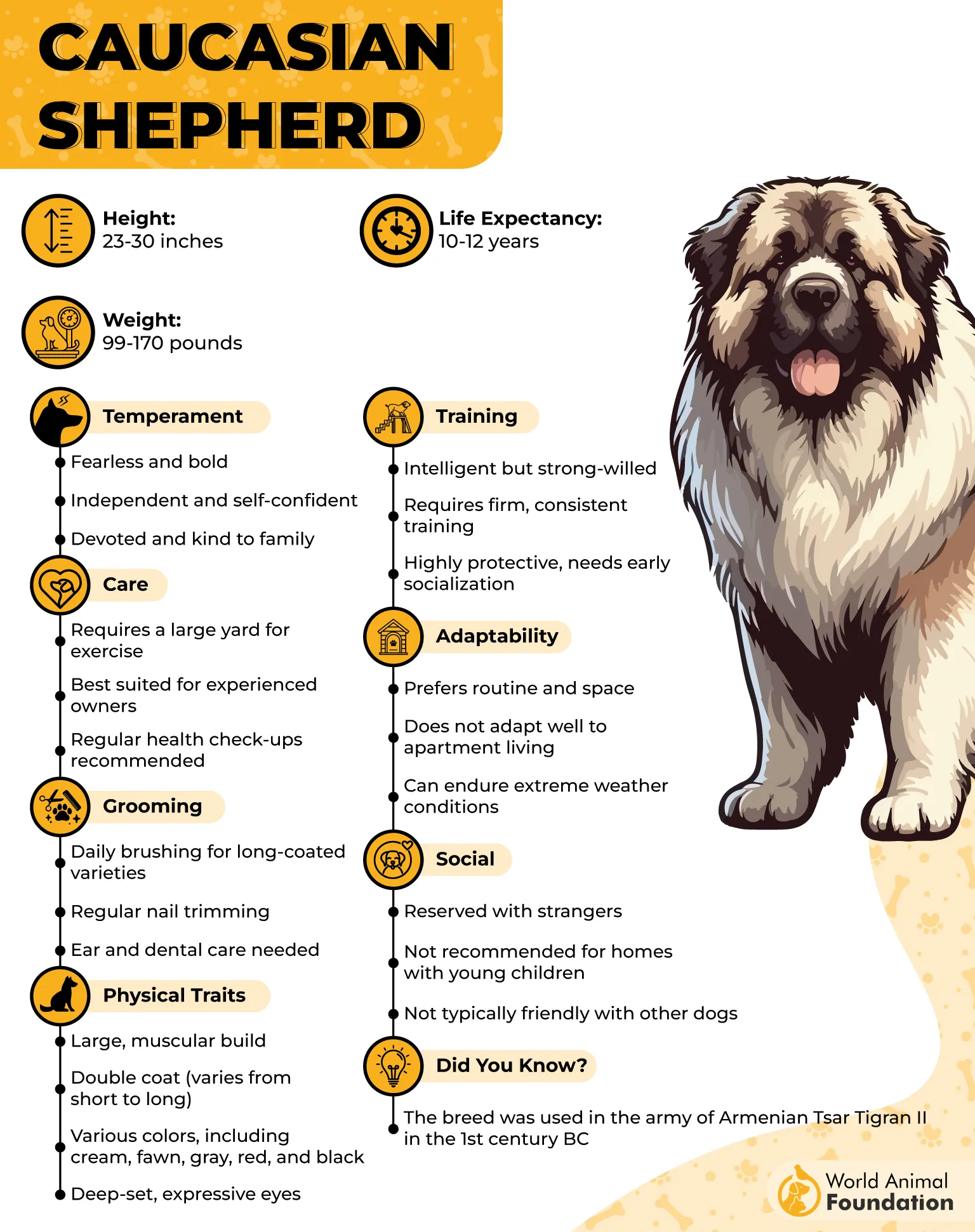
This giant breed generally weighs between 99 and 170 pounds and stands 23 to 30 inches tall. Despite its imposing appearance, it does not require excessive physical activity but benefits from regular exercise and mental challenges.
The Caucasian Shepherd is not an ideal choice for inexperienced owners. Early socialization, firm and consistent training, and secure outdoor space are essential. Grooming requirements also vary, with long-coated dogs needing considerably more brushing than their short-coated counterparts.
How This Breed Stands Out
Powerful livestock-guardian instincts: Naturally protective and alert, with a long history of defending animals and property.
Requires experienced handling and early socialization: Its independent, territorial nature calls for confident ownership and consistent training.
3. Pyrenean Mastiff
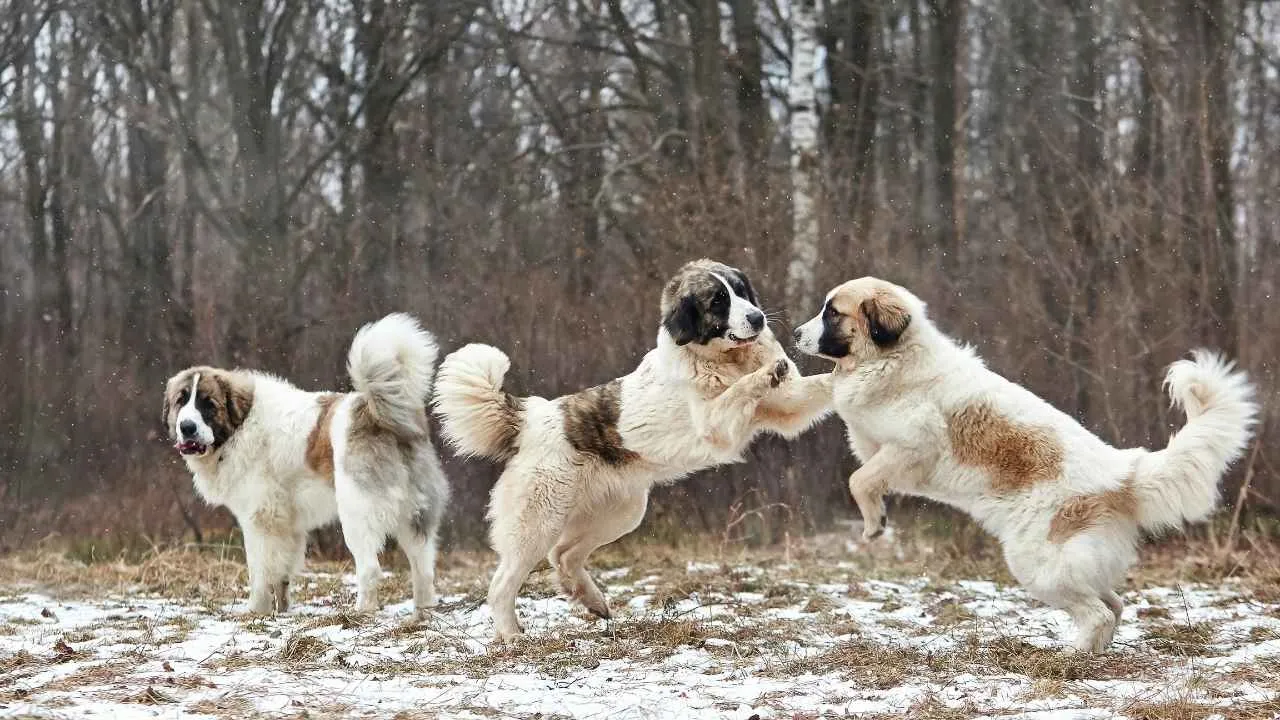
Originating in Spain’s Pyrenees Mountains, the Pyrenean Mastiff was traditionally entrusted with protecting livestock from predators and thieves.
Despite its enormous size, this rare guardian is known for its gentle, affectionate nature and strong attachment to its family. According to the AKC, the Pyrenean Mastiff is a gentle and noble dog breed.

These dogs are generally patient with children and can coexist peacefully with other household pets. However, their natural suspicion of unfamiliar people makes early socialization important. They are alert guardians rather than constant barkers, typically responding when something attracts their attention.
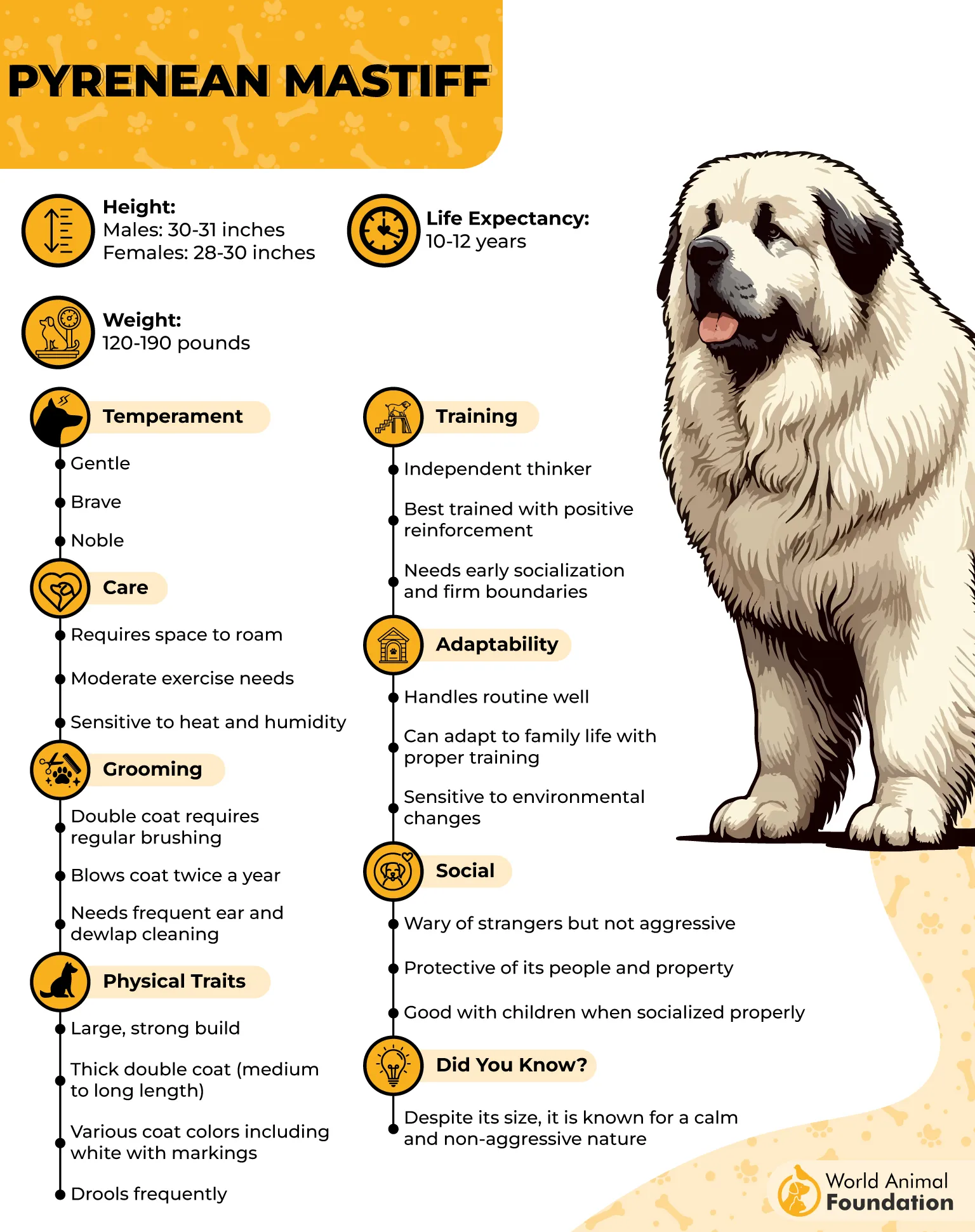
Weighing between 180 and 220 pounds, the Pyrenean Mastiff needs considerable living space and consistent training. Its thick coat requires frequent brushing, while drooling, regular ear and eye care, and moderate exercise are additional ownership considerations.
How This Breed Stands Out
Gentle flock guardian with a massive build: Combines impressive physical strength with a calm, affectionate temperament.
Independent temperament and protective instincts: Naturally watches over its family and surroundings while retaining an independent streak.
4. Neapolitan Mastiff
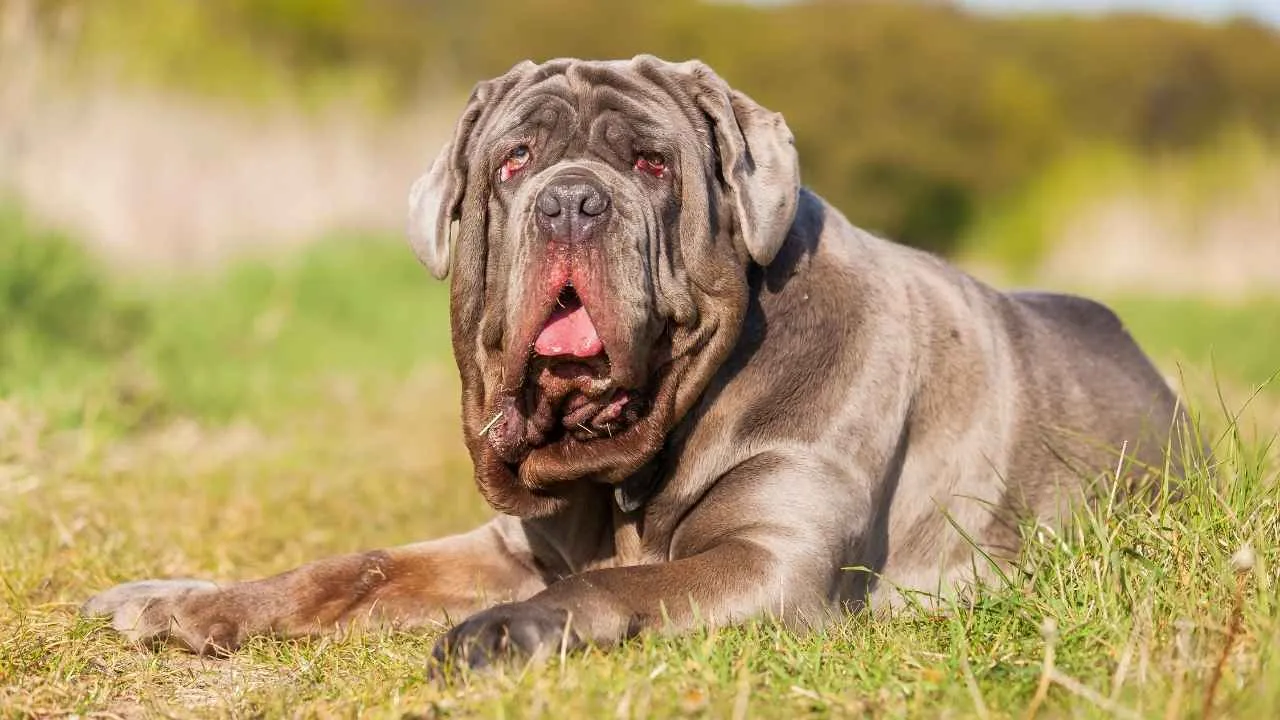
The Neapolitan Mastiff has an imposing appearance that reflects its history as a protective guardian. Despite its intimidating looks, this breed is generally affectionate, gentle, and relaxed with its family.
According to WebMD, the Neapolitan Mastiff is a massive, heavily built dog with a broad head and loose, wrinkled skin covering its body.
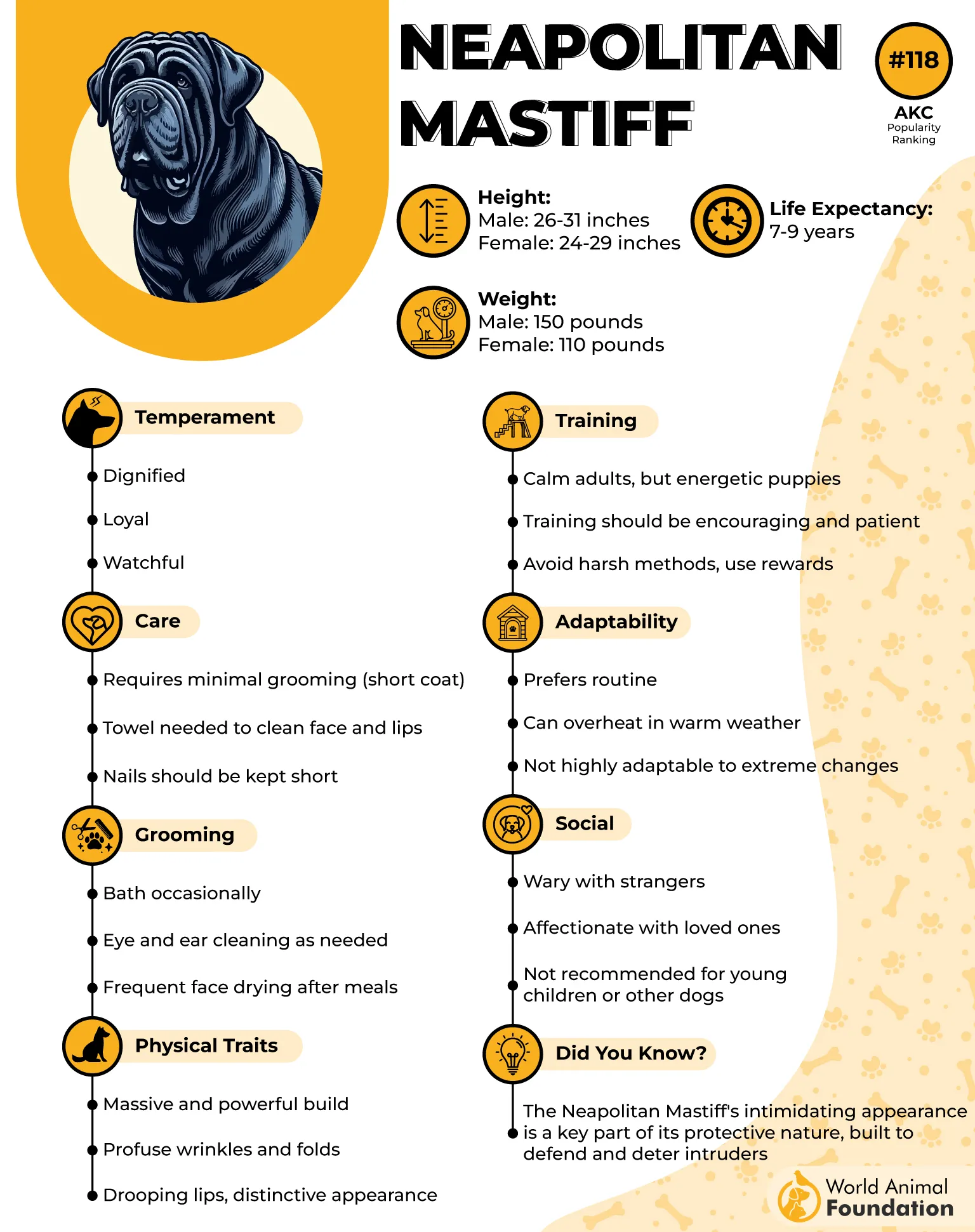
Its loose skin, deep facial folds, and drooping features give it a distinctive expression. The short coat is relatively easy to brush, but the wrinkles need frequent cleaning and thorough drying to prevent moisture buildup and skin infections. Drooling is another everyday consideration for owners.
Weighing around 110 to 150 pounds, this powerful dog is better suited to experienced owners than first-time handlers. Its territorial instincts, substantial size, and ongoing skin-care requirements demand responsible management.
How This Breed Stands Out
Deep facial wrinkles and loose skin: Its distinctive folds require regular cleaning to maintain healthy skin.
Strong territorial awareness and substantial care needs: Naturally protective, it needs experienced handling alongside consistent hygiene and daily care.
5. Scottish Deerhound

Originating in Scotland, the Scottish Deerhound was historically prized by nobility for its ability to pursue and hunt large deer. Its tall, lean frame and graceful movement reflect this heritage, while its gentle personality makes it a surprisingly affectionate family companion.
According to PetMD, Scottish Deerhounds generally have calm, easygoing temperaments but can be independent, making patient and consistent training essential.
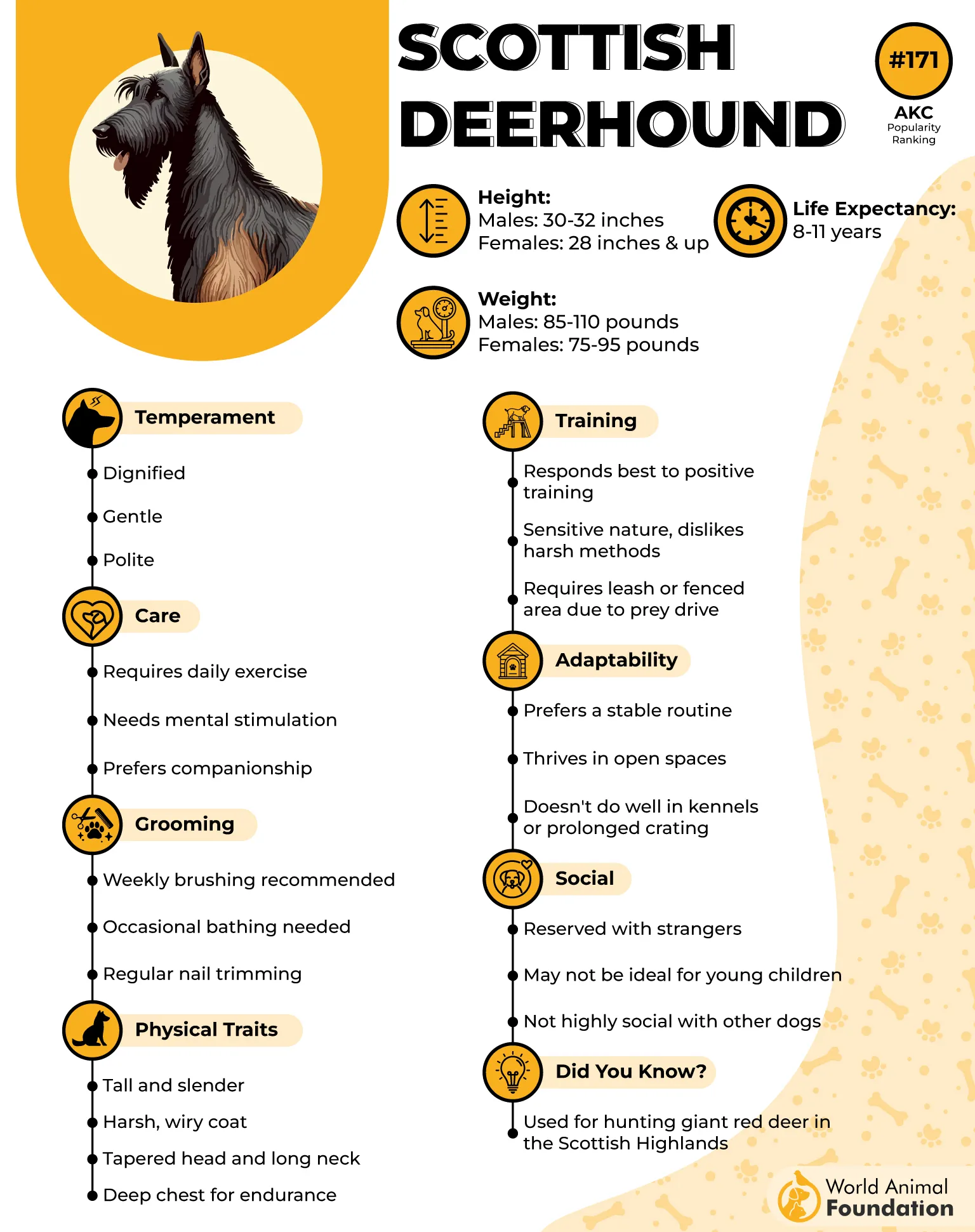
Despite its athletic background, this giant breed is generally mellow and enjoys spending long periods relaxing indoors. It can get along well with children and other household pets when properly introduced, although its natural chasing instinct may emerge around moving animals.
Adult Deerhounds need regular opportunities to stretch their legs and run freely in securely fenced areas. Their wiry coat requires brushing several times a week, while soft bedding helps protect their joints and prevent pressure sores.
How This Breed Stands Out
Tall, graceful build developed for deer coursing: Its long legs and athletic frame reflect generations of pursuit hunting.
Needs regular opportunities for running: Benefits from daily exercise and safe, open spaces where it can move at speed.
6. Greater Swiss Mountain Dog
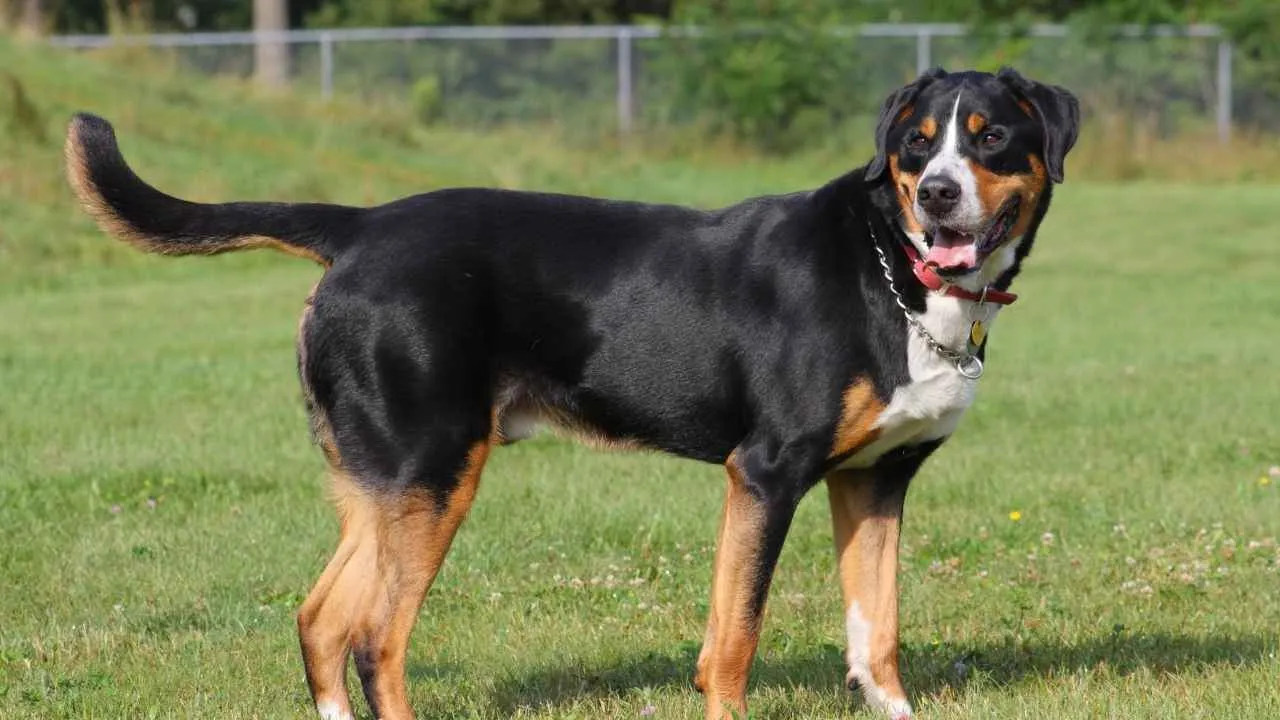
Built for demanding farm work in the Swiss Alps, the Greater Swiss Mountain Dog combines impressive strength with remarkable versatility. As the largest and oldest of the Swiss Mountain Dog breeds, it has a sturdy, muscular frame suited to pulling, guarding, and other traditional working duties.
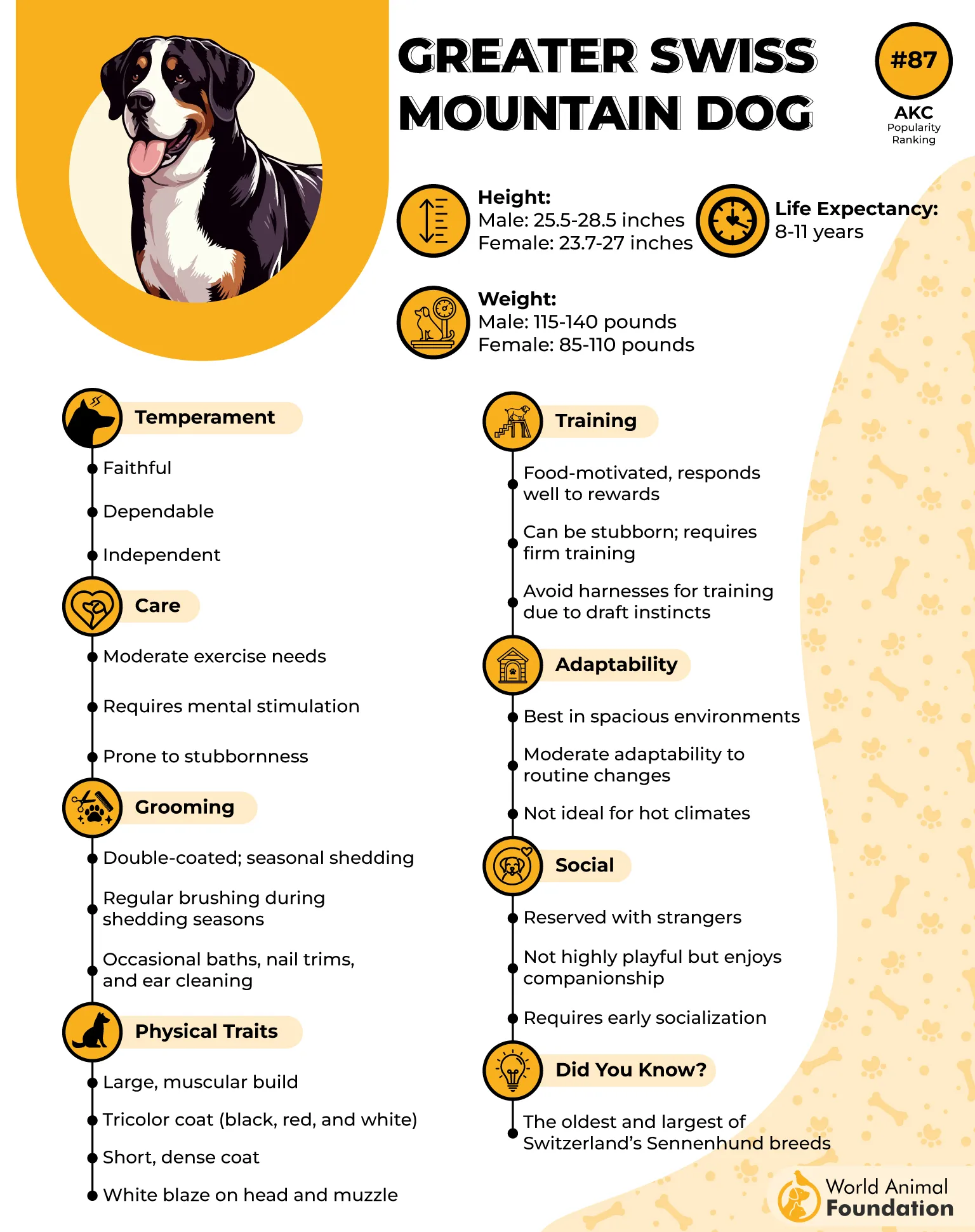
Despite its powerful appearance, this breed is generally calm, loyal, and even-tempered. It can become a devoted family companion, particularly in households with older children who understand how to interact respectfully with a large dog.
Weighing between 85 and 140 pounds, the Greater Swiss Mountain Dog needs sufficient room, regular exercise, and consistent training. Early socialization, gentle handling, and routine grooming are also important parts of responsible ownership.
How This Breed Stands Out
Powerful body suited to traditional farm work: Its muscular build and agility reflect generations of demanding agricultural duties.
Loyal family companion with substantial exercise needs: Forms strong family bonds but requires regular activity, training, and engagement.
7. Estrela Mountain Dog
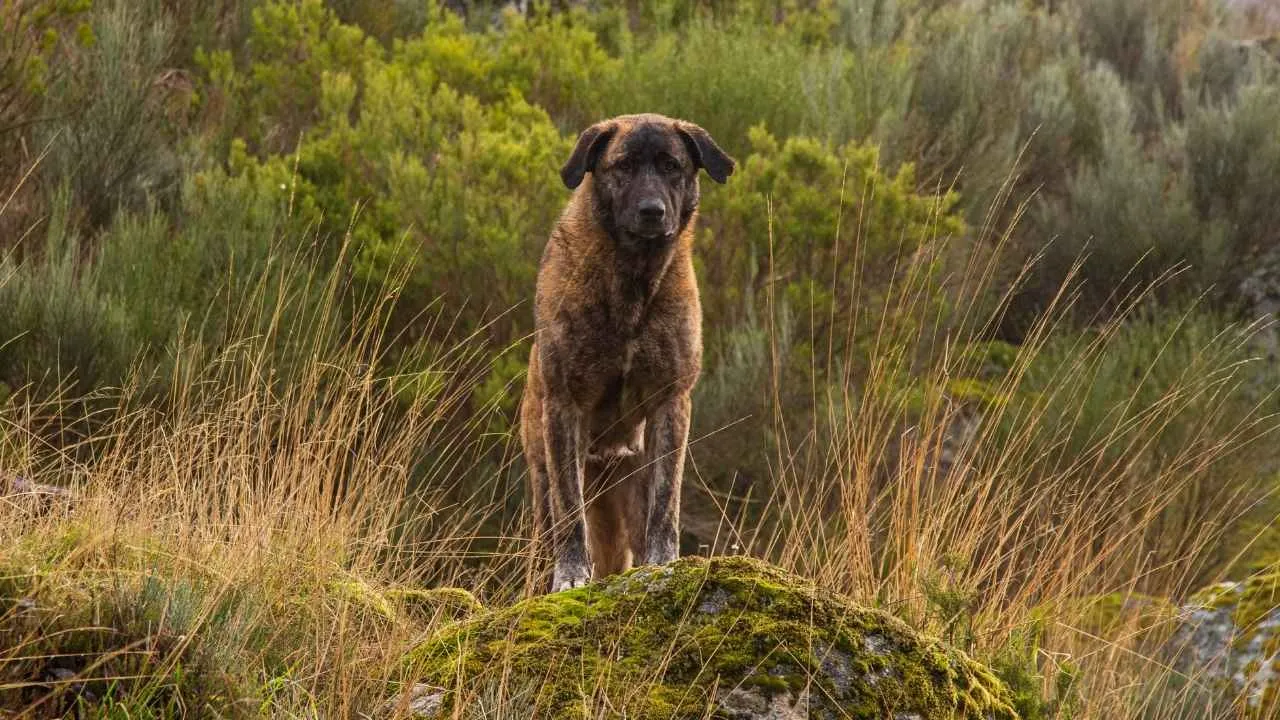
Originating in Portugal’s Estrela Mountains, this ancient breed has a long history of protecting livestock, farms, and family homes. Its natural courage and watchful instincts make it a dependable guardian, particularly around unfamiliar people who approach its territory.
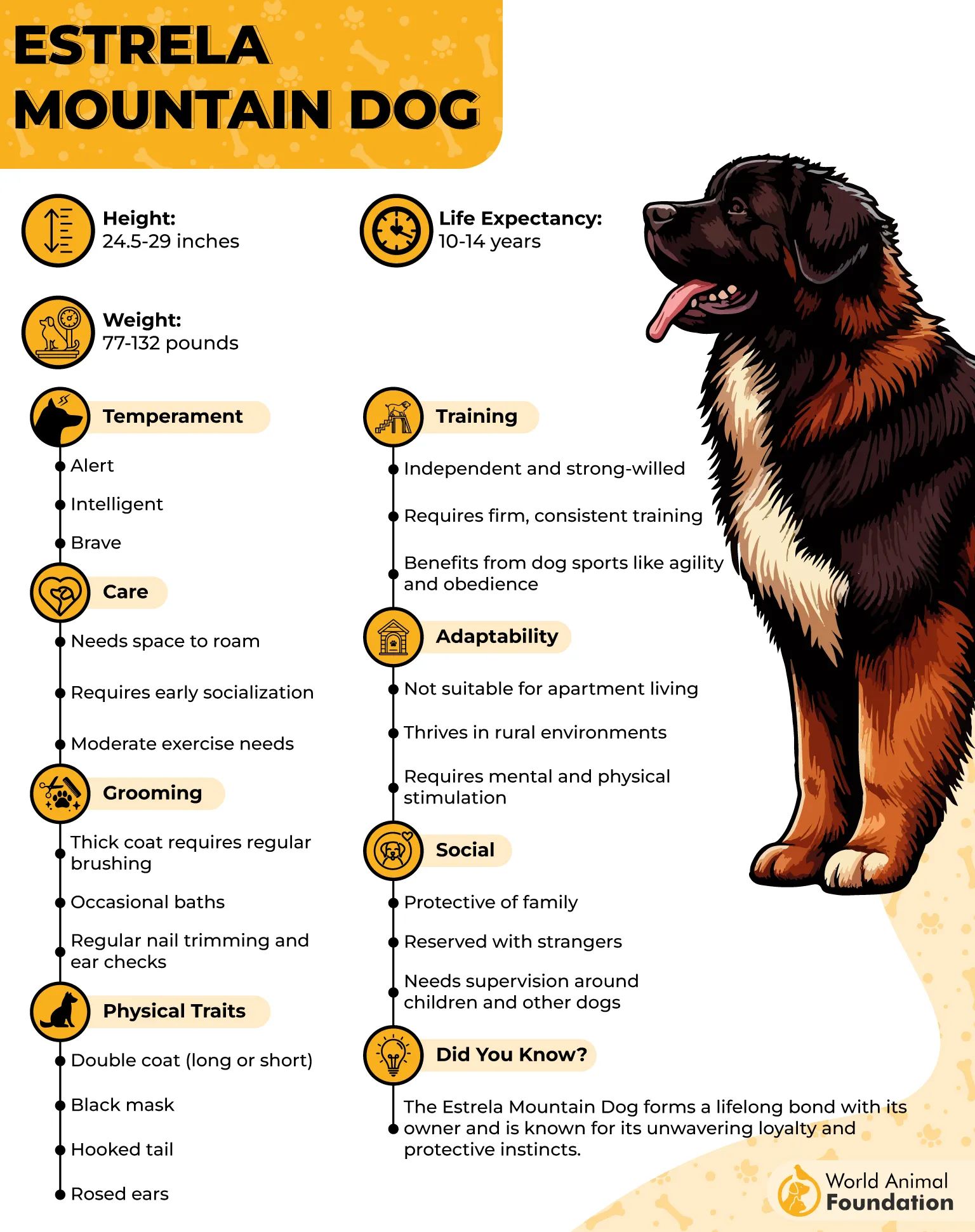
Despite its independent nature, the Estrela Mountain Dog develops deep attachments to its family. It is generally affectionate with familiar people and particularly fond of children when raised with proper socialization. Often devoted to one special family member, it combines loyalty with a strong protective streak.
Its thick coat helps it withstand demanding mountainous conditions, while its substantial build requires adequate living space. Early training and consistent socialization are essential to manage its dominant tendencies and encourage appropriate behaviour.
How This Breed Stands Out
Thick coat adapted to mountainous conditions: Its dense covering provides protection in cold, rugged environments.
Independent guardian nature and strong family loyalty: Naturally self-reliant when guarding, yet deeply devoted to its household.
Conclusion
Rare giant dogs offer a remarkable combination of strength, loyalty, and companionship. Behind their imposing appearance, many have gentle temperaments and form deep attachments to their families.
However, owning such a large dog requires careful consideration of its individual needs. Adequate living space, proper nutrition, regular exercise, and consistent training are essential for their well-being.
Their protective instincts and independent personalities also make early socialization and responsible handling particularly important. Grooming requirements, health considerations, and long-term care should be understood before bringing one home.
Ultimately, choosing a giant companion means being prepared for the responsibilities that come with its size and temperament. With patience, commitment, and suitable care, these dogs can become devoted members of the household.
