




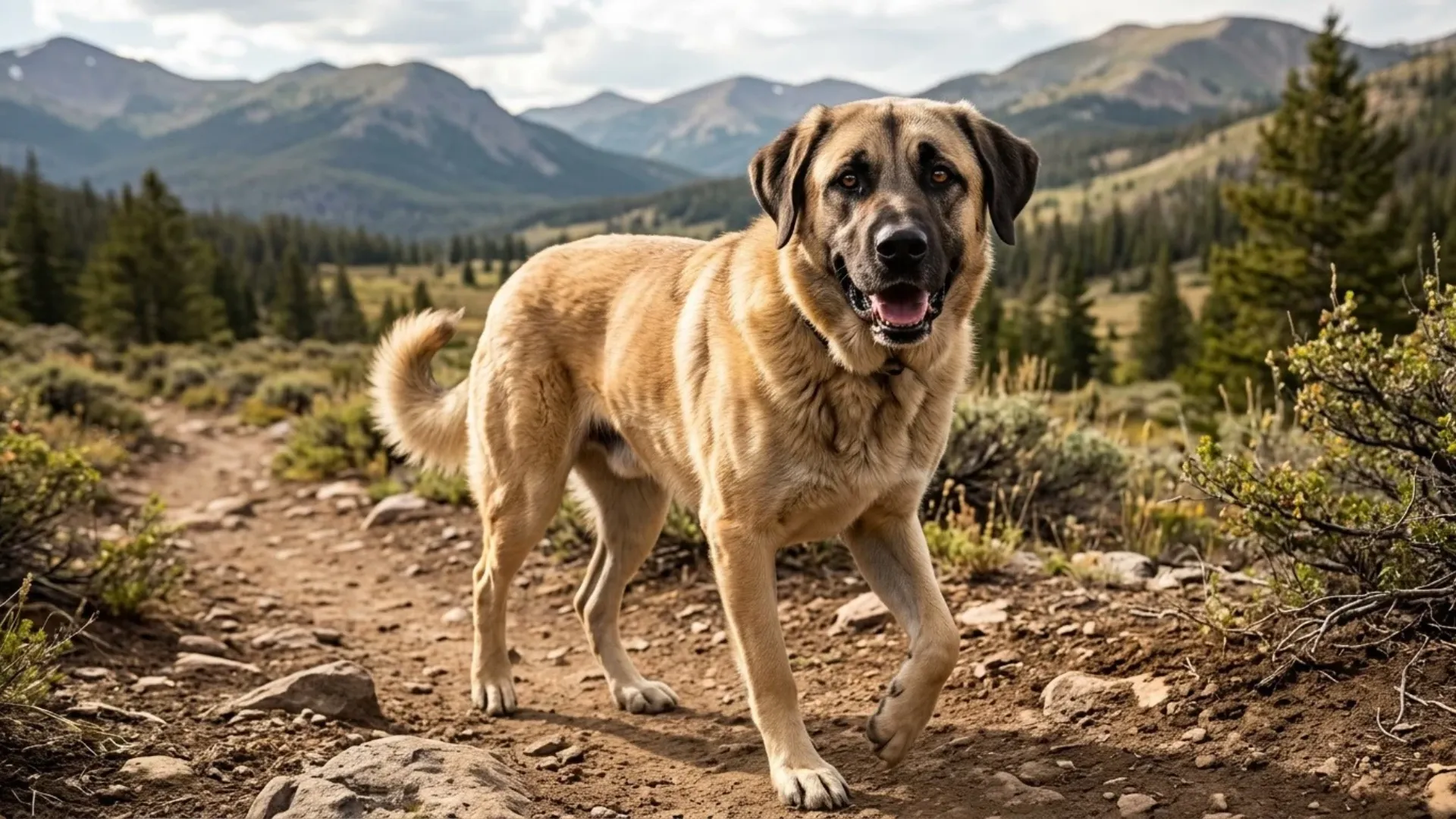
Some dogs love their cozy beds, but others see an open field and immediately switch into adventure mode! Working and herding breeds were developed for physically demanding jobs, including pulling sleds, managing livestock, and protecting property. No wonder these energetic pups often have more stamina than their humans!
Whether it’s hiking through mountain trails, running across grassy fields, or exploring new scents, outdoor-loving dogs thrive when they have opportunities to move and engage their minds. But here’s the catch: being active doesn’t mean every breed enjoys the same weather, exercise intensity, or outdoor lifestyle.
Let’s discover the top active dog breeds that love being outside.
Top Active Dog Breeds That Love Being Outside
1. Anatolian Shepherd
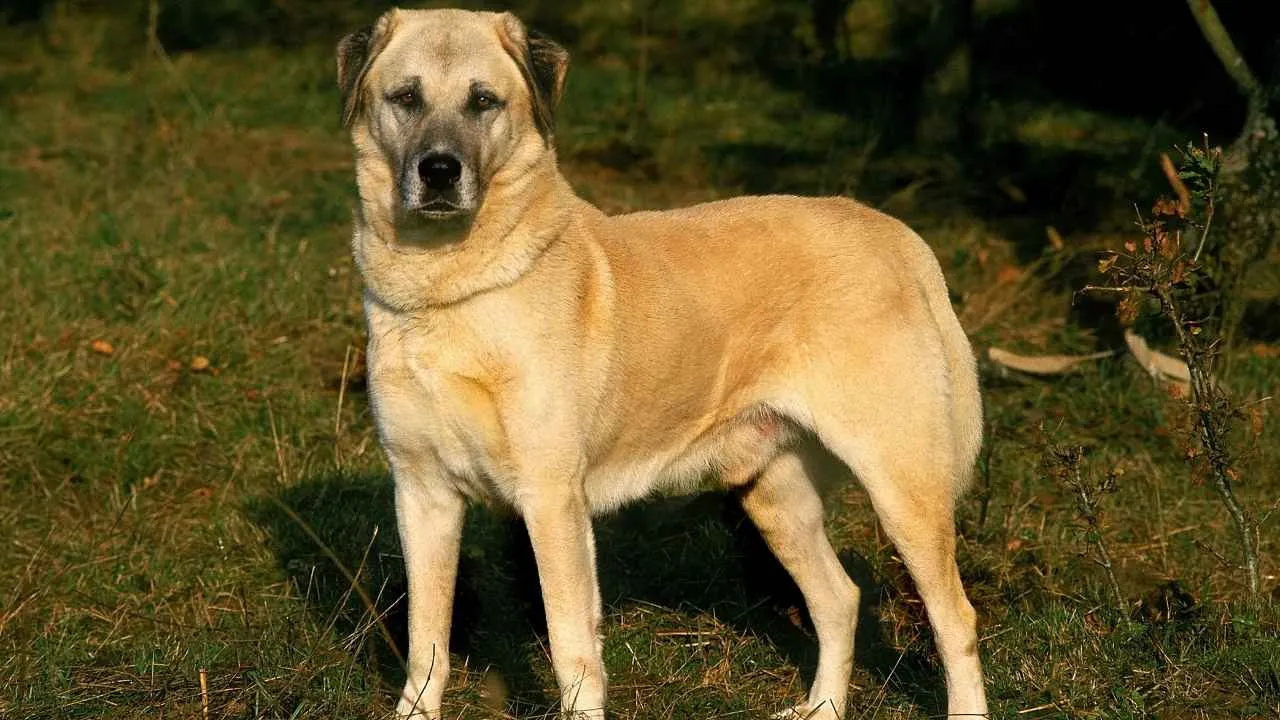
The Anatolian Shepherd Dog is basically the ultimate countryside security manager, and this pup takes its outdoor responsibilities seriously! Developed in Turkey to protect livestock from predators, the breed has spent generations working across vast, rugged landscapes.
Unlike energetic dogs that constantly demand games of fetch, Anatolians prefer purposeful movement and environmental awareness. They enjoy patrolling spacious properties, exploring familiar territory, and observing changes around their surroundings.
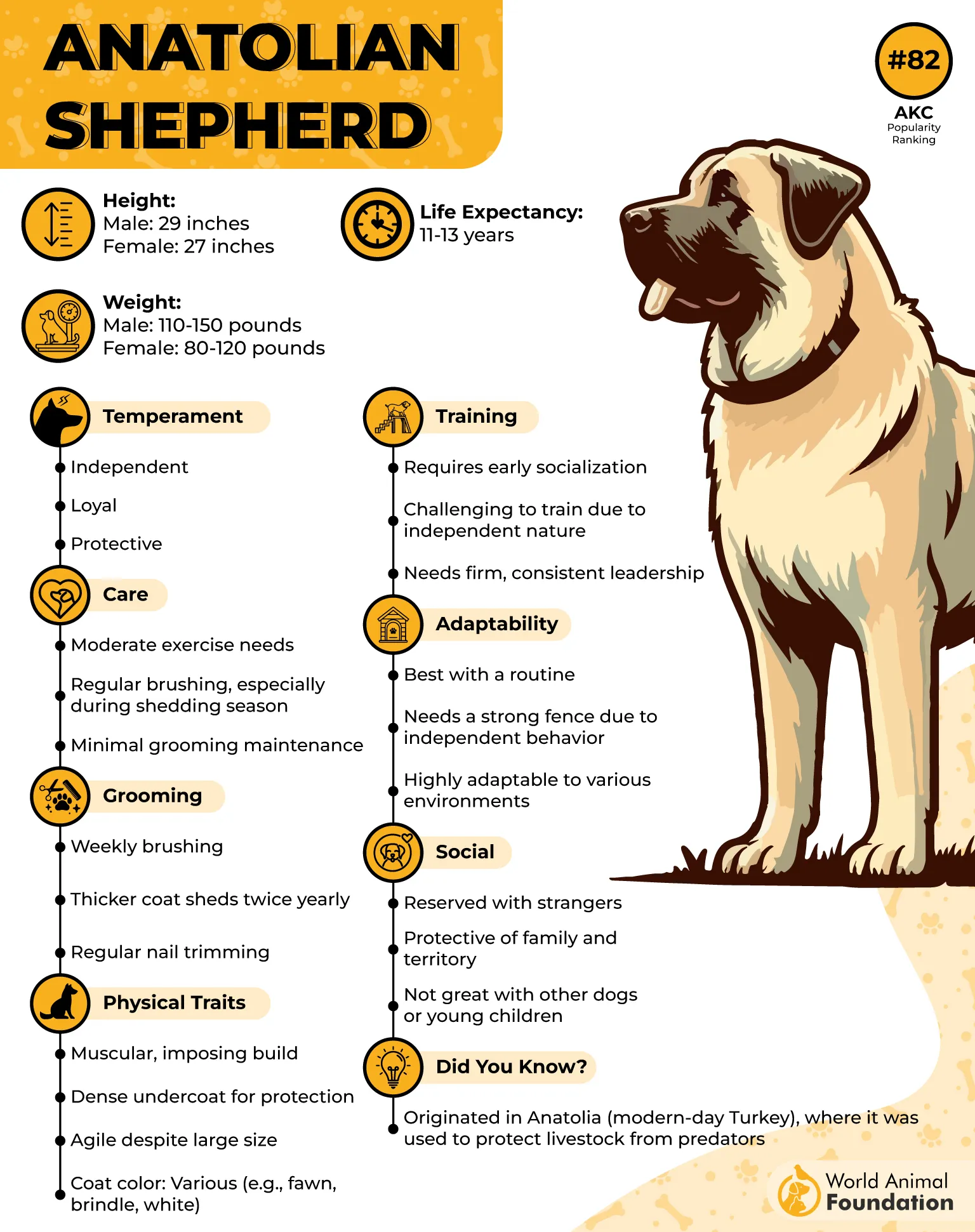
One fascinating quality is their ability to make decisions without waiting for constant human direction. Historically, livestock guardians needed to assess potential threats independently while staying close to the animals they protected. That independent mindset can make obedience training challenging, so patient socialization and consistent positive reinforcement are essential.
For experienced rural owners, an Anatolian Shepherd can be a remarkable outdoor companion with a calm but vigilant personality. However, this breed isn’t necessarily a suitable hiking partner for crowded trails or a dog that enjoys busy dog parks.
2. Bernese Mountain Dog
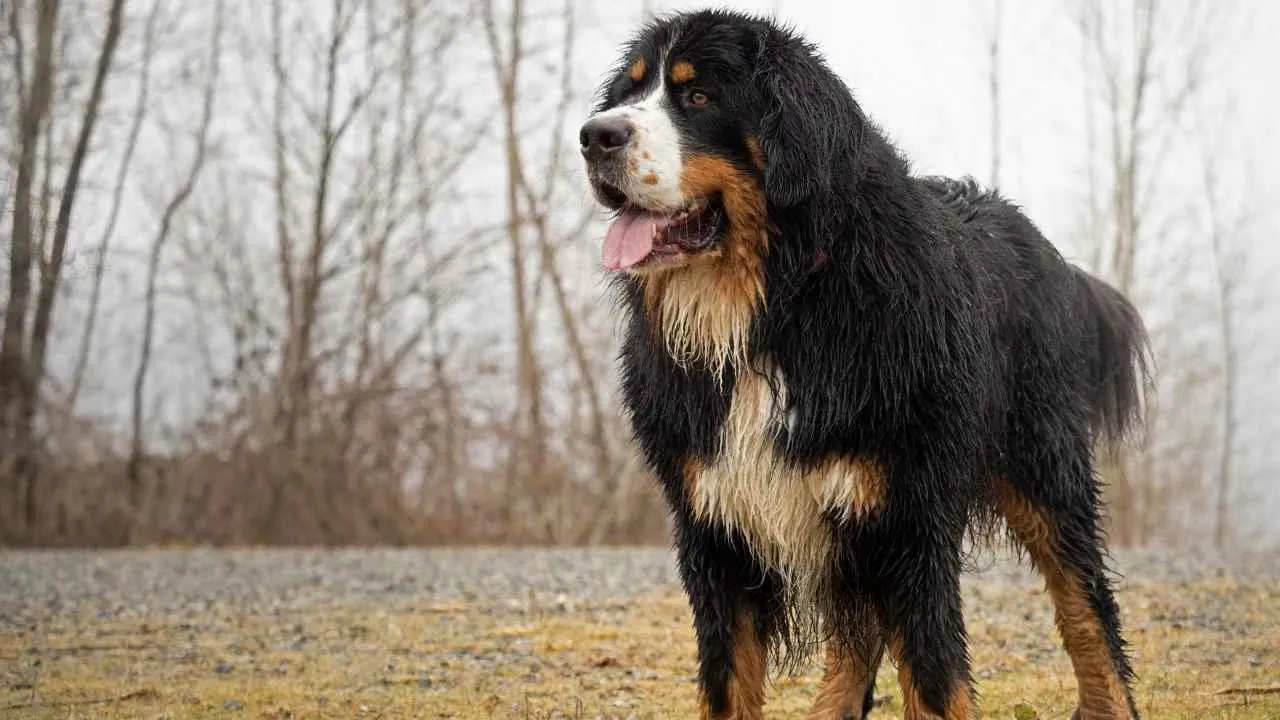
Bernese Mountain Dogs’ impressive strength, affectionate temperament, and striking tricolor coat make them unforgettable companions for families who enjoy the great outdoors.
These mountain dogs often love scenic walks, gentle woodland hikes, and exploring cooler landscapes alongside their favorite humans. Unlike some high-drive herding breeds, they generally prefer a steadier pace rather than endless high-speed exercise.
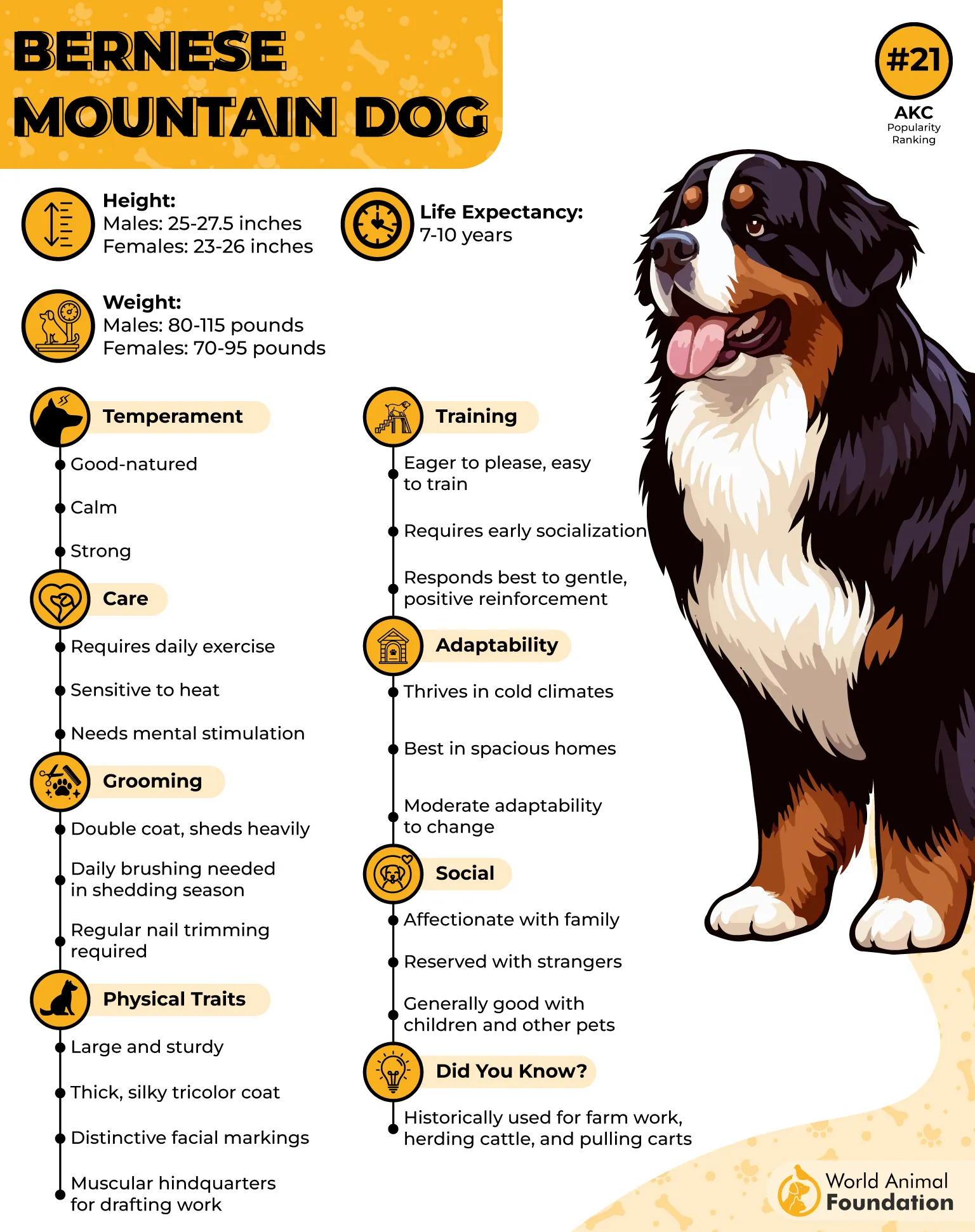
Family adventures are where these gentle giants shine. Many Bernese Mountain Dogs enjoy accompanying children and adults on supervised outings, as long as the activities match their fitness and training.
Their thick double coat helps protect them in cold weather, making snowy walks particularly enjoyable for many individuals. However, that same heavy coat increases their risk of overheating during hot or humid conditions, so summer activities require careful timing and frequent breaks.
3. Newfoundland

The Newfoundland, an enormous working dog, was once famous for assisting fishermen and performing demanding tasks around boats and waterways. Its powerful swimming abilities, webbed feet, and water-resistant double coat make it especially well suited to aquatic activities.
While some dogs sprint across fields, Newfoundlands often find their happy place near lakes, rivers, and safe swimming areas. Their broad bodies, muscular limbs, and strong swimming strokes allow them to move efficiently through water despite their impressive size.
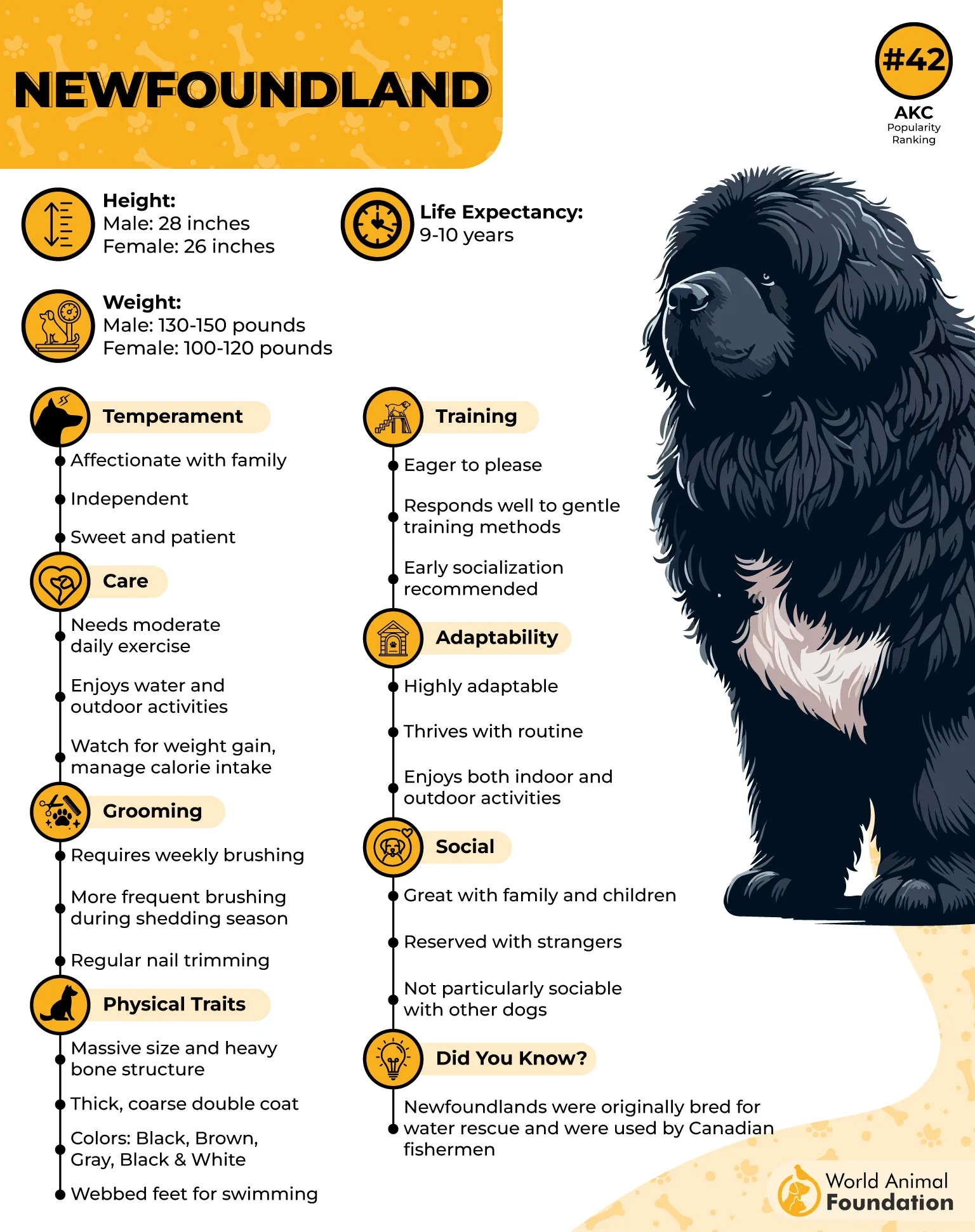
Their enormous build contributes to their strength, but it also means owners must carefully manage exercise intensity and joint health. Swimming can provide enjoyable, relatively low-impact activity for healthy adults when conditions are safe and veterinary guidance supports it.
Their affectionate temperament makes them wonderful companions for families who enjoy peaceful outdoor activities. Many Newfoundlands are patient and gentle, although their sheer size means children should always be supervised around them.
They need shade, fresh water, cool resting spaces, and careful monitoring during warm weather, especially after swimming or physical activity. For families living in cooler climates with access to safe outdoor recreation, this water-loving giant can be an unforgettable adventure buddy.
4. Alaskan Malamute
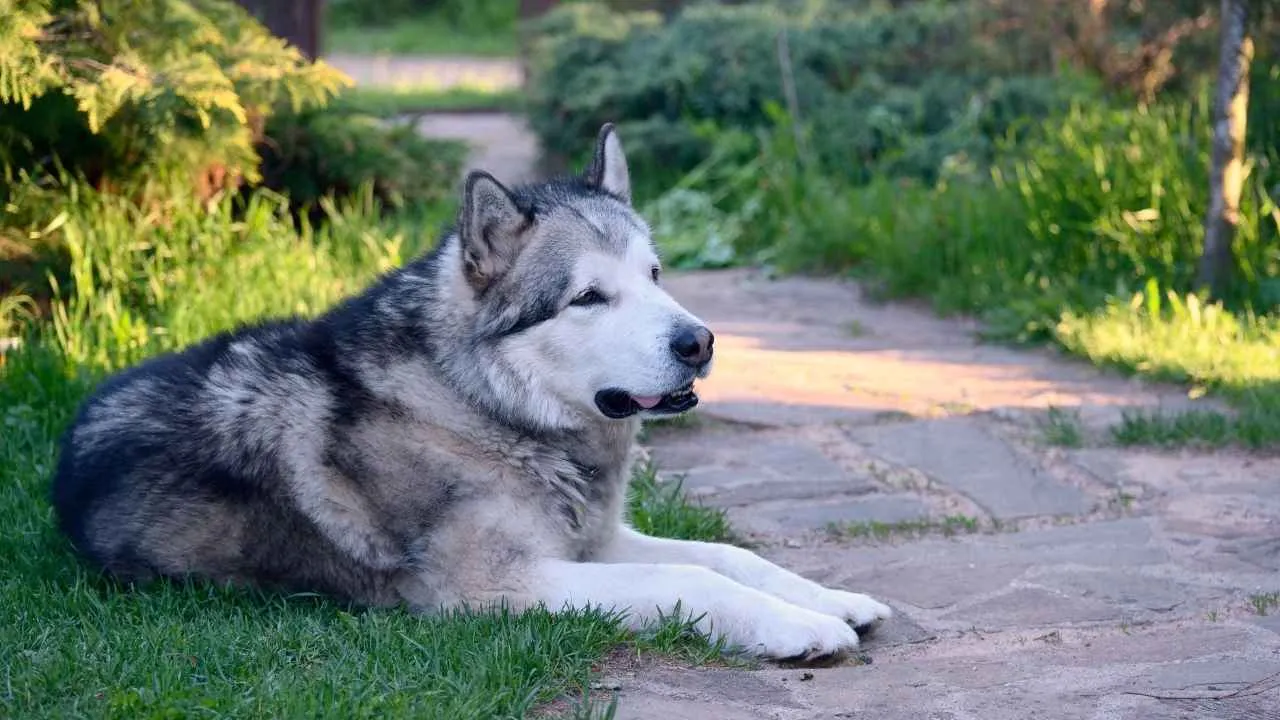
Unlike racing sled dogs built for speed, the Alaskan Malamute specializes in strength and endurance, making it an impressive companion for challenging outdoor activities.
If your dream weekend involves snowy trails, mountain exploration, and chilly adventures, a Malamute might be your ultimate adventure buddy. These athletic dogs often enjoy hiking, recreational sledding, backpacking, and pulling activities that engage their natural working abilities.
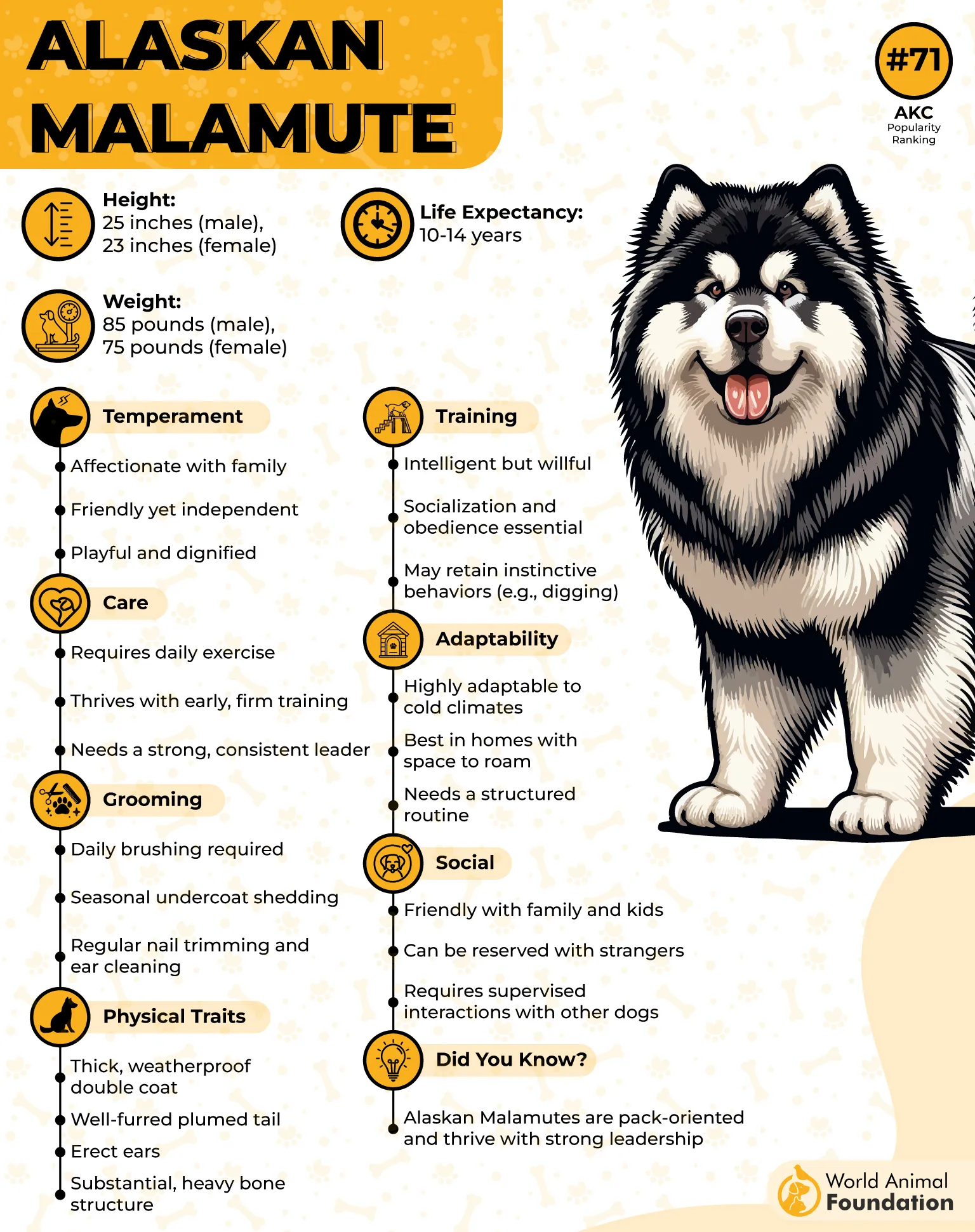
Their outdoor enthusiasm comes with a playful personality and a strong independent streak. Malamutes are social dogs that enjoy human companionship, but their determination can make recall and loose-leash walking particularly challenging.
Experienced owners often benefit from combining reward-based training with secure exercise areas and activities that give these powerful dogs something meaningful to accomplish.
Here’s a fun fact: Malamutes can be surprisingly vocal without barking constantly. PDSA notes that they often howl or make expressive talking sounds, especially when excited, bored, or responding to noises such as sirens. Add their enthusiasm for digging, and you’ve got a dog that may turn a backyard into its personal landscaping project unless you provide a designated digging area!
5. Siberian Husky
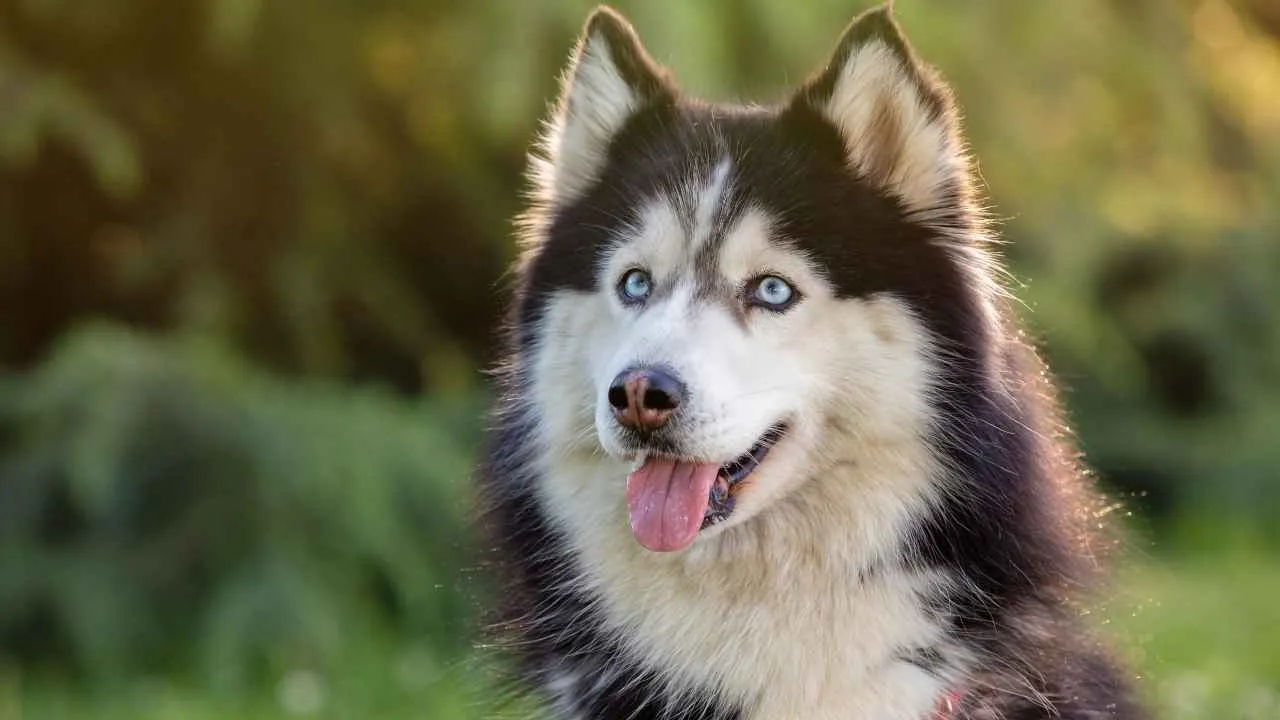
The Siberian Husky was developed by the Chukchi people of northeastern Asia. It was bred to pull relatively light sled loads over enormous frozen distances.
For a healthy adult Husky, outdoor exercise isn’t just entertainment; it’s an important part of physical and mental well-being. Greencross Vets says that long walks, structured running, hiking, and recreational pulling sports can help satisfy the breed’s strong desire to move.
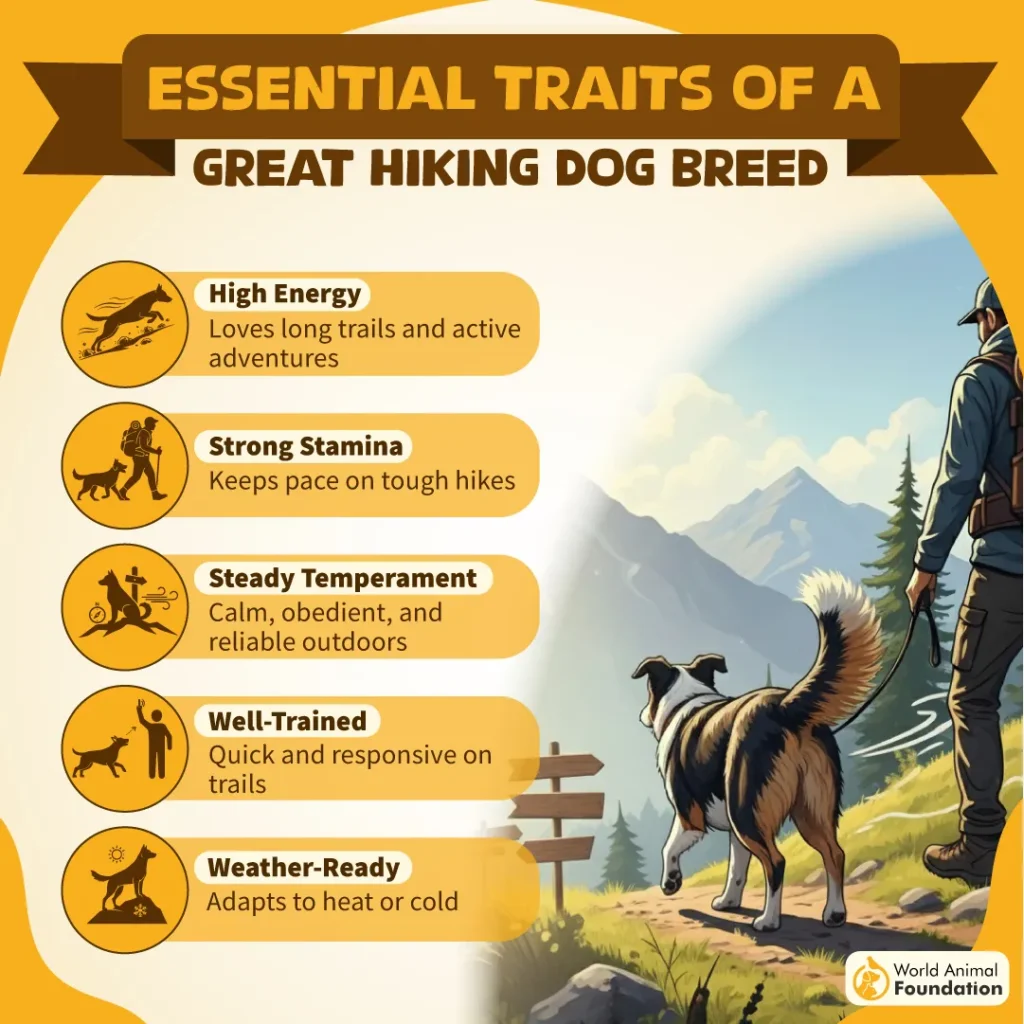
But let’s discuss their legendary escape-artist energy, because Husky owners know the struggle is real! Their powerful running instincts and curiosity mean an unsecured gate or weak fence can quickly turn into an unexpected neighborhood adventure.
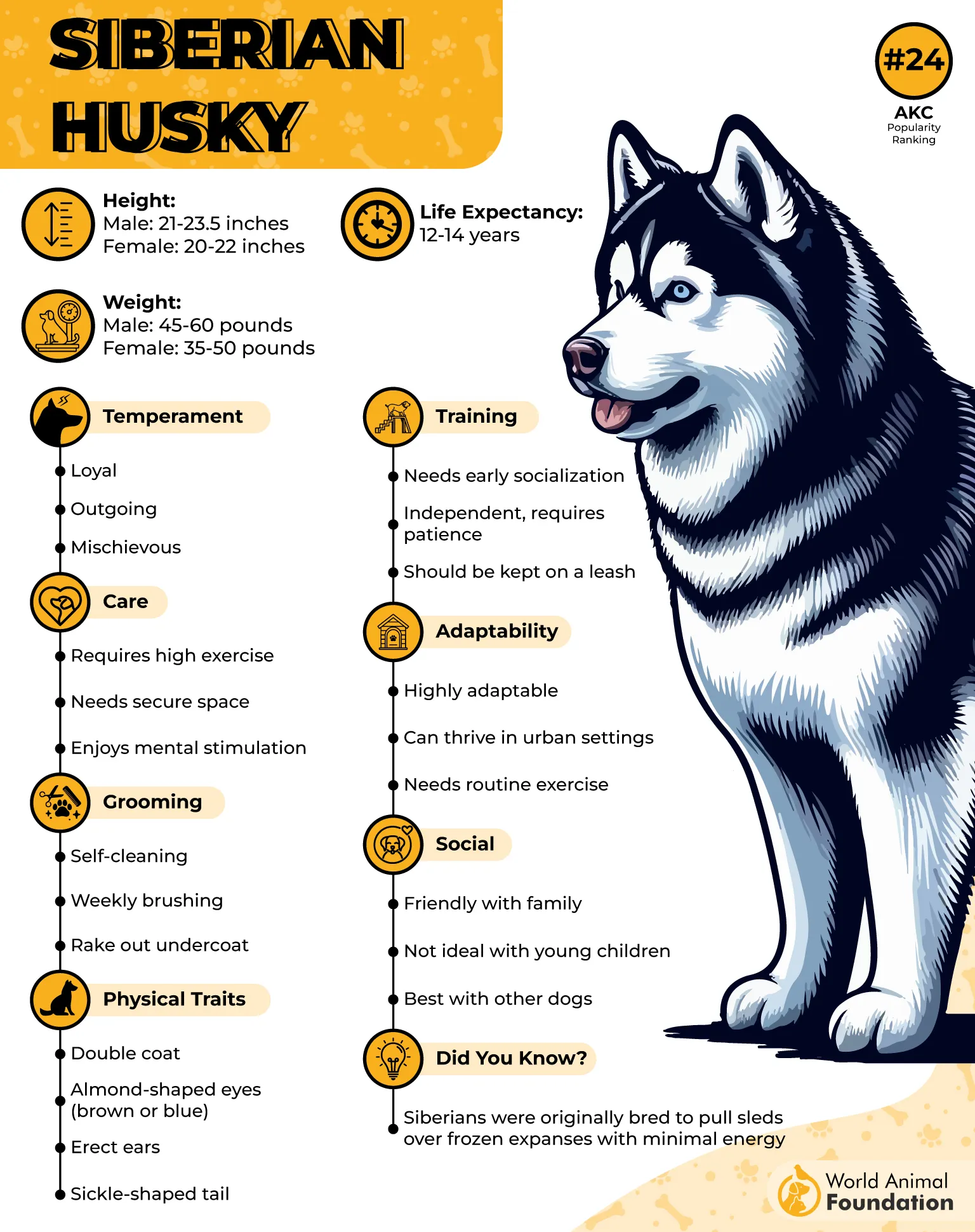
Although Huskies adore chilly adventures, they still need companionship, comfortable shelter, and time indoors with their families. Their thick double coat needs regular grooming, especially during seasonal shedding, while hot weather requires careful exercise management.
6. German Shepherd
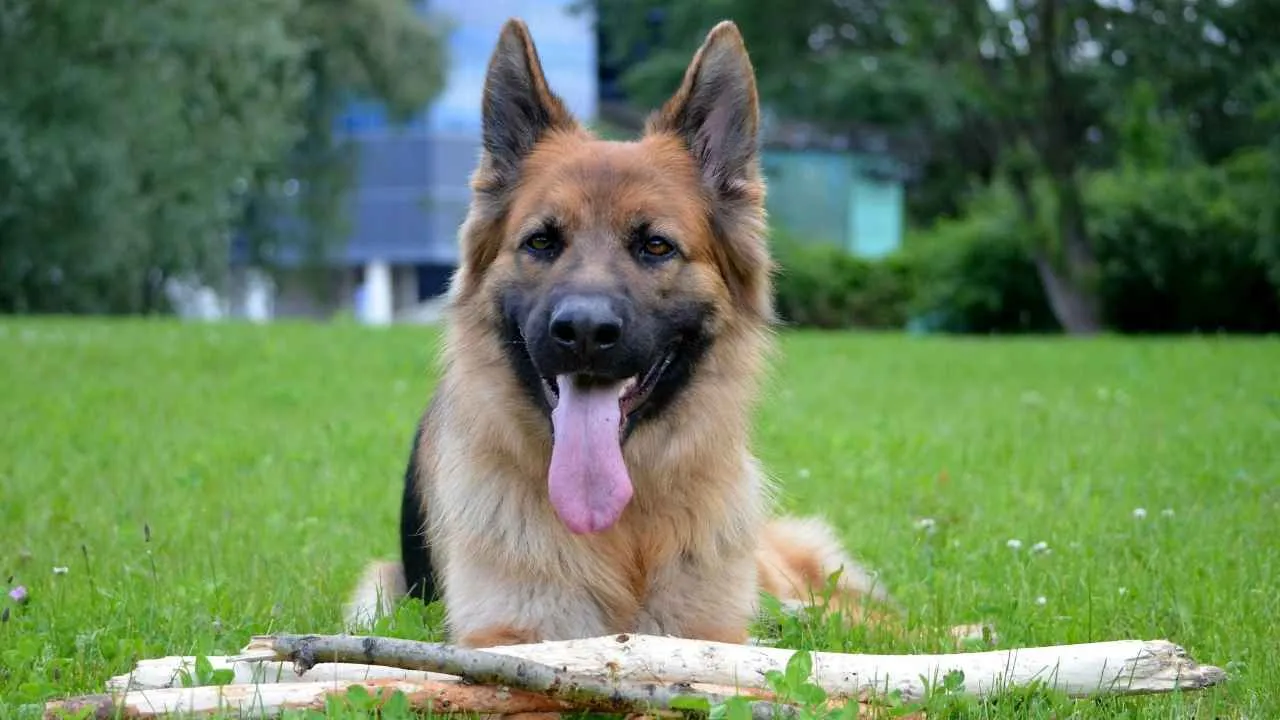
The German Shepherd Dog is a versatile breed known for its abilities in police work, search and rescue, and other demanding jobs. Its stamina, intelligence, and responsiveness make it an excellent candidate for structured outdoor adventures.
German Shepherds often thrive when physical exercise and mental challenges go hand in hand. Rather than simply running around a backyard, many enjoy scent tracking, woodland hikes, retrieving games, and obedience exercises in changing environments.
These activities engage their natural curiosity while helping them develop focus and confidence around unfamiliar sights, sounds, and smells.
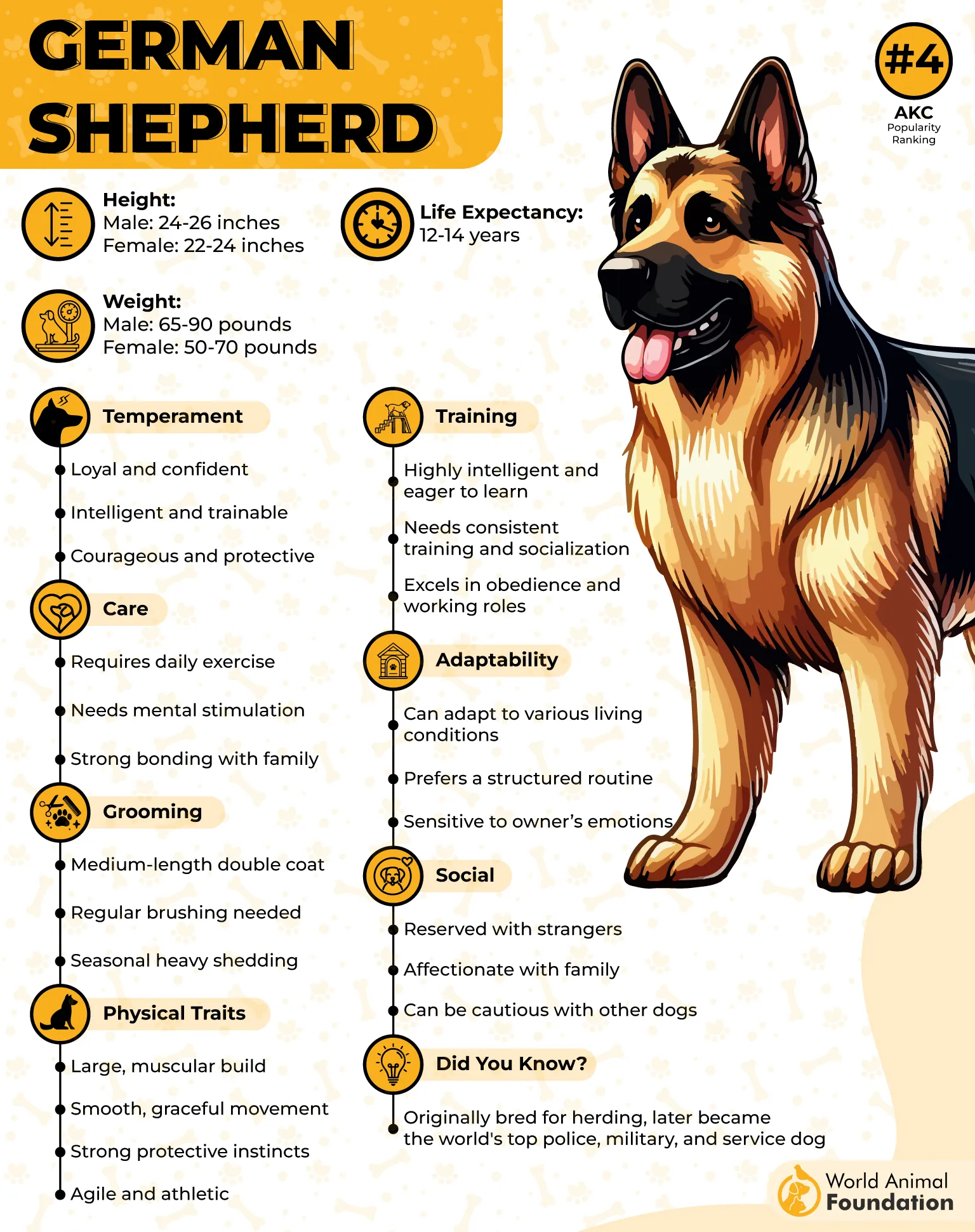
One of their coolest qualities is their ability to learn complicated tasks through consistent training. Their strong work drive lets them participate in activities such as tracking, agility, herding, and competitive obedience. Positive reinforcement, gradual skill development, and clear communication help transform that enthusiasm into productive outdoor behavior.
For active families, German Shepherds can offer an exciting combination of outdoor enthusiasm and devoted companionship. However, their intelligence and vigilance mean they need thoughtful socialization rather than constant exposure to overwhelming situations.
7. Belgian Malinois
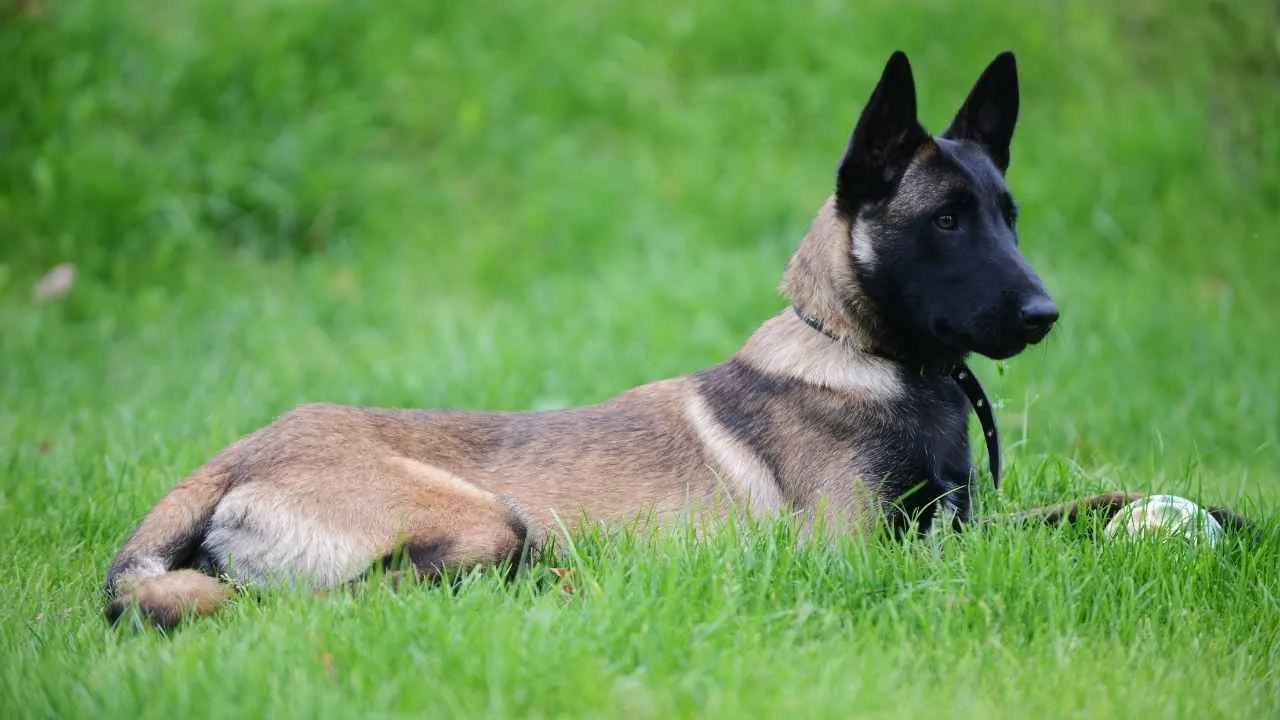
The Belgian Malinois is known for its extraordinary drive, athleticism, and responsiveness. Its impressive working abilities have made it a familiar presence in demanding detection, military, and law-enforcement roles.
If ordinary walks feel too basic, a well-conditioned Malinois may appreciate more challenging activities that combine movement with problem-solving. Agility courses, scent detection, structured retrieving, and advanced obedience can provide valuable outlets for its physical and mental energy.
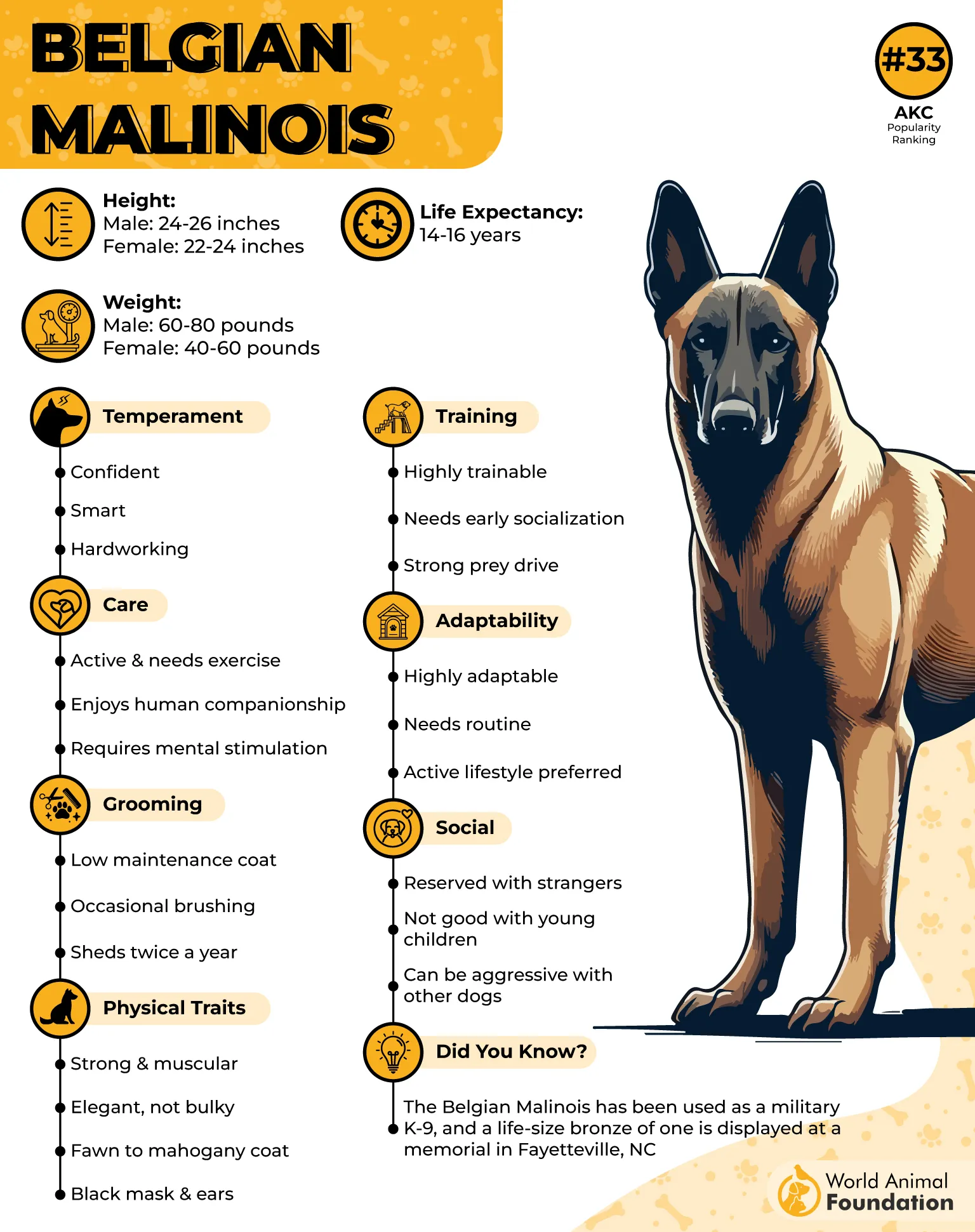
Their jumping ability and speed are seriously impressive, but those talents require responsible management. A Malinois can become frustrated or develop unwanted behaviors when its daily routine lacks sufficient enrichment, training, and meaningful engagement.
Here’s the important reality check: this breed’s intense working drive isn’t suitable for every outdoor enthusiast. Someone who enjoys occasional weekend hikes may struggle to meet the needs of a high-drive Malinois that requires consistent daily training and activity.
8. Border Collie
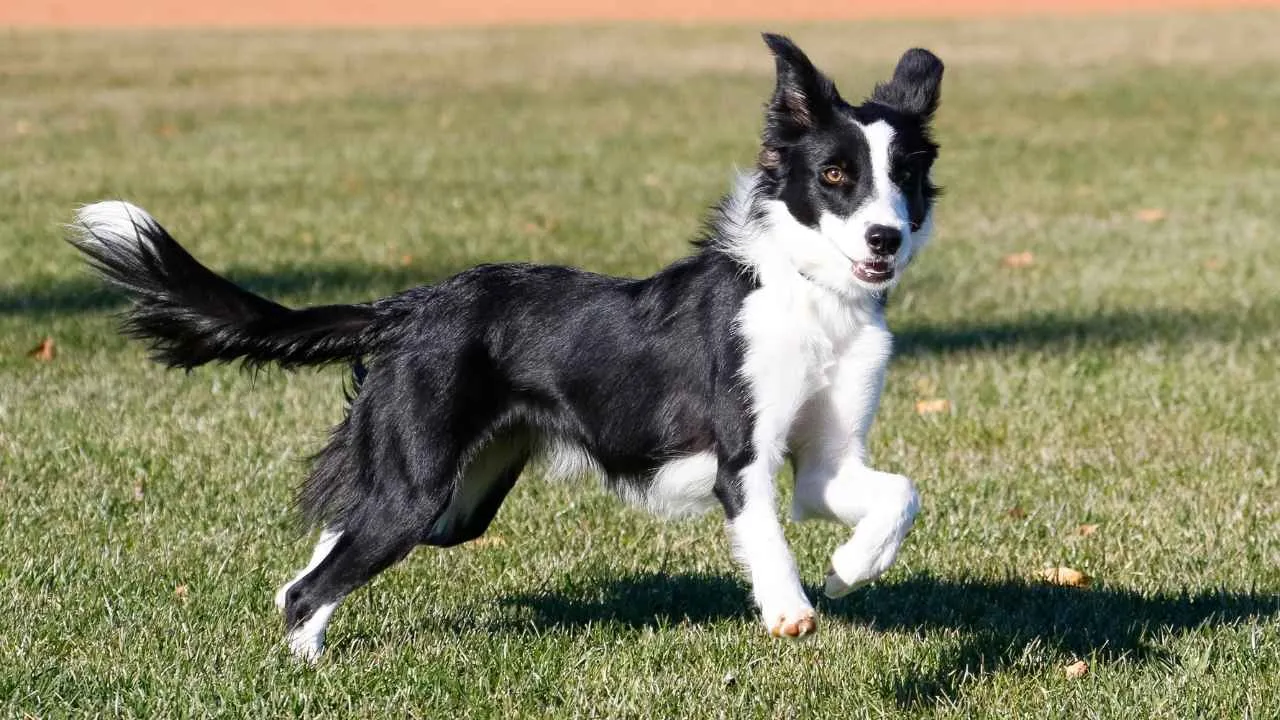
The Border Collie is a remarkable herding dog breed that is celebrated for its intelligence, agility, and extraordinary concentration. Traditionally, they managed sheep across challenging landscapes, which is why many Border Collies seem happiest when their bodies and brains are equally busy.
Outdoor activities are where these energetic geniuses really show off their skills. They often excel at agility, flyball, herding trials, tracking, and flying-disc competitions that combine speed with precision.
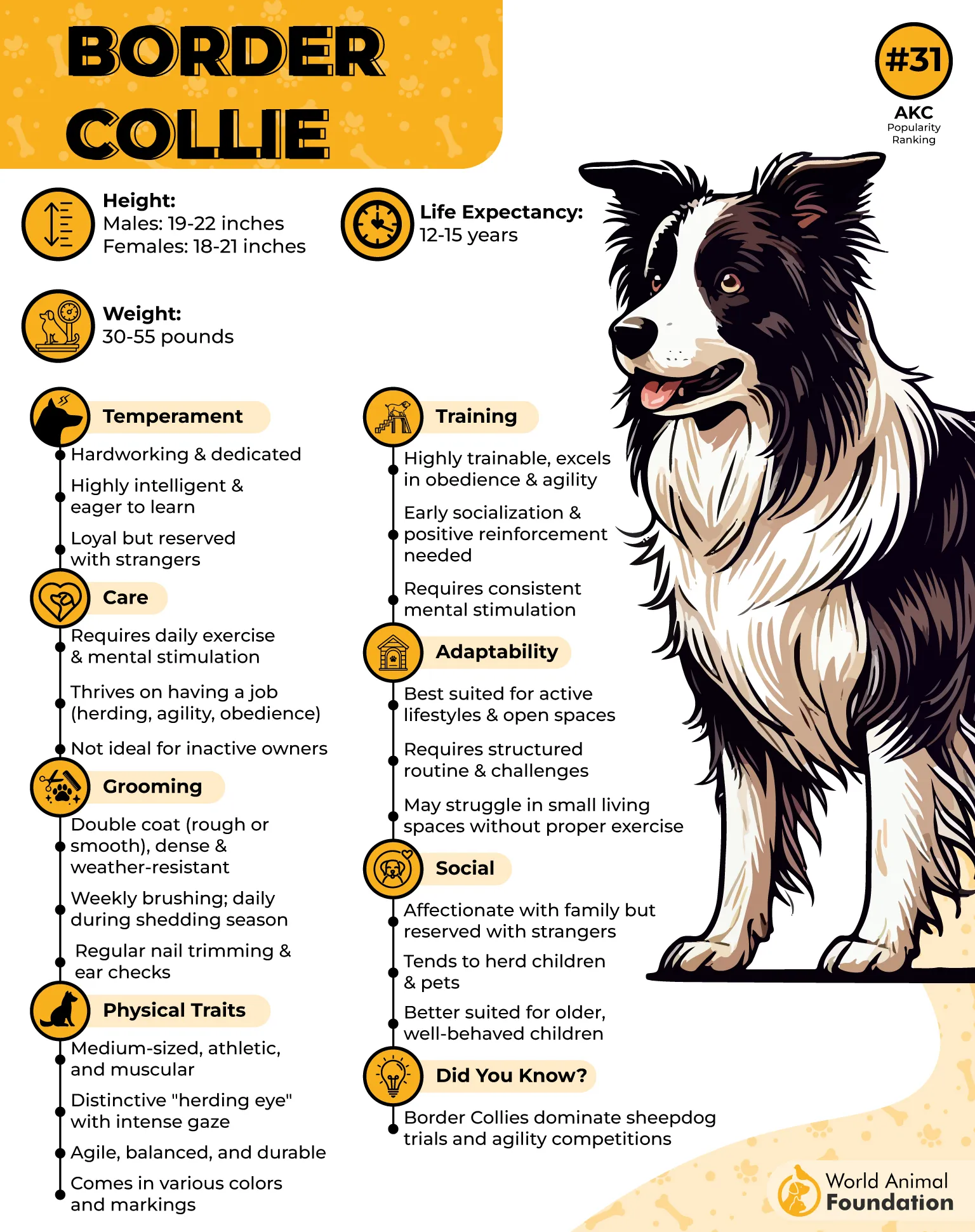
Their famous herding stare, sometimes called the eye, is one of the breed’s most fascinating working characteristics. Border Collies use intense visual focus and controlled movement to guide livestock without constantly rushing around.
That same concentration can make outdoor training incredibly rewarding, although some individuals may attempt to herd running children, bicycles, or other moving objects.
Pet Plan says these athletic dogs aren’t satisfied by physical exercise alone, and many first-time owners underestimate that. Puzzle games, advanced commands, scent searches, and carefully structured challenges help provide the mental engagement they crave.
9. Australian Shepherd
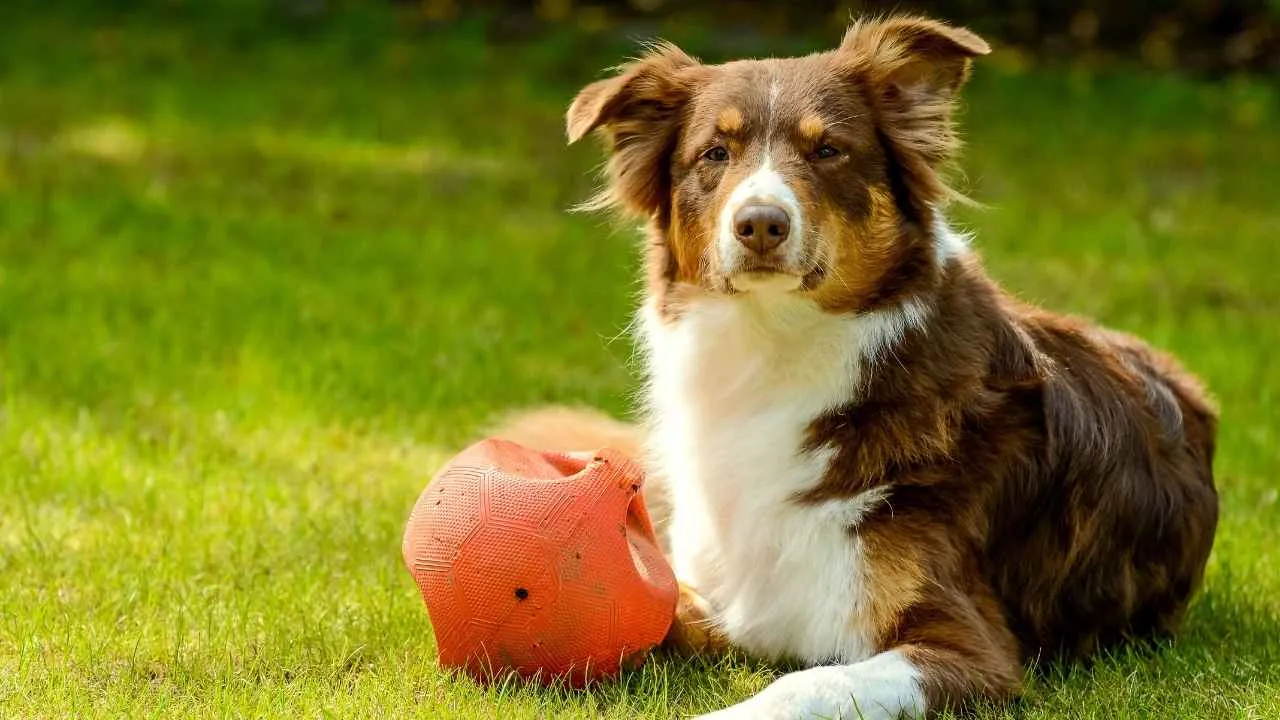
The Australian Shepherd is basically that friend who’s always planning the next outdoor adventure before the current one even ends!
These dogs are naturally enthusiastic about activities that allow them to move, explore, and interact with their humans. Hiking, trail walks, herding games, agility courses, and supervised swimming can all provide enjoyable exercise opportunities.
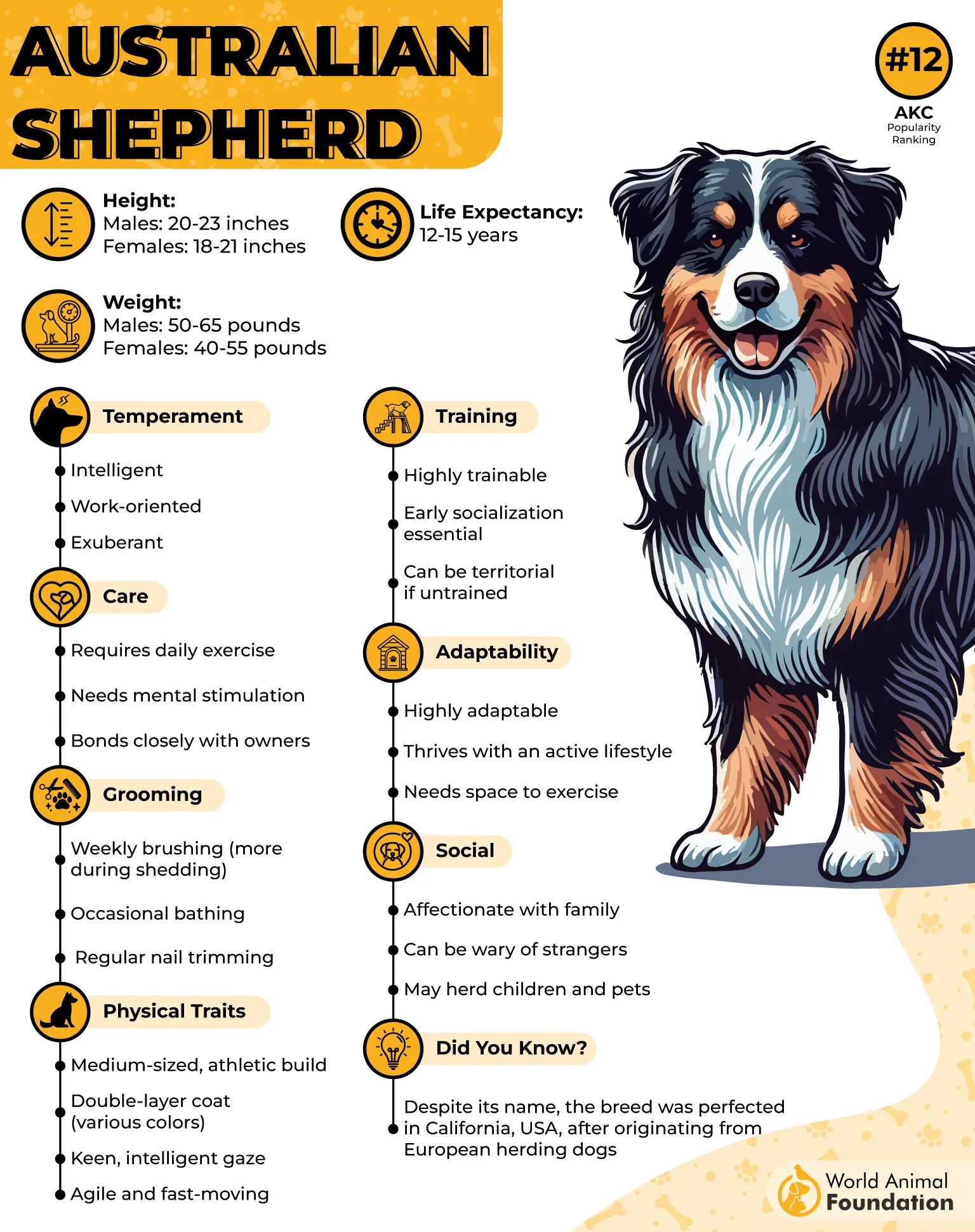
One fascinating feature is their ability to respond quickly to changing situations while working livestock. Historically, Aussies needed to maneuver around animals, respond to handler instructions, and maintain control in busy ranch environments.
Their quick thinking makes them exciting training partners, particularly when outdoor games involve direction changes, problem-solving, and precise commands.
But here’s the plot twist: an Aussie with nothing to do may invent its own entertainment—and your furniture might not appreciate the creativity! Purina warns that insufficient exercise, training, and companionship can contribute to destructive behavior and make it harder to manage the breed’s abundant energy.
10. Rhodesian Ridgeback
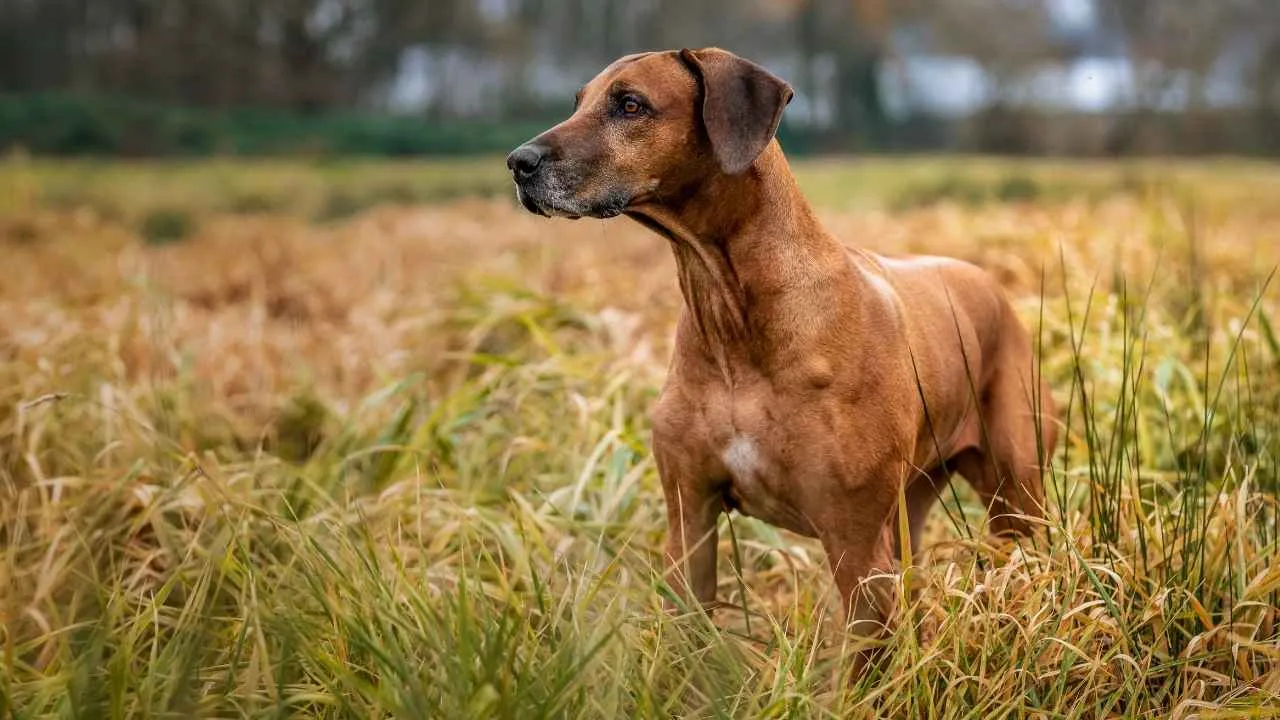
The Rhodesian Ridgeback is basically an athletic explorer with a fearless history and an effortlessly cool appearance! This dog is famous for tracking and holding large game, including lions, at bay until hunters arrived.
Unlike cold-weather sled dogs, Ridgebacks have a short, sleek coat that suits many moderately warm outdoor environments. Their muscular bodies, long strides, and natural endurance make healthy, conditioned adults appealing companions for hiking, running, and exploring open landscapes.
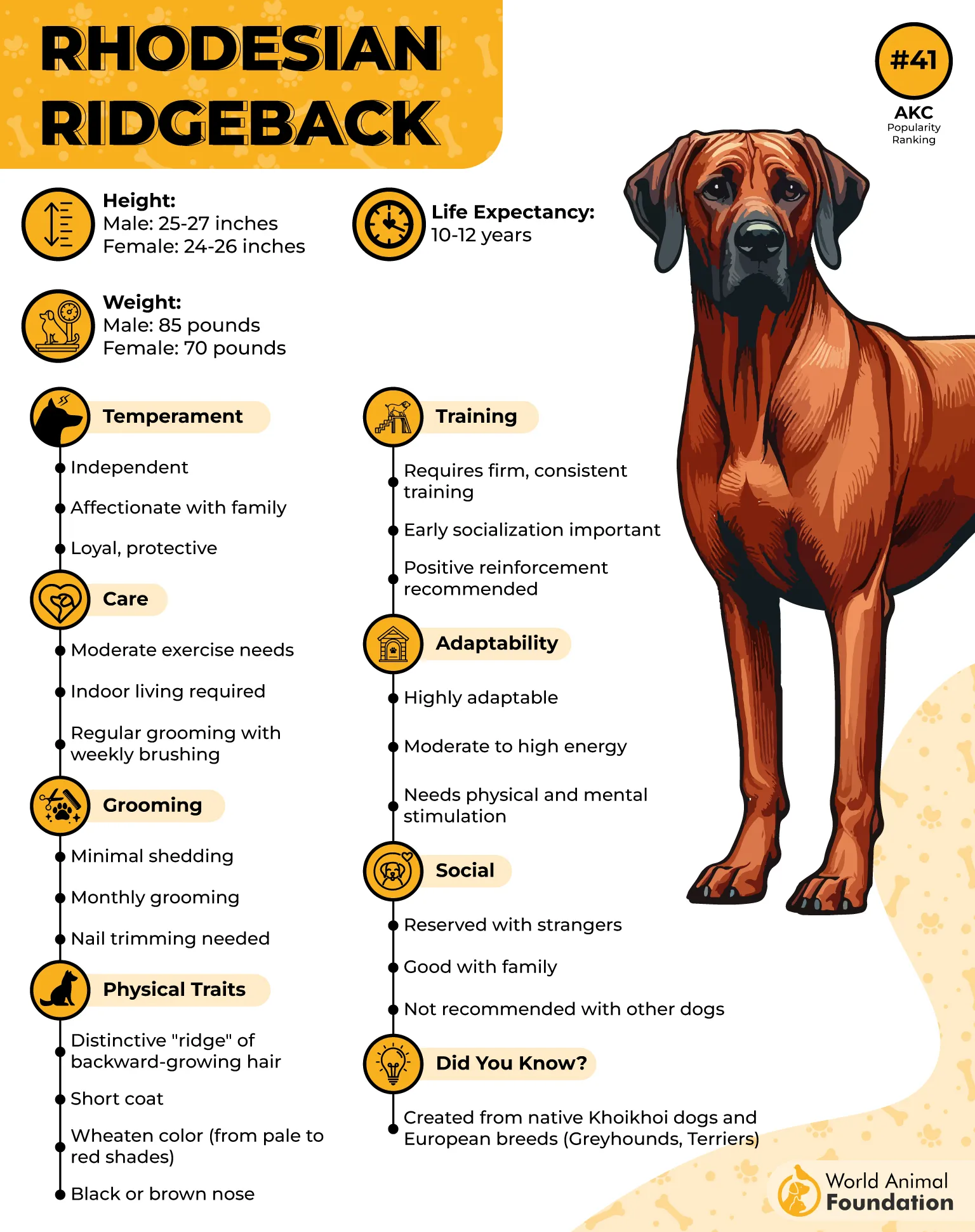
Their hunting heritage gives them a fascinating combination of athletic ability and independent thinking. They may become intensely interested in wildlife scents or sudden movement, making reliable leash manners and secure exercise areas essential. Training should focus on recall, impulse control, and rewarding attention to the handler, especially when exciting distractions appear.
Here’s something that surprises many new owners: These great companions can be surprisingly relaxed around the house after their exercise needs are met. While they often enjoy energetic outdoor adventures, mature individuals may also appreciate long naps and peaceful time with their families.
Conclusion
Who needs a boring weekend when your four-legged bestie is already planning the next adventure?
Whether you’re exploring forest trails, hiking mountain paths, or splashing through a lake, the right canine companion can make every adventure unforgettable!
But here’s the ultimate outdoor-dog reality check: loving the outdoors doesn’t mean a dog should live outside all the time! Even the toughest working breeds need comfortable shelter, family interaction, proper training, and protection from extreme weather.
