





A knock at the front door, footsteps outside the gate, or an unfamiliar sound near a window can easily go unnoticed in a busy household.
A watchful dog often catches these small changes much sooner, giving its family an audible warning when someone approaches the property. Small dogs can be particularly interesting in this role because their hearing, quick reactions, and tendency to bark at unfamiliar activity make them useful household alert companions.
Some are quick to investigate sounds, while others prefer watching entrances and windows from a comfortable spot. Their size also makes them suitable for homes where keeping a larger dog may be difficult. However, barking habits, confidence, and responses to strangers vary considerably between breeds.
This article explores small dog breeds with useful watchdog qualities, including their alertness, temperament, and suitability for everyday home life.
Key Takeaways
Did you know that several popular small companion dogs spent generations working as rat catchers before becoming household favorites?
The Miniature Schnauzer and Yorkshire Terrier still display their working instincts through their curiosity, sharp hearing, and quick reactions.
Further down the list, you’ll meet a former Belgian barge dog and another breed that once helped Buddhist monks detect approaching visitors.
Their histories explain many of their present-day habits, so keep reading to see which little watchdog suits your home best.
Best Small Dog Breeds for Protective Home Alerting
1. Miniature Schnauzer
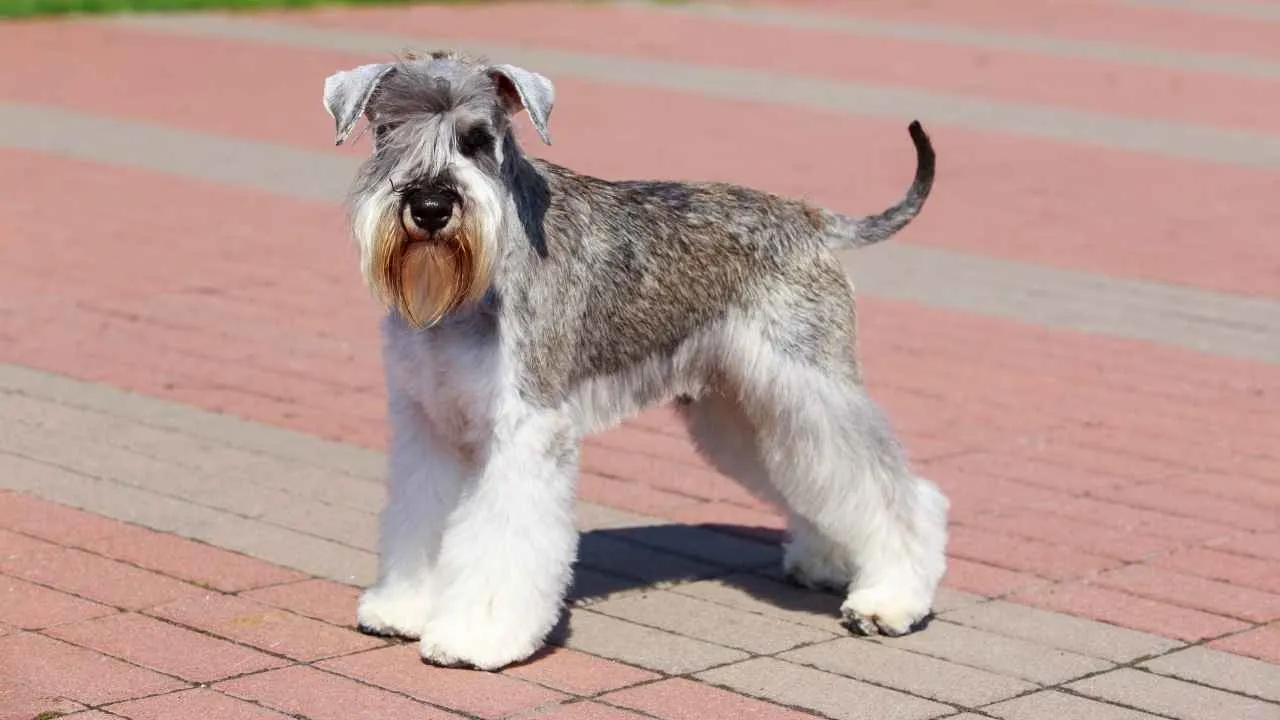
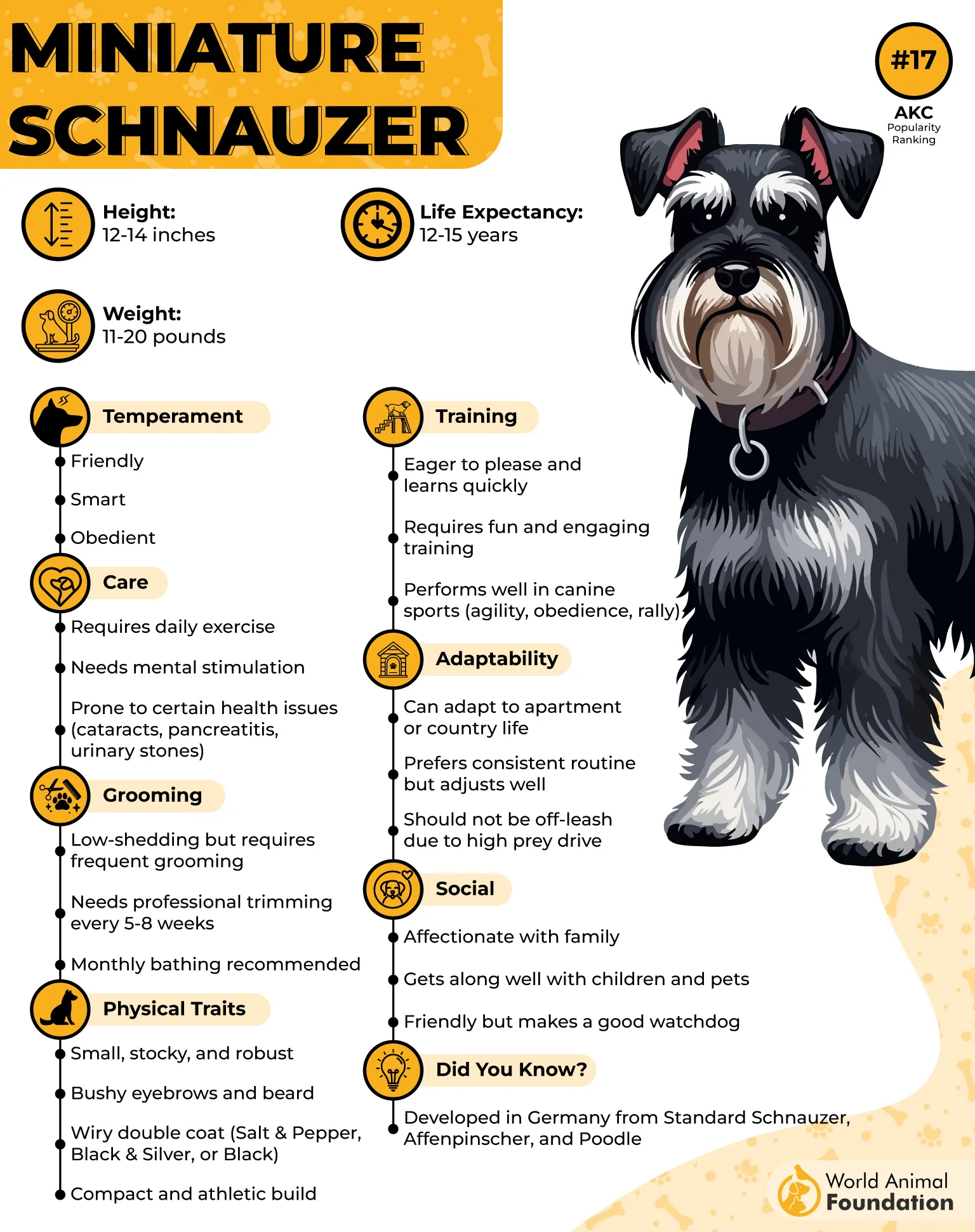
The Miniature Schnauzer originated in Germany in the late 1800s, when farmers wanted a smaller dog that could catch rats around homes and farms. Breeders crossed the Standard Schnauzer with Affenpinschers and Poodles to produce a compact working terrier. The name comes from the German word Schnauzer, meaning “small beard.”
An Ear for Every Little Sound
A Miniature Schnauzer can pick up sounds that might otherwise go unnoticed around the house. Its keen hearing and natural watchdog instincts make it quick to bark at unfamiliar visitors, passing vehicles, and animals outside, as Orvis reported.
These other habits are worth knowing:
Usually relaxes once visitors are welcomed inside.
Learns commands quickly but can test boundaries.
More inclined to sound an alarm than confront an intruder physically.
Spirited Around Familiar Faces
Miniature Schnauzers are generally friendly with children and familiar dogs, although some can be reserved when meeting new people. Their playful nature keeps household activities interesting, and individual temperaments can range from independent to especially devoted to family members.
2. Chihuahua
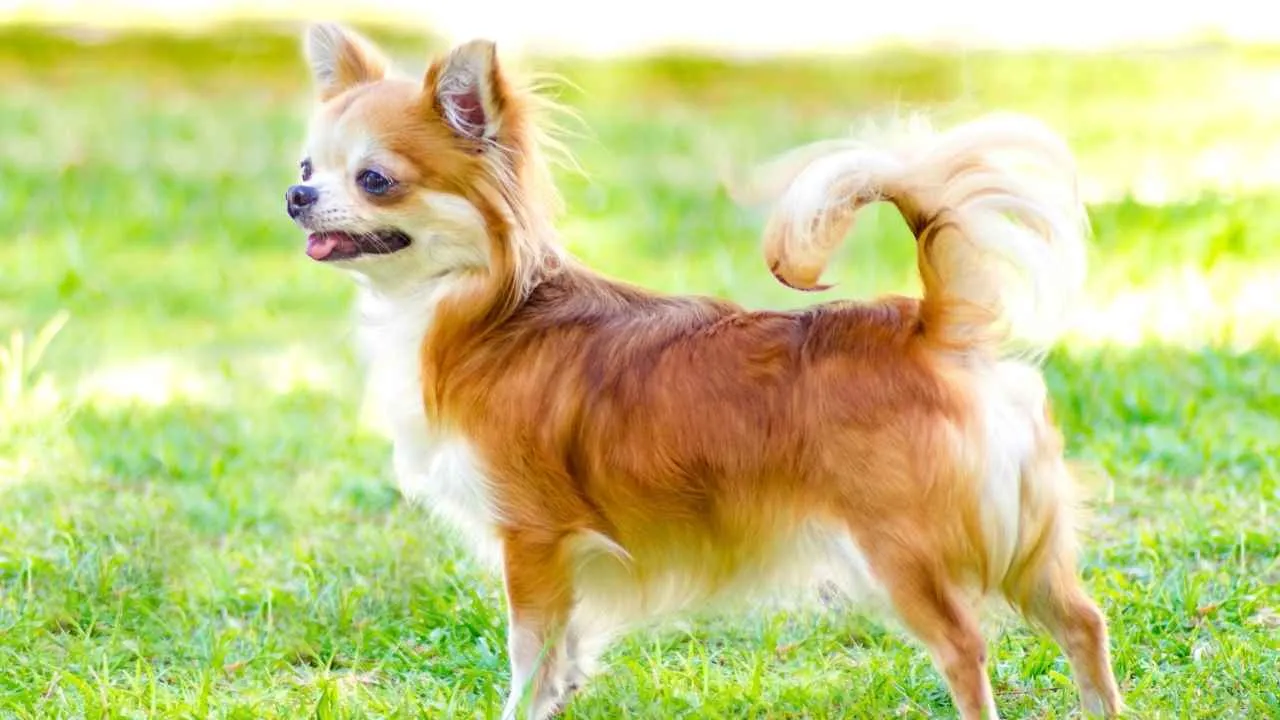
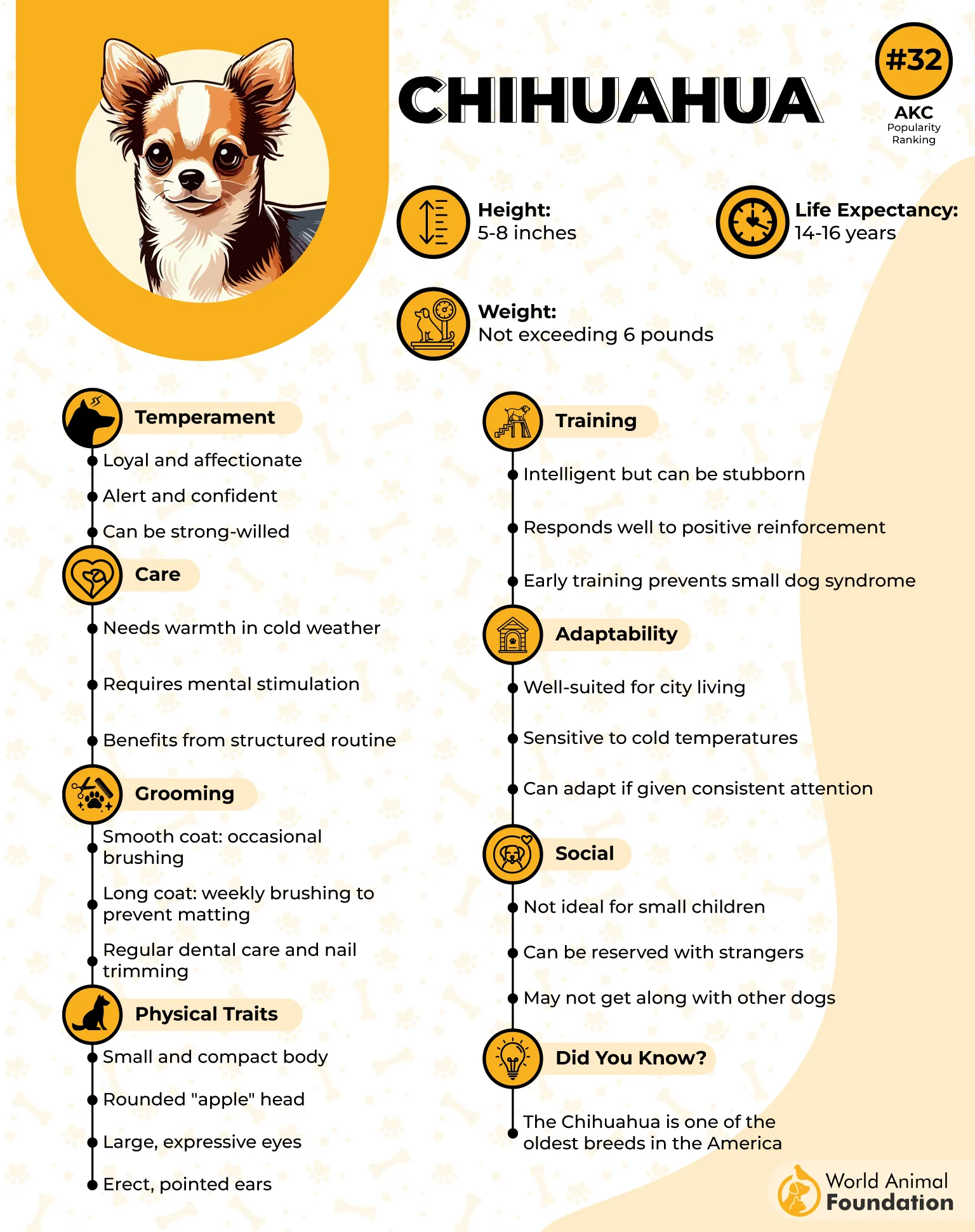
The Chihuahua’s exact origins remain uncertain, with theories linking the breed to China or Central and South America. In 1850, small dogs were discovered in Chihuahua, Mexico, and brought to the United States, where people gradually came to appreciate their qualities as companions.
A Sharp Little Alarm Bell
A Chihuahua is quick to react when someone approaches the front door, often barking loudly to alert the household. Its confidence and watchful nature make it an effective little watchdog, although its tiny frame limits its ability to confront an intruder physically.
The following other habits are worth knowing too:
Often distrusts unfamiliar people.
Can become protective of its favorite person’s personal space.
May bark or snap when someone approaches too closely.
A Strong Attachment to One Person
This small protection dog often becomes especially devoted to the person who cares for them most, as noted by Omlet. This close attachment can turn into possessive behavior, so consistent training is important to prevent excessive dependence and unwanted reactions toward others.
3. Yorkshire Terrier

The Yorkshire Terrier emerged from the industrial communities of 19th-century England. Scottish workers arriving in Yorkshire during the mid-1800s brought small terriers that proved useful in controlling rats around cotton mills. The breed’s ancestry likely includes Waterside, Paisley, and Skye Terriers.
Quick to Notice Unfamiliar Activity
A Yorkshire Terrier is naturally inquisitive and quick to react when something approaches the front door. It often announces unfamiliar footsteps and household sounds with persistent barking, while its attachment to family members can sometimes make it overly protective.
Its terrier instincts also appear in several everyday habits:
Stalks and pounces on toys like small prey.
Investigates furniture gaps, corners, and garden edges.
May approach large dogs boldly but startle at sudden noises.

Small Size, Strong Opinions
Yorkies can enjoy life with respectful children and other household pets when introduced to them early, as PetMD reports. Their delicate size requires gentle handling, while puppy classes and supervised interactions help children and dogs learn appropriate behavior around each other.
4. Cairn Terrier
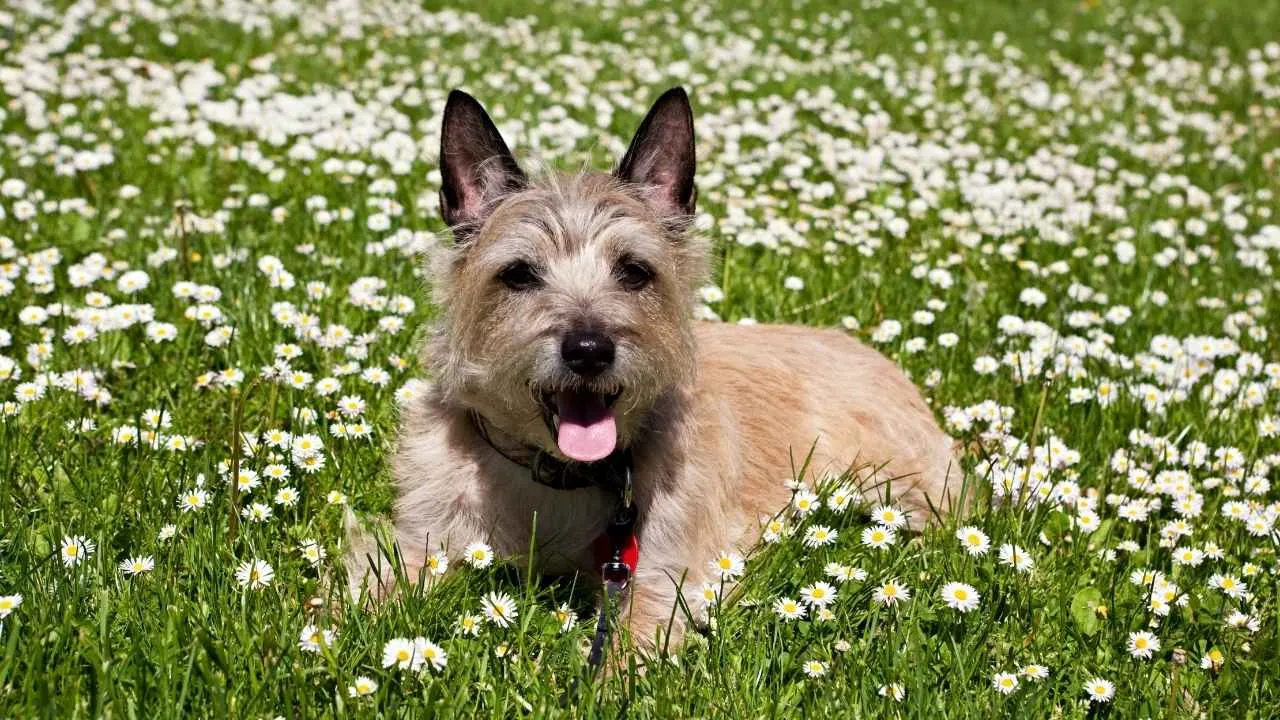
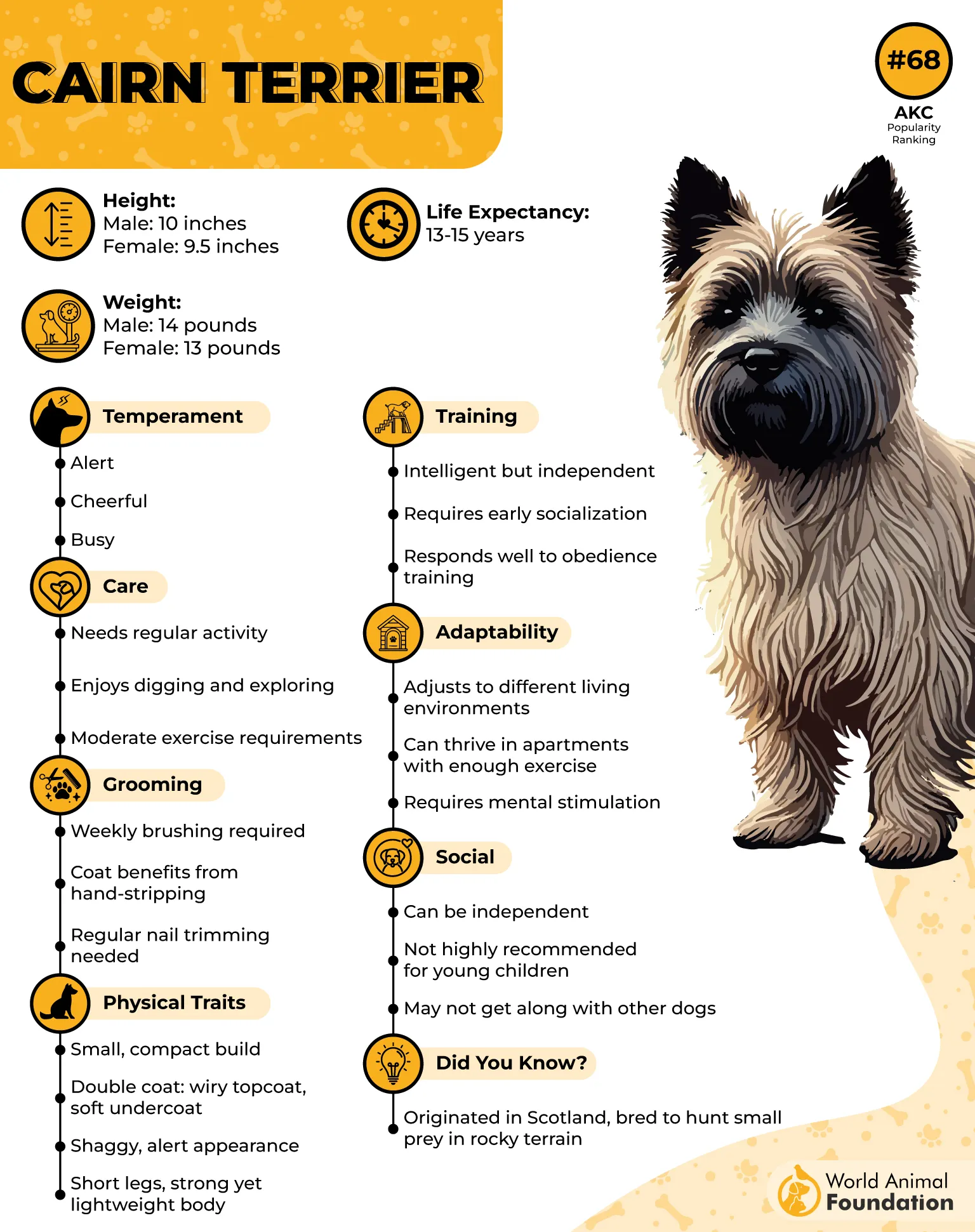
The Cairn Terrier is among the oldest terrier breeds, originating in the Scottish Highlands, where it hunted small quarry among rocky cairns. Once called the Short-Haired Syke Terrier, it received its present breed name from the Kennel Club in the early 1900s.
Quick to Sound the Alarm
A Cairn Terrier is quick to bark when someone approaches the house or an unfamiliar sound catches its attention. Its courage and watchful nature come from generations of farm work, making it useful for alerting a household to activity outside.
Its working instincts also appear in several everyday behaviors:
Digs into narrow spaces while following scents.
Uses a quick pounce-and-shake action during prey-like play.
May chase squirrels and rabbits if given the opportunity.
A Bold but Affectionate Character
Full of classic terrier spirit, the Cairn can be feisty and assertive while remaining deeply affectionate with its family. It enjoys human company, plays enthusiastically, and can be a good companion for respectful children when their daily interactions are properly supervised.
5. Schipperke
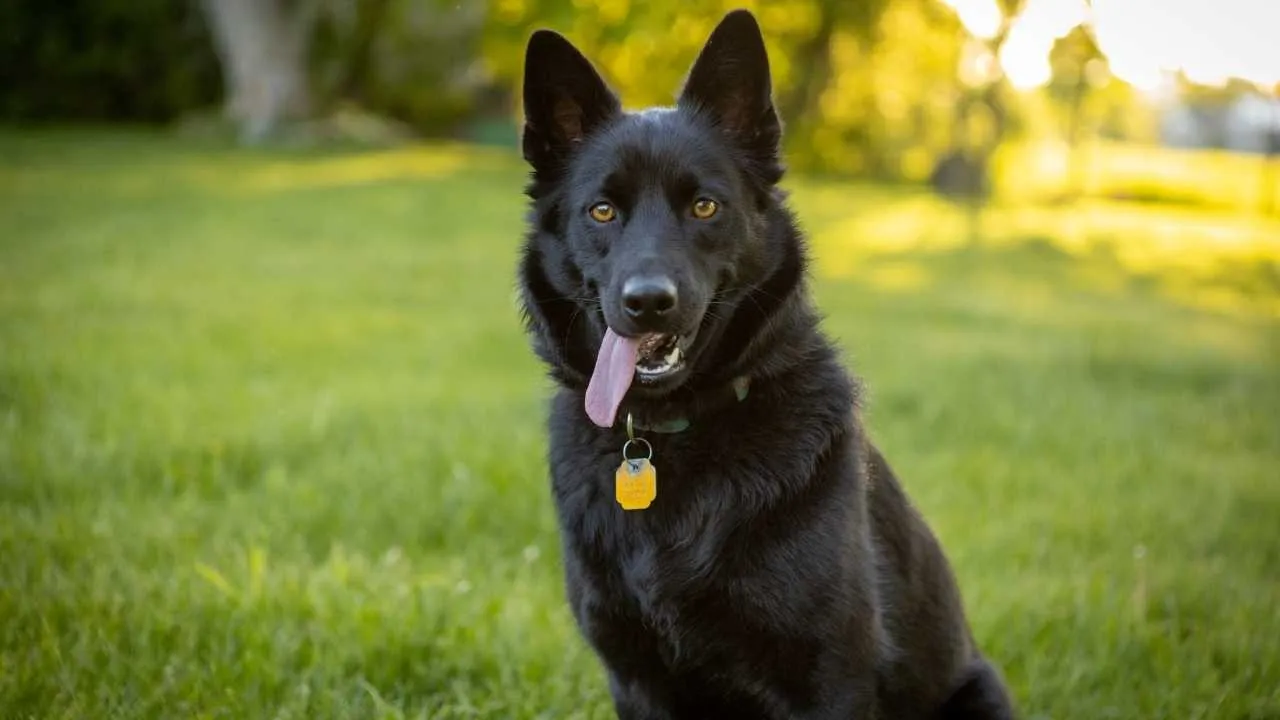
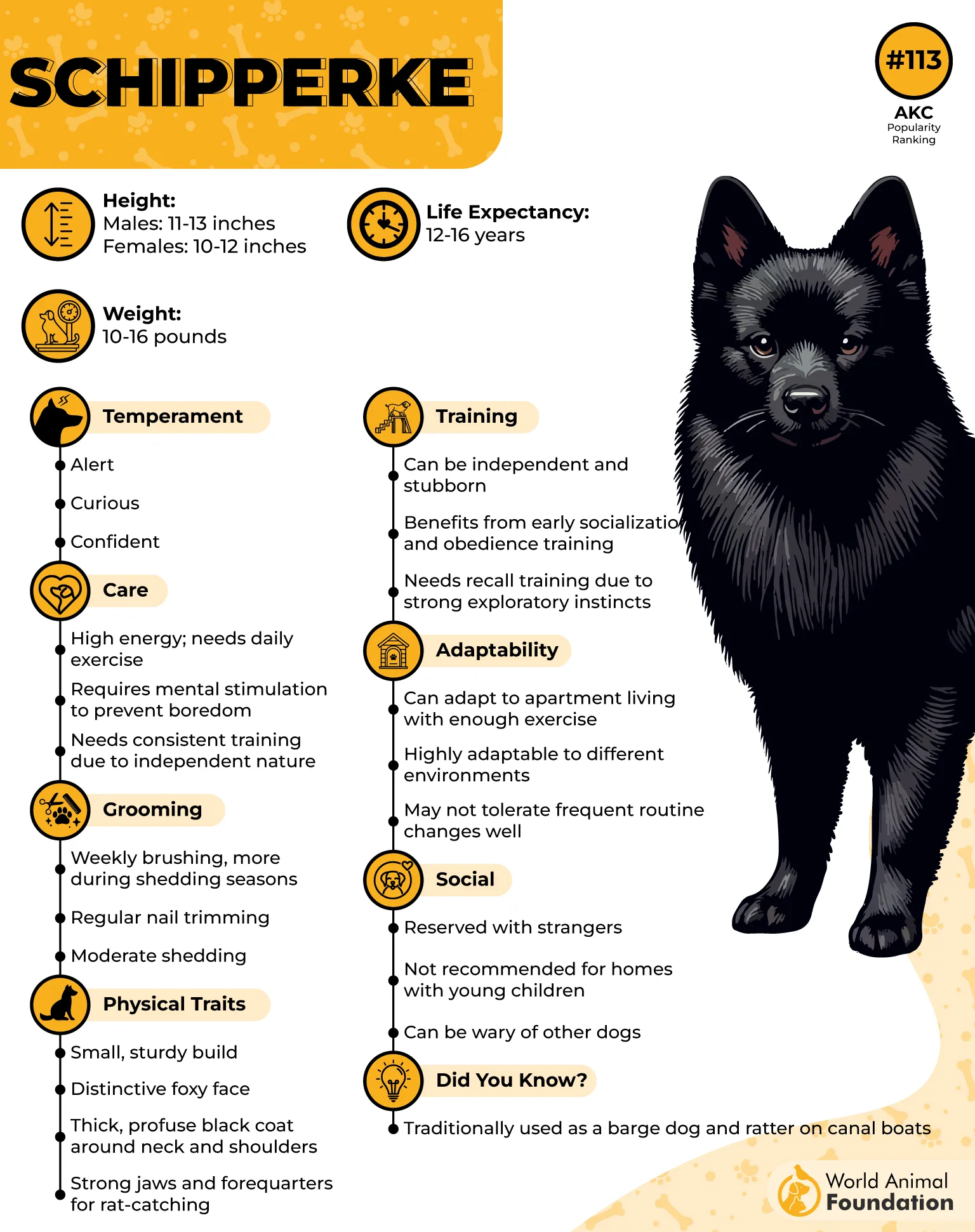
The Schipperke dates back to the 16th century, with its name coming from the Dutch word Scheperke, meaning little shepherd. It became a familiar sight on Belgian barges, where its rat-catching ability proved useful, and received official recognition in the 1880s.
Always Watching the Surroundings
A Schipperke keeps a close eye on its home and reacts quickly to unfamiliar sounds or activity. Its sharp barking can alert the household when someone approaches, while its reserved attitude toward strangers may take time to soften.

Its other instincts can be just as noticeable:
Stalks and pounces on small moving creatures.
Climbs furniture and jumps over fences with surprising agility.
Enjoys puzzle toys and sniffing games.
Closely Attached to Its Family
This small guard dog often forms a particularly strong attachment to its main caregiver and likes knowing what everyone is doing.
Getting the whole family involved in training helps prevent it from becoming overly dependent on one person. Early introductions to different people, pets, and surroundings also help shape their confident nature.
6. Tibetan Spaniel
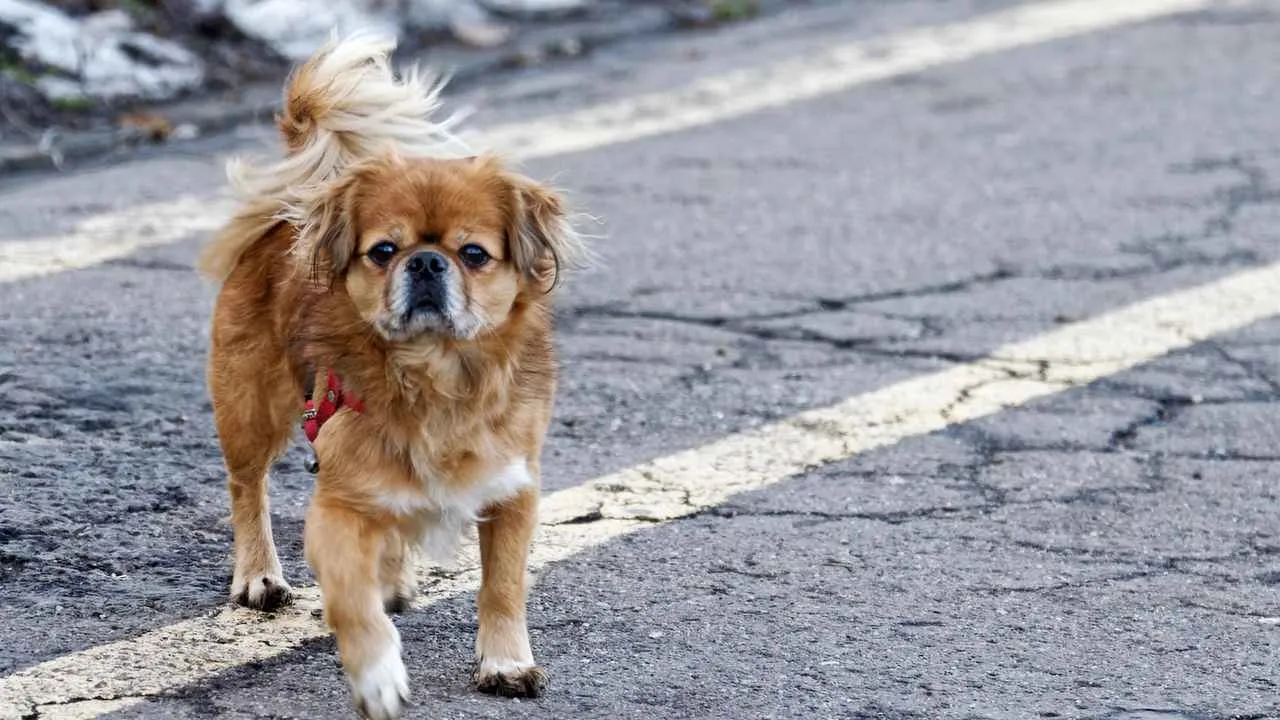
The Tibetan Spaniel has ancient roots in Asia, where Buddhist monks kept these little dogs as companions and early-warning sentinels.
Their lion-like appearance held religious significance, and monasteries selected the smallest dogs for breeding. The first organized breeding outside Asia began in Britain during the 1940s.
An Alert Pair of Eyes at Home
Tibetan Spaniels are naturally watchful and often bark when visitors arrive, or unfamiliar activity catches their attention. They tend to be reserved around strangers and usually make their presence known when something seems unusual, without constant yapping.
Their everyday habits offer a few more clues to their character:
Often perches on sofa backs or other raised spots.
May retreat when people argue or raise their voices.
Takes pride in keeping its coat and body clean.

Affectionate, With a Mind of Its Own
At home, this territorial dog breed enjoys close company and often seeks a lap, a place beside its favorite person, or a spot on the bed. It generally gets along with familiar children, household pets, and other dogs, while some individuals can struggle when left alone for long periods.
7. Lhasa Apso
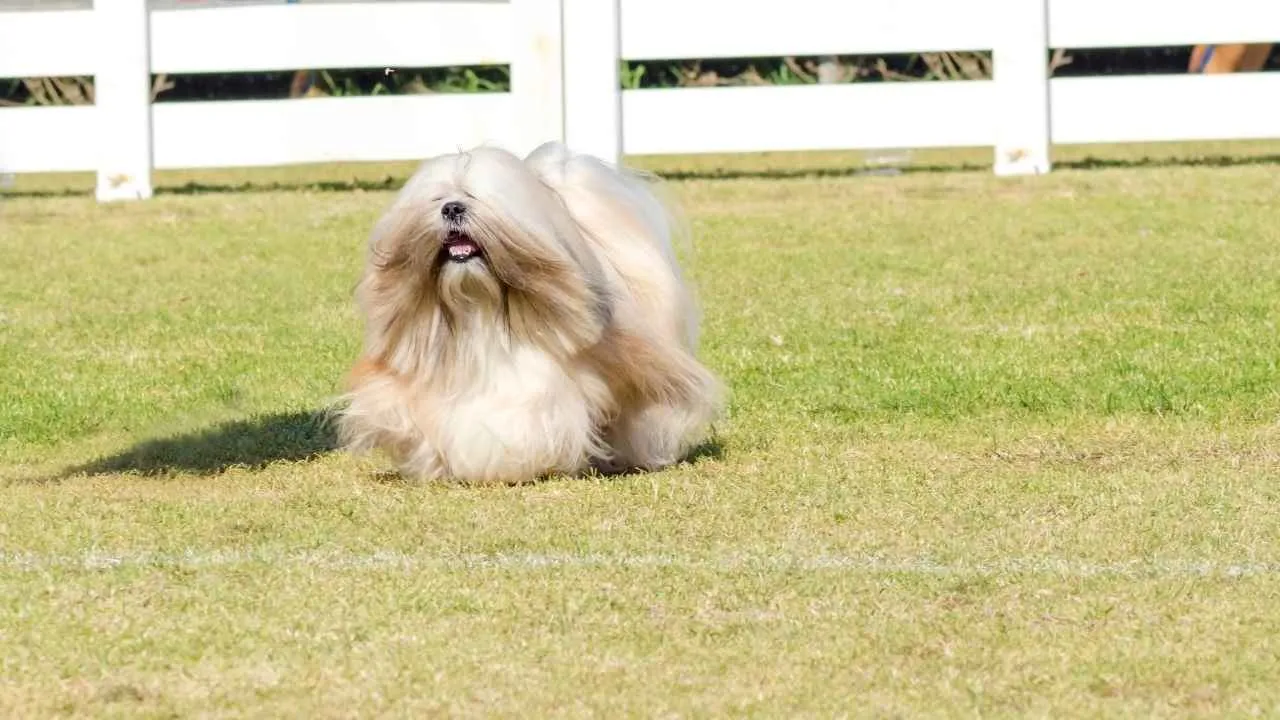
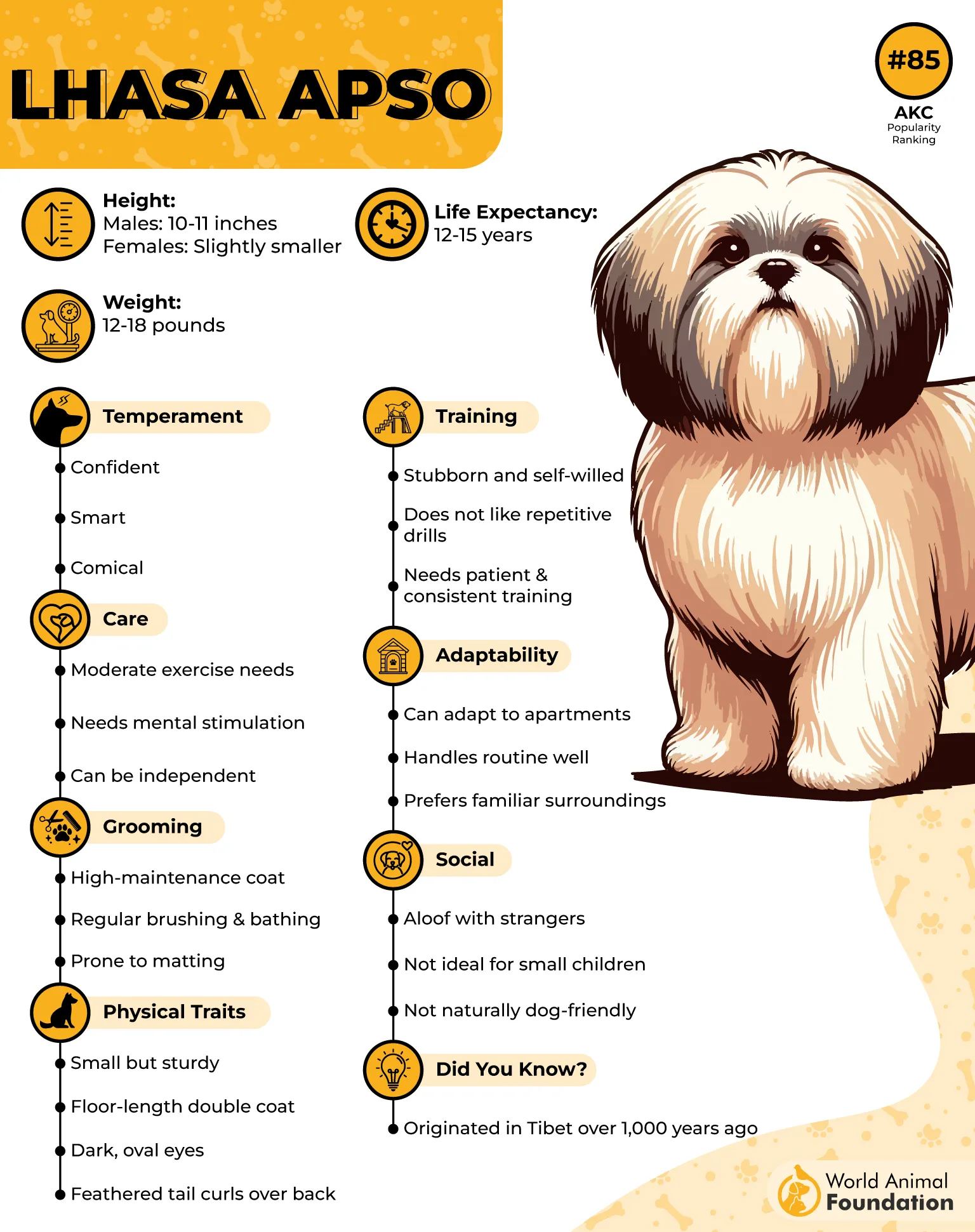
The Lhasa Apso comes from Tibet, where it guarded Buddhist monasteries and alerted monks to approaching strangers. Its roots go back thousands of years, with records of active breeding dating to around 800 BC. Lhasa refers to Tibet’s capital, while Apso means “bearded.”
A Sharp Ear for Unfamiliar Sounds
Even indoors, the Lhasa Apso pays close attention to sounds around the home. Footsteps in the hallway, an unfamiliar visitor, or activity near the entrance can prompt a warning bark. Its natural caution around strangers makes it more selective about when it raises an alarm.
These other qualities add to its character:
Can remain puppy-like until around three years old.
Enjoys sitting on elevated spots such as sofa backs.
May chase small, moving objects outdoors.
Clever With an Independent Streak
This little protector is intelligent and quick to understand what is expected, although its independent temperament can make training challenging. Short, consistent sessions with clear boundaries and patience work better than repeatedly giving commands.
Conclusion
Selecting a small watchdog calls for a close look at its habits as well as its appearance. A naturally alert companion may notice visitors, passing activity, and unfamiliar noises before anyone else in the house. However, frequent barking, strong attachment, or wariness around strangers can require patient training.
Give attention to early socialization, gentle handling, and consistent rules so your dog can respond appropriately in different situations. Also consider whether its activity level and need for company match your daily routine. A good household fit brings useful alerts without making ordinary home life unnecessarily noisy, stressful, or difficult for everyone.
