




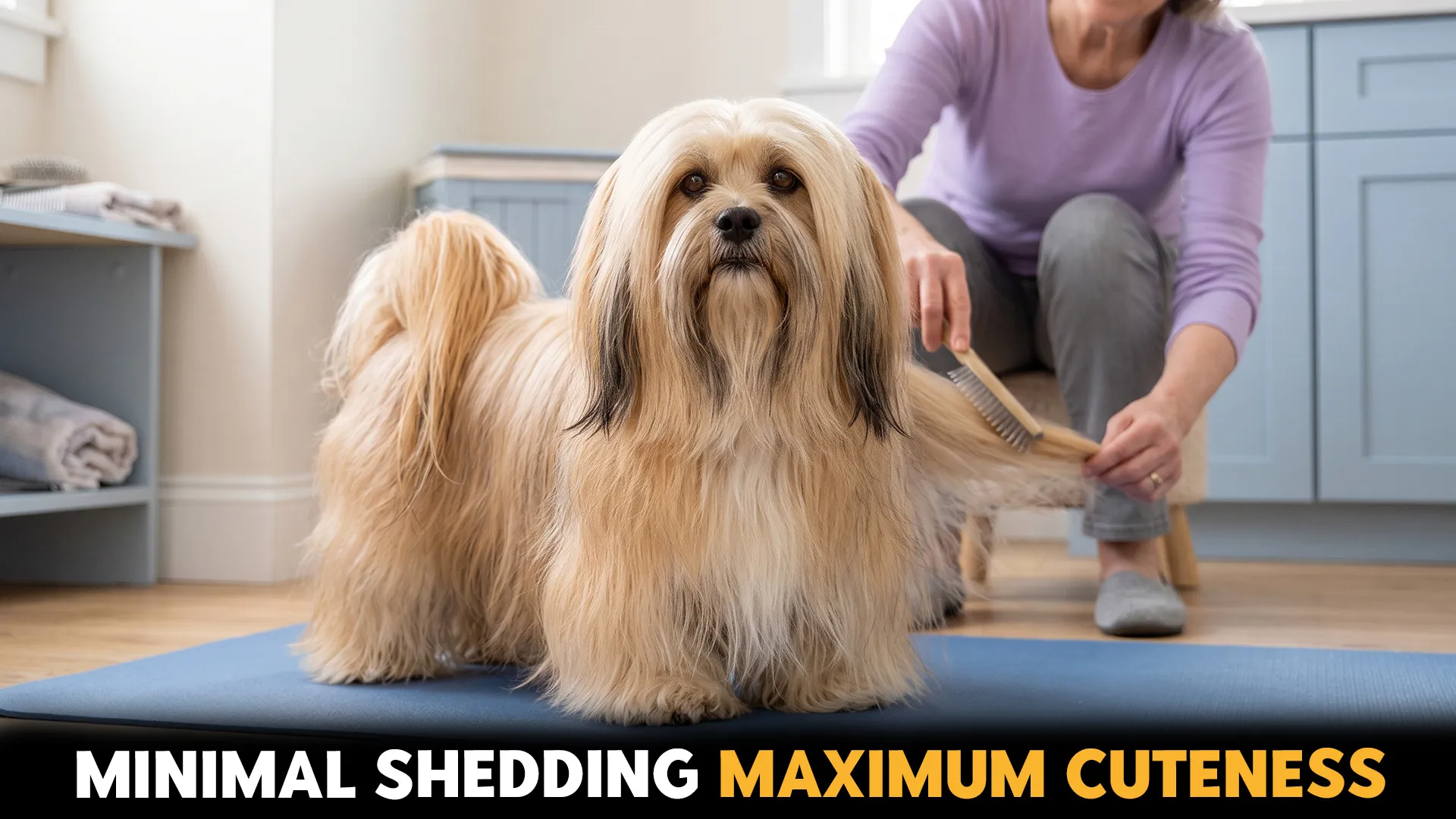
Picture this: you did the research, picked a hypoallergenic dog famous for barely shedding, and still find yourself reaching for the tissues by week two.
Turns out almost 20% of the dog allergen floating through your house rides on particles smaller than 5 micrometers, small enough to stay airborne long after the dogs shed, according to this breakdown of dog allergy research.
So “doesn’t shed much” was never the whole story. Coat type decides where that hair goes, not your odds of staying allergy-free.
Most breed round-ups hand pet owners a list and stop there, leaving active families and first-time owners to sort out grooming tips, coat type, and allergy trouble alone.
That is exactly the gap this list closes, so stick around to see which breeds actually earn the title.
Exceptional Dog Breeds That Produce Minimal Shedding
1. Miniature Poodle
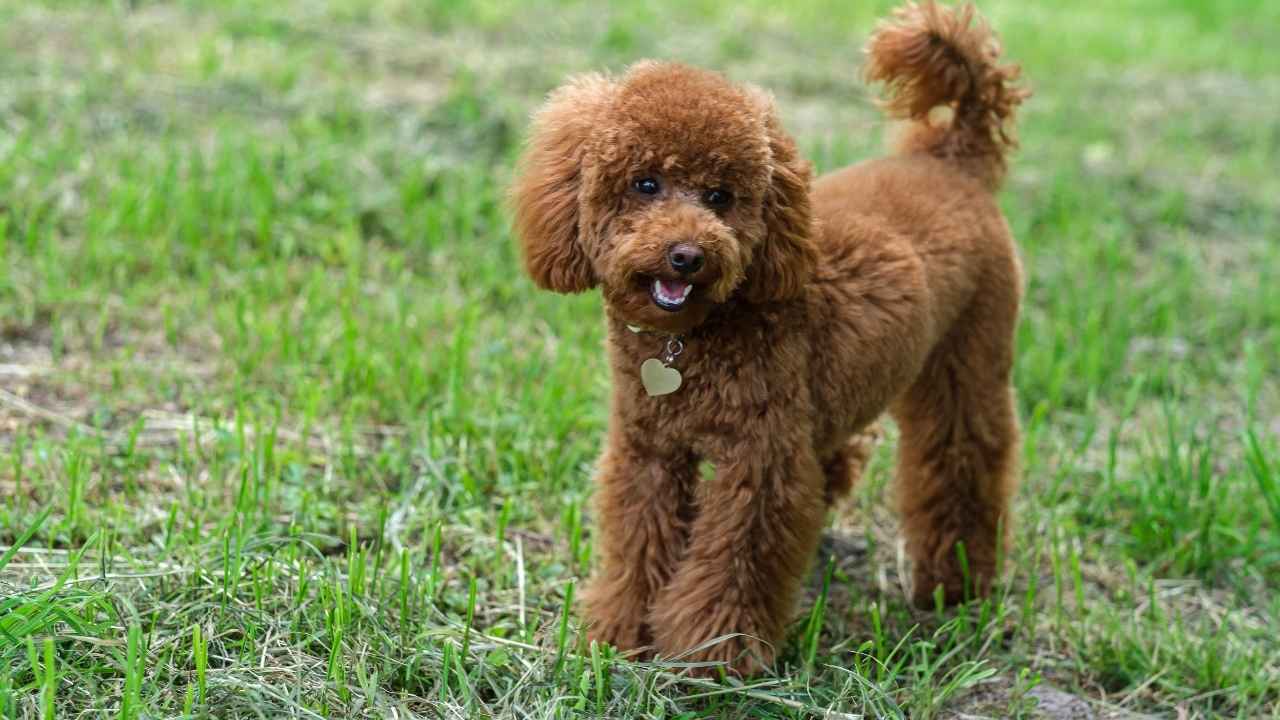
A Miniature Poodle’s curls hide a trick: one coat layer, no undercoat, so there is no seasonal blowout. VCA Hospitals calls it curly, harsh, and dense, built to trap dead hair instead of dropping it.
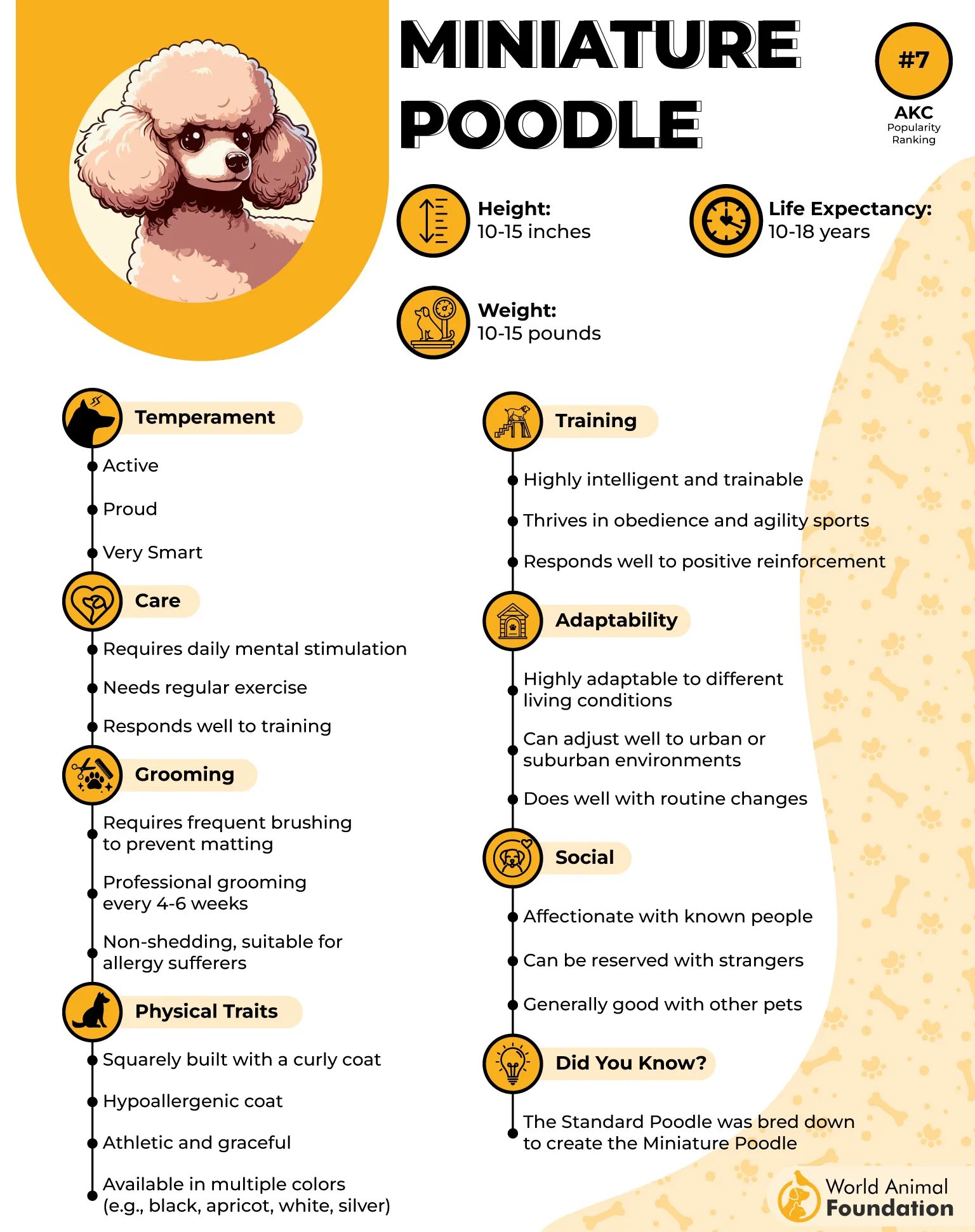
That trapped hair rarely reaches your sofa or your trousers. It builds up in the curls instead, so floors and furniture stay cleaner than with most double-coated dogs.
Brushing: Brush 2 to 3 times a week to stop mats in the curls.
Clipping: Book a trim every 4 to 6 weeks for the constantly growing coat.
Checks: Comb ears and paws weekly for early tangles.
Low shedding does not mean hypoallergenic. Dander and saliva, not hair, trigger most dog allergies, and this breed still makes both, so meet one before you commit.
2. Miniature Schnauzer
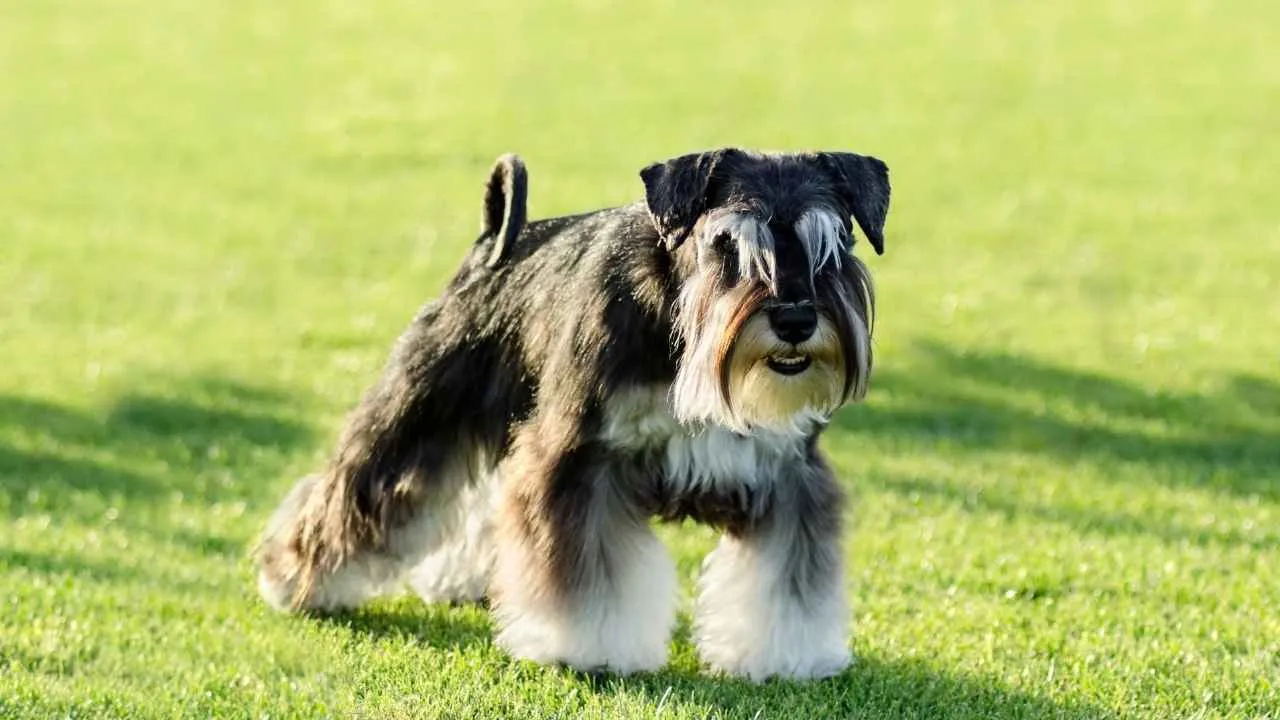
A Miniature Schnauzer’s wiry coat works against gravity. The harsh topcoat sits over a soft undercoat, but the rough texture holds loose hair close instead of shedding it loose.
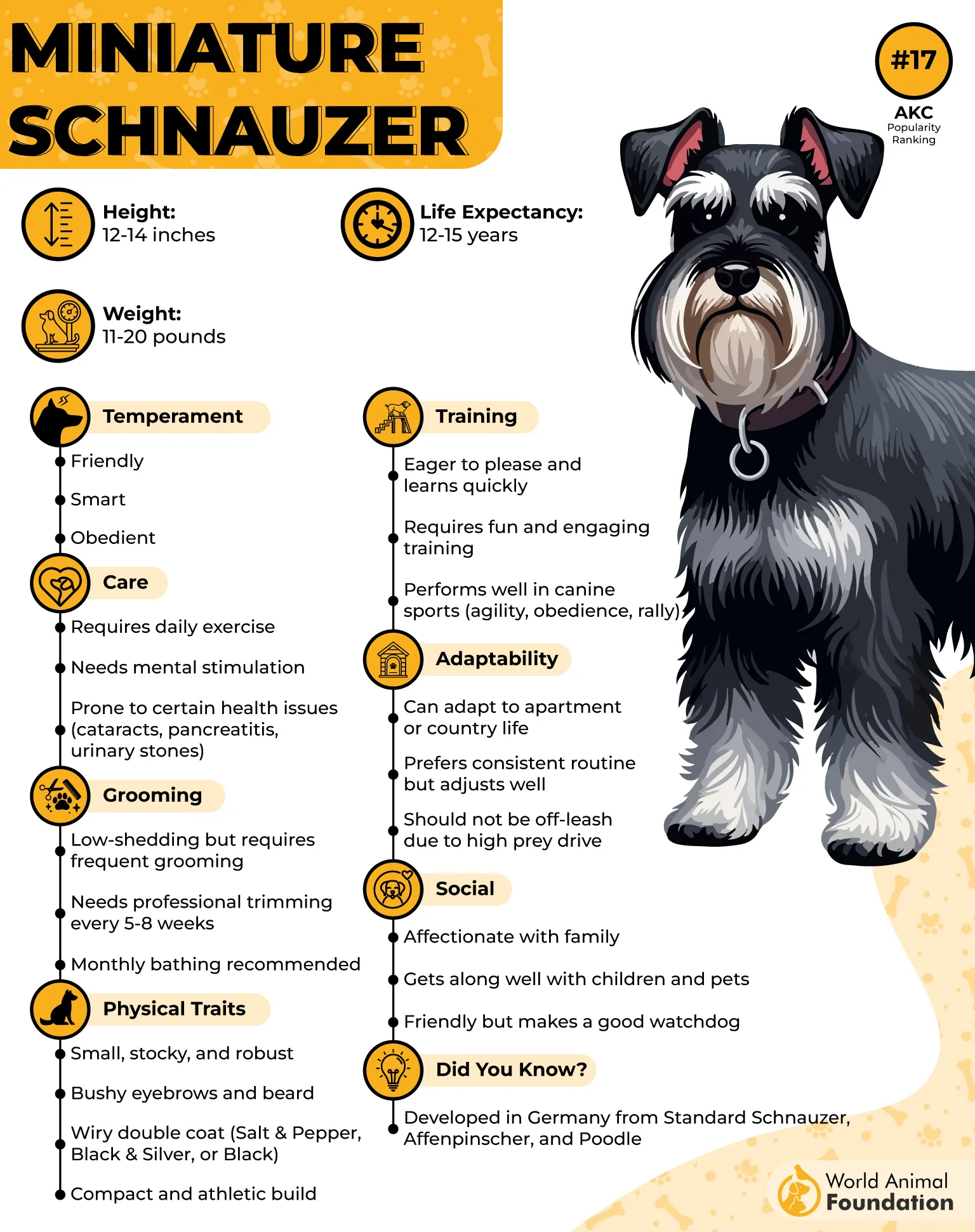
Little of that double coat drifts onto rugs or dark clothing. What does come loose usually stays caught in the coat’s longer hair rather than scattering around the room.
Stripping: Hand strip every few months to protect the wiry texture.
Brushing: Comb the beard and legs 2 to 3 times a week.
Trimming: Tidy the eyes and paws monthly.
A wiry coat still sheds dander and saliva, the real cause of most dog allergies. This breed is often called hypoallergenic, but no dog fully is, so test your reaction first.
3. Shih Tzu
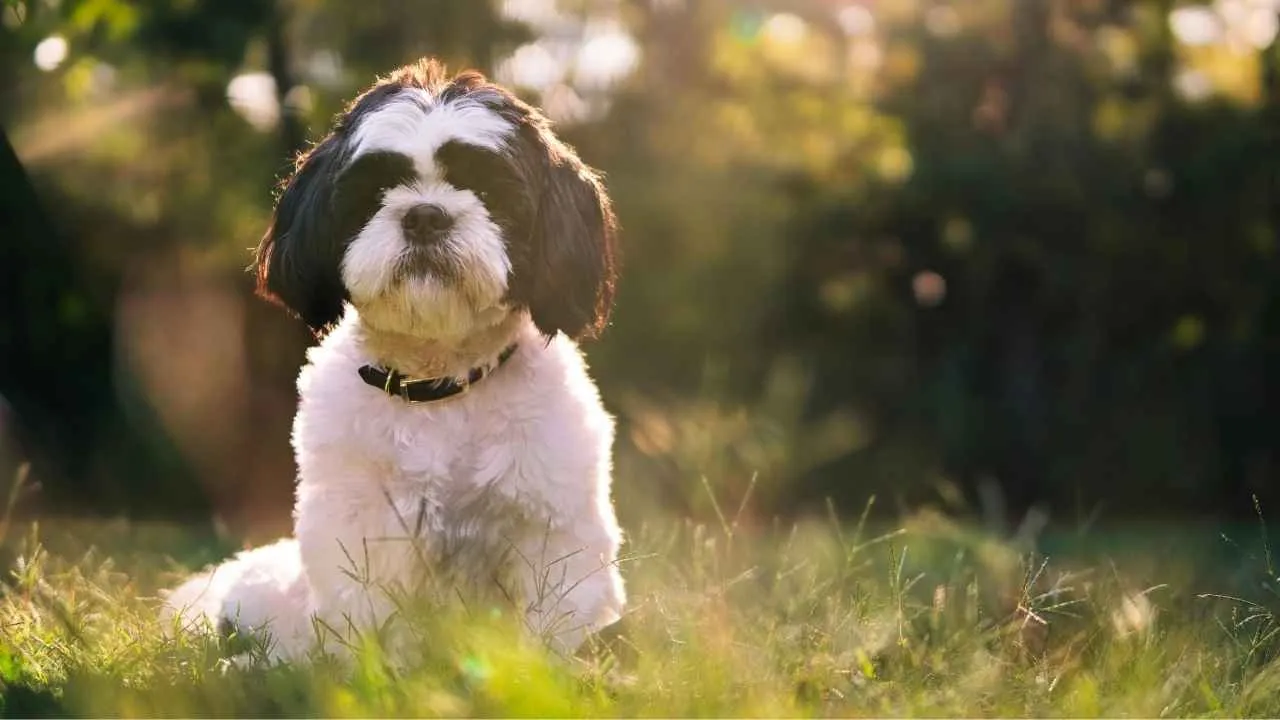
A Shih Tzu’s shedding hides in plain sight. PetMD notes the coat is closer to human hair than dog fur and grows continuously, so dead hair rarely falls out on its own.
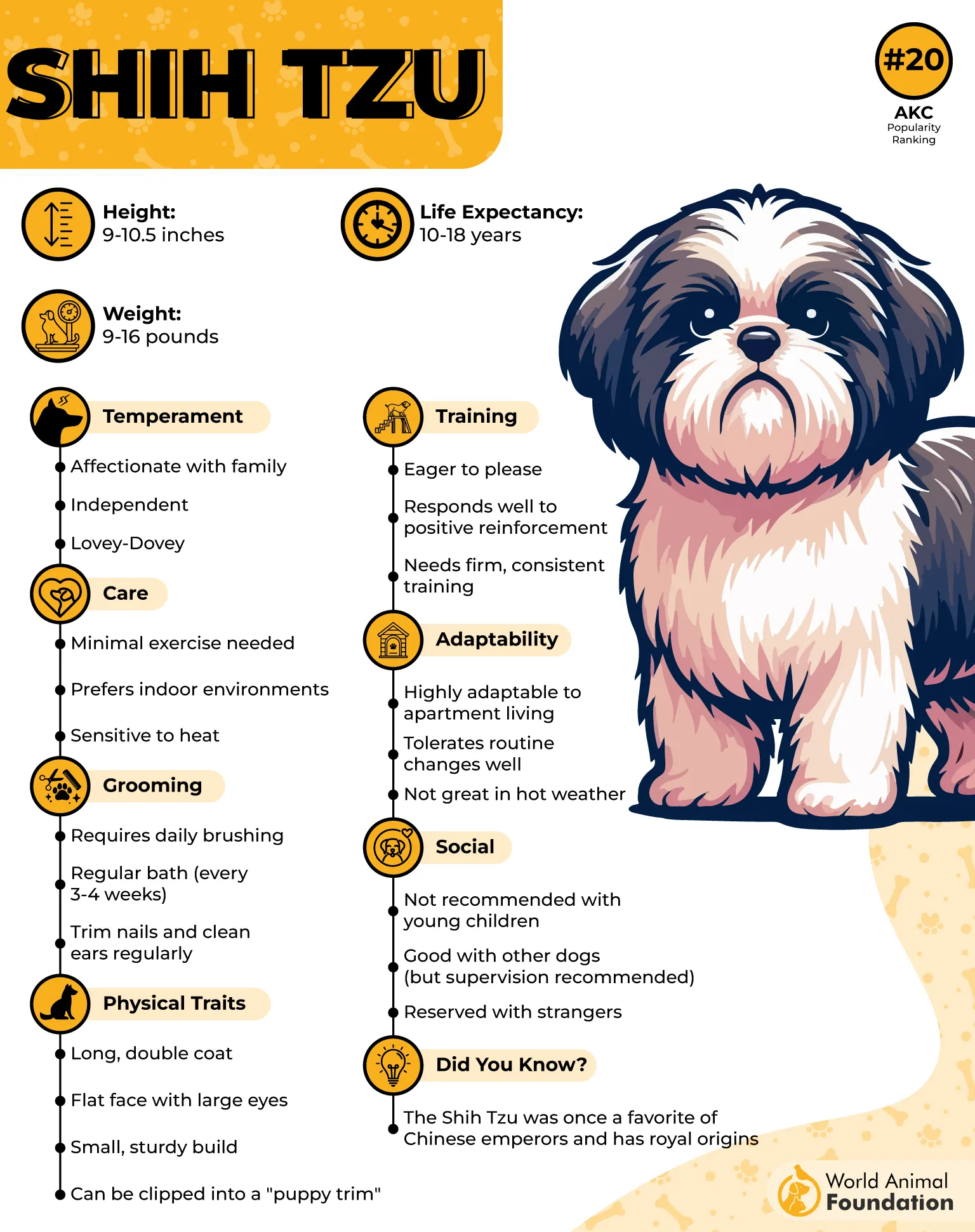
Because that hair keeps growing instead of dropping, carpets and furniture stay noticeably clearer than with most breeds. Any loose hair tends to stay caught in the long silky coat.
Brushing: Brush the full coat daily to stop mats and tangles.
Bathing: Bathe every 3 to 4 weeks for a healthy coat.
Trims: Book a trim every 4 to 6 weeks for a shorter cut.
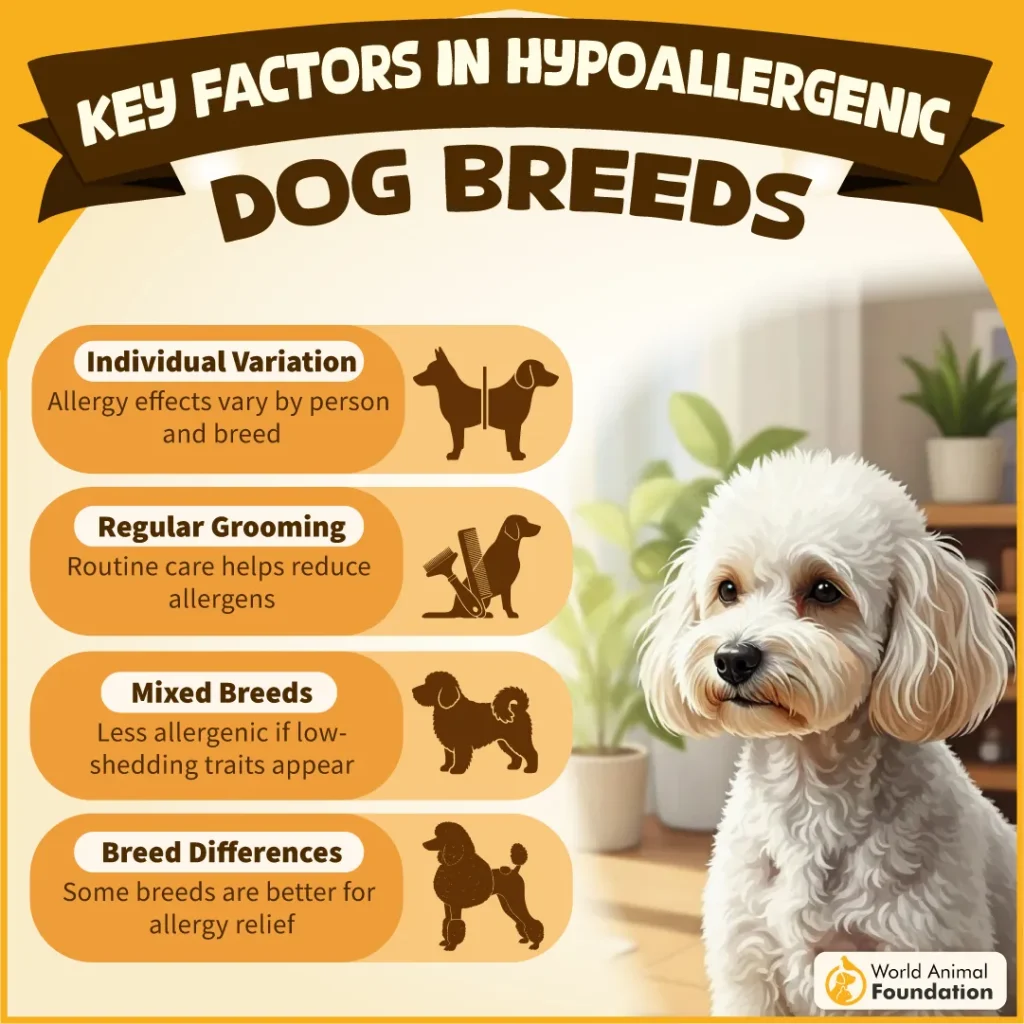
Long and silky is not the same as hypoallergenic. The coat still holds dander and dead skin cells, the usual trigger for dog allergies, so test your reaction before committing.
4. Lhasa Apso
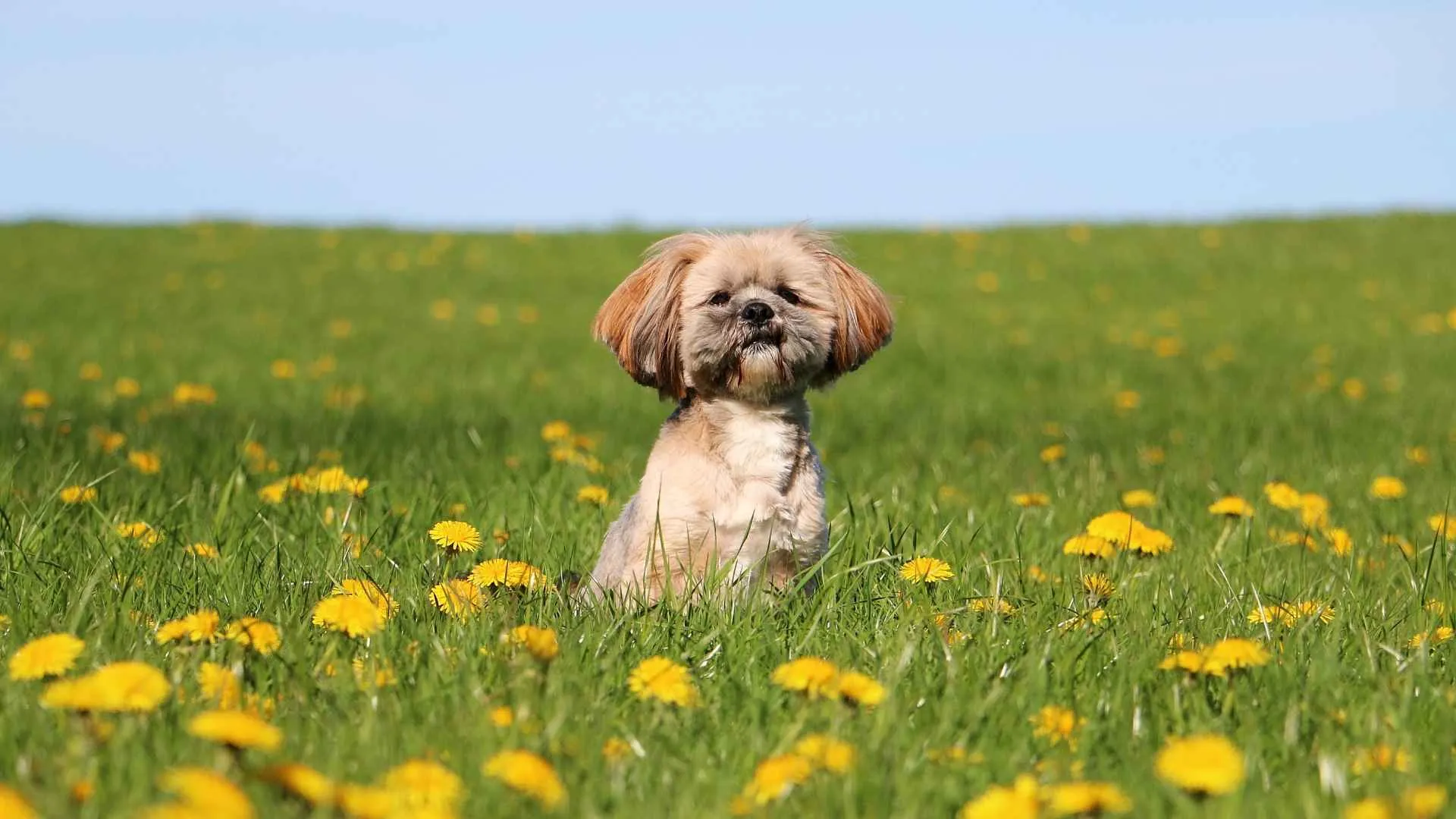
A Lhasa Apso carries an ancient trick under all that hair. The long double coat grows more like human hair than fur, so old strands stay tangled in the undercoat instead of falling free.
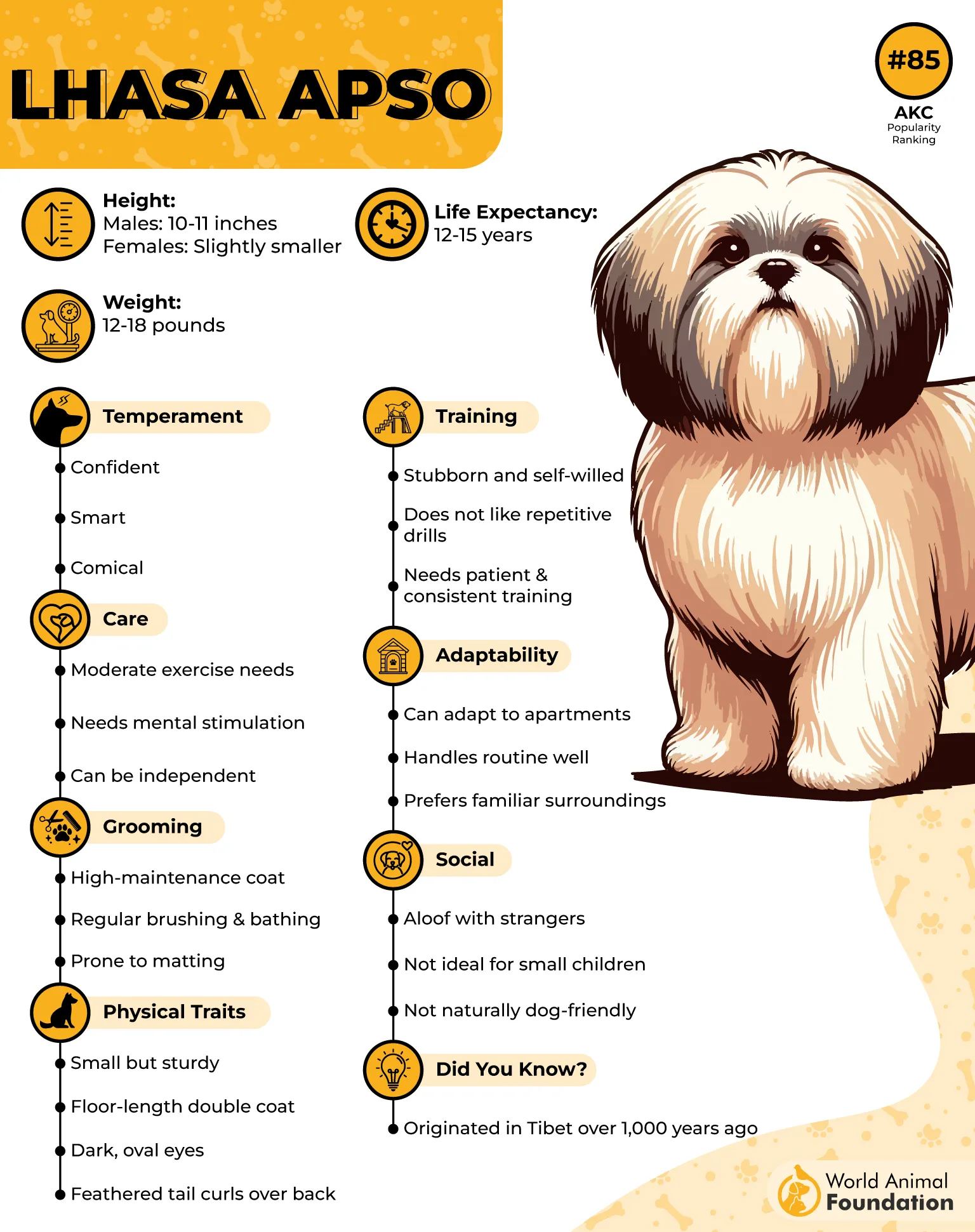
The result shows up as fewer strands on your floors and furniture than with most breeds. What sheds tends to vanish into the coat rather than settle on dark surfaces.
Combing: Comb down to the skin daily to prevent tangles.
Bathing: Bathe every 3 to 4 weeks to keep the coat clean.
Shorter cuts: Ask for a puppy cut to lower grooming time.
A full, flowing coat is still not a hypoallergenic one. Dander and saliva cause most dog allergies, not the hair itself, so allergy sufferers should meet the breed first.
5. Affenpinscher

An Affenpinscher’s shaggy coat does more work than it looks. Orvis describes it as harsh and wiry, a rough texture that holds loose hair against the body rather than scattering it.
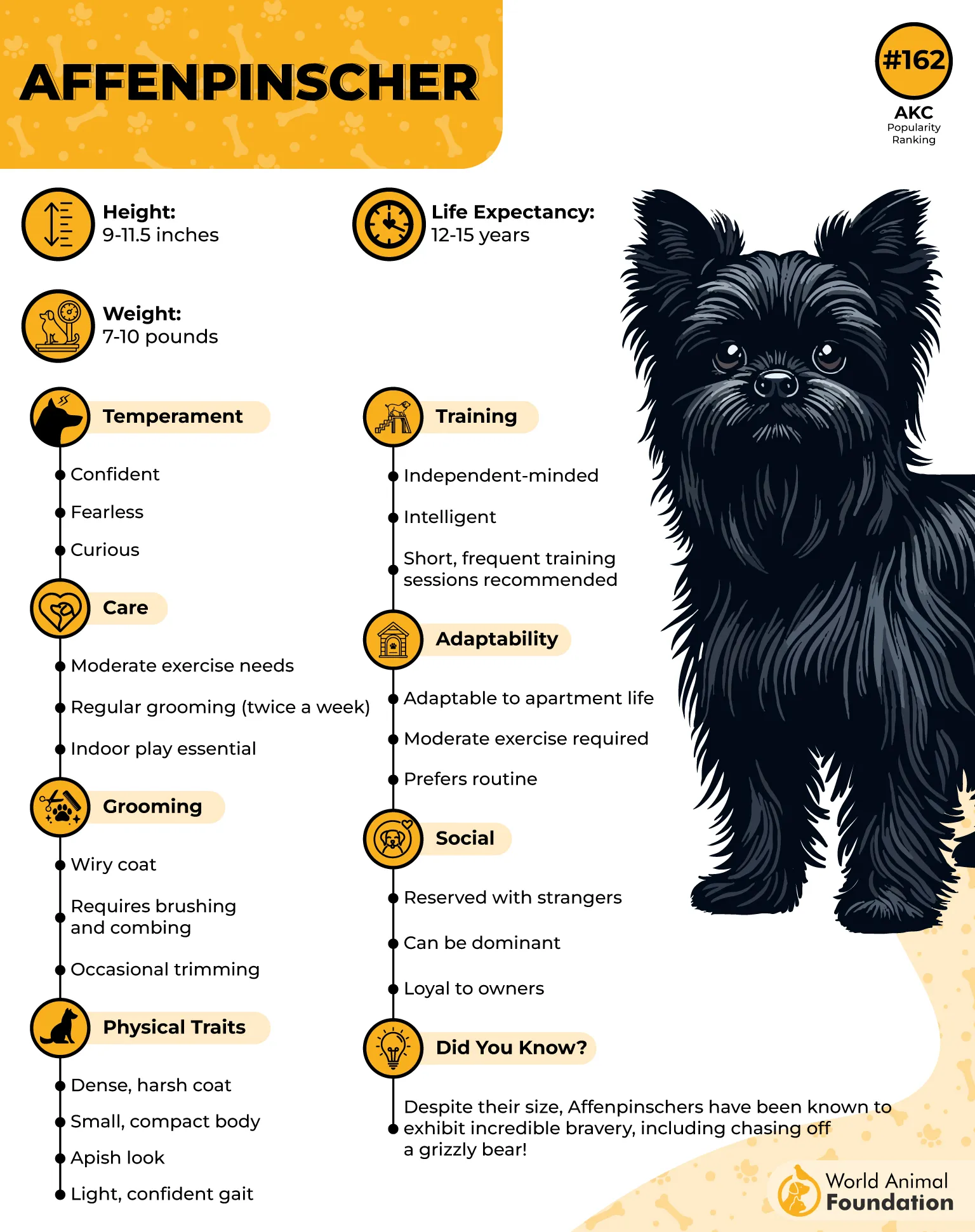
That wiry texture keeps most shed hair out of your home. Curious dogs like this one still leave the occasional hair on a blanket, but far less than smooth-coated breeds.
Stripping: Strip the coat a few times a year to limit shedding.
Brushing: Comb the face and body 2 times a week.
Trimming: Tidy the beard and brows monthly for a neat look.
A low-shedding coat still comes with dander and dead skin cells, the real source of most dog allergies. Meet an Affenpinscher in person before assuming it suits an allergy sufferer.
6. Yorkshire Terrier
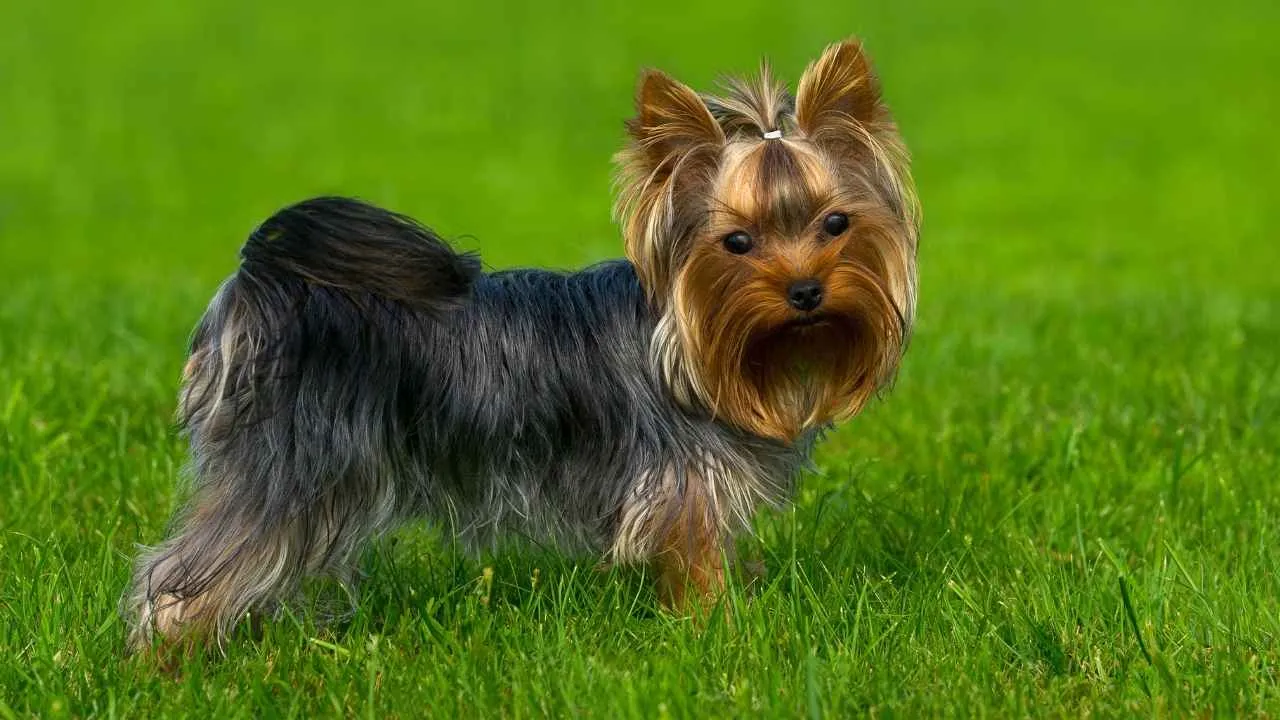
A Yorkshire Terrier’s silky coat grows like human hair, not dog fur. Royal Canin notes it has no undercoat, which is exactly why there is no seasonal shed to deal with.
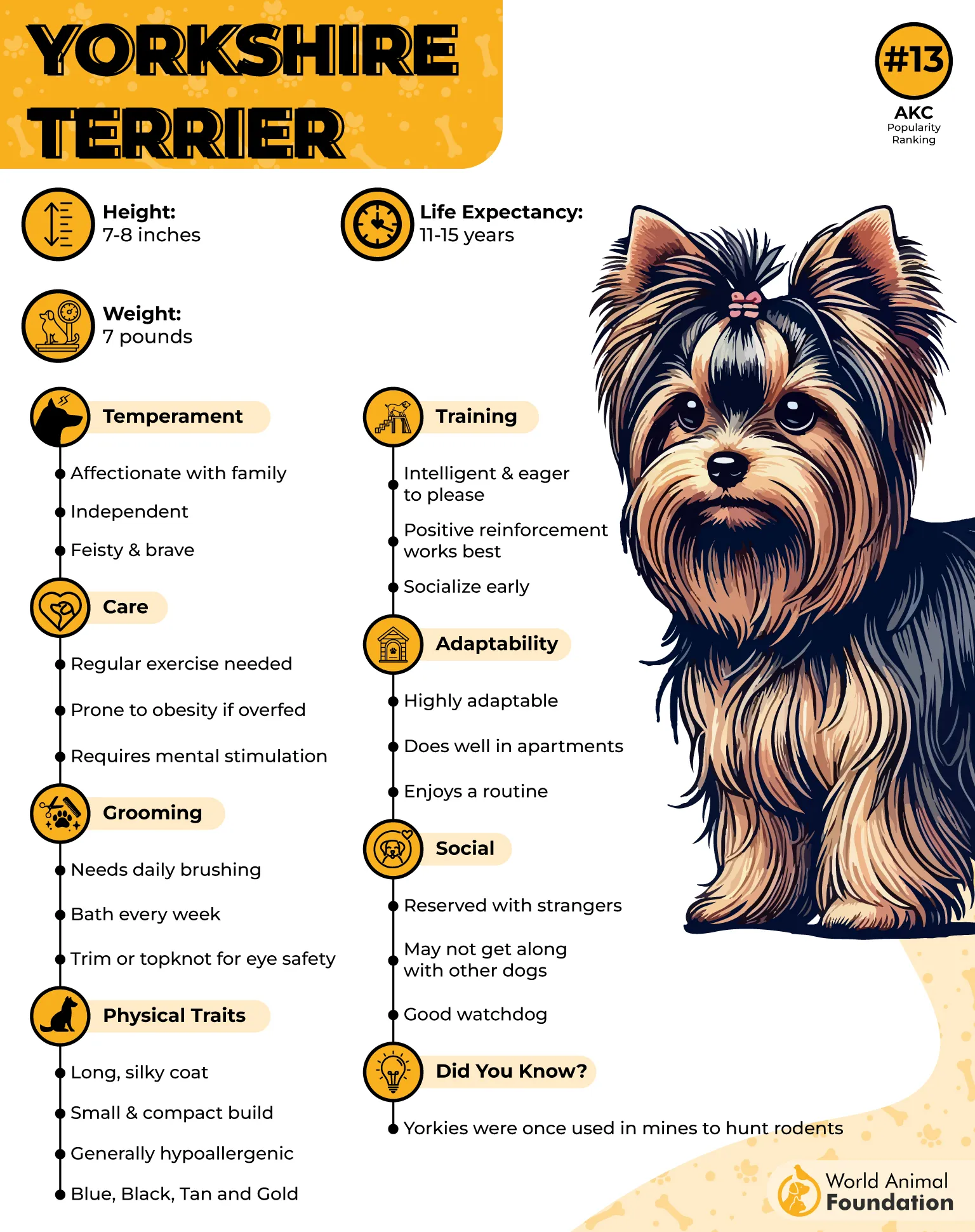
Without an undercoat to blow twice a year, loose hair rarely piles up on rugs or dark clothes. Most owners notice the occasional strand rather than clumps of dog hair.
Brushing: Brush the silky coat daily to prevent tangles.
Trims: Book a cut every 4 to 6 weeks for easier care.
Topknot care: Tie back face hair to keep eyes clear.
Silky and low shedding does not mean hypoallergenic dog status. Dander and saliva trigger most dog allergies, and this breed still produces both, so test your reaction before bringing one home.
7. Giant Schnauzer

A Giant Schnauzer proves low shedding is not just a small dog trait. Purina calls it a low-shedding breed with a dense, weather-resistant double coat that still needs real upkeep.
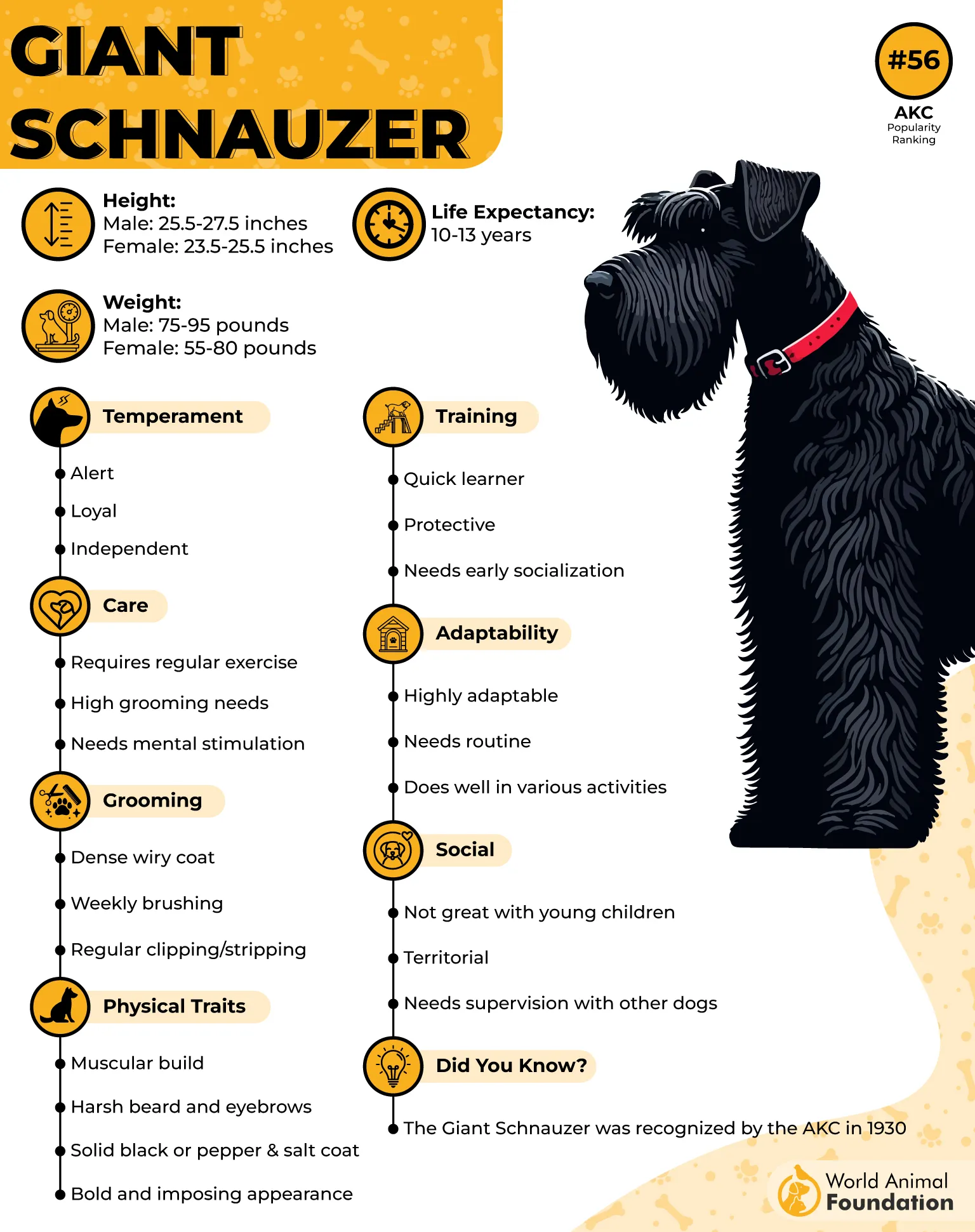
Its wiry topcoat holds loose hair close to the body instead of spreading it around the house. Working dogs like this one leave far less hair on furniture than most large breeds.
Brushing: Brush the double coat weekly to stop tangling.
Stripping or clipping: Strip or clip every few months for coat health.
Exercise: Pair grooming with daily exercise to keep the coat in shape.
Low shedding does not cancel out dog allergies. Dander and saliva cause most reactions, not hair, so allergy sufferers should spend time with a Giant Schnauzer before bringing one home.
Conclusion
Minimal shedding never means zero hair, but these 7 dogs get about as close as genetics allow, through a single coat, no undercoat, or hair that keeps growing instead of falling. The real question isn’t which breed sheds least on paper; it’s where your complaint sits: loose hair on the couch, dog hair on dark clothes, or allergy trouble you can’t even see.
Match the coat to your actual complaint, keep up with regular brushing, and dead hair stops piling up on your furniture. Scroll back up, pick your favorite from the 7, and give one of these great, low-maintenance dogs a real shot at your home.
