




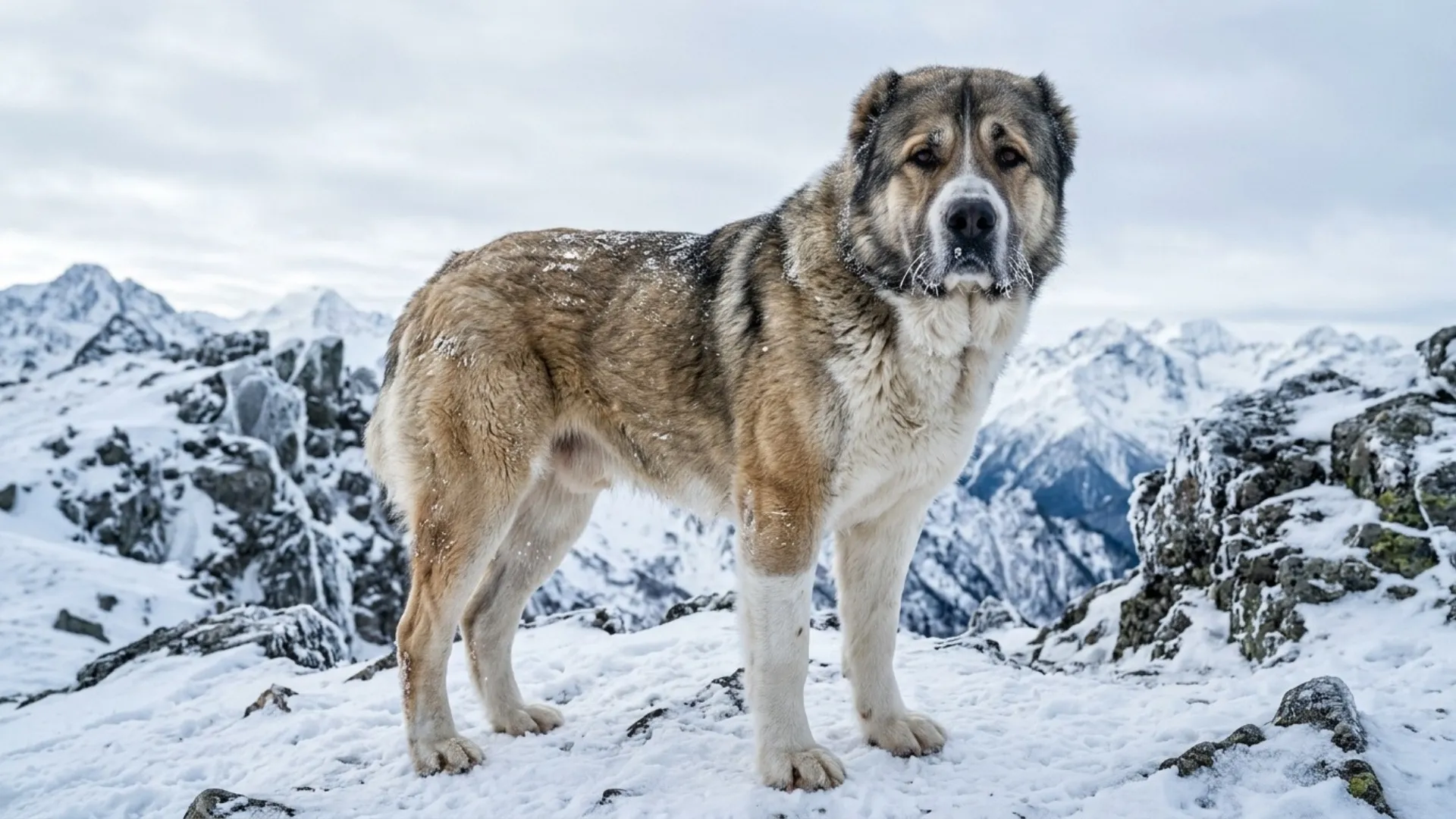
Have you ever wondered how some dogs thrive in harsh weather?
Certain dogs have evolved to handle tough outdoor conditions. Some worked across frozen lands, while others guarded mountain herds. Their strong bodies help them travel over rough terrain. Thick coats provide warmth during freezing winters.
Strong paws also help them move through snow. However, cold-weather skills are not their only strength. Many rugged dogs have impressive stamina and muscular endurance. They can handle long walks and demanding outdoor tasks. Still, these dogs need regular exercise and care.
Even heat-adapted dogs can suffer during extreme heat. So, choosing the right dog takes careful thought. This guide explores seven breeds with remarkable survival skills. You’ll discover their working roots, special abilities, and needs. It will also help you find a suitable companion.
Rugged Dog Breeds That Thrive in Harsh Conditions
Here we go, one by one.
1. Siberian Husky
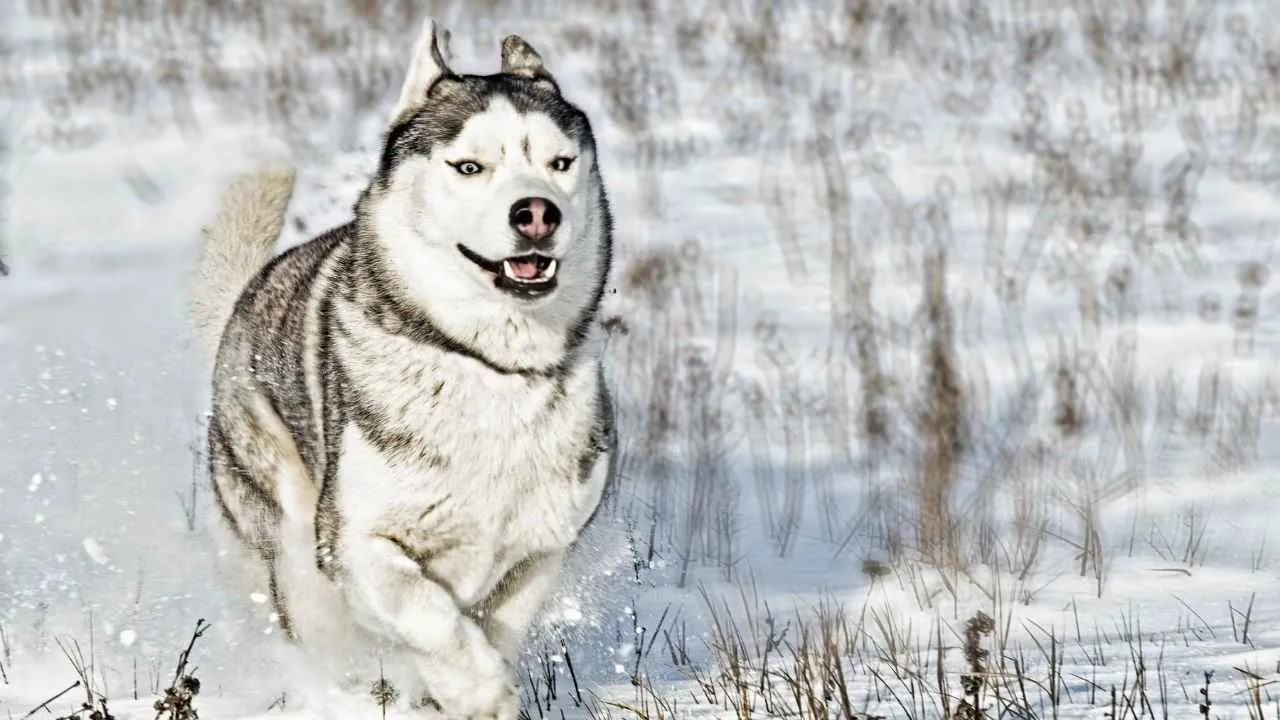
The Chukchi people of Siberia originally bred Siberian Huskies. These dogs helped pull light sleds across frozen lands. Their strength and stamina allowed them to travel long distances.
Unlike heavy haulers, Siberian Huskies could cover miles efficiently. Their thick double coat protects them from bitter cold. However, owners must take extra care during warm weather. Heat can quickly make these cold-weather dogs uncomfortable.
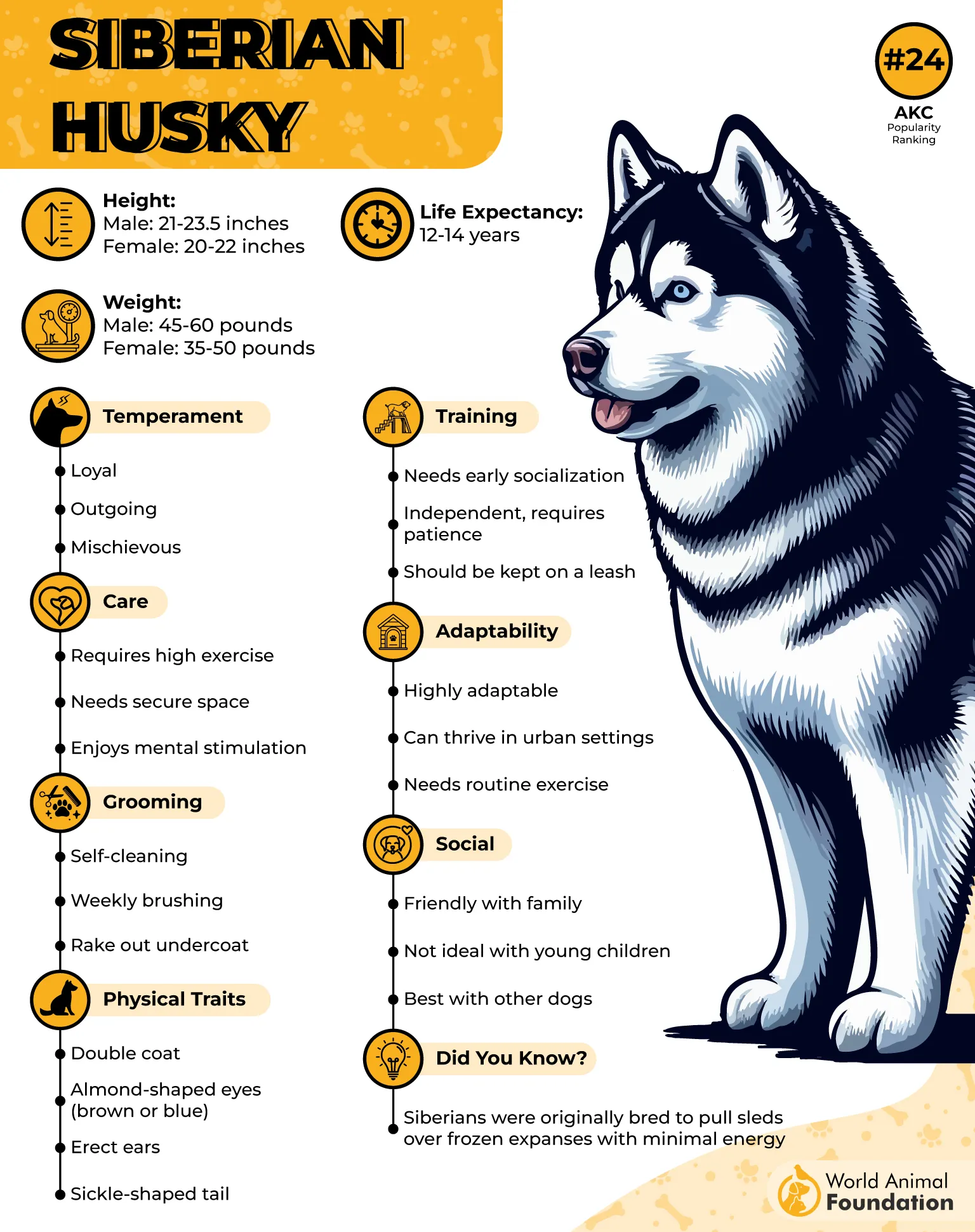
What Makes Siberian Huskies Special?
According to PetMD, Siberian Huskies need space and mental stimulation. They enjoy active families, children, and outdoor adventures. However, a quiet lifestyle can leave them bored.
Training: Start early and keep lessons consistent.
Socialization: Introduce puppies to other dogs and people.
Vocal nature: Expect plenty of howling, barking, and singing
Exercise: Plan around 1–2 hours of daily activity.
Activities: Try hiking, running, and supervised carts.
Owners should also consider the Siberian Huskie’s vocal nature before choosing this breed.
2. Alaskan Malamute
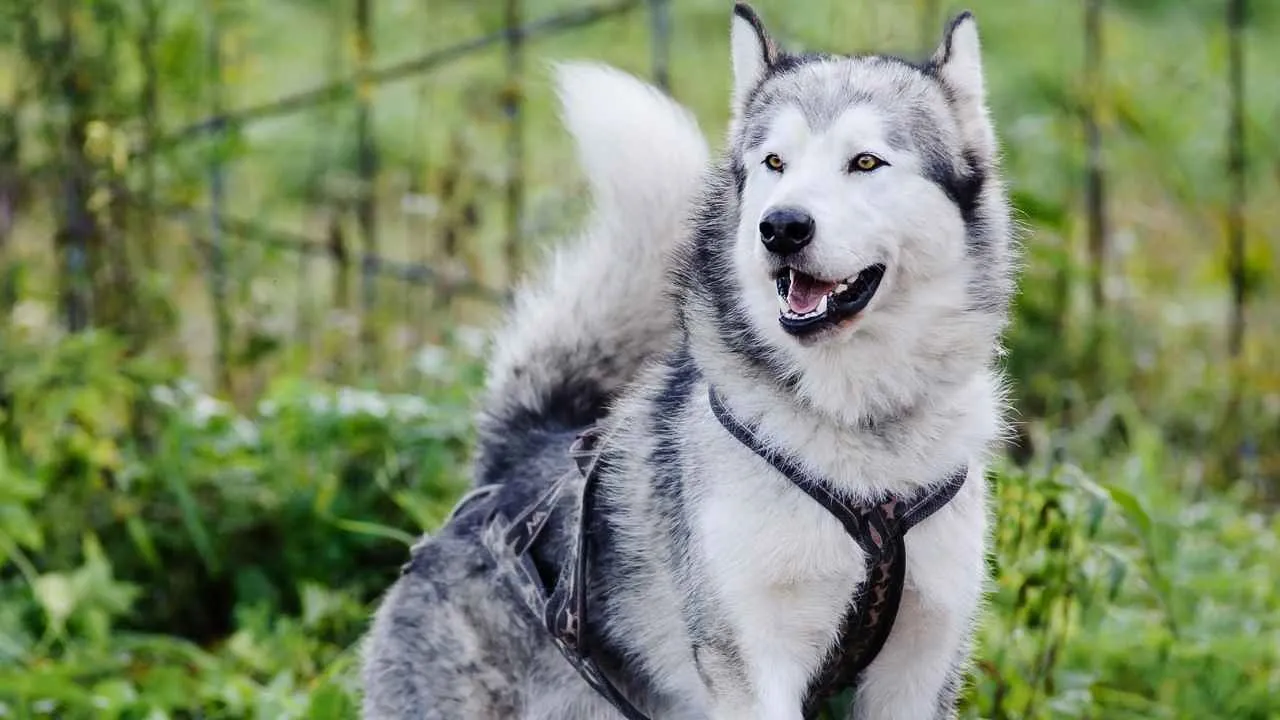
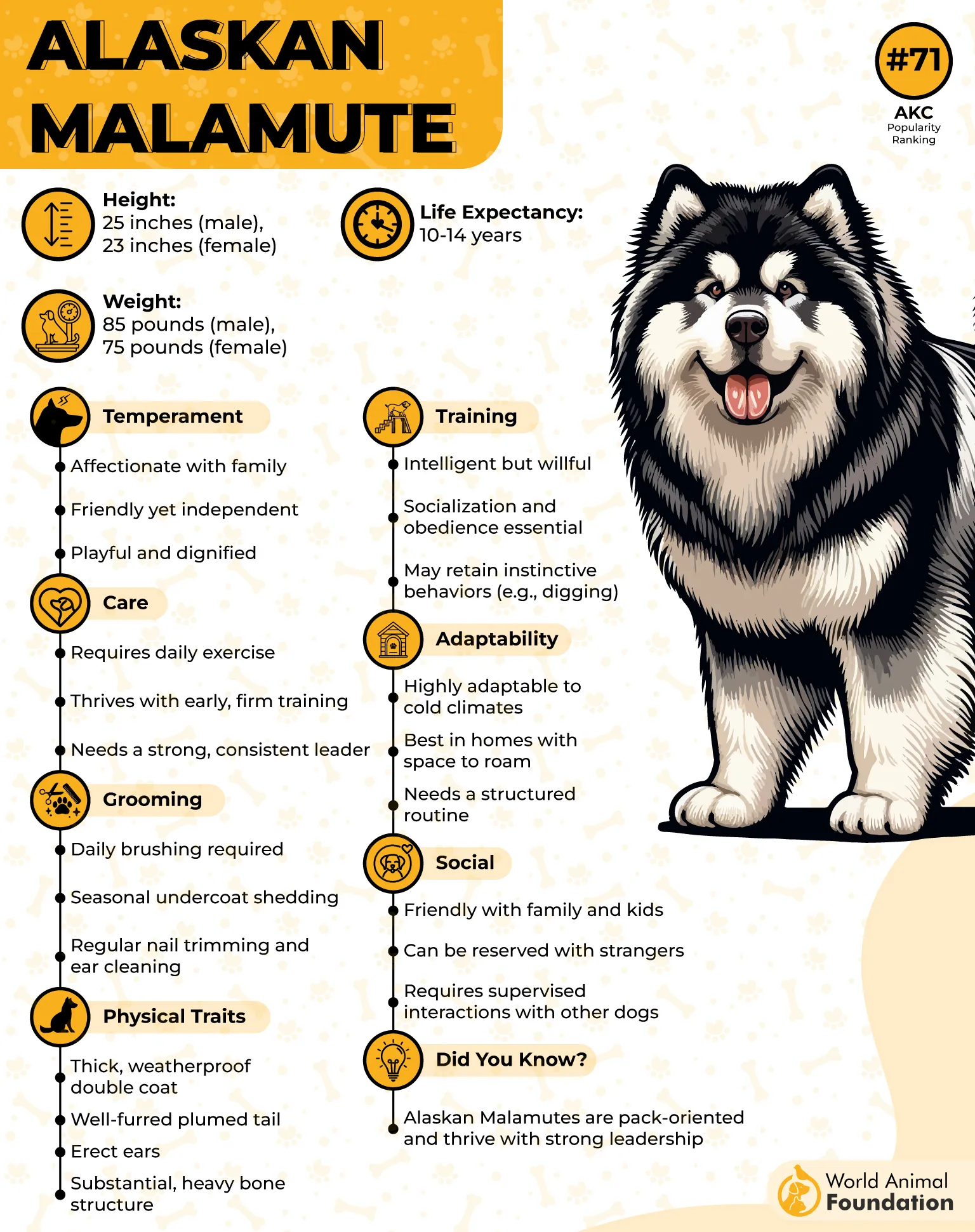
The Alaskan Malamute traces its roots to Alaska’s Mahlemut people. These dogs once hauled heavy loads across frozen ground. Unlike racing sled dogs, they relied on strength, not speed. Their broad chest and sturdy legs supported demanding work.
A thick coat protects them in cold conditions. Adult dogs often weigh between 75 and 85 pounds. Today, they remain well suited to active homes and outdoor adventures. Great hiking trips help channel their energy.
What Makes Alaskan Malamutes Special?
According to Hill’s Pet, these gentle giants make affectionate companions. Their fluffy, bear-like looks match their friendly side. However, this working dog needs plenty of activity.
Exercise: Plan long walks, hikes, and active play.
Training: Start early with steady, positive lessons.
Warm weather: Offer shade and cool indoor spaces.
Other pets: Introduce animals slowly and supervise early meetings.
Home life: They suit owners with room to roam.
With enough exercise and space, these dogs make devoted companions.
3. Canadian Eskimo Dog
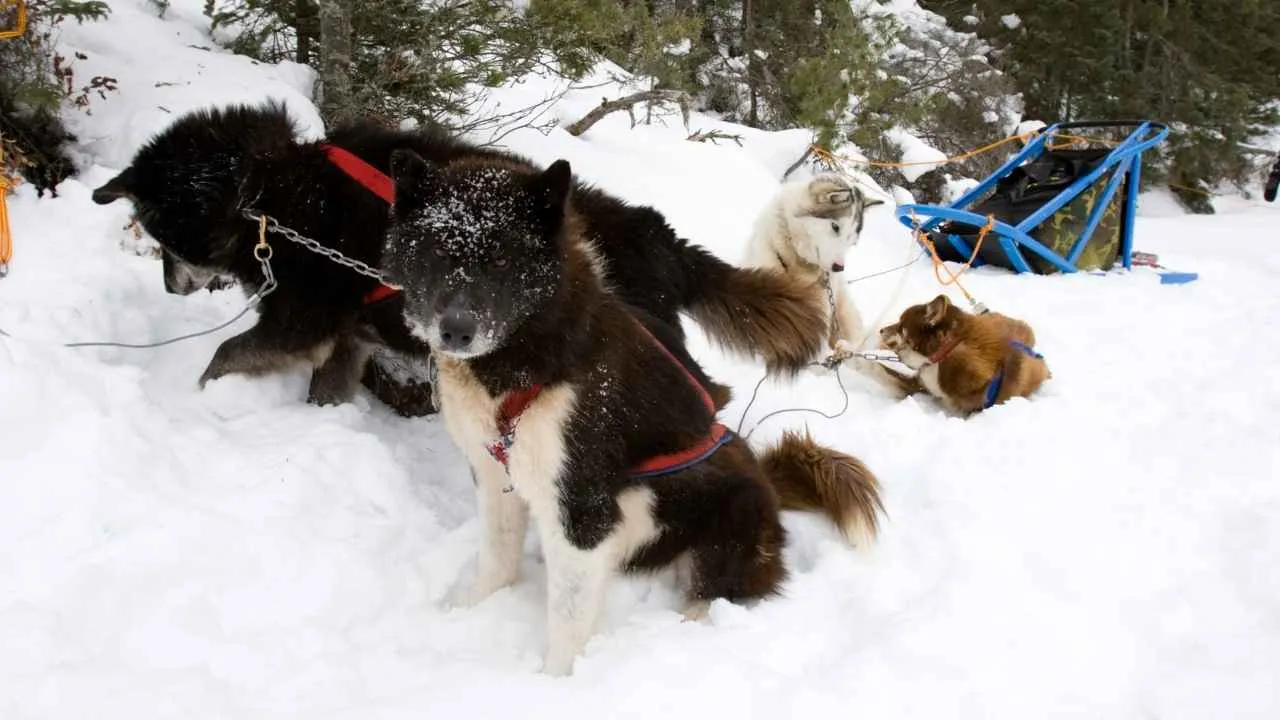
The Canadian Eskimo Dog is an ancient dog breed from Canada’s Arctic. Inuit communities relied on these tough dogs for survival. They helped hunters travel and move supplies across frozen lands. Their strength allowed them to pull heavy loads over long distances.
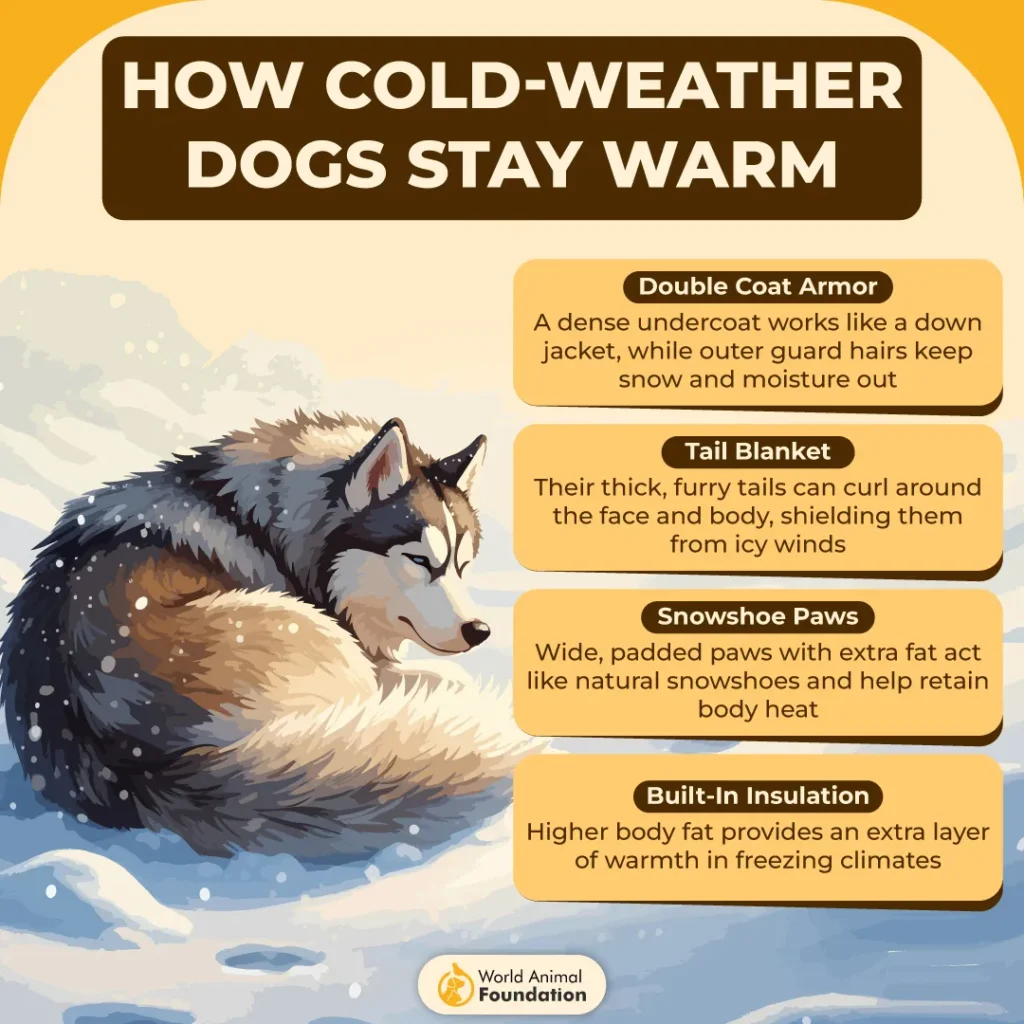
A dense double coat shields them from bitter cold. However, snowmobiles later reduced the need for sled dogs. This caused their numbers to fall sharply. Conservation efforts have since helped protect this rare breed.
What Makes Canadian Eskimo Dogs Unique?
According to Purina, this energetic dog can pull up heavy weight. It can cover over 70 miles in harsh conditions. These strong-willed dogs enjoy life with people and other dogs.
Intelligence: They need regular mental challenges.
Activities: They can pull carts and enjoy outdoor tasks.
Exercise: Daily activity helps prevent boredom.
Lifestyle: They need owners who enjoy demanding routines.
Companionship: Groups bring out their playful, curious side.
Without enough activity, these dogs may become noisy and destructive.
4. Central Asian Shepherd
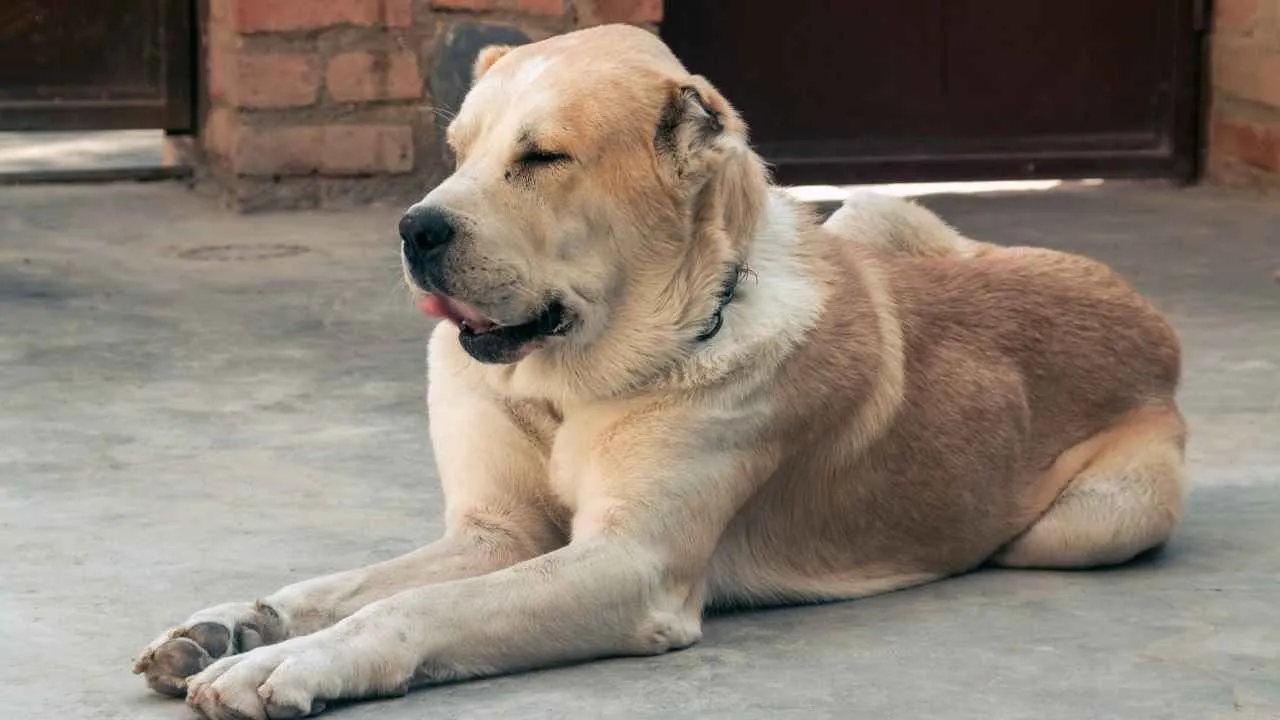
The Central Asian Shepherd is an ancient, resilient dog breed from Central Asia. Also known as the Alabay, it traditionally guarded livestock and property. This powerful livestock guardian protected flocks across rugged mountainous regions.
It faced harsh weather and predators, including bears and lions. Highly intelligent and independent, it needs early training and socialization. Its thick coat helps it handle changing weather conditions. This breed also needs moderate exercise and space outdoors.
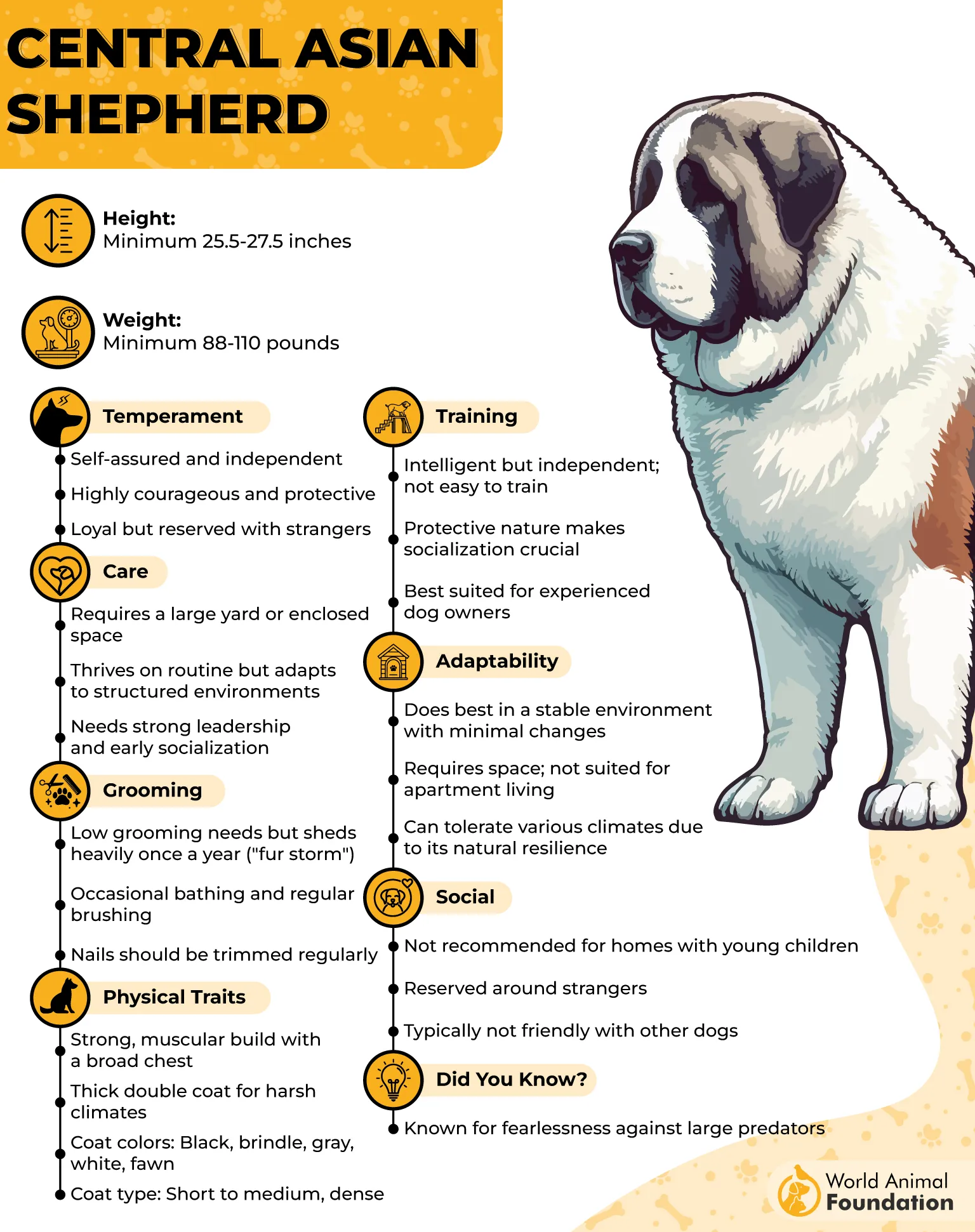
What Makes Central Asian Shepherds Unique?
American Kennel Club describes this breed as loyal, loving, and courageous. However, its independent nature calls for experienced handling.
Endurance: Its history reflects stamina during demanding working days.
Alertness: It quickly notices unfamiliar sounds and activity.
Confidence: It can remain composed when facing potential threats.
Handling: Secure fencing helps prevent roaming and unwanted encounters.
Companionship: It forms strong bonds with trusted people.
This powerful guardian thrives with space, purpose, and consistent care.
5. Caucasian Shepherd Dog
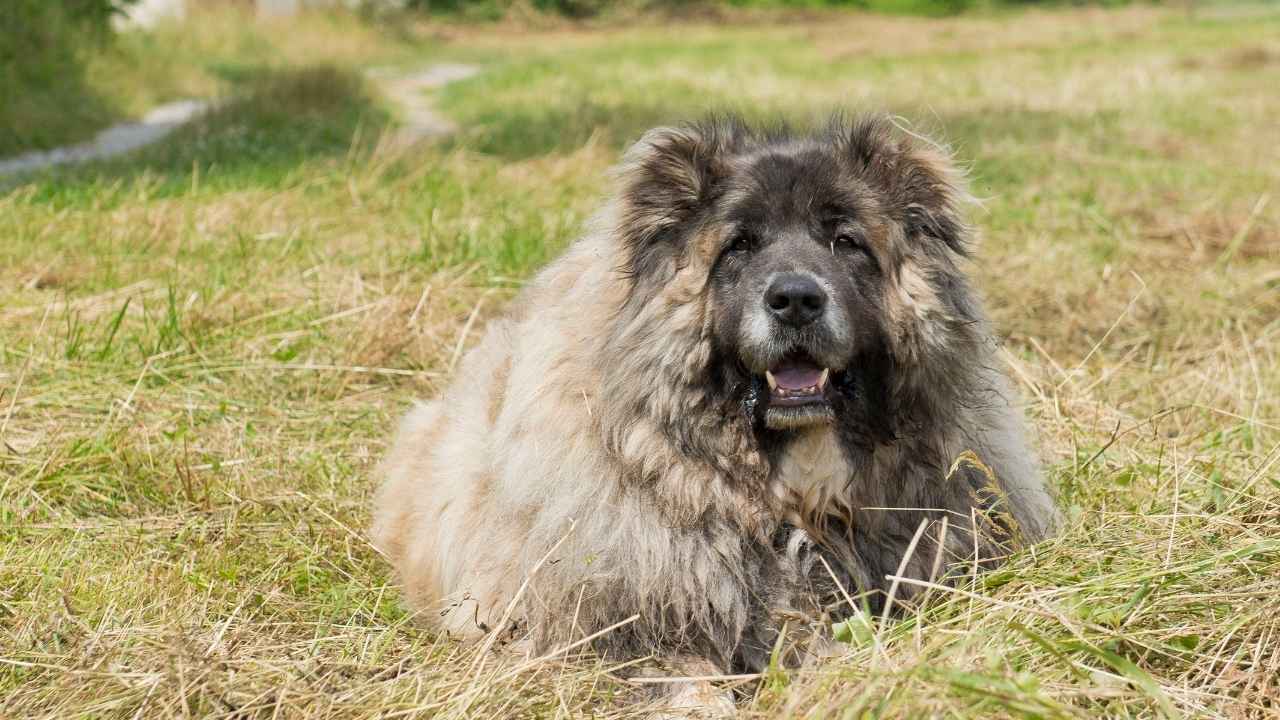
The Caucasian Shepherd Dog originated in the rugged Caucasus region. It traditionally guarded homes, herds, and valuable property. This tough dog helped protect livestock from predators. Its thick double coat provides warmth in harsh mountain weather.
A powerful build supports demanding work outdoors. This working dog can remain alert for extended periods. Its strong instincts make it naturally wary of strangers. Early socialization helps develop calm, controlled behavior.
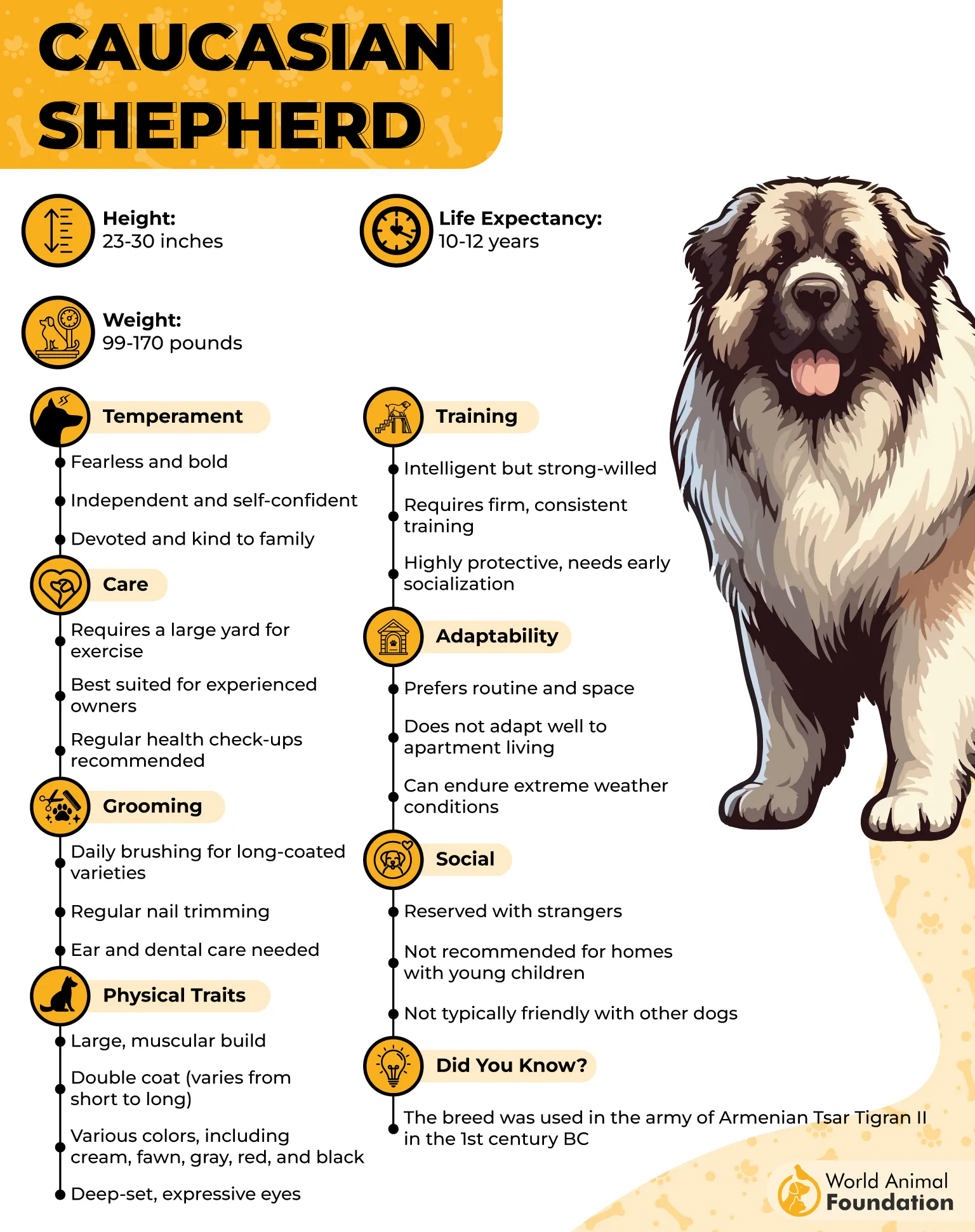
What Makes Caucasian Shepherd Dogs Special?
According to Wikipedia, the breed developed across the Caucasus Mountains and nearby steppe regions. Its history reflects a strong need for endurance and protection.
Temperament: It can be loyal and even-tempered with familiar people.
Exercise: Regular walks and outdoor activities help manage its high energy.
Training: Firm, consistent guidance suits its independent nature.
Coat care: Regular brushing helps manage heavy seasonal shedding.
Ownership: Its size and guarding instincts suit experienced dog owners.
This powerful livestock guardian needs space, structure, and responsible handling.
6. Tibetan Mastiff
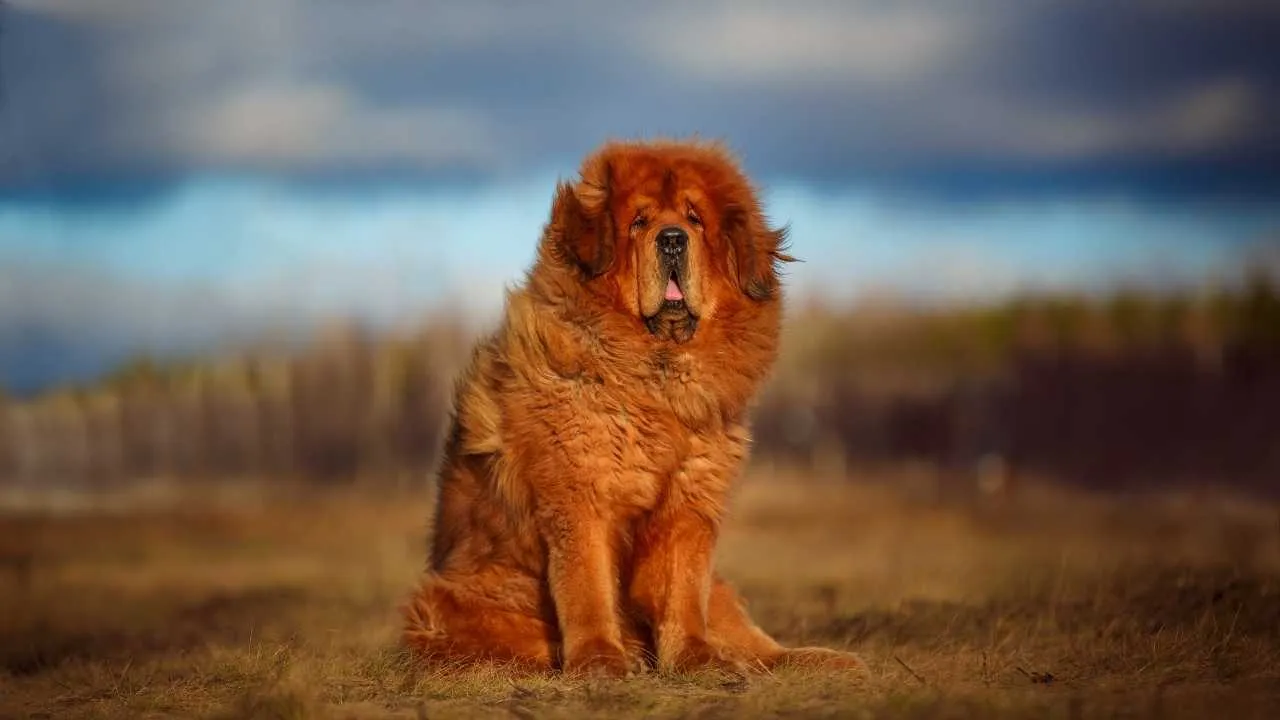
The Tibetan Mastiff is an ancient breed originally bred in Tibet. Nomadic communities relied on this tough working dog. It guarded remote camps, homes, and livestock. Its traditional duties included helping protect livestock from predators.
A heavy coat helps it withstand cold mountain weather. Its history is closely linked to high-altitude life. Independent thinking helped it work without constant direction. Strong territorial instincts also made it a reliable guardian.
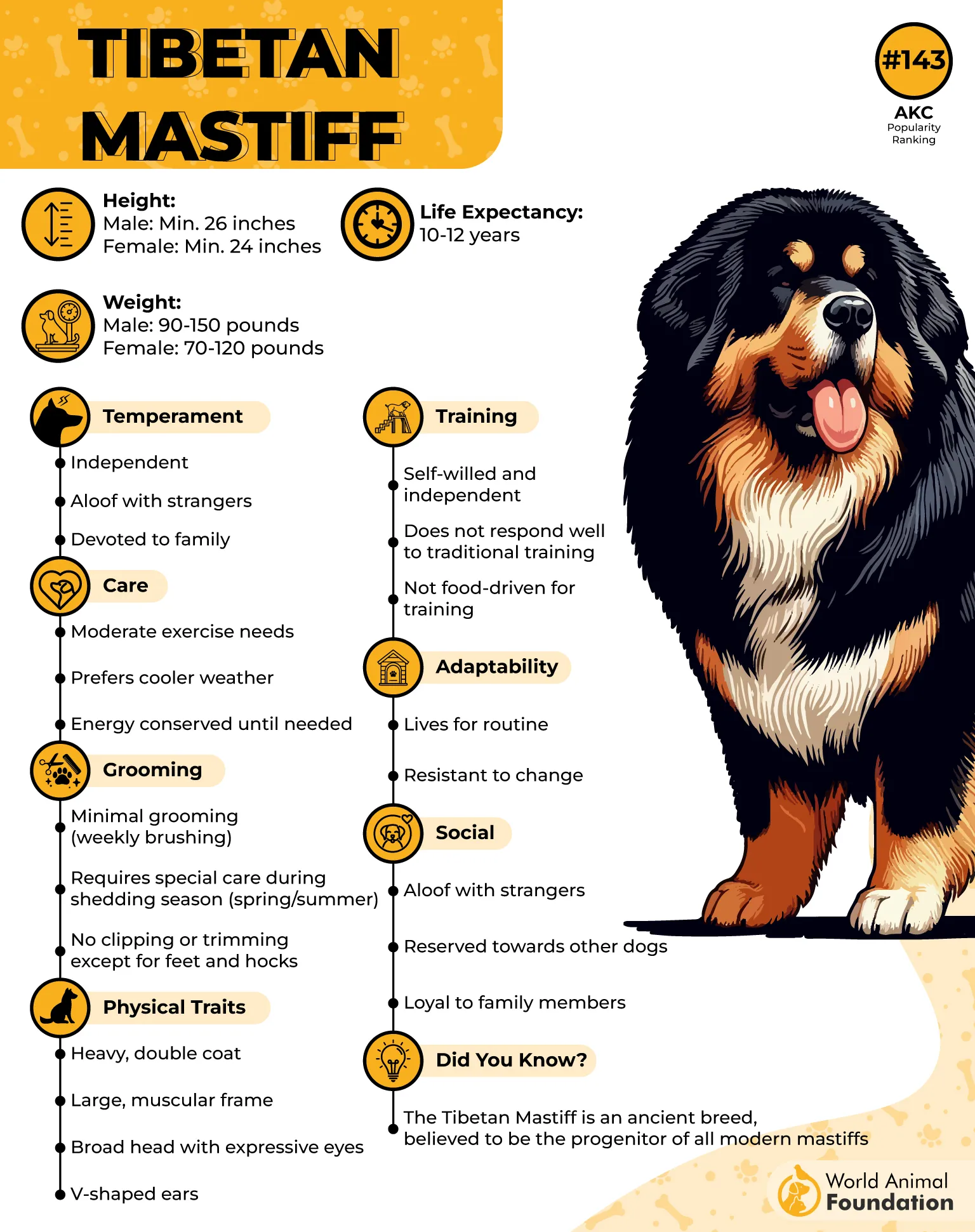
What Makes Tibetan Mastiffs Special?
According to PDSA, Tibetan Mastiffs are loyal and gentle with their owners. However, they need plenty of exercise and positive training.
Physical stimulation: Offer regular walks and engaging outdoor activities.
Strength: Their powerful build requires confident, experienced handling
Training: Reward-based lessons encourage cooperation and good manners.
Temperament: They can be affectionate with familiar family members.
Ownership: Their size and strong will challenge first-time owners
This devoted guardian needs patient guidance and room to thrive.
7. Norwegian Elkhound
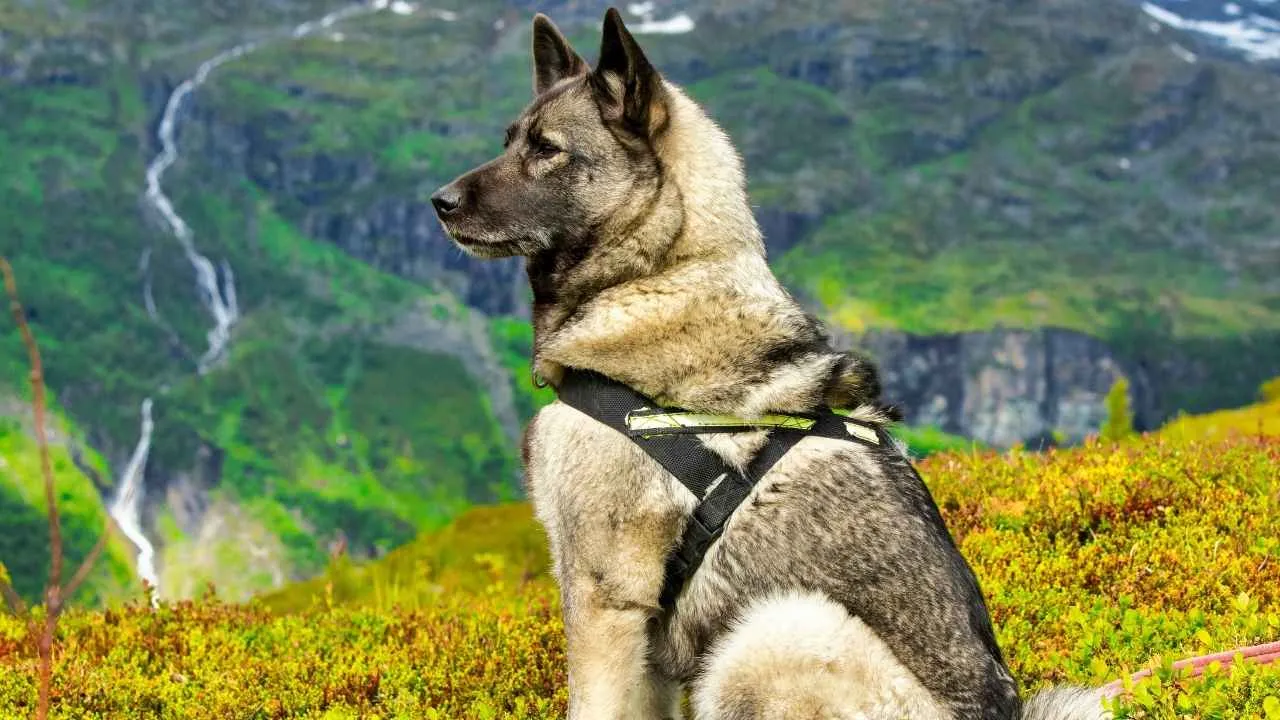
The Norwegian Elkhound is a medium-sized dog breed from Norway. It has a long history linked to Viking communities. Originally bred for hunting, it tracked moose across forests. Its strong legs helped it cross rocky, uneven terrain.
A weather-resistant coat protects it during cold winters. Sharp senses also help it follow scents over long distances. Unlike livestock guardians, this working dog is focused on hunting. Today, these adaptable dogs enjoy active homes and outdoor adventures.
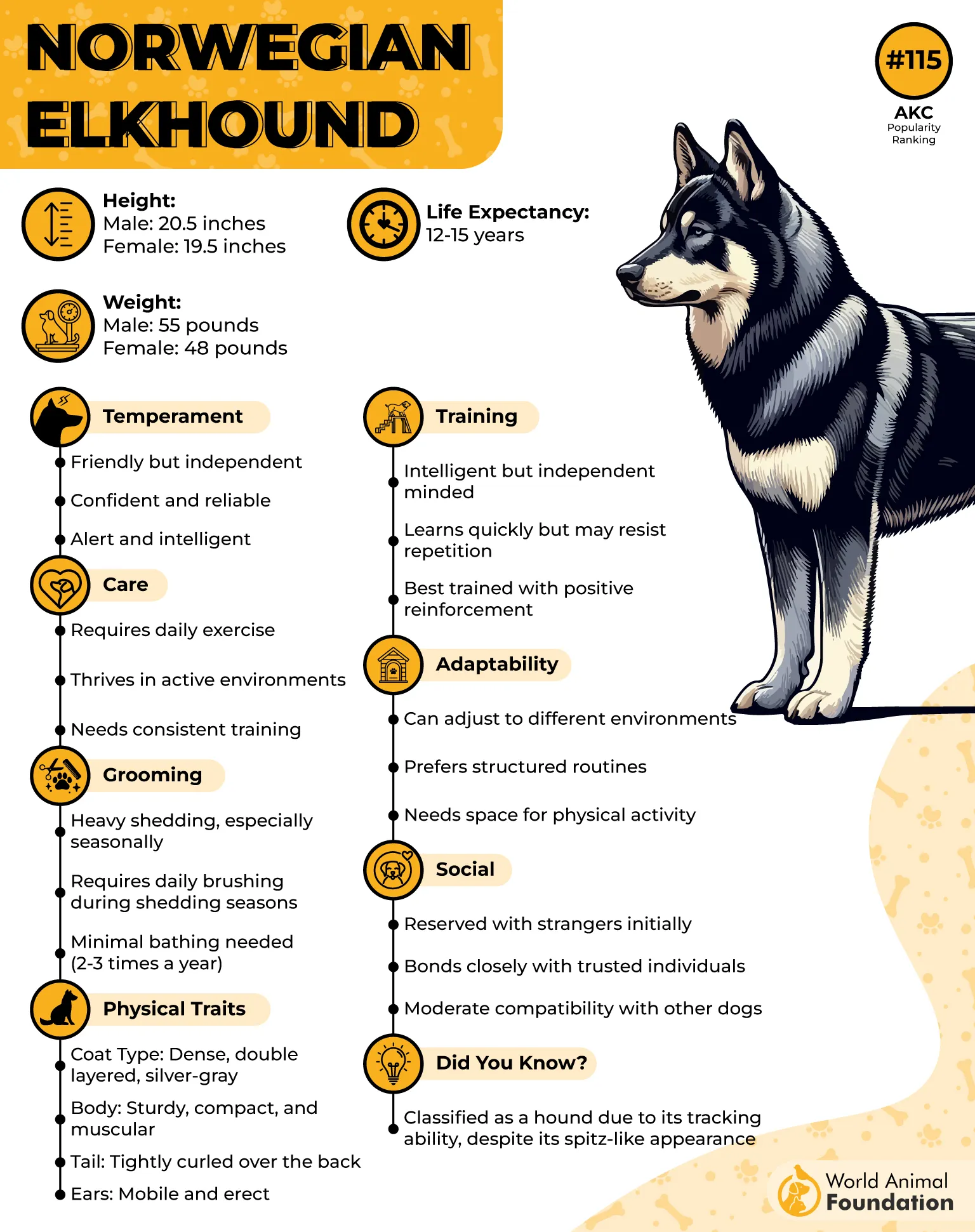
What Makes Norwegian Elkhounds Special?
According to WebMD, Norwegian Elkhounds are strong, dependable working dogs. Their tracking skills and playful nature make them versatile companions.
Activity: They need regular exercise and mental challenges.
Temperament: They can be friendly with familiar people.
Socialization: Early introductions help them feel comfortable around strangers.
Coat colors: Their coats usually feature shades of gray and black.
Other pets: Supervise introductions to smaller animals due to hunting instincts.
They are not naturally aggressive, but need consistent guidance.
Conclusion
These seven rugged breeds offer different strengths and abilities. Some thrive in freezing weather, while others guard mountain herds. Many have a long history of working outdoors.
Their duties included hunting, pulling loads, and herding livestock. However, thick coats do not remove the need for regular care. Dogs with short coats may also need cold-weather protection. Every breed needs proper training and suitable exercise.
Even moderately active dogs need daily attention. Consider your local weather, available space, and experience. Some breeds also need secure areas and mental stimulation.
Features like webbed feet may support swimming in certain dogs. However, every breed has different needs. Choose a dog that suits your lifestyle. With responsible care, even tough dogs can thrive as companions.
