




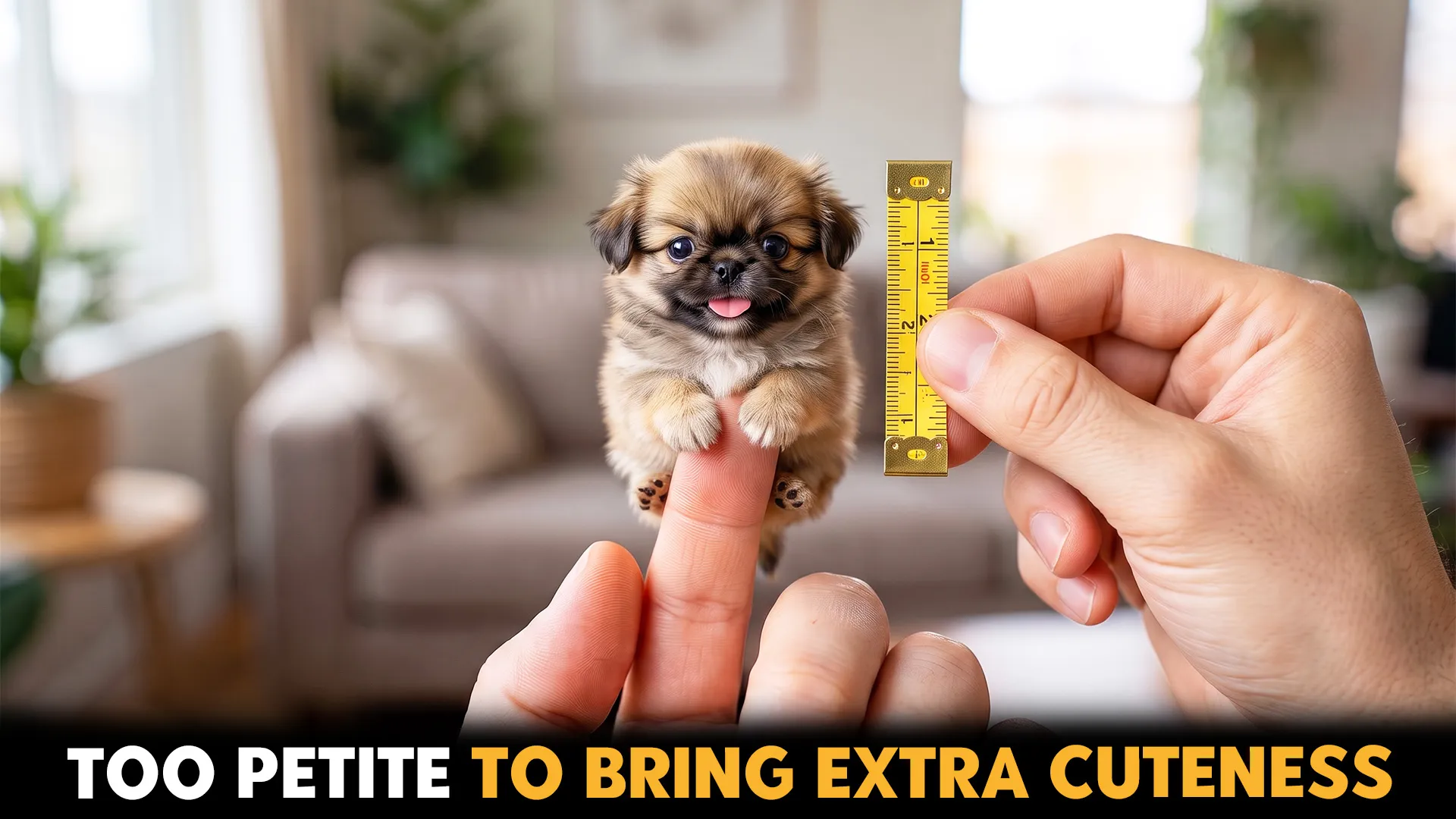
Who can resist a little dog with a big personality? Small dogs have a special charm, from their adorable faces and tiny paws to their love of cuddles and companionship.
Despite their small stature, these little pups often have plenty of confidence, energy, and character packed into their compact bodies. And the best part? Some stay wonderfully tiny even when they reach adulthood!
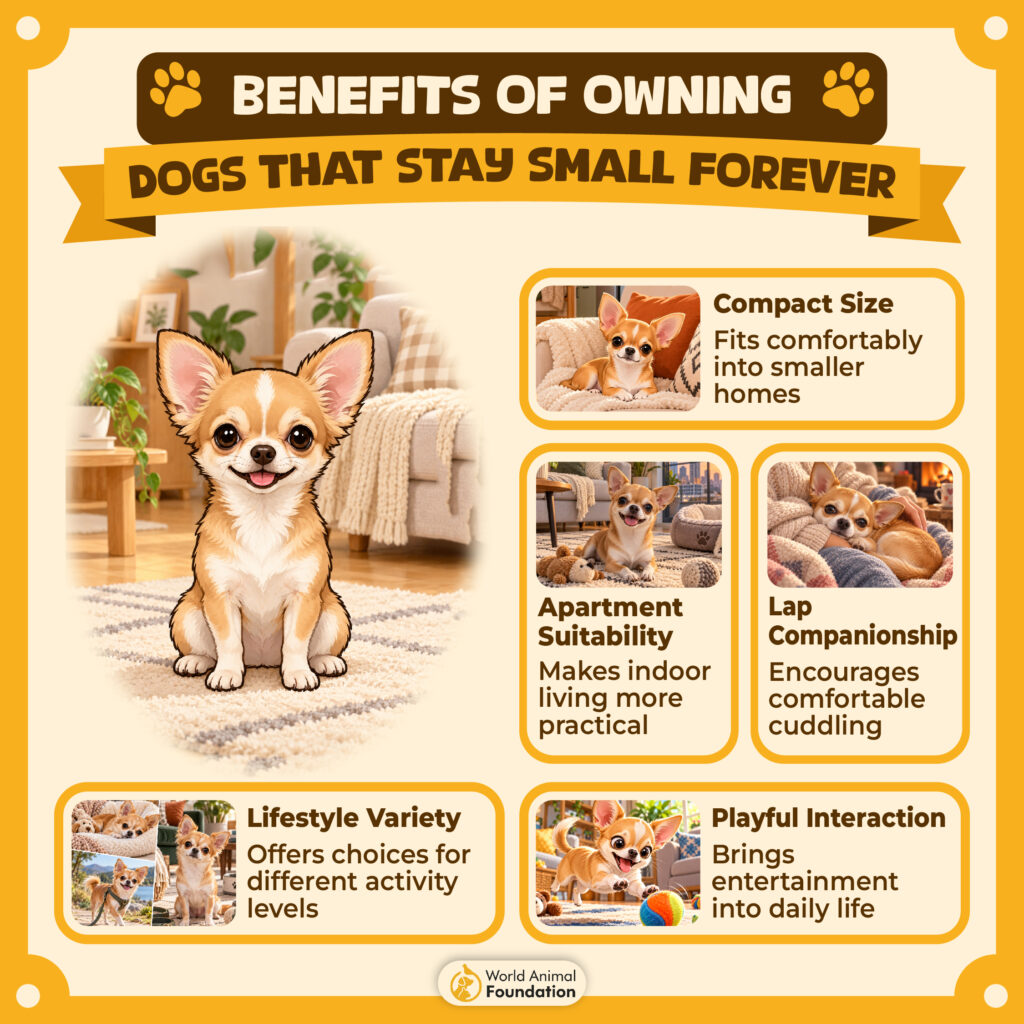
Their small size also comes with practical benefits. They can be easier to accommodate in apartments, fit comfortably into smaller living spaces, and are often easier to carry and travel with than larger dogs.
If you’ve always dreamed of having a forever-small companion, you’re in the right place! Let’s explore some adorable small dog breeds that remain tiny throughout their lives and discover what makes each one so special.
Adorable Small Dog Breeds That Remain Tiny Always
1. Chihuahua
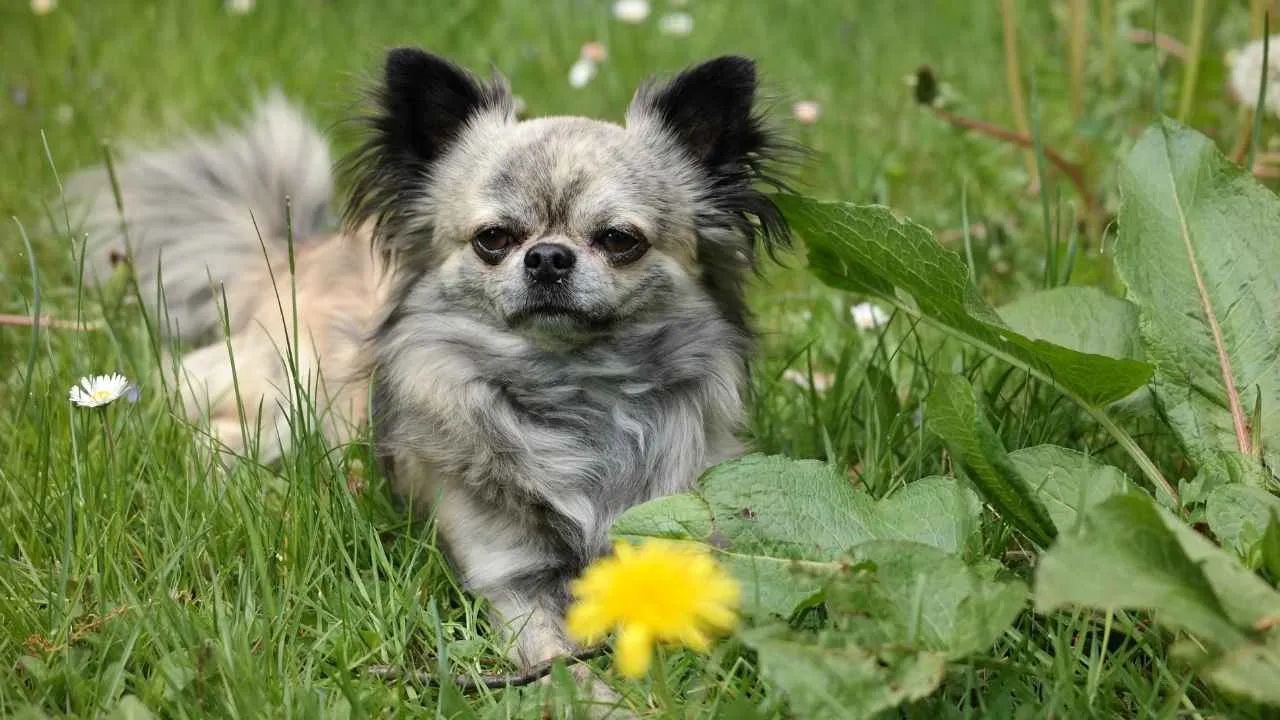
Chihuahuas may be tiny, but they have personalities that are anything but small! Originally from Mexico, these charming dogs are among the oldest breeds in the Americas.
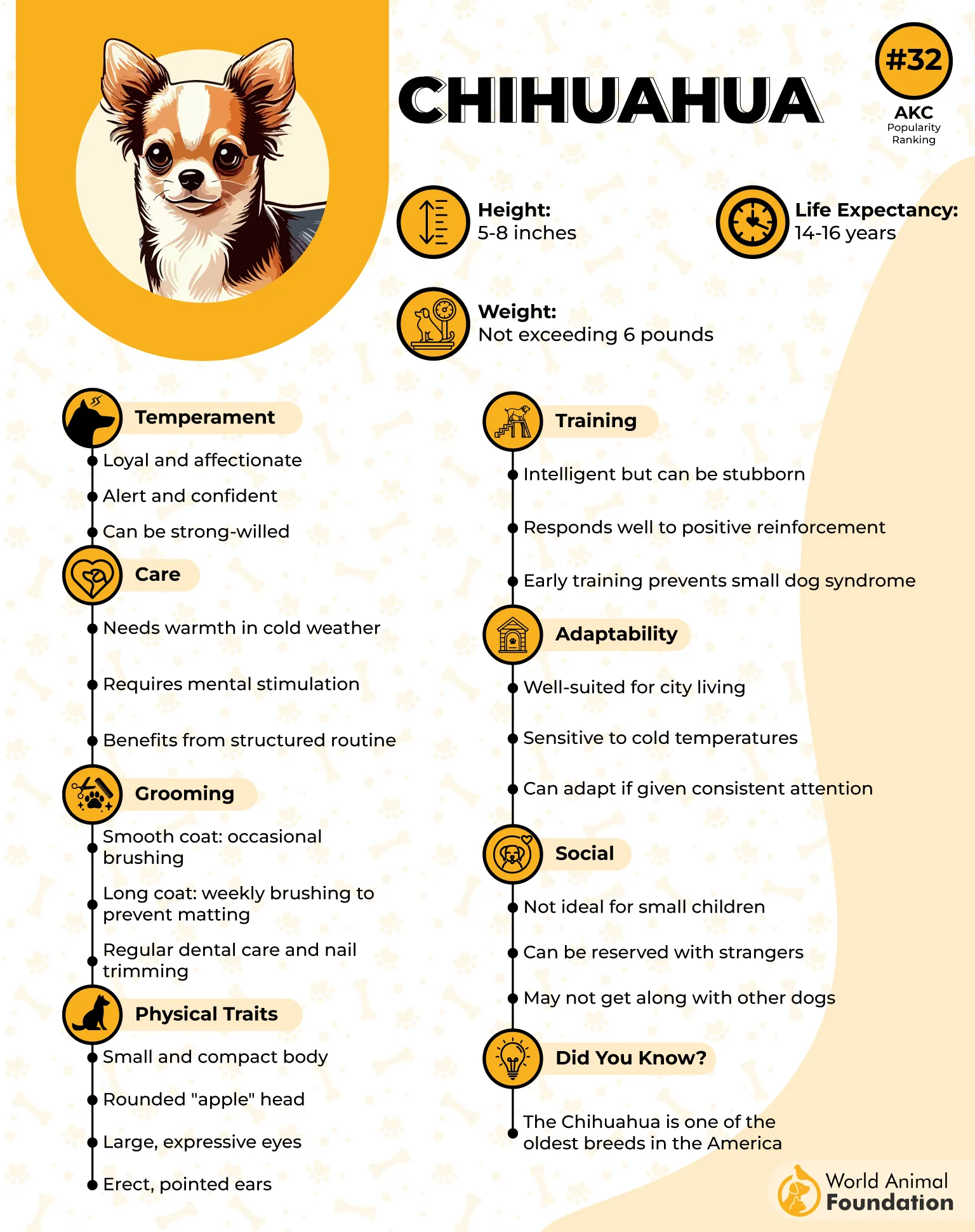
They have a distinctive apple-shaped head, large expressive eyes, and erect ears. Their coats come in many colors and patterns, with both long-haired and short-haired varieties.
Temperament and Personality
Chihuahuas are affectionate, playful, and deeply loyal to their families. They often form a strong attachment to one person and enjoy spending time in their favorite person’s lap. However, they are not just quiet lapdogs.
These lively little companions love running, playing, and barking. According to Greencross Vets, they are also alert and protective, making excellent watchdogs. While some are outgoing and confident, others can be shy and nervous around strangers.
Training and Family Life
Chihuahuas are intelligent and can learn household rules with patient, consistent training. Early socialization helps them feel more comfortable around unfamiliar people and other dogs.
However, their small size makes them fragile, so they are better suited to families with older, gentle children. They can get along with familiar cats but may challenge other dogs. Chihuahuas also need extra protection in cold weather and plenty of quality time with their families.
2. Yorkshire Terrier
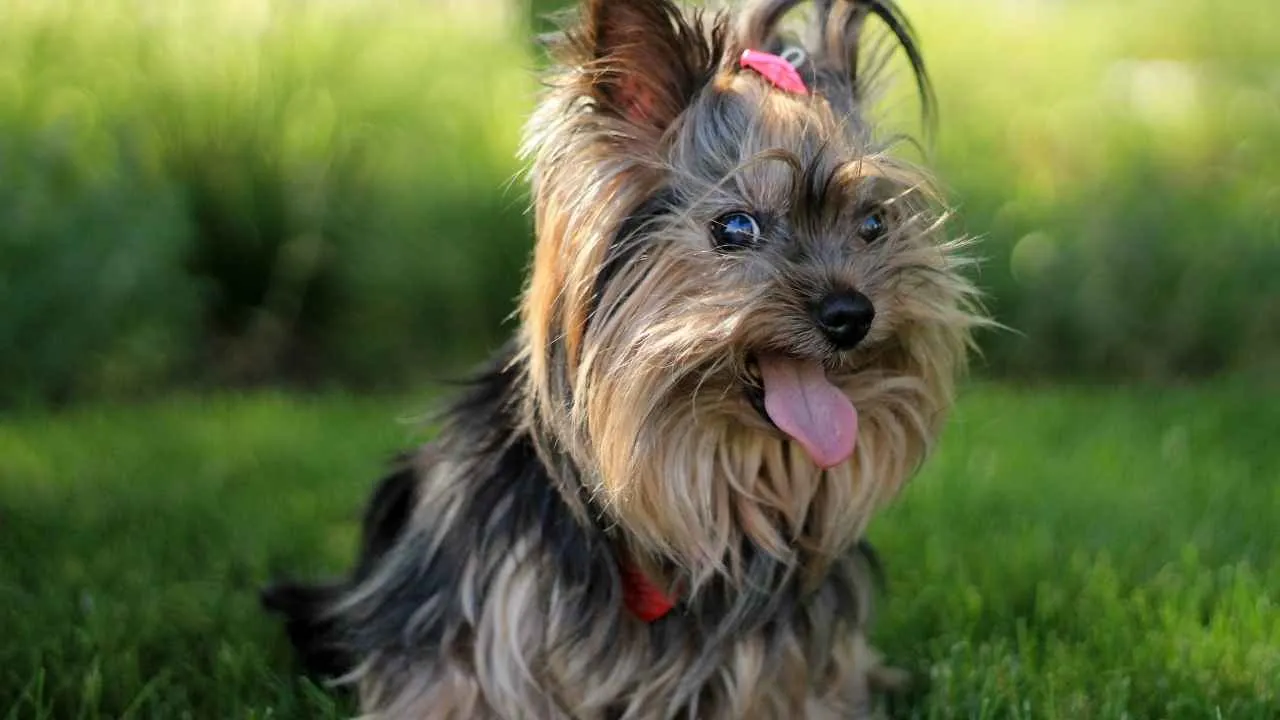
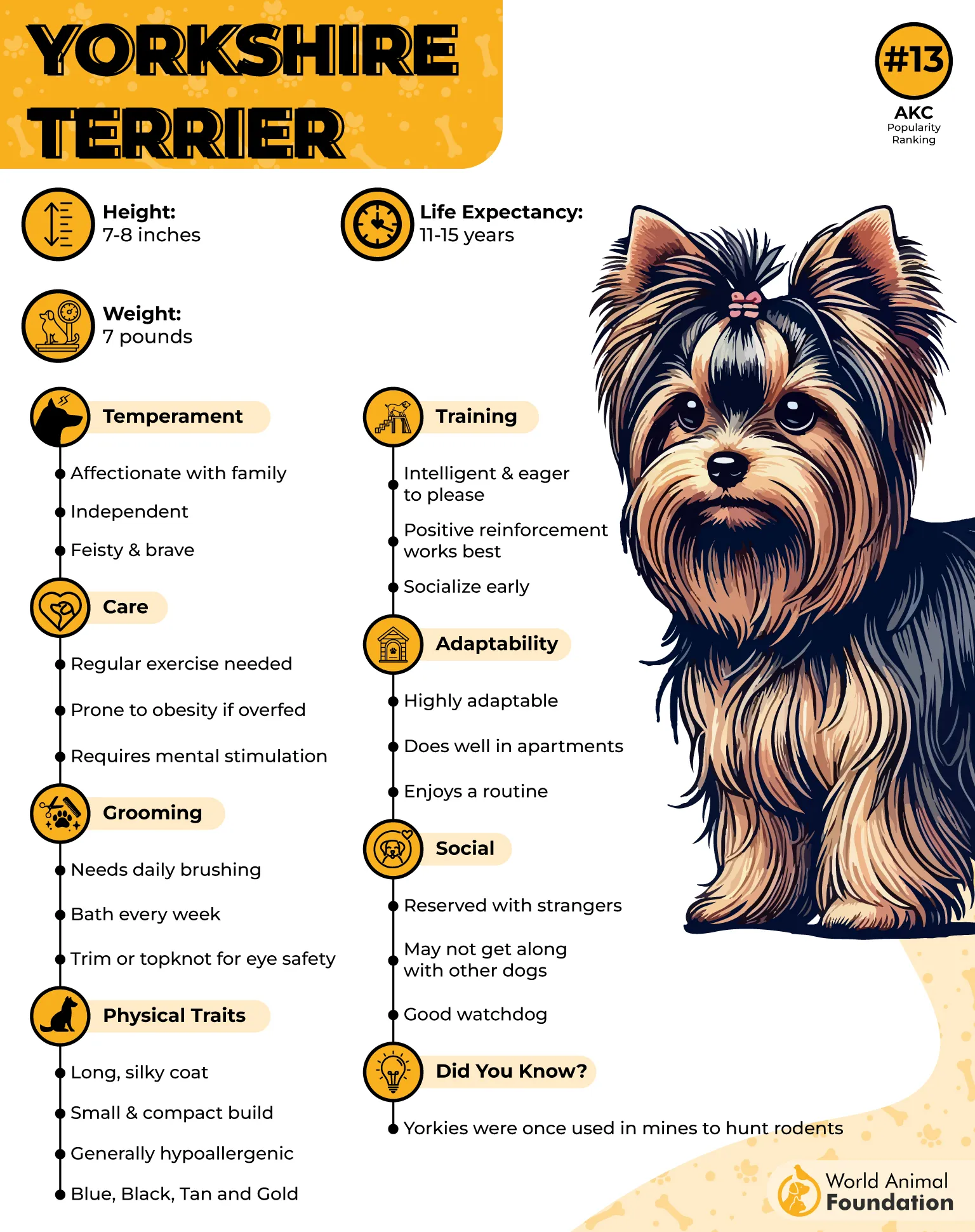
Don’t let the Yorkshire Terrier’s elegant appearance fool you! Also known as the Yorkie, this tiny dog has a bold personality and a true terrier spirit.
Originally bred to chase rodents in mines and textile mills, Yorkies later became popular lapdogs. They are known for their long, silky coats, usually featuring beautiful steel-blue and golden-tan colors.
Temperament and Personality
Yorkies are affectionate, curious, and full of energy. They enjoy cuddling with their families but are just as happy chasing toys and exploring their surroundings. These little dogs can also be brave, bossy, and protective of their territory.
They often follow their owners around like little shadows and make excellent watchdogs. Their intelligence means they need plenty of mental stimulation, along with regular playtime to keep them busy.
Care and Family Life
Yorkshire Terriers adapt well to apartment living and larger homes. They enjoy short walks, indoor games, and time with their families.
Their long, hair-like coats need daily grooming, and they do not tolerate cold weather particularly well. Yorkies can make lovely family companions, but their delicate size requires careful handling around young children and other pets.
3. Pomeranian
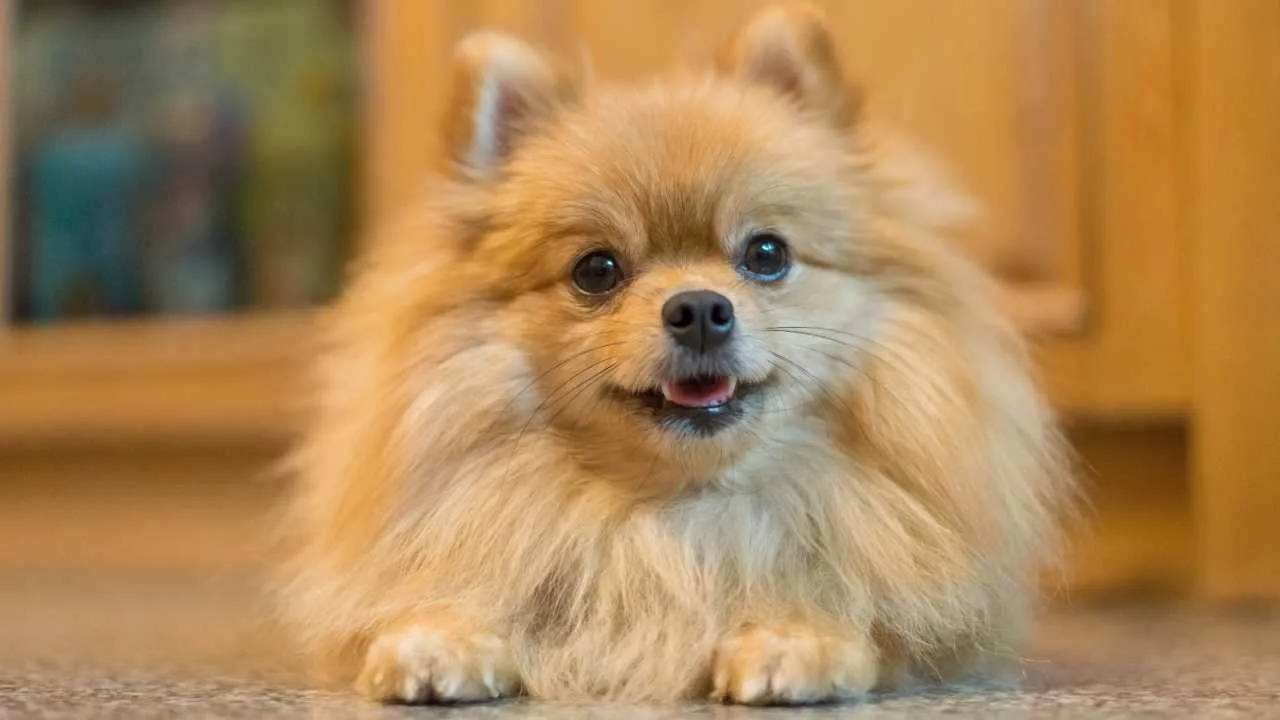
With their fluffy coats, foxy faces, and cheerful expressions, Pomeranians are hard to resist! Originally descended from larger Spitz-type dogs used for herding, they were gradually bred into the tiny companions we know today.
Despite their small appearance, Pomeranians carry themselves with the confidence of much larger dogs.
Temperament and Personality
Pomeranians are lively, intelligent, and naturally curious. They love attention and enjoy building close bonds with their families and other pets. These little dogs are also alert and make excellent watchdogs.
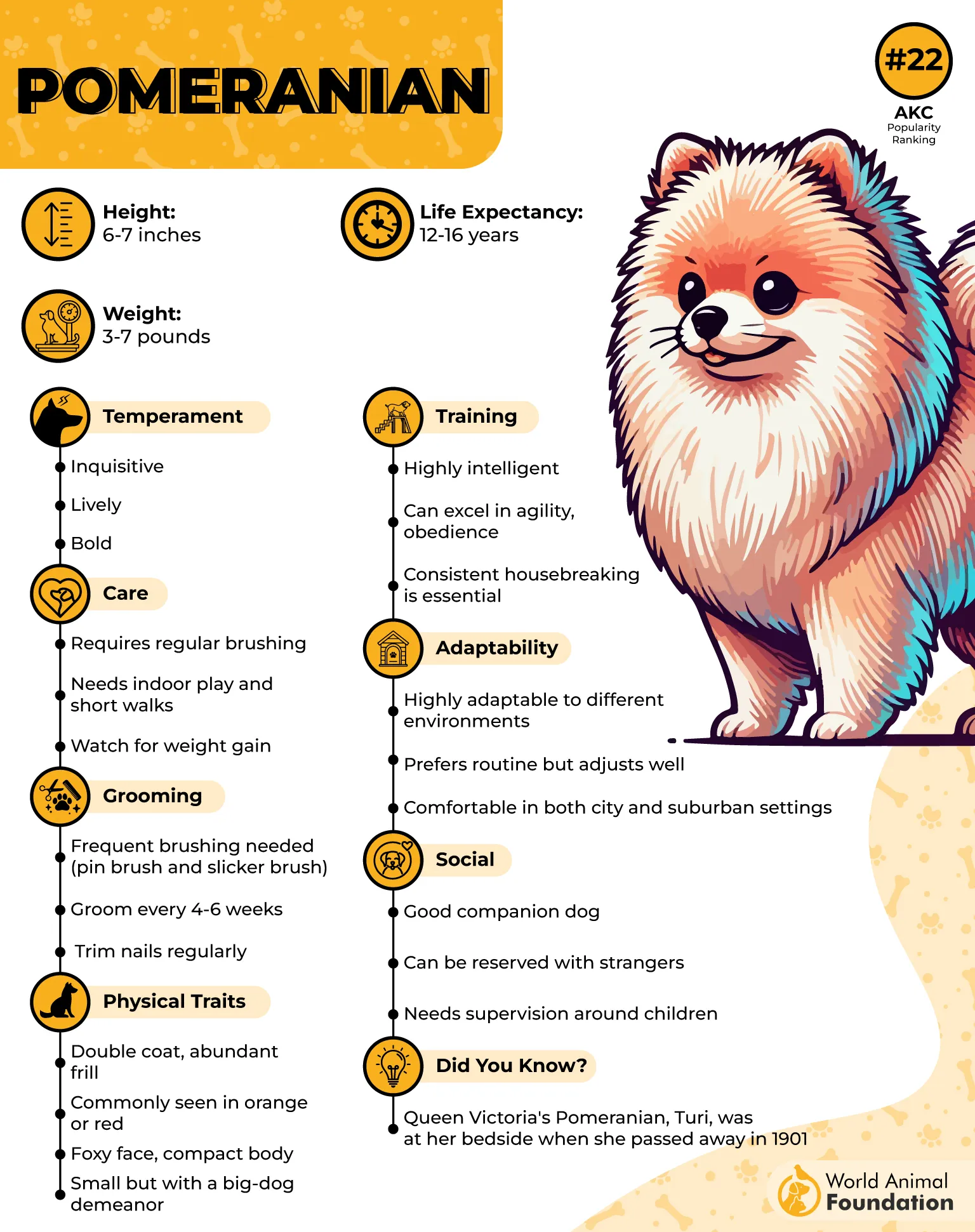
They can be bold and stubborn, sometimes challenging larger dogs if they are not properly socialized. Pomeranians are quick learners who enjoy mastering tricks, games, and obedience activities. However, they can be vocal and may bark frequently.
Care and Family Life
Pomeranians adapt well to both city and suburban living. They are active but do not need extensive outdoor exercise. Short walks and indoor play are usually enough to keep them happy.
Their intelligence also makes mental stimulation and positive, consistent training important. Although they generally get along well with other pets, PetMD notes that their delicate size makes them less suitable for rough play with young children.
4. Maltese
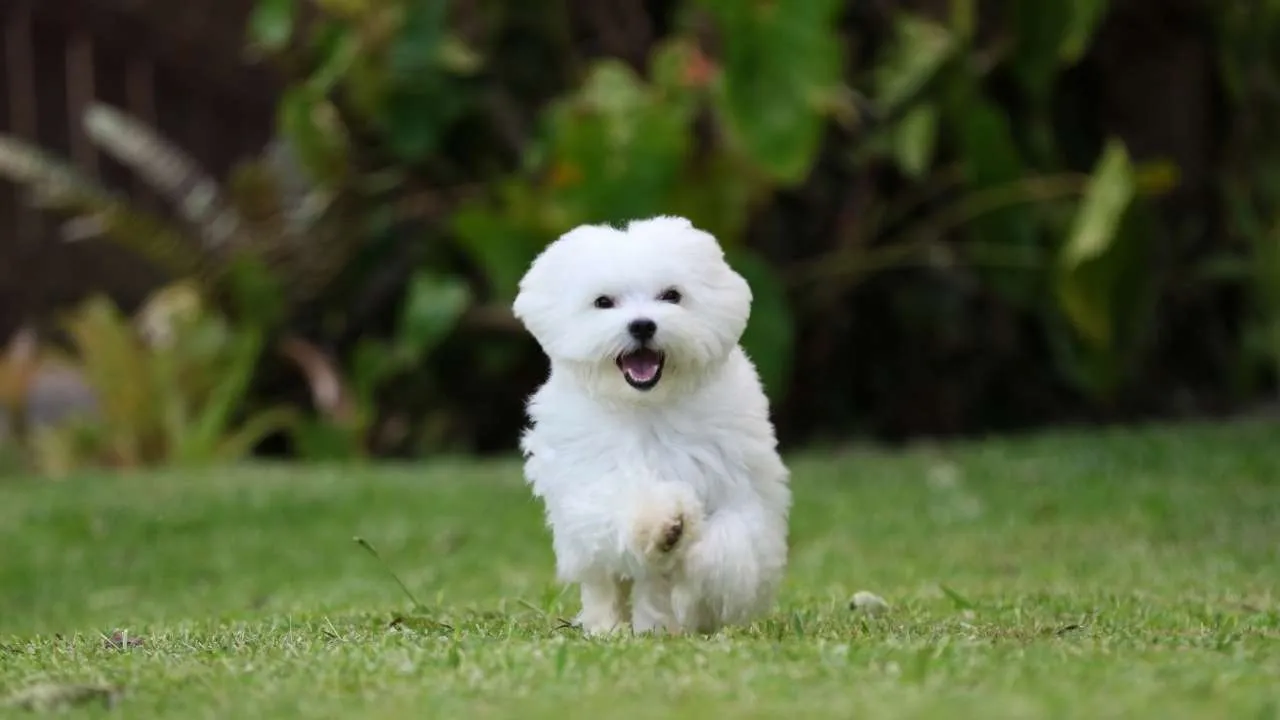
With their beautiful white coats and sweet expressions, Maltese dogs have been winning hearts for centuries. Originally from the Mediterranean island of Malta, these little companions have a long history dating back to ancient Greek and Roman times.
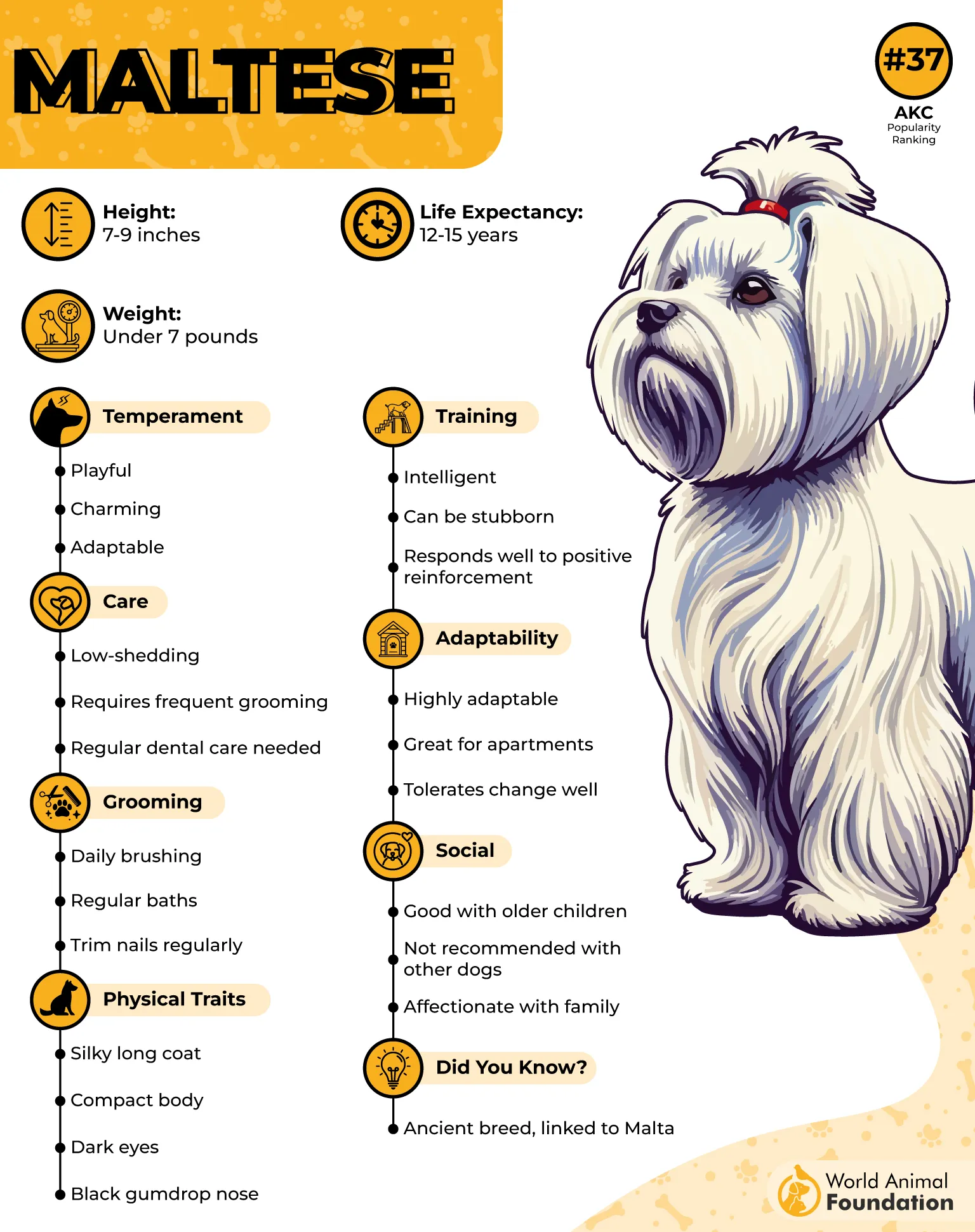
They are known for their long, straight, silky coats, dark expressive eyes, and playful personalities. Beneath their elegant appearance, Maltese dogs are friendly, adaptable, and devoted companions.
Temperament and Personality
Maltese dogs are affectionate, gentle, and full of playful energy. They enjoy spending time with their families and are generally happy to make new friends. However, their small size does not make them timid. They can be surprisingly bold and fearless when they sense a threat.
These little dogs also make alert watchdogs and enjoy learning tricks, especially when rewards are involved. They can sometimes be stubborn, but respond well to positive reinforcement.
Care and Family Life
Maltese dogs adapt well to different homes and lifestyles. They are low-shedding companions, but their long, silky white coats need daily brushing and regular bathing to prevent tangles and matting.
Training, early socialization, daily exercise, and mental stimulation are also important for keeping them happy. They enjoy playful activities and can even take part in agility.
5. Papillon
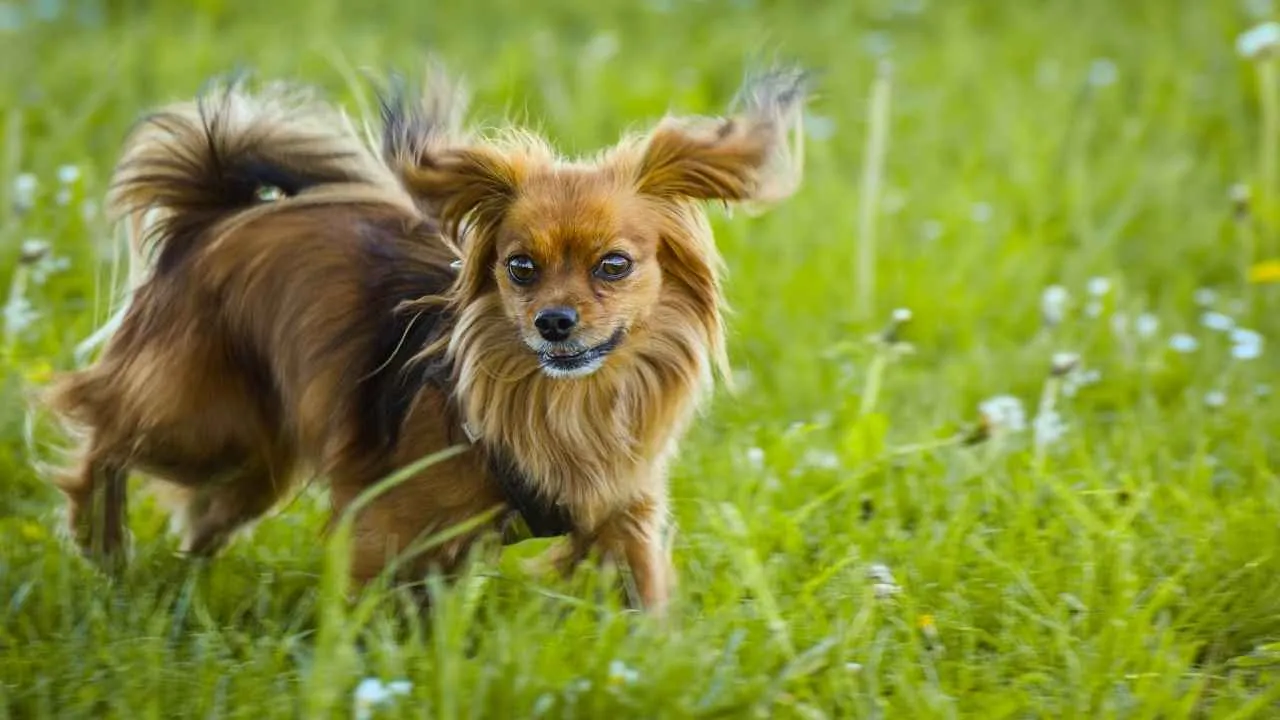
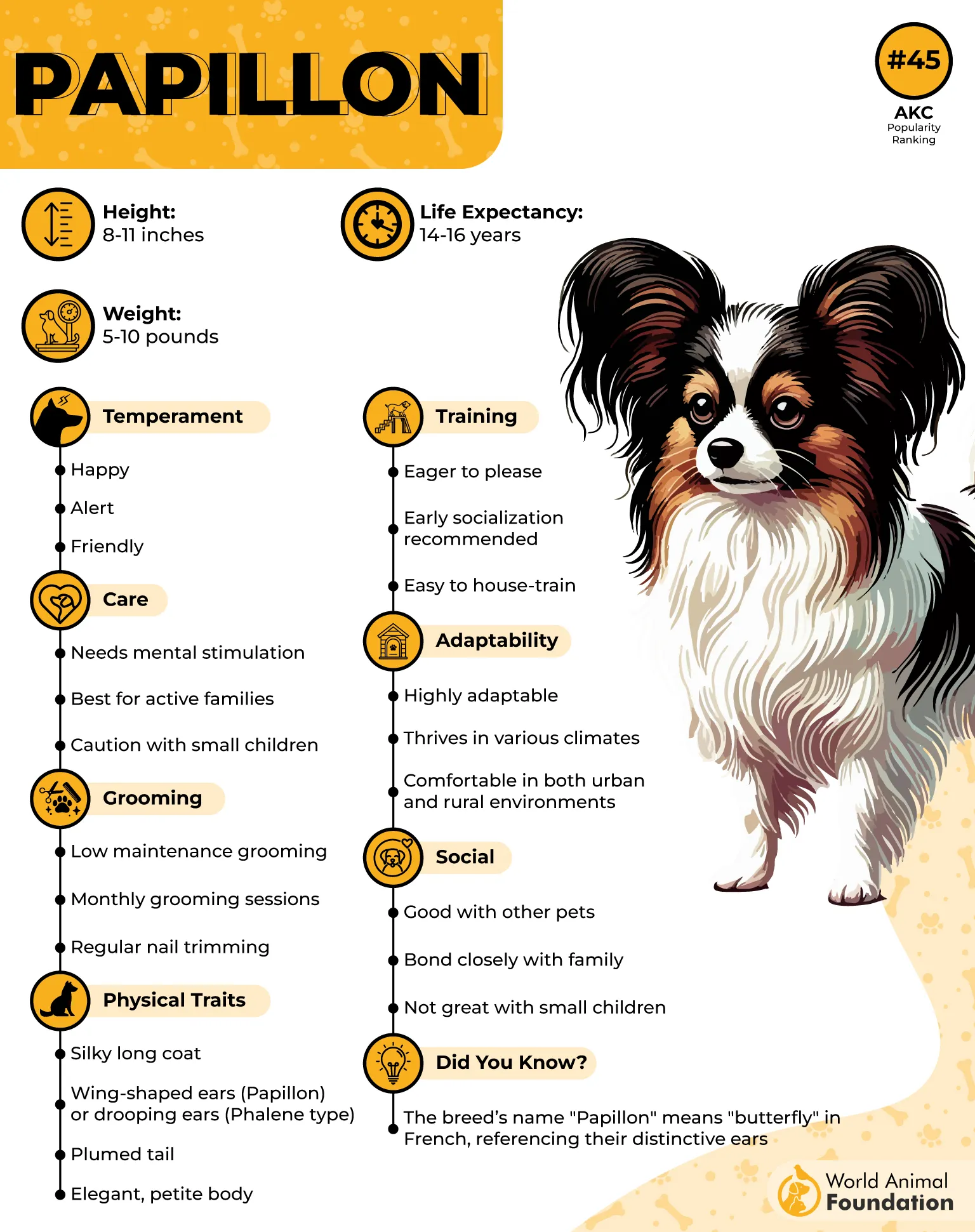
Named after the French word for butterfly, the Papillon is easily recognized by its large, wing-shaped ears. Some have upright ears, while others have drooping ears and are known as the Phalene variety.
Although they look delicate, Papillons are surprisingly hardy, athletic, and full of energy. They also have a royal history, with their ancestors appearing in artwork as early as the 1500s.
Temperament and Personality
Papillons are friendly, curious, and highly intelligent. They are considered among the smartest and most trainable toy breeds. Their eager-to-please nature makes learning commands, tricks, and games enjoyable.
These sociable dogs also get along well with children, adults, and other pets when properly socialized. They can make excellent watchdogs and service animals, although some may bark excessively when excited.
Training and Family Life
Papillons are active little companions who enjoy obedience training, agility, and other playful activities. They adapt well to different climates and can thrive in both city and country homes.
Their friendly nature makes them suitable for families with children and other pets, provided interactions with very young children are supervised. Despite their small size, they need plenty of activity and opportunities to use their sharp minds.
6. Toy Poodle
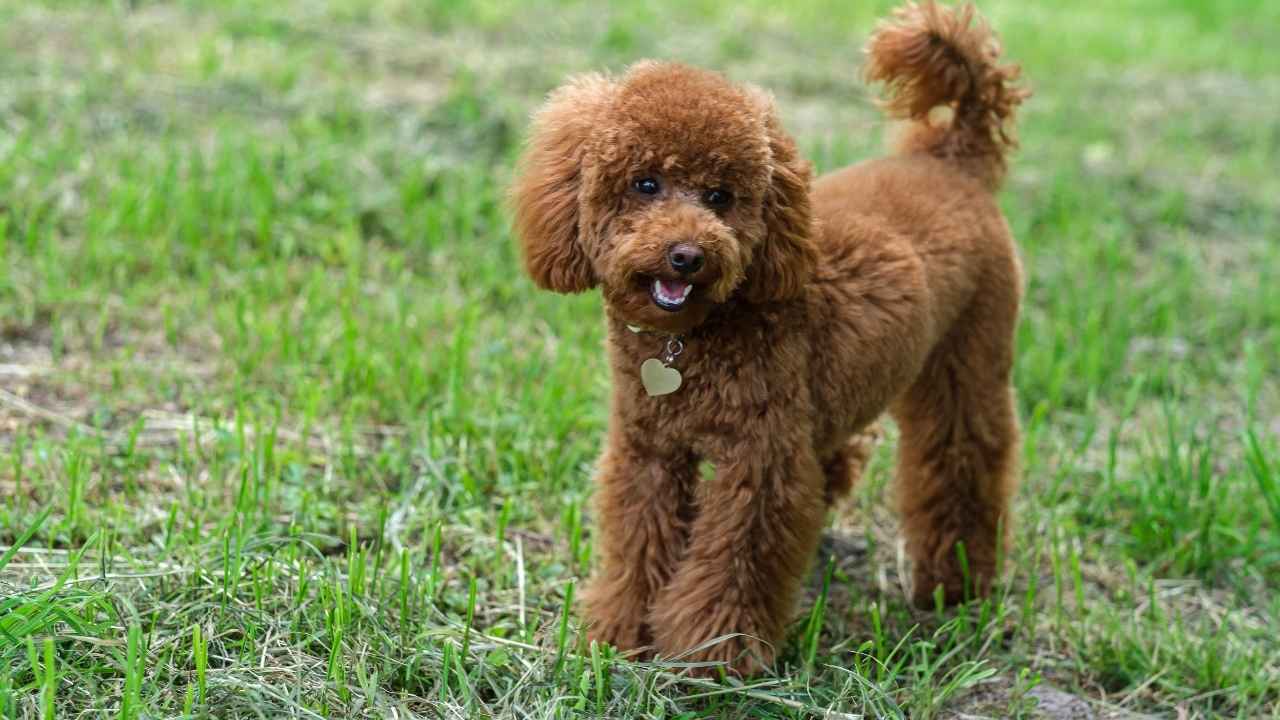
If you’re looking for a tiny dog with impressive intelligence, the Toy Poodle is worth knowing! The smallest of the Poodle varieties, these dogs were developed from larger Standard Poodles originally bred for water retrieving in Germany, according to Pedigree.
Their small size makes them suitable for apartment living, but they have plenty of energy and love staying involved in family activities.
Temperament and Personality
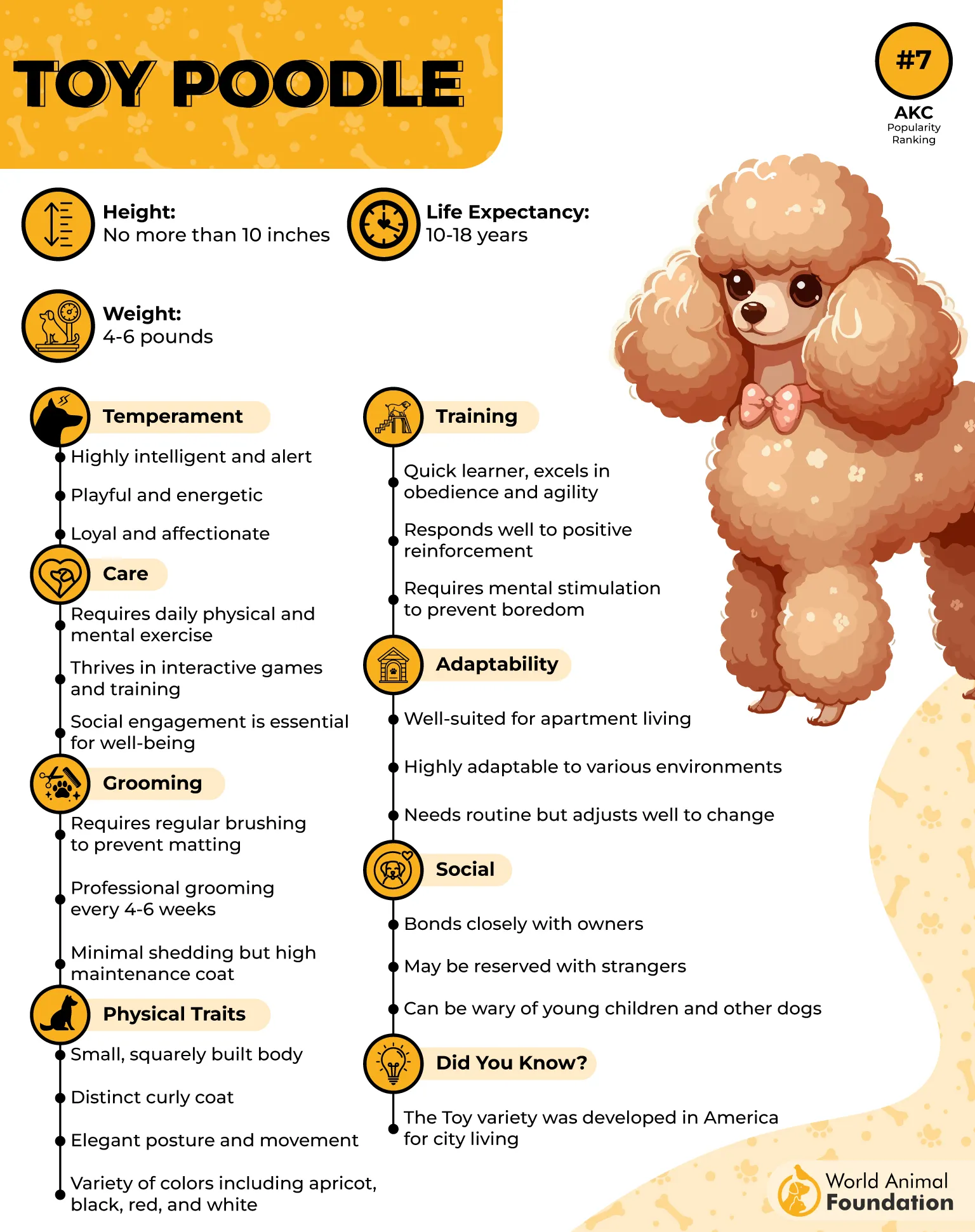
Toy Poodles are affectionate, sociable, and eager to please. They form close bonds with their families and enjoy being included in everyday activities. Their exceptional intelligence makes them quick learners who pick up commands, tricks, and games with ease.
These little companions can be good watchdogs, alerting their owners to visitors without usually becoming aggressive. However, they dislike being left alone for long periods and may become noisy or overactive when bored.
Care and Family Life
Toy Poodles need daily walks, indoor play, and mental stimulation to stay happy. Their curly, low-shedding coats require regular grooming and trimming every four to six weeks.
They can adapt to smaller homes as long as they get enough exercise and outdoor time. Although they can make wonderful family pets, their tiny size makes them vulnerable to injuries during rough play.
7. Pekingese
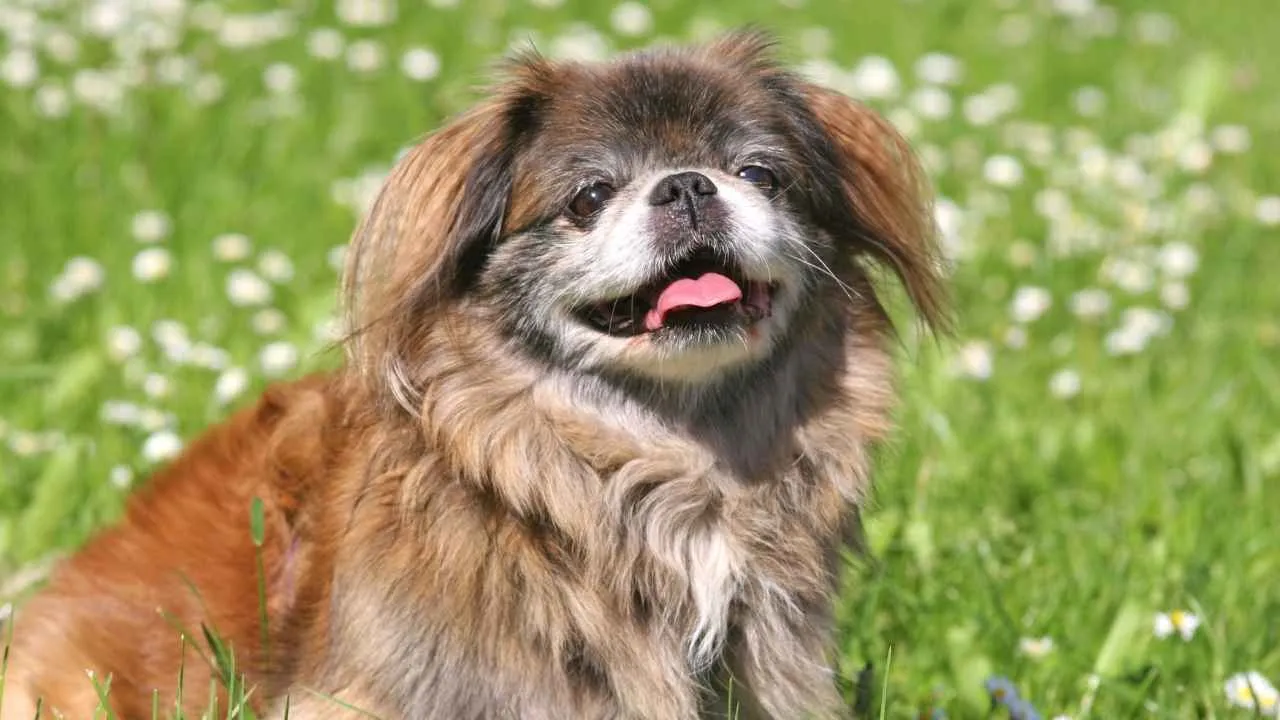
With their lion-like appearance and royal history, Pekingese dogs have a personality just as impressive as their looks. Originally developed for China’s ruling classes, these compact companions were once treasured in imperial palaces.
They are recognized by their short muzzles, large expressive eyes, and long coats that form a distinctive mane around their neck and shoulders. Their rolling gait and dignified appearance make them quite easy to recognize.
Temperament and Personality
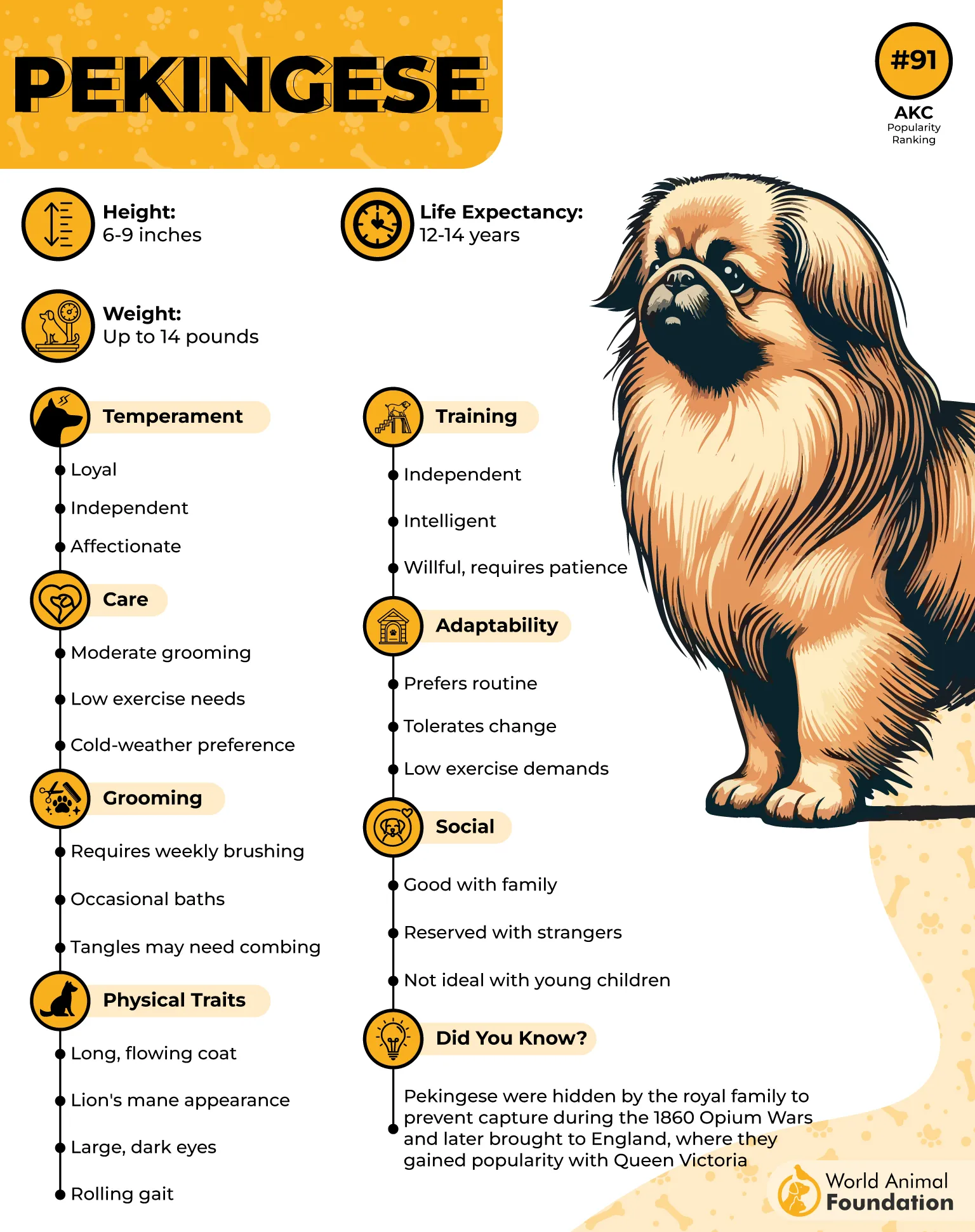
Pekingese dogs are confident, brave, and independent. They form deep bonds with their favorite people but enjoy affection on their own terms. Despite their dignified appearance, they have a playful and funny side. They are also alert watchdogs who bark to announce visitors.
Although they rarely start fights, they will stand their ground against much larger dogs. Some can become possessive of their favorite person, so early socialization and patient training are important.
Care and Family Life
Pekingese dogs are well suited to apartment living because they do not need strenuous exercise. Short walks and indoor play are usually enough to keep them content.
However, their short noses and thick coats make them sensitive to heat, so outdoor activities should be limited in hot weather. They generally do well with respectful children and can live with other pets when introduced properly.
Conclusion
Small dogs may be tiny, but they bring plenty of personality, affection, and entertainment into a home. Their compact size makes them suitable for smaller homes, but each has its own grooming, exercise, training, and socialization needs.
Before bringing one home, take time to consider your lifestyle and the kind of companion you want. Look beyond their adorable appearances and choose a dog whose personality and care requirements suit your family.
After all, the best part of having a forever-small, cute dog isn’t just their tiny size; it’s having a loyal little friend by your side for years to come!
