




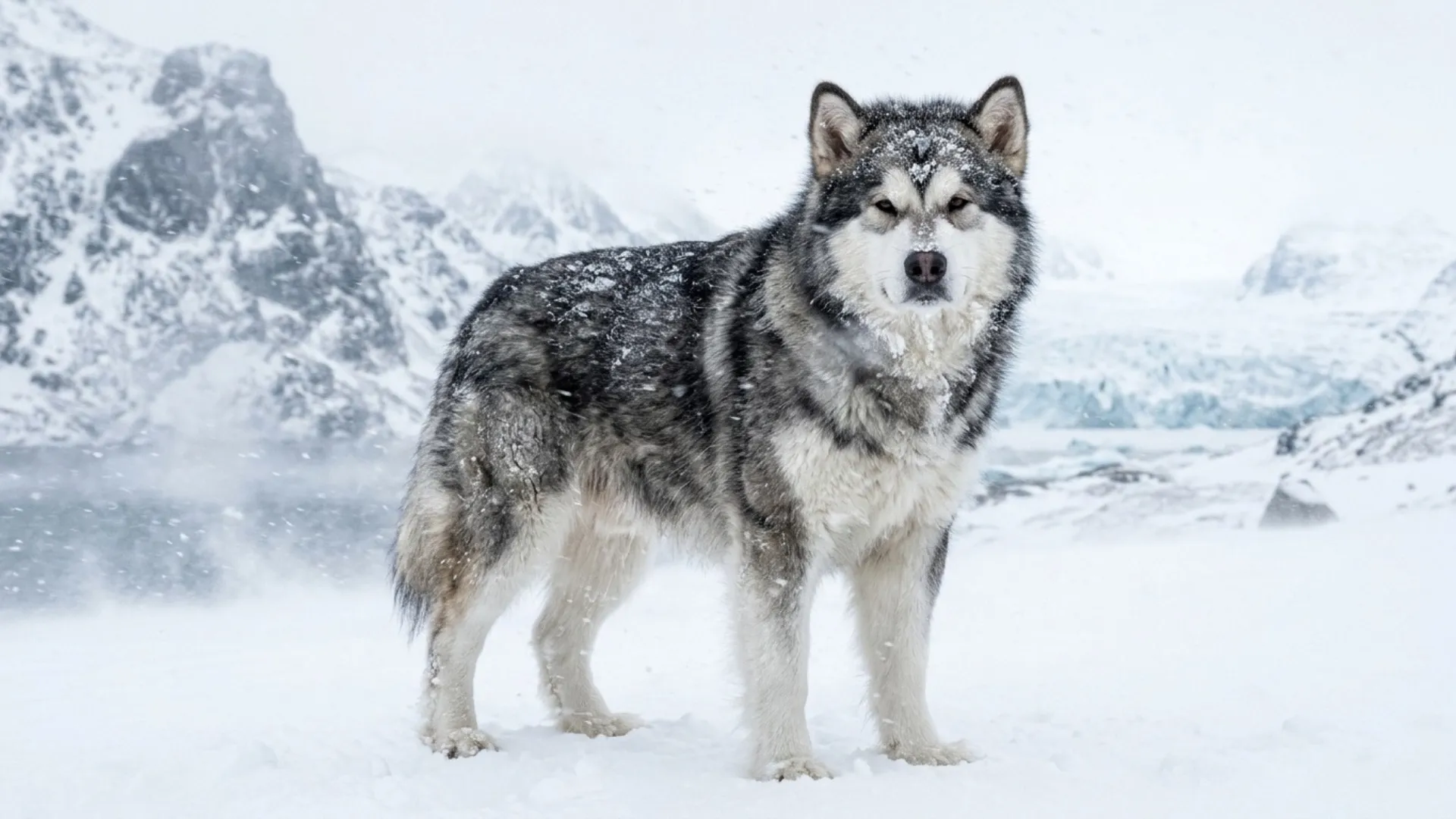
Some dogs are built for more than comfortable walks and mild weather. They are equipped to face freezing temperatures, rugged landscapes, and demanding outdoor conditions that would challenge many other breeds.
Their resilience is not accidental; generations of adaptation and purposeful work have shaped the physical traits that help them cope with harsh environments.
Thick double coats, powerful bodies, sturdy paws, and impressive endurance can all contribute to their ability to withstand difficult conditions. However, no dog is completely immune to extreme weather.
Factors such as age, health, fitness, body size, and individual tolerance also influence how safely a dog handles temperature changes. From powerful livestock guardians to tireless northern working dogs, certain breeds have developed remarkable qualities that make them especially hardy.
This article explores seven dogs known for their toughness, highlighting the characteristics that help them navigate challenging environments and the care they still need to remain healthy and comfortable.
Key Takeaways
Some dog breeds have exceptional resilience because generations of working in harsh environments have shaped their physical and mental toughness.
Thick double coats provide insulation against freezing temperatures, strong winds, and snow.
Powerful bodies, sturdy builds, and muscular frames help dogs navigate rugged landscapes and demanding terrain.
Natural endurance allows certain working dogs to remain active during long hours outdoors.
Livestock guardian breeds are valued for their courage, independence, and ability to protect animals in challenging environments.
Dog Breeds with the Hardiest Temperament for Extreme Conditions
1. Siberian Husky
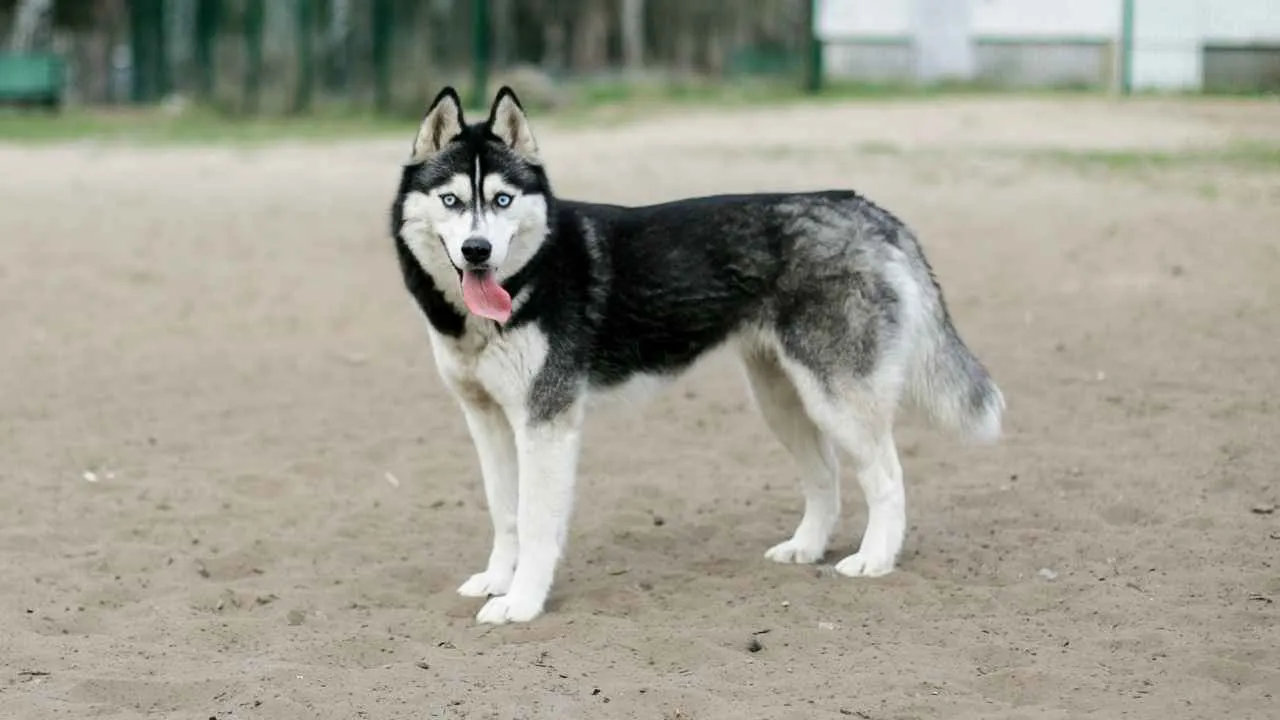
Few dogs are as naturally equipped for life in freezing conditions as the Siberian Husky. Bred to pull sleds across vast, snow-covered landscapes, this medium-sized dog combines remarkable endurance, agility, and a thick double coat that helps protect it from extreme cold.
Originally developed by the Chukchi people of northeastern Asia, Huskies were relied upon to transport loads over long distances in harsh Arctic environments.
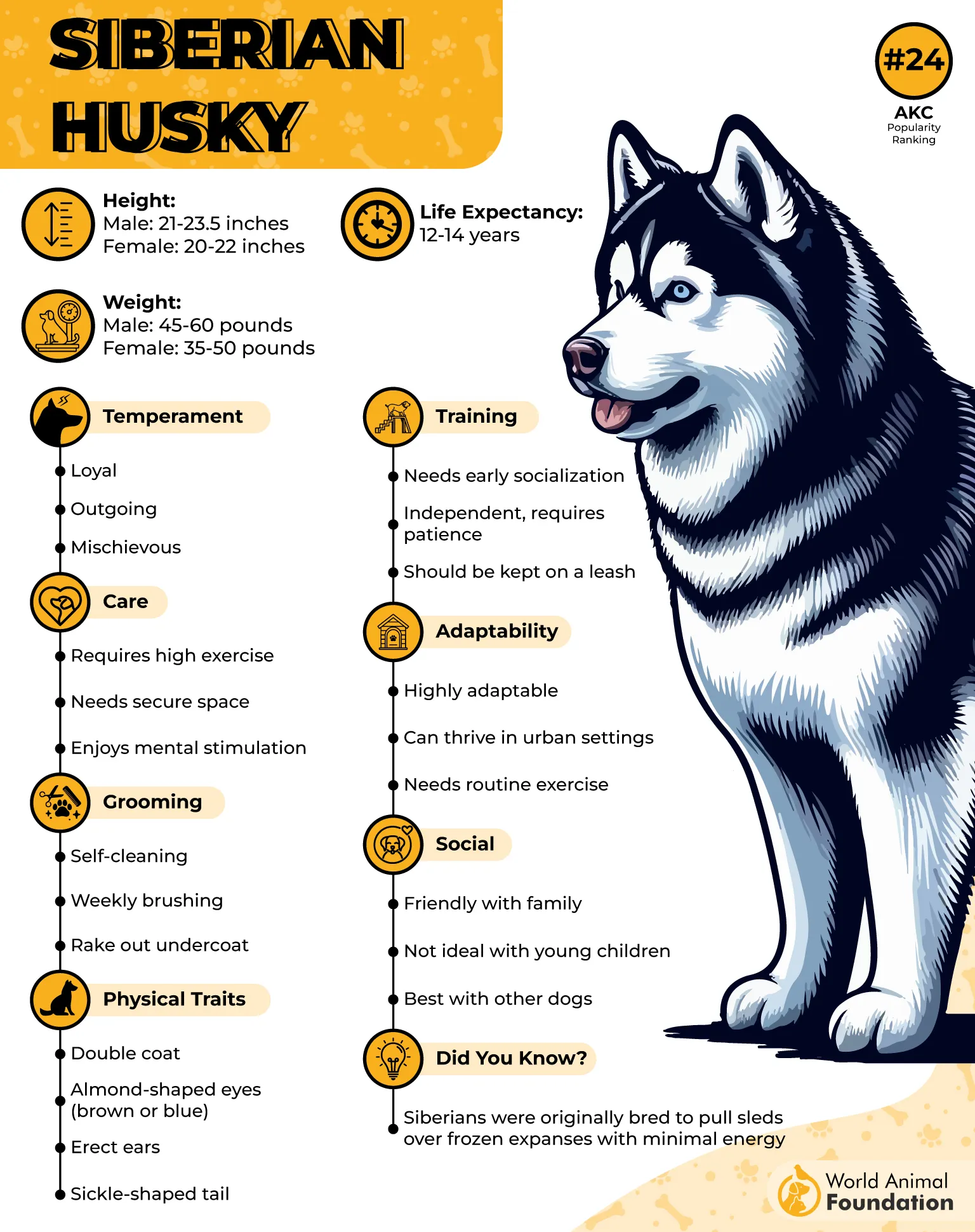
Their strength lies not just in their physical build but also in their determination and ability to keep going when conditions become challenging, according to the American Kennel Club.
Beneath their striking blue or brown eyes is an energetic, independent, and friendly personality. Huskies thrive on activity, companionship, and having a purpose.
They need plenty of exercise, consistent training, and secure spaces because their instinct to run is difficult to resist. Their exceptional cold-weather adaptability makes them one of the strongest contenders for life in extreme conditions.
2. Alaskan Malamute
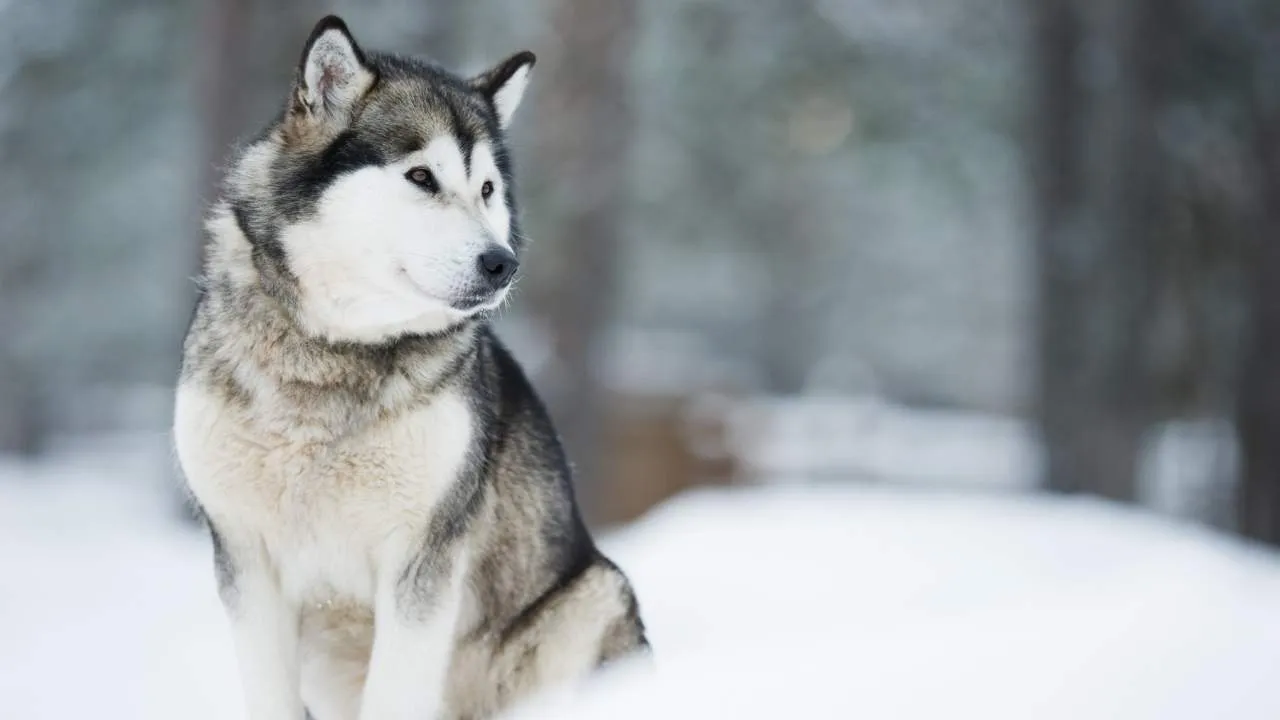
Few breeds are as naturally prepared for life in the harsh Himalayan environment as the Tibetan Mastiff.
For centuries, these powerful dogs have guarded homes, livestock, and remote monasteries across the mountains, where freezing temperatures and challenging terrain demand exceptional resilience.
Their thick double coat, featuring a dense, woolly undercoat and coarse outer hair, provides vital insulation against the cold. A heavy mane around the neck and shoulders offers additional protection, particularly during winter.
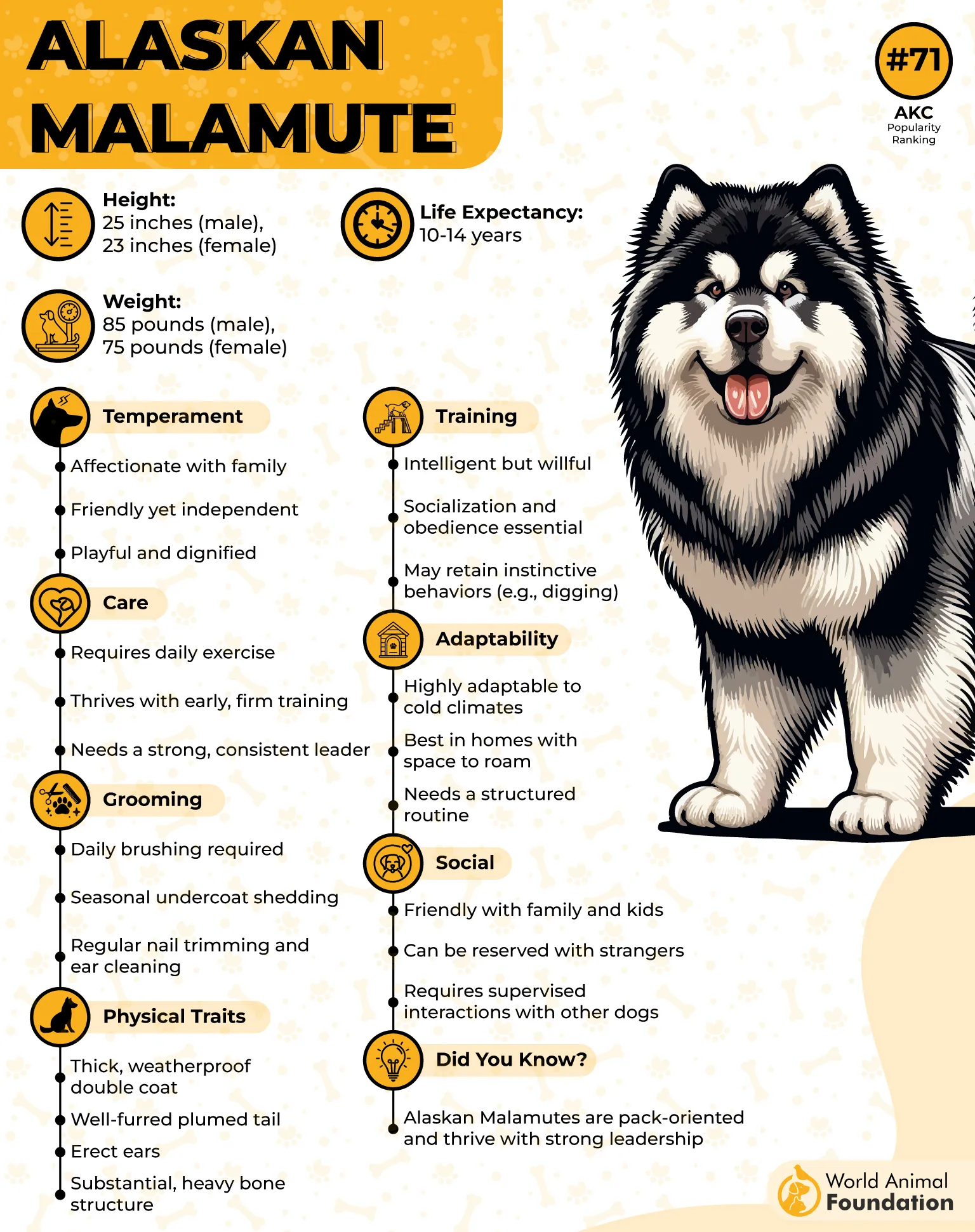
Beneath this impressive coat lies a muscular, sturdy body capable of moving with surprising speed and agility when danger approaches.
However, their hardiness is not limited to physical strength. Tibetan Mastiffs possess remarkable independence, alertness, and protective instincts, qualities developed through generations of guarding in isolated mountain regions.
Naturally watchful and fiercely devoted to their families, they remain composed yet ready to respond to potential threats, making them exceptional guardians in demanding environments.
3. Tibetan Mastiff
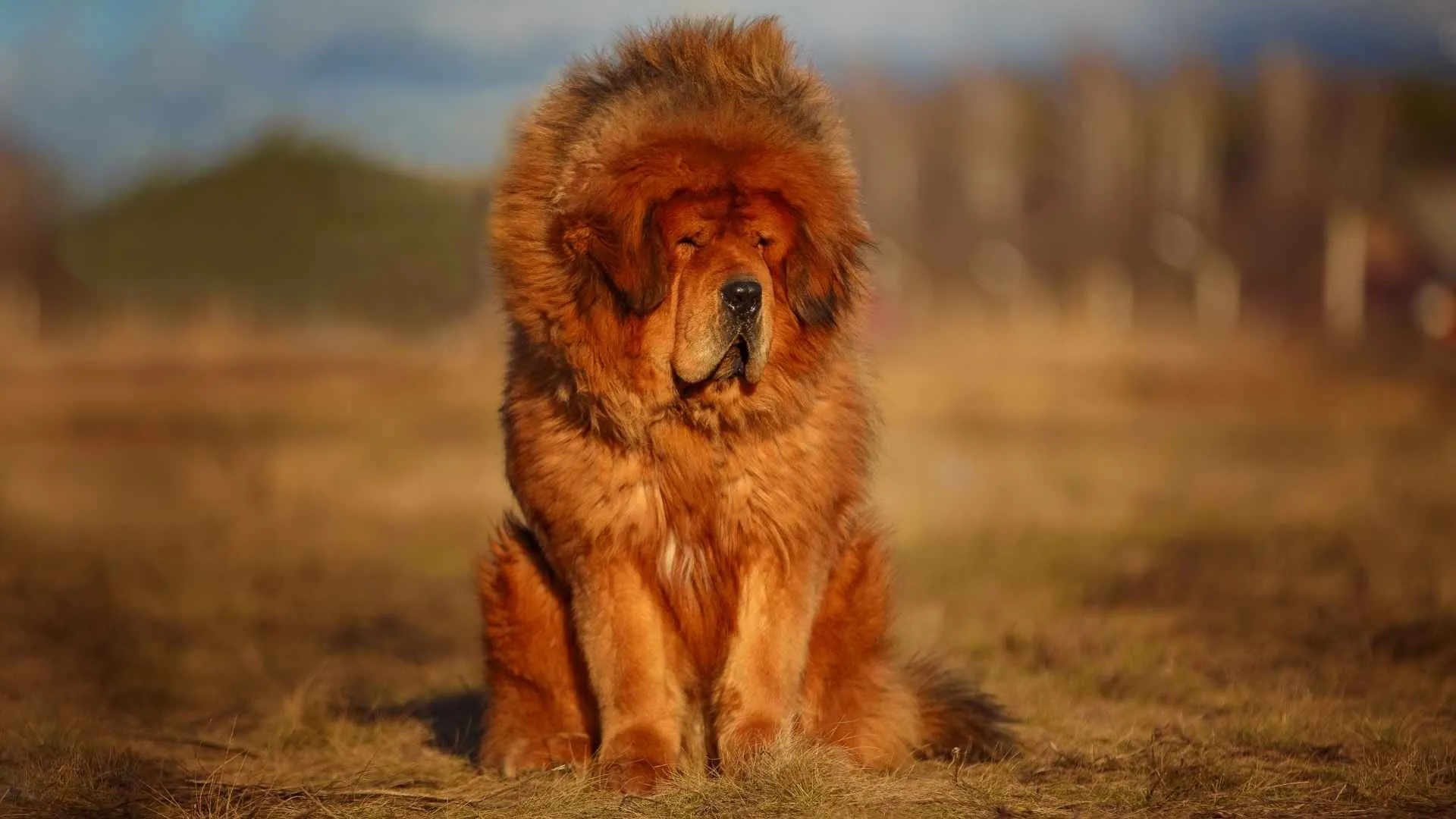
Few breeds are as naturally prepared for life in the harsh Himalayan environment as the Tibetan Mastiff.
For centuries, these powerful dogs have guarded homes, livestock, and remote monasteries across the mountains, where freezing temperatures and challenging terrain demand exceptional resilience.
Their thick double coat, featuring a dense, woolly undercoat and coarse outer hair, provides vital insulation against the cold.
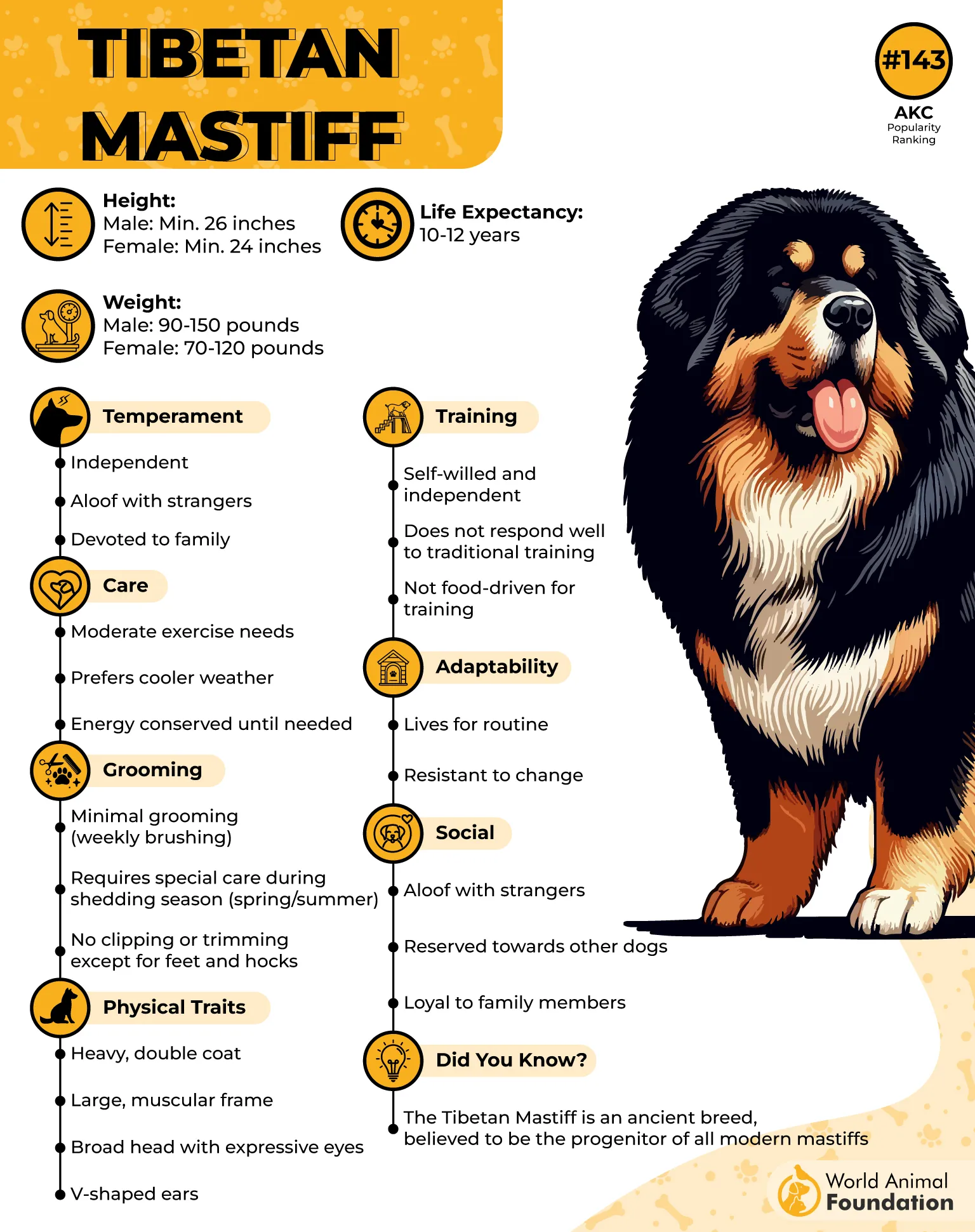
A heavy mane around the neck and shoulders offers additional protection, particularly during winter, as stated by Orvis. Beneath this impressive coat lies a muscular, sturdy body capable of moving with surprising speed and agility when danger approaches.
However, their hardiness is not limited to physical strength. Tibetan Mastiffs possess remarkable independence, alertness, and protective instincts, qualities developed through generations of guarding in isolated mountain regions.
Naturally watchful and fiercely devoted to their families, they remain composed yet ready to respond to potential threats, making them exceptional guardians in demanding environments.
4. Central Asian Shepherd Dog

Few breeds have been shaped by such demanding environments as the Central Asian Shepherd Dog.
Developed over thousands of years across the rugged steppes, deserts, and mountainous regions of Central Asia, this powerful guardian learned to withstand harsh weather while protecting livestock and shepherds from predators.
Its impressive adaptability comes partly from its dense double coat, featuring a thick undercoat that provides insulation against freezing temperatures and a topcoat that varies in length depending on its regional origins.
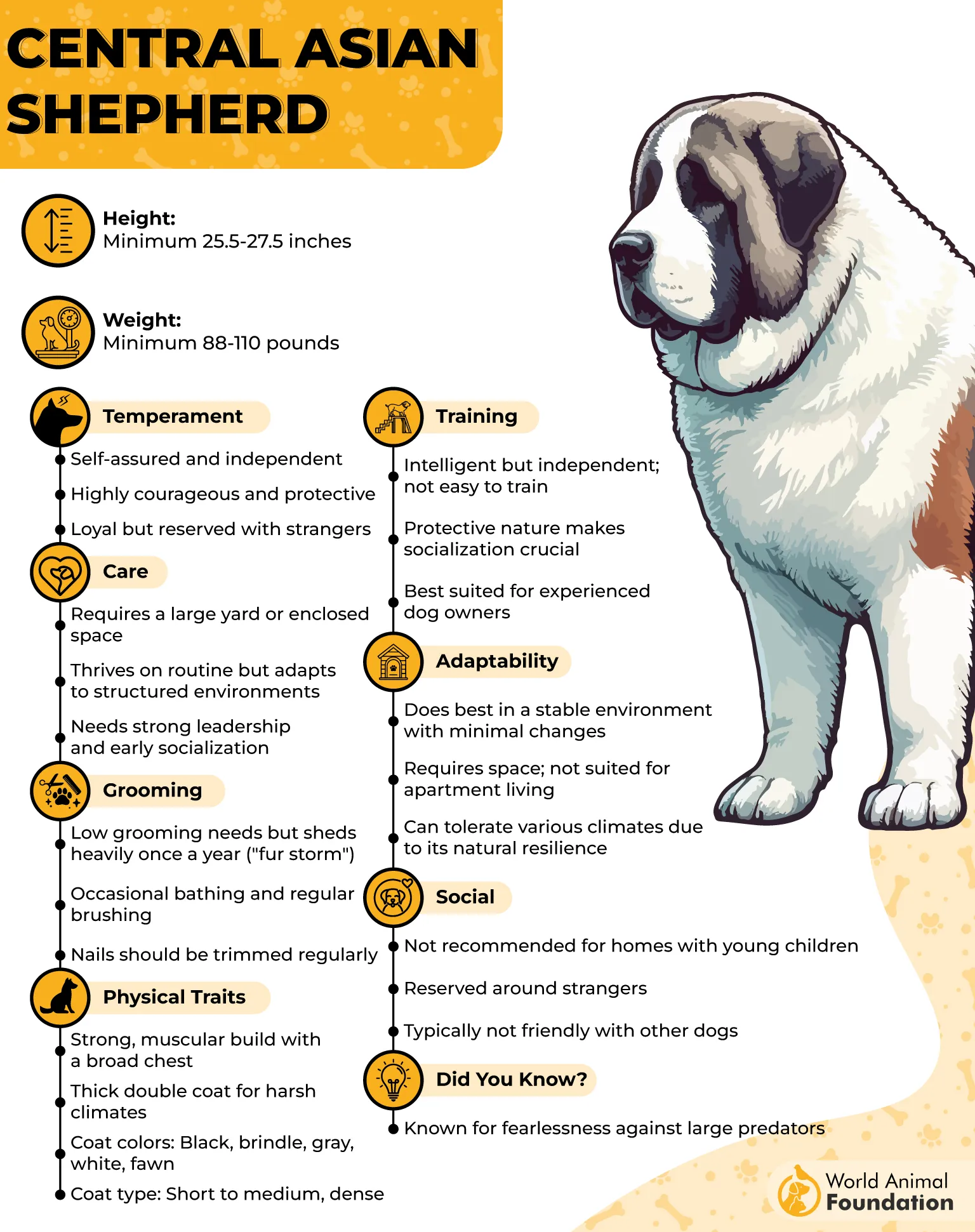
Beneath its massive, muscular frame lies remarkable endurance, courage, and a natural ability to work independently in challenging conditions.
Unlike dogs that depend on constant direction, this strong-willed breed can make decisions while guarding its territory.
Despite its imposing appearance, the Central Asian Shepherd is generally calm and composed, remaining alert without unnecessary agitation. Its weather-adaptable coat, rugged constitution, and fearless protective instincts make it an exceptional choice among hardy working breeds.
5. Anatolian Shepherd
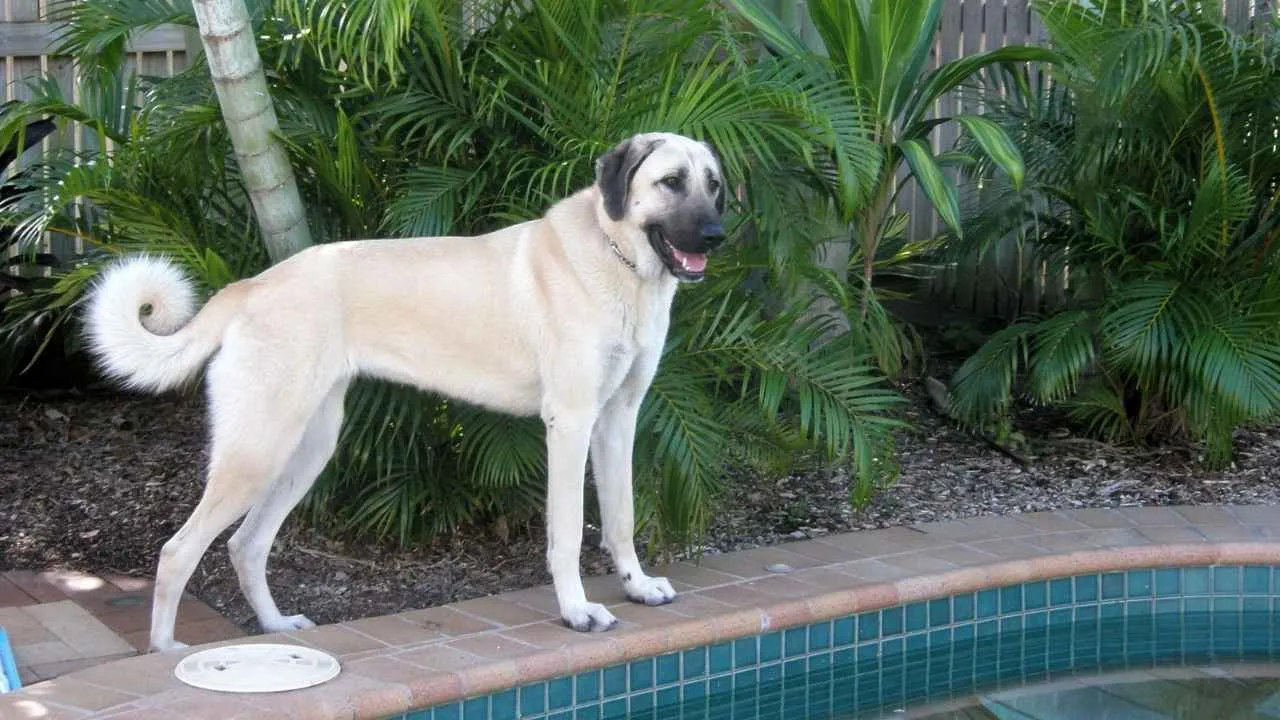
The Anatolian Shepherd has spent centuries facing the unpredictable conditions of Turkey’s rugged landscapes, developing the strength and resilience expected of a dependable livestock guardian.
Bred to protect flocks across challenging terrain, this strong dog combines a muscular build with impressive speed, agility, and endurance.
Its short outer coat and dense undercoat provide insulation against the freezing winters of Anatolia, where temperatures can fall below zero, according to the Royal Kennel Club.
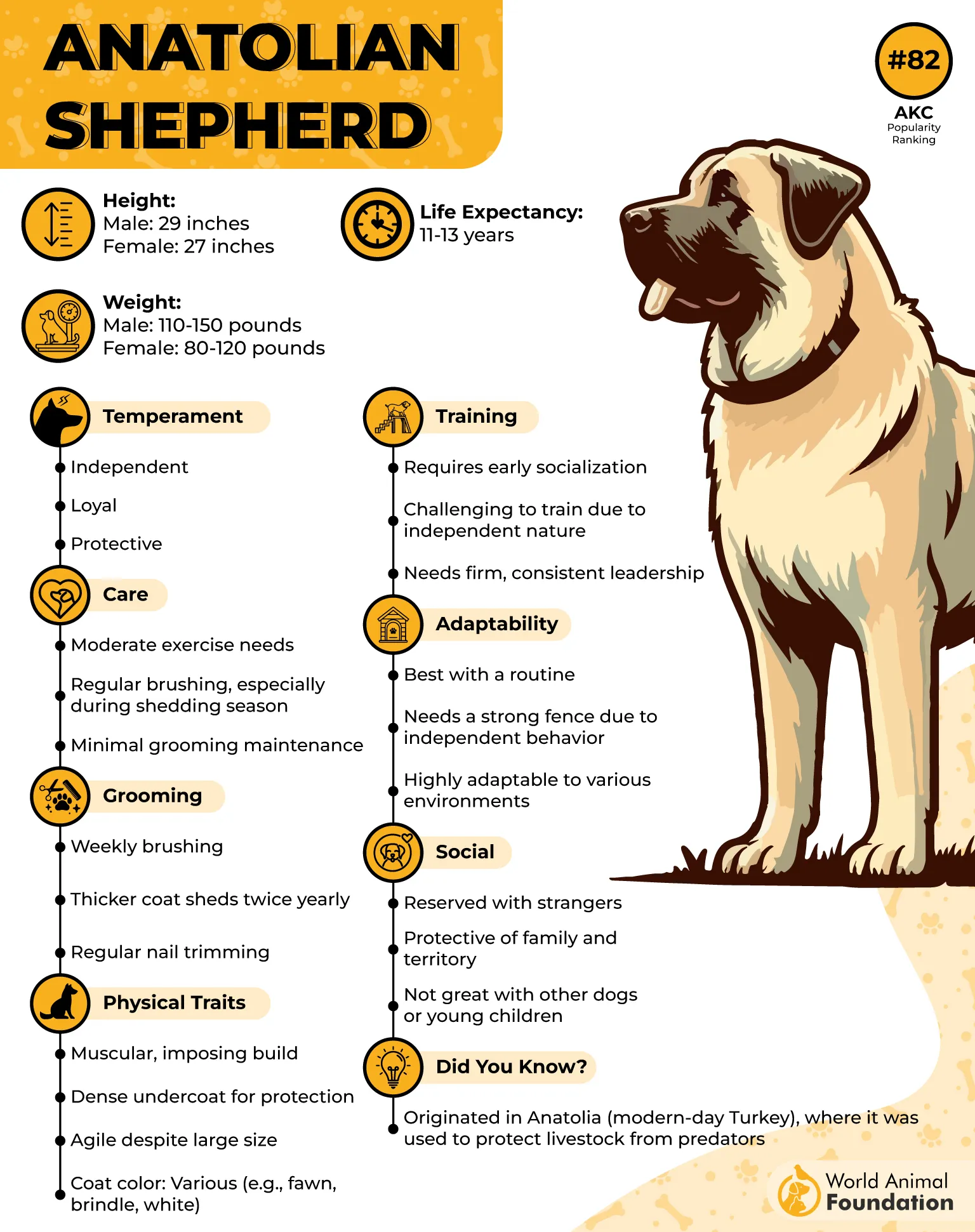
The coat also helps repel water and snow, offering another layer of protection when working outdoors in harsh weather. Although naturally independent and watchful, the Anatolian Shepherd is generally calm, conserving energy until a threat demands its attention.
Its protective instincts, sturdy constitution, and ability to remain alert while guarding livestock make it well suited to demanding environments. More than its imposing size, it is this combination of weather resistance and unwavering determination that makes the breed exceptionally hardy.
6. Caucasian Shepherd
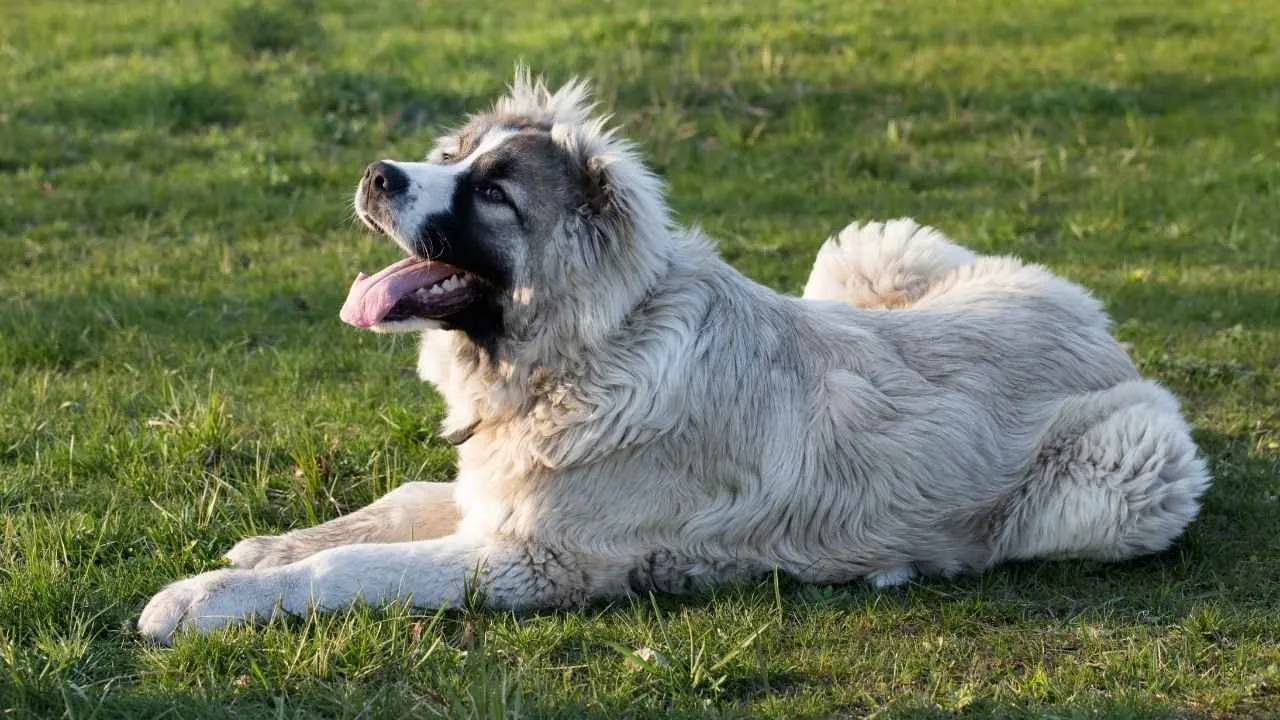
When freezing winds sweep across the Caucasus, the Caucasian Shepherd Dog remains a formidable guardian, built to protect its flock without backing down from danger.
For more than 600 years, this powerful breed has guarded livestock against formidable predators, including wolves and bears, developing remarkable courage and resilience along the way.
Its thick, coarse coat and dense undercoat provide protection against cold, wind, and rain, allowing it to live and work outdoors in harsh conditions.
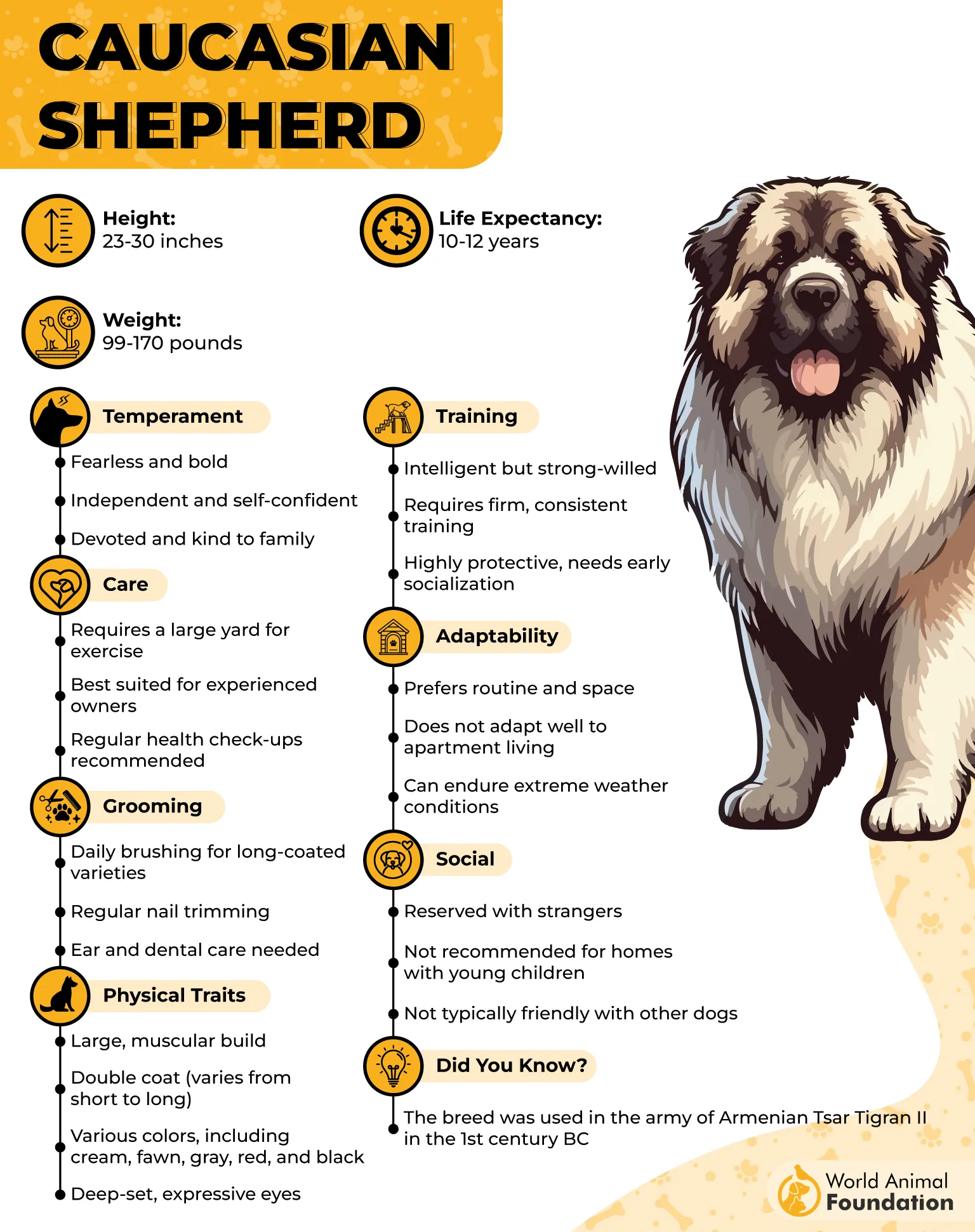
Beneath its impressive, bear-like appearance is a confident, independent dog with strong territorial instincts and the determination to defend what it considers its responsibility.
It can remain outdoors for days, watching over its herd without constant human direction. However, its immense strength and protective nature demand experienced handling.
The Caucasian Shepherd’s weather-resistant coat, fearless temperament, and natural guarding abilities make it one of the hardiest breeds for extreme environments.
7. Norwegian Elkhound
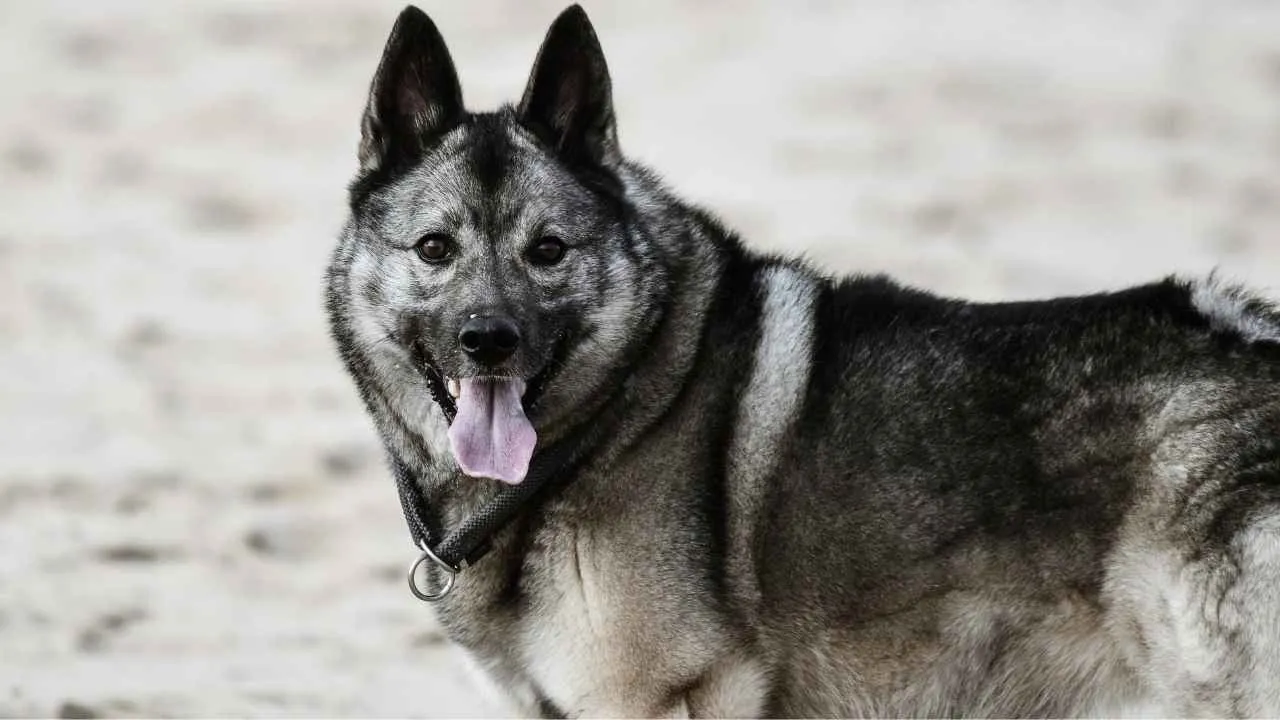
Long before modern hunting equipment existed, the Norwegian Elkhound was already navigating rugged northern landscapes in pursuit of large game.
With a history stretching back thousands of years, this hardy breed developed the stamina, courage, and weather-resistant build needed to work in demanding outdoor conditions. Its dense double coat, featuring a soft, woolly undercoat beneath a coarse outer layer, provides valuable insulation against cold weather.
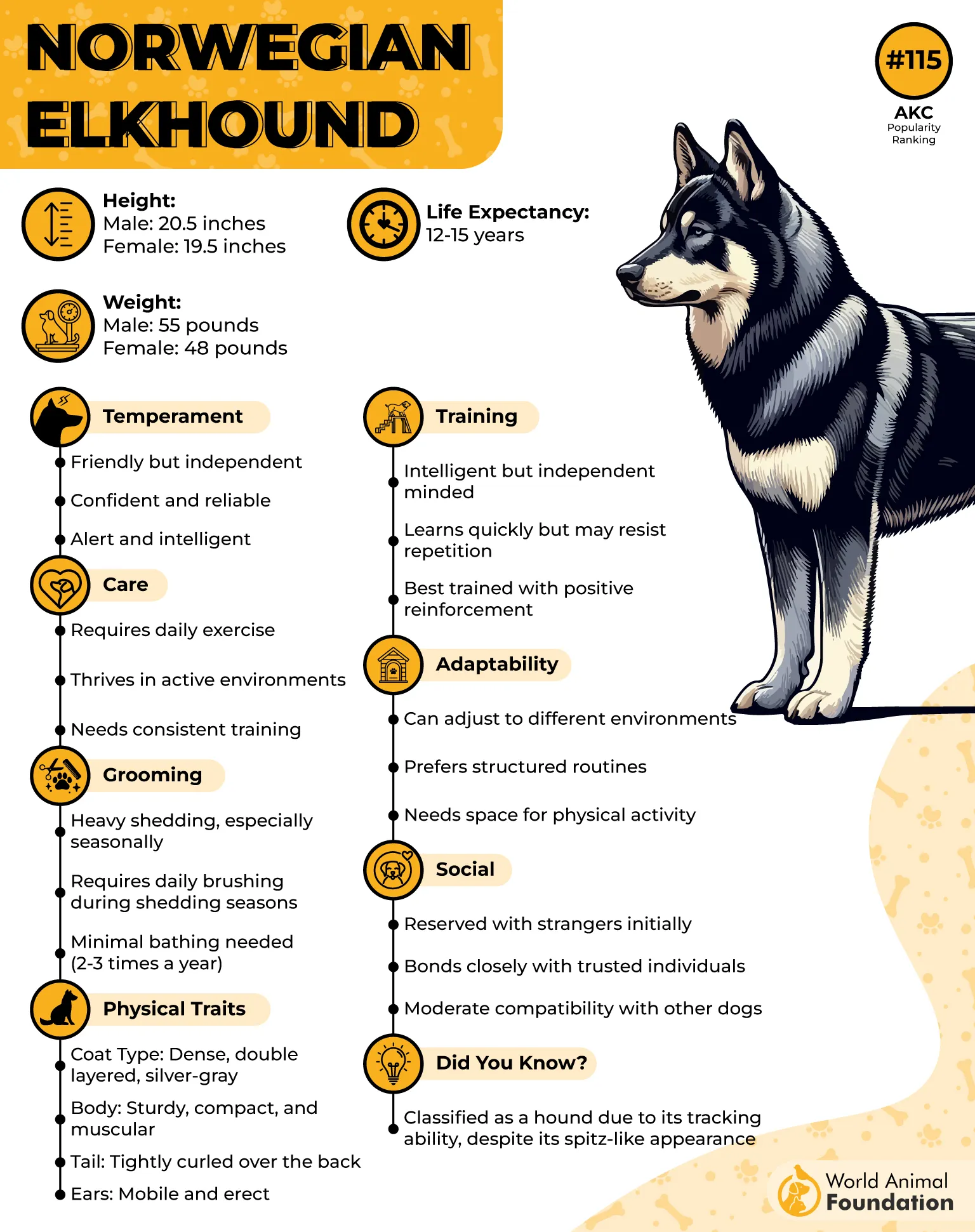
Originally used to track moose and other large animals, the Norwegian Elkhound can cover rough terrain while remaining alert to its surroundings.
Its upright ears, strong body, and keen tracking abilities reflect generations of working heritage. Beyond physical toughness, this breed is an independent, bold thinker with a protective nature and strong loyalty to its family.
Although it thrives in colder climates and needs plenty of daily exercise, its endurance and rugged constitution make it a remarkable companion for challenging environments.
Conclusion
Extreme conditions demand more than physical strength; they require endurance, adaptability, and the determination to keep going when the environment becomes unforgiving.
From the snow-covered Arctic to the rugged mountains of Central Asia, these seven dog breeds demonstrate how generations of purposeful breeding have shaped remarkable resilience.
Their thick coats, powerful builds, protective instincts, and impressive stamina help them handle challenging environments that many dogs would struggle with. However, even the hardiest breeds need proper care, adequate shelter, fresh water, and protection from dangerous weather.
Their natural toughness should never be mistaken for immunity to extreme temperatures. Whether you admire their working heritage or are considering one as a companion, understanding their individual needs is essential.
Ultimately, what makes these dogs exceptional is not simply their ability to withstand harsh conditions but the courage, loyalty, and determination they bring to every challenge.
