




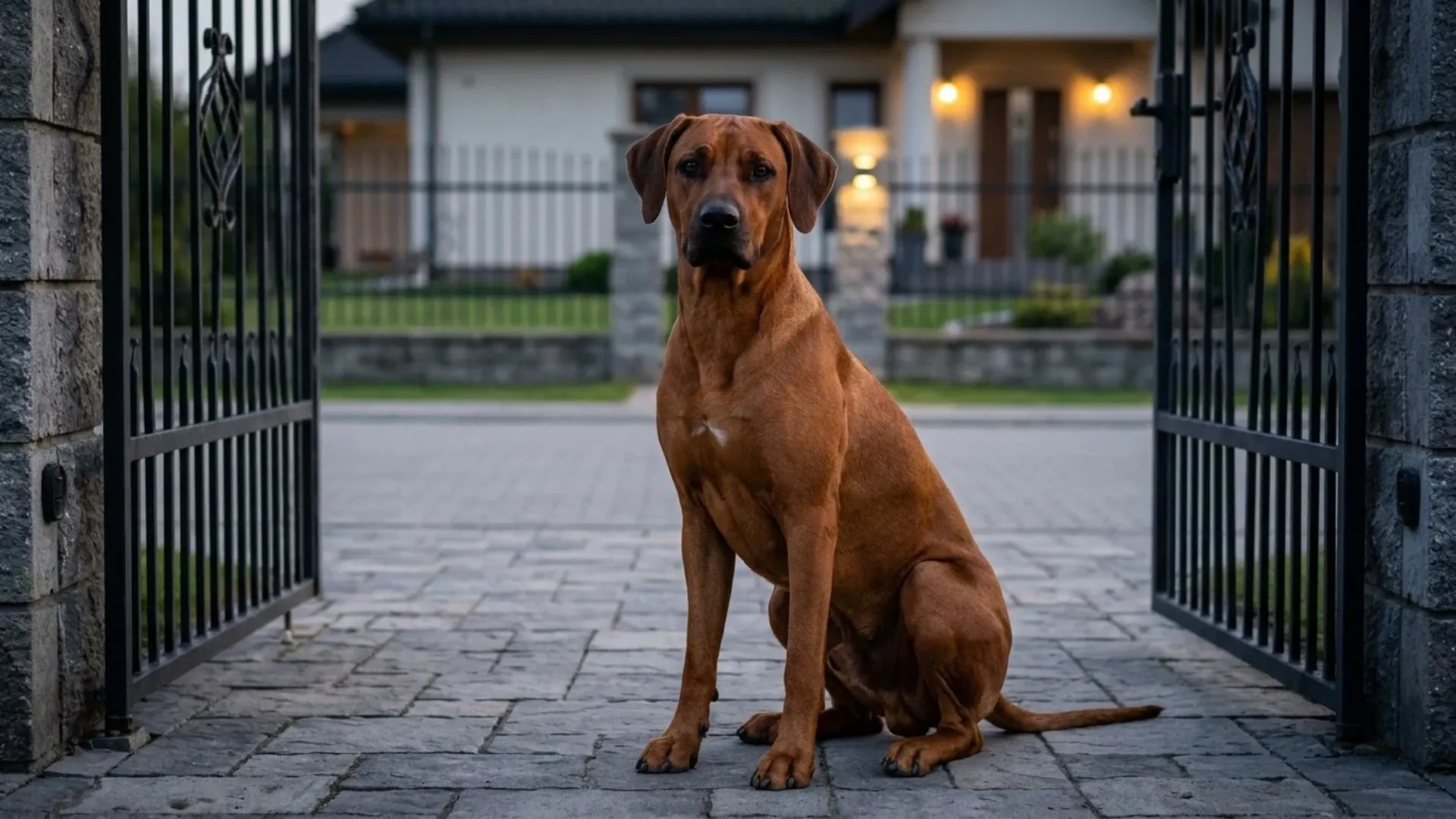
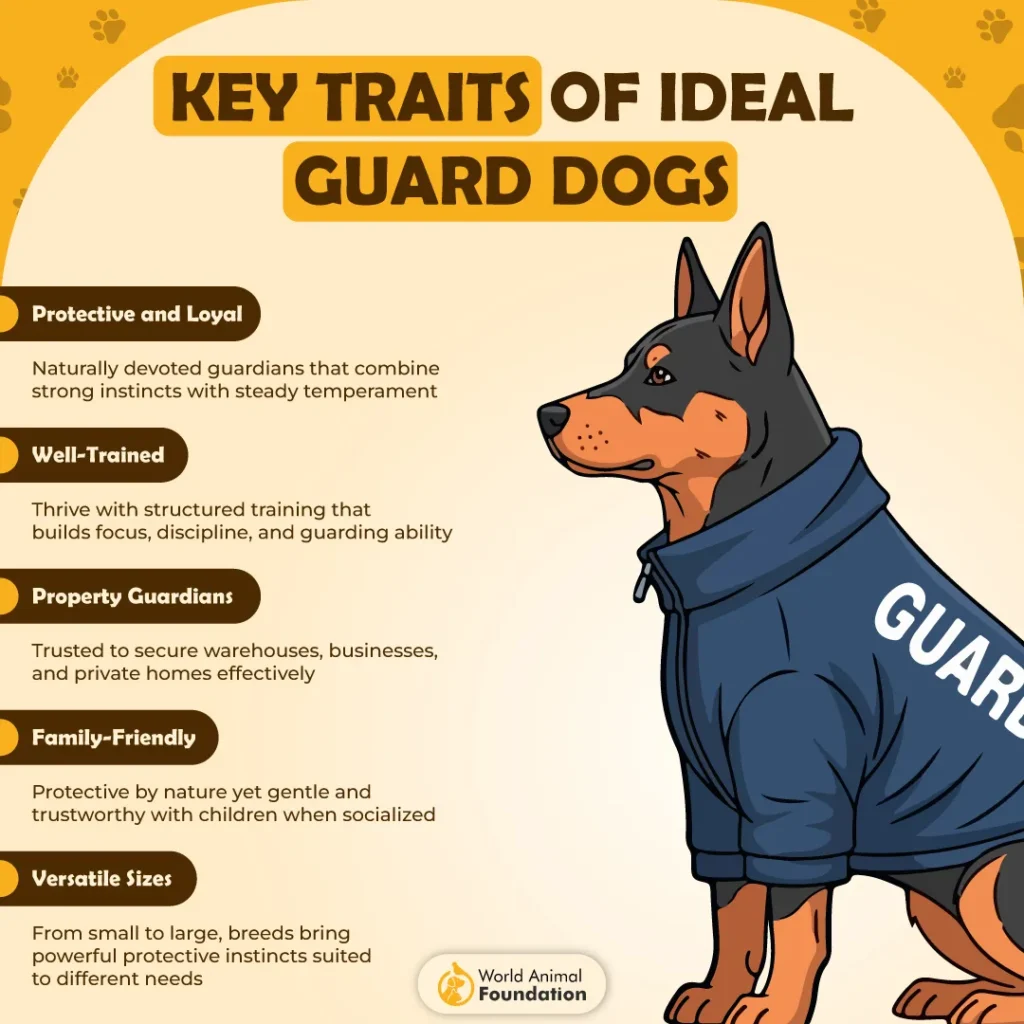
A guard dog is a strong way to make strangers think twice before lurking near your home. These dogs have the stamina, strength, and courage to stand between a threat and you.
But owning a protection dog shouldn’t be a hassle. A high-maintenance dog is a personal choice, yet some people end up with one unexpectedly and get stuck with endless brushing and high-strung drama.
That’s why this guide covers 9 protective breeds that need minimal upkeep and still offer great security.
Low maintenance doesn’t mean no effort, though. These aren’t lazy couch lumps. They’re powerful, high-energy dogs, so you’ll need to provide solid leadership and meet their exercise needs.
You also have a say when it comes to coats. A short-coated guard dog takes far less work than a long-coated one that needs frequent styling or trimming. So grab your coffee, and let’s meet nine protection dogs that are easy to keep up with.
Guard Dog Breeds That Need Minimal Attention and Offer Max Security
1. Rottweiler
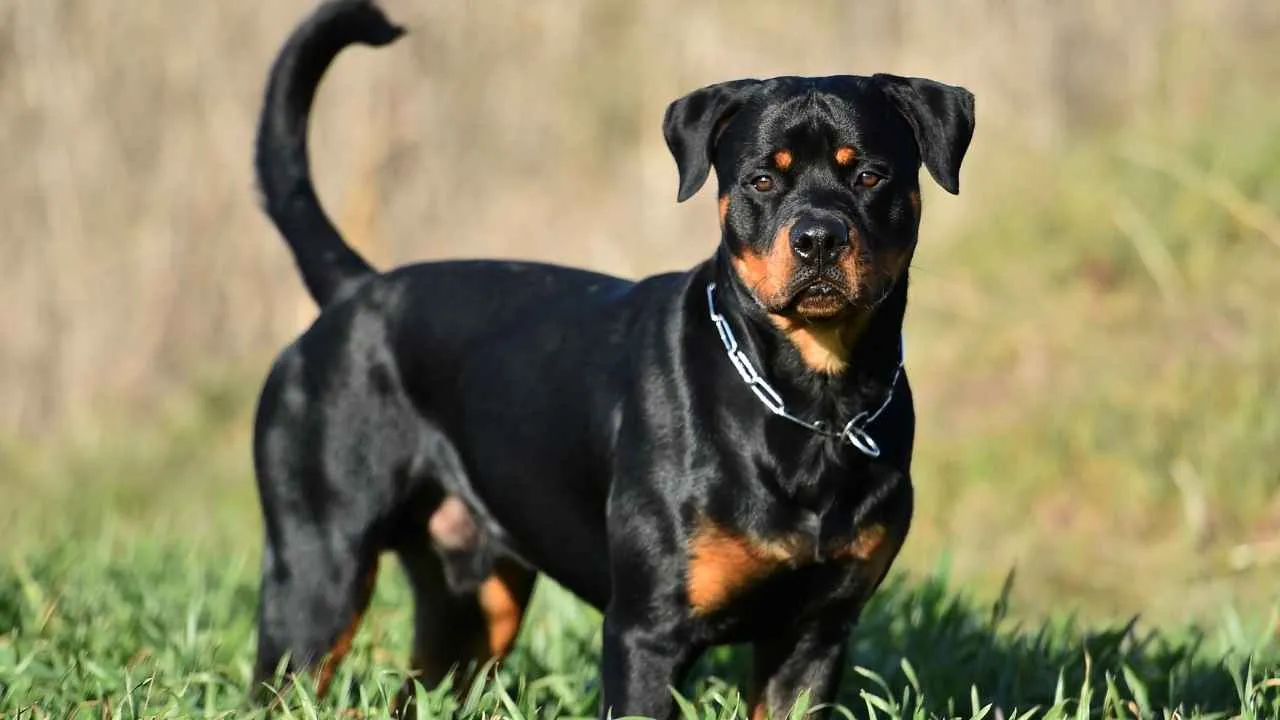
Rottweilers are loyal, calm, and self-assured. They’re gentle companions with strong protective instincts. These big dogs were originally bred as drovers to herd cattle and guard property.
Thanks to their short coat, they’re a good fit for busy people, since they don’t need professional styling or de-matting. Their calm indoor manner also makes them easy to live with, and their size and endurance make them capable protectors.
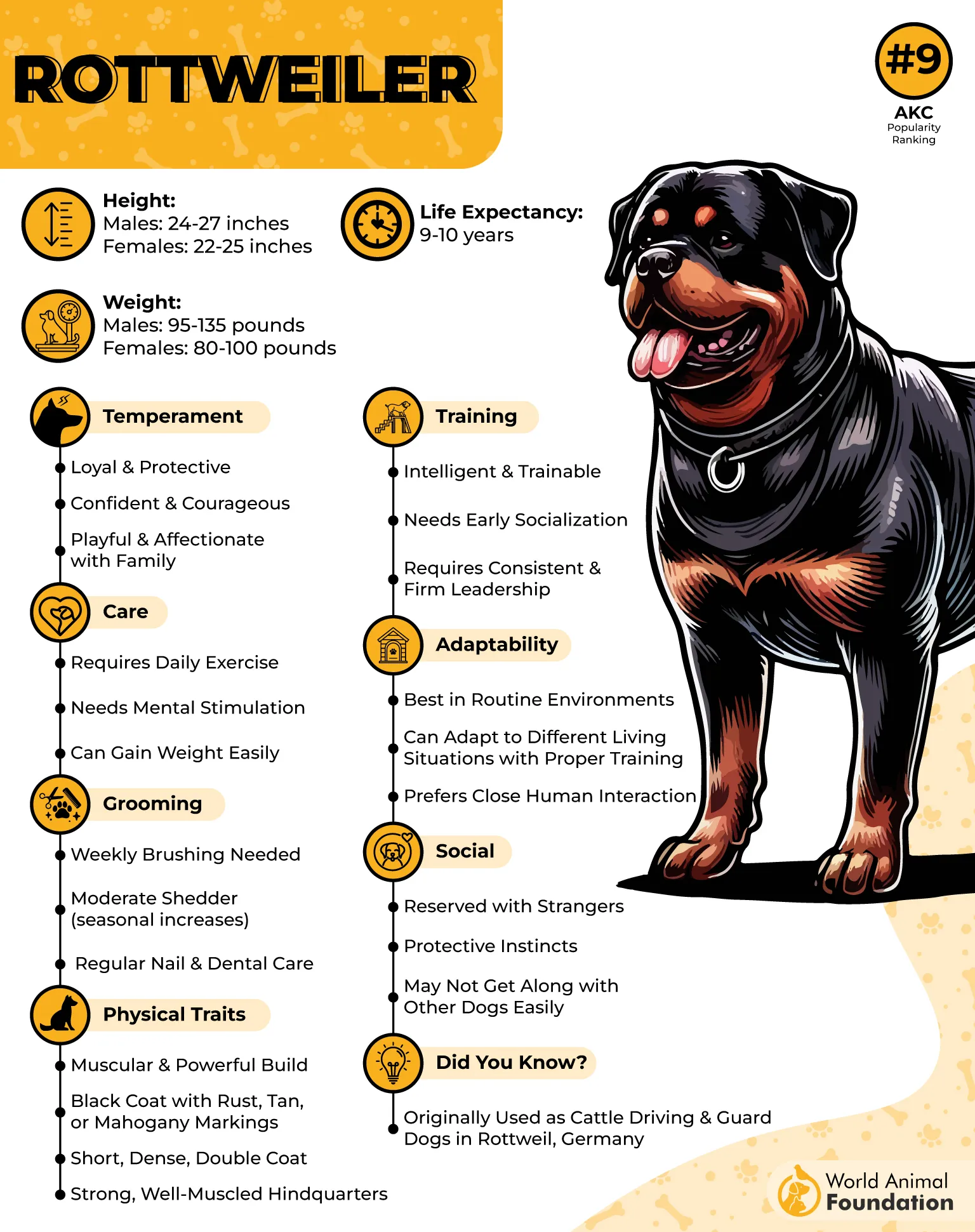
These guard dogs have moderate to high energy levels and need around 60 minutes of activity a day, as PetMD notes. They’re highly intelligent but also independent, so obedience training and early socialization are key to raising a well-mannered guard dog.
2. Broholmer
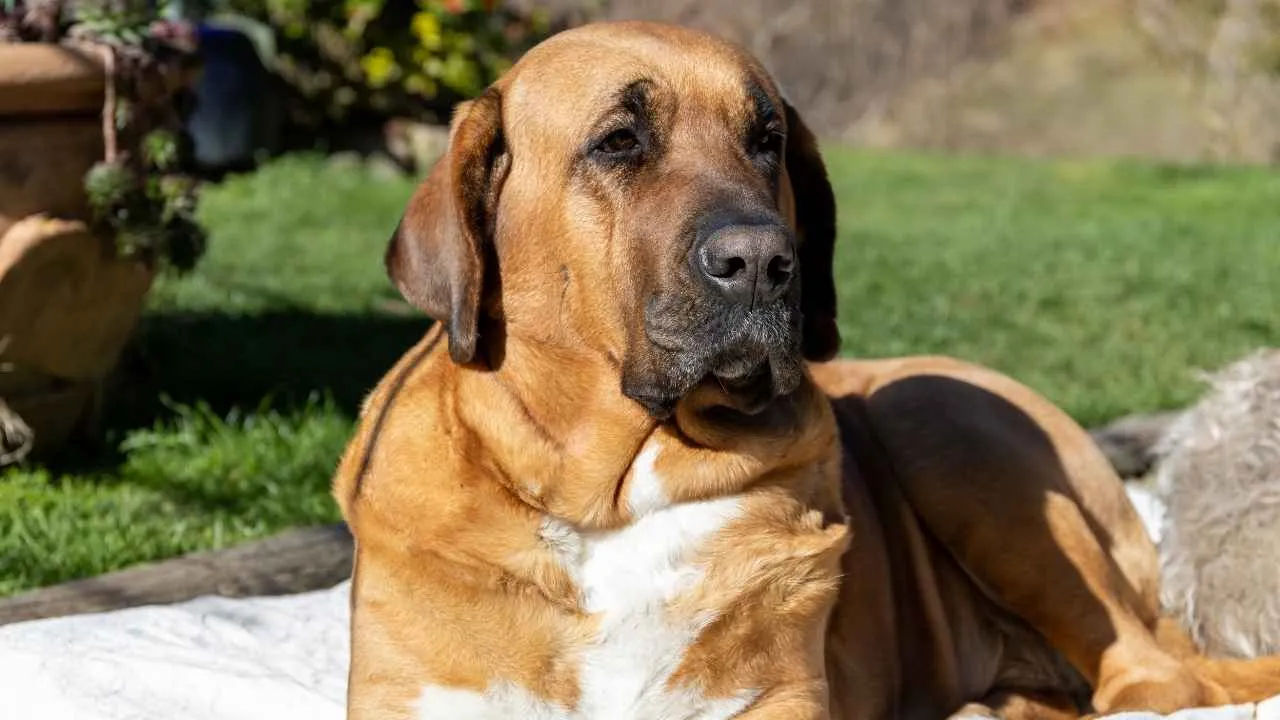
Broholmers are calm, good-natured, patient, and deeply devoted to their families. They have a gentle nature and usually get along well with other dogs and children. That makes them a great family guard dog, even though they were originally used for hunting.
These low-maintenance dogs have short coats that shed moderately and need brushing about once a week. Their massive, imposing build and deep, resonant bark make them excellent guard dogs.
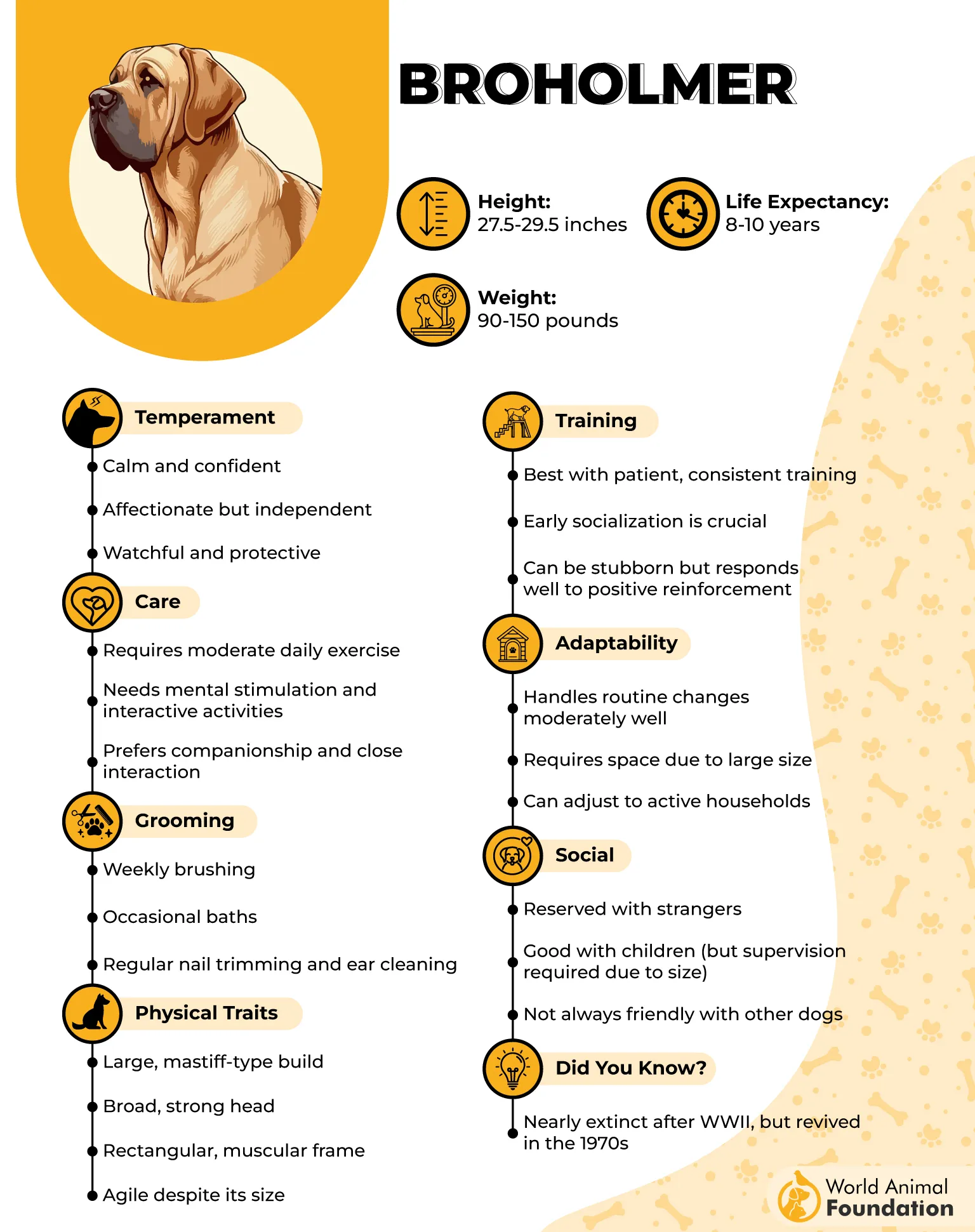
They generally need about 45-60 minutes of daily exercise to stay mentally stimulated. Avoid high-impact jumping and forced running while they’re still growing, since it can strain their developing joints. They also do best with experienced owners.
3. Great Dane
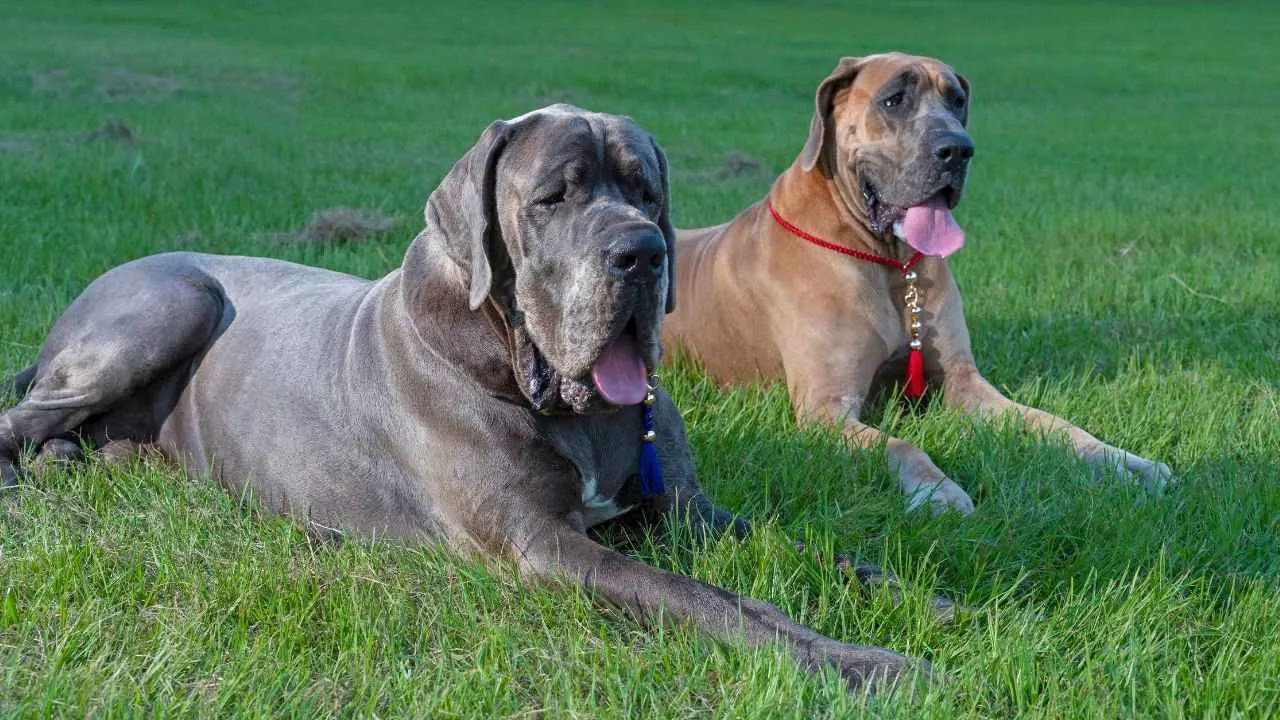
Great Danes are affectionate, loyal gentle giants, known as the “Apollo of Dogs,” as the AKC notes. They were originally bred to hunt wild boar, which called for size, strength, and fearlessness.
These large dogs have a very short coat that needs minimal upkeep, with no clipping or professional styling. Their laid-back indoor manner also makes them good family protection dogs, and their size and protective instincts do the rest.
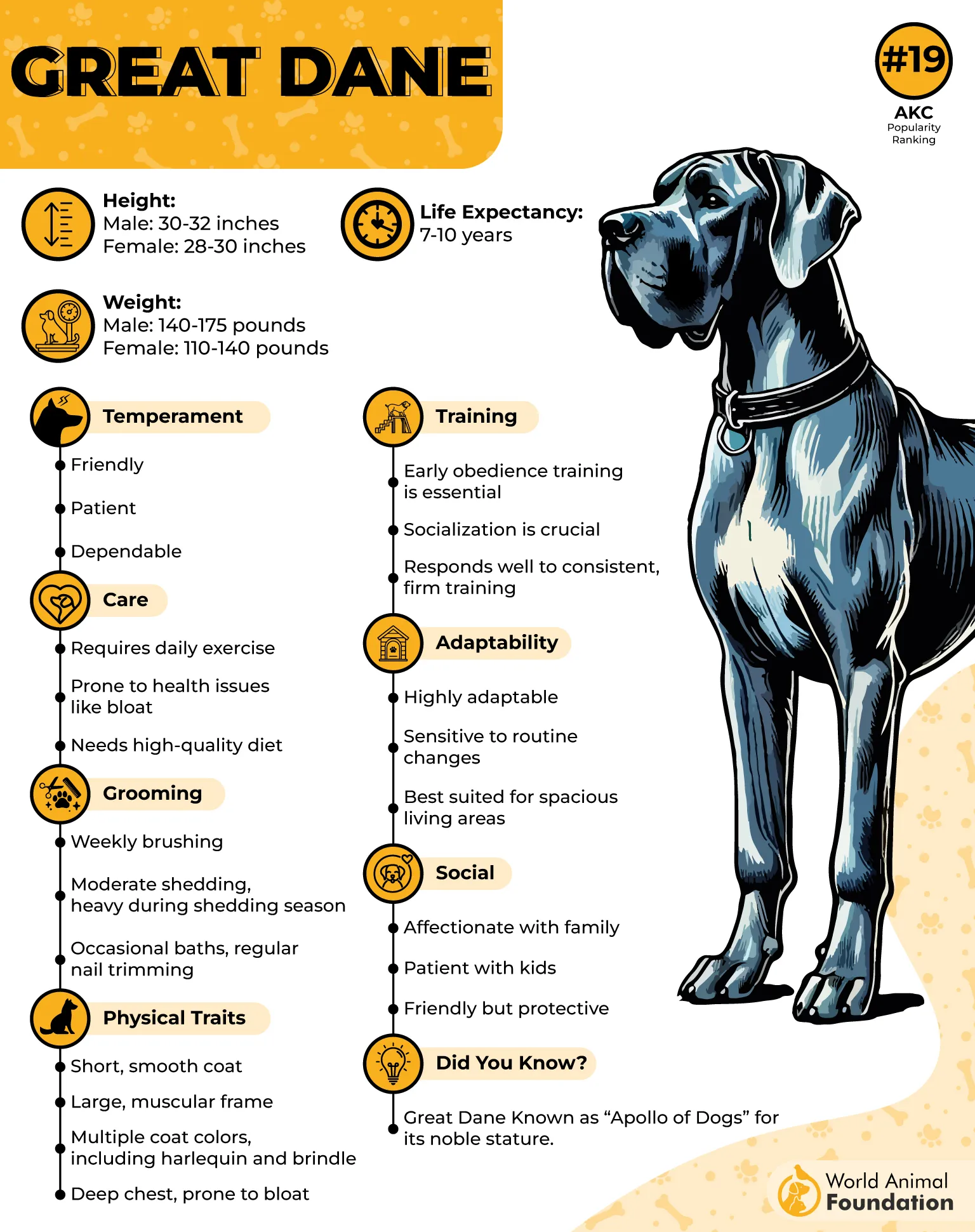
Great Danes have moderate energy levels and need about 45-60 minutes of daily exercise. They’re eager to please but can show an independent streak if training gets repetitive. These long-legged breeds respond best to positive reinforcement and reward-based training.
4. Bullmastiff
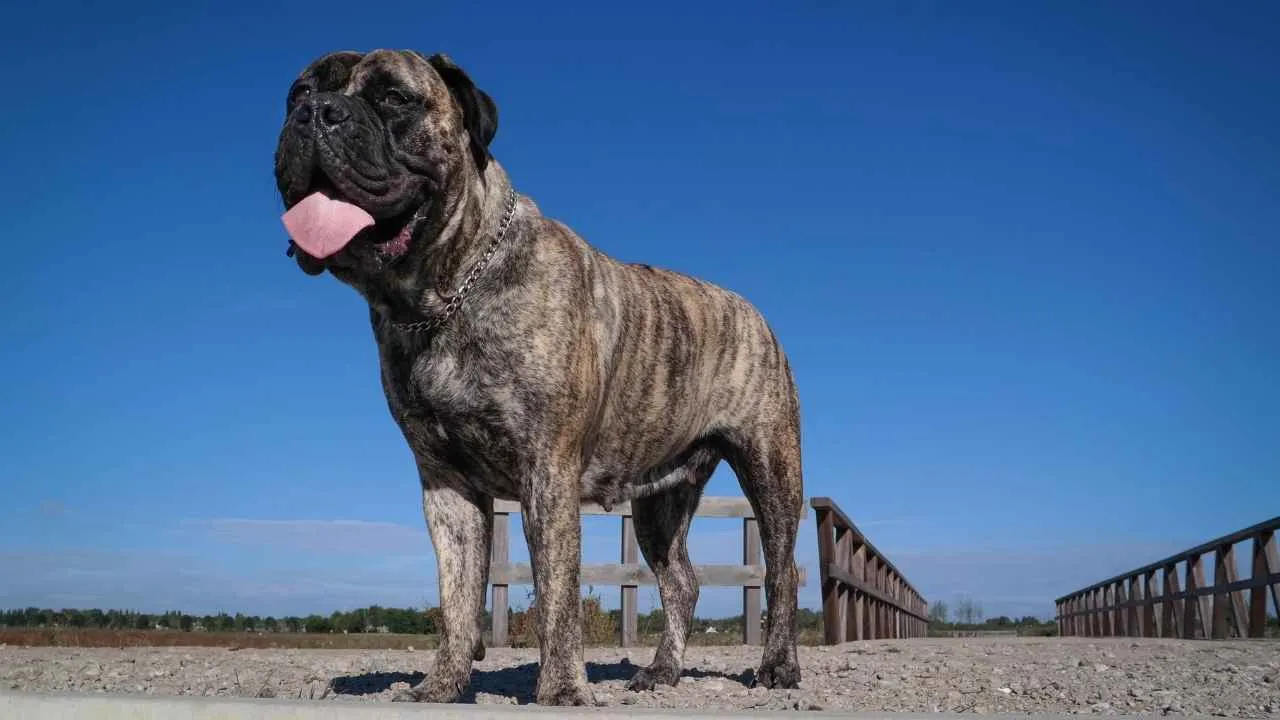
Bullmastiffs are known as gamekeeper’s night dogs because they were bred to patrol large country estates at night alongside gamekeepers. These large dogs are gentle, patient, and good-natured with the children in their own household, but they have strong guarding instincts.
They’re quiet observers who rely on confidence and smart positioning to handle threats rather than barking at every minor disturbance. These muscular dogs also have a powerful bite force of around 550 PSI.
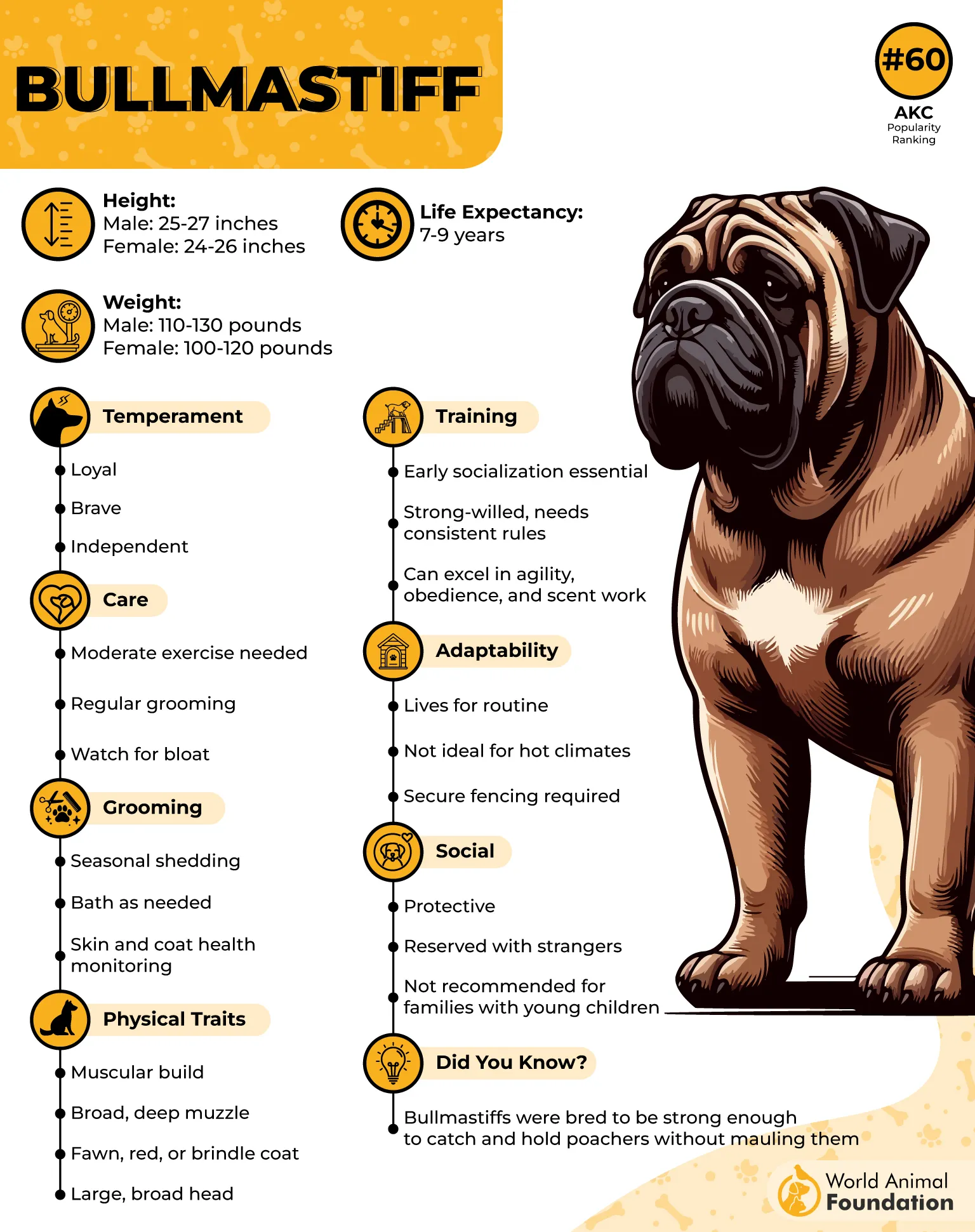
Bullmastiffs don’t have high endurance, so about 30-45 minutes of exercise a day is enough. They enjoy relaxed walks, sniffing, and gentle movement. They’re moderately independent thinkers, so patience and positive reinforcement go a long way in training.
5. Cane Corso
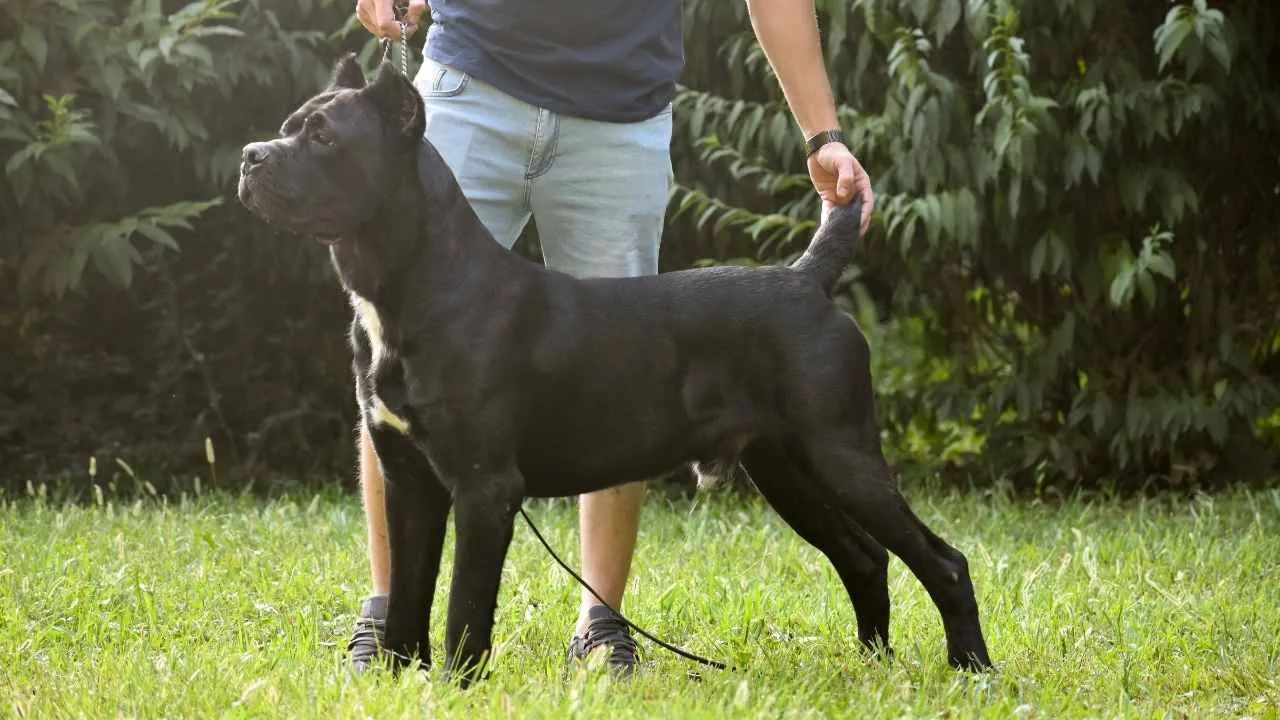
Cane Corsos are fiercely loyal, intelligent, and deeply protective. They have a serious, imposing manner when guarding, but they’re affectionate, calm, and eager to please within their inner circle. These giant breeds were originally bred as versatile farm guardians.
They combine natural guarding instincts with a muscular build, imposing size, and one of the strongest bite forces among dogs, at around 700 PSI. Their single coat is low maintenance, needs very little grooming, and doesn’t trap heavy outdoor debris.
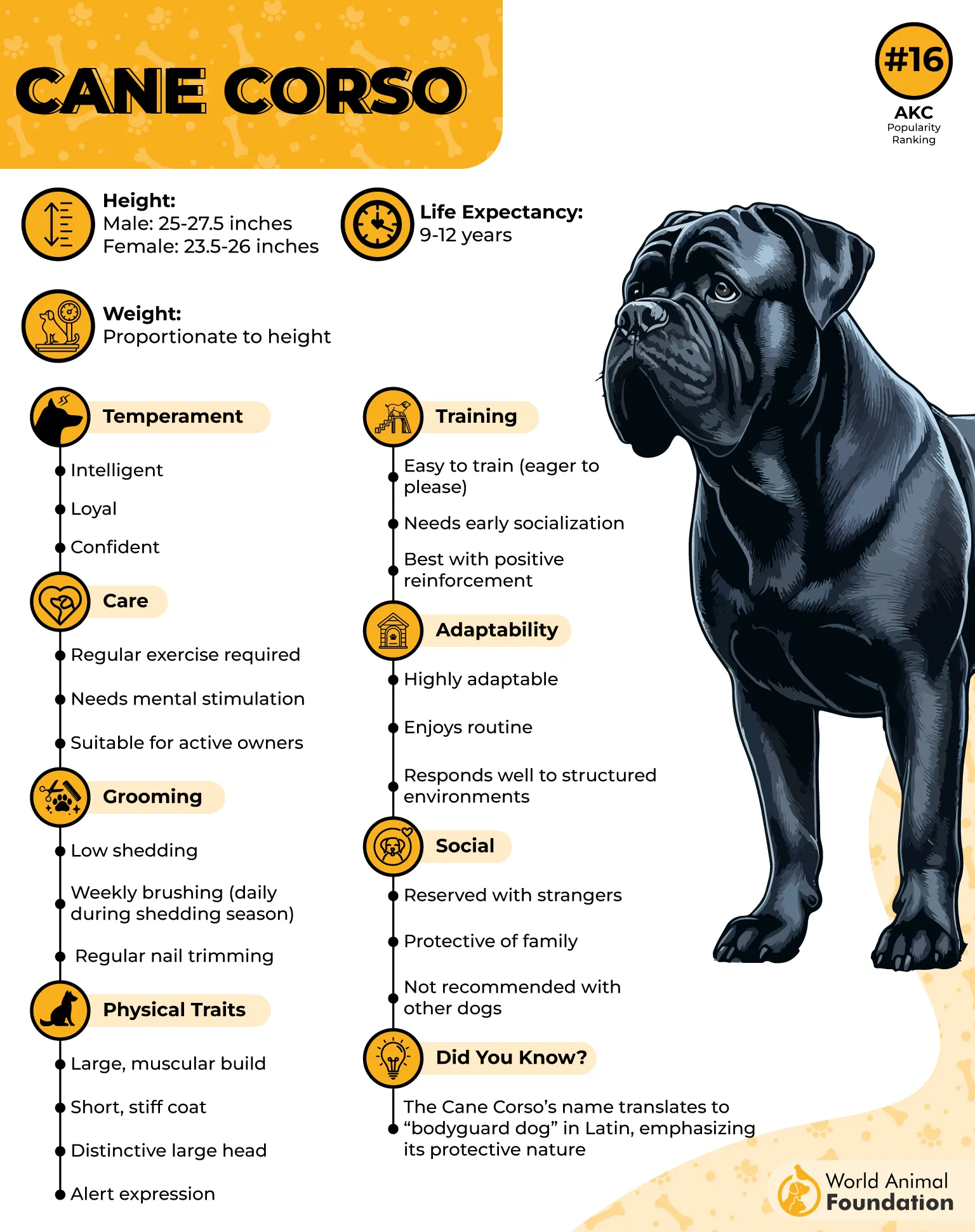
Cane Corsos have high energy levels and need 60-90 minutes of exercise a day. They’re highly alert but also sensitive, as Hill’s Pet notes. They need experienced owners who can manage their independent streak and offer consistent leadership.
6. Boxer
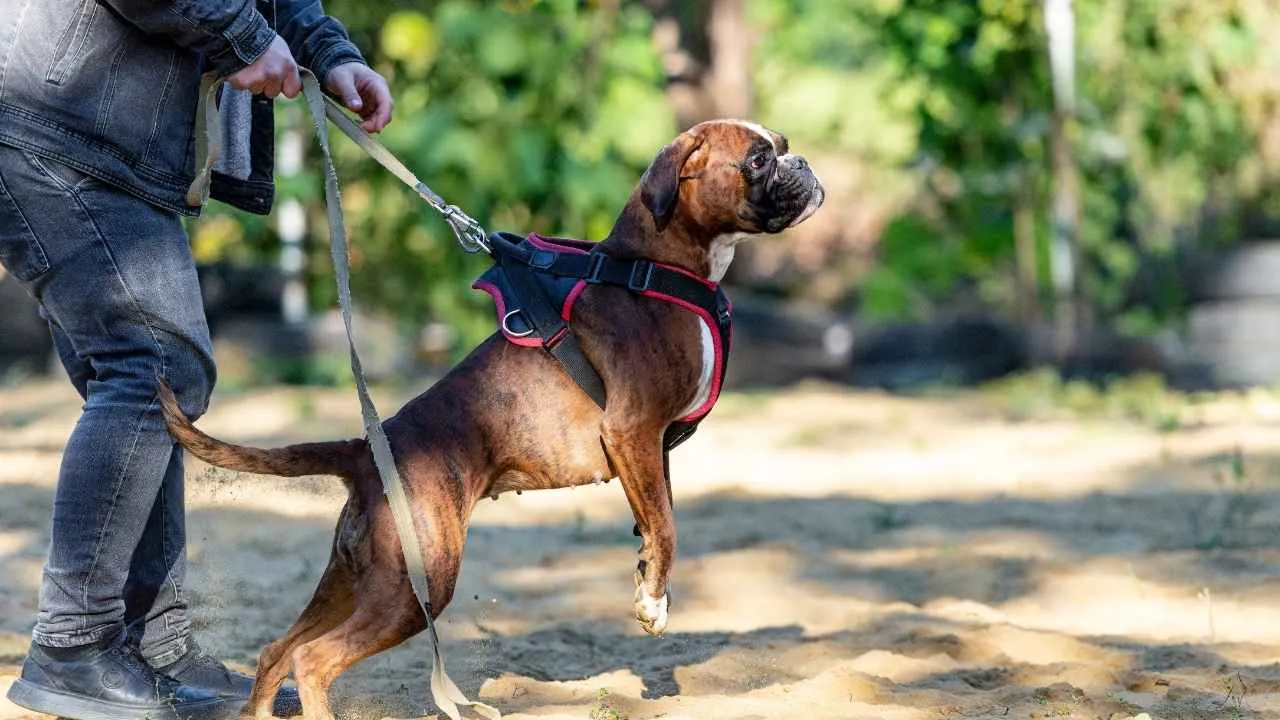
Boxers are high-spirited, playful, affectionate, and deeply loyal. They’re fun-loving with their families and have courageous guardian instincts. These medium-large dogs were originally bred for hunting large game, especially tracking, catching, and holding it.
That heritage gives them athletic agility, a muscular build, and deep-rooted courage. They also have a strong bite force of around 230-250 PSI. Their short, smooth coat lies flat against the body, so grooming needs are minimal. They shed lightly and need brushing about once a week.
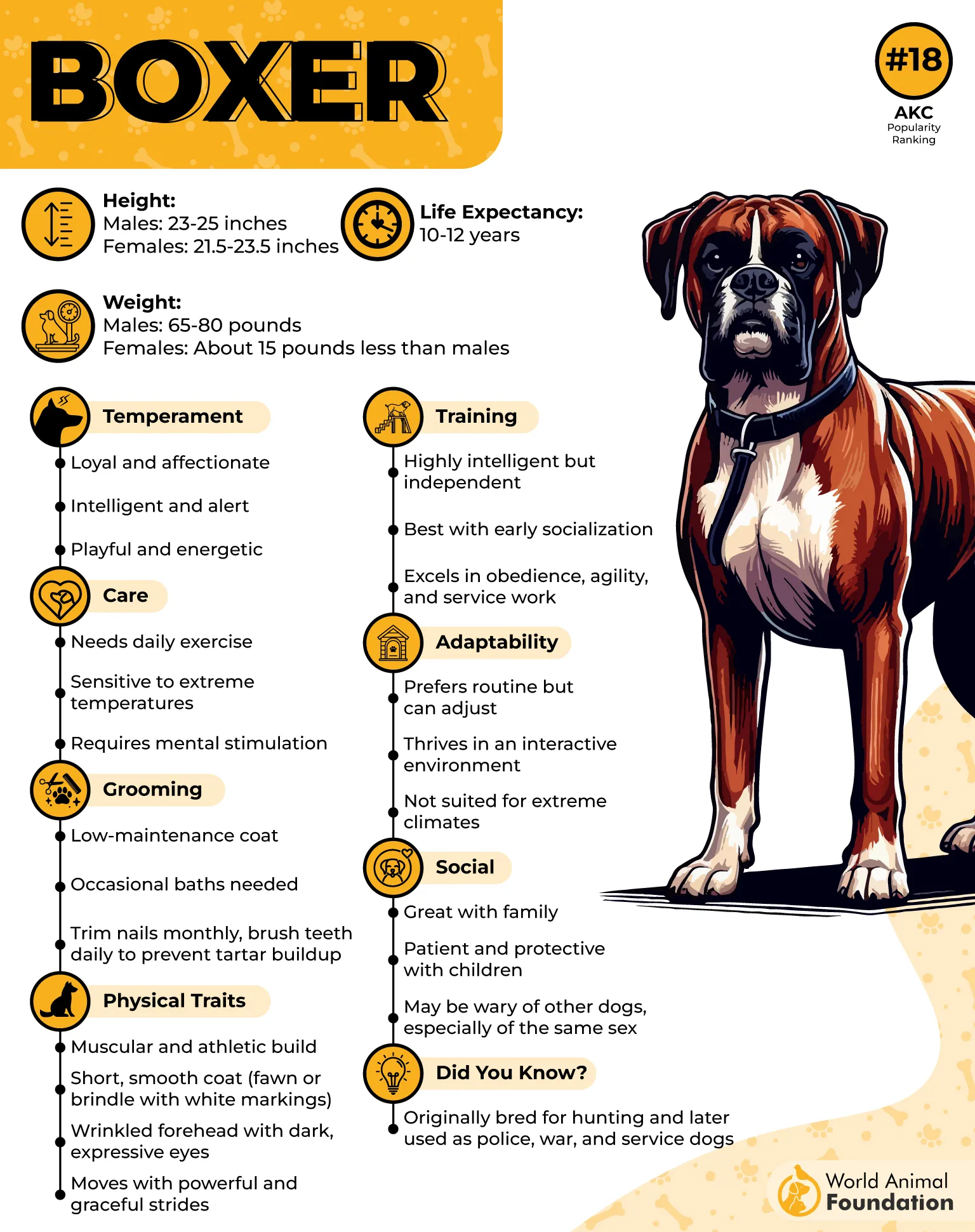
Boxers are highly intelligent, though their independent, puppy-like streak can easily distract them. They need 60-90 minutes of exercise a day to stay mentally stimulated, plus experienced owners who can provide firm leadership and clear boundaries.
7. Dogue de Bordeaux

Dogue de Bordeaux, also called French Mastiffs, are loyal, calm, and deeply affectionate. They have a serious resting face and a powerful presence, but they’re famously gentle and sweet with their household. These large dogs were developed for guarding castles and hunting.
They have incredible muscle mass and a strong bite force of around 556 PSI. They don’t have high endurance, so about 30-40 minutes of daily exercise is enough to keep them mentally stimulated. Because of their stubborn, thoughtful nature, they do best with experienced owners.
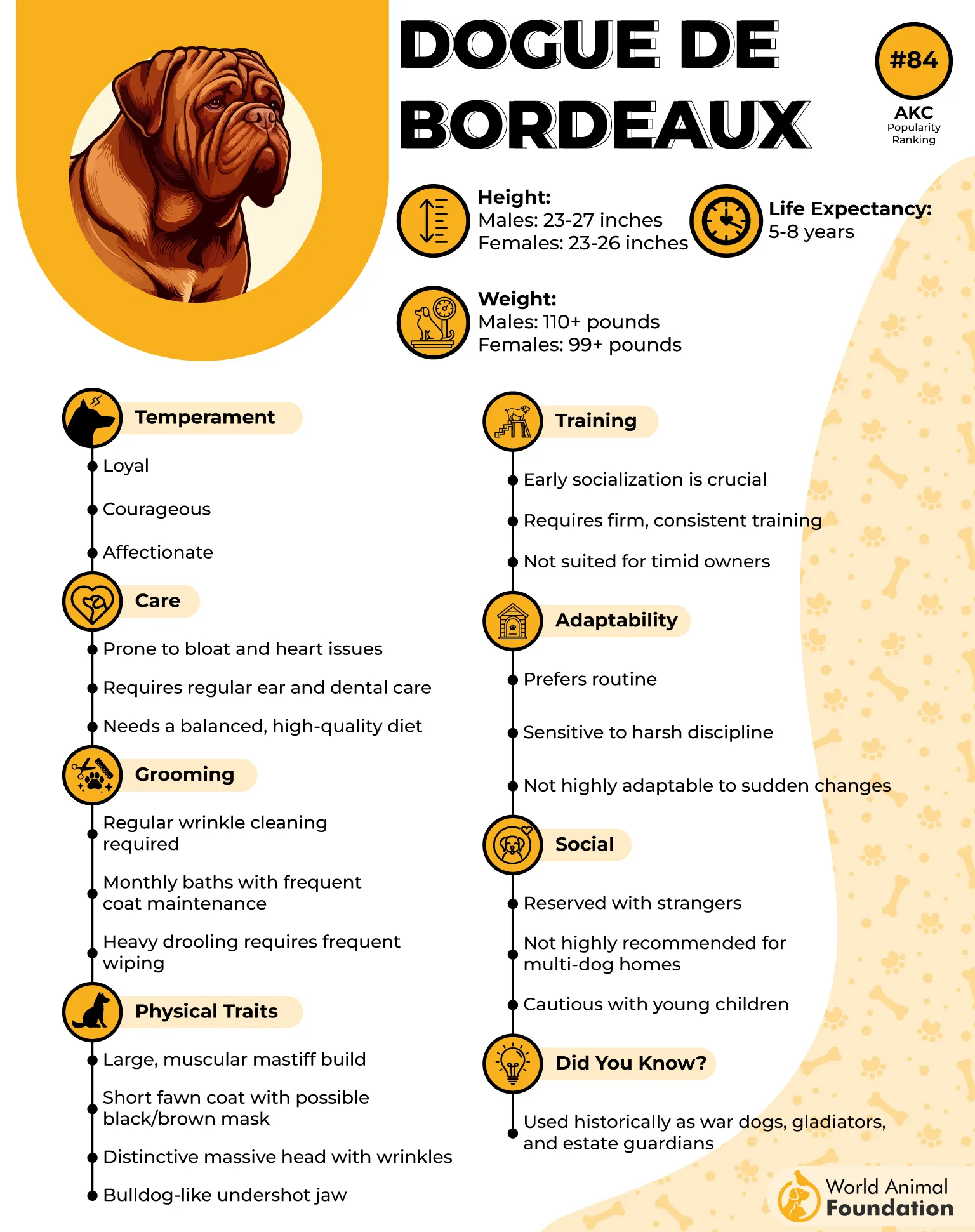
Positive reinforcement training and early socialization are essential. Their short coat sheds a little and needs a quick weekly brush to clear away loose hair.
8. Boerboel
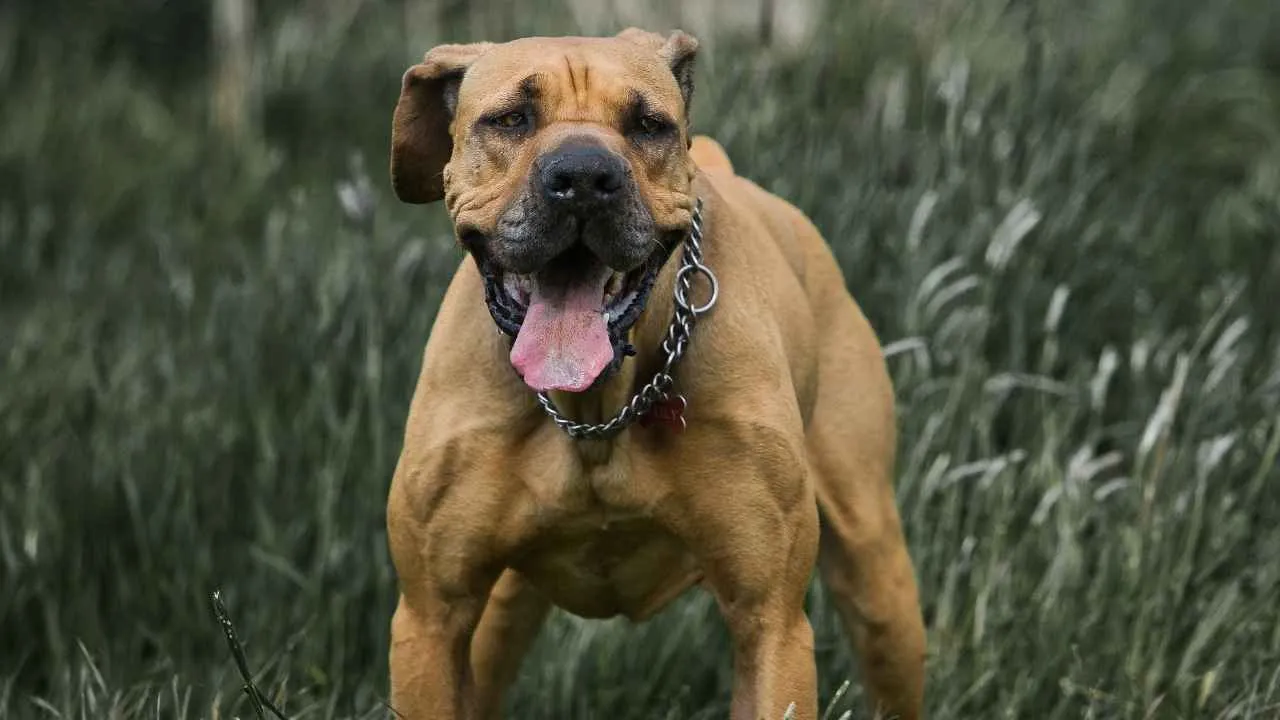
Boerboels were developed as multipurpose farm and homestead guardians. They’re loyal, calm, confident, and quick to protect their families. These protection dogs have dense bones and a powerful frame, and their strong bite force can help deter intruders.
They protect their homes with fearless courage and a readiness to confront threats. Boerboels have moderate energy levels and need about 45-60 minutes of daily exercise, as Zooplus notes. They have an independent streak, so they need experienced owners.
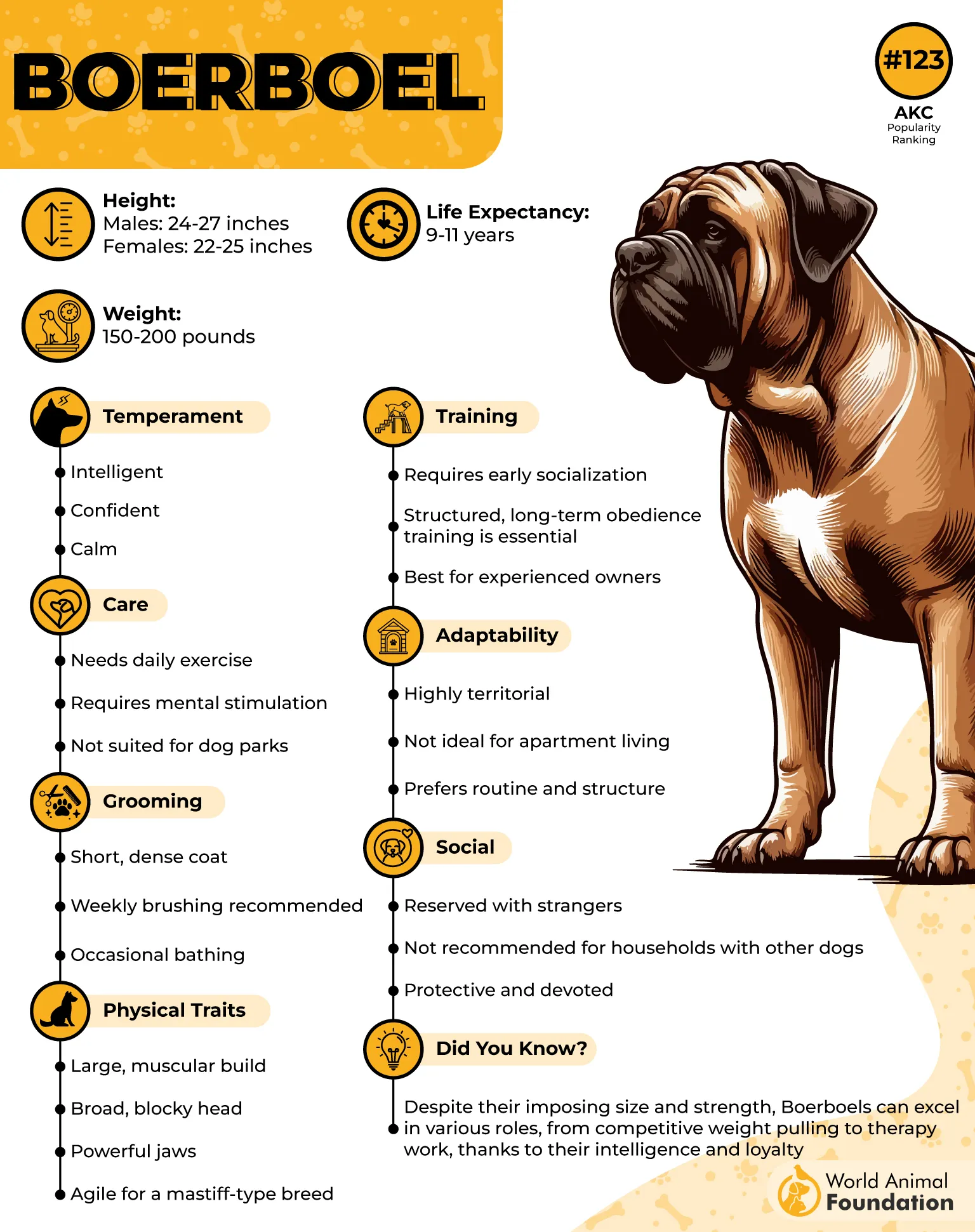
They respond well to calm, consistent, firm, reward-based training. Their short coat sheds all year moderately, and more heavily during seasonal sheds, so regular brushing helps clear dead hair and keeps the coat healthy.
9. Rhodesian Ridgeback
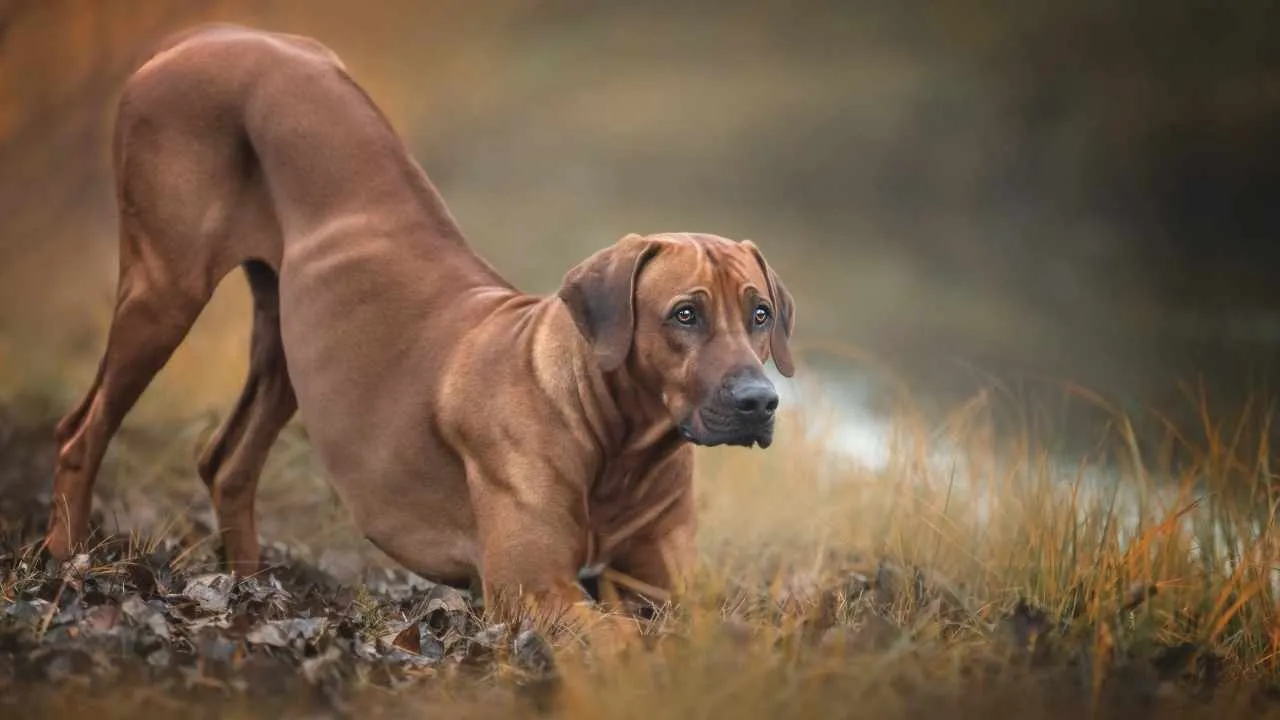
Rhodesian Ridgebacks are loyal, intelligent, and deeply affectionate with their families. They’re known for the ridge of hair that grows backward along their backs. RRBs have strong natural protective instincts and an aloof manner with strangers, preferring to observe quietly.
These large dogs were bred to track and bay at large animals, which gave them exceptional speed, endurance, and agility. They protect their homes through spatial awareness and an imposing presence. They have high energy levels and need 60-90 minutes of activity a day.
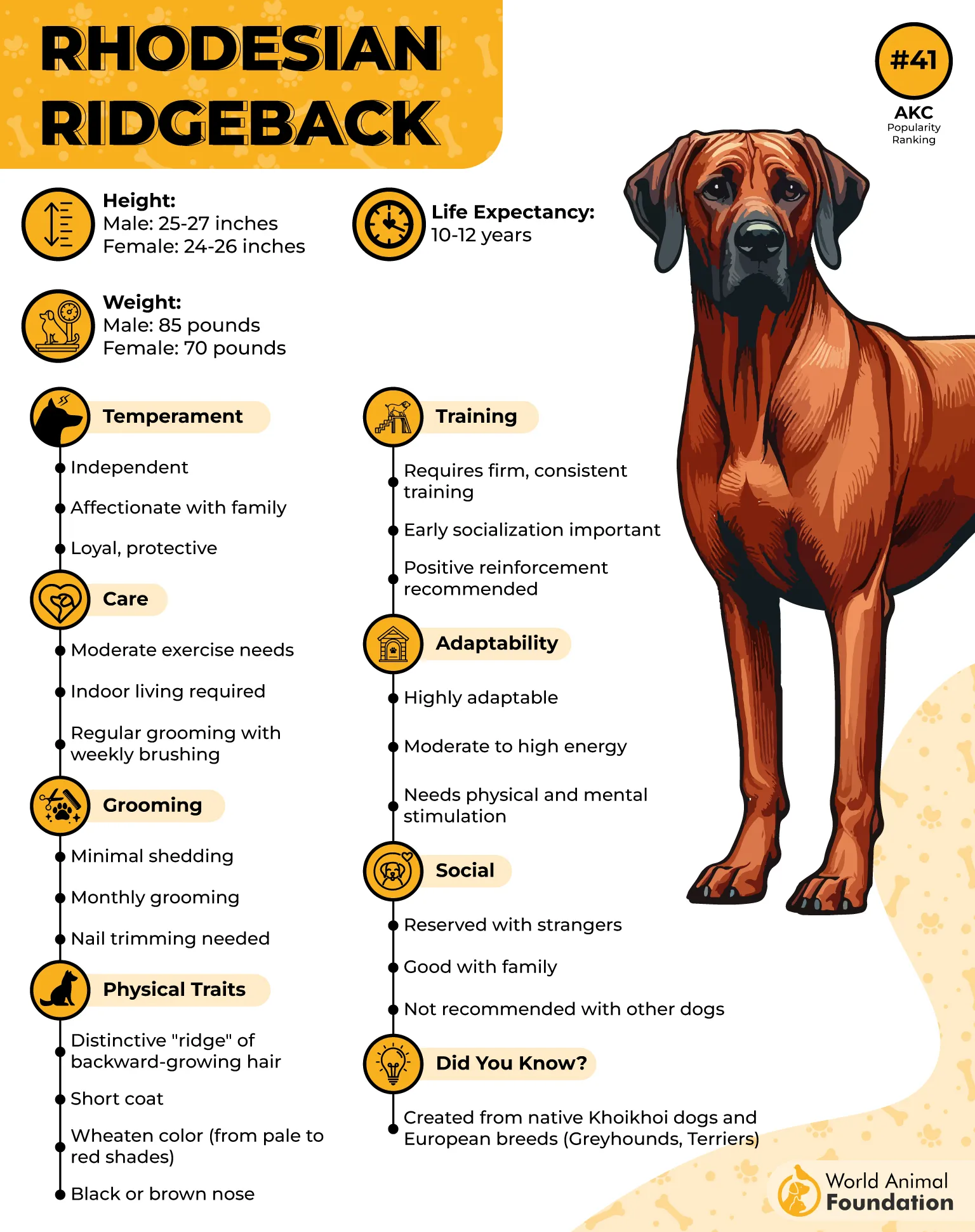
They enjoy brisk hiking, secure off-leash sprinting, and long-distance running. Ridgebacks have a strong independent streak, so they need confident handlers and reward-based training. Their low-maintenance short coat needs brushing about once a week.
Conclusion
Great guard dogs are great to have, but many of them demand a lot of attention and upkeep. The nine protective dog breeds above all have short coats that lie flat against the body, so there’s no professional styling or clipping to deal with. Their brushing needs and shedding levels do differ, though.
They also vary in personality, bite force, protective instincts, build, and stamina, which is why we’ve covered each of these factors to help you find the right match. Just remember that how you train your guard dog shapes how they behave down the road.
Early socialization and obedience training are non-negotiable, no matter which pup you choose. If the dog will live with a family, also consider its work history and training needs. Most of these breeds have an independent streak, so socialize them well before introducing them to children.
