




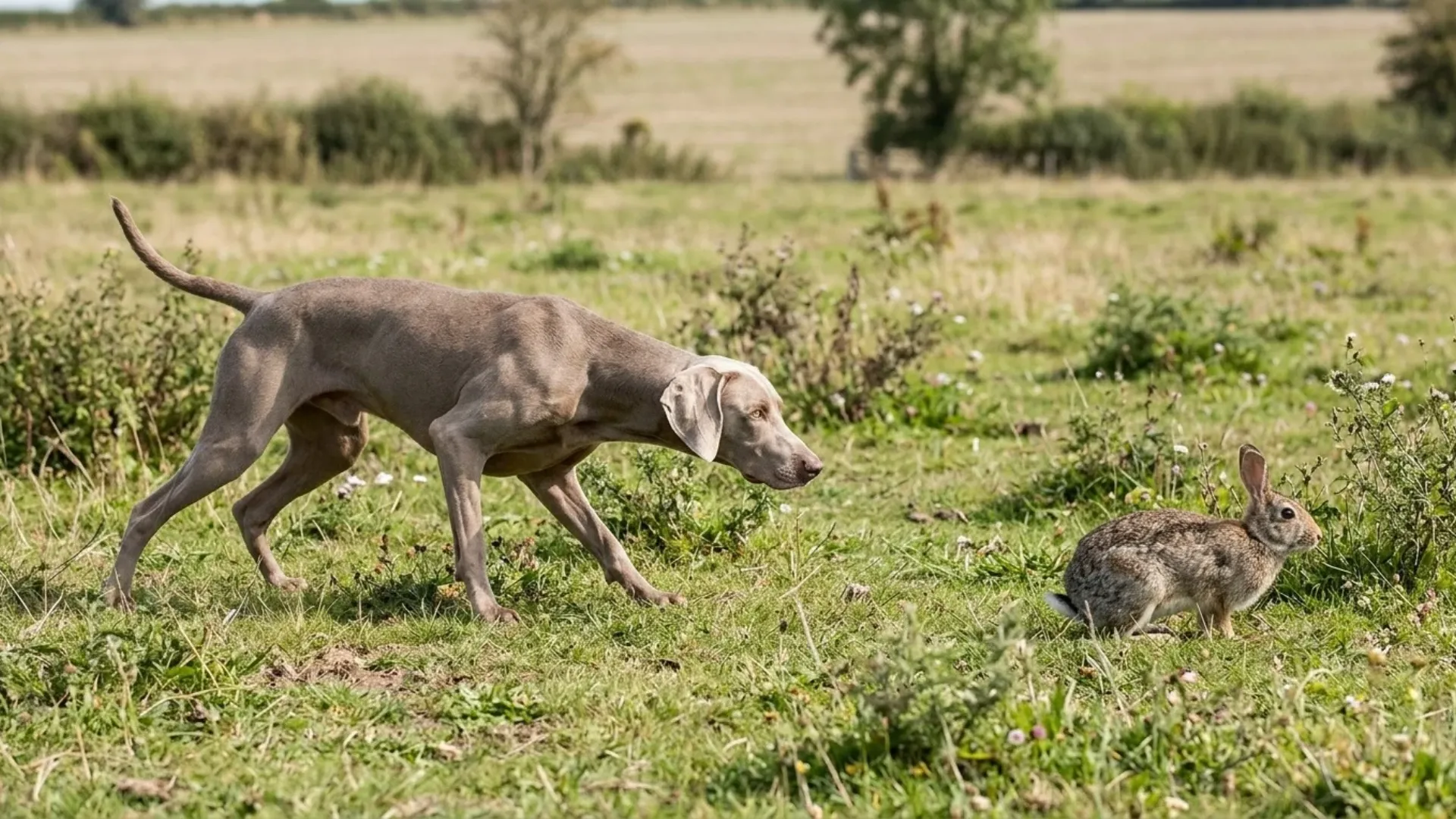
Here’s a stat that stops some dog owners in their tracks. A 2019 study found that genetics explained 60 to 70 percent of variation across breeds for traits like predatory chasing, stranger-directed aggression, and attention seeking.
A 2019 study on canine behavior found predatory chasing ranks among the most heritable traits across dog breeds, right alongside aggressive tendencies. That means this is basic instinct, not a training problem.
Some dog owners assume a calm, loving personality at home means a calm dog outdoors, and that assumption rarely survives first contact with a squirrel.
What flips that switch, and how long it stays flipped, depends entirely on the dog breed in front of you.
Learn how to tell exactly which kind of chaser you are living with, and what it actually takes to keep everyone safe once that switch flips.
Amazing Dog Breeds Known for Intense Prey Drive
1. Siberian Husky
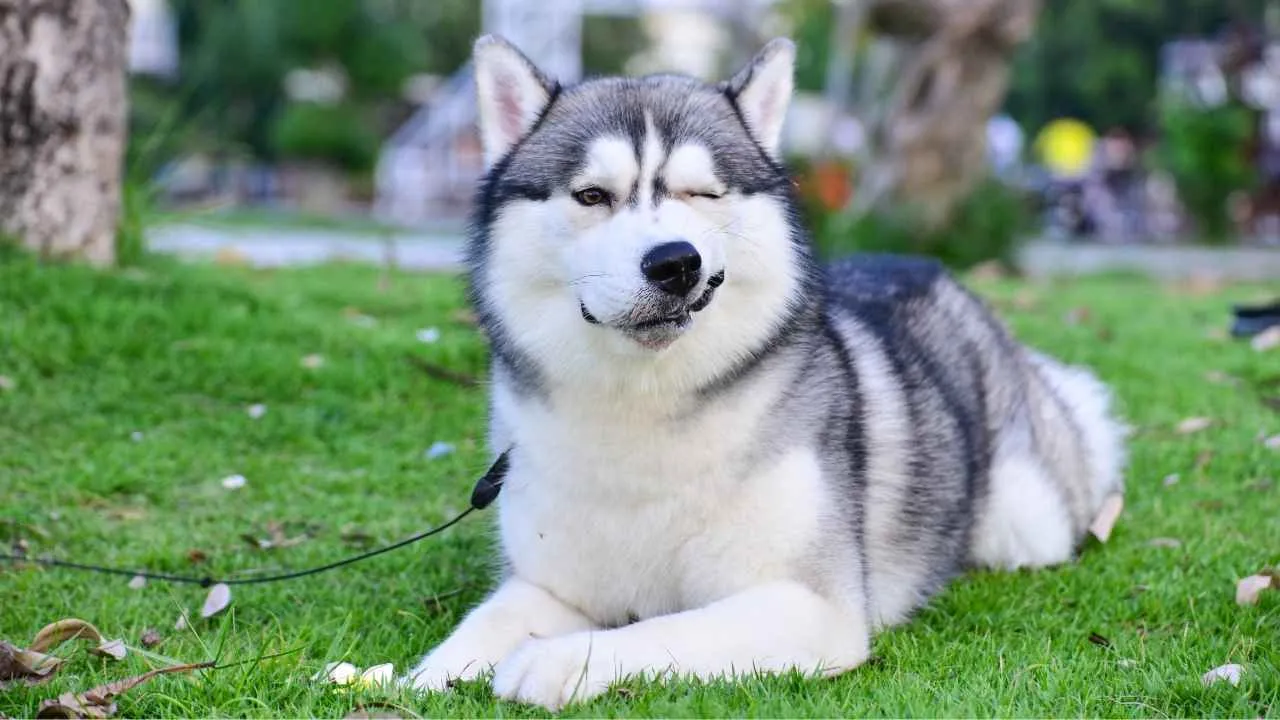
The Siberian Husky was bred to pull sleds for hundreds of miles across the Arctic, so endurance was built into this breed from day one. The AKC notes it is also a natural escape artist with a strong prey drive, and that same stamina fuels the chase.
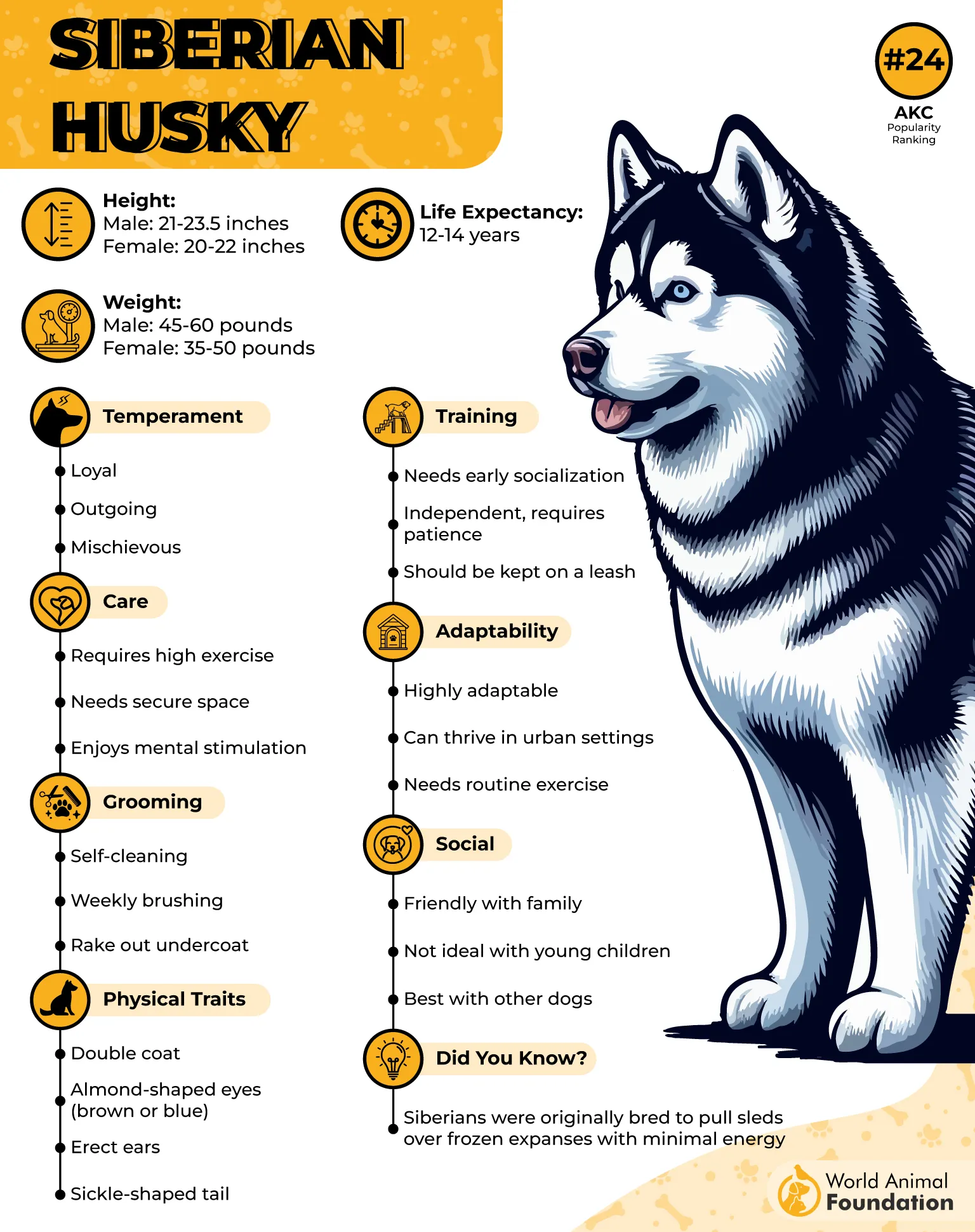
This is a marathon chaser, not a sprinter. A rabbit or a cat darting across the yard can send a Husky running for real distance, well past where most dogs would quit.
Energy plan: Give a husky a long structured run or sled-style pulling session before unsupervised yard time, because tiredness alone will not stop a determined chase.
A tired Husky is not a safe Husky. This breed’s hunting drive barely dips with fatigue, so a secure fence always beats trusting a worn-out dog near smaller animals.
2. Weimaraner
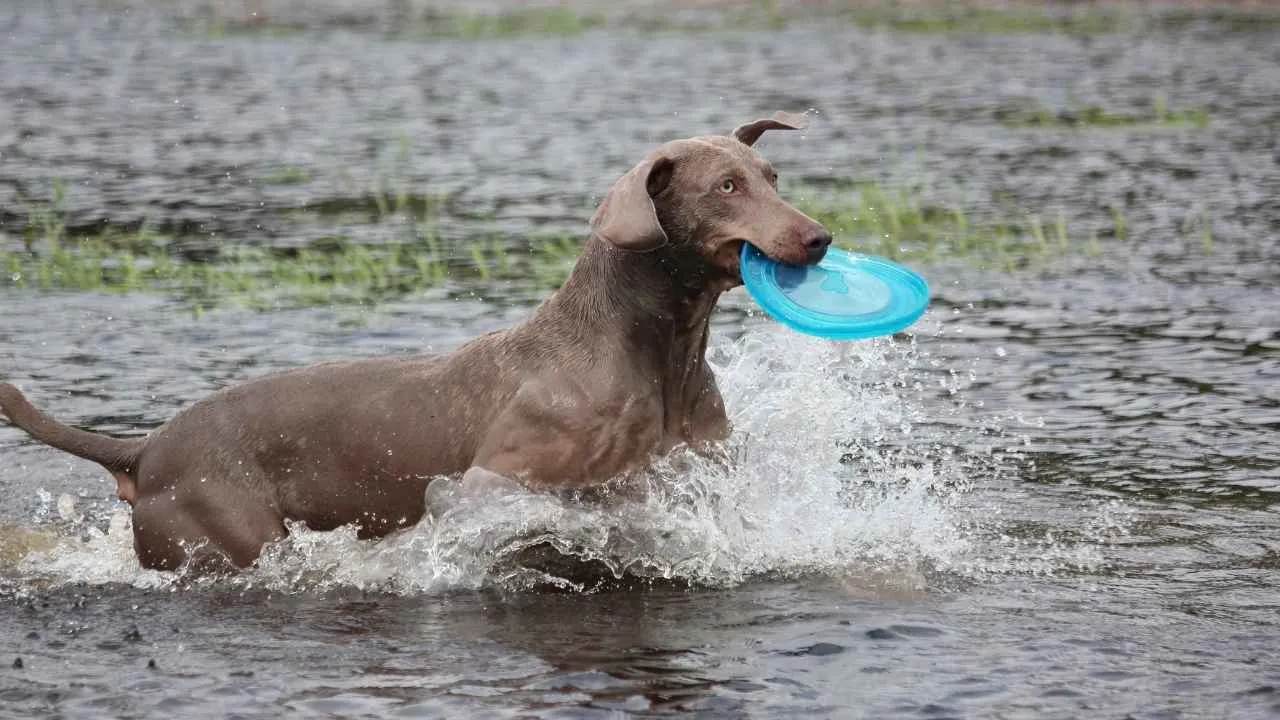
German nobility bred the Weimaraner to track big game like boar and deer across huge forest estates all day. That job demanded steady output and an extra dose of stamina, not a single quick burst.
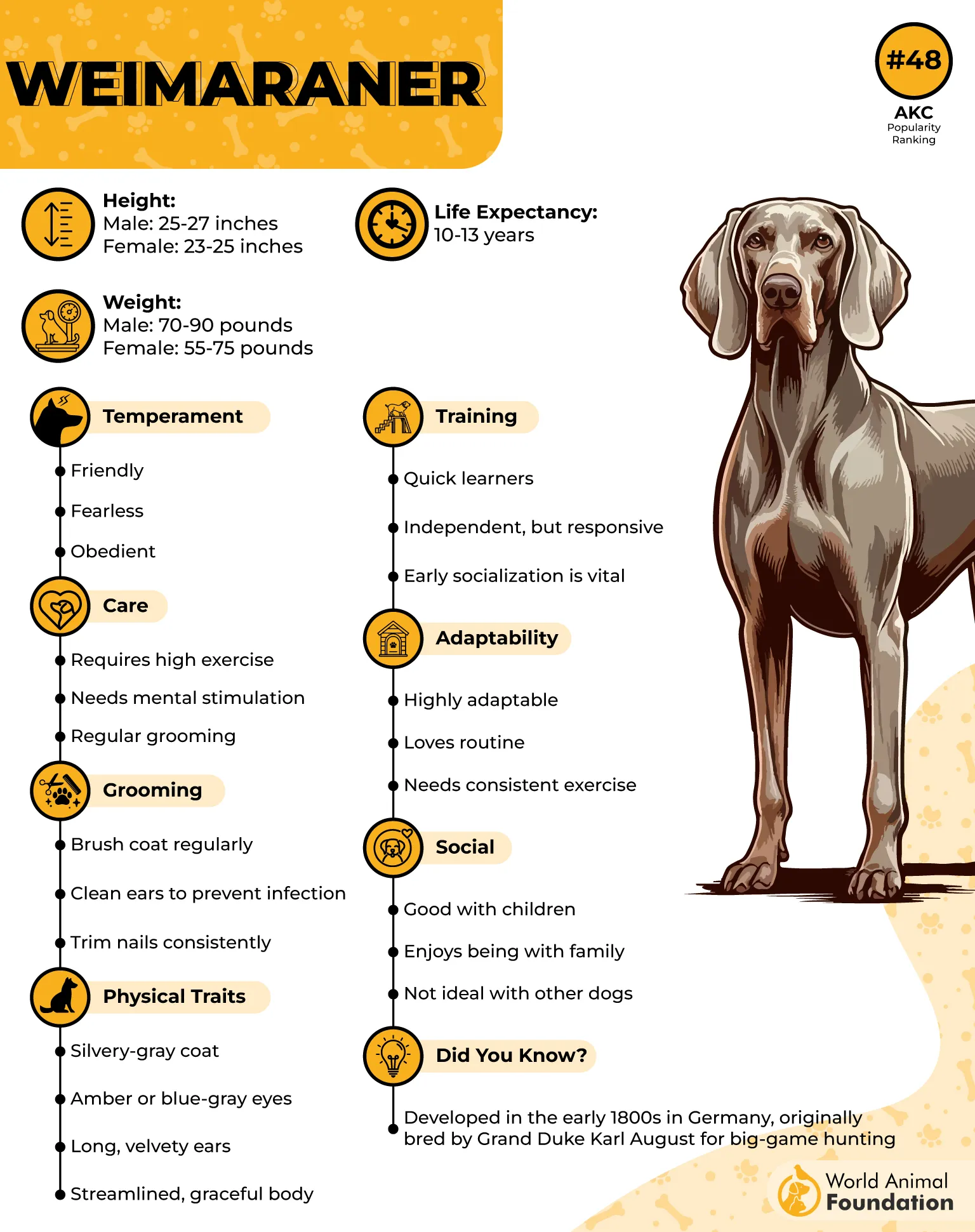
This is a marathon breed through and through. A jogger, a cyclist, or a deer crossing its path off leash can pull a Weimaraner into a genuinely long pursuit, because sustained chasing is exactly the job it was built for.
Energy plan: Pair daily off-leash time in a securely fenced field with scent-tracking games, so this breed’s drive gets used up on structured distance instead of a surprise chase.
A Velcro dog this attached is often assumed to stay close by choice alone. That tight bond does not cancel out a moving target, so recall training matters just as much as affection.
3. Greyhound
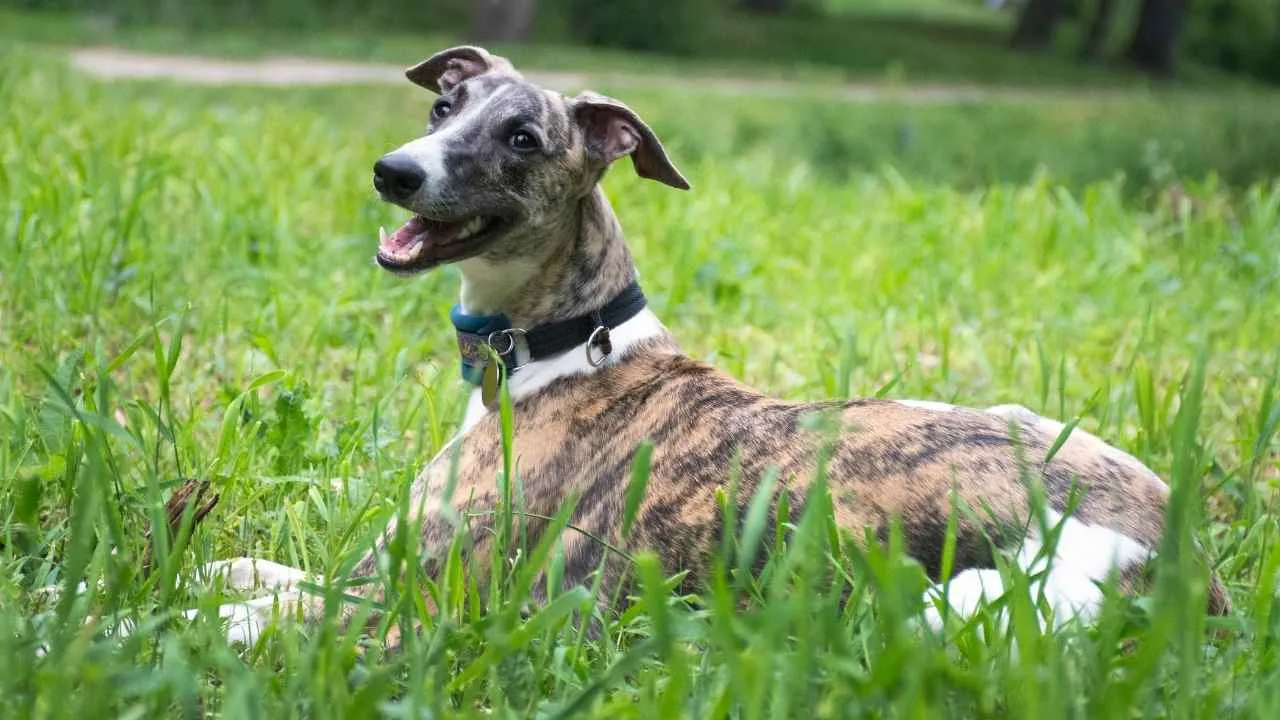
Greyhounds were bred for centuries to chase hares by sight, and modern racing refined that into pure sprint speed. VCA notes that racing selected the breed for short bursts of speed rather than distance.
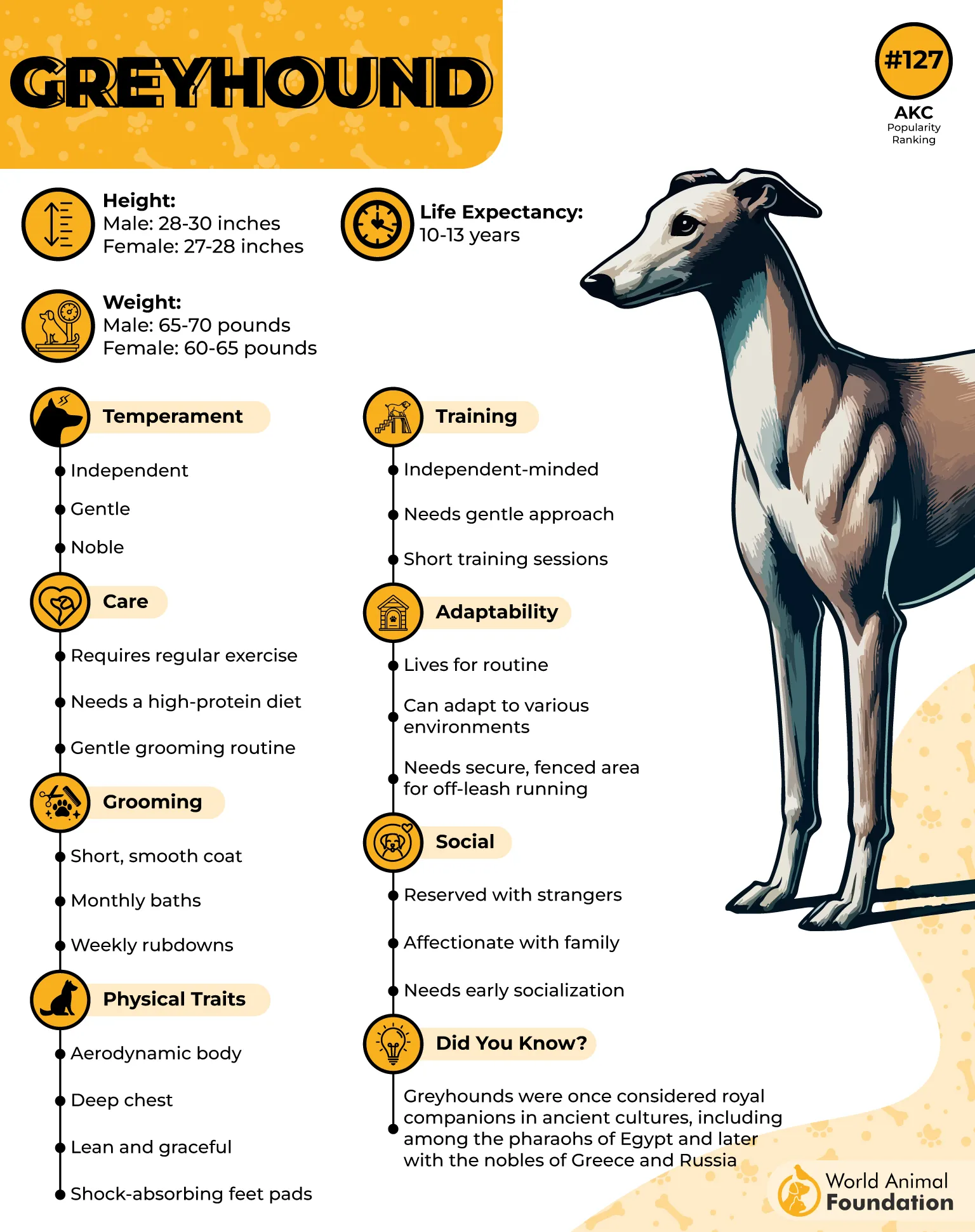
This is a sprint breed, not a marathon one. A squirrel crossing the garden can turn a lounging Greyhound into a blur within seconds, and that same dog is often ready to flop back down minutes later.
Energy plan: Use a few short, flat-out sprints in a securely fenced area daily, since this breed’s drive needs a quick, safe outlet rather than long, slow walks.
A fast dog is often assumed to be hard to manage all day. In reality, this breed’s chase window is brief, and once it closes, a Greyhound makes one of the most relaxed household pets around.
4. Belgian Malinois
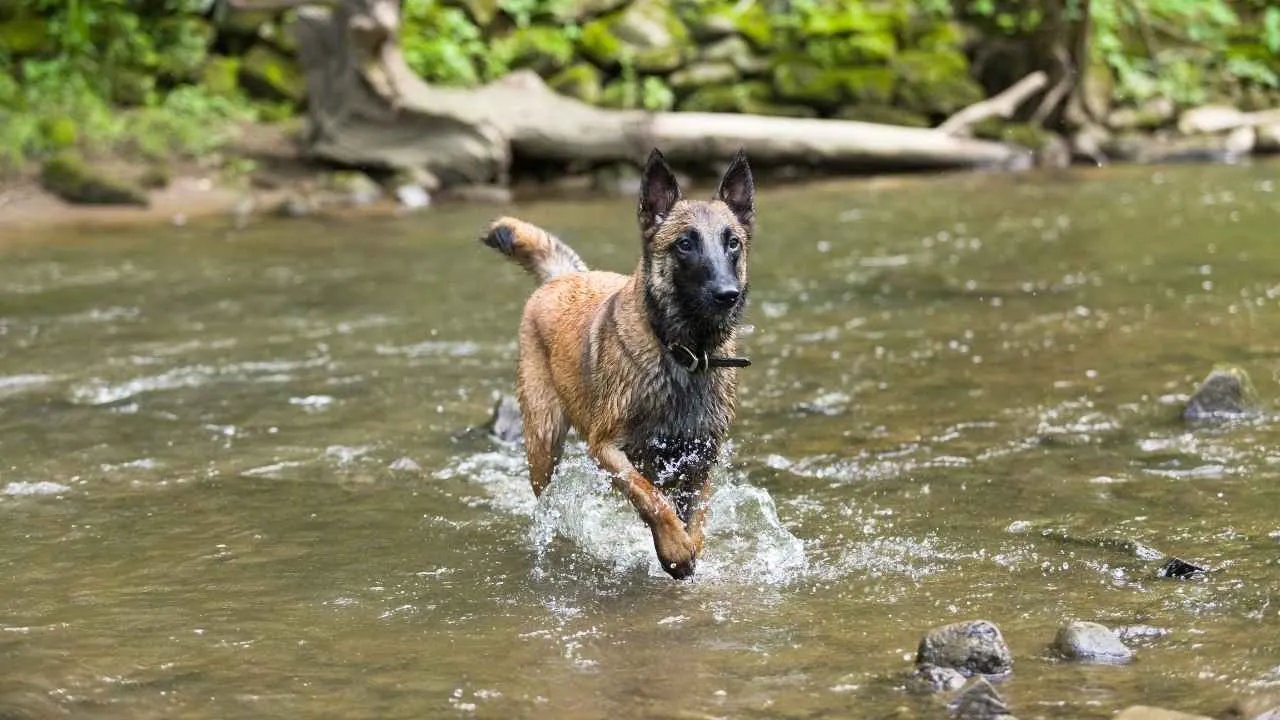
The Belgian Malinois started out herding livestock before police and military units picked the breed for its relentless drive. That same drive gave the breed serious staying power on the job.
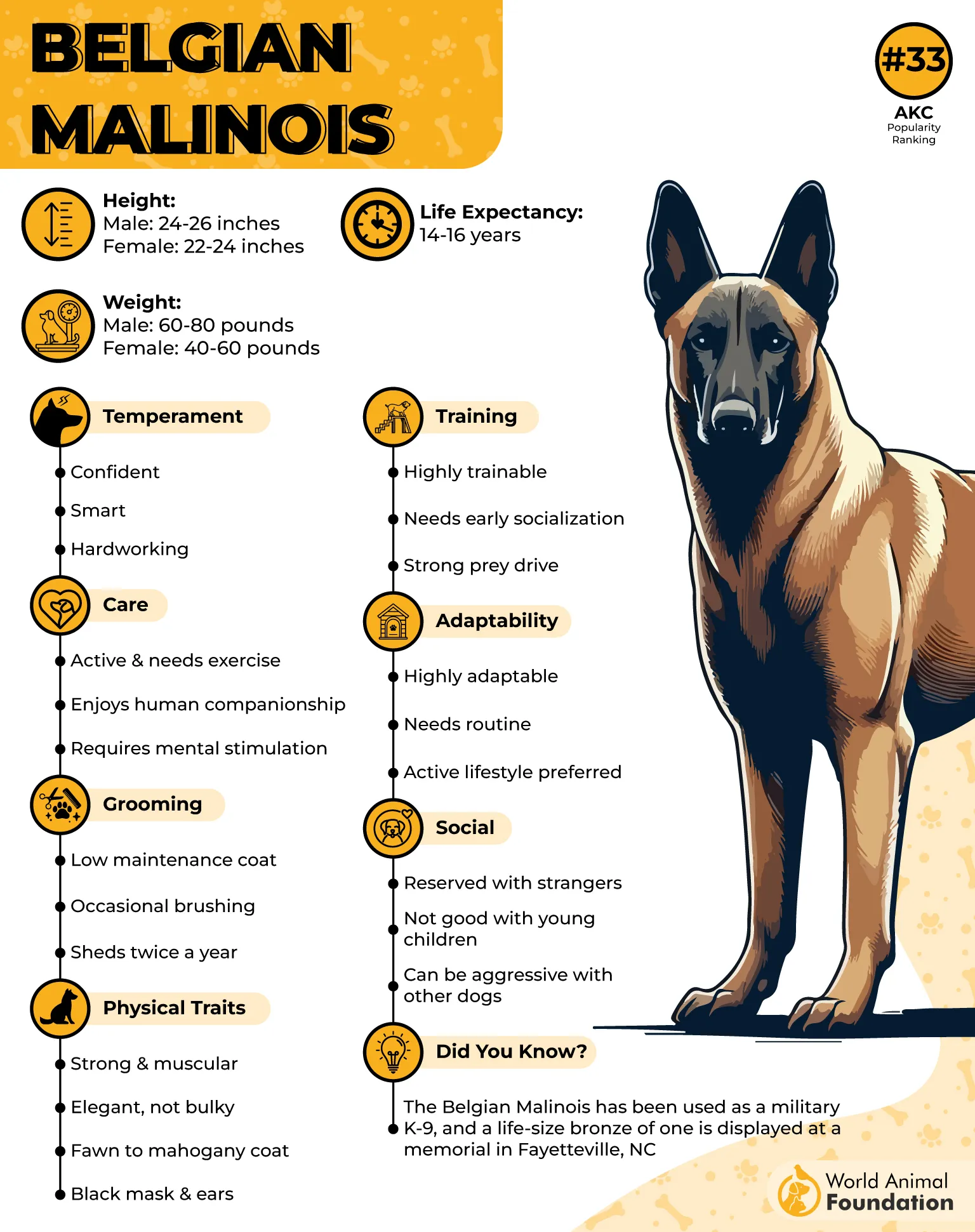
This breed runs in marathon mode. Once it locks onto a moving target, a stray cat, a bike, or a jogger, it can stay fixated and keep working the chase long after a less driven dog would give up.
Energy plan: Channel that focus into structured bite-work, agility, or scent tasks daily, because an under-stimulated Malinois redirects all that drive onto the nearest moving thing in the yard.
People often expect a working police breed to have a built-in off switch, and some mistake its intensity for aggressive tendencies. This breed’s prey drive is a separate trait from aggression, and good recall takes real, consistent work.
5. Jack Russell Terrier
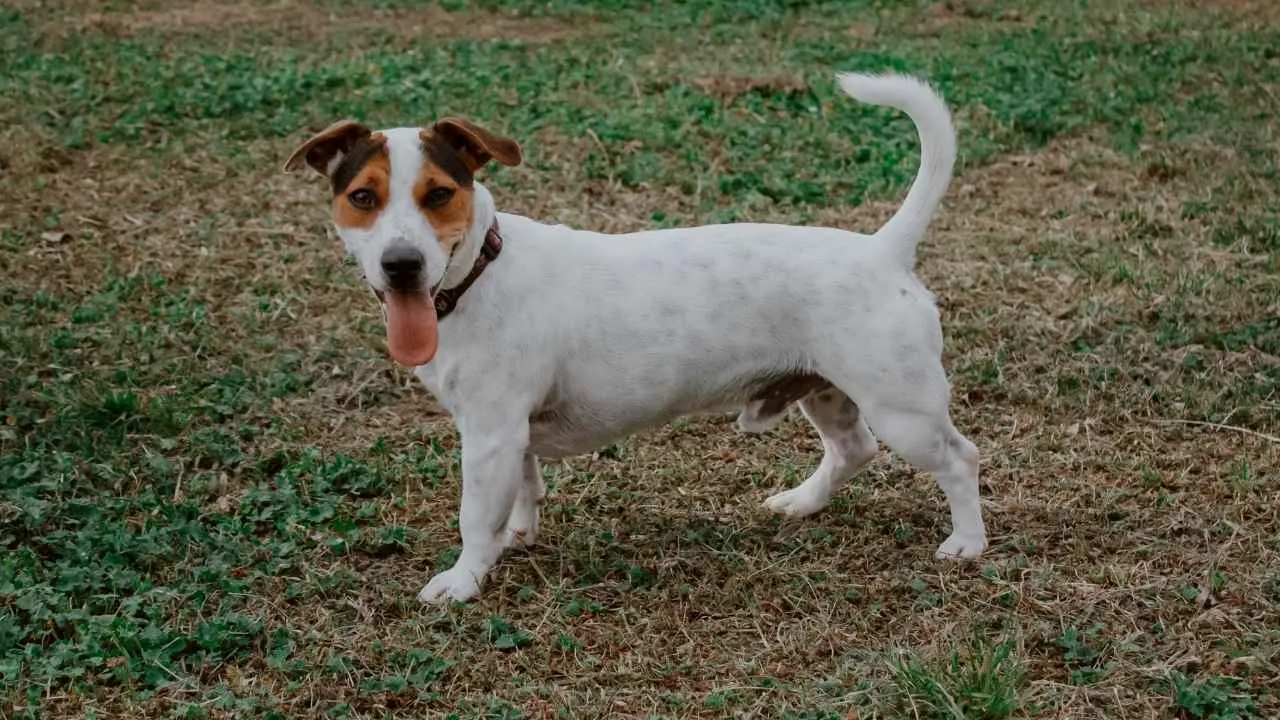
The Jack Russell Terrier was bred in England to flush foxes and go down into their burrows. PDSA notes the breed thrives with confident, active owners who can match that explosive energy.
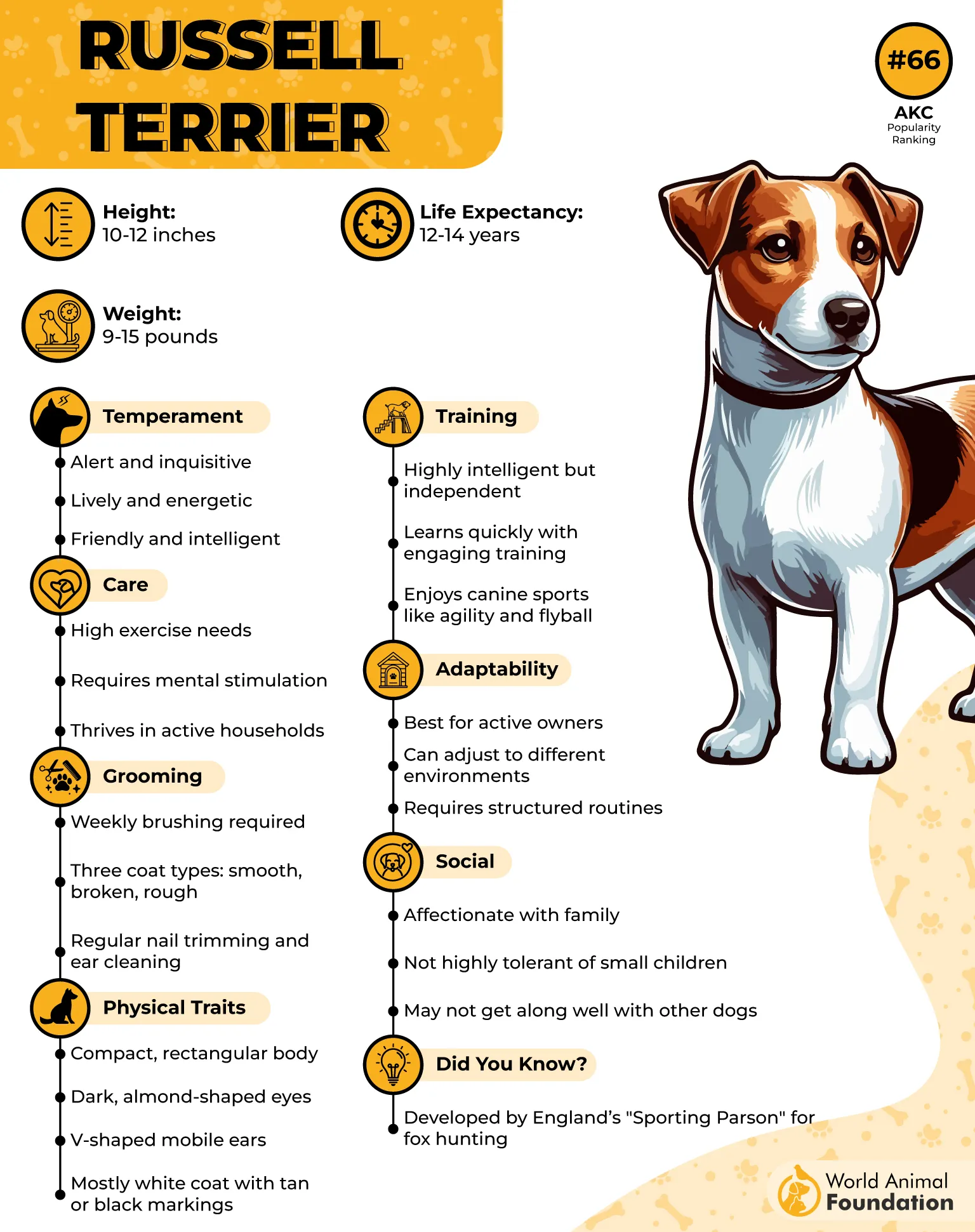
This Terrier is a sprinter with a twist. A squirrel bolting across the lawn gets an instant full-speed chase, and if that squirrel disappears into a hole, the dog switches straight from sprinting to digging without missing a beat.
Energy plan: Offer short bursts of flirt-pole or digging-box play daily, since this breed’s drive needs quick, high-intensity outlets rather than one long walk.
Many owners assume a small dog means a small prey drive. This pint-sized breed chases and digs with the same focus as a much larger dog, and its size has nothing to do with how driven it actually is.
6. Border Collie
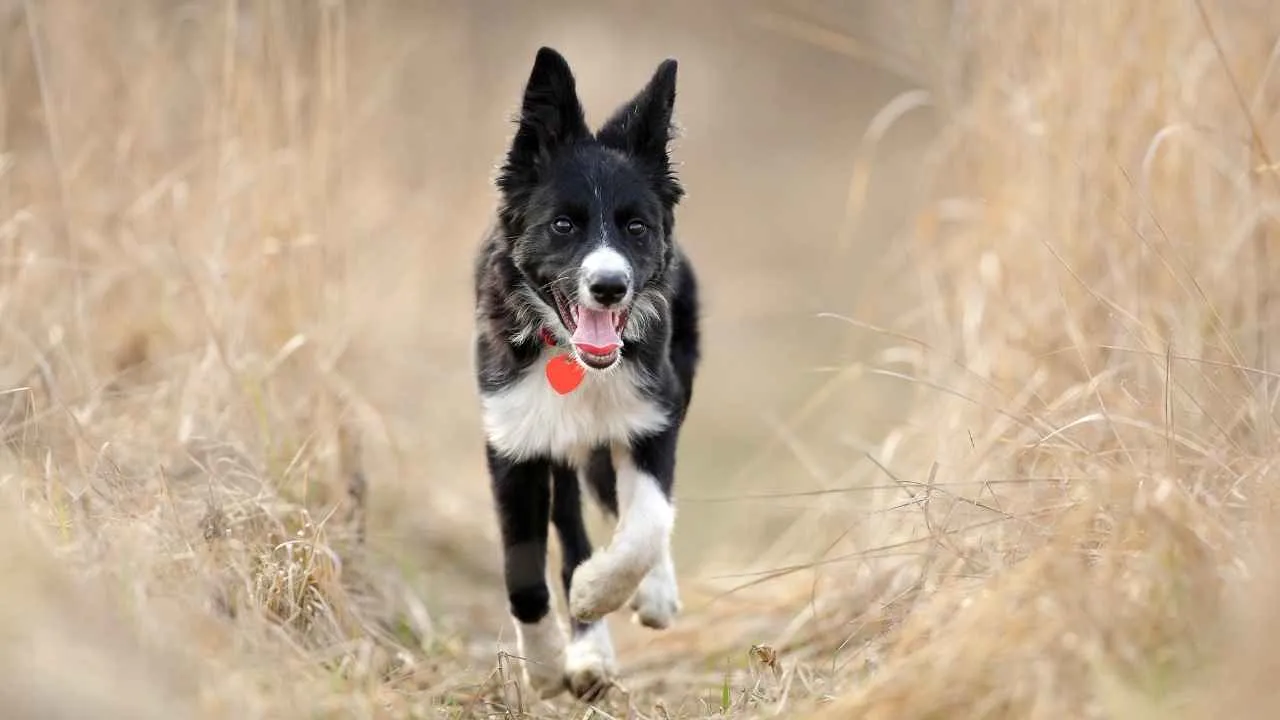
Border Collies were bred along the Scotland-England border to herd sheep across open ground for hours at a time. That job rewarded nonstop focus, not a quick catch, and it shaped the breed’s prey drive directly.
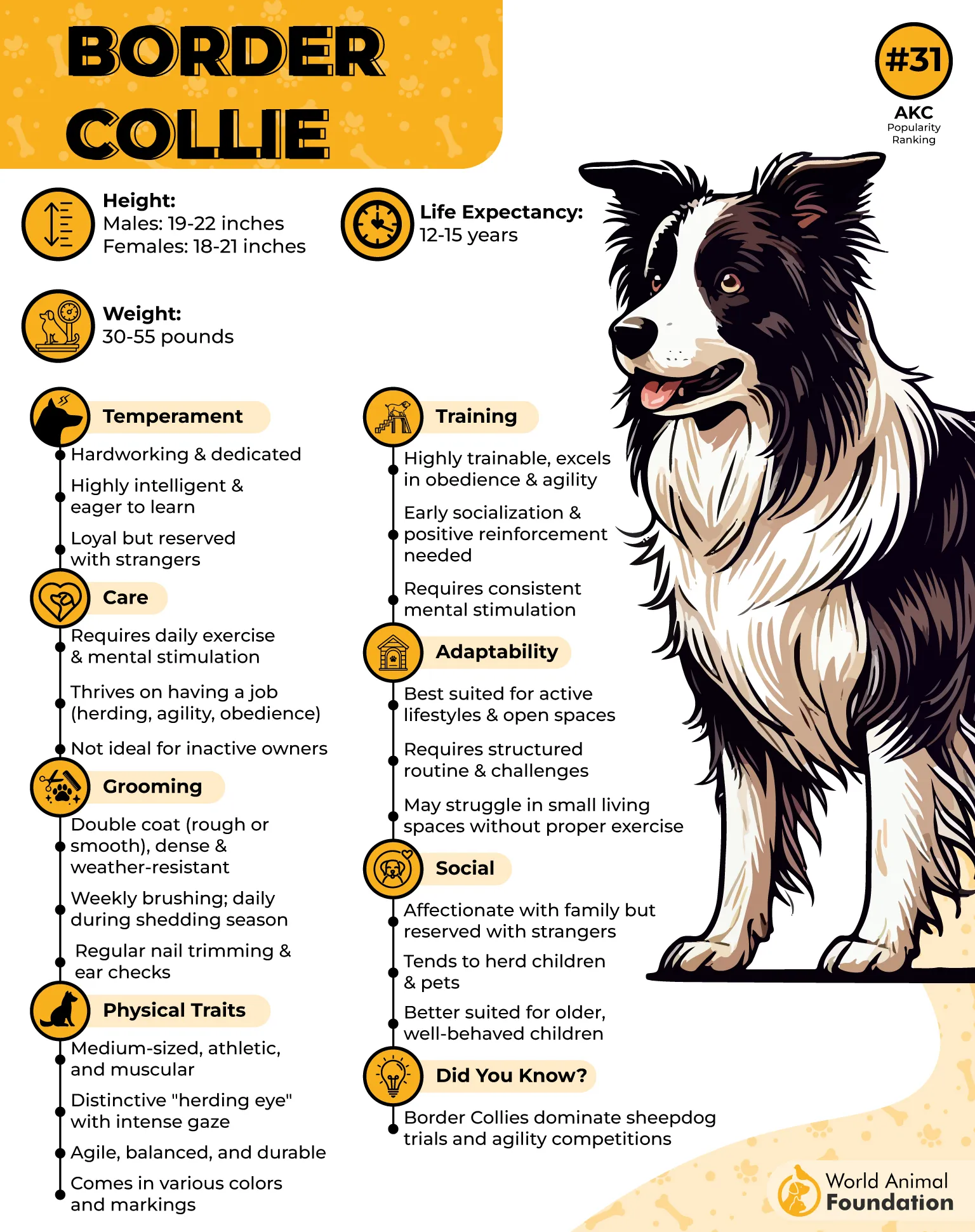
This is a marathon breed with an unusual target. Rather than chasing to catch, a Border Collie locks its famous stare onto a jogger, a cyclist, or even a vacuum cleaner, holding that focus for a surprisingly long stretch.
Energy plan: Give this breed a real job, like structured herding balls or advanced obedience drills, so its focus lands on a task instead of the nearest moving object.
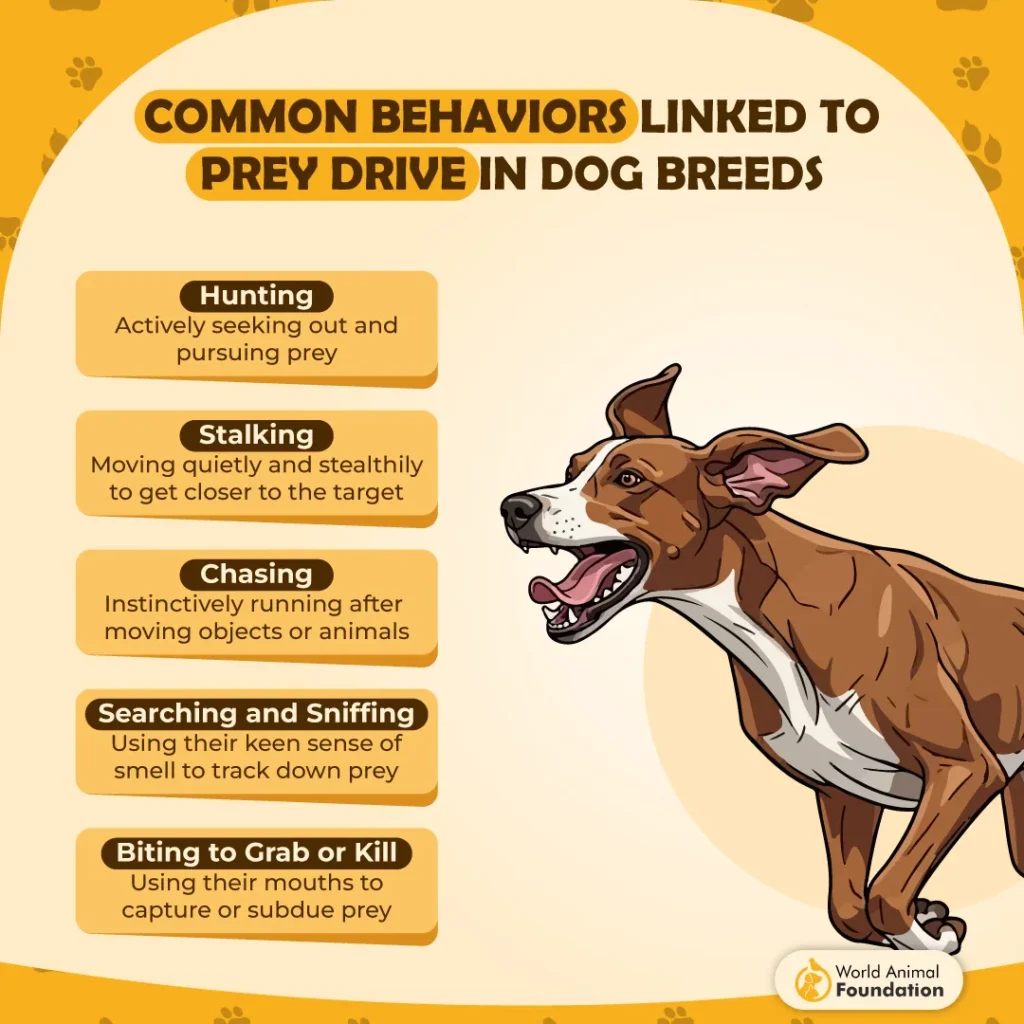
People sometimes think herding dogs lack true prey drive because they rarely bite down. A Border Collie runs on the same predatory wiring as a hunting breed, just rerouted into stalking and chasing instead of catching.
7. Afghan Hound
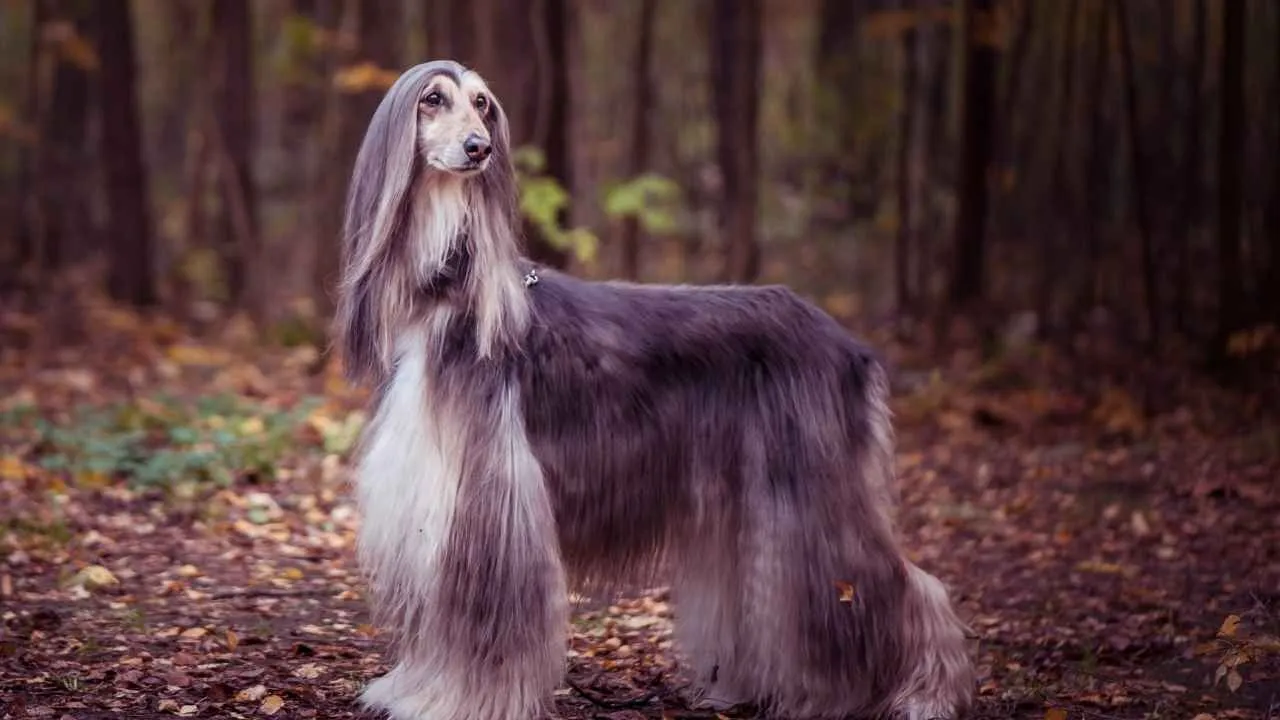
The Afghan Hound was developed in the mountains of Afghanistan to hunt by sight. Britannica notes the breed was used to pursue gazelles and even leopards across that rugged terrain, which called for sudden acceleration over steady endurance.
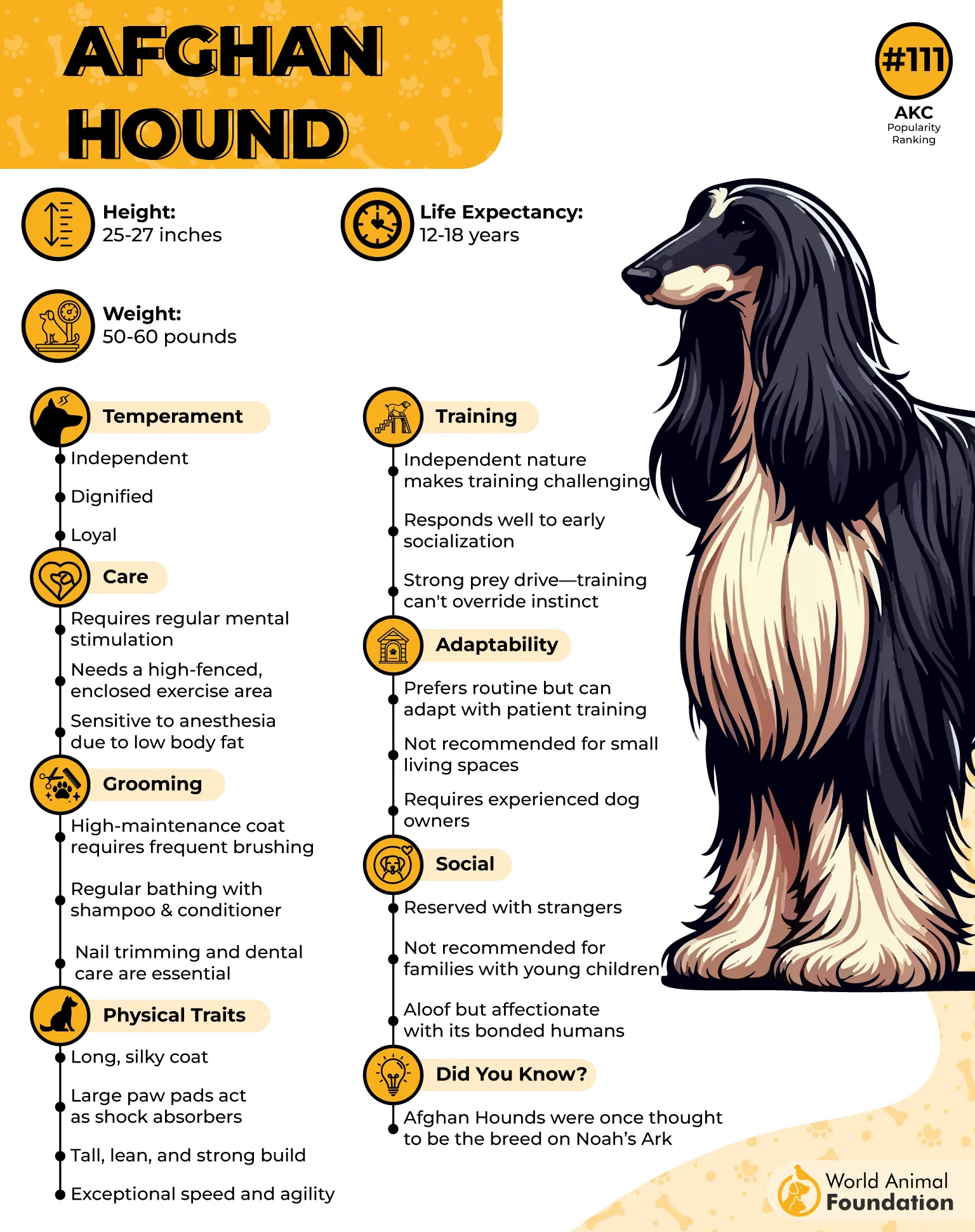
This hound is built for the sprint. A rabbit, a cat, or anything that bolts can trigger an immediate, explosive burst of speed, and once the chase ends, this breed tends to settle fast, almost like flipping a switch back to calm.
Energy plan: Offer a few minutes of flat-out running in a fully fenced space, then let this breed rest, since its drive is built around short, intense efforts.
This elegant, aloof-looking breed is often mistaken for a low-energy companion dog. That calm exterior hides a genuine hunting instinct, and a moving target can flip this breed into full chase mode almost instantly.
8. German Shorthaired Pointer
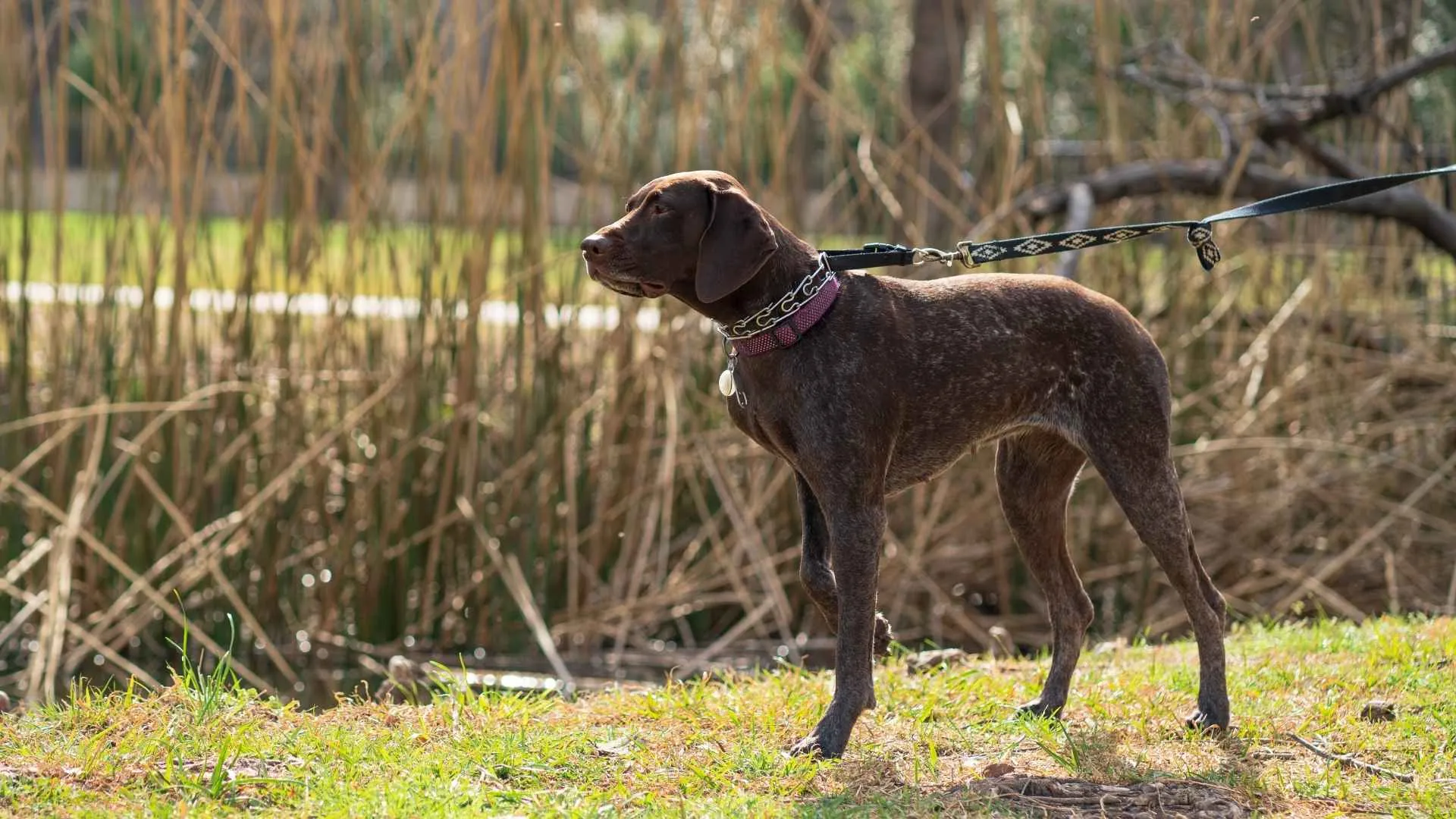
German hunters bred the German Shorthaired Pointer to point, trail, and retrieve game across a full day in the field, on land and in water. Orvis notes this versatile breed can rise to just about any occasion where endurance is required.
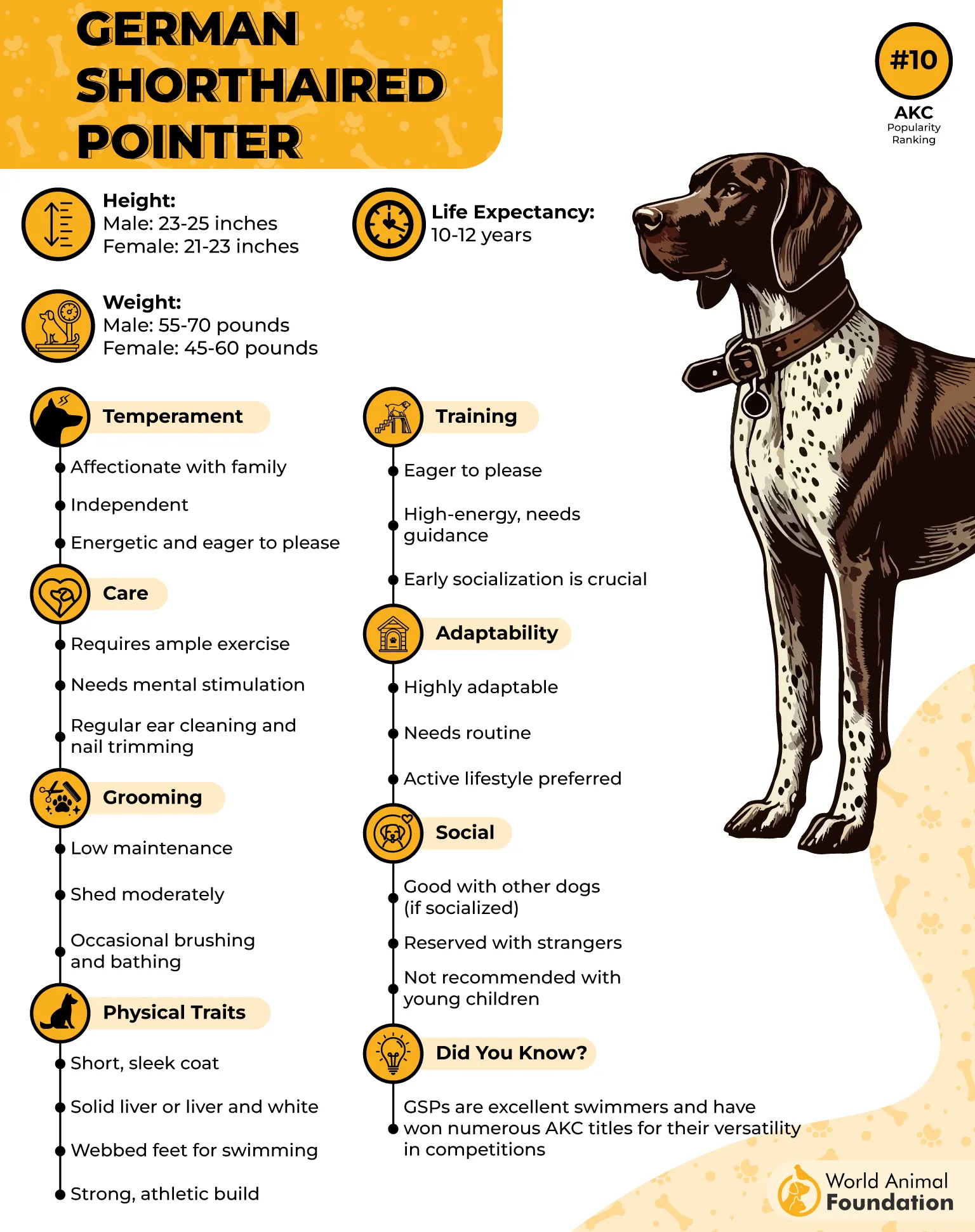
This Pointer is a marathon dog at heart. A bird flushing from cover or a rabbit crossing a field can send it into a sustained, focused pursuit that holds up over real distance, not just a quick dash.
Energy plan: Build in daily field-style work like scent games or long structured runs, since this breed’s drive needs sustained output, or it turns restless indoors.
A friendly, people-focused personality leads some owners to assume this breed stays close by default. That loyal streak does not cancel out a strong hunting instinct, so a secure space still comes before any off-leash trust.
9. Australian Shepherd
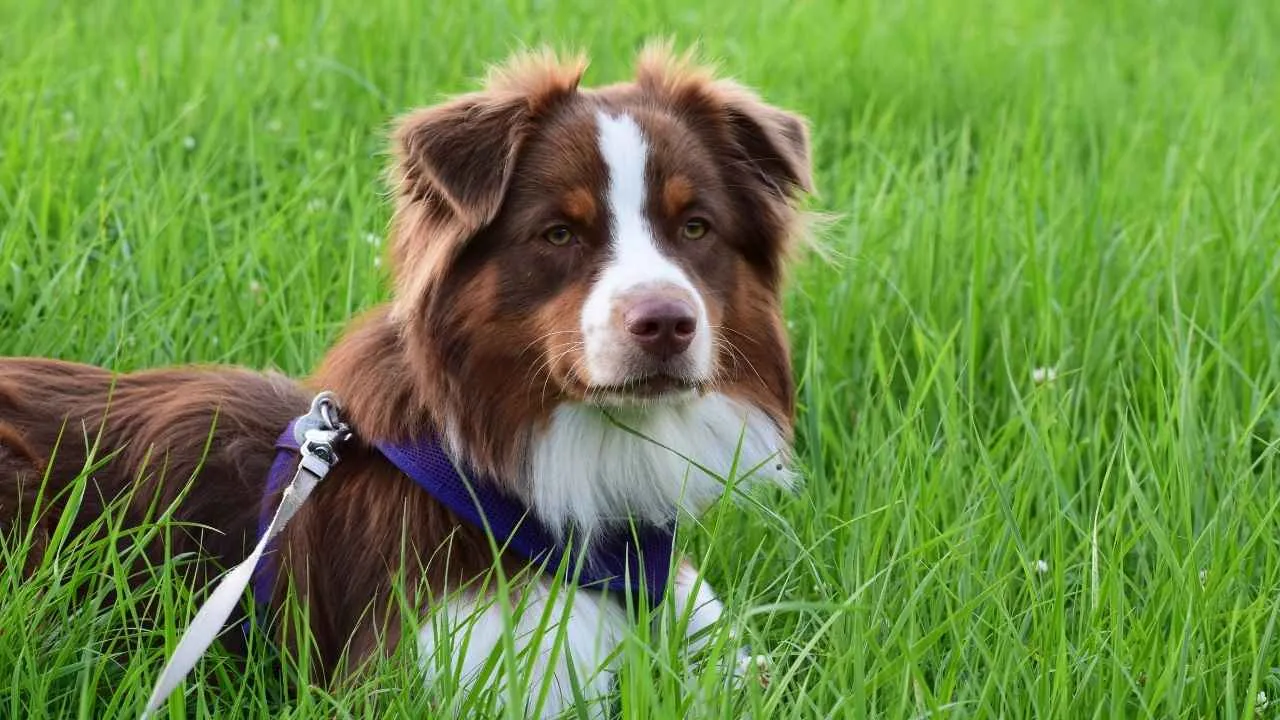
The Australian Shepherd was bred on American ranches to herd cattle and sheep across wide open land for a full day’s work. That job needed stamina and sharp focus more than a single burst of speed.
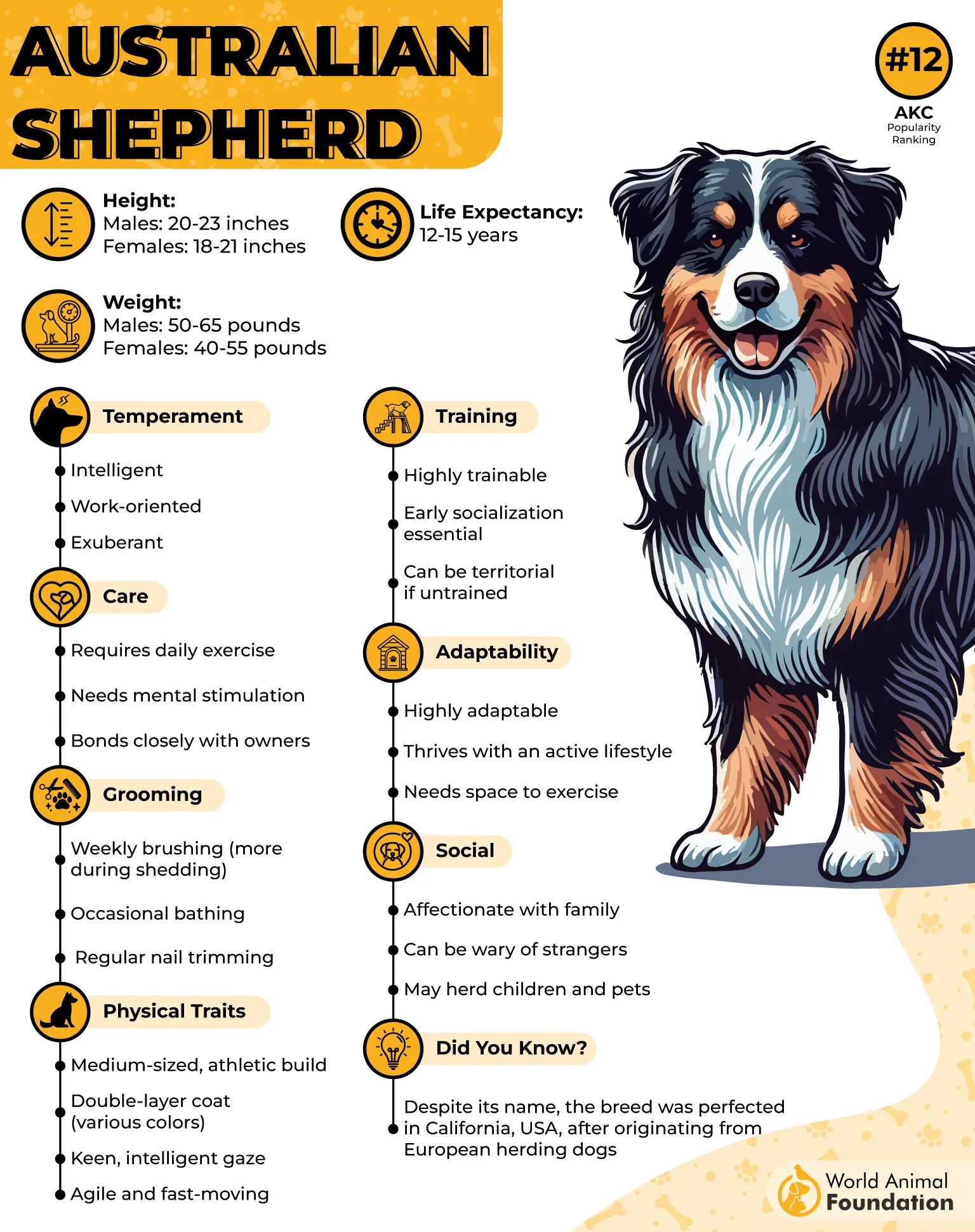
This herder is another marathon type. A running child, a bike, or a cat can pull this breed into an intense, sustained chase, and that same focused energy can run for a long stretch before it naturally winds down.
Energy plan: Give this breed structured herding or agility sessions most days, so its drive gets used up on a real task instead of on the nearest moving target in the yard.
A loyal family dog is often assumed to be a gentle, hands-off companion by default. This breed’s herding instinct can turn into nipping at heels or circling fast-moving kids, so early training matters just as much as affection.
Conclusion
At the end of the day, prey drive is not a flaw to fix; it is basic animal instinct dressed up in a wagging tail. Your pooch might burn out in 10 seconds or keep going for 10 minutes, but the goal stays the same: match the outlet to that drive.
A little positive reinforcement and a plan built around your dog’s own energy style will always beat hoping the chasing just fades on its own. Give that drive somewhere safe to go, and you protect your pets, your patience, and your dog’s instincts, all at once.
