




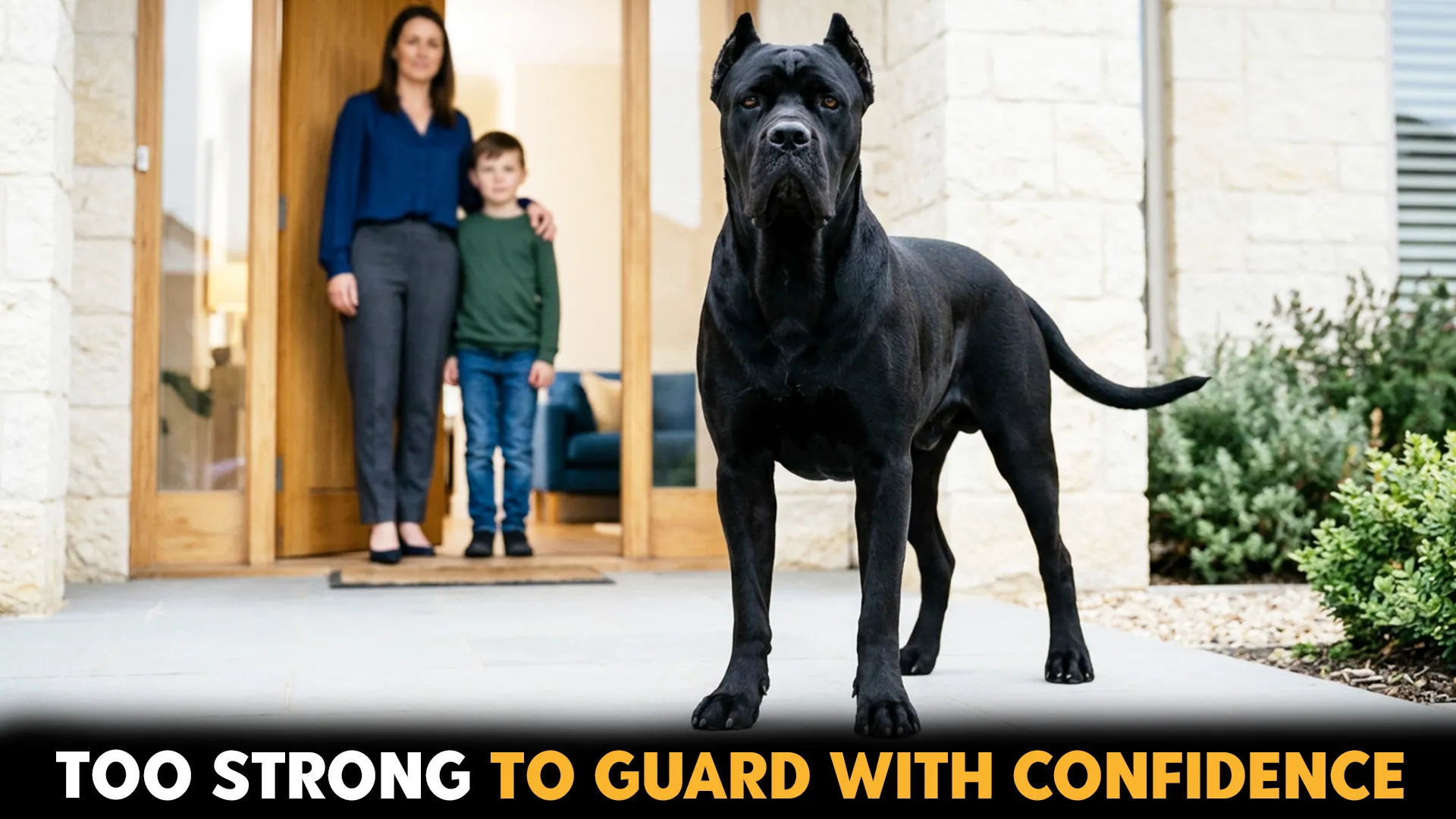
Whether you live alone or manage a busy household, having a loyal, confident dog by your side brings a sense of security that no alarm system can match. Powerful guardian breeds offer far more than an intimidating presence: they combine sharp awareness, deep devotion to their people, and steady composure in everyday life.
From early-morning walks to quiet evenings at home, the right canine companion can make both single women and families feel safer and more supported.
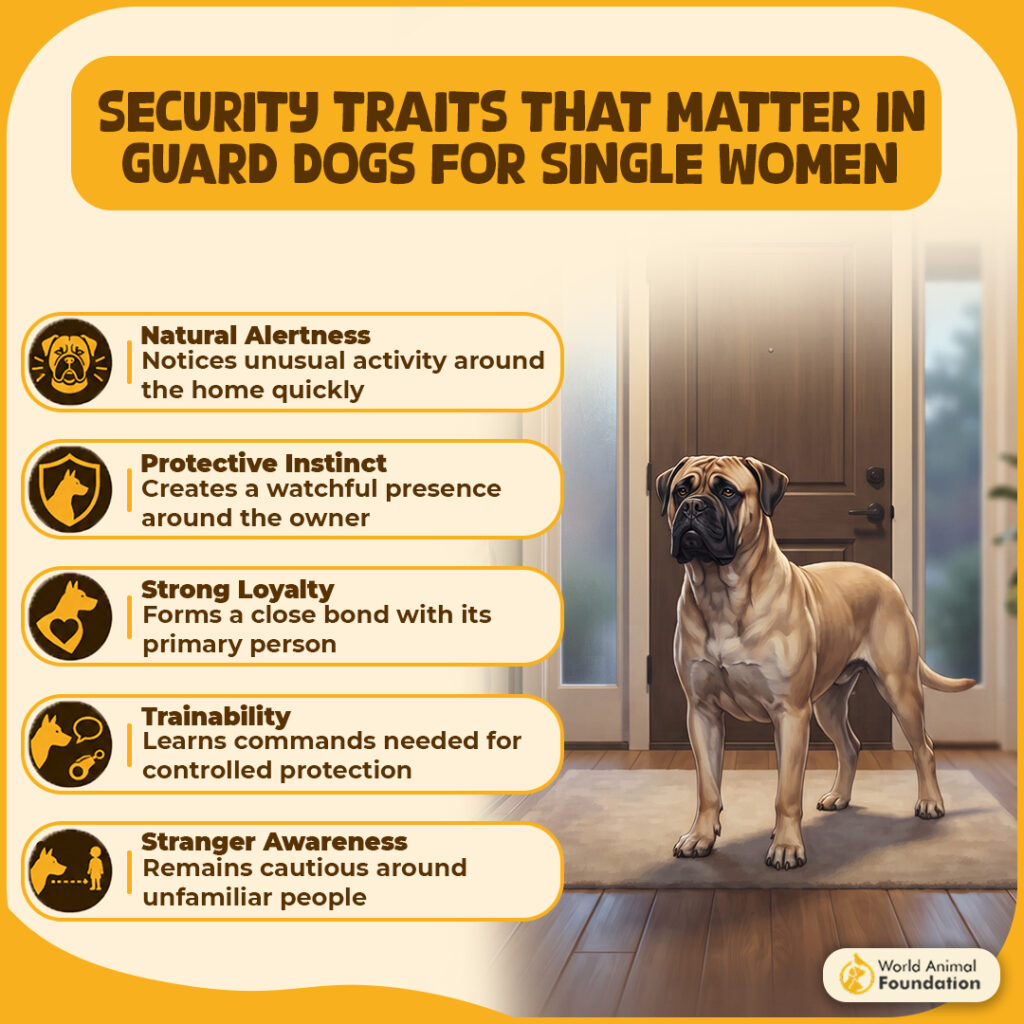
However, true protection is built on obedience, stability, and trust rather than sheer size or aggression. The best safety-oriented breeds are intelligent, responsive to direction, and capable of distinguishing between everyday guests and genuine threats.
With proper socialization, consistent training, and regular mental and physical engagement, these strong working dogs balance natural watchfulness with gentle affection toward the people they love.
Choosing a capable protector starts with finding a breed whose energy, temperament, and handling needs fit your lifestyle. Below, explore the most powerful dog breeds for single ladies and family safety, along with their origins, protective traits, and what it takes to raise a reliable, well-mannered companion.
Powerful Dog Breeds for Single Ladies and Family Safety
1. German Shepherd
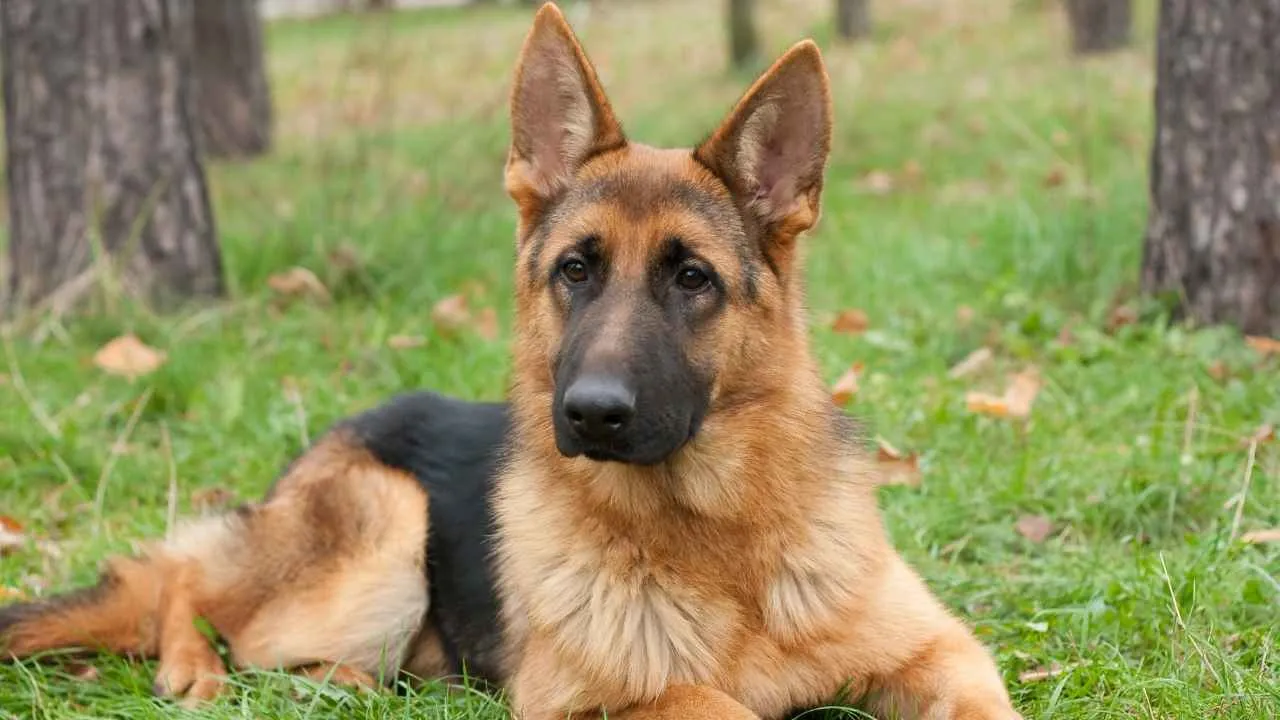
The German Shepherd is one of the first larger dog breeds to come to mind when thinking of a guard dog. This furry companion can be a laid-back friend or an alert watchdog within a moment’s notice.
Called dogkind’s finest all-purpose worker by the AKC, the German Shepherd is renowned for its versatility, making it an ideal choice for active women who don’t want to ask for help from random strangers.
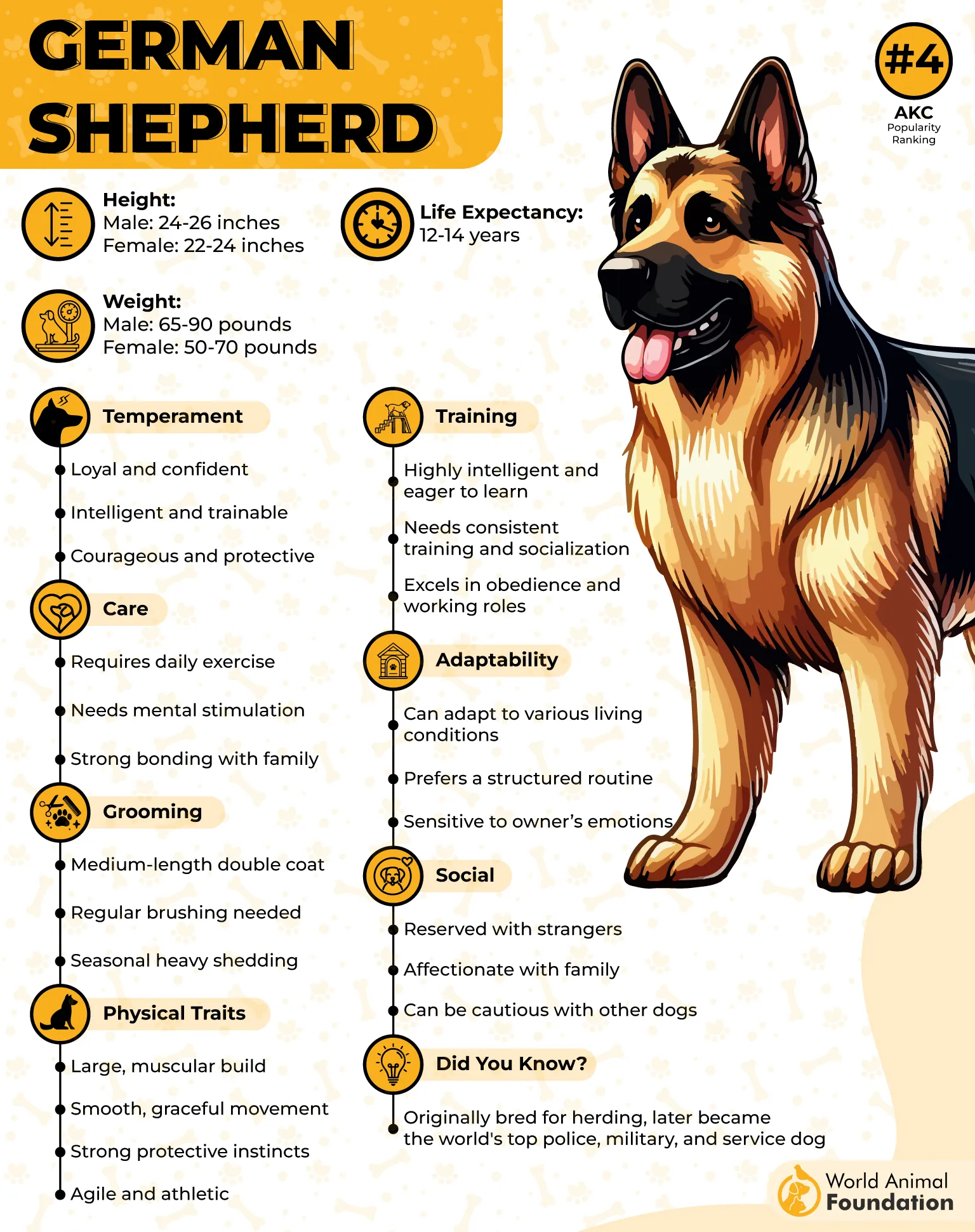
A good, well-trained German Shepherd is not necessarily aggressive, but is usually confident, loyal, and alert. It may look at a stranger and choose how to respond rather than bark at anything that moves within its sight.
This breed can be a dependable companion for single women and a source of safety around the house. Families need to begin early socialization and educate their children on how to respectfully interact with this dog.
German Shepherds require mental stimulation, consistency, and exercise. They shed their double coats heavily as well, so make sure to have a brush and vacuum on hand.
2. Doberman Pinscher
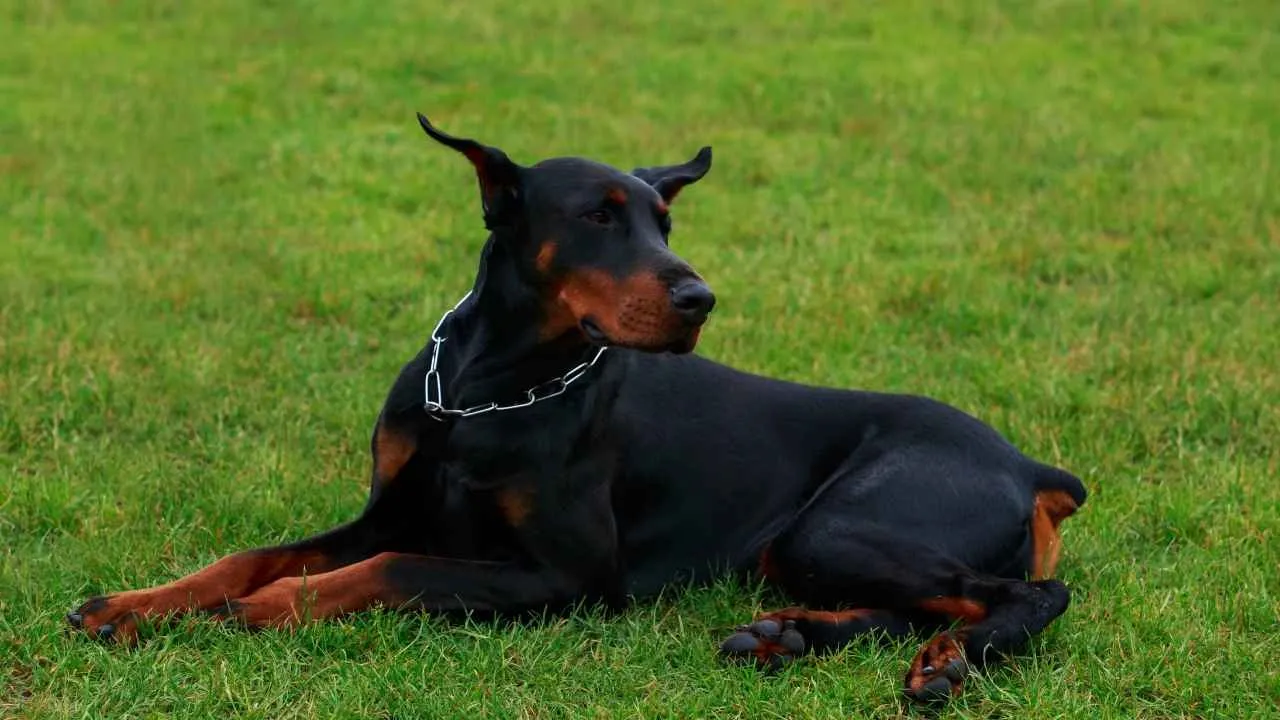
The Doberman Pinscher is a tall, athletic, and alert breed.
It originated in Germany, where Karl Friedrich Louis Dobermann, a tax collector, bred the Doberman Pinscher as a loyal companion for his rounds. This history is what led to the breed’s close ties to personal protection.
If you want your dog to be extremely loyal, the Doberman is the perfect choice. It is smart, sociable, and sensitive to its environment. When trained, this popular breed can tell the difference between normal items and those that require attention.
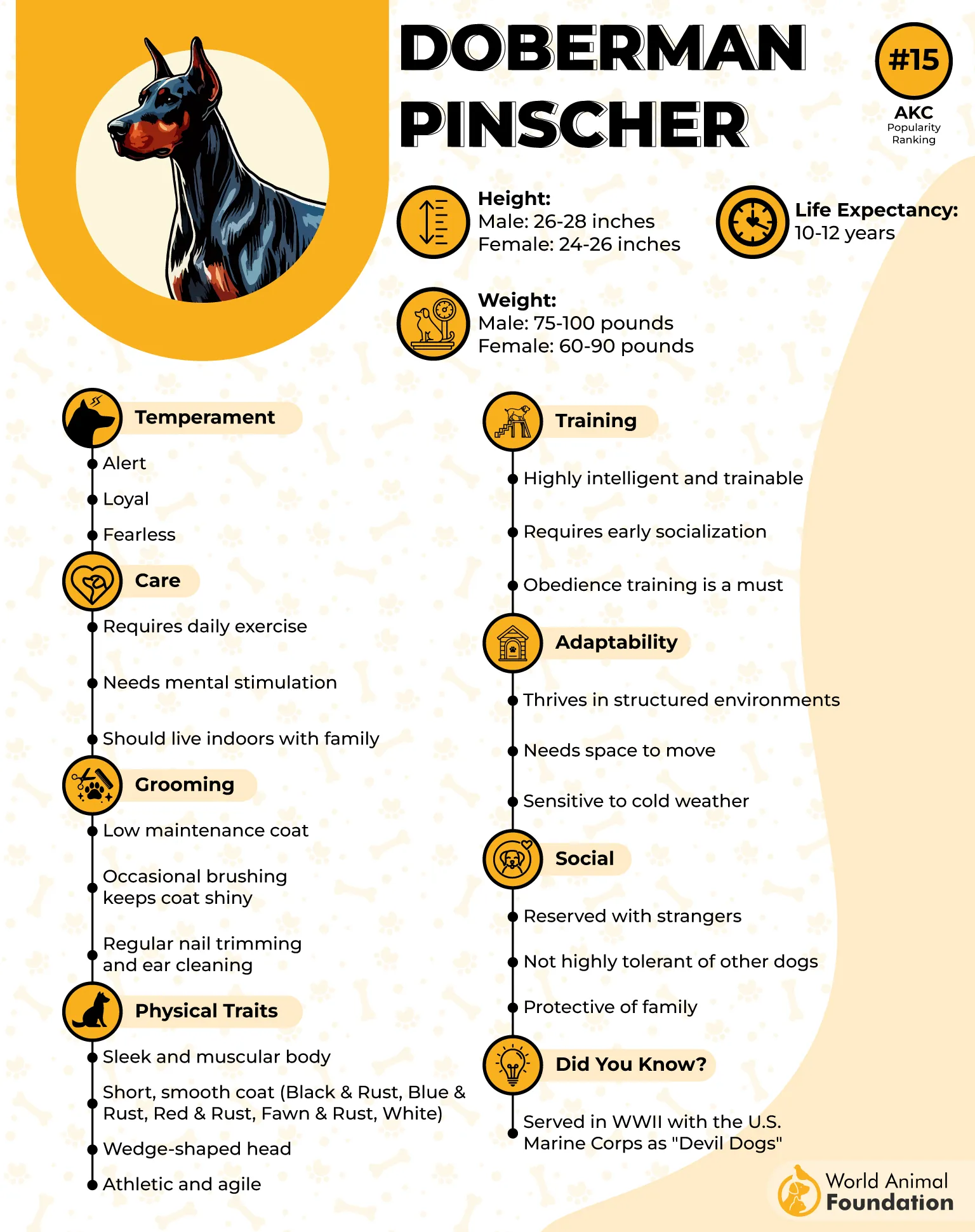
Owners who are willing to accept a big commitment to grooming may benefit from their short coat as well. Brushing, normal nail trimming, and periodic veterinary examinations are usually the standard precautions.
The refined look of this dog should not be mistaken for the absence of energy, since it is usually quite active. Dobermans require lots of exercise and challenge.
This wonderful option also benefits from being trained at a young age and will prove to be the right guard dog for most women.
3. Rottweiler
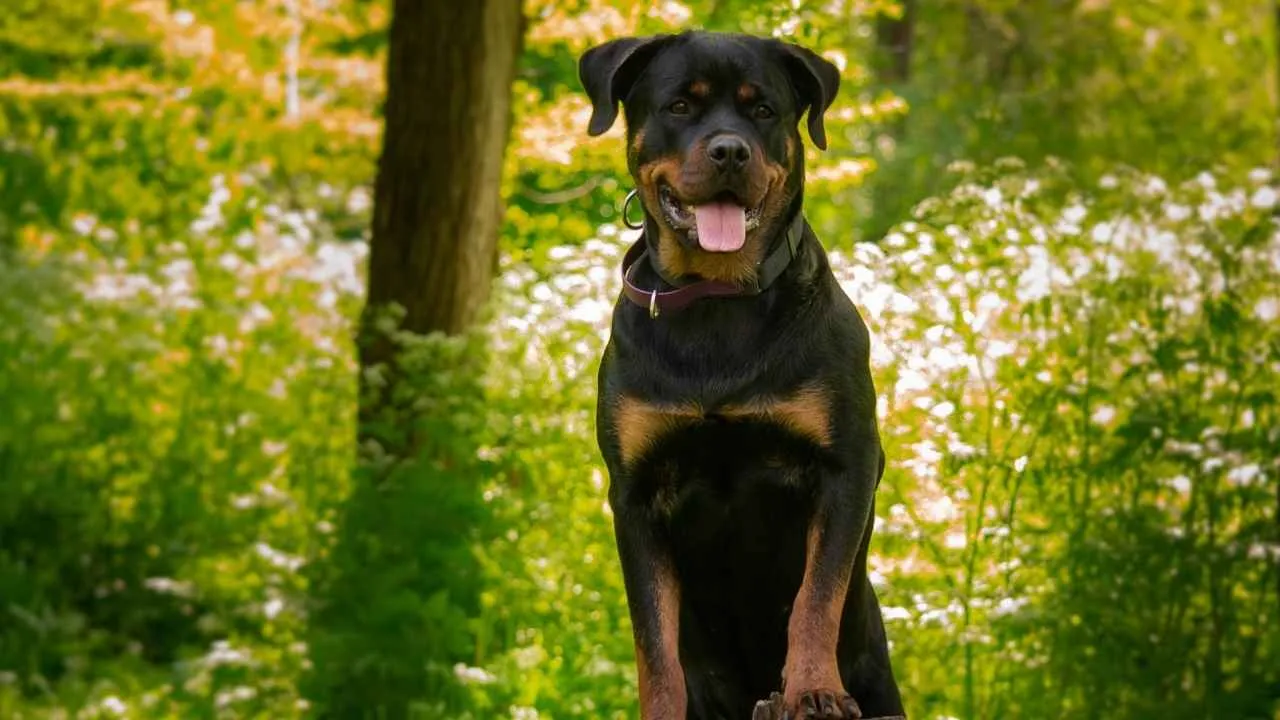
To put it in the words of Britannica, the Rottweiler is an excellent watchdog for its loved ones. But why?
Rottweilers have been service dogs to cattle traders and butchers for protection and driving cattle. They proved to be effective, not only in the police and service sectors, but also in terms of strength and capacity.
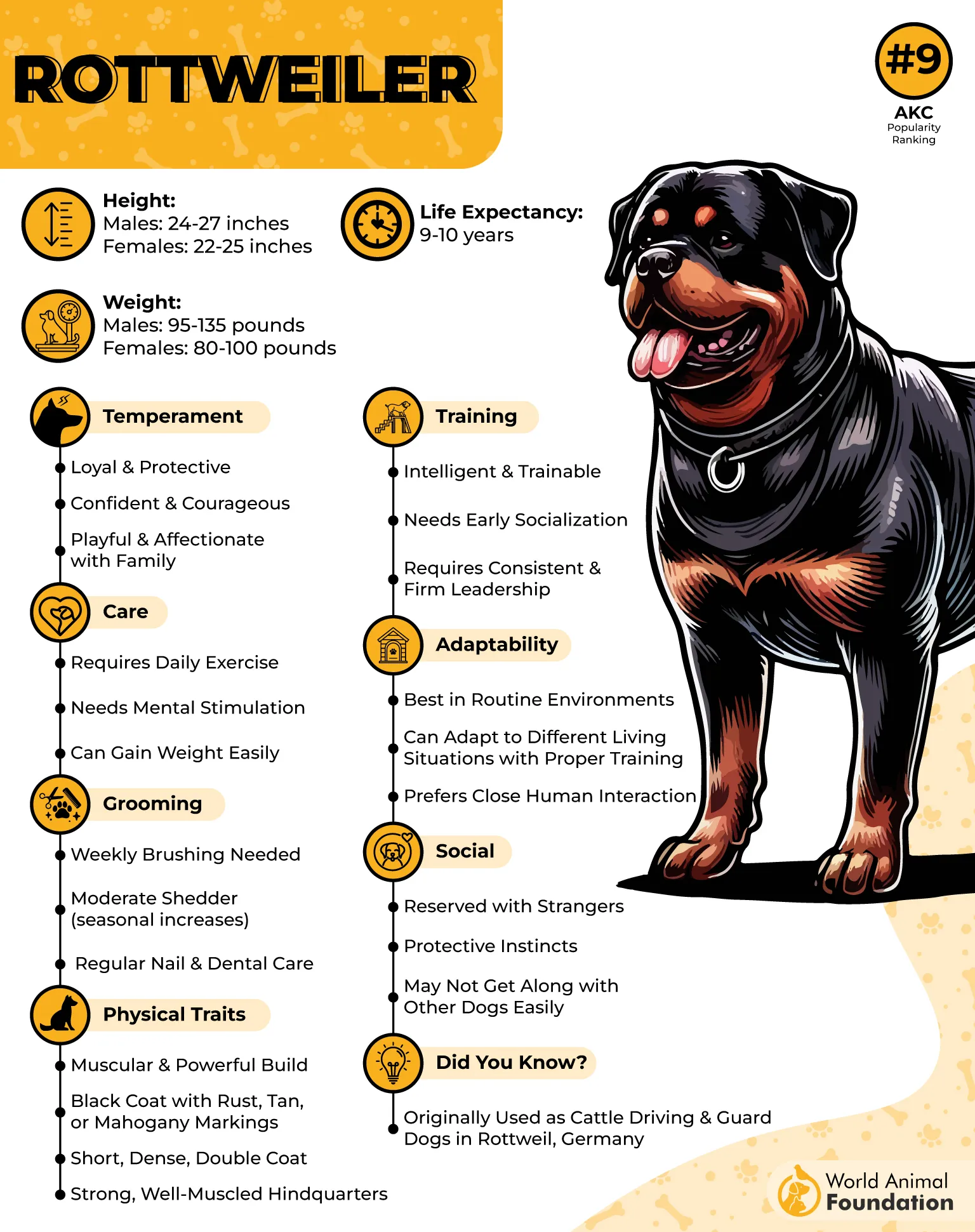
Well-bred and well-raised Rottweilers are capable, imposing, loving, and playful, making them the ideal dogs for family life. They appreciate the everyday family connections made through consistent training, grooming, and more.
It is advisable to start training early. Train them not to pull on their leash, to settle when guests arrive, to release toys on cue, and to be calm around unfamiliar dogs. Good manners go a long way with this impressive breed.
4. Cane Corso
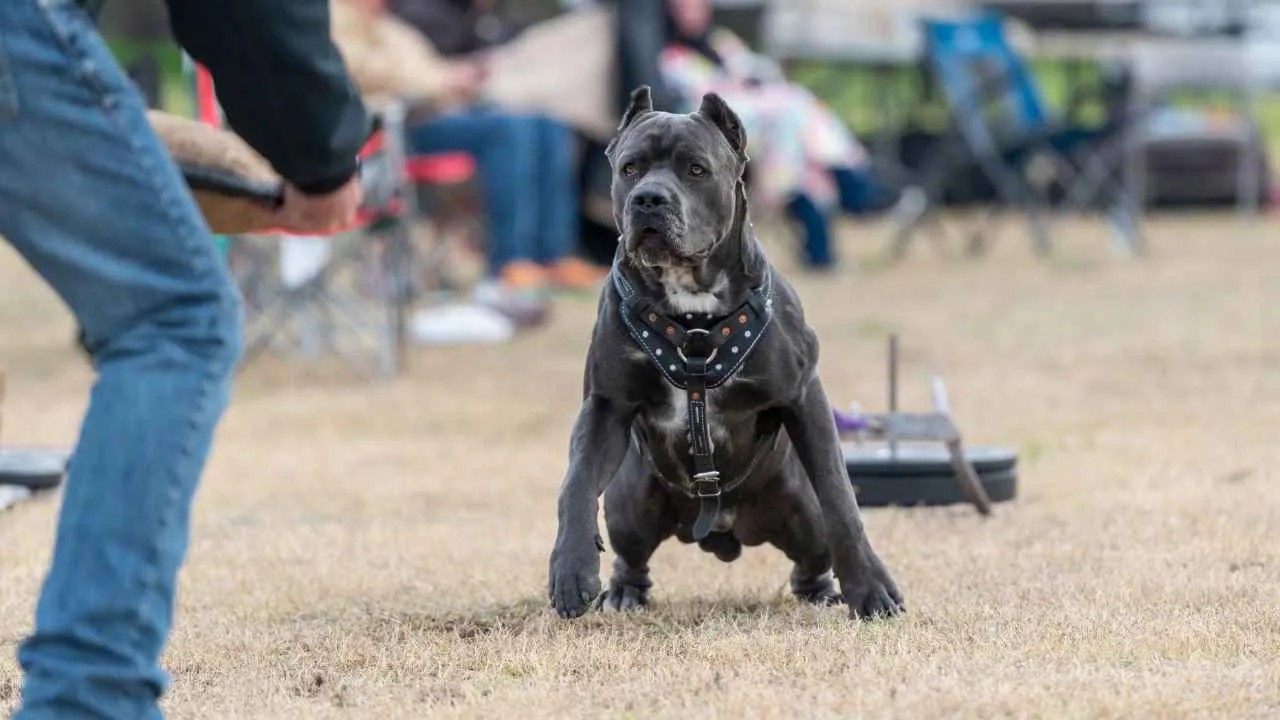
Described as a strong-willed breed by Orvis, this dog is only for experienced handlers.
The Italian Mastiff-type breed has a history of guarding property and working with people. The name has become associated with the Latin word cohors, which means protector or guardian. Today’s Cane Corso has a powerful body, an alert expression, and a steady temperament.
It is important to provide this breed with exposure to people, places, animals, and life experiences early in life. This helps combat the dog’s suspicious nature and reduces excessive barking and unnecessary announcements.
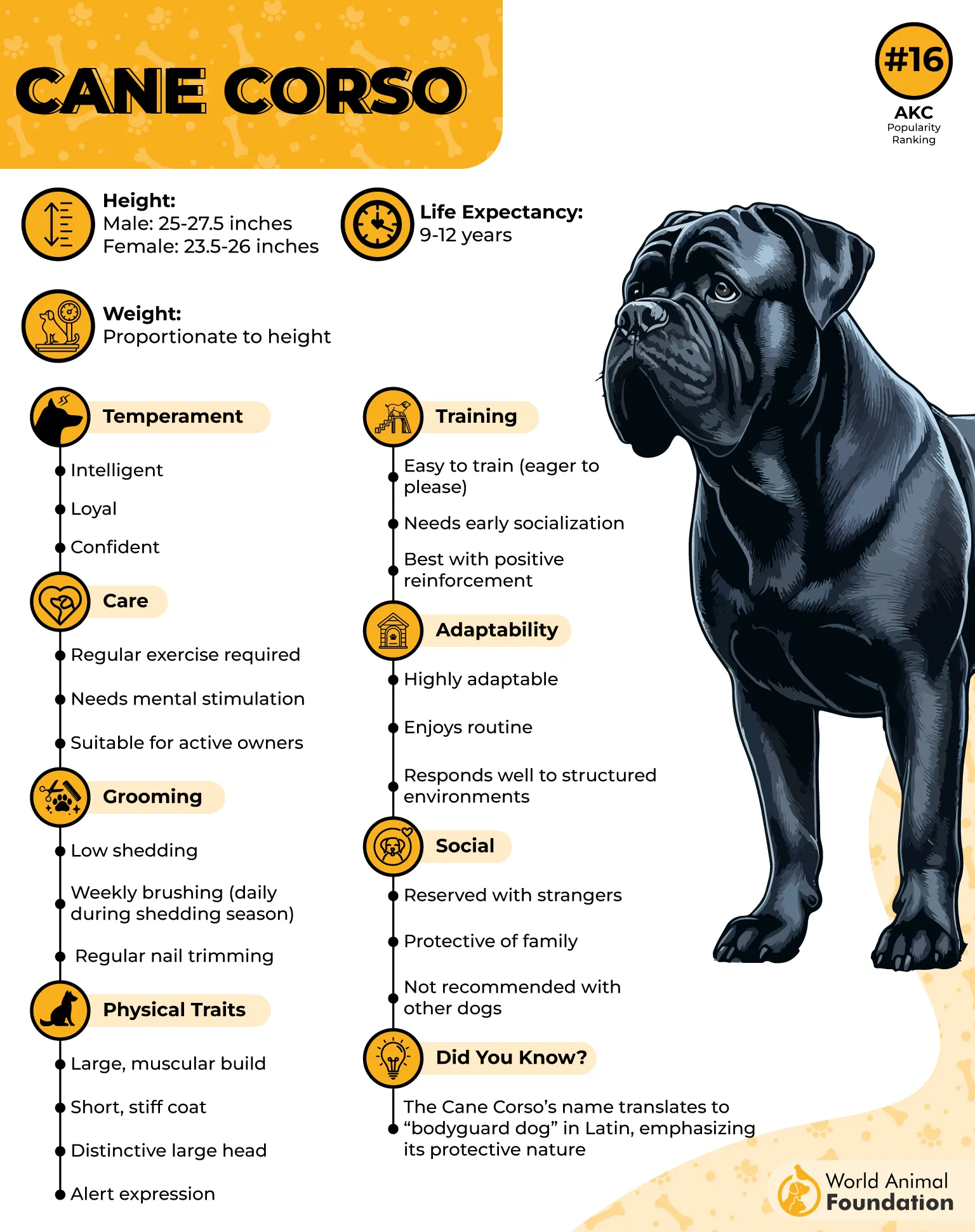
Purposeful walks and activities help stimulate this dog’s mind and should be included in its daily routine. A lack of engagement can lead to the development of unwanted behaviors.
Before selecting this breed, consider if you have the experience to handle a large, adult dog. Responsible handling, safe fencing, and training support from professionals are especially crucial.
5. Bullmastiff
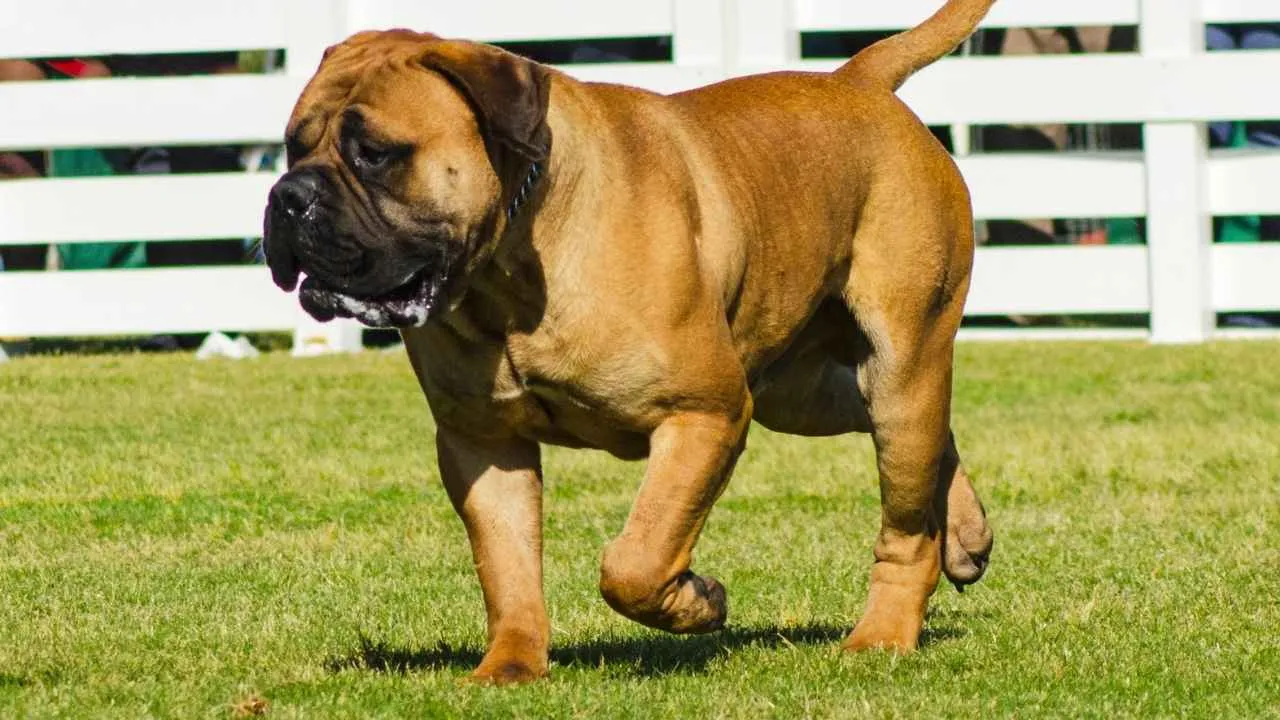
A professional athlete isn’t what every protective dog should be. The Bullmastiff is its own combination: huge physical size and a pedigree uniquely associated with protection.
Bullmastiffs were bred in England by crossing Bulldogs and Mastiffs, and were employed as auxiliary dogs by gamekeepers to ward off poachers. Their job was not to chase intruders for a long distance; they were expected to find them and keep them in check.
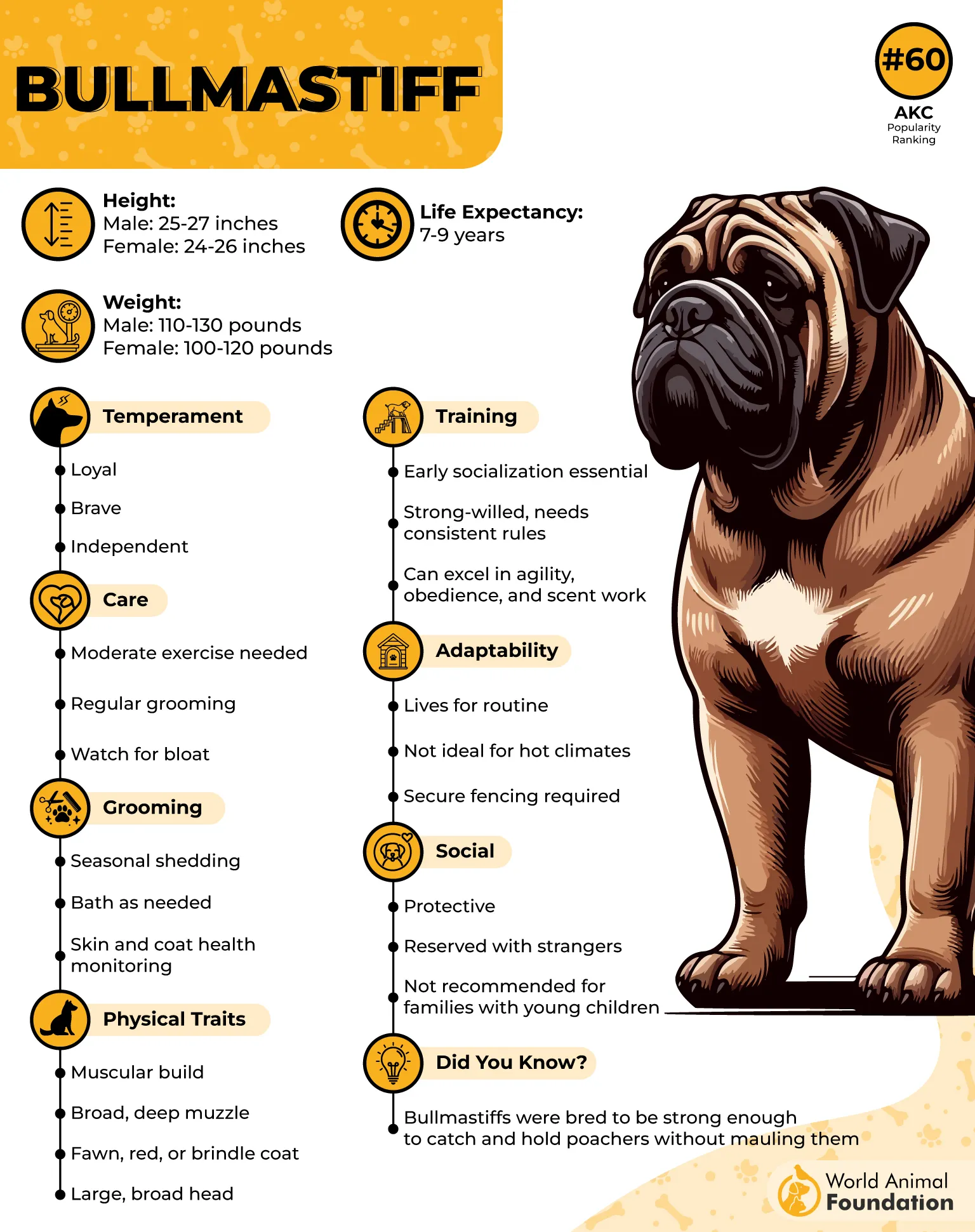
In the home, the well-socialized Bullmastiff is affable, loyal, and surprisingly laid-back. It may prefer a comfy spot, where it’s near the family, to a never-ending game of fetch.
Bullmastiffs are not overly athletic, so they don’t require rigorous exercise like certain breeds. Never put them through strenuous exercise in hot weather, and keep an eye out for their breathing and comfort.
6. Akita
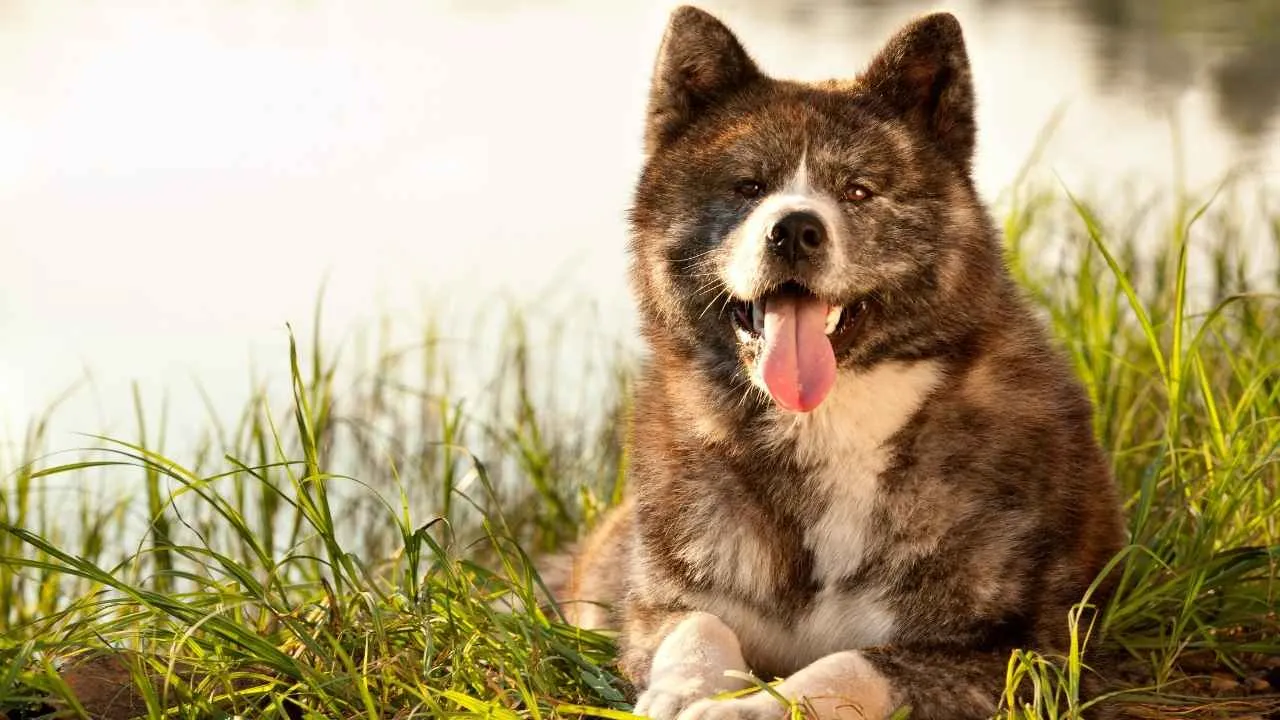
The Akita is a special breed of choice.
It is originally from Japan and is known for its loyalty and family protection abilities. It has a thick double coat, a curly tail, erect ears, and a well-muscled body that makes it easily recognizable.
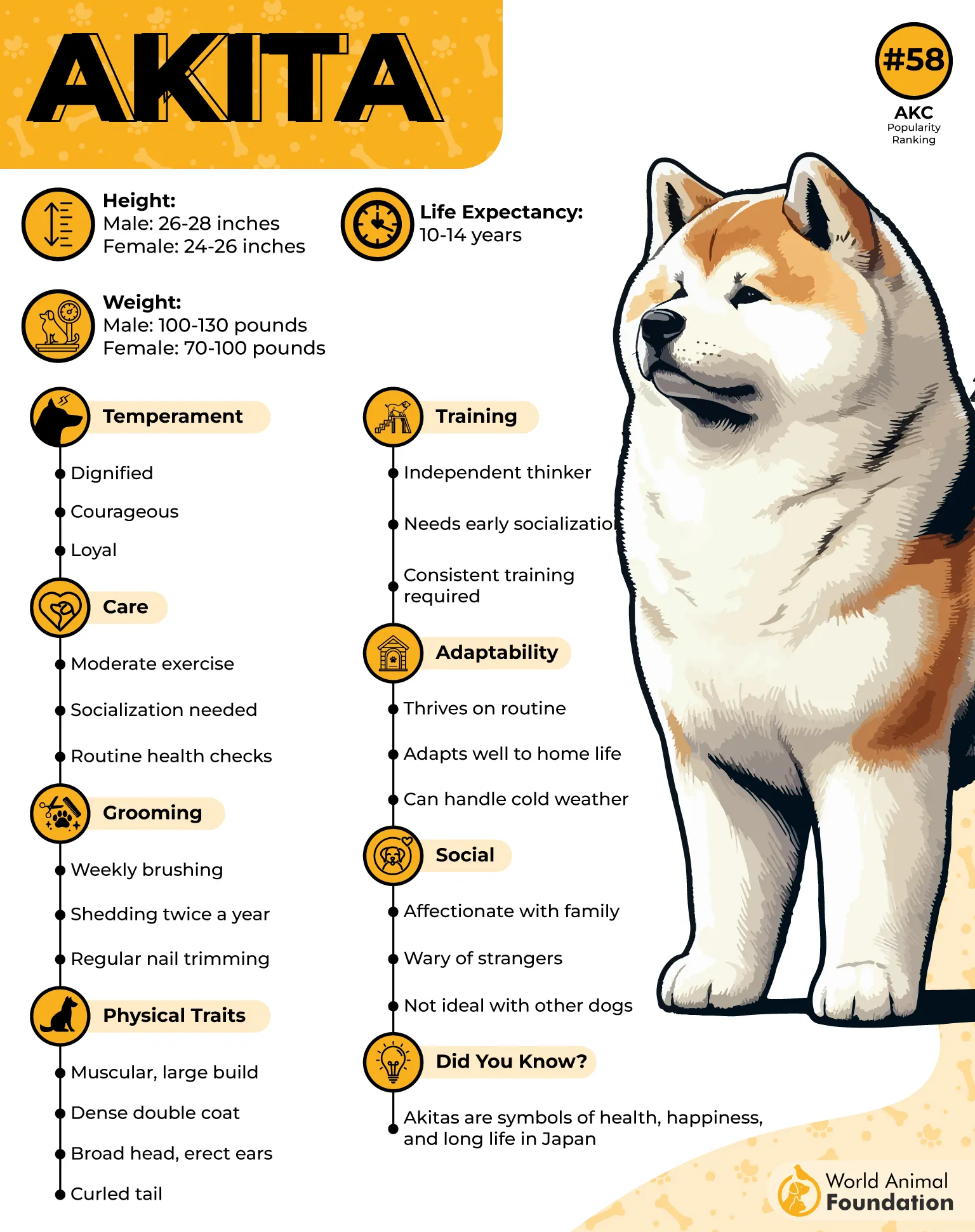
The Akita is a loyal, watchful protector of its family, but may be reserved with strangers. This highlights the significance of early socialization. Make sure a young Akita is exposed to many people, noises, places, and situations as early as possible.
Akitas are a guardian breed and are not very tolerant of other dogs, especially other females. Introductions, management, and supervision must be done carefully to ensure this breed safely interacts with others.
7. Rhodesian Ridgeback
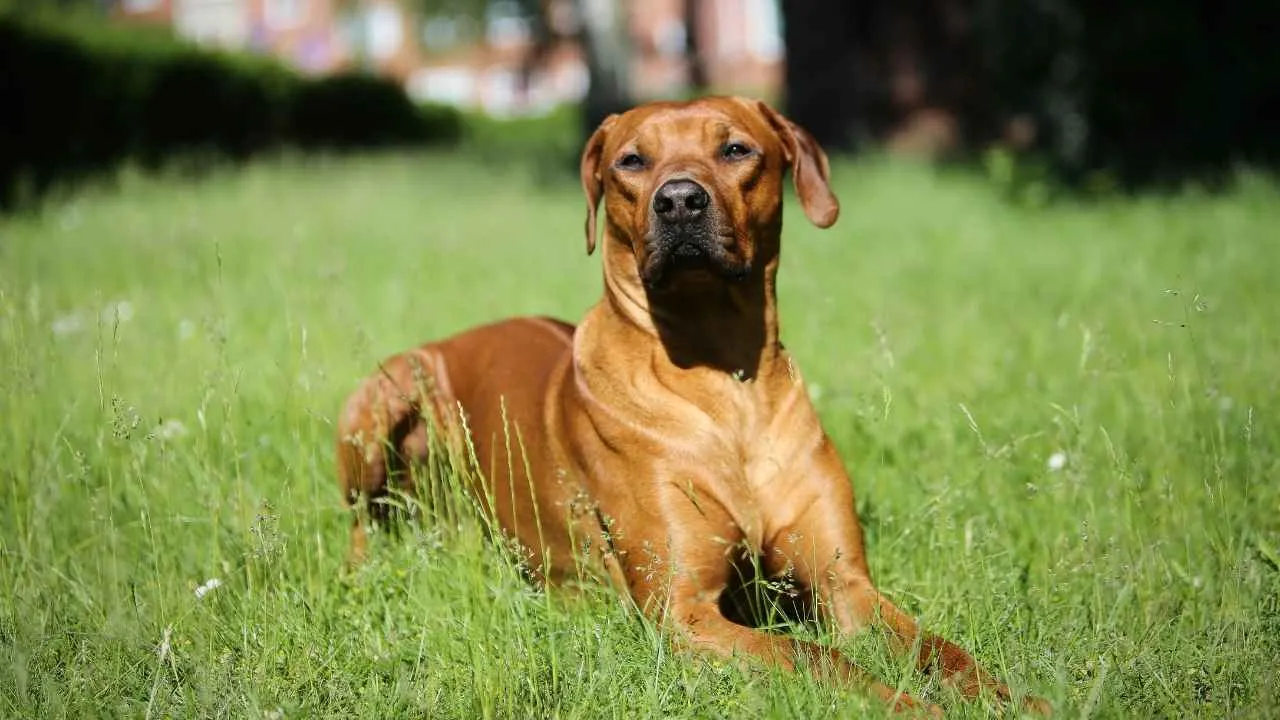
The Rhodesian Ridgeback was developed in South Africa for tracking and baying large game, including lions.
Its most recognisable trait is the hairline that runs in the opposite direction down its back, forming the look of a ridge, and thus giving the breed its name.
Ridgebacks are athletic, dignified, and may be loving companions in the company of their families. They can also be independent thinkers, so not every call to action will be obeyed.
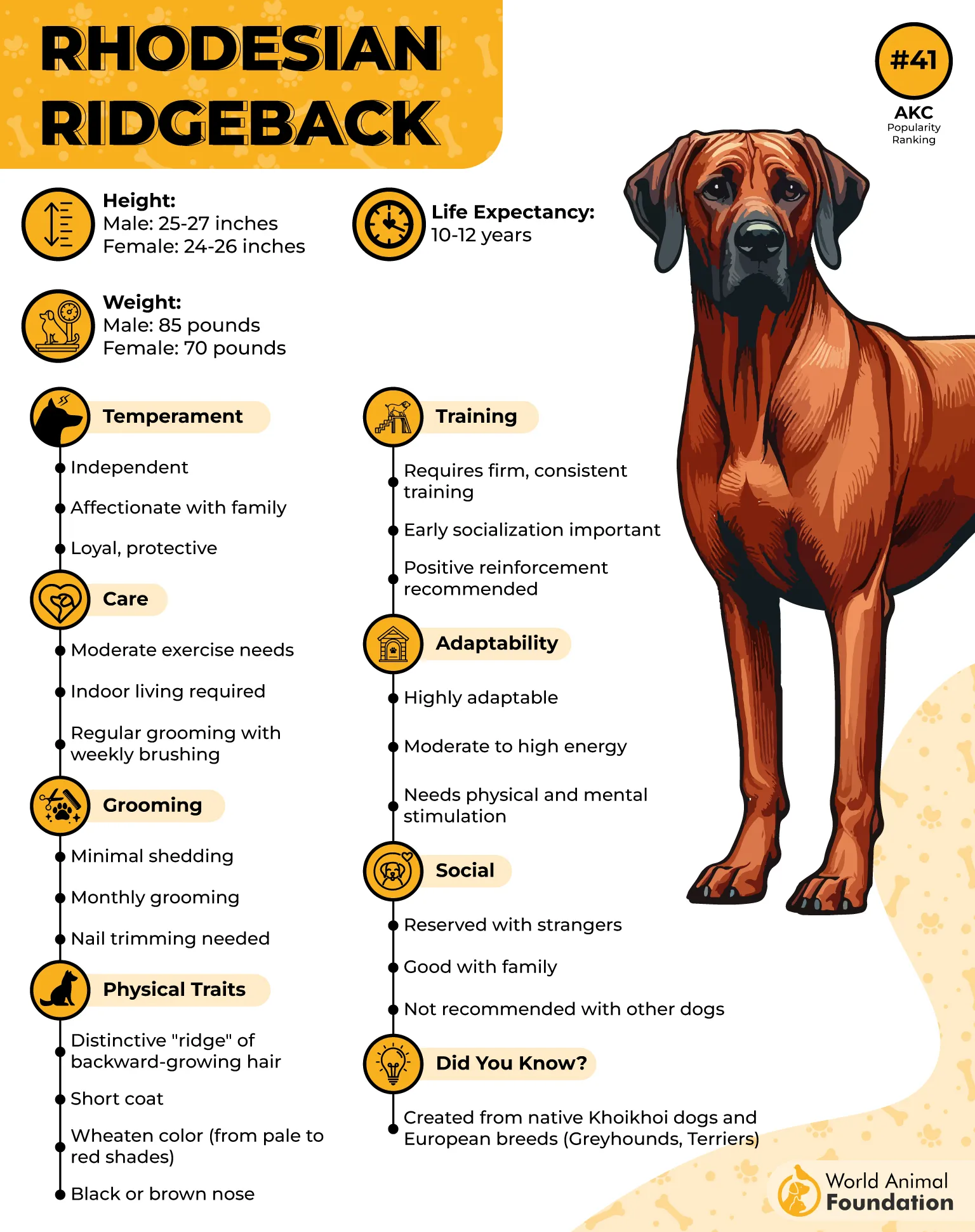
It is important to remember that training for recall, leash manners, and reliable responses when distracted should be addressed regularly.
A Ridgeback can be a great companion for an active single owner for walks, hikes, and outdoor activities. They have a short coat which is fairly easy to keep up, but their exercise requirements and temperament can be difficult to handle, requiring commitment.
Conclusion
When it comes to answering the question about which canine is perfect for you, many factors make the decision easier.
Take into account your experience, time, living space, physical capacity to deal with the dog, and the needs of family members.
Early socialization, reward-based training, stable home environments, and routine vet care will be required, and in return, you will have the protection and companionship of a loyal and watchful protector.
