




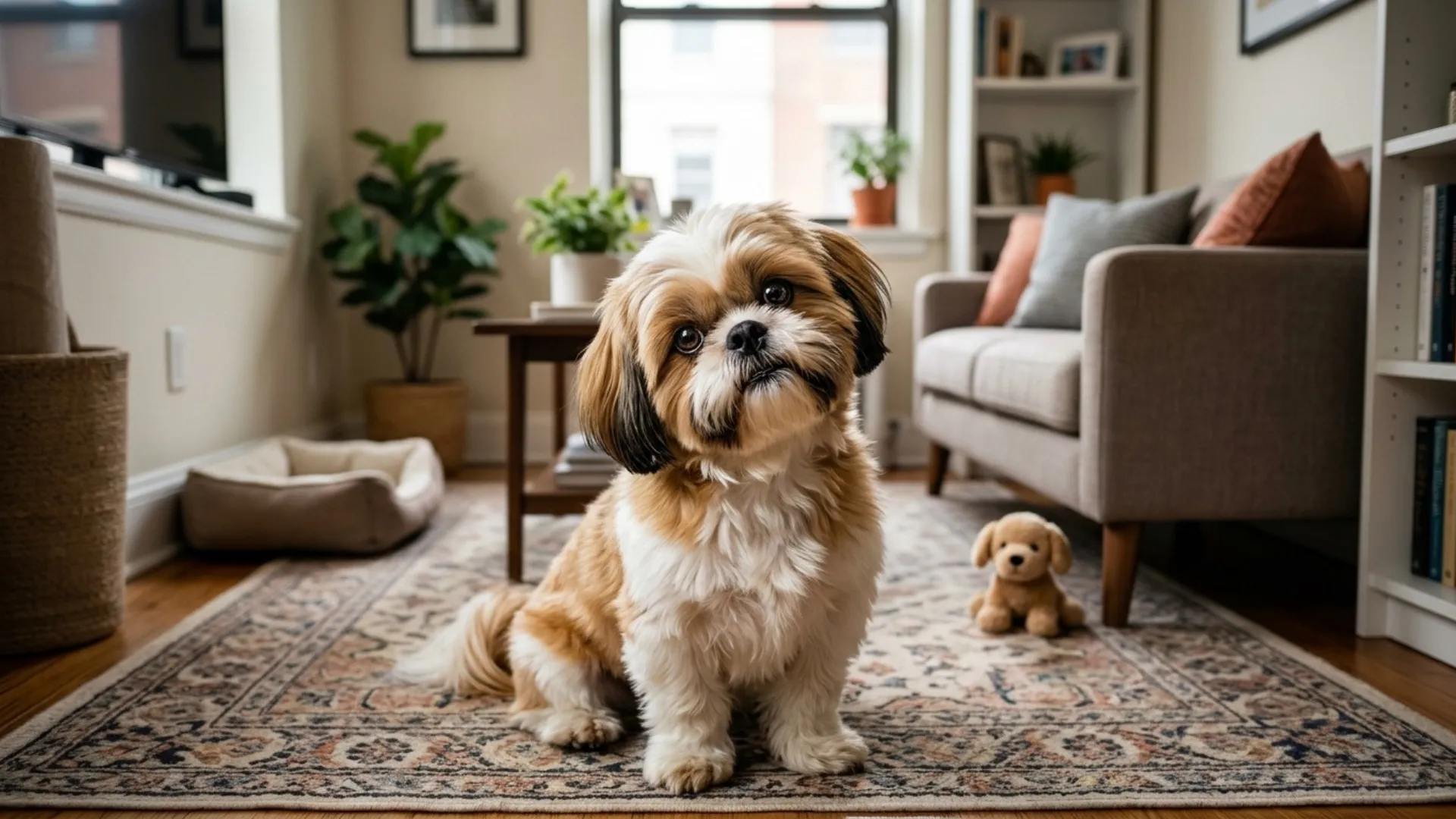
Square footage is just a number; what truly transforms a cozy dwelling into a warm, vibrant home is the soul inside it. Bringing a canine companion into an apartment setting is about sharing moments, rhythm, and heart. The right dog turns quiet nooks into favorite cuddle spots and transforms modest living rooms into arenas of joy.
Unlocking the secret to effortless indoor living comes down to pairing your daily routine with a pet whose spirit harmonizes with your walls. These tiny dog breeds that adapt well to small spaces show that grand companionship comes in small, adaptable packages.
From clever, spunky sidekicks ready for indoor playtime to serene couch potatoes content with peaceful afternoons, many small dog breeds offer incredible variety for every lifestyle.
Choosing a smaller pet brings immense charm, but every dog still thrives on dedicated care, daily movement, mental stimulation, and proper training. Considering grooming routines, vocal habits, and individual temperaments ensures a natural fit. Here are seven wonderful companions ready to prove that limited space can nurture unlimited love.
Tiny Dog Breeds That Adapt Well to Small Spaces
1. Papillon

Papillon dogs bring a burst of lively energy into even the coziest apartment with their famous butterfly-shaped ears and bright, elegant expression. Taking up minimal room without sacrificing an ounce of enthusiasm, this toy breed fits seamlessly into small-scale living.
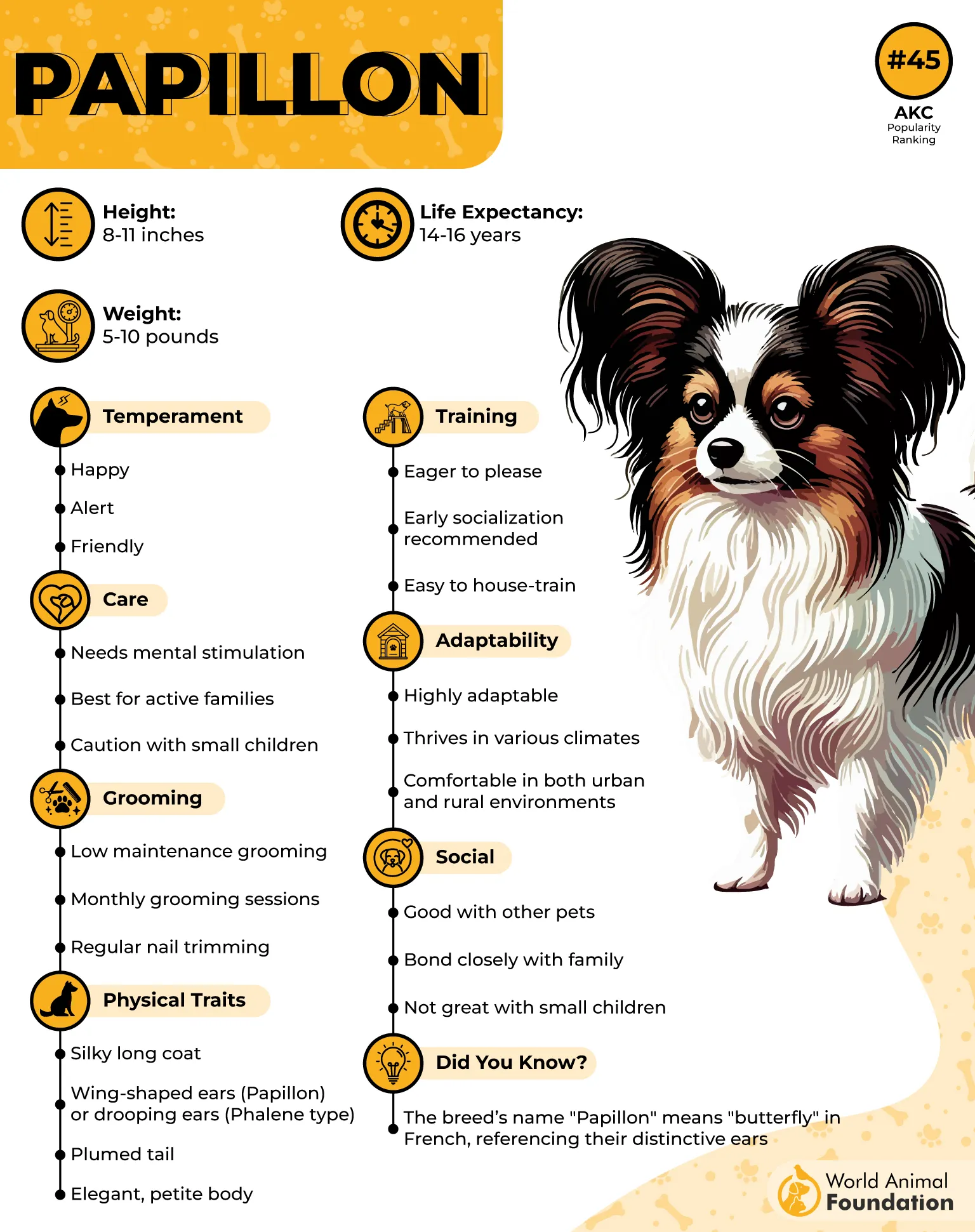
Papillons are intelligent, curious, and surprisingly athletic companions. They love interactive games, short walks, and learning new tricks right in the living room.
Their super smart nature makes training an absolute joy. They absorb commands rapidly, responding best to consistent training, puzzle toys, and obedience exercises for mental stimulation.
Because of their agile nature, they excel at conquering indoor obstacle courses crafted out of living room cushions. Their single-layer coat also produces far less loose hair compared to double-coated breeds.
Their long, silky coat requires regular brushing to prevent tangles around the ears. Because they tend to bark at unfamiliar noises, early guidance ensures there is never a dull moment while maintaining household peace.
Why they suit small spaces
Papillons combine a tiny frame with adaptable exercise needs and a passion for indoor play.
2. Yorkshire Terrier
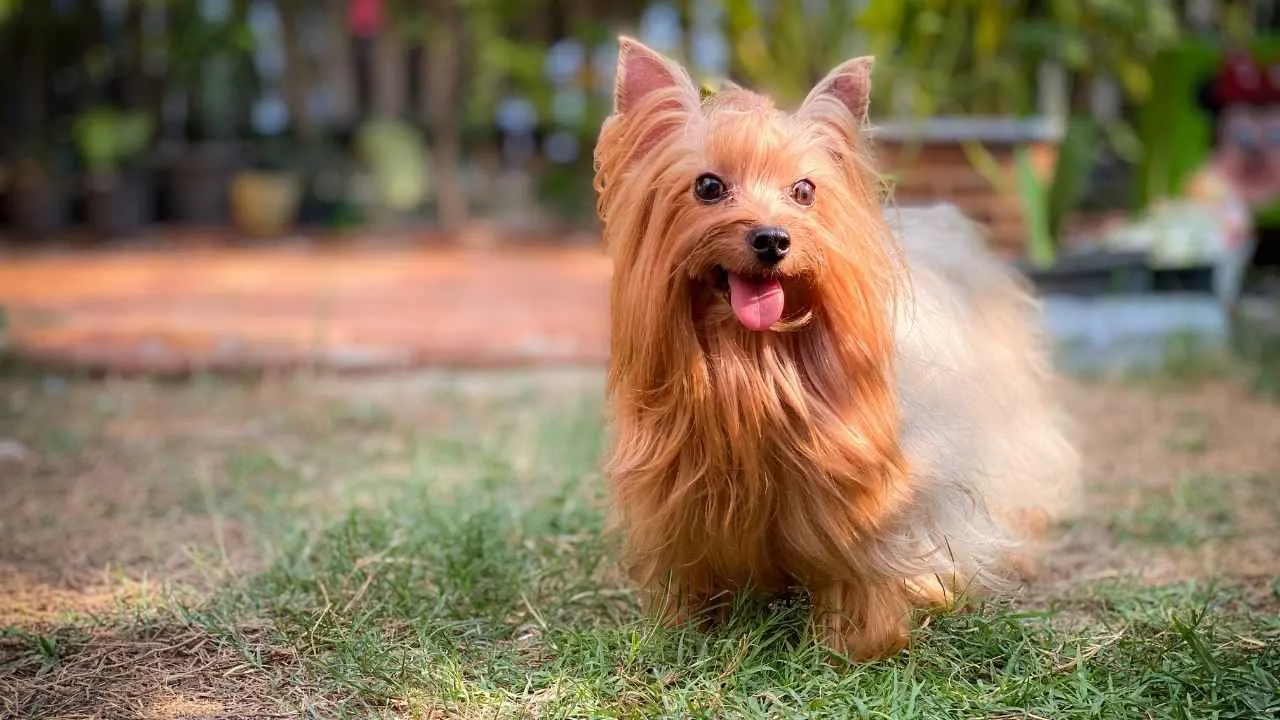
Yorkshire Terriers pack big-dog confidence and glamorous style into a pocket-sized body that loves apartment living. Yorkies fit effortlessly into compact homes, condos, and small apartments, making everyday handling simple and effortless.
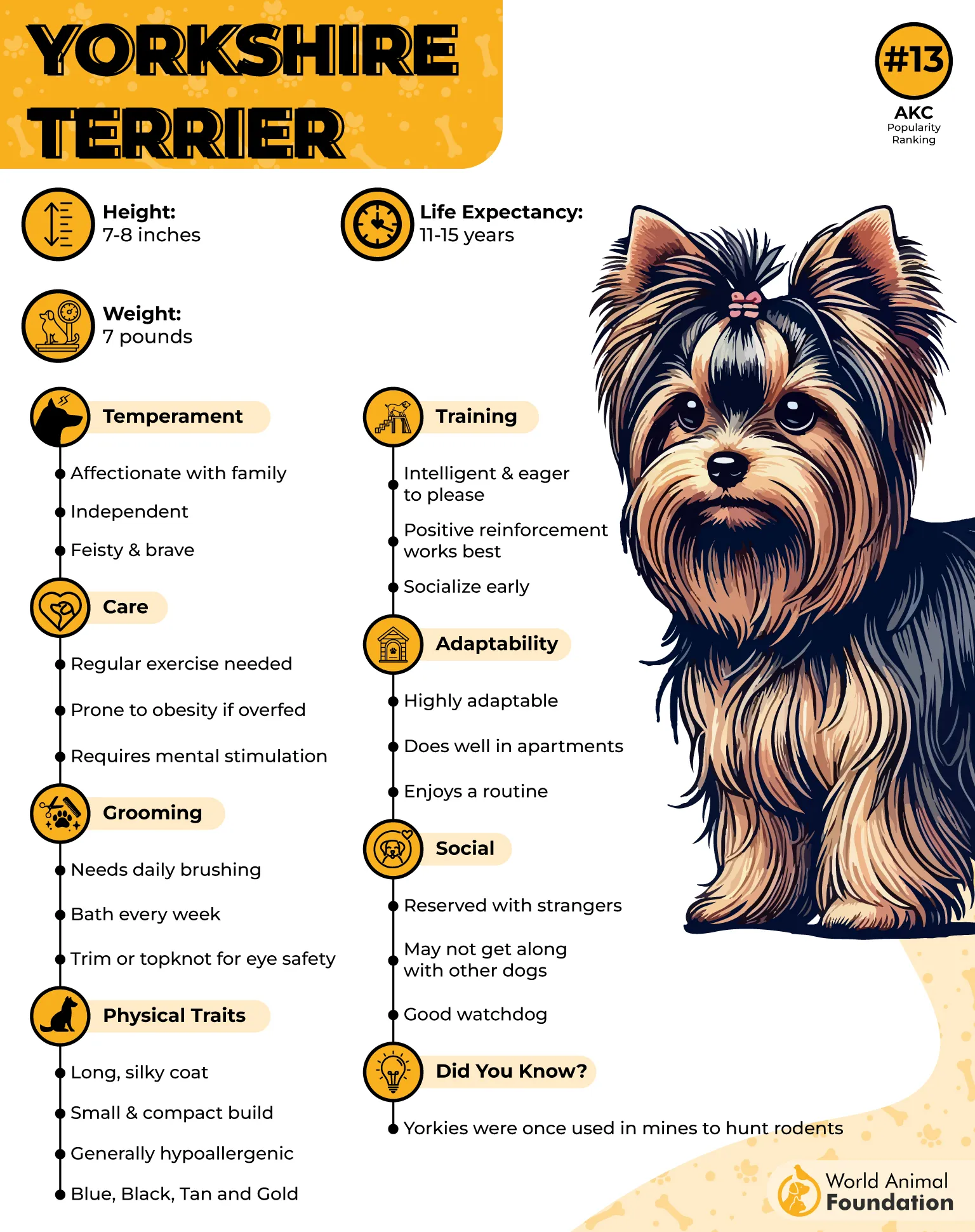
Originally bred as working terriers in England, these small dogs keep a curious and adventurous spirit. They enjoy sniffing along neighborhood walks, chasing toys indoors, and exploring new surroundings. Brief daily outings combined with indoor games easily satisfy their activity needs.
According to PetMD, Yorkies form strong bonds with their owners and love being involved in everyday household activities. Their alert watchdog instincts mean doorbells or hallway sounds can trigger barking, so early housebreaking and noise control are key.
Their compact size makes them easy companions to carry along on city errands or subway commutes. Additionally, their hair-like coat produces minimal dander, benefiting sensitive indoor environments.
Their fine, continuously growing coat needs frequent brushing and regular grooming appointments.
Why they suit small spaces
Their miniature size, spunky personality, and ability to exercise indoors make Yorkies ideal for apartment dwellers.
3. Pomeranian
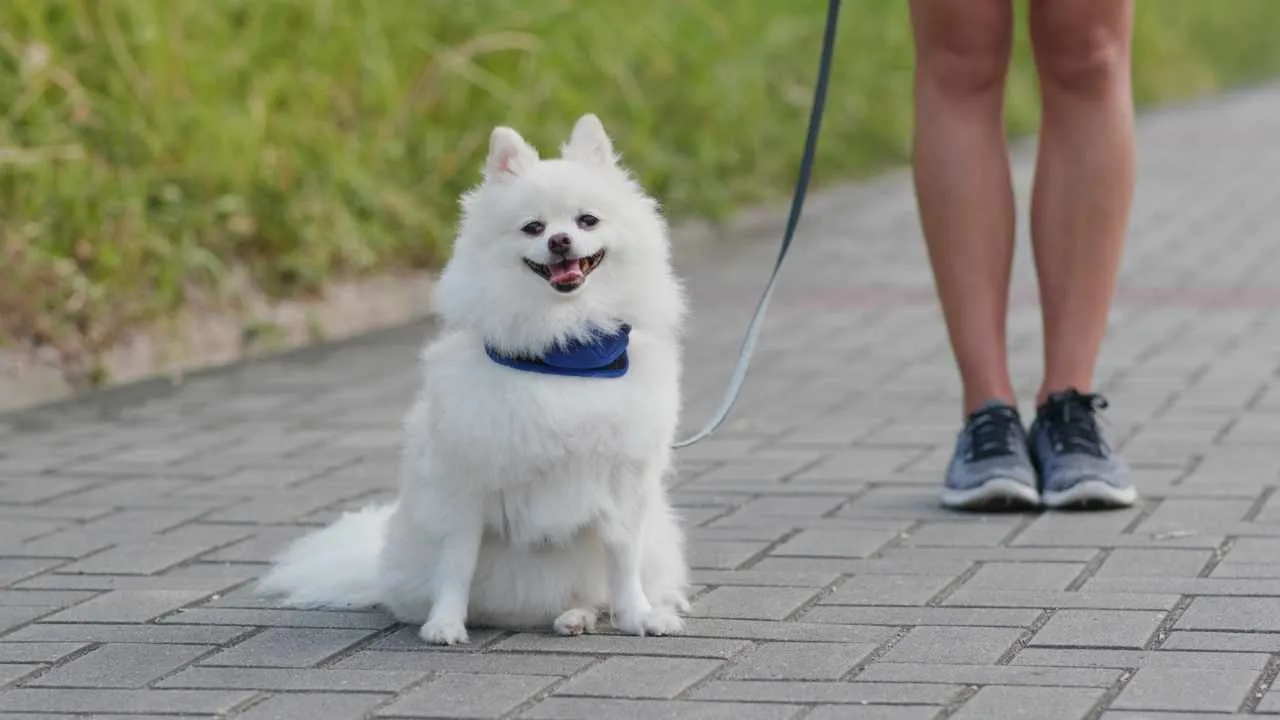
Pomeranians strut into any small room like fluffy little royals with their fox-like faces and buoyant personalities. These tiny dogs take up almost zero physical space while filling the home with fun and charm.
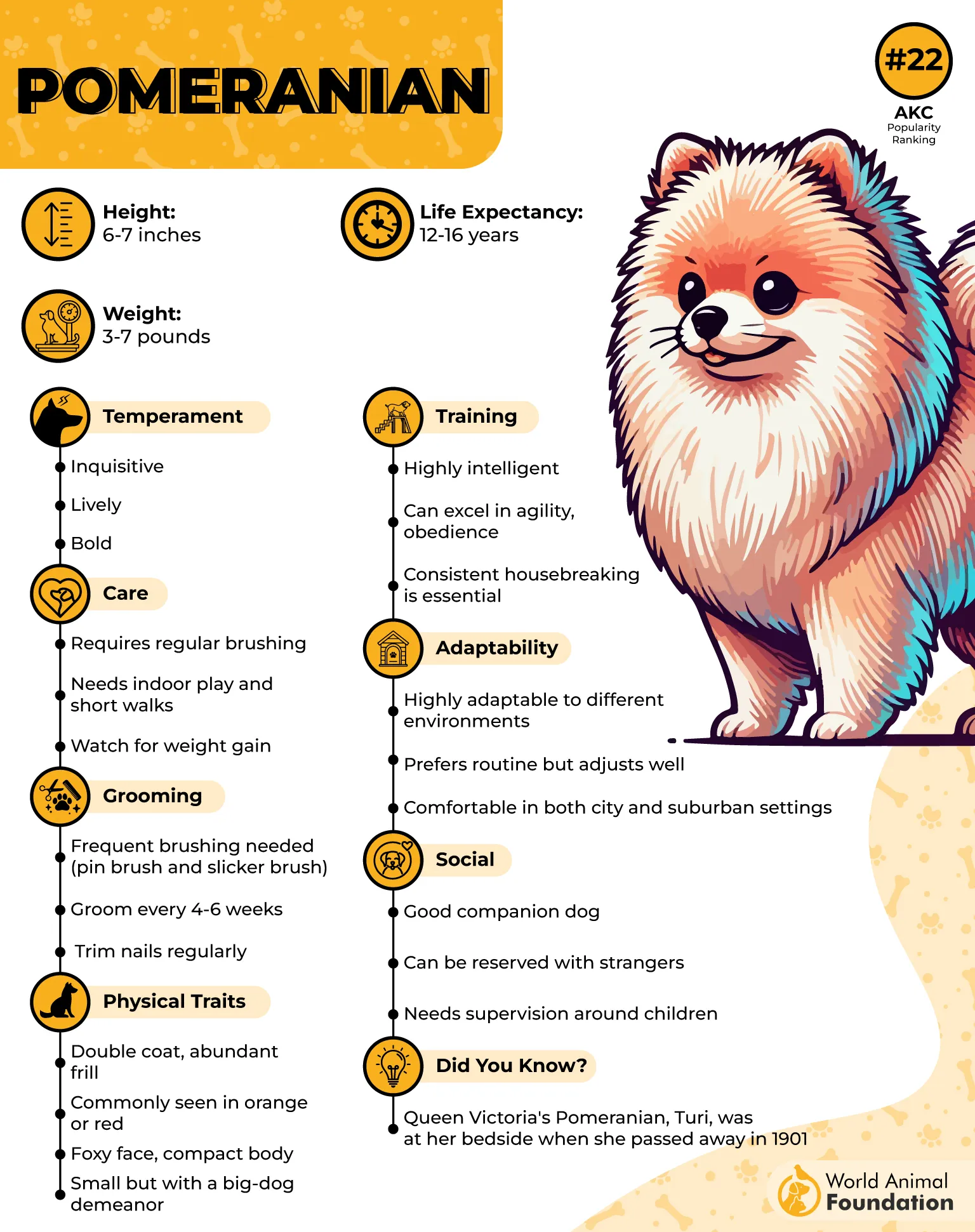
Pomeranians are alert, intelligent, and naturally curious. They get a huge kick out of learning tricks, playing with toys, and spending time with their human family. Short outdoor walks paired with fun indoor play keep their little legs moving.
Greencross Vets mention that their strong watchdog instincts mean they will happily announce visitors or strange noises with vocal barking. Positive reinforcement and early socialization prevent these vocal habits from disrupting neighbors.
Their thick double coat needs routine brushing to control loose hair, and daily dental care protects their delicate teeth.
They pick up litter box or pee pad routines with impressive speed, offering great convenience during poor weather. Furthermore, their light body weight makes them gentle on hardwood flooring and apartment noise levels.
Why they suit small spaces
Pomeranians offer a compact body, adaptable activity needs, and an entertaining nature that brightens small-space living.
4. Shih Tzu

Shih Tzus offer the ultimate low-key luxury for small homes, thanks to their affectionate nature and royal heritage as palace lapdogs. As short dogs, they have very modest exercise requirements that blend naturally into apartment routines.

Orvis notes that Shih Tzus cherish leisurely walks, soft games, and finding cozy spots right beside their favorite people. Their calm demeanor makes them wonderful companions for households looking for a gentle, sociable pet. They do not need intense athletic workouts to stay happy and content.
Their easygoing personality helps them thrive in smaller spaces as long as they get steady companionship and basic mental stimulation. Unlike terrier breeds, they rarely have strong working drives or high stress levels.
These quiet companions rarely make random noise, maintaining serene relationships with shared-wall neighbors. Their low-energy nature also means they remain content snoozing while you focus on remote work tasks.
Grooming takes commitment, as their long, flowing coat needs daily brushing unless kept in a simple puppy cut. Their short facial structure also requires extra care during hot weather.
Why they suit small spaces
Shih Tzus boast companion-focused personalities, moderate exercise needs, and a comfortable indoor lifestyle.
5. Maltese
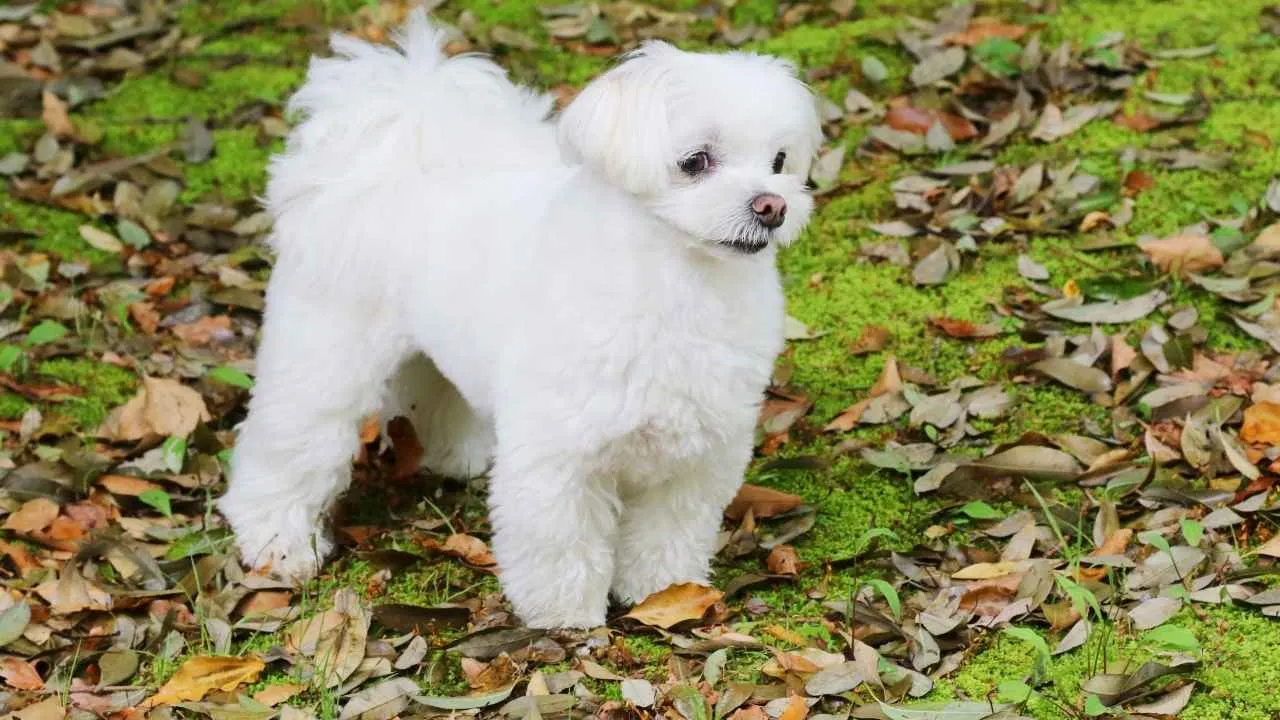
Maltese companions shine brightly in smaller settings with their snow-white coats, dark button eyes, and gentle charm. Delicate in build, this tiny white dog fits smoothly into any apartment routine without overwhelming your living quarters.
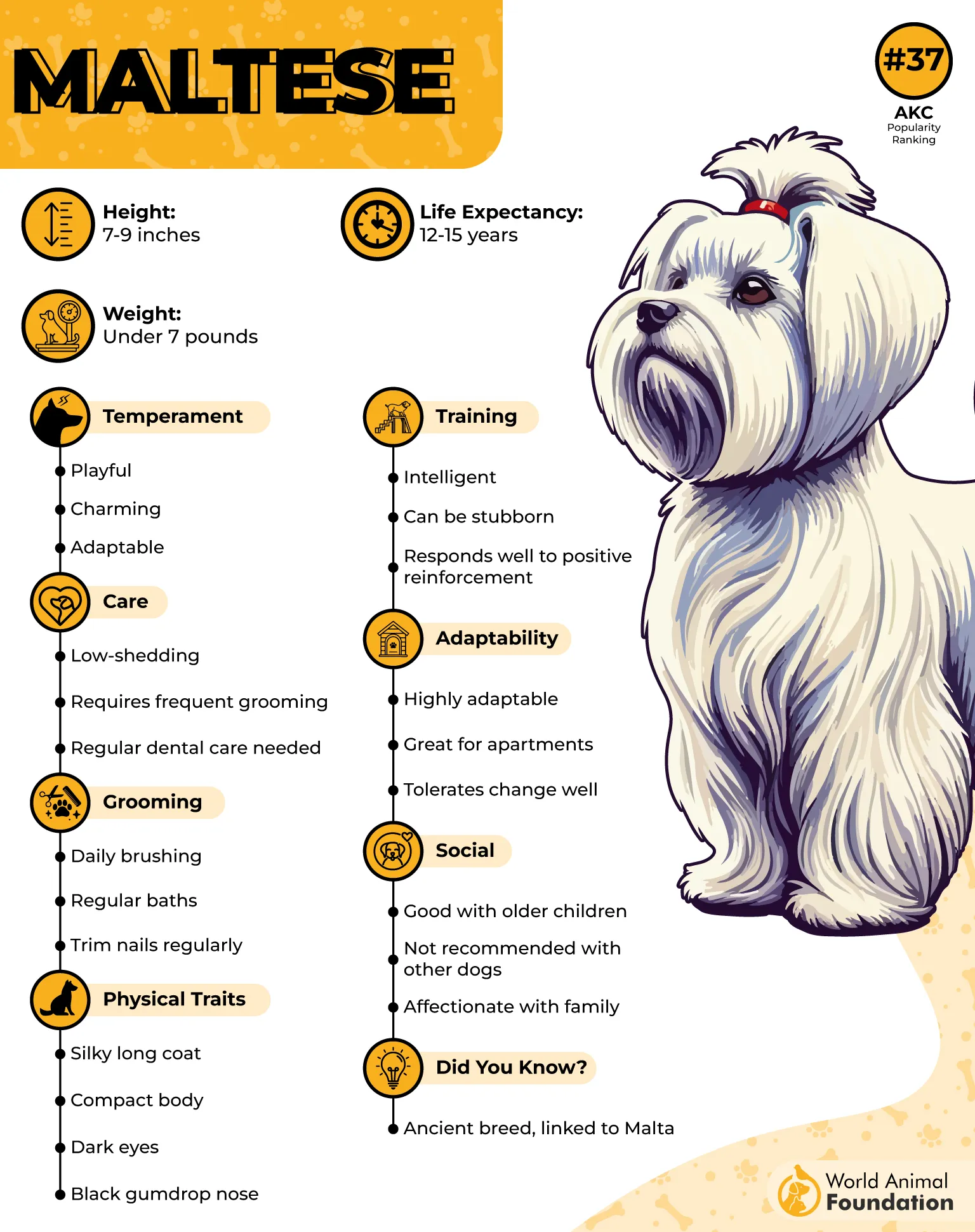
Maltese dogs feature a lively, loving nature and prefer spending maximum time near their owners. They do not require demanding outdoor adventures; simple daily walks, indoor catch, and light training sessions supply plenty of exercise and mental engagement.
Their sweet disposition makes them delightful roomies, though their alert nature can make them vocal around strangers. Early socialization helps them feel calm around neighbors, visitors, and other pets.
Because they lack a dense undercoat, these dogs shed minimally, helping maintain cleaner indoor furniture. Their petite build also allows them to stretch out comfortably on even the smallest sofa or accent chair.
Keeping their silky hair clean requires regular brushing to eliminate tangles and debris. Many owners opt for a short haircut for easier maintenance.
Why they suit small spaces
Maltese dogs bring a tiny frame, affectionate temperament, and manageable exercise requirements tailored for cozy living.
6. Brussels Griffon
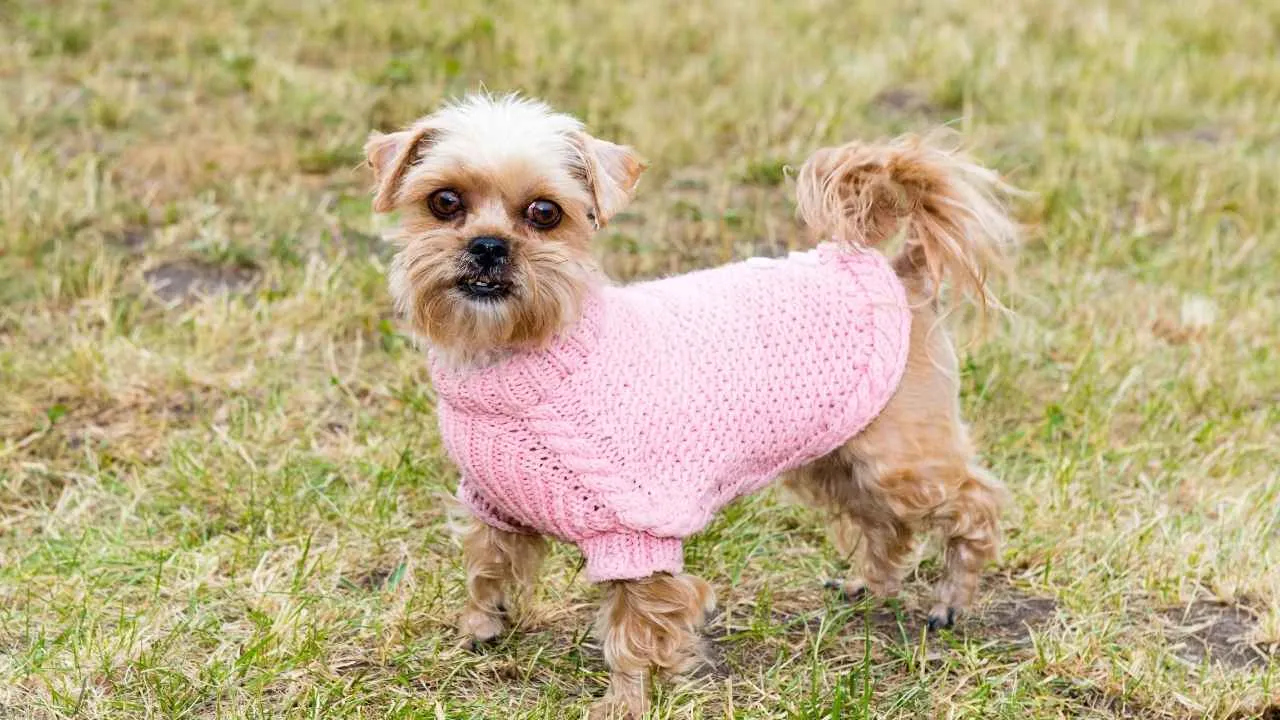
Brussels Griffon dogs steal hearts in tight quarters with their expressive eyebrows, short muzzles, and almost human-like facial expressions. These distinctive companions feature big personalities that fit comfortably into compact households and cozy layouts.
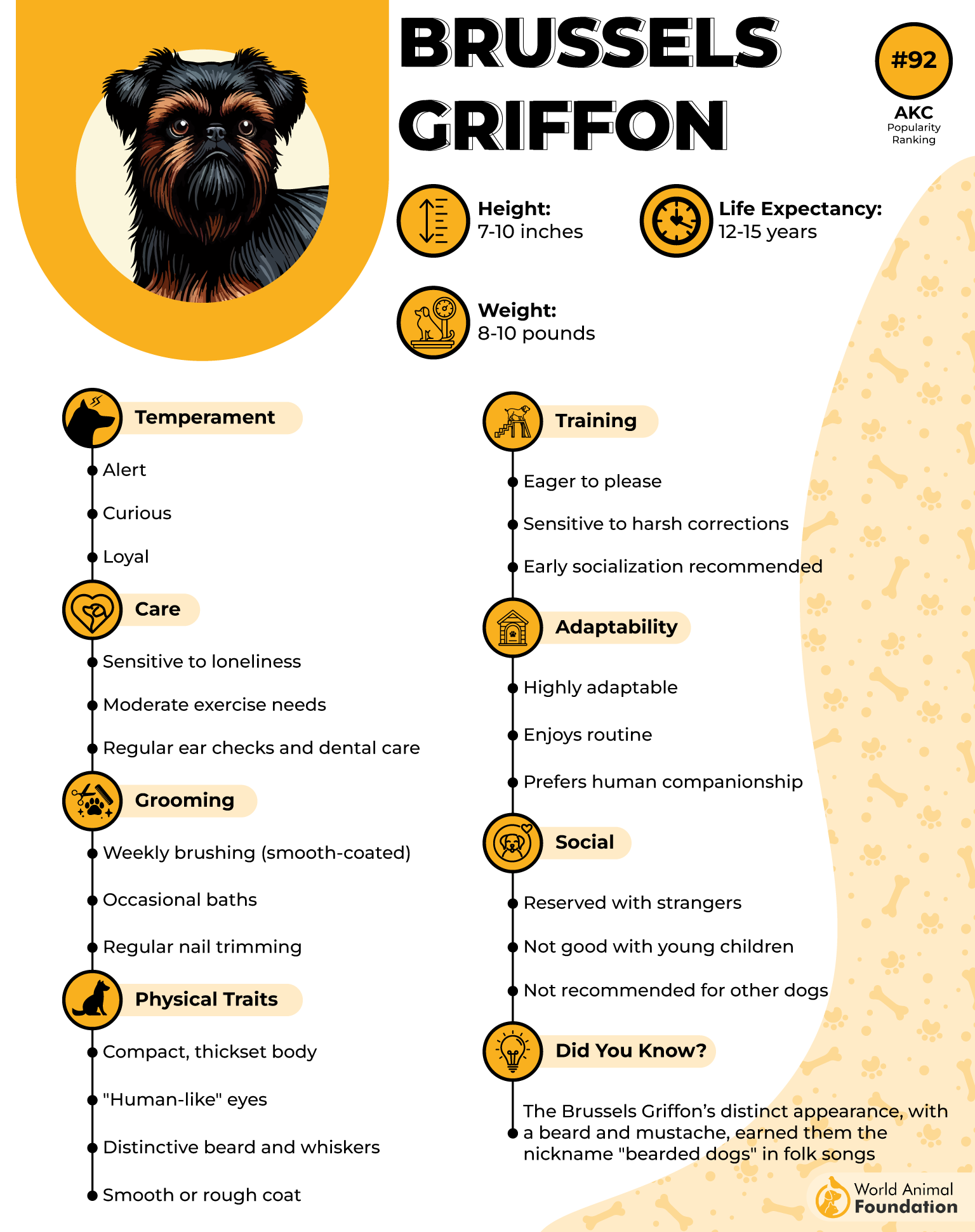
Brussels Griffons are deeply affectionate, intelligent, and famously attached to their owners. They love having a playful job to do, staying happily occupied with interactive toys, short walks, and indoor trick training.
Purina adds that their sensitive hearts mean they thrive on human companionship and dislike being left alone for long periods. Because they stay vigilant, early training on how to react to everyday apartment sounds prevents excess barking.
They build a strong bond with their owners, happily settling on your lap whenever you rest. A quick hallway fetch game with short bursts of play usually depletes their daily energy, leaving them satisfied for the rest of the evening.
Grooming depends on coat type: rough coats need regular brushing, while smooth coats need basic care. Gentle wiping keeps their facial folds clean and healthy.
Why they suit small spaces
Their compact build, devoted character, and moderate activity needs make Brussels Griffons perfect for homebodies.
7. Pug
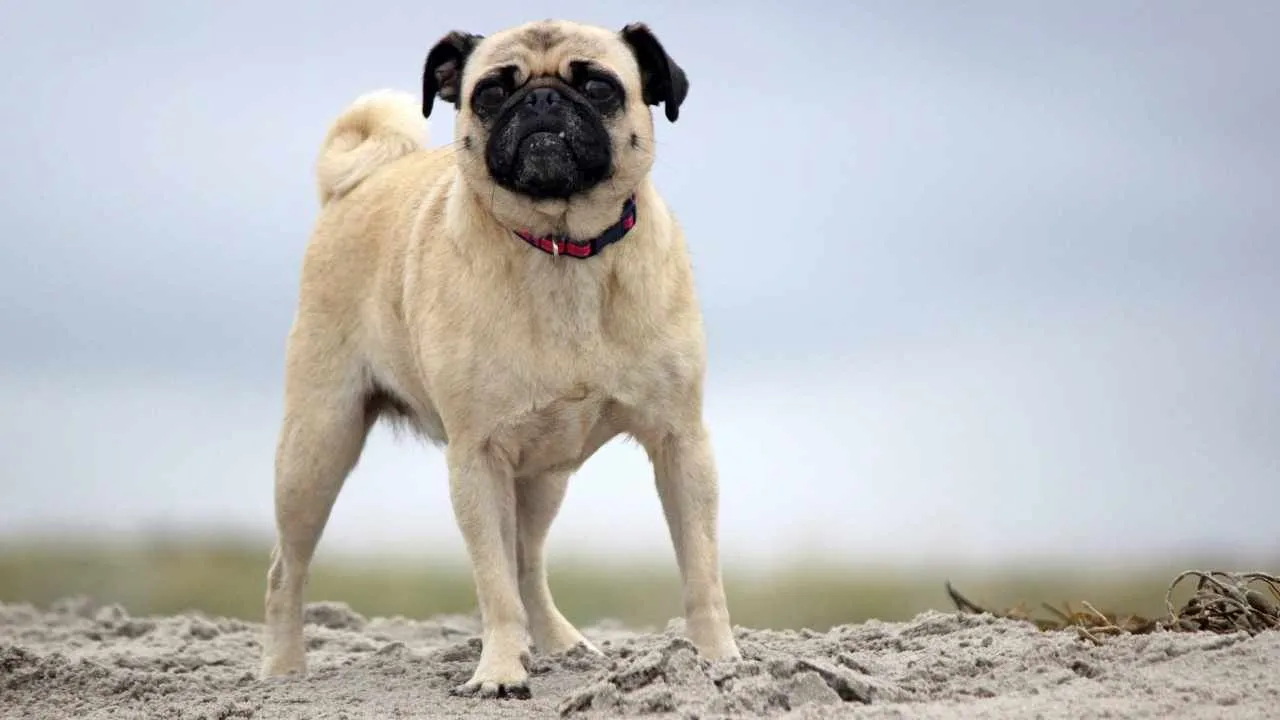
Pugs turn cozy living in an apartment into an ongoing comedy show with their wrinkled foreheads, round eyes, and goofy antics. While slightly sturdier than lighter toy breeds, they remain perfectly manageable and peaceful indoors.
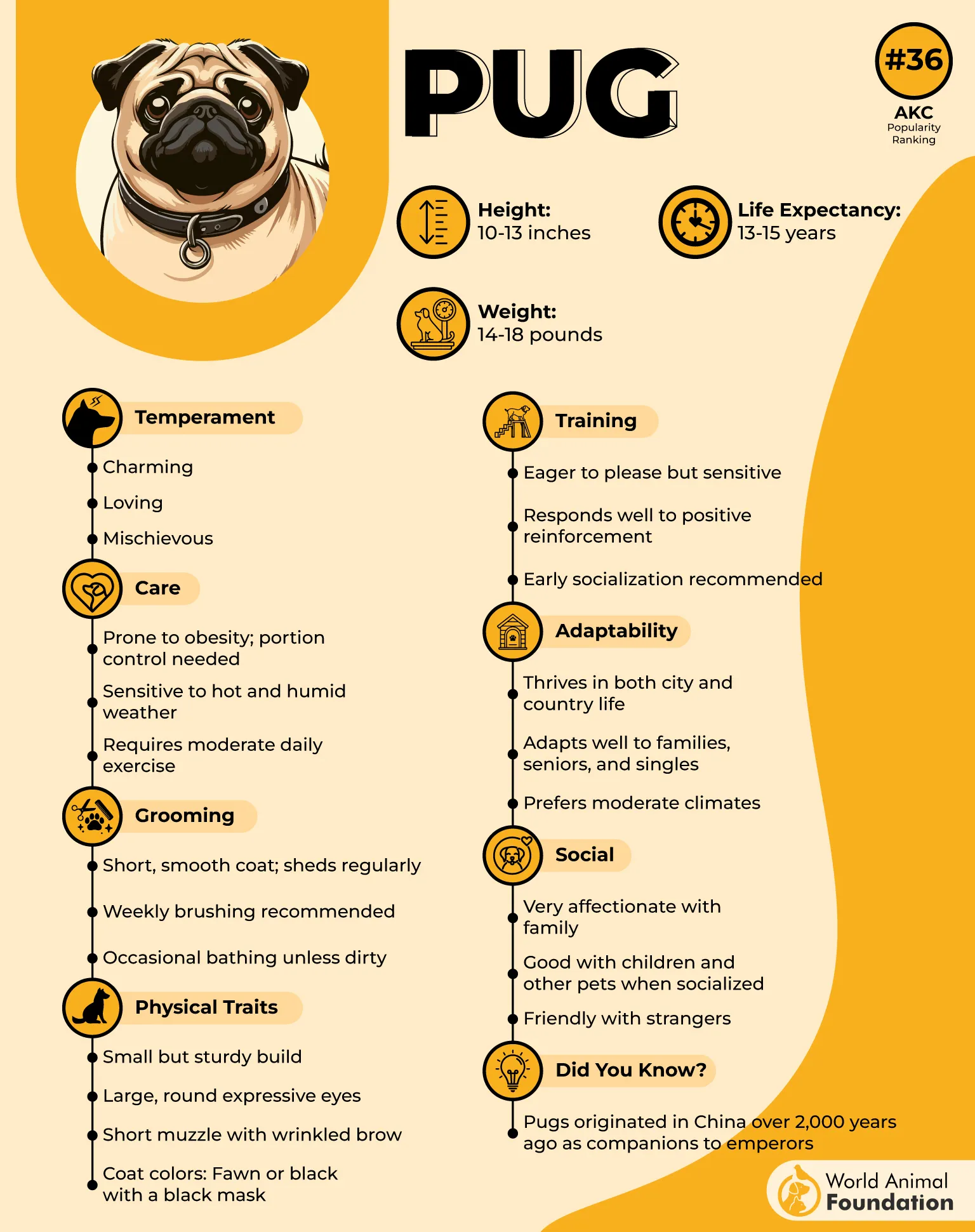
Pugs are affectionate, sociable, and naturally drawn to human connection. They are well suited for owners who enjoy a relaxed lifestyle, loving nothing more than snuggling on the couch and joining in on light indoor play.
They do not demand much exercise, staying happy with short, gentle walks and light indoor games. Because their short facial structure causes breathing difficulties, they must avoid overheating in hot or humid weather.
Their placid indoor demeanor makes them prone to long, quiet afternoon naps. Rather than barking territorially, they typically greet visitors at the door with eager tail wags.
Their short coat sheds regularly, so quick brushing helps manage loose hair. Cleaning their facial wrinkles keeps their skin healthy, while careful diet management prevents weight gain.
Why they suit small spaces: Pugs blend a compact frame, sociable personality, and modest exercise needs into an ideal indoor pet.
Conclusion
A small home can offer a wonderful life for the right canine companion. Whether you prefer the clever Papillon, the affectionate Maltese, or the easygoing Pug, each of these best small dogs has something special to offer pet parents.
Before making your choice, think beyond appearance and small size. Consider your living situation, available time, grooming preferences, and the dog’s individual temperament. Check your building’s pet policies, too, and remember that even short legs need regular outdoor walks and opportunities to explore.
You should also consider whether you prefer an active lifestyle filled with playful activities or a more relaxed routine with a cuddly companion. Not every breed has identical exercise requirements, and your choice should reflect what you can comfortably provide.
With the perfect match, even a cozy space with less room can become a happy home for a much-loved four-legged friend.
